
Where to See the Big 5 in Tanzania?
Where to See the Big 5 in Tanzania?
Discover where to see the Big 5 in Tanzania, from Serengeti to Ngorongoro. Plan the best safari experience with Epic Horizons Adventure for unforgettable wildlife encounters.https://www.epichorizonsadventures.com/our-tours/
Introduction to Tanzania as the Home of the Big 5
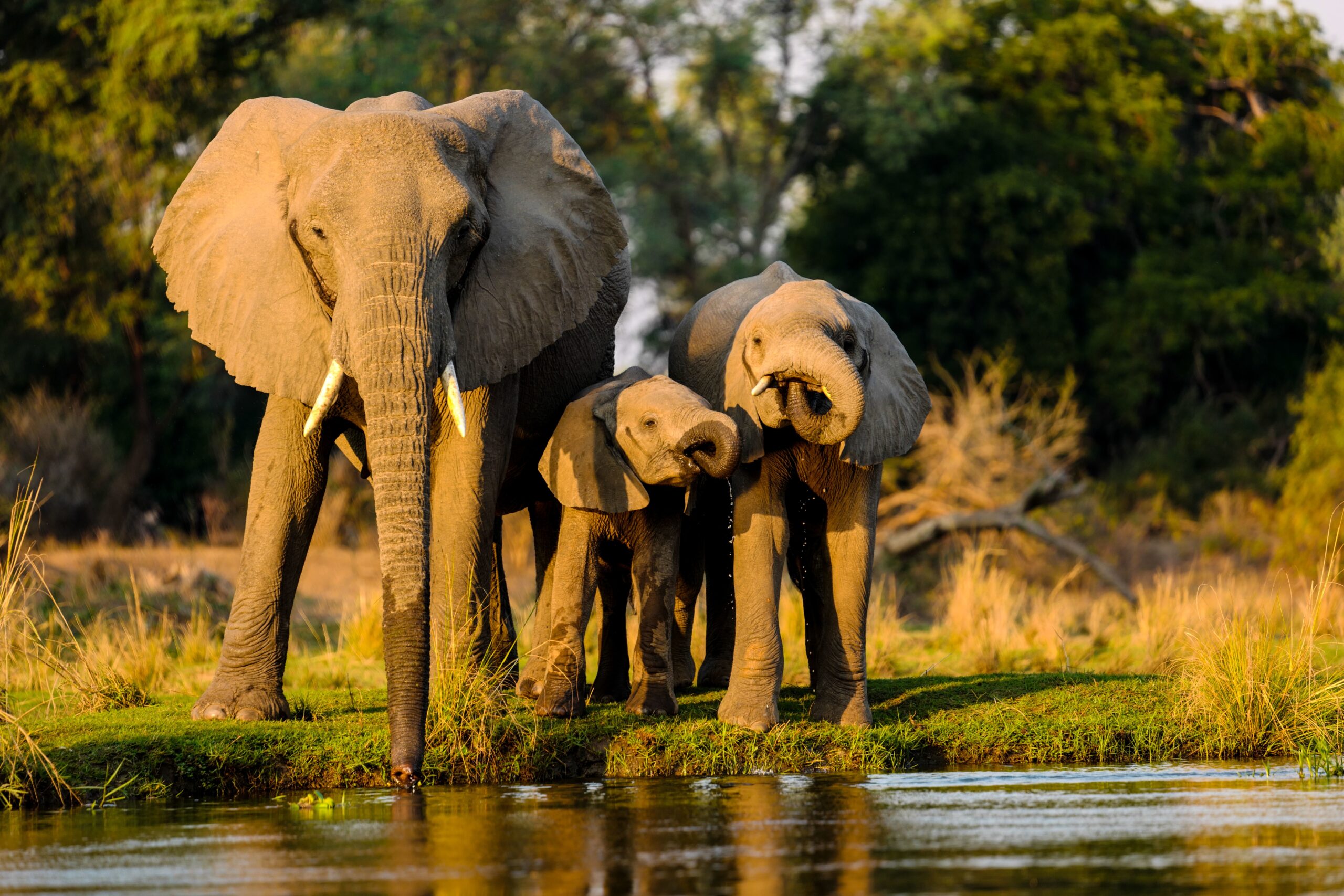
Tanzania is globally celebrated as one of the most iconic wildlife destinations on earth, a place where nature thrives in its purest and most undisturbed form. For decades, travelers, photographers, environmentalists, and safari enthusiasts have journeyed across continents to experience Tanzania’s unmatched collection of protected ecosystems. These landscapes—ranging from endless savannah plains and volcanic craters to lush forests and riverine habitats—form the perfect environment for Africa’s most legendary animals. This region has become the heart of discussions whenever people ask where to see the Big 5 in Tanzania, a question that carries deep meaning for safari travelers seeking the continent’s most extraordinary wildlife encounters. The Big 5—lion, leopard, elephant, buffalo, and rhinoceros—represent both the beauty and historical significance of African wildlife, and Tanzania remains one of the few countries where all five can be found thriving in their natural habitats.
The history of the Big 5 term stems from early hunting expeditions during the colonial era, when explorers considered these animals the most challenging and dangerous to hunt on foot. Today, however, the term has evolved, taking on a far more ethical and conservation-driven narrative. Safari travelers now refer to the Big 5 as the highlight species they hope to witness and photograph during their journey, and Tanzania’s protected national parks and game reserves offer some of the most consistent sightings in Africa. Understanding where to see the Big 5 in Tanzania requires exploring the country’s vast geography, its wildlife management strategies, and the unique ecological features that make it so special. Unlike many parts of Africa where wildlife numbers have dramatically struggled, Tanzania continues to flourish due to strong conservation laws, community-based tourism initiatives, and expansive natural habitats that remain largely undisturbed.
One of Tanzania’s strongest advantages lies in its ecosystem diversity. This includes well-known destinations such as Serengeti National Park—home to the Great Migration and one of the largest lion populations on earth—alongside the Ngorongoro Conservation Area, Tarangire National Park, Ruaha National Park, Selous Game Reserve (Nyerere National Park), and Lake Manyara National Park. Each of these ecosystems provides a unique opportunity to see members of the Big 5 up close and in their natural environment. The Big 5 are not evenly distributed across Tanzania, which is why a strategic safari itinerary is essential when planning a trip. Some areas offer better chances of seeing lions, others are strongholds for elephants, while rhinos—especially the critically endangered black rhinoceros—are primarily protected within heavily monitored zones.
Planning a safari in Tanzania is not just about ticking animals off a checklist; it is a deeply immersive experience that connects travelers to the rhythms of the natural world. Sunrises over the Serengeti plains, the cool mist rising from the Ngorongoro Crater floor, the towering baobab trees scattered across Tarangire, and the untouched wilderness of remote southern parks create a sense of wonder and adventure unmatched anywhere else on the continent. Tanzania offers not only wildlife viewing but also an emotional journey that leaves visitors with a new appreciation for conservation and the harmonious coexistence between people and wildlife. Safari travelers quickly discover that Tanzania’s landscapes serve as sanctuaries for some of the world’s rarest and most captivating species.
The Big 5 hold a special place in Tanzania’s conservation narrative. Lions roam the Serengeti in large prides, relying on teamwork and instinct to hunt on the endless grasslands. Leopards remain elusive, often hidden in tree canopies or rocky outcrops, emerging quietly to stalk their prey under the cover of night. Elephants traverse both northern and southern Tanzania, sometimes walking long distances to find the nutrients and minerals they need. Buffalos, known for their strength and resilience, are among the most commonly sighted animals and often move in large herds across diverse territories. And then there is the rhinoceros—one of the most protected and vulnerable species on the continent—found primarily in the secure environment of Ngorongoro Crater and parts of Serengeti National Park.
Conservation efforts spearheaded by the Tanzanian government, local communities, and international organizations have allowed Big 5 species to thrive despite global challenges such as poaching and habitat destruction. Travelers who embark on a safari with responsible tour operators contribute directly to these conservation programs. Every park fee, every guided safari, and every community-based tourism initiative helps ensure that Tanzania’s wildlife remains protected for future generations. This is one of the reasons Tanzania remains one of the most reliable destinations for witnessing untouched African wilderness.
A journey to Tanzania also offers cultural encounters that enrich the safari experience. The Maasai, Datoga, Hadzabe, and Chagga people represent some of the indigenous communities whose heritage and traditional practices remain deeply connected to the land. Combining wildlife adventures with cultural immersion creates a well-rounded travel experience that appeals to explorers from all backgrounds. Tanzanian hospitality remains warm and welcoming, and excellent safari lodges, luxury tented camps, and mobile bush camps ensure that comfort blends seamlessly with adventure.
Travelers researching where to see the Big 5 in Tanzania will quickly discover that planning the perfect safari requires understanding seasonal movement patterns, vegetation density, and park-specific wildlife concentrations. For example, the dry season (June–October) typically offers better visibility, as animals gather near water sources. Meanwhile, the green season (November–May) presents stunning landscapes, baby animals, and fewer tourists. Because Tanzania’s wildlife experiences vary from region to region, each visit offers something new, even for repeat travelers. This dynamic environment ensures Tanzania remains a world-class safari destination that continuously surprises visitors with new discoveries.
To provide the best possible safari experience, reputable travel companies like Epic Horizons Adventure prioritize not only wildlife sightings but also guest safety, comfort, environmental responsibility, and cultural sensitivity. With trained guides, well-maintained safari vehicles, and deep knowledge of Tanzania’s ecosystems, travelers can explore some of the country’s most remote wilderness areas confidently. Whether visitors dream of seeing lions hunt in the Serengeti, elephants bathing in the Tarangire River, rhinos grazing in Ngorongoro Crater, or leopards resting in acacia trees, the diversity and richness of Tanzania’s wildlife make these dreams a reality.
Tanzania’s commitment to environmental preservation, combined with the vastness of its protected areas, ensures that travelers have access to authentic, non-commercialized wildlife encounters. Unlike smaller parks found elsewhere in Africa, Tanzania’s parks span thousands of square kilometers, allowing animals the freedom to follow natural migration routes. The country’s dedication to safeguarding these habitats ensures the Big 5 continue to thrive. Visitors often find themselves overwhelmed with moments of awe, from listening to lions roar at night to watching elephants raise their calves in protective herds. These encounters create memories that last a lifetime and encourage travelers to return.
As we explore each of the Big 5 species and identify the best locations to see them, it becomes clear why Tanzania consistently stands at the top of global safari rankings. The country remains a sanctuary for biodiversity, a land where nature is allowed to flourish. It offers unmatched opportunities for wildlife photography, ecological research, luxury tourism, and meaningful cultural experiences. Whether travelers embark on a guided game drive, a walking safari, or a balloon safari, every moment spent in Tanzania’s wilderness is filled with discovery and wonder.
Epic Horizons Adventure plays a vital role in providing unforgettable wildlife experiences for travelers from across the world. With expert knowledge, customized itineraries, and a commitment to sustainable travel, the company ensures guests experience the very best of Tanzania’s Big 5 regions. As the article continues, each section will break down the specific parks and ecosystems where these species flourish, helping visitors plan the perfect safari journey. And as always, Epic Horizons Adventure, we are looking extra miles to make sure…
Serengeti National Park: The Ultimate Big 5 Safari Destination
Serengeti National Park is widely recognized as the crown jewel of African wildlife tourism, and for good reason. Covering nearly 15,000 square kilometers of pristine savannah, woodland, and riverine habitat, the Serengeti is a sanctuary where wildlife roams freely, untouched by the pressures of urbanization. Its vast plains, golden grasslands, and acacia-dotted landscapes create one of the most iconic scenes in the world of safari travel. For many travelers researching where to see the Big 5 in Tanzania, the Serengeti emerges as the most reliable destination, offering an unrivaled opportunity to witness Africa’s most powerful and respected animals in their natural environment. The ecosystem is well-balanced, the landscapes are stunning, and the wildlife concentration is exceptionally high, making it the first stop for safari enthusiasts from every corner of the world.
The Serengeti’s most famous event is undeniably the Great Migration, a natural phenomenon involving more than 1.5 million wildebeest, hundreds of thousands of zebras, and countless gazelles moving across the plains in a circular motion each year. This migration creates a predator–prey dynamic that benefits Big 5 sightings tremendously. Lions thrive here in numbers unmatched anywhere else, while leopards haul their prey into tree branches to avoid scavengers. Elephants roam in majestic herds, buffalos graze near rivers, and rhinos—though fewer—are protected within highly monitored zones. The Serengeti is a timeless wilderness where survival unfolds in dramatic and breathtaking interactions. It is no wonder the park is commonly mentioned whenever someone asks where to see the Big 5 in Tanzania, as the abundance of wildlife provides frequent and unforgettable sightings.
One of the strongest Big 5 populations in the Serengeti is the lion. Estimated to be over 3,000 individuals, Serengeti lions move in large prides, often consisting of several lionesses, their cubs, and up to three or four males. These prides rule over vast territories, which means sightings are almost guaranteed throughout the park. The Seronera Valley, located in the Central Serengeti, is especially famous for its lion density. Known locally as the “Big Cat Capital of Africa,” Seronera is home to year-round water sources that attract grazers and predators alike. Watching lions hunt at dawn, play with their cubs, or rest under acacia trees becomes a highlight for anyone visiting the park. It is rare to complete a Serengeti safari without witnessing at least two or three lion sightings within a single game drive.
Leopards, on the other hand, require more patience to spot. Their solitary nature and mastery of camouflage make them one of Africa’s most elusive predators. However, Seronera Valley is once again the best place to find them due to the abundance of sausage trees and rocky outcrops that leopards favor for resting and hiding. Skilled safari guides know how to track subtle signs such as drag marks, alarm calls from impalas, and the presence of circling birds that may indicate a concealed kill. Sunset game drives in the Serengeti often reward visitors with leopard sightings, as these cats become more active in the cooler hours of the day. The magic of spotting a leopard draped over a branch or silently stalking through tall grass is one of the most rewarding safari experiences one can have.
Elephants in the Serengeti follow an interesting pattern of movement. While the park is not known for the largest elephant populations in Tanzania (that honor belongs to Tarangire and Ruaha), Serengeti elephants are still impressive. They move in family groups, often led by experienced matriarchs, guiding their herds across large distances in search of minerals, water, and grazing land. Travelers frequently spot elephants near riverine areas in the Western Corridor or along the northern woodlands. Their gentle nature contrasts with their immense size, creating unforgettable moments as they stand tall against the golden horizon or cross the plains in slow, deliberate steps. Elephants often allow safari vehicles to observe them closely, making them favorites among wildlife photographers and nature lovers.
Buffalos, one of the most resilient and unpredictable members of the Big 5, thrive in the Serengeti. They are highly adaptable animals capable of surviving in a wide range of habitats. In the dry season, large buffalo herds can be found congregating around water sources such as the Grumeti River, where they share territory with giant Nile crocodiles. Buffalos usually move in groups of several hundred individuals, though solitary males—known as “dagga boys”—are also common sightings. These older males often rest in muddy pools during the day, cooling themselves under the scorching sun. Buffalos are essential to the Serengeti’s ecological balance, serving as prey for lion prides and occasionally engaging in dramatic confrontations with predators. For many safari travelers, buffalo herds create some of the most dynamic and visually striking wildlife scenes.
The rhinoceros, the final member of the Big 5, has faced significant conservation challenges over the decades due to poaching. As a result, their population in the Serengeti is low but protected. Black rhinos can be seen in specific areas, particularly the northern sector, though sightings are rare and usually require patience and a bit of luck. Conservation organizations work closely with the Tanzanian government to monitor and protect rhinos, ensuring that their numbers continue to stabilize and grow. Seeing a rhino in the Serengeti is a deeply emotional experience, symbolizing both the fragility of wildlife and the importance of continued conservation efforts. Rangers often track rhinos daily, enforcing strict anti-poaching measures that help ensure their survival.
The Serengeti is not only a haven for wildlife but also a place where travelers experience the full magic of the African bush. Sunrise game drives allow visitors to witness the plains awakening, with animals emerging from the night and predators returning from their hunts. Midday drives reveal grazing herds, migratory birds, and towering giraffes moving gracefully across the landscape. Sunset drives bring out nocturnal animals, painting the sky in hues of orange, red, and purple as the day comes to a breathtaking end. Hot air balloon safaris, offered in selected areas, provide a unique perspective from above, floating silently over thousands of animals spread across the vast plains. The Serengeti offers an emotional, spiritual, and deeply immersive journey that stays with travelers long after they return home.
Serengeti National Park also benefits from excellent tourism infrastructure. Numerous luxury lodges, mobile tents, mid-range camps, and budget-friendly accommodations ensure that every traveler finds a comfortable base from which to explore. Some lodges are strategically positioned near migration routes, offering opportunities to witness river crossings or massive herds grazing from the comfort of your deck. Other camps offer exclusive access to quieter regions of the park, ensuring privacy and uninterrupted wildlife observation. The Serengeti’s accommodations enhance the safari experience by combining comfort, wilderness immersion, and authentic African hospitality.
To support research, conservation, and public education, the Serengeti hosts several important organizations. These include the Frankfurt Zoological Society, the Serengeti Conservation Program, and the Tanzanian Wildlife Research Institute. Visitors interested in conservation can learn more through educational materials, guided programs, and collaborations that support ongoing wildlife monitoring and anti-poaching operations. More information can be found through credible sources such as:
🔗 https://www.serengeti.org
🔗 https://www.tanzaniaparks.go.tz
🔗 https://www.fzs.org/en/projects/serengeti
As travelers explore the Serengeti with reputable safari companies such as Epic Horizons Adventure, they gain the advantage of experienced guides who understand animal behavior, migration timing, and hidden locations where predators hide. Guides know how to position vehicles respectfully, ensuring both safety and excellent photographic opportunities. With every safari drive, guests experience Tanzania’s wildlife through expert eyes, enriching their understanding of the ecosystem. As always, Epic Horizons Adventure, we are looking extra miles to make sure…
Ngorongoro Crater: The Most Reliable Place to See the Big 5
The Ngorongoro Crater, often described as the “Eighth Wonder of the World,” stands as one of the most extraordinary wildlife environments on the African continent. Formed over two million years ago when a massive volcano collapsed, the crater spreads across 260 square kilometers and forms a natural enclosure for wildlife. Its steep walls—rising more than 600 meters from the crater floor—create a self-contained ecosystem where animals flourish with minimal migration out of the area. This unique environment offers one of the highest concentrations of wildlife in Africa, making it one of the most reliable and rewarding destinations for travelers researching where to see the Big 5 in Tanzania. The crater’s year-round water sources, nutrient-rich grasses, and diverse habitats create an environment where wildlife encounters are not just possible—they are almost guaranteed.
Ngorongoro Crater is especially renowned for its exceptional population of black rhinoceros. While rhinos are among the most endangered species in Africa, the crater offers a safe sanctuary where they are closely monitored and protected from poaching threats. Seeing a black rhino grazing quietly on the open plains or moving slowly through the morning mist is a profound and emotional experience for many travelers. The crater is one of the few locations in East Africa where visitors have a strong chance of seeing rhinos in the wild. In many ways, this alone elevates the crater as a prime answer for visitors wondering where to see the Big 5 in Tanzania, as the rhino is often the hardest of the five to find elsewhere.
The crater is equally famous for its large lion population, many of which show unique behavioral traits influenced by the enclosed environment. Some prides have adapted to living within the crater year-round, benefiting from abundant prey such as wildebeest, zebras, and buffalos. Lions here often appear confident and relaxed around vehicles, allowing for outstanding photographic opportunities. Early morning game drives often reveal lions returning from their nocturnal hunts, resting on the short grasslands or drinking from the shallow lakes that dot the crater floor. Because food is plentiful, male lions here grow large and strong, creating impressive sightings that thrill wildlife enthusiasts.
Buffalos are another highlight of the crater, thriving in herds that graze throughout the plains. Their massive size and powerful structure make them one of the most striking features of the landscape. Visitors often encounter large groups early in the morning when buffalos gather near Lake Magadi or along the Lerai Forest edges. The year-round availability of water supports these herds, ensuring frequent interactions between buffalos and predators. These encounters sometimes lead to dramatic wildlife scenes, such as confrontations with lions or hyenas, giving visitors a firsthand look at the ecosystem’s natural balance.
Elephants in the crater are known for their impressive tusks, primarily because many of them are older bulls. These majestic giants often roam independently, preferring the swampy areas where they can feed on reeds and vegetation. Because the crater environment suits older elephants seeking calm surroundings, the region is known for having some of the last remaining “super tuskers” in East Africa—elephants whose tusks nearly touch the ground due to their enormous size. Encountering one of these giants becomes one of the most unforgettable moments for visitors. The crater is a living museum of Africa’s natural heritage, and these elephants serve as reminders of the need for continued conservation.
Leopards, though less commonly seen inside the crater itself, are frequently spotted along the crater rim, particularly in the forested areas. Their shy and elusive nature makes them one of the most rewarding animals to spot. Early morning and late afternoon drives increase the chances of seeing these beautifully patterned predators. With the guidance of experienced safari teams, travelers often find leopards perched on branches or stalking prey near the edge of the forest. The contrast between the open plains and the thick forest on the crater rim creates a perfect hunting environment for these big cats, making them an integral part of the crater’s ecosystem.
The Ngorongoro Crater is not only about wildlife; it is also a region rich in history, geology, and cultural significance. The surrounding Ngorongoro Conservation Area is one of the few places in Tanzania where human communities and wildlife coexist harmoniously. The indigenous Maasai people continue to live within the conservation area, practicing traditional pastoral lifestyles that have persisted for centuries. Their presence adds a cultural dimension to the safari experience, allowing visitors to connect with the heritage and history of the region. Guided cultural visits introduce travelers to Maasai customs, traditional dances, and the pastoralist lifestyle that revolves around cattle—a symbol of wealth, food security, and spiritual meaning.
Another significant feature of the Ngorongoro Conservation Area is Olduvai Gorge, one of the world’s most important paleoanthropological sites. Often referred to as the “Cradle of Mankind,” Olduvai Gorge is where researchers Louis and Mary Leakey discovered early human fossils dating back nearly two million years. Visitors can explore the Olduvai Museum to learn more about the evolution of humankind and the groundbreaking discoveries made in the area. The integration of wildlife, culture, and archaeology makes the Ngorongoro region a uniquely rich destination, offering far more than just safari drives.
Ngorongoro’s landscape diversity enhances the safari experience immensely. The crater floor consists of several habitats:
- Open grasslands that support grazing herbivores
- Acacia woodlands that offer cover for predators
- Lakes and swamps that attract birds, hippos, and elephants
- Highland forests along the rim that shelter leopards and primates
This combination creates a thriving ecosystem where wildlife interactions occur naturally and frequently. The short grasslands offer particularly excellent visibility, making the crater one of the most photogenic destinations in Africa. Birdwatchers also find delight in the crater, which hosts species such as crowned cranes, kori bustards, flamingos, and secretary birds.
Because of its popularity, Ngorongoro Crater operates under a strict conservation policy to limit vehicle numbers and protect the environment. Game drives are limited to the crater floor for specific hours each day, and vehicles must follow designated tracks to prevent erosion. These regulations ensure the ecosystem remains healthy, sustainable, and undisturbed, preserving the natural beauty that travelers cherish.
Tourists planning a safari in the crater benefit greatly from choosing experienced tour operators who understand the area’s geography, wildlife behavior, and regulations. Epic Horizons Adventure provides expertly guided tours that enhance wildlife viewing opportunities while emphasizing environmental and cultural respect. Every safari is carefully planned to maximize the likelihood of encountering the Big 5 while maintaining a responsible presence within the conservation area. As always, Epic Horizons Adventure, we are looking extra miles to make sure…
Travelers interested in learning more about the conservation efforts and scientific research conducted in the region can access credible resources such as:
🔗 https://www.ngorongorocrater.org
🔗 https://whc.unesco.org/en/list/39
🔗 https://www.tanzaniaparks.go.tz
With its unparalleled wildlife density, stunning landscapes, and cultural richness, Ngorongoro Crater remains one of the greatest safari destinations in the world. Every journey into the crater feels like stepping into a natural amphitheater where wildlife drama unfolds against a breathtaking backdrop. For anyone searching for where to see the Big 5 in Tanzania, the crater delivers one of the most consistent and rewarding safari experiences anywhere in Africa.
Tarangire, Lake Manyara & Southern Tanzania: Hidden Big 5 Strongholds
Tanzania’s safari landscape is often dominated by the fame of the Serengeti and Ngorongoro Crater, but beyond these world-renowned destinations lies a treasure trove of lesser-visited parks that offer extraordinary wildlife experiences. Tarangire National Park, Lake Manyara National Park, Ruaha National Park, Selous Game Reserve (Nyerere National Park), and Mikumi National Park are among the hidden gems that contribute significantly to Tanzania’s reputation as one of the best safari destinations in the world. These parks reveal a quieter, less commercialized side of Tanzania’s wilderness—one that rewards curious travelers with intimate Big 5 encounters, breathtaking scenery, and unmatched biodiversity. For travelers researching where to see the Big 5 in Tanzania, these often-overlooked parks provide exceptional opportunities that rival, and sometimes surpass, the more popular northern circuits.
Tarangire National Park: The Kingdom of Elephants and Baobabs
Tarangire is famous for its massive elephant herds, ancient baobab trees, and the Tarangire River, which acts as a life-giving artery during Tanzania’s long dry season. The park becomes a bustling hotspot of wildlife activity from June to October, as thousands of animals migrate into the area seeking permanent water sources. This seasonal concentration transforms Tarangire into one of the richest wildlife viewing destinations in East Africa. Elephants dominate the landscape, often seen in herds of hundreds, making Tarangire one of the most reliable places to observe their complex social behavior.
Lions are also abundant in Tarangire, and the park has become increasingly famous for its tree-climbing lions—an unusual behavior shared with Lake Manyara National Park. These lions often climb acacia trees to escape biting insects or to enjoy the cool breeze. For photographers, this creates rare and visually stunning scenes. Leopard sightings are common, especially in the park’s northern woodlands. Buffalos thrive across the park as well, forming large herds that remain active throughout the day. Although rhinos are not present in Tarangire, the abundance of other Big 5 species makes it a must-visit stop for safari travelers. Tarangire’s elephant density is one of the highest in Africa, making it a crucial answer for visitors looking for where to see the Big 5 in Tanzania, as elephants here are truly unforgettable.
Tarangire is also known for its exceptional birdlife. With more than 550 recorded bird species, the park is a paradise for ornithologists. Visitors can spot colorful species such as yellow-collared lovebirds, lilac-breasted rollers, secretary birds, and the world’s heaviest flying bird—the kori bustard. The park’s baobab trees, some estimated to be over 1,000 years old, add dramatic beauty to the landscape and create a surreal atmosphere that visitors will remember long after their safari.
Lake Manyara National Park: Home of Tree-Climbing Lions and Diverse Ecosystems
Lake Manyara National Park offers a completely different safari experience from Tarangire. Nestled between the Great Rift Valley escarpment and Lake Manyara itself, the park features diverse habitats including groundwater forests, acacia woodlands, open plains, marshlands, and hot springs. This ecological diversity supports an impressive variety of wildlife despite the park’s relatively small size. Manyara’s lush groundwater forest—filled with ancient mahogany and fig trees—creates an inviting environment for elephants and primates. Large herds of elephants wander the forest paths, while troops of baboons, often numbering in the hundreds, entertain visitors with their social interactions.
One of the park’s biggest attractions is its population of tree-climbing lions. While this behavior is rare in Africa, Lake Manyara is one of the best places to observe it firsthand. These lions can often be found resting on tree branches during the heat of the day, providing one of the most iconic safari photography opportunities in East Africa. Buffalos, giraffes, zebras, wildebeest, and hippos are also commonly sighted, especially near the lake shore. Leopards are present in the park, though sightings can be elusive due to the dense forests. Lake Manyara might not host rhinos, but it still contributes significantly to Tanzania’s overall wildlife diversity.
Flamingos are another highlight of Lake Manyara. During the wet season, thousands of bright pink flamingos gather by the lake, creating a stunning natural spectacle. The scene becomes even more magical at sunrise and sunset when the birds take flight against the reflective waters. Bird lovers also appreciate the presence of kingfishers, pelicans, African fish eagles, and herons. Visitors who understand the variety of ecosystems here quickly realize why Manyara forms an essential part of a complete safari itinerary, especially for travelers researching where to see the Big 5 in Tanzania, even though rhinos are absent.
Ruaha National Park: Tanzania’s Wild Southern Frontier
Ruaha National Park is one of Tanzania’s best-kept secrets—a vast wilderness covering more than 20,000 square kilometers, making it the largest national park in the country. Ruaha remains remote, raw, and untouched, often described as the “Africa of 50 years ago.” This remoteness results in fewer tourists, and the park’s vast size ensures a feeling of total immersion in untamed nature. Ruaha offers some of the most spectacular predator interactions in East Africa, with large populations of lions, leopards, and cheetahs. In fact, Ruaha is known for housing one of Africa’s largest lion populations, with prides sometimes reaching more than 20 individuals.
Elephants are also abundant in Ruaha. The park contains one of Tanzania’s biggest elephant populations, contributing greatly to the country’s overall numbers. Visitors frequently encounter elephants bathing in the Great Ruaha River or feeding on the baobab-filled hillsides. Buffalos are plentiful as well, moving through the park in large herds that often attract lions and hyenas. Ruaha’s diverse landscapes—ranging from rocky hills and savannah plains to river valleys and dense woodlands—create excellent conditions for predators and herbivores alike.
Although rhinos are currently absent from Ruaha, its sheer size and low visitor density provide intimate wildlife interactions not commonly experienced in more crowded parks. Ruaha’s cheetah and African wild dog populations are also noteworthy, providing additional appeal for travelers who want to experience rare carnivore sightings. Birdlife is exceptional as well, with more than 570 species recorded, including hornbills, raptors, and colorful bee-eaters.
Selous Game Reserve (Nyerere National Park): One of Africa’s Largest Protected Areas
Selous Game Reserve, recently renamed Nyerere National Park, is one of Africa’s largest protected wildlife sanctuaries. Covering over 30,000 square kilometers, the reserve is larger than countries such as Rwanda or Belgium. This massive, remote wilderness offers a safari experience like no other—wild, rugged, and far removed from urban development. Nyerere is famous for its strong populations of elephants, buffalos, lions, and leopards, making it a perfect region for travelers seeking Big 5 species. The reserve also supports Africa’s largest populations of African wild dogs, adding excitement to every game drive.
Boat safaris on the Rufiji River set Nyerere apart from other parks. Visitors glide along calm waters surrounded by hippos, crocodiles, and birdlife. Elephant herds frequently approach the riverbanks to drink, while predators lurk nearby. This combination of land and water safari activities makes Nyerere one of the most diverse wildlife destinations in Tanzania. While rhinos are now extremely rare here due to past poaching challenges, ongoing conservation efforts aim to reestablish populations in the future.
Southern Tanzania’s Growing Popularity
The southern circuit—comprising Ruaha, Nyerere, Mikumi, Udzungwa, and Katavi—remains relatively undiscovered compared to the northern parks. The region attracts fewer tourists, resulting in more exclusive wildlife encounters. Accommodations range from luxurious riverside lodges to rustic tented camps, each providing a deep immersion in nature. The remoteness of the south appeals to travelers seeking authentic adventure, quiet landscapes, and genuine wilderness.
Conservation and the Future of Lesser-Known Parks
Tarangire, Manyara, Ruaha, and Nyerere all play vital roles in conservation. They protect massive landscapes crucial for migratory elephants, wild dogs, lions, and hundreds of smaller species. Tourism revenue ensures these parks continue to thrive. Supporting credible conservation programs helps secure the future of Tanzania’s wildlife. Travelers can learn more from trusted sources such as:
🔗 https://www.tanzaniaparks.go.tz
🔗 https://www.awf.org
🔗 https://www.iucn.org
These parks collectively strengthen Tanzania’s position as the best destination for wildlife lovers. With landscapes ranging from baobab forests to massive river systems, the southern and lesser-known northern parks offer a rich safari experience that complements the Serengeti and Ngorongoro Crater. Their contributions make them essential for anyone exploring where to see the Big 5 in Tanzania, especially those seeking a quieter, more authentic wilderness experience.
Safari companies like Epic Horizons Adventure help visitors navigate these diverse landscapes with expertly crafted itineraries that combine comfort, safety, and unforgettable wildlife encounters. With experienced guides, well-maintained vehicles, and a deep respect for nature, Epic Horizons Adventure, we are looking extra miles to make sure…
Planning Your Big 5 Safari — Best Time, Tips, Costs & Choosing the Right Tour Operator (2000 Words)
Planning a safari in Tanzania is not just about understanding where to see the Big 5 in Tanzania—it is also about choosing the right season, knowing how long to stay, selecting the right parks, and traveling with a trusted safari company that ensures safety, comfort, and unforgettable wildlife encounters. Tanzania’s safari ecosystem is vast and diverse, meaning a traveler must plan carefully to maximize sightings, especially of the more elusive members of the Big 5 such as leopards and rhinos. In this section, we provide a comprehensive guide to safari planning, from timing and budget to accommodations, transport, photography tips, and why booking with Epic Horizons Adventure gives travelers the best advantage for a successful Big 5 safari.
Best Time to See the Big 5 in Tanzania
Tanzania offers excellent wildlife viewing all year round, but the timing of your safari greatly influences the quality of sightings. The most recommended periods are during the dry seasons, although different parks offer different opportunities.
- June to October (Peak Season): This is the classic safari season. Vegetation is thinner, water sources are limited, and animals gather around rivers and waterholes. It becomes significantly easier to spot lions lounging in the grasslands, elephants traveling in large herds, or buffaloes grazing in open plains. Zebras, wildebeests, giraffes, and predators move more openly, creating exceptional photographic opportunities.
- January to March (Calving Season in Serengeti): Although this season is slightly greener, it is one of the most remarkable wildlife periods in Tanzania. The southern Serengeti hosts the wildebeest calving, attracting predators in large numbers. Lions and leopards remain active, and encounters are often dramatic and action-packed.
- November and December (Short Rains): Even during the rainy seasons, Tanzania remains a strong safari destination. Light showers rejuvenate the landscapes, making everything lush and vibrant. Wildlife remains abundant, especially in parks like Tarangire and Ngorongoro where animals stay year-round.
The dry season is typically the best for wildlife visibility, but the green season offers fewer crowds, lower prices, and unique photographic conditions. At Epic Horizons Adventure, we craft itineraries tailored to the traveler’s preference—whether they seek the perfect lion sighting or dream of photographing elusive leopards draped over acacia branches.
How Many Days Do You Need for a Successful Big 5 Safari?
A Big 5 safari in Tanzania requires adequate time because wildlife sightings are natural events, and each day in the bush brings something new. Most wildlife enthusiasts and professional photographers recommend:
- 4–5 Days: Minimum for first-time travelers, ideal if focusing on one or two parks like Serengeti + Ngorongoro.
- 6–7 Days: Perfect for increasing chances of spotting all Big 5 members while exploring multiple ecosystems.
- 8–10 Days: Best for travelers wanting a polished, immersive safari including Serengeti, Ngorongoro, Tarangire, and Lake Manyara. This duration also allows flexibility to follow the Great Migration or spend time tracking the black rhino in Ngorongoro.
A well-designed safari should balance game drives, relaxation, bush walks (where permitted), and cultural experiences with local communities. At Epic Horizons Adventure, our itineraries integrate all of these elements to offer a deeper connection with Tanzania’s wilderness.
Safari Costs — Understanding Your Budget
Tanzania safaris vary widely in cost depending on factors such as accommodation style, park fees, transport method, and duration. The following ranges provide an overview:
- Budget Safari Packages: $190–$250 per day
- Mid-Range Options: $280–$450 per day
- Luxury Safari Packages: $600–$1,200+ per day
These prices usually include:
- Professional safari guide
- 4×4 customized safari vehicle
- Park entrance fees
- Full-board accommodation
- Bottled water during game drives
- Game drives and transfers
What makes Tanzania more expensive compared to other destinations is its conservation-driven park fee structure. But that same structure ensures wildlife thrives—and that travelers enjoy pristine safari experiences unmatched anywhere in Africa. For reference, see Tanzania National Parks official fee listings here:
https://www.tanzaniaparks.go.tz/
When booking with a reputable company like Epic Horizons Adventure, travelers are guaranteed transparency in pricing, no hidden costs, and detailed guidance on choosing the right safari package.
Accommodation Options During a Big 5 Safari
Safari accommodations in Tanzania are designed for comfort and closeness to nature. Options include:
- Budget Camps: Simple but comfortable tents with shared facilities—great for travelers on a tight budget.
- Mid-range Lodges: Provide en-suite rooms, excellent food, and better amenities. Perfect balance of price and comfort.
- Luxury Tented Camps: Spacious, stylish canvas suites with king-size beds, private verandas, and exceptional service.
- High-End Luxury Lodges: Five-star properties with private plunge pools, spa services, and high-end dining.
Regardless of accommodation style, what matters most is location. Camps situated close to wildlife routes or river systems offer far better opportunities for early-morning and late-afternoon sightings.
Transport — Road vs. Flying Safaris
Tanzania offers flexible safari transport options:
- Road Safari: More affordable, scenic, and immersive. Travelers experience rural Tanzanian landscapes, Maasai communities, and beautiful escarpments along the way.
- Fly-In Safari: Faster and ideal for luxury travelers or those with limited time. It reduces long driving hours and gets travelers directly into the heart of the Serengeti or Ruaha.
Epic Horizons Adventure helps travelers choose the best option depending on time, preference, and budget.
Photography Tips for Capturing the Big 5
Capturing the Big 5 on camera requires patience, the right equipment, and technique. Here are professional recommendations:
- Use telephoto lenses (200–600mm) for close wildlife shots without disturbing animals.
- Shoot early morning or late afternoon when lighting is soft and golden.
- Use fast shutter speeds to freeze movement—especially important for charging buffaloes or running lions.
- Keep your camera ready at all times, as wildlife activity changes in seconds.
- Respect wildlife distance, never crowd an animal for a photo.
Our guides at Epic Horizons Adventure are experienced wildlife spotters who position the vehicle strategically for the best photographic angles without stressing the animals.
Health, Safety & Ethical Safari Practices
Travelers visiting Tanzania should follow safety guidelines to ensure a smooth and enjoyable safari experience.
- Drink bottled water
- Wear sunscreen and hats
- Follow your guide’s instructions strictly
- Never feed animals
- Avoid standing up in the vehicle during predator encounters
- Keep noise minimal
For health guidance and updated travel requirements, the CDC offers reliable information:
https://wwwnc.cdc.gov/travel/
Epic Horizons Adventure is committed to sustainable tourism and works closely with local communities and conservation authorities to ensure that wildlife and ecosystems remain protected.
Why Choose Epic Horizons Adventure for Your Big 5 Safari?
Choosing a safari company is the most important decision when planning your adventure. Epic Horizons Adventure stands out because:
- We design tailor-made itineraries ensuring travelers experience where to see the Big 5 in Tanzania in the most rewarding way.
- Our professional guides have deep knowledge of animal behavior, migration patterns, and the best times for sightings.
- We use comfortable, extended 4×4 vehicles with pop-up roofs for excellent photography.
- We prioritize customer safety and satisfaction.
- We partner with top-rated lodges and camps to offer unmatched safari comfort.
- We believe in responsible and sustainable tourism.
- And above all, Epic Horizons Adventure we are looking extra miles to make sure every traveler enjoys a life-changing safari experience.
Expert Traveler Tips, Safari Packing Guide & How to Maximize Big 5 Sightings in Tanzania (2000 Words)
Planning the perfect safari requires more than choosing destinations and booking accommodations—travelers must also prepare physically, mentally, and logistically for the African wilderness. Tanzania’s national parks are rich, diverse, and sometimes unpredictable, which makes preparation key for anyone seeking unforgettable wildlife encounters, especially travelers researching where to see the Big 5 in Tanzania. In this section, we provide a detailed guide covering safari packing lists, essential photography gear, traveler etiquette, health preparation, safety guidelines, and the advantages of traveling with a reputable tour operator. With these insights, safari-goers can maximize every game drive and increase their chances of witnessing Africa’s most iconic animals in action.
Essential Packing Checklist for a Tanzania Safari
Packing for a safari is different from packing for a city vacation. The goal is to remain comfortable, protected, and prepared for various weather conditions without overpacking. Tanzania’s climate varies based on altitude, region, and time of year, so travelers should pack strategically.
Clothing Essentials
- Lightweight, breathable shirts in neutral colors like beige, olive, and khaki. Avoid bright colors that may distract wildlife.
- Long-sleeve shirts for early mornings, evenings, and protection from tsetse flies in areas like Tarangire and Ruaha.
- Comfortable trousers or convertible pants ideal for cooler mornings and hot afternoons.
- A warm fleece or jacket for early morning game drives, especially in the Serengeti and Ngorongoro highlands.
- A wide-brim hat, sunglasses, and sunscreen for sun protection.
- Comfortable walking shoes suitable for game walks and lodge paths.
- Swimwear, as most safari lodges have pools that offer relaxation between game drives.
Personal Essentials
- Insect repellent
- Personal medications
- Small first aid kit
- Toiletries
- Hand sanitizer
- Refillable water bottle
- Lightweight daypack
Safari Gear
- Binoculars
- Flashlight or headlamp
- Travel adapter (Tanzania uses Type G plug)
- A journal for documenting wildlife sightings
The right clothing and equipment increase comfort and safety, especially during long days in the bush exploring where to see the Big 5 in Tanzania.
Photography Essentials for Capturing Big 5 Moments
A safari is every photographer’s dream—from professionals carrying high-end lenses to beginners using smartphone cameras. To capture the drama, beauty, and intensity of African wildlife, travelers should pack:
- Telephoto lens (200–600mm) for close-up shots from a safe distance
- Wide-angle lens for landscapes, sunsets, and large herds
- Extra batteries and memory cards
- Camera stabilizer or beanbag for steady shots on uneven vehicle surfaces
- Lens cleaning kit to protect gear from dust
Lighting conditions can shift rapidly in Tanzania’s wilderness. Mornings offer warm golden light, afternoons produce dramatic shadows, and evenings are perfect for silhouette photography. Safari guides at Epic Horizons Adventure assist photographers by positioning vehicles strategically, ensuring the perfect angle without disturbing wildlife.
Travel Health, Vaccinations & General Safety
Before visiting Tanzania, travelers should take proactive health measures to ensure a smooth safari experience. Vaccination recommendations vary depending on country of origin, length of stay, and individual medical history.
For updated travel health guidelines, refer to:
https://wwwnc.cdc.gov/travel/
Recommended Health Preparations
- Yellow fever certificate (mandatory for travelers arriving from certain countries)
- Malaria prophylaxis recommended, especially for lowland areas
- Travel insurance covering medical emergencies, evacuation, and trip cancellations
- Hydration and safe water consumption—always use bottled or purified water
Safari safety is also essential. Travelers must understand and respect wildlife behavior. Big 5 animals are majestic but powerful, requiring cautious observation. Always follow your guide’s instructions and maintain a safe distance during sightings.
Safari Etiquette — How to Behave in the Bush
Understanding safari etiquette keeps travelers safe, protects wildlife, and ensures a peaceful experience for everyone.
- Remain quiet during sightings, especially near predators and elephants. Noise can cause animals to retreat.
- Never feed wildlife—it disrupts natural behaviors and can become dangerous.
- Do not stand up or hang out of the vehicle when near Big 5 animals.
- Follow park rules strictly—rangers enforce them for conservation purposes.
- Respect other travelers by avoiding loud music, overcrowding animals, or blocking views.
Practicing bush etiquette improves the experience not only for yourself but also for fellow travelers seeking where to see the Big 5 in Tanzania.
How to Increase Your Chances of Seeing All Big 5
Although Tanzania offers some of the best Big 5 viewing opportunities in Africa, wildlife sightings are never guaranteed. However, with expert planning, timing, and guidance, chances increase significantly.
Choose the Right Parks
Ngorongoro Crater offers excellent black rhino sightings, while the Serengeti and Tarangire excel in lions and elephants. Buffaloes thrive across multiple parks, and leopards appear frequently in both the Serengeti and Ruaha.
Go on Multiple Game Drives
The more time spent in the bush, the greater the chance of encountering elusive animals like leopards or rhinos. Early morning and late afternoon drives are most productive.
Listen to Your Guide
Local guides have unmatched knowledge of animal behaviors, reading tracks, identifying calls, and predicting movement patterns. Their expertise may lead you to sightings you would otherwise miss.
Stay in Well-Positioned Camps
Accommodations near water sources or migration pathways significantly increase wildlife encounters. Many lodges offer views of grazing buffalo, passing elephants, or even lions.
Be Patient and Observant
Sometimes the best sightings come to those who wait—those who sit quietly, observe nature, and allow wildlife to move naturally without pressure.
At Epic Horizons Adventure, all itineraries are designed around wildlife patterns, ensuring travelers maximize every moment and enjoy authentic Big 5 opportunities.
Understanding the Behavior of Each Big 5 Member
The Big 5 is celebrated for power, elegance, and symbolic significance in African wildlife. Learning their behaviors enhances chances of spotting them.
Lions
Highly social, lions rest in prides and prefer open plains. They are most active at dawn and dusk.
Elephants
Gentle yet powerful, elephants move in matriarchal herds. They frequent riverbanks, marshlands, and acacia forests.
Buffalo
Buffaloes are unpredictable but commonly seen in large herds across grasslands and swampy areas.
Leopards
Solitary and elusive, leopards prefer tree cover. They often rest on branches during the hottest hours of the day.
Rhinos
Both black and white rhinos are rare in Tanzania, with Ngorongoro offering the highest sighting potential due to its protected crater environment.
Learning these behaviors helps travelers predict movement, anticipate sightings, and understand where to see the Big 5 in Tanzania during specific times of day.
Cultural Experiences That Enhance Your Safari Journey
A Tanzania safari is not just about wildlife—it’s also a cultural journey. Travelers can enhance their safari by visiting:
- Maasai villages near Ngorongoro and Serengeti
- Datoga and Hadzabe tribes around Lake Eyasi
- Chagga communities near Kilimanjaro
Cultural interactions provide deeper insight into traditions, lifestyle, and ancestral connections to the land.
For cultural details, visit:
https://www.tanzaniatourism.go.tz/
Epic Horizons Adventure respectfully integrates cultural visits into safaris, ensuring ethical tourism and community benefit.
Why Epic Horizons Adventure Is Your Best Partner for a Big 5 Safari
Selecting a professional safari company is the most important factor in planning a successful trip. Epic Horizons Adventure offers unmatched expertise, reliability, and personalized service.
Our Advantages
- Expert wildlife guides
- Comfortable 4×4 safari vehicles
- Carefully selected lodges and camps
- Tailor-made itineraries
- Ethical and sustainable tourism values
- Excellent customer support
And above all,
Epic Horizons Adventure we are looking extra miles to make sure every guest enjoys unforgettable Big 5 encounters.
Conclusion
A safari in Tanzania is one of the most transformative travel experiences in the world. Preparing well, understanding animal behavior, following etiquette, packing smart, and choosing the right operator ensures that travelers not only enjoy incredible wildlife but also learn deeply about the landscapes and cultures that make Tanzania special. Whether you’re a photographer, wildlife lover, or first-time visitor, knowing where to see the Big 5 in Tanzania and planning accordingly gives you the highest chance of witnessing Africa’s most legendary animals in their natural habitats. With expert guidance from Epic Horizons Adventure, your journey becomes more than a safari—it becomes a memory of a lifetime.

All Categories
Recent Posts
best Tarangire elephant viewing point (2026)

Best Tarangire lodges and camps (2026)
Best Tarangire birds watching tips (2026)
The best tour company
Quick booking process
0764187033