
Best Tanzania photographic safari Adventure (2026)
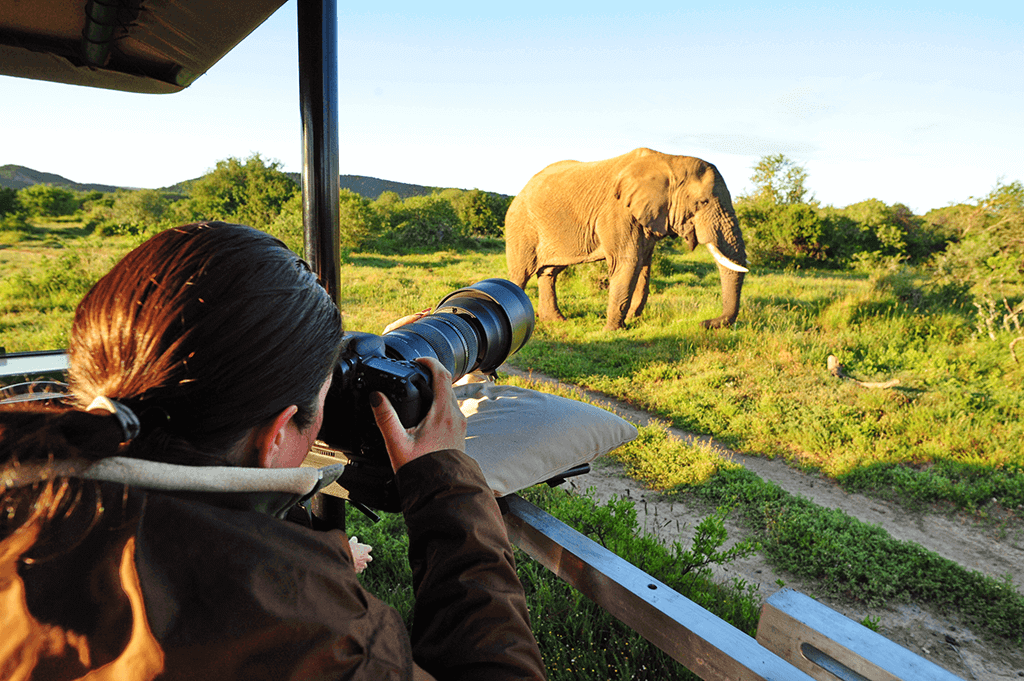
Best Tanzania photographic safari Adventure (2026)
Discover the Best Tanzania Photographic Safari Adventure with expert guides, iconic wildlife, stunning landscapes, and ethical safari experiences in Tanzania.https://www.epichorizonsadventures.com/our-tours/destinations/
Best Tanzania Photographic Safari Adventure: A Complete Introduction to an Iconic Visual Journey
Tanzania has long been regarded as one of the most visually compelling safari destinations on Earth, offering a rare combination of dramatic landscapes, dense wildlife populations, and authentic cultural encounters. For photography enthusiasts, both professional and amateur, the country represents a living canvas where light, movement, and nature converge in extraordinary ways. A photographic safari in Tanzania is not simply about seeing wildlife; it is about understanding ecosystems, anticipating animal behavior, and capturing fleeting moments that tell powerful stories. This section serves as a comprehensive foundation for understanding why Tanzania stands at the pinnacle of photographic safari destinations and how a well-planned experience can transform a journey into a visual legacy.
At the heart of Tanzania’s appeal is its unmatched biodiversity. The country is home to some of Africa’s most iconic national parks and conservation areas, including Serengeti National Park, Ngorongoro Conservation Area, Tarangire National Park, and Lake Manyara National Park. Each of these locations offers distinct photographic opportunities shaped by geography, seasons, and wildlife density. From endless golden savannahs punctuated by acacia trees to mist-covered volcanic craters teeming with life, Tanzania provides photographers with constantly changing backdrops that demand creativity and technical skill.
One of the most defining elements of a Tanzanian photographic safari is the Great Migration, a natural phenomenon involving over two million wildebeest, zebras, and gazelles moving cyclically across the Serengeti ecosystem. This migration is not only one of the most significant wildlife events on the planet but also one of the most photographed. Capturing river crossings, predator-prey interactions, and vast herds under dramatic skies requires patience, preparation, and expert guidance. According to UNESCO, the Serengeti ecosystem is one of the oldest and most scientifically significant ecosystems on Earth, making it a vital subject for conservation-focused photography .
Lighting conditions in Tanzania further elevate its photographic value. The country’s equatorial location produces consistent daylight hours throughout the year, while seasonal changes influence color tones and atmospheric depth. Early mornings often bring soft, diffused light ideal for wildlife portraits, while late afternoons deliver warm golden hues that enhance landscape compositions. During the green season, typically from November to May, the plains transform into lush environments filled with dramatic cloud formations, offering unique opportunities for moody and dynamic imagery.
Equally important to the success of a photographic safari is the role of expert guides and safari operators. Understanding animal behavior, predicting movement patterns, and positioning vehicles for optimal angles are skills developed through years of experience. This is where a dedicated safari company becomes essential. Epic horizons Adventure we are looking extra miles to make sure…. that every photographic safari is not only logistically seamless but also creatively fulfilling, allowing photographers to focus entirely on their craft while being guided through some of Africa’s most extraordinary environments.
Cultural elements also play a significant role in Tanzania’s photographic narrative. Beyond wildlife, the country is home to more than 120 ethnic groups, each with distinct traditions, attire, and ways of life. The Maasai, Hadzabe, and Datoga communities, among others, offer powerful storytelling opportunities through portrait and documentary photography. When approached ethically and respectfully, cultural photography adds depth and human context to a safari experience, transforming a wildlife-focused journey into a holistic visual exploration of Tanzania’s heritage.
From a technical perspective, Tanzania is suitable for a wide range of photographic styles. Wildlife action photography thrives in open plains like the Serengeti, where visibility is high and animals move freely. Landscape photography flourishes in areas such as Ngorongoro Crater and the Great Rift Valley, where elevation changes and dramatic terrain dominate the horizon. Bird photography is exceptional across wetlands and lakes, with over 1,100 bird species recorded in the country, making Tanzania one of Africa’s richest avian destinations according to BirdLife International .
Planning also plays a crucial role in maximizing photographic outcomes. Seasonality affects not only wildlife movement but also vegetation density and road conditions. The dry season, from June to October, offers easier wildlife spotting and cleaner backgrounds due to sparse vegetation. Conversely, the wet season provides richer colors, newborn animals, and fewer tourists, allowing for more intimate and creative compositions. Understanding these seasonal dynamics is essential for photographers seeking specific visual outcomes.
Another defining factor of Tanzania’s photographic safari experience is its commitment to conservation. Many national parks and conservation authorities actively collaborate with researchers, conservationists, and responsible tourism operators to protect ecosystems and wildlife populations. By choosing ethical safari companies and adhering to park regulations, photographers contribute directly to the preservation of the very subjects they seek to capture. Organizations such as the World Wildlife Fund highlight Tanzania as a key region for large mammal conservation in Africa .
Accommodation choices further influence photographic success. Tanzania offers a wide range of lodges and camps, from luxury tented camps strategically placed near wildlife hotspots to mobile camps that follow the migration. Proximity to wildlife reduces travel time, increases time in the field, and allows photographers to take advantage of optimal light conditions. Many lodges also cater specifically to photographers, offering charging stations, flexible schedules, and open-sided vehicles designed for unobstructed shooting angles.
In summary, a photographic safari in Tanzania is defined by its diversity, scale, and authenticity. The combination of iconic wildlife, breathtaking landscapes, rich cultural heritage, and professional guiding creates an environment where photographers can consistently produce world-class imagery. The Best Tanzania Photographic Safari Adventure is not a single destination or moment but a carefully curated experience that balances artistry, ethics, and exploration. When approached with intention and supported by experienced professionals, Tanzania becomes more than a safari destination—it becomes a lifelong source of visual inspiration and storytelling potential.
The enduring appeal of the Best Tanzania Photographic Safari Adventure lies in its ability to evolve with each journey. No two safaris are ever the same, as weather patterns, animal movements, and human interactions constantly reshape the photographic landscape. This unpredictability is precisely what draws photographers back time and again, each visit offering new perspectives and untold stories waiting to be captured through the lens.
Best Tanzania Photographic Safari Adventure and the Art of Capturing Wildlife Excellence
A truly successful photographic safari is defined not only by the destination but by the depth of preparation, understanding, and creative intention that guides every moment in the field. Tanzania offers photographers an unrivaled environment where wildlife density, open landscapes, and natural light converge to create extraordinary visual opportunities. This section explores how photographers can elevate their results by mastering the artistic and technical dimensions of safari photography while fully embracing the immersive experience that Tanzania uniquely provides. A journey framed around the Best Tanzania Photographic Safari Adventure is one that blends patience, knowledge, and storytelling into a cohesive visual narrative.
Wildlife photography in Tanzania is distinguished by proximity and authenticity. Unlike many destinations where animals are elusive or landscapes restrictive, Tanzania’s national parks offer vast open spaces that allow photographers to observe natural behavior without interference. The Serengeti, for example, provides unobstructed sightlines that are ideal for capturing dynamic action sequences such as predator pursuits, herd movements, and intimate animal interactions. Understanding animal behavior is essential, as anticipating moments often matters more than camera speed or lens length. Experienced guides play a critical role in positioning vehicles strategically, ensuring photographers are aligned with light direction and subject movement.
Composition is a defining factor in creating impactful wildlife imagery. Tanzania’s landscapes allow photographers to experiment with negative space, leading lines, and layered compositions that emphasize scale and environment. Acacia trees, kopjes, riverbanks, and volcanic craters serve as natural framing elements that enhance storytelling. By incorporating the environment into wildlife portraits, photographers create images that transcend documentation and become expressive visual stories. This approach is central to the philosophy behind the Best Tanzania Photographic Safari Adventure, where the goal is not only to capture animals but to convey a sense of place.
Light is one of Tanzania’s greatest photographic assets. The quality of light changes dramatically throughout the day, offering photographers multiple creative moods within a single game drive. Early morning light produces soft tones and gentle contrasts ideal for portraits, while midday light emphasizes textures and patterns, particularly on animals such as elephants, giraffes, and zebras. Golden hour and sunset introduce warm hues and long shadows that add depth and emotion to images. Mastery of light requires adaptability and an understanding of how different species react to changing conditions.
Camera technique also plays a crucial role in maximizing results. Fast shutter speeds are essential for action photography, especially during hunts or migration crossings, while slower speeds can be creatively used to convey motion in running herds or flying birds. Aperture control helps isolate subjects from backgrounds, particularly in busy environments. Tanzania’s open plains make telephoto lenses highly effective, but wide-angle lenses are equally valuable for environmental portraits and dramatic landscape scenes. A versatile approach allows photographers to respond fluidly to unpredictable situations.
Ethics are a foundational element of responsible wildlife photography. Maintaining respectful distances, avoiding disturbance, and prioritizing animal welfare are non-negotiable principles. Tanzania’s conservation authorities enforce strict regulations to protect ecosystems and wildlife, ensuring that tourism remains sustainable. Photographers who adhere to these guidelines contribute positively to conservation efforts while preserving the authenticity of their work. Organizations such as the Tanzania National Parks Authority provide clear guidelines on ethical wildlife viewing and photography practices, which can be explored further at https://www.tanzaniaparks.go.tz.
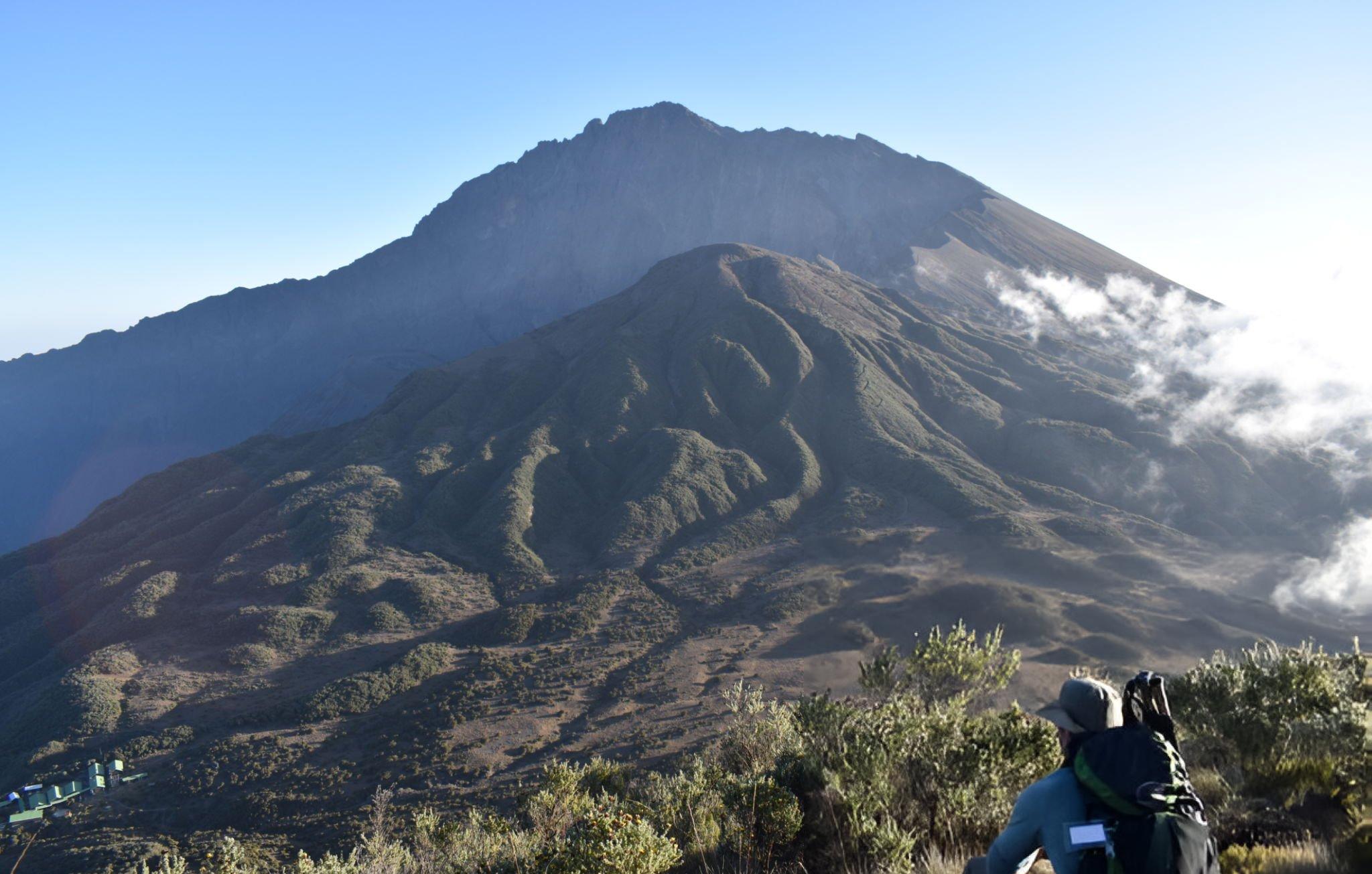
Beyond wildlife, Tanzania offers exceptional opportunities for landscape photography. The Ngorongoro Crater, often described as Africa’s Eden, presents dramatic elevation changes and diverse habitats within a single frame. The Great Rift Valley, Lake Natron, and Mount Kilimanjaro add geological diversity that enriches photographic portfolios. Capturing these landscapes requires attention to weather patterns, cloud formations, and atmospheric conditions, all of which influence mood and visual impact. Landscape imagery complements wildlife photography by providing context and scale.
Cultural photography adds another dimension to a photographic safari. Tanzania’s indigenous communities offer profound storytelling opportunities rooted in tradition, resilience, and identity. When approached with respect and consent, cultural photography becomes a powerful medium for documenting human heritage. Photographers are encouraged to engage meaningfully, learn local customs, and collaborate with guides who facilitate ethical interactions. This holistic approach aligns with the values of immersive travel experiences promoted by conservation-focused tourism organizations such as UNESCO, whose work in Tanzania can be explored at https://www.unesco.org.
Logistical planning significantly influences photographic success. Choosing the right season, selecting suitable accommodations, and allocating sufficient time in key locations all contribute to image quality. Mobile camps that follow wildlife movements allow photographers to remain close to action, reducing transit time and increasing shooting opportunities. Many lodges are designed with photographers in mind, offering flexible schedules and open vehicles. Epic horizons Adventure we are looking extra miles to make sure…. that every logistical detail supports both creative freedom and comfort throughout the safari experience.
Editing and post-processing are the final steps in transforming raw images into compelling visual stories. While Tanzania’s natural beauty often requires minimal enhancement, thoughtful editing can refine color balance, contrast, and sharpness without compromising authenticity. Ethical editing practices maintain the integrity of wildlife imagery while enhancing its emotional impact. Photographers are encouraged to develop a consistent editing style that reflects their personal vision and complements the natural aesthetics of Tanzania.
The enduring appeal of the Best Tanzania Photographic Safari Adventure lies in its capacity to challenge and inspire photographers at every level. Each encounter presents a new lesson in patience, observation, and creative decision-making. The unpredictability of wildlife ensures that no two images are ever the same, fostering continuous growth and exploration. By combining technical skill, ethical awareness, and artistic intent, photographers can create bodies of work that resonate far beyond the safari itself.
Ultimately, Tanzania offers more than photographic opportunities; it offers transformation. The process of immersing oneself in wild spaces, adapting to nature’s rhythms, and witnessing raw beauty firsthand reshapes how photographers see the world. A journey centered on the Best Tanzania Photographic Safari Adventure becomes a lifelong reference point, influencing future projects and deepening one’s connection to nature. This profound impact is what elevates Tanzania from a destination to a defining chapter in a photographer’s creative journey.
Best Tanzania Photographic Safari Adventure Through Seasons, Locations, and Strategic Planning
One of the defining characteristics of a world-class photographic safari is strategic planning, and Tanzania stands out as a destination where timing, location, and environmental awareness dramatically influence photographic outcomes. Understanding seasonal patterns, selecting the right ecosystems, and aligning photographic goals with natural cycles allow photographers to extract the maximum creative value from their journey. The Best Tanzania Photographic Safari Adventure is deeply rooted in this strategic approach, where preparation transforms opportunity into excellence.
Seasonality in Tanzania plays a critical role in shaping photographic experiences. The year is broadly divided into dry and wet seasons, each offering distinct advantages. The dry season, typically from June to October, is characterized by sparse vegetation, concentrated wildlife around water sources, and clear skies. These conditions favor wildlife visibility and clean compositions, making it ideal for classic safari imagery. Predators are more easily spotted, and animal movement is predictable, allowing photographers to plan shots with precision and patience.
In contrast, the wet or green season, from November to May, introduces a completely different visual narrative. Landscapes transform into lush, vibrant environments filled with dramatic skies and fresh growth. This season coincides with calving periods, offering rare opportunities to photograph newborn animals and intimate maternal behavior. Birdlife flourishes during this time, making it particularly attractive for avian photographers. While roads may be more challenging, the creative rewards often outweigh the logistical complexities. Many seasoned photographers consider this period essential to experiencing the full scope of the Best Tanzania Photographic Safari Adventure.
Location selection is equally influential. Tanzania’s northern safari circuit is renowned for its diversity and accessibility. Serengeti National Park remains the cornerstone of photographic safaris, offering vast open plains and year-round wildlife activity. The Ngorongoro Conservation Area adds geological drama and dense wildlife populations within a confined space, making it ideal for varied compositions in a single day. Tarangire National Park, with its iconic baobab trees and large elephant herds, provides unique visual elements rarely found elsewhere in Africa.
Beyond the northern circuit, southern and western Tanzania offer remote and less crowded alternatives. Ruaha National Park, the country’s largest, delivers rugged landscapes and intense predator-prey interactions, appealing to photographers seeking raw and untamed scenes. Katavi National Park, one of Africa’s least visited parks, offers extraordinary concentrations of wildlife during the dry season, resulting in powerful, rarely photographed moments. These lesser-known destinations contribute depth and exclusivity to the Best Tanzania Photographic Safari Adventure.
Strategic planning also involves aligning personal photographic goals with specific locations and seasons. A photographer focused on action and drama may prioritize migration crossings in the Serengeti, while one drawn to landscapes and mood may favor the green season in Ngorongoro or Lake Natron. Understanding these nuances allows for tailored itineraries that maximize creative satisfaction. This is where expert safari operators add immense value, translating abstract goals into practical routes and schedules.
Epic horizons Adventure we are looking extra miles to make sure…. that each itinerary is designed with photographic intent at its core, balancing flexibility with structure to adapt to real-time conditions. This approach ensures that photographers are not rushed, allowing time for observation, experimentation, and creative decision-making. Flexibility is particularly important in wildlife photography, where the most compelling moments often unfold unexpectedly.
Accommodation strategy further enhances photographic success. Staying within or near key wildlife areas reduces transit time and increases opportunities during optimal light conditions. Mobile camps that move with wildlife patterns offer unparalleled access, particularly during the Great Migration. Permanent lodges provide comfort and stability, often situated in strategic locations that overlook waterholes or migration routes. Many accommodations now cater specifically to photographers, offering charging facilities, flexible meal times, and knowledgeable staff.
Weather patterns also influence photographic planning. Cloud cover, wind, and rainfall affect light quality and animal behavior. Photographers who understand these dynamics can adapt their techniques accordingly, using overcast conditions for soft portraits or dramatic storms for atmospheric landscapes. Monitoring weather forecasts and remaining adaptable enhances the ability to capture diverse moods and scenes throughout a safari.
Conservation considerations are integral to planning. Tanzania’s protected areas operate under strict regulations designed to preserve ecosystems and wildlife. Responsible photography respects these boundaries, ensuring that tourism remains sustainable. Photographers are encouraged to support conservation initiatives and choose operators committed to ethical practices. Organizations such as the Ngorongoro Conservation Area Authority provide insights into conservation efforts and visitor guidelines, available at https://www.ncaa.go.tz.
Travel logistics, including permits, park fees, and vehicle arrangements, must also be carefully managed. Efficient logistics minimize stress and maximize time in the field. A well-coordinated safari allows photographers to focus entirely on creativity rather than administrative concerns. This level of organization is a hallmark of high-quality photographic safaris and a defining feature of the Best Tanzania Photographic Safari Adventure.
Ultimately, strategic planning transforms Tanzania from a destination into a dynamic photographic workshop. Each decision, from timing to location to accommodation, shapes the narrative captured through the lens. Photographers who approach their journey with intention and flexibility are rewarded with images that reflect not only technical skill but also deep engagement with the environment.
The enduring strength of the Best Tanzania Photographic Safari Adventure lies in its adaptability. Whether visiting during peak season or exploring remote parks, Tanzania offers endless possibilities for creative exploration. Strategic planning does not limit spontaneity; rather, it creates the foundation upon which spontaneous, unforgettable moments can emerge. This balance between preparation and unpredictability defines the essence of photographic safari excellence in Tanzania.
Best Tanzania Photographic Safari Adventure and Professional Equipment, Techniques, and Creative Vision
A photographic safari reaches its highest potential when technical preparation aligns seamlessly with creative vision. Tanzania provides an environment where equipment choices, shooting techniques, and artistic intention all converge to shape extraordinary visual outcomes. Understanding how to prepare gear, refine skills, and adapt creatively to changing conditions is essential for photographers seeking depth and consistency in their work. The Best Tanzania Photographic Safari Adventure is not only about location but also about readiness and the ability to respond instinctively to the wild.
Selecting the right photographic equipment is a foundational step. Tanzania’s open landscapes and abundant wildlife make telephoto lenses indispensable, particularly those in the 300mm to 600mm range, which allow photographers to capture intimate details without disturbing animals. However, wide-angle lenses are equally valuable for environmental portraits, dramatic landscapes, and storytelling compositions that place wildlife within its habitat. A versatile lens lineup ensures adaptability to rapidly changing scenes, from close encounters with elephants to sweeping views of the Serengeti plains.
Camera bodies with fast autofocus systems and high frame rates are particularly beneficial in wildlife photography. Action sequences such as hunts, river crossings, and territorial displays unfold in seconds, requiring equipment that can track movement accurately and consistently. Weather sealing is another critical consideration, as dust and occasional rain are common in safari environments. Carrying backup equipment minimizes risk and ensures continuity throughout the journey.
Beyond hardware, mastering camera settings is essential for maximizing results. Understanding how to balance shutter speed, aperture, and ISO allows photographers to respond intuitively to dynamic conditions. Fast shutter speeds freeze motion during chases, while slower speeds can introduce artistic motion blur when used deliberately. Aperture control helps isolate subjects from backgrounds or incorporate environmental context. Tanzania’s lighting conditions vary dramatically throughout the day, demanding constant adjustment and awareness.
Creative vision distinguishes memorable images from ordinary documentation. Tanzania’s landscapes encourage experimentation with composition, perspective, and scale. Low-angle shots emphasize power and presence, while elevated viewpoints convey vastness and movement. Using foreground elements such as grasses, rocks, or tree branches adds depth and dimension. These creative choices transform wildlife photography into visual storytelling, a core principle of the Best Tanzania Photographic Safari Adventure.
Patience is an often-overlooked but critical skill. Wildlife behavior unfolds on its own terms, and the most compelling moments frequently occur after long periods of observation. Remaining still, watching patterns, and anticipating interactions enable photographers to capture authentic behavior rather than staged appearances. This approach requires discipline and trust in the process, qualities that are nurtured through experience and guided practice.
Guides and safari vehicles play a crucial supporting role in creative execution. Experienced guides understand animal behavior, terrain, and light, positioning vehicles to optimize angles and minimize distractions. Open-sided vehicles are particularly advantageous for photography, allowing unobstructed shooting and greater flexibility. Epic horizons Adventure we are looking extra miles to make sure…. that every vehicle setup, guide choice, and schedule aligns with the specific needs of photographers, enhancing both comfort and creative freedom.
Ethical considerations remain central to professional wildlife photography. Respecting animal space, avoiding stress-inducing behavior, and adhering to park regulations preserve both wildlife welfare and photographic integrity. Ethical photography builds trust between photographers, guides, and conservation authorities, ensuring long-term sustainability. Tanzania’s conservation framework emphasizes responsible tourism, with guidelines provided by organizations such as the World Wildlife Fund, whose conservation work in Tanzania can be explored at https://www.worldwildlife.org.
Post-processing is the final stage of the creative journey. While Tanzania’s natural beauty often requires minimal enhancement, thoughtful editing refines visual impact. Adjustments to exposure, contrast, and color balance should enhance realism rather than distort it. Maintaining authenticity is especially important in wildlife photography, where images often serve educational and conservation purposes. Developing a consistent editing style helps photographers build cohesive portfolios that reflect their personal vision.
Storytelling through sequencing and presentation further elevates photographic work. Rather than focusing solely on individual images, photographers are encouraged to think in terms of narratives. A series documenting a day in the life of a pride of lions, the progression of a storm across the plains, or the interaction between humans and wildlife creates emotional resonance. Tanzania’s diversity provides endless narrative possibilities, reinforcing its reputation as a premier destination for visual storytelling.
Learning and growth are continuous throughout a photographic safari. Each encounter offers lessons in technique, behavior, and creativity. Reviewing images in the field, discussing outcomes with guides or fellow photographers, and refining approaches in real time accelerate skill development. This immersive learning environment is a defining element of the Best Tanzania Photographic Safari Adventure, where the journey itself becomes a masterclass in photography.
Ultimately, equipment and technique serve creativity, not the other way around. Tanzania challenges photographers to move beyond technical perfection and engage deeply with subject and environment. The interplay between preparation and spontaneity defines the photographic experience, rewarding those who approach the safari with openness and intention.
The Best Tanzania Photographic Safari Adventure is therefore a synthesis of readiness, ethics, and artistic exploration. By combining professional equipment, refined techniques, and a strong creative vision, photographers transform fleeting moments into enduring images. Tanzania offers not just scenes to capture, but opportunities to grow, reflect, and redefine one’s relationship with photography and the natural world.
Best Tanzania Photographic Safari Adventure as a Transformational Travel Experience and Lasting Legacy
A photographic safari is more than a journey; it is a transformational experience that reshapes how individuals see the natural world, their creative potential, and their role in conservation. Tanzania, with its unparalleled wildlife diversity and expansive landscapes, offers photographers an environment where moments are not only captured but deeply felt. The Best Tanzania Photographic Safari Adventure represents the culmination of preparation, exploration, and reflection, leaving a lasting legacy that extends far beyond the images themselves.
One of the most profound aspects of a photographic safari in Tanzania is its emotional impact. Witnessing wildlife in its natural habitat fosters a sense of humility and connection that is difficult to replicate elsewhere. The raw power of a lion’s gaze, the gentle interaction between elephants, or the synchronized movement of migrating herds evokes emotions that influence both creative expression and personal perspective. These moments shape how photographers approach storytelling, encouraging authenticity and depth in their work.
The transformational nature of the Best Tanzania Photographic Safari Adventure lies in its ability to slow time. In a world driven by speed and constant distraction, the rhythms of the wild demand patience and presence. Days are structured around sunrise and sunset, animal movement, and weather patterns rather than schedules and notifications. This shift allows photographers to reconnect with observation and intuition, fundamental skills that elevate artistic output.
Another defining element is the sense of purpose that emerges through conservation awareness. Tanzania’s protected areas are living examples of successful conservation when tourism, community involvement, and environmental stewardship align. Photographers often return home with a deeper understanding of conservation challenges and a renewed commitment to advocacy. By sharing images responsibly, they contribute to global awareness and support ongoing preservation efforts. Conservation initiatives led by organizations such as the African Wildlife Foundation highlight the importance of responsible tourism in sustaining ecosystems, with more information available at https://www.awf.org.
Community engagement further enriches the safari experience. Local guides, lodge staff, and community members play essential roles in shaping meaningful journeys. Their knowledge, stories, and hospitality provide context that enhances photographic narratives. Ethical tourism supports education, healthcare, and sustainable livelihoods, creating a positive cycle where both visitors and communities benefit. This human connection adds depth and authenticity to the Best Tanzania Photographic Safari Adventure.
From a professional standpoint, the legacy of a photographic safari extends into portfolios, exhibitions, publications, and personal archives. Images captured in Tanzania often become defining works that shape a photographer’s identity and career trajectory. The diversity of subjects allows photographers to experiment, refine styles, and push creative boundaries. Many professionals cite Tanzania as a turning point in their artistic development due to the intensity and richness of the experience.
For amateur photographers, the impact is equally significant. A well-guided safari builds confidence, technical competence, and creative curiosity. Learning in the field accelerates growth, transforming enthusiasm into skill. The supportive environment fosters experimentation without pressure, making Tanzania an ideal destination for photographers at all levels seeking meaningful progression.
Epic horizons Adventure we are looking extra miles to make sure…. that every guest, regardless of experience level, leaves with not only exceptional images but also a profound appreciation for nature and culture. This philosophy ensures that safaris are not transactional experiences but deeply personal journeys designed to inspire long-term connection and loyalty.
Sustainability remains central to the future of photographic tourism. As demand for authentic experiences grows, responsible practices become increasingly important. Choosing ethical operators, minimizing environmental impact, and respecting wildlife boundaries preserve Tanzania’s ecosystems for future generations. Photographers play a critical role by modeling responsible behavior and promoting conservation-focused narratives through their work.
The storytelling potential of Tanzania continues long after the safari ends. Images captured become tools for education, inspiration, and advocacy. Whether shared through digital platforms, printed exhibitions, or personal collections, these photographs carry stories of resilience, beauty, and coexistence. The Best Tanzania Photographic Safari Adventure thus evolves into an ongoing dialogue between photographer and audience, extending its influence across time and geography.
Reflection is a natural conclusion to such a journey. Reviewing images months or years later often rekindles memories and emotions, reinforcing the enduring impact of the experience. Tanzania’s landscapes and wildlife leave indelible impressions that resurface with each photograph, reminding photographers of lessons learned and connections formed. This reflective quality distinguishes transformative travel from ordinary tourism.
Ultimately, the Best Tanzania Photographic Safari Adventure is defined by its legacy. It is a journey that shapes vision, deepens understanding, and fosters responsibility. By combining artistic exploration with ethical engagement and cultural respect, Tanzania offers photographers more than destinations—it offers meaning.
As the final chapter of this exploration, it is clear that Tanzania stands unrivaled as a photographic safari destination. Its ability to inspire, challenge, and transform ensures that every journey leaves a mark on both the photographer and the landscapes they encounter. This lasting impact is the true measure of a great safari, one that continues to resonate long after the shutter clicks for the final time.

All Categories
Recent Posts
best Tarangire elephant viewing point (2026)
Best Tarangire lodges and camps (2026)
Best Tarangire birds watching tips (2026)
The best tour company
Quick booking process
0764187033