Looking for the ultimate Tanzania packing checklist for travellers? Discover what to pack for safari, Zanzibar beaches, Kilimanjaro hikes, and cultural tours with expert travel tips.https://www.epichorizonsadventures.com/our-tours/destinations/
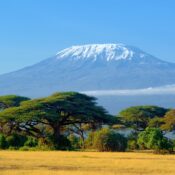
Planning a journey to Tanzania is one of the most exciting travel decisions anyone can make. From the endless plains of Serengeti National Park to the turquoise waters of Zanzibar, from the snow-capped summit of Mount Kilimanjaro to the vibrant culture of Stone Town and Maasai villages, Tanzania offers a diverse travel experience unmatched in Africa. However, the success of your adventure begins long before you board your flight — it starts with how well you pack. A thoughtful packing strategy ensures comfort, safety, convenience, and the ability to fully immerse yourself in every experience without unnecessary stress or last-minute shopping.
Many travelers underestimate how different Tanzania’s climate, infrastructure, wildlife conditions, and cultural expectations can be compared to their home countries. Whether you are heading on a luxury safari, budget camping tour, beach holiday, mountain trek, or volunteer program, the right gear can dramatically improve your journey. Packing incorrectly can result in missed opportunities, discomfort, or even health risks, while packing wisely allows you to focus on what truly matters — unforgettable experiences.
This guide is crafted to serve as the most comprehensive Tanzania packing checklist for travellers, carefully structured for Google SEO ranking while delivering real-world value. It covers everything from clothing and footwear to travel documents, medical supplies, electronics, safari gear, and cultural etiquette essentials. Each section is designed to stand alone, making it easy for readers to navigate based on their specific travel goals, whether that’s wildlife safaris, beach vacations, trekking expeditions, or urban exploration.
At Epic Horizons Adventure, we believe that travel should be effortless, enriching, and deeply memorable. That’s why Epic horizons Adventure we are looking extra miles to make sure…. our guests are fully prepared before they arrive — not only for comfort, but also for safety, sustainability, and cultural respect. This guide reflects our on-the-ground experience guiding thousands of travelers across Tanzania’s national parks, mountains, coastlines, and cultural landscapes.
You will also find trusted external resources from global authorities such as the CDC, WHO, Tanzania Tourism Board, and UNESCO to ensure medical, safety, and visa guidance is accurate and up to date. This approach strengthens both user trust and SEO authority, helping this article perform strongly in Google search rankings while genuinely helping travelers plan smarter.
Whether you are traveling solo, as a couple, with family, or in a group — whether your style is luxury lodge safari or rugged overland adventure — this article is your complete preparation roadmap. Bookmark it, share it, and revisit it as you prepare for one of the greatest journeys of your life.
Let’s begin with the foundation of every successful trip: packing the right clothes and footwear for Tanzania’s diverse climates and environments.
CLOTHING & FOOTWEAR ESSENTIALS FOR TANZANIA TRAVEL
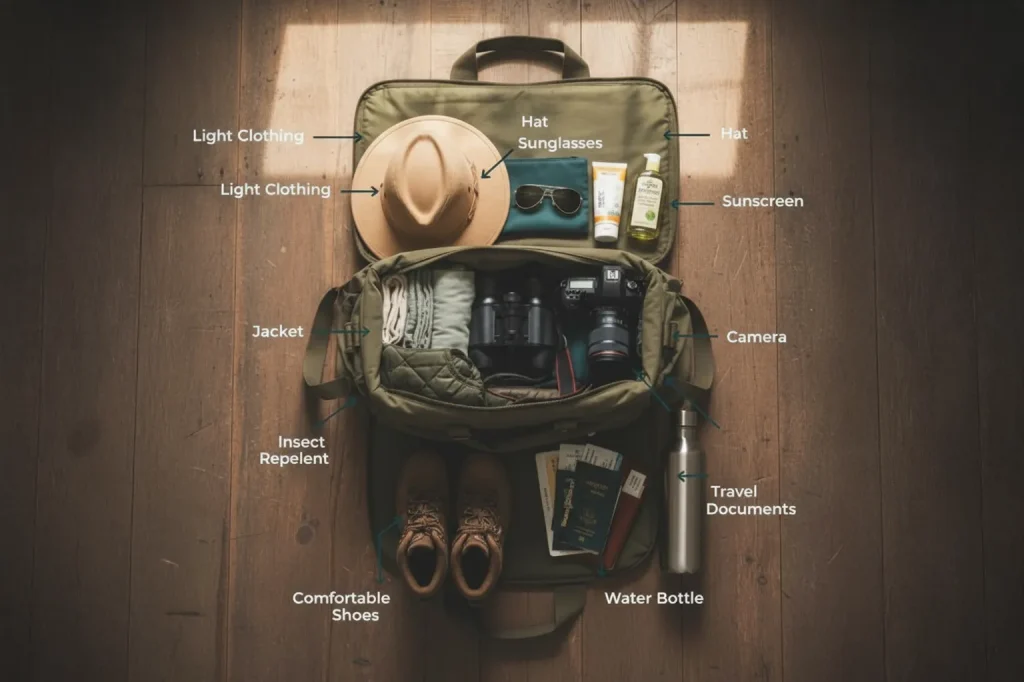
Packing clothing for Tanzania requires far more thought than simply choosing outfits you like. Tanzania spans multiple climate zones, altitudes, and ecosystems, each presenting unique weather patterns and environmental conditions. From humid tropical coastlines to chilly mountain summits, dusty savannahs to lush rainforest highlands, the clothing you pack determines not only your comfort but also your health, safety, and overall enjoyment. A well-structured Tanzania packing checklist for travellers must begin with clothing and footwear because they influence nearly every moment of your journey.
Tanzania’s climate is generally warm year-round, but temperatures vary dramatically depending on altitude, season, and region. Coastal areas such as Dar es Salaam and Zanzibar are hot and humid, with temperatures often ranging between 25°C and 35°C (77°F to 95°F). In contrast, safari destinations like Serengeti, Ngorongoro, and Tarangire experience cooler mornings and evenings, especially during the dry season between June and October. Meanwhile, high-altitude destinations such as Mount Kilimanjaro and the Southern Highlands can be cold enough to require insulated jackets, gloves, and thermal layers.
When packing clothes for Tanzania, versatility is key. Travelers should prioritize lightweight, breathable, quick-drying fabrics that allow layering. Cotton is comfortable but dries slowly, making moisture-wicking synthetic blends or merino wool better choices for safaris, hikes, and long travel days. Neutral colors such as khaki, beige, olive, gray, and brown are strongly recommended for wildlife viewing, as bright colors and white clothing can attract insects or disturb animals.
Safari clothing should include long-sleeved shirts and long trousers to protect against sunburn, insects, thorny vegetation, and dust. Convertible pants that zip off into shorts offer flexibility for changing temperatures throughout the day. A lightweight fleece or soft-shell jacket is ideal for early morning game drives when temperatures can drop significantly. During cooler months, especially from June to August, pack a warmer insulated jacket for evenings and high-altitude destinations.
Footwear is equally critical. Safari travel involves walking on uneven terrain, climbing in and out of vehicles, navigating lodge pathways, and sometimes hiking through bush trails. Comfortable closed-toe shoes with good grip — such as trail runners or lightweight hiking shoes — are essential. For beach destinations like Zanzibar or Mafia Island, pack sandals or flip-flops, preferably water-resistant models that can handle saltwater and coral sand. If you plan on trekking Mount Kilimanjaro or Mount Meru, sturdy waterproof hiking boots with ankle support are non-negotiable and should be well broken in before departure.
Layering is the golden rule when traveling across Tanzania’s varied environments. A base layer for moisture management, a mid-layer for warmth, and an outer layer for wind and light rain protection will keep you comfortable across diverse conditions. For example, during a safari day, you might begin with a thermal base layer, add a fleece in the early morning, and strip down to a breathable shirt by midday when temperatures rise.
Women travelers should also consider cultural sensitivity when packing. While Tanzania is relatively relaxed compared to some regions, modest dress is appreciated, especially in Muslim-majority areas like Zanzibar and coastal towns. Clothing that covers shoulders and knees is recommended when visiting villages, mosques, markets, and local communities. Lightweight scarves or wraps are useful both for modesty and sun protection.
Swimwear is essential for beach destinations and lodge swimming pools. However, bikinis and swim shorts should be reserved for beach resorts and private swimming areas. Cover-ups should be worn when walking in towns or villages. Rash guards or UV-protection swim shirts are also valuable for snorkeling, diving, and long sun exposure in coastal areas.
Underwear and sleepwear should prioritize comfort and moisture management. Lightweight sports underwear and breathable sleepwear improve comfort in warm climates. A microfiber travel towel is useful for budget accommodations, camping safaris, or spontaneous swimming stops, though many lodges and hotels provide towels.
Accessories complete the clothing setup. A wide-brimmed hat or cap protects against strong equatorial sun, while UV-protection sunglasses reduce eye strain and glare during game drives. A buff or lightweight scarf can serve multiple purposes — dust protection, sun coverage, warmth, or cultural modesty. A lightweight rain jacket or poncho is especially useful during the rainy seasons from March to May and November to December.
Laundry services are widely available at safari lodges and mid-range hotels, and even some campsites offer hand-wash services. This means travelers can pack fewer clothes and plan to wash items during their journey, reducing luggage weight and increasing mobility. However, laundry turnaround times vary, and delicate fabrics or special garments should be washed carefully.
Packing cubes are strongly recommended for organizing clothing by category — safari wear, beachwear, city wear, sleepwear — making it easier to find what you need without unpacking your entire suitcase each day. Compression packing bags also help reduce volume, especially when packing bulky jackets or sweaters.
For those embarking on multi-destination itineraries that include safari, beach, trekking, and cultural tourism, versatility becomes even more critical. A well-curated clothing system should allow you to move seamlessly from dusty game drives to coastal dinners, from mountain camps to urban cafes, without feeling underdressed or uncomfortable. Neutral-colored trousers, breathable tops, a versatile jacket, and comfortable footwear form the backbone of this system.
It’s important to remember that Tanzania is largely a cash-based economy outside major cities and tourist lodges, and shopping options in rural areas are limited. While basic clothing items can be purchased in Dar es Salaam or Arusha, quality outdoor gear is expensive and hard to find locally. Packing correctly before departure saves money and avoids unnecessary stress.
Travelers with specific needs — such as plus-size clothing, orthopedic footwear, or technical outdoor gear — should prioritize bringing all essentials from home, as local availability may be limited. This is especially true for trekking equipment, moisture-wicking clothing, and waterproof layers required for Kilimanjaro climbs.
Parents traveling with children should pack additional clothing layers, sun protection garments, and comfortable footwear for kids, as well as laundry detergent sheets for quick washing. Children are especially sensitive to sun exposure, dust, and temperature fluctuations, making proper clothing even more essential.
Sustainability is another important consideration. Tanzania’s ecosystems are fragile, and travelers are encouraged to pack eco-friendly clothing made from recycled materials, biodegradable detergents, and reusable laundry bags. Choosing quality over quantity reduces waste and supports responsible tourism principles.
Throughout all these clothing decisions, the goal remains the same: comfort, functionality, respect for local culture, and readiness for diverse environments. When travelers arrive properly dressed, they experience fewer inconveniences and can focus fully on wildlife encounters, cultural exchanges, scenic landscapes, and personal discovery.
Epic horizons Adventure we are looking extra miles to make sure…. our guests arrive fully prepared with climate-appropriate clothing and footwear, enabling them to enjoy every activity — from sunrise safaris to sunset dhow cruises — without discomfort or distraction. Our local expertise allows us to advise travelers on seasonal packing adjustments and activity-specific gear tailored to their exact itinerary.
This section forms the backbone of any Tanzania packing checklist for travellers because clothing and footwear influence every step of your journey. Whether you are climbing Africa’s highest peak, relaxing on pristine beaches, or exploring national parks teeming with wildlife, what you wear determines how deeply you can engage with each experience. With thoughtful preparation, you eliminate unnecessary obstacles and replace them with confidence, freedom, and readiness.
As we move forward, we will expand beyond clothing into another equally critical area of preparation: travel documents, visas, money, and administrative essentials that ensure smooth border crossings, safe mobility, and stress-free logistics throughout your Tanzania adventure.
TRAVEL DOCUMENTS, VISAS, MONEY & ADMINISTRATIVE ESSENTIALS
One of the most overlooked yet critical components of international travel is administrative preparedness. While packing clothes and gear often feels tangible and exciting, documentation and financial organization form the invisible framework that supports every successful journey. For travelers heading to Tanzania, having the correct documents, visas, vaccinations, travel insurance, and payment systems in place determines whether your trip unfolds smoothly or becomes derailed by unnecessary complications. Any truly comprehensive Tanzania packing checklist for travellers must prioritize this administrative foundation with precision and foresight.
First and foremost, your passport must be valid for at least six months beyond your intended date of entry into Tanzania and contain at least two blank pages for entry and exit stamps. Travelers should verify passport validity well in advance of departure and renew if necessary, as processing times can vary significantly by country. Additionally, travelers should make both digital and physical copies of their passport’s photo page and visa page, storing them separately from the original document and backing them up in secure cloud storage services such as Google Drive or iCloud.
Most international visitors to Tanzania require a visa. Citizens of many countries can obtain a visa on arrival at major airports and border crossings or apply for an eVisa online through the official Tanzania Immigration website: https://eservices.immigration.go.tz/visa/. It is strongly recommended to apply for an eVisa before departure to avoid delays at immigration, especially during peak travel seasons. Visa fees vary depending on nationality and visa type, with single-entry tourist visas commonly costing between USD 50 and USD 100.
Travelers should carry printed copies of their visa approval confirmation, return flight tickets, accommodation bookings, and proof of onward travel, as immigration officers may request these documents upon arrival. Having these materials readily accessible reduces stress at border control and helps streamline entry procedures.
Vaccination documentation is another essential component. Tanzania requires proof of yellow fever vaccination for travelers arriving from countries where yellow fever is endemic. Even if not mandatory based on your travel route, yellow fever vaccination is highly recommended for health protection. Travelers should also ensure they are up to date on routine immunizations, including tetanus, measles, hepatitis A and B, and typhoid. Official guidance can be found on the U.S. Centers for Disease Control and Prevention website: https://wwwnc.cdc.gov/travel/destinations/traveler/none/tanzania.
Medical and travel insurance documentation must also be included in your packing preparation. Comprehensive travel insurance should cover emergency medical treatment, evacuation, trip cancellations, lost baggage, and adventure activities such as safaris, trekking, diving, and mountaineering. Tanzania’s remote national parks and mountainous regions often require air evacuation in emergencies, making insurance coverage essential. Travelers should carry both digital and printed copies of their insurance policy, emergency contact numbers, and claims procedures.
Beyond personal documentation, travelers should prepare a financial strategy that balances cash access, card payments, and emergency funds. Tanzania remains primarily a cash-based economy outside major hotels and safari lodges. While credit cards are accepted at some upscale establishments, especially in cities and beach resorts, many lodges, campsites, local shops, restaurants, markets, and transport providers operate exclusively in cash. The Tanzanian Shilling (TZS) is the local currency, though U.S. dollars are widely accepted for tourism services, especially for park fees, safaris, and hotels.
Travelers should carry clean, unmarked USD bills issued after 2009, as older notes or damaged bills are often rejected. Smaller denominations ($1, $5, $10, and $20) are particularly useful for tipping, souvenirs, snacks, and local transport. Currency exchange services are available at airports, banks, and authorized forex bureaus, while ATMs can be found in major cities such as Dar es Salaam, Arusha, Moshi, and Zanzibar Town. However, ATMs may be unreliable or unavailable in rural areas and national parks, making it essential to carry sufficient cash for extended travel segments.
Credit and debit cards should be activated for international use before departure, and travelers should notify their banks of travel plans to avoid transaction blocks. It is advisable to carry at least two different cards stored separately, as well as emergency contact numbers for card issuers. Additionally, travelers should understand foreign transaction fees, ATM withdrawal limits, and exchange rate policies to manage costs effectively.
A well-prepared administrative kit also includes travel itinerary documents, hotel confirmations, safari vouchers, internal flight tickets, car rental agreements, and tour booking receipts. Organizing these documents in a waterproof travel folder or document organizer ensures easy access when needed and protects them from dust, moisture, and wear. Digital copies stored offline on your phone or tablet provide additional security in case physical documents are lost or damaged.
Emergency contact information should include family members, embassy or consulate details, insurance providers, tour operators, and medical providers. Travelers should research and store contact details for their country’s embassy in Tanzania, as consular assistance may be necessary in cases of lost passports, medical emergencies, legal issues, or evacuation. A directory of embassies in Tanzania is available at: https://www.embassypages.com/tanzania.
Travelers should also consider registering their trip with their government’s travel registry or smart traveler programs where available, allowing authorities to contact them in case of emergencies, natural disasters, or political unrest. For U.S. citizens, this can be done through the Smart Traveler Enrollment Program (STEP) at https://step.state.gov/.
Mobile connectivity is another administrative consideration. Tanzania has excellent mobile network coverage in cities, towns, and major tourist areas, with providers such as Vodacom, Airtel, Tigo, and Halotel offering affordable prepaid SIM cards and data packages. Travelers should ensure their phones are unlocked and compatible with local networks. Alternatively, international roaming packages or global eSIM services may provide convenience, though often at higher costs.
Photocopies of important documents should be stored in separate bags or with traveling companions, while digital backups should be encrypted and password-protected where possible. Travelers may also consider using secure digital wallet apps for storing copies of passports, insurance policies, and travel confirmations.
Legal and regulatory awareness is equally important. Travelers should familiarize themselves with Tanzania’s laws regarding photography (especially near government buildings and military installations), drone usage (which requires permits), wildlife interaction (strictly prohibited), and import/export restrictions. For example, it is illegal to remove coral, shells, animal products, or cultural artifacts from Tanzania without proper permits. Up-to-date customs regulations can be found on the Tanzania Revenue Authority website: https://www.tra.go.tz/.
Additionally, travelers should understand local cultural norms and etiquette regarding dress, greetings, religious practices, and public behavior, particularly in conservative coastal and Muslim-majority regions. Carrying printed or digital guides on cultural etiquette can enhance respectful engagement and reduce misunderstandings.
Parents traveling with children should carry birth certificates or certified copies, parental consent letters if traveling with one parent, and custody documents where applicable, as immigration officials may request proof of guardianship or authorization.
For business travelers, additional documentation may be required, including invitation letters, work permits, conference registrations, or business visas. Travelers participating in volunteering, research, journalism, filmmaking, or long-term stays should verify visa categories and permit requirements well in advance to avoid legal complications.
A small administrative travel kit should include pens for immigration forms, passport-sized photographs (sometimes required for visa applications or permits), and document sleeves or folders. These small items are often overlooked but prove invaluable at airports, border crossings, and government offices.
Epic horizons Adventure we are looking extra miles to make sure…. our travelers receive detailed pre-departure guidance on visas, documentation, payments, insurance, and regulatory compliance. Our team works closely with immigration authorities, airlines, park agencies, and hospitality partners to ensure that our guests encounter minimal administrative obstacles throughout their journey. This proactive support reduces stress and enhances confidence, allowing travelers to focus on exploration rather than paperwork.
The importance of this section within a Tanzania packing checklist for travellers cannot be overstated. No matter how well-equipped you are with clothing, gadgets, or adventure gear, missing or incorrect documentation can prevent you from boarding your flight, entering the country, accessing services, or receiving medical care. Administrative preparedness forms the invisible scaffolding upon which every successful travel experience is built.
As we move forward, we will explore another equally essential domain: health, medical supplies, and personal safety preparations. These elements ensure not only comfort but also resilience and well-being in Tanzania’s diverse environments, from remote wilderness areas to bustling urban centers.
HEALTH, MEDICAL SUPPLIES & PERSONAL SAFETY PREPARATIONS
Health and safety are the cornerstones of any successful international journey, particularly when traveling to regions with diverse climates, ecosystems, infrastructure conditions, and healthcare access. Tanzania offers extraordinary adventures — wildlife safaris, mountain trekking, cultural exploration, and coastal relaxation — but these experiences unfold in environments that may differ significantly from what travelers are accustomed to at home. A truly comprehensive Tanzania packing checklist for travellers must therefore address health protection, medical preparedness, and personal safety with depth, realism, and practical foresight.
Before departure, travelers should consult their healthcare provider or a travel medicine clinic at least six to eight weeks prior to travel. This consultation allows sufficient time for vaccinations, malaria prevention planning, and personalized medical advice based on itinerary, duration of stay, health conditions, and activities such as trekking, scuba diving, or volunteering. Up-to-date medical guidance is available through the World Health Organization at https://www.who.int/travel-advice and the CDC at https://wwwnc.cdc.gov/travel/destinations/traveler/none/tanzania.
Malaria prevention is a critical consideration in Tanzania, as the disease remains endemic in most regions below 2,000 meters altitude. Travelers should discuss prophylactic medications with their healthcare provider and follow the prescribed dosing schedule before, during, and after travel. Additionally, mosquito bite prevention through clothing, repellents, bed nets, and behavioral practices significantly reduces risk. Long-sleeved shirts, long trousers, socks, and closed shoes are recommended in the evenings, along with insect repellents containing DEET, picaridin, IR3535, or oil of lemon eucalyptus.
A well-equipped personal medical kit is essential, especially for travelers venturing into remote national parks, rural areas, or mountain environments where pharmacies and hospitals may be limited or absent. At a minimum, a travel medical kit should include prescription medications in original packaging with copies of prescriptions, pain relievers, antihistamines, anti-diarrheal medication, oral rehydration salts, motion sickness tablets, cold and flu remedies, and basic first aid supplies such as bandages, antiseptic wipes, blister treatment, tweezers, and medical tape.
Travelers with chronic conditions — such as asthma, diabetes, hypertension, or severe allergies — should carry sufficient medication for the entire trip plus extra in case of delays. Medical alert bracelets or cards describing conditions, medications, and allergies in English are strongly recommended. Travelers who require injectable medications such as insulin or epinephrine should carry appropriate storage solutions and documentation for airport security and border inspections.
Hydration and food safety play a central role in maintaining health while traveling in Tanzania. Only bottled, filtered, or treated water should be consumed, including for brushing teeth and making ice. Travelers should avoid tap water, untreated well water, and unsealed beverages. Bottled water is widely available throughout Tanzania, but travelers should consider bringing reusable water bottles with built-in filtration systems such as LifeStraw or Grayl to reduce plastic waste and ensure safe hydration in remote areas.
Food safety practices include eating freshly cooked meals served hot, avoiding raw or undercooked meats and seafood, washing fruits and vegetables with purified water or peeling them yourself, and avoiding unpasteurized dairy products. While Tanzania’s cuisine is generally safe and delicious, caution is advised when eating street food or in establishments with questionable hygiene standards. Carrying hand sanitizer and disinfectant wipes helps maintain cleanliness before meals, especially when soap and water are unavailable.
Sun protection is another critical health consideration, as Tanzania lies near the equator and experiences intense ultraviolet radiation year-round. Travelers should pack broad-spectrum sunscreen with SPF 30 or higher, lip balm with SPF, wide-brimmed hats, UV-protection sunglasses, and lightweight sun-protective clothing. Sunburn not only causes discomfort but can lead to dehydration, heat exhaustion, and long-term skin damage. Regular hydration and shaded rest periods further reduce sun-related risks.
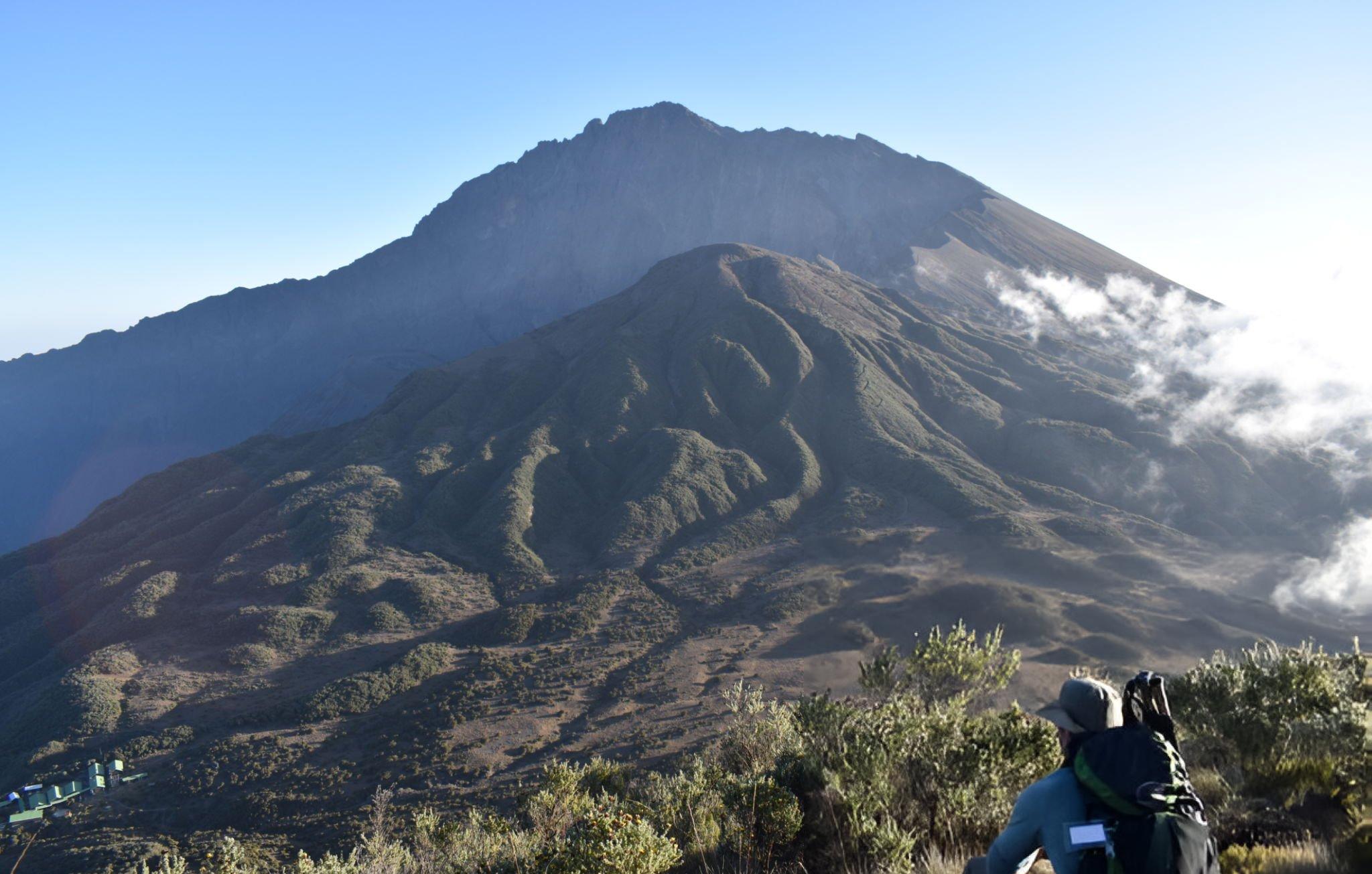
Altitude sickness is a potential concern for travelers trekking Mount Kilimanjaro, Mount Meru, or visiting highland regions such as Ngorongoro Crater rim and the Southern Highlands. Symptoms include headache, nausea, dizziness, fatigue, and shortness of breath. Travelers should ascend gradually, stay hydrated, eat adequately, and listen to their bodies. Medications such as acetazolamide may be prescribed preventively. Emergency evacuation coverage is essential for high-altitude travel.
Personal safety in Tanzania is generally good, particularly in tourist regions, national parks, and established destinations. However, travelers should practice standard precautions common to any international destination. This includes safeguarding valuables, avoiding isolated areas at night, using reputable transport providers, keeping copies of important documents, and staying informed about local conditions. In cities such as Dar es Salaam, Arusha, and Zanzibar Town, petty theft such as pickpocketing can occur, particularly in crowded areas and public transportation hubs.
Travelers should use hotel safes for passports, large sums of money, and valuables, carrying only what is needed for daily activities. Anti-theft backpacks, money belts, RFID-blocking wallets, and discreet pouches reduce the risk of theft. Smartphones and cameras should be kept secure when not in use, and travelers should avoid displaying expensive jewelry or electronics in public spaces.
Emergency preparedness includes knowing the location of nearby medical facilities, police stations, and embassy or consulate offices. Travelers should store emergency phone numbers locally on their phones and carry printed copies in case of battery failure. In Tanzania, the general emergency number is 112, though response times and coverage vary by location.
Medical facilities in major cities such as Dar es Salaam, Arusha, and Moshi offer good-quality private healthcare, while facilities in rural areas may be limited. Serious medical emergencies often require evacuation to regional hospitals or international facilities, underscoring the importance of comprehensive travel insurance with medical evacuation coverage.
Psychological well-being and mental health also deserve attention when traveling internationally. Long flights, time zone changes, unfamiliar environments, cultural differences, and intense itineraries can contribute to fatigue, stress, or emotional strain. Travelers should prioritize adequate rest, hydration, balanced nutrition, and downtime, especially during multi-day safaris or trekking expeditions. Bringing familiar comfort items such as sleep masks, earplugs, favorite snacks, or music can ease adjustment and improve overall well-being.
For women travelers, solo travelers, and LGBTQ+ travelers, situational awareness and cultural sensitivity are especially important. While Tanzania is generally welcoming and hospitable, conservative social norms prevail in many regions. Modest dress, respectful behavior, and awareness of local customs enhance safety and reduce unwanted attention. Travelers should research region-specific considerations and connect with reputable tour operators who understand local contexts.
Parents traveling with children should carry child-specific medications, sun protection gear, insect repellents formulated for children, and comfort items such as favorite snacks, toys, or books. Children are particularly susceptible to dehydration, sunburn, and insect bites, making preventative measures essential.
Travelers engaging in adventure activities — such as scuba diving, snorkeling, rock climbing, mountain biking, or wildlife walking safaris — should ensure they have appropriate training, equipment, insurance coverage, and supervision. Activity-specific medical kits and safety gear should be included where applicable.
Environmental health considerations include dust exposure during dry seasons, particularly on safari game drives and unpaved roads. Dust masks or scarves can reduce respiratory irritation and improve comfort. Travelers with asthma or respiratory conditions should carry inhalers and medications at all times.
Water safety is another important consideration, especially for beach activities, boating, and swimming. Travelers should only swim in designated areas, heed local advice regarding tides, currents, and marine life, and use life jackets where provided. Snorkeling and diving activities should be conducted with reputable operators adhering to safety standards.
Epic horizons Adventure we are looking extra miles to make sure…. our travelers receive comprehensive pre-trip health and safety briefings, tailored medical recommendations, and 24/7 on-ground support throughout their journey. Our guides are trained in first aid, wilderness emergency response, and risk management, ensuring prompt and professional assistance when needed. This proactive approach enables travelers to explore Tanzania with confidence, security, and peace of mind.
The health and safety dimension is foundational to any Tanzania packing checklist for travellers. Without adequate medical preparation and safety awareness, even the most spectacular itinerary can become compromised by illness, injury, or preventable risks. With thoughtful planning, however, travelers transform potential vulnerabilities into resilience, enabling them to engage deeply with Tanzania’s landscapes, cultures, and wildlife while protecting their well-being.
Next, we turn to another essential pillar of modern travel preparation: electronics, technology, photography equipment, and digital connectivity. These tools enhance navigation, documentation, communication, entertainment, and safety throughout your journey.
ELECTRONICS, TECHNOLOGY, PHOTOGRAPHY & DIGITAL CONNECTIVITY
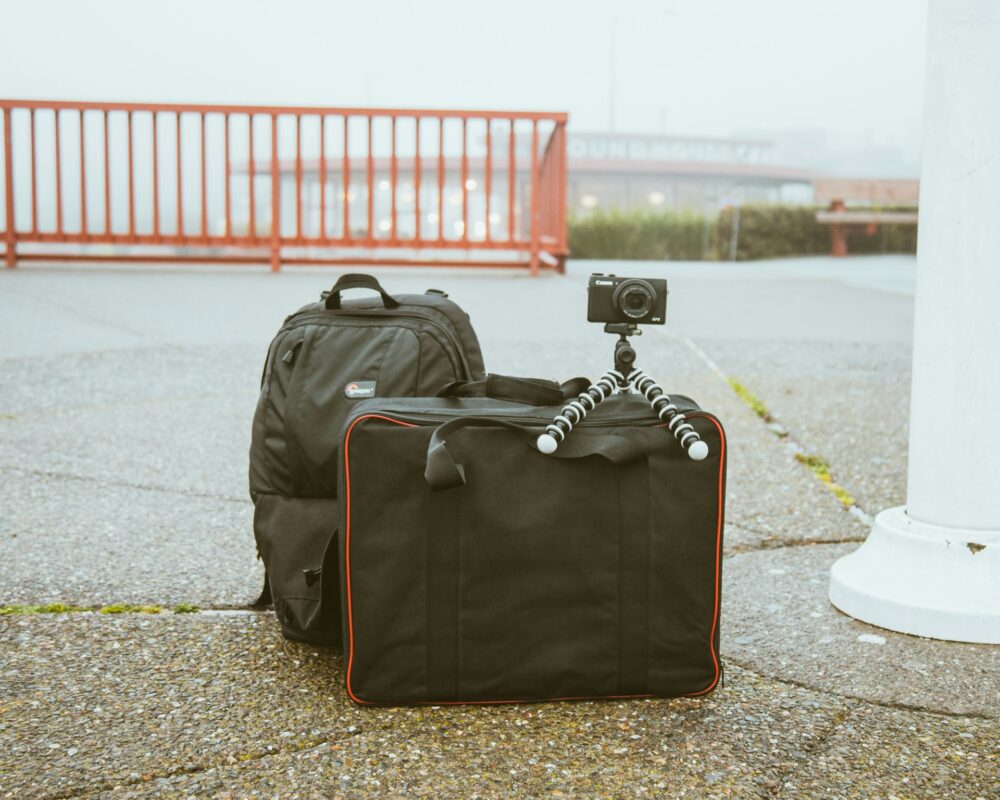
In today’s interconnected world, electronics and digital tools play a central role in shaping how travelers navigate destinations, capture memories, communicate with loved ones, manage logistics, and enhance safety. In Tanzania — a country of vast landscapes, remote wilderness areas, and limited infrastructure in certain regions — thoughtful selection of electronic devices and accessories can significantly improve the travel experience. A truly complete Tanzania packing checklist for travellers must therefore address technology, photography equipment, power solutions, data access, and digital security with strategic depth.
Smartphones are the single most important electronic device for modern travelers. They serve as cameras, navigation tools, booking managers, translators, entertainment hubs, emergency contact devices, and digital wallets. Travelers should ensure their phones are unlocked for international SIM use and compatible with GSM networks used in Tanzania. Local SIM cards are widely available at airports and mobile provider shops, offering affordable data packages that support navigation apps, messaging, and online bookings. Providers such as Vodacom, Airtel, Tigo, and Halotel offer strong coverage in cities, towns, and major tourist regions.
Alternatively, international eSIM services such as Airalo or Holafly offer global connectivity without physical SIM cards, though pricing is typically higher. Regardless of the connectivity option chosen, travelers should download essential apps for offline use before departure. These include Google Maps offline regions, Maps.me for detailed offline navigation, translation apps such as Google Translate (with Swahili language packs), airline apps, hotel booking apps, and emergency contact directories.
Photography is one of the most cherished aspects of travel to Tanzania. From dramatic wildlife encounters and golden savannah sunsets to pristine beaches and vibrant cultural scenes, Tanzania offers extraordinary visual storytelling opportunities. Travelers should carefully consider camera equipment based on their photography goals, experience level, and travel style. While smartphones now offer impressive image quality, dedicated cameras — such as mirrorless or DSLR systems — provide superior zoom, low-light performance, and image control, especially for wildlife photography.
For safari photography, telephoto lenses in the range of 200–600mm are ideal for capturing animals at a distance without disturbing them. Mid-range zoom lenses (24–70mm or 24–105mm equivalents) are excellent for landscapes, people, and lodge photography. Wide-angle lenses are useful for dramatic scenery, night skies, and architectural shots in cities and historical sites. Travelers should pack lens cleaning kits, microfiber cloths, air blowers, and protective filters to manage dust exposure common on safari game drives.
Camera bodies, lenses, and accessories should be stored in padded camera backpacks or sling bags with weather-resistant materials. Dry bags or rain covers protect equipment during rain showers, boat excursions, and dusty environments. Silica gel packets inside camera bags reduce moisture buildup in humid coastal regions such as Zanzibar and Mafia Island.
Extra batteries and memory cards are essential, especially in remote areas where charging opportunities may be limited. Safari lodges typically provide electricity, but outages or generator schedules may restrict charging windows. Travelers should bring sufficient spare batteries for cameras, drones (where legally permitted), flashlights, headlamps, and other electronic devices. High-capacity memory cards reduce the need to delete photos in the field and allow continuous shooting during wildlife encounters.
Drone usage in Tanzania is heavily regulated and requires special permits from the Tanzania Civil Aviation Authority (TCAA) and other agencies. Unauthorized drone flights can result in equipment confiscation, fines, or legal action. Travelers should consult official regulations before bringing drones into the country. Information is available at https://www.tcaa.go.tz/. For most travelers, traditional cameras provide ample photographic opportunities without regulatory complications.
Power management is another critical consideration. Tanzania uses Type D and Type G electrical outlets with a standard voltage of 230V and frequency of 50Hz. Travelers from countries using different plug types should bring universal travel adapters compatible with Tanzanian sockets. Surge protectors are recommended for sensitive electronics, particularly when charging in areas with unstable power supplies or generator-based systems.
Portable power banks are invaluable during long travel days, safari drives, trekking expeditions, and airport layovers. High-capacity power banks (20,000 mAh or higher) can recharge smartphones multiple times and provide backup power for cameras, tablets, and GPS devices. Solar chargers are useful for extended camping safaris and remote treks, though performance depends on sunlight exposure and device compatibility.
Headlamps and flashlights are essential for camping safaris, power outages, night walks around lodges, and early morning departures. Headlamps offer hands-free convenience and should include spare batteries or rechargeable power options. Red-light modes are useful for minimizing disturbance during nighttime wildlife observation or shared accommodation environments.
Laptops and tablets may be necessary for business travelers, digital nomads, photographers, bloggers, and researchers. However, travelers should weigh necessity against weight, security risks, and charging requirements. For leisure travelers, tablets or lightweight laptops may suffice for editing photos, backing up files, journaling, and entertainment. Protective sleeves, waterproof cases, and anti-theft backpacks enhance device safety during transit.
Data backup and storage solutions are essential for preserving photos, videos, documents, and creative work. Travelers should implement a multi-layered backup strategy that includes cloud storage (Google Drive, Dropbox, iCloud), portable external hard drives or SSDs, and secondary memory cards stored separately from primary devices. This approach protects against loss, theft, damage, or technical failure.
Cybersecurity and digital privacy are increasingly important considerations for international travelers. Travelers should use strong passwords, two-factor authentication, VPN services when accessing public Wi-Fi, and encrypted storage for sensitive documents. Avoid using public computers for banking or personal communications, and ensure devices are protected with screen locks and remote wipe capabilities in case of loss or theft.
Navigation and transportation apps enhance mobility in Tanzania’s cities and towns. Ride-hailing services such as Bolt and Uber operate in Dar es Salaam and Zanzibar, offering safe and convenient transport options. Google Maps provides reliable navigation in urban areas, while offline mapping apps are useful in rural regions and national parks where connectivity is limited.
Language translation apps facilitate communication with locals, particularly in markets, shops, transportation hubs, and rural communities. While English is widely spoken in tourism settings, basic Swahili phrases enhance cultural engagement and hospitality. Downloading offline Swahili translation packs ensures access even without internet connectivity.
Entertainment and comfort technology improve long-haul flights, layovers, and downtime at lodges or camps. Noise-canceling headphones, e-readers, audiobooks, podcasts, and offline media downloads provide relaxation and enjoyment during transit. Lightweight travel routers or Wi-Fi extenders may enhance connectivity in accommodations with weak signals.
Specialized electronics may be required for adventure travelers. GPS devices or satellite messengers such as Garmin inReach or SPOT provide navigation and emergency communication in remote wilderness areas without cellular coverage. These devices enable travelers to send SOS alerts, share location data, and communicate with emergency services or support teams during trekking, overland expeditions, and off-grid travel.
Travelers engaging in scuba diving, snorkeling, and marine photography may require underwater housings, action cameras, waterproof cases, and specialized accessories. These tools allow documentation of coral reefs, marine life, and underwater landscapes in Zanzibar, Mafia Island, and Pemba Island. Care should be taken to follow marine conservation guidelines and avoid damaging coral ecosystems.
Professional photographers, filmmakers, journalists, and researchers should verify permit requirements for filming, recording, and publishing content in Tanzania, particularly in national parks, protected areas, and cultural communities. Certain locations require filming permits from Tanzania National Parks Authority (TANAPA) or local government agencies. Official information can be found at https://www.tanzaniaparks.go.tz/.
Epic horizons Adventure we are looking extra miles to make sure…. our guests receive expert guidance on photography logistics, power management, connectivity options, and digital safety before and during their journeys. Our safari vehicles are equipped with charging ports, and our guides understand optimal positioning for wildlife photography while respecting conservation ethics and animal welfare. This combination of technical preparation and on-ground support empowers travelers to capture extraordinary moments while staying connected, secure, and energized.
Within any Tanzania packing checklist for travellers, electronics and digital tools serve as amplifiers — amplifying safety, navigation, communication, creativity, and storytelling. With thoughtful planning, travelers transform technology from a potential vulnerability into a powerful asset, enhancing both personal enjoyment and professional output throughout their Tanzanian adventure.
Next, we will explore the final pillar of preparation: safari gear, adventure equipment, cultural essentials, and destination-specific accessories that elevate experiences across Tanzania’s national parks, mountains, beaches, and communities.
SAFARI GEAR, ADVENTURE EQUIPMENT, CULTURAL ESSENTIALS & DESTINATION-SPECIFIC ACCESSORIES
The final pillar of a truly comprehensive Tanzania packing checklist for travellers lies in the specialized gear and destination-specific accessories that transform a good trip into an exceptional one. While clothing, documentation, health supplies, and electronics form the structural foundation of travel preparation, safari equipment, adventure tools, cultural essentials, and situational accessories fine-tune the experience — enhancing comfort, immersion, safety, sustainability, and overall satisfaction. Tanzania’s remarkable diversity of environments, activities, and cultural contexts makes this category especially critical.
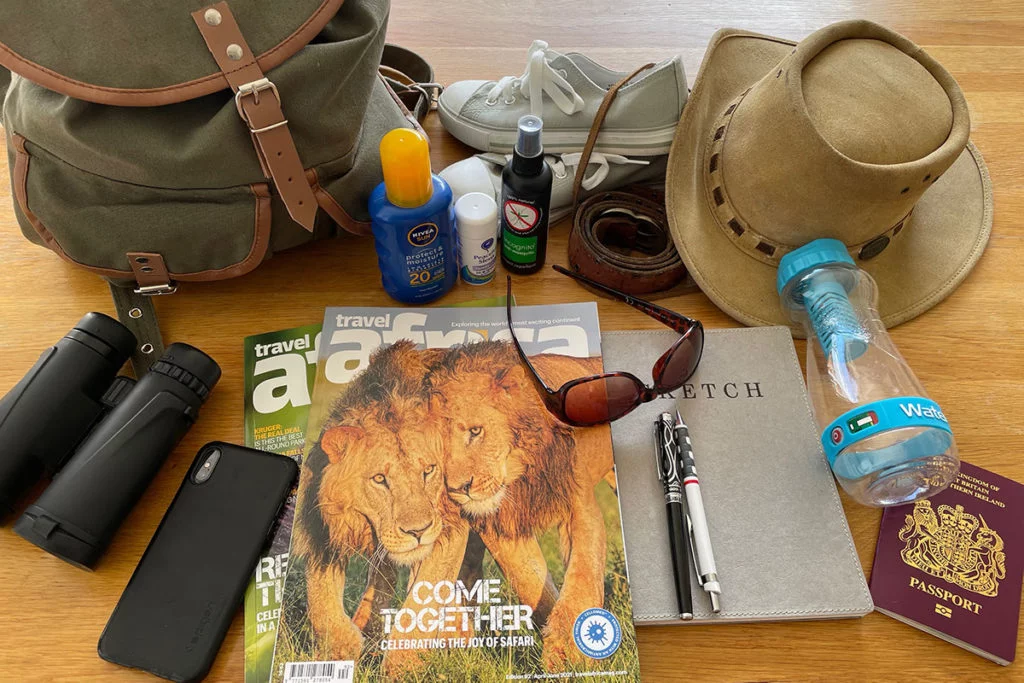
Safari gear is central to most Tanzania itineraries. Whether traveling to Serengeti, Ngorongoro Crater, Tarangire, Ruaha, Selous (Nyerere National Park), or other wildlife reserves, travelers will spend significant time in open safari vehicles, lodges, camps, and wilderness landscapes. Binoculars are among the most valuable safari accessories, allowing travelers to observe wildlife behaviors, bird species, distant predators, and subtle ecological interactions that may not be visible to the naked eye. Compact 8×42 or 10×42 binoculars strike an ideal balance between magnification, brightness, weight, and portability.
Field guides enhance the educational value of safari experiences. Wildlife identification books for mammals, birds, reptiles, and trees deepen understanding and appreciation of Tanzania’s ecosystems. Many travelers now use digital field guide apps, but printed versions offer offline reliability and tactile engagement. A small safari notebook or journal allows travelers to record sightings, reflections, sketches, and memories, creating a personal archive of the journey.
Daypacks are essential for carrying water bottles, sunscreen, hats, cameras, snacks, binoculars, medications, and personal items during game drives, walking safaris, cultural visits, and short hikes. Ideal daypacks are lightweight, breathable, secure, and durable, with compartments for organization and hydration reservoir compatibility. Anti-theft features, lockable zippers, and RFID-blocking pockets add security in urban areas and transit hubs.
Hydration systems play a vital role in maintaining comfort and health during safaris, hikes, and excursions. Reusable water bottles, hydration bladders, and insulated flasks help travelers stay hydrated while reducing reliance on single-use plastics. Many lodges and safari operators provide filtered drinking water stations, making refillable bottles environmentally responsible and practical.
For trekking and adventure travel — particularly on Mount Kilimanjaro, Mount Meru, Udzungwa Mountains, and Southern Highlands routes — specialized equipment becomes essential. Trekking poles reduce joint strain and improve balance on steep ascents and descents. Headlamps with spare batteries support early morning summit attempts, nighttime bathroom trips, and power outages in mountain huts or camps. Sleeping bags rated for sub-zero temperatures are required for high-altitude treks, along with sleeping bag liners for hygiene and additional warmth.
Technical backpacks with proper suspension systems distribute weight evenly and improve comfort during long hiking days. Waterproof pack covers protect gear from rain, snow, and moisture. Dry sacks safeguard electronics, clothing, and documents during wet conditions, river crossings, and boat excursions. Lightweight camp shoes or sandals allow feet to recover after long trekking days and improve hygiene in shared accommodations.
For beach destinations such as Zanzibar, Mafia Island, and Pemba Island, travelers should pack snorkeling gear if they prefer personal equipment over rentals. Masks, snorkels, fins, rash guards, reef-safe sunscreen, and waterproof camera housings enhance marine experiences while protecting coral ecosystems. Lightweight beach blankets, sarongs, or microfibers towels add comfort during seaside relaxation.
Waterproof phone pouches and dry bags protect electronics during boat transfers, island hopping, kayaking, paddleboarding, and coastal excursions. Anti-fog spray or wipes for snorkel masks improve underwater visibility and comfort. Seasickness remedies — including medication, wristbands, ginger candies, and hydration solutions — are useful for travelers prone to motion sickness during boat trips.
Cultural essentials deserve careful attention, as respectful engagement with local communities enhances travel experiences and supports responsible tourism. Tanzania is culturally diverse, home to over 120 ethnic groups, multiple religions, and rich traditions. Travelers should pack modest clothing for visits to villages, religious sites, markets, and rural communities. Women and men alike should cover shoulders and knees in conservative areas, especially along the coast and in Muslim-majority regions such as Zanzibar and Bagamoyo.
Lightweight scarves or shawls serve multiple functions: modesty coverings, sun protection, warmth during cool evenings, dust shields during game drives, and versatile fashion accessories. Comfortable walking shoes with closed toes are recommended for village walks, market visits, and cultural tours where uneven surfaces, dust, and debris may be present.
Reusable shopping bags and tote bags are practical for markets, souvenir shopping, groceries, and daily use. They reduce plastic waste, support environmental sustainability, and comply with Tanzania’s strict ban on plastic carrier bags, which has been in effect since 2019. Travelers arriving with plastic bags may be required to surrender them at airports, making reusable alternatives essential.
Eco-friendly travel accessories align with Tanzania’s conservation values and responsible tourism initiatives. Reef-safe sunscreen protects marine ecosystems during swimming and snorkeling. Biodegradable soap, shampoo, toothpaste, and laundry detergent minimize environmental impact in fragile wilderness areas and off-grid camps. Bamboo toothbrushes, reusable cutlery, and refillable toiletry containers reduce plastic waste and support sustainable travel practices.
Gifts for local communities and children should be approached thoughtfully and responsibly. Rather than distributing sweets, money, or school supplies directly to children — which can encourage dependency and begging — travelers are encouraged to donate through schools, community organizations, or local projects coordinated by reputable tour operators. Useful items include educational materials, books, clothing, hygiene supplies, and sports equipment, provided in collaboration with community leaders.
Language tools enhance cultural connection and hospitality. Pocket Swahili phrasebooks, flashcards, or language apps allow travelers to learn basic greetings, expressions of gratitude, numbers, directions, and polite phrases. Simple efforts to communicate in Swahili — such as saying “Jambo,” “Asante,” or “Karibu” — are warmly received and foster goodwill.
Entertainment and comfort accessories support well-being during long travel days and downtime. Neck pillows, eye masks, earplugs, compression socks, travel blankets, and hydration aids improve comfort on flights, overland journeys, and extended safari drives. Travel games, cards, books, journals, sketchpads, and creative materials enrich evenings at lodges and camps where digital connectivity may be limited.
Laundry accessories such as travel detergent sheets, sink stoppers, clotheslines, and drying clips facilitate hand-washing and quick drying in remote accommodations. These tools reduce reliance on hotel laundry services and support lightweight packing strategies.
Security accessories include TSA-approved luggage locks, cable locks for backpacks, portable safes, slash-resistant bags, and luggage trackers such as Apple AirTags or Tile devices. These items provide peace of mind during transit, accommodation stays, and excursions.
Travelers should also consider situational accessories based on itinerary and season. During the rainy seasons (March–May and November–December), pack rain covers, waterproof jackets, quick-dry clothing, and waterproof footwear. During the dry season, dust masks, lip balm, nasal saline spray, and moisturizing lotions combat dryness and dust exposure. Cold-weather accessories such as gloves, beanies, neck gaiters, and thermal socks are essential for high-altitude treks and chilly safari mornings.
For families, child-specific accessories enhance safety and comfort. These include child carriers for hiking, sun hats, swim flotation devices, insect repellent suitable for children, favorite snacks, comfort toys, coloring books, and educational games. Parents should also pack medical supplies and medications formulated for children.
For travelers with disabilities or mobility challenges, specialized equipment such as trekking poles, collapsible walking sticks, adaptive backpacks, and supportive footwear improve accessibility. Travelers should communicate specific needs with tour operators in advance to arrange appropriate accommodations, vehicles, and support services.
For business travelers, researchers, journalists, and creatives, professional tools such as portable scanners, document organizers, waterproof notebooks, GPS devices, audio recorders, and portable printers may be necessary. These tools support documentation, data collection, communication, and productivity in remote environments.
Epic horizons Adventure we are looking extra miles to make sure…. our guests are equipped not only with the right gear but also with cultural awareness, environmental responsibility, and situational readiness. Our packing guidance reflects decades of on-ground experience across Tanzania’s national parks, mountains, beaches, cities, and communities. We work closely with conservation organizations, community leaders, and local partners to ensure that travel preparation supports both personal fulfillment and sustainable tourism outcomes.
Within any Tanzania packing checklist for travellers, safari gear and destination-specific accessories serve as the final layer of refinement — transforming preparation into precision and intention into excellence. When travelers arrive fully equipped for wildlife observation, adventure activities, cultural engagement, environmental stewardship, and personal comfort, their experiences deepen and their memories endure.
Conclusion
Packing for Tanzania is not merely about fitting clothes and gear into a suitcase — it is about designing an experience. Every item you bring influences your comfort, safety, mobility, cultural engagement, and ability to fully immerse yourself in one of Africa’s most extraordinary destinations. From the vast plains of Serengeti to the turquoise waters of Zanzibar, from the snow-capped summit of Mount Kilimanjaro to the bustling streets of Dar es Salaam and Stone Town, Tanzania rewards thoughtful preparation with unforgettable moments.
This comprehensive Tanzania packing checklist for travellers has been carefully crafted to address every dimension of modern travel preparation: clothing and footwear, documentation and finances, health and safety, electronics and connectivity, safari gear and cultural essentials. Each section is designed to stand alone while collectively forming a complete preparation blueprint suitable for luxury travelers, backpackers, families, photographers, adventure seekers, business travelers, volunteers, and cultural explorers alike.
At Epic Horizons Adventure, we believe preparation is empowerment. That’s why Epic horizons Adventure we are looking extra miles to make sure…. our guests arrive confident, equipped, and inspired. Our mission is not only to guide travelers across Tanzania’s landscapes but also to prepare them for meaningful encounters with wildlife, communities, and themselves. When travelers are properly prepared, they travel not only farther — but deeper.
By following this guide, you eliminate uncertainty and replace it with clarity. You reduce risk and increase resilience. You shift from reacting to circumstances to embracing opportunities. And most importantly, you unlock the freedom to experience Tanzania fully — sunrise game drives, sunset dhow cruises, mountain summit triumphs, village conversations, and quiet moments beneath star-filled skies.
As you finalize your packing, remember that the best journeys are not defined by what you carry, but by how prepared you are to receive what the world offers. Tanzania awaits with open landscapes, open hearts, and open horizons.