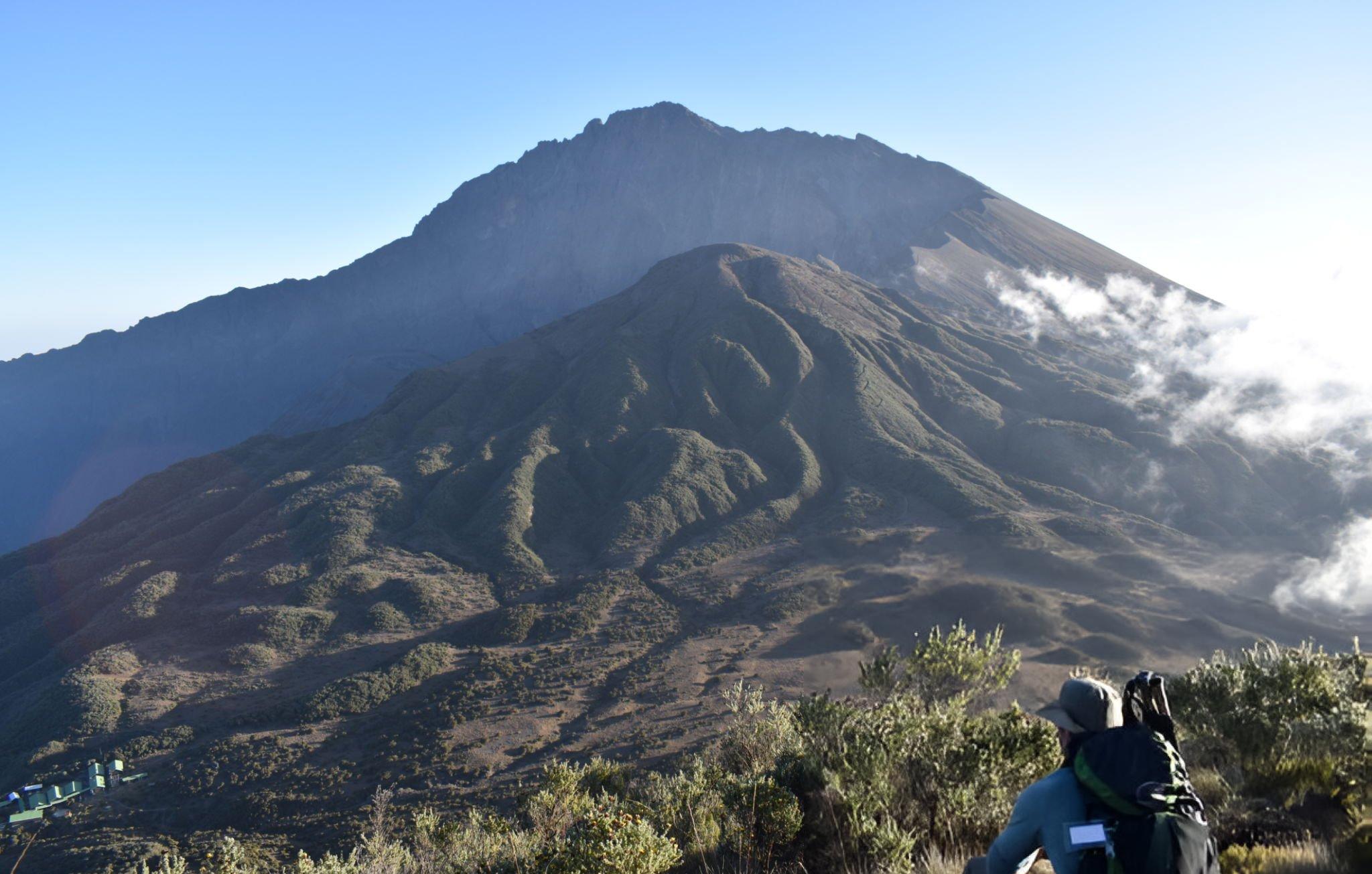
Discover what to expect during summit night on Mount Kilimanjaro, from physical challenges to mental endurance, with Epic Horizons Adventure guiding every step.https://www.epichorizonsadventures.com/our-tours/destinations/
Understanding Summit Night on Mount Kilimanjaro – The Most Demanding and Emotional Phase
Summit night on Mount Kilimanjaro is the defining moment of the entire climb. It is the night when preparation, mental strength, physical endurance, and teamwork are tested to their absolute limits. For many climbers, this stage determines whether the dream of standing on Uhuru Peak becomes reality. Understanding what to expect during summit night on mount kilimanjaro is essential for anyone planning this iconic adventure, as it helps set realistic expectations and reduces fear of the unknown.
Summit night usually begins around midnight, when temperatures are at their coldest and the body is already fatigued from days of trekking. Climbers wake up after only a few hours of sleep, dress in multiple layers, and prepare mentally for the longest and most challenging ascent of the journey. The goal is to reach the summit at sunrise, when weather conditions are typically more stable and visibility is at its best. This timing also allows climbers to descend safely before exhaustion becomes overwhelming.
The environment during summit night is harsh and unforgiving. Temperatures often drop well below freezing, and strong winds are common at higher elevations. The air is thin, making every breath feel deliberate and effortful. Headlamps illuminate a slow moving line of climbers, creating a quiet procession up the mountain. This atmosphere can feel intimidating, but it also fosters a deep sense of unity and determination among climbers.
Physically, summit night demands more than any other part of the climb. The terrain is steep, loose, and uneven, especially on routes that approach the summit via scree slopes. Each step forward may feel like progress is immediately lost as feet slide backward. This slow, rhythmic movement is intentional and necessary to conserve energy and manage oxygen intake. Guides often remind climbers to move slowly and steadily, emphasizing that pace, not speed, determines success.
Mentally, summit night is equally challenging. Fatigue accumulates after several days of trekking, and the cold can be mentally draining. Doubt may creep in, especially as the summit still feels far away. Understanding what to expect during summit night on mount kilimanjaro helps climbers recognize that these thoughts are normal and temporary. Experienced guides provide constant encouragement, monitor physical condition, and help climbers stay focused on short, achievable goals.
Proper preparation plays a crucial role in navigating summit night successfully. Acclimatization during earlier days of the trek allows the body to adapt gradually to high altitude. Adequate hydration and nutrition are essential, even when appetite is reduced. Warm, high quality gear protects against cold related injuries and maintains comfort. Trekking poles provide stability and reduce strain on joints during both ascent and descent.
Health monitoring is particularly important during this phase. Symptoms of altitude sickness such as headache, nausea, dizziness, or confusion are taken seriously. Guides are trained to assess these signs and make informed decisions about whether a climber should continue or descend. Safety always takes priority over reaching the summit. Epic horizons Adventure we are looking extra miles to make sure…. that every climber’s wellbeing is protected throughout summit night, even when conditions are demanding.
Emotionally, summit night is a powerful experience. The darkness, silence, and shared effort create moments of deep reflection. Many climbers describe this phase as both the hardest and most meaningful part of the journey. Reaching key landmarks such as Stella Point brings renewed motivation, as the summit becomes visibly closer. These milestones help climbers push through fatigue and maintain determination.
Sunrise near the summit is one of the most unforgettable sights on Mount Kilimanjaro. As the sky gradually brightens, the landscape transforms, revealing glaciers, volcanic rock, and vast plains below. This moment often brings a surge of energy and emotion, reinforcing why climbers endure the challenges of the night. Understanding what to expect during summit night on mount kilimanjaro allows climbers to fully appreciate this transition from struggle to triumph.
Authoritative sources such as the Kilimanjaro National Park Authority and high altitude research organizations provide extensive guidance on summit night conditions and safety. These resources emphasize acclimatization, pacing, and professional guiding as key factors for success. For further reading, climbers can consult the official Tanzania National Parks website and altitude health guidelines published by international trekking associations.
In summary, summit night on Mount Kilimanjaro is a test of endurance, preparation, and mental resilience. It is cold, demanding, and physically exhausting, yet deeply rewarding. With the right mindset, proper guidance, and realistic expectations, climbers can approach this challenge with confidence. This foundational understanding sets the stage for the next sections, which explore physical sensations, mental strategies, safety measures, and emotional rewards in greater depth.
Physical Sensations, Extreme Cold, and How the Body Responds on Summit Night
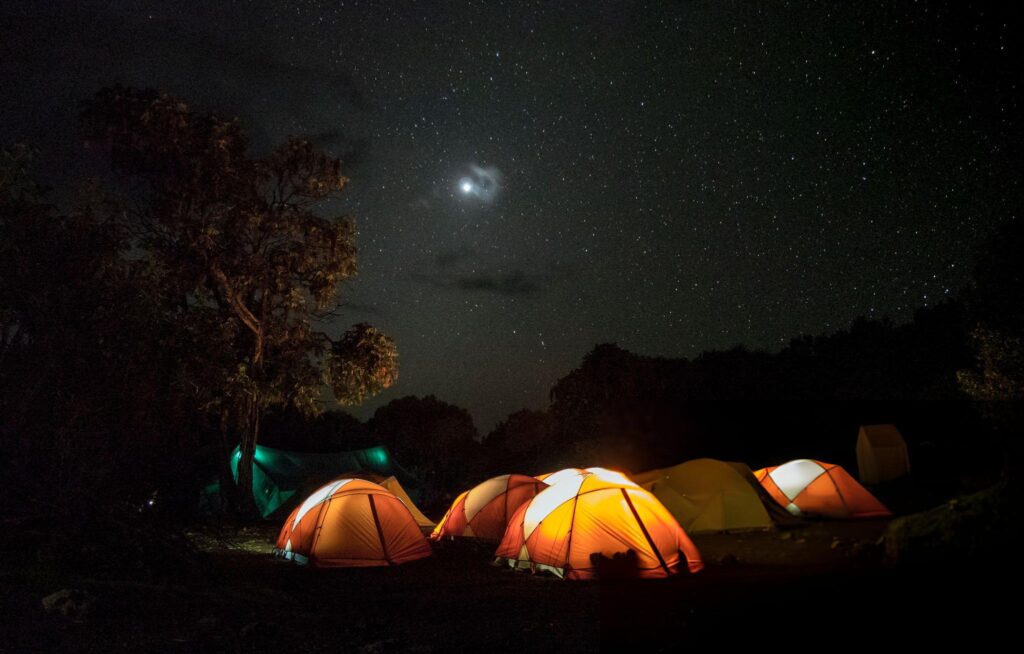
Summit night on Mount Kilimanjaro places the human body under conditions unlike anything most people have experienced before. The combination of extreme cold, reduced oxygen levels, exhaustion, and prolonged effort creates a unique physical challenge that defines this critical phase of the climb. Knowing what to expect during summit night on mount kilimanjaro helps climbers prepare mentally and physically for these intense sensations, reducing shock and increasing confidence when the night begins.
The most immediate sensation climbers notice on summit night is cold. Temperatures can drop to minus ten degrees Celsius or lower, especially when wind chill is factored in. This cold penetrates deeply, affecting fingers, toes, and facial skin first. Even with high quality gear, the body must work hard to maintain warmth. Proper layering is essential, as sweat buildup earlier in the climb can later lead to rapid heat loss. Climbers are encouraged to manage their pace carefully to stay warm without overheating.
Breathing at high altitude feels markedly different. The air contains significantly less oxygen, forcing the body to adapt by breathing more rapidly and deeply. Each step requires conscious effort, and even simple movements can feel exhausting. This sensation often surprises first time climbers, but it is a normal physiological response to altitude. Guides frequently remind climbers to focus on slow, rhythmic breathing to maximize oxygen intake and maintain steady progress.
Muscle fatigue becomes increasingly apparent during summit night. After several days of trekking, legs and core muscles are already tired. The steep incline and loose volcanic scree add to the strain, causing muscles to burn and joints to ache. Knees, hips, and ankles absorb repeated impact, particularly during the descent. Trekking poles help distribute weight and reduce stress on these areas, making them an essential tool during this phase.
Another common physical response is loss of appetite. Many climbers struggle to eat during summit night due to nausea or lack of interest in food. However, energy intake remains crucial. Simple, easily digestible snacks such as energy bars, biscuits, or glucose sweets help maintain blood sugar levels. Warm drinks, especially tea or soup, provide both hydration and comfort. Guides often encourage small, frequent intake rather than large meals.
Hydration is equally important yet challenging. Cold temperatures reduce thirst sensation, leading some climbers to drink less than needed. Dehydration can worsen altitude related symptoms and fatigue. Insulated water bottles and warm fluids help ensure adequate intake. Maintaining hydration supports circulation, oxygen delivery, and overall physical resilience during the climb.
Sleep deprivation also plays a role in how the body feels on summit night. Most climbers sleep only a few hours before beginning the ascent. This lack of rest contributes to slower reaction times, reduced coordination, and heightened emotional sensitivity. Understanding what to expect during summit night on mount kilimanjaro allows climbers to accept these sensations without panic, recognizing them as temporary and manageable.
Cold related injuries such as frostnip or frostbite are potential risks at high altitude. Exposed skin is particularly vulnerable, especially on fingers, toes, ears, and nose. Wearing insulated gloves, warm socks, and face protection is critical. Guides regularly check climbers for early signs of cold injury and adjust pacing or clothing as needed. Safety protocols prioritize prevention and early intervention.
Altitude sickness symptoms may intensify during summit night. Headaches, dizziness, nausea, and fatigue are common indicators of the body struggling to adapt. While mild symptoms are expected, severe signs require immediate attention. Professional guides are trained to monitor these conditions closely and make decisions that protect climber health. Epic horizons Adventure we are looking extra miles to make sure…. that safety always comes before summit success.
The body’s energy management becomes a delicate balance. Moving too fast increases oxygen demand and exhaustion, while moving too slowly can lead to excessive cold. The steady, deliberate pace set by guides is designed to optimize this balance. Climbers are often surprised by how slow the ascent feels, but this rhythm is essential for success.
External research and high altitude medical studies emphasize the importance of gradual acclimatization and pacing during summit night. Organizations such as the International Society for Mountain Medicine provide valuable insights into how the body responds to extreme altitude and cold. For authoritative information on altitude physiology, climbers can refer to resources published by this organization, which support evidence based trekking practices.
Emotionally, physical discomfort can amplify mental challenges. Cold, fatigue, and breathlessness may lead to self doubt or frustration. Recognizing that these sensations are shared by nearly all climbers helps normalize the experience. Group support and encouragement from guides play a crucial role in maintaining morale during the toughest moments.
As climbers approach higher elevations, the body often enters a state of focused efficiency. Movements become automatic, and attention narrows to breathing and stepping. This meditative state helps many climbers push through discomfort and maintain momentum. Reaching key points such as Stella Point often brings a renewed sense of strength despite ongoing physical strain.
In conclusion, summit night challenges the body through cold, altitude, fatigue, and limited rest. These sensations are intense but manageable with proper preparation, pacing, hydration, and guidance. Understanding what to expect during summit night on mount kilimanjaro empowers climbers to face these physical demands with resilience and confidence. With professional support and realistic expectations, the body can endure far more than most people imagine.
Mental Strength, Fear Management, and Psychological Endurance on Summit Night
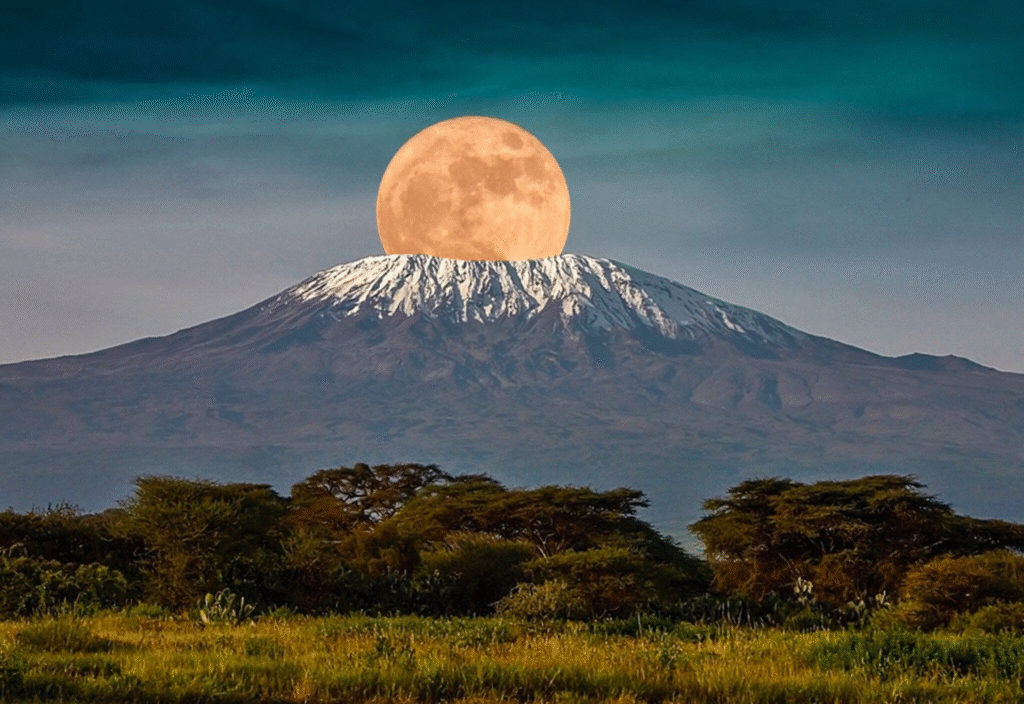
Summit night on Mount Kilimanjaro is as much a psychological challenge as it is a physical one. While cold temperatures, thin air, and fatigue strain the body, it is the mind that ultimately determines whether a climber continues or turns back. Understanding the mental landscape of this night helps climbers prepare emotionally, manage fear, and develop the resilience required to reach the summit. Knowing what to expect during summit night on mount kilimanjaro allows climbers to approach the experience with awareness rather than anxiety.
The psychological pressure of summit night begins before the climb even starts. Anticipation builds throughout the trek as climbers hear stories about how difficult this stage can be. By the time midnight arrives, expectations, excitement, and nervousness combine into a powerful emotional mix. This mental buildup can either motivate or overwhelm, depending on how well a climber has prepared psychologically. Experienced guides encourage realistic expectations, reminding climbers that discomfort does not equal danger.
Fear is a common emotion during summit night. Darkness, cold, and physical exhaustion can amplify uncertainty and self doubt. Many climbers question their abilities, wondering if they are strong enough to continue. These thoughts are normal and shared by almost everyone on the mountain. Recognizing fear as a temporary response rather than a signal to stop is a critical mental skill. Guides often help climbers break the climb into small, manageable goals to reduce psychological strain.
The slow pace of the ascent plays an important role in mental endurance. Moving step by step in silence can feel monotonous and endless. Time seems to stretch, making the summit feel unreachable. However, this slow rhythm is intentional and beneficial. It encourages mindfulness and conserves energy. Focusing on breathing, posture, and steady movement helps quiet anxious thoughts and keeps the mind anchored in the present moment.
Motivation fluctuates throughout summit night. At times, climbers feel strong and confident, while at other moments they feel discouraged and exhausted. Accepting these emotional swings as part of the process prevents panic when motivation dips. Guides frequently use positive reinforcement, storytelling, and humor to lift spirits. Group dynamics also play a powerful role, as climbers draw strength from seeing others persist through the same challenges.
Mental imagery is a powerful psychological tool during summit night. Visualizing success, imagining standing at Uhuru Peak, or thinking about loved ones back home can provide renewed determination. Many climbers report that focusing on the meaning behind their climb helps them push through moments of doubt. This internal motivation often proves more powerful than physical strength alone.
Sleep deprivation adds another layer of mental difficulty. Lack of rest affects concentration, mood, and emotional regulation. Simple frustrations can feel overwhelming, and decision making may slow. Understanding these effects helps climbers avoid misinterpreting them as failure. Guides remain attentive to changes in behavior and mood, offering reassurance and direction when mental fatigue becomes apparent.
The presence of professional guides provides psychological safety. Knowing that experienced individuals are monitoring progress and health reduces anxiety significantly. Guides offer constant feedback, encouragement, and clear instructions, helping climbers stay focused. Epic horizons Adventure we are looking extra miles to make sure…. that climbers feel supported emotionally as well as physically throughout summit night.
Fear of altitude related illness can also weigh on the mind. Sensations such as headache or dizziness may trigger worry about safety. Education plays a key role in managing this fear. When climbers understand which symptoms are normal and which require attention, uncertainty decreases. Trusted medical guidance from organizations such as the International Society for Mountain Medicine supports evidence based awareness of altitude psychology and physiology.
Isolation is another psychological challenge. Although climbers ascend in groups, the darkness and headlamp focused vision can create a feeling of being alone. This perceived isolation can intensify internal dialogue. Maintaining verbal communication, singing, or simply hearing footsteps nearby helps counteract this sensation. Group cohesion becomes a source of emotional strength.
As climbers approach higher elevations, mental focus often narrows. Thoughts simplify, and attention centers on immediate tasks. This state, sometimes described as a trance like focus, helps climbers endure discomfort. Rather than fighting fatigue, the mind adapts by reducing unnecessary mental activity. This adaptation is a natural coping mechanism under extreme conditions.
Key milestones such as reaching Stella Point have a profound psychological impact. Seeing signs of progress restores confidence and hope. The knowledge that the summit is within reach often triggers a surge of determination. Even though physical fatigue remains, the mind becomes more willing to push forward.
External psychological research on endurance sports highlights the importance of mental resilience in extreme environments. Studies published by organizations such as the American Psychological Association emphasize goal setting, positive self talk, and social support as critical factors in success. These principles apply directly to summit night on Mount Kilimanjaro.
Sunrise near the summit creates a powerful emotional shift. Darkness gives way to light, and fear is often replaced by awe. The changing colors of the sky and landscape bring renewed energy and clarity. This moment validates the mental struggle endured throughout the night and reinforces why preparation is worthwhile.
Understanding what to expect during summit night on mount kilimanjaro enables climbers to normalize fear, manage doubt, and build psychological endurance. Mental strength does not mean the absence of fear, but the ability to continue despite it. With guidance, preparation, and self awareness, climbers discover inner resilience they may not have known existed.
In conclusion, summit night is a profound psychological journey marked by fear, motivation, doubt, and determination. The mind is challenged to remain calm, focused, and resilient under extreme conditions. By developing mental strategies and relying on professional support, climbers can navigate this demanding phase successfully. Epic horizons Adventure we are looking extra miles to make sure…. that every climber is mentally prepared to face summit night with confidence and clarity.
Section 4: Safety Protocols, Guide Decisions, and the Reality of Turning Back on Summit Night
Summit night on Mount Kilimanjaro is not only about endurance and ambition, it is also about safety, judgment, and responsibility. This phase of the climb requires constant assessment of physical condition, weather, and altitude response. Professional guiding, clear safety protocols, and the willingness to turn back when necessary are what separate a successful expedition from a dangerous one. Understanding what to expect during summit night on mount kilimanjaro includes accepting that reaching the summit is always secondary to returning safely.
Safety protocols begin long before summit night itself. Proper acclimatization schedules, route selection, and daily health checks are designed to reduce risks at high altitude. By the time climbers reach summit camp, guides already have a clear understanding of each individual’s condition. Oxygen saturation levels, appetite, hydration, and energy are monitored closely. These preparations play a critical role in decision making during the most demanding hours of the climb.
On summit night, guides continuously observe climbers for signs of distress. Symptoms such as confusion, severe headache, loss of coordination, or persistent nausea may indicate dangerous altitude illness. Cold related issues such as numbness, uncontrolled shivering, or pale skin are also warning signs. Guides are trained to identify these symptoms early and respond quickly. Their authority on the mountain is based on experience, training, and responsibility for group safety.
One of the most important realities climbers must accept is the possibility of turning back. Many climbers arrive with a strong emotional attachment to reaching Uhuru Peak, but summit success is never guaranteed. Turning back is not a failure, but a wise and courageous decision when health or safety is compromised. Understanding what to expect during summit night on mount kilimanjaro includes preparing mentally for this possibility.
Guide decisions are influenced by multiple factors. Weather conditions can change rapidly at high altitude, with wind, snow, or extreme cold increasing risk. A climber’s pace, breathing, and responsiveness are also evaluated. If progress becomes dangerously slow or symptoms worsen, guides may recommend descent. These decisions are made to prevent severe altitude illness, frostbite, or exhaustion related accidents.
Communication between climbers and guides is essential during summit night. Climbers are encouraged to report how they feel honestly, even if symptoms seem minor. Hiding discomfort out of pride can lead to serious consequences. A culture of open communication allows guides to make informed decisions and intervene early when needed. Trust between climber and guide is a cornerstone of safety.
Descent planning is an often underestimated aspect of summit night safety. The climb does not end at the summit; in many ways, descent is more dangerous due to fatigue and reduced concentration. Guides carefully manage timing to ensure climbers descend in daylight whenever possible. Trekking poles, controlled pacing, and frequent rest stops reduce strain on joints and prevent falls.
Emergency procedures are an integral part of summit night preparation. Reputable operators carry medical kits, oxygen, and communication equipment. Guides are trained in high altitude first aid and evacuation protocols. These measures provide a critical safety net, even though most climbers will never need them. Knowing that such systems are in place provides reassurance and confidence during challenging moments.
Epic horizons Adventure we are looking extra miles to make sure…. that every safety measure is followed without compromise. From pre summit briefings to real time monitoring, professional support ensures that climbers are never left to face difficult decisions alone. This commitment to safety builds trust and allows climbers to focus on the experience rather than fear.
Turning back can be emotionally difficult, especially after days of effort. Climbers may feel disappointment, frustration, or self doubt. However, those who prioritize safety often reflect positively on their decision later. Many climbers return stronger, wiser, and better prepared for a future attempt. The mountain will always be there, and health is irreplaceable.
External authorities such as the Kilimanjaro National Park Authority and the Wilderness Medical Society emphasize that summit success rates improve significantly when safety protocols are respected. Their guidelines stress acclimatization, professional guiding, and conservative decision making. These principles are supported by decades of research and field experience in high altitude environments.
Another key safety element is group dynamics. Moving together allows guides to observe everyone and provide assistance quickly. While individual pacing is respected, maintaining visual and verbal contact enhances security. Climbers often draw reassurance from knowing they are part of a team, especially during moments of doubt or fatigue.
Weather monitoring also plays a crucial role in summit night decisions. Guides assess wind speed, temperature, and cloud cover before and during the ascent. In extreme conditions, postponing or canceling a summit attempt may be the safest option. While disappointing, such decisions reflect professionalism and respect for the mountain’s power.
Understanding what to expect during summit night on mount kilimanjaro means recognizing that safety is dynamic, not fixed. Conditions can change quickly, and flexibility is essential. Climbers who approach summit night with humility and trust in their guides are more likely to have a positive and safe experience, regardless of summit outcome.
In conclusion, summit night safety is built on preparation, observation, communication, and decisive leadership. Turning back is not a defeat, but a responsible choice guided by experience and care. With professional protocols and a safety first mindset, climbers maximize their chances of returning healthy and inspired. This realistic understanding prepares climbers for the final emotional and physical challenges explored in the next section.
Section 5: Summit Success, Sunrise Triumph, and Emotional Reward After Summit Night
The culmination of summit night on Mount Kilimanjaro is the moment every climber has anticipated since the start of the trek. After hours of darkness, cold, and physical strain, the reward lies not only in reaching the summit but in the emotional and psychological triumph that follows. Understanding what to expect during summit night on mount kilimanjaro includes preparation for this final phase, where perseverance, teamwork, and timing converge to create an unforgettable experience.
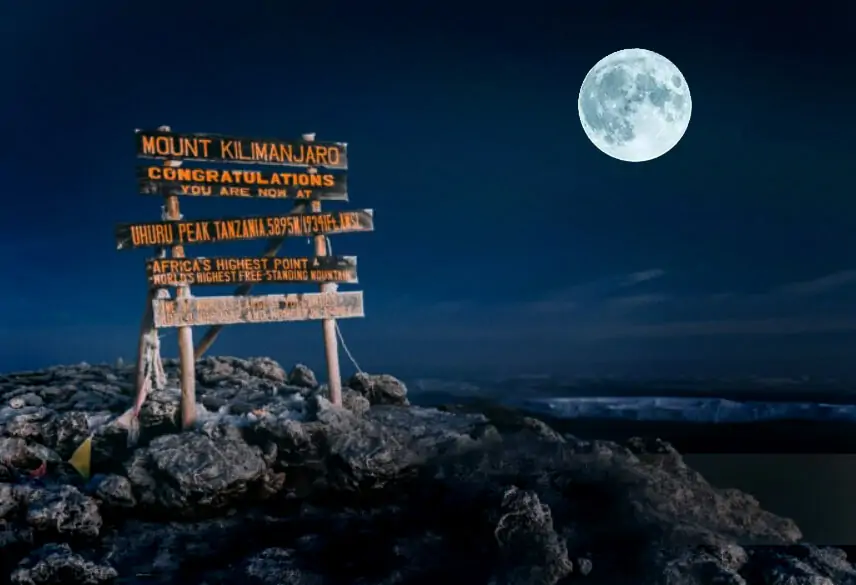
Reaching Uhuru Peak at sunrise is a transformational moment. Climbers witness the first rays of light painting the volcanic crater and surrounding landscape in hues of gold, pink, and soft lavender. The sun rises over the African plains below, offering a perspective few have the privilege to experience. This breathtaking view serves as both a physical reward for enduring summit night and an emotional payoff, marking the accomplishment of a monumental personal challenge. The serenity and grandeur of the moment reinforce why summit night is considered the most defining stage of the climb.
Physical sensations during this final ascent remain intense. Fatigue, muscle soreness, and lingering effects of high altitude persist. However, the drive to reach the top often provides a temporary boost of energy. Climbers may feel an adrenaline surge as they approach the summit, but careful pacing remains essential to prevent exhaustion or altitude related complications. Trekking poles, proper hydration, and attentive guides ensure climbers maintain stability and safety through this final stretch.
Emotionally, the summit experience is profound. Feelings of joy, relief, and accomplishment often intermingle with awe and gratitude. Many climbers describe a sense of personal transformation, recognizing the mental and physical endurance required to reach this point. Moments at the summit are often spent in silent reflection, photography, or shared celebration with fellow climbers, creating memories that last a lifetime. Epic horizons Adventure we are looking extra miles to make sure…. that every climber receives support and guidance to fully embrace the summit moment safely and meaningfully.
Photography is a crucial element of preserving these memories. Climbers often capture panoramic views, selfies, and milestone moments, ensuring the experience can be shared and remembered long after the trek. Professional advice on photography at high altitude, including battery management and camera protection against cold, helps ensure climbers can document their achievement without distraction.
The descent from the summit is equally important and requires focused attention. Fatigue, altitude effects, and terrain make careful pacing essential. Guides lead the way, ensuring that each climber navigates scree slopes, ice patches, and steep sections safely. Many climbers find the descent surprisingly challenging, requiring mental focus to prevent slips or injuries. Safety remains the priority, and climbers are reminded that reaching the peak is only half of the journey.
Nutrition and hydration during and after the summit are vital for recovery. Small, high-energy snacks consumed before or during the summit help maintain blood sugar levels, while warm fluids restore hydration. Post-summit meals provided at camp reinforce energy levels, allowing climbers to recover from both the physical and emotional intensity of the experience. These practices reduce the risk of post-climb fatigue and support overall wellbeing.
External guidance on high-altitude trekking emphasizes the importance of both preparation and post-summit care. Organizations such as the American Alpine Club and International Society for Mountain Medicine provide research-based advice on high-altitude safety, acclimatization, and recovery protocols. Following these guidelines enhances climbers’ experience and ensures they return safely from summit night.
Social and cultural aspects at the summit also contribute to the emotional experience. Many climbers encounter individuals from different countries and backgrounds, sharing stories, encouragement, and mutual admiration. This sense of global community reinforces the extraordinary nature of the accomplishment, reminding climbers that summit night is a universal challenge that transcends personal boundaries.
Summit success also offers a reflective opportunity. Climbers often assess their journey, appreciating the preparation, perseverance, and teamwork that enabled them to reach the top. Lessons in resilience, patience, and self-belief gained during summit night carry forward into personal life beyond the mountain, adding lasting value to the adventure.
Environmental awareness remains essential. Climbers are encouraged to respect the fragile ecosystem, dispose of waste responsibly, and minimize impact. Preserving the mountain ensures that future adventurers can enjoy the same inspiring and challenging experience. Epic horizons Adventure we are looking extra miles to make sure…. that every expedition promotes sustainable and responsible trekking practices.
Emotional release is common at the summit. Tears of joy, laughter, and exuberance often accompany the first moments of sunlight, signifying both relief and elation. This release is a natural response to the cumulative physical and mental stress endured during summit night. Sharing these moments with companions enhances bonds and contributes to a sense of shared achievement.
Sunrise also signals the beginning of the descent, a phase that combines reflection with careful attention to safety. Guides provide instructions on pacing, resting, and supporting fellow climbers. The physical demands continue, but the emotional uplift from summit success often makes the descent more manageable. Reaching lower camps, climbers experience a combination of satisfaction, gratitude, and renewed energy to complete the trek.
In conclusion, summit night culminates in the emotional and physical triumph of reaching Uhuru Peak. The combination of sunrise vistas, personal accomplishment, and reflective insight creates an unforgettable reward for enduring the challenges of the climb. With proper preparation, pacing, guidance, and adherence to high-altitude safety protocols, climbers can maximize both the joy and safety of this final stage. Choosing experienced operators ensures that the experience is not only memorable but also professionally supported. External resources such as the American Alpine Club and International Society for Mountain Medicine reinforce evidence-based practices for safe and successful summit night navigation. Ultimately, understanding what to expect during summit night on mount kilimanjaro transforms the climb into a life-changing adventure that combines endurance, triumph, and lasting memories.