Discover Why Umbwe Route Is the Most Challenging Route on Mount Kilimanjaro, exploring steep terrain, altitude risks, mental endurance, and expert guidance.https://www.epichorizonsadventures.com/our-tours/destinations/
Understanding the Reputation of Umbwe Route on Mount Kilimanjaro
Mount Kilimanjaro is globally recognized as the highest free-standing mountain in the world and one of the most iconic trekking destinations on the African continent. Each year, thousands of climbers from across the globe attempt to reach its summit, Uhuru Peak, using a variety of established routes. While all routes lead to the same summit, they differ greatly in terms of terrain, difficulty, acclimatization profile, technical demands, and overall success rates. Among these routes, Umbwe Route stands out with a reputation that inspires both respect and caution among experienced trekkers and mountain professionals. Understanding why this route has earned such a formidable reputation requires a deep look into its history, structure, environment, and physical demands.
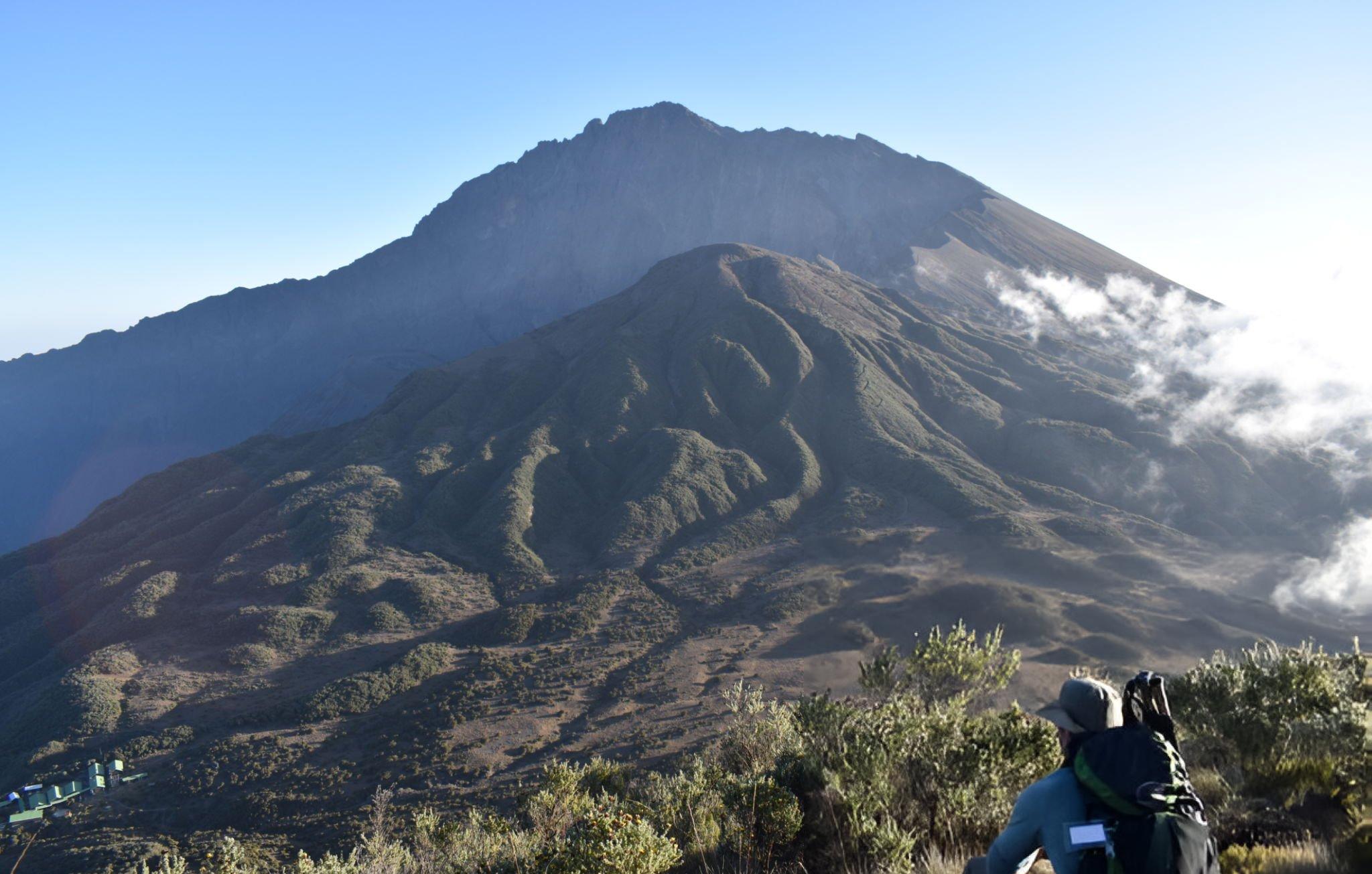
When discussing Why Umbwe Route Is the Most Challenging Route, it is important to begin with its original design and purpose. Unlike popular routes such as Marangu or Machame, Umbwe Route was not developed with mass tourism in mind. Instead, it was initially used as a direct, steep ascent for strong and experienced climbers seeking a more intense and less crowded approach to Kilimanjaro. This historical context explains much of its character today. The route rises aggressively from the rainforest zone, gaining altitude rapidly with minimal opportunities for gradual acclimatization. From the very first day, climbers are confronted with steep inclines, narrow trails, and a physical demand that exceeds what most standard trekking routes require.
The reputation of Umbwe Route is also shaped by its isolation. While many Kilimanjaro routes are social experiences where climbers encounter multiple groups, Umbwe Route offers a starkly different atmosphere. The trail is quiet, remote, and often eerily silent, especially in the lower rainforest sections. This isolation can be mentally taxing, particularly for climbers who are not accustomed to long hours of ascent without the psychological boost of seeing other trekkers. Mental endurance becomes just as important as physical strength, reinforcing the perception that this route is reserved for those seeking a serious mountaineering challenge rather than a casual hiking experience.
Another defining factor that contributes to the route’s reputation is its steep and relentless gradient. From the Umbwe Gate, the trail ascends sharply through dense rainforest, where thick vegetation, tangled roots, and muddy terrain create difficult footing. This section alone sets the tone for the entire climb. Climbers often report that the first two days on Umbwe Route feel significantly harder than comparable stages on other routes, even before reaching high altitude zones. The lack of gradual ascent places immediate stress on the cardiovascular system and leg muscles, testing physical preparedness early in the journey.
Altitude profile plays a critical role in shaping the challenges of Umbwe Route. One of the core reasons frequently cited when explaining Why Umbwe Route Is the Most Challenging Route is its limited acclimatization opportunities. Acclimatization is essential for allowing the body to adjust to reduced oxygen levels at higher elevations. Many Kilimanjaro routes are designed with “climb high, sleep low” principles that help reduce the risk of altitude sickness. Umbwe Route, however, follows a more direct ascent with fewer natural breaks for acclimatization. This increases the risk of altitude-related illnesses such as Acute Mountain Sickness (AMS), particularly for climbers who have not spent sufficient time at altitude prior to the climb.
The environmental transitions along Umbwe Route further contribute to its difficulty. Climbers move rapidly through distinct ecological zones, starting in the lush rainforest, progressing to heath and moorland, and eventually reaching the alpine desert. Each zone presents unique challenges. The rainforest is humid and slippery, often soaked by rain. The heath and moorland zone exposes climbers to stronger winds and cooler temperatures, while the alpine desert offers little shelter from intense sun during the day and freezing temperatures at night. The speed at which these transitions occur on Umbwe Route leaves little time for the body to adapt, amplifying physical strain.
Safety considerations are another reason the route carries such a serious reputation. Because Umbwe Route is less traveled, emergency response and evacuation can be more complex compared to busier routes. While Kilimanjaro National Park has established safety protocols across all routes, the remoteness of Umbwe means that self-sufficiency, proper guiding, and strong logistical support are absolutely essential. Climbers must rely heavily on experienced guides who understand the terrain, weather patterns, and signs of altitude sickness. This is where choosing the right tour operator becomes critical. Epic Horizons Adventure we are looking extra miles to make sure that climbers are properly prepared, supported, and guided throughout the entire journey, especially on demanding routes like Umbwe.
From a psychological perspective, Umbwe Route demands resilience and determination. The steep ascents, combined with the awareness of rapid altitude gain, can challenge even seasoned trekkers. Unlike routes that offer scenic variety and social interaction as distractions, Umbwe Route often feels raw and intense. The trail is unforgiving, and progress can feel slow despite the significant elevation gained. This mental pressure is a key component of the route’s difficulty and a major factor in why it is often recommended only for experienced climbers or those with excellent physical conditioning.
Weather exposure also contributes to the route’s reputation. As the trail emerges from the forest into higher zones, climbers are exposed to strong winds that funnel along the ridges. These winds can significantly increase the perceived cold, especially during early mornings and evenings. Combined with fatigue from steep ascents, weather conditions can quickly turn an already difficult climb into an extreme endurance test. Proper gear, layering systems, and pacing become non-negotiable elements of a successful ascent on Umbwe Route.
Globally recognized mountaineering authorities and Kilimanjaro experts consistently classify Umbwe Route as the most difficult standard trekking route on the mountain. According to information provided by Kilimanjaro National Park authorities and independent trekking organizations, Umbwe Route has one of the lowest summit success rates when climbed without extended acclimatization days. External resources such as the Kilimanjaro National Park official website (https://www.tanzaniaparks.go.tz) and educational overviews on Mount Kilimanjaro from platforms like National Geographic and Wikipedia provide additional context on how route design affects difficulty and success rates. These sources consistently highlight steepness, rapid ascent, and limited acclimatization as defining features of Umbwe Route.
Understanding Why Umbwe Route Is the Most Challenging Route also requires acknowledging the type of climber it attracts. This route is often chosen by those who actively seek difficulty rather than avoiding it. For experienced hikers, mountaineers, and endurance athletes, Umbwe Route represents a test of limits and discipline. The challenge itself becomes part of the appeal. However, this same appeal can be a drawback for less prepared climbers who underestimate the route’s demands. Without adequate training, preparation, and professional support, the route can quickly become overwhelming.
In conclusion, the reputation of Umbwe Route is not based on exaggeration or myth. It is the result of tangible, measurable factors including steep gradients, rapid altitude gain, limited acclimatization, environmental exposure, isolation, and psychological intensity. These elements combine to create a route that is fundamentally different from other Kilimanjaro approaches. For those who are prepared, guided by professionals, and motivated by challenge, Umbwe Route offers a deeply rewarding and transformative experience. For others, it serves as a reminder that Mount Kilimanjaro, despite being a non-technical climb, demands respect, preparation, and informed route selection.
Steepness, Altitude Gain, and Physical Demands of Umbwe Route
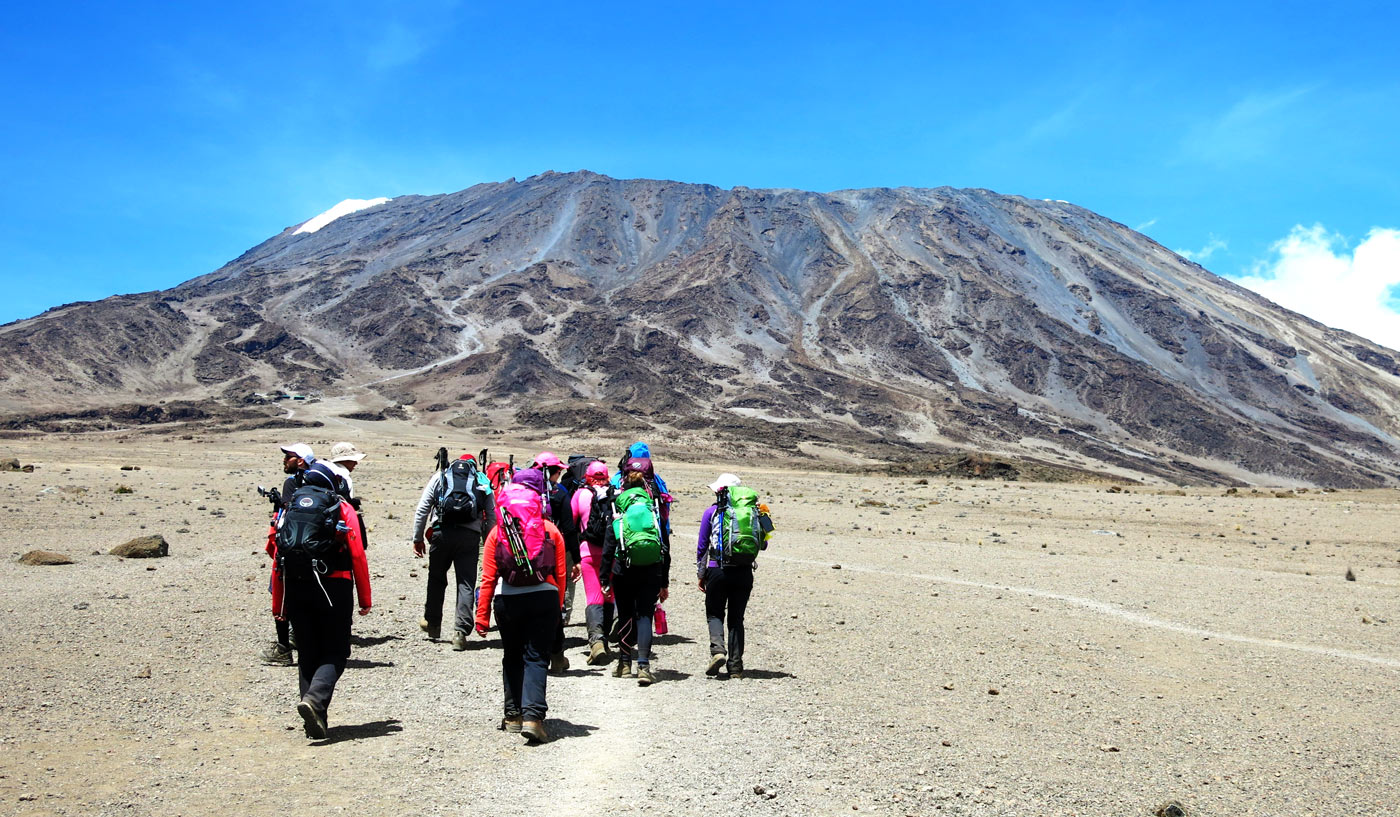
One of the most defining characteristics of Umbwe Route on Mount Kilimanjaro is its extreme steepness and aggressive altitude gain, which together create an experience that is physically and mentally demanding from the very beginning of the climb. Unlike routes designed with gradual elevation profiles, Umbwe Route challenges the human body almost immediately, forcing climbers to adapt quickly to strenuous conditions. This aspect alone places Umbwe Route in a distinct category compared to other Kilimanjaro routes and explains why it is often recommended only for experienced trekkers with strong endurance levels.
The physical challenge of Umbwe Route begins at the gate, where the trail rises sharply through dense rainforest. The path is narrow, uneven, and frequently muddy due to the region’s high rainfall. Thick tree roots crisscross the trail, requiring constant attention to foot placement. This combination of steep ascent and technical footing demands more energy than a standard hiking trail, placing early stress on leg muscles, joints, and cardiovascular capacity. Many climbers are surprised by how quickly fatigue sets in, even on the first day, making it clear that Umbwe Route does not offer a gentle introduction to Kilimanjaro.
Rapid altitude gain is another major contributor to the route’s difficulty. On Umbwe Route, climbers gain significant elevation over relatively short distances. This rapid ascent limits the body’s ability to gradually adjust to decreasing oxygen levels. As elevation increases, the amount of available oxygen in the air drops, forcing the body to work harder to deliver oxygen to muscles and vital organs. This physiological stress is intensified on Umbwe Route due to its steep profile, which requires sustained exertion while oxygen availability is already declining.
When analyzing Why Umbwe Route Is the Most Challenging Route, altitude-related strain cannot be ignored. The body’s response to altitude varies from person to person, but rapid ascents increase the likelihood of symptoms such as headaches, nausea, dizziness, and shortness of breath. While these symptoms can occur on any Kilimanjaro route, the limited acclimatization opportunities on Umbwe Route make them more common and more severe. Climbers must rely heavily on pacing, hydration, nutrition, and professional guidance to manage these risks effectively.
The physical demands of Umbwe Route are not limited to cardiovascular endurance alone. Muscular strength, balance, and core stability play a critical role in maintaining forward progress on steep terrain. Continuous uphill movement places heavy demands on the quadriceps, calves, glutes, and lower back. Descents, though less frequent on Umbwe, also require control and stability to prevent injury. Over multiple days, accumulated fatigue can significantly impact performance, making proper preparation essential.
Another factor that increases physical strain is the weight carried during the climb. Although porters carry the majority of equipment, climbers are still responsible for their daypacks, which include water, snacks, extra clothing, and safety gear. Carrying even a modest load while ascending steep terrain at altitude increases energy expenditure. This makes Umbwe Route particularly unforgiving for climbers who underestimate the cumulative effect of weight, slope, and altitude combined.
The route’s steepness also affects pacing strategies. On more gradual routes, climbers can maintain a consistent rhythm that supports efficient oxygen use and energy conservation. Umbwe Route disrupts this rhythm. Climbers are often forced into short, slow steps with frequent pauses to catch their breath. This stop-and-go pattern can be mentally frustrating and physically exhausting, especially for those accustomed to smoother trails. Experienced guides emphasize the importance of the “pole pole” approach, but even with slow pacing, the route remains demanding.
Environmental conditions further amplify physical challenges. In the rainforest zone, humidity levels are high, causing climbers to sweat heavily. This increases the risk of dehydration if fluid intake is not carefully managed. Wet conditions also increase the likelihood of slipping, which can lead to muscle strain as climbers work harder to maintain balance. As the route ascends into higher zones, temperatures drop and winds become stronger, adding another layer of stress to an already taxed body.
Scientific and mountaineering research supports the idea that steep ascents combined with rapid altitude gain significantly increase physical workload. According to studies on high-altitude physiology referenced by institutions such as the International Mountaineering and Climbing Federation and educational resources like Wikipedia’s Mount Kilimanjaro overview, energy expenditure rises sharply with slope angle and elevation. These findings align closely with real-world experiences reported by climbers on Umbwe Route. Additional authoritative information can be found through resources provided by Tanzania National Parks and global adventure travel publications such as National Geographic, which discuss how route profiles influence climbing difficulty and success rates.
Understanding Why Umbwe Route Is the Most Challenging Route also involves recognizing how cumulative fatigue impacts summit attempts. By the time climbers reach higher camps, their bodies have already endured days of intense physical effort with limited recovery. This can leave less reserve energy for summit night, which is universally considered the hardest part of any Kilimanjaro climb. On Umbwe Route, entering summit night with depleted energy stores significantly reduces the margin for error.
Professional guiding plays a critical role in managing these physical demands. Experienced guides monitor climbers closely for signs of overexertion, dehydration, and altitude sickness. They adjust pace, encourage rest breaks, and ensure proper hydration and nutrition throughout the climb. Epic Horizons Adventure we are looking extra miles to make sure that every climber on Umbwe Route receives close supervision and personalized support, recognizing that physical strain is one of the most significant risk factors on this route.
Preparation before the climb is equally important. Climbers attempting Umbwe Route benefit greatly from targeted training that includes cardiovascular conditioning, leg strength development, and endurance hiking on steep terrain. Stair climbing, hill repeats, and long-distance hikes with a pack can help simulate the physical demands of the route. Without adequate preparation, the steepness and altitude gain of Umbwe Route can quickly overwhelm even motivated climbers.
From an objective standpoint, Umbwe Route consistently ranks as the most physically demanding standard route on Kilimanjaro. Its steep gradients, rapid elevation gain, and limited recovery opportunities combine to create a sustained physical challenge unlike any other route on the mountain. While this intensity appeals to experienced adventurers seeking a true test of endurance, it also explains why the route has lower success rates when climbed without sufficient acclimatization days or professional support.
In summary, the steepness, altitude gain, and physical demands of Umbwe Route form the core of its difficulty. These factors interact continuously, placing stress on the body from the first day of the climb until the final push to the summit. When climbers ask Why Umbwe Route Is the Most Challenging Route, the answer lies not in a single obstacle, but in the relentless combination of slope, elevation, and sustained physical effort that defines this route from start to finish.
Acclimatization Challenges and Altitude Sickness Risks on Umbwe Route
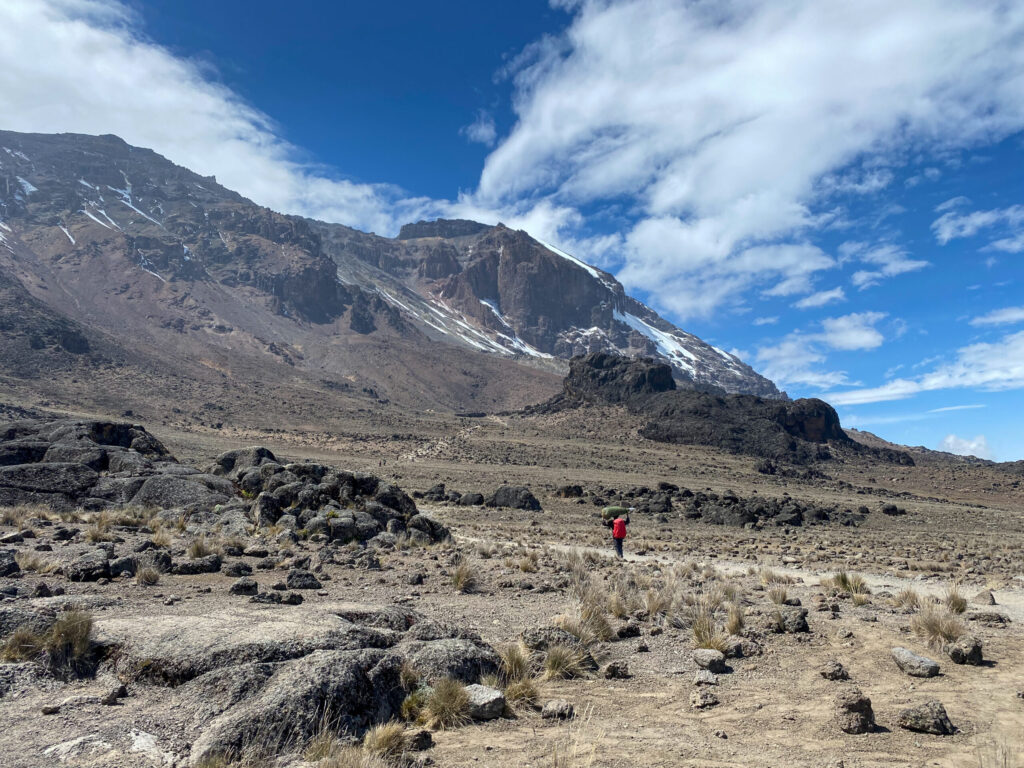
Altitude acclimatization is one of the most critical factors in determining the success of any Mount Kilimanjaro climb, and it plays an especially decisive role on Umbwe Route. As climbers ascend to higher elevations, the body is exposed to progressively lower oxygen levels, forcing physiological adaptations that take time to develop. When ascent is too rapid, the body struggles to adjust, increasing the risk of altitude-related illnesses. Umbwe Route is widely known for its limited acclimatization profile, which is a central reason it carries a reputation for difficulty and demands exceptional preparation, awareness, and professional guidance.
Umbwe Route follows a direct and steep path up the southern face of Mount Kilimanjaro, gaining altitude much faster than most other established routes. This rapid elevation gain leaves minimal time for the body to adapt to changes in atmospheric pressure. Unlike routes such as Lemosho or Machame, which incorporate gradual ascents and built-in acclimatization days, Umbwe Route compresses elevation gain into fewer days. As a result, climbers are exposed to significant altitude stress early in the climb, often before their bodies have had adequate time to respond.
When discussing Why Umbwe Route Is the Most Challenging Route, acclimatization limitations are among the most frequently cited factors. The human body requires time to increase red blood cell production, adjust breathing patterns, and optimize oxygen utilization at altitude. On Umbwe Route, the pace of ascent often outstrips the body’s natural ability to make these adjustments. This mismatch increases the likelihood of Acute Mountain Sickness, a condition characterized by symptoms such as headache, nausea, fatigue, dizziness, and sleep disturbances.
Acute Mountain Sickness can affect climbers of all fitness levels, regardless of age or athletic ability. Physical strength does not guarantee immunity from altitude illness. On Umbwe Route, even well-trained climbers may experience symptoms due to the rapid ascent profile. More severe forms of altitude sickness, such as High Altitude Cerebral Edema and High Altitude Pulmonary Edema, although rare, pose serious risks if not recognized and managed promptly. These conditions require immediate descent and medical attention, emphasizing the importance of vigilant monitoring throughout the climb.
Sleep quality is another critical component of acclimatization that is often compromised on Umbwe Route. As climbers ascend quickly to higher camps, the body may struggle to regulate breathing during sleep, leading to frequent waking and poor rest. Inadequate sleep exacerbates fatigue, reduces mental clarity, and weakens the body’s ability to cope with altitude stress. Over successive days, sleep deprivation combined with physical exertion can significantly increase the difficulty of the climb.
Hydration and nutrition play essential roles in supporting acclimatization, yet they can be challenging to maintain on Umbwe Route. The physical effort required to ascend steep terrain often suppresses appetite, making it difficult for climbers to consume enough calories. At the same time, increased respiration and sweating accelerate fluid loss. Dehydration can intensify altitude sickness symptoms and impair overall performance. Experienced guides emphasize consistent hydration and regular meals, even when appetite is low, as a key strategy for managing altitude stress.
Environmental factors further complicate acclimatization on Umbwe Route. Temperature fluctuations between day and night are significant, especially as climbers move into higher zones. Cold nighttime temperatures can affect circulation and sleep, while strong winds increase heat loss and energy expenditure. These environmental stressors place additional demands on the body at a time when it is already struggling to adapt to altitude, compounding the overall challenge of the route.
Research in high-altitude medicine supports the importance of gradual ascent for successful acclimatization. Educational resources such as the Mount Kilimanjaro overview on Wikipedia and publications referenced by organizations like the International Society for Mountain Medicine explain how rapid altitude gain correlates with increased incidence of altitude sickness. Tanzania National Parks also emphasizes the role of acclimatization in climber safety across all Kilimanjaro routes. These authoritative sources consistently highlight that routes with limited acclimatization opportunities, such as Umbwe, require careful planning and experienced leadership.
Understanding Why Umbwe Route Is the Most Challenging Route also requires examining how itinerary design affects acclimatization outcomes. Shorter Umbwe itineraries leave little margin for error, as climbers have fewer nights at intermediate elevations. Some operators attempt to mitigate this risk by extending the route or integrating it with other routes higher on the mountain, allowing for additional acclimatization days. While this approach can improve success rates, it does not fully eliminate the inherent challenges posed by the route’s steep initial ascent.
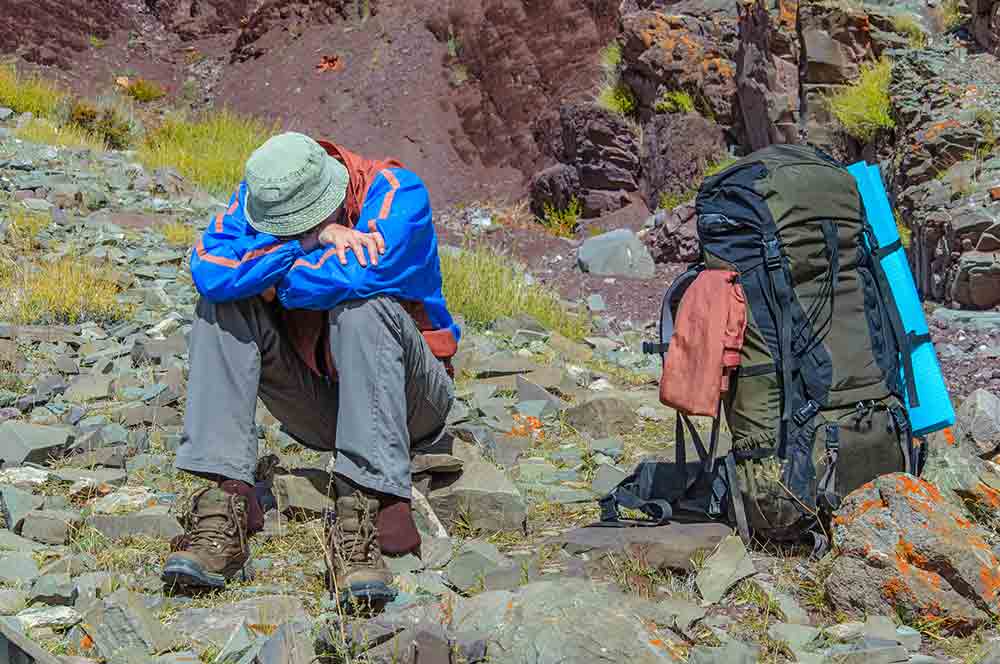
Psychological factors interact closely with acclimatization challenges. Symptoms of altitude sickness can be unsettling, especially for climbers experiencing them for the first time. Anxiety about health, combined with physical discomfort, can undermine confidence and motivation. On Umbwe Route, where physical demands are already high, this psychological strain can feel amplified. Maintaining a calm mindset, trusting experienced guides, and communicating symptoms openly are essential components of managing altitude-related challenges.
Professional guiding is critical in navigating acclimatization risks on Umbwe Route. Guides trained in high-altitude safety monitor climbers daily using standardized assessments and observe subtle changes in behavior, appetite, and energy levels. Early detection of altitude sickness symptoms allows for timely interventions, such as adjusting pace, increasing rest, or descending if necessary. Epic Horizons Adventure we are looking extra miles to make sure that acclimatization protocols are followed rigorously and that climbers receive individualized attention throughout the ascent.
Pre-acclimatization strategies can also influence outcomes on Umbwe Route. Some climbers choose to spend time at moderate altitude before attempting Kilimanjaro, allowing their bodies to begin adapting in advance. While this does not replace on-mountain acclimatization, it can reduce the severity of symptoms during the climb. Education about altitude physiology, symptom recognition, and self-care empowers climbers to participate actively in their own safety and success.
Despite these strategies, Umbwe Route remains inherently demanding from an acclimatization perspective. Its rapid ascent profile leaves little room for complacency. Climbers must be prepared to listen to their bodies, follow guide instructions, and prioritize health over summit ambition. Summit success on Umbwe Route is not solely a measure of physical strength, but of how well climbers manage altitude stress over consecutive days.
In conclusion, acclimatization challenges and altitude sickness risks are fundamental to understanding the difficulty of Umbwe Route. The combination of rapid elevation gain, limited adjustment time, environmental stressors, and physical exertion creates a high-altitude environment that tests the body’s adaptive capacity. When climbers ask Why Umbwe Route Is the Most Challenging Route, the answer lies in how unforgiving the route is to inadequate acclimatization. Success depends on preparation, awareness, professional support, and respect for the physiological realities of high-altitude trekking.
Psychological Difficulty, Isolation, and Mental Endurance on Umbwe Route
Beyond physical exertion and altitude adaptation, the Umbwe Route presents a psychological challenge that is often underestimated by climbers preparing for Mount Kilimanjaro. Mental endurance is a decisive factor in determining success on this route, as the climb demands sustained focus, resilience, and emotional control under conditions of isolation, fatigue, and environmental stress. The psychological dimension of Umbwe Route distinguishes it sharply from more popular and social routes, reinforcing its reputation as the most demanding path to the summit.
One of the most significant psychological stressors on Umbwe Route is isolation. From the earliest stages of the climb, trekkers encounter fewer groups compared to routes such as Machame or Marangu. The trail often feels empty, especially in the lower rainforest and early high-altitude sections. While some climbers value solitude, prolonged isolation can intensify feelings of self-doubt and anxiety. Without the visual reassurance of other climbers progressing alongside them, individuals must rely heavily on their inner motivation and trust in their guides.
Isolation also amplifies the perception of effort. On busier routes, climbers benefit from shared experiences, casual conversations, and visible progress among peers. These social interactions act as psychological buffers against fatigue. On Umbwe Route, the absence of such stimuli means climbers are more aware of their breathing, muscle fatigue, and discomfort. Time can feel slower, ascents can feel longer, and challenges may appear more overwhelming than they objectively are.
Understanding Why Umbwe Route Is the Most Challenging Route requires recognizing how mental fatigue accumulates alongside physical exhaustion. Continuous steep climbing, combined with limited visual variation and minimal social interaction, places a heavy cognitive load on climbers. Maintaining concentration on foot placement, breathing rhythm, and pace for extended periods can be mentally draining. Over time, this cognitive fatigue can erode confidence and increase irritability, making emotional regulation an important skill on the route.
Fear and uncertainty also play a role in the psychological difficulty of Umbwe Route. The route’s reputation precedes it, and many climbers are acutely aware that they are on the most direct and demanding path up Kilimanjaro. This awareness can trigger anticipatory anxiety, especially when climbers experience early signs of altitude discomfort or fatigue. Thoughts about summit success, health risks, and personal limits may surface repeatedly, challenging mental composure.
Environmental conditions further intensify psychological strain. Dense rainforest sections can feel claustrophobic, particularly during long, steep ascents under thick canopy. Limited visibility and constant humidity may create a sense of confinement. As climbers ascend into higher zones, exposure replaces enclosure. Strong winds, vast open landscapes, and dramatic drop-offs can provoke feelings of vulnerability. The rapid transition between these environments can be mentally unsettling, requiring adaptability and emotional resilience.
Nighttime at high camps presents another psychological hurdle. Darkness, cold, and silence combine to create an atmosphere that can feel intimidating. Sleep disturbances caused by altitude further affect mood and mental clarity. Repeated nights of poor rest may heighten emotional sensitivity and reduce stress tolerance. On Umbwe Route, where physical recovery is already limited, psychological recovery becomes equally challenging.
Mental endurance is especially critical during summit preparations. By the time climbers reach higher camps, cumulative fatigue may undermine confidence. Doubts about readiness often intensify as summit night approaches. On Umbwe Route, climbers know they have followed one of the hardest approaches, which can either strengthen resolve or magnify fear. The ability to manage internal dialogue, stay present, and focus on incremental progress becomes essential.
Research in adventure psychology and mountaineering supports the importance of mental resilience in high-stress environments. Studies discussed in educational resources such as National Geographic and academic literature on expedition behavior highlight how isolation, uncertainty, and physical stress interact to challenge psychological stability. Similarly, general information on Mount Kilimanjaro published on platforms like Wikipedia notes that success rates are influenced not only by physical conditioning but also by mental preparedness. These insights are particularly relevant to Umbwe Route due to its demanding nature.
Another psychological aspect of Umbwe Route is the limited margin for complacency. The steep terrain and rapid altitude gain leave little room for distraction or careless movement. Climbers must remain attentive at all times, which can be mentally taxing over multiple days. Sustained vigilance increases cognitive load and contributes to overall fatigue. This constant demand for focus differentiates Umbwe Route from more forgiving paths where brief lapses are less consequential.
Group dynamics also influence mental endurance. Smaller group sizes are common on Umbwe Route due to its difficulty. While this allows for personalized attention, it can also intensify interpersonal dynamics. Minor tensions or differences in pace may feel more pronounced in a small, isolated group. Effective communication, mutual respect, and supportive leadership are crucial for maintaining a positive psychological environment throughout the climb.
Professional guides play a central role in managing psychological challenges. Experienced guides understand that motivation fluctuates and that emotional lows are a normal part of demanding climbs. Through encouragement, reassurance, and structured pacing, guides help climbers maintain perspective and confidence. Epic Horizons Adventure we are looking extra miles to make sure that psychological well-being is prioritized alongside physical safety, recognizing that a calm and motivated climber is better equipped to handle the demands of Umbwe Route.
Preparation before the climb can significantly influence psychological outcomes. Climbers who educate themselves about the route, its challenges, and realistic expectations are better equipped to manage stress. Mental training techniques such as visualization, mindfulness, and goal segmentation can enhance resilience. Viewing the climb as a series of manageable steps rather than a single overwhelming objective helps maintain motivation under pressure.
When examining Why Umbwe Route Is the Most Challenging Route, the psychological dimension is inseparable from the physical and physiological aspects. Isolation, sustained effort, environmental exposure, and internal pressure converge to test mental endurance continuously. Climbers who succeed on Umbwe Route often report that the experience reshaped their understanding of personal limits and resilience.
In conclusion, the psychological difficulty of Umbwe Route is a defining element of its challenge. The route demands mental strength equal to physical fitness, requiring climbers to navigate isolation, fear, fatigue, and uncertainty with composure and determination. This intense psychological journey is what makes success on Umbwe Route deeply meaningful and reinforces its status as the most demanding standard route on Mount Kilimanjaro.