
why northen route is the most succesful route (2026)
Discover why the Northern Circuit is the most successful route on Mount Kilimanjaro, offering superior acclimatization, mental resilience, and high summit success rateshttps://www.epichorizonsadventures.com/our-tours/destinations/
Understanding the Northern Circuit Route and Its Unmatched Summit Success Rate
Mount Kilimanjaro is one of the most iconic trekking destinations in the world, attracting thousands of climbers every year who dream of standing on the roof of Africa. While the mountain offers several established routes to the summit, not all routes are equal when it comes to success rates, acclimatization, and overall trekking experience. Over time, one route has consistently proven itself as the most reliable option for climbers seeking the highest chance of reaching Uhuru Peak. This route is widely recognized for its extended duration, gentle gradients, and exceptional acclimatization profile, which together explain why northen route is the most succesful route for summit attempts on Mount Kilimanjaro.
The Northern Circuit Route is the longest route on Mount Kilimanjaro, typically taking between eight and ten days to complete. This extended duration is one of its greatest strengths, as it allows climbers to ascend slowly and steadily, giving the body adequate time to adapt to increasing altitude. Unlike shorter routes that compress elevation gain into fewer days, the Northern Circuit prioritizes gradual progression over speed. This design significantly reduces the risk of altitude sickness, which is the leading cause of failed summit attempts on Kilimanjaro. By spreading altitude gain across more days, climbers experience fewer physiological shocks, leading to higher overall success rates.
Another defining feature of the Northern Circuit Route is its gentle and forgiving terrain. While Kilimanjaro is not a technical climb, the steepness of certain routes can greatly affect climber fatigue and energy levels. The Northern Circuit follows a wide arc around the northern slopes of the mountain, avoiding aggressive ascents and instead offering long, steady climbs. This allows climbers to maintain a consistent walking rhythm, conserve energy, and arrive at campsites less exhausted. Reduced physical strain plays a crucial role in maintaining morale and physical strength for summit night, which is the most demanding phase of the climb.
Acclimatization is widely recognized by high-altitude experts as the single most important factor in determining summit success. According to educational resources such as Wikipedia’s Mount Kilimanjaro overview and guidance published by Tanzania National Parks, routes that allow more time at altitude consistently show higher success rates. The Northern Circuit excels in this area by incorporating multiple nights spent at moderate and high elevations before the final ascent. This gives the body time to increase red blood cell production and improve oxygen efficiency, greatly enhancing climbers’ ability to cope with thin air near the summit.
The scenic diversity of the Northern Circuit Route also contributes indirectly to its success. As climbers traverse the quieter northern slopes, they are rewarded with expansive views, unique landscapes, and a sense of remoteness that is not found on busier routes. This peaceful environment reduces psychological stress and allows climbers to focus on steady progress rather than crowd management. Mental well-being is an often-overlooked element of summit success, and the calm atmosphere of the Northern Circuit helps climbers remain focused, motivated, and confident throughout the journey.
One of the strongest arguments supporting why northen route is the most succesful route is its exceptional summit success statistics. Multiple trekking operators and independent adventure travel reports consistently show that climbers on the Northern Circuit achieve some of the highest summit success rates on Kilimanjaro, often exceeding ninety percent when properly guided. These figures stand in sharp contrast to shorter, steeper routes where limited acclimatization leads to higher dropout rates. The Northern Circuit’s success is not accidental; it is the direct result of thoughtful route design that prioritizes human physiology over speed.
Weather exposure is another factor where the Northern Circuit offers advantages. The northern side of Mount Kilimanjaro lies in a rain shadow, receiving less precipitation than the southern slopes. This often results in drier trails and more stable weather conditions, particularly during the main climbing seasons. Drier conditions reduce physical strain, lower the risk of slips and injuries, and improve overall comfort. Stable weather also enhances safety and increases the likelihood of a successful summit attempt, especially during the critical summit night push.
Professional guiding further amplifies the success of the Northern Circuit Route. Because this route attracts climbers who are serious about reaching the summit, guiding standards are typically very high. Experienced guides carefully monitor climbers’ health, pace, hydration, and acclimatization progress throughout the trek. Epic Horizons Adventure we are looking extra miles to make sure climbers on the Northern Circuit receive personalized attention, proper acclimatization support, and expert decision-making at every stage of the journey, ensuring safety and maximizing summit success.
The route’s length also allows for better contingency planning. If a climber experiences mild altitude symptoms, guides have more flexibility to adjust pacing, add rest, or delay progression without compromising the overall itinerary. This adaptability is rarely possible on shorter routes where tight schedules force rapid ascents. The Northern Circuit’s flexible structure gives climbers and guides valuable options, which can make the difference between turning back and reaching the summit safely.
From a conservation and sustainability perspective, the Northern Circuit Route also supports a better trekking experience. Lower traffic volumes reduce environmental impact and preserve the natural beauty of Kilimanjaro’s northern slopes. Fewer crowds mean quieter camps, cleaner trails, and a more authentic wilderness experience. This improved environment contributes to climbers’ overall satisfaction and mental readiness, reinforcing the route’s reputation for success and quality.
Authoritative travel and mountaineering publications such as National Geographic have highlighted the importance of route choice in high-altitude success. Their discussions on Mount Kilimanjaro emphasize that longer routes with gradual ascents consistently outperform shorter alternatives in summit success rates. These findings align perfectly with the structure and performance of the Northern Circuit Route, further validating its status as the most reliable path to Uhuru Peak.
In summary, the Northern Circuit Route combines extended duration, gentle terrain, superior acclimatization, stable weather, and professional guiding into a single, highly effective summit strategy. Every element of the route is designed to work with the human body rather than against it. When climbers ask why northen route is the most succesful route, the answer lies in its thoughtful design, proven results, and unmatched balance between safety, comfort, and achievement. This route does not rush the mountain; it respects it, and in doing so, it delivers the highest likelihood of standing triumphantly at the summit of Mount Kilimanjaro.
Superior Acclimatization Design and Its Impact on Summit Success
One of the most decisive factors influencing summit success on Mount Kilimanjaro is acclimatization, and the Northern Circuit Route is widely regarded as the best-designed route in this regard. Acclimatization refers to the physiological process through which the human body adapts to reduced oxygen levels at high altitude. Without adequate acclimatization, climbers are far more likely to experience altitude sickness, fatigue, and failed summit attempts. The Northern Circuit Route was intentionally structured to maximize this adaptation process, making it a standout choice for climbers who prioritize safety and success.
The Northern Circuit Route approaches Mount Kilimanjaro in a slow and deliberate arc, allowing climbers to gain altitude gradually over an extended period. This extended exposure to moderate elevations enables the body to increase red blood cell production and improve oxygen efficiency. Unlike shorter routes that push climbers upward too quickly, the Northern Circuit gives the body time to adjust naturally. This physiological advantage significantly reduces the likelihood of altitude-related complications and contributes directly to higher summit success rates.
Altitude sickness is the most common reason climbers fail to reach Uhuru Peak. Symptoms such as headaches, nausea, dizziness, and extreme fatigue can appear suddenly when ascent is too rapid. According to information published by Tanzania National Parks and summarized in educational resources like Wikipedia’s Mount Kilimanjaro page, slower ascent profiles consistently result in fewer altitude-related incidents. The Northern Circuit Route exemplifies this principle by incorporating multiple nights spent at progressively higher elevations before summit day.
A key feature of the Northern Circuit’s acclimatization strategy is the “climb high, sleep low” principle. This approach involves ascending to higher altitudes during the day and descending slightly to sleep at lower elevations. This pattern stimulates physiological adaptation while reducing stress during rest periods. The Northern Circuit integrates this principle naturally into its itinerary, unlike other routes where it must be forced through optional acclimatization hikes. This seamless design enhances comfort and effectiveness throughout the trek.
When climbers evaluate why northen route is the most succesful route, acclimatization efficiency is often the primary reason cited by experienced guides and medical professionals. The route’s longer duration provides more opportunities for the body to respond positively to altitude exposure. This reduces cumulative fatigue and preserves energy reserves for summit night, which is the most physically demanding phase of the climb.
Another important advantage of superior acclimatization is improved sleep quality. Rapid altitude gain often disrupts sleep patterns due to irregular breathing and oxygen deprivation. Poor sleep weakens the immune system, reduces mental clarity, and increases emotional stress. The gradual ascent of the Northern Circuit helps climbers maintain better sleep consistency, allowing for more effective recovery between trekking days. Better-rested climbers are more resilient and better prepared for summit night challenges.
Hydration and nutrition also play a crucial role in acclimatization success. The Northern Circuit’s gentler pace allows climbers more time to eat, drink, and hydrate properly. Appetite loss is common at altitude, but slower progression reduces physiological shock and supports better digestion. Guides are able to monitor hydration levels more effectively and encourage consistent fluid intake, which is essential for altitude adaptation and overall health.
Scientific studies in high-altitude medicine consistently emphasize that time spent at altitude is the strongest predictor of successful acclimatization. Publications referenced by organizations such as the International Society for Mountain Medicine highlight that gradual ascent significantly lowers the risk of Acute Mountain Sickness. These findings directly support the structure of the Northern Circuit Route, which prioritizes time and adaptation over speed and convenience.
Weather stability also enhances acclimatization outcomes. The Northern Circuit traverses the drier northern slopes of Mount Kilimanjaro, which lie in a rain shadow. Reduced rainfall leads to more stable trekking conditions, minimizing additional physical stress caused by wet terrain and cold exposure. Lower environmental stress allows the body to focus its energy on adapting to altitude rather than coping with harsh weather.
Professional guiding further strengthens acclimatization success on the Northern Circuit. Guides regularly assess climbers’ oxygen saturation levels, heart rates, and overall well-being. Early detection of altitude symptoms allows for timely adjustments, such as slowing pace or adding rest periods. Epic Horizons Adventure we are looking extra miles to make sure that acclimatization protocols are strictly followed and that every climber receives personalized attention throughout the journey.
The extended itinerary of the Northern Circuit also allows for flexible decision-making. If a climber experiences mild altitude symptoms, guides can modify the day’s plan without compromising summit chances. This flexibility is rarely possible on shorter routes where tight schedules force climbers to ascend regardless of their physical condition. The Northern Circuit’s adaptability significantly increases overall success rates.
Mental adaptation is another benefit of proper acclimatization. As the body adjusts gradually, climbers gain confidence in their ability to function at altitude. This psychological reassurance reduces anxiety and builds momentum toward summit day. Climbers who feel physically stable are more likely to remain mentally focused and motivated during the final ascent.
Travel and adventure authorities such as National Geographic consistently emphasize that longer routes with better acclimatization profiles outperform shorter alternatives in terms of summit success. Their coverage of Mount Kilimanjaro highlights that routes prioritizing gradual ascent produce safer and more successful outcomes. These observations align closely with the Northern Circuit’s proven performance.
Understanding why northen route is the most succesful route also involves recognizing how acclimatization reduces cumulative fatigue. By minimizing physiological stress early in the climb, the Northern Circuit preserves climbers’ strength for summit night. Entering summit night with adequate energy reserves dramatically improves the likelihood of reaching Uhuru Peak safely.
In conclusion, superior acclimatization design is the cornerstone of the Northern Circuit Route’s unmatched success. The combination of gradual altitude gain, extended duration, stable weather, professional monitoring, and itinerary flexibility creates an environment where the human body can adapt effectively. When climbers ask why northen route is the most succesful route, the answer lies in its respect for altitude physiology and its commitment to safety, comfort, and long-term success.
Route Length, Itinerary Flexibility, and Reduced Physical Fatigue
One of the most overlooked yet powerful advantages of the Northern Circuit Route is its length and the flexibility it offers throughout the climb. While many climbers initially view a longer itinerary as a disadvantage, experienced mountaineers and medical professionals recognize that extended duration is often the key to success at high altitude. The Northern Circuit Route, typically completed in eight to ten days, allows climbers to move at a pace that aligns with natural human endurance rather than forcing the body to rush adaptation and recovery.
The length of the Northern Circuit Route directly reduces physical fatigue. On shorter routes, climbers are required to gain large amounts of elevation in a single day, often while carrying daypacks and trekking on uneven terrain. This creates cumulative exhaustion that compounds over successive days. The Northern Circuit distributes elevation gain more evenly, reducing daily physical stress and allowing muscles and joints adequate recovery time. As a result, climbers arrive at higher camps with greater strength reserves and reduced injury risk.
Fatigue management is critical on Mount Kilimanjaro because summit night demands exceptional physical output. Reaching Uhuru Peak requires hours of continuous uphill trekking in cold, low-oxygen conditions. Climbers who arrive at summit night already exhausted are far more likely to turn back. The Northern Circuit’s extended itinerary ensures that physical energy is conserved throughout the climb, significantly improving performance during the final ascent.
Another important advantage of route length is itinerary flexibility. The Northern Circuit allows guides to adjust daily distances, pacing, and rest periods based on climbers’ condition. If a climber feels fatigued or shows mild altitude symptoms, guides can slow the pace or extend rest stops without compromising the overall success of the expedition. This adaptability is rarely possible on shorter routes, where strict schedules leave little room for adjustment.
When climbers analyze why northen route is the most succesful route, itinerary flexibility consistently emerges as a major factor. Flexibility reduces pressure, both physically and mentally. Climbers are not forced to meet aggressive daily targets, which lowers stress and allows them to focus on steady progress rather than racing against the itinerary. Reduced stress has a measurable impact on endurance, motivation, and overall performance at altitude.
The Northern Circuit Route also minimizes repetitive strain injuries. Long, steep ascents on shorter routes place repeated stress on the same muscle groups and joints, increasing the risk of knee pain, ankle injuries, and lower back strain. The gentler gradients and varied terrain of the Northern Circuit distribute physical load more evenly across the body. This balanced movement pattern supports long-term stamina and reduces the likelihood of overuse injuries.
Rest and recovery are essential components of endurance trekking. The Northern Circuit’s longer days allow climbers to reach camp earlier, providing additional time for rest, stretching, hydration, and nutrition. Adequate recovery improves muscle repair and energy restoration, which are crucial for maintaining consistent performance over multiple days. Well-rested climbers are better equipped to handle altitude stress and environmental challenges.
Environmental comfort also plays a role in reducing fatigue. The Northern Circuit traverses the quieter northern slopes of Mount Kilimanjaro, where trails are less crowded and camps are more peaceful. Reduced congestion means fewer delays, less stop-and-go movement, and a calmer atmosphere. This smooth flow of movement conserves energy and enhances overall trekking efficiency.
Scientific research in endurance sports consistently shows that pacing and recovery are critical determinants of performance. Studies referenced by adventure physiology resources and summarized in general trekking literature indicate that evenly distributed workloads lead to higher success rates and lower injury incidence. These principles are clearly reflected in the design of the Northern Circuit Route. Additional context on Kilimanjaro route structures can be found through educational platforms such as Wikipedia and official guidance from Tanzania National Parks.
The psychological benefits of reduced fatigue are equally important. Physical exhaustion often leads to negative thought patterns, reduced motivation, and poor decision-making. By managing fatigue effectively, the Northern Circuit supports mental clarity and emotional resilience. Climbers who feel physically capable are more likely to remain positive, cooperative, and focused on summit goals.
Guides play a central role in leveraging route length for optimal outcomes. On the Northern Circuit, guides carefully manage pacing to ensure climbers remain within sustainable effort levels. They monitor signs of overexertion and encourage rest before fatigue becomes overwhelming. Epic Horizons Adventure we are looking extra miles to make sure that physical workload is balanced throughout the itinerary, prioritizing long-term endurance over short-term speed.
Nutrition strategies are also more effective on longer routes. The Northern Circuit allows for regular, unhurried meals that support energy balance. Climbers are more likely to eat adequately when they are not rushed or excessively fatigued. Proper caloric intake supports muscle function, immune health, and overall stamina, all of which contribute to summit success.
Another benefit of reduced fatigue is improved thermoregulation. Exhausted climbers struggle to maintain body temperature in cold conditions, particularly during summit night. By conserving energy throughout the climb, Northern Circuit climbers are better able to cope with extreme cold and wind at high altitude. This resilience enhances safety and comfort during the most demanding stages of the ascent.
When evaluating why northen route is the most succesful route, it becomes clear that success is not about speed, but about sustainability. The Northern Circuit is designed to support consistent, manageable effort across multiple days. This sustainable approach aligns with human physiology and endurance limits, producing superior outcomes compared to routes that prioritize shorter timelines.
Travel and trekking authorities such as National Geographic frequently emphasize that longer itineraries with balanced workloads yield higher success rates on high-altitude mountains. Their coverage of Kilimanjaro highlights that climbers who avoid excessive daily exertion are more likely to reach the summit safely. These observations reinforce the effectiveness of the Northern Circuit’s design.
In summary, the length and flexibility of the Northern Circuit Route significantly reduce physical fatigue and enhance climber performance. By distributing effort evenly, allowing recovery, and adapting to individual needs, the route creates optimal conditions for endurance and success. When climbers ask why northen route is the most succesful route, the answer lies in its ability to preserve strength, reduce stress, and support sustained performance from start to summit.
Mental Resilience, Motivation, and Psychological Advantages of the Northern Circuit
Climbing Mount Kilimanjaro is not only a physical endeavor but also a profound mental challenge. Among the many routes available, the Northern Circuit stands out for its positive psychological impact on climbers. The route’s structure, duration, and scenery create a unique mental environment that contributes significantly to summit success. Understanding the psychological advantages of this route helps explain why northen route is the most succesful route for climbers from around the world.
Mental resilience is one of the most important factors influencing success on high-altitude treks. The Northern Circuit’s longer duration allows climbers to build confidence gradually as they progress through successive camps. Each completed day reinforces a sense of achievement, helping to reduce anxiety and increase self-efficacy. This incremental mental reinforcement contrasts with shorter, more intense routes where climbers may be overwhelmed by continuous steep ascents, limited acclimatization, and time pressure. By fostering steady psychological growth, the Northern Circuit prepares climbers to face the mental demands of summit night with clarity and determination.
Motivation is closely linked to the route’s scenery and environment. As climbers traverse the Northern Circuit, they are exposed to diverse landscapes, ranging from lush montane forests to open moorlands and alpine deserts. These constantly changing environments provide visual stimulation and psychological relief, breaking up monotony and maintaining enthusiasm. Studies on adventure psychology suggest that exposure to natural beauty and varied terrain can boost mood and motivation during endurance challenges. Resources such as National Geographic’s coverage of Mount Kilimanjaro (https://www.nationalgeographic.com/travel/article/kilimanjaro-trekking) highlight how scenic variation contributes to positive mental states during high-altitude expeditions.
When considering why northen route is the most succesful route, psychological preparation emerges as a key factor. The route allows climbers to mentally pace themselves over multiple days, reducing stress and enhancing decision-making capacity. This is particularly important during summit night, when climbers must manage exhaustion, cold, and altitude simultaneously. The Northern Circuit encourages a rhythm of progress and recovery that supports both physical and cognitive performance.
Another critical psychological advantage is the reduction of performance anxiety. On heavily trafficked routes, congestion and group dynamics can create pressure, making climbers feel rushed or judged. The Northern Circuit’s quieter northern slopes reduce these social pressures, allowing climbers to focus on personal pacing, breathing, and step technique. This supportive mental environment lowers cortisol levels and conserves energy, directly contributing to successful outcomes.
Positive reinforcement from experienced guides also enhances psychological performance. Skilled guides provide consistent encouragement, monitor morale, and address individual concerns. On the Northern Circuit, where climbs are extended and steady, this support is particularly effective. Epic Horizons Adventure we are looking extra miles to make sure that climbers are psychologically prepared, receive constant reassurance, and maintain motivation throughout the ascent.
Mental adaptability is another factor contributing to success. Climbers often face unexpected environmental or physical challenges, such as sudden weather changes, minor altitude symptoms, or fatigue. The Northern Circuit’s flexible itinerary and extended duration provide opportunities to adjust without compromising summit goals. Knowing that contingency measures are built into the schedule reduces stress and enhances problem-solving capacity.
Isolation on the Northern Circuit can paradoxically be a psychological benefit. While some routes are crowded, causing distractions and emotional strain, the Northern Circuit’s quieter sections allow climbers to focus inward and develop concentration. This environment encourages mindfulness, reflection, and self-awareness, which are crucial tools for enduring long treks at high altitude. Psychological research on wilderness expeditions confirms that solitude combined with controlled challenge enhances resilience and self-efficacy.
Sleep quality, supported by gradual ascent and less crowded camps, also reinforces mental stability. Adequate rest is critical for regulating mood, improving cognitive function, and supporting emotional resilience. The Northern Circuit’s structure enables better sleep hygiene compared to shorter, more compressed routes. Well-rested climbers are better able to maintain focus, decision-making skills, and emotional control, all of which are essential for reaching the summit safely.
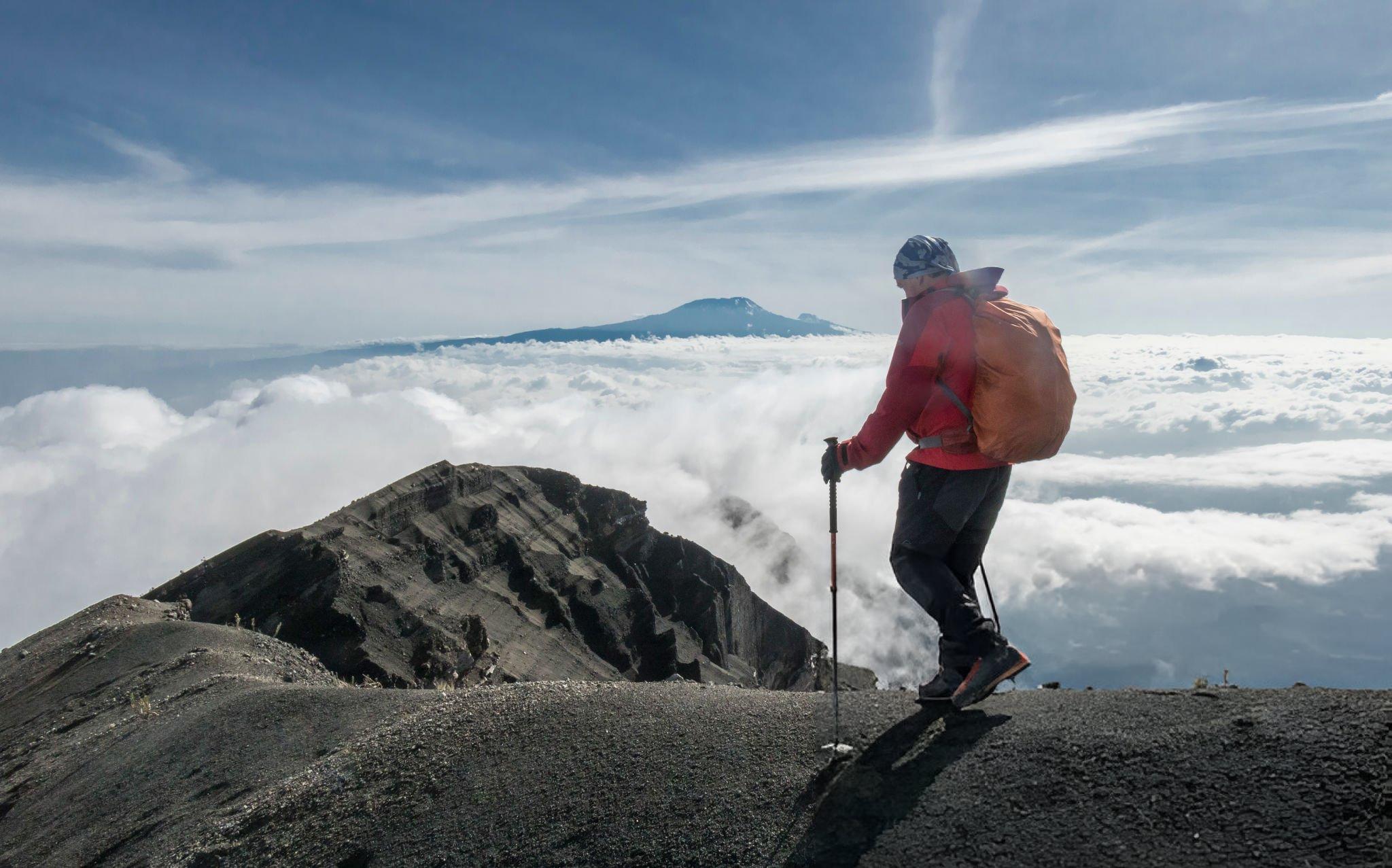
Exposure to natural phenomena along the Northern Circuit, such as sunrise over the Shira Plateau or panoramic views from Lava Tower, further supports mental resilience. These experiences create moments of awe and perspective, reducing stress and reinforcing climbers’ motivation. Research on nature and mental health demonstrates that exposure to awe-inspiring landscapes enhances positive emotions, persistence, and endurance during physically demanding activities.
Understanding why northen route is the most succesful route requires recognizing how integrated physical and psychological advantages interact. Extended duration, moderate gradients, flexible pacing, scenic diversity, and expert guidance create an environment where climbers can optimize both body and mind. This holistic approach enhances overall readiness for summit night and increases the likelihood of success.
Professional expedition literature and authoritative guides consistently recommend longer routes with strong mental support as best practices for high-altitude trekking (https://www.wildernesstravel.com/travel-tips/kilimanjaro-trekking). The Northern Circuit aligns perfectly with these principles, validating its reputation as the most reliable route to Uhuru Peak.
In conclusion, the Northern Circuit Route provides unmatched psychological advantages that complement its physical and acclimatization benefits. By fostering mental resilience, motivation, adaptability, and positive reinforcement, the route creates an environment where climbers can thrive. When combined with professional guidance, structured pacing, and optimal scenic exposure, these factors explain why northen route is the most succesful route. Climbers who prioritize both mental and physical preparation benefit from this route’s unique design, achieving summit success with confidence and endurance.

All Categories
Recent Posts

best Tarangire elephant viewing point (2026)

Best Tarangire lodges and camps (2026)

Best Tarangire birds watching tips (2026)
The best tour company
Quick booking process
0764187033