Discover the best Things to do in Gombe National Park, from chimpanzee trekking and Lake Tanganyika adventures to cultural history, research tourism, and responsible travel experiences with Epic Horizons Adventure.https://www.epichorizonsadventures.com/our-tours/destinations/
Chimpanzee Trekking and Primate Encounters in Gombe
Gombe National Park is globally celebrated for one extraordinary experience: intimate encounters with wild chimpanzees in their natural habitat. Nestled along the eastern shores of Lake Tanganyika in western Tanzania, this compact yet profoundly important protected area offers a raw, immersive wilderness experience that few places on Earth can match. For travelers seeking authentic wildlife interaction, understanding Things to do in Gombe National Park begins and ends with chimpanzee trekking, but the depth of this activity goes far beyond a simple forest walk.
Chimpanzee trekking in Gombe is tightly regulated to protect both the animals and visitors. Small groups are led by experienced park rangers who track chimpanzee families using daily movement records and subtle forest signs such as vocalizations, knuckle prints, and broken branches. Unlike large savannah parks, the terrain here is steep and forested, demanding moderate physical fitness. This effort is richly rewarded when you finally encounter a chimpanzee troop—watching them groom, play, argue, care for their young, and move effortlessly through the canopy.
What makes Gombe especially significant is its connection to Dr. Jane Goodall’s groundbreaking research, which began in 1960 and transformed human understanding of primates. Visitors are not just observing wildlife; they are stepping into a living laboratory where discoveries such as tool use, complex social structures, and emotional depth in chimpanzees were first documented. This scientific legacy adds intellectual and emotional weight to the experience, making it far more meaningful than wildlife viewing alone.
From a visitor perspective, chimpanzee trekking is carefully structured. Treks usually start early in the morning when chimpanzees are most active. The duration can vary from one to several hours depending on the troop’s location. Once found, visitors are allowed a limited time—typically one hour—to observe, photograph, and absorb the experience. Silence, distance rules, and health precautions (such as mask use) are strictly enforced to minimize disease transmission.
Beyond chimpanzees, Gombe is also home to other primates including red colobus monkeys, red-tailed monkeys, blue monkeys, and olive baboons. Birdlife is equally impressive, with over 200 recorded species, making the trek a layered wildlife experience. Each step through the forest reveals new sounds, movements, and colors, reinforcing why Things to do in Gombe National Park is a topic that captivates wildlife enthusiasts worldwide.
For photographers, the dense forest light presents challenges but also unique rewards. Soft, filtered sunlight creates dramatic contrasts, while close proximity to animals allows for powerful storytelling images. For conservation-minded travelers, trekking fees directly support park protection and ongoing research, making your visit a contribution rather than just consumption.
This is also where Epic horizons Adventure we are looking extra miles to make sure visitors are fully prepared—physically, mentally, and ethically—for this rare encounter. From pre-trek briefings to post-trek reflections, the experience is designed to be transformative, not transactional.
In terms of planning, permits are limited and should be booked in advance through official channels such as Tanzania National Parks Authority (https://www.tanzaniaparks.go.tz). Additional educational resources about chimpanzee research can be found through the Jane Goodall Institute (https://www.janegoodall.org). These external references help travelers deepen their understanding before and after their visit.
Ultimately, chimpanzee trekking is not just an activity; it is the heart of the park’s identity. It defines the emotional core of Things to do in Gombe National Park, offering a rare chance to connect with another intelligent species in a setting that feels untouched, intimate, and profoundly real.
Lake Tanganyika Experiences and Forest-to-Lake Adventures
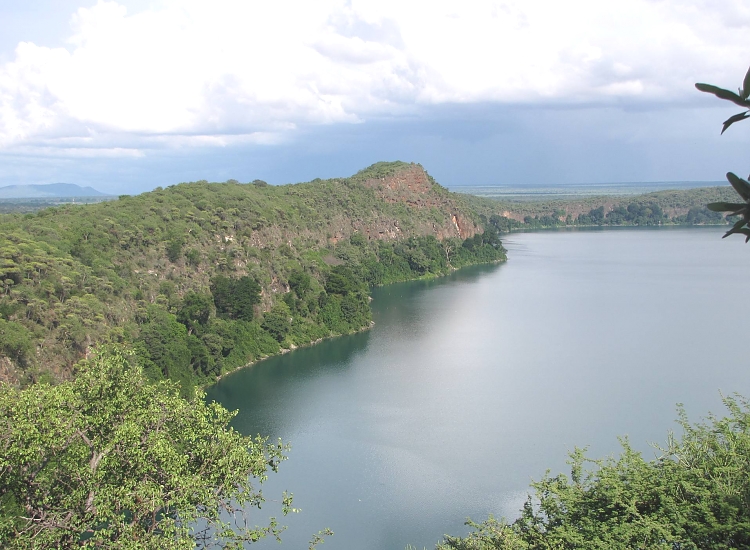
Lake Tanganyika is not just a geographical feature bordering Gombe National Park; it is an essential part of the park’s identity and one of the most underrated freshwater ecosystems in Africa. Stretching along the park’s western boundary, this ancient lake creates a rare and dramatic transition from dense tropical forest to crystal-clear waters. For travelers exploring Things to do in Gombe National Park, lake-based experiences offer relaxation, adventure, and ecological depth that perfectly complement the intensity of chimpanzee trekking.
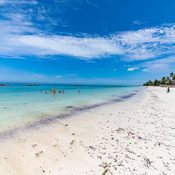
Lake Tanganyika is the second deepest lake in the world and among the oldest, hosting an extraordinary level of biodiversity. Its waters are so clear that visibility often extends several meters below the surface, making it ideal for swimming, snorkeling, and non-motorized water activities. After physically demanding forest treks, visitors often find the lake to be a restorative sanctuary—cool, calm, and endlessly scenic. The contrast between steep green hills and shimmering blue water creates postcard-perfect views at almost every shoreline point within the park.
Swimming in Lake Tanganyika inside Gombe National Park is one of the safest lake experiences in East Africa due to the absence of crocodiles and hippos in this section of the lake. Designated swimming areas near park bandas and camps are commonly used, and the gentle slope of the shoreline allows easy access. Morning swims are particularly rewarding, with mist rising from the water and forest sounds echoing from the hills. This peaceful immersion in nature strongly enhances the overall understanding of Things to do in Gombe National Park, showing that the park is not only about wildlife encounters but also holistic nature experiences.
Snorkeling is another unique activity that sets Gombe apart from other Tanzanian national parks. Lake Tanganyika is famous for its colorful cichlid fish species, many of which are endemic and found nowhere else on Earth. Equipped with a simple mask and snorkel, visitors can observe vibrant fish communities darting among rocky outcrops just meters from shore. This underwater diversity mirrors the richness of life in the forest above, reinforcing the park’s reputation as a biodiversity hotspot.
Kayaking and canoeing along the shoreline provide a low-impact way to explore the park from a different perspective. Paddling quietly beneath forested slopes, visitors often spot primates moving through trees, fish eagles soaring overhead, and fishermen in traditional wooden boats passing silently by. These experiences foster a deep sense of connection to place, as the boundary between land and water becomes a continuous, living landscape rather than a fixed line.
Boat safaris on Lake Tanganyika further expand exploration opportunities. Guided boat trips allow visitors to travel along the park’s remote shoreline, access secluded beaches, and observe wildlife from the water. Monkeys frequently descend to the lake’s edge, and birdlife is especially active in the early morning and late afternoon. These boat journeys also provide exceptional photographic opportunities, with reflections of forested hills mirrored perfectly on calm water surfaces.
Fishing, though limited and regulated within the park itself, plays a significant cultural and ecological role in the surrounding region. Outside protected zones, Lake Tanganyika supports local livelihoods through traditional fishing methods that have been practiced for generations. Learning about these practices during visits to nearby communities or through guided interpretation helps travelers understand the human–nature balance that defines the greater Gombe ecosystem. This broader perspective enriches the narrative of Things to do in Gombe National Park, framing it within a living cultural landscape rather than an isolated wilderness.
One of the most underrated experiences is simply spending time along the lakeshore. Reading, photography, meditation, or quiet reflection are deeply rewarding here. Sunsets over Lake Tanganyika are legendary—golden light spills across the water as the sun dips behind the distant Congolese mountains, while forest silhouettes darken into soft outlines. These moments often become the most emotionally memorable part of a visit, precisely because they are unstructured and deeply personal.
From an ecological standpoint, Lake Tanganyika plays a vital role in regulating the park’s microclimate. Moisture from the lake supports lush vegetation along the lower slopes, which in turn provides food sources for primates and other wildlife. Understanding this interdependence helps visitors appreciate why lake experiences are not optional add-ons but central components of the park’s natural system.
Epic horizons Adventure we are looking extra miles to make sure travelers fully appreciate this forest-to-lake connection. Guided interpretation emphasizes ecological relationships, safety, and responsible enjoyment of water-based activities. This ensures that visitors engage with the lake not just recreationally, but knowledgeably and respectfully.
For planning purposes, official guidance on lake safety, permitted activities, and conservation rules can be found through Tanzania National Parks Authority (https://www.tanzaniaparks.go.tz). Additional scientific insights into Lake Tanganyika’s biodiversity are available from organizations such as the African Great Lakes Research Program (https://glrp.org). These external resources support informed travel decisions and strengthen the educational value of your visit.
In conclusion, Lake Tanganyika experiences add depth, balance, and tranquility to any itinerary. They transform the visitor journey from a single-focus wildlife trip into a multi-dimensional exploration of land, water, and life. When discussing Things to do in Gombe National Park, overlooking the lake would mean missing half of the park’s soul. The seamless blend of forest adventure and freshwater serenity is what truly defines Gombe as one of Africa’s most distinctive and rewarding destinations.
Hiking, Waterfalls, and Scenic Viewpoints
Hiking in Gombe National Park is one of the most immersive ways to understand the park’s rugged beauty, ecological complexity, and sense of isolation. Unlike many African parks where wildlife viewing is vehicle based, Gombe is explored almost entirely on foot. This makes walking trails, forest ascents, waterfalls, and scenic viewpoints central to the visitor experience. For travelers carefully researching Things to do in Gombe National Park, hiking represents physical engagement with nature rather than passive observation, creating memories built through effort, awareness, and discovery.
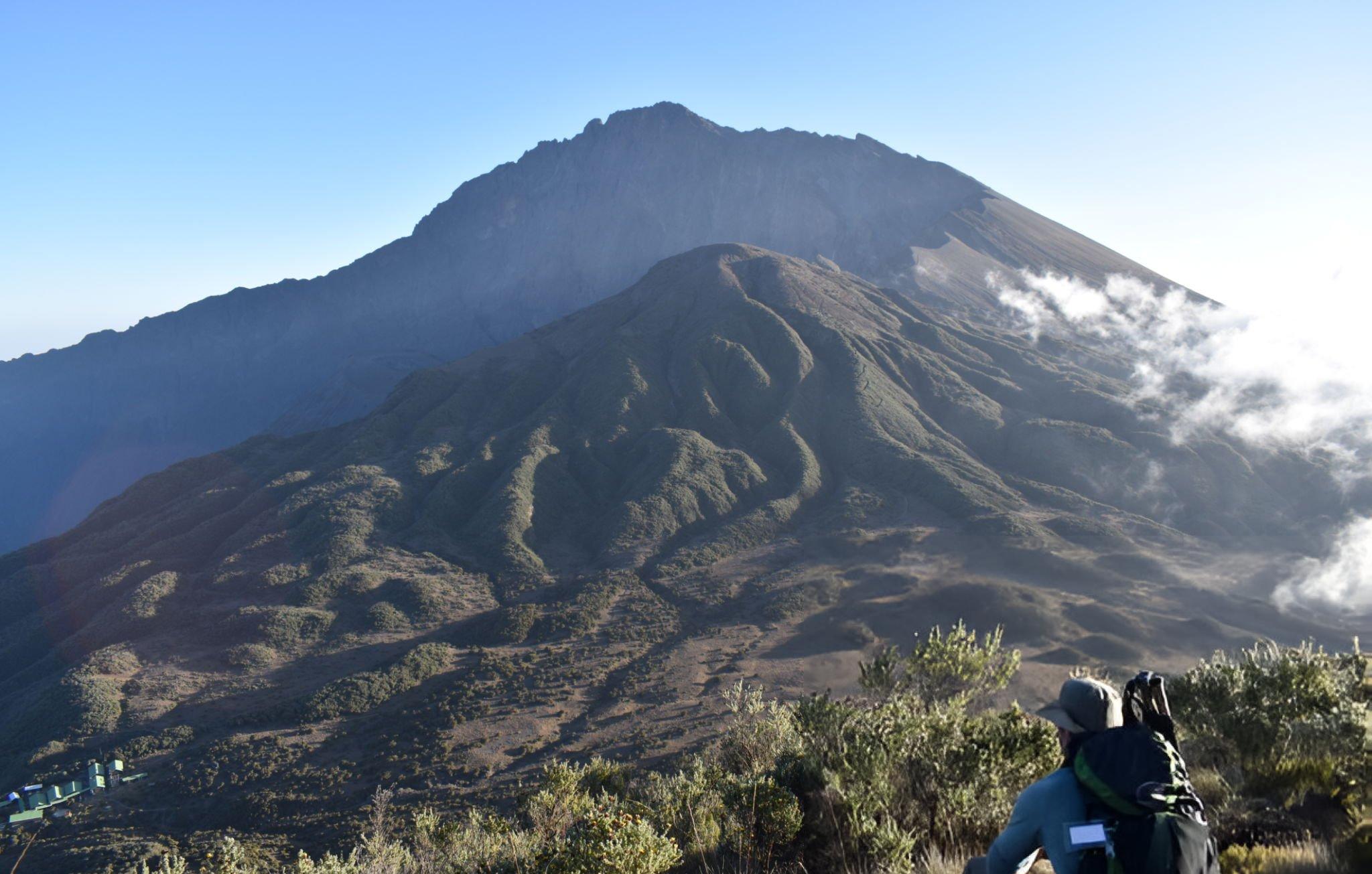
The terrain of Gombe National Park is dramatic and demanding. Steep slopes rise sharply from the shoreline of Lake Tanganyika into dense tropical forest, forming narrow valleys and high ridges. Trails follow natural contours shaped by water flow, wildlife movement, and decades of research patrols. These paths are not engineered for ease but for access, meaning hikers encounter roots, rocks, uneven ground, and sudden elevation changes. This rawness is intentional and essential, preserving the park’s wilderness character while offering a deeply authentic trekking experience.
One of the most prominent hiking areas within the park is Kakombe Valley. This forested corridor cuts through the heart of Gombe and is home to several chimpanzee
Cultural, Historical, and Research-Based Tourism
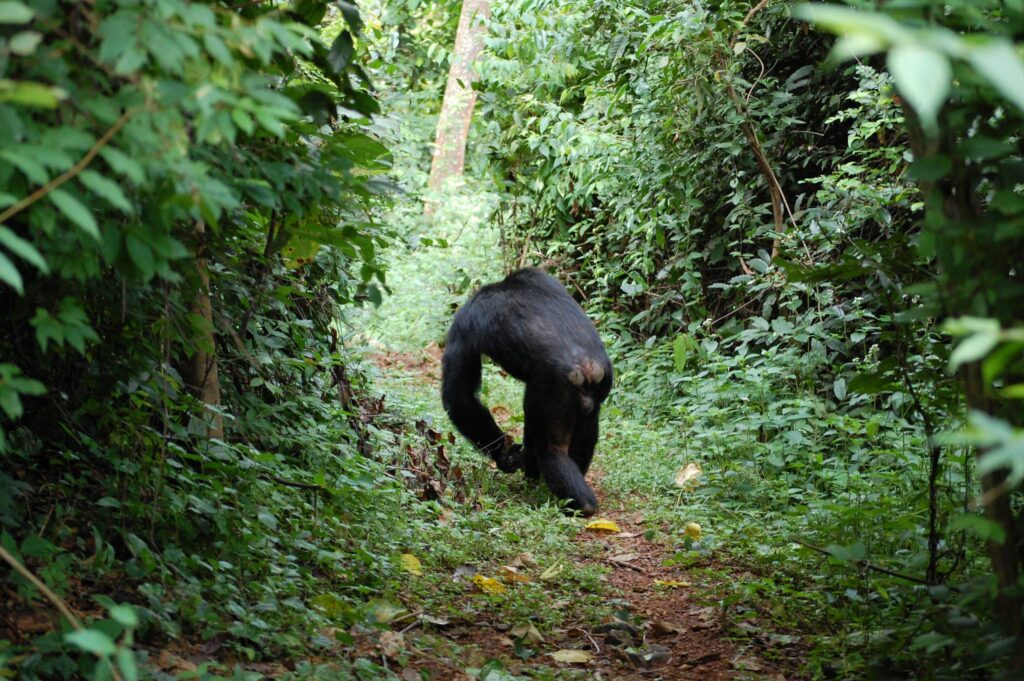
Cultural, historical, and research-based tourism represents one of the most intellectually enriching aspects of visiting Gombe National Park. While many travelers initially associate the park with chimpanzee trekking, its deeper value lies in the stories, scientific discoveries, and conservation philosophy that have shaped global understanding of primates and wilderness protection. For visitors who want more than visual experiences, this dimension expands the meaning of Things to do in Gombe National Park into learning, reflection, and ethical travel.
Gombe National Park occupies a unique position in world history due to its unparalleled contribution to behavioral science. In 1960, a young researcher named Dr. Jane Goodall arrived on the shores of Lake Tanganyika and began observing chimpanzees in the wild. At the time, scientific understanding of primates was limited and largely based on captive studies. What followed was a revolution in science. Through patient observation, Jane Goodall documented behaviors that challenged the very definition of humanity, including tool use, complex social structures, emotional bonds, and prolonged parental care.
Today, visitors to Gombe are walking through a living research landscape. Trails, valleys, and forest zones are not randomly named; many carry historical significance tied to decades of observation. Guides often reference individual chimpanzees whose life stories span generations, making scientific research feel personal and emotionally resonant. This connection between place and knowledge transforms a visit into an encounter with living history rather than a simple nature excursion.
Research-based tourism in Gombe is subtle but powerful. There are no large museums or exhibition halls within the park, yet learning is constant. Rangers and guides integrate scientific insights into daily activities, explaining how research findings influence park management, visitor regulations, and conservation strategies. Visitors learn why maintaining distance from chimpanzees is essential, how diseases can be transmitted between humans and primates, and why time limits during tracking are strictly enforced. These rules are rooted in science, not convenience.
Understanding this research legacy allows visitors to appreciate conservation as a dynamic, evolving process. Gombe has served as a model for primate conservation worldwide, influencing policies in Africa, Asia, and South America. Learning about this impact adds intellectual depth to Things to do in Gombe National Park, especially for travelers interested in sustainability, education, and responsible tourism.
Cultural tourism further enriches the Gombe experience by placing the park within a broader human context. Long before Gombe became a protected area, local communities lived along the shores of Lake Tanganyika and interacted closely with the surrounding forest. Fishing, small-scale farming, and traditional ecological knowledge shaped daily life. Although permanent settlement is no longer allowed within park boundaries, cultural narratives remain an important part of interpretation.
Visitors often learn about traditional fishing practices on Lake Tanganyika, including the use of wooden boats and seasonal rhythms tied to weather and fish migration. These practices highlight the deep connection between people and the lake ecosystem. Understanding this relationship helps travelers see conservation not as exclusion, but as balance—protecting biodiversity while respecting human livelihoods.
Historical tourism in Gombe also reflects the evolution of conservation thinking. Early research camps were basic and minimally intrusive, reflecting a philosophy of coexistence rather than domination. Over time, management strategies adapted to new scientific knowledge and changing global attitudes toward wildlife protection. Stories shared by guides illustrate how conservation moved from extraction and observation toward protection, advocacy, and long-term sustainability.
Educational tourism is a cornerstone of this section. Gombe attracts students, researchers, and conservation professionals from around the world. University groups, documentary teams, and environmental organizations visit the park to study its unique model of research-driven conservation. Even leisure travelers benefit from this academic atmosphere, as learning becomes woven into everyday activities.
Photography and documentation within Gombe are influenced by its research heritage. Visitors are encouraged to observe patiently, respect natural behavior, and avoid intrusive practices. This results in photography that emphasizes authenticity and narrative rather than spectacle. Such ethical documentation aligns with global conservation messaging and helps spread awareness beyond the park itself.
Epic horizons Adventure we are looking extra miles to make sure cultural, historical, and research-based experiences are delivered with accuracy, respect, and depth. By working closely with trained guides and conservation authorities, the company ensures that visitors receive reliable information while engaging responsibly with the park’s heritage.
Another important aspect of research-based tourism is its role in funding conservation. Park fees, permits, and guided activities contribute directly to long-term monitoring programs and habitat protection. Visitors become participants in conservation rather than passive observers. This sense of contribution often inspires continued support for environmental initiatives long after the trip ends.
Reflection is a powerful outcome of this form of tourism. Learning about decades of research, challenges in wildlife protection, and the fragile balance between humans and nature often leads visitors to reconsider their own relationship with the environment. Many travelers leave Gombe with a renewed commitment to conservation, ethical travel, and environmental education.
For those seeking deeper understanding, official research and conservation information can be accessed through the Jane Goodall Institute (https://www.janegoodall.org), which continues to support primate research and community conservation programs. Policy guidelines and heritage protection information are available from Tanzania National Parks Authority (https://www.tanzaniaparks.go.tz). These external resources enhance credibility and provide pathways for continued learning.
In conclusion, cultural, historical, and research-based tourism adds intellectual and ethical richness to the visitor experience. It transforms Gombe from a destination into a story—one that connects science, humanity, and nature across generations. When evaluating Things to do in Gombe National Park, engaging with its scientific legacy and cultural context is essential for travelers seeking meaning, responsibility, and lasting impact.
Responsible Tourism, Conservation, and Sustainable Travel in Gombe
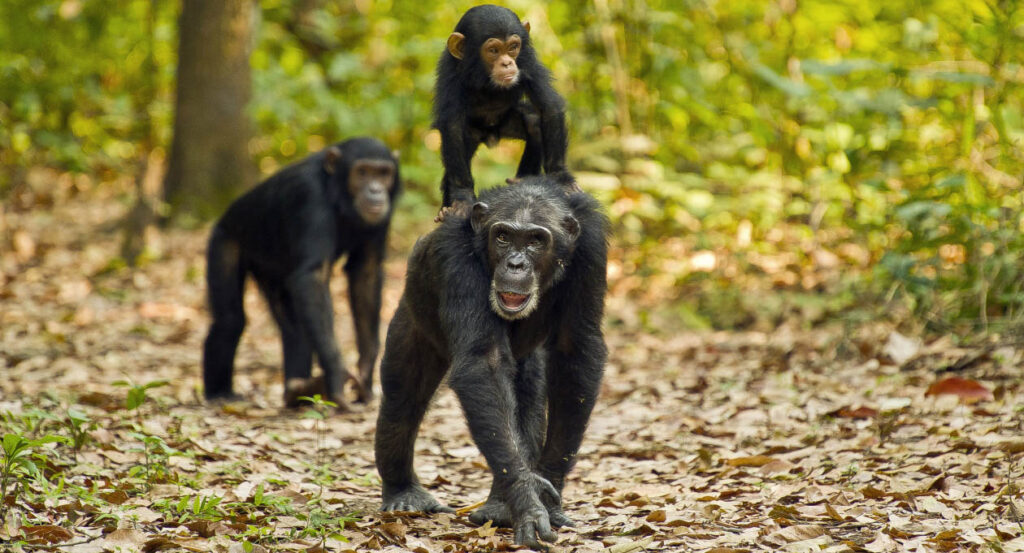
Responsible tourism is not an optional concept in Gombe National Park; it is the foundation upon which the park’s survival depends. As one of Africa’s smallest national parks and home to critically important chimpanzee populations, Gombe represents a delicate balance between conservation, research, and visitor access. Understanding this balance is essential for travelers who want their visit to have a positive and lasting impact. Within the broader discussion of Things to do in Gombe National Park, responsible tourism stands as both an activity and a mindset.
Gombe’s conservation challenges are complex. The park is geographically isolated, surrounded by growing human populations along the shores of Lake Tanganyika. Habitat fragmentation, disease transmission, climate change, and limited space all place pressure on wildlife populations. Unlike vast savannah parks where animals can migrate freely, Gombe’s chimpanzees live within a confined forest ecosystem. This makes every conservation decision critical and every visitor action meaningful.
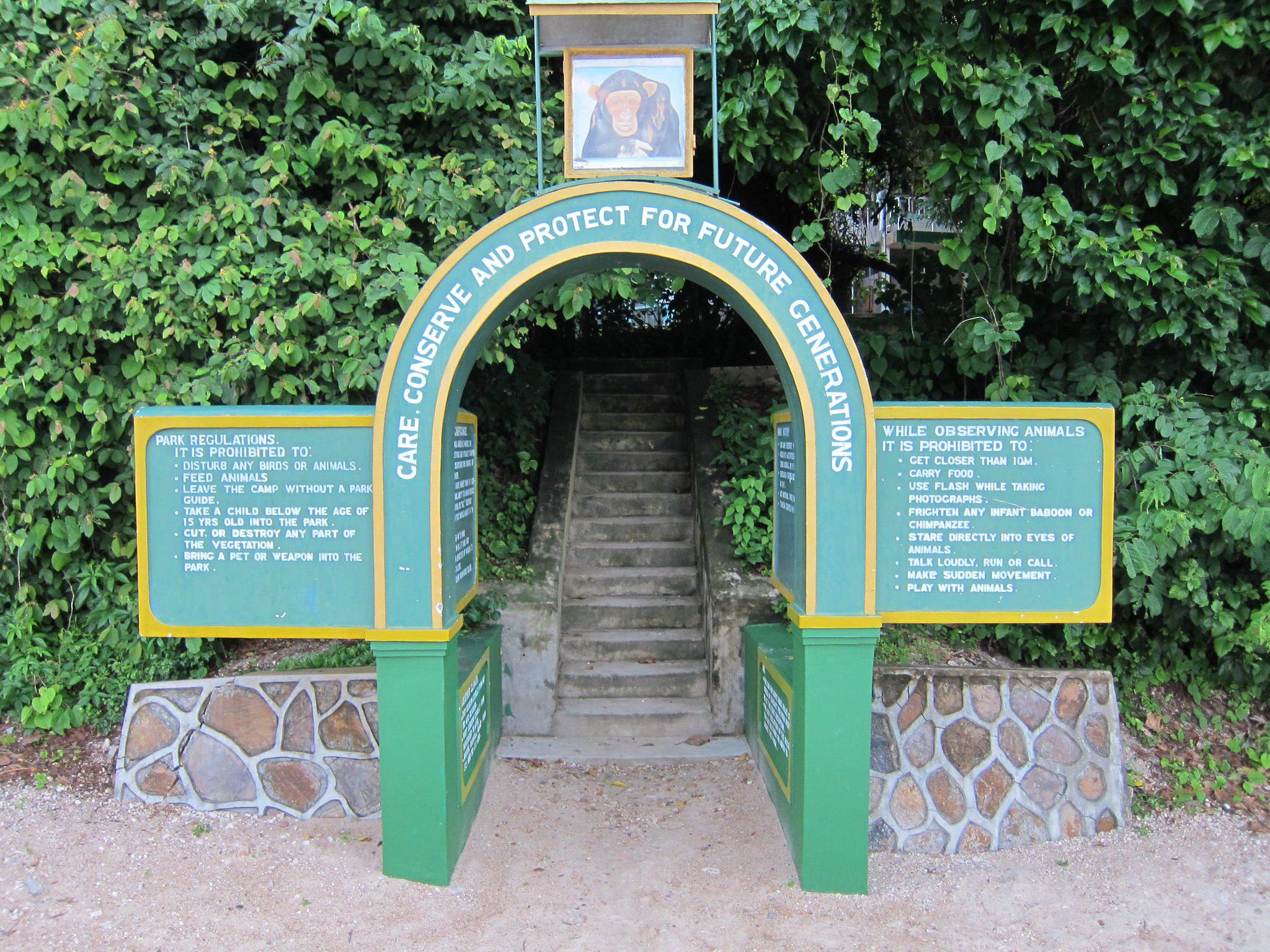
Responsible tourism in Gombe begins with strict visitor regulations. Group sizes for chimpanzee trekking are limited, time spent with chimpanzees is carefully controlled, and minimum distance rules are enforced. Visitors must be in good health, as respiratory illnesses can easily spread from humans to chimpanzees. These measures may feel restrictive to some travelers, but they are based on decades of scientific research and are essential for protecting the park’s most vulnerable inhabitants.
Sustainable travel practices extend beyond wildlife encounters. Accommodation options within and near the park are designed to minimize environmental impact. Energy use, waste management, and water conservation are prioritized to reduce pressure on natural resources. Visitors are encouraged to use biodegradable products, avoid single-use plastics, and respect designated waste disposal systems. These small actions collectively contribute to preserving the park’s fragile ecosystem.
Conservation in Gombe is deeply intertwined with research. Long-term monitoring of chimpanzee behavior, health, and population dynamics informs management decisions and visitor guidelines. Tourism revenue directly supports these research efforts, creating a model where travel funds science and protection rather than undermining it. By visiting responsibly, travelers become contributors to global conservation knowledge.
Community involvement is another cornerstone of sustainable tourism in the Gombe ecosystem. While the park itself is strictly protected, surrounding communities play a vital role in its long-term success. Conservation programs supported by tourism revenue help fund education, healthcare, and alternative livelihoods that reduce dependence on forest resources. When local communities benefit from conservation, they become partners rather than adversaries in protecting wildlife.
Understanding this community connection adds depth to Things to do in Gombe National Park, shifting the focus from individual experiences to collective responsibility. Travelers who learn about community-based conservation gain insight into how protected areas coexist with human development. This awareness fosters respect and empathy, key elements of ethical travel.
Environmental education is woven into every aspect of responsible tourism in Gombe. Guides are trained not only to lead activities but also to interpret ecological relationships, conservation challenges, and ethical considerations. Visitors learn how forest health affects chimpanzee survival, how lake ecosystems influence vegetation, and how climate patterns shape wildlife behavior. This knowledge transforms tourism into a learning experience with long-term impact.
Low-impact activities are emphasized throughout the park. Hiking trails are carefully managed to prevent erosion, boat use is regulated to protect shoreline habitats, and wildlife interactions are strictly controlled. Visitors are encouraged to observe quietly, move slowly, and prioritize the well-being of animals over personal convenience or photography goals. This approach aligns adventure with respect.
Epic horizons Adventure we are looking extra miles to make sure sustainable tourism principles are fully integrated into every itinerary. From pre-trip briefings to on-site guidance, the company emphasizes ethical behavior, cultural sensitivity, and environmental responsibility. This ensures that visitors not only enjoy their experience but also understand their role in conservation.
Climate change presents a growing challenge for Gombe National Park. Shifts in rainfall patterns affect forest regeneration, water availability, and food sources for wildlife. Responsible tourism supports adaptation efforts by funding research, habitat restoration, and monitoring programs. Travelers who choose conservation-focused operators contribute indirectly to these critical initiatives.
Another important aspect of sustainable travel is advocacy. Visitors often become ambassadors for Gombe after returning home, sharing knowledge, supporting conservation organizations, and raising awareness about primate protection. This ripple effect extends the impact of a single visit far beyond the park boundaries.
For travelers planning a visit, official conservation guidelines and visitor responsibilities are outlined by Tanzania National Parks Authority (https://www.tanzaniaparks.go.tz). Broader perspectives on sustainable tourism and protected area management can be explored through the United Nations World Tourism Organization (https://www.unwto.org). These external resources reinforce best practices and global standards.
Ethical decision-making also plays a role in travel planning. Choosing operators that prioritize conservation, respecting park rules, and engaging thoughtfully with local culture all contribute to sustainable outcomes. Responsible tourism is not about perfection but about intention and awareness.
Reflection is a powerful outcome of responsible travel in Gombe. Many visitors report that witnessing conservation in action changes how they view nature, consumption, and responsibility. This personal transformation is one of the most valuable experiences a destination can offer.
In conclusion, responsible tourism, conservation, and sustainable travel define the moral framework of visiting Gombe National Park. They ensure that wildlife protection, scientific research, and community well-being remain central to every visitor experience. When travelers consider Things to do in Gombe National Park, embracing responsible tourism is not only the right choice but the most meaningful one. It allows exploration with purpose and enjoyment with integrity, ensuring that Gombe remains protected for generations to come.