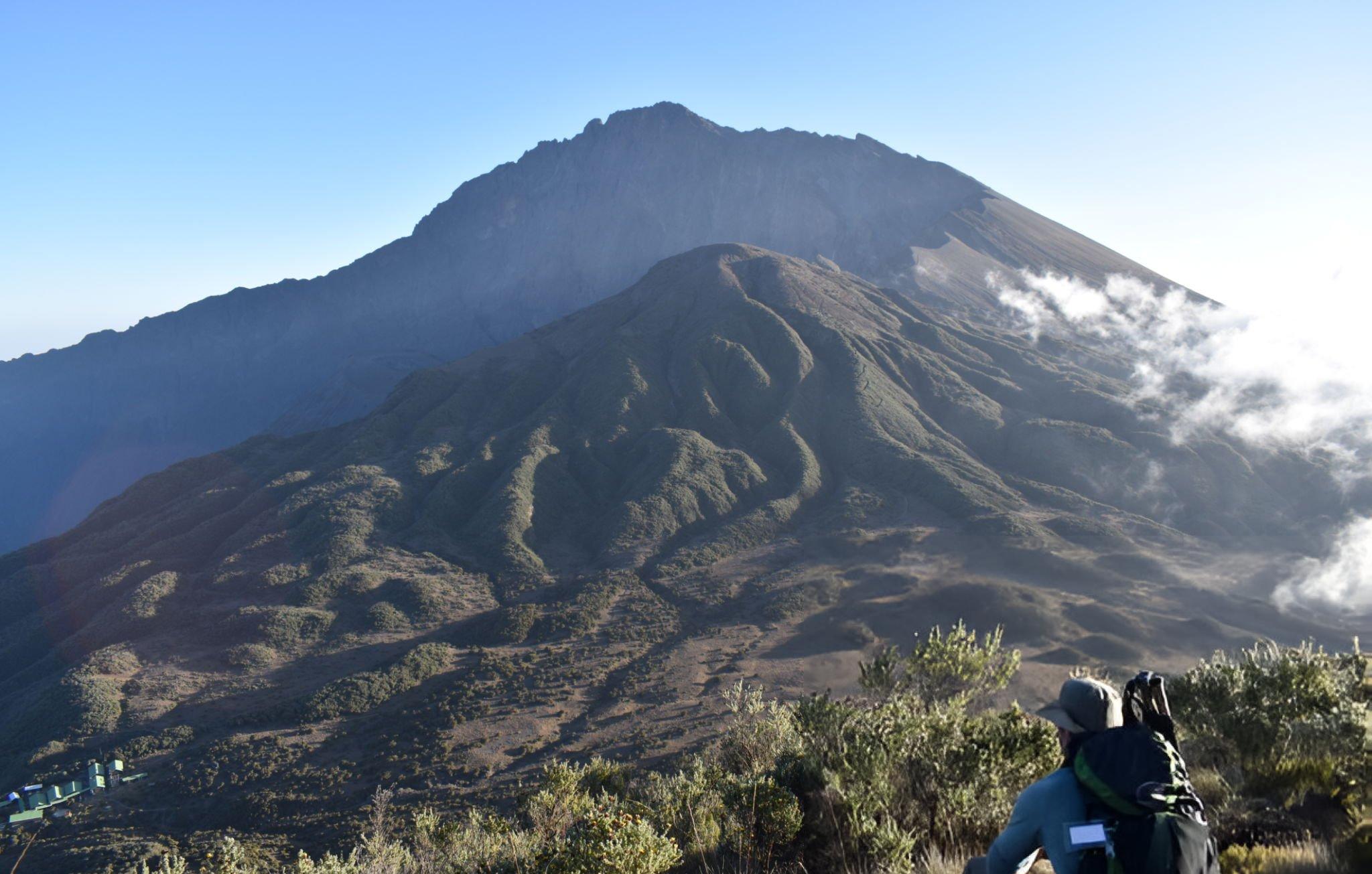
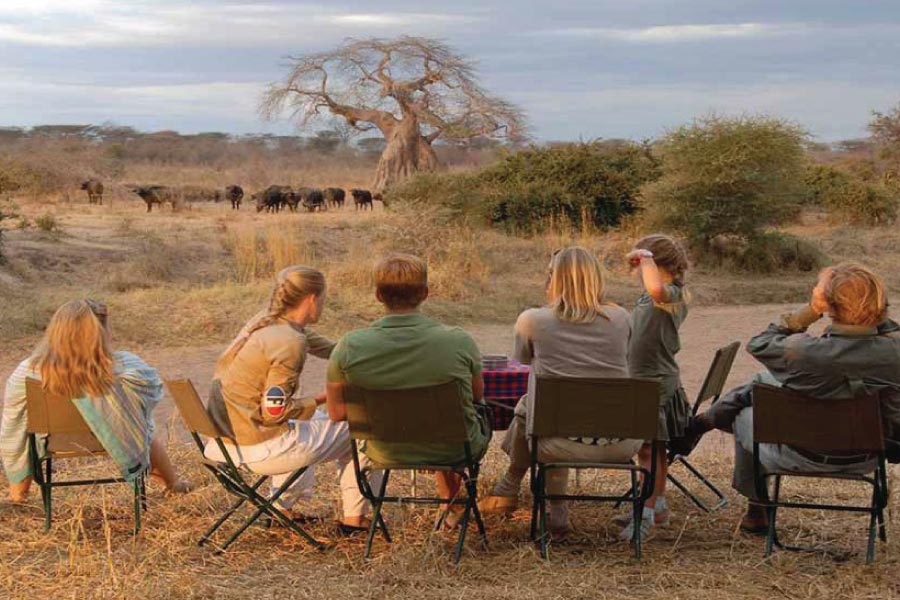
Discover Ruaha National Park — Tanzania’s largest and wildest safari destination. Explore wildlife, best time to visit, conservation, and luxury safari experiences. Book your adventure today with Epic Horizons Adventure.https://www.epichorizonsadventures.com/our-tours/destinations/
Introduction to Ruaha National Park – Tanzania’s Untamed Safari Frontier
Ruaha National Park stands as one of Africa’s most authentic wilderness destinations, offering travelers a safari experience that remains raw, remote, and refreshingly untouched by mass tourism. Located in southern Tanzania, this vast conservation area is the country’s largest national park, covering over 20,000 square kilometers of rugged landscapes, riverine forests, golden savannah plains, ancient baobab trees, and rocky escarpments. While many safari enthusiasts flock to the northern circuit destinations such as Serengeti and Ngorongoro, the southern circuit remains a hidden gem, and Ruaha National Park sits at its heart, rewarding those who venture south with solitude, extraordinary wildlife encounters, and landscapes that feel timeless and primal.
One of the defining features of Ruaha National Park is its isolation. Unlike busier safari parks, visitor numbers here remain relatively low throughout the year, allowing guests to enjoy uninterrupted game drives and immersive wilderness experiences without vehicle congestion. This seclusion is not due to lack of wildlife or scenery but rather its geographic positioning and the park’s commitment to conservation-first tourism. Travelers who choose Ruaha often seek a deeper connection with nature, one that goes beyond ticking off species lists and instead offers moments of silence, raw beauty, and emotional connection to the African wild.
The park is named after the Great Ruaha River, which serves as its lifeline. This mighty river cuts through the heart of the park, sustaining large populations of elephants, buffalo, lions, leopards, giraffes, antelope species, and hundreds of bird species. During the dry season, wildlife concentrates along the riverbanks, creating some of the most spectacular wildlife viewing opportunities anywhere in Tanzania. The river itself becomes a dramatic stage where predators and prey meet daily, and visitors witness nature in its most authentic form.
What makes Ruaha National Park especially remarkable is its ecological diversity. It sits at the crossroads of East and Southern African ecosystems, resulting in a unique blend of species typically found in both regions. Here, visitors can observe greater kudu, sable antelope, roan antelope, and Lichtenstein’s hartebeest—species rarely seen in northern Tanzania parks. The lion population is among the largest in Africa, and elephant herds roam freely across vast territories, often in impressive numbers. Birdlife enthusiasts are equally rewarded, with over 570 recorded bird species, making the park one of Tanzania’s top birding destinations.
Culturally, the surrounding regions of Ruaha offer insights into traditional Tanzanian life that remain largely untouched by modern tourism. Communities near the park maintain strong connections to pastoralism, agriculture, and ancient customs, providing opportunities for responsible cultural tourism experiences that complement wildlife safaris. These interactions, when handled respectfully and sustainably, deepen travelers’ understanding of Tanzania’s heritage and reinforce the importance of conservation-driven tourism.
The park’s landscapes are as dramatic as its wildlife. Massive baobab trees dominate the terrain, their swollen trunks towering over the plains like ancient sentinels. Rocky kopjes rise from open grasslands, providing vantage points for predators and panoramic views for visitors. Seasonal rivers carve through valleys, while permanent water sources sustain ecosystems even during harsh dry months. The interplay of light, shadow, and texture across these landscapes creates breathtaking scenery, especially during sunrise and sunset game drives when the bush glows with golden hues.
Another distinctive feature of Ruaha National Park is its strong commitment to conservation and low-impact tourism. The Tanzanian National Parks Authority (TANAPA) has prioritized sustainable management practices here, ensuring that wildlife populations thrive while minimizing environmental degradation. Anti-poaching initiatives, community engagement programs, and scientific research efforts contribute to the long-term protection of this extraordinary ecosystem. Visitors not only enjoy unforgettable safari experiences but also become part of a conservation story that safeguards Africa’s natural heritage for future generations.
Travelers seeking adventure, authenticity, and exclusivity often find Ruaha National Park surpasses expectations. Whether tracking lions on foot with experienced guides, witnessing elephant herds crossing the Great Ruaha River, or simply enjoying the profound silence of untouched wilderness, the park delivers moments that linger long after the safari ends. Unlike more commercialized destinations, Ruaha offers the luxury of space—space to explore, space to reflect, and space to reconnect with nature at its purest.
Epic horizons Adventure we are looking extra miles to make sure….
Planning a safari to Ruaha requires thoughtful preparation, but the rewards are immeasurable. The park’s remoteness enhances its appeal, and access is typically via scheduled or charter flights from Dar es Salaam, Arusha, or Zanzibar. Once inside the park, travelers are welcomed by an array of lodges and camps that blend seamlessly into the environment, offering comfort without compromising ecological integrity. These accommodations range from luxury tented camps overlooking rivers to intimate eco-lodges nestled beneath baobab trees, all designed to enhance guests’ connection to the surrounding wilderness.
From an SEO and tourism marketing perspective, Ruaha National Park represents one of Tanzania’s most valuable yet underutilized destinations. With global travelers increasingly seeking off-the-beaten-path experiences, authentic wildlife encounters, and sustainable travel options, the park’s appeal continues to rise. Travel companies that position Ruaha effectively within their offerings stand to attract discerning travelers who prioritize quality over crowds and meaningful experiences over mass tourism.
In today’s competitive safari market, where many travelers have already visited popular destinations like Serengeti, Maasai Mara, or Kruger National Park, Ruaha offers something genuinely different. It invites guests to step into a wilder Africa—one where the rhythms of nature dictate the pace, where silence speaks louder than crowds, and where every game drive feels like a private expedition into the unknown. This sense of exclusivity, paired with exceptional biodiversity and dramatic landscapes, positions Ruaha as one of Africa’s premier safari destinations for experienced travelers and first-time visitors alike.
For those researching safari destinations online, authoritative resources such as Tanzania National Parks Authority (TANAPA) provide official park information, conservation updates, and visitor guidelines, which can be accessed at https://www.tanzaniaparks.go.tz. Additionally, conservation-focused organizations like African Wildlife Foundation (https://www.awf.org) offer insights into wildlife protection efforts across East Africa, helping travelers understand the broader impact of responsible tourism choices.
As global tourism evolves toward sustainability, meaningful experiences, and ethical travel practices, Ruaha National Park stands perfectly positioned to meet these expectations. It is not merely a safari destination; it is a sanctuary where wildlife thrives, ecosystems flourish, and travelers rediscover the magic of untouched nature. Whether you are a wildlife photographer, birding enthusiast, adventure traveler, conservation supporter, or luxury safari seeker, Ruaha offers a safari experience that resonates deeply and leaves a lasting impression.
Ultimately, Ruaha National Park is more than just Tanzania’s largest protected area—it is a testament to what conservation-driven tourism can achieve when wilderness is preserved, communities are engaged, and travelers are welcomed with authenticity and respect. For those willing to venture beyond the familiar safari routes, Ruaha reveals Africa at its wildest, its most beautiful, and its most unforgettable.
Wildlife and Biodiversity of Ruaha National Park – A Sanctuary of Rare Species
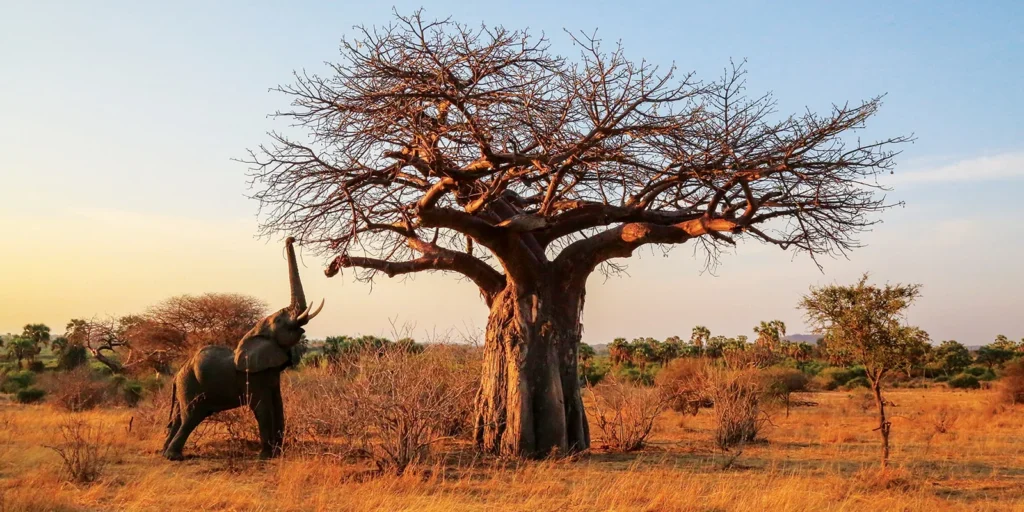
Ruaha National Park is internationally recognized as one of Africa’s richest wildlife sanctuaries, offering visitors the chance to observe an extraordinary range of species within a single ecosystem. The park’s immense size, ecological diversity, and strategic position at the intersection of East and Southern African biomes create an environment where species from both regions coexist, resulting in unparalleled biodiversity. For wildlife enthusiasts, conservationists, photographers, and safari travelers seeking rare sightings, Ruaha National Park delivers experiences that rival—and often surpass—those of more famous safari destinations.
One of the park’s most celebrated residents is the African elephant. Ruaha is home to one of Tanzania’s largest elephant populations, with herds numbering in the hundreds roaming freely across the plains and river valleys. During the dry season, these elephants gather along the Great Ruaha River, offering dramatic viewing opportunities as they drink, bathe, interact socially, and navigate steep riverbanks. The sight of massive bulls locking tusks or matriarchs guiding calves across the water is both humbling and unforgettable, providing powerful insights into elephant behavior and social structures.
Predators thrive in Ruaha’s expansive landscapes, supported by abundant prey species and minimal human disturbance. The park boasts one of Africa’s highest lion densities, with prides often observed resting beneath acacia trees, stalking herds of buffalo, or ambushing antelope near water sources. Unlike more crowded parks where lion sightings attract numerous vehicles, encounters in Ruaha are often intimate and uninterrupted, allowing travelers to observe natural behaviors over extended periods.
Leopards are equally prominent, frequently spotted draped across tree branches or prowling silently through riverine forests at dusk. Their elusive nature makes sightings especially rewarding, and Ruaha’s varied terrain offers ideal camouflage and hunting grounds for these solitary predators. Cheetahs, though less common, are present in open grasslands where they use speed to hunt gazelle and other swift prey. Spotted hyenas, wild dogs, and bat-eared foxes further contribute to the park’s rich predator diversity, each playing a vital role in maintaining ecological balance.
Herbivore populations in Ruaha National Park are equally impressive. Vast herds of buffalo roam the plains, sometimes forming groups of several hundred individuals. These massive herds attract predators and create thrilling wildlife interactions that define classic African safari scenes. Giraffes browse from towering acacia trees, their graceful movements contrasting beautifully with the rugged landscape. Plains game species such as zebra, impala, Grant’s gazelle, waterbuck, and warthog are widespread, providing a stable prey base that supports large carnivore populations.
What truly sets Ruaha apart, however, is its population of rare and regionally unique antelope species. Greater kudu, known for their magnificent spiral horns and striking white stripes, are frequently encountered in woodland areas. Roan and sable antelope, both considered among Africa’s most majestic antelopes, inhabit the park’s grasslands and woodlands, drawing wildlife enthusiasts from around the world. Lichtenstein’s hartebeest, with its distinctive elongated face and powerful build, further highlights the park’s ecological uniqueness. These species are seldom seen in northern Tanzania parks, making Ruaha an essential destination for travelers seeking comprehensive wildlife experiences.
The avian diversity of Ruaha National Park is equally remarkable, positioning the park among Tanzania’s premier birding destinations. With over 570 recorded bird species, Ruaha attracts ornithologists and birdwatching enthusiasts throughout the year. Riverine habitats support kingfishers, fish eagles, herons, storks, and bee-eaters, while savannah and woodland environments host hornbills, rollers, bustards, and raptors. Seasonal migrants from Europe and Asia add further diversity during certain months, enriching the park’s already vibrant birdlife.
Reptiles and smaller mammals also contribute significantly to Ruaha’s biodiversity. Crocodiles and hippos dominate river systems, particularly along the Great Ruaha River, where they play essential roles in shaping aquatic ecosystems. Monitor lizards, chameleons, geckos, and various snake species thrive across the park’s diverse habitats. Smaller mammals such as mongoose, civets, genets, porcupines, and bushbabies add depth to nocturnal safari experiences, especially during night game drives offered by select lodges.
The ecological significance of Ruaha National Park extends beyond species counts to encompass complex food webs, seasonal migration patterns, and dynamic predator-prey relationships. The park’s large size allows animals to roam freely across extensive territories, reducing pressure on specific habitats and enabling natural population regulation. This ecological resilience distinguishes Ruaha from smaller, more intensively managed parks and contributes to its reputation as one of Africa’s most authentic wilderness areas.
Conservation efforts in Ruaha focus on habitat preservation, anti-poaching initiatives, scientific research, and community engagement. Organizations such as Tanzania National Parks Authority (TANAPA) (https://www.tanzaniaparks.go.tz) oversee wildlife management and tourism regulation, ensuring that biodiversity protection remains a top priority. Additionally, conservation NGOs like Frankfurt Zoological Society (https://fzs.org) and African Wildlife Foundation (https://www.awf.org) support research programs, ranger training, and community-based conservation projects in and around Ruaha, reinforcing the park’s role as a biodiversity stronghold.
The park’s seasonal rhythms further enhance wildlife viewing opportunities. During the dry season, from June to October, animals congregate around permanent water sources, making game viewing especially productive. Large herds of buffalo, elephant, and antelope gather along rivers, attracting predators and creating intense wildlife interactions. The wet season, from November to May, transforms the landscape into lush greenery, supporting breeding cycles for many species and offering exceptional birding experiences as migratory birds arrive. Each season brings its own ecological highlights, ensuring that Ruaha remains a year-round safari destination.
Epic horizons Adventure we are looking extra miles to make sure….
From a traveler’s perspective, the wildlife experience in Ruaha National Park is defined not only by species diversity but also by the quality of encounters. With fewer visitors than northern circuit parks, game drives here feel intimate and exclusive. Guides are able to track animals patiently, interpret subtle behavioral cues, and provide in-depth ecological insights without pressure to rush from sighting to sighting. This approach fosters deeper understanding and appreciation of wildlife, aligning with the principles of responsible and immersive safari tourism.
For photographers, Ruaha offers extraordinary opportunities to capture dramatic wildlife imagery against striking backdrops of baobab trees, rocky outcrops, golden plains, and riverine forests. The park’s varied landscapes allow for diverse compositions, from close-up portraits of predators to sweeping panoramic scenes featuring elephants silhouetted against glowing sunsets. The relative absence of crowds further enhances photographic experiences, enabling photographers to wait for optimal lighting and animal positioning without interference.
Scientific research conducted in Ruaha continues to reveal new insights into wildlife behavior, migration patterns, and ecosystem dynamics. Studies on lion population genetics, elephant movement corridors, and predator-prey interactions contribute to broader conservation knowledge across East Africa. These research initiatives underscore the park’s importance not only as a tourism destination but also as a living laboratory for understanding African ecosystems and developing effective conservation strategies.
For travelers seeking ethical tourism experiences, Ruaha National Park exemplifies how wildlife conservation and tourism can coexist harmoniously. Revenue generated from park fees and lodge operations supports ranger salaries, anti-poaching patrols, infrastructure development, and community projects that improve livelihoods while reducing human-wildlife conflict. This integrated approach ensures that wildlife protection remains economically viable and socially sustainable, benefiting both ecosystems and surrounding communities.
Ultimately, the wildlife and biodiversity of Ruaha National Park offer something increasingly rare in modern safari tourism: authenticity. Here, nature operates on its own terms, unfiltered by heavy infrastructure or mass tourism pressures. Travelers witness ecological processes unfold naturally, gaining a deeper appreciation for the complexity and beauty of African ecosystems. Whether observing lions hunting buffalo at dawn, watching elephants interact at watering holes, or listening to the calls of nocturnal creatures under starlit skies, visitors leave Ruaha with memories that resonate far beyond the safari experience.
Ruaha National Park stands as a testament to Tanzania’s commitment to preserving its natural heritage while offering travelers world-class wildlife encounters. Its rich biodiversity, thriving predator populations, rare antelope species, and exceptional birdlife combine to create one of Africa’s most compelling safari destinations. For those seeking meaningful, immersive, and conservation-driven wildlife experiences, Ruaha delivers not only exceptional sightings but also a profound connection to the wild.
Safari Experiences and Activities in Ruaha National Park – Immersive Adventures Beyond the Ordinary
Ruaha National Park offers one of Africa’s most immersive and diverse safari experiences, combining classic game drives with unique activities that deepen visitors’ connection to nature, wildlife, and local landscapes. Unlike more commercialized safari destinations where itineraries often follow standardized patterns, Ruaha’s remoteness and ecological integrity allow for flexible, customized experiences tailored to travelers seeking authenticity, adventure, and meaningful encounters. From thrilling predator sightings to tranquil walking safaris and scenic river excursions, the park delivers a holistic safari journey that transcends conventional tourism.
Game drives remain the foundation of most visits to Ruaha National Park, and for good reason. The park’s vast open spaces, varied habitats, and high wildlife densities create ideal conditions for exceptional wildlife viewing. Morning game drives begin at dawn, when predators are still active and the bush comes alive with birdsong and animal movement. Visitors often encounter lions returning from night hunts, leopards descending from trees, and herds of antelope grazing in soft golden light. The cool morning hours also enhance wildlife visibility, making early drives especially productive for spotting elusive species.
Afternoon and evening game drives provide equally compelling experiences, offering opportunities to observe animals as they move toward water sources and prepare for nocturnal activities. Sunset drives along the Great Ruaha River reveal dramatic silhouettes of elephants, giraffes, and buffalo against glowing horizons, while nocturnal safaris—available in select areas—introduce travelers to rarely seen species such as bushbabies, genets, porcupines, civets, and nocturnal predators. These nighttime encounters add depth and intrigue to safari itineraries, expanding wildlife experiences beyond daylight hours.
Walking safaris represent one of Ruaha’s most distinctive offerings, allowing guests to explore the wilderness on foot under the guidance of experienced armed rangers and professional naturalist guides. Unlike vehicle-based safaris, walking experiences engage all senses, immersing travelers in the subtle details of the ecosystem. Participants learn to track animal footprints, interpret bird calls, identify medicinal plants, and understand ecological relationships that shape the landscape. Encounters with giraffes, antelope, and even elephants at safe distances provide exhilarating moments that foster respect for wildlife and a deeper appreciation for nature’s complexity.
The park’s varied terrain enhances walking safari experiences, with routes traversing riverbanks, woodlands, rocky outcrops, and open plains. Each habitat reveals unique ecological stories, from the adaptations of desert plants to the survival strategies of small mammals and insects. These immersive encounters often leave travelers with a greater understanding of conservation challenges and a stronger emotional connection to the land, reinforcing the value of sustainable tourism practices.
River-based activities further enrich safari itineraries in Ruaha National Park. The Great Ruaha River serves as a focal point for wildlife viewing, and select lodges offer river walks or scenic viewpoints overlooking hippo pools and crocodile basking sites. While boat safaris are not widely available due to river conditions and conservation regulations, the riverbanks themselves provide excellent vantage points for observing animal behavior, particularly during the dry season when wildlife congregates around permanent water sources.
Birdwatching enthusiasts find Ruaha especially rewarding, as the park’s diverse habitats support hundreds of resident and migratory bird species. Guided birding safaris focus on identifying endemic species, migratory patterns, nesting behaviors, and avian calls, making Ruaha one of Tanzania’s premier birding destinations. Whether observing fish eagles swooping down to catch prey, hornbills gliding between trees, or colorful bee-eaters nesting along riverbanks, birdwatchers encounter remarkable diversity and photographic opportunities throughout the year.
Photographic safaris in Ruaha National Park cater to both amateur enthusiasts and professional photographers seeking rare wildlife imagery and dramatic landscapes. The park’s expansive vistas, minimal vehicle congestion, and exceptional wildlife density create ideal conditions for capturing powerful images. Many lodges offer customized photographic vehicles, beanbags, charging stations, and expert photography guides who understand animal behavior, lighting conditions, and composition techniques. Sunrise and sunset drives, in particular, yield stunning visuals as wildlife silhouettes against golden skies and dust-filled horizons.
For travelers interested in conservation and education, Ruaha offers opportunities to engage with ongoing research and wildlife protection initiatives. Select lodges collaborate with conservation organizations and park authorities to provide behind-the-scenes insights into anti-poaching efforts, wildlife monitoring programs, and habitat management strategies. Guests may participate in tracking projects, attend conservation talks, or visit ranger outposts to learn firsthand about the challenges and successes of protecting one of Africa’s most important ecosystems. These experiences transform safaris from passive observation into active engagement with conservation efforts.
Cultural excursions complement wildlife experiences by introducing travelers to local communities living around Ruaha National Park. Guided village visits allow guests to learn about traditional livelihoods, agricultural practices, crafts, and cultural customs, fostering mutual understanding and respect. Responsible cultural tourism ensures that interactions benefit local communities through employment, education support, and income generation while preserving cultural integrity. These experiences add depth and context to safari journeys, highlighting the interconnectedness of people, wildlife, and landscapes.
Epic horizons Adventure we are looking extra miles to make sure….
Luxury safari experiences in Ruaha are defined by understated elegance, personalized service, and immersion in nature rather than ostentation. Accommodations range from intimate tented camps overlooking rivers to eco-lodges nestled beneath baobab trees and rocky outcrops. These properties emphasize sustainability through solar power, water conservation, waste reduction, and minimal environmental footprints. Guests enjoy gourmet meals, comfortable furnishings, and attentive service while remaining deeply connected to the surrounding wilderness. This balance of comfort and authenticity enhances the overall safari experience without compromising ecological values.
Adventure travelers find Ruaha particularly appealing due to its sense of exploration and discovery. Unlike more crowded safari destinations, where itineraries often follow predictable routes, Ruaha’s vastness allows guides to explore new areas daily, track wildlife movements dynamically, and tailor experiences to guests’ interests. Whether searching for rare antelope species, tracking large lion prides, or exploring remote river valleys, every day in Ruaha feels like a private expedition into uncharted territory.
Family safaris are also well-suited to Ruaha National Park, with select lodges offering child-friendly programs, educational activities, and flexible itineraries designed to engage younger travelers. These experiences introduce children to wildlife conservation, ecology, and cultural heritage in engaging and age-appropriate ways, fostering lifelong appreciation for nature and responsible travel. Multi-generational safaris benefit from the park’s relaxed pace, spacious accommodations, and diverse activity options that cater to varied interests and energy levels.
Seasonal variations influence safari experiences in Ruaha, offering unique opportunities throughout the year. During the dry season, wildlife concentrates around water sources, making game viewing exceptionally productive and predictable. This period is ideal for first-time safari travelers seeking high-density wildlife sightings and dramatic predator-prey interactions. The wet season transforms the landscape into lush greenery, attracting migratory birds and supporting breeding cycles for many species. While wildlife disperses more widely during this time, the scenery becomes spectacular, photographic opportunities abound, and visitor numbers decline, offering greater exclusivity and tranquility.
From an operational perspective, safari guides in Ruaha are among the most knowledgeable and experienced in Tanzania, trained to interpret complex ecosystems, track wildlife effectively, and communicate ecological insights clearly. Their expertise enhances every safari experience, turning wildlife sightings into educational moments that deepen guests’ understanding of animal behavior, conservation challenges, and ecosystem dynamics. This emphasis on interpretation and storytelling distinguishes Ruaha safaris from more transactional wildlife viewing experiences.
Travelers seeking holistic wellness experiences can also find solace in Ruaha’s remote wilderness. The park’s tranquility, natural beauty, and absence of urban distractions create ideal conditions for relaxation, reflection, and mental rejuvenation. Some lodges offer yoga sessions, meditation spaces, bush breakfasts, sundowners, and private deck views overlooking rivers and plains, allowing guests to reconnect with themselves while immersed in nature. These elements add depth to safari journeys, transforming them into restorative experiences that nourish both body and soul.
International recognition of Ruaha National Park continues to grow as travelers increasingly seek destinations that offer authenticity, exclusivity, and meaningful engagement with nature. Travel publications, conservation organizations, and safari experts consistently highlight Ruaha as one of Africa’s best-kept secrets, praising its wildlife density, scenic beauty, and low visitor numbers. This growing reputation positions Ruaha as a premier destination for discerning travelers who value quality over quantity and immersive experiences over superficial encounters.
For travelers researching safari experiences online, authoritative resources such as Lonely Planet Tanzania (https://www.lonelyplanet.com/tanzania) provide practical travel guidance, while organizations like World Wildlife Fund (WWF) (https://www.worldwildlife.org) offer insights into conservation challenges and wildlife protection initiatives across East Africa. These resources complement safari planning efforts by providing context, credibility, and educational depth.
Ultimately, safari experiences in Ruaha National Park transcend conventional tourism by offering guests genuine immersion in one of Africa’s last great wilderness areas. Whether tracking lions at dawn, walking silently through baobab forests, listening to hippos grunting beneath starlit skies, or engaging with conservation initiatives that protect endangered species, visitors encounter nature in its most authentic form. These experiences leave lasting impressions, inspiring travelers to become advocates for conservation, sustainable tourism, and responsible stewardship of the planet’s remaining wild spaces.
Ruaha National Park delivers not only extraordinary wildlife encounters but also transformative journeys that reconnect people with nature’s rhythms, beauty, and power. For those seeking safari experiences that are immersive, meaningful, and unforgettable, Ruaha stands unmatched as Tanzania’s ultimate wilderness destination.
Best Time to Visit Ruaha National Park and Practical Travel Planning
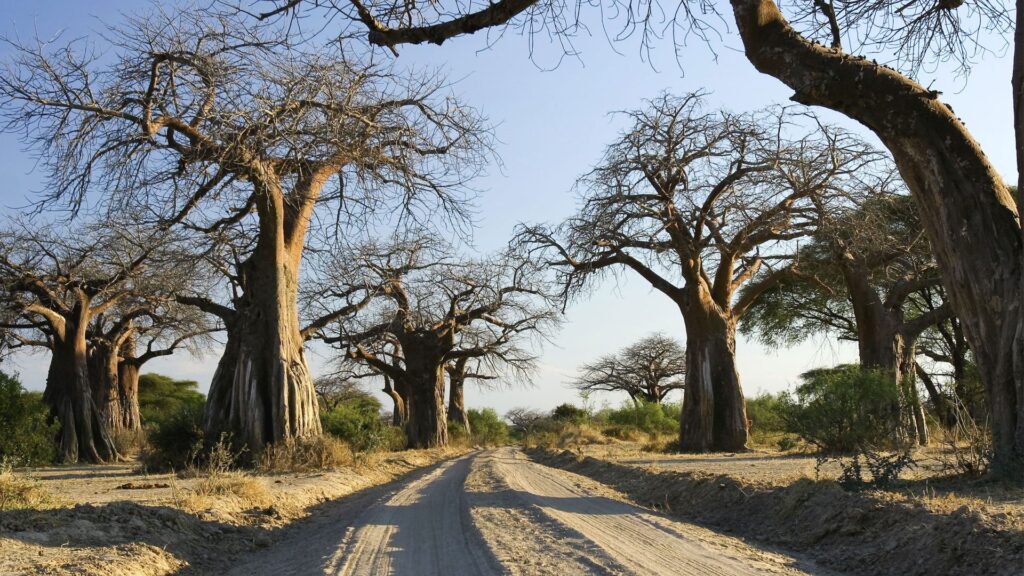
Choosing the best time to visit Ruaha National Park is essential for maximizing wildlife encounters, enjoying comfortable travel conditions, and tailoring safari experiences to personal interests. While the park offers rewarding experiences year-round, seasonal variations in weather, vegetation, wildlife movements, and tourism logistics significantly influence safari outcomes. Understanding these seasonal dynamics allows travelers to plan strategically and enjoy Ruaha’s wilderness at its finest.
Ruaha National Park experiences two primary seasons: the dry season and the wet season, each with distinct advantages. The dry season typically runs from June to October and is widely considered the optimal period for wildlife viewing. During these months, rainfall is minimal, vegetation thins, and permanent water sources such as the Great Ruaha River become magnets for wildlife. Elephants, buffalo, antelope, and predators concentrate along riverbanks and remaining waterholes, making sightings more predictable and abundant. Game drives during the dry season often yield spectacular predator-prey interactions, dramatic river crossings, and large herd congregations that define classic safari imagery.
Weather conditions during the dry season are generally pleasant, with warm daytime temperatures, cool mornings and evenings, and low humidity. These conditions enhance comfort during game drives, walking safaris, and outdoor activities. Clear skies and reduced dust during early mornings and evenings also improve photographic opportunities, allowing travelers to capture crisp wildlife images against vibrant landscapes. The dry season’s popularity means higher demand for accommodations and flights, so advance bookings are recommended to secure preferred lodges and travel dates.
The wet season in Ruaha National Park typically spans from November to May, with rainfall peaking between March and April. While some travelers avoid safari destinations during rainy periods, the wet season in Ruaha offers unique advantages that appeal to specific interests. The landscape transforms into lush greenery, rivers swell, wildflowers bloom, and birdlife flourishes as migratory species arrive from Europe and Asia. This period is particularly rewarding for birdwatchers, photographers seeking vibrant scenery, and travelers who prefer quieter, more exclusive safari experiences.
Wildlife behavior during the wet season differs from the dry season, as animals disperse more widely across the landscape in search of fresh grazing and water sources. While this can make game viewing less predictable, it also offers opportunities to observe breeding behaviors, newborn animals, and complex social interactions within herds. Predators take advantage of vulnerable young prey, creating dynamic ecological scenes that reflect the rhythms of life in the African wilderness. The wet season’s dramatic skies, cloud formations, and fresh vegetation enhance photographic composition, providing striking contrasts and atmospheric lighting.
Certain lodges and camps in Ruaha National Park close temporarily during the peak rainy months of April and May due to road accessibility challenges and conservation considerations. Travelers planning wet-season safaris should consult with experienced tour operators to ensure accommodations and logistics align with seasonal conditions. However, many lodges remain open during the shoulder wet months of November, December, and March, offering excellent value, fewer visitors, and rewarding wildlife encounters.
From a travel logistics perspective, accessing Ruaha National Park typically involves flying from Dar es Salaam, Arusha, or Zanzibar to the park’s airstrips via scheduled or charter flights. Domestic carriers such as Coastal Aviation (https://www.coastal.co.tz) and Auric Air (https://www.auricair.com) operate regular services to Ruaha, ensuring reliable connectivity. Road transfers from nearby cities like Iringa are possible but less commonly used due to long travel times and variable road conditions, particularly during the rainy season.
Accommodation options within Ruaha National Park range from luxury tented camps and eco-lodges to mid-range safari camps designed to balance comfort with immersion in nature. These properties prioritize sustainability through solar power, water conservation, and minimal environmental footprints while providing personalized service, gourmet cuisine, and expert guiding. Selecting the right lodge depends on budget, travel style, preferred activities, and desired level of comfort. Experienced safari operators can recommend properties that align with individual preferences and seasonal considerations.
Epic horizons Adventure we are looking extra miles to make sure….
Packing for a Ruaha safari requires thoughtful preparation to ensure comfort, safety, and enjoyment throughout the journey. Lightweight, breathable clothing in neutral colors is recommended for game drives and walking safaris, while warm layers are essential for early mornings and evenings, particularly during the dry season. Sturdy walking shoes, wide-brimmed hats, sunscreen, insect repellent, binoculars, and cameras with appropriate lenses enhance safari experiences. Travelers should also pack personal medications, travel documents, power adapters, and reusable water bottles to minimize plastic waste and support sustainable travel practices.
Health and safety considerations are important when traveling to Ruaha National Park. Travelers should consult healthcare professionals regarding recommended vaccinations, malaria prophylaxis, and general travel health precautions. Comprehensive travel insurance covering medical evacuation, trip cancellation, and safari activities is strongly advised. Lodges within Ruaha adhere to safety protocols, including trained staff, emergency communication systems, and wildlife safety guidelines to ensure guest well-being during activities.
Visa requirements for Tanzania vary by nationality, and travelers should confirm entry regulations in advance through official government sources such as Tanzania Immigration Services (https://www.immigration.go.tz). Most visitors can obtain visas online or upon arrival, but advance preparation streamlines entry processes and reduces potential delays. Passports must typically be valid for at least six months beyond travel dates, with blank pages available for visa stamps.
Currency and payment considerations are also relevant when planning travel to Ruaha National Park. The Tanzanian Shilling (TZS) is the local currency, though US dollars are widely accepted for tourism-related expenses. Credit card acceptance varies by lodge, and travelers are advised to carry sufficient cash for tipping, souvenirs, and incidental expenses. ATM access is limited near the park, so withdrawing funds in major cities before travel is recommended.
Cultural sensitivity and responsible tourism practices enhance travel experiences while supporting conservation and community well-being. Visitors to Ruaha are encouraged to respect local customs, dress modestly when visiting villages, ask permission before photographing individuals, and engage respectfully with guides and community members. Supporting locally owned businesses, purchasing handmade crafts, and participating in community tourism initiatives contribute to sustainable economic development and strengthen positive relationships between travelers and host communities.
From an environmental perspective, travelers can minimize their impact by following park regulations, avoiding littering, reducing water and energy consumption, and choosing eco-conscious accommodations and tour operators. Responsible safari practices include maintaining appropriate distances from wildlife, refraining from feeding animals, respecting off-road driving restrictions, and adhering to guide instructions at all times. These measures ensure that Ruaha National Park remains a pristine wilderness for future generations.
Travelers interested in combining Ruaha with other Tanzanian destinations often incorporate nearby parks such as Udzungwa Mountains National Park, Mikumi National Park, or Selous Game Reserve (now Nyerere National Park) into multi-destination itineraries. These combinations offer diverse landscapes, wildlife experiences, and adventure opportunities, creating comprehensive safari journeys that showcase Tanzania’s ecological richness. Coastal extensions to Zanzibar or Mafia Island further enhance itineraries with beach relaxation, marine activities, and cultural exploration.
From a planning perspective, partnering with experienced safari operators ensures seamless logistics, expert guiding, and customized itineraries tailored to individual interests and travel styles. Reputable operators handle flight bookings, accommodation arrangements, park permits, activity scheduling, and on-the-ground support, allowing travelers to focus on enjoying their safari experience without logistical stress. Consulting authoritative travel resources such as SafariBookings (https://www.safaribookings.com) and Responsible Travel (https://www.responsibletravel.com) provides additional insights into safari planning, ethical tourism practices, and destination comparisons.
Ultimately, determining the best time to visit Ruaha National Park depends on personal preferences, wildlife interests, budget considerations, and travel flexibility. Whether choosing the dry season for optimal game viewing, the wet season for birding and scenic beauty, or shoulder months for balanced experiences, Ruaha offers rewarding encounters year-round. With thoughtful planning, appropriate preparation, and responsible travel practices, visitors can maximize their safari experience while contributing to the conservation and sustainability of one of Africa’s most extraordinary wilderness destinations.
Ruaha National Park stands as a testament to Tanzania’s commitment to preserving wild landscapes and offering travelers authentic, transformative experiences. By understanding seasonal dynamics, logistical considerations, and responsible travel principles, visitors can approach their safari journey with confidence, anticipation, and respect for the natural world they are about to encounter.
Conservation, Sustainability, and Why Ruaha National Park Represents the Future of African Safaris
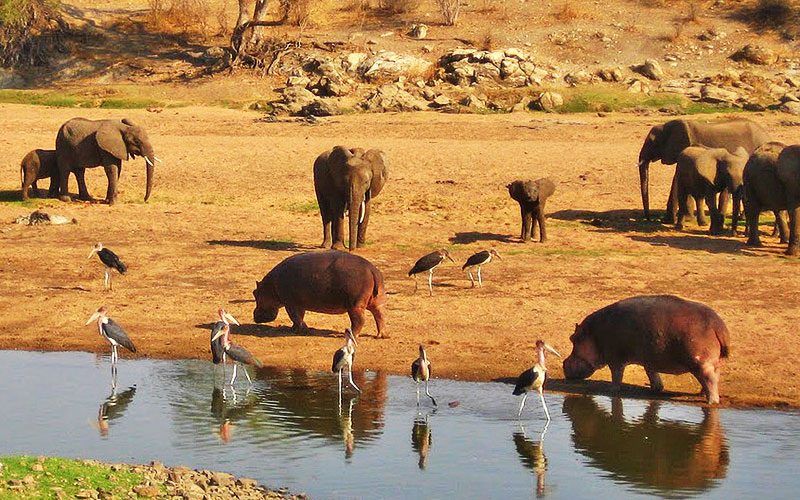
Ruaha National Park is more than a wildlife destination—it is a living example of how conservation, community engagement, and responsible tourism can coexist to protect ecosystems while creating meaningful travel experiences. As global tourism shifts toward sustainability, ethical travel practices, and environmental stewardship, Ruaha stands at the forefront of this transformation. Its vast landscapes, thriving wildlife populations, low visitor density, and conservation-driven management make it a model for the future of African safaris and a benchmark for protected area governance.
Conservation in Ruaha National Park is rooted in long-term ecosystem preservation rather than short-term tourism exploitation. The park’s immense size provides critical habitat connectivity, enabling wildlife to roam freely across natural migration corridors without artificial boundaries or excessive human disturbance. This landscape-level conservation approach enhances genetic diversity, population resilience, and ecosystem stability, ensuring that wildlife species can adapt to environmental changes, climate variability, and human pressures beyond park boundaries.
One of the park’s most significant conservation achievements lies in its elephant population recovery. Historically affected by poaching pressures, elephants in Ruaha have rebounded due to effective anti-poaching initiatives, ranger patrols, intelligence networks, and community engagement programs. These efforts are supported by Tanzania National Parks Authority (TANAPA), conservation NGOs, and international partners who collaborate to monitor wildlife populations, protect critical habitats, and combat illegal wildlife trade. Organizations such as Tanzania National Parks Authority (https://www.tanzaniaparks.go.tz) and African Wildlife Foundation (https://www.awf.org) play pivotal roles in supporting conservation strategies across the region.
Lion conservation is another focal point within Ruaha National Park. The park hosts one of Africa’s largest lion populations, making it a critical stronghold for the species’ long-term survival. Research initiatives led by conservation scientists monitor lion demographics, pride structures, prey availability, and human-wildlife conflict dynamics to inform adaptive management strategies. These studies contribute to broader regional conservation knowledge and guide policy decisions that balance wildlife protection with community livelihoods. Collaborative research programs also focus on cheetahs, wild dogs, and rare antelope species, reinforcing Ruaha’s importance as a biodiversity reservoir.
Habitat protection within Ruaha extends beyond charismatic megafauna to encompass entire ecosystems, including river systems, wetlands, grasslands, woodlands, and rocky escarpments. The Great Ruaha River, in particular, represents a lifeline for wildlife and human communities alike. Conservation efforts focus on watershed management, water resource protection, and sustainable land-use practices upstream to ensure consistent water flow during dry seasons. This integrated approach recognizes that ecosystem health depends on broader landscape stewardship beyond park boundaries, requiring collaboration between government agencies, conservation organizations, local communities, and private stakeholders.
Community-based conservation forms the backbone of Ruaha’s sustainability model. Surrounding communities play essential roles in wildlife protection through participatory conservation initiatives, employment opportunities, education programs, and benefit-sharing arrangements linked to tourism revenue. Local residents work as rangers, guides, lodge staff, artisans, and conservation educators, gaining livelihoods directly connected to wildlife preservation. These economic incentives foster positive attitudes toward conservation and reduce pressures such as poaching, habitat destruction, and illegal resource extraction.
Education and awareness programs further strengthen conservation outcomes in Ruaha National Park. Outreach initiatives in nearby schools and villages promote environmental literacy, wildlife appreciation, and sustainable resource management practices. Conservation organizations partner with educators to develop curricula, provide scholarships, and support vocational training programs that empower youth while cultivating future conservation leaders. These investments in human capital ensure that conservation benefits extend beyond protected area boundaries and contribute to long-term social and environmental resilience.
Epic horizons Adventure we are looking extra miles to make sure….
Sustainable tourism practices in Ruaha emphasize low-impact operations, minimal infrastructure development, and responsible visitor management. Lodges and camps are designed to blend seamlessly into natural surroundings, using eco-friendly construction materials, solar energy, water recycling systems, and waste reduction strategies. These measures minimize environmental footprints while maintaining high standards of comfort and service. By limiting the number of beds and regulating vehicle access, park authorities preserve the wilderness character of Ruaha and prevent overcrowding, ensuring that wildlife experiences remain intimate and authentic.
Tourism revenue generated within Ruaha National Park supports conservation programs, infrastructure development, and community projects that enhance livelihoods while safeguarding ecosystems. Park fees contribute to ranger salaries, anti-poaching operations, road maintenance, research initiatives, and habitat restoration efforts. Lodge concessions and tourism partnerships further fund community development projects such as schools, clinics, water wells, and livelihood diversification programs, reinforcing the social value of conservation-driven tourism.
Climate change adaptation represents a growing priority within Ruaha’s conservation framework. Shifting rainfall patterns, prolonged droughts, and changing vegetation dynamics pose challenges to wildlife populations and water resource availability. Conservation organizations collaborate with researchers and policymakers to monitor climate impacts, model ecosystem responses, and implement adaptive management strategies that enhance resilience. These efforts include protecting water catchments, restoring degraded habitats, establishing wildlife corridors, and promoting sustainable land-use practices across surrounding landscapes.
Ruaha National Park also serves as a hub for scientific research and innovation, attracting ecologists, conservation biologists, hydrologists, and social scientists studying ecosystem processes, wildlife behavior, human-wildlife interactions, and conservation governance models. Research findings inform adaptive management decisions, contribute to global conservation knowledge, and guide evidence-based policy development across East Africa. Collaborative research initiatives with universities, conservation NGOs, and government agencies position Ruaha as a living laboratory for sustainable protected area management.
From a global tourism perspective, Ruaha exemplifies the shift toward experiential, ethical, and conservation-oriented travel. Modern travelers increasingly seek destinations that offer authenticity, meaningful engagement, and positive impact rather than mass-market tourism experiences. Ruaha’s low visitor density, pristine landscapes, and commitment to sustainability align seamlessly with these evolving preferences, positioning the park as a leading destination for conscious travelers who prioritize quality over quantity and stewardship over consumption.
The park’s model of conservation tourism also demonstrates how protected areas can contribute to national development goals while preserving natural heritage. Tourism revenue supports employment, infrastructure development, education, healthcare, and community empowerment initiatives that improve quality of life for local populations. These socioeconomic benefits reinforce political and social support for conservation, creating virtuous cycles where ecological preservation and human well-being mutually reinforce one another.
In the broader African conservation context, Ruaha National Park stands as a beacon of what is possible when governments, communities, private sector partners, and conservation organizations collaborate effectively. Its success challenges outdated narratives that frame conservation and development as competing priorities, instead demonstrating that sustainable tourism can generate economic opportunity while safeguarding biodiversity. This integrated approach provides a replicable model for protected area management across Africa and beyond.
Travelers visiting Ruaha contribute directly to this conservation success story. By choosing responsible operators, eco-conscious accommodations, and ethical safari experiences, guests support wildlife protection, community empowerment, and ecosystem preservation. Every safari booking becomes an investment in conservation outcomes, reinforcing the value of protected areas and incentivizing continued stewardship. This alignment of tourism demand with conservation objectives transforms travelers into stakeholders in the future of African wilderness.
For travelers seeking authoritative insights into conservation-driven tourism, organizations such as International Union for Conservation of Nature (IUCN) (https://www.iucn.org) and World Wildlife Fund (WWF) (https://www.worldwildlife.org) offer extensive resources on protected area management, biodiversity conservation, and sustainable travel practices. These organizations highlight Ruaha and similar destinations as exemplars of effective conservation models that balance ecological integrity with human development needs.
Ultimately, Ruaha National Park represents the future of African safaris—where wildlife conservation, community empowerment, scientific research, and meaningful travel experiences converge. It offers travelers not only extraordinary wildlife encounters but also opportunities to engage with conservation initiatives, support sustainable development, and become part of a global movement toward responsible tourism. In an era when wild spaces are increasingly threatened by habitat loss, climate change, and unsustainable development, Ruaha stands as a powerful reminder that conservation success is possible when commitment, collaboration, and stewardship align.
Ruaha National Park is not merely a destination; it is a living legacy of conservation excellence, ecological resilience, and human-nature harmony. For travelers, conservationists, and future generations alike, it embodies the promise that Africa’s wilderness can thrive when protected, respected, and celebrated through responsible tourism and sustainable management practices.