
Experience the ultimate Tanzania luxury safari with world-class lodges, private game drives, and unforgettable wildlife encounters. Discover why Epic Horizons Adventure goes the extra miles to make sure your journey is extraordinaryhttps://www.epichorizonsadventures.com/our-tours/destinations/
What Defines a Tanzania Luxury Safari – The Art of Elevated Wilderness Travel
A Tanzania luxury safari represents the pinnacle of wildlife travel, where untouched nature, world-class hospitality, elite guiding, and immersive experiences combine to create journeys that are both profoundly meaningful and exceptionally comfortable. Unlike traditional safaris that focus solely on game viewing, luxury safaris in Tanzania elevate every detail — from private charter flights and personalized itineraries to exclusive lodges set in remote wilderness areas where wildlife roams freely and human presence remains minimal. For discerning travelers seeking privacy, authenticity, comfort, and unforgettable moments, this style of safari delivers not only extraordinary sightings but also deep emotional connections to Africa’s wild landscapes.
At its core, a Tanzania luxury safari is defined by exclusivity. This exclusivity manifests in several ways: limited guest numbers at high-end lodges, access to private concessions, flexible schedules, and deeply personalized service. Unlike mass tourism destinations, luxury safari regions in Tanzania such as Serengeti, Ngorongoro Conservation Area, Ruaha, Nyerere (Selous), and Tarangire provide vast, uncrowded spaces where guests enjoy uninterrupted game drives, private sundowners in the bush, candlelit dinners under starlit skies, and intimate wildlife encounters without competing vehicles. This solitude enhances both the emotional and sensory experience, allowing travelers to feel fully immersed in nature rather than merely observing it.
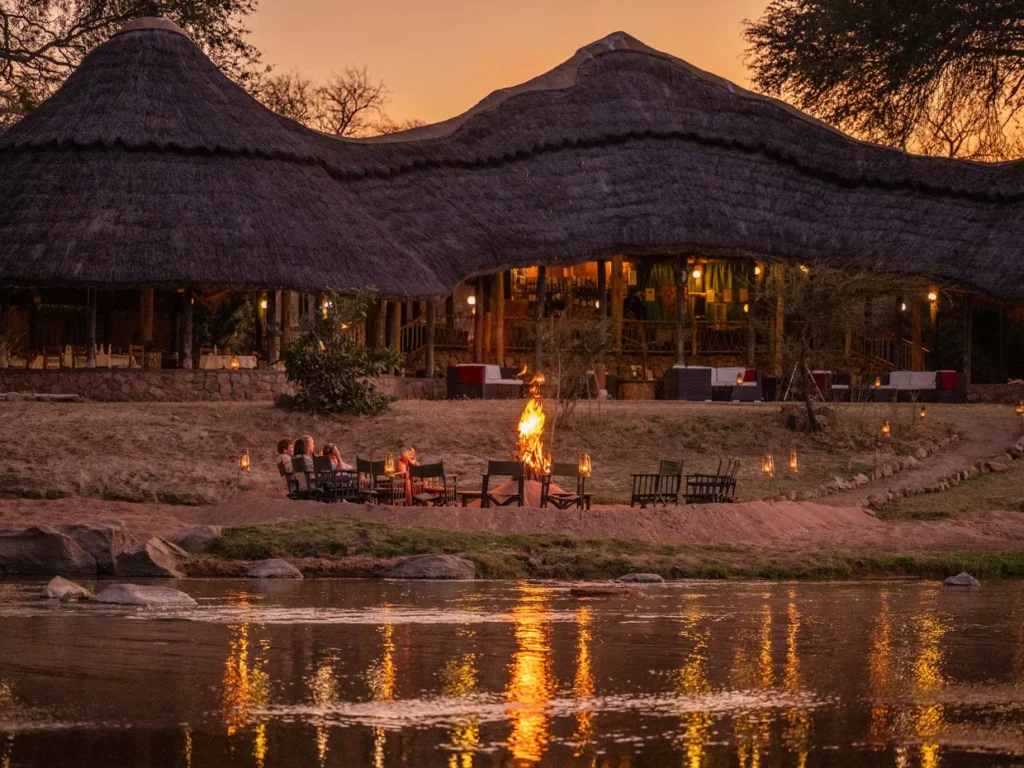
The foundation of any Tanzania luxury safari lies in exceptional accommodation. Luxury safari lodges and tented camps are designed not merely as places to sleep but as immersive extensions of the wilderness itself. Elevated wooden decks overlook rivers and plains where elephants pass beneath, infinity pools merge visually with savannah horizons, and open-plan suites allow guests to fall asleep to lion roars and wake to birdsong drifting through canvas walls. These accommodations combine handcrafted design, local materials, and eco-conscious architecture with five-star comforts such as fine linens, gourmet cuisine, private plunge pools, spa treatments, and attentive but discreet service. This seamless balance between luxury and authenticity defines Tanzania’s safari identity.
Equally important is elite guiding. Tanzania is renowned for producing some of Africa’s most knowledgeable safari guides — professionals trained in wildlife behavior, ecology, conservation science, tracking, photography, and cultural interpretation. On luxury safaris, guides tailor experiences to guest interests, whether focusing on predators, birdlife, photography, conservation, walking safaris, or cultural immersion. Instead of rigid schedules, guests enjoy flexible daily programming, allowing more time at sightings, spontaneous bush breakfasts, extended sundowners, or slow explorations of landscapes as wildlife dictates. This personalized approach transforms game drives into storytelling journeys rather than checklist-based excursions.
A defining feature of a Tanzania luxury safari is its integration of conservation and sustainability. High-end tourism in Tanzania operates on a low-volume, high-value model, ensuring tourism revenue directly supports wildlife protection, habitat preservation, anti-poaching initiatives, community development programs, and scientific research. Organizations such as Tanzania National Parks Authority (TANAPA) (https://www.tanzaniaparks.go.tz) and African Wildlife Foundation (https://www.awf.org) work alongside lodge operators to ensure tourism remains a force for conservation rather than exploitation. For luxury travelers, this means every stay becomes an investment in protecting Africa’s natural heritage while delivering exceptional experiences.
The wildlife diversity available on a Tanzania luxury safari is unrivaled on the African continent. Tanzania hosts the largest populations of lions in Africa, one of the continent’s most significant elephant strongholds, and some of the richest biodiversity ecosystems on Earth. The iconic Great Migration — involving over two million wildebeest, zebra, and gazelle moving across Serengeti plains — remains one of the planet’s most dramatic natural phenomena. Luxury camps strategically relocate throughout the year to follow this migration, ensuring guests witness river crossings, calving seasons, predator hunts, and massive herds under golden skies. These experiences, combined with encounters with leopards, cheetahs, giraffes, buffalo, rhinos, wild dogs, hippos, and rare antelope species, create wildlife immersion unmatched by most safari destinations worldwide.
Beyond wildlife, Tanzania luxury safari experiences extend into culture, adventure, and wellness. Guests may engage in Maasai village visits, learn traditional pastoral practices, participate in community conservation initiatives, or explore ancient rock art sites hidden among rocky kopjes. Some itineraries include hot air balloon safaris over Serengeti plains, private bush dining under lantern-lit baobab trees, helicopter scenic flights over Ngorongoro Crater, or guided walking safaris in remote wilderness zones where few travelers ever tread. Wellness-focused lodges offer spa therapies, yoga decks overlooking rivers, meditation spaces, and holistic dining experiences inspired by African ingredients and global cuisine, allowing travelers to restore both body and mind in nature’s embrace.
Epic horizons Adventure we are looking extra miles to make sure….
Privacy and personalization remain cornerstones of a Tanzania luxury safari. Couples seeking romance enjoy secluded suites, candlelit dinners, outdoor bathtubs beneath stars, and exclusive safari vehicles for private game drives. Families benefit from child-friendly lodges offering educational programs, junior ranger experiences, flexible meal schedules, and interactive wildlife learning opportunities. Honeymooners enjoy private plunge pools, champagne breakfasts in the bush, and helicopter transfers between destinations. Solo travelers appreciate attentive hosting, tailored itineraries, and immersive wildlife encounters that feel deeply personal rather than transactional. Corporate groups and special interest travelers — including photographers, conservationists, filmmakers, and researchers — benefit from customized logistics, expert guiding, and access to specialized safari experiences unavailable to general tourists.
The culinary dimension of a Tanzania luxury safari deserves special recognition. Gourmet dining is integral to the luxury experience, with menus blending African flavors, international cuisine, and farm-to-table freshness. Many lodges source organic produce locally, bake fresh bread daily, and tailor menus to dietary preferences while maintaining exceptional presentation and flavor. Dining venues range from elegant lodge dining rooms and candlelit terraces to bush breakfasts, picnic lunches beside rivers, and private dinners set beneath acacia trees or atop rocky outcrops overlooking endless plains. These culinary moments become cherished memories, seamlessly integrated into the rhythm of safari life.
Another defining element of luxury safaris in Tanzania is seamless logistics. Guests often arrive via private charter flights landing directly at remote airstrips adjacent to lodges, avoiding long road transfers and maximizing time in wildlife areas. Professional safari teams manage every aspect of travel — including domestic flights, park permits, accommodation coordination, transfers, baggage handling, dietary requirements, activity scheduling, and emergency contingencies — ensuring journeys remain effortless and stress-free. This level of service allows travelers to focus entirely on immersion, discovery, and enjoyment.
From a marketing and SEO perspective, Tanzania luxury safari tourism has become one of the fastest-growing segments of Africa’s travel industry. As travelers increasingly prioritize meaningful experiences over material possessions, luxury safari travel offers emotional value, transformative encounters, and deep personal fulfillment. According to organizations such as World Travel & Tourism Council (WTTC) (https://wttc.org), experiential and sustainable travel now drives global tourism trends, positioning Tanzania as a premier destination for travelers seeking purpose-driven luxury. This shift toward conscious travel further strengthens Tanzania’s reputation as a world leader in responsible tourism and conservation-driven hospitality.
What ultimately distinguishes a Tanzania luxury safari from luxury travel elsewhere is its profound sense of place. Guests are not isolated from the destination within resort walls; instead, they become part of the ecosystem. Wildlife roams freely around camps, staff share stories of their land and culture, and landscapes remain wild and unaltered. This immersion fosters emotional connections rarely achieved through conventional tourism, creating memories that endure long after travelers return home. For many guests, Tanzania luxury safaris become defining life experiences — moments of clarity, awe, and reflection inspired by nature’s grandeur and resilience.
As global travel evolves, Tanzania luxury safari tourism continues to set benchmarks for ethical hospitality, conservation leadership, experiential travel design, and sustainable development. With unmatched biodiversity, iconic landscapes, world-class guiding, and luxury accommodations embedded within wilderness ecosystems, Tanzania offers one of the planet’s most extraordinary travel propositions. Whether witnessing the Great Migration thunder across Serengeti plains, tracking lions through golden grasslands, walking beside elephants at dawn, or dining beneath stars in remote savannahs, luxury safari guests experience Africa not as spectators but as participants in one of Earth’s greatest natural stories.
Ultimately, a Tanzania luxury safari is not merely a holiday — it is a journey into wild beauty, emotional connection, and conservation purpose. It redefines luxury as space, silence, authenticity, knowledge, and impact. It offers travelers not only unforgettable wildlife encounters but also deeper understanding of nature’s fragility and humanity’s responsibility to protect it. For those seeking the highest standard of safari travel anywhere in the world, Tanzania stands unmatched.
Best Luxury Safari Destinations in Tanzania – Where Elegance Meets Untamed Wilderness
Tanzania’s reputation as Africa’s premier safari destination is built upon its extraordinary diversity of ecosystems, wildlife densities, landscapes, and conservation areas. From the sweeping plains of Serengeti to the volcanic caldera of Ngorongoro, from the elephant-rich valleys of Tarangire to the remote river systems of Ruaha and Nyerere, Tanzania offers a mosaic of safari environments unmatched by any other country on the continent. A Tanzania luxury safari allows travelers to experience these iconic regions through the finest accommodations, elite guiding, exclusive access, and seamless logistics, ensuring each destination unfolds with both authenticity and sophistication.
The Serengeti National Park stands as Tanzania’s most famous safari destination and arguably Africa’s most iconic wildlife ecosystem. Renowned for hosting the Great Migration — the largest overland mammal movement on Earth — Serengeti attracts travelers seeking dramatic predator-prey interactions, vast wildlife herds, and classic African landscapes stretching endlessly toward the horizon. Luxury safari camps strategically position themselves along migration corridors, relocating seasonally to provide front-row access to river crossings, calving grounds, and predator hunting territories. These mobile luxury camps combine elegant tented accommodations with gourmet dining, private game drives, and immersive guiding, delivering unparalleled access to one of nature’s greatest spectacles.
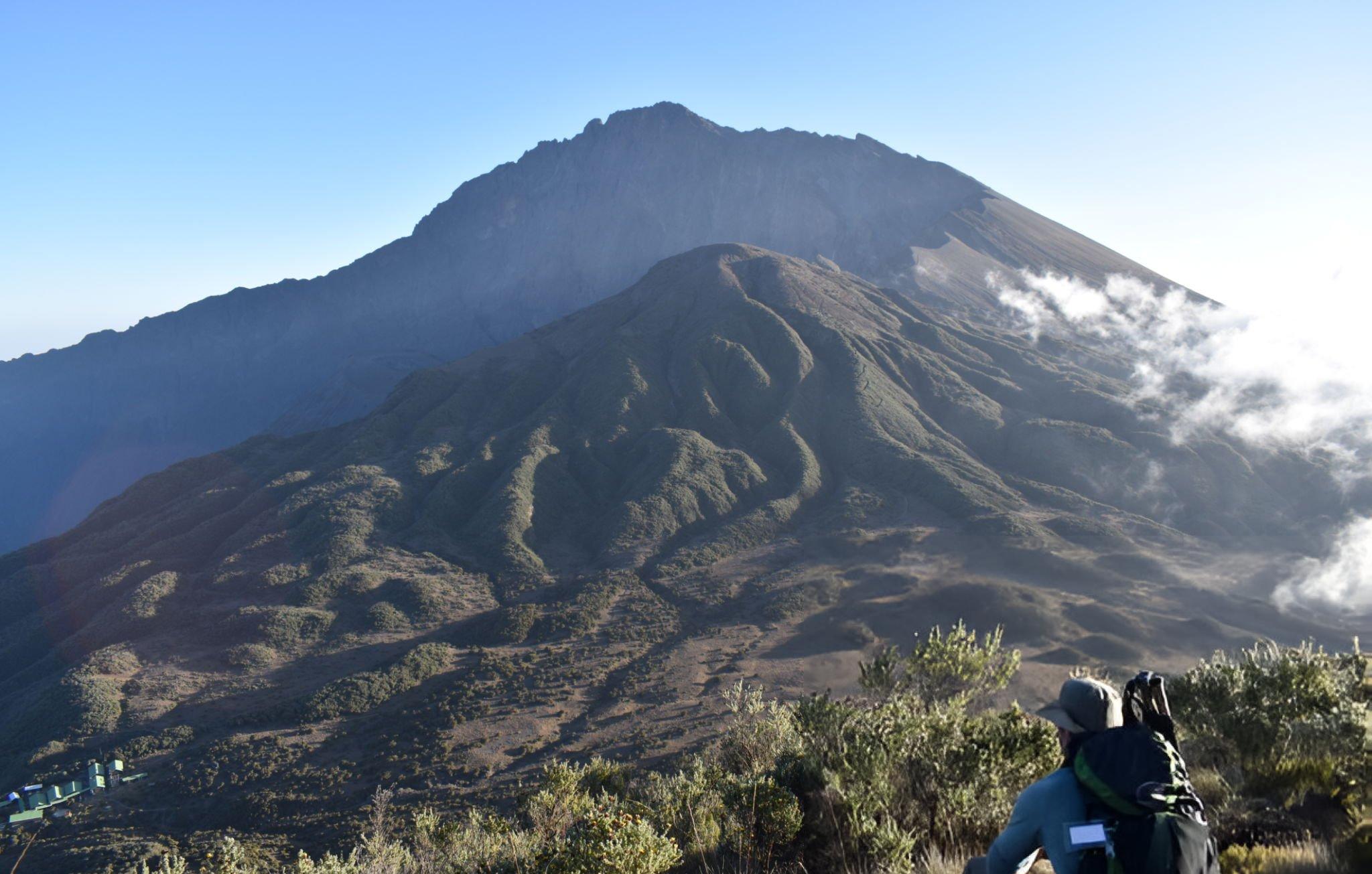
Ngorongoro Conservation Area offers a dramatically different luxury safari experience. Centered around the Ngorongoro Crater — the world’s largest intact volcanic caldera — this UNESCO World Heritage Site hosts one of the densest wildlife populations on Earth within a self-contained ecosystem. Here, guests enjoy extraordinary opportunities to encounter lions, elephants, buffalo, hippos, hyenas, flamingos, and endangered black rhinos within a single game drive. Luxury lodges perched along the crater rim provide breathtaking views across mist-filled landscapes, combining architectural elegance, fine dining, and personalized service with immediate access to one of Africa’s most concentrated wildlife arenas. According to UNESCO World Heritage Centre (https://whc.unesco.org), Ngorongoro represents one of the planet’s most outstanding conservation landscapes, reinforcing its significance within global natural heritage.
Tarangire National Park, located in northern Tanzania, offers an equally compelling but less crowded luxury safari destination. Famous for its enormous elephant herds, ancient baobab trees, and seasonal migration patterns, Tarangire delivers exceptional wildlife viewing, particularly during the dry season when animals concentrate along the Tarangire River. Luxury lodges and tented camps within Tarangire emphasize eco-conscious design, panoramic views, and intimate wildlife encounters. The park’s diversity of habitats supports lions, leopards, cheetahs, giraffes, buffalo, wildebeest, zebra, and rare antelope species such as fringe-eared oryx and gerenuk, making it a favorite among photographers and seasoned safari travelers seeking high wildlife density without heavy tourist traffic.
Ruaha National Park represents Tanzania’s southern circuit wilderness jewel and offers one of Africa’s most authentic safari experiences. As Tanzania’s largest national park, Ruaha boasts vast landscapes, low visitor numbers, exceptional predator populations, and unique wildlife species rarely seen elsewhere in East Africa, including greater kudu, roan antelope, sable antelope, and Lichtenstein’s hartebeest. Luxury safari lodges and tented camps in Ruaha prioritize exclusivity, sustainability, and immersive experiences, offering walking safaris, extended game drives, river-view suites, and intimate wildlife encounters far removed from mass tourism routes. Conservation organizations such as Frankfurt Zoological Society (https://fzs.org) actively support research and ecosystem protection in Ruaha, reinforcing its importance within Tanzania’s conservation network.
Nyerere National Park (formerly Selous Game Reserve) represents one of Africa’s largest protected wilderness areas and offers distinctive luxury safari experiences centered around river systems, lakes, and floodplains. Unlike most safari destinations, Nyerere allows boat safaris, walking safaris, and classic game drives, creating a multidimensional wildlife experience. Guests encounter elephants, lions, leopards, buffalo, giraffes, wild dogs, crocodiles, hippos, and abundant birdlife while gliding silently along rivers or exploring floodplain ecosystems on foot. Luxury lodges and riverfront camps blend seamlessly into natural surroundings, offering private plunge pools, shaded verandas, open-air lounges, and gourmet dining with panoramic views across waterways and wilderness horizons.
Lake Manyara National Park offers a boutique luxury safari experience distinguished by its lush groundwater forests, soda lake ecosystem, and tree-climbing lions. Although smaller than Serengeti or Ruaha, Manyara delivers remarkable biodiversity within a compact area, making it ideal for short luxury safari stays or as part of northern circuit itineraries. Luxury lodges perched along the Rift Valley escarpment provide dramatic views across forest canopies, wetlands, and flamingo-filled lakes, while offering access to guided walks, canoeing excursions (seasonal), cultural visits, and diverse wildlife encounters.
Beyond Tanzania’s major national parks, private concessions and wildlife management areas (WMAs) play an increasingly important role in luxury safari tourism. These conservation landscapes offer exclusive access, limited vehicle numbers, flexible off-road driving, night safaris, walking safaris, and deeply personalized experiences unavailable within national park boundaries. By supporting community-managed conservation areas, luxury safari travelers contribute directly to local livelihoods, wildlife protection, habitat connectivity, and sustainable land-use practices. Organizations such as Wildlife Conservation Society (WCS) (https://www.wcs.org) and African People & Wildlife (https://africanpeoplewildlife.org) collaborate with communities across Tanzania to strengthen conservation outcomes through tourism partnerships.
Epic horizons Adventure we are looking extra miles to make sure….
The diversity of landscapes within Tanzania enhances the luxury safari experience by offering varied ecosystems within a single itinerary. Travelers can witness open savannah plains in Serengeti, volcanic highlands in Ngorongoro, baobab-studded woodlands in Tarangire, riverine forests in Ruaha, wetlands in Nyerere, and lush groundwater forests in Lake Manyara — all within one country. This ecological variety ensures that multi-destination itineraries deliver contrasting wildlife experiences, photographic opportunities, and sensory environments, enriching safari journeys beyond single-park tourism models.
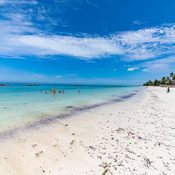
Luxury safari itineraries in Tanzania often combine wildlife safaris with cultural and coastal extensions, further elevating travel experiences. After exploring savannahs and forests, travelers may retreat to Zanzibar’s pristine beaches, historic Stone Town, and coral reefs, or venture to Mafia Island for marine conservation experiences, whale shark encounters, and secluded island escapes. These combinations allow guests to balance adventure with relaxation, wildlife immersion with cultural discovery, and safari exploration with oceanfront serenity, creating holistic travel journeys that appeal to diverse traveler profiles.
Accessibility to Tanzania’s luxury safari destinations has improved significantly through domestic aviation networks and private charter services. Airlines such as Coastal Aviation (https://www.coastal.co.tz) and Auric Air (https://www.auricair.com) operate scheduled flights to remote airstrips throughout Tanzania’s safari regions, allowing travelers to bypass long road transfers and maximize time in wildlife areas. Private charters further enhance flexibility, enabling custom routing between parks, photographic expeditions, family safaris, and exclusive conservation experiences. These aviation services integrate seamlessly with luxury lodge logistics, ensuring efficient, comfortable, and stress-free travel across vast landscapes.
Another defining feature of Tanzania luxury safari destinations is the quality of guiding and conservation interpretation available within each region. Guides receive advanced training in wildlife ecology, tracking, photography, conservation science, cultural interpretation, and guest experience management. Many hold certifications from recognized safari guiding institutions and collaborate with conservation organizations conducting research within protected areas. This expertise transforms game drives into educational journeys, enabling guests to understand animal behavior, predator-prey dynamics, ecosystem processes, climate impacts, and conservation challenges rather than merely observing wildlife superficially.
From a global tourism perspective, Tanzania luxury safari destinations continue to receive recognition from prestigious travel publications, conservation organizations, and experiential travel platforms. Publications such as National Geographic Travel (https://www.nationalgeographic.com/travel), Condé Nast Traveler (https://www.cntraveler.com), and Travel + Leisure (https://www.travelandleisure.com) consistently rank Tanzania among the world’s top safari destinations due to its biodiversity, landscapes, conservation leadership, and luxury hospitality standards. These accolades reinforce Tanzania’s position as Africa’s most comprehensive luxury safari destination.
What truly distinguishes Tanzania’s luxury safari destinations is their commitment to authenticity. Unlike destinations where wildlife encounters occur within heavily developed tourism zones, Tanzania preserves vast wilderness landscapes where animals roam freely across ancient migration corridors, rivers flow naturally, and ecosystems remain intact. Lodges integrate into landscapes rather than dominating them, offering unobtrusive luxury that enhances rather than detracts from environmental integrity. This authenticity resonates deeply with travelers seeking meaningful experiences that connect them emotionally and intellectually with nature.
Ultimately, Tanzania luxury safari destinations offer something increasingly rare in modern travel: space, silence, wildness, and authenticity — without sacrificing comfort, safety, or service excellence. Whether tracking lions across Serengeti plains, descending into Ngorongoro Crater at dawn, walking beside elephants in Ruaha, cruising rivers in Nyerere, or gazing across Tarangire’s baobab-studded valleys, travelers experience Africa at its most raw, beautiful, and transformative.
A Tanzania luxury safari across these destinations delivers more than exceptional wildlife viewing; it offers emotional connection, conservation purpose, cultural engagement, and restorative immersion in nature’s rhythms. For travelers seeking the world’s finest safari experiences, Tanzania remains unmatched — a country where wilderness, luxury, and sustainability converge to create journeys of extraordinary depth and lasting impact.
Luxury Safari Experiences in Tanzania – From Private Game Drives to Transformative Encounters
A Tanzania luxury safari transcends conventional wildlife tourism by offering deeply immersive, personalized, and transformative experiences that connect travelers with nature on physical, emotional, and intellectual levels. Rather than following rigid itineraries or crowded routes, luxury safaris in Tanzania prioritize flexibility, exclusivity, and authenticity, allowing guests to explore wilderness landscapes at their own pace while enjoying world-class service, comfort, and guiding. These experiences redefine safari travel not as sightseeing but as storytelling — where each day unfolds organically according to wildlife movements, weather patterns, guest interests, and the rhythms of the natural world.
Private game drives form the foundation of luxury safari experiences. Unlike standard safaris where guests share vehicles and follow fixed schedules, luxury safaris offer exclusive-use vehicles, enabling travelers to design daily programs tailored to their preferences. Guests may choose to depart before sunrise to track predators, linger at sightings for extended observation and photography, or return early to enjoy lodge amenities, spa treatments, or private plunge pools overlooking wilderness landscapes. This flexibility enhances both comfort and wildlife encounters, allowing guests to move at natural rhythms rather than adhering to group constraints.
Walking safaris represent one of Tanzania’s most enriching luxury experiences, offering guests the opportunity to explore wilderness landscapes on foot under the guidance of expert armed rangers and professional naturalist guides. These safaris engage all senses — sight, sound, scent, texture, and awareness — allowing travelers to connect with nature on a deeply visceral level. Guests learn to track animal footprints, interpret bird calls, identify medicinal plants, and understand ecological relationships shaping ecosystems. Encounters with giraffes, antelope, zebras, elephants, and even predators (at safe distances) transform perceptions of wildlife from distant subjects into living presences within shared landscapes.
Boat safaris, particularly in Nyerere National Park, add another dimension to luxury safari experiences in Tanzania. Drifting silently along rivers and channels, guests observe elephants swimming between banks, hippos yawning in pods, crocodiles basking in sunlight, fish eagles swooping for prey, and waterbirds nesting along reed-lined shores. Boat safaris offer intimate wildlife encounters rarely possible from vehicles and provide unique photographic perspectives that complement land-based game drives. The tranquility of river travel enhances relaxation, reflection, and sensory immersion in wilderness environments.
Hot air balloon safaris over Serengeti plains represent one of Tanzania’s most iconic luxury experiences. Floating silently above vast savannahs at dawn, guests witness wildlife from breathtaking aerial perspectives as herds of wildebeest, zebra, giraffe, elephants, and predators move across golden landscapes below. Balloon safaris conclude with champagne breakfasts set in the bush, combining adventure with elegance and tradition. These experiences provide extraordinary photographic opportunities and unforgettable memories, elevating safari journeys beyond conventional wildlife viewing.
Epic horizons Adventure we are looking extra miles to make sure….
Luxury photographic safaris cater to both amateur enthusiasts and professional photographers seeking exceptional wildlife imagery under optimal conditions. Specialized vehicles feature open sides, adjustable seating, camera mounts, charging stations, beanbags, and unobstructed viewing angles. Guides trained in photography techniques understand animal behavior, lighting conditions, composition, and positioning, ensuring guests achieve compelling images while minimizing disturbance to wildlife. Extended time at sightings allows photographers to capture dynamic behavioral sequences — hunts, mating rituals, social interactions, and environmental storytelling moments — rather than rushed snapshots.
Cultural immersion experiences enrich luxury safaris by connecting travelers with Tanzania’s diverse communities, traditions, and histories. Guests may visit Maasai villages, learn about pastoral lifestyles, participate in traditional dances, explore local markets, observe crafts such as beadwork and wood carving, or engage in storytelling sessions with community elders. These experiences foster cross-cultural understanding while supporting community development through tourism revenue, employment opportunities, education initiatives, and conservation partnerships. Responsible operators ensure cultural encounters remain respectful, ethical, and mutually beneficial.
Conservation-focused experiences offer travelers deeper engagement with wildlife protection initiatives and ecosystem stewardship efforts. Some luxury lodges collaborate with conservation organizations, researchers, and park authorities to provide behind-the-scenes insights into anti-poaching operations, wildlife monitoring programs, habitat restoration projects, and community conservation strategies. Guests may participate in tracking exercises, attend conservation briefings, visit ranger stations, or observe scientific fieldwork in action. These experiences transform safaris into educational journeys, fostering appreciation for the complexities of conservation and the vital role tourism plays in sustaining protected landscapes.
Wellness and wellness-inspired experiences increasingly feature within Tanzania luxury safaris, reflecting global travel trends toward holistic well-being, mindfulness, and nature-based restoration. Luxury lodges offer spa treatments using indigenous botanicals, outdoor yoga decks overlooking rivers or plains, meditation spaces surrounded by wilderness, and wellness cuisine crafted from organic local ingredients. Guests enjoy moments of silence, solitude, and reflection amid pristine natural environments, allowing mental rejuvenation and emotional reconnection often absent from urban lifestyles.
Romantic safari experiences hold special appeal for honeymooners, anniversary travelers, and couples seeking intimate wilderness escapes. Private plunge pools, candlelit bush dinners, outdoor bathtubs beneath stars, scenic helicopter flights, exclusive-use safari vehicles, and secluded lodge suites overlooking rivers or plains create deeply personal experiences that blend adventure with romance. Many luxury lodges offer bespoke honeymoon packages, personalized surprises, and private dining arrangements designed to celebrate love within nature’s grandeur.
Family-friendly luxury safaris cater to multi-generational travelers seeking meaningful experiences that educate, inspire, and entertain younger guests while maintaining adult comfort and sophistication. Family suites, flexible meal schedules, private safari vehicles, junior ranger programs, wildlife tracking activities, storytelling sessions, and educational bush walks engage children in age-appropriate ways while fostering curiosity about wildlife, ecology, conservation, and cultural diversity. These experiences nurture lifelong appreciation for nature and responsible travel, creating shared family memories that endure beyond childhood.
Seasonal safari experiences further enrich Tanzania luxury safari journeys by aligning activities with wildlife movements, ecological cycles, and environmental conditions. During the Great Migration’s calving season in southern Serengeti, guests witness thousands of newborn wildebeest and intense predator activity across lush grasslands. During river crossing seasons in northern Serengeti, travelers observe dramatic migration events as herds brave crocodile-infested waters. Dry season safaris across Tarangire, Ruaha, and Nyerere deliver exceptional predator concentrations along rivers and waterholes, while wet season safaris offer vibrant landscapes, birding spectacles, newborn animals, and fewer tourists, enhancing exclusivity and tranquility.
Night safaris in private concessions and select wildlife management areas reveal nocturnal ecosystems rarely witnessed by day. Guests observe elusive creatures such as bushbabies, genets, civets, porcupines, aardvarks, nightjars, and nocturnal predators using spotlights under expert guidance. These experiences deepen understanding of wildlife diversity, ecological niches, and behavioral adaptations while adding intrigue and adventure to safari itineraries.
Luxury safari dining experiences elevate wilderness hospitality through culinary artistry, presentation, and immersive settings. Guests enjoy bush breakfasts beneath acacia trees, picnic lunches beside rivers, sundowner cocktails overlooking savannah horizons, candlelit dinners under lantern-lit baobabs, and fine dining within elegant lodge dining rooms. Menus feature fresh local ingredients, international influences, dietary customization, and creative presentation, transforming meals into memorable sensory experiences that complement wildlife exploration.
Transportation and logistics represent another hallmark of Tanzania luxury safari travel. Guests arrive via scheduled or private charter flights to remote airstrips adjacent to lodges, avoiding long road transfers and maximizing time in wildlife areas. Seamless coordination between lodges, pilots, guides, and ground staff ensures smooth transitions between destinations, personalized service, and stress-free travel across vast landscapes. Domestic aviation services such as Coastal Aviation (https://www.coastal.co.tz) and Auric Air (https://www.auricair.com) provide reliable connectivity to Tanzania’s most remote safari regions.
Expert guiding remains central to luxury safari excellence. Tanzania’s guides receive advanced training in wildlife ecology, animal behavior, tracking, photography, conservation science, cultural interpretation, safety management, and guest engagement. Many collaborate with conservation researchers, park authorities, and community organizations, enriching guest experiences with scientific insights, conservation narratives, and cultural perspectives. Their storytelling transforms wildlife sightings into meaningful encounters, connecting guests emotionally and intellectually to ecosystems they explore.
From a sustainability standpoint, luxury safari experiences in Tanzania operate on low-volume, high-impact tourism models designed to minimize environmental footprints while maximizing conservation and community benefits. Lodges use renewable energy, water recycling systems, biodegradable materials, eco-friendly construction methods, waste reduction strategies, and community sourcing initiatives. Tourism revenue funds ranger salaries, anti-poaching operations, habitat protection, research programs, education initiatives, and livelihood diversification projects, reinforcing the positive role of luxury tourism in conservation outcomes.
International travel organizations such as Responsible Travel (https://www.responsibletravel.com) and Global Sustainable Tourism Council (GSTC) (https://www.gstcouncil.org) highlight Tanzania’s safari sector as a model for sustainable tourism development, ethical travel practices, and conservation-driven hospitality. These endorsements reinforce Tanzania’s global reputation as a premier destination for travelers seeking purpose-driven luxury experiences that align with environmental stewardship and social responsibility.
Ultimately, luxury safari experiences in Tanzania transcend wildlife observation by offering transformative journeys into nature’s rhythms, beauty, resilience, and complexity. Guests return not only with photographs and memories but also with deeper understanding of ecosystems, conservation challenges, cultural diversity, and humanity’s interconnectedness with the natural world. These journeys inspire reflection, gratitude, responsibility, and stewardship, redefining luxury as meaning, impact, and authenticity rather than material indulgence alone.
A Tanzania luxury safari thus becomes more than travel — it becomes a personal narrative woven through wilderness landscapes, wildlife encounters, cultural connections, conservation stories, and emotional discovery. For travelers seeking the world’s most immersive, responsible, and transformative safari experiences, Tanzania remains unmatched — offering journeys that resonate long after the savannah sunsets fade from view.
Best Time to Go on a Tanzania Luxury Safari and How to Plan the Perfect Journey
Planning the ideal Tanzania luxury safari requires understanding seasonal wildlife patterns, weather conditions, logistical considerations, travel styles, and personal preferences. While Tanzania offers rewarding safari experiences year-round, each season presents distinct advantages depending on travelers’ goals — whether witnessing the Great Migration, enjoying predator-rich dry season game viewing, exploring lush landscapes during green season, or seeking quieter, more exclusive safari experiences. Thoughtful planning ensures optimal wildlife encounters, comfort, photography opportunities, and overall satisfaction while maximizing conservation impact and sustainability outcomes.
Tanzania’s safari calendar broadly divides into two primary seasons: the dry season (June to October) and the wet or green season (November to May). Each season shapes landscapes, wildlife behavior, accessibility, and tourism dynamics differently. Understanding these seasonal rhythms empowers travelers to align safari itineraries with personal interests, travel schedules, and experiential priorities.
The dry season remains the most popular time for Tanzania luxury safari travel due to exceptional wildlife visibility and favorable weather conditions. During these months, rainfall is minimal, vegetation thins, and wildlife congregates around rivers, lakes, and permanent waterholes. This concentration of animals enhances predator-prey interactions and increases the predictability of sightings. Iconic events such as the Great Migration river crossings in northern Serengeti typically occur between July and September, offering dramatic scenes as wildebeest herds brave crocodile-infested waters. Photographers appreciate clear skies, golden light, minimal haze, and improved visibility during early mornings and late afternoons, while travelers enjoy comfortable temperatures, low humidity, and dry road conditions.
However, the wet season offers equally compelling advantages for Tanzania luxury safari travelers seeking lush landscapes, fewer visitors, unique wildlife behavior, and exceptional birding opportunities. From November to March, short rains transform savannahs into vibrant green plains, wildflowers bloom, migratory birds arrive from Europe and Asia, and herbivores give birth to newborn calves across ecosystems. The Great Migration calving season in southern Serengeti typically occurs between January and March, delivering intense predator activity as lions, cheetahs, hyenas, and wild dogs hunt newborn prey. This period offers extraordinary wildlife drama within open plains framed by dramatic skies and fresh vegetation, creating visually stunning photographic opportunities.
April and May mark Tanzania’s long rainy season, when heavier rainfall may limit accessibility to some remote areas and prompt temporary lodge closures. However, select luxury lodges remain open during this period, offering exceptional value, tranquility, and immersive experiences for travelers willing to embrace seasonal variation. These months attract fewer tourists, providing exclusive access to landscapes, intimate wildlife encounters, and discounted luxury accommodations while maintaining high guiding standards and conservation outcomes.
Epic horizons Adventure we are looking extra miles to make sure….
From a destination perspective, different parks and regions peak at different times throughout the year. Serengeti’s Great Migration movements vary seasonally, with calving in the south (January–March), central plains grazing (April–June), western corridor river crossings (May–July), and northern river crossings (July–October). Ngorongoro Crater offers year-round wildlife viewing due to its enclosed ecosystem and permanent water sources, making it ideal for consistent safari experiences regardless of season. Tarangire delivers exceptional elephant concentrations during dry months (June–October) as animals migrate into the park from surrounding dispersal areas. Ruaha and Nyerere shine during dry seasons when wildlife congregates around rivers, while green seasons enhance birding, scenic beauty, and predator breeding activity across southern Tanzania.
Planning logistics for a Tanzania luxury safari involves careful coordination of flights, accommodations, park permits, transfers, activities, dietary preferences, special interests, and emergency contingencies. Most travelers arrive via international gateways in Dar es Salaam, Kilimanjaro, or Zanzibar before connecting to domestic flights serving remote safari airstrips. Domestic aviation services such as Coastal Aviation (https://www.coastal.co.tz) and Auric Air (https://www.auricair.com) operate extensive networks linking Tanzania’s safari regions, while private charter services offer customized routing and exclusive access for photographers, families, special interest groups, and VIP travelers. These flights minimize travel time and maximize wildlife exploration opportunities.
Accommodation selection plays a critical role in safari quality. Tanzania luxury safari lodges range from permanent five-star properties with spa facilities, infinity pools, gourmet dining, and expansive suites to intimate tented camps offering authentic bush immersion with refined comfort and exceptional guiding. Factors influencing accommodation choice include location, wildlife density, seasonal migration patterns, accessibility, privacy levels, sustainability credentials, activity offerings, family-friendliness, photography suitability, wellness amenities, and cultural engagement opportunities. Experienced safari specialists tailor recommendations based on individual preferences, budgets, travel goals, and timing.
Packing for a Tanzania luxury safari requires thoughtful preparation focused on comfort, safety, practicality, and photographic needs. Travelers should bring lightweight, breathable clothing in neutral colors (khaki, beige, olive), warm layers for early mornings and evenings, comfortable closed walking shoes, sandals, wide-brimmed hats, sunglasses, sunscreen, insect repellent, binoculars, personal medications, camera equipment, power adapters, reusable water bottles, and small daypacks. Many luxury lodges provide laundry services, reducing luggage requirements and enabling guests to travel light, particularly on charter flights with baggage weight limits.
Health and safety considerations are essential for safari travel. Travelers should consult healthcare providers regarding recommended vaccinations, malaria prophylaxis, and general travel health advice well before departure. Comprehensive travel insurance covering medical evacuation, trip cancellation, and safari activities is strongly advised. Tanzania’s luxury safari lodges maintain emergency response protocols, trained staff, medical evacuation plans, and communication systems to ensure guest safety in remote wilderness environments.
Visa and entry requirements vary by nationality, and travelers should confirm regulations in advance through official sources such as Tanzania Immigration Services (https://www.immigration.go.tz). Most travelers can obtain visas online or upon arrival, but advance application simplifies arrival procedures. Passports must typically be valid for at least six months beyond travel dates, with sufficient blank pages for stamps and visas.
Currency considerations include Tanzania Shilling (TZS) usage for local transactions, while US dollars are widely accepted for tourism-related expenses. Credit cards are accepted at most luxury lodges, though travelers should carry cash for tips, souvenirs, village visits, and incidental expenses. ATM access is limited near safari regions, making advance cash withdrawals in major cities advisable.
Responsible tourism practices enhance safari experiences while supporting conservation outcomes and community well-being. Travelers are encouraged to respect wildlife viewing guidelines, maintain appropriate distances from animals, refrain from feeding wildlife, avoid littering, minimize water and energy consumption, support eco-conscious lodges, and engage respectfully with local communities. Ethical photography practices, cultural sensitivity, and adherence to park regulations ensure tourism remains a positive force for ecosystem preservation and social development.
Multi-destination itineraries often combine Tanzania luxury safaris with beach extensions to Zanzibar, Mafia Island, or mainland coastal resorts. These combinations offer opportunities for relaxation, snorkeling, diving, sailing, cultural exploration, and wellness experiences after wildlife adventures. Zanzibar’s UNESCO-listed Stone Town, spice plantations, white-sand beaches, coral reefs, and luxury beachfront resorts complement safari journeys beautifully, providing balance between adventure and leisure. Organizations such as UNESCO World Heritage Centre (https://whc.unesco.org) highlight Stone Town’s cultural significance and architectural heritage, reinforcing Zanzibar’s appeal within luxury travel itineraries.
Family safari planning requires additional considerations, including child-friendly accommodations, flexible schedules, educational programming, safety protocols, dietary needs, activity suitability, and intergenerational comfort. Many luxury lodges offer family suites, private safari vehicles, junior ranger programs, wildlife tracking activities, storytelling sessions, and age-appropriate bush walks designed to engage children while preserving adult enjoyment. These experiences foster environmental awareness, cultural appreciation, and lifelong love for wildlife among younger travelers.
Photography-focused safaris benefit from specialized vehicle modifications, expert photographic guides, seasonal planning for optimal lighting and wildlife behavior, flexible schedules, extended time at sightings, and access to exclusive locations. Travelers pursuing professional or enthusiast photography goals should communicate equipment needs, species priorities, and seasonal preferences to safari planners, enabling tailored itineraries that maximize photographic success.
From a sustainability perspective, Tanzania luxury safari planning increasingly emphasizes conservation impact, carbon footprint reduction, community empowerment, and ethical travel practices. Many lodges participate in carbon offset programs, community education initiatives, healthcare projects, anti-poaching patrol funding, habitat restoration efforts, and wildlife research partnerships. Travelers can support these initiatives by choosing certified eco-lodges, community-owned concessions, conservation-oriented operators, and responsible tourism organizations such as Global Sustainable Tourism Council (GSTC) (https://www.gstcouncil.org) and Responsible Travel (https://www.responsibletravel.com).
Financial planning for Tanzania luxury safari travel depends on travel season, destination selection, accommodation category, itinerary length, activities, transportation type, group size, and personalization level. Luxury safari prices typically reflect inclusive packages covering accommodation, meals, drinks, activities, park fees, transfers, guiding services, and sometimes domestic flights. While premium pricing reflects exceptional service, exclusivity, sustainability investments, and conservation contributions, travelers receive exceptional value through immersive experiences, personalized service, and life-changing wildlife encounters unavailable elsewhere.
Ultimately, the best time to go on a Tanzania luxury safari depends on individual priorities — whether witnessing the Great Migration, enjoying predator-rich dry season safaris, exploring lush landscapes during green season, avoiding crowds, maximizing photographic opportunities, or balancing wildlife adventure with beach relaxation. With thoughtful planning, expert guidance, and responsible travel choices, Tanzania delivers extraordinary safari experiences year-round, offering something unique for every traveler profile.
A Tanzania luxury safari thus becomes a carefully crafted journey — shaped by seasons, ecosystems, wildlife movements, conservation principles, cultural encounters, and personal aspirations. With unparalleled biodiversity, iconic landscapes, elite guiding, luxury accommodations, and conservation leadership, Tanzania stands as Africa’s most comprehensive safari destination. For travelers seeking the world’s finest wildlife experiences, meaningful travel, and transformative journeys into nature’s heart, Tanzania remains unmatched.
Why Tanzania Luxury Safari Represents the Future of Sustainable High-End Travel
The global travel industry is undergoing a profound transformation as travelers increasingly prioritize meaningful experiences, sustainability, authenticity, conservation impact, and emotional connection over traditional luxury defined solely by material indulgence. Within this evolving landscape, Tanzania luxury safari tourism stands at the forefront of responsible high-end travel, offering a compelling model where exclusivity, environmental stewardship, community empowerment, and transformative experiences converge. Rather than exploiting wilderness landscapes, Tanzania’s luxury safari sector actively protects ecosystems, supports livelihoods, advances conservation science, and delivers immersive journeys that redefine the meaning of luxury itself.
At the heart of Tanzania luxury safari success lies the low-volume, high-value tourism model. Unlike mass tourism destinations that prioritize visitor numbers over ecological integrity, Tanzania restricts accommodation density, limits vehicle access, regulates tourism activities, and preserves vast wilderness landscapes to ensure minimal environmental impact. This approach allows wildlife populations to thrive, ecosystems to remain intact, and visitor experiences to remain intimate and authentic. By generating higher revenue from fewer guests, Tanzania sustains conservation efforts while delivering premium travel experiences without sacrificing ecological integrity or social responsibility.
Conservation represents the foundation upon which Tanzania luxury safari tourism is built. Protected areas such as Serengeti, Ngorongoro, Tarangire, Ruaha, Nyerere, and Lake Manyara support some of Africa’s most significant wildlife populations, including elephants, lions, leopards, cheetahs, rhinos, buffalo, giraffes, wild dogs, and countless bird species. Tourism revenue directly funds ranger salaries, anti-poaching patrols, intelligence networks, research initiatives, habitat restoration projects, and wildlife corridor protection. Organizations such as Tanzania National Parks Authority (TANAPA) (https://www.tanzaniaparks.go.tz), African Wildlife Foundation (https://www.awf.org), and Frankfurt Zoological Society (https://fzs.org) collaborate with lodge operators and communities to ensure tourism supports long-term conservation outcomes rather than short-term exploitation.
One of the most powerful examples of conservation success driven by luxury safari tourism in Tanzania is elephant recovery. Once severely threatened by poaching, elephant populations in Tanzania’s protected areas have rebounded due to strengthened law enforcement, community engagement, monitoring programs, and international cooperation. Luxury safari revenue plays a critical role in funding these efforts, demonstrating how high-end tourism can drive measurable conservation impact. Similar successes extend to lion population stabilization, rhino protection initiatives, wild dog conservation, habitat restoration, and wildlife corridor preservation across multiple ecosystems.
Community empowerment forms another pillar of Tanzania luxury safari sustainability. Tourism partnerships with surrounding communities generate employment, income diversification, education funding, healthcare access, infrastructure development, and capacity-building opportunities. Local residents work as guides, lodge staff, conservation rangers, trackers, artisans, hospitality professionals, drivers, pilots, managers, and conservation educators, ensuring economic benefits remain within host communities. Community-owned conservancies and wildlife management areas (WMAs) further enable communities to manage natural resources sustainably while benefiting directly from tourism revenue. Organizations such as African People & Wildlife (https://africanpeoplewildlife.org) support community-led conservation initiatives that align livelihoods with wildlife protection outcomes.
Education and knowledge transfer represent essential components of Tanzania luxury safari tourism. Conservation outreach programs engage schools, youth groups, women’s cooperatives, pastoralists, and community leaders in environmental education, wildlife awareness, sustainable land-use practices, and conflict mitigation strategies. These initiatives foster long-term conservation stewardship, empower future generations, and strengthen social resilience while reinforcing tourism’s role as a force for good rather than exploitation. By investing in human capital alongside ecological protection, Tanzania luxury safari tourism contributes to holistic development outcomes that extend beyond park boundaries.
Epic horizons Adventure we are looking extra miles to make sure….
Environmental sustainability within Tanzania luxury safari operations extends beyond wildlife protection to encompass energy efficiency, water conservation, waste reduction, carbon footprint mitigation, eco-friendly construction practices, and responsible sourcing. Many luxury lodges operate on solar power, harvest rainwater, recycle greywater, compost organic waste, eliminate single-use plastics, source locally produced materials, and use biodegradable cleaning products. These practices reduce ecological impact while enhancing operational efficiency and guest experience. Certification bodies such as Global Sustainable Tourism Council (GSTC) (https://www.gstcouncil.org) recognize Tanzania’s safari sector as a leader in sustainable tourism development due to its integrated approach to environmental stewardship and social responsibility.
Climate change adaptation represents an increasingly important dimension of Tanzania luxury safari sustainability. Changing rainfall patterns, prolonged droughts, shifting vegetation zones, and altered wildlife movements present challenges for ecosystem resilience and tourism operations alike. Conservation organizations, researchers, park authorities, and lodge operators collaborate to monitor climate impacts, protect water catchments, restore degraded habitats, establish wildlife corridors, diversify livelihoods, and develop adaptive management strategies that enhance ecosystem resilience. Tourism revenue supports these initiatives, enabling protected areas and communities to respond proactively to climate-related challenges while safeguarding biodiversity and ecosystem services.
Research and science-based management form another cornerstone of Tanzania luxury safari conservation leadership. Protected areas host long-term studies on predator-prey dynamics, elephant movement corridors, carnivore genetics, disease ecology, climate impacts, vegetation change, water resource management, and human-wildlife interactions. These studies inform adaptive management decisions, conservation policy development, and landscape-level planning strategies across Tanzania and East Africa. Partnerships between universities, conservation NGOs, park authorities, and lodge operators position Tanzania as a living laboratory for wildlife conservation innovation and sustainable protected area governance.
From a global tourism perspective, Tanzania luxury safari tourism exemplifies the shift toward experiential, ethical, and purpose-driven travel. Modern travelers increasingly seek journeys that offer emotional resonance, personal growth, meaningful engagement, and positive impact rather than superficial luxury or mass consumption. Tanzania’s safari sector delivers precisely this — immersive wildlife encounters, conservation education, cultural connection, environmental stewardship, and restorative wellness experiences within pristine wilderness landscapes. Publications such as National Geographic Travel (https://www.nationalgeographic.com/travel) and Condé Nast Traveler (https://www.cntraveler.com) consistently recognize Tanzania as one of the world’s top safari destinations due to its biodiversity, conservation leadership, luxury hospitality standards, and sustainability commitments.
Luxury safari travel in Tanzania also contributes to global biodiversity conservation goals by supporting the protection of some of Earth’s most ecologically significant landscapes. Tanzania hosts critical habitats for migratory ungulates, large carnivores, megaherbivores, endemic bird species, and rare ecosystems such as volcanic calderas, floodplains, montane forests, riverine corridors, wetlands, and savannah woodlands. By sustaining protected areas through tourism revenue, Tanzania safeguards ecosystem services including carbon sequestration, water regulation, soil fertility, pollination, climate resilience, and genetic diversity that benefit humanity globally.
Another defining aspect of Tanzania luxury safari tourism is its emphasis on authenticity. Rather than isolating guests within resort complexes detached from local realities, Tanzania’s safari lodges immerse travelers within ecosystems and communities, fostering emotional connections to place, people, and wildlife. Guests interact with guides who grew up near protected areas, hear stories of conservation challenges and successes, witness wildlife movements across ancestral landscapes, and learn firsthand how tourism supports livelihoods and ecosystems. This authenticity deepens traveler appreciation, empathy, and stewardship while reinforcing tourism’s transformative potential.
Economic sustainability further strengthens Tanzania luxury safari tourism’s long-term viability. By generating stable revenue streams for protected areas, communities, conservation organizations, and tourism businesses, luxury safari tourism supports job creation, skills development, entrepreneurship, infrastructure investment, and economic diversification. These outcomes reduce reliance on environmentally destructive activities such as poaching, deforestation, unsustainable agriculture, illegal mining, and wildlife trafficking while fostering conservation-aligned livelihoods that benefit both people and ecosystems.
Cultural preservation represents another significant benefit of Tanzania luxury safari tourism. By supporting traditional crafts, ceremonies, storytelling, pastoral practices, and community heritage initiatives, tourism reinforces cultural identity and pride while providing economic incentives for safeguarding intangible heritage. Responsible cultural tourism initiatives ensure respectful engagement, equitable benefit-sharing, and ethical representation while empowering communities to share their stories authentically rather than commodifying traditions.
Luxury safari tourism also contributes to peacebuilding, regional stability, and international cooperation by fostering cross-cultural exchange, mutual understanding, environmental diplomacy, and global conservation partnerships. Travelers from around the world engage with Tanzanian communities, conservation practitioners, scientists, policymakers, and hospitality professionals, building relationships that transcend borders and promote shared responsibility for planetary stewardship. These connections strengthen global conservation networks and amplify awareness of environmental challenges and solutions.
Ultimately, Tanzania luxury safari tourism represents the future of high-end travel because it aligns luxury with meaning, impact, responsibility, authenticity, sustainability, and emotional connection rather than excess or consumption. It demonstrates that premium experiences can coexist with conservation leadership, community empowerment, scientific innovation, and environmental stewardship. It proves that luxury tourism, when thoughtfully designed and ethically managed, can become a powerful force for positive change rather than ecological degradation.
A Tanzania luxury safari thus becomes more than an extraordinary vacation — it becomes participation in a living conservation success story, contribution to community resilience, engagement with global biodiversity protection, and personal journey into nature’s wonder and humanity’s responsibility. It offers travelers not only unforgettable wildlife encounters but also opportunities to learn, reflect, reconnect, and contribute to a more sustainable future.
In an era when wild spaces are increasingly threatened by habitat loss, climate change, biodiversity decline, and unsustainable development, Tanzania stands as a beacon of what is possible when tourism aligns with conservation, communities, and long-term stewardship. Its luxury safari sector proves that protecting nature and delivering exceptional travel experiences are not mutually exclusive but mutually reinforcing. For travelers seeking the highest standard of safari experiences — defined by authenticity, impact, exclusivity, sustainability, and emotional resonance — Tanzania remains unmatched.