Learn how to prepare for Kilimanjaro climbing with expert tips on fitness, gear, altitude, and safety. Epic Horizons Adventure goes the extra miles to make sure your Kilimanjaro climb is safe, successful, and unforgettablehttps://www.epichorizonsadventures.com/our-tours/destinations/
Understanding Mount Kilimanjaro and Building the Right Preparation Mindset
Mount Kilimanjaro is not just Africa’s highest mountain; it is a life-changing journey that challenges the body, mind, and spirit. Rising to 5,895 meters above sea level, Kilimanjaro attracts thousands of climbers each year from around the world. While the mountain does not require technical climbing skills, it demands serious preparation, discipline, and respect for altitude. Understanding the nature of the mountain and developing the correct mindset is the foundation of any successful expedition. This section explains what every climber must know before beginning the journey and why mental readiness is just as important as physical training.
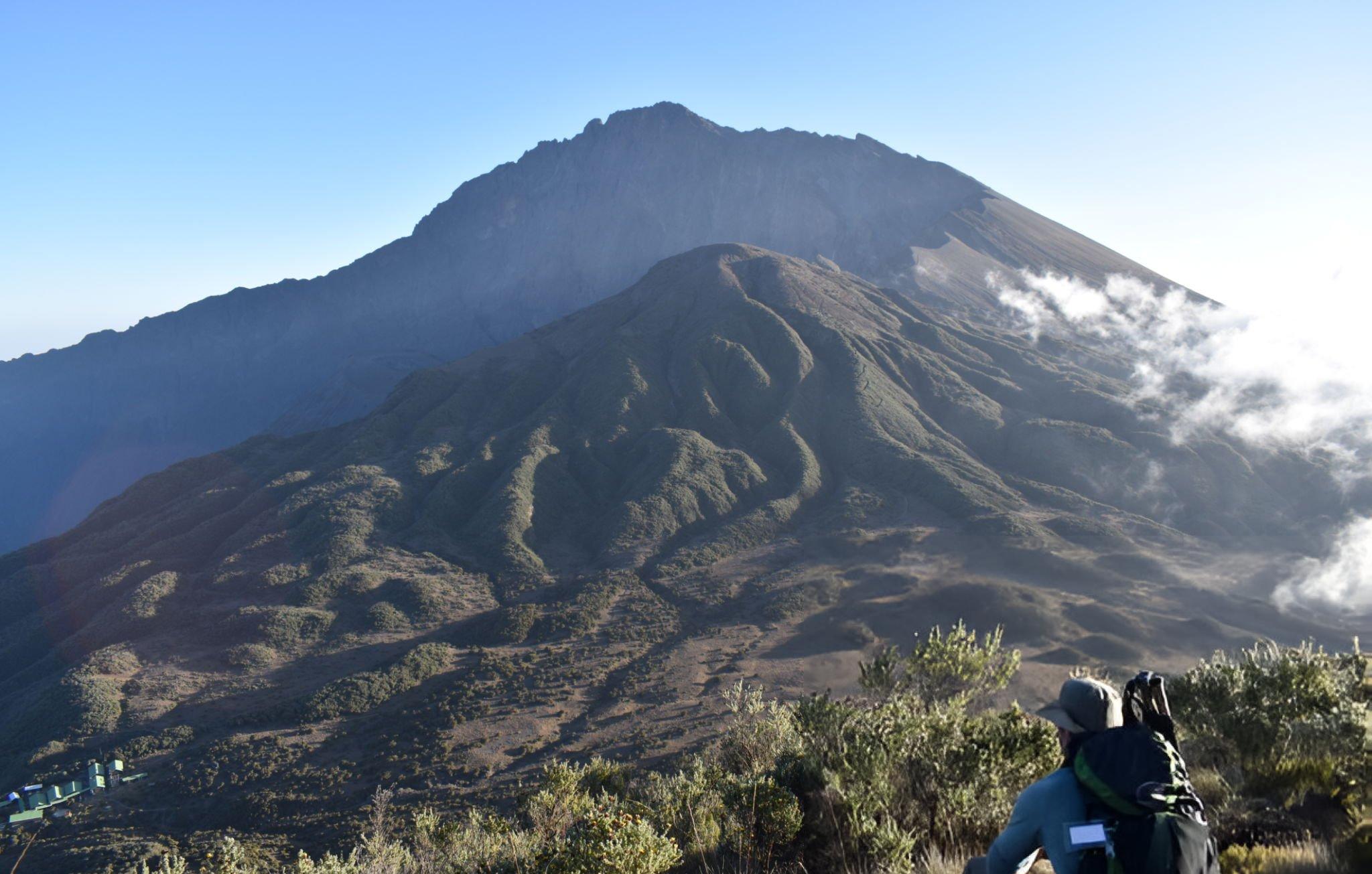
Kilimanjaro is a free-standing volcanic mountain with five distinct ecological zones: rainforest, heath and moorland, alpine desert, and the arctic summit zone. Each zone presents different environmental challenges, including humidity, cold temperatures, strong winds, and low oxygen levels. Climbers often underestimate how quickly conditions change as altitude increases. This is why understanding the mountain’s structure and climate is essential for anyone serious about learning How to prepare for Kilimanjaro climbing in a safe and realistic way.
One of the most misunderstood aspects of Kilimanjaro is altitude. Altitude sickness, also known as Acute Mountain Sickness (AMS), affects climbers regardless of age, gender, or fitness level. Even elite athletes can struggle if they ascend too quickly. Symptoms include headaches, nausea, dizziness, fatigue, and shortness of breath. In severe cases, altitude sickness can become life-threatening. Preparation therefore begins with accepting that Kilimanjaro is an altitude challenge first and a physical challenge second.
Mental preparation starts with realistic expectations. Kilimanjaro is not a luxury experience, even when climbing with high-quality operators. Expect basic accommodation, cold nights, early wake-ups, and limited personal comfort. Climbers who succeed are often those who mentally accept discomfort as part of the adventure rather than something to resist. Developing patience and adaptability significantly increases the chances of reaching Uhuru Peak.
Another critical element of preparation is understanding pacing. Kilimanjaro is climbed using the principle of “pole pole,” meaning “slowly, slowly” in Swahili. Moving slowly allows the body to adapt to altitude and conserve energy. Many first-time climbers struggle because they are used to fast hiking speeds at home. Learning to walk slowly for long periods is an essential mindset shift and a core principle of How to prepare for Kilimanjaro climbing properly.
Climbers should also understand the role of professional guides and support teams. Kilimanjaro National Park regulations require all climbers to be accompanied by licensed guides. These professionals monitor health, set the pace, manage logistics, and respond to emergencies. Trusting the guide’s judgment, especially regarding altitude symptoms, is vital. Epic horizons Adventure we are looking extra miles to make sure every climber is fully briefed, mentally prepared, and supported from the first day of planning until the final descent.
Fear and self-doubt are normal, especially for first-time high-altitude trekkers. Many climbers question their ability long before they arrive in Tanzania. Mental preparation involves acknowledging these fears and replacing them with informed confidence. Knowledge reduces anxiety. Understanding daily routines, camp life, summit night procedures, and recovery processes helps climbers feel in control and prepared.
Summit night is often the most mentally demanding part of the climb. It involves hiking in darkness, extreme cold, and thin air for several hours. Progress is slow, and fatigue is intense. Climbers who succeed are those who break the challenge into small, manageable goals rather than focusing only on the summit. Mental strategies such as controlled breathing, rhythm walking, and positive self-talk are invaluable tools during this phase.
Preparation also involves aligning personal motivation with realistic goals. Some climbers aim simply to experience the mountain, while others are strongly focused on reaching the summit. Both goals are valid, but clarity is important. Understanding your “why” helps maintain motivation during difficult moments. Whether driven by personal achievement, charity fundraising, or adventure, purpose strengthens mental resilience.
Environmental awareness is another part of preparation. Kilimanjaro is a protected ecosystem, and responsible climbing practices are essential. Understanding Leave No Trace principles, respecting wildlife, and supporting ethical porter treatment are part of being a prepared and responsible climber. Many successful expeditions are defined not only by reaching the summit but by how respectfully the journey is conducted.
Time commitment is often overlooked during preparation. Proper planning includes allowing sufficient days on the mountain for acclimatization. Short itineraries increase the risk of altitude sickness and reduce success rates. Choosing longer routes with gradual ascent profiles is a smart preparation decision. This understanding is central to How to prepare for Kilimanjaro climbing in a way that prioritizes safety over speed.
Mental preparation also extends to post-climb expectations. Descending the mountain is physically demanding and often harder on the knees than the ascent. Many climbers assume the challenge ends at the summit, but accidents and injuries frequently occur during descent. Preparing mentally for the full journey, including recovery, is essential.
Reliable information is a powerful preparation tool. Climbers should consult authoritative sources such as the Tanzania National Parks Authority (https://www.tanzaniaparks.go.tz) for official regulations and altitude guidelines, and the CDC’s travel health advice (https://wwwnc.cdc.gov/travel) for medical recommendations. These resources provide up-to-date information that supports safe planning.
In conclusion, understanding Mount Kilimanjaro and developing the correct mindset is the first and most important step in preparation. Physical training, gear, and logistics all build on this foundation. Climbers who approach the mountain with respect, patience, and informed confidence significantly increase their chances of success. Learning How to prepare for Kilimanjaro climbing begins not in the gym or on the trail, but in the mind.
Physical Training, Endurance, and Fitness Planning for Kilimanjaro Climbers
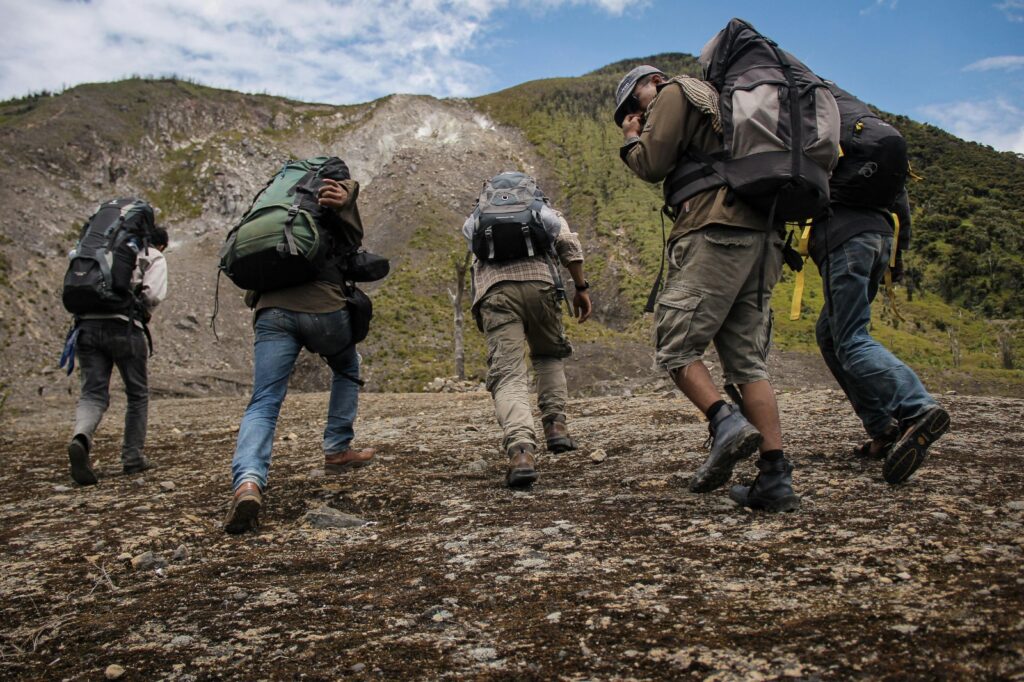
Physical preparation is one of the most decisive factors in determining whether a climber reaches the summit of Mount Kilimanjaro or is forced to turn back. While Kilimanjaro does not require technical mountaineering skills, it demands sustained physical endurance over multiple days at increasing altitude. Many climbers underestimate the physical demands because the mountain is often described as a “walk-up” peak. In reality, the long trekking hours, repeated elevation gain, and oxygen-deprived environment place significant stress on the body. Understanding how to train effectively is a critical component of How to prepare for Kilimanjaro climbing in a realistic and responsible way.
The primary physical requirement for Kilimanjaro is cardiovascular endurance. Climbers typically walk between six and eight hours per day, sometimes longer on summit day and descent. This sustained effort requires a strong heart and lungs rather than short bursts of speed. Activities such as long-distance walking, hiking, cycling, swimming, and jogging are excellent ways to build aerobic capacity. Consistency matters more than intensity. Regular moderate training over several months prepares the body far better than sporadic high-intensity workouts close to departure.
Hiking is the most effective form of training because it closely replicates the movement patterns used on the mountain. Climbers should aim to complete weekly hikes that gradually increase in duration and difficulty. Carrying a backpack weighing between five and eight kilograms helps the body adapt to load-bearing. Training hikes should ideally last four to six hours to simulate real trekking days. Practicing on uneven terrain, hills, and staircases improves balance and muscular endurance.
Leg strength is essential for both ascent and descent. While climbing uphill is physically demanding, descending Kilimanjaro places significant strain on knees, ankles, and hips. Strength training exercises such as squats, lunges, step-ups, calf raises, and deadlifts help build the muscle resilience needed to protect joints and reduce fatigue. Core strength is equally important, as it stabilizes the body and improves posture while walking for long hours with a pack.
Upper body strength is often overlooked but plays a supportive role during the climb. Trekking poles are commonly used on Kilimanjaro, particularly on summit night and during descent. Strong arms, shoulders, and back muscles improve balance and reduce pressure on the lower body. Simple exercises such as push-ups, rows, and planks contribute to overall stability and endurance.
Altitude is the most challenging aspect of Kilimanjaro, and no amount of physical fitness completely eliminates its effects. However, a well-conditioned body uses oxygen more efficiently and recovers faster between trekking days. This is why structured training is a key part of How to prepare for Kilimanjaro climbing, even though altitude sickness can affect anyone. Climbers should understand that fitness supports acclimatization but does not replace it.
Training should ideally begin three to six months before the climb. This allows sufficient time for gradual progression, reducing the risk of injury. Beginners should start with low-impact cardio activities and progressively increase duration and intensity. More experienced hikers can focus on endurance and elevation gain. Sudden increases in training load often lead to overuse injuries, which can derail preparation entirely.
Flexibility and mobility are also important components of physical preparation. Stretching exercises improve range of motion and reduce muscle stiffness. Yoga and mobility routines help maintain joint health and promote recovery. Tight muscles increase the risk of strains and knee pain, particularly during long descents. Including flexibility sessions two to three times per week supports overall training effectiveness.
Rest and recovery are often underestimated but are essential for progress. Muscles grow stronger during recovery, not during exercise itself. Overtraining can lead to fatigue, weakened immunity, and injury. Climbers should schedule rest days into their training plan and listen to their bodies. Adequate sleep and hydration significantly enhance recovery and performance.
Nutrition supports training adaptation and energy levels. A balanced diet rich in complex carbohydrates, lean proteins, healthy fats, and micronutrients fuels workouts and aids recovery. Carbohydrates are particularly important for endurance activities, while protein supports muscle repair. Hydration habits developed during training translate directly to better performance on the mountain, where dehydration increases the risk of altitude sickness.
Mental endurance is closely linked to physical fitness. Long training sessions build not only strength but also discipline and confidence. Climbers who complete challenging training hikes gain reassurance that they can handle discomfort and fatigue. This mental confidence becomes invaluable during difficult moments on the mountain. Epic horizons Adventure we are looking extra miles to make sure climbers are guided through both physical and mental preparation, ensuring readiness on all levels.
Age is not a barrier to climbing Kilimanjaro, but baseline fitness is essential. Climbers in their forties, fifties, and beyond regularly reach the summit when properly trained. Individual health status matters far more than age. People with pre-existing conditions such as asthma, high blood pressure, or joint issues should consult healthcare professionals before training and disclose relevant information to their trekking operator.
Training should also include practicing walking slowly for long periods. Many climbers struggle because they are accustomed to fast-paced exercise. Kilimanjaro requires patience and rhythm rather than speed. Learning to maintain a slow, steady pace conserves energy and improves acclimatization. This concept is central to How to prepare for Kilimanjaro climbing effectively and safely.
Some climbers consider altitude simulation tools such as altitude masks or hypoxic tents. While these may offer limited benefits, they are not essential. The most reliable acclimatization strategy remains gradual ascent and sufficient time on the mountain. Physical training should support this process rather than attempt to replace it.
Training in adverse weather conditions can also be beneficial. Walking in rain, cold, or wind builds resilience and prepares climbers for Kilimanjaro’s unpredictable climate. However, safety should always come first. Proper clothing and caution are essential during such training sessions.
In the final weeks before departure, training intensity should decrease slightly to allow the body to recover fully. This tapering period helps climbers arrive at the mountain rested and strong. Last-minute overtraining often leads to fatigue rather than improved fitness.
For credible fitness guidance, climbers can consult external resources such as the British Mountaineering Council (https://www.thebmc.co.uk) and the World Health Organization’s physical activity guidelines (https://www.who.int). These sources provide evidence-based advice on endurance training, injury prevention, and overall health.
In summary, physical preparation transforms the Kilimanjaro experience from a struggle into a sustainable and rewarding journey. Consistent training, balanced strength development, proper recovery, and realistic expectations form the foundation of success. Anyone serious about learning How to prepare for Kilimanjaro climbing must treat physical training as a long-term commitment rather than a last-minute task.
Nutrition, Hydration, and Acclimatization Strategies for Kilimanjaro Success
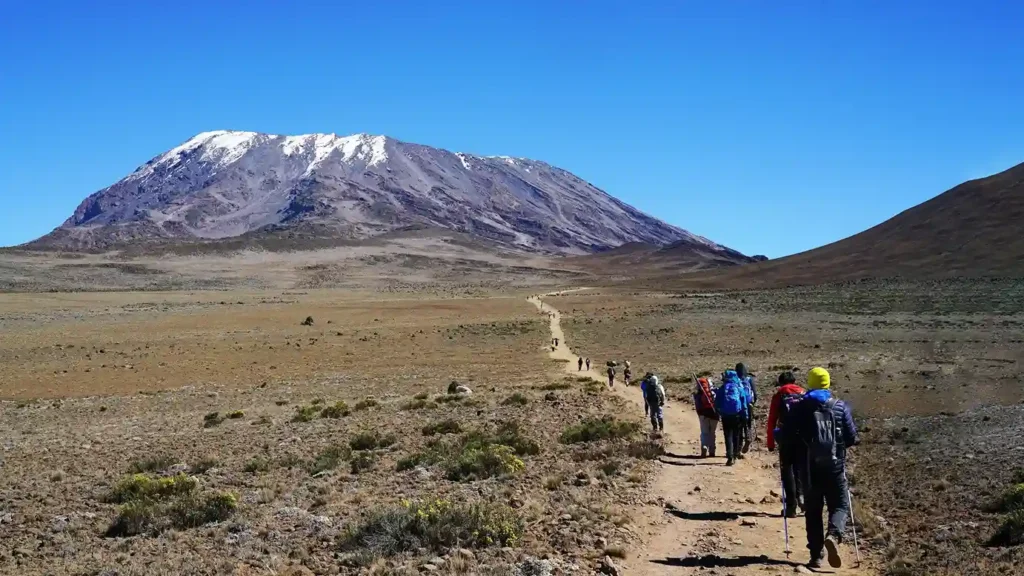
Nutrition and acclimatization are two pillars that strongly influence success on Mount Kilimanjaro, yet they are often overlooked during preparation. Many climbers focus heavily on fitness and gear while underestimating how food, hydration, and altitude adaptation affect performance at high elevation. In reality, poor nutritional planning or inadequate acclimatization can stop even the strongest climber from reaching the summit. Understanding how to fuel the body and adapt to altitude is therefore a core part of effective mountain preparation.
At high altitude, the body undergoes physiological changes that affect appetite, digestion, and energy levels. Oxygen availability decreases as elevation increases, forcing the body to work harder to produce energy. This increases calorie requirements while often reducing hunger. Climbers who fail to eat enough quickly become fatigued, weak, and more susceptible to altitude sickness. A clear nutritional strategy is essential for maintaining strength throughout the climb.
Carbohydrates are the primary fuel source for endurance activities at altitude. They require less oxygen to metabolize compared to fats and proteins, making them especially important on Kilimanjaro. Meals rich in rice, pasta, potatoes, bread, oats, and fruits provide readily available energy. During the climb, frequent small meals are often better tolerated than large portions. Snacks such as energy bars, biscuits, dried fruit, and nuts help maintain energy levels between meals.
Protein plays a supportive but vital role in muscle repair and immune function. Long trekking days place continuous stress on muscles, and adequate protein intake supports recovery overnight. Sources such as eggs, beans, lentils, meat, fish, and dairy are commonly included in mountain meals. While protein is important, it should not replace carbohydrates as the primary energy source during the climb.
Fat intake should be moderate but not eliminated. Healthy fats provide concentrated calories and contribute to long-term energy reserves. However, heavy or greasy foods can be difficult to digest at altitude and may cause nausea. Balanced meals that combine carbohydrates, moderate protein, and light fats are generally best tolerated.
Hydration is one of the most critical factors in altitude adaptation. Dehydration significantly increases the risk of altitude sickness and fatigue. At altitude, the body loses more fluid through increased respiration and dry air, even when temperatures are cold. Climbers should aim to drink at least three to four liters of water per day. Urine color is a simple indicator of hydration status, with pale yellow indicating adequate intake.
Electrolyte balance is equally important. Sweating, increased urination, and limited dietary variety can lead to electrolyte depletion. Adding electrolyte tablets or powders to drinking water helps maintain sodium and mineral levels, supporting muscle function and energy. Warm drinks such as herbal tea or soup also contribute to hydration and provide comfort in cold conditions.
Acclimatization is the process by which the body adapts to reduced oxygen availability. This process cannot be rushed. The body responds by increasing breathing rate, producing more red blood cells, and improving oxygen utilization. Proper acclimatization significantly reduces the risk of Acute Mountain Sickness and increases summit success rates. Understanding this process is fundamental to learning How to prepare for Kilimanjaro climbing in a safe and sustainable way.
One of the most effective acclimatization strategies is gradual ascent. Routes that include more days on the mountain allow the body additional time to adapt. The principle of “climb high, sleep low” is commonly used, where climbers hike to a higher altitude during the day and descend slightly to sleep. This stimulates adaptation while reducing stress on the body. Longer itineraries consistently show higher success rates.
Pacing is another critical acclimatization factor. Walking slowly conserves energy and reduces stress on the cardiovascular system. Rapid ascent increases the likelihood of altitude sickness, regardless of fitness level. Guides closely monitor pace and encourage climbers to maintain a steady rhythm. Accepting a slow pace is an essential mindset adjustment for many first-time climbers.
Rest and sleep are vital components of acclimatization. The body adapts during rest periods, not during exertion. Poor sleep is common at altitude due to reduced oxygen levels, but prioritizing rest whenever possible supports recovery. Short daytime naps, warm sleeping systems, and consistent routines help improve sleep quality.
Medication such as acetazolamide (commonly known as Diamox) is sometimes used to support acclimatization. This medication can help stimulate breathing and reduce symptoms of altitude sickness for some climbers. However, it should only be used under medical guidance and never as a substitute for proper acclimatization. Consulting a healthcare professional before departure is strongly recommended.
Alcohol and smoking negatively affect acclimatization and should be avoided before and during the climb. Alcohol contributes to dehydration and interferes with sleep, while smoking reduces oxygen efficiency. Avoiding these substances significantly improves the body’s ability to adapt to altitude.
Digestive changes are common at high altitude. Appetite loss, nausea, and altered taste perception may occur. Climbers should eat even when appetite is low, focusing on simple, carbohydrate-rich foods. Soups and warm meals are often easier to tolerate. Maintaining calorie intake supports energy levels and immune function.
Monitoring health is an essential part of acclimatization. Guides regularly check oxygen saturation, heart rate, and general symptoms. Climbers should communicate honestly about how they feel and never hide symptoms in an attempt to reach the summit. Early intervention prevents serious complications. Epic horizons Adventure we are looking extra miles to make sure health monitoring is continuous and that safety always takes priority over summit ambition.
Supplements such as iron, vitamin C, or multivitamins may support general health but are not magic solutions. A balanced diet remains the most effective nutritional strategy. Any supplements should be discussed with a healthcare provider before use, particularly for climbers with medical conditions.
Cultural and environmental factors also influence nutrition on the mountain. Meals are prepared by trained mountain cooks who understand the dietary needs of climbers at altitude. Respecting local food practices and providing feedback helps ensure meals remain suitable and enjoyable throughout the trek.
For authoritative medical and altitude-related guidance, climbers can consult the Centers for Disease Control and Prevention (https://wwwnc.cdc.gov/travel) and the International Society for Mountain Medicine (https://www.ismm.org). These organizations provide evidence-based information on altitude sickness, hydration, and nutrition.
In summary, proper nutrition, hydration, and acclimatization strategies are essential for a safe and successful Kilimanjaro climb. Fueling the body correctly, drinking consistently, and allowing time for adaptation dramatically increase summit success rates. Anyone serious about How to prepare for Kilimanjaro climbing must treat these elements as non-negotiable components of preparation rather than optional considerations.
Essential Gear, Packing Strategy, and Clothing Systems for Kilimanjaro Climbers
Selecting the correct gear and packing it properly is one of the most decisive factors in a successful Mount Kilimanjaro expedition. Even climbers who are physically fit and mentally prepared can struggle or fail if they arrive with inadequate equipment. Kilimanjaro’s unique challenge lies in its rapid transition through multiple climate zones, from humid rainforest to arctic summit conditions. Understanding what to pack, how to layer clothing, and how to manage personal equipment is a critical part of serious mountain preparation.
Mount Kilimanjaro features five distinct ecological zones, each demanding different levels of protection and comfort. Climbers start in warm, wet rainforest conditions, move through cooler moorland, cross dry alpine desert, and finally reach freezing temperatures in the summit zone. Temperatures can range from over 25°C at lower elevations to below –15°C near Uhuru Peak. This extreme variation makes smart gear selection essential and reinforces the importance of understanding How to prepare for Kilimanjaro climbing from an equipment perspective.
The foundation of any Kilimanjaro clothing system is proper layering. Layering allows climbers to regulate body temperature efficiently as conditions change throughout the day. The base layer sits closest to the skin and is responsible for moisture management. High-quality synthetic or merino wool base layers wick sweat away from the body, keeping the climber dry and warm. Cotton should always be avoided because it traps moisture and increases the risk of hypothermia.
The mid-layer provides insulation and helps retain body heat. Fleece jackets or lightweight insulated jackets are ideal for this role. These layers are commonly worn during early mornings, evenings, and rest breaks. As altitude increases, insulation becomes increasingly important, especially during summit night. A thick down or synthetic insulated jacket rated for extreme cold is essential for maintaining warmth in sub-zero temperatures.
The outer layer, also known as the shell layer, protects against wind, rain, and snow. A waterproof and windproof jacket and trousers made from breathable materials such as Gore-Tex or similar fabrics are highly recommended. Weather on Kilimanjaro can change rapidly, and exposure to wind at high altitude significantly increases heat loss. A reliable shell layer acts as the climber’s primary defense against harsh conditions.
Footwear selection is another crucial element of preparation. Well-fitted, waterproof hiking boots with strong ankle support are essential. Boots should be broken in well before the climb to prevent blisters and foot pain. Kilimanjaro terrain includes mud, rock, gravel, and scree, making traction and stability extremely important. Trekking socks made from wool or synthetic materials help regulate temperature and reduce friction.
Accessories often seem minor but play a major role in comfort and safety. Warm gloves or mittens are necessary for summit night, along with thermal hats and neck gaiters to protect against wind and cold. Sunglasses with UV protection are critical because solar radiation increases significantly at altitude. A headlamp with spare batteries is mandatory, as summit attempts begin in darkness. These details are often overlooked by first-time climbers learning How to prepare for Kilimanjaro climbing properly.
Backpacks and luggage management are governed by both practicality and park regulations. Climbers typically carry a daypack containing water, snacks, extra layers, sunscreen, and personal items. Porters carry the main duffel bag, which must usually not exceed a specified weight limit. Soft-sided duffel bags are preferred because they are easier for porters to carry. Waterproof liners or dry bags protect belongings from rain and moisture.
Sleeping systems are essential for rest and recovery. Most reputable operators provide sleeping tents and sleeping mats, but climbers should ensure that sleeping bags are suitable for extreme cold. A four-season sleeping bag rated to at least –10°C is strongly recommended. Cold nights are one of the most common challenges on Kilimanjaro, and inadequate sleeping systems often lead to exhaustion and reduced performance.
Trekking poles are highly recommended for Kilimanjaro. They reduce strain on knees during descent, improve balance on uneven terrain, and help maintain rhythm during long trekking days. Adjustable poles allow climbers to adapt to different terrain types. Many climbers report significantly reduced joint pain when using trekking poles consistently.
Hydration equipment is another key consideration. Climbers should carry water bottles or hydration systems capable of holding at least three liters of water. Insulated bottles are particularly useful on summit night to prevent water from freezing. Proper hydration supports acclimatization and overall performance throughout the climb.
Personal medical kits should include blister treatment, pain relief medication, personal prescriptions, and basic first aid supplies. While guides carry emergency medical equipment, climbers are responsible for personal needs. Preventative care, such as treating hot spots early, helps avoid more serious issues later in the climb.
Electronics should be kept to a minimum but managed carefully. Cold temperatures drain batteries quickly, so spare batteries and power banks are essential. Cameras and phones should be stored close to the body during cold conditions. Simplicity is key when packing electronics, as excess weight adds unnecessary strain.
Packing discipline is critical. Overpacking increases porter workload and reduces efficiency on the mountain. Each item should have a clear purpose. Climbers should practice packing and unpacking before departure to ensure familiarity and efficiency. Testing gear during training hikes builds confidence and reduces the risk of equipment failure.
Ethical and environmental considerations are also part of gear preparation. Reusable water bottles, biodegradable toiletries, and responsible waste management support conservation efforts. Respecting porter welfare guidelines and minimizing environmental impact reflect responsible tourism values. Epic horizons Adventure we are looking extra miles to make sure all climbs are conducted ethically, sustainably, and with full respect for local communities and ecosystems.
Understanding clothing and gear systems transforms the Kilimanjaro experience from uncomfortable to empowering. Proper equipment allows climbers to focus on pacing, breathing, and enjoying the journey rather than struggling with cold, wet, or ill-fitting gear. This practical understanding reinforces the broader principles of How to prepare for Kilimanjaro climbing in a comprehensive and professional way.
For authoritative gear recommendations, climbers can consult the British Mountaineering Council (https://www.thebmc.co.uk) and REI’s Mount Kilimanjaro packing guide (https://www.rei.com/learn/expert-advice/mount-kilimanjaro-packing-list.html). These resources provide trusted guidance on layering systems, footwear, and expedition equipment.
In conclusion, gear selection and packing strategy are not secondary considerations but core elements of summit success. Climbers who invest time in understanding clothing systems, testing equipment, and packing intelligently dramatically increase their comfort, safety, and chances of success. Mastering these elements is a vital stage in learning How to prepare for Kilimanjaro climbing at a professional and reliable level.