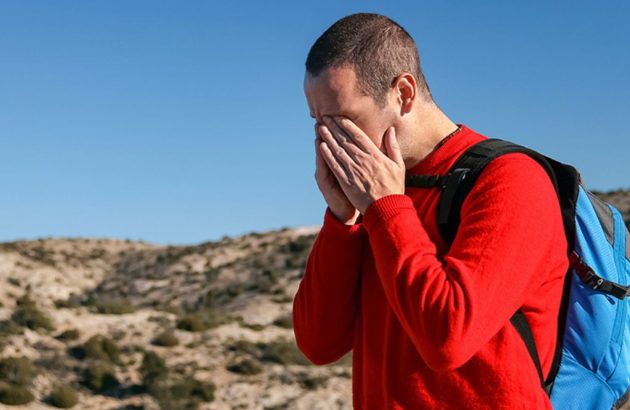
Learn how to avoid Mount Kilimanjaro sickness with expert acclimatization tips, training guidance, route planning, and professional support from Epic Horizons Adventure to ensure a safe and successful summit experiencehttps://www.epichorizonsadventures.com/our-tours/destinations/
Understanding Mount Kilimanjaro Sickness – Causes, Science, and Real Risks
Mount Kilimanjaro sickness, commonly known as altitude sickness, is one of the biggest challenges climbers face when attempting to reach the summit of Africa’s highest mountain. Understanding what this condition is, why it happens, and how it affects the human body is the first and most critical step toward a safe and successful climb. Many trekkers underestimate altitude-related risks because Mount Kilimanjaro does not require technical climbing skills, yet every year climbers fail to summit or are forced to descend because they did not fully understand how altitude impacts their bodies. Learning how to avoid mount kilimanjaro sickness begins with understanding the science behind altitude and oxygen levels.
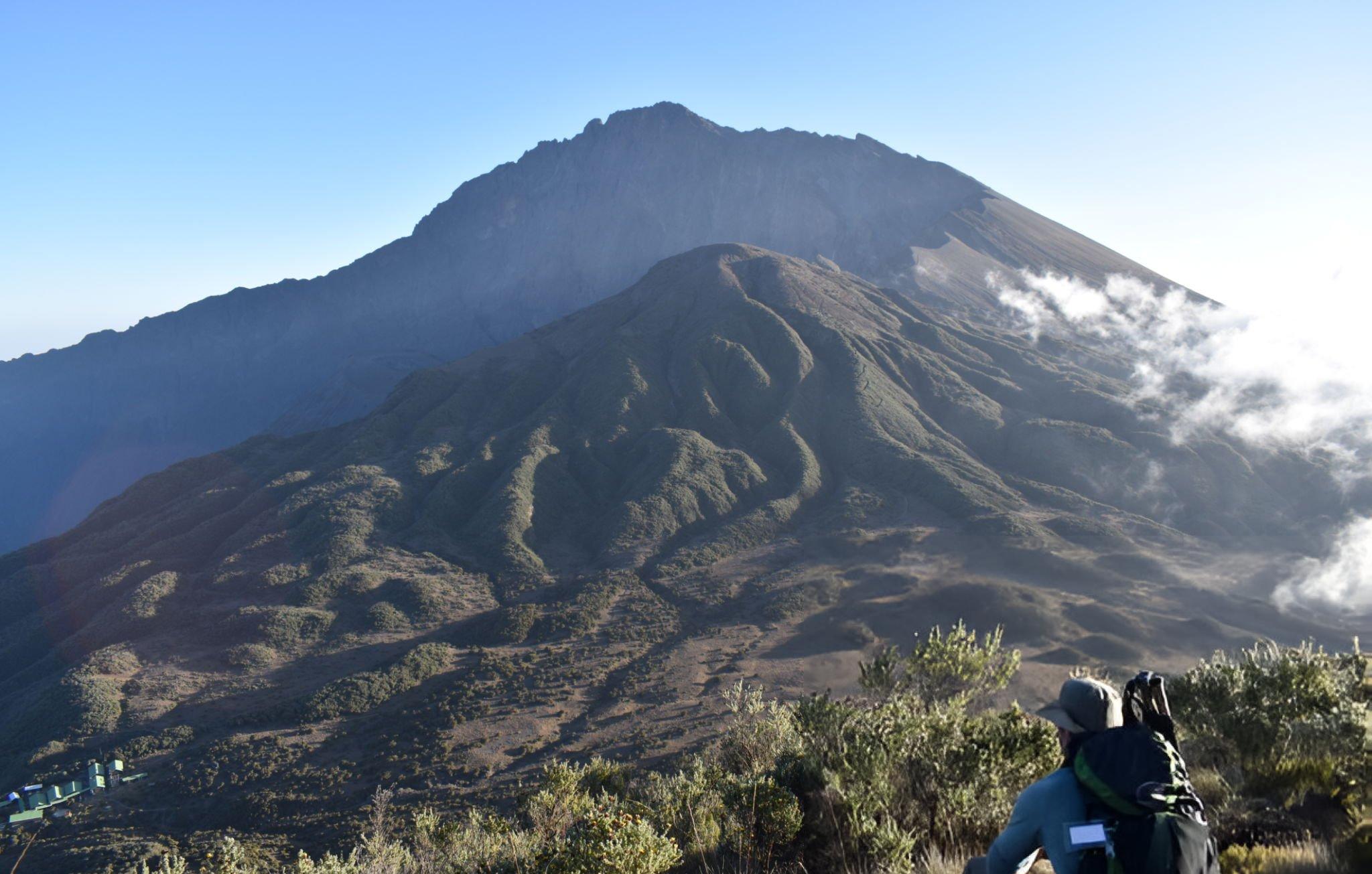
Mount Kilimanjaro rises to 5,895 meters (19,341 feet) above sea level, placing climbers into an extreme high-altitude environment within just a few days of trekking. At this elevation, the amount of oxygen available in the air is almost 50% lower than at sea level. This dramatic reduction in oxygen pressure makes it difficult for the body to function normally. The human body is designed to operate efficiently at lower altitudes, so when climbers ascend too quickly, the body struggles to adapt, leading to altitude sickness symptoms. This is why understanding how to avoid mount kilimanjaro sickness is not just about fitness but about respecting altitude physiology.
Altitude sickness occurs when the body does not have enough time to acclimatize to lower oxygen levels. Normally, the body responds to altitude by increasing breathing rate, heart rate, and red blood cell production to transport more oxygen to tissues. However, this adaptation process takes time. When climbers ascend too fast, the body cannot keep up, resulting in symptoms ranging from mild headaches to life-threatening conditions. This is why Kilimanjaro, despite being a non-technical mountain, is statistically one of the most dangerous peaks for altitude-related illnesses. Any serious discussion on how to avoid mount kilimanjaro sickness must emphasize the importance of gradual ascent.
There are three main types of altitude sickness that climbers need to understand: Acute Mountain Sickness (AMS), High Altitude Pulmonary Edema (HAPE), and High Altitude Cerebral Edema (HACE). Acute Mountain Sickness is the most common and usually the mildest form, but if ignored, it can progress into more severe conditions. AMS symptoms include headaches, nausea, dizziness, fatigue, loss of appetite, and difficulty sleeping. Many climbers mistakenly assume these symptoms are normal and try to push through them, which is one of the biggest mistakes made on the mountain. Proper knowledge of how to avoid mount kilimanjaro sickness includes knowing when to rest and when to descend.
High Altitude Pulmonary Edema is a much more serious condition where fluid builds up in the lungs, making breathing extremely difficult. Symptoms include shortness of breath even at rest, persistent coughing, chest tightness, and a bluish tint to lips or fingernails. HAPE can develop rapidly and is potentially fatal if not treated immediately. The only effective treatment is immediate descent to lower altitude and supplemental oxygen. This highlights why choosing an experienced tour company with trained guides is essential for climbers who want to learn how to avoid mount kilimanjaro sickness in real-life conditions.
High Altitude Cerebral Edema is the most severe and life-threatening form of altitude sickness. It occurs when swelling develops in the brain due to lack of oxygen. Symptoms include confusion, loss of coordination, severe headache, hallucinations, and loss of consciousness. HACE is a medical emergency and requires immediate descent and oxygen therapy. Unfortunately, many climbers are unaware of how quickly this condition can develop, especially during summit night. Understanding how to avoid mount kilimanjaro sickness means recognizing early warning signs before they escalate into fatal complications.
One of the most misunderstood aspects of altitude sickness is that physical fitness does not guarantee immunity. Even elite athletes can suffer from altitude sickness if they ascend too quickly. Conversely, people with average fitness levels can successfully summit Kilimanjaro if they follow proper acclimatization protocols. This is why altitude sickness is not about strength but about adaptation. A well-designed climbing itinerary that prioritizes acclimatization is one of the strongest tools in learning how to avoid mount kilimanjaro sickness effectively.
Age, gender, and previous altitude experience also play roles, but none are definitive predictors. Younger climbers are not necessarily safer than older ones, and previous high-altitude experience does not guarantee protection. Each ascent is unique, and the body can respond differently every time. Dehydration, poor nutrition, lack of sleep, alcohol consumption before the climb, and underlying health conditions can all increase the risk of altitude sickness. Professional guides stress that understanding these risk factors is a fundamental part of how to avoid mount kilimanjaro sickness.
Scientific studies from organizations such as the World Health Organization and the Centers for Disease Control and Prevention emphasize that gradual ascent and proper acclimatization are the most effective ways to prevent altitude sickness. According to the CDC, climbers should not increase sleeping altitude by more than 300–500 meters per day once above 3,000 meters, and rest days are strongly recommended. These guidelines are often ignored by budget operators who rush climbers up the mountain, increasing summit failure rates. Learning how to avoid mount kilimanjaro sickness therefore also involves choosing a responsible trekking operator that follows medically recommended ascent profiles.
(External reference: Centers for Disease Control and Prevention – High Altitude Illness)
Mount Kilimanjaro presents a unique challenge because climbers gain altitude very quickly compared to other major mountains. Unlike the Himalayas or Andes, where climbers often spend weeks acclimatizing, Kilimanjaro itineraries typically range from 5 to 9 days. Shorter routes may seem appealing, but they dramatically increase the risk of altitude sickness. Longer routes, such as Lemosho and Northern Circuit, are specifically designed to improve acclimatization and significantly increase summit success rates. Any professional guide explaining how to avoid mount kilimanjaro sickness will always recommend routes that allow the body enough time to adapt.
Another critical factor is psychological pressure. Many climbers feel emotionally invested in reaching the summit and may ignore early symptoms out of fear of failure. This mindset can be dangerous. Experienced guides are trained to monitor climbers’ physical and mental conditions daily using pulse oximeters, symptom questionnaires, and observation. Listening to guides and being honest about how you feel is a vital component of how to avoid mount kilimanjaro sickness safely.
Epic Horizons Adventure we go the extra mile to make sure every climber understands altitude risks before setting foot on the mountain. By educating clients about the science of altitude sickness, monitoring health indicators daily, and designing itineraries that prioritize acclimatization over speed, the company ensures that safety always comes before summiting. This approach not only increases success rates but also creates a more enjoyable and responsible climbing experience.
Hydration and nutrition also play supporting roles in altitude adaptation. At high altitudes, the body loses fluids faster due to increased respiration and dry air. Dehydration can worsen altitude sickness symptoms and reduce the body’s ability to acclimatize. Proper hydration strategies, combined with carbohydrate-rich meals, help maintain energy levels and support oxygen utilization. While hydration alone will not prevent altitude sickness, it is a key pillar in any strategy focused on how to avoid mount kilimanjaro sickness.
Sleep disturbances are common at altitude due to lower oxygen levels. Poor sleep can increase fatigue and worsen AMS symptoms. Many climbers worry when they struggle to sleep, but understanding that this is normal helps reduce anxiety. Guides often recommend slow breathing techniques and proper pacing to improve sleep quality. Once again, education is a powerful tool in learning how to avoid mount kilimanjaro sickness without unnecessary fear.
In summary, Mount Kilimanjaro sickness is not a mystery condition but a predictable physiological response to altitude. By understanding how altitude affects the body, recognizing early symptoms, respecting acclimatization principles, and choosing experienced guides, climbers can dramatically reduce their risks. Knowledge, patience, and proper planning form the foundation of every successful Kilimanjaro climb. This foundational understanding sets the stage for deeper strategies that will be discussed in the next sections, all aimed at mastering how to avoid mount kilimanjaro sickness in a safe, ethical, and successful way.
Acclimatization Strategies and Route Planning for a Safe Kilimanjaro Climb
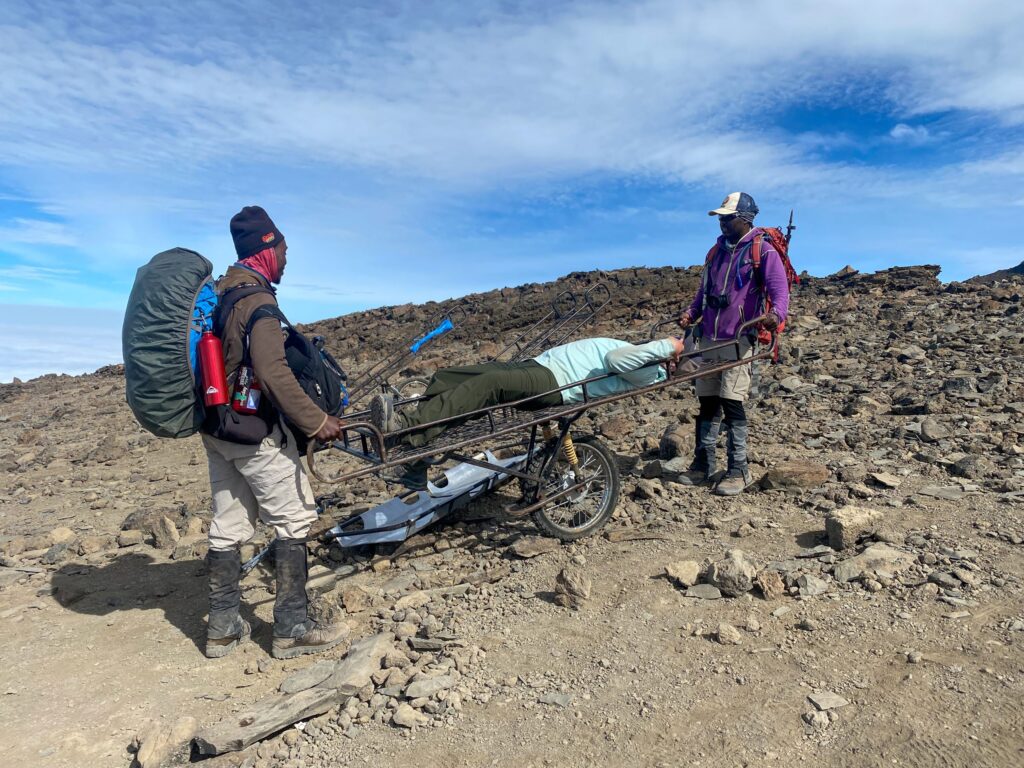
Acclimatization is the single most important factor that determines whether a climber will successfully reach the summit of Mount Kilimanjaro or be forced to turn back due to altitude-related complications. While physical fitness, motivation, and high-quality gear all play important roles, none of them can compensate for poor acclimatization. Understanding how the body adapts to altitude and planning a route that allows sufficient time for this adaptation is essential for every climber who wants to reach Uhuru Peak safely. Learning how to avoid mount kilimanjaro sickness depends largely on making informed decisions about ascent speed, daily elevation gain, and rest periods.
Acclimatization refers to the process by which the human body adjusts to reduced oxygen availability at higher altitudes. As elevation increases, the air becomes thinner, and the body must work harder to deliver oxygen to muscles and vital organs. The acclimatization process includes increased breathing rate, higher heart rate, and gradual production of additional red blood cells. These changes do not happen instantly. They require time, rest, and controlled exposure to altitude. When climbers ascend too quickly, the body does not have enough time to adapt, increasing the likelihood of altitude sickness symptoms. This is why slow and steady progression is the cornerstone of how to avoid mount kilimanjaro sickness.
One of the most effective acclimatization principles used on Mount Kilimanjaro is “climb high, sleep low.” This strategy involves ascending to a higher altitude during the day and then descending slightly to sleep at a lower elevation. This approach stimulates the body to adapt while reducing stress during rest periods. Routes that naturally incorporate this principle have higher summit success rates and lower incidence of altitude sickness. Experienced guides intentionally design daily itineraries to include gradual elevation gains and strategic descents to support healthy acclimatization.
Route selection plays a critical role in how well climbers acclimatize. Mount Kilimanjaro offers several routes, each with different lengths, elevation profiles, and acclimatization benefits. Short routes such as Marangu and Umbwe are often chosen by inexperienced climbers because they appear easier or cheaper. However, these routes ascend rapidly and provide limited acclimatization opportunities. As a result, they have significantly lower summit success rates and higher cases of altitude sickness. Choosing longer routes is one of the most reliable ways to reduce risk.
The Lemosho Route is widely regarded as one of the best options for acclimatization. It begins at a lower traffic area on the western side of the mountain and gradually ascends over seven to eight days. This slower pace allows climbers to adjust more effectively to increasing altitude. The route also includes natural “climb high, sleep low” sections, particularly around Lava Tower. For climbers focused on how to avoid mount kilimanjaro sickness, Lemosho offers an ideal balance of scenery, safety, and success rates.
Another excellent option is the Northern Circuit Route, which is the longest route on Mount Kilimanjaro. Typically taking eight to nine days, it circles the mountain and provides the most gradual ascent profile available. This extended duration gives the body ample time to acclimatize and significantly reduces the risk of altitude sickness. While the Northern Circuit requires more time and investment, it consistently delivers the highest summit success rates, making it the preferred choice for climbers prioritizing health and safety.
Daily elevation gain is another crucial factor in acclimatization. Medical guidelines recommend that once climbers ascend above 3,000 meters, their sleeping altitude should not increase by more than 300 to 500 meters per day. Exceeding this guideline dramatically increases the risk of altitude sickness. Reputable tour operators design itineraries that respect these limits, while inexperienced or unethical operators often ignore them to shorten trips. Understanding itinerary details before booking is a practical step toward mastering how to avoid mount kilimanjaro sickness.
Rest days are equally important in the acclimatization process. These days allow the body to recover and adapt without additional elevation gain. On Kilimanjaro, rest days are often integrated into the itinerary rather than labeled explicitly. For example, spending an extra night at Karanga Camp or Moir Hut can significantly improve acclimatization. Climbers should not view rest days as wasted time but as a critical investment in summit success and overall safety.
Hydration plays a supportive role in acclimatization by helping the body transport oxygen more efficiently. At high altitude, increased breathing leads to greater fluid loss, making dehydration a common issue. Climbers are generally advised to drink at least three to four liters of water per day. Proper hydration supports circulation, reduces headaches, and helps regulate body temperature. Although hydration alone cannot prevent altitude sickness, it is an essential component of any acclimatization strategy focused on how to avoid mount kilimanjaro sickness.
Nutrition also affects how well the body adapts to altitude. Carbohydrate-rich meals are particularly beneficial at high elevation because they require less oxygen to metabolize than fats or proteins. Many professional trekking companies provide specialized high-altitude menus designed to maintain energy levels and support acclimatization. Eating regularly, even when appetite decreases, is important for maintaining strength and supporting physiological adaptation.
Pacing is another often-overlooked aspect of acclimatization. Moving too quickly increases heart rate and oxygen demand, placing additional stress on the body. The recommended pace on Kilimanjaro is slow, steady, and rhythmic, often described as “pole pole,” a Swahili phrase meaning “slowly, slowly.” This deliberate pace helps conserve energy, supports oxygen efficiency, and allows climbers to better adapt to altitude changes throughout the day.
Monitoring physical condition during the climb is essential for effective acclimatization. Experienced guides conduct daily health checks, including oxygen saturation readings and symptom assessments. These evaluations help identify early signs of altitude sickness before they become serious. Climbers should communicate honestly about how they feel and avoid minimizing symptoms. Early intervention is one of the most effective ways to prevent serious altitude-related complications.
Epic Horizons Adventure we go the extra mile to make sure every itinerary is carefully designed to maximize acclimatization and minimize health risks. By selecting longer routes, incorporating strategic rest days, and maintaining conservative elevation gains, the company prioritizes climber safety without compromising the overall experience. This approach reflects a deep understanding of altitude science and a commitment to responsible mountain tourism.
External medical authorities consistently emphasize the importance of proper acclimatization. The Centers for Disease Control and Prevention highlights gradual ascent and rest days as primary prevention strategies for altitude illness. Similarly, the World Health Organization stresses that most altitude-related complications are preventable with proper planning and pacing. These recommendations align closely with best practices used by experienced Kilimanjaro operators.
(External references: Centers for Disease Control and Prevention – High Altitude Illness; World Health Organization – Altitude Health Guidelines)
In conclusion, acclimatization and route planning are not optional considerations but essential pillars of a successful Mount Kilimanjaro climb. Choosing the right route, allowing sufficient time, maintaining proper pacing, and respecting the body’s limits dramatically reduce the risk of altitude sickness. Climbers who prioritize these factors significantly increase their chances of reaching the summit safely and enjoyably. Mastering these strategies is a critical step in understanding how to avoid mount kilimanjaro sickness, and it lays a strong foundation for the physical and mental preparation discussed in the next section.
Physical and Mental Preparation Before Climbing Mount Kilimanjaro
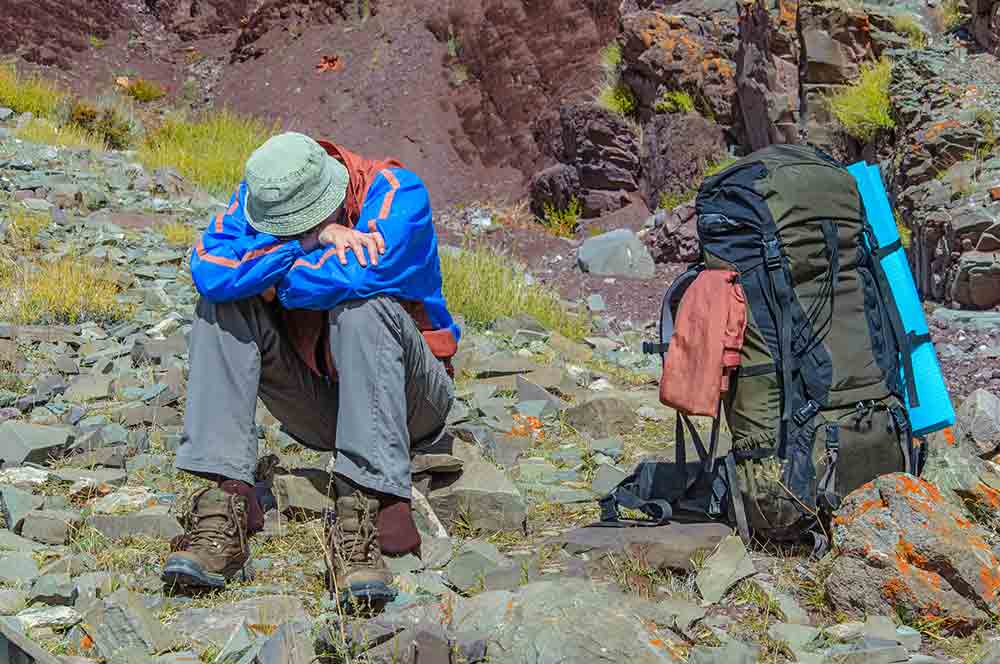
Physical and mental preparation before climbing Mount Kilimanjaro is a decisive factor that strongly influences how the body and mind respond to altitude. While acclimatization on the mountain is essential, preparation begins weeks or even months before arriving in Tanzania. Many climbers assume that Kilimanjaro is purely a trekking challenge and underestimate the importance of structured training and psychological readiness. In reality, the mountain demands sustained endurance, mental resilience, and disciplined habits that directly affect altitude adaptation. Understanding how to avoid mount kilimanjaro sickness requires serious preparation long before the first step on the trail.
Physical preparation should focus on cardiovascular endurance, muscular stamina, and overall body efficiency rather than extreme strength training. Long-distance walking, hiking with elevation gain, cycling, swimming, and stair climbing are highly effective training methods. These activities improve lung capacity, heart efficiency, and oxygen utilization, which are all critical at high altitude. Consistent aerobic exercise conditions the body to function efficiently over long periods, reducing fatigue that can worsen altitude sickness symptoms.
Strength training also plays a supportive role, particularly for the legs, core, and stabilizing muscles. Strong leg muscles reduce strain during long uphill sections, while a stable core improves posture and breathing efficiency. However, excessive muscle mass can increase oxygen demand, which may be counterproductive at altitude. The goal is balanced conditioning rather than bodybuilder-style strength. A lean, endurance-focused physique adapts more efficiently to reduced oxygen environments.
Flexibility and mobility training are often overlooked but are essential for injury prevention and recovery. Stretching, yoga, and mobility exercises help maintain joint health and reduce muscle tension during multi-day trekking. Muscle stiffness and minor injuries can disrupt sleep and increase physical stress, indirectly increasing susceptibility to altitude sickness. Preparing the body holistically supports smoother adaptation once on the mountain.
Mental preparation is equally important and often underestimated. Climbing Mount Kilimanjaro is as much a psychological challenge as it is a physical one. Long days of walking, cold temperatures, limited comfort, and slow progress can test mental endurance. Anxiety, fear, and self-doubt can amplify physical discomfort and make altitude symptoms feel worse. Learning coping strategies such as mindfulness, controlled breathing, and positive visualization helps climbers remain calm and focused under stress.
Stress management before the climb is also critical. Chronic stress weakens the immune system, disrupts sleep, and increases fatigue, all of which can negatively affect altitude adaptation. In the weeks leading up to the climb, prioritizing rest, hydration, and balanced nutrition supports overall resilience. A well-rested and mentally calm climber is better equipped to handle altitude-related challenges.
Sleep quality before the climb deserves special attention. Poor sleep disrupts hormonal balance and reduces recovery capacity. Climbers who arrive exhausted or jet-lagged may struggle more during the early days of ascent. Arriving in Tanzania at least one or two days before the climb allows the body to recover from travel fatigue and adjust to a new environment. This preparation phase plays a subtle but important role in how to avoid mount kilimanjaro sickness.
Nutrition before the climb should focus on complex carbohydrates, lean proteins, healthy fats, and micronutrients. Iron-rich foods are particularly important because iron supports red blood cell production, which is essential for oxygen transport. Foods such as leafy greens, legumes, lean meats, and whole grains help optimize blood oxygen capacity. Avoiding excessive alcohol and processed foods before the climb also supports better hydration and metabolic efficiency.
Hydration habits established before the climb often carry over onto the mountain. Climbers who are accustomed to drinking sufficient water daily are more likely to maintain proper hydration at altitude. Dehydration increases heart rate and worsens headaches, which are common altitude sickness symptoms. Developing disciplined hydration habits beforehand supports smoother physiological adjustment during the climb.
Another important aspect of preparation is understanding personal health conditions. Asthma, anemia, cardiovascular issues, and sleep disorders can all influence altitude tolerance. Consulting a healthcare provider before the climb allows climbers to address potential risks proactively. In some cases, preventive medication may be discussed, but it should never replace proper acclimatization. Knowledge and medical awareness are part of responsible preparation.
Gear familiarity is another factor that indirectly affects altitude adaptation. Ill-fitting boots, heavy packs, or inadequate clothing can increase physical strain and stress. Testing gear during training hikes allows climbers to identify and resolve issues early. Comfort and efficiency reduce unnecessary energy expenditure, helping the body allocate resources toward altitude adaptation rather than problem-solving discomfort.
Mental expectations should also be managed realistically. Summit success is not guaranteed, and understanding this reduces psychological pressure. Climbers who are mentally flexible and accept the possibility of turning back for safety reasons tend to make better decisions at altitude. This mindset reduces risky behavior and aligns with responsible climbing principles.
Epic Horizons Adventure we go the extra mile to make sure every climber receives thorough pre-climb guidance, covering physical training, mental readiness, and health awareness. By educating clients well before arrival, the company ensures that climbers are not only excited but genuinely prepared for the demands of high altitude trekking.
Scientific research supports the importance of preparation. According to the American Alpine Club and high-altitude medical studies, climbers with strong aerobic conditioning and stress management skills experience fewer severe altitude symptoms. While preparation does not eliminate risk entirely, it significantly improves the body’s ability to adapt. These findings reinforce why preparation is central to how to avoid mount kilimanjaro sickness.
Breathing techniques practiced before the climb can also be beneficial. Deep diaphragmatic breathing improves oxygen intake and reduces anxiety. Practicing controlled breathing during training hikes helps climbers use these techniques naturally when oxygen becomes limited at altitude. Efficient breathing patterns support better sleep and endurance on the mountain.
Mental visualization is another powerful tool. Visualizing success, steady progress, and calm responses to discomfort conditions the mind to handle stress more effectively. This technique is widely used by endurance athletes and mountaineers to maintain focus during challenging conditions. A calm mind supports better physiological regulation, indirectly aiding altitude adaptation.
Injury prevention should not be ignored. Minor injuries before the climb can compromise movement efficiency and increase fatigue. Strengthening stabilizer muscles, warming up properly, and allowing adequate recovery during training reduce injury risk. Arriving at the mountain healthy and pain-free supports smoother acclimatization.
Education is the final pillar of preparation. Understanding altitude symptoms, warning signs, and safety protocols empowers climbers to respond appropriately. Knowledge reduces fear and promotes informed decision-making. Climbers who understand what is happening in their bodies are more likely to communicate symptoms early, which is essential for prevention.
External medical authorities emphasize preparation as a key factor in altitude safety. The Centers for Disease Control and Prevention highlight physical conditioning and gradual exposure as important contributors to altitude tolerance. Similarly, the International Society for Mountain Medicine stresses education and mental readiness as critical safety components.
(External references: Centers for Disease Control and Prevention – High Altitude Travel; International Society for Mountain Medicine)
In summary, physical and mental preparation before climbing Mount Kilimanjaro lays the groundwork for safe acclimatization and summit success. Training the body for endurance, conditioning the mind for resilience, establishing healthy habits, and gaining proper knowledge all contribute to a safer experience. Climbers who invest in preparation significantly improve their chances of success and reduce health risks. This comprehensive readiness is a core element of how to avoid mount kilimanjaro sickness, and it prepares climbers for the on-mountain strategies that will be explored in the next section.
https://www.cdc.gov/travel/page/travel-to-high-altitudesCenters for Disease Control and Prevention (CDC) – High Altitude Illness