
Discover the best cheap things to do in Zanzibar, from free beaches and historic Stone Town walks to local markets, culture, and budget travel tips for an unforgettable island adventurehttps://www.epichorizonsadventures.com/our-tours/destinations/
Why Budget Travelers Love Zanzibar – A Paradise That Doesn’t Have to Be Expensive
When most people hear the word Zanzibar, they immediately imagine luxury beach resorts, private villas, and high-end honeymoon packages. While those experiences certainly exist, they tell only one side of the story. The truth is that Zanzibar is also one of East Africa’s best destinations for budget-friendly exploration. From historic towns and cultural experiences to natural wonders and local food, visitors can enjoy countless cheap things to do in Zanzibar without sacrificing adventure, beauty, or authenticity. This is exactly why backpackers, solo travelers, students, and families on a budget continue to choose this island year after year.
Zanzibar offers something rare in global tourism: a place where natural beauty, rich culture, and affordability live side by side. Unlike many island destinations where everything is locked behind resort gates, Zanzibar invites travelers to step into real communities, explore public beaches, and wander historic streets at little to no cost. This accessibility makes it ideal for travelers who want meaningful experiences rather than just luxury amenities. Whether you are walking through the winding alleys of Stone Town or watching fishermen bring in their daily catch, you will quickly realize that the most memorable moments here often come free.
One major reason Zanzibar stands out for budget travelers is its strong local culture that remains visible and welcoming. In many tourist hotspots around the world, authentic culture gets replaced by staged experiences designed only for visitors. Zanzibar is different. Here, life unfolds naturally in front of you. Children play football on the beach at sunset, elders gather in public squares for conversation, and local markets buzz with daily trade. Observing and respectfully engaging with these moments costs nothing, yet provides a deeper understanding of the island’s identity than any expensive tour package could offer.
Stone Town, a UNESCO World Heritage Site, is one of the most affordable historical areas to explore in the world. You can spend hours walking through its narrow streets, admiring intricately carved wooden doors, coral stone buildings, and hidden courtyards without paying an entrance fee. The architecture reflects a blend of African, Arab, Indian, and European influences, showing the island’s long history as a trading hub. Simply wandering with a camera and curiosity turns into one of the most enriching cheap things to do in Zanzibar, especially for travelers who love history, photography, and culture.
Food is another area where Zanzibar shines for budget-conscious visitors. Known as the “Spice Island,” Zanzibar’s cuisine blends Swahili, Arab, and Indian flavors into delicious and affordable street meals. At the Forodhani Night Market in Stone Town, you can enjoy freshly grilled seafood, Zanzibar pizza, samosas, sugarcane juice, and mishkaki skewers at prices far lower than restaurant dining. Sharing a meal here among locals and travelers is not just cheap — it is an essential Zanzibar experience that connects you directly to the island’s culinary soul.
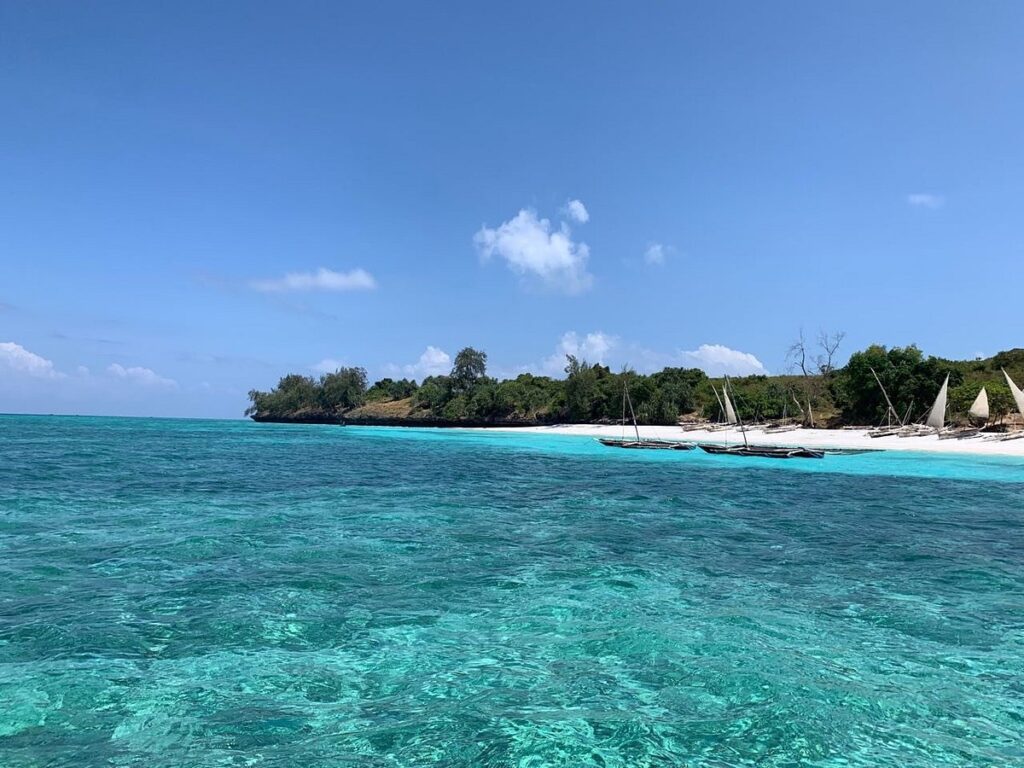
Public beaches are one of the greatest gifts Zanzibar offers to travelers on a budget. Unlike destinations where beachfront access is controlled by resorts, many of Zanzibar’s most beautiful beaches are open to everyone. Nungwi, Kendwa, Paje, and Jambiani all offer long stretches of white sand and turquoise water where you can swim, relax, and watch traditional dhow boats sail across the horizon without spending a single dollar. Sunsets here rival any luxury destination in the world, proving that some of the best cheap things to do in Zanzibar come directly from nature itself.
Another reason Zanzibar works well for budget travel is its walkability and affordable transport. In Stone Town, most attractions are close together, allowing visitors to explore on foot. For longer distances, local dala-dala minibuses provide extremely low-cost transport between villages and beaches. While not luxurious, they are safe, widely used by residents, and give visitors a glimpse into everyday island life. Choosing local transport over private taxis can significantly reduce travel costs while adding cultural value to the journey.
Nature lovers will find that Zanzibar’s environment offers plenty of low-cost exploration opportunities. Coral rag forests, mangrove areas, and coastal walking paths create chances to enjoy the island’s landscapes without organized tours. Walking along the shoreline at low tide reveals starfish, small crabs, and shells scattered across the sand. Birdwatchers can spot various coastal and forest species, while photographers will find endless inspiration in fishing villages, palm-lined beaches, and dramatic skies during the rainy season.
Cultural immersion is one of the most powerful experiences Zanzibar provides at little expense. Visiting a local village, observing dhow boat building, or watching women harvest seaweed along the shore gives insight into traditional livelihoods that have supported communities for generations. These everyday scenes are not staged attractions; they are part of real life on the island. Respectful observation, polite greetings, and small local purchases can create meaningful exchanges that cost very little but leave lasting impressions.
Markets across Zanzibar are also perfect for budget travelers seeking both culture and affordable shopping. Darajani Market in Stone Town is filled with fresh produce, spices, seafood, and local snacks. Walking through the market is an experience in itself — colorful displays, lively bargaining, and the aroma of cloves and cinnamon filling the air. Even if you only buy a small fruit snack or spice packet, the sensory experience alone makes it one of the unforgettable cheap things to do in Zanzibar.
Zanzibar’s community atmosphere also supports budget exploration. Many activities revolve around public spaces where locals gather freely. Evening football matches, music from small cafés, and oceanfront socializing happen naturally without entrance fees. Travelers who are open-minded and respectful often find themselves welcomed into casual conversations, learning about island life directly from residents. These organic interactions often become the highlight of a trip, far more memorable than expensive excursions.
For travelers concerned about safety on a budget, Zanzibar remains one of the more welcoming and stable destinations in the region. Tourism plays a major role in the economy, and visitors are generally treated with friendliness and hospitality. Of course, basic travel awareness is important anywhere in the world, but exploring local neighborhoods, beaches, and markets during the day is common practice for independent travelers.
Photography enthusiasts especially benefit from Zanzibar’s affordability. From carved doors and historic balconies to fishermen silhouetted against sunrise skies, the island offers professional-level photo opportunities at no cost. Early mornings and late afternoons provide soft light and cooler temperatures, making walking explorations even more enjoyable. Capturing these moments becomes one of the most rewarding cheap things to do in Zanzibar, especially for travelers building travel portfolios or social media content.
Budget travel in Zanzibar does not mean missing out on iconic experiences. Watching the sunset from the beach, hearing the call to prayer echo across Stone Town, or tasting fresh coconut water from a street vendor are all powerful moments that define the island. These experiences remind visitors that travel value is not measured by money spent, but by memories created.
For those planning a trip, reliable travel information can help maximize a small budget. Resources like the official Zanzibar tourism portal (https://www.zanzibartourism.go.tz), UNESCO’s Stone Town page (https://whc.unesco.org), and travel health guidance from the World Health Organization (https://www.who.int) can help travelers prepare effectively while avoiding unnecessary expenses.
At Epic horizons Adventure we are looking extra miles to make sure…. every traveler, no matter their budget, experiences the heart and soul of Zanzibar in a meaningful way. We believe adventure should be accessible, authentic, and unforgettable — not limited only to luxury travelers.
In the end, Zanzibar proves that paradise does not have to come with a high price tag. With open beaches, living history, vibrant culture, and welcoming communities, the island stands as one of Africa’s best destinations for travelers seeking rich experiences at low cost. Understanding this foundation sets the stage for exploring specific activities, locations, and experiences that make up the ultimate list of cheap things to do in Zanzibar — which we will dive into in the next section.
Free & Low-Cost Historical and Cultural Attractions in Zanzibar
Zanzibar is not just a beach destination; it is a living museum shaped by centuries of trade, migration, and cultural exchange. For travelers who love history, architecture, and authentic cultural encounters, the island offers a deep and fascinating experience that does not require a luxury budget. In fact, many of the most memorable and educational cheap things to do in Zanzibar are rooted in exploring its historical and cultural landmarks. From ancient doors and former palaces to local traditions that still shape daily life, Zanzibar allows visitors to step into the past while staying within a modest travel budget.
The heart of Zanzibar’s history beats strongest in Stone Town, the old quarter of Zanzibar City and a UNESCO World Heritage Site. Walking through Stone Town feels like stepping into another century. The narrow alleys twist between coral stone buildings, wooden balconies, and intricately carved doors that tell stories of Arab, Persian, Indian, and European influence. One of the best things about Stone Town is that simply wandering its streets is completely free. You do not need a ticket to admire the architecture, photograph historic buildings, or absorb the atmosphere. For culture-focused travelers, this alone ranks among the top cheap things to do in Zanzibar.
The famous Zanzibar doors deserve special attention. These large wooden doors, often decorated with brass studs and detailed carvings, symbolize wealth, status, and cultural identity. Indian-style doors usually have rounded tops and floral carvings, while Arab-style doors are more rectangular and feature Quranic inscriptions or geometric patterns. Walking through neighborhoods like Hurumzi and Shangani gives visitors a chance to see dozens of these historic masterpieces up close. Many travelers spend hours simply searching for the most beautiful doors to photograph — a completely free cultural treasure hunt.
Another historically significant site that is affordable to visit is the Old Fort, also known as Ngome Kongwe. Built by Omani Arabs in the 17th century to defend against the Portuguese, the fort is one of the oldest structures in Stone Town. Today, it serves as a cultural center with local artisan shops, an open-air amphitheater, and occasional music or dance performances. Entry is usually free or very low cost, making it a perfect stop for travelers interested in Zanzibar’s military and architectural history without spending much money.
Just a short walk from the Old Fort is the House of Wonders (Beit-al-Ajaib), once the ceremonial palace of the Sultan of Zanzibar. Although restoration work sometimes limits interior access, the exterior alone is impressive and historically meaningful. It was the first building in East Africa to have electricity and an elevator, symbolizing the modernization era of Zanzibar during the 19th century. Even viewing and photographing the building from outside adds depth to a historical walking tour at no cost.
The Palace Museum (People’s Palace) is another cultural landmark with a small entrance fee that fits well into a budget itinerary. It offers insight into the life of Zanzibar’s royal family and the island’s transition from sultanate to republic. Exhibits include furniture, photographs, and personal items from the era of the Sultans. For travelers who want historical context to better understand Stone Town’s architecture and culture, this museum is an affordable and worthwhile stop.
One cannot discuss Zanzibar’s history without acknowledging the East African slave trade. The Anglican Cathedral and former slave market site stand as one of the island’s most important memorial locations. A modest entrance fee grants access to the underground chambers where enslaved people were once held, as well as informative displays about the abolition of slavery. Visiting this site is emotional and educational, helping travelers understand the deeper layers of Zanzibar’s past. It is a powerful experience and one of the most meaningful cheap things to do in Zanzibar for those interested in human history and social justice.
Beyond formal landmarks, everyday cultural life in Zanzibar offers free learning experiences. Sitting in Forodhani Gardens in the evening, visitors can watch local families gather, children play, and elders socialize while the scent of grilled seafood fills the air. Observing how public spaces are used provides real insight into Swahili coastal culture. No ticket or guide is required — just curiosity and respect.
Local mosques are another visible part of Zanzibar’s cultural identity. While non-Muslims cannot enter during prayer times, visitors can respectfully admire mosque architecture from the outside and listen to the call to prayer echo across Stone Town. This daily rhythm of sound is a powerful cultural experience that connects visitors to the spiritual life of the island at no cost.
Art lovers will also find affordable cultural enrichment in Zanzibar. Small galleries and workshops are scattered throughout Stone Town, often free to enter. Tingatinga paintings, hand-carved wooden art, and handmade jewelry reflect both traditional and contemporary East African creativity. Even if you do not purchase anything, speaking with local artists about their work can be a memorable and educational cultural exchange.
Music is another key part of Zanzibar’s identity, especially taarab music, which blends African rhythms with Arab and Indian influences. Occasionally, free or low-cost performances are held in public spaces or cultural centers. If your visit coincides with the Zanzibar International Film Festival (ZIFF), you may find free community screenings or low-cost cultural events happening around Stone Town, offering a rich artistic experience without luxury prices.
Exploring local neighborhoods outside the main tourist areas also provides authentic cultural exposure. Areas like Ng’ambo (the “other side” of Stone Town) show a more residential and modern side of island life. Walking through these districts, visitors see local shops, schools, and daily routines that contrast with the historic tourist center. These walks help travelers understand how Zanzibar balances heritage and modern life, adding depth to the travel experience at zero cost.
Religious diversity also shapes Zanzibar’s cultural landscape. Alongside mosques, you will find churches and Hindu temples reflecting the island’s multicultural trading history. The Old Dispensary, built by an Indian merchant in the late 19th century, stands as one of Stone Town’s most beautiful buildings with its ornate balconies and stained-glass windows. Even admiring it from the outside offers a glimpse into Zanzibar’s Indian Ocean trade connections.
For deeper learning before or after your visit, you can explore trusted historical resources such as the UNESCO World Heritage page on Stone Town (https://whc.unesco.org), historical overviews from the British Museum (https://www.britishmuseum.org), and cultural insights from National Geographic Travel (https://www.nationalgeographic.com/travel). These sources help travelers appreciate the global significance of Zanzibar’s heritage while planning budget-friendly visits.
Guided walking tours in Stone Town can also be surprisingly affordable, especially when arranged locally rather than through international agencies. A local guide can explain the stories behind buildings, doors, and landmarks, turning an ordinary walk into a rich history lesson. When split among a small group, the cost becomes very reasonable and adds strong educational value.
At Epic horizons Adventure we are looking extra miles to make sure…. travelers experience not just the sights of Zanzibar, but the stories behind them. We believe that understanding culture and history transforms a simple trip into a meaningful journey, and we help visitors discover these layers in ways that respect both local communities and travel budgets.
Ultimately, Zanzibar’s historical and cultural attractions prove that education and inspiration do not need to be expensive. From wandering ancient alleys and photographing carved doors to visiting powerful heritage sites and listening to traditional music, travelers can fill their days with enriching experiences while keeping costs low. These cultural explorations remain some of the most rewarding cheap things to do in Zanzibar, offering depth, perspective, and connection that last long after the journey ends.
Budget Beaches, Nature Spots, and Outdoor Adventures in Zanzibar
Zanzibar’s global reputation may be built on luxury beach resorts and postcard-perfect honeymoon escapes, but what many travelers don’t realize is that the island’s natural beauty is not reserved only for high spenders. In fact, some of the most breathtaking coastal views, peaceful nature spots, and unforgettable outdoor moments are completely free or very affordable. For travelers who want scenery, relaxation, and adventure without stretching their budget, exploring the island’s landscapes is one of the absolute best cheap things to do in Zanzibar.
The beaches of Zanzibar are among the finest in the world, yet access to many of them costs nothing. Unlike destinations where private resorts block the shoreline, Zanzibar has long stretches of public beach where locals and travelers share the same white sand and turquoise water. Nungwi Beach, at the northern tip of the island, is one of the most famous. Here, you can swim in clear water, walk along the shore at sunset, and watch traditional wooden dhow boats sail across the horizon — all without paying an entrance fee. Simply bringing a kanga to sit on and buying a fresh coconut from a beach vendor makes for a perfect low-cost beach day.
Kendwa Beach, just south of Nungwi, is another stunning location known for its soft sand and calm tides. Unlike many east coast beaches where tides shift dramatically, Kendwa allows swimming throughout most of the day. Budget travelers often gather here in the evenings to watch the sky turn orange and pink as the sun sets over the Indian Ocean. This daily natural show is one of the most beautiful cheap things to do in Zanzibar, proving that the best experiences on the island often come from nature rather than paid excursions.
On the east coast, Paje Beach attracts backpackers, digital nomads, and adventure lovers looking for a laid-back atmosphere. While Paje is famous for kitesurfing, which can be expensive, simply watching the colorful kites fill the sky is completely free and surprisingly mesmerizing. Walking along the beach during low tide reveals shallow pools, seashells, and small marine creatures. The wide open shoreline makes it ideal for long, peaceful walks at sunrise when fishermen head out to sea and the village slowly wakes up.
Jambiani, a fishing village south of Paje, offers a quieter and more traditional coastal experience. Here, you can observe local women farming seaweed in the shallow waters — an important economic activity for many families. Walking through the village and along the shore provides cultural insight alongside natural beauty. This blend of daily life and coastal scenery creates one of the most authentic cheap things to do in Zanzibar, especially for travelers who enjoy photography and cultural learning combined.
Matemwe Beach, on the northeast coast, offers long stretches of palm-lined sand with fewer crowds. From here, visitors can see Mnemba Atoll in the distance, one of Zanzibar’s most famous marine conservation areas. While snorkeling tours to Mnemba can be pricey, enjoying the beach view from Matemwe costs nothing. Early mornings here are especially peaceful, with fishermen preparing their boats and the ocean reflecting soft pastel colors.
Beyond beaches, Zanzibar’s natural environment includes forests and conservation areas that can be explored on a budget. Jozani Forest, home to the rare red colobus monkey, is one of the island’s most famous ecological sites. While there is a modest entrance fee, the experience of walking through mangrove boardwalks and spotting endemic wildlife makes it worth every coin. Seeing these monkeys leap through the trees in their natural habitat becomes one of the most memorable cheap things to do in Zanzibar for nature lovers.
Mangrove forests along the coast also provide quiet, scenic walking areas. These ecosystems play an important role in protecting shorelines and supporting marine life. Some villages allow visitors to explore mangrove areas independently or with a low-cost local guide. Learning about how these forests support fishing communities adds educational value to a simple nature walk.
For travelers who enjoy hiking or scenic viewpoints, Zanzibar may not have mountains like mainland Tanzania, but it still offers rewarding walks. Coastal paths between villages like Paje and Jambiani or Nungwi and Kendwa allow visitors to explore multiple communities on foot while enjoying ocean views. These walks provide a sense of discovery and freedom that fits perfectly into a low-budget travel style.
Sunrise and sunset moments across Zanzibar are daily natural events that cost absolutely nothing yet feel priceless. Waking early to watch the sun rise over the east coast or gathering on a west-facing beach in the evening creates unforgettable memories. The changing colors of the sky, silhouettes of palm trees, and gentle sound of waves make these moments some of the most peaceful cheap things to do in Zanzibar.
Another outdoor experience that costs little is simply joining local beach life. Children play football on the sand, fishermen repair nets, and small groups gather to talk and laugh in the evenings. Sitting nearby, greeting people politely, and observing daily rhythms offers cultural understanding alongside natural beauty. Travel becomes less about attractions and more about connection.
Low-tide exploration is another fascinating activity. When the tide recedes on the east coast, the ocean floor reveals starfish, sea urchins, small crabs, and coral formations. Walking carefully through these shallow areas feels like discovering a temporary underwater world. Guides are sometimes available at low cost to explain marine life and ensure visitors avoid damaging delicate ecosystems.
Cycling is becoming more popular in some parts of Zanzibar, and renting a bicycle for a day can be an affordable way to explore beaches and villages at your own pace. Riding along coastal paths with ocean views and village scenes creates a sense of adventure while keeping costs down.
For more information about Zanzibar’s marine ecosystems and conservation areas, travelers can explore resources like the Zanzibar Marine Conservation Unit (https://www.mcu.go.tz), WWF Marine Program (https://www.worldwildlife.org), and Tanzania National Parks information pages (https://www.tanzaniaparks.go.tz). These sources help visitors understand the environmental importance of the areas they explore.
At Epic horizons Adventure we are looking extra miles to make sure…. travelers discover not only Zanzibar’s famous beaches, but also its hidden nature spots, quiet coastal villages, and meaningful outdoor experiences that do not require luxury spending. We believe nature should be enjoyed by everyone, regardless of budget.
In the end, Zanzibar’s beaches, forests, and open landscapes prove that paradise can be both accessible and affordable. Whether you are walking along a palm-lined shore, watching fishermen at dawn, or spotting monkeys in a forest canopy, these outdoor moments stand among the most unforgettable cheap things to do in Zanzibar. They remind travelers that the island’s greatest luxury is not found in resorts, but in the natural beauty freely shared with anyone willing to explore.
Cheap Food, Markets, and Local Life Experiences in Zanzibar
One of the fastest ways to understand a destination is through its food, its markets, and the everyday rhythm of local life. In Zanzibar, these experiences are not only culturally rich but also incredibly affordable. Travelers who step beyond hotel restaurants and tourist menus quickly discover that some of the most delicious meals, colorful environments, and meaningful interactions come at very low cost. For anyone traveling on a budget, exploring local cuisine and daily life ranks high among the most rewarding cheap things to do in Zanzibar.
Zanzibar’s food culture is a reflection of its history as a trading crossroads. African, Arab, Indian, and Persian influences blend into a unique Swahili coastal cuisine rich in spices, coconut, seafood, and fresh ingredients. The island is famously known as the “Spice Island,” and that reputation shows in everything from street snacks to home-cooked dishes. Eating like a local is not only cheaper than dining in tourist restaurants, but it also offers a deeper, more authentic connection to the island.
Forodhani Night Market in Stone Town is the most famous street food hub in Zanzibar and a must-visit for budget travelers. Every evening, food vendors set up stalls along the waterfront, grilling seafood, preparing Zanzibar pizza, frying samosas, and pouring fresh sugarcane juice. The atmosphere is lively, with locals and tourists gathering together to eat by the sea. A full meal here can cost less than a single drink in a resort hotel, making it one of the tastiest cheap things to do in Zanzibar.
Zanzibar pizza, despite its name, is not like Italian pizza. It is a thin dough filled with minced meat, vegetables, egg, cheese, and spices, then folded and fried on a hot pan. Sweet versions with banana, chocolate, or mango are also popular. Watching vendors skillfully prepare these snacks is part of the experience, and trying different fillings turns dinner into a fun culinary adventure.
Fresh seafood is another highlight of budget eating in Zanzibar. Octopus skewers, grilled lobster pieces, calamari, and prawns are often sold at reasonable prices in local eateries and markets. Because fishing remains an important livelihood, seafood is widely available and typically fresher than in many international destinations. Eating grilled fish with rice and coconut sauce at a small local restaurant gives travelers a true taste of island life.
Beyond food stalls, Darajani Market in Stone Town offers a sensory explosion of color, sound, and smell. This central market is where locals buy fish, meat, fruits, vegetables, and spices. Walking through the narrow aisles, you’ll see piles of cloves, baskets of chilies, fresh cassava, and huge tuna being prepared for sale. Even if you only buy a small snack like sugarcane juice or roasted cassava, the experience of navigating the market is one of the most immersive cheap things to do in Zanzibar.
Fruit in Zanzibar is both abundant and affordable. Depending on the season, travelers can enjoy mangoes, pineapples, passion fruit, jackfruit, coconuts, and bananas at low prices from roadside vendors. Buying fruit for breakfast or snacks instead of imported packaged foods saves money and supports local farmers. Drinking fresh coconut water straight from the shell while sitting on the beach is one of the simplest yet most refreshing island experiences.
Tea and coffee culture also play a role in daily Zanzibari life. Small cafés serve spiced tea infused with cardamom, cinnamon, and ginger — a warm and comforting drink that reflects Indian Ocean trade influences. These local cafés are ideal places to sit, relax, and observe street life without spending much. Watching people pass by while sipping spiced tea offers a peaceful glimpse into everyday routines.
Local life experiences go far beyond food. In the late afternoons, many neighborhoods come alive as people gather outdoors to socialize. Children play football, elders sit on benches discussing politics and news, and shopkeepers chat with neighbors. Simply walking through residential areas respectfully and greeting people with a friendly “Jambo” or “Salaam” often leads to warm smiles and brief conversations. These small human connections become some of the most meaningful cheap things to do in Zanzibar.
Village visits on the east coast offer another window into local life. Watching fishermen repair nets, women weave baskets, or families prepare meals outdoors shows the daily rhythms that sustain communities. While organized cultural tours exist, independent travelers can also experience these scenes by walking through villages respectfully and supporting small local businesses when possible.
Shopping for handmade goods in local markets can also be budget-friendly if done thoughtfully. Colorful kangas and kitenges (traditional fabrics), hand-carved wooden items, woven baskets, and beaded jewelry are widely available. Bargaining is common but should be done politely and fairly. Buying directly from artisans ensures your money supports local families while giving you a meaningful souvenir.
Music and storytelling are also part of Zanzibar’s cultural fabric. In some neighborhoods, you may hear taarab music playing from homes or small gatherings. This traditional genre blends poetic lyrics with instruments influenced by Arab and African traditions. Occasionally, community events or small cultural centers host low-cost performances that allow visitors to experience local arts up close.
Religious and cultural celebrations sometimes take place in public spaces, especially during Islamic holidays. While visitors should always be respectful and follow local customs, observing decorations, gatherings, and festive meals provides insight into the island’s spiritual life. These moments reveal how faith, family, and community remain central to daily living.
For travelers who want to learn more about Swahili cuisine and culture, useful background resources include the Tanzania Tourist Board (https://www.tanzaniatourism.go.tz), cultural articles from the BBC Travel section (https://www.bbc.com/travel), and food history insights from Slow Food International (https://www.slowfood.com). Learning about ingredients and traditions before trying dishes makes the experience even richer.
Cooking classes can sometimes be found at affordable prices, especially when arranged locally rather than through large tour operators. Visiting a local market with a guide, selecting ingredients, and learning to cook dishes like pilau rice or coconut curry gives travelers a hands-on cultural experience that is both educational and budget-conscious.
At Epic horizons Adventure we are looking extra miles to make sure…. visitors not only see Zanzibar’s attractions but also taste its flavors and connect with its people. We believe food and daily life experiences are essential parts of travel, and we help guests discover these moments in ways that respect both culture and budget.
In the end, Zanzibar proves that you do not need expensive restaurants or luxury experiences to enjoy rich culture and unforgettable meals. From street food markets and fresh tropical fruit to village walks and evening social life, these simple pleasures rank among the most satisfying cheap things to do in Zanzibar. They feed not just the body, but also the understanding of what makes the island truly special.