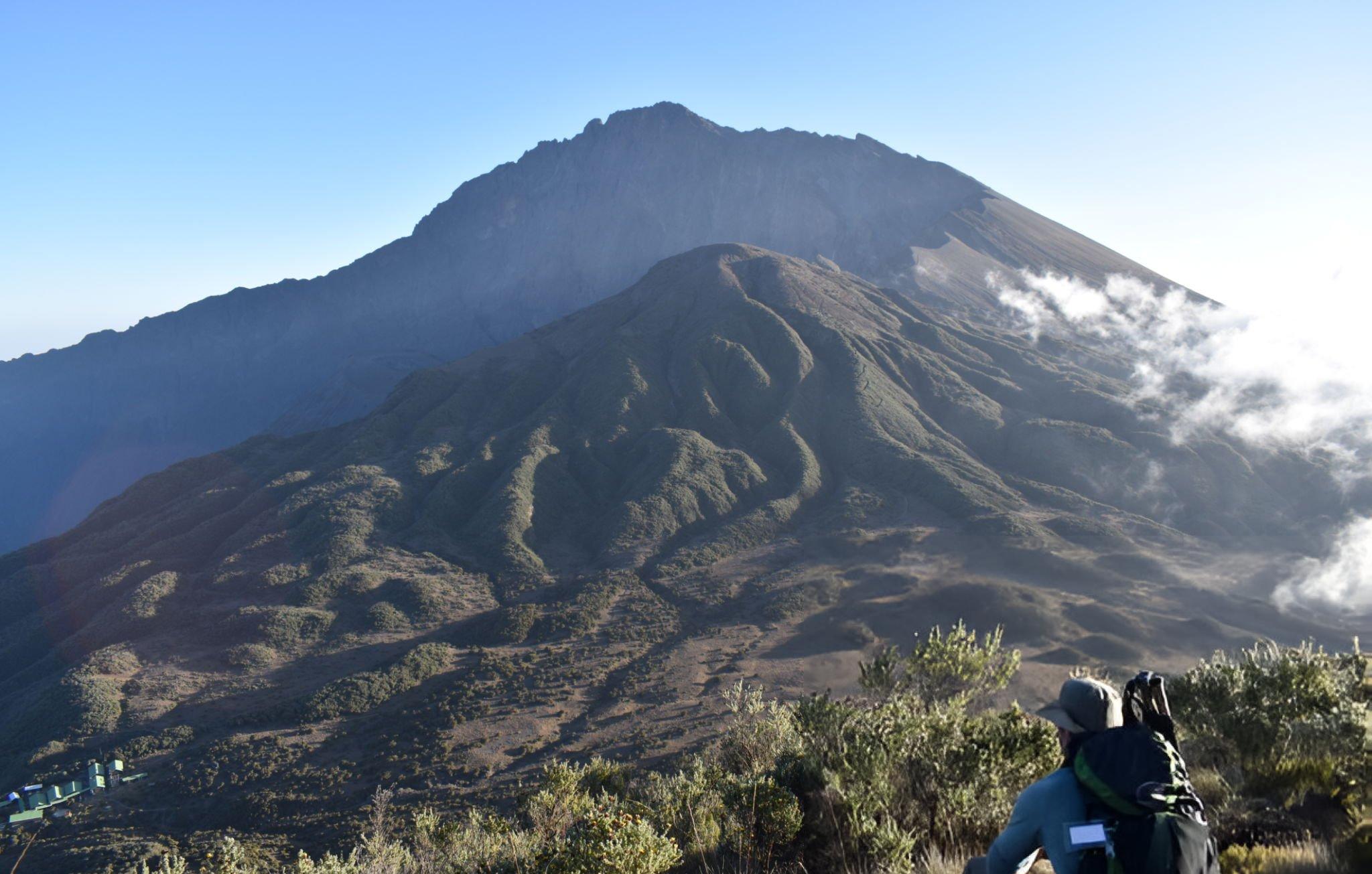
Learn how to book a Safari in Tanzania with this complete guide covering planning, choosing operators, costs, parks, seasons, and travel tips. Discover expert insights from Epic Horizons Adventure.
Understanding the Basics of How to Book a Safari in Tanzania – From Dream to Reality
Learning How to book a Safari in Tanzania starts long before you land at Kilimanjaro International Airport or step onto the endless plains of the Serengeti. It begins with understanding what kind of safari experience Tanzania offers, how its tourism system works, and why it consistently ranks as one of Africa’s most rewarding safari destinations. Tanzania is home to more than 30% of Africa’s wildlife population and boasts iconic landscapes such as Serengeti National Park, Ngorongoro Crater, Mount Kilimanjaro, Tarangire National Park, Lake Manyara, Selous Game Reserve (now Nyerere National Park), and Ruaha National Park. Each destination provides a unique ecosystem and wildlife experience, meaning the first step in mastering How to book a Safari in Tanzania is defining what kind of adventure you want — migration safaris, luxury lodges, budget camping safaris, photography expeditions, cultural tourism, beach extensions in Zanzibar, or mountain trekking add-ons.
Tanzania’s safari industry operates primarily through licensed tour operators regulated by institutions such as the Tanzania Association of Tour Operators (TATO) and overseen by government bodies like TANAPA (Tanzania National Parks Authority) and the Ngorongoro Conservation Area Authority (NCAA). Understanding these institutions helps travelers identify trustworthy companies and avoid booking pitfalls. For example, TANAPA manages Serengeti, Tarangire, Ruaha, and Lake Manyara National Parks (https://www.tanzaniaparks.go.tz), while NCAA governs Ngorongoro Crater and Conservation Area (https://www.ncaa.go.tz). These official bodies regulate park fees, conservation policies, visitor conduct, and sustainable tourism initiatives. Any reputable safari operator will transparently incorporate these park fees into your package pricing, which is why asking about inclusions is a crucial part of learning How to book a Safari in Tanzania correctly.
At its core, a Tanzanian safari is not merely a vacation; it is a logistics-heavy experience involving permits, accommodation coordination, vehicle allocation, professional guiding services, seasonal wildlife movement analysis, internal flights, cultural protocols, and conservation compliance. Travelers unfamiliar with East African travel dynamics often underestimate the complexity of these components. That is why most safaris are booked as packages rather than self-drive itineraries. Safari packages typically include airport transfers, accommodations, meals, park fees, private or shared 4×4 vehicles with pop-up roofs, fuel, professional guides, and sometimes domestic flights. Exclusions usually include international airfare, visa fees, travel insurance, tips, drinks, and optional activities such as hot-air balloon safaris.
When considering How to book a Safari in Tanzania, the first conceptual choice travelers must make is between independent booking versus full-service safari operators. Independent travel — arranging hotels, car hire, park permits, and guides individually — is possible but often impractical due to park access regulations, remote terrain, vehicle requirements, and permit systems. Most visitors, therefore, opt for reputable safari companies that bundle these components into a cohesive itinerary. This is where experience matters significantly, and this is also where your choice of operator directly affects safety, comfort, wildlife sightings, and overall satisfaction.
Epic horizons Adventure we are looking extra miles to make sure…. every traveler experiences Tanzania’s wilderness with comfort, authenticity, safety, and deep respect for conservation and community development. This commitment is vital in an industry where not all companies operate with equal standards. Ethical safari operators prioritize wildlife protection, fair staff wages, community engagement, responsible tourism practices, and transparent pricing structures.
Understanding safari seasons is also foundational in mastering How to book a Safari in Tanzania. Tanzania experiences two primary dry seasons — June to October and January to February — and two rainy seasons — March to May (long rains) and November (short rains). Wildlife viewing is generally best during dry months when animals congregate around water sources and vegetation is thinner. However, the green season (rainy months) offers fewer crowds, lush landscapes, excellent birding, discounted lodge rates, and dramatic photographic opportunities. The Great Migration, arguably Tanzania’s most famous wildlife phenomenon, occurs year-round but moves across different regions depending on the month, from southern Serengeti calving grounds (January to March) to Western Corridor river crossings (May to July) and Northern Serengeti Mara River crossings (July to October). Knowing this migration cycle is critical when planning your safari route and dates, making seasonal awareness a central pillar of How to book a Safari in Tanzania effectively.
Another fundamental component is understanding safari accommodation types. Tanzania offers three main categories: budget camping, mid-range lodges/tented camps, and luxury lodges/tented camps. Budget safaris usually involve dome tents at public campsites with shared facilities, while mid-range options feature permanent tents or lodges with en-suite bathrooms and comfortable amenities. Luxury lodges and mobile camps provide premium services, fine dining, private decks, plunge pools, spa facilities, and personalized guiding. The choice between these options affects cost, comfort level, privacy, and immersion style. Learning How to book a Safari in Tanzania means understanding not only price brackets but also the experiential differences between staying inside national parks versus nearby conservancies or villages.
Safari vehicles and guiding standards also significantly influence safari quality. Tanzania safari vehicles are typically 4×4 Land Cruisers or Land Rovers equipped with pop-up roofs, charging ports, refrigerators, first-aid kits, radio communication, and recovery equipment. Professional safari guides are licensed by the Tanzania Tourism Board (TTB) and trained in wildlife behavior, ecology, safety protocols, customer service, and sometimes photography. Guides are arguably the most critical asset of any safari experience because they interpret animal behavior, position vehicles optimally for sightings, manage safety in predator encounters, and enrich the journey with ecological knowledge and cultural storytelling. When researching How to book a Safari in Tanzania, travelers should prioritize companies that invest heavily in guide training and continuous professional development.
Another vital aspect of safari preparation is understanding entry requirements and health considerations. Most travelers require a visa to enter Tanzania, which can be obtained online via Tanzania’s official immigration portal (https://www.immigration.go.tz) or upon arrival at major airports. Passports must be valid for at least six months with blank pages. Vaccination requirements typically include yellow fever only if traveling from a country with yellow fever risk, but routine vaccinations and malaria prophylaxis are strongly recommended. The Centers for Disease Control and Prevention (CDC) provides updated travel health information for Tanzania (https://wwwnc.cdc.gov/travel/destinations/traveler/none/tanzania). Learning How to book a Safari in Tanzania also involves ensuring adequate travel insurance covering medical evacuation, safari activities, trip cancellations, and emergency repatriation.
Understanding costs is another foundational pillar. Tanzania safaris range from budget options at approximately $180–$250 per person per day to luxury safaris exceeding $1,000–$2,500 per person per day depending on accommodation category, seasonality, exclusivity, and itinerary complexity. Park fees alone can range from $53 to $83 per adult per day depending on the park, with Ngorongoro Crater service fees and conservation area fees adding extra charges. These costs support wildlife conservation, anti-poaching efforts, habitat protection, infrastructure development, and community outreach programs. Recognizing that safari pricing contributes directly to conservation sustainability helps travelers understand the value proposition behind How to book a Safari in Tanzania responsibly rather than simply seeking the cheapest deal.
Safari activities extend beyond game drives and include walking safaris, night drives (in select private concessions), cultural visits to Maasai communities, hot-air balloon safaris over the Serengeti (https://www.balloonsafaris.com), birdwatching excursions, photography workshops, and conservation experiences such as rhino tracking or community conservation projects. These activities shape itinerary design and budget allocation. Travelers seeking immersive cultural engagement, for example, might prioritize visits to Maasai bomas or Hadzabe hunter-gatherer communities near Lake Eyasi, while photographers might prioritize private vehicles and extended game-drive hours.
The booking timeline also plays a crucial role. For peak season travel (June–October and December–February), travelers should ideally book 6–12 months in advance, especially for luxury lodges and mobile migration camps that sell out quickly. For shoulder or green seasons, 2–4 months may suffice, though last-minute deals are occasionally available. Knowing when to book is integral to mastering How to book a Safari in Tanzania effectively and securing preferred accommodations, routes, and guide availability.
Travelers should also consider sustainability and ethical tourism practices. Tanzania’s wildlife heritage is a global treasure, and responsible tourism ensures its preservation for future generations. Ethical safari operators support conservation organizations such as the Frankfurt Zoological Society (https://fzs.org/en/projects/serengeti-ecosystem-conservation), African Wildlife Foundation (https://www.awf.org), and local community development initiatives. Sustainable tourism includes minimizing plastic waste, respecting wildlife viewing distances, avoiding off-road driving, employing local staff, supporting community-owned lodges, and contributing to education, healthcare, and conservation programs. Responsible travelers who understand How to book a Safari in Tanzania ethically become partners in wildlife protection rather than passive observers.
The emotional appeal of Tanzania safaris is equally significant. Standing in silence as elephants cross your path at dawn in Tarangire, witnessing thousands of wildebeest thundering across the Serengeti plains during migration, locking eyes with a lioness stalking prey, or watching giraffes silhouetted against acacia trees at sunset are experiences that transcend tourism. These moments create lifelong memories, deepen appreciation for nature, and foster a sense of humility and wonder. But these moments depend on proper planning, ethical operations, knowledgeable guiding, and realistic expectations — all of which hinge on mastering How to book a Safari in Tanzania correctly.
Epic horizons Adventure we are looking extra miles to make sure…. every safari guest experiences not only wildlife but also cultural authenticity, seamless logistics, and personalized service from the moment of inquiry to post-trip follow-up. This philosophy ensures travelers feel supported throughout planning, booking, travel, and return home, reinforcing trust, comfort, and satisfaction.
In summary, understanding How to book a Safari in Tanzania begins with conceptual awareness: knowing Tanzania’s geography, wildlife ecosystems, tourism structure, seasons, accommodation types, safety requirements, costs, sustainability principles, and emotional rewards. This foundational knowledge empowers travelers to make informed decisions, avoid scams, manage expectations, maximize value, and design safaris aligned with personal interests and budgets. Without this foundation, safari planning becomes guesswork rather than strategy. With it, travelers gain confidence, clarity, and excitement as they transition from dreamers to explorers, ready to embark on one of the world’s most extraordinary wildlife journeys.
Choosing the Right Safari Operator and Packages – The Most Critical Step in How to Book a Safari in Tanzania
Choosing the right safari operator is arguably the most important decision in How to book a Safari in Tanzania, because your operator determines not only where you go and where you stay but also how safely, ethically, and comfortably you experience Tanzania’s wilderness. A safari operator functions as your travel planner, logistics coordinator, wildlife interpreter, cultural liaison, safety officer, and crisis manager — all rolled into one. Therefore, selecting the right company is not simply about price but about trust, experience, transparency, and long-term sustainability practices. Travelers who rush this step often encounter miscommunication, hidden costs, poorly maintained vehicles, inexperienced guides, overcrowded lodges, or logistical breakdowns that diminish their safari experience. In contrast, travelers who carefully evaluate safari operators typically enjoy seamless journeys marked by exceptional wildlife encounters, comfort, safety, and cultural enrichment.
The first criterion in selecting a safari operator is legal compliance and accreditation. Reputable Tanzanian safari companies are licensed by the Tanzania Tourism Board (TTB) and registered with the Ministry of Natural Resources and Tourism. Many also belong to industry associations such as the Tanzania Association of Tour Operators (TATO) (https://www.tatotz.org) or international bodies like the African Travel and Tourism Association (ATTA) (https://atta.travel). Membership in these organizations signifies adherence to professional standards, ethical conduct, conservation principles, and customer service benchmarks. When learning How to book a Safari in Tanzania, travelers should always ask for license numbers, association memberships, and business registration details, and verify them independently where possible.
The second criterion is experience and specialization. Some operators specialize in budget safaris, others in luxury travel, family safaris, photography safaris, honeymoon packages, migration safaris, birdwatching expeditions, cultural tours, or adventure combinations including Kilimanjaro climbs and Zanzibar beach extensions. Choosing an operator aligned with your travel style and objectives significantly enhances satisfaction. For example, photographers benefit from operators who provide private vehicles, extended game-drive hours, expert photographic guides, and access to less crowded areas. Families with children benefit from operators experienced in child-friendly itineraries, flexible pacing, educational activities, and safety protocols. Honeymooners benefit from romantic lodges, private dinners, spa experiences, and secluded settings. Understanding your travel style helps refine How to book a Safari in Tanzania in a way that aligns with personal expectations.
Transparency in pricing and inclusions is another critical evaluation factor. Reputable safari operators provide detailed written quotations outlining inclusions and exclusions, park fees, accommodation types, meal plans, vehicle use, guiding services, transfers, internal flights, taxes, and optional activities. They avoid vague language, hidden charges, or last-minute add-ons. A professional safari quote should specify accommodation names (not just categories), number of nights at each location, type of vehicle (private vs shared), park fees, crater fees, conservation fees, and activity schedules. When researching How to book a Safari in Tanzania, travelers should compare multiple quotes side-by-side, not simply by price but by inclusions, accommodation quality, route logic, driving distances, and activity flow.
Customer reviews and testimonials provide valuable insight into an operator’s performance history. Platforms such as TripAdvisor (https://www.tripadvisor.com), SafariBookings (https://www.safaribookings.com), Google Reviews, and Trustpilot offer verified traveler experiences. While no company is immune to occasional criticism, consistent patterns of complaints regarding safety, miscommunication, poor guiding, or hidden costs signal red flags. Conversely, consistent praise for professionalism, responsiveness, guide knowledge, vehicle quality, and wildlife sightings indicates reliability. When learning How to book a Safari in Tanzania, travelers should prioritize operators with long-standing reputations, high review ratings, detailed testimonials, and evidence of repeat clientele.
Communication quality during the inquiry stage is a powerful predictor of future service standards. Reputable safari operators respond promptly, professionally, and clearly to inquiries, provide personalized itinerary recommendations, ask relevant questions about preferences and budgets, offer alternative options when needed, and demonstrate deep destination knowledge. They explain trade-offs between routes, seasons, accommodations, budgets, and experiences honestly rather than pushing the most expensive packages by default. This consultative approach reflects genuine commitment to client satisfaction rather than transactional sales. Travelers who prioritize this aspect of How to book a Safari in Tanzania often enjoy smoother planning and better-aligned itineraries.
Ethical and sustainable tourism practices are increasingly important considerations. Responsible safari operators minimize environmental impact, respect wildlife viewing guidelines, avoid off-road driving except where permitted, support conservation projects, employ local staff, source supplies locally, partner with community-owned lodges, and contribute to education, healthcare, and infrastructure development initiatives. Organizations such as the Global Sustainable Tourism Council (GSTC) (https://www.gstcouncil.org) and Sustainable Travel International (https://sustainabletravel.org) outline best practices for responsible tourism. When evaluating How to book a Safari in Tanzania, travelers should inquire about an operator’s sustainability policies, conservation partnerships, community contributions, waste management strategies, carbon offset programs, and staff welfare standards.
Epic horizons Adventure we are looking extra miles to make sure…. every safari not only meets traveler expectations but exceeds them through personalized service, ethical operations, seamless logistics, deep destination expertise, and long-term commitment to conservation and community empowerment. This dedication distinguishes high-quality safari operators from generic tour providers and ensures travelers experience Tanzania with integrity and authenticity.
Safari package structures vary widely, and understanding them is crucial to mastering How to book a Safari in Tanzania effectively. Packages generally fall into three categories: group safaris, private safaris, and tailor-made safaris. Group safaris involve shared vehicles and accommodations with other travelers, making them more affordable but less flexible. Private safaris offer exclusive vehicles, personalized pacing, flexible schedules, and customized itineraries, but at higher cost. Tailor-made safaris allow travelers to design every aspect of their journey — destinations, lodges, activities, travel pace, and special interests — with guidance from safari specialists. Each option has advantages and trade-offs in cost, privacy, flexibility, social interaction, and comfort.
Understanding safari routing logic is equally important. Tanzania’s northern circuit includes Serengeti, Ngorongoro, Tarangire, Lake Manyara, and Mount Kilimanjaro, making it the most popular route due to proximity, infrastructure, and iconic wildlife. The southern circuit includes Nyerere National Park (formerly Selous) and Ruaha National Park, offering fewer crowds, larger wilderness areas, walking safaris, boat safaris, and more remote experiences. Western circuit destinations such as Katavi National Park and Mahale Mountains National Park provide ultra-remote wilderness experiences, chimpanzee trekking, and unparalleled solitude but require additional flights and higher budgets. When learning How to book a Safari in Tanzania, travelers should understand how route selection affects wildlife density, crowd levels, travel times, costs, and experiential style.
Another important consideration is accommodation ownership and partnerships. Some safari operators own or manage their own lodges and camps, allowing them to control service standards, pricing, maintenance, sustainability practices, and guest experience more directly. Others partner with independent lodges, which can offer greater variety and geographic coverage. Neither model is inherently superior, but transparency about lodge affiliations helps travelers understand pricing structures and service accountability. Travelers mastering How to book a Safari in Tanzania should request accommodation fact sheets, photos, room categories, amenities lists, and location maps to ensure expectations align with reality.
Safety protocols and emergency preparedness are non-negotiable. Reputable safari operators maintain comprehensive safety standards including well-maintained vehicles, satellite phones or radio communication, first-aid kits, emergency evacuation insurance, trained guides, wildlife encounter protocols, and crisis response plans. They partner with medical evacuation providers such as AMREF Flying Doctors (https://flydoc.org) to ensure rapid response in remote areas. When researching How to book a Safari in Tanzania, travelers should inquire about vehicle maintenance schedules, guide training certifications, emergency procedures, evacuation coverage, and crisis management experience.
Financial security and booking terms are also critical. Trustworthy safari operators provide secure payment methods, clear cancellation policies, transparent refund terms, and written contracts or booking confirmations outlining obligations, inclusions, and liabilities. They avoid demanding full payment too early without justification and offer reasonable installment schedules. Travelers learning How to book a Safari in Tanzania should understand deposit requirements, final payment deadlines, refund policies, force majeure clauses, and insurance recommendations to protect their investment.
Cultural sensitivity and community engagement also influence safari quality. Tanzania is home to over 120 ethnic groups, each with unique traditions, languages, customs, and worldviews. Respectful cultural tourism requires proper protocols, informed consent, fair compensation, and meaningful exchange rather than exploitative performances or intrusive visits. Reputable safari operators work with communities ethically, support education and healthcare projects, and ensure tourism benefits local livelihoods rather than displacing them. When mastering How to book a Safari in Tanzania, travelers should seek operators who integrate authentic cultural experiences into itineraries responsibly.
Flexibility and adaptability are equally important. Wildlife sightings cannot be guaranteed, weather patterns change, road conditions vary, and unforeseen circumstances arise. High-quality safari operators adapt itineraries proactively, reroute when necessary, adjust schedules, and communicate transparently with guests. They prioritize traveler safety and experience over rigid adherence to pre-planned schedules. Travelers who understand How to book a Safari in Tanzania appreciate operators who emphasize adaptability rather than rigid itineraries.
Another key factor is local expertise versus overseas intermediaries. Booking directly with Tanzanian-based safari operators often yields better value, faster communication with ground teams, deeper destination knowledge, and greater economic benefit to local communities. Overseas agencies may add value through concierge services, but often increase costs and reduce direct operator accountability. When learning How to book a Safari in Tanzania, travelers should weigh the benefits of booking directly with reputable local operators versus international intermediaries.
It is also important to evaluate itinerary pacing. Many first-time safari travelers attempt to cover too many parks in too little time, resulting in long driving hours, rushed experiences, fatigue, and reduced wildlife observation quality. Experienced safari designers prioritize quality over quantity, recommending fewer parks with longer stays to maximize immersion and minimize transit. Understanding this principle is central to mastering How to book a Safari in Tanzania effectively.
In summary, choosing the right safari operator is the single most influential decision in the safari planning process. It affects safety, comfort, wildlife sightings, ethical standards, sustainability impact, and overall satisfaction. Travelers who approach this step with diligence, research, comparison, and critical evaluation position themselves for transformative experiences. Those who rush it risk disappointment, stress, or compromised safety. Mastering How to book a Safari in Tanzania therefore requires treating operator selection as a strategic partnership rather than a transactional purchase.
Epic horizons Adventure we are looking extra miles to make sure…. every traveler enjoys seamless planning, ethical tourism practices, knowledgeable guiding, personalized itineraries, and unforgettable wildlife encounters rooted in respect for nature and local communities. This commitment underpins exceptional safari experiences and long-term traveler trust.
Step-by-Step Booking Process – A Practical Framework for How to Book a Safari in Tanzania

Understanding the step-by-step booking process is essential to mastering How to book a Safari in Tanzania in a structured, stress-free, and efficient manner. Many travelers feel overwhelmed by the complexity of safari logistics, particularly if they are unfamiliar with Africa or wildlife tourism. However, when broken down into clear stages, safari booking becomes manageable, transparent, and empowering. This section provides a comprehensive roadmap from initial inspiration to confirmed booking, ensuring travelers navigate each phase with confidence, clarity, and informed decision-making.
The first step in How to book a Safari in Tanzania is defining your travel goals, preferences, and constraints. This includes determining your travel dates, duration, budget range, travel style (luxury, mid-range, budget), interests (wildlife, photography, culture, adventure, honeymoon, family), physical fitness level, dietary requirements, special needs, and post-safari plans such as Zanzibar beach extensions or Kilimanjaro climbs. Travelers should also consider whether they prefer private safaris or group tours, whether they want to prioritize iconic parks like Serengeti and Ngorongoro or explore remote wilderness areas like Ruaha or Nyerere, and whether they value exclusivity, social interaction, or budget efficiency. This self-assessment stage ensures subsequent operator consultations are targeted, efficient, and productive rather than vague or exploratory.
The second step involves conducting preliminary research to understand Tanzania’s safari regions, wildlife seasons, park ecosystems, accommodation styles, travel logistics, and budget expectations. Authoritative resources include the Tanzania National Parks Authority website (https://www.tanzaniaparks.go.tz), Ngorongoro Conservation Area Authority (https://www.ncaa.go.tz), Lonely Planet Tanzania guidebooks, Rough Guides, SafariBookings.com (https://www.safaribookings.com), and National Geographic Travel (https://www.nationalgeographic.com/travel). This research phase empowers travelers to ask informed questions, evaluate operator recommendations critically, and avoid unrealistic expectations. When mastering How to book a Safari in Tanzania, travelers who invest time in research often achieve better itinerary alignment, cost transparency, and satisfaction outcomes.
The third step is identifying reputable safari operators and initiating contact. Travelers should shortlist 3–5 licensed operators based on online reviews, industry associations, recommendations, specialization areas, and alignment with personal travel goals. Initial inquiries should include travel dates, group size, budget range, interests, accommodation preferences, and any special requirements. Reputable operators typically respond with customized itinerary proposals, detailed cost breakdowns, accommodation options, travel route maps, and booking terms. When comparing proposals, travelers should assess not only price but also accommodation quality, park sequence logic, travel time efficiency, guiding standards, vehicle type, activity inclusions, sustainability practices, and flexibility.
The fourth step in How to book a Safari in Tanzania is reviewing and refining itinerary proposals collaboratively with your chosen operator. This phase involves clarifying inclusions and exclusions, adjusting accommodation categories, modifying route sequences, extending or reducing nights in specific parks, adding or removing activities, upgrading vehicles, and aligning daily schedules with personal preferences. Travelers should ask detailed questions about driving times, wildlife expectations by season, park entry times, lodge locations, meal arrangements, dietary accommodations, luggage limits, weather conditions, and contingency plans. This collaborative design phase ensures the final itinerary reflects personal priorities rather than generic templates.
Epic horizons Adventure we are looking extra miles to make sure…. every itinerary is personalized, balanced, and optimized for wildlife viewing, comfort, safety, sustainability, and authentic cultural engagement, ensuring travelers receive exceptional value and meaningful experiences.
The fifth step is confirming availability and finalizing costs. Safari operators will check lodge and camp availability, vehicle allocations, guide schedules, park permits, and internal flight seats before issuing final booking confirmations. This stage often involves temporary holds on accommodations pending deposit payment. Travelers should review booking confirmations carefully to ensure accuracy in dates, accommodation names, room categories, meal plans, activity inclusions, vehicle type (private vs shared), and cost breakdowns. Understanding cancellation policies, refund terms, amendment fees, and force majeure clauses is also critical at this stage. Mastering How to book a Safari in Tanzania requires attention to contractual details to avoid misunderstandings later.
The sixth step is making deposit payments and securing the booking. Most safari operators require deposits ranging from 20% to 50% of total trip cost, with final balances due 30–60 days before departure. Payments are typically accepted via bank transfer, credit card, or secure online payment platforms. Travelers should ensure payment channels are secure, obtain receipts, and retain transaction records. Booking confirmations should be issued in writing upon receipt of deposit, outlining itinerary details, payment schedule, cancellation terms, and operator obligations. When mastering How to book a Safari in Tanzania, travelers should avoid operators who request full payment upfront without justification or refuse to provide written confirmations.
The seventh step is arranging international flights and travel insurance. Once safari dates and accommodations are confirmed, travelers can book international flights to major Tanzanian gateways such as Kilimanjaro International Airport (JRO), Julius Nyerere International Airport in Dar es Salaam (DAR), or Abeid Amani Karume International Airport in Zanzibar (ZNZ). Flight comparison platforms such as Skyscanner (https://www.skyscanner.com) and Google Flights (https://www.google.com/flights) assist in identifying optimal routes and fares. Travel insurance is strongly recommended to cover trip cancellation, medical emergencies, evacuation, baggage loss, and safari activities. Providers such as World Nomads (https://www.worldnomads.com) and Allianz Travel Insurance (https://www.allianztravelinsurance.com) offer comprehensive coverage options. Understanding insurance coverage is an essential element of How to book a Safari in Tanzania responsibly.
The eighth step is securing visas and travel documentation. Most travelers require a Tanzanian tourist visa, obtainable online via the official Tanzania Immigration website (https://www.immigration.go.tz) or on arrival at designated airports and border crossings. Passport validity of at least six months beyond travel dates and multiple blank pages is required. Travelers should also carry printed copies of booking confirmations, accommodation vouchers, flight itineraries, insurance certificates, vaccination records (if applicable), and emergency contacts. Ensuring documentation readiness is fundamental to mastering How to book a Safari in Tanzania without logistical disruptions.
The ninth step is preparing health requirements and vaccinations. Travelers should consult their healthcare providers or travel clinics at least 4–8 weeks before departure to discuss routine vaccinations, malaria prophylaxis, yellow fever requirements (if applicable), and any personal health considerations. The Centers for Disease Control and Prevention (CDC) provides updated travel health guidance for Tanzania (https://wwwnc.cdc.gov/travel/destinations/traveler/none/tanzania). Travelers should pack prescription medications in original containers with copies of prescriptions, basic first-aid kits, insect repellent, sunscreen, hand sanitizer, and personal hygiene products. Health preparedness is a critical component of How to book a Safari in Tanzania safely and responsibly.
The tenth step is packing appropriately for safari conditions. Safari packing differs significantly from typical travel packing due to climate variability, dust exposure, luggage restrictions on small aircraft, and activity-specific needs. Essential items include lightweight neutral-colored clothing, long-sleeved shirts and trousers for sun and insect protection, a warm fleece or jacket for early morning game drives, comfortable closed-toe shoes, a wide-brimmed hat, sunglasses, binoculars, camera equipment, power banks, universal adapters, reusable water bottles, dry bags, swimwear, flip-flops, toiletries, and small backpacks or daypacks. Many safari operators recommend soft-sided luggage due to space constraints in safari vehicles and light aircraft. Mastering How to book a Safari in Tanzania also includes understanding luggage limitations and packing accordingly.
The eleventh step is attending pre-departure briefings and reviewing final documents. Reputable safari operators provide pre-departure information packs covering itinerary details, accommodation contacts, emergency procedures, tipping guidelines, wildlife viewing etiquette, cultural protocols, currency and payment advice, weather forecasts, baggage limits, and health recommendations. Travelers should review these materials carefully, ask clarifying questions, and confirm airport pickup arrangements, arrival times, and contact numbers. This pre-departure preparation phase ensures smooth transitions from arrival to safari start and reinforces confidence in the booking process.
Epic horizons Adventure we are looking extra miles to make sure…. every traveler receives comprehensive pre-departure guidance, responsive communication, and personalized support, ensuring readiness, comfort, and peace of mind before and during the journey.
The twelfth step is arrival and safari commencement. Upon arrival, travelers are typically met by their safari guide or representative holding a personalized sign and escorted to their safari vehicle or hotel. A brief orientation often follows, covering itinerary overview, safety procedures, vehicle usage, luggage arrangements, water supplies, and wildlife viewing protocols. The safari then begins according to the planned route, with daily game drives, meals, accommodation check-ins, and activities coordinated seamlessly by the operator. Travelers who have mastered How to book a Safari in Tanzania enjoy stress-free transitions, professional service, and immersive experiences from the outset.
The thirteenth step involves on-safari communication and adaptability. During the safari, travelers should communicate openly with their guides regarding wildlife interests, photography preferences, pace, comfort needs, dietary requirements, and schedule adjustments. Experienced guides adapt game drives based on wildlife movement, weather conditions, crowd density, and traveler interests. Flexibility enhances sightings, reduces fatigue, and enriches experiences. Understanding that safaris are dynamic rather than static itineraries is an important aspect of How to book a Safari in Tanzania effectively.
The fourteenth step is post-safari feedback and reflection. Upon safari completion, travelers often return to their point of departure or continue to Zanzibar, Kilimanjaro, or other extensions. Reputable safari operators solicit feedback to improve services, address concerns, and refine operations. Travelers can also share reviews on platforms such as TripAdvisor, SafariBookings, and Google to assist future travelers in decision-making. Reflecting on wildlife encounters, cultural interactions, conservation insights, and personal growth experiences enriches the safari journey beyond the trip itself. Mastering How to book a Safari in Tanzania includes recognizing the value of feedback in improving industry standards and supporting ethical operators.
Throughout this entire process, trust, transparency, communication, preparation, and adaptability remain central. Safari booking is not merely a transactional exchange but a collaborative partnership between traveler and operator. When travelers approach this partnership with informed expectations, realistic goals, and ethical awareness, safari experiences become transformative rather than transactional. Understanding How to book a Safari in Tanzania step-by-step empowers travelers to navigate complexities confidently, avoid common pitfalls, maximize value, and achieve deeply meaningful encounters with Africa’s wilderness and cultures.
Epic horizons Adventure we are looking extra miles to make sure…. every stage of this journey — from inquiry to farewell — is guided by professionalism, integrity, sustainability, and personalized care, ensuring every safari becomes a story worth retelling for a lifetime.
Costs, Budgeting, Seasons, and Value Optimization – Financial Mastery in How to Book a Safari in Tanzania
Understanding safari costs and budgeting strategies is one of the most important pillars of How to book a Safari in Tanzania, because financial planning directly influences destination choices, accommodation quality, activity options, travel comfort, safety standards, and overall satisfaction. Tanzania safaris operate within a complex cost structure driven by park fees, conservation charges, accommodation rates, vehicle expenses, guide salaries, fuel costs, internal flights, maintenance, insurance, food supplies, staff housing, community contributions, and operational overheads. Without understanding how these costs interact, travelers risk overpaying, under-budgeting, or selecting suboptimal itineraries that compromise safety or experience quality. Mastering safari budgeting therefore requires both financial literacy and contextual awareness of Tanzania’s tourism ecosystem.
Safari pricing generally follows a per-person-per-day model, with costs varying significantly based on accommodation category, seasonality, exclusivity, itinerary length, park selection, transportation mode, and activity inclusions. Budget safaris typically range from $180 to $300 per person per day, mid-range safaris from $300 to $600 per person per day, and luxury safaris from $600 to $2,500+ per person per day. Ultra-luxury private villas, exclusive-use camps, fly-in safaris, and specialized photographic expeditions may exceed $3,000 per person per day. These ranges reflect differences in accommodation quality, meal standards, room amenities, privacy levels, vehicle exclusivity, guide experience, and service personalization. Understanding these categories helps travelers align expectations with budgets when learning How to book a Safari in Tanzania.
Park fees constitute a substantial portion of safari costs and are non-negotiable. Tanzania National Parks Authority (TANAPA) charges between $53 and $83 per adult per day depending on the park, while Ngorongoro Conservation Area Authority (NCAA) charges approximately $70 per adult per day plus a crater service fee of around $250 per vehicle for crater descent. These fees support wildlife conservation, anti-poaching initiatives, park infrastructure, ranger salaries, habitat protection, and community outreach programs. Understanding park fee structures is essential to mastering How to book a Safari in Tanzania, as they explain why safaris in Tanzania are generally more expensive than in some other African destinations yet offer exceptional conservation value and wildlife density.
Accommodation costs vary widely depending on category, location, season, and exclusivity. Budget campsites cost $30–$60 per person per night, mid-range lodges and tented camps range from $120 to $350 per person per night, and luxury lodges and mobile camps range from $400 to $2,500+ per person per night. Camps located inside national parks or directly along migration routes typically command higher rates due to prime wildlife access, exclusivity, logistical challenges, and operational costs. Camps offering private plunge pools, spa facilities, gourmet dining, personalized butler service, and scenic locations also command premium pricing. Understanding accommodation pricing structures helps travelers optimize value when learning How to book a Safari in Tanzania.
Vehicle and guide costs represent another major cost driver. Safari vehicles must be robust 4x4s capable of handling rugged terrain, deep sand, mud, river crossings, and long-distance travel. They require constant maintenance, fuel, insurance, spare parts, and specialized modifications such as pop-up roofs, fridges, charging ports, and recovery equipment. Professional safari guides undergo extensive training, licensing, continuous education, and performance evaluation. Their salaries reflect expertise in wildlife behavior, safety protocols, ecology, navigation, customer service, and cultural interpretation. Ethical safari operators invest heavily in guide training, staff welfare, fair wages, and career development. Understanding these operational costs reinforces appreciation for value rather than solely focusing on price when mastering How to book a Safari in Tanzania.
Seasonality significantly affects safari pricing and value optimization. Tanzania’s high season typically runs from June to October and December to February, coinciding with dry weather, peak wildlife viewing, school holidays, and migration river crossings. During this period, accommodation rates are highest, availability is limited, and crowds are more prevalent in popular areas. Shoulder seasons (March and November) and green seasons (April–May) offer lower rates, fewer crowds, lush landscapes, excellent birding, dramatic skies, and unique photographic opportunities, though some roads become muddy and wildlife disperses more widely. Travelers who understand seasonal trade-offs can optimize budgets while maintaining high-quality experiences when learning How to book a Safari in Tanzania.
Value optimization involves maximizing experience quality relative to cost rather than minimizing absolute price. Strategies include traveling during shoulder or green seasons, choosing mid-range lodges with excellent locations and service standards, prioritizing fewer parks with longer stays, selecting private safaris for flexibility and immersion, combining road and fly-in segments strategically, booking early to secure preferred accommodations, and working with reputable local operators rather than overseas intermediaries. Travelers mastering How to book a Safari in Tanzania understand that value lies in wildlife density, guide expertise, safety standards, comfort levels, ethical practices, and emotional impact rather than purely in cost savings.
Epic horizons Adventure we are looking extra miles to make sure…. every safari delivers outstanding value through personalized itinerary design, ethical operations, exceptional guiding, optimal routing, transparent pricing, and immersive experiences aligned with traveler priorities and budgets.
Understanding inclusions and exclusions is essential to avoid budget surprises. Most safari packages include accommodations, meals, park fees, game drives, vehicle use, guide services, drinking water during game drives, airport transfers, and sometimes domestic flights. Exclusions typically include international flights, visas, travel insurance, tips, alcoholic beverages, laundry services, optional activities (balloon safaris, cultural tours), and personal expenses. Travelers learning How to book a Safari in Tanzania should request comprehensive inclusion/exclusion lists and clarify ambiguous items before booking.
Budget travelers should be cautious of extremely low safari prices that appear unrealistic relative to standard cost structures. Such deals may indicate hidden costs, inadequate vehicles, inexperienced guides, overcrowded itineraries, unethical labor practices, illegal operations, insufficient park fees, or compromised safety standards. Ethical operators cannot sustainably offer high-quality safaris at prices far below market averages without sacrificing service quality or conservation contributions. Understanding this dynamic is crucial to mastering How to book a Safari in Tanzania responsibly and ethically.
Luxury travelers should similarly understand what differentiates true luxury safaris from standard high-priced packages. Genuine luxury safaris offer exceptional guiding, exclusive locations, personalized service, gourmet cuisine, premium beverages, private vehicles, low guest-to-guide ratios, high staff-to-guest ratios, exceptional comfort amenities, immersive experiences, privacy, flexible scheduling, and bespoke itinerary design. Travelers should evaluate whether price premiums correspond to tangible experiential enhancements rather than superficial branding. Mastering How to book a Safari in Tanzania involves discerning substantive value from marketing language.
Group size and travel style also influence costs. Larger groups reduce per-person vehicle costs, while solo travelers face higher per-person rates unless joining group departures. Private safaris offer exclusivity and flexibility but at higher cost than shared group safaris. Family safaris often benefit from child discounts, family room rates, and customized pacing. Honeymoon safaris prioritize privacy, romance, seclusion, and premium amenities. Understanding these dynamics helps travelers tailor budgets strategically when learning How to book a Safari in Tanzania.
Length of stay significantly affects both cost and experience quality. Short safaris of 2–3 days provide limited exposure and often involve long driving hours relative to wildlife viewing time, while longer safaris of 7–10 days or more allow deeper immersion, diverse ecosystems, relaxed pacing, and more meaningful encounters. Longer stays also distribute fixed costs (vehicle, guide, transfers) over more days, improving per-day value. Travelers mastering How to book a Safari in Tanzania often prioritize fewer parks with longer stays rather than rushed itineraries covering too many destinations superficially.
Internal flights add cost but reduce driving time, fatigue, and logistical complexity, especially for remote parks like Ruaha, Nyerere, Katavi, and Mahale. Fly-in safaris increase budgets but enhance comfort, exclusivity, and wildlife time. Travelers should weigh the cost-benefit trade-off between road travel and flights when optimizing value in How to book a Safari in Tanzania.
Currency considerations and payment methods also affect budgets. Safari prices are typically quoted in US dollars, though payments may be accepted in Tanzanian shillings, euros, or other currencies depending on operator policies. Exchange rates fluctuate, and international transaction fees may apply. Travelers should confirm payment currencies, accepted methods, bank charges, and exchange rate policies in advance. Carrying some cash in US dollars or Tanzanian shillings for tips, souvenirs, and small purchases is advisable, though major lodges accept credit cards. Understanding financial logistics is part of mastering How to book a Safari in Tanzania smoothly.
Tipping practices are another budget consideration. While not mandatory, tipping is customary in Tanzania and appreciated by guides, drivers, lodge staff, porters, and housekeeping teams. Typical guidelines suggest $10–$20 per guest per day for safari guides, $5–$10 per guest per day for camp staff, and small amounts for porters. Travelers should factor tipping into overall budgets and carry small denominations. Ethical safari operators provide tipping guidelines and transparent policies to support fair compensation. Understanding tipping norms contributes to respectful engagement when learning How to book a Safari in Tanzania.
Hidden costs to anticipate include visa fees, airport departure taxes (usually included in airfare), vaccination costs, malaria prophylaxis, travel insurance premiums, personal gear purchases, camera equipment upgrades, luggage fees for small aircraft, alcoholic beverages at camps, laundry services, souvenirs, and optional activities such as balloon safaris ($450–$600 per person) or cultural tours ($30–$100 per person). Budgeting for these expenses ensures financial preparedness and avoids stress during travel.
Seasonal promotions, early booking discounts, long-stay discounts, honeymoon offers, family packages, shoulder-season specials, and last-minute deals occasionally provide cost savings without compromising quality. However, travelers should approach discounts strategically, ensuring quality standards remain high and inclusions remain comprehensive. Mastering How to book a Safari in Tanzania involves recognizing value opportunities while maintaining quality benchmarks.
Epic horizons Adventure we are looking extra miles to make sure…. every safari delivers transparent pricing, ethical cost structures, personalized value optimization, and exceptional experiences aligned with traveler budgets and expectations.
In summary, financial mastery in safari planning requires understanding cost structures, seasonality dynamics, accommodation categories, operational expenses, value optimization strategies, ethical considerations, and hidden costs. Travelers who approach budgeting strategically rather than reactively achieve better outcomes, greater satisfaction, and more meaningful experiences. Understanding How to book a Safari in Tanzania financially empowers travelers to balance aspiration and affordability, luxury and sustainability, comfort and conservation, ensuring every dollar invested contributes to unforgettable memories and positive impact.
Expert Tips, Mistakes to Avoid, Safety, and Maximizing Your Experience – Mastery of How to Book a Safari in Tanzania
Mastering How to book a Safari in Tanzania extends beyond logistics, budgets, and itineraries; it also requires understanding best practices, common mistakes, safety protocols, wildlife ethics, cultural sensitivity, and experiential optimization strategies. Even the most meticulously planned safari can fall short if travelers lack realistic expectations, fail to communicate preferences, overlook safety considerations, or misunderstand safari dynamics. Conversely, informed travelers who approach their safari with preparedness, respect, curiosity, and adaptability often enjoy profoundly transformative experiences. This section distills expert insights, field-tested strategies, and professional guidance to ensure travelers maximize every moment of their Tanzanian safari adventure.
One of the most common mistakes in How to book a Safari in Tanzania is attempting to cover too many destinations in too little time. Tanzania’s vast geography, variable road conditions, and park entry regulations mean that even relatively short distances can require long driving hours. Travelers who attempt to visit Serengeti, Ngorongoro, Tarangire, Lake Manyara, Zanzibar, Kilimanjaro, and multiple cultural sites within a week often spend more time in vehicles than observing wildlife or enjoying landscapes. Experienced safari planners prioritize depth over breadth, recommending fewer parks with longer stays to allow immersive exploration, relaxed pacing, flexible wildlife tracking, and deeper ecological understanding. This approach enhances satisfaction, reduces fatigue, and increases wildlife sighting probability.
Another frequent mistake is selecting safari operators solely based on price. While budget considerations are legitimate, ultra-low prices often indicate compromised safety standards, inexperienced guides, overcrowded itineraries, poor vehicle maintenance, unethical labor practices, inadequate park fees, or illegal operations. Travelers who prioritize value over price — focusing on guide expertise, safety protocols, accommodation quality, ethical standards, and logistical reliability — typically enjoy superior experiences. Understanding this distinction is fundamental to mastering How to book a Safari in Tanzania responsibly and sustainably.
Unrealistic wildlife expectations represent another challenge. While Tanzania offers some of the highest wildlife densities in Africa, animals are wild, unpredictable, and influenced by seasonal movements, weather patterns, vegetation cycles, and prey availability. No safari operator can guarantee specific sightings, including the Big Five, predator kills, river crossings, or rare species encounters. Travelers who approach safaris with curiosity rather than entitlement, patience rather than urgency, and appreciation rather than checklists often derive deeper satisfaction from wildlife experiences. Understanding wildlife behavior and ecological dynamics enhances observational skills and emotional engagement. Mastering How to book a Safari in Tanzania includes cultivating realistic expectations and embracing the unpredictability of nature.
Safety considerations are paramount in safari travel. Tanzania is generally safe for tourists, particularly within national parks and reputable lodges, but travelers should follow professional guidance at all times. Safety protocols include remaining inside vehicles during game drives unless instructed otherwise, maintaining quiet voices near wildlife, avoiding sudden movements, not feeding animals, respecting guide instructions during predator encounters, and following lodge safety briefings regarding nighttime movement and wildlife proximity. Travelers should also adhere to health precautions such as malaria prophylaxis, hydration, sun protection, food hygiene, and hand hygiene. Understanding safety protocols is integral to mastering How to book a Safari in Tanzania and ensuring personal well-being throughout the journey.
Cultural sensitivity is equally important. Tanzania is home to diverse ethnic groups, each with unique traditions, languages, social structures, and belief systems. Respectful engagement includes seeking permission before photographing individuals, dressing modestly in villages and religious areas, learning basic Swahili greetings, respecting cultural customs, supporting local businesses, and participating in community visits ethically rather than voyeuristically. Travelers should avoid intrusive behavior, bargaining aggressively, or treating communities as tourist attractions rather than partners in cultural exchange. Understanding cultural etiquette enriches experiences and supports positive tourism outcomes, reinforcing ethical principles embedded in How to book a Safari in Tanzania.
Packing appropriately is another critical success factor. Overpacking, underpacking, or packing unsuitable items can cause discomfort, inconvenience, or logistical challenges. Safari travelers should prioritize lightweight, breathable, neutral-colored clothing, layered garments for temperature fluctuations, comfortable walking shoes, hats, sunglasses, sunscreen, insect repellent, reusable water bottles, binoculars, camera equipment, power banks, headlamps, small backpacks, swimwear, flip-flops, personal medications, and travel documents. Avoid bright colors, camouflage clothing (restricted in some countries), heavy luggage, and excessive electronics. Understanding packing strategies is part of mastering How to book a Safari in Tanzania practically.
Photography etiquette and technique also enhance safari experiences. Travelers should use silent camera modes where possible, avoid using flash photography around wildlife, respect other vehicles’ viewing space, avoid blocking sightlines, follow guide instructions on positioning, and remain patient during sightings. Long lenses (200–600mm), bean bags or window mounts, dust covers, extra batteries, and memory cards improve photographic outcomes. Learning basic wildlife behavior patterns, lighting techniques, and composition principles enhances both photographic results and wildlife appreciation. Mastering How to book a Safari in Tanzania includes preparing for ethical and effective wildlife photography.
Communication with guides is another crucial element. Guides are your primary interface with Tanzania’s ecosystems, wildlife, cultures, safety systems, and logistical networks. Travelers should communicate openly about wildlife interests, photography goals, pace preferences, comfort needs, dietary requirements, medical concerns, and schedule adjustments. Good guides adapt itineraries dynamically based on guest preferences, wildlife movements, weather conditions, and crowd patterns. Mutual respect, curiosity, and communication foster trust and enrich experiences. Understanding this relationship is central to mastering How to book a Safari in Tanzania successfully.
Timing daily activities strategically enhances wildlife sightings and comfort. Early morning and late afternoon game drives offer the best wildlife viewing due to animal activity patterns, cooler temperatures, and optimal lighting conditions. Midday hours are often reserved for rest, meals, lodge activities, swimming, reading, or cultural experiences due to heat and reduced wildlife movement. Travelers who respect natural rhythms rather than forcing continuous driving often enjoy more rewarding sightings and better physical well-being. Integrating rest periods into itineraries is part of mastering How to book a Safari in Tanzania effectively.
Weather awareness also shapes safari experiences. Tanzania’s climate varies by region, altitude, and season, affecting wildlife movement, road conditions, vegetation density, insect prevalence, and photography conditions. Travelers should pack rain gear during wet seasons, warm layers for early mornings, and sun protection year-round. Understanding weather patterns helps travelers interpret wildlife behavior and manage expectations, reinforcing mastery of How to book a Safari in Tanzania.
Another expert tip is to prioritize location over luxury when selecting accommodations. A mid-range camp inside Serengeti National Park often offers better wildlife access and viewing opportunities than a luxury lodge located outside park boundaries requiring long daily commutes. Proximity to wildlife corridors, water sources, migration routes, and predator territories often matters more than room size, pool access, or gourmet menus. Travelers who understand this principle achieve better wildlife experiences and value optimization when learning How to book a Safari in Tanzania.
Avoiding overplanning and embracing spontaneity also enhances safari experiences. While structured itineraries provide framework and logistics, wildlife encounters are inherently unpredictable. Travelers who allow flexibility for extended sightings, spontaneous route changes, weather adjustments, or unscheduled stops often experience more memorable moments. Understanding this dynamic encourages openness, patience, and adaptability — essential traits in mastering How to book a Safari in Tanzania.
Environmental responsibility and conservation ethics are fundamental. Travelers should minimize plastic use, avoid single-use bottles, respect wildlife viewing distances, refrain from disturbing animals, avoid off-road driving unless permitted, support conservation organizations, and choose operators committed to sustainable practices. Responsible tourism ensures Tanzania’s ecosystems remain intact for future generations and supports local communities dependent on tourism livelihoods. Understanding environmental stewardship is central to mastering How to book a Safari in Tanzania ethically.
Epic horizons Adventure we are looking extra miles to make sure…. every traveler experiences Tanzania’s wilderness safely, responsibly, authentically, and meaningfully, with personalized guidance, ethical practices, cultural sensitivity, and environmental stewardship integrated into every safari journey.
Understanding emergency preparedness enhances traveler confidence and safety. Reputable safari operators maintain emergency response plans including satellite communication, evacuation partnerships with medical air services such as AMREF Flying Doctors (https://flydoc.org), first-aid kits, emergency fuel supplies, spare tires, recovery equipment, and trained staff. Travelers should know emergency contact numbers, evacuation procedures, nearest medical facilities, and insurance coverage details. Understanding emergency preparedness protocols reinforces mastery of How to book a Safari in Tanzania responsibly.
Tipping etiquette also influences staff morale and service quality. While tipping is discretionary, it is customary in Tanzania and constitutes a significant portion of safari staff income. Travelers should follow operator guidelines, typically tipping guides $10–$20 per guest per day and camp staff $5–$10 per guest per day via communal tip boxes. Travelers should also tip porters, drivers, and housekeeping staff where appropriate. Understanding tipping norms supports ethical tourism and reinforces positive relationships, contributing to mastery of How to book a Safari in Tanzania.
Another expert recommendation is to combine safari experiences with complementary activities such as cultural visits, walking safaris, night drives (where permitted), boat safaris, chimpanzee trekking, hot-air balloon safaris, conservation experiences, beach relaxation in Zanzibar, spice tours, historical site visits, and mountain trekking. These activities diversify experiences, deepen cultural understanding, and enhance emotional resonance. Understanding how to integrate complementary activities into itineraries strengthens mastery of How to book a Safari in Tanzania holistically.
Post-safari reflection and storytelling also enrich experiences. Many travelers find that journaling, photography curation, wildlife identification research, conservation donations, educational presentations, or storytelling sessions deepen appreciation for safari experiences long after return home. Sharing stories inspires others, supports ethical operators, and contributes to global conservation awareness. Understanding this broader impact reinforces mastery of How to book a Safari in Tanzania beyond the travel itself.
In summary, mastery of safari travel extends beyond booking mechanics into mindset, ethics, preparation, communication, safety awareness, cultural sensitivity, environmental stewardship, adaptability, and experiential optimization. Travelers who integrate these principles enjoy richer wildlife encounters, deeper cultural connections, greater personal growth, and lasting memories. Understanding How to book a Safari in Tanzania therefore represents not merely logistical competence but holistic engagement with nature, culture, conservation, and humanity.
Epic horizons Adventure we are looking extra miles to make sure…. every safari becomes a journey of discovery, connection, responsibility, and wonder — transforming travelers not only through what they see but through how they experience and understand the natural world.
Final Call to Action
Ready to experience Tanzania’s wildlife at its finest? Whether you’re planning your first safari or returning for deeper exploration, mastering How to book a Safari in Tanzania ensures your journey is seamless, ethical, safe, immersive, and unforgettable.
Epic horizons Adventure we are looking extra miles to make sure…. every traveler enjoys world-class guiding, personalized itineraries, transparent pricing, ethical tourism practices, and life-changing wildlife encounters across Tanzania’s most iconic and remote landscapes.
🌍 Contact Epic Horizons Adventure today and start planning your dream safari in Tanzania.https://www.epichorizonsadventures.com/our-tours/destinations/