Discover the Best Tanzania walking safari experience with expert guides, top parks, safety tips, costs, seasons, and unforgettable wildlife encounters. Explore Tanzania on foot with Epic Horizons Adventure.
What Makes the Best Tanzania Walking Safari Experience Truly Unique
The Best Tanzania walking safari experience is not simply another way to see wildlife — it is the most intimate, immersive, and emotionally powerful way to connect with Africa’s wilderness. Unlike traditional game drives where travelers remain inside vehicles, walking safaris strip away barriers between humans and nature, allowing guests to explore landscapes on foot, guided by expert rangers and trackers who interpret every sound, scent, footprint, and movement in real time. This form of safari engages all five senses and reconnects travelers to the ancient rhythms of the African bush in ways that no vehicle-based safari ever could. In Tanzania — one of Africa’s most biologically diverse and ecologically intact countries — walking safaris represent the purest form of wildlife exploration, offering experiences that feel raw, authentic, and deeply personal.
Tanzania’s exceptional suitability for walking safaris lies in its vast protected wilderness areas, low tourism density in remote regions, high wildlife concentrations, and well-established conservation policies. Unlike many destinations where walking is restricted due to high visitor numbers or fragmented habitats, Tanzania maintains immense tracts of pristine ecosystems where foot-based exploration is both safe and sustainable. From the miombo woodlands of Ruaha to the riverbanks of Nyerere National Park (formerly Selous), and from the rolling savannahs of Serengeti to the remote floodplains of Katavi, Tanzania offers some of Africa’s most spectacular landscapes for guided walking safaris. These areas support thriving populations of elephants, giraffes, buffalo, antelope, predators, birds, reptiles, and countless smaller species, creating unparalleled biodiversity encounters.
One of the defining features of the Best Tanzania walking safari experience is its emphasis on interpretation rather than observation alone. On foot, guides do not simply point out animals — they explain animal behavior, track patterns, plant medicine, insect ecology, bird calls, predator-prey relationships, geological formations, climate cycles, and survival strategies. Guests learn how to distinguish lion tracks from leopard tracks, identify elephant feeding trails, read dung for diet clues, recognize alarm calls of birds and monkeys, and understand how ecosystems function holistically. This transforms safari travel from passive sightseeing into active learning and discovery, fostering deep ecological awareness and respect for nature.
Another defining element is emotional engagement. Walking safaris heighten awareness and presence. The sound of wind through grass, the smell of wild sage after rain, the warmth of the sun on open plains, and the thrill of tracking wildlife on foot generate visceral experiences that lodge permanently in memory. Unlike vehicle safaris, where engines, radios, and other vehicles interrupt immersion, walking safaris create silence and intimacy, allowing guests to absorb the bush in its purest form. Every step becomes meaningful. Every track becomes a story. Every moment becomes a lesson in humility and coexistence.
Tanzania’s walking safari traditions are rooted in both conservation science and indigenous knowledge. Modern walking safaris draw inspiration from ancient African tracking traditions practiced by indigenous hunter-gatherer communities, including the Hadzabe people near Lake Eyasi. These communities possess extraordinary ecological knowledge passed down through generations, including plant identification, animal behavior interpretation, survival techniques, and navigation skills. Contemporary safari guides in Tanzania undergo rigorous training in wildlife ecology, bushcraft, first aid, firearms handling, navigation, guest safety, and conservation ethics. They combine traditional tracking skills with modern science-based conservation practices, ensuring that walking safaris are not only thrilling but also educational, ethical, and safe.
The safety framework supporting walking safaris in Tanzania is world-class. All walking safaris are led by licensed professional guides and armed national park rangers trained in wildlife behavior, emergency response, and guest protection. Routes are carefully selected based on wildlife movement patterns, terrain, vegetation density, wind direction, and visibility conditions. Guides maintain strict protocols regarding group spacing, communication signals, positioning, and retreat strategies in case of unexpected encounters. Emergency evacuation systems are in place, including satellite communication and medical evacuation partnerships such as AMREF Flying Doctors (https://flydoc.org). These systems ensure that walking safaris maintain exceptional safety records while preserving authenticity and wilderness immersion.
One of the most powerful aspects of the Best Tanzania walking safari experience is the way it redefines wildlife viewing priorities. Instead of chasing big game sightings exclusively, walking safaris celebrate the smaller details often overlooked from vehicles — insects, birds, reptiles, plant life, soil structures, animal tracks, feathers, bones, nests, webs, and natural medicines. Guests learn that biodiversity is not defined only by lions and elephants but by the intricate web of life that supports entire ecosystems. This shift in perspective deepens ecological literacy and fosters a conservation mindset grounded in respect rather than spectacle.
Tanzania’s walking safari destinations each offer distinct ecological identities. Ruaha National Park (https://www.tanzaniaparks.go.tz/national_parks/ruaha-national-park) — Tanzania’s largest national park — features rugged terrain, ancient baobab forests, dry riverbeds, and dramatic landscapes supporting large elephant populations, lions, leopards, wild dogs, and over 570 bird species. Nyerere National Park (https://www.tanzaniaparks.go.tz/national_parks/nyerere-national-park) — Africa’s largest protected area — offers riverine walking safaris along the Rufiji River floodplains, where guests encounter hippos, crocodiles, buffalo, antelope, and birdlife while learning about aquatic ecosystems. Serengeti National Park (https://www.tanzaniaparks.go.tz/national_parks/serengeti-national-park) offers seasonal walking safaris in controlled zones, allowing guests to explore migration corridors, granite kopjes, and predator territories on foot under strict safety guidelines. Katavi National Park (https://www.tanzaniaparks.go.tz/national_parks/katavi-national-park), one of Africa’s least visited parks, offers ultra-remote walking safaris through floodplains teeming with hippos, buffalo herds, crocodiles, and massive elephant populations, delivering unmatched solitude and wilderness authenticity.
Walking safaris also provide unique cultural opportunities. In areas adjacent to wildlife reserves, guests may encounter local communities such as the Maasai, Hehe, Barabaig, Sukuma, or Hadzabe people. Responsible walking safari operators facilitate respectful cultural exchanges where guests learn about traditional livelihoods, pastoral systems, medicinal plants, hunting techniques, and spiritual relationships with land and wildlife. These encounters foster cross-cultural understanding and ensure tourism contributes directly to local livelihoods through employment, education, healthcare, and conservation partnerships. Sustainable tourism frameworks such as those promoted by the Global Sustainable Tourism Council (https://www.gstcouncil.org) emphasize community empowerment as a pillar of ethical travel, and Tanzania’s walking safari sector increasingly aligns with these principles.
Epic horizons Adventure we are looking extra miles to make sure…. every walking safari guest experiences not only exceptional wildlife encounters but also meaningful cultural connections, ethical conservation practices, seamless logistics, and deep environmental education that transforms travel into lifelong learning.
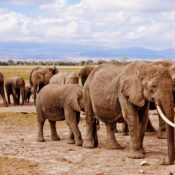
Another hallmark of the Best Tanzania walking safari experience is flexibility and personalization. Unlike vehicle safaris constrained by roads and driving routes, walking safaris allow guides to adapt routes dynamically based on wildlife tracks, weather conditions, guest interests, ecological discoveries, and safety assessments. Guests might spend an hour tracking a leopard trail, observing dung beetles at work, studying medicinal plants used by local communities, or sitting silently while elephants graze nearby — experiences rarely possible from vehicles. This flexibility fosters deeper connection, curiosity-driven exploration, and mindfulness in nature.
The pace of walking safaris also supports wellness and mental well-being. Walking promotes physical movement, sensory awareness, stress reduction, mindfulness, and emotional restoration. Research in environmental psychology consistently demonstrates that immersive nature experiences reduce anxiety, improve mood, enhance cognitive function, and foster feelings of awe and interconnectedness. Walking safaris combine these benefits with wildlife encounters, cultural learning, and conservation awareness, creating holistic experiences that nourish both body and mind. This wellness dimension increasingly attracts travelers seeking meaningful, restorative, and transformative journeys rather than conventional sightseeing vacations.
Environmental impact is another critical advantage. Walking safaris generate minimal carbon emissions compared to vehicle-based safaris, reduce noise pollution, minimize habitat disturbance, and foster low-impact exploration ethics. Foot travel encourages responsible behavior, patience, observation, and respect for wildlife space. Operators committed to sustainable tourism implement waste reduction programs, water conservation systems, renewable energy solutions, community partnerships, and wildlife protection initiatives. Organizations such as the African Wildlife Foundation (https://www.awf.org) and Frankfurt Zoological Society (https://fzs.org/en/projects/serengeti-ecosystem-conservation) support conservation projects across Tanzania that benefit from responsible tourism revenue streams generated by walking safaris.
Another defining feature of the Best Tanzania walking safari experience is educational depth. Guests leave not only with photographs but with knowledge — about predator-prey dynamics, keystone species, habitat restoration, conservation challenges, climate change impacts, anti-poaching strategies, community conservation models, and ecological resilience. This knowledge fosters long-term conservation advocacy and responsible travel behavior beyond Tanzania. Walking safaris thus function not only as tourism experiences but as environmental education platforms contributing to global biodiversity protection efforts.
Walking safaris also cultivate humility and perspective. On foot, guests become acutely aware of their place within nature rather than above it. The scale of elephants, the speed of antelope, the camouflage of predators, and the intricacy of ecosystems reveal humanity’s vulnerability and interdependence with the natural world. This humility fosters gratitude, wonder, and respect — emotional states rarely evoked by mechanized travel. For many guests, walking safaris become life-changing experiences that reshape worldviews, priorities, and relationships with nature.
The Best Tanzania walking safari experience also excels in privacy and exclusivity. Group sizes are intentionally small — often limited to four to six guests — ensuring personalized attention, safety, minimal ecological impact, and intimate exploration. Unlike crowded vehicle safaris where multiple vehicles cluster around wildlife sightings, walking safaris offer solitude, silence, and uninterrupted connection with landscapes. This exclusivity appeals to travelers seeking authenticity, tranquility, and meaningful engagement rather than mass tourism environments.
Photography on walking safaris differs profoundly from vehicle safaris. While close-range big-game photography is less common due to safety distances, walking safaris excel in macro photography, landscape photography, bird photography, behavioral photography, and storytelling imagery capturing tracks, textures, light, shadows, and ecological interactions. Photographers develop new skills in composition, patience, anticipation, and creative interpretation. Many professional wildlife photographers credit walking safaris with transforming their artistic perspectives and deepening their ecological understanding.
The role of the guide in walking safaris cannot be overstated. Guides function as educators, storytellers, safety officers, trackers, conservation ambassadors, and cultural interpreters. Tanzania’s top walking safari guides undergo years of training, certification, mentorship, and field experience. Many speak multiple languages and possess encyclopedic knowledge of wildlife, botany, geology, anthropology, and conservation science. Their passion, professionalism, and situational awareness transform walking safaris into world-class educational adventures rather than mere excursions. Guests often form lifelong bonds with guides whose stories, insights, humor, and wisdom enrich every moment on foot.
Epic horizons Adventure we are looking extra miles to make sure…. every walking safari is led by elite professional guides, supported by ethical operations, personalized itinerary design, community partnerships, and world-class safety standards that elevate each journey into a transformational experience.
In summary, the Best Tanzania walking safari experience stands apart because it combines wilderness immersion, ecological education, emotional engagement, cultural connection, conservation impact, physical wellness, ethical tourism, and personal transformation into a single adventure. It transcends conventional tourism by restoring humanity’s ancient relationship with nature — walking the land, reading its stories, respecting its rhythms, and recognizing our place within its vast ecological tapestry. For travelers seeking depth rather than spectacle, meaning rather than luxury alone, and connection rather than consumption, walking safaris in Tanzania represent the pinnacle of African safari experiences.
Top Destinations for the Best Tanzania Walking Safari Experience
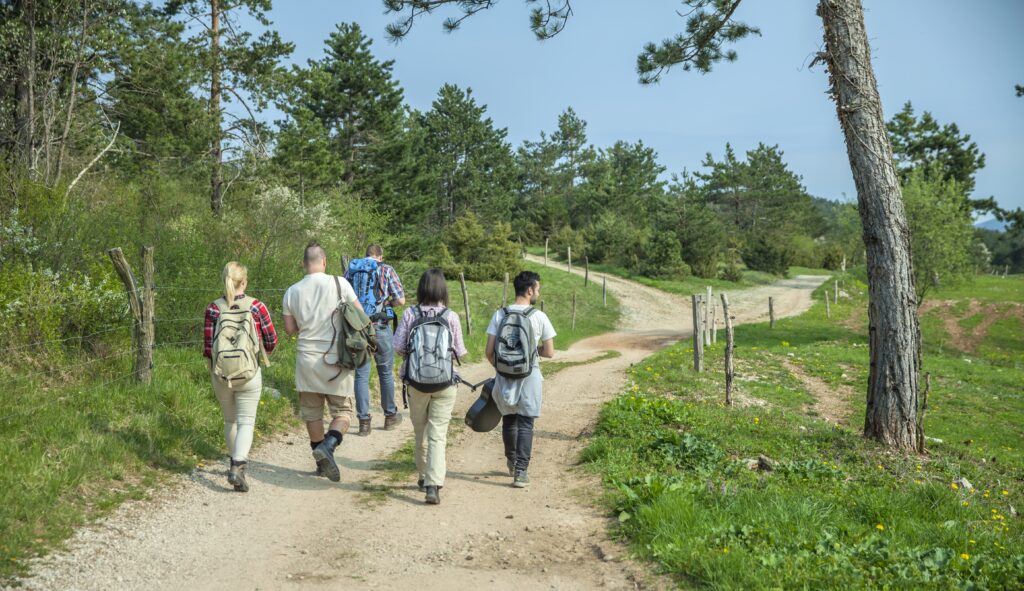
The Best Tanzania walking safari experience depends heavily on location. Tanzania’s vast geographic diversity offers extraordinary walking safari destinations, each with distinct ecosystems, wildlife densities, terrain types, climate patterns, cultural contexts, and wilderness atmospheres. Unlike vehicle safaris that concentrate primarily in heavily visited regions, walking safaris thrive in remote, less trafficked landscapes where ecological integrity, wildlife behavior, and natural rhythms remain largely undisturbed by mass tourism. Understanding these destinations empowers travelers to choose environments aligned with personal interests, fitness levels, wildlife preferences, photographic goals, and experiential priorities.
Ruaha National Park: Tanzania’s Walking Safari Crown Jewel
Ruaha National Park (https://www.tanzaniaparks.go.tz/national_parks/ruaha-national-park) stands as Tanzania’s premier walking safari destination. Covering over 20,000 square kilometers, Ruaha is the country’s largest national park and one of Africa’s least visited wilderness areas. Its rugged topography, ancient baobab forests, seasonal rivers, rocky escarpments, and open savannahs create diverse habitats supporting elephants, lions, leopards, cheetahs, wild dogs, giraffes, buffalo, sable antelope, greater kudu, roan antelope, and over 570 bird species. Ruaha’s remoteness ensures low visitor density, minimal infrastructure development, and authentic wilderness character — ideal conditions for immersive foot exploration.
Walking safaris in Ruaha focus on tracking large mammals, interpreting predator-prey dynamics, studying plant ecology, and exploring riverine corridors where wildlife congregates during dry seasons. Guests learn to read elephant feeding signs, identify lion spoor, follow leopard drag marks, observe antelope grazing patterns, and understand the ecological significance of baobabs, acacias, and seasonal watercourses. The park’s varied terrain allows for gentle walks along riverbanks, more strenuous hikes through rocky hills, and exploratory treks across open plains. The diversity of landscapes and species richness make Ruaha an exceptional destination for both first-time and experienced walking safari travelers.
Ruaha also offers strong cultural dimensions. The surrounding region is home to Hehe communities and other ethnic groups whose livelihoods, traditions, and land-use practices are intricately connected to the environment. Responsible safari operators facilitate ethical cultural interactions that support local development while enriching guest understanding of human-nature relationships in East Africa.
Nyerere National Park (Selous Game Reserve): Riverine Walking Safaris
Nyerere National Park (https://www.tanzaniaparks.go.tz/national_parks/nyerere-national-park), formerly Selous Game Reserve, represents Africa’s largest protected wildlife area and one of the continent’s most biodiverse ecosystems. Its vast floodplains, rivers, lakes, wetlands, miombo woodlands, and open grasslands support elephants, buffalo, lions, leopards, hippos, crocodiles, wild dogs, antelope, and over 440 bird species. Nyerere is uniquely suited for walking safaris along riverbanks, floodplains, and woodland corridors where wildlife movement patterns are highly visible and accessible.
Walking safaris here emphasize aquatic ecosystems, riverine vegetation, birdlife, predator tracking, and ungulate behavior. Guests observe hippo trails leading from water to grazing areas, crocodile nesting sites, antelope watering points, and bird breeding colonies. The presence of navigable rivers also allows combination safaris featuring walking, boating, and game driving, creating multi-dimensional wildlife experiences. Nyerere’s scale ensures exceptional solitude, wilderness immersion, and exploration freedom, making it one of the finest destinations for travelers seeking remote walking safaris.
The park’s conservation significance is immense. It supports one of Africa’s largest remaining populations of African wild dogs and elephants, and its ecosystems play critical roles in regional hydrology and biodiversity resilience. Tourism revenue contributes to anti-poaching operations, community development initiatives, and ecosystem restoration projects. Walking safaris here directly support conservation sustainability.
Serengeti National Park: Iconic Landscapes on Foot
Serengeti National Park (https://www.tanzaniaparks.go.tz/national_parks/serengeti-national-park) is globally renowned for the Great Migration, predator densities, and iconic savannah landscapes. While vehicle safaris dominate Serengeti tourism, walking safaris are permitted in designated zones under strict regulation to ensure safety and ecological integrity. These guided walks offer rare opportunities to explore migration corridors, granite kopjes, riverine woodlands, and predator territories on foot, providing deeper ecological insights beyond traditional game drives.
Walking safaris in Serengeti focus on tracking large mammals, studying predator behavior, interpreting migration patterns, and exploring geological formations such as kopjes — ancient granite outcrops that support unique microhabitats and predator vantage points. Guests learn about the Serengeti ecosystem’s evolutionary history, grassland dynamics, fire ecology, rainfall cycles, and herbivore movements that sustain one of Earth’s most spectacular wildlife phenomena. These experiences complement game drives by providing context, depth, and interpretive understanding of the Serengeti’s global ecological significance.
The Serengeti ecosystem is recognized as a UNESCO World Heritage Site and one of the planet’s last intact large-mammal migration systems (https://whc.unesco.org/en/list/156). Walking safaris in this environment foster appreciation for conservation science, protected area management, and international biodiversity protection efforts.
Katavi National Park: Africa’s Wildest Walking Safari Frontier
Katavi National Park (https://www.tanzaniaparks.go.tz/national_parks/katavi-national-park) is Tanzania’s most remote and least visited national park, offering one of Africa’s most raw and untamed walking safari experiences. Located in western Tanzania, Katavi features expansive floodplains, seasonal lakes, rivers, wetlands, and savannahs that support massive populations of hippos, crocodiles, buffalo, elephants, lions, leopards, and antelope. During dry seasons, thousands of animals congregate around shrinking water sources, creating dramatic wildlife spectacles rarely witnessed elsewhere.
Walking safaris in Katavi offer unmatched wilderness immersion, solitude, and authenticity. Guests explore floodplains, track predator movements, study grazing dynamics, observe hippo territorial behavior, and witness predator-prey interactions in landscapes virtually untouched by mass tourism. The absence of crowds, infrastructure, and development creates extraordinary opportunities for deep connection with nature. For seasoned safari travelers seeking the most remote and primal experiences, Katavi represents the pinnacle of African walking safaris.
Katavi’s conservation importance is immense. Its ecosystems support intact predator-prey systems, migratory ungulate populations, and aquatic habitats critical to regional biodiversity. Tourism here remains limited but vital for funding conservation management, anti-poaching patrols, and community development initiatives.
Mahale Mountains National Park: Walking Safaris with Chimpanzees
Mahale Mountains National Park (https://www.tanzaniaparks.go.tz/national_parks/mahale-mountains-national-park) offers one of Africa’s most unique walking safari experiences — chimpanzee trekking in montane rainforest ecosystems bordering Lake Tanganyika. Unlike savannah walking safaris focused on large herbivores and predators, Mahale’s walking safaris immerse guests in lush tropical forests, rugged mountain terrain, and primate-rich habitats. Guests track habituated chimpanzee troops through dense vegetation, observing their social interactions, feeding behavior, communication patterns, and familial relationships at close range.
Mahale’s biodiversity includes over 1,000 plant species, numerous primate species, forest birds, butterflies, reptiles, and amphibians. The combination of forest trekking, lakeshore exploration, mountain hiking, and cultural interactions with local fishing communities creates multidimensional walking safari experiences distinct from traditional savannah safaris. Chimpanzee trekking protocols emphasize strict conservation ethics, including minimum distance requirements, hygiene protocols, visitor limits, and guide supervision to protect primate health and behavior.
Mahale’s conservation value extends beyond primate protection. The park safeguards forest ecosystems critical to regional climate regulation, watershed protection, carbon sequestration, and biodiversity preservation. Tourism revenue supports research, community development, and habitat protection initiatives essential to the park’s long-term sustainability.
Tarangire and Lake Manyara: Gateway Walking Safaris
Tarangire National Park (https://www.tanzaniaparks.go.tz/national_parks/tarangire-national-park) and Lake Manyara National Park (https://www.tanzaniaparks.go.tz/national_parks/lake-manyara-national-park) offer accessible walking safari opportunities near Tanzania’s northern safari circuit. While these parks are more commonly associated with vehicle safaris, selected conservancies and buffer zones allow guided walking experiences focusing on birdlife, elephant behavior, groundwater forests, alkaline lakeshore ecosystems, and diverse vegetation zones. These destinations provide excellent introductory walking safaris for travelers seeking shorter excursions, family-friendly options, or combined itineraries with Serengeti and Ngorongoro.
Tarangire is renowned for its massive elephant herds, baobab trees, riverine ecosystems, and dry-season wildlife concentrations. Walking safaris here emphasize elephant ecology, water-dependent species, bird diversity, and savannah plant communities. Lake Manyara offers unique groundwater forests, alkaline lakes supporting flamingo populations, forest-dwelling primates, and diverse birdlife. Walking safaris explore forest trails, lakeshore habitats, and escarpment foothills, providing ecological diversity in compact landscapes.
Ngorongoro Conservation Area: Cultural and Highland Walking Safaris
Ngorongoro Conservation Area (https://www.ncaa.go.tz) offers walking safaris outside the crater floor in designated highland zones, montane forests, volcanic landscapes, and Maasai pastoral territories. These walking safaris emphasize geological history, volcanic formations, crater ecosystems, montane vegetation zones, birdlife, and cultural interactions with Maasai communities. Guests explore ancient calderas, forested slopes, grassland plateaus, and archaeological sites such as Olduvai Gorge (https://www.olduvai.info), one of humanity’s most important paleoanthropological discovery sites.
Walking safaris in Ngorongoro provide unique opportunities to understand the intersection between conservation, pastoralism, archaeology, and ecosystem management in multi-use landscapes. Guests learn how Maasai communities coexist with wildlife, manage livestock sustainably, and preserve cultural traditions while participating in conservation efforts. These experiences broaden safari narratives beyond wildlife viewing to encompass human history, land stewardship, and cultural resilience.
Epic horizons Adventure we are looking extra miles to make sure…. every walking safari destination is carefully selected based on ecological integrity, wildlife density, safety standards, cultural authenticity, conservation impact, and guest experience quality — ensuring travelers access Tanzania’s finest walking safari landscapes with professionalism and purpose.
Choosing the Right Destination for Your Walking Safari
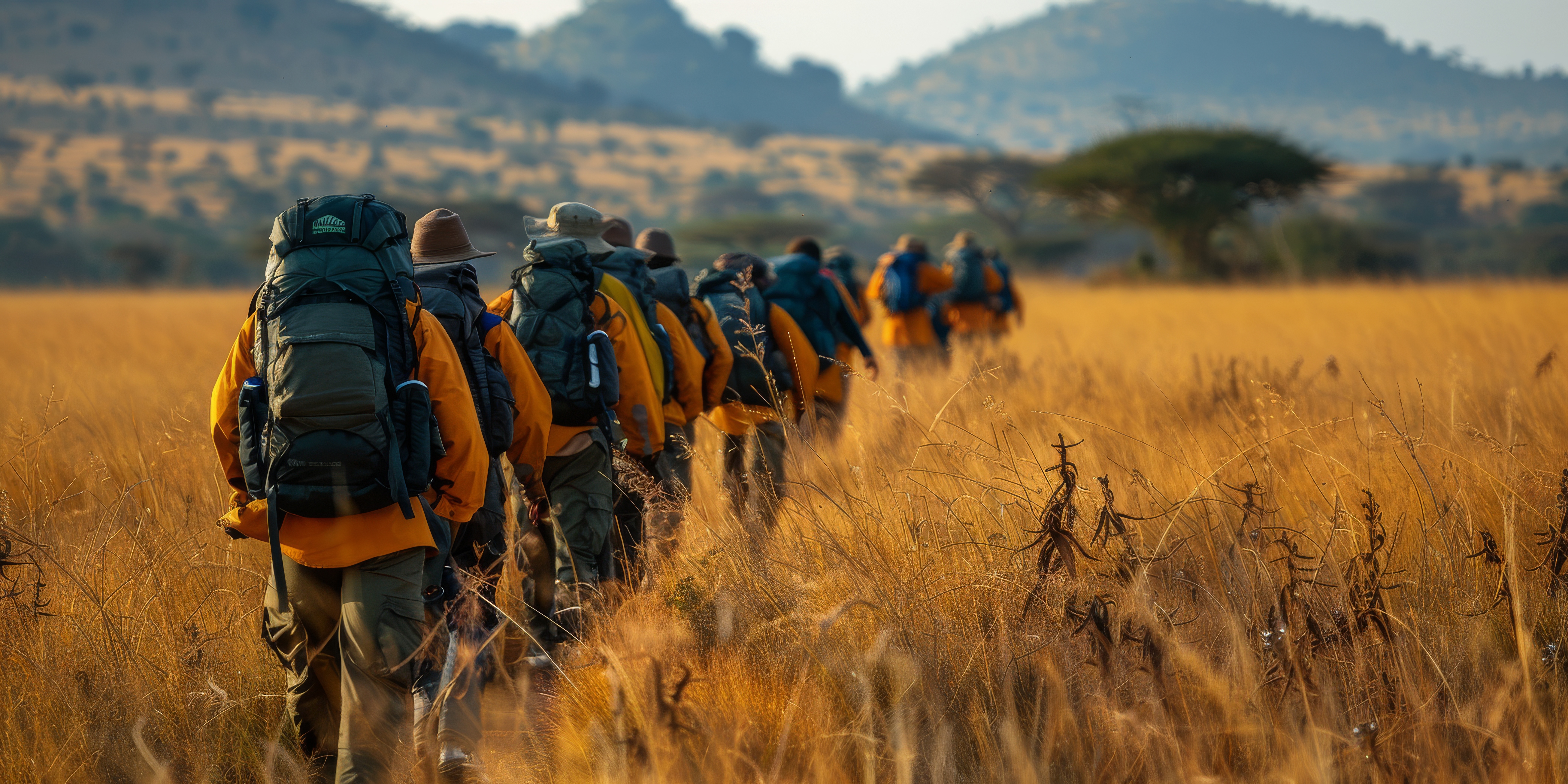
Selecting the ideal walking safari destination depends on personal interests, physical fitness, wildlife preferences, travel experience, photography goals, budget, seasonality, and desired wilderness atmosphere. Travelers seeking large mammals, predator tracking, savannah landscapes, and classic safari aesthetics may prefer Ruaha, Nyerere, Serengeti, or Katavi. Those interested in primates, rainforest ecosystems, and mountain trekking may favor Mahale Mountains. Travelers seeking cultural immersion, archaeology, and volcanic landscapes may choose Ngorongoro highlands. Birding enthusiasts will find exceptional diversity across all destinations, particularly in Nyerere, Ruaha, Lake Manyara, and Mahale.
Fitness levels also influence destination suitability. Savannah walking safaris typically involve gentle to moderate terrain, short distances (2–5 km), and flexible pacing. Mountain and rainforest trekking may involve steeper gradients, longer distances, and greater physical exertion. Guides adapt routes to guest fitness levels and interests, but travelers should discuss capabilities and expectations during planning stages to ensure optimal experiences.
Seasonality affects wildlife movement, vegetation density, water availability, weather conditions, and walking comfort. Dry seasons (June–October) generally offer easier walking conditions, higher wildlife concentrations, and clearer visibility. Green seasons (November–May) provide lush landscapes, abundant birdlife, fewer crowds, dramatic skies, and unique photographic opportunities but may involve wetter terrain and more dispersed wildlife. Understanding seasonal trade-offs is essential to selecting destinations aligned with travel goals.
Accessibility and logistics also matter. Northern circuit destinations such as Serengeti, Ngorongoro, Tarangire, and Lake Manyara are more accessible from Kilimanjaro International Airport (JRO) and Arusha, while southern and western circuit destinations such as Ruaha, Nyerere, Katavi, and Mahale require additional flights and higher budgets but offer greater remoteness and exclusivity. Travelers seeking convenience may prefer northern destinations, while those seeking wilderness immersion and solitude may choose southern or western parks.
Accommodation quality and location also influence destination selection. Some walking safari camps offer luxurious amenities, private guides, flexible schedules, and exclusive concessions, while others emphasize rustic authenticity, conservation immersion, and low-impact simplicity. Travelers should align accommodation preferences with personal comfort thresholds and experiential priorities.
Conservation and Community Impact by Destination
Each walking safari destination contributes uniquely to conservation and community development. Ruaha supports elephant migration corridors, predator conservation, anti-poaching operations, and community-based conservation initiatives. Nyerere supports riverine ecosystem protection, wild dog conservation, fisheries management, and rural development programs. Serengeti supports large-scale ecosystem protection, migration corridor preservation, predator research, and global biodiversity conservation efforts. Katavi protects intact predator-prey systems, wetland habitats, and regional biodiversity resilience. Mahale supports chimpanzee research, forest conservation, primate protection, and sustainable fisheries management. Ngorongoro supports cultural heritage preservation, pastoral livelihoods, archaeological research, and multi-use landscape conservation.
By choosing walking safari destinations thoughtfully, travelers directly support these conservation outcomes while experiencing Tanzania’s most extraordinary wilderness landscapes. Responsible tourism revenue funds anti-poaching patrols, habitat restoration, community education, healthcare initiatives, infrastructure development, and sustainable livelihood programs essential to long-term biodiversity protection.
Why Tanzania Leads Africa in Walking Safaris
Tanzania’s dominance in walking safaris stems from its scale, biodiversity, conservation infrastructure, guiding standards, wilderness integrity, political stability, and tourism governance frameworks. The Tanzania National Parks Authority (https://www.tanzaniaparks.go.tz) and Ngorongoro Conservation Area Authority (https://www.ncaa.go.tz) regulate walking safari operations to ensure safety, sustainability, wildlife protection, and visitor satisfaction. Tanzania’s protected area network spans savannahs, wetlands, woodlands, forests, mountains, lakes, rivers, coastlines, and marine ecosystems, offering unmatched ecological diversity within a single country.
Tanzania’s professional guide training programs are among Africa’s most rigorous, emphasizing wildlife ecology, tracking, safety protocols, firearms handling, emergency response, guest care, conservation ethics, and cultural interpretation. This ensures walking safaris operate at world-class safety and educational standards. Tanzania’s commitment to low-density tourism, conservation financing, community partnerships, and sustainable development further positions it as Africa’s premier walking safari destination.
Epic horizons Adventure we are looking extra miles to make sure…. every walking safari destination is carefully curated to deliver exceptional wildlife encounters, conservation impact, cultural authenticity, safety excellence, and transformative guest experiences — setting the benchmark for the Best Tanzania walking safari experience.
In summary, Tanzania’s walking safari destinations represent the pinnacle of wilderness immersion, ecological diversity, conservation integrity, cultural richness, and experiential depth in African safari tourism. Whether tracking elephants in Ruaha, following chimpanzees in Mahale, exploring floodplains in Katavi, walking riverbanks in Nyerere, or traversing migration corridors in Serengeti, travelers encounter landscapes and wildlife in their most authentic forms. These destinations transform safaris from observation into participation, from sightseeing into learning, and from travel into personal transformation — defining the essence of the Best Tanzania walking safari experience.
Safety, Guides, and What to Expect on the Best Tanzania Walking Safari Experience
The Best Tanzania walking safari experience is built upon uncompromising safety standards, elite guiding expertise, structured protocols, environmental ethics, and guest preparedness. While walking among wild animals evokes primal excitement and awe, it also demands professionalism, discipline, training, and situational awareness to ensure guest well-being and wildlife protection. Tanzania’s walking safari industry is globally respected for its safety record, regulatory frameworks, and guiding excellence — making it one of the few countries where walking safaris are both widespread and exceptionally well-managed. Understanding safety procedures, guide roles, wildlife behavior, guest responsibilities, and operational standards is essential to fully appreciating and enjoying walking safaris in Tanzania.
The Role of Professional Walking Safari Guides
Professional walking safari guides are the cornerstone of safety and quality in Tanzania’s walking safari industry. These individuals undergo extensive training programs covering wildlife ecology, animal behavior, tracking skills, plant identification, navigation, firearms handling, first aid, emergency response, conservation ethics, guest care, and risk management. Many guides apprentice under senior mentors for years before leading walking safaris independently. They are licensed by national authorities and often certified through programs administered by Tanzania National Parks Authority (https://www.tanzaniaparks.go.tz) and private conservation organizations.
Guides possess extraordinary situational awareness. They read tracks, interpret animal vocalizations, assess wind direction, evaluate vegetation density, identify potential hazards, and anticipate wildlife movement patterns. They constantly scan surroundings, monitor group dynamics, adjust routes proactively, and maintain communication with armed park rangers who accompany walking safaris in high-risk areas. Their primary responsibility is ensuring guest safety while facilitating immersive learning experiences. Guests should view guides not merely as leaders but as guardians, educators, and interpreters of the natural world.
Armed Rangers and Security Protocols
All walking safaris in Tanzania’s national parks are accompanied by armed rangers authorized by park authorities. These rangers provide security against dangerous wildlife encounters and enforce park regulations regarding wildlife protection, environmental conduct, and visitor behavior. Rangers carry rifles not as weapons of aggression but as deterrents and last-resort safety tools. Their presence ensures walking safaris operate within strict safety parameters while minimizing risk to both guests and wildlife.
Rangers and guides operate under clearly defined protocols regarding animal encounters, retreat strategies, communication signals, positioning, group spacing, movement formations, and emergency response procedures. These protocols are rehearsed regularly through drills and training exercises. Emergency evacuation plans are established in advance, with access to satellite communication devices, medical kits, and evacuation partnerships such as AMREF Flying Doctors (https://flydoc.org), which provide emergency air evacuation services across Tanzania’s remote wilderness areas.
Wildlife Behavior and Encounter Management
Understanding wildlife behavior is fundamental to safe walking safaris. Guides teach guests how animals perceive threats, interpret body language, respond to human presence, and react to environmental stimuli. Predators such as lions, leopards, and hyenas typically avoid humans and retreat when detected. Large herbivores such as elephants, buffalo, and hippos can pose risks if surprised, provoked, or approached too closely, particularly when calves are present or animals feel cornered. Guides manage encounters by maintaining safe distances, adjusting routes based on wind direction and visibility, avoiding dense vegetation where surprise encounters could occur, and using calm communication and positioning techniques to reduce risk.
Guests are instructed to walk in single file, remain quiet, follow guide signals, avoid sudden movements, maintain awareness, and remain behind the guide and ranger at all times. Sitting quietly, observing animal behavior, and retreating calmly when necessary are integral aspects of walking safari etiquette. These practices create respectful coexistence between humans and wildlife while minimizing stress on animals and maximizing safety.
What a Typical Walking Safari Day Looks Like
A typical day on the Best Tanzania walking safari experience begins early, often before sunrise, when wildlife activity is highest and temperatures are cooler. Guests enjoy light refreshments before departing on foot with their guide and ranger. Walks usually last between two and four hours depending on terrain, wildlife activity, weather conditions, and guest fitness levels. Routes vary daily based on ecological factors and wildlife movement patterns. Guides select paths offering optimal learning opportunities, scenic beauty, and safety conditions.
During walks, guests stop frequently to observe tracks, examine plants, listen to bird calls, study insects, interpret animal behavior, and absorb environmental narratives. Guides encourage questions, curiosity, and participation. Guests may learn to identify animal spoor, estimate track age, recognize feeding signs, understand predator hunting strategies, observe antelope vigilance behavior, interpret alarm calls, and understand ecological relationships between species. Walks often culminate in scenic vantage points where guests rest, hydrate, snack, and absorb landscapes before returning to camp or transitioning to other safari activities.
Afternoons may include relaxation at camp, cultural visits, birdwatching, boat safaris, photography sessions, conservation talks, or evening game drives depending on itinerary design. Some camps offer sundowner walks, night walks (where permitted), stargazing sessions, or fire-side storytelling experiences. Evenings typically feature communal dining, wildlife briefings, and reflection on the day’s discoveries. This rhythm of activity and rest balances physical exertion with relaxation, learning with contemplation, and adventure with comfort.
Physical Fitness and Accessibility Considerations
Walking safaris in Tanzania are generally accessible to travelers with moderate fitness levels. Walk distances typically range from 2 to 5 kilometers per session at slow, relaxed paces with frequent stops. Terrain varies by destination, from flat savannahs and riverbanks to rolling hills, rocky outcrops, forest trails, and mountain slopes. Guides adjust routes and pacing based on guest fitness, interests, weather conditions, and wildlife movement patterns. Guests with mobility limitations, joint issues, or medical conditions should discuss needs with operators during planning to ensure appropriate accommodations or alternative experiences are available.
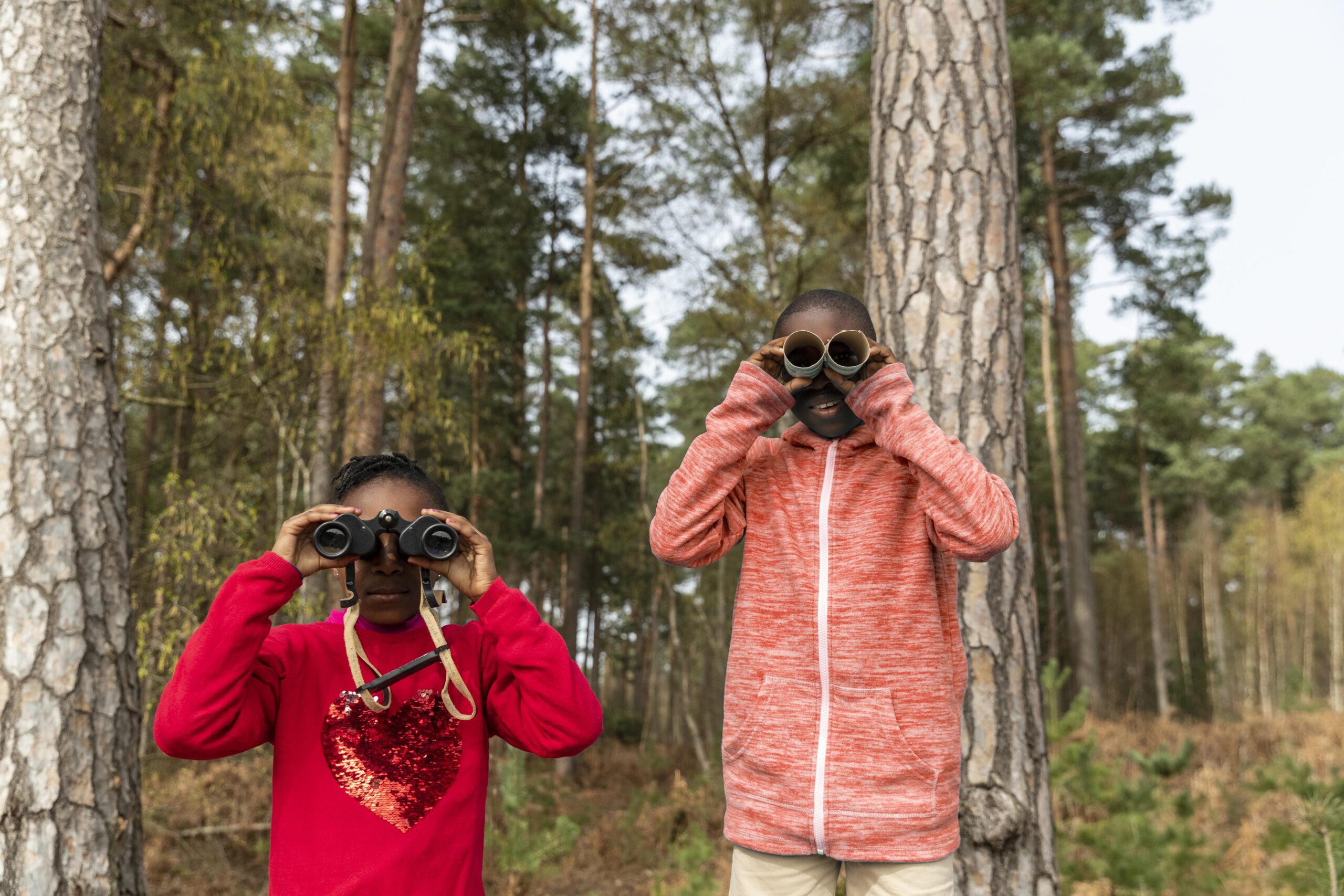
Hydration, sun protection, insect repellent, appropriate footwear, lightweight clothing, hats, and layered garments are essential for comfort and safety. Guests should carry water bottles, snacks, cameras, binoculars, and personal medications in small backpacks or daypacks. Walking safaris emphasize comfort and well-being rather than endurance challenges, making them accessible to a wide range of travelers when properly planned.
Emergency Preparedness and Medical Response
Emergency preparedness is integral to walking safari operations. Guides carry comprehensive first-aid kits, emergency communication devices, satellite phones, GPS trackers, and evacuation protocols. Camps maintain emergency vehicles, airstrip access, and medical evacuation partnerships with organizations such as AMREF Flying Doctors (https://flydoc.org) and regional hospitals. Guides are trained in wilderness first aid, trauma management, evacuation procedures, and crisis communication. Guests are briefed on emergency protocols before walks commence and instructed on communication signals and procedures in case of incidents.
Medical emergencies during walking safaris are extremely rare due to conservative route selection, safety protocols, and professional oversight. However, preparedness ensures rapid response if incidents occur, providing peace of mind to guests and operators alike.
Guest Responsibilities and Etiquette
Guests play active roles in maintaining safety and quality on walking safaris. Responsibilities include following guide instructions, maintaining group cohesion, respecting wildlife space, remaining calm during encounters, communicating discomfort or concerns promptly, adhering to environmental ethics, and practicing cultural sensitivity. Guests should avoid loud talking, sudden movements, feeding wildlife, littering, smoking in bush areas, or deviating from designated routes.
Photography etiquette includes avoiding flash photography near wildlife, maintaining respectful distances, seeking guide approval before approaching sensitive subjects, and respecting fellow guests’ viewing experiences. Guests should also respect cultural norms during community interactions, including dress codes, photography consent, and appropriate behavior.
Wildlife Ethics and Conservation Responsibility
Walking safaris embody conservation ethics by fostering respect, empathy, understanding, and stewardship toward wildlife and ecosystems. Guides emphasize low-impact practices, including maintaining appropriate distances, avoiding disturbance of animals, refraining from approaching nests or dens, minimizing noise, staying on established paths, and following park regulations. Walking safaris prioritize observation rather than interaction, curiosity rather than intrusion, and learning rather than entertainment.
Guests learn about conservation challenges such as habitat loss, climate change, poaching, human-wildlife conflict, invasive species, and ecosystem fragmentation. Guides explain conservation strategies including anti-poaching patrols, wildlife corridors, community-based conservation initiatives, research programs, habitat restoration, and sustainable tourism financing. This educational component fosters long-term conservation advocacy beyond the safari experience itself.
Organizations such as African Wildlife Foundation (https://www.awf.org) and Frankfurt Zoological Society (https://fzs.org/en/projects/serengeti-ecosystem-conservation) support conservation projects across Tanzania that benefit directly from responsible tourism revenue streams generated by walking safaris.
Epic horizons Adventure we are looking extra miles to make sure…. every walking safari is conducted under world-class safety standards, guided by elite professionals, supported by conservation partnerships, and designed to deliver immersive, ethical, and transformative wildlife experiences.
Psychological and Emotional Dimensions of Walking Safaris
Walking safaris engage emotional intelligence and psychological awareness in ways that vehicle safaris rarely do. Guests become acutely aware of surroundings, bodily sensations, environmental cues, and internal responses. The thrill of tracking animals, the silence of approaching wildlife, the awe of encountering elephants on foot, and the humility of navigating predator territories evoke deep emotional responses including wonder, respect, gratitude, vulnerability, courage, curiosity, and connection.
These experiences foster mindfulness — presence in the moment — which enhances memory formation, emotional regulation, and cognitive engagement. Many guests report heightened sensory perception, improved mental clarity, reduced stress, increased emotional resilience, and lasting appreciation for nature. Walking safaris thus function not only as tourism activities but as therapeutic and transformational experiences supporting psychological well-being.
Differences Between Walking Safaris and Game Drives
While both walking safaris and game drives offer wildlife encounters, their experiential qualities differ profoundly. Game drives prioritize coverage, speed, and big-game sightings facilitated by vehicles, radio communication, and road networks. Walking safaris prioritize depth, immersion, learning, and sensory engagement facilitated by foot travel, silence, tracking skills, and ecological interpretation. Game drives offer access to large territories and iconic species such as lions, cheetahs, leopards, and elephants at close range, while walking safaris offer intimate encounters with ecosystems, behaviors, tracks, plants, insects, birds, and landscapes often overlooked from vehicles.
Walking safaris complement rather than replace game drives. Many itineraries combine both activities, allowing guests to enjoy iconic sightings from vehicles while gaining deeper ecological understanding on foot. This integrated approach creates holistic safari experiences balancing spectacle and substance, excitement and contemplation, photography and learning.
Age Limits and Family Considerations
Most walking safaris impose age restrictions — typically minimum ages of 12 to 16 depending on park regulations, operator policies, and risk assessments. These limits ensure participants possess sufficient physical capability, emotional maturity, situational awareness, and compliance with safety protocols. Family travelers with younger children may consider alternative safari activities such as vehicle game drives, cultural visits, junior ranger programs, wildlife education sessions, conservation workshops, or nature walks in controlled environments.
Teenagers often thrive on walking safaris due to curiosity, physical capability, and educational benefits. Walking safaris offer exceptional learning opportunities for youth interested in biology, ecology, conservation, geography, photography, anthropology, or adventure travel. Guides often tailor educational content to guest age groups, interests, and learning styles.
Weather, Seasons, and Safety Conditions
Weather conditions influence walking safari safety and comfort. Dry seasons (June–October) generally offer optimal walking conditions with clear visibility, firm terrain, cooler temperatures, and concentrated wildlife around water sources. Green seasons (November–May) offer lush landscapes, abundant birdlife, fewer crowds, and dramatic skies but may involve wet terrain, taller grass, reduced visibility, and higher insect activity. Guides adapt routes, pacing, schedules, and activities based on seasonal conditions to maintain safety and comfort.
Early morning walks are preferred due to cooler temperatures, higher wildlife activity, and favorable lighting conditions. Afternoon walks may be limited or modified during hotter periods to avoid heat stress. Weather monitoring, hydration protocols, rest breaks, shade utilization, and appropriate clothing mitigate environmental risks.
Insurance and Risk Management
Travel insurance covering medical emergencies, evacuation, trip cancellation, baggage loss, and safari activities is strongly recommended for walking safari travelers. Providers such as World Nomads (https://www.worldnomads.com) and Allianz Travel Insurance (https://www.allianztravelinsurance.com) offer comprehensive coverage options. Guests should review policy details regarding adventure activities, evacuation coverage, remote travel, and medical care access. Reputable safari operators maintain liability insurance, vehicle insurance, staff insurance, and operational compliance frameworks to manage risk responsibly.
Why Tanzania Leads Africa in Walking Safari Safety Standards
Tanzania’s leadership in walking safari safety stems from its robust regulatory frameworks, professional guide training programs, armed ranger accompaniment policies, conservation governance structures, emergency evacuation systems, low-density tourism models, and commitment to ethical operations. The Tanzania National Parks Authority (https://www.tanzaniaparks.go.tz) and Ngorongoro Conservation Area Authority (https://www.ncaa.go.tz) regulate walking safari activities through licensing, monitoring, enforcement, and capacity-building initiatives. These systems ensure walking safaris operate within controlled parameters that prioritize guest safety, wildlife protection, and environmental sustainability.
Epic horizons Adventure we are looking extra miles to make sure…. every walking safari adheres to the highest safety standards, employs elite guides, integrates emergency preparedness, fosters environmental responsibility, and delivers transformative guest experiences — setting the benchmark for the Best Tanzania walking safari experience.
In summary, walking safaris in Tanzania are defined by rigorous safety protocols, professional guiding excellence, wildlife behavior understanding, environmental ethics, guest preparedness, and emotional intelligence. These elements combine to create immersive, educational, and transformative experiences that redefine safari travel. When guests understand what to expect, how to prepare, and how to engage responsibly, walking safaris become not only safe but profoundly rewarding journeys into Africa’s wild heart — embodying the essence of the Best Tanzania walking safari experience.
Cost, Seasons, and How to Plan the Best Tanzania Walking Safari Experience
Planning the Best Tanzania walking safari experience requires thoughtful consideration of costs, seasonal conditions, itinerary structure, accommodation selection, travel logistics, fitness requirements, conservation impact, and value optimization. Walking safaris differ from vehicle safaris in cost composition, operational complexity, guide specialization, and experiential design. Understanding these dynamics empowers travelers to budget accurately, maximize value, choose optimal travel periods, and align safari experiences with personal interests, expectations, and resources. This section provides a comprehensive planning framework to ensure walking safari journeys are seamless, enriching, ethical, and unforgettable.
Cost Structure of Walking Safaris in Tanzania
Walking safari costs reflect multiple operational components including park fees, ranger accompaniment, guide salaries, specialized training, safety equipment, accommodation rates, meals, transportation, logistics coordination, conservation contributions, and community partnerships. As a result, walking safaris typically fall within mid-range to luxury safari pricing brackets, although budget-friendly walking safari options exist in select destinations and conservancies.
On average, walking safaris in Tanzania range from approximately USD $350 to $1,200+ per person per day depending on accommodation category, seasonality, exclusivity, destination, itinerary complexity, and activity inclusions. Ultra-luxury private walking safaris with exclusive-use camps, charter flights, personalized guides, and bespoke itineraries may exceed USD $1,500–$2,500+ per person per day. Budget walking safaris combining camping accommodations, shared guiding services, and shorter itineraries may start around USD $250–$350 per person per day in select regions.
These prices typically include accommodations, meals, park fees, ranger accompaniment, professional guiding services, walking safari activities, game drives (where applicable), drinking water, transfers, and sometimes internal flights depending on itinerary design. Exclusions usually include international flights, visas, travel insurance, tips, alcoholic beverages, laundry services, personal expenses, and optional activities such as balloon safaris or cultural excursions.
Understanding cost inclusions and exclusions is critical to budget accuracy. Travelers should request detailed quotations outlining accommodation names, room categories, meal plans, park fees, ranger fees, vehicle usage, guiding services, transfers, and optional activities. Transparent pricing enables informed comparison and prevents unexpected expenses during travel.
Seasonal Variations and Optimal Travel Times
Seasonality plays a significant role in walking safari experiences, influencing wildlife movement patterns, vegetation density, weather conditions, comfort levels, photographic opportunities, accommodation availability, pricing, and crowd levels. Tanzania’s climate follows two primary dry seasons (June–October and January–February) and two rainy seasons (March–May long rains and November short rains). Each season offers distinct advantages and trade-offs for walking safaris.
Dry Season (June–October):
This is the most popular walking safari season due to cooler temperatures, lower humidity, firm walking terrain, sparse vegetation, and high wildlife concentrations around water sources. Visibility is excellent, insect activity is lower, and walking conditions are comfortable. Wildlife tracking is easier due to visible tracks in dry soil and predictable animal movement patterns. Accommodation rates are highest, availability is limited, and popular destinations book far in advance. Dry season walking safaris are ideal for first-time walkers, photographers seeking clear visibility, travelers prioritizing predator encounters, and those seeking optimal comfort.
Short Dry Season (January–February):
This period offers warm temperatures, generally dry conditions, and excellent wildlife viewing, particularly in southern Serengeti during wildebeest calving season. Vegetation is greener, landscapes are lush, and birdlife is abundant. Walking safaris remain comfortable, though midday temperatures may be higher. This season offers high-quality experiences with slightly fewer crowds than peak dry months.
Green Season (November, March–May):
Green seasons bring rainfall, lush vegetation, wildflowers, dramatic skies, migratory birds, fewer crowds, and lower accommodation rates. Wildlife disperses more widely, visibility may be reduced, and some walking routes become muddy or overgrown. However, green seasons offer unique photographic opportunities, vibrant landscapes, exceptional birding, fewer vehicles, greater solitude, and significant cost savings. Experienced walking safari travelers often prefer green seasons for tranquility, atmosphere, and ecological richness despite wetter conditions.
Understanding seasonal trade-offs allows travelers to align walking safari experiences with personal preferences, comfort thresholds, budgets, wildlife priorities, and photographic goals. Reputable safari operators provide expert guidance on optimal travel windows based on destination-specific conditions and traveler objectives.
Choosing the Right Walking Safari Duration
Walking safari durations range from half-day excursions to multi-day wilderness treks. Most walking safaris are integrated into broader safari itineraries combining walking activities with vehicle game drives, cultural visits, boating safaris, and relaxation. Typical walking safari programs include:
• Short walking excursions (2–4 hours) integrated into vehicle safari itineraries
• Full-day walking safaris with picnic lunches
• Multi-day walking safaris with mobile camps or fly camps
• Wilderness trails spanning multiple ecosystems and habitats
• Specialist walking safaris focused on photography, birding, botany, tracking, or cultural immersion
Longer walking safari durations allow deeper ecological immersion, greater physical engagement, stronger guide-guest relationships, and more comprehensive learning experiences. However, longer durations also require higher fitness levels, greater logistical planning, and larger budgets. Travelers should align duration with physical capability, experience level, interests, time availability, and budget constraints.
Accommodation Types for Walking Safaris
Accommodation selection significantly influences walking safari experiences. Tanzania offers diverse accommodation categories ranging from rustic mobile fly camps to luxury lodges with spa facilities, plunge pools, gourmet dining, and private verandas overlooking wildlife corridors. Accommodation types include:
Mobile Fly Camps:
Temporary camps set up in remote wilderness areas offering canvas tents, en-suite facilities, basic comforts, campfire dining, and authentic bush atmospheres. Fly camps maximize wilderness immersion, minimize environmental impact, and enable exploration of remote areas inaccessible to permanent lodges.
Permanent Tented Camps:
Semi-permanent camps with canvas tents, en-suite bathrooms, comfortable beds, electricity, and dining facilities. These camps offer balance between comfort and wilderness immersion.
Luxury Lodges:
Permanent structures with spacious suites, premium furnishings, fine dining, spa services, swimming pools, private decks, and personalized service. Luxury lodges offer maximum comfort, privacy, and indulgence while maintaining proximity to walking safari zones.
Accommodation location matters as much as quality. Camps located within walking safari zones or adjacent to wildlife corridors minimize transit time, maximize walking opportunities, and enhance wildlife encounters. Travelers should prioritize location over amenities when wildlife immersion is primary.
Group Size, Privacy, and Exclusivity
Walking safaris typically operate with small group sizes ranging from two to six guests per guide to ensure safety, minimize environmental impact, enhance learning opportunities, and maintain wilderness tranquility. Private walking safaris offer exclusive guide services, personalized pacing, flexible routes, tailored educational content, and greater privacy but at higher cost. Group walking safaris offer cost efficiency, social interaction, shared learning, and camaraderie but less flexibility.
Couples, families, photographers, birders, researchers, and travelers seeking solitude often prefer private walking safaris. Solo travelers or budget-conscious guests may prefer small group departures. Understanding group dynamics helps travelers select walking safari formats aligned with social preferences, learning styles, budgets, and comfort levels.
Physical Preparation and Fitness Planning
While walking safaris are generally accessible to travelers with moderate fitness levels, preparation enhances comfort, enjoyment, and safety. Guests should engage in regular walking, hiking, or cardiovascular exercise before travel to build stamina and endurance. Stretching, strength training, hydration, sun protection, and proper footwear selection improve walking comfort. Travelers with medical conditions, joint issues, cardiovascular concerns, or mobility limitations should consult healthcare providers and safari operators to determine suitability and necessary accommodations.
Mental preparedness is equally important. Walking safaris require patience, attentiveness, calmness, and adaptability. Guests should embrace unpredictability, appreciate subtle discoveries, remain flexible regarding wildlife sightings, and prioritize learning over checklist-driven outcomes. This mindset maximizes enjoyment and fulfillment.
Combining Walking Safaris with Other Activities
Walking safaris integrate seamlessly with complementary safari activities such as:
• Vehicle game drives for predator sightings and wider coverage
• Boat safaris for aquatic ecosystems and birdlife
• Cultural visits for community engagement and heritage learning
• Conservation experiences for education and impact
• Hot-air balloon safaris for aerial perspectives
• Beach extensions in Zanzibar for relaxation
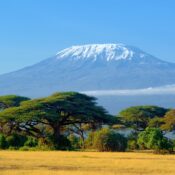
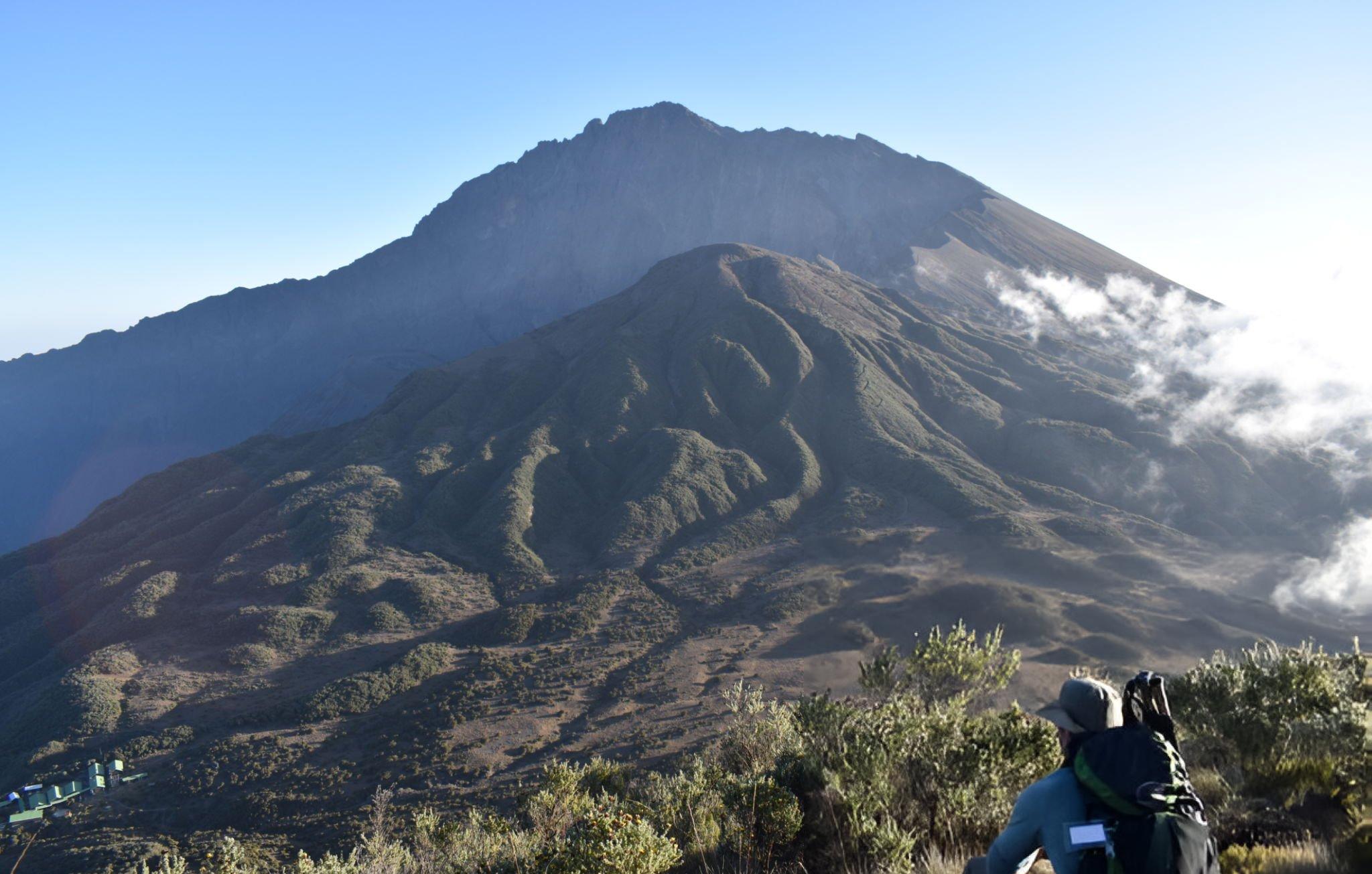
• Mountain trekking on Kilimanjaro or Mount Meru
Combining walking safaris with these activities creates multidimensional itineraries balancing adventure, relaxation, education, photography, and cultural immersion. Reputable safari operators design itineraries optimizing geographic flow, pacing, diversity, and experiential richness.
Booking Timeline and Availability
Walking safaris require advance booking due to limited capacity, specialized guide availability, ranger accompaniment requirements, seasonal demand, and accommodation constraints. Travelers planning peak season walking safaris (June–October and January–February) should book 6–12 months in advance to secure preferred destinations, camps, guides, and travel dates. Shoulder and green season bookings may require 2–4 months’ notice, though last-minute availability occasionally arises depending on demand and cancellations.
Early booking offers benefits including accommodation choice, preferred guide assignment, flexible itinerary design, flight availability, discounted rates, and reduced logistical stress. Late booking may limit options, increase costs, and compromise itinerary quality. Planning ahead is essential to achieving the Best Tanzania walking safari experience.
Visa, Health, and Travel Documentation
Most travelers require a tourist visa to enter Tanzania, obtainable online via the official Tanzania Immigration website (https://www.immigration.go.tz) or upon arrival at designated airports and border crossings. Passports must be valid for at least six months beyond travel dates with blank pages for stamps.
Health preparation includes routine vaccinations, malaria prophylaxis, travel insurance, personal medications, and travel clinic consultations. The Centers for Disease Control and Prevention (https://wwwnc.cdc.gov/travel/destinations/traveler/none/tanzania) provides updated travel health guidance for Tanzania. Guests should pack personal medical kits, insect repellent, sunscreen, hydration supplies, and protective clothing.
Travel Insurance and Risk Management
Comprehensive travel insurance covering medical emergencies, evacuation, trip cancellation, baggage loss, and safari activities is strongly recommended. Providers such as World Nomads (https://www.worldnomads.com) and Allianz Travel Insurance (https://www.allianztravelinsurance.com) offer suitable coverage options. Guests should review policy terms regarding adventure activities, evacuation coverage, medical care access, and remote travel conditions.
Reputable safari operators maintain operational insurance, vehicle insurance, staff insurance, and emergency response frameworks to manage risk responsibly. Travelers should request insurance documentation and emergency protocols during planning stages.
Environmental and Ethical Considerations
Responsible walking safari planning includes consideration of environmental impact, wildlife ethics, cultural sensitivity, community benefit, and conservation sustainability. Travelers should choose operators committed to:
• Wildlife protection and ethical viewing practices
• Community employment and empowerment
• Fair wages and staff welfare
• Waste reduction and plastic minimization
• Renewable energy utilization
• Water conservation
• Carbon footprint reduction
• Conservation funding contributions
• Cultural respect and authenticity
Organizations such as the Global Sustainable Tourism Council (https://www.gstcouncil.org) and Sustainable Travel International (https://sustainabletravel.org) provide frameworks for responsible tourism practices. Supporting ethical operators ensures tourism revenue contributes positively to conservation and community development rather than ecological degradation or cultural exploitation.
Epic horizons Adventure we are looking extra miles to make sure…. every walking safari delivers transparent pricing, ethical operations, conservation impact, community empowerment, safety excellence, and personalized experiences — ensuring exceptional value and unforgettable journeys.
Budget Optimization Strategies
Travelers can optimize walking safari budgets through strategic planning:
• Travel during shoulder or green seasons for lower rates and fewer crowds
• Choose mid-range camps with excellent locations rather than luxury lodges far from walking zones
• Combine walking safaris with vehicle safaris strategically to balance cost and experience
• Book early to secure discounts and preferred availability
• Travel in small groups to reduce per-person vehicle and guide costs
• Avoid excessive park hopping to reduce transfer expenses
• Prioritize longer stays in fewer locations for deeper immersion and value
Value optimization focuses on maximizing experiential quality relative to cost rather than minimizing absolute price. High-quality guiding, location proximity, safety standards, wildlife density, conservation ethics, and personalized service deliver greater value than superficial amenities alone.
Why Walking Safaris Offer Exceptional Value
While walking safaris may appear more expensive than standard game drives, they deliver exceptional value through:
• Elite guiding expertise and personalized education
• Exclusive access to remote wilderness zones
• Intimate wildlife encounters
• Deep ecological understanding
• Low-impact environmental footprint
• Cultural engagement
• Wellness benefits
• Conservation impact
• Transformational experiences
These intangible benefits far exceed traditional tourism metrics and create lifelong memories, emotional connections, and conservation advocacy outcomes.
Epic horizons Adventure we are looking extra miles to make sure…. every walking safari is designed to maximize value through exceptional guiding, optimal destinations, ethical practices, safety excellence, and immersive experiences — setting the benchmark for the Best Tanzania walking safari experience.
In summary, planning the Best Tanzania walking safari experience requires thoughtful consideration of costs, seasons, destinations, accommodations, fitness preparation, safety protocols, conservation ethics, and value optimization strategies. Travelers who approach planning strategically rather than reactively achieve superior outcomes, deeper immersion, greater satisfaction, and lasting impact. Walking safaris represent not merely travel activities but life-enriching journeys into nature’s heart — rewarding those who plan wisely with unforgettable experiences that transcend conventional tourism.
Expert Tips, Common Mistakes, and How to Maximize the Best Tanzania Walking Safari Experience
The Best Tanzania walking safari experience is not defined solely by destinations, costs, or itineraries — it is shaped profoundly by mindset, preparation, behavior, expectations, adaptability, curiosity, and ethical engagement. Even the most expertly designed safari can fall short if travelers misunderstand walking safari dynamics, underestimate preparation requirements, ignore safety protocols, or approach wildlife encounters with unrealistic expectations. Conversely, informed travelers who embrace walking safaris with openness, respect, patience, and curiosity often experience life-changing moments of connection, discovery, and wonder. This section distills expert insights, professional guidance, common pitfalls, and optimization strategies to ensure travelers extract maximum value, safety, and meaning from their walking safari journeys.
Expert Tip 1: Prioritize Location Over Luxury
One of the most common mistakes in safari planning is prioritizing accommodation luxury over location. A luxury lodge far from walking safari zones may offer exquisite amenities but require long transfers, limiting time spent on foot in wildlife habitats. Conversely, a mid-range tented camp situated deep within walking safari territories may deliver superior wildlife encounters, ecological immersion, and experiential depth. Travelers seeking the Best Tanzania walking safari experience should prioritize proximity to wildlife corridors, water sources, predator territories, and ecological hotspots over room size, swimming pools, or spa facilities. Location drives wildlife density, tracking opportunities, and immersive potential — the core of walking safari value.
Expert Tip 2: Embrace the Small Things
Walking safaris reveal the hidden architecture of ecosystems — insects, birds, reptiles, tracks, plants, fungi, soil patterns, nests, webs, and microhabitats that sustain biodiversity. Travelers accustomed to prioritizing Big Five sightings may initially undervalue these details, but experienced walkers know that the magic of walking safaris lies in the small, subtle, interconnected wonders of nature. Embrace dung beetles rolling balls across savannahs, butterflies pollinating flowers, birds signaling predator movement, ants building complex colonies, and plants adapting to drought and fire. These discoveries deepen ecological literacy and foster appreciation for life’s intricate complexity beyond charismatic megafauna.
Expert Tip 3: Cultivate Patience and Presence
Walking safaris reward patience rather than urgency. Wildlife encounters unfold organically — tracks lead to discoveries, bird calls reveal predator movement, and silence allows nature to reveal itself. Travelers who rush, multitask, or chase checklists often miss subtle moments of beauty and learning. Cultivate mindfulness, presence, and curiosity. Listen more than speak. Observe more than capture. Allow nature to dictate pace rather than imposing schedules. This mindset shift transforms walking safaris from activities into meditative experiences fostering connection, clarity, and emotional resonance.
Expert Tip 4: Communicate with Your Guide
Professional guides are the bridge between travelers and wilderness. Communicate openly about interests, preferences, comfort levels, fitness capacity, wildlife priorities, photography goals, educational interests, and pacing preferences. Guides adapt routes, explanations, and focus areas accordingly. If you’re passionate about birds, botany, tracking, predators, photography, conservation science, or cultural history, share this with your guide. Transparent communication enhances personalization, satisfaction, and learning outcomes — essential to maximizing the Best Tanzania walking safari experience.
Expert Tip 5: Pack Thoughtfully
Walking safari packing differs from conventional travel. Essentials include lightweight neutral-colored clothing, long-sleeved shirts and trousers, sturdy walking shoes, moisture-wicking socks, sun hats, sunglasses, sunscreen, insect repellent, reusable water bottles, binoculars, cameras with dust protection, spare batteries, memory cards, small backpacks, personal medications, hydration salts, and layered garments for early morning cool temperatures. Avoid bright colors, camouflage clothing, heavy luggage, excessive electronics, or bulky equipment. Soft-sided bags are recommended due to space constraints on light aircraft and safari vehicles.
Packing light enhances mobility, comfort, and enjoyment while minimizing logistical complexity. Thoughtful packing reflects understanding of safari environments and contributes to smoother travel experiences.
Expert Tip 6: Respect Wildlife and Environmental Ethics
Walking safaris demand heightened ethical awareness. Guests should respect wildlife space, maintain safe distances, avoid sudden movements, follow guide instructions, minimize noise, refrain from feeding animals, avoid touching plants or nests, and stay on designated routes. Photography should avoid flash use near wildlife, respect animal comfort thresholds, and avoid intrusive behavior. Environmental responsibility includes minimizing waste, avoiding plastic bottles, conserving water, respecting camp policies, and supporting conservation initiatives. Ethical engagement ensures wildlife welfare, ecological integrity, and sustainability of walking safari tourism.
Organizations such as African Wildlife Foundation (https://www.awf.org) and Frankfurt Zoological Society (https://fzs.org/en/projects/serengeti-ecosystem-conservation) promote wildlife protection and ecosystem preservation supported by responsible tourism practices.
Expert Tip 7: Manage Expectations Realistically
No safari operator can guarantee specific wildlife sightings. Walking safaris emphasize ecological understanding rather than trophy encounters. Wildlife behavior is unpredictable, influenced by weather, seasons, vegetation, prey movement, breeding cycles, and territorial dynamics. Some walks may yield predator tracks without sightings, while others may reveal elephants at close range or rare bird species. Each walk offers unique discoveries. Embrace unpredictability, value learning over checklists, and appreciate each moment as a gift rather than an entitlement. This mindset fosters satisfaction regardless of outcome and aligns with the philosophy of walking safaris.
Expert Tip 8: Prepare Physically and Mentally
Moderate fitness preparation enhances walking safari comfort and enjoyment. Engage in regular walking, hiking, cardiovascular exercise, stretching, and strength training before travel. Prepare mentally for variable conditions, early mornings, weather changes, physical exertion, unpredictability, and adaptation. Embrace curiosity, flexibility, humility, and openness. Walking safaris reward those who approach them as journeys of learning rather than performances of accomplishment.
Expert Tip 9: Understand Cultural Sensitivity
Walking safaris often involve cultural encounters with local communities such as Maasai, Hehe, Sukuma, Barabaig, or Hadzabe people. Guests should dress modestly, seek permission before photographing individuals, respect local customs, avoid intrusive questions, and engage respectfully. Supporting local crafts, community projects, schools, clinics, and conservation initiatives fosters positive tourism impact. Cultural sensitivity enriches experiences and ensures tourism benefits host communities ethically and sustainably.
Expert Tip 10: Combine Walking Safaris with Complementary Activities
Walking safaris pair exceptionally well with vehicle game drives, boat safaris, cultural visits, conservation experiences, photography workshops, birding excursions, chimpanzee trekking, mountain trekking, and Zanzibar beach relaxation. Combining activities creates balanced itineraries blending adventure, relaxation, education, photography, culture, and wellness. Integrated itineraries maximize experiential diversity and value while reducing fatigue and monotony.
Epic horizons Adventure we are looking extra miles to make sure…. every walking safari itinerary is thoughtfully designed to maximize immersion, safety, conservation impact, cultural engagement, comfort, and guest satisfaction — delivering extraordinary experiences beyond expectations.
Common Mistakes to Avoid on Walking Safaris
Mistake 1: Choosing Operators Based Solely on Price
Ultra-cheap walking safari packages often indicate compromised safety standards, inexperienced guides, inadequate ranger accompaniment, poor equipment, insufficient insurance coverage, unethical labor practices, or illegal operations. Quality walking safaris require investment in training, safety infrastructure, conservation compliance, and professional staff. Travelers should prioritize value over price by selecting reputable operators with strong safety records, transparent pricing, ethical practices, and positive reviews.
Mistake 2: Overpacking or Underpacking
Overpacking creates logistical challenges and discomfort, while underpacking leads to missing essential gear such as proper footwear, sun protection, insect repellent, hydration supplies, or medications. Thoughtful packing ensures comfort, safety, and enjoyment. Soft-sided bags, lightweight clothing, and essential gear optimize mobility and convenience.
Mistake 3: Ignoring Guide Instructions
Guide instructions are designed for safety, wildlife protection, and optimal experience quality. Ignoring them — by approaching animals too closely, deviating from routes, talking loudly, or using flash photography — endangers guests, wildlife, and group cohesion. Respecting guide authority ensures safety and preserves wilderness integrity.
Mistake 4: Expecting Guaranteed Big Game Sightings
Walking safaris emphasize ecological discovery rather than guaranteed predator encounters. Travelers expecting constant lion sightings may feel disappointed if encounters do not occur. Understanding walking safari objectives fosters realistic expectations and deeper appreciation for broader ecosystem experiences.
Mistake 5: Underestimating Physical Demands
While walking safaris are generally moderate in intensity, guests should assess fitness levels honestly and communicate limitations to guides. Failure to prepare physically may result in fatigue, discomfort, or reduced enjoyment. Proper preparation ensures safe, enjoyable participation.
Mistake 6: Disregarding Environmental Impact
Littering, disturbing wildlife, off-route walking, feeding animals, or ignoring waste management policies harms ecosystems and undermines conservation objectives. Responsible behavior ensures sustainability of walking safari tourism and protects wildlife habitats.
Mistake 7: Failing to Prepare Mentally
Walking safaris require patience, adaptability, curiosity, and openness. Travelers seeking instant gratification or rigid schedules may struggle. Mental preparedness enhances enjoyment and learning outcomes.
How to Maximize Wildlife Encounters on Foot
• Walk early mornings when wildlife activity peaks
• Maintain silence and attentiveness
• Follow tracks patiently rather than rushing
• Observe bird behavior for predator cues
• Learn animal alarm calls and body language
• Allow guides to interpret terrain and movement patterns
• Trust process rather than forcing outcomes
• Value indirect encounters such as tracks and signs
• Spend time at water sources, game trails, and riverbanks
• Remain flexible regarding routes and pacing
Walking safaris reward curiosity-driven exploration rather than checklist-driven pursuit.
Photography Tips for Walking Safaris
• Use silent shutter mode
• Avoid flash photography
• Carry versatile lenses (24–70mm and 70–200mm ideal)
• Use bean bags or monopods for stabilization
• Focus on composition, light, texture, patterns, behavior, and storytelling
• Capture tracks, plants, insects, landscapes, and human-wildlife interactions
• Protect gear from dust and moisture
• Respect wildlife comfort thresholds
• Ask guide permission before approaching subjects
• Remain patient for natural behavior
Walking safaris offer extraordinary photographic storytelling opportunities beyond classic big-game portraits.
Emotional and Psychological Benefits of Walking Safaris
Walking safaris foster mindfulness, emotional regulation, stress reduction, cognitive clarity, awe, gratitude, humility, resilience, curiosity, empathy, and interconnectedness. Guests often report heightened sensory perception, deeper emotional engagement, renewed appreciation for nature, improved mental well-being, and transformative life perspectives. These benefits extend beyond travel, influencing personal growth, lifestyle choices, environmental awareness, and conservation advocacy.
Walking safaris reconnect humans to evolutionary roots — walking landscapes, reading signs, observing animals, navigating terrain, listening to nature, and living rhythmically with environmental cycles. This primal reconnection offers profound psychological restoration in an increasingly mechanized world.
Why the Best Tanzania Walking Safari Experience Is Truly Transformational
The Best Tanzania walking safari experience transcends tourism. It reshapes perceptions of nature, wildlife, conservation, humanity, and self. It transforms travelers from observers into participants, from consumers into stewards, from tourists into learners, and from spectators into storytellers. It instills humility, respect, curiosity, responsibility, and wonder. It reveals ecosystems not as backdrops but as living networks of interdependence. It teaches that survival depends on balance, cooperation, adaptation, and respect.
Walking safaris cultivate awareness that humans are neither masters nor outsiders of nature but integral components of ecological systems. This awareness fosters conservation ethics, environmental responsibility, cultural respect, and sustainable lifestyles. It transforms travel into education, adventure into insight, and wildlife encounters into life lessons.
Epic horizons Adventure we are looking extra miles to make sure…. every walking safari becomes a journey of discovery, connection, conservation, learning, safety, and transformation — delivering the ultimate Best Tanzania walking safari experience for travelers seeking meaning beyond movement.
Final Call to Action
If you are seeking Africa’s most immersive wildlife adventure — where every footprint tells a story, every bird call reveals a secret, and every horizon invites discovery — the Best Tanzania walking safari experience awaits.
🌍 Epic horizons Adventure we are looking extra miles to make sure…. your journey is safe, ethical, unforgettable, and deeply transformative.
👉 Contact Epic Horizons Adventure today and start planning your Tanzania walking safari of a lifetime.https://www.epichorizonsadventures.com/our-tours/destinations/