Discover everything you need to know about Climbing Mount Meru Beginner’s Guide, including routes, preparation, costs, safety tips, best seasons, and expert advice from Epic Horizons Adventure.
Why Mount Meru Is the Perfect First Mountain – Understanding the Basics of Climbing Mount Meru Beginner’s Guide
For anyone dreaming of trekking Africa’s iconic mountains but feeling unsure about tackling giants like Kilimanjaro, Mount Meru offers an extraordinary alternative that blends adventure, accessibility, wildlife immersion, and breathtaking scenery into a rewarding and manageable experience. Located inside Arusha National Park in northern Tanzania, Mount Meru stands at 4,566 meters (14,980 feet), making it Africa’s fifth-highest mountain and Tanzania’s second-highest peak after Mount Kilimanjaro. Yet despite its impressive height, Meru remains surprisingly beginner-friendly, making it one of the best introductory high-altitude treks in the world. This is precisely why understanding the foundations of the Climbing Mount Meru Beginner’s Guide is essential for anyone seeking a safe, memorable, and transformative trekking experience in East Africa.
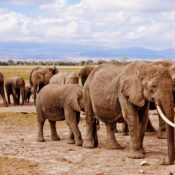
Mount Meru’s appeal lies not only in its elevation but also in its extraordinary environmental diversity. Unlike many mountain treks that begin in barren terrain, the Meru trail starts in lush montane forest within Arusha National Park, where trekkers encounter giraffes, buffaloes, warthogs, monkeys, antelope species, and a remarkable variety of birdlife. This unique wildlife element makes Meru one of the only mountains in Africa where hikers are escorted by armed rangers for safety — not due to crime, but because of large wild animals roaming freely near the trails. This immersive combination of trekking and safari-style wildlife encounters sets Meru apart from other beginner mountains worldwide and adds a deeply enriching dimension to the journey.
Another reason Mount Meru is ideal for beginners is its gradual acclimatization profile. The standard route — the Momella Route — is designed to allow climbers to ascend progressively, spending nights at Miriakamba Hut (2,514 meters) and Saddle Hut (3,570 meters) before summit day. This staged approach allows the body to adapt more effectively to altitude changes, reducing the risk of altitude sickness compared to faster ascents seen on some Kilimanjaro routes. In fact, many climbers use Mount Meru as a training or acclimatization climb before attempting Kilimanjaro, making the Climbing Mount Meru Beginner’s Guide especially valuable for those planning future high-altitude adventures.
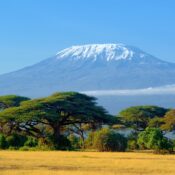
The psychological appeal of Mount Meru also makes it an excellent entry-level mountain. Unlike Kilimanjaro, where summit day can feel daunting due to altitude, cold, and long hiking hours, Meru’s summit climb — though still challenging — is shorter, more technical in sections, and deeply rewarding due to panoramic views over the Ash Cone, dramatic cliffs, and sweeping vistas toward Kilimanjaro itself. Standing on Socialist Peak at sunrise, watching golden light illuminate Kilimanjaro’s glaciers and the endless plains below, offers an emotional reward that rivals summits anywhere on Earth. This emotional and scenic payoff makes the journey worthwhile even for those who may never climb another mountain again.
From a logistical perspective, Mount Meru is highly accessible. The mountain lies only about 45 minutes from Arusha town and approximately one hour from Kilimanjaro International Airport (JRO), making it one of the easiest major African peaks to reach. This proximity reduces transfer costs, simplifies logistics, and makes Meru suitable for travelers with limited time who still want a meaningful trekking experience. Because the climb typically takes 3 to 4 days, it fits well into broader Tanzanian itineraries that include safaris in Serengeti, Ngorongoro, Tarangire, or post-trek beach relaxation in Zanzibar. Understanding these logistical advantages is central to the Climbing Mount Meru Beginner’s Guide, especially for travelers balancing adventure goals with vacation time constraints.
Mount Meru also stands out for its strong safety framework. Because it is located within a national park, climbers must be accompanied by licensed guides and armed rangers, ensuring both wildlife safety and professional oversight. Tanzania National Parks Authority (TANAPA) manages the park and trail system, enforcing strict safety, conservation, and visitor conduct standards (https://www.tanzaniaparks.go.tz). This structured environment significantly reduces risks for beginners, especially those new to high-altitude hiking or African wilderness travel. Compared to remote trekking destinations with minimal oversight, Meru offers peace of mind alongside adventure.
Epic horizons Adventure we are looking extra miles to make sure…. every beginner climber receives personalized guidance, comprehensive preparation, professional support, and ethical, safety-focused trekking experiences that align with international best practices and Tanzanian conservation standards. This dedication ensures that even first-time hikers can approach Mount Meru with confidence rather than uncertainty.
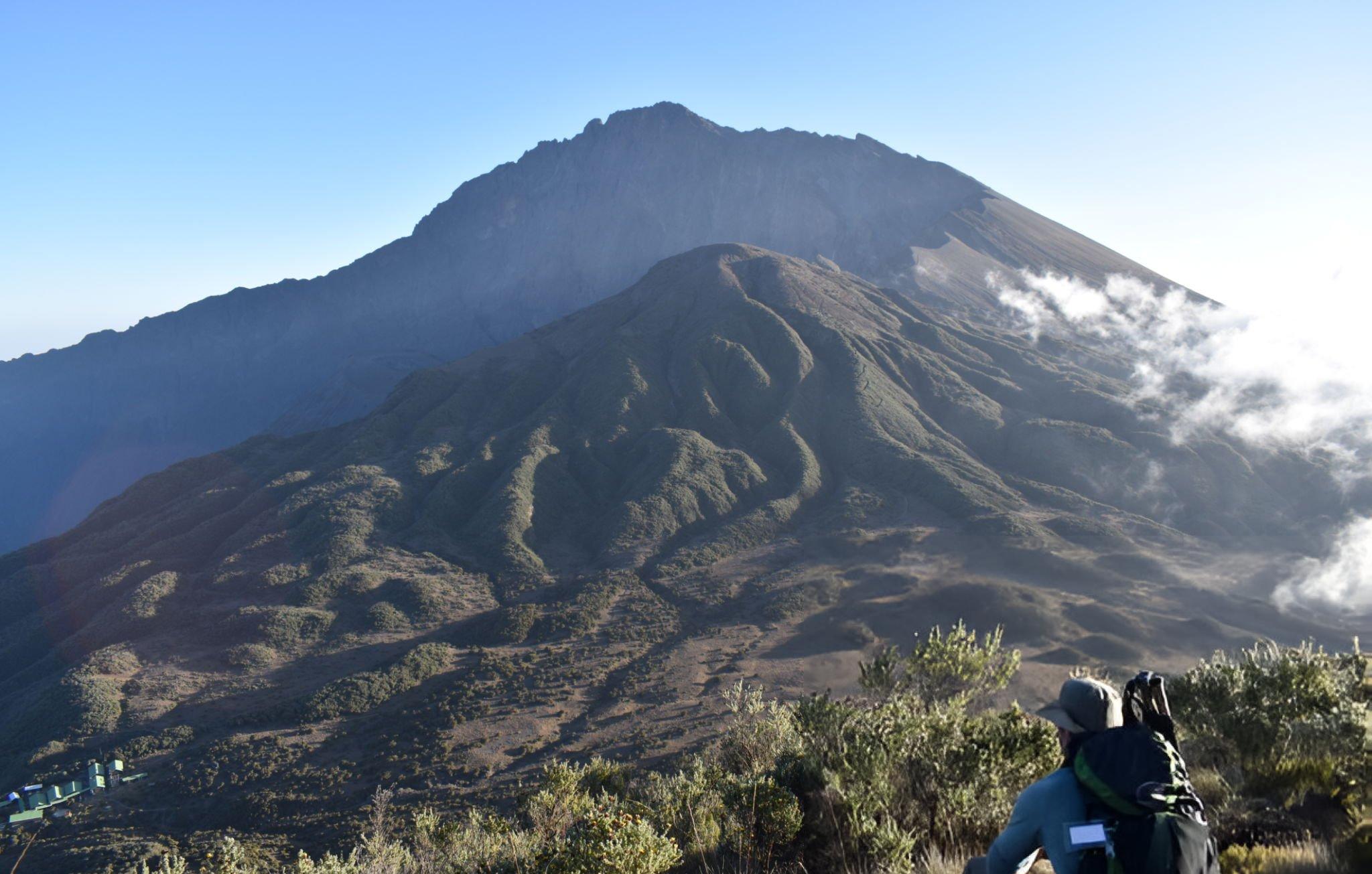
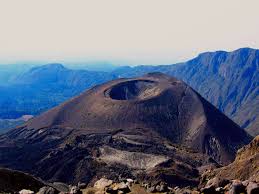
Understanding the geological history of Mount Meru further enhances appreciation of the climb. Meru is a dormant stratovolcano whose dramatic crater rim, steep ridges, and sharp volcanic ash cone shape the mountain’s unique topography. Approximately 7,800 years ago, Meru experienced a massive eruption that collapsed much of its eastern flank, forming the enormous crater visible today. The Ash Cone inside the crater remains one of the most striking geological features in Tanzania, adding scientific and aesthetic significance to the trek. Climbers traverse ancient lava flows, volcanic scree slopes, fertile ash soils, and forested ridgelines — a living classroom of Earth’s geological processes. For beginners, this educational dimension enriches the trekking experience beyond physical exertion.
From an ecological perspective, Mount Meru hosts a remarkable range of ecosystems compressed into a relatively short elevation range. Trekkers pass through savannah grasslands, acacia woodlands, montane forests, giant heather zones, alpine meadows, and high-altitude rocky ridges within just a few days. Each zone supports distinct plant and animal communities, offering constant visual and sensory diversity. Birdwatchers in particular benefit from Meru’s biodiversity, as Arusha National Park is home to over 400 bird species, including flamingos, hornbills, turacos, and raptors (https://www.birdlife.org). For beginners, this constant ecological change helps break monotony and keeps motivation high during ascents.
Culturally, climbing Mount Meru connects travelers to Tanzania’s broader heritage. The mountain lies within Maasai territory, and nearby communities maintain rich traditions rooted in pastoralism, storytelling, craftsmanship, and spiritual connections to the land. Ethical trekking operators often incorporate cultural encounters into Meru itineraries, allowing climbers to visit local villages, learn about traditional livelihoods, and support community-based tourism initiatives. These interactions deepen understanding of Tanzania’s human landscape and foster meaningful cross-cultural exchange. For beginners, this cultural immersion transforms the climb into a holistic journey rather than a purely physical challenge.
Another important dimension of the Climbing Mount Meru Beginner’s Guide is sustainability. Mount Meru’s ecosystem is fragile, particularly in alpine zones where vegetation regenerates slowly and erosion risks are high. Tanzania National Parks Authority enforces strict environmental guidelines regarding waste management, trail use, water sources, campsite conduct, and wildlife interactions. Responsible trekking practices — including pack-in-pack-out waste policies, biodegradable products, water purification instead of plastic bottles, respectful wildlife viewing distances, and adherence to marked trails — help preserve Meru’s ecosystems for future generations. Beginners who learn these principles early in their trekking careers often become lifelong advocates for conservation tourism.
Mount Meru’s affordability relative to Kilimanjaro is another key advantage. Because Meru climbs are shorter, require fewer days, and use hut accommodations rather than tented camps, overall costs are significantly lower than Kilimanjaro expeditions. This makes Meru an attractive option for budget-conscious travelers who still want a genuine high-altitude mountain experience. Understanding cost structures, park fees, guiding requirements, accommodation arrangements, and equipment needs is essential within the Climbing Mount Meru Beginner’s Guide, enabling travelers to plan realistically and avoid hidden expenses.
Physically, Mount Meru presents a moderate challenge suitable for most healthy adults with basic fitness levels. While no technical climbing skills are required, trekkers should be comfortable walking 5–8 hours per day on uneven terrain, steep ascents, and at high altitude. Summit day involves early morning hiking, exposure to cold temperatures, and some narrow ridge sections, but these are manageable with proper pacing, guidance, and preparation. Compared to other mountains of similar elevation worldwide, Meru offers an unusually high success rate for first-time climbers who follow recommended acclimatization schedules and safety guidelines.
Mentally and emotionally, Mount Meru fosters confidence, resilience, and self-discovery. Many beginners approach the climb with doubts about their physical capacity, altitude tolerance, or mental endurance, only to find themselves capable of far more than expected. The sense of achievement at Socialist Peak is often profound, igniting curiosity about future adventures and strengthening personal confidence beyond the mountain environment. This psychological empowerment is a core, though often underestimated, outcome of engaging with the Climbing Mount Meru Beginner’s Guide.
Another key benefit of Mount Meru is its strategic role as preparation for Kilimanjaro. Many trekkers choose Meru as a warm-up climb to improve fitness, acclimatization capacity, confidence, and technical hiking skills before attempting Africa’s highest peak. Studies on altitude acclimatization confirm that gradual exposure to elevations above 3,000 meters enhances red blood cell production and oxygen utilization, improving performance and reducing acute mountain sickness risk on subsequent climbs (https://www.ncbi.nlm.nih.gov/books/NBK430741). This physiological benefit makes Meru not only a rewarding destination in its own right but also a valuable training tool for aspiring high-altitude mountaineers.
Epic horizons Adventure we are looking extra miles to make sure…. every climber experiences Mount Meru safely, comfortably, responsibly, and meaningfully, with expert guides, high-quality equipment, personalized pacing, and comprehensive pre-climb preparation tailored specifically to beginner trekkers.
In summary, Mount Meru is one of the world’s most underrated beginner mountains, offering exceptional wildlife encounters, manageable altitude profiles, dramatic volcanic landscapes, accessible logistics, strong safety frameworks, cultural immersion opportunities, environmental diversity, and profound emotional rewards. Understanding these foundations equips travelers to approach the climb with clarity, confidence, and realistic expectations. The Climbing Mount Meru Beginner’s Guide therefore begins not with equipment lists or itinerary charts, but with an appreciation of what makes Meru uniquely suited to first-time climbers and why it deserves recognition alongside Africa’s most iconic adventure destinations.
Routes, Itinerary, and Daily Experience – A Complete Breakdown in Climbing Mount Meru Beginner’s Guide
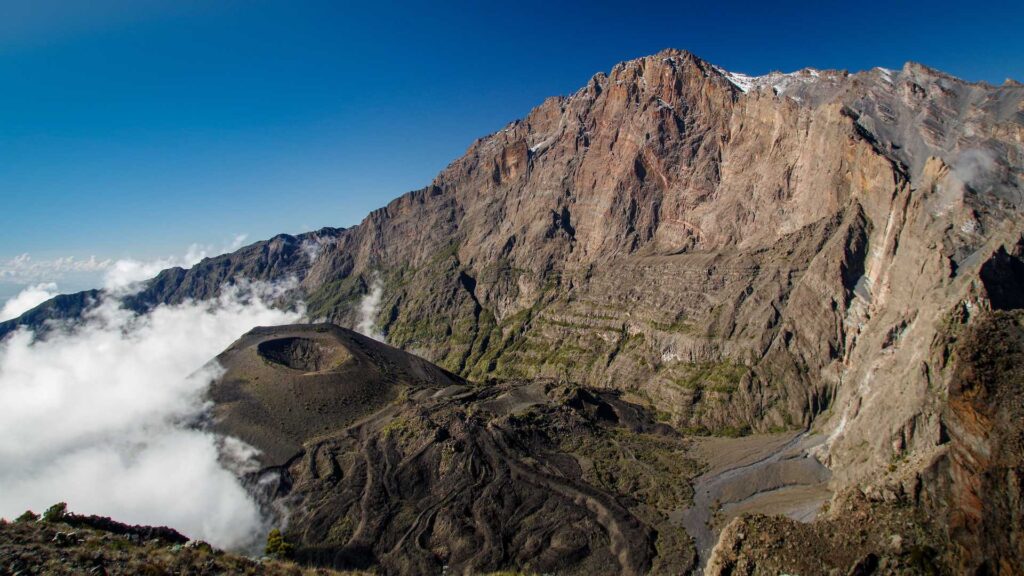
Understanding Mount Meru’s route structure and daily trekking experience is central to mastering the Climbing Mount Meru Beginner’s Guide, because success on this mountain depends less on raw physical strength and more on pacing, acclimatization, preparation, and understanding what to expect each day. Unlike Kilimanjaro, which offers multiple route options, Mount Meru is climbed almost exclusively via the Momella Route — a well-maintained, scenic, and carefully regulated trail that provides a balanced blend of wildlife encounters, forest trekking, alpine exposure, volcanic geology, and summit ridge walking. This standardized route system simplifies logistics and safety planning while ensuring environmental protection and consistent quality of experience across climbers.
The Momella Route begins at Momella Gate (1,500 meters) inside Arusha National Park, about 45 minutes from Arusha town. Before starting the hike, climbers complete registration formalities with Tanzania National Parks Authority (TANAPA), undergo equipment checks, meet their guides and porters, and receive safety briefings. Armed park rangers accompany climbers throughout the forest and lower slopes due to wildlife presence, including buffaloes, giraffes, elephants, and antelope species. This requirement, unique among African mountain treks, transforms the first day into a hybrid of hiking and walking safari — a rare and unforgettable experience for beginners.
Day 1 typically involves trekking from Momella Gate to Miriakamba Hut (2,514 meters), covering approximately 10 kilometers over 4–5 hours. The trail passes through open grassland, montane forest, and fig tree corridors teeming with wildlife and birdlife. Colobus monkeys leap through the canopy, turacos flash crimson wings overhead, and buffalo herds graze quietly in clearings. Because of the wildlife presence, hikers walk in groups accompanied by rangers who ensure safety without disrupting the natural environment. The trail gradient is gentle and well-defined, making it suitable for beginners who want to ease into trekking while adjusting to carrying daypacks, hiking rhythm, and altitude changes. Miriakamba Hut offers dormitory-style sleeping arrangements, communal dining areas, toilets, running water, and scenic forest surroundings that create a comfortable and social atmosphere for climbers.
Day 2 ascends from Miriakamba Hut to Saddle Hut (3,570 meters), covering approximately 8 kilometers over 3–4 hours. This stage introduces steeper gradients and transitions from dense forest into giant heather and moorland ecosystems. Vegetation becomes shorter and more rugged, views open toward the crater rim and Ash Cone, and the air becomes noticeably cooler and thinner. The trail remains well-marked and stable, with switchbacks that facilitate gradual altitude gain. Upon arrival at Saddle Hut, climbers often undertake a short acclimatization hike to Little Meru (3,820 meters), a nearby peak offering panoramic views over the crater and surrounding plains. This optional acclimatization hike significantly improves summit success rates by stimulating physiological adaptation to altitude while allowing recovery at lower sleeping elevations — a core principle of high-altitude trekking known as “climb high, sleep low.”
Day 3 is summit day — the highlight of the entire climb and the most challenging segment. Climbers wake between midnight and 2:00 a.m., fueled by tea, coffee, snacks, and determination, before beginning the ascent toward Socialist Peak (4,566 meters). The trail ascends steeply along rocky ridges and narrow paths, passing Rhino Point (3,800 meters) and Cobra Point (4,350 meters) before reaching the summit. Sections of the trail require careful footing, particularly along exposed ridges where steep drop-offs demand focus and balance. While no technical climbing equipment is required, trekking poles, good hiking boots, layered clothing, and careful pacing are essential. The reward for this early-morning effort is one of East Africa’s most spectacular sunrises, with golden light illuminating Kilimanjaro’s snow-capped summit, the Ash Cone crater below, and the vast savannah stretching toward the horizon.
After celebrating at the summit and taking photographs, climbers descend carefully back to Saddle Hut for brunch, then continue downward to Miriakamba Hut or Momella Gate depending on itinerary length. Some itineraries involve a 4-day ascent, with summit day descent only to Saddle Hut or Miriakamba Hut before final exit on Day 4, allowing additional recovery time and reducing fatigue. Others complete the climb in 3 days by descending directly to Momella Gate on summit day, which requires strong fitness but saves time. Understanding these itinerary variations is an essential component of the Climbing Mount Meru Beginner’s Guide, as pacing choices significantly affect comfort, safety, enjoyment, and summit success rates.
Accommodation on Mount Meru is provided exclusively in mountain huts rather than tents, which simplifies logistics and enhances comfort for beginners. Miriakamba Hut and Saddle Hut offer bunk beds with mattresses, communal dining halls, toilets, washrooms, running water (sometimes cold), and cooking facilities used by mountain staff. Because huts are communal, climbers often meet fellow trekkers from around the world, fostering camaraderie, shared storytelling, and collective motivation. While huts lack luxury amenities, they provide warmth, shelter, safety, and social connection — all crucial elements for first-time mountain climbers. Bedding is usually provided, though climbers should bring sleeping bags for warmth and hygiene.
Meals on Mount Meru are prepared by mountain cooks and typically include hearty breakfasts (porridge, eggs, bread, fruit, tea, coffee), packed lunches or hot lunches on longer days (sandwiches, fruit, snacks, soup), and filling dinners (rice, pasta, vegetables, meat, soup, dessert). Adequate nutrition and hydration are essential for energy levels, recovery, altitude acclimatization, and overall well-being. Most operators accommodate dietary requirements such as vegetarian, vegan, gluten-free, halal, or allergy-sensitive diets with advance notice. Proper nutrition management is an often-overlooked element of the Climbing Mount Meru Beginner’s Guide, yet it significantly influences summit success and overall comfort.
Water availability on Mount Meru is relatively reliable due to springs, streams, and rainwater collection systems near huts. However, climbers should treat or filter all water before drinking using purification tablets, filters, or UV sterilization devices to prevent gastrointestinal illness. Hydration is particularly important at altitude, as dehydration exacerbates altitude sickness symptoms such as headache, nausea, fatigue, and dizziness. Guides typically encourage climbers to drink 3–4 liters of water per day, especially during summit attempts. Learning effective hydration strategies is a fundamental component of the Climbing Mount Meru Beginner’s Guide.
The Momella Route’s design minimizes environmental impact by concentrating foot traffic along established trails and hut zones, reducing erosion, vegetation damage, and wildlife disturbance. Tanzania National Parks Authority enforces strict regulations regarding waste disposal, camp conduct, noise levels, wildlife interaction, and trail use (https://www.tanzaniaparks.go.tz). All non-biodegradable waste must be packed out, and climbers are prohibited from leaving litter, food scraps, or equipment behind. This strong conservation framework ensures Mount Meru remains pristine and accessible for future generations. Beginners who understand these environmental principles develop responsible trekking habits that benefit ecosystems worldwide.
Another advantage of Mount Meru’s standardized route system is logistical predictability. Because only one primary route exists, operators can accurately plan trekking times, meal schedules, staff deployment, equipment needs, and emergency response procedures. This predictability enhances safety and efficiency while allowing guides to focus on client experience, wildlife interpretation, and acclimatization monitoring rather than route-finding or logistical improvisation. For beginners, this structured environment reduces uncertainty and anxiety, making the Climbing Mount Meru Beginner’s Guide especially approachable.
Wildlife encounters on Mount Meru’s lower slopes are among the most distinctive features of the climb. Unlike most mountains where wildlife sightings are rare once trekking begins, Meru climbers frequently observe giraffes grazing quietly near trails, buffalo herds crossing paths, warthogs darting through grasslands, bushbucks browsing in forests, and countless bird species overhead. While large predators such as leopards and hyenas inhabit the park, sightings are rare, and armed ranger escorts ensure safety. This fusion of trekking and safari creates an unparalleled adventure environment and transforms the ascent into an immersive nature experience rather than a purely physical challenge.
Views along the Momella Route evolve continuously. Lower slopes offer lush forest canopies and volcanic grasslands, while mid-slopes reveal expansive crater vistas, Ash Cone formations, and sweeping savannah panoramas. Higher elevations expose climbers to rugged alpine terrain, dramatic ridgelines, and sweeping views of Kilimanjaro’s glaciated summit dominating the eastern skyline. These visual rewards sustain motivation during challenging segments and offer constant reminders of the mountain’s grandeur. Understanding how scenery evolves throughout the climb enhances appreciation and anticipation — a subtle yet powerful aspect of the Climbing Mount Meru Beginner’s Guide.
Another critical element of the daily experience is pacing. Successful Meru ascents depend on slow, steady walking rather than speed. Guides typically adopt a “pole pole” (slowly, slowly) approach — a Swahili expression that emphasizes gradual progression, rhythmic breathing, energy conservation, and altitude adaptation. Beginners sometimes underestimate the importance of pacing, attempting to walk too quickly early in the trek, which can lead to fatigue, dehydration, headaches, and altitude-related symptoms later. Learning to embrace slow, deliberate movement is fundamental to mastering the Climbing Mount Meru Beginner’s Guide and ensuring summit success.
Weather conditions on Mount Meru vary by season, elevation, and time of day. Lower slopes remain relatively warm year-round, while higher elevations experience cold temperatures, strong winds, and sudden weather changes, especially during summit attempts. Daytime temperatures at lower camps may reach 15–25°C (59–77°F), while nighttime temperatures near Saddle Hut can drop below freezing, and summit temperatures may fall well below zero, particularly in early morning hours. Climbers should prepare for rain during wet seasons (March–May and November) and for icy conditions during colder months (June–August). Understanding these climatic patterns is essential within the Climbing Mount Meru Beginner’s Guide, as weather preparedness significantly affects comfort, safety, and enjoyment.
Epic horizons Adventure we are looking extra miles to make sure…. every climber receives expert route guidance, optimal pacing strategies, comprehensive safety briefings, acclimatization support, high-quality meals, reliable equipment, and personalized care throughout the journey — transforming Mount Meru from a challenge into a life-enriching adventure.
Emergency preparedness is also embedded into the Momella Route system. Guides are trained in altitude sickness recognition, first aid, evacuation protocols, and communication procedures. Huts are equipped with radios or mobile coverage in some areas, and emergency evacuation services such as AMREF Flying Doctors (https://flydoc.org) are available for medical emergencies. Tanzania National Parks Authority maintains ranger patrols, trail infrastructure, and rescue coordination systems to ensure climber safety. Beginners benefit greatly from this institutional safety framework, making Meru one of the safest high-altitude trekking destinations globally.
In summary, Mount Meru’s Momella Route offers an ideal blend of accessibility, safety, scenery, wildlife, acclimatization, and logistical simplicity, making it one of the best mountains in the world for beginner climbers. Understanding the daily itinerary, route characteristics, accommodation systems, pacing strategies, hydration requirements, nutritional needs, environmental protocols, and safety frameworks is essential for success. The Climbing Mount Meru Beginner’s Guide therefore empowers travelers to approach the mountain not with uncertainty but with confidence, preparedness, and excitement for the extraordinary journey ahead.
Physical Preparation, Training, and Health – Mastering the Body and Mind for Climbing Mount Meru Beginner’s Guide
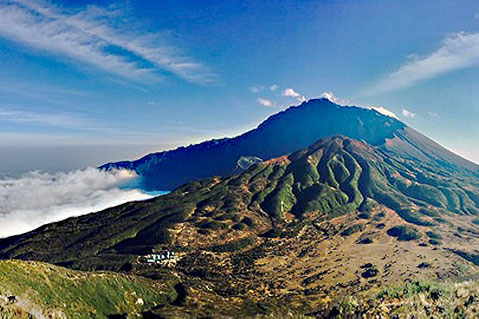
Preparing physically and mentally for Mount Meru is one of the most important elements of the Climbing Mount Meru Beginner’s Guide, because while the mountain is accessible to first-time climbers, it still demands sustained endurance, cardiovascular fitness, muscular strength, altitude resilience, and psychological adaptability. Many beginners underestimate the cumulative physical stress of multi-day trekking at altitude, particularly when combined with cold temperatures, variable terrain, early wake-ups, heavy breathing, reduced oxygen availability, and emotional pressure surrounding summit attempts. Proper preparation significantly increases summit success rates, reduces injury risk, enhances enjoyment, and transforms the climb from a struggle into a fulfilling adventure.
Mount Meru does not require technical climbing skills, rope work, or mountaineering experience, but it does require the ability to hike for 4–8 hours per day on uneven terrain while carrying a light daypack. The most important fitness components include cardiovascular endurance, leg strength, core stability, joint mobility, balance, and muscular endurance. Cardio fitness enables climbers to maintain steady pacing without excessive fatigue, breathlessness, or heart strain. Leg strength supports uphill ascents, downhill descents, and load-bearing movement. Core stability stabilizes posture and reduces injury risk. Joint mobility enhances stride efficiency and reduces stress on knees, hips, and ankles. Balance reduces fall risk on rocky ridges and uneven surfaces. Muscular endurance enables sustained movement over long durations without muscle failure. Understanding these physiological demands is foundational to mastering the Climbing Mount Meru Beginner’s Guide.
Training ideally begins 6–10 weeks before departure, though even shorter preparation windows can yield benefits if structured effectively. Cardiovascular training should form the foundation of preparation, incorporating activities such as brisk walking, hiking, jogging, cycling, swimming, stair climbing, elliptical training, or rowing. Beginners should aim for at least 3–5 cardio sessions per week, gradually increasing duration, intensity, and elevation gain. Hill training, stair workouts, and treadmill incline walking simulate uphill trekking and strengthen climbing muscles. Longer endurance sessions of 60–120 minutes build aerobic capacity and mental resilience, both essential for sustained high-altitude hiking.
Strength training complements cardio by reinforcing muscle groups critical for trekking. Key exercises include squats, lunges, step-ups, calf raises, glute bridges, deadlifts, planks, side planks, and upper-body pulling exercises for posture stability when using trekking poles or carrying backpacks. Bodyweight exercises are effective, though resistance bands, dumbbells, kettlebells, or gym equipment can further enhance strength development. Training should focus on functional movement patterns rather than isolated muscle groups, emphasizing multi-joint exercises that replicate hiking biomechanics. Strength sessions 2–3 times per week significantly improve endurance, reduce injury risk, and enhance confidence during climbs — core outcomes of the Climbing Mount Meru Beginner’s Guide.
Flexibility and mobility training further enhance performance and comfort. Dynamic stretching, yoga, Pilates, foam rolling, and mobility drills improve joint range of motion, muscle elasticity, balance, posture, and movement efficiency. Improved flexibility reduces muscle soreness, enhances stride length, and improves stability on uneven terrain. Including mobility work 2–3 times per week supports injury prevention and recovery, particularly for knees, hips, ankles, calves, hamstrings, quadriceps, and lower back — all heavily engaged during mountain trekking.
Mental preparation is equally critical. Many beginner climbers struggle more with psychological challenges than physical ones — self-doubt, fear of failure, anxiety about altitude sickness, discomfort in cold weather, sleep disturbances, or uncertainty about performance limits. Mental training techniques such as visualization, mindfulness, breath awareness, positive self-talk, goal-setting, and stress management improve psychological resilience and emotional regulation during physically demanding situations. Practicing mental endurance through long training hikes, challenging workouts, cold exposure, early morning starts, or controlled discomfort builds confidence and adaptability — essential traits within the Climbing Mount Meru Beginner’s Guide.
Altitude acclimatization deserves special attention. Although Mount Meru’s gradual ascent profile reduces altitude sickness risk, climbers still ascend to 4,566 meters, where oxygen availability is approximately 60% of sea-level levels. Common altitude-related symptoms include headache, nausea, dizziness, fatigue, insomnia, appetite loss, shortness of breath, and irritability. Severe conditions such as Acute Mountain Sickness (AMS), High Altitude Pulmonary Edema (HAPE), and High Altitude Cerebral Edema (HACE) are rare but potentially life-threatening if ignored. Understanding altitude physiology, symptom recognition, prevention strategies, and response protocols is central to mastering the Climbing Mount Meru Beginner’s Guide.
The most effective acclimatization strategy is gradual ascent — climbing slowly, sleeping lower than the highest elevation reached during the day (“climb high, sleep low”), staying hydrated, eating sufficient calories, avoiding alcohol and sedatives, maintaining moderate exertion levels, and listening to one’s body. The Momella Route’s design supports acclimatization through staged elevation gains and optional acclimatization hikes to Little Meru. Guides monitor climbers daily for symptoms using standardized assessment tools and adjust pace, rest periods, or itinerary progression accordingly. In some cases, medications such as acetazolamide (Diamox) may be prescribed by healthcare professionals to assist acclimatization, though they should not replace gradual ascent strategies or symptom monitoring (https://wwwnc.cdc.gov/travel/page/travel-to-high-altitudes). Understanding these principles strengthens safety outcomes and summit success rates within the Climbing Mount Meru Beginner’s Guide.
Hydration and nutrition significantly influence physical performance and altitude tolerance. Dehydration exacerbates altitude symptoms, reduces blood volume, impairs thermoregulation, increases fatigue, and compromises cognitive function. Climbers should aim to drink 3–4 liters of water per day, supplemented with electrolytes to replace sodium, potassium, and minerals lost through sweating and respiration. Proper nutrition ensures adequate glycogen stores, muscle repair, immune function, and energy availability. Carbohydrates provide quick energy for sustained activity, proteins support muscle repair and immune health, and fats provide sustained caloric density. High-altitude diets should emphasize complex carbohydrates, lean proteins, healthy fats, fruits, vegetables, soups, and warm beverages. Appetite often decreases at altitude, so small, frequent meals and snacks are recommended. Learning effective hydration and nutrition strategies is integral to mastering the Climbing Mount Meru Beginner’s Guide.
Sleep management is another critical factor. High altitude often disrupts sleep patterns due to periodic breathing, increased respiratory rate, cold temperatures, and unfamiliar environments. Sleep deprivation can impair cognitive function, emotional regulation, physical performance, and immune resilience. Strategies for improving sleep quality include maintaining hydration, avoiding caffeine late in the day, consuming warm meals, layering appropriately for warmth, using earplugs or eye masks in shared huts, practicing relaxation techniques before bed, and maintaining consistent sleep-wake routines. Understanding sleep challenges and solutions is part of the holistic approach promoted by the Climbing Mount Meru Beginner’s Guide.
Injury prevention is essential during training and trekking. Common injuries include knee pain (patellofemoral pain syndrome), ankle sprains, Achilles tendinitis, shin splints, blisters, lower back strain, and muscle soreness. Preventive strategies include progressive training progression, proper footwear selection, break-in periods for boots, use of trekking poles to reduce joint stress, appropriate pacing, warm-up and cool-down routines, flexibility training, and listening to bodily signals. On the mountain, blister prevention through moisture-wicking socks, foot hygiene, toe taping, blister pads, and well-fitted footwear is particularly important, as foot discomfort can significantly impair trekking performance and morale. Injury prevention strategies are foundational within the Climbing Mount Meru Beginner’s Guide.
Medical screening is advisable before undertaking high-altitude trekking, particularly for individuals with pre-existing conditions such as cardiovascular disease, respiratory conditions, diabetes, obesity, musculoskeletal injuries, or recent surgeries. Travelers should consult healthcare providers to assess fitness for altitude exposure, medication interactions, and individual risk factors. Vaccination status should be updated according to travel health guidelines, including routine immunizations and region-specific recommendations (https://wwwnc.cdc.gov/travel/destinations/traveler/none/tanzania). Travelers should carry personal medications in original packaging with copies of prescriptions and medical documentation. Understanding health clearance protocols enhances safety and preparedness within the Climbing Mount Meru Beginner’s Guide.
Mental resilience training also involves expectation management. Beginners often imagine summiting as the sole measure of success, but true success includes safety, enjoyment, learning, growth, and meaningful engagement with nature regardless of summit outcome. Weather conditions, health considerations, and unforeseen circumstances may necessitate turning back before the summit, and responsible guides prioritize safety over summiting at all costs. Reframing success as a holistic journey rather than a binary summit outcome reduces psychological pressure, enhances enjoyment, and aligns with responsible mountaineering ethics. Understanding this mindset shift is central to mastering the Climbing Mount Meru Beginner’s Guide.
Team dynamics also influence physical and mental performance. Climbers often trek in small groups, and mutual encouragement, shared pacing, humor, empathy, and collective motivation enhance resilience during challenging moments. Respecting individual differences in pace, energy levels, acclimatization rates, and emotional responses fosters supportive group environments that benefit everyone. Good guides cultivate inclusive atmospheres where climbers feel safe expressing concerns, asking questions, requesting breaks, or seeking reassurance. Understanding the social dimension of trekking enhances outcomes within the Climbing Mount Meru Beginner’s Guide.
Epic horizons Adventure we are looking extra miles to make sure…. every climber receives personalized training guidance, health screening support, acclimatization strategies, nutritional planning, injury prevention education, psychological preparation, and professional monitoring throughout the climb — empowering beginners to reach their potential safely and confidently.
Another key preparation dimension is equipment familiarity. Training hikes should be conducted using the same boots, backpacks, trekking poles, socks, hydration systems, and clothing layers intended for the climb. This allows climbers to identify pressure points, blister risks, chafing areas, gear malfunctions, and comfort issues before reaching the mountain. Familiarity with gear reduces anxiety, enhances efficiency, and minimizes distractions during critical moments. Understanding equipment testing and adjustment processes strengthens preparedness within the Climbing Mount Meru Beginner’s Guide.
Weight management also influences performance. Carrying excess body weight increases energy expenditure, joint stress, fatigue, and altitude strain, while insufficient body weight or poor nutrition reduces strength, endurance, and immune resilience. Balanced nutrition, gradual weight optimization, and functional fitness training improve climbing efficiency and comfort. However, weight loss should not be extreme or rapid, as inadequate caloric intake compromises training adaptation, recovery, and health. Understanding healthy body composition strategies is part of responsible preparation within the Climbing Mount Meru Beginner’s Guide.
Psychological readiness also includes embracing uncertainty and discomfort. High-altitude trekking involves unpredictable weather, physical fatigue, cold exposure, disrupted sleep, limited connectivity, shared accommodation, simple facilities, and unfamiliar environments. Beginners who approach these elements with curiosity, patience, humor, and adaptability often thrive, while those expecting luxury comfort or absolute predictability may struggle. Cultivating psychological flexibility, resilience, and gratitude enhances overall satisfaction and personal growth — core outcomes emphasized within the Climbing Mount Meru Beginner’s Guide.
In summary, physical preparation for Mount Meru encompasses cardiovascular endurance, muscular strength, flexibility, balance, altitude acclimatization, hydration, nutrition, sleep management, injury prevention, mental resilience, expectation management, team dynamics, medical screening, equipment familiarity, and lifestyle optimization. Beginners who invest in comprehensive preparation enjoy safer, more comfortable, and more rewarding climbing experiences. The Climbing Mount Meru Beginner’s Guide therefore positions preparation not as an optional enhancement but as an essential foundation for success, safety, enjoyment, and long-term personal growth through mountain adventure.
Gear, Packing List, Clothing Systems, and Equipment Strategy – Essential Tools for Climbing Mount Meru Beginner’s Guide
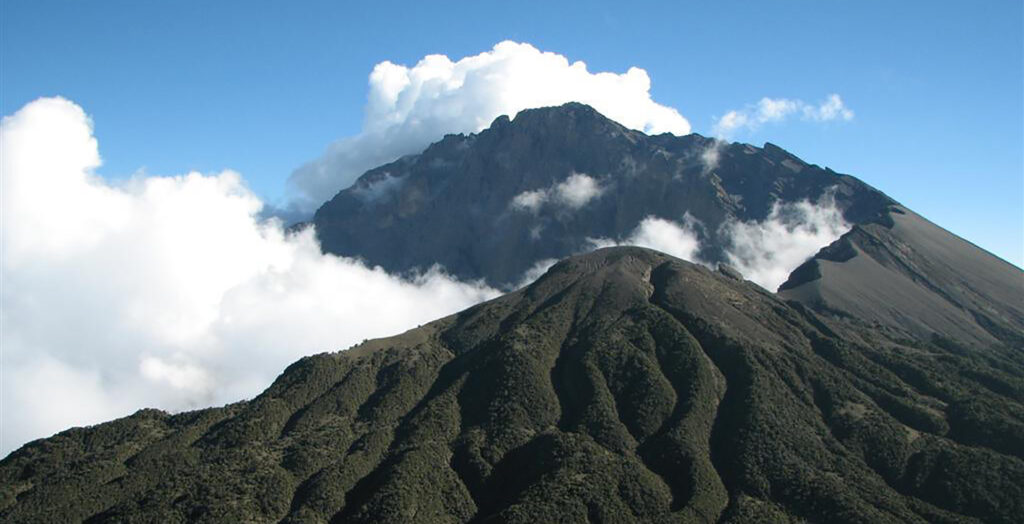
Proper gear selection is one of the most decisive factors in determining comfort, safety, and success on Mount Meru, making equipment strategy a cornerstone of the Climbing Mount Meru Beginner’s Guide. While Meru does not require technical mountaineering gear such as ropes, harnesses, crampons, or ice axes, it does demand well-chosen trekking equipment capable of handling cold temperatures, variable weather, rocky terrain, altitude exposure, and long hiking hours. Beginners often underestimate the importance of gear quality, fit, layering systems, footwear comfort, and weight management, which can lead to blisters, hypothermia, overheating, fatigue, dehydration, and unnecessary discomfort. A strategic, minimalist, and functional gear approach enhances performance while reducing stress, allowing climbers to focus on the experience rather than equipment problems.
Footwear is the single most important piece of equipment for Mount Meru. Proper hiking boots should be well-fitted, broken-in, waterproof or water-resistant, supportive around the ankles, and comfortable for long-distance walking on uneven terrain. Mid- to high-cut boots with stiff soles provide stability on rocky ridges and reduce ankle injury risk, while cushioned midsoles absorb shock during descents. Boots should allow enough toe room to prevent bruising during downhill segments but remain snug enough to avoid heel lift and friction blisters. Breaking boots in during training hikes is essential — new boots should never be worn for the first time on the mountain. Quality hiking socks, preferably merino wool or synthetic blends, enhance moisture management, insulation, cushioning, and blister prevention. Carrying multiple sock pairs allows rotation and drying, further improving foot health. Foot care strategies — including blister tape, lubricant, foot powder, nail trimming, and daily inspection — are integral to the Climbing Mount Meru Beginner’s Guide.
Clothing systems on Mount Meru should follow a layered approach designed to regulate body temperature, manage moisture, block wind and rain, and provide insulation during cold conditions. The three-layer system consists of base layers (moisture-wicking), mid-layers (insulation), and outer layers (weather protection). Base layers include lightweight, breathable, quick-drying tops and bottoms made of merino wool or synthetic fabrics. Cotton should be avoided due to moisture retention and slow drying. Mid-layers include fleece jackets, insulated synthetic jackets, or lightweight down jackets that trap body heat while remaining breathable. Outer layers include waterproof, windproof shells such as rain jackets and pants with sealed seams, adjustable hoods, and ventilation zippers. This modular layering approach allows climbers to adjust insulation dynamically based on temperature, exertion level, wind exposure, and weather changes — a critical skill emphasized within the Climbing Mount Meru Beginner’s Guide.
For lower-body clothing, hikers should pack trekking pants that are lightweight, durable, stretchable, and quick-drying. Convertible pants with zip-off legs offer versatility across temperature ranges. Thermal leggings or base layer bottoms provide additional insulation for cold mornings and summit day. Waterproof shell pants protect against rain, wind, and cold. Shorts are optional for lower-elevation sections but generally less useful at higher altitudes due to cold temperatures and sun exposure. Gaiters may be useful during wet seasons or muddy trail conditions to prevent debris, water, and mud from entering boots.
Upper-body clothing includes short-sleeve and long-sleeve base layers, mid-layer fleece or insulated jackets, and outer shell jackets. Long sleeves provide sun protection, insect protection, and thermal insulation. Insulated jackets — either synthetic or down — are essential for evenings at camp and summit day. Down jackets offer superior warmth-to-weight ratios but lose insulation when wet, while synthetic jackets retain warmth when damp and dry faster. Both options work effectively if paired with proper moisture management strategies. A warm hat, neck gaiter or buff, and insulated gloves or mittens are essential for summit day, when temperatures can drop well below freezing, particularly before sunrise. Proper hand and head insulation significantly enhance comfort, dexterity, and safety at altitude — a critical consideration within the Climbing Mount Meru Beginner’s Guide.
Backpacks and luggage strategy also influence comfort and efficiency. Climbers typically carry a daypack (20–35 liters) containing water, snacks, camera gear, extra layers, sunscreen, rain gear, personal items, and first-aid supplies. Porters carry the main duffel bag (soft-sided preferred) containing clothing, toiletries, sleeping bags, spare gear, and personal equipment. Soft duffel bags (60–90 liters) with compression straps are ideal due to ease of carrying, storage, and weight distribution. Most operators impose weight limits (typically 12–15 kg per porter load) to ensure porter welfare, sustainability, and safety. Understanding weight management principles — including packing light, minimizing redundancies, and prioritizing functional items — is essential within the Climbing Mount Meru Beginner’s Guide.
Sleeping systems on Mount Meru involve hut accommodation, but climbers should bring sleeping bags rated for temperatures between -10°C and 0°C (14°F to 32°F) depending on season, personal cold tolerance, and altitude exposure. While huts provide mattresses, they do not supply blankets or bedding, and nighttime temperatures can drop significantly at higher elevations. Sleeping bag liners enhance warmth, hygiene, and comfort, while inflatable or foam sleeping pads may add insulation and cushioning for light sleepers. Earplugs and eye masks improve sleep quality in communal dormitories, while small headlamps or flashlights are essential for nighttime movement and early morning summit starts. Understanding sleep system optimization is part of the Climbing Mount Meru Beginner’s Guide.
Hydration systems are vital for performance and altitude acclimatization. Climbers should carry at least 2–3 liters of water capacity in the form of hydration bladders, bottles, or a combination of both. Insulated bottles help prevent freezing during cold conditions, particularly on summit day. Water purification tablets, filters, or UV sterilization devices are necessary to treat water sourced from mountain streams, springs, or taps at huts. Electrolyte supplements support hydration, replace minerals lost through sweat, and reduce fatigue. Hydration strategies — including frequent sipping rather than infrequent large gulps — optimize fluid absorption and reduce gastrointestinal discomfort. Effective hydration management is a cornerstone of the Climbing Mount Meru Beginner’s Guide.
Nutrition systems include high-energy snacks such as energy bars, trail mix, dried fruit, nuts, jerky, chocolate, electrolyte chews, and carbohydrates for quick fuel during trekking. While cooks provide main meals, personal snacks offer comfort, variety, and rapid energy availability during long hiking days and summit attempts. Appetite suppression at altitude is common, so palatable, easily digestible snacks become particularly valuable. Warm beverages such as tea, coffee, hot chocolate, or broth improve morale, hydration, and thermal comfort. Understanding nutritional strategies enhances endurance and recovery within the Climbing Mount Meru Beginner’s Guide.
Navigation and communication equipment is typically handled by guides, but climbers benefit from carrying personal devices such as GPS watches, smartphones with offline maps, compasses, or printed trail maps for situational awareness. Power banks, solar chargers, or spare batteries ensure electronic devices remain functional throughout the trek, as huts may not provide reliable charging facilities. Headlamps with spare batteries are essential for pre-dawn summit starts, nighttime movement, and emergencies. Personal communication devices such as satellite messengers or emergency beacons are generally unnecessary when trekking with licensed guides and park rangers, but some climbers carry them for additional peace of mind.
Health and hygiene supplies form another essential category. A personal first-aid kit should include blister treatment supplies, pain relievers, anti-inflammatory medications, anti-diarrheal medication, altitude sickness medication (if prescribed), antihistamines, antiseptic wipes, bandages, gauze, tape, personal prescriptions, sunscreen (SPF 30+), lip balm with SPF, insect repellent, hand sanitizer, wet wipes, toilet paper, menstrual hygiene products, and personal toiletries. Small microfiber towels dry quickly and pack compactly, while biodegradable soap minimizes environmental impact. Hygiene management improves comfort, prevents infections, and enhances overall morale — all integral outcomes within the Climbing Mount Meru Beginner’s Guide.
Personal accessories further enhance comfort and functionality. Sunglasses with UV protection protect eyes from intense high-altitude sunlight and glare from clouds or volcanic rock surfaces. Wide-brimmed hats or caps provide sun protection, while buffs or neck gaiters protect against wind, dust, cold, and UV exposure. Trekking poles significantly reduce joint stress, improve balance, enhance rhythm, and reduce fatigue during steep ascents and descents — especially beneficial for beginners. Adjustable aluminum or carbon fiber poles with comfortable grips and wrist straps are recommended. Small dry bags or waterproof stuff sacks protect electronics, clothing, and documents from rain, sweat, and condensation.
Documentation and administrative items should be packed securely in waterproof pouches. These include passport, visa documentation, travel insurance certificates, vaccination records (if applicable), park permits, booking confirmations, emergency contacts, and copies of important documents. Digital backups stored securely in cloud services or encrypted devices add redundancy in case of loss or damage. Cash in small denominations (USD or Tanzanian shillings) is useful for tips, souvenirs, and incidental expenses, though most lodges accept credit cards. Understanding document management enhances logistical preparedness within the Climbing Mount Meru Beginner’s Guide.
Environmental responsibility should inform gear choices. Travelers should minimize single-use plastics, opt for reusable water bottles, avoid disposable packaging, choose biodegradable toiletries, pack out all waste, and follow Leave No Trace principles. Gear durability and repairability reduce waste and environmental footprint. Supporting companies that prioritize sustainable equipment sourcing, porter welfare, fair labor practices, and conservation initiatives reinforces responsible tourism values central to the Climbing Mount Meru Beginner’s Guide.
Weight management is crucial for comfort and performance. Excessive pack weight increases fatigue, joint stress, injury risk, dehydration, and altitude strain. Beginners often overpack due to anxiety or uncertainty, carrying redundant clothing, unnecessary gadgets, or luxury items that add weight without functional benefit. A strategic minimalist approach — prioritizing multi-purpose items, layering systems, lightweight fabrics, and essential gear only — optimizes efficiency and comfort. Experienced guides can assist climbers in reviewing packing lists, removing unnecessary items, and redistributing weight appropriately. Understanding weight optimization strategies is fundamental within the Climbing Mount Meru Beginner’s Guide.
Rental equipment options may be available through operators for items such as sleeping bags, trekking poles, jackets, gaiters, gloves, and rain gear. Renting can reduce luggage volume, travel costs, and upfront investment, particularly for first-time climbers who may not own specialized gear. However, rented equipment quality varies, so travelers should inquire about condition, sizing, cleanliness, insulation ratings, and availability in advance. For critical items such as boots, base layers, and personal hygiene supplies, owning and testing gear is preferable. Understanding rental strategies enhances cost efficiency and convenience within the Climbing Mount Meru Beginner’s Guide.
Epic horizons Adventure we are looking extra miles to make sure…. every climber is equipped with high-quality gear, personalized packing guidance, professional equipment checks, porter load management, and functional clothing systems — ensuring safety, comfort, and confidence throughout the climb.
Another important equipment consideration is climate adaptation. Mount Meru’s weather can change rapidly, with sunshine giving way to rain, wind, fog, or cold temperatures within minutes. Layering systems, waterproof shells, insulating layers, and moisture-wicking fabrics enable climbers to adapt quickly without stopping frequently to change clothing. Breathable materials reduce sweat accumulation, which can lead to chilling during rest periods or exposure to wind. Understanding microclimate adaptation strategies enhances comfort and safety within the Climbing Mount Meru Beginner’s Guide.
Emergency preparedness also includes carrying basic survival gear such as emergency blankets, whistles, multi-tools, duct tape, spare laces, repair kits, spare batteries, backup headlamps, and emergency contact information. While guides manage emergencies professionally, personal preparedness adds resilience and peace of mind. Understanding redundancy and contingency planning enhances safety outcomes within the Climbing Mount Meru Beginner’s Guide.
In summary, gear and equipment strategy for Mount Meru involves thoughtful footwear selection, functional clothing layering systems, weight management, hydration and nutrition planning, sleeping systems, health and hygiene supplies, navigation and communication tools, environmental responsibility, rental equipment evaluation, and emergency preparedness. Beginners who approach gear selection strategically experience fewer injuries, greater comfort, improved performance, enhanced confidence, and deeper enjoyment of the journey. The Climbing Mount Meru Beginner’s Guide therefore positions equipment planning not as a checklist exercise but as a critical component of holistic trekking success.
Safety, Costs, Best Time to Climb, Booking Strategy, and Expert Tips – Complete Mastery of Climbing Mount Meru Beginner’s Guide
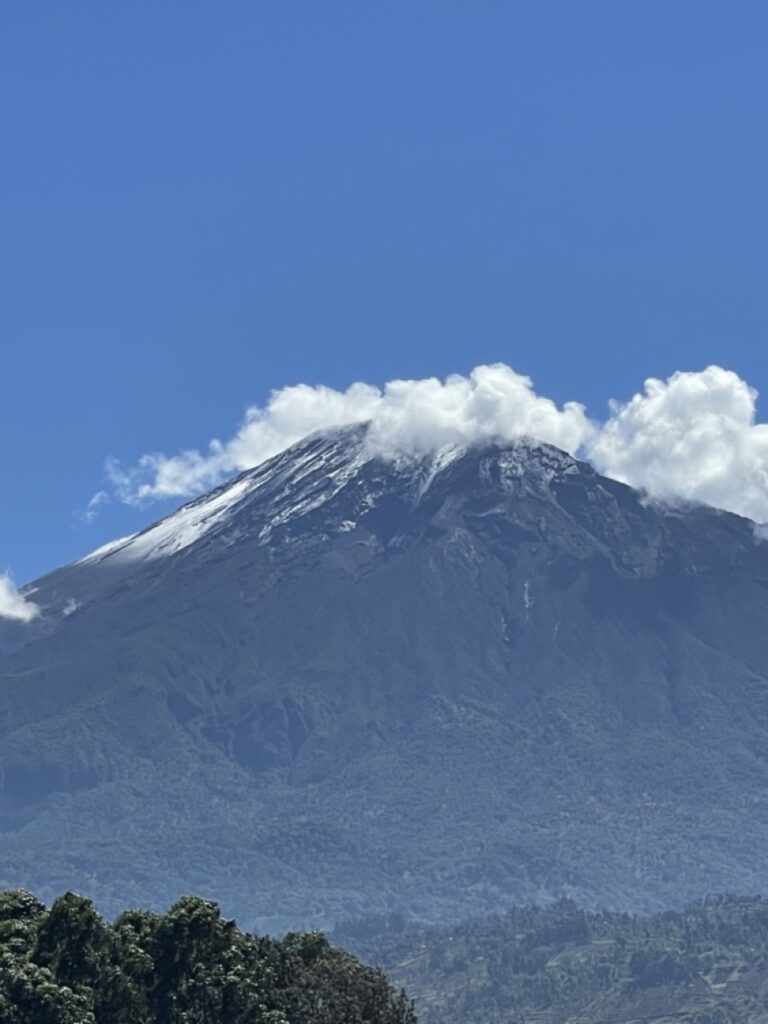
Safety, timing, budgeting, booking strategy, and experiential optimization collectively form the final pillars of the Climbing Mount Meru Beginner’s Guide, because even the best preparation, training, and equipment can be undermined by poor planning, unsafe practices, unrealistic expectations, or uninformed decision-making. Understanding these dimensions holistically empowers beginners to approach Mount Meru with confidence, clarity, and responsibility — maximizing enjoyment while minimizing risk.
Safety on Mount Meru is underpinned by a structured regulatory framework enforced by Tanzania National Parks Authority (TANAPA), which requires all climbers to be accompanied by licensed guides and armed rangers within Arusha National Park (https://www.tanzaniaparks.go.tz). This framework ensures wildlife safety, route compliance, emergency response readiness, environmental protection, and visitor conduct standards. Guides undergo professional training in altitude illness recognition, first aid, evacuation protocols, navigation, wildlife behavior, and client management. Rangers ensure safe passage through wildlife zones, monitor environmental conditions, and assist with emergency coordination. This institutional support structure makes Mount Meru one of the safest high-altitude trekking destinations globally, particularly for beginners.
Altitude safety remains the primary physiological risk. As climbers ascend beyond 2,500 meters, reduced oxygen availability challenges cardiovascular and respiratory systems. Common altitude sickness symptoms include headache, nausea, fatigue, dizziness, insomnia, appetite loss, irritability, and shortness of breath. More severe conditions such as Acute Mountain Sickness (AMS), High Altitude Pulmonary Edema (HAPE), and High Altitude Cerebral Edema (HACE) require immediate descent and medical attention. Prevention strategies include gradual ascent, hydration, nutrition, moderate pacing, rest, avoiding alcohol and sedatives, and monitoring symptoms closely. Guides conduct daily health checks and adjust itineraries as needed. Understanding altitude physiology and response protocols is essential within the Climbing Mount Meru Beginner’s Guide.
Weather safety is another critical factor. Mount Meru’s climate varies by season and elevation, with potential for rain, fog, wind, cold temperatures, thunderstorms, and reduced visibility. Wet conditions increase slip risk, while cold temperatures raise hypothermia risk, particularly during summit attempts. Proper clothing layering, waterproof shells, insulated gloves and hats, weather monitoring, flexible itineraries, and adherence to guide recommendations mitigate these risks. Summit attempts may be postponed or aborted due to dangerous conditions — a responsible decision that prioritizes safety over summit ambition. Understanding weather dynamics and safety trade-offs is central to mastering the Climbing Mount Meru Beginner’s Guide.
Terrain safety includes managing steep ascents, rocky ridges, narrow paths, loose scree, and uneven surfaces. Trekking poles enhance balance and reduce joint stress, while proper footwear improves traction and stability. Maintaining safe distances between climbers, especially on narrow ridges, reduces fall risk. Guides manage group spacing, pacing, and route positioning to optimize safety. Climbers should remain attentive, avoid rushing, communicate fatigue or discomfort, and follow guide instructions at all times. Terrain awareness and movement discipline are foundational skills within the Climbing Mount Meru Beginner’s Guide.
Wildlife safety is unique to Mount Meru due to its location within Arusha National Park. While wildlife encounters enrich the trekking experience, they also require adherence to safety protocols. Climbers must remain in groups, follow ranger instructions, maintain appropriate distances, avoid sudden movements or loud noises, and never approach, feed, or provoke animals. Rangers are trained to manage wildlife encounters calmly and effectively. Understanding wildlife behavior and safety procedures enhances both safety and appreciation of this rare trekking-safari hybrid experience — a defining feature of the Climbing Mount Meru Beginner’s Guide.
Health safety includes managing hydration, nutrition, hygiene, injury prevention, medication adherence, infection control, and emergency preparedness. Gastrointestinal illness prevention involves water purification, hand hygiene, food safety awareness, and cautious consumption of unverified sources. Blister prevention and foot care reduce mobility impairment. Sunscreen, lip balm, sunglasses, and protective clothing reduce sunburn and UV damage. Insect repellent reduces malaria and mosquito-borne disease risk at lower elevations. Vaccination compliance and travel insurance coverage ensure medical preparedness. Understanding holistic health safety is essential within the Climbing Mount Meru Beginner’s Guide.
Financial planning and budgeting represent another core dimension. Mount Meru climbs are significantly more affordable than Kilimanjaro expeditions due to shorter duration, hut accommodations, fewer staff requirements, and reduced logistical complexity. Typical costs range from $700 to $1,200 per person for 3–4 day climbs, depending on operator quality, inclusions, group size, seasonality, and service level. These costs generally include park fees, hut accommodation, guides, porters, cooks, meals, drinking water, armed ranger services, transportation to and from the mountain, and safety equipment. Exclusions may include tips, personal gear rental, travel insurance, visas, vaccinations, snacks, alcoholic beverages, and post-climb accommodations. Understanding cost structures and inclusions enhances transparency and value optimization within the Climbing Mount Meru Beginner’s Guide.
Park fees constitute a significant portion of the overall cost, supporting conservation, wildlife protection, ranger salaries, infrastructure maintenance, habitat preservation, and community development initiatives. These fees ensure Mount Meru remains ecologically intact and accessible for future generations. Responsible travelers recognize that safari and trekking fees represent investments in conservation rather than mere tourism expenses. Understanding this conservation funding model reinforces ethical engagement within the Climbing Mount Meru Beginner’s Guide.
Tipping practices should be budgeted appropriately. While tipping is discretionary, it is customary in Tanzania and constitutes an important income component for guides, porters, cooks, and support staff. Typical guidelines suggest tipping guides $15–$25 per climber per day, porters $8–$15 per climber per day, and cooks $10–$15 per climber per day, depending on service quality and group size. Some operators pool tips and distribute them equitably among staff. Travelers should confirm tipping policies in advance and carry small denominations in cash. Understanding tipping etiquette supports ethical tourism and staff welfare within the Climbing Mount Meru Beginner’s Guide.
The best time to climb Mount Meru depends on weather patterns, trail conditions, wildlife visibility, crowd levels, and personal preferences. Tanzania experiences two main dry seasons — January to March and June to October — and two rainy seasons — April to May (long rains) and November (short rains). Dry seasons offer clearer skies, better trail conditions, and more predictable summit weather, making them ideal for beginners. June to September is particularly popular due to cool temperatures, excellent visibility, and wildlife abundance, though this period coincides with peak tourist season and higher demand. January to March offers warmer temperatures, fewer crowds, and good climbing conditions, though afternoon clouds and occasional showers may occur. April–May presents lush landscapes, fewer climbers, and lower costs, but heavier rainfall, muddy trails, and reduced visibility can increase difficulty. November offers transitional conditions with lighter rains and moderate crowds. Understanding seasonal trade-offs enables travelers to select optimal climbing windows within the Climbing Mount Meru Beginner’s Guide.
Wildlife viewing on Mount Meru varies seasonally, with dry seasons concentrating animals near water sources and open grasslands, enhancing visibility, while wet seasons disperse wildlife into lush vegetation, reducing sighting frequency but increasing scenic beauty. Birdlife thrives year-round, with migratory species arriving during rainy seasons. Travelers seeking wildlife-rich trekking experiences may prefer dry seasons, while those seeking solitude and affordability may favor shoulder or green seasons. Integrating wildlife objectives into seasonal planning strengthens mastery of the Climbing Mount Meru Beginner’s Guide.
Booking strategy significantly influences experience quality. Travelers should prioritize licensed Tanzanian operators registered with Tanzania Tourism Board (TTB) and affiliated with industry organizations such as the Tanzania Association of Tour Operators (TATO) (https://www.tatotz.org). Reputable operators offer transparent pricing, detailed itineraries, safety certifications, experienced guides, ethical labor practices, porter welfare compliance, conservation commitments, and strong customer reviews. Travelers should avoid booking unlicensed operators offering unrealistically low prices, as these may compromise safety, legality, environmental standards, and staff welfare. Understanding booking due diligence processes is a critical component of the Climbing Mount Meru Beginner’s Guide.
Travelers should compare multiple operator proposals, evaluating not only price but also inclusions, service quality, guide experience, equipment standards, porter treatment policies, environmental practices, itinerary pacing, safety protocols, emergency preparedness, accommodation quality, meal standards, transportation logistics, and customer support responsiveness. Transparent operators provide written quotations, detailed inclusion/exclusion lists, cancellation policies, payment schedules, and contract terms. Secure payment methods, reasonable deposit requirements, and fair refund policies indicate professionalism. Understanding these evaluation criteria strengthens booking confidence within the Climbing Mount Meru Beginner’s Guide.
Epic horizons Adventure we are looking extra miles to make sure…. every climber enjoys transparent pricing, ethical operations, porter welfare compliance, personalized itinerary design, professional guiding, comprehensive safety frameworks, and unforgettable experiences rooted in sustainability, integrity, and excellence.
Another expert booking tip is to reserve climbs well in advance during peak seasons, particularly June–September and December–February, as hut availability and ranger allocations are limited. Booking 2–4 months ahead is typically sufficient during shoulder seasons, while last-minute bookings may be possible during low seasons depending on availability. Early booking also allows time for training, equipment preparation, vaccination scheduling, travel insurance acquisition, visa processing, and flight booking. Understanding booking timelines optimizes planning efficiency within the Climbing Mount Meru Beginner’s Guide.
Combining Mount Meru with other Tanzanian experiences enhances value and fulfillment. Many travelers integrate Meru climbs with safaris in Serengeti National Park, Ngorongoro Conservation Area, Tarangire National Park, Lake Manyara, or southern circuit destinations such as Ruaha and Nyerere National Park. Others extend their journeys to Zanzibar for beach relaxation, cultural exploration, spice tours, and historical site visits in Stone Town (https://www.zanzibartourism.go.tz). Some climbers proceed from Meru directly to Kilimanjaro for higher-altitude challenges, leveraging Meru’s acclimatization benefits. Understanding itinerary integration strategies enhances travel efficiency and experiential richness within the Climbing Mount Meru Beginner’s Guide.
Cultural sensitivity and community engagement further enrich experiences. Visiting nearby Maasai villages, supporting local craft markets, participating in community tourism initiatives, and learning Swahili greetings foster meaningful cultural exchange and economic empowerment. Ethical operators ensure community visits are respectful, consensual, fair, and beneficial rather than exploitative. Understanding cultural protocols enhances cross-cultural understanding and reinforces responsible tourism values embedded within the Climbing Mount Meru Beginner’s Guide.
Environmental stewardship remains essential throughout the climb. Climbers should adhere to Leave No Trace principles, pack out all waste, avoid littering, respect wildlife viewing distances, remain on designated trails, minimize noise, avoid damaging vegetation, conserve water, use biodegradable toiletries, and support conservation initiatives. Responsible behavior preserves Mount Meru’s fragile ecosystems and ensures future generations can enjoy its beauty. Understanding environmental ethics is foundational within the Climbing Mount Meru Beginner’s Guide.
Another expert tip involves managing expectations regarding summit success. While Mount Meru boasts high success rates due to its gradual ascent profile, summit success is never guaranteed. Weather, altitude response, illness, injury, fatigue, or unforeseen circumstances may necessitate turning back. Responsible guides prioritize safety over summiting, and travelers should adopt flexible, non-ego-driven mindsets. Many climbers find that the journey itself — wildlife encounters, scenic vistas, camaraderie, personal growth — matters more than standing on the summit. Embracing this holistic success framework enhances emotional resilience and satisfaction within the Climbing Mount Meru Beginner’s Guide.
Communication with guides throughout the climb is crucial. Climbers should openly share symptoms, concerns, preferences, energy levels, and goals. Guides rely on honest feedback to adjust pacing, rest periods, hydration strategies, acclimatization plans, and safety decisions. Silence about discomfort or symptoms can compromise safety outcomes. Understanding open communication practices enhances trust and teamwork — core values within the Climbing Mount Meru Beginner’s Guide.
Post-climb recovery and reflection also deserve attention. After descending, climbers may experience muscle soreness, fatigue, dehydration, or mild altitude aftereffects. Gentle stretching, hydration, nutritious meals, rest, and light activity facilitate recovery. Many travelers benefit from journaling, photography organization, storytelling, or educational research about the ecosystems encountered. Sharing experiences through reviews and testimonials supports ethical operators and helps future travelers make informed decisions. Reflecting on personal growth, resilience, and connection to nature transforms the climb into a lasting life experience — a deeper dimension of the Climbing Mount Meru Beginner’s Guide.
In summary, mastering safety, costs, seasonality, booking strategy, cultural sensitivity, environmental stewardship, expectation management, communication practices, itinerary integration, and post-climb reflection completes the holistic framework of Mount Meru preparation and execution. Beginners who internalize these principles enjoy safer, more fulfilling, and more transformative climbing experiences. The Climbing Mount Meru Beginner’s Guide therefore represents not merely a logistical manual but a comprehensive philosophy of responsible adventure travel — one that honors nature, culture, community, personal growth, and ethical exploration.
Final Call to Action
Ready to conquer Mount Meru with confidence, safety, and unforgettable memories?
Epic horizons Adventure we are looking extra miles to make sure…. every climber receives world-class guiding, personalized preparation, ethical tourism standards, seamless logistics, and life-changing experiences on Tanzania’s most rewarding beginner mountain.
🌍 Contact Epic Horizons Adventure today and start your Mount Meru journey.https://www.epichorizonsadventures.com/our-tours/destinations/