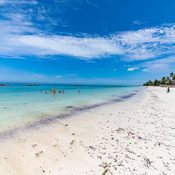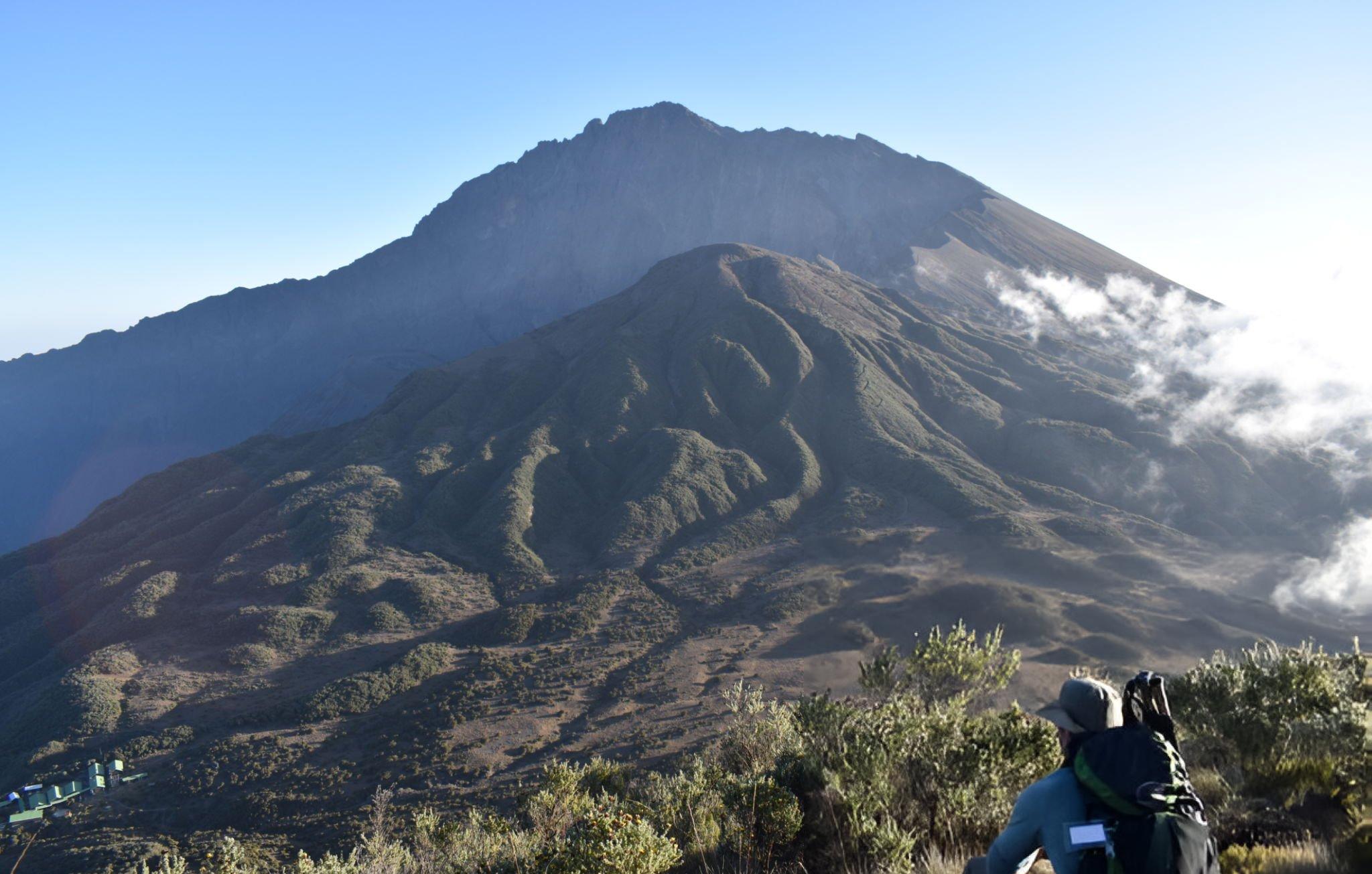
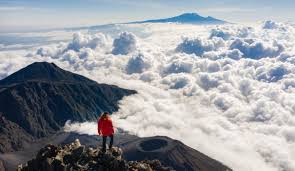
Discover the Best time to trek Mount Meru with this complete seasonal guide covering weather patterns, wildlife viewing, safety, costs, trekking conditions, and expert advice from Epic Horizons Adventure.https://www.epichorizonsadventures.com/our-tours/destinations/
Understanding Mount Meru’s Climate and Weather Patterns – A Complete Guide to the Best time to trek Mount Meru
Mount Meru, standing proudly at 4,566 meters (14,980 feet) within Tanzania’s Arusha National Park, is one of Africa’s most underrated trekking destinations, especially for first-time high-altitude climbers and adventure travelers seeking immersive wilderness experiences combined with dramatic volcanic landscapes and abundant wildlife. Understanding its climate and seasonal weather patterns is the foundation for choosing the Best time to trek Mount Meru, because weather conditions directly affect trail safety, visibility, comfort, summit success rates, wildlife encounters, packing requirements, and overall trekking satisfaction. Unlike Kilimanjaro, which attracts tens of thousands of climbers annually, Mount Meru offers a quieter, more intimate trekking experience — but its weather patterns are equally dynamic and demand careful consideration when planning a climb.
Mount Meru lies near the equator, yet its high elevation creates a cooler and more variable climate than Tanzania’s surrounding lowland regions. Temperatures decrease significantly with altitude, and weather conditions can change rapidly within hours. At lower elevations around Momella Gate (1,500 meters), daytime temperatures typically range between 20°C and 28°C (68°F–82°F), while nighttime temperatures remain relatively mild. As climbers ascend into the montane forest zone around Miriakamba Hut (2,514 meters), temperatures drop to approximately 10°C–18°C (50°F–64°F) during the day and can fall below 10°C (50°F) at night. At Saddle Hut (3,570 meters) and especially near the summit, temperatures often dip below freezing, particularly in the early morning hours when summit attempts begin. Wind chill, cloud cover, and precipitation can make conditions feel significantly colder than actual temperatures, underscoring the importance of layering systems and weather awareness in determining the Best time to trek Mount Meru.
Rainfall patterns are the most significant climatic variable affecting trekking conditions. Tanzania experiences two primary rainy seasons: the long rains from March to May and the short rains in November. These rainy periods transform the landscape into lush green ecosystems but also bring muddy trails, slippery rocks, reduced visibility, increased cloud cover, and a higher likelihood of afternoon storms — all factors that can increase physical exertion, reduce comfort, and potentially compromise safety on exposed ridges near the summit. Conversely, Tanzania’s dry seasons — January to February and June to October — offer more stable weather conditions, clearer skies, lower humidity, and better trail stability, making them generally the most favorable periods for trekking Mount Meru.
During the long rains (March–May), rainfall can be persistent and heavy, especially in April, when trails become muddy, streams swell, and visibility decreases. While Mount Meru remains open for trekking during this period, climbers must contend with wetter gear, increased slip risk, colder temperatures due to cloud cover and wind, and limited summit views. However, this season also offers unique advantages: fewer climbers on the mountain, lower trekking costs, lush landscapes, vibrant vegetation, blooming wildflowers, and abundant birdlife. Wildlife viewing at lower elevations can be more dispersed due to plentiful water sources, but the park’s scenic beauty during this period is unmatched. For experienced trekkers seeking solitude, dramatic cloudscapes, and budget-friendly options, the rainy season may still represent a viable choice — though for most travelers, it is not considered the Best time to trek Mount Meru.
The short rains in November are typically lighter and less predictable than the long rains, often manifesting as brief afternoon showers rather than all-day rainfall. Trails may be damp but generally remain manageable, and visibility often improves between cloud breaks. This transitional season offers a balance between greener landscapes and moderate trekking conditions, along with fewer crowds and more flexible booking availability. However, summit mornings may still be cold and cloudy, and weather patterns can change quickly, requiring flexibility in itinerary planning. Some climbers find November an appealing compromise between dry-season predictability and rainy-season solitude, though it still carries higher weather-related variability than peak dry months when most travelers seek the Best time to trek Mount Meru.
The dry seasons — January to February and June to October — are widely regarded as the most favorable periods for trekking Mount Meru due to stable weather, clearer skies, reduced precipitation, and improved trail conditions. During these months, rainfall is minimal, humidity levels are lower, and cloud cover tends to be lighter, especially in the mornings. These conditions enhance summit success rates, improve visibility of Kilimanjaro from Mount Meru’s summit ridge, and provide more comfortable trekking temperatures during the day. Dry trails reduce slip risk, while clear skies enhance navigation safety and scenic photography opportunities. These factors collectively define what most climbers consider the Best time to trek Mount Meru.
January and February are particularly attractive months for trekking, as they offer warm temperatures, relatively low rainfall, lush post-rain landscapes, and moderate crowd levels. These months also coincide with the calving season in the Serengeti, making them popular for travelers combining trekking with wildlife safaris. On Mount Meru, January and February provide excellent visibility, comfortable hiking temperatures, and relatively stable weather conditions, though occasional afternoon showers may still occur. Summit mornings can be cold but generally less severe than during the cooler mid-year dry season. For climbers seeking warmer trekking conditions and vibrant scenery without peak-season crowds, January and February often represent the Best time to trek Mount Meru.
June through October constitutes the primary dry season in northern Tanzania and is considered peak trekking season for Mount Meru. During this period, rainfall is rare, skies are generally clear, humidity is low, and trail conditions are optimal. Daytime temperatures at lower elevations remain comfortable, while higher elevations experience cooler but manageable conditions. Nights at Saddle Hut and summit mornings can be cold, particularly in July and August, when temperatures may fall well below freezing. However, these colder conditions are often offset by exceptional visibility, crisp mountain air, and dramatic sunrise views over Kilimanjaro and the surrounding savannah. Wildlife viewing at lower elevations improves during the dry season as animals congregate around remaining water sources, increasing the likelihood of sightings. These combined factors explain why June to October is widely regarded as the Best time to trek Mount Meru.
Wind patterns also influence trekking conditions. During the dry season, winds at higher elevations can be stronger, particularly near the summit ridge, increasing wind chill and requiring effective layering and windproof outer garments. During the rainy season, winds tend to be less intense but can still contribute to cold exposure during storms or cloud cover. Understanding wind patterns helps climbers prepare appropriate clothing systems and mental readiness for summit conditions — another key factor in selecting the Best time to trek Mount Meru.
Cloud cover and visibility are equally important considerations. During wet months, clouds often form earlier in the day and linger longer, reducing panoramic views and obscuring landmarks. During dry months, mornings are typically clear, offering spectacular views of Mount Kilimanjaro, the Ash Cone crater, and the surrounding plains from Mount Meru’s summit ridge. Photographers, landscape enthusiasts, and climbers seeking iconic summit experiences often prioritize dry-season windows to maximize visibility and scenic impact — reinforcing the reputation of these months as the Best time to trek Mount Meru.
Another climatic factor is solar intensity. At high altitude, ultraviolet radiation exposure increases significantly, even on cloudy days. During dry seasons, prolonged sunshine hours increase sunburn risk, dehydration, and heat-related fatigue at lower elevations, necessitating proper sun protection strategies such as sunscreen, sunglasses, hats, and hydration management. During wet seasons, cloud cover reduces solar intensity but increases humidity, which can exacerbate discomfort and fatigue during climbs. Understanding solar exposure dynamics helps climbers optimize comfort and safety when determining the Best time to trek Mount Meru.
Mount Meru’s weather patterns are also influenced by larger climatic systems such as the Intertropical Convergence Zone (ITCZ), Indian Ocean monsoons, and regional atmospheric circulation. These systems drive seasonal rainfall variability and influence temperature fluctuations across East Africa. Climate change has introduced additional variability, with some seasons experiencing unpredictable rainfall patterns, shifting dry-season boundaries, and increased weather extremes. As a result, flexibility in itinerary planning, gear selection, and summit expectations remains essential regardless of the chosen trekking window. Still, long-term climatological trends continue to support dry-season windows as the most reliable periods for achieving favorable conditions — reinforcing their status as the Best time to trek Mount Meru.
Epic horizons Adventure we are looking extra miles to make sure…. every climber receives real-time weather updates, expert seasonal guidance, professional safety planning, and adaptive itinerary design to ensure optimal trekking experiences regardless of climatic variability. This commitment to personalized service and environmental awareness ensures that climbers not only choose the right season but also navigate Mount Meru safely and comfortably throughout their journey.
Another important dimension of climate understanding is microclimate variation along Mount Meru’s elevation gradient. The mountain encompasses multiple ecological zones — savannah grasslands, montane forests, bamboo groves, giant heather moorlands, alpine meadows, and rocky volcanic ridges — each with distinct microclimates. Lower zones experience warmer temperatures, higher humidity, and greater rainfall, while upper zones experience cooler temperatures, lower oxygen levels, stronger winds, and more intense solar radiation. These microclimatic transitions affect clothing needs, hydration strategies, pacing considerations, and acclimatization responses. Climbers who understand these variations are better equipped to manage comfort, safety, and performance across different sections of the trail — an essential component of mastering the Best time to trek Mount Meru.
The relationship between climate and wildlife activity also influences trekking experience. During dry seasons, wildlife tends to concentrate near water sources and open grasslands, increasing visibility along lower trail sections. Giraffes, buffaloes, warthogs, antelopes, and numerous bird species are commonly observed near Momella Gate and Miriakamba Hut during dry months. During wet seasons, vegetation density increases, water availability disperses animals, and sightings may become less frequent, though birdlife diversity often peaks during rainy periods due to migratory species. For travelers prioritizing wildlife encounters alongside trekking, seasonal wildlife patterns represent another factor in determining the Best time to trek Mount Meru.
Weather conditions also influence trail maintenance and safety protocols. Tanzania National Parks Authority (TANAPA) monitors trail conditions year-round and may adjust route access, ranger deployment, and safety advisories based on weather patterns (https://www.tanzaniaparks.go.tz). During heavy rains, sections of the trail may become muddy, slippery, or temporarily hazardous, requiring additional caution, slower pacing, and potential itinerary adjustments. During dry seasons, trails remain firm and stable, reducing injury risk and increasing trekking efficiency. These operational considerations further reinforce why dry months are widely regarded as the Best time to trek Mount Meru.
Understanding climate patterns also helps climbers optimize packing strategies. Dry-season trekking prioritizes sun protection, breathable clothing, windproof layers, and hydration systems, while rainy-season trekking demands waterproof outerwear, quick-drying fabrics, gaiters, extra socks, and moisture management strategies. Summit attempts during colder months require insulated gloves, hats, thermal layers, and windproof shells, while warmer months allow lighter insulation systems. Gear optimization reduces weight, increases comfort, and enhances safety — all central objectives within the Best time to trek Mount Meru framework.
Another important climate-related factor is daylight duration. Tanzania lies near the equator, resulting in relatively consistent day length throughout the year, with sunrise around 6:30 a.m. and sunset around 6:30 p.m. This consistency simplifies trekking logistics compared to higher latitudes, where seasonal daylight variation can significantly affect climbing schedules. However, cloud cover during rainy seasons can reduce perceived daylight brightness and visibility, while clear skies during dry seasons enhance natural lighting conditions for navigation and photography. While daylight variation is less pronounced, perceived visibility still contributes to the overall experience and influences perceptions of the Best time to trek Mount Meru.
For climbers combining Mount Meru trekking with other Tanzanian experiences — such as wildlife safaris, cultural tourism, or beach vacations — seasonal climate alignment becomes even more important. Dry-season months coincide with peak safari viewing conditions in Serengeti, Ngorongoro, Tarangire, and Lake Manyara, as animals congregate around water sources and vegetation thins (https://www.serengeti.org). January to March aligns with the wildebeest calving season in the southern Serengeti, while July to October coincides with the Great Migration river crossings in northern Serengeti and Maasai Mara (https://www.awf.org). Travelers seeking to optimize both trekking and safari experiences often select dry-season windows, reinforcing their reputation as the Best time to trek Mount Meru.
Climate understanding also informs expectations regarding crowd levels. Dry seasons attract higher visitor volumes, particularly during July–September and December–February, which may result in busier trails, fuller huts, and higher demand for guides and accommodations. While Mount Meru remains far less crowded than Kilimanjaro, peak-season climbs still require advance booking and flexibility regarding departure dates. Conversely, rainy seasons offer quieter trails, greater solitude, and more personalized experiences, albeit with increased weather-related challenges. Understanding crowd dynamics enables travelers to balance social atmosphere, solitude preferences, and weather reliability when determining the Best time to trek Mount Meru.
Safety planning incorporates climate risk management strategies such as weather monitoring, flexible itineraries, contingency planning, proper clothing systems, hydration management, and altitude acclimatization. Reputable operators track weather forecasts, seasonal patterns, and real-time conditions to adjust summit attempts, pacing schedules, and rest periods accordingly. Climbers should remain adaptable, responsive to guide recommendations, and prepared to modify expectations based on evolving weather conditions. This adaptive mindset is integral to responsible trekking and enhances outcomes regardless of season — though it is most effectively applied during periods identified as the Best time to trek Mount Meru.
In summary, Mount Meru’s climate is shaped by equatorial latitude, altitude gradients, seasonal rainfall patterns, wind dynamics, cloud cover variability, solar intensity, and ecological zone transitions. Dry seasons offer stable weather, clear skies, improved trail conditions, enhanced wildlife visibility, and higher summit success rates, making them widely regarded as the Best time to trek Mount Meru. Rainy seasons present unique advantages such as lush landscapes, solitude, affordability, and birdlife diversity but involve increased weather-related challenges. Understanding these climatic factors empowers travelers to make informed decisions aligned with personal preferences, fitness levels, risk tolerance, and experiential goals. By mastering Mount Meru’s climate patterns, climbers position themselves for safe, rewarding, and unforgettable trekking experiences on one of East Africa’s most remarkable mountains.
Month-by-Month Breakdown – Choosing the Best time to trek Mount Meru Across the Calendar Year
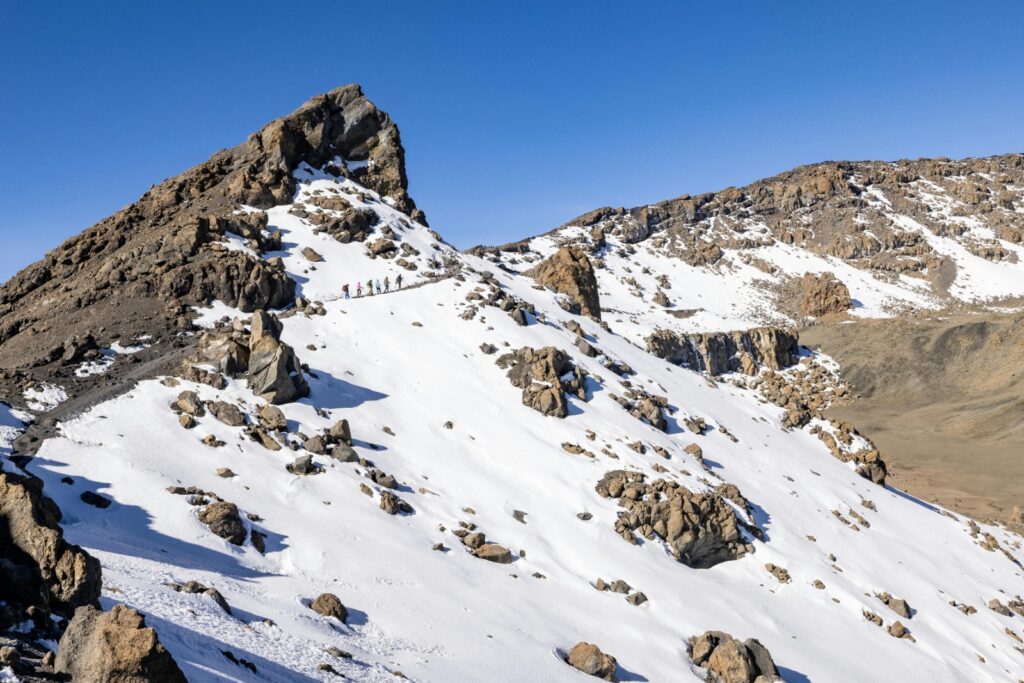
Selecting the optimal trekking window requires more than broad seasonal generalizations; it demands a nuanced understanding of Mount Meru’s month-by-month climatic variations, wildlife patterns, crowd levels, safety considerations, visibility conditions, and experiential trade-offs. While many travelers rely on generic advice regarding dry and wet seasons, a detailed calendar-based analysis enables climbers to pinpoint the precise period that best aligns with their personal goals, fitness levels, photography ambitions, wildlife interests, budget constraints, and tolerance for weather variability. This section of the guide provides an in-depth monthly breakdown to help travelers identify the Best time to trek Mount Meru with precision and confidence.
January marks the beginning of one of Mount Meru’s most favorable trekking periods. Following the short rains of November and December, landscapes remain lush, vegetation vibrant, and wildlife active. Temperatures are warm but manageable at lower elevations, while summit conditions remain cold but generally stable. Rainfall is typically low, with occasional afternoon showers that rarely disrupt trekking schedules. Visibility is often excellent, particularly in the mornings, offering breathtaking views of Mount Kilimanjaro from the summit ridge. Crowd levels remain moderate, as January falls outside peak holiday periods in many international markets. For climbers seeking warm temperatures, green landscapes, and reliable trekking conditions, January often represents the Best time to trek Mount Meru.
February continues January’s favorable conditions, with stable weather, minimal rainfall, and excellent visibility. Temperatures remain warm during the day and cold at night at higher elevations, requiring proper layering systems. Trails remain firm, wildlife sightings are frequent at lower elevations, and summit success rates are high. February also coincides with the wildebeest calving season in the southern Serengeti, making it an ideal month for combining Mount Meru trekking with wildlife safaris (https://www.awf.org). Crowd levels remain moderate compared to peak mid-year months, enhancing solitude and hut availability. For travelers seeking a balance between weather reliability, wildlife experiences, and manageable crowd levels, February consistently ranks among the Best time to trek Mount Meru.
March marks the transition toward the long rainy season. Early March often retains favorable trekking conditions, with warm temperatures, partial cloud cover, and manageable rainfall. However, as the month progresses, rain showers become more frequent and prolonged, particularly in the afternoons and evenings. Trails may begin to soften, visibility may decrease, and humidity levels rise. While trekking remains feasible, conditions become less predictable, and summit views may be obscured by cloud cover. March offers lower crowd levels and potentially reduced costs, appealing to travelers seeking solitude and budget-friendly options. However, compared to January and February, March represents a less consistent window for achieving optimal trekking conditions and is therefore less commonly considered the Best time to trek Mount Meru.
April typically experiences the heaviest rainfall of the year, marking the peak of Tanzania’s long rainy season. Persistent rains transform the landscape into lush green ecosystems but significantly impact trekking conditions. Trails become muddy and slippery, streams swell, cloud cover increases, and visibility declines. Summit attempts may be delayed or aborted due to adverse weather, and cold, wet conditions at higher elevations increase discomfort and hypothermia risk. While Mount Meru remains open, only experienced trekkers with strong weather tolerance, flexible itineraries, and budget-driven motivations generally consider April climbs. For most travelers, April is not regarded as the Best time to trek Mount Meru, though it offers unique advantages such as solitude, dramatic cloudscapes, vibrant vegetation, and discounted rates.
May represents the tail end of the long rainy season, with rainfall gradually decreasing toward the end of the month. Early May may still experience significant precipitation, while late May often sees improving conditions, clearer skies, and drying trails. Vegetation remains lush, wildlife dispersal persists, and crowd levels remain low. Late May can serve as a transitional window for climbers seeking improved weather conditions without peak-season crowds. However, variability remains high, and summit conditions may still be unpredictable. While late May can occasionally align with favorable trekking windows, it is generally considered a shoulder season rather than the Best time to trek Mount Meru.
June marks the beginning of the long dry season and the start of Mount Meru’s peak trekking period. Rainfall drops significantly, skies clear, humidity decreases, and trail conditions improve dramatically. Temperatures become cooler, particularly at higher elevations, with summit mornings often well below freezing. However, clear skies enhance visibility, photography opportunities, and summit success rates. Wildlife sightings increase at lower elevations as animals congregate around remaining water sources. Crowd levels begin to rise as international travelers arrive for summer holidays. For climbers prioritizing weather stability, scenic clarity, and optimal trekking conditions, June often represents the Best time to trek Mount Meru.
July continues the dry season with minimal rainfall, crisp mountain air, and excellent visibility. Days are generally sunny, nights are cold at higher elevations, and summit conditions are typically stable. Wind exposure may increase on ridges, requiring effective layering systems and windproof clothing. Wildlife viewing remains excellent, and landscapes transition from lush greens to golden savannah hues. Crowd levels peak during July due to summer holidays in Europe and North America, requiring advance booking for huts and guides. Despite higher demand, July is widely regarded as one of the Best time to trek Mount Meru due to exceptional weather reliability and summit success rates.
August mirrors July’s favorable conditions, with dry weather, cool temperatures, and outstanding visibility. It is one of the busiest months for trekking, particularly among European travelers on summer vacations. While crowd levels increase, Mount Meru remains significantly quieter than Kilimanjaro, preserving its intimate trekking atmosphere. Wildlife viewing continues to be excellent, and summit mornings offer spectacular sunrise vistas over Kilimanjaro and the surrounding plains. For travelers seeking peak conditions and vibrant social trekking environments, August consistently ranks among the Best time to trek Mount Meru.
September represents a continuation of dry-season conditions, with low rainfall, clear skies, stable weather, and manageable temperatures. Crowd levels begin to decline slightly as summer holidays end, improving hut availability and trail solitude. Wildlife sightings remain strong, and landscapes maintain dry-season clarity. September offers an excellent balance between favorable weather, reduced crowds, and optimal trekking conditions, making it a top choice for climbers seeking both quality and tranquility. Many experienced trekkers consider September the Best time to trek Mount Meru due to its combination of weather reliability and quieter trail dynamics.
October marks the transition toward the short rainy season, though rainfall typically remains minimal during most of the month. Conditions remain favorable for trekking, with warm daytime temperatures, manageable summit conditions, and generally good visibility. Late October may experience occasional showers, but trails remain largely stable and accessible. Crowd levels continue to decline, offering increased solitude and booking flexibility. October represents a shoulder-season window with strong trekking potential and moderate weather reliability, often regarded as a close contender for the Best time to trek Mount Meru.
November brings the short rains, characterized by brief, intermittent showers rather than prolonged downpours. Weather conditions remain variable, with sunny mornings, cloud buildup in the afternoons, and occasional rainstorms. Trails may become damp but typically remain manageable. Visibility can fluctuate, and summit conditions may be cloudier than during dry months. Wildlife viewing at lower elevations may decrease slightly as animals disperse into lush vegetation, though birdlife diversity increases due to migratory species. Crowd levels remain low, and costs often decrease. While November offers unique advantages for budget travelers and solitude seekers, it is generally considered a shoulder season rather than the Best time to trek Mount Meru.
December transitions out of the short rains toward drier conditions, particularly in the latter half of the month. Early December may still experience rainfall and cloud cover, while late December often sees improving weather stability. Temperatures remain warm, landscapes lush, and wildlife active. Crowd levels increase toward the holiday season, particularly around Christmas and New Year’s, requiring advance booking. Late December offers favorable trekking conditions combined with festive travel atmospheres and opportunities to combine Mount Meru climbs with safari and holiday vacations. For travelers seeking year-end adventures, late December can align closely with the Best time to trek Mount Meru.
This month-by-month breakdown illustrates that while dry-season months — January, February, June, July, August, September, and October — consistently offer the most reliable trekking conditions, shoulder months such as late May, early March, and late December can also provide favorable windows depending on weather variability and personal preferences. Rainy-season months — April and early May — present the greatest challenges but also offer solitude, lush landscapes, and budget-friendly options for experienced trekkers willing to tolerate adverse conditions. Understanding these monthly nuances empowers travelers to select the precise period that aligns with their goals, reinforcing the importance of personalized planning within the Best time to trek Mount Meru framework.
Epic horizons Adventure we are looking extra miles to make sure…. every climber receives personalized month-specific guidance, real-time weather insights, seasonal itinerary optimization, and expert logistical support to ensure the safest and most rewarding trekking experience possible, regardless of the chosen travel window.
Another important monthly consideration is the alignment between Mount Meru trekking and other Tanzanian travel experiences. For example, January–March aligns with Serengeti calving season, June–October aligns with the Great Migration river crossings, and December aligns with holiday travel and festive tourism. Travelers seeking multi-destination itineraries benefit from selecting months that optimize both trekking and safari objectives. For instance, September offers exceptional wildlife viewing, dry trekking conditions, and reduced crowds, making it ideal for combined trekking-safari itineraries — further reinforcing its reputation as a contender for the Best time to trek Mount Meru.
Photography considerations also influence monthly preferences. Dry-season months offer clear skies, crisp air, and high visibility, enhancing landscape photography opportunities, sunrise shots, wildlife images, and summit panoramas. Wet-season months offer dramatic cloud formations, misty forests, lush vegetation, and vibrant colors, appealing to photographers seeking moody, atmospheric compositions. Understanding photographic objectives helps climbers select months that best support their creative goals while navigating weather-related trade-offs within the Best time to trek Mount Meru framework.
Physical comfort and acclimatization dynamics also vary by month. Warmer months (January–March) reduce cold exposure at lower elevations and camps, potentially improving sleep quality and comfort for cold-sensitive individuals. Cooler months (June–August) introduce colder summit mornings and nighttime temperatures but often improve altitude tolerance due to reduced humidity and dehydration risk. Individual cold tolerance, hydration needs, sleep sensitivity, and altitude response profiles may influence month selection within the broader Best time to trek Mount Meru considerations.
Budget considerations fluctuate seasonally as well. Peak-season months (July–September and December–February) often command higher prices due to increased demand, limited hut availability, and higher staffing costs. Shoulder-season months (March, May, October, November) often offer discounted rates, promotional offers, and greater flexibility in itinerary customization. Rainy-season months (April and early May) typically offer the lowest prices but involve increased weather-related risks. Understanding seasonal pricing dynamics allows travelers to balance cost efficiency against weather reliability when selecting the Best time to trek Mount Meru.
Health and safety considerations may also vary seasonally. Rainy seasons increase the risk of trail slips, hypothermia, wet gear discomfort, insect exposure, and gastrointestinal illness due to water contamination. Dry seasons reduce these risks but increase sun exposure, dehydration risk, and cold exposure at higher elevations. Understanding these seasonal health dynamics informs packing strategies, hydration planning, clothing selection, and risk management practices — all integral to determining the Best time to trek Mount Meru.
Crowd dynamics influence social atmosphere and solitude preferences. Peak-season months offer more social interactions, group camaraderie, and shared summit experiences, while shoulder and rainy seasons offer quieter trails, deeper solitude, and more intimate nature immersion. Personal preferences regarding social engagement versus solitude play a significant role in determining the optimal trekking window within the Best time to trek Mount Meru framework.
Operational logistics also vary seasonally. During peak seasons, guides, porters, and huts operate at high capacity, requiring advance booking and schedule flexibility. During low seasons, availability increases, customization options expand, and personalized service levels often improve. However, weather-related disruptions may require itinerary adjustments, delayed summit attempts, or altered descent plans. Understanding these operational dynamics helps travelers align expectations and planning strategies with seasonal realities — an essential component of mastering the Best time to trek Mount Meru.
In summary, a month-by-month analysis reveals that while dry-season months offer the most consistent and favorable trekking conditions, individual preferences, objectives, budgets, risk tolerance, crowd dynamics, photography goals, wildlife interests, and itinerary integration strategies all influence the ideal trekking window. January, February, June, July, August, September, and October consistently rank as the most reliable months, with September often considered a peak choice due to optimal weather and moderate crowds. However, shoulder-season months offer unique advantages for travelers seeking solitude, affordability, and lush landscapes. By understanding these monthly nuances, climbers can confidently select the Best time to trek Mount Meru tailored to their unique travel aspirations and personal priorities.
Wildlife, Landscapes, Visibility, and Photography – Maximizing Experiences During the Best time to trek Mount Meru
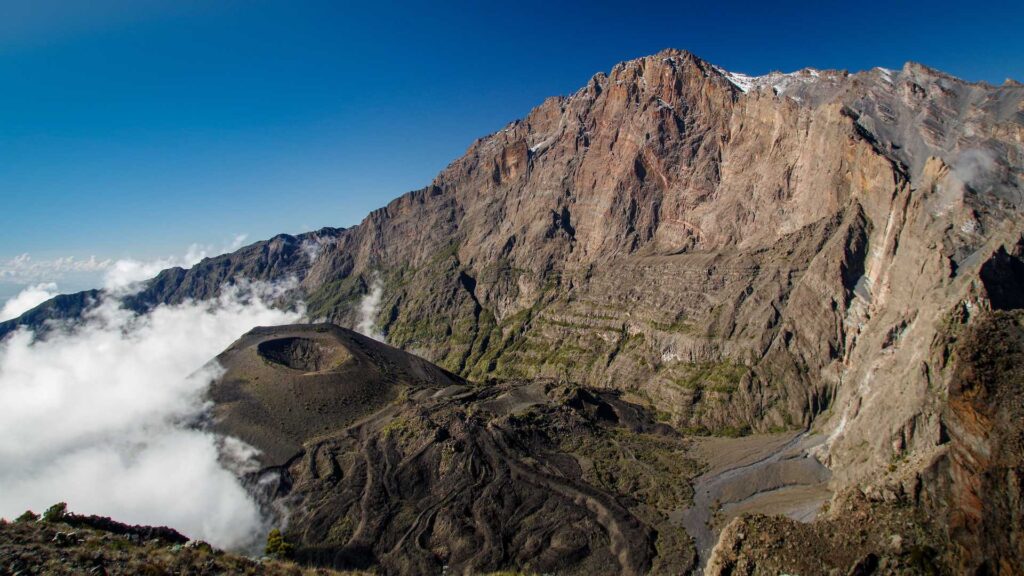
Mount Meru is uniquely positioned at the intersection of high-altitude trekking and African wildlife safari experiences, offering climbers rare opportunities to observe large mammals, diverse bird species, lush forests, volcanic landscapes, alpine meadows, and dramatic summit vistas — all within a compact, multi-day itinerary. Understanding how wildlife activity, vegetation cycles, atmospheric clarity, light conditions, and seasonal ecological changes intersect with trekking windows is essential for identifying the Best time to trek Mount Meru, particularly for travelers prioritizing photography, wildlife viewing, scenic immersion, and sensory richness alongside physical challenge.
Unlike most mountain trekking destinations worldwide, Mount Meru’s lower slopes lie within a protected national park ecosystem — Arusha National Park — home to giraffes, buffaloes, warthogs, bushbucks, colobus monkeys, baboons, duikers, and a rich array of bird species. This ecological integration transforms the first day of trekking into a walking safari experience, accompanied by armed rangers for safety. Wildlife encounters vary seasonally, influenced by rainfall patterns, vegetation density, water availability, and breeding cycles. During dry seasons, animals concentrate near remaining water sources and open grasslands, increasing sighting frequency along trails. During wet seasons, abundant water disperses wildlife into dense vegetation, reducing visibility but enhancing ecological diversity and landscape vibrancy. These dynamics significantly influence experiential quality and contribute to seasonal distinctions within the Best time to trek Mount Meru framework.
Birdlife diversity peaks during rainy seasons due to the arrival of migratory species from Europe and Asia, complementing the region’s rich resident avifauna. Flamingos, hornbills, turacos, eagles, sunbirds, weavers, and waterfowl inhabit various park habitats, offering exceptional birdwatching opportunities year-round. However, wet-season vegetation density can obscure bird sightings, while dry-season open landscapes improve visibility despite slightly reduced species diversity. Photographers and birding enthusiasts may prefer shoulder seasons such as November or March, while wildlife photographers seeking large mammal encounters often favor dry-season months within the Best time to trek Mount Meru framework.
Vegetation cycles dramatically alter Mount Meru’s aesthetic character across seasons. During rainy months, forests burst into lush greens, mosses blanket tree trunks, wildflowers bloom across alpine meadows, and cloud forests exude misty atmospheres. These conditions create ethereal, cinematic landscapes that appeal to photographers seeking mood, texture, and color saturation. During dry seasons, vegetation thins, grasses turn golden, and volcanic rock formations emerge with crisp clarity, enhancing geological features and panoramic views. Both aesthetic modes offer compelling beauty, but dry-season clarity generally enhances summit views and long-distance visibility — a key consideration when determining the Best time to trek Mount Meru.
Visibility conditions on Mount Meru are strongly influenced by cloud cover, atmospheric moisture, dust particles, and temperature gradients. During dry seasons, stable atmospheric conditions reduce cloud formation, haze, and precipitation, resulting in clearer skies, extended sightlines, and unobstructed views of Mount Kilimanjaro, the Ash Cone crater, and the surrounding plains. During wet seasons, convective cloud buildup often occurs earlier in the day, obscuring summit ridges, reducing photographic clarity, and limiting long-distance visibility. Summit mornings during dry seasons frequently deliver spectacular sunrise views, golden alpenglow, and expansive vistas — experiences that many climbers cite as defining moments of their journey and key motivators for selecting the Best time to trek Mount Meru.
Light quality also varies seasonally, affecting photographic outcomes. During dry months, sunlight intensity is higher, shadows sharper, and contrast more pronounced, creating dramatic landscape compositions with crisp textures and strong color separation. During wet months, diffused light conditions soften shadows, enhance color saturation, and create atmospheric depth through mist and cloud cover, appealing to photographers seeking painterly aesthetics. Golden-hour lighting during dry-season sunrises and sunsets produces iconic images of Kilimanjaro’s snow-capped summit, the Ash Cone crater, and the savannah plains below, reinforcing the reputation of dry months as the Best time to trek Mount Meru for photography-driven travelers.
Another critical experiential dimension is trail condition aesthetics. Dry trails reveal volcanic soils, lava flows, crater rims, and alpine rock formations with clarity, enhancing geological appreciation and photographic opportunities. Wet trails, while more challenging physically, offer reflective surfaces, glistening foliage, cascading streams, and dynamic cloudscapes that evoke raw wilderness energy. Some climbers prefer the dramatic mood of rainy-season landscapes, while others prioritize ease of movement, safety, and clarity associated with dry seasons. Understanding these aesthetic trade-offs supports informed decisions within the Best time to trek Mount Meru framework.
Wildlife behavior patterns also vary by season. During dry seasons, animals concentrate near water sources and open grasslands, increasing visibility and encounter probability. Giraffes often browse acacia trees near Momella Gate, buffalo herds graze open plains, warthogs roam grasslands, and monkeys frequent forest edges. These encounters often occur in broad daylight with unobstructed views, making dry months ideal for wildlife photography and observation. During wet seasons, abundant water and dense vegetation allow animals to disperse into less visible habitats, reducing encounter frequency but increasing biodiversity richness and ecological complexity. Travelers prioritizing wildlife viewing often select dry months when identifying the Best time to trek Mount Meru.
Landscape transitions across ecological zones also vary seasonally. Lower montane forests appear lush and vibrant during wet months, with moss-covered trees, flowering plants, and thick undergrowth. During dry months, forests appear more open, sunlight penetrates the canopy, and wildlife movement becomes more visible. Mid-altitude bamboo and heather zones transition between green vibrancy and dry-season golden hues, while alpine meadows above Saddle Hut oscillate between lush grasslands and rugged, windswept landscapes. These transitions affect not only aesthetic appreciation but also trail stability, insect prevalence, hydration needs, and clothing requirements — all of which factor into selecting the Best time to trek Mount Meru.
Another experiential variable is insect activity. During rainy seasons, insect populations — including mosquitoes, flies, and other arthropods — increase at lower elevations, potentially affecting comfort and disease exposure risk. Insect repellent, protective clothing, and accommodation hygiene mitigate these risks, but dry seasons typically offer reduced insect activity and enhanced comfort, particularly for travelers sensitive to insect bites. This factor further supports dry months as the Best time to trek Mount Meru for many climbers.
Temperature comfort influences wildlife activity and landscape perception. During warmer months (January–March), animals remain active throughout the day, vegetation thrives, and climbers experience warmer trekking conditions at lower elevations. During cooler months (June–August), animals concentrate around limited water sources, vegetation thins, and climbers experience colder summit mornings but cooler daytime hiking temperatures. Individual comfort preferences regarding heat versus cold exposure influence seasonal selection within the Best time to trek Mount Meru framework.
Photography logistics also benefit from dry-season conditions. Stable weather reduces the risk of camera equipment exposure to rain, moisture, fog, and condensation, improving gear reliability and image quality. Clear skies enable time-lapse photography, astrophotography, sunrise and sunset shots, and wide-angle landscape compositions. Wet-season conditions require waterproof camera housings, dry bags, lens cloths, moisture management strategies, and increased gear vigilance. While both seasons offer photographic opportunities, dry seasons generally provide more predictable conditions — reinforcing their alignment with the Best time to trek Mount Meru.
Another experiential dimension is summit success visibility. Standing atop Socialist Peak, climbers hope to witness expansive views of Mount Kilimanjaro, the Ash Cone crater, the Meru crater rim, the Rift Valley plains, and the surrounding savannah stretching toward the horizon. Dry-season summit mornings frequently deliver unobstructed panoramic vistas, while wet-season summits may be cloud-covered, windy, and visually limited. For climbers prioritizing summit views as a defining achievement, dry months strongly align with the Best time to trek Mount Meru.
Environmental acoustics also shift seasonally. Dry seasons often offer crisp air, open landscapes, and enhanced sound propagation, allowing climbers to hear birds, insects, wildlife movements, and wind patterns clearly. Wet seasons introduce rainfall, thunder, rushing streams, and rustling foliage, creating immersive soundscapes that appeal to sensory explorers seeking atmospheric depth. These auditory experiences contribute to overall sensory richness and influence seasonal preferences within the Best time to trek Mount Meru considerations.
Crowd density also influences experiential quality. During peak dry-season months, climbers encounter more groups at huts, on trails, and at summit viewpoints, fostering social interaction, shared celebrations, and communal energy. During wet and shoulder seasons, climbers enjoy quieter trails, deeper solitude, and more intimate nature immersion. Individual preferences regarding social engagement versus solitude significantly influence the perceived quality of trekking experiences and thus shape definitions of the Best time to trek Mount Meru.
Epic horizons Adventure we are looking extra miles to make sure…. every climber receives expert wildlife interpretation, photography guidance, scenic optimization strategies, and personalized seasonal recommendations to ensure each trek maximizes experiential richness, safety, and emotional impact regardless of the chosen travel window.
Another important experiential consideration is the interplay between Mount Meru trekking and safari activities in surrounding regions. Dry-season months enhance wildlife viewing in Serengeti, Ngorongoro, Tarangire, and Lake Manyara due to vegetation thinning and water-source concentration (https://www.serengeti.org; https://www.ngorongorocrater.org). Travelers seeking integrated trekking-safari itineraries often prioritize dry-season windows to maximize wildlife sightings across both activities. Conversely, wet-season safaris offer lush landscapes, dramatic skies, fewer vehicles, and migratory birdlife, appealing to photographers and solitude seekers. Understanding these synergies enables travelers to select the Best time to trek Mount Meru within broader itinerary contexts.
Another factor is cultural landscape aesthetics. Seasonal agricultural cycles influence local communities surrounding Mount Meru, with planting, harvesting, grazing, and pastoral movements shaping village activities. During wet seasons, fields are green, crops grow, and rural life revolves around cultivation, while dry seasons emphasize harvesting, livestock movements, and market activities. Travelers interested in cultural immersion may find different seasonal rhythms appealing, influencing perceptions of the Best time to trek Mount Meru beyond purely environmental considerations.
Trail safety aesthetics also shift seasonally. Dry trails offer stable footing, reduced erosion, and lower slip risk, enhancing confidence and movement efficiency. Wet trails introduce mud, slick rocks, water crossings, and erosion hazards, requiring slower pacing, careful foot placement, and increased physical exertion. While experienced trekkers may appreciate the technical challenge of wet-season conditions, beginners often prefer the stability of dry-season trails, reinforcing dry months as the Best time to trek Mount Meru for first-time climbers.
Another experiential factor is thermal comfort at night. During dry-season winter months (June–August), nighttime temperatures at Saddle Hut and summit camps can drop significantly, requiring insulated sleeping systems, thermal layers, and cold tolerance. During warmer months (January–March), nighttime temperatures remain milder, improving sleep comfort for cold-sensitive individuals. Personal thermal preferences influence seasonal selection within the Best time to trek Mount Meru framework.
Psychological experience also varies seasonally. Clear skies, predictable weather, and stable conditions during dry months foster confidence, motivation, and mental comfort, particularly for first-time climbers. Variable weather, rain exposure, and uncertain summit conditions during wet seasons can challenge morale, resilience, and emotional regulation, requiring stronger mental preparation and adaptability. Understanding these psychological dynamics helps climbers select seasons aligned with their emotional comfort zones and adventure readiness — essential components of identifying the Best time to trek Mount Meru.
In summary, wildlife activity, vegetation cycles, atmospheric clarity, light quality, photography potential, trail aesthetics, soundscapes, insect prevalence, temperature comfort, crowd dynamics, safari integration, cultural rhythms, and psychological experience all vary seasonally on Mount Meru. Dry seasons consistently offer superior visibility, wildlife sightings, trail stability, summit success rates, and photographic clarity, making them widely regarded as the Best time to trek Mount Meru. Wet and shoulder seasons offer alternative aesthetic experiences characterized by lush landscapes, solitude, dramatic skies, and budget advantages but involve increased weather-related challenges. By understanding these experiential dimensions, travelers can select the trekking window that best aligns with their personal priorities, creative ambitions, and adventure goals — ensuring that every ascent of Mount Meru becomes a deeply rewarding, immersive, and unforgettable journey.
Safety, Trail Conditions, Altitude Response, and Physical Comfort – How the Best time to trek Mount Meru Impacts Risk Management
Safety is the cornerstone of any high-altitude trekking experience, and Mount Meru — despite its reputation as a beginner-friendly mountain — demands careful attention to seasonal risk management, trail conditions, altitude response, weather exposure, hydration strategies, physical comfort, and emergency preparedness. Understanding how these safety factors vary across the calendar year is essential for determining the Best time to trek Mount Meru, particularly for first-time climbers, older travelers, individuals with medical considerations, or those seeking optimal comfort and confidence during their ascent.
Mount Meru rises to 4,566 meters (14,980 feet), placing it squarely within high-altitude physiological territory where reduced oxygen availability challenges cardiovascular, respiratory, and neurological systems. While its gradual ascent profile reduces altitude sickness risk compared to steeper routes elsewhere, climbers remain susceptible to Acute Mountain Sickness (AMS) and, in rare cases, more severe conditions such as High Altitude Pulmonary Edema (HAPE) and High Altitude Cerebral Edema (HACE). Seasonal weather patterns influence altitude response indirectly through temperature exposure, hydration dynamics, sleep quality, exertion levels, and environmental stressors — all of which shape perceptions of the Best time to trek Mount Meru.
Dry-season conditions typically support safer altitude acclimatization due to reduced humidity, lower precipitation, clearer skies, stable temperatures, and predictable trail conditions. These factors enable consistent pacing, improved hydration management, better sleep quality, and reduced physiological stress, enhancing acclimatization outcomes and summit success rates. Wet-season conditions introduce additional stressors such as cold exposure, rain-soaked clothing, slippery trails, increased exertion due to mud resistance, reduced sleep quality due to dampness and noise, and psychological stress related to weather uncertainty. These factors can exacerbate fatigue, dehydration, and altitude-related symptoms, increasing safety risks. As a result, dry months are widely regarded as the Best time to trek Mount Meru from a risk management perspective.
Trail conditions vary significantly by season. During dry months, trails remain firm, stable, and well-defined, reducing slip risk, joint strain, and injury probability. Footing remains predictable, enabling steady pacing and energy conservation — critical for altitude adaptation. During rainy months, trails become muddy, slick, and uneven, particularly in forested zones and steep ascent segments near Saddle Hut and the summit ridge. Water runoff erodes trail surfaces, exposes roots and rocks, and increases fall risk, especially during descents. Slips and falls can result in ankle sprains, knee injuries, bruises, and abrasions, potentially compromising summit attempts and requiring evacuation. For safety-conscious travelers, these trail dynamics reinforce dry months as the Best time to trek Mount Meru.
Weather exposure significantly influences hypothermia risk, frostbite potential, dehydration rates, sunburn risk, and thermal comfort. Dry-season days often feature strong sunshine, requiring sun protection strategies such as sunscreen, sunglasses, hats, and hydration management to prevent heat exhaustion, dehydration, and UV damage. Dry-season nights and summit mornings can be cold, particularly during June–August, requiring insulated clothing systems, windproof shells, gloves, hats, and thermal layers to prevent hypothermia. Wet-season conditions increase hypothermia risk due to prolonged exposure to rain, damp clothing, wind chill, and reduced insulation effectiveness. Cold, wet environments significantly impair cognitive function, coordination, and morale, increasing accident risk. Understanding these weather-related safety dynamics strengthens decision-making when selecting the Best time to trek Mount Meru.
Altitude illness risk management also depends on pacing, hydration, nutrition, sleep, exertion levels, and stress management — all of which are influenced by seasonal conditions. Dry-season stability enables guides to maintain optimal pacing schedules, implement acclimatization hikes, monitor symptoms effectively, and adjust itineraries proactively. Wet-season unpredictability may disrupt pacing, shorten hiking windows, reduce rest opportunities, and increase fatigue, complicating acclimatization management. Although Mount Meru’s ascent profile inherently supports acclimatization, seasonal stability enhances safety outcomes, reinforcing dry months as the Best time to trek Mount Meru for risk minimization.
Wind exposure at higher elevations influences thermal comfort, balance stability, and summit safety. During dry-season months, winds can be stronger on exposed ridges, particularly near Rhino Point, Cobra Point, and Socialist Peak, increasing wind chill and requiring windproof outer layers. However, stable weather patterns typically allow guides to anticipate wind conditions and adjust summit schedules accordingly. During wet seasons, wind exposure often coincides with storms, cloud cover, and precipitation, compounding hypothermia risk and reducing visibility. Reduced visibility increases navigation challenges, hazard detection difficulty, and psychological stress, elevating accident risk. These factors further support dry months as the Best time to trek Mount Meru from a safety perspective.
Another safety dimension is wildlife encounters. Mount Meru’s lower slopes lie within Arusha National Park, where giraffes, buffaloes, warthogs, monkeys, and antelopes roam freely. Armed rangers accompany all trekking groups to ensure safety during wildlife encounters. Seasonal wildlife behavior influences encounter frequency and dynamics. During dry seasons, animals congregate near water sources and open grasslands, increasing encounter probability but also improving visibility and predictability. During wet seasons, dense vegetation disperses animals into less visible habitats, potentially increasing surprise encounter risk. While rangers manage wildlife interactions professionally, predictable visibility during dry seasons enhances safety and comfort, reinforcing dry months as the Best time to trek Mount Meru.
Health safety considerations also vary seasonally. Rainy seasons increase the risk of gastrointestinal illness due to water contamination, insect-borne diseases due to increased mosquito populations, fungal infections due to prolonged moisture exposure, and respiratory infections due to cold, damp conditions. Dry seasons reduce these risks but increase dehydration risk due to lower humidity and increased insensible fluid loss through respiration and perspiration. Both seasons require appropriate hydration, hygiene, clothing, and health management strategies, but dry-season conditions generally offer more predictable risk profiles — aligning with the Best time to trek Mount Meru designation.
Emergency response logistics remain consistent year-round due to Tanzania National Parks Authority (TANAPA) safety frameworks, ranger deployment, hut infrastructure, and evacuation protocols (https://www.tanzaniaparks.go.tz). However, seasonal weather conditions influence evacuation feasibility, helicopter access, trail accessibility, and communication reliability. During dry seasons, evacuation routes remain accessible, helicopter landings are more feasible, and weather conditions support rapid response. During wet seasons, flooded trails, poor visibility, storm activity, and slippery terrain may delay evacuations or complicate rescue operations. Understanding these logistical implications reinforces dry months as the Best time to trek Mount Meru for safety optimization.
Physical comfort significantly influences safety outcomes. Comfortable climbers make better decisions, maintain focus, manage pacing effectively, and communicate concerns proactively. Discomfort due to wet clothing, cold exposure, blisters, dehydration, hunger, fatigue, or poor sleep impairs judgment, coordination, morale, and physiological resilience. Dry-season conditions generally enhance comfort by reducing rain exposure, stabilizing temperatures, improving trail surfaces, and enabling predictable pacing and rest schedules. While summit mornings during dry seasons can be cold, proper gear mitigates discomfort effectively. This comfort advantage strengthens dry months’ reputation as the Best time to trek Mount Meru.
Psychological safety also varies seasonally. Stable weather, clear skies, predictable conditions, and reliable trail surfaces foster confidence, reduce anxiety, enhance motivation, and support positive group dynamics — particularly important for beginner climbers. Wet-season variability, persistent rain, low visibility, slippery trails, and uncertain summit conditions can challenge morale, patience, and mental resilience, increasing stress and reducing enjoyment. While some experienced adventurers thrive in challenging conditions, beginners often benefit from the predictability and confidence afforded by dry seasons — reinforcing dry months as the Best time to trek Mount Meru for psychological comfort.
Another important safety dimension is porter and guide welfare. Ethical operators adhere to porter welfare standards regarding load limits, clothing, footwear, shelter, nutrition, medical care, and compensation (https://www.kilimanjaroporters.org). Wet-season conditions increase physical strain on porters due to muddy trails, cold exposure, wet loads, and prolonged exertion, potentially compromising health and safety if not managed properly. Dry-season conditions reduce these burdens, enhancing working conditions and safety outcomes for staff. Travelers committed to ethical tourism often prefer dry-season climbs to support porter welfare — another consideration reinforcing the Best time to trek Mount Meru.
Epic horizons Adventure we are looking extra miles to make sure…. every climber benefits from professional safety protocols, real-time weather monitoring, adaptive pacing strategies, altitude health screening, emergency preparedness planning, porter welfare compliance, and ethical operations — ensuring safe, comfortable, and confidence-inspiring trekking experiences regardless of season.
Another important safety factor is sleep quality. Adequate sleep supports immune function, cognitive performance, emotional regulation, muscular recovery, and altitude acclimatization. Dry-season conditions generally support better sleep due to lower humidity, reduced rainfall noise, drier bedding, and more stable temperatures. Wet-season conditions introduce dampness, cold exposure, rain noise on roofs, and increased discomfort, potentially impairing sleep quality and exacerbating fatigue and altitude-related symptoms. Sleep quality differentials reinforce dry months as the Best time to trek Mount Meru for overall safety and performance.
Hydration dynamics also vary seasonally. Dry-season conditions increase dehydration risk due to increased respiratory fluid loss at altitude, higher insensible perspiration rates, and stronger solar radiation exposure. Wet-season conditions reduce dehydration risk due to higher humidity but increase contamination risk due to surface water runoff and waterborne pathogens. Effective water purification, hydration monitoring, and electrolyte supplementation mitigate risks in both seasons, but predictable hydration management during dry months enhances safety outcomes — reinforcing dry seasons as the Best time to trek Mount Meru.
Injury patterns also differ seasonally. Dry-season injuries more commonly involve sunburn, dehydration, altitude-related headaches, and cold exposure at summit levels, while wet-season injuries more commonly involve slips, falls, sprains, blisters, fungal infections, hypothermia, and gastrointestinal illness. Injury severity and frequency generally increase during wet seasons due to compromised trail conditions and environmental exposure. These injury trends support dry months as the Best time to trek Mount Meru from a risk reduction standpoint.
Another safety consideration is visibility. Clear visibility enables climbers to detect trail hazards, maintain group cohesion, follow guide instructions, navigate exposed ridges safely, and respond effectively to environmental changes. Dry-season clarity enhances situational awareness and reduces accident risk. Wet-season fog, mist, cloud cover, and rain reduce visibility, complicate navigation, increase disorientation risk, and impair hazard detection — particularly on narrow ridges near the summit. Visibility reliability strongly influences safety outcomes and reinforces dry months as the Best time to trek Mount Meru.
Emergency communication reliability also varies seasonally. Dry-season weather supports stable radio and mobile network coverage, satellite communication, and helicopter operations. Wet-season storms, cloud cover, and atmospheric interference may degrade communication reliability and flight feasibility, complicating emergency response. While Mount Meru’s safety infrastructure remains robust year-round, seasonal reliability differences reinforce dry months as the Best time to trek Mount Meru for emergency preparedness.
In summary, safety, trail conditions, altitude response, weather exposure, hydration dynamics, injury risk, wildlife interactions, porter welfare, sleep quality, psychological comfort, visibility reliability, and emergency response logistics all vary seasonally on Mount Meru. Dry-season months consistently offer superior safety profiles due to stable weather, firm trails, predictable conditions, improved acclimatization outcomes, enhanced comfort, reduced injury risk, and reliable emergency logistics — making them widely regarded as the Best time to trek Mount Meru. Wet and shoulder seasons present alternative experiential benefits but involve increased safety challenges that require heightened preparation, adaptability, and risk tolerance. By understanding these safety dynamics, travelers can make informed decisions aligned with their comfort levels, risk management priorities, and adventure goals — ensuring that every Mount Meru ascent is both safe and deeply rewarding.
Costs, Crowds, Booking Strategy, and Travel Planning – Optimizing Your Adventure During the Best time to trek Mount Meru
Choosing the optimal trekking window extends beyond weather considerations alone; it also involves understanding how seasonal dynamics influence costs, crowd levels, availability, booking logistics, travel planning efficiency, itinerary integration opportunities, accommodation demand, staff deployment, and overall value for money. For travelers seeking both exceptional experiences and smart financial planning, mastering these logistical dimensions is essential to identifying the Best time to trek Mount Meru while aligning budgets, schedules, comfort preferences, and experiential priorities.
Mount Meru trekking is generally more affordable than Kilimanjaro due to its shorter duration, hut-based accommodation system, lower park fees, reduced logistical complexity, and smaller staffing requirements. Typical Mount Meru climbs range from 3 to 4 days and cost approximately $700 to $1,200 per person depending on group size, season, operator quality, service level, and inclusions. These prices generally include park entry fees, conservation fees, hut accommodation, guides, porters, cooks, meals, drinking water, armed ranger services, transportation to and from Arusha, and safety equipment. Exclusions may include tips, personal gear rental, travel insurance, visas, vaccinations, snacks, beverages, and post-trek accommodation. Understanding seasonal cost fluctuations helps travelers identify the Best time to trek Mount Meru from a budgetary perspective.
Peak-season months — typically June through September and December through February — experience the highest demand, leading to higher prices, limited availability, and stricter booking timelines. During these periods, international travel peaks, safari tourism surges, and hut occupancy rates rise, particularly at Miriakamba Hut and Saddle Hut. Operators may charge premium rates due to increased staffing costs, logistical demand, and limited supply. While these months offer the most reliable weather conditions and highest summit success rates, they also require advance booking — often 2 to 4 months ahead — to secure preferred departure dates, group sizes, and accommodation availability. For travelers prioritizing weather reliability and optimal trekking conditions, these months often align with the Best time to trek Mount Meru, despite higher costs.
Shoulder-season months — such as March, May, October, and November — typically offer moderate pricing, improved availability, flexible booking conditions, and opportunities for discounted rates or promotional offers. These months attract fewer travelers, allowing for smaller group sizes, personalized service, and greater itinerary customization. While weather conditions may be more variable, many climbers find shoulder seasons appealing due to cost savings, reduced crowds, and enhanced solitude. For budget-conscious travelers with flexible schedules and moderate weather tolerance, shoulder seasons can represent the Best time to trek Mount Meru in terms of value optimization.
Low-season months — primarily April and early May during the long rainy season — offer the lowest prices, highest availability, and maximum itinerary flexibility. Operators often provide discounted packages, customized itineraries, and exclusive experiences during these periods to attract travelers willing to tolerate adverse weather conditions. While trekking remains feasible, rain, mud, reduced visibility, and increased safety risks may compromise comfort and summit success rates. Low-season climbs generally attract experienced trekkers seeking solitude, lush landscapes, and budget advantages rather than beginners seeking predictable conditions. For most travelers, low-season months are not considered the Best time to trek Mount Meru, though they offer compelling value propositions for niche audiences.
Crowd dynamics significantly influence experiential quality. Peak-season months bring increased climber numbers, resulting in busier trails, fuller huts, shared dining halls, and lively social atmospheres. While Mount Meru remains significantly quieter than Kilimanjaro even during peak periods, travelers seeking solitude may find shoulder or low-season months more appealing. Conversely, climbers seeking social interaction, group camaraderie, shared summit celebrations, and dynamic trekking communities may prefer peak-season conditions. Understanding crowd preferences helps travelers identify the Best time to trek Mount Meru based on social experience objectives.
Availability of guides, porters, rangers, huts, and transport services also fluctuates seasonally. During peak seasons, experienced guides and high-quality porters may be fully booked weeks or months in advance, limiting operator choice and itinerary flexibility. During shoulder and low seasons, availability improves, enabling travelers to select preferred guides, customize itineraries, adjust pacing schedules, and negotiate inclusions. Travelers seeking personalized service, flexible itineraries, and specific guide preferences may find shoulder seasons particularly appealing when identifying the Best time to trek Mount Meru.
Booking strategy is another critical dimension. Reputable operators registered with Tanzania Tourism Board (TTB) and affiliated with Tanzania Association of Tour Operators (TATO) (https://www.tatotz.org) provide transparent pricing, detailed itineraries, ethical labor practices, porter welfare compliance, safety certifications, environmental stewardship commitments, and professional customer support. Travelers should evaluate operators based on guide experience, safety records, emergency preparedness protocols, equipment standards, porter welfare policies, customer reviews, itinerary pacing, and inclusions rather than price alone. During peak seasons, early booking ensures access to reputable operators and preferred departure dates. During shoulder seasons, travelers may negotiate customized packages, group discounts, or enhanced inclusions. Understanding booking dynamics enhances outcomes within the Best time to trek Mount Meru framework.
Payment policies vary by operator and season. Peak-season bookings often require higher deposits and stricter cancellation policies due to high demand and limited availability. Shoulder and low-season bookings may offer more flexible payment terms, reduced deposits, and favorable cancellation conditions. Travelers should review contract terms carefully, ensure payment security, and confirm refund policies before committing. Understanding these financial terms supports informed booking decisions aligned with the Best time to trek Mount Meru.
Travel logistics also vary seasonally. During peak seasons, international flight demand increases, leading to higher airfares, limited seat availability, and stricter baggage policies. Domestic flight schedules may also become busier, and ground transportation services may experience increased demand. Shoulder and low seasons often offer reduced airfare, greater seat availability, and more flexible travel arrangements. Travelers seeking cost efficiency across flights, accommodations, and transfers may align their trekking plans with shoulder-season windows when determining the Best time to trek Mount Meru.
Accommodation availability in Arusha and surrounding regions also fluctuates seasonally. Peak-season months may see higher hotel rates, limited room availability, and stricter booking conditions, particularly for lodges near national parks and popular safari circuits.