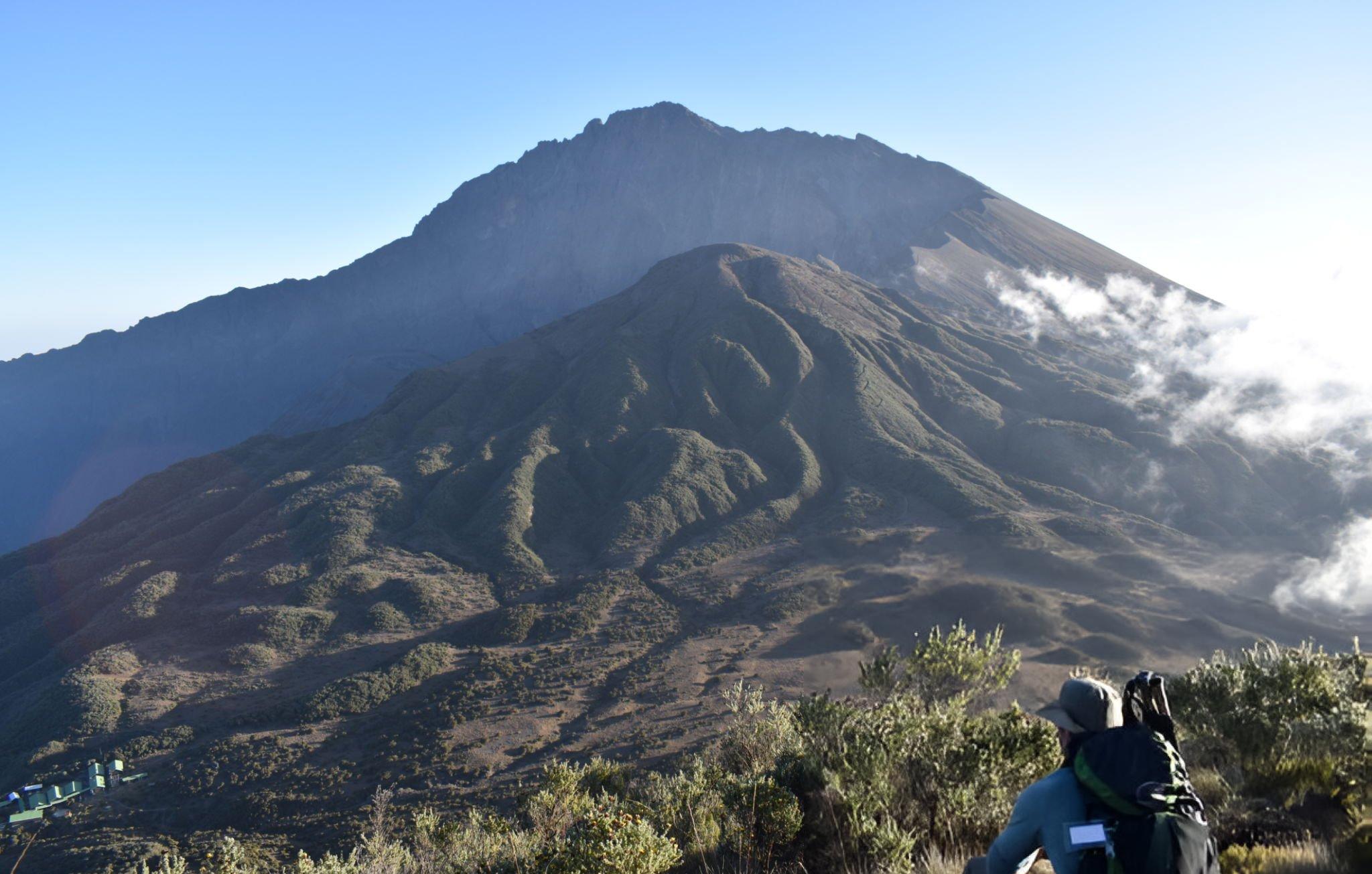
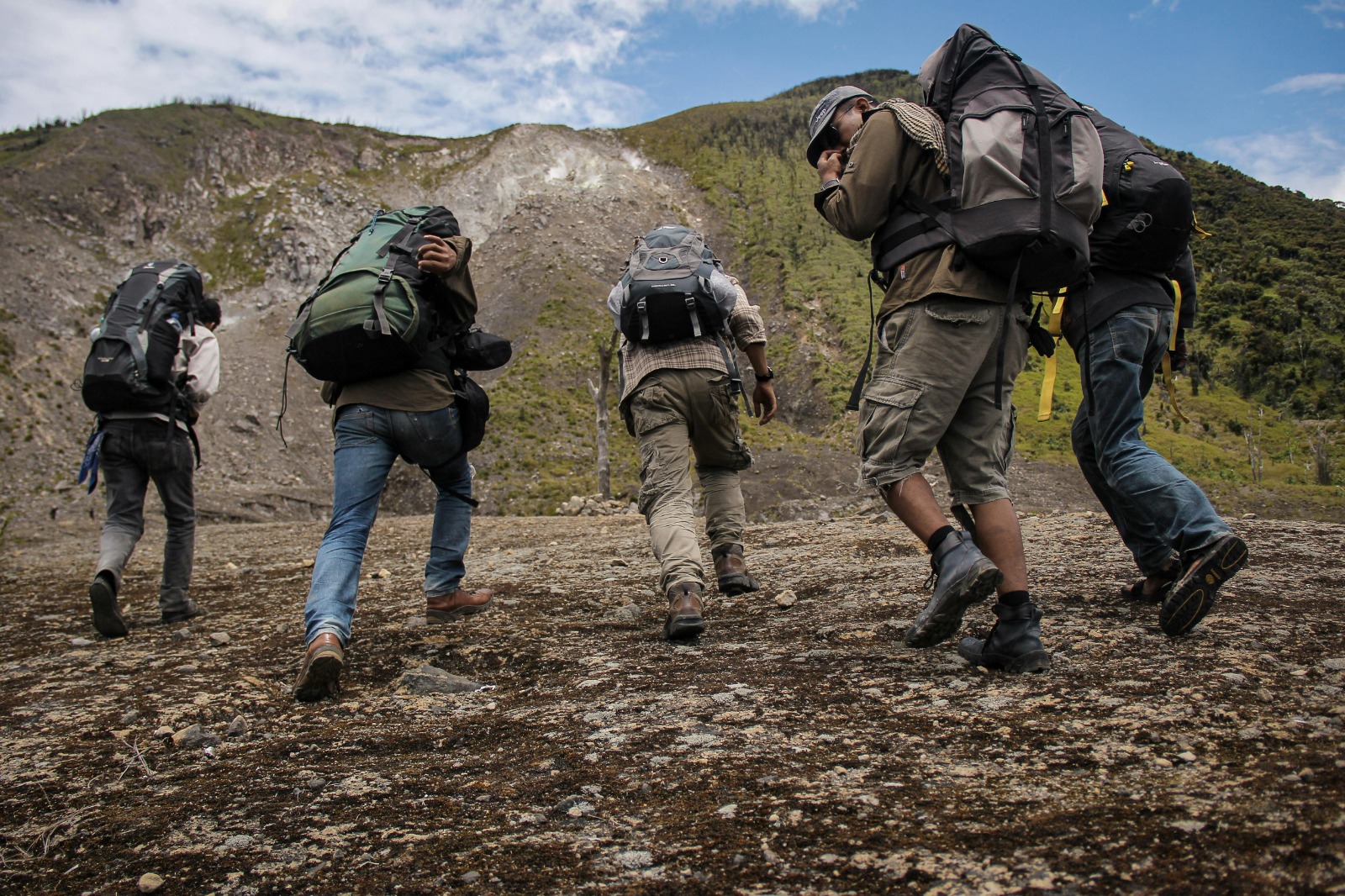
Experience Mount Meru for first time climbers with Epic Horizons Adventure. Learn routes, gear, guides, and tips for a rewarding high-altitude trekhttps://www.epichorizonsadventures.com/our-tours/destinations/
Why Mount Meru Is Perfect for First-Time Climbers
For many travelers, the idea of climbing a mountain for the first time comes with a mix of excitement and uncertainty. Questions about difficulty, safety, fitness, and overall experience often dominate the planning stage. In East Africa, Mount Meru stands out as one of the most suitable mountains for beginners who want to challenge themselves while still enjoying a rewarding and manageable adventure. Rising to 4,566 meters above sea level, Mount Meru is Tanzania’s second-highest mountain, yet it remains far more approachable than many peaks of similar height. This balance between challenge and accessibility is the primary reason why mount meru for first time climbers is often recommended by trekking experts and experienced guides.
Unlike technical mountains that require prior climbing skills, Mount Meru is a trekking peak. This means that no ropes, ice axes, or specialized mountaineering techniques are needed to reach the summit. The trails are well-established, and the ascent is gradual enough to allow beginners to adapt both physically and mentally. For first-time climbers, this is crucial. The mountain offers a real sense of achievement without exposing beginners to unnecessary risk or overwhelming technical demands. Each day on Mount Meru introduces new terrain and scenery, helping first-time climbers build confidence step by step.
Another reason Mount Meru is ideal for beginners is its structured itinerary. Most climbs take three to four days, providing sufficient time for acclimatization and rest. This slower pace significantly reduces the risk of altitude-related issues, which are often a concern for new climbers. The gradual ascent allows the body to adjust naturally to changing oxygen levels, making the experience safer and more comfortable. For anyone searching for mount meru for first time climbers, acclimatization-friendly routes are a major advantage that sets this mountain apart.
The location of Mount Meru within Arusha National Park further enhances its appeal to beginners. From the very first day, climbers are immersed in a diverse natural environment that feels welcoming rather than intimidating. The lower slopes are rich in wildlife and lush vegetation, offering a safari-like experience that eases climbers into the journey. Seeing giraffes, buffalo, and monkeys along the trail creates excitement and distraction from physical exertion, which is especially helpful for those who are new to trekking at altitude. This unique blend of wildlife and hiking makes the mountain feel engaging and enjoyable from the start.
Psychologically, Mount Meru offers an ideal environment for first-time climbers to develop a positive relationship with mountain trekking. The daily progress is visible and tangible, with clear milestones such as huts, viewpoints, and altitude markers. These reference points help beginners track their progress and feel motivated rather than overwhelmed. The sense of structure and predictability builds trust in the process, which is essential for anyone embarking on their first high-altitude adventure.
The presence of professional guides and park rangers also plays a critical role in making Mount Meru suitable for beginners. All climbs are guided, ensuring that first-time climbers receive continuous support, encouragement, and education throughout the journey. Guides monitor pace, hydration, and physical condition, offering advice that helps beginners avoid common mistakes. This level of supervision creates a safety net that allows climbers to focus on enjoying the experience rather than worrying about logistics or decision-making.
Epic horizons Adventure we are looking extra miles to make sure first-time climbers feel supported, informed, and confident from the moment they begin planning their Mount Meru journey. By prioritizing preparation, clear communication, and personalized pacing, the company ensures that beginners are not only safe but also fully engaged with the experience. This approach aligns with the needs of first-time climbers, who often benefit from extra guidance and reassurance.
From a fitness perspective, Mount Meru is achievable for individuals with moderate physical conditioning. While prior hiking experience is beneficial, it is not mandatory. Regular walking, light cardio training, and basic endurance preparation are usually sufficient. The mountain rewards consistency rather than speed, encouraging climbers to adopt a steady rhythm that supports both physical performance and acclimatization. This emphasis on pace over power is another reason why mount meru for first time climbers is considered an excellent entry point into high-altitude trekking.
The scenic rewards of Mount Meru further motivate beginners to keep going. The landscapes change dramatically with altitude, offering forests, crater views, alpine zones, and distant panoramas of Mount Kilimanjaro. These visual highlights serve as natural incentives, reminding climbers why they chose to take on the challenge in the first place. For first-time climbers, these moments often become powerful emotional anchors, reinforcing the sense of accomplishment and wonder.
Another important factor is the relatively low crowd density on Mount Meru compared to more famous peaks. Beginners often feel more comfortable in quieter environments, where they can move at their own pace without pressure from larger groups. The peaceful trails of Mount Meru allow first-time climbers to focus inward, listen to their bodies, and enjoy meaningful interactions with guides and fellow climbers. This relaxed atmosphere contributes significantly to a positive first-time experience.
Educational opportunities also make Mount Meru particularly suitable for beginners. Guides often share information about geology, ecology, and local culture throughout the trek. Learning about the mountain’s volcanic origins, unique plant species, and cultural significance adds depth to the experience and transforms the climb into a journey of discovery. For first-time climbers, this educational aspect helps demystify mountain environments and builds appreciation rather than fear.
From a safety standpoint, Mount Meru benefits from well-maintained infrastructure, including mountain huts and clearly marked trails. Emergency procedures and rescue protocols are established within Arusha National Park, adding an extra layer of reassurance for beginners. Information provided by the Tanzania National Parks Authority (https://www.tanzaniaparks.go.tz) highlights Mount Meru as a regulated and monitored trekking destination, making it a reliable choice for those new to high-altitude hiking.
International travel and trekking platforms frequently recommend Mount Meru as a preparation climb or standalone adventure for beginners. Publications such as Lonely Planet (https://www.lonelyplanet.com) and National Geographic (https://www.nationalgeographic.com) emphasize the value of mountains that offer challenge without excessive risk. These endorsements reinforce the mountain’s reputation as a beginner-friendly destination that does not compromise on experience or reward.
Emotionally, reaching the summit of Mount Meru often marks a turning point for first-time climbers. Standing at 4,566 meters, looking out over the plains of northern Tanzania with Mount Kilimanjaro in the distance, creates a profound sense of achievement. This moment often reshapes how beginners view their own capabilities, inspiring confidence that extends beyond the mountain itself. The journey becomes not just a physical accomplishment but a personal milestone.
In summary, Mount Meru offers everything a first-time climber needs: manageable difficulty, professional support, gradual acclimatization, diverse scenery, and a safe, structured environment. The mountain challenges without overwhelming and rewards without intimidating. For anyone considering their first high-altitude trek, mount meru for first time climbers represents an ideal balance between ambition and accessibility.
Difficulty Level, Fitness Requirements, and What Beginners Should Expect on Mount Meru
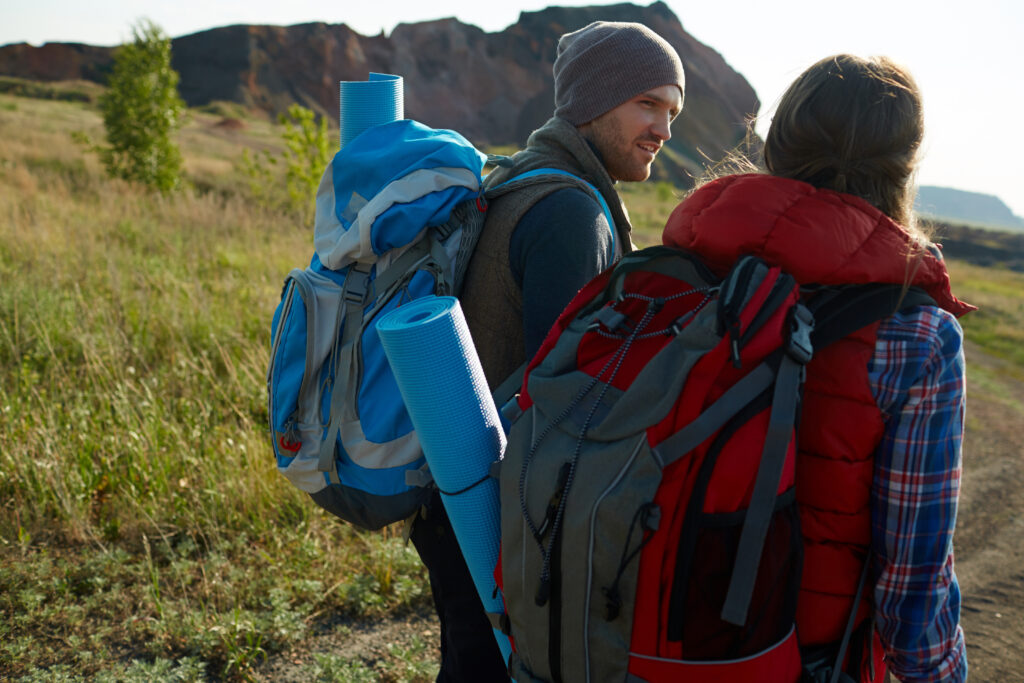
Understanding the real difficulty of a mountain is one of the most important steps for anyone preparing for their first climb. Beginners often imagine extreme hardship, dangerous terrain, or physical demands beyond their ability. Mount Meru, however, presents a different reality—one that balances challenge with approachability. The mountain is demanding enough to feel like a true adventure, yet forgiving enough to welcome those with no prior high-altitude climbing experience. This balance is what makes mount meru for first time climbers such a trusted and frequently recommended choice among trekking professionals.
From a technical standpoint, Mount Meru is classified as a non-technical trekking mountain. This means that climbers do not need previous mountaineering experience, climbing certifications, or specialized skills such as rope work or ice climbing. The trails are clearly defined, and the ascent relies primarily on walking rather than scrambling or technical maneuvers. For beginners, this is a significant advantage because it allows them to focus on endurance, breathing, and pacing rather than complex techniques.
That said, Mount Meru should not be underestimated. Reaching an altitude of 4,566 meters places real demands on the body, especially for those who have never experienced high altitude before. The challenge is primarily cardiovascular and respiratory rather than muscular or technical. Beginners can expect long walking days, gradual elevation gain, and moments of fatigue, particularly as oxygen levels decrease. Understanding this type of difficulty helps first-time climbers prepare mentally and physically in a realistic way.
Fitness requirements for Mount Meru are moderate but important. You do not need to be an elite athlete, but a reasonable level of physical conditioning is essential. Regular walking, jogging, cycling, or stair climbing before the trip can make a significant difference. Endurance matters more than speed, as the climb is about maintaining a steady pace over several days. Those who train consistently for a few weeks or months before the climb often find the experience far more enjoyable and less stressful.
One of the most common concerns among beginners is altitude sickness. Mount Meru’s itinerary is designed to reduce this risk by allowing gradual ascent and scheduled rest points. Most routes include overnight stays at mountain huts that are strategically positioned to support acclimatization. Symptoms such as mild headaches, fatigue, or shortness of breath can occur, but serious altitude problems are less common when climbers follow proper pacing and hydration guidelines. This thoughtful design is a key reason why mount meru for first time climbers has built such a strong reputation for safety and success.
Mental preparation is just as important as physical readiness. First-time climbers often experience moments of self-doubt, especially during long uphill sections or colder nights at altitude. Mount Meru’s environment helps counter this by providing frequent visual rewards and clear progress markers. Seeing the landscape change each day reinforces a sense of movement and achievement, which is psychologically motivating. The mountain encourages patience and self-awareness, teaching beginners how to listen to their bodies and manage effort effectively.
Daily routines on Mount Meru are structured to support beginners. Mornings typically begin early, with steady walking sessions broken into manageable segments. Guides set a pace that prioritizes acclimatization rather than speed, often reminding climbers to walk slowly and breathe deeply. Rest breaks are regular, allowing time to hydrate, snack, and enjoy the surroundings. This rhythm helps beginners develop confidence and trust in the process, reducing anxiety and physical strain.
Epic horizons Adventure we are looking extra miles to make sure first-time climbers understand what to expect at each stage of the journey. By providing clear briefings, realistic expectations, and ongoing encouragement, the company helps beginners approach the climb with confidence rather than fear. This level of preparation is especially valuable for those who have never attempted a multi-day trek before.
Weather conditions also influence the difficulty of Mount Meru, and beginners should be aware of how climate affects the experience. Temperatures vary significantly between lower and higher elevations, with warm days in the forest zone and cold nights near the summit. Proper layering and gear selection are essential for comfort and safety. Rain can occur, particularly during wet seasons, making trails slippery in some sections. However, these conditions are manageable with the right preparation and guidance.
Another factor that shapes difficulty is the use of ladders and exposed sections near the summit ridge. While these sections are short and well-maintained, they can feel intimidating to beginners who are uncomfortable with heights. Guides provide close supervision and support, ensuring that climbers move safely and confidently. For most first-time climbers, these moments become highlights rather than obstacles, adding excitement and a sense of accomplishment to the ascent.
Nutrition and hydration play a critical role in managing difficulty. Climbers burn a significant number of calories each day, and proper meals help maintain energy levels and morale. Drinking enough water is equally important, as dehydration can worsen altitude-related symptoms. Beginners who follow guidance on eating and drinking consistently tend to experience fewer challenges and recover more quickly after each day’s walk.
It is also important to address common misconceptions. Some beginners assume that Mount Meru is “easy” simply because it is recommended for first-time climbers. In reality, the mountain is challenging in a healthy and constructive way. It demands commitment, discipline, and respect for the environment. The difference lies in how the challenge is presented—progressive, supported, and achievable. This distinction is why mount meru for first time climbers remains such a strong starting point for high-altitude trekking.
Group dynamics can significantly affect the experience for beginners. Mount Meru climbs often involve small groups, which creates a supportive atmosphere. Sharing the journey with others facing similar challenges builds camaraderie and motivation. Encouragement from fellow climbers can be incredibly powerful, especially during difficult moments. This shared experience often becomes one of the most memorable aspects of the climb.
Safety infrastructure on Mount Meru further reduces the perceived difficulty for beginners. Mountain huts provide shelter, meals, and rest, eliminating the need for camping skills or heavy equipment. Park regulations require guided climbs, ensuring that experienced professionals are always present. According to information from the Tanzania National Parks Authority (https://www.tanzaniaparks.go.tz), Mount Meru is one of the most regulated and well-managed trekking destinations in Tanzania, which adds confidence for first-time climbers.
International trekking resources often categorize Mount Meru as an “introductory high-altitude climb.” Travel platforms such as Lonely Planet (https://www.lonelyplanet.com) and educational outdoor resources like National Geographic (https://www.nationalgeographic.com) highlight the value of mountains that teach acclimatization, pacing, and self-awareness without excessive risk. These qualities make Mount Meru an excellent learning environment for beginners who may later pursue higher or more demanding peaks.
Emotionally, completing Mount Meru reshapes how beginners perceive difficulty. What initially felt intimidating becomes manageable through experience, preparation, and support. This transformation is one of the mountain’s greatest strengths. By the end of the climb, most first-time climbers realize that the challenge was never beyond their capability—it simply required patience, consistency, and trust in the process.
In conclusion, the difficulty level of Mount Meru is best described as balanced and educational. It challenges the body and mind without overwhelming either. Fitness requirements are realistic, expectations are clear, and support systems are strong. For anyone seeking a first experience in high-altitude trekking, mount meru for first time climbers offers the perfect environment to learn, grow, and succeed. This section lays the groundwork for understanding how preparation and mindset shape the journey, leading naturally into route planning and acclimatization strategies explored in the next section.
Routes, Itinerary, and Acclimatization for First-Time Climbers on Mount Meru
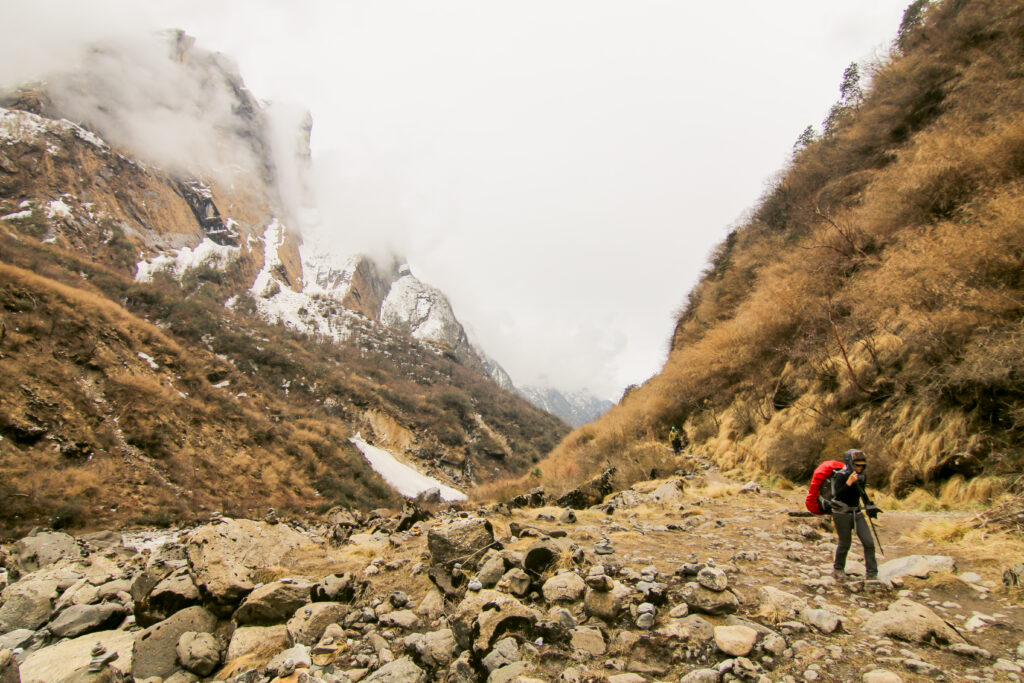
Climbing Mount Meru for the first time requires careful planning and a clear understanding of the routes, itinerary, and acclimatization strategies. Choosing the right path and pacing the trek appropriately can significantly enhance the experience, reduce the risk of altitude sickness, and maximize enjoyment. For first-time climbers, understanding these elements ensures that the adventure is challenging yet safe, and the scenic rewards are fully appreciated. This combination of preparation, knowledge, and guided support is why mount meru for first time climbers remains one of the most recommended climbs in East Africa.
Mount Meru offers several established routes, each with unique features, scenery, and difficulty levels. The most common path for beginners is the Momella Route, which is also the shortest and most gradual. Beginning at the Momella Gate in Arusha National Park, the route passes through lush lower forests, gradually ascending to mid-altitude zones and eventually reaching the summit. This trail offers progressive acclimatization opportunities, allowing first-time climbers to adjust to changing altitudes without overwhelming exertion. It is highly favored for its combination of wildlife, scenic viewpoints, and manageable daily distances.
The Momella Route typically spans three to four days, which is ideal for first-time climbers. Day one generally includes a gentle trek through forests abundant with wildlife, such as giraffes, colobus monkeys, and buffalo. This initial day serves as a warm-up, easing trekkers into the mountain environment while providing natural distractions and visual rewards. The moderate pace ensures that climbers begin to adapt to the altitude gradually. For those interested in shorter treks, the Momella Route provides flexibility while still allowing a full Mount Meru experience.
Day two generally focuses on gaining altitude while remaining within moderate exertion levels. Trekkers move through mid-altitude zones with changing vegetation, including heathers, giant lobelias, and alpine shrubs. This stage introduces beginners to high-altitude conditions in a controlled manner. Guides closely monitor climbers’ pace, hydration, and overall well-being, ensuring that each participant acclimatizes safely. Educational moments are integrated along the trail, such as explanations of volcanic features, alpine flora, and the ecological significance of the surrounding Arusha National Park. This combination of acclimatization and learning creates a rich, layered experience that appeals to first-time climbers.
Epic horizons Adventure we are looking extra miles to make sure that first-time climbers experience a well-balanced itinerary. By pacing daily treks to match fitness levels, adjusting rest stops, and providing clear guidance, the company ensures that beginners can move safely and comfortably toward the summit. This structured approach reduces stress, builds confidence, and allows climbers to focus on the breathtaking scenery along the way.
Day three is often the summit push, beginning in the pre-dawn hours. Starting early allows climbers to reach the peak at sunrise, offering some of the most spectacular views of Mount Meru and the surrounding landscapes. The gradual climb includes short breaks for acclimatization, hydration, and energy replenishment. Guides maintain a steady rhythm, encouraging climbers to focus on breathing and pacing rather than speed. This methodology is crucial for first-time climbers, who may be unfamiliar with the physical demands of high-altitude trekking. The culmination of effort, when reaching Socialist Peak at 4,566 meters, is both emotionally and visually rewarding, offering panoramic vistas of the crater, surrounding hills, and even distant Mount Kilimanjaro.
The return descent usually occupies day four and is an equally important part of the itinerary. Descending allows the body to recover while providing opportunities to appreciate details that may have been missed during the ascent. Wildlife, vegetation, and geological features appear differently in daylight, reinforcing the sense of progression and accomplishment. The descent phase emphasizes reflection, emotional closure, and sustainable trekking practices, such as minimizing environmental impact and following park guidelines.
For beginners, acclimatization is a critical component of Mount Meru trekking. The itinerary is deliberately structured to allow for gradual exposure to increasing altitude. Climbing too quickly can lead to altitude sickness, characterized by headaches, nausea, and fatigue. First-time climbers are encouraged to follow pacing advice, take scheduled breaks, and maintain adequate hydration. Professional guides are trained to recognize early signs of altitude-related issues and can implement measures such as temporary rest stops, slower ascent, or oxygen support if needed. These precautions ensure that the climb is both safe and enjoyable.
Strategically placed mountain huts, such as Miriakamba and Saddle Huts, play a vital role in acclimatization. These shelters provide safe resting points, meals, and briefings for the next stage of the climb. Spending nights at appropriate altitudes allows the body to adjust, which significantly improves the chances of a successful summit. First-time climbers benefit from this structured environment, reducing anxiety and physical strain while promoting gradual adaptation to high-altitude conditions.
Route selection also influences the acclimatization process. While the Momella Route is ideal for beginners, other trails like the Miriakamba Route provide different experiences, including more forested terrain and a longer trekking distance. Each route offers varying challenges and scenery, allowing first-time climbers to match their preferences and fitness levels with the appropriate itinerary. External resources, such as National Geographic Travel (https://www.nationalgeographic.com), provide detailed descriptions of Mount Meru routes and highlight the importance of acclimatization for high-altitude trekking.
Training and preparation prior to the climb further enhance acclimatization. Moderate cardiovascular exercise, hiking with a weighted backpack, and gradually increasing endurance help first-time climbers adapt to sustained walking at altitude. These exercises reduce fatigue, improve confidence, and allow climbers to enjoy the scenic views rather than struggling with unexpected physical strain. Fitness preparation complements the structured itinerary, creating a holistic approach to safe and rewarding Mount Meru trekking.
Epic horizons Adventure we are looking extra miles to make sure every aspect of the route and itinerary is optimized for first-time climbers. By combining gradual altitude gain, guided pacing, educational briefings, and strategic rest, the company ensures a balanced experience. Climbers are not rushed, risks are minimized, and each stage of the journey is framed as an opportunity for learning and engagement with the environment.
Weather and environmental conditions are another consideration when planning the itinerary. Climbers should be aware of seasonal variations, including rain, cloud cover, and temperature fluctuations. Proper clothing, layering, and gear are essential to maintain comfort and safety. External resources such as the Tanzania National Parks Authority (https://www.tanzaniaparks.go.tz) provide guidance on optimal trekking times and environmental considerations. For first-time climbers, this knowledge is invaluable, as it allows them to prepare for expected conditions and avoid surprises.
Nutrition and hydration also tie into the itinerary and acclimatization strategy. Adequate caloric intake, frequent snacks, and consistent water consumption help maintain energy levels and reduce fatigue. First-time climbers are encouraged to eat lightly but regularly, monitor their hydration status, and follow guidance from their guides regarding supplemental nutrition. These practices are integral to a safe and successful climb, particularly when ascending above 3,000 meters where energy expenditure increases.
Psychologically, the structured itinerary aids motivation and confidence. Breaking the climb into achievable daily goals reduces anxiety and fosters a sense of progress. Visual markers, mountain huts, and guide-led check-ins provide tangible measures of advancement, encouraging first-time climbers to keep moving. This combination of physical support and psychological reassurance enhances the overall experience, making the climb both challenging and enjoyable.
The scenic rewards along each section of the route are carefully integrated into the itinerary. From forested lower slopes to the volcanic crater rim, alpine zones, and summit vistas, first-time climbers are exposed to a wide variety of ecosystems and visual landscapes. These scenic moments not only provide motivation but also serve as educational and reflective opportunities. Seeing the progression of vegetation, wildlife, and terrain reinforces the holistic learning experience inherent to Mount Meru trekking. The mount meru for first time climbers journey is thus as much about observation and appreciation as it is about physical achievement.
Group dynamics and guided support further enhance acclimatization. Small groups ensure personalized attention from guides, allowing them to monitor pace, offer encouragement, and provide educational insights throughout the trek. First-time climbers feel safer and more confident when supported in this way, which in turn allows them to focus on enjoying the route and absorbing the scenic beauty. This social and instructional element is one of the reasons why guided climbs of Mount Meru are recommended for beginners.
Finally, the summit experience is the culmination of careful route selection, pacing, and acclimatization. Reaching Socialist Peak rewards climbers not only with a sense of achievement but also with panoramic views that encompass Arusha National Park, Momella Lakes, and even distant Mount Kilimanjaro. The thoughtful structure of the itinerary ensures that first-time climbers arrive at the summit prepared, rested, and capable of fully appreciating the scenery. Epic horizons Adventure we are looking extra miles to make sure this summit experience is safe, enjoyable, and memorable for all beginners.
In conclusion, proper understanding of routes, itineraries, and acclimatization strategies is essential for anyone tackling Mount Meru for the first time. Gradual elevation gain, guided pacing, overnight stays at strategic huts, fitness preparation, and nutritional planning all contribute to a successful experience. By following these strategies, first-time climbers can navigate the mountain safely while enjoying its natural beauty and learning opportunities. The mount meru for first time climbers journey is therefore not only achievable but deeply rewarding, providing confidence, skill, and lasting memories that extend far beyond the trek itself.
Safety, Guides, Gear, and Common Mistakes to Avoid on Mount Meru for First-Time Climbers
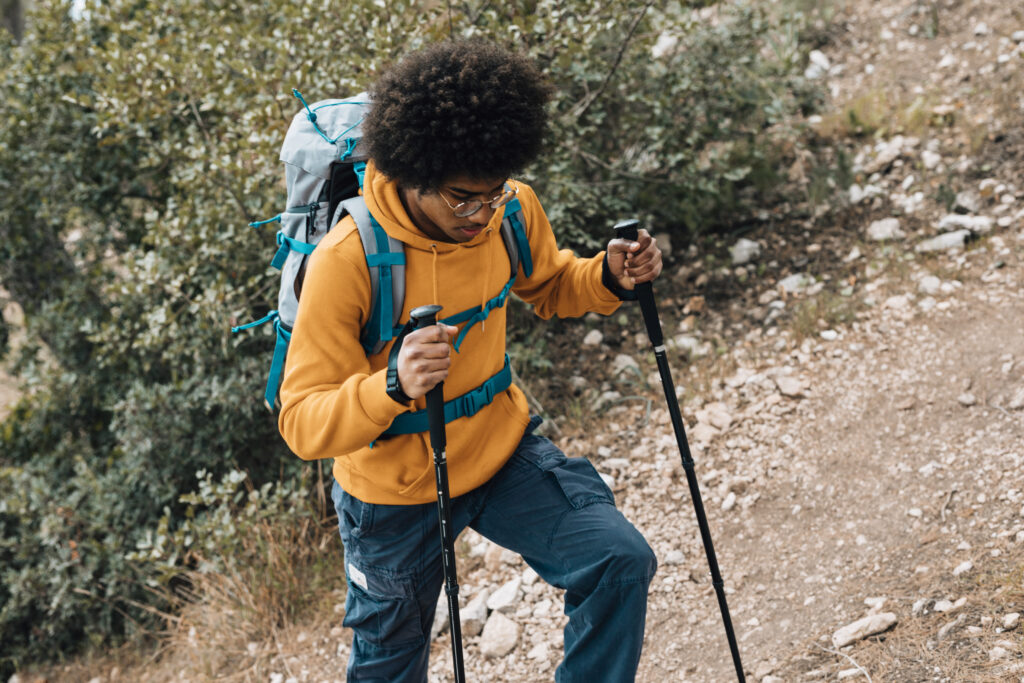
Safety is the cornerstone of any successful mountain trek, especially for those attempting a climb for the first time. Mount Meru, while accessible, still presents high-altitude challenges that require careful planning, proper equipment, and knowledgeable guidance. Understanding the essential safety protocols, the role of guides, the appropriate gear, and the common pitfalls to avoid can make the difference between a memorable adventure and an unnecessarily stressful experience. For beginners, preparation is as important as physical fitness, and adherence to recommended practices ensures that the journey is both safe and enjoyable. This is why mount meru for first time climbers consistently emphasizes structured guidance, proper equipment, and safety awareness throughout the trek.
One of the most critical aspects of a safe Mount Meru climb is the presence of experienced guides. These professionals are trained to manage the unique challenges of high-altitude trekking, including navigation, pace setting, and monitoring climbers’ health. Guides observe early signs of altitude sickness, fatigue, dehydration, or hypothermia, and intervene promptly to prevent serious issues. Their knowledge extends to local geography, weather patterns, and wildlife behavior, providing a layer of security that is invaluable for first-time climbers. According to the Tanzania National Parks Authority (https://www.tanzaniaparks.go.tz), guided climbs are mandatory on Mount Meru, which not only enhances safety but also ensures that climbers benefit from local expertise.
Epic horizons Adventure we are looking extra miles to make sure first-time climbers receive comprehensive guidance and support throughout the trek. From initial planning and briefings to real-time monitoring during the climb, the company prioritizes safety without compromising the enjoyment and scenic experiences of the journey. Guides are trained to communicate effectively, provide encouragement, and adapt strategies to each individual’s fitness and comfort level, ensuring that beginners feel secure and confident.
Proper gear is another crucial component of safety. Mount Meru’s climate varies drastically from the lower forests to the alpine summit, making layered clothing essential. Beginners are advised to pack moisture-wicking base layers, insulating mid-layers, and windproof, waterproof outer layers. Sturdy trekking boots with good grip are vital for stability on rocky or uneven terrain. Additionally, accessories such as gloves, hats, trekking poles, headlamps, and sunglasses protect against cold, wind, and intense UV exposure at high altitudes. A properly fitted backpack, water bottles, and emergency first-aid supplies are also critical. External sources like REI (https://www.rei.com/learn/expert-advice/mountaineering-gear.html) provide detailed guidance on high-altitude gear essentials for trekkers.
For first-time climbers, understanding common mistakes and how to avoid them is equally important for safety. One of the most frequent errors is underestimating the impact of altitude. Climbers often start too quickly, pushing their bodies beyond what gradual acclimatization allows. This can lead to fatigue, headaches, and more serious altitude-related issues. Following a steady pace, taking regular breaks, and adhering to the recommended itinerary are essential strategies to mitigate this risk. Knowledge of early warning signs of altitude sickness allows guides to intervene promptly, keeping climbers safe and comfortable.
Another common mistake is inadequate hydration and nutrition. First-time climbers may overlook the need for frequent water intake or fail to eat sufficient calories to maintain energy levels. Dehydration or energy deficits can exacerbate fatigue and impair decision-making, increasing the likelihood of slips or mistakes on the trail. Maintaining a consistent routine of hydration and balanced meals supports endurance and cognitive function, reducing risk and improving overall performance.
Gear misuse is also a significant concern for beginners. For example, improper boot fit, weak laces, or wearing cotton clothing can lead to blisters, chafing, or hypothermia. Trekking poles can provide excellent stability but can become a hazard if not used correctly. Guides ensure that climbers are familiar with their equipment, demonstrate proper techniques, and offer adjustments to optimize safety and comfort. These preventive measures are essential for first-time climbers who may be unfamiliar with high-altitude trekking gear.
Epic horizons Adventure we are looking extra miles to make sure climbers are fully briefed on gear, safety protocols, and environmental responsibility. The company emphasizes pre-trek preparation, including packing checklists, equipment demonstrations, and acclimatization advice. This attention to detail ensures that first-time climbers arrive at the mountain ready and confident, minimizing the potential for preventable issues during the ascent.
Weather is another factor that directly affects safety. Mount Meru can experience sudden changes, including rainfall, high winds, and cold nighttime temperatures. Understanding weather patterns, wearing appropriate layers, and carrying protective gear are essential measures. Guides monitor conditions closely and can adjust schedules or routes to maintain safety. For first-time climbers, being prepared for environmental variability reduces anxiety and allows them to focus on the scenic and emotional rewards of the trek.
Emergency preparedness is central to Mount Meru’s safety strategy. Park authorities require guides to carry communication devices, first-aid kits, and knowledge of evacuation procedures. Climbers are instructed on basic self-care techniques and emergency protocols. These measures provide peace of mind for beginners, ensuring that unforeseen events can be managed effectively without compromising the adventure. Reliable sources such as the International Mountaineering and Climbing Federation (UIAA) (https://www.theuiaa.org) offer additional guidance on mountain safety standards and best practices.
Physical conditioning and pacing remain intertwined with safety. First-time climbers benefit from moderate pre-trek training, including cardiovascular exercise, hiking with weighted packs, and stretching routines. A steady, consistent pace during the climb allows the body to adapt gradually to increasing altitude, reducing the likelihood of injury or illness. Guides emphasize the principle of “climb high, sleep low” where possible, supporting acclimatization and reducing physical strain. This structured pacing is critical for beginners to avoid overexertion while still reaching summit objectives.
Another safety consideration is psychological readiness. Fear of heights, self-doubt, or anxiety can affect performance and decision-making. Guides provide continuous support, encouragement, and reassurance, helping climbers manage mental stress. Team dynamics also contribute to safety, as climbers are encouraged to support one another, watch for signs of fatigue, and maintain open communication. For first-time climbers, emotional preparedness complements physical readiness, creating a holistic approach to safe trekking.
Common route-related mistakes include straying from established trails, ignoring signage, or attempting shortcuts. Mount Meru’s trails are well-marked, but first-time climbers unfamiliar with navigation may be tempted to explore off-path. Guided treks prevent this, ensuring that beginners remain on safe routes and experience all scenic highlights without compromising safety. This guidance not only reduces risk but also preserves the ecological integrity of the mountain environment.
Epic horizons Adventure we are looking extra miles to make sure safety protocols, route planning, and daily pacing are integrated seamlessly into the trekking experience. By combining professional guidance, comprehensive equipment briefing, structured itineraries, and emotional support, the company ensures that first-time climbers can fully enjoy the mountain while remaining secure at all times.
The scenic beauty of Mount Meru can be used strategically to enhance safety awareness. Views of the crater, forests, and alpine zones serve as reference points, allowing climbers to judge their progress, recognize elevation changes, and maintain orientation. Guides use these landmarks to educate beginners about terrain and environmental cues, enhancing situational awareness. For first-time climbers, learning to read the landscape is both a safety skill and an enriching aspect of the adventure.
Finally, first-time climbers are encouraged to respect personal limits and communicate openly with guides. Ignoring fatigue, pain, or early warning signs of altitude-related issues is a common error that can escalate risk. Listening to professional advice, pacing appropriately, and prioritizing safety over summit ambition is a central philosophy promoted by Epic Horizons Adventure. This approach ensures that the trek is rewarding without compromising health or security. By integrating safety, guidance, proper gear, and awareness of common mistakes, beginners can experience a fulfilling and safe journey.
In conclusion, Mount Meru provides an ideal platform for first-time climbers to learn high-altitude trekking while enjoying dramatic landscapes and wildlife encounters. Safety, experienced guides, appropriate gear, and avoidance of common errors are essential elements of a successful ascent. With professional support and structured preparation, the climb becomes both achievable and memorable. The focus on safety ensures that mount meru for first time climbers is not only accessible but also deeply rewarding, creating a positive first experience that builds confidence for future adventures.