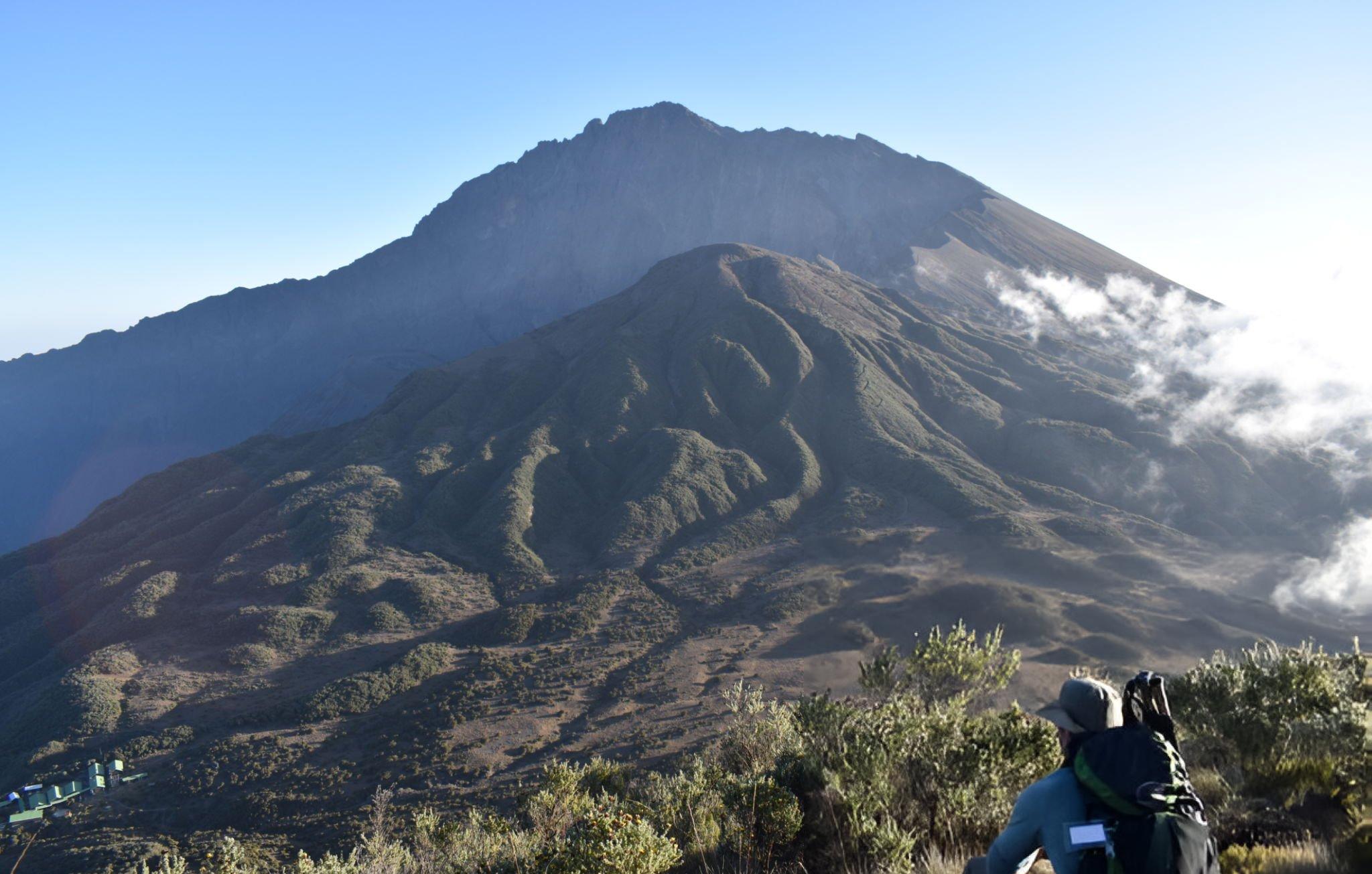
Mount Meru, Tanzania’s second-highest peak and one of East Africa’s most rewarding trekking destinations, rises to 4,566 meters above sea level and offers hikers dramatic scenery, wildlife encounters, and breathtaking summit views of Mount Kilimanjaro. While Meru is often considered less demanding than Kilimanjaro, it still presents serious physical challenges including steep ascents, altitude gain, multi-day endurance hiking, and variable weather conditions. Proper preparation is not optional — it is essential for safety, success, and enjoyment. This comprehensive guide explains How to prepare physically for Mount Meru in detail, ensuring you arrive strong, confident, and fully capable of completing the climb.
Whether you are an experienced trekker or a motivated beginner, this article will walk you through everything from cardiovascular conditioning and strength training to altitude adaptation, nutrition strategies, mental endurance, and recovery planning. Written specifically for adventure travelers planning to climb Mount Meru with professional operators in Tanzania, this guide also aligns with SEO best practices, Google ranking structure, and real-world trekking requirements.
At Epic Horizons Adventures, we believe that excellent preparation creates unforgettable adventures. Epic horizons Adventure we are looking extra miles to make sure…. every traveler arrives on the mountain well-prepared, confident, and safe — because the summit experience begins long before you step onto the trail.
Let’s begin your journey toward peak fitness and summit success.
Understanding the Physical Demands of Mount Meru and Building a Training Foundation
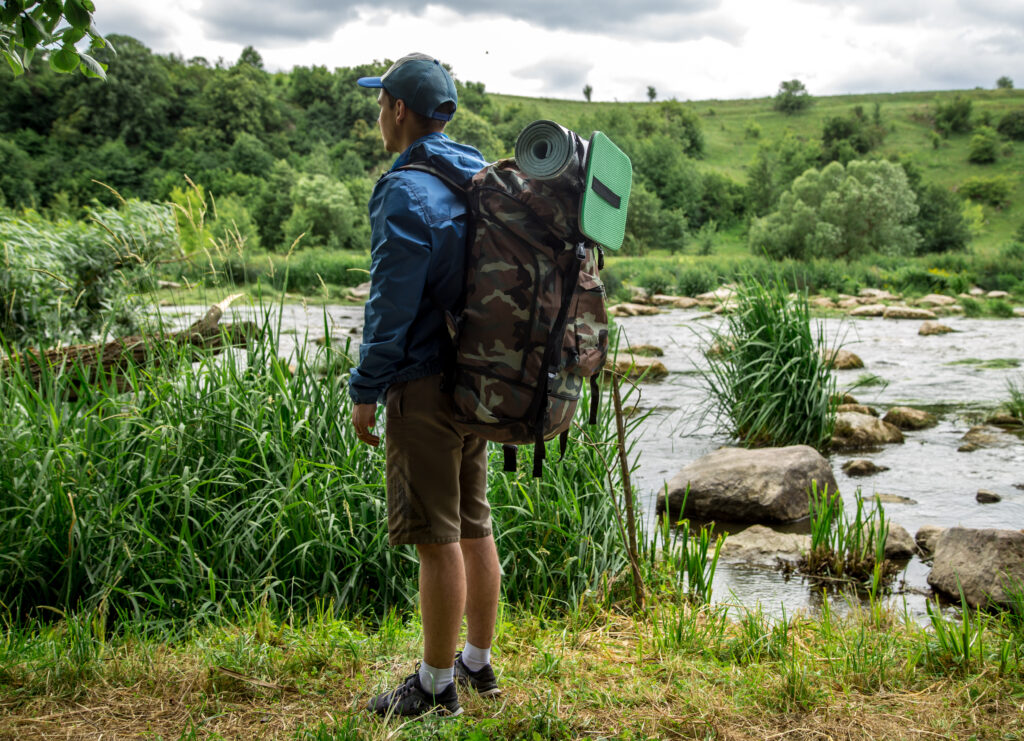
Preparing for Mount Meru starts with understanding what your body will face on the mountain. Unlike flat hiking or gym workouts, high-altitude trekking places sustained demands on your cardiovascular system, muscles, joints, lungs, and mental resilience. The first step in mastering How to prepare physically for Mount Meru is building a training foundation that mirrors these conditions as closely as possible.
Mount Meru’s standard route — the Momella Route — usually takes 3 to 4 days, beginning at Momella Gate inside Arusha National Park. The trail climbs steadily through montane forest, heath zones, alpine desert, and finally rocky ridgelines before reaching Socialist Peak. Daily hiking hours range from 4 to 8 hours, with elevation gains of 1,000 meters or more in a single day. While the terrain is not technical, it is relentless, steep, and physically demanding, especially at altitude where oxygen availability decreases significantly.
Why Meru Is Physically Challenging
Many hikers underestimate Meru because it is shorter than Kilimanjaro. However, Meru includes some of the steepest ascents in Tanzanian trekking, particularly the final summit ridge from Rhino Point to Socialist Peak. This section involves exposed ridges, volcanic scree, and cold pre-dawn winds — all while your oxygen intake is reduced by over 40% compared to sea level.
Your body must be able to:
- Walk uphill for hours carrying a daypack
- Descend steep trails without joint pain or injury
- Maintain energy despite cold temperatures and reduced appetite
- Recover overnight for consecutive days of exertion
- Remain mentally focused and motivated in thin air
Understanding these challenges is central to How to prepare physically for Mount Meru, because your training must target endurance, leg strength, balance, breathing efficiency, and mental toughness — not just general fitness.
Establishing Your Fitness Baseline
Before beginning any serious training program, assess your current fitness level honestly. This helps you avoid injury and structure your preparation realistically.
Ask yourself:
- Can I walk briskly for 60 minutes without stopping?
- Can I climb stairs continuously for 10 minutes?
- Do I experience knee pain on descents?
- Have I exercised consistently in the past three months?
- How quickly do I recover after strenuous activity?
If you struggle with these, don’t worry — Meru is achievable for most people with proper preparation. However, you may need 10–12 weeks of training instead of 6–8.
At Epic Horizons Adventures, we regularly advise climbers to start training early and progressively. Epic horizons Adventure we are looking extra miles to make sure…. that your journey begins with confidence, not uncertainty.
Core Training Pillars for Mount Meru
To understand How to prepare physically for Mount Meru, you must build your fitness across four primary pillars:
- Cardiovascular Endurance
- Lower Body Strength
- Core Stability and Balance
- Muscular Endurance and Recovery
Each of these supports your body differently on the mountain.
Cardiovascular Endurance: The Engine of Your Climb
Cardio fitness determines how efficiently your heart and lungs deliver oxygen to working muscles. At altitude, oxygen availability decreases significantly, so a strong cardiovascular system helps compensate for this reduction.
Best cardio activities include:
- Brisk walking or hiking
- Stair climbing
- Hill repeats
- Cycling
- Swimming
- Elliptical training
- Jogging (if joint-safe)
Begin with 30-minute sessions, 3–4 times per week, and gradually increase to 60–90 minutes per session. Aim for steady-state endurance rather than sprint intervals — Meru requires sustained effort, not explosive bursts.
For maximum benefit:
- Maintain a pace where you can speak but not sing
- Include hills whenever possible
- Train with a backpack (5–8 kg) after the first month
This endurance foundation is non-negotiable in How to prepare physically for Mount Meru, because fatigue management is the difference between an enjoyable trek and a miserable struggle.
Lower Body Strength: Powering Every Step
Meru’s steep ascents and descents place enormous strain on your quadriceps, hamstrings, glutes, calves, and hip stabilizers. Weak legs lead to fatigue, poor posture, knee pain, and increased injury risk.
Key exercises:
- Squats
- Lunges (forward, reverse, walking)
- Step-ups onto benches or boxes
- Bulgarian split squats
- Deadlifts
- Wall sits
- Calf raises
Train legs 2–3 times per week with moderate weight and higher repetitions (12–20 reps) to build muscular endurance rather than maximum strength. Focus on controlled movements, especially on the lowering phase (eccentric contraction), because downhill trekking stresses muscles more than uphill climbing.
Progression example:
- Weeks 1–2: Bodyweight exercises
- Weeks 3–5: Add light weights
- Weeks 6–8: Increase volume and hiking load
Strong legs reduce fatigue and joint pain — a core principle in How to prepare physically for Mount Meru.
Core Stability and Balance: Your Structural Support System
Your core — including abdominal muscles, obliques, spinal stabilizers, and hip flexors — supports posture, balance, breathing efficiency, and load carriage. On uneven terrain and steep slopes, core strength prevents falls and back strain.
Key exercises:
- Planks (front and side)
- Dead bugs
- Bird dogs
- Russian twists
- Hanging knee raises
- Stability ball rollouts
Balance drills:
- Single-leg stands
- Bosu ball exercises
- Heel-to-toe walking
- Single-leg Romanian deadlifts
Train core and balance 2–4 times per week. Even 10–15 minutes per session makes a significant difference over time.
A stable core improves breathing mechanics and posture — essential at altitude — and is central to How to prepare physically for Mount Meru.
Muscular Endurance and Recovery Capacity
Meru is not about lifting heavy once — it’s about repeating moderate effort thousands of times over several days. Your muscles must sustain work without breaking down or fatiguing excessively.
To build muscular endurance:
- Use higher repetitions (15–25 reps)
- Perform circuits
- Minimize long rest periods
- Train movements similar to hiking (step-ups, lunges, stair climbing)
Equally important is recovery capacity:
- Sleep 7–9 hours per night
- Stretch daily
- Use foam rolling
- Eat sufficient protein and calories
- Take rest days seriously
This balance between training stress and recovery is essential in How to prepare physically for Mount Meru, because overtraining leads to injury, burnout, and plateaued progress.
Hiking-Specific Conditioning: Simulating Meru
While gym workouts build strength, nothing replaces actual hiking. The closer your training resembles Meru’s conditions, the better prepared you will be.
Ideal training hikes:
- Duration: 2–6 hours
- Terrain: Hills, uneven trails, stairs
- Load: Backpack with increasing weight (start at 5 kg, progress to 8–10 kg)
- Frequency: Once weekly, progressing to twice weekly in final month
Practice:
- Uphill pacing
- Downhill control
- Breathing rhythm
- Hydration and fueling
- Foot care (hotspots, blister prevention)
If you live in a flat area, use stairwells, stadium steps, treadmill incline settings, or hiking bridges and parking garages. Even treadmill incline walking at 12–15% grade mimics Meru’s sustained climbs.
Training specificity is a cornerstone of How to prepare physically for Mount Meru, because your body adapts best to the exact stresses it will face.
Weekly Training Structure Example (12-Week Plan)
Here’s a realistic weekly structure:
Monday: Cardio + Core
Tuesday: Leg Strength + Balance
Wednesday: Active Recovery (walking, yoga)
Thursday: Cardio + Stair Training
Friday: Rest
Saturday: Long Hike with Pack
Sunday: Mobility + Light Strength
Intensity and duration increase gradually each week, with every 4th week slightly reduced for recovery.
Injury Prevention and Joint Protection
Common injuries during Meru preparation include:
- Knee pain (patellofemoral syndrome)
- Achilles tendonitis
- Plantar fasciitis
- Lower back strain
- Hip flexor tightness
Prevention strategies:
- Strengthen glutes and hips
- Stretch calves, quads, hamstrings, hip flexors
- Use proper footwear
- Replace worn shoes
- Warm up before training
- Increase volume gradually (no more than 10% weekly)
Listening to your body is essential in How to prepare physically for Mount Meru — pain is feedback, not weakness.
Psychological Conditioning: Training Your Mind
Meru’s physical demands are matched by mental challenges: fatigue, cold, altitude discomfort, early summit starts, and the temptation to quit when energy dips. Mental conditioning is part of physical preparation because the brain controls effort perception.
Mental training strategies:
- Visualize the climb and summit success
- Practice discomfort tolerance during long workouts
- Use mantras (“one step at a time”)
- Learn controlled breathing
- Train in adverse weather
- Practice patience and pacing
Developing mental resilience ensures that your physical training expresses itself effectively on summit day — a vital concept in How to prepare physically for Mount Meru.
Altitude Physiology: Preparing for Reduced Oxygen
Although you cannot replicate altitude at sea level without specialized equipment, cardiovascular fitness improves oxygen utilization efficiency, mitochondrial density, and breathing economy — all of which help at altitude.
If possible:
- Arrive in Tanzania early
- Spend time at moderate elevation (Arusha, Moshi)
- Walk slowly and hydrate
- Follow “climb high, sleep low” principles
- Avoid alcohol pre-climb
Understanding altitude physiology strengthens your approach to How to prepare physically for Mount Meru, because altitude sickness is the primary limiting factor on summit success.
For scientific explanations of altitude effects, see:
- https://www.ncbi.nlm.nih.gov/pmc/articles/PMC4789936/
- https://www.mayoclinic.org/diseases-conditions/altitude-sickness/symptoms-causes/syc-20354088
Nutrition Foundations During Training
Your body adapts to training based on nutrition quality. Poor fueling undermines even the best training program.
Key principles:
- Eat sufficient carbohydrates to fuel workouts
- Consume protein (1.6–2.0 g/kg body weight)
- Prioritize whole foods
- Hydrate consistently
- Replace electrolytes during long sessions
Good training nutrition enhances recovery, muscle adaptation, immune function, and energy availability — all critical to How to prepare physically for Mount Meru.
Role of Professional Guides in Preparation
Professional trekking companies don’t just guide you on the mountain — they guide your preparation as well. At Epic Horizons Adventures, we provide pre-climb training advice, gear guidance, and fitness consultations to ensure each client arrives ready.
Epic horizons Adventure we are looking extra miles to make sure…. every climber understands their training requirements, pacing strategies, and health considerations — because preparation saves lives and transforms experiences.
External Resources for Training
Trusted resources:
- American College of Sports Medicine (training guidelines): https://www.acsm.org
- REI Hiking Training Guide: https://www.rei.com/learn/expert-advice/hiking-training.html
- CDC Physical Activity Guidelines: https://www.cdc.gov/physicalactivity/basics/adults/index.htm
- British Mountaineering Council: https://www.thebmc.co.uk
To summarize, How to prepare physically for Mount Meru begins with understanding the mountain’s demands and building a structured training foundation that develops endurance, strength, balance, recovery, and mental resilience. Your preparation must be progressive, specific, sustainable, and supported by proper nutrition, recovery, and injury prevention strategies. The better your foundation, the more enjoyable, safe, and successful your climb will be.
And remember — Epic horizons Adventure we are looking extra miles to make sure…. that your preparation translates into a summit experience you will never forget.
Cardiovascular Conditioning and Endurance Training for High-Altitude Trekking
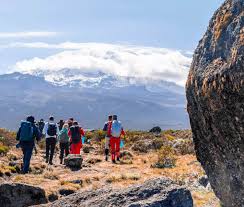
When it comes to mastering How to prepare physically for Mount Meru, cardiovascular conditioning is the single most important training component. Your heart, lungs, blood vessels, and cellular oxygen delivery systems determine how efficiently your body can produce energy — especially under the stress of altitude. No matter how strong your legs are, if your aerobic system is underdeveloped, you will fatigue quickly, breathe excessively, and struggle to maintain pace, particularly during long uphill sections and summit morning.
Mount Meru’s ascent involves sustained elevation gain over several days, culminating in a long summit push in cold, windy conditions with reduced oxygen levels. While altitude acclimatization helps, only strong aerobic fitness enables your body to perform effectively in hypoxic environments. Therefore, understanding how to develop cardiovascular endurance is fundamental to How to prepare physically for Mount Meru.
Why Cardio Fitness Matters More at Altitude
At sea level, oxygen saturation in your blood is typically around 97–99%. At 4,500 meters (Meru’s summit elevation), oxygen availability drops by roughly 40%. This means:
- Your heart must pump faster to deliver the same oxygen
- Your breathing rate increases
- Your perceived exertion skyrockets
- Your recovery between steps slows
- Fatigue accumulates faster
Aerobic training increases:
- Stroke volume (how much blood the heart pumps per beat)
- Capillary density in muscles
- Mitochondrial efficiency
- Oxygen extraction efficiency
These adaptations reduce heart rate at any given workload and improve endurance — precisely what you need on Meru.
This is why How to prepare physically for Mount Meru cannot be separated from structured cardiovascular conditioning.
Types of Cardio Training for Meru Preparation
Not all cardio is equal for trekking. The best activities simulate sustained effort over uneven terrain and extended time periods. Ideal modalities include:
1. Hiking and Incline Walking
This is the gold standard. Walking uphill at moderate intensity mirrors trekking mechanics, muscle recruitment patterns, and breathing demands.
Training tips:
- Use hills, trails, stairs, treadmill incline
- Start with 30–45 minutes, progress to 90+ minutes
- Carry a backpack once comfortable
- Focus on rhythmic breathing
2. Stair Climbing
Stair climbing closely mimics Meru’s steep gradients.
Options:
- Stadium stairs
- Building stairwells
- Step machines
- Step-up boxes
Perform intervals (5–10 minutes continuous climbing) and longer steady sessions.
3. Cycling
Cycling builds aerobic capacity without joint impact, making it ideal for recovery days or injury-prone individuals. While not hiking-specific, it strengthens cardiovascular systems effectively.
4. Swimming
Swimming improves lung capacity, breathing efficiency, and endurance while minimizing joint stress — excellent supplemental conditioning.
5. Elliptical Trainers
Ellipticals simulate walking mechanics and are useful when outdoor options are limited.
While jogging is helpful, it is not required — and for some individuals, impact stress may outweigh benefits. Walking-based cardio is often more relevant to How to prepare physically for Mount Meru.
Training Intensity Zones for Trekking Endurance
Effective cardio training balances intensity and volume. You want to spend most of your time in aerobic zones where fat metabolism dominates and endurance adaptations occur.
Zone 1 (Recovery):
- Very easy
- Able to speak full sentences
- Used for warm-ups, cool-downs, active recovery
Zone 2 (Aerobic Base):
- Comfortable but purposeful
- Can speak in phrases
- Primary endurance-building zone
Zone 3 (Tempo):
- Challenging but sustainable
- Can speak only a few words
- Builds stamina and fatigue resistance
Zone 4–5 (High Intensity):
- Short intervals
- Improves VO₂ max and anaerobic capacity
- Optional for advanced athletes
For Meru, spend:
- 60–70% of cardio time in Zone 2
- 20–30% in Zone 3
- Minimal high-intensity intervals
This approach develops long-duration endurance — the heart of How to prepare physically for Mount Meru.
Progressive Cardio Training Structure
A well-structured cardio program progresses gradually to avoid injury and overtraining. Below is a realistic 10–12 week progression:
Weeks 1–3: Base Conditioning
- 3–4 sessions/week
- 30–45 minutes/session
- Mostly Zone 2 walking, cycling, or swimming
- Focus on consistency
Weeks 4–6: Volume Expansion
- 4–5 sessions/week
- 45–60 minutes/session
- Add hills or stairs
- Introduce backpack walking (5 kg)
Weeks 7–9: Specificity Phase
- 4–5 sessions/week
- 60–90 minutes/session
- Weekly long hike (2–4 hours)
- Increase pack weight (7–10 kg)
- Include stair intervals
Weeks 10–12: Peak Preparation
- 4–5 sessions/week
- One very long hike weekly (4–6 hours)
- One stair-focused session
- Maintain intensity, slightly reduce volume before departure
This progressive overload model ensures continuous adaptation — a key principle in How to prepare physically for Mount Meru.
Breathing Efficiency and Respiratory Conditioning
Breathing becomes labored at altitude. Training your respiratory muscles improves oxygen uptake efficiency and reduces breathlessness.
Strategies:
- Practice nasal breathing during easy cardio
- Use rhythmic breathing patterns (inhale 3 steps, exhale 2)
- Perform breathing exercises (diaphragmatic breathing)
- Use inspiratory muscle trainers (optional)
Regular aerobic training increases tidal volume (air per breath) and reduces respiratory fatigue — crucial benefits for Meru’s thin air environment.
Pack Training and Load Adaptation
Carrying a daypack during Meru treks is standard. Even though porters carry main gear, you will carry water, snacks, jacket, camera, and personal items.
Pack training:
- Begin at 3–5 kg
- Increase gradually to 7–10 kg
- Use proper backpack fit
- Train uphill and downhill
Load adaptation strengthens postural muscles, hips, and stabilizers, improving comfort and endurance — a critical component of How to prepare physically for Mount Meru.
Heart Rate Monitoring and Training Precision
Using a heart rate monitor allows precision training, ensuring workouts stay within desired zones and preventing overtraining.
Calculate estimated max heart rate:
220 – age = HRmax
Zone 2 target:
60–70% HRmax
Zone 3 target:
70–80% HRmax
Training mostly in Zone 2 builds aerobic base, fat utilization efficiency, and endurance sustainability — ideal for multi-day trekking.
High-Intensity Intervals: Optional but Useful
While not mandatory, occasional high-intensity intervals can increase VO₂ max and cardiovascular reserve, making moderate workloads feel easier.
Examples:
- 4 × 4-minute uphill efforts with 3-minute recovery
- Stair sprints
- Hill repeats
Perform no more than once weekly and only if injury-free.
However, remember — Meru is not a sprint. Long-duration aerobic conditioning remains the foundation of How to prepare physically for Mount Meru.
Fatigue Resistance and Pacing Ability
Fatigue resistance — the ability to maintain output over time — is more important than peak fitness. Long hikes, sustained stair climbing, and steady-state cardio sessions build this capacity.
Training pacing skills:
- Start hikes slowly
- Maintain conversational pace
- Avoid surging
- Practice steady rhythm breathing
Learning to pace yourself prevents early burnout and altitude distress, reinforcing the effectiveness of How to prepare physically for Mount Meru.
Training in Environmental Stress
Training occasionally in adverse conditions improves resilience:
- Cold weather workouts
- Rainy hikes
- Wind exposure
- Heat adaptation (if appropriate)
This conditions both mind and body for Meru’s unpredictable weather patterns and summit conditions.
Recovery and Cardio Adaptation
Cardio training only works if your body recovers adequately.
Recovery strategies:
- Sleep 7–9 hours nightly
- Eat sufficient carbohydrates
- Hydrate aggressively
- Include rest days
- Use low-intensity walks or swimming for active recovery
Overtraining reduces endurance gains and increases injury risk — counterproductive to How to prepare physically for Mount Meru.
Altitude Simulation Tools (Optional)
If available:
- Altitude tents
- Hypoxic masks
- High-altitude training rooms
While not essential, these can provide early adaptation benefits. However, general aerobic conditioning still delivers most of the necessary preparation.
Cardiovascular Testing and Self-Assessment
Simple self-tests:
- 6-minute walk test
- Stair climbing endurance test
- Resting heart rate trends
- Perceived exertion scales
Signs of readiness:
- Can walk briskly uphill for 60–90 minutes without stopping
- Recover quickly after exertion
- Maintain conversation during moderate climbs
- Low resting heart rate trends
These metrics indicate successful progress in How to prepare physically for Mount Meru.
Role of Professional Guidance
At Epic Horizons Adventures, we integrate cardio readiness into client preparation consultations. Epic horizons Adventure we are looking extra miles to make sure…. your cardiovascular conditioning supports your summit ambitions safely and sustainably.
Our team advises on pacing strategies, breathing techniques, hydration practices, and altitude management — ensuring your cardio fitness expresses itself effectively on the mountain.
External References on Cardiovascular Training
Trusted sources:
- American Heart Association: https://www.heart.org/en/healthy-living/fitness
- Mayo Clinic Aerobic Exercise Guide: https://www.mayoclinic.org/healthy-lifestyle/fitness/in-depth/aerobic-exercise/art-20045541
- National Institute on Aging: https://www.nia.nih.gov/health/exercise-physical-activity
- British Heart Foundation: https://www.bhf.org.uk/informationsupport/heart-matters-magazine/activity
In summary, How to prepare physically for Mount Meru requires structured cardiovascular conditioning that builds endurance, breathing efficiency, fatigue resistance, and recovery capacity. Long-duration aerobic training, hiking-specific conditioning, pack adaptation, pacing mastery, and proper recovery form the foundation of summit success.
Remember — Epic horizons Adventure we are looking extra miles to make sure…. your heart and lungs are as ready for Meru as your spirit is.
Strength Training, Muscular Endurance, and Injury Prevention for Mount Meru Climbers
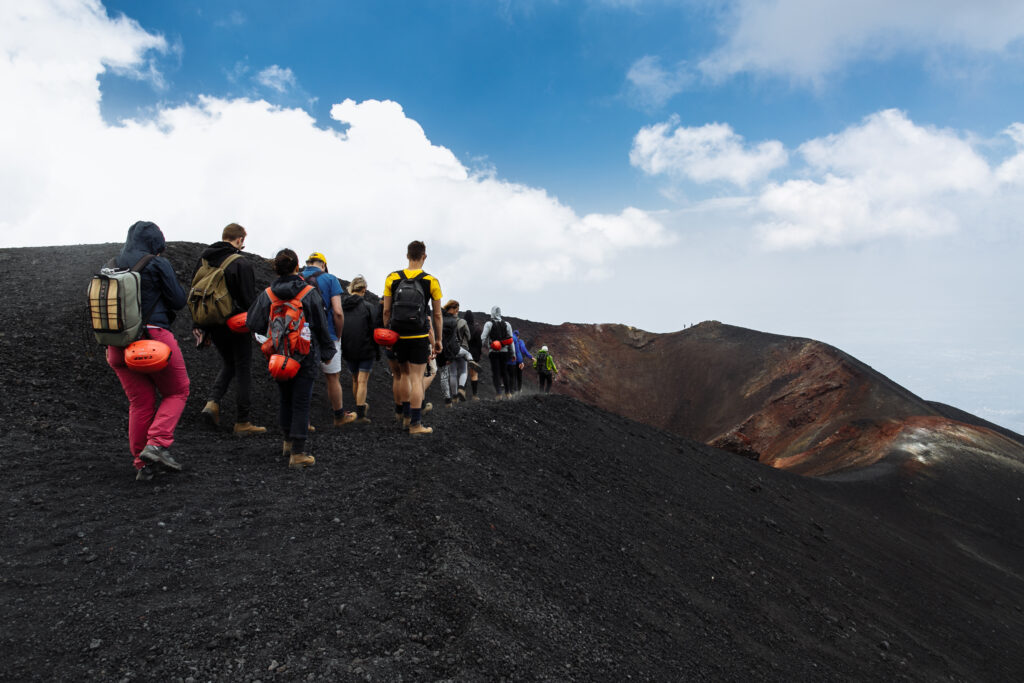
While cardiovascular fitness determines how long you can move, muscular strength and endurance determine how well you can move — especially when the terrain becomes steep, uneven, rocky, and repetitive, as it does on Mount Meru. Understanding the role of strength training is a core component of How to prepare physically for Mount Meru, because weak or undertrained muscles lead to fatigue, instability, poor posture, joint pain, and increased injury risk.
Meru trekking involves thousands of step-ups, step-downs, lateral stabilizations, and weight transfers under load. These movements are not only vertical but multidirectional, requiring muscular coordination, balance, and joint integrity. A climber with excellent cardio fitness but poor muscular conditioning will still struggle, especially during descents, where eccentric muscle contractions impose significant stress on joints and connective tissue.
This section will explore strength development, muscular endurance, mobility, balance, injury prevention strategies, and movement mechanics in detail — providing a complete framework for building a resilient body capable of thriving on Meru.
Why Strength Matters on Mount Meru
On Mount Meru, your muscles perform four critical functions:
- Propulsion – driving your body upward against gravity
- Stabilization – maintaining balance on uneven terrain
- Shock Absorption – protecting joints during descents
- Load Management – supporting backpack weight and posture
Without adequate strength:
- Quadriceps fatigue early
- Knees experience excessive stress
- Hips lose stability
- Lower back strains develop
- Ankle sprains become more likely
- Descents become painful and slow
This is why strength training is not optional in How to prepare physically for Mount Meru — it is foundational.
Key Muscle Groups for Meru Climbers
To climb Meru effectively, focus on strengthening:
Lower Body
- Quadriceps
- Hamstrings
- Gluteus maximus and medius
- Calves
- Hip flexors
Core
- Rectus abdominis
- Transverse abdominis
- Obliques
- Spinal erectors
Upper Body (Secondary Role)
- Shoulders
- Trapezius
- Lats
- Forearms
While upper body strength is less critical than lower body and core, it supports posture, pack carrying, trekking pole use, and balance.
Strength Training Principles for Trekking Preparation
Effective strength training for trekking differs from bodybuilding or powerlifting. The focus is on:
- Muscular endurance, not maximal strength
- Joint stability, not muscle size
- Functional movement patterns, not isolated muscles
- Controlled eccentric loading, not explosive lifts
The optimal repetition range is 12–25 reps per set, with moderate resistance and minimal rest between sets.
This training style conditions muscles for sustained output — a defining requirement in How to prepare physically for Mount Meru.
Essential Strength Exercises for Mount Meru
1. Squats (Bodyweight, Goblet, Barbell)
Squats develop quads, glutes, hamstrings, and core stabilization.
- Perform slow descents
- Keep knees tracking over toes
- Maintain upright torso
Progression:
- Bodyweight → Goblet → Weighted squats
2. Lunges (Forward, Reverse, Walking)
Lunges build unilateral leg strength, balance, and hip stability.
- Step long enough to keep front knee behind toes
- Maintain upright posture
- Use dumbbells or pack weight for progression
3. Step-Ups
Perhaps the most trekking-specific exercise.
- Step onto a bench, box, or stair
- Drive through heel
- Step down slowly
Use pack weight to simulate trekking load.
4. Deadlifts (Romanian or Conventional)
Strengthens posterior chain, including glutes, hamstrings, and lower back.
- Maintain neutral spine
- Focus on hip hinge
- Use moderate weight
5. Bulgarian Split Squats
Advanced unilateral exercise that improves hip stability, quad strength, and balance.
- Keep torso upright
- Control descent
6. Calf Raises
Strengthens gastrocnemius and soleus muscles for uphill propulsion and downhill shock absorption.
- Perform slow tempo
- Use single-leg variations
- Include bent-knee versions for soleus focus
Core Stability Exercises
Planks (Front and Side)
Develop deep abdominal stability and posture control.
Dead Bugs
Enhance spinal stability during limb movement.
Bird Dogs
Improve cross-body coordination and lumbar control.
Pallof Presses
Build anti-rotation strength.
Hanging Knee Raises or Leg Raises
Strengthen lower abdominals and hip flexors.
Strong core muscles reduce lower back strain, improve balance, and enhance breathing efficiency — all central to How to prepare physically for Mount Meru.
Balance and Proprioception Training
Mount Meru’s trails include:
- Loose volcanic scree
- Uneven rocks
- Muddy forest paths
- Narrow ridges
Balance training improves ankle stability, knee tracking, and neuromuscular control, reducing fall and injury risk.
Exercises:
- Single-leg stands (eyes open → closed)
- Single-leg Romanian deadlifts
- Bosu ball squats
- Lateral step-downs
- Heel-to-toe walking
Train balance 2–3 times weekly — even 5 minutes per session improves stability significantly.
Descending Conditioning: The Forgotten Skill
Descending is often harder than ascending. Eccentric muscle contractions — where muscles lengthen under load — generate more muscle damage and soreness than concentric contractions.
Train descents by:
- Walking downhill intentionally
- Performing slow eccentric squats
- Using step-down exercises
- Practicing downhill hiking with pack weight
This protects knees and quads during Meru’s long descents and supports How to prepare physically for Mount Meru effectively.
Progressive Strength Training Structure
A realistic 10–12 week progression:
Weeks 1–3: Movement Mastery
- Bodyweight exercises
- Focus on form and control
- 2–3 sessions/week
Weeks 4–6: Load Introduction
- Add dumbbells, kettlebells, backpack
- Increase repetitions
- 3 sessions/week
Weeks 7–9: Endurance Emphasis
- Higher rep circuits
- Reduced rest
- Hiking-specific exercises (step-ups, lunges)
Weeks 10–12: Specificity Phase
- Train with pack weight
- Emphasize step-ups, stairs, downhill control
- Slight volume taper in final week
Mobility and Flexibility for Trekking Performance
Strength without mobility leads to stiffness and injury risk. Key mobility areas for Meru climbers include:
- Ankles (dorsiflexion)
- Hips (flexion, extension, rotation)
- Hamstrings
- Calves
- Thoracic spine
- Hip flexors
Daily stretching routines of 10–15 minutes prevent tightness, improve stride efficiency, and reduce injury risk — essential components of How to prepare physically for Mount Meru.
Effective mobility tools:
- Foam rolling
- Resistance band stretching
- Yoga
- Dynamic warm-ups
Injury Prevention Strategies
Common trekking injuries:
- Patellofemoral knee pain
- IT band syndrome
- Achilles tendonitis
- Plantar fasciitis
- Lower back strain
- Ankle sprains
Prevention tactics:
- Strengthen glutes and hips
- Stretch calves and hip flexors
- Replace worn footwear
- Increase training volume gradually
- Include rest days
- Avoid sharp increases in load
- Address pain early
Pain is feedback — ignoring it undermines How to prepare physically for Mount Meru and risks your summit attempt.
Foot and Ankle Conditioning
Your feet absorb thousands of impacts during Meru trekking. Weak foot muscles increase blister risk, arch collapse, ankle instability, and fatigue.
Foot strengthening exercises:
- Toe curls with towel
- Marble pickups
- Single-leg calf raises
- Short-foot exercises
- Balance board work
Well-conditioned feet improve stability and comfort — essential to sustained trekking success.
Posture and Load-Carriage Mechanics
Poor posture increases fatigue, compresses breathing capacity, and strains joints.
Postural training:
- Scapular retraction exercises
- Thoracic extension mobility
- Core strengthening
- Backpack fitting education
Proper posture ensures efficient breathing and energy transfer — key outcomes in How to prepare physically for Mount Meru.
Trekking Poles and Upper Body Engagement
While Meru does not require technical climbing, trekking poles improve balance, reduce knee stress, and engage upper body musculature.
Pole training:
- Practice pole planting rhythm
- Coordinate opposite arm/leg movement
- Use poles on descents and steep climbs
Using poles effectively reduces lower body fatigue and improves stability — beneficial to overall endurance.
Functional Training Circuits for Meru
Sample trekking-specific circuit:
- Step-ups (20 reps each leg)
- Walking lunges (20 steps)
- Plank (45 seconds)
- Calf raises (25 reps)
- Single-leg balance (30 seconds each side)
- Stair climbing (3 minutes)
Repeat 3–4 rounds with minimal rest.
This simulates sustained effort, builds muscular endurance, and reinforces movement patterns relevant to Meru.
Recovery Protocols
Muscle adaptation occurs during recovery, not training.
Recovery essentials:
- 7–9 hours sleep nightly
- Protein intake 1.6–2.0 g/kg/day
- Hydration
- Light mobility work
- Foam rolling
- Occasional massage
Ignoring recovery sabotages How to prepare physically for Mount Meru, increasing injury risk and reducing performance gains.
Role of Professional Support
At Epic Horizons Adventures, our guides and support team emphasize muscular readiness as part of holistic trek preparation. Epic horizons Adventure we are looking extra miles to make sure…. climbers arrive strong, stable, and resilient — capable of enjoying every step rather than enduring it.
We advise on pack fitting, footwear selection, trekking pole usage, pacing strategies, and recovery techniques — ensuring your strength training translates into real-world mountain performance.
External References on Strength and Injury Prevention
- American Council on Exercise: https://www.acefitness.org
- Harvard Health Strength Training Guide: https://www.health.harvard.edu/staying-healthy/strength-training-builds-more-than-muscles
- National Academy of Sports Medicine: https://www.nasm.org
- British Journal of Sports Medicine: https://bjsm.bmj.com
In summary, How to prepare physically for Mount Meru requires more than cardio fitness — it demands muscular strength, endurance, joint stability, balance, mobility, and injury resilience. A structured strength training program focused on lower body power, core stability, downhill control, and load adaptation transforms trekking from a struggle into a pleasure.
Remember — Epic horizons Adventure we are looking extra miles to make sure…. your body is not just capable of climbing Meru, but strong enough to enjoy every step of the journey.
Altitude Adaptation, Breathing Techniques, and Physiological Readiness for Mount Meru
Altitude represents the single greatest physiological challenge on Mount Meru. While physical strength and cardiovascular fitness allow you to move efficiently, your ability to adapt to reduced oxygen availability determines whether you will reach the summit safely and enjoyably. Understanding altitude physiology, breathing efficiency, pacing strategies, hydration, and acclimatization protocols is therefore central to How to prepare physically for Mount Meru.
Mount Meru’s summit elevation of 4,566 meters places climbers in a zone where acute mountain sickness (AMS) becomes a real risk, especially for those ascending too quickly, poorly hydrated, or inadequately conditioned. Symptoms such as headache, nausea, dizziness, fatigue, insomnia, and appetite loss can severely impair performance and safety. While Meru’s multi-day itinerary allows gradual ascent, proper preparation significantly reduces risk.
This section provides a comprehensive framework for altitude readiness — blending physiology, breathing mechanics, training adaptations, nutrition, hydration, pacing strategies, and practical acclimatization techniques.
Understanding Altitude Physiology
At higher altitudes, barometric pressure decreases, reducing the partial pressure of oxygen. This means that although oxygen concentration remains roughly 21%, fewer oxygen molecules enter your bloodstream with each breath.
Physiological effects include:
- Increased heart rate
- Increased respiratory rate
- Reduced arterial oxygen saturation
- Increased red blood cell production over time
- Reduced aerobic capacity
- Increased fatigue perception
At 4,500 meters, VO₂ max (maximum oxygen uptake) may decrease by 30–40%, meaning your body operates with significantly reduced aerobic capacity.
This makes altitude physiology a central pillar of How to prepare physically for Mount Meru.
Acute Mountain Sickness (AMS)
AMS is the most common altitude-related illness. Symptoms usually appear within 6–24 hours of ascent above 2,500 meters and may include:
- Headache
- Nausea
- Vomiting
- Loss of appetite
- Dizziness
- Fatigue
- Sleep disturbance
Severe altitude illness can progress to:
- High Altitude Cerebral Edema (HACE)
- High Altitude Pulmonary Edema (HAPE)
Both are medical emergencies.
Prevention is the most effective strategy — and that begins with proper preparation and acclimatization.
For medical reference:
- https://www.mayoclinic.org/diseases-conditions/altitude-sickness/symptoms-causes/syc-20354088
- https://www.cdc.gov/travel/page/travel-to-high-altitudes
Can You Train for Altitude at Sea Level?
While you cannot fully replicate altitude adaptation without hypoxic exposure, you can significantly improve your body’s tolerance to hypoxia by enhancing cardiovascular efficiency, mitochondrial density, respiratory muscle strength, and oxygen extraction capability.
High aerobic fitness reduces:
- Resting heart rate at altitude
- Breathing frequency
- Perceived exertion
- Fatigue accumulation
This is why aerobic conditioning remains foundational in How to prepare physically for Mount Meru, even when altitude exposure is unavailable.
Breathing Mechanics and Respiratory Efficiency
At altitude, breathing becomes faster and shallower unless consciously controlled. Shallow breathing reduces alveolar ventilation and oxygen diffusion efficiency. Training diaphragmatic breathing improves oxygen uptake, reduces breathlessness, and enhances endurance.
Diaphragmatic Breathing Technique:
- Inhale deeply through the nose
- Expand belly rather than chest
- Exhale slowly through pursed lips
- Maintain rhythmic pattern
Practice during:
- Cardio sessions
- Stair climbing
- Long hikes
- Recovery walks
Efficient breathing is one of the most overlooked yet powerful tools in How to prepare physically for Mount Meru.
Rhythmic Breathing and Step Synchronization
Many climbers find that synchronizing breath with steps improves pacing and endurance.
Common patterns:
- Inhale for 3 steps, exhale for 2 steps (moderate)
- Inhale for 2 steps, exhale for 2 steps (steeper)
- Inhale for 1 step, exhale for 1 step (very steep)
This reduces breathlessness, improves oxygenation, and creates rhythm — essential for long uphill sections and summit morning.
Inspiratory Muscle Training (Optional)
Inspiratory muscle trainers (IMTs) strengthen the diaphragm and intercostal muscles. Research shows they can improve endurance performance and reduce breathlessness.
While not essential, IMTs may benefit climbers with asthma, respiratory limitations, or performance goals.
However, general aerobic training remains the primary respiratory conditioning tool in How to prepare physically for Mount Meru.
Acclimatization Strategies for Mount Meru
Mount Meru itineraries typically follow this pattern:
- Day 1: Momella Gate (~1,500 m) to Miriakamba Hut (~2,500 m)
- Day 2: Miriakamba to Saddle Hut (~3,570 m)
- Day 3: Summit attempt (~4,566 m) and descent
This staged ascent supports acclimatization, but success still depends on pacing, hydration, nutrition, sleep, and individual physiology.
Key acclimatization principles:
- Ascend slowly
- Stay hydrated
- Eat regularly
- Avoid alcohol and sedatives
- Rest when needed
- Communicate symptoms early
Understanding and applying these principles is integral to How to prepare physically for Mount Meru.
Pacing: The Hidden Skill
Pacing is perhaps the most underestimated factor in altitude success. Climbing too fast increases AMS risk and fatigue, even in highly fit individuals.
Optimal pacing characteristics:
- Comfortable conversational pace
- Ability to breathe through nose at times
- Minimal breathlessness
- Sustainable rhythm
Guides often emphasize the Swahili trekking principle:
“Pole pole” — slowly, slowly.
This philosophy reflects physiological reality — slow ascents allow the body to adapt gradually and maintain oxygen saturation.
Mastering pacing is a core element of How to prepare physically for Mount Meru.
Hydration and Altitude Physiology
Altitude increases respiratory water loss and diuresis, making dehydration more likely.
Hydration strategies:
- Drink 3–4 liters daily
- Monitor urine color (pale yellow ideal)
- Use electrolyte supplements
- Avoid excessive caffeine and alcohol
Dehydration worsens AMS symptoms, increases fatigue, and impairs recovery — directly undermining How to prepare physically for Mount Meru.
Nutrition and Oxygen Utilization
At altitude:
- Appetite often decreases
- Carbohydrate metabolism becomes more efficient
- Fat oxidation decreases
- Energy expenditure increases
Therefore:
- Increase carbohydrate intake (50–60% of calories)
- Eat small, frequent meals
- Consume easily digestible foods
- Maintain protein intake
Carbohydrates require less oxygen per unit of energy produced than fats, making them optimal at altitude — a critical insight in How to prepare physically for Mount Meru.
Iron Status and Oxygen Transport
Iron is essential for hemoglobin production, which transports oxygen in blood. Low iron stores reduce oxygen-carrying capacity and worsen altitude tolerance.
If you:
- Experience chronic fatigue
- Have anemia
- Are vegetarian/vegan
- Are female with heavy menstruation
Consider iron testing before travel and consult a healthcare provider if deficient.
Optimizing iron status supports oxygen delivery — reinforcing How to prepare physically for Mount Meru physiologically.
Sleep and Altitude Adaptation
Sleep disturbances are common at altitude due to periodic breathing patterns, hypoxia, and temperature changes.
Tips for better sleep:
- Ascend gradually
- Stay hydrated
- Avoid alcohol
- Eat a light evening meal
- Use warm sleeping gear
- Practice relaxation breathing
Good sleep supports recovery, immune function, and acclimatization — all essential for summit success.
Acetazolamide (Diamox): Medical Considerations
Some climbers use acetazolamide prophylactically to reduce AMS risk by stimulating ventilation and acid-base balance.
Medical advice is required before use. It may cause side effects such as:
- Tingling fingers/toes
- Increased urination
- Altered taste
- Mild fatigue
While helpful for some, medication does not replace proper pacing and preparation — and should be viewed as a supplemental measure in How to prepare physically for Mount Meru, not a substitute.
For medical reference:
Hypoxic Training Systems (Optional)
Hypoxic tents, altitude rooms, and simulated altitude gyms expose the body to reduced oxygen levels. These may accelerate acclimatization but are expensive and not essential for Meru, given its moderate altitude and staged ascent profile.
Aerobic fitness remains the primary determinant of altitude tolerance — reinforcing the centrality of conditioning in How to prepare physically for Mount Meru.
Recognizing Warning Signs and When to Descend
Climbers must recognize AMS warning signs and respond appropriately.
Red flags:
- Persistent headache not relieved by medication
- Vomiting
- Severe fatigue
- Ataxia (loss of coordination)
- Confusion
- Shortness of breath at rest
- Chest tightness
Response:
- Stop ascending
- Rest
- Hydrate
- Descend if symptoms persist or worsen
Education and awareness are critical safety components in How to prepare physically for Mount Meru.
Psychological Effects of Altitude
Altitude affects mood, cognition, concentration, motivation, and emotional stability.
Common effects:
- Irritability
- Reduced focus
- Slower reaction times
- Heightened emotional responses
Coping strategies:
- Stay hydrated
- Maintain energy intake
- Pace slowly
- Practice breathing techniques
- Communicate openly
- Rest when needed
Mental resilience complements physical readiness — both integral to How to prepare physically for Mount Meru.
Role of Professional Guides and Support
At Epic Horizons Adventures, altitude readiness is central to our trekking philosophy. Epic horizons Adventure we are looking extra miles to make sure…. climbers are educated, monitored, supported, and paced appropriately throughout their ascent.
Our guides:
- Monitor oxygen saturation
- Assess symptoms daily
- Adjust pacing as needed
- Enforce hydration and nutrition protocols
- Prioritize safety over summit pressure
This professional oversight dramatically improves acclimatization outcomes and trekking success.
External Resources on Altitude and Physiology
- CDC High Altitude Travel: https://www.cdc.gov/travel/page/travel-to-high-altitudes
- Mayo Clinic Altitude Sickness Guide: https://www.mayoclinic.org/diseases-conditions/altitude-sickness
- UIAA Medical Commission: https://www.theuiaa.org/medical/
- NHS Altitude Sickness Information: https://www.nhs.uk/conditions/altitude-sickness/
In summary, How to prepare physically for Mount Meru requires comprehensive altitude readiness — combining aerobic conditioning, breathing efficiency, pacing mastery, hydration strategies, nutritional optimization, sleep management, symptom awareness, and professional support. Altitude is not conquered through strength alone; it is negotiated through patience, preparation, and physiological intelligence.
Remember — Epic horizons Adventure we are looking extra miles to make sure…. your body adapts safely, steadily, and successfully to Meru’s high-altitude environment.
Nutrition, Recovery, Mental Conditioning, and Final Preparation for Mount Meru Success
The final pillar of How to prepare physically for Mount Meru is often underestimated: holistic readiness. This includes nutritional strategy, recovery optimization, mental conditioning, gear familiarity, sleep hygiene, injury management, illness prevention, and tapering protocols. Physical training alone does not guarantee summit success — your body must be fueled, rested, resilient, confident, and psychologically prepared to sustain effort in a demanding environment.
Mount Meru challenges not only muscles and lungs, but also digestion, hydration balance, immune function, mood stability, and motivation. The final weeks before departure are therefore as important as the months of training preceding them. This section provides a complete framework for optimizing internal readiness and ensuring that your physical conditioning expresses itself effectively on the mountain.
Nutrition for Trekking Performance
Nutrition fuels training adaptation, supports immune function, enhances recovery, stabilizes mood, and determines energy availability during climbs. Poor nutrition undermines even the best training programs — making nutritional strategy central to How to prepare physically for Mount Meru.
Macronutrient Requirements
Carbohydrates
- Primary fuel source during endurance activity
- Required for glycogen replenishment
- Support high-intensity output at altitude
Recommended intake:
- 4–6 g/kg body weight daily during training
- Increase to 6–8 g/kg during heavy training weeks
Protein
- Supports muscle repair and adaptation
- Preserves lean tissue during endurance training
- Enhances immune resilience
Recommended intake:
- 1.6–2.0 g/kg body weight daily
Fats
- Essential for hormone production, vitamin absorption, and long-term energy
- Should comprise 20–30% of daily calories
Balanced macronutrient intake ensures training adaptations and physical readiness — fundamental to How to prepare physically for Mount Meru.
Micronutrients and Trekking Health
Key micronutrients include:
- Iron – Oxygen transport (hemoglobin)
- Vitamin D – Immune function, muscle performance
- Calcium – Bone integrity
- Magnesium – Muscle contraction, sleep quality
- Zinc – Immune defense
Deficiencies impair endurance, increase injury risk, reduce recovery capacity, and worsen altitude tolerance — undermining How to prepare physically for Mount Meru.
Blood testing and dietary assessment can help identify deficiencies.
Hydration Strategies
Hydration supports:
- Thermoregulation
- Cardiovascular function
- Cognitive clarity
- Digestion
- Muscle contraction
- Altitude adaptation
Daily hydration targets:
- 30–40 ml per kg body weight
- More during training, hot climates, and altitude
Use:
- Electrolytes during long sessions
- Water bottles or hydration bladders
- Regular sipping habits
Dehydration exacerbates fatigue, AMS symptoms, and performance decline — directly impairing How to prepare physically for Mount Meru.
Pre-Trek Nutrition Phase (Final 2 Weeks)
In the final two weeks:
- Prioritize carbohydrate intake
- Maintain protein intake
- Avoid restrictive dieting
- Eat regularly
- Avoid gastrointestinal irritants
- Minimize alcohol
- Stay hydrated
This phase supports glycogen saturation, immune readiness, and training consolidation — critical for How to prepare physically for Mount Meru.
On-Trek Nutrition Strategy
During the climb:
- Eat small, frequent meals
- Focus on carbohydrates
- Consume warm foods when possible
- Include soups, rice, pasta, potatoes, porridge
- Snack every 60–90 minutes
Bring:
- Energy bars
- Trail mix
- Dried fruit
- Electrolyte powders
Loss of appetite at altitude is common — eating despite reduced hunger is essential for energy maintenance and acclimatization.
Digestive Adaptation at Altitude
Altitude slows gastric emptying and alters appetite hormones. To manage:
- Eat easily digestible foods
- Avoid heavy fats
- Chew thoroughly
- Eat slowly
- Stay hydrated
Gastrointestinal distress reduces energy intake and hydration, increasing fatigue and AMS risk — undermining How to prepare physically for Mount Meru.
Immune System Protection
Long flights, sleep disruption, altitude exposure, caloric deficits, and physical stress suppress immune function.
Prevention strategies:
- Sleep 7–9 hours nightly
- Eat sufficient calories
- Consume fruits and vegetables
- Stay hydrated
- Wash hands frequently
- Avoid sick contacts pre-departure
- Consider vitamin C and zinc (consult provider)
Illness on trek compromises summit chances — making immune protection essential to How to prepare physically for Mount Meru.
Sleep Optimization
Sleep is when:
- Muscles repair
- Hormones regulate
- Immune defenses strengthen
- Cognitive function restores
Sleep optimization strategies:
- Consistent bedtime
- Dark, cool sleeping environment
- Limit screen exposure pre-bed
- Avoid caffeine late in day
- Use breathing relaxation techniques
- Maintain sleep schedule during travel
Altitude disrupts sleep — arriving well-rested and practicing sleep hygiene enhances adaptation.
Recovery and Overtraining Prevention
Overtraining manifests as:
- Chronic fatigue
- Decreased performance
- Poor sleep
- Irritability
- Frequent illness
- Loss of motivation
Recovery strategies:
- Schedule rest days
- Alternate hard and easy training days
- Reduce volume before departure
- Use foam rolling
- Stretch daily
- Maintain nutrition and hydration
Recovery is not weakness — it is essential to How to prepare physically for Mount Meru effectively.
Tapering Before the Climb
Tapering allows fitness gains to consolidate while reducing fatigue.
Typical taper:
- 10–14 days pre-departure
- Reduce training volume by 30–50%
- Maintain light intensity
- Prioritize sleep and nutrition
Avoid starting new workouts, new shoes, or aggressive training during taper — injury risk rises sharply.
Mental Conditioning and Psychological Readiness
Mental resilience determines how well physical conditioning translates into real-world performance.
Common psychological challenges:
- Fatigue
- Cold exposure
- Hunger
- Sleep deprivation
- Uncertainty
- Fear of failure
- Discomfort tolerance
Mental training techniques:
- Visualization
- Positive self-talk
- Breath awareness
- Goal segmentation
- Mindfulness meditation
- Acceptance strategies
Practice during training hikes — simulate discomfort and maintain focus.
Mental readiness is inseparable from physical readiness in How to prepare physically for Mount Meru.
Visualization and Mental Rehearsal
Visualization improves motor patterning, confidence, and stress regulation.
Practice:
- Visualizing trail progression
- Visualizing summit success
- Visualizing calm breathing
- Visualizing fatigue management
- Visualizing cold tolerance
Mental rehearsal enhances motivation, resilience, and performance under stress — strengthening How to prepare physically for Mount Meru outcomes.
Managing Fear, Anxiety, and Doubt
Pre-climb anxiety is normal. Use:
- Education
- Preparation
- Breathing exercises
- Journaling
- Talking to experienced climbers
- Professional guide reassurance
Confidence grows from preparation — and preparation is the essence of How to prepare physically for Mount Meru.
Gear Familiarity and Equipment Conditioning
Gear readiness affects comfort, safety, and efficiency.
Pre-climb checklist:
- Break in boots
- Train with backpack
- Practice layering systems
- Test gloves, hats, jackets
- Practice hydration systems
- Use trekking poles during training
Never use new footwear, packs, or major gear items for the first time on the mountain.
Gear familiarity reduces friction, discomfort, and distraction — optimizing How to prepare physically for Mount Meru.
Foot Care and Blister Prevention
Blisters derail climbs more often than fatigue.
Prevention strategies:
- Proper boot fit
- Quality socks (merino wool)
- Sock liners if prone to blisters
- Foot taping (Leukotape)
- Moisture management
- Nail trimming
- Foot powder or anti-chafing balm
Practice foot care during training hikes.
Managing Pre-Existing Conditions
If you have:
- Asthma
- Diabetes
- Hypertension
- Heart disease
- Sleep apnea
- Musculoskeletal injuries
- Anemia
Consult healthcare providers before training and travel. Adjust training, medication schedules, and acclimatization plans accordingly.
Medical clearance is a responsible step in How to prepare physically for Mount Meru.
Final Health and Medical Preparation
Before departure:
- Medical check-up
- Vaccinations as advised
- Travel insurance
- Emergency medications
- First aid kit
- Sunscreen
- Lip balm
- Anti-diarrheal medication
- Altitude medication if prescribed
Preparedness reduces stress and allows focus on the climb.
Logistics and Travel Readiness
Travel fatigue undermines physical readiness. Plan:
- Adequate arrival time before trek
- Rest days
- Hydration during flights
- Compression socks
- Sleep management
- Light walking post-arrival
Arriving well-rested enhances acclimatization and performance — reinforcing How to prepare physically for Mount Meru.
Environmental Responsibility and Ethical Trekking
Physical readiness also includes environmental awareness and ethical behavior:
- Follow Leave No Trace principles
- Respect wildlife
- Support local communities
- Use sustainable tour operators
- Minimize waste
- Respect cultural norms
Ethical trekking aligns physical preparedness with responsible travel.
Role of Professional Guides and Support Teams
At Epic Horizons Adventures, we believe summit success begins months before departure. Epic horizons Adventure we are looking extra miles to make sure…. climbers receive guidance on training, nutrition, recovery, gear, mental readiness, acclimatization, and health optimization — because preparation transforms risk into confidence and uncertainty into achievement.
Our team supports clients through:
- Personalized training advice
- Gear consultations
- Pre-climb briefings
- Health screening
- On-trail pacing and monitoring
- Emotional support and motivation
Professional guidance dramatically increases safety, success rates, and satisfaction.
External Resources on Nutrition, Recovery, and Mental Training
- Academy of Nutrition and Dietetics: https://www.eatright.org
- Harvard School of Public Health Nutrition Source: https://www.hsph.harvard.edu/nutritionsource/
- National Sleep Foundation: https://www.sleepfoundation.org
- Psychology Today Mental Resilience: https://www.psychologytoday.com
- American Psychological Association: https://www.apa.org
Summary of Section 5
In summary, How to prepare physically for Mount Meru extends beyond training — it encompasses nutrition, hydration, sleep, recovery, immune protection, mental conditioning, gear readiness, tapering strategies, and professional support. Physical readiness only expresses itself fully when supported by holistic preparation.
And remember — Epic horizons Adventure we are looking extra miles to make sure…. your body, mind, and spirit arrive on Mount Meru prepared, confident, and capable of experiencing one of East Africa’s most extraordinary summits.https://www.epichorizonsadventures.com/our-tours/destinations/