Explore Mount Meru flora and fauna in detail, from lush forests to alpine ecosystems. Discover wildlife, birds, insects, and conservation insights with Epic Horizons Adventurehttps://www.epichorizonsadventures.com/our-tours/destinations/
Introduction to Mount Meru’s Natural World
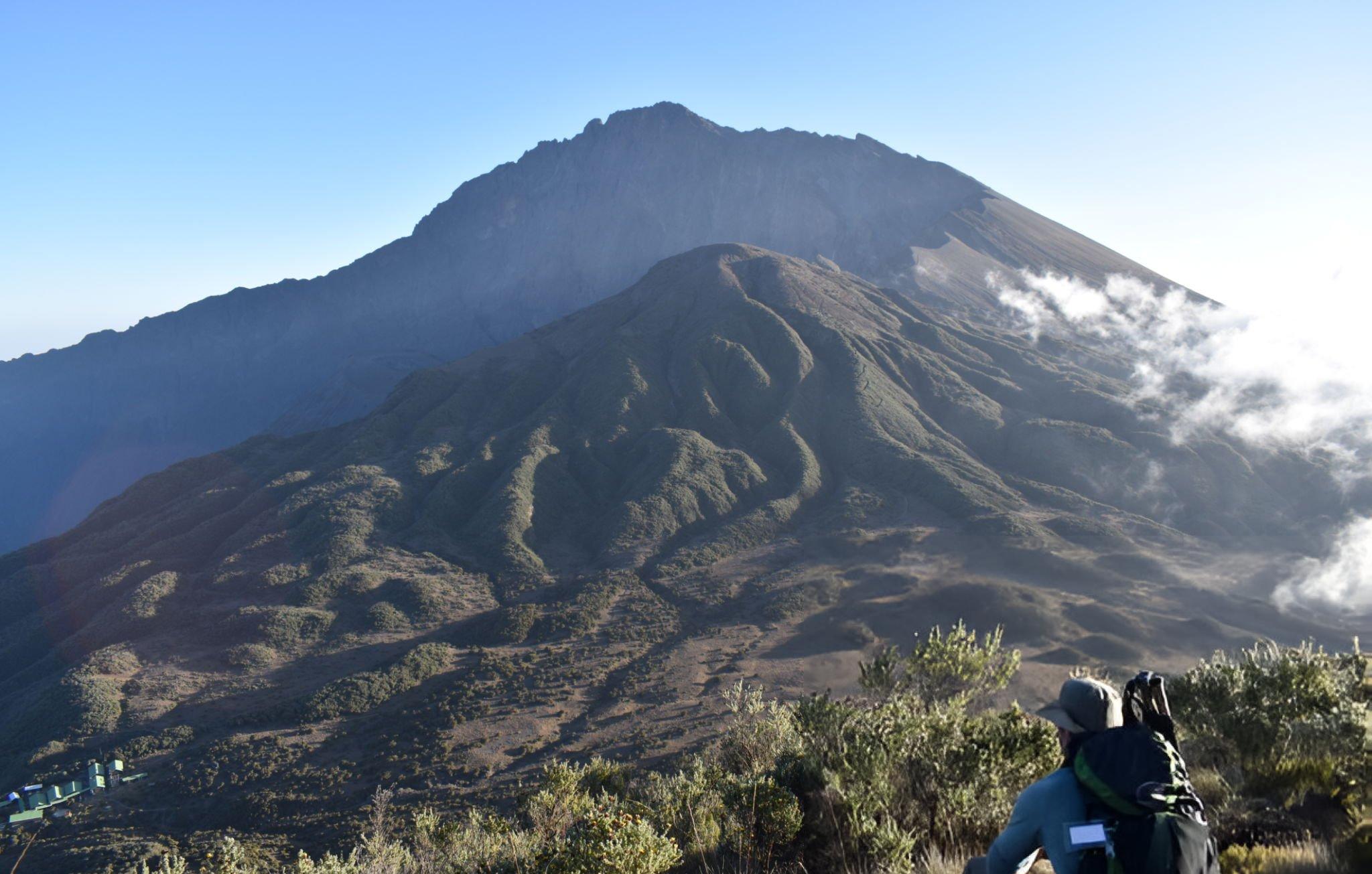
Mount Meru stands quietly in the shadow of its famous neighbor, Mount Kilimanjaro, yet for nature lovers and trekkers who value biodiversity, it is one of East Africa’s richest ecological treasures. Rising to 4,566 meters above sea level inside Arusha National Park, this dormant stratovolcano supports an extraordinary range of plant and animal life shaped by altitude, rainfall patterns, volcanic soils, and long-standing conservation efforts. For a tourist company blog aiming to rank highly on Google, understanding and explaining the natural environment of Mount Meru is not only educational but also strategically powerful, because travelers increasingly search for destinations that combine adventure with environmental authenticity. The story of mount meru flora and fauna begins at the foothills and unfolds gradually as trekkers ascend through layered ecological zones, each one more distinct and fascinating than the last.
At the lower elevations, Mount Meru is defined by fertile volcanic soils that support dense forests and open grasslands. These environments are among the most biologically productive in northern Tanzania, forming part of the greater Arusha National Park ecosystem. The park itself is internationally recognized for its conservation value, protecting habitats for large mammals, endemic plant species, and migratory birds. According to the Tanzania National Parks Authority (TANAPA), Arusha National Park was established specifically to preserve this unique combination of montane forest, crater lakes, and alpine landscapes, making Mount Meru a living laboratory of East African ecology (see TANAPA official resources for conservation details). This strong conservation framework ensures that the natural heritage encountered by trekkers today remains intact for future generations.
What makes Mount Meru especially appealing to first-time and experienced trekkers alike is the rare opportunity to walk through active wildlife zones on foot. Unlike many high-altitude mountains where animals disappear quickly as elevation increases, Mount Meru allows trekkers to encounter giraffes, buffaloes, warthogs, and even elephants on the lower slopes, always accompanied by armed park rangers for safety. This coexistence of trekking and wildlife observation is central to the identity of mount meru flora and fauna, setting it apart from purely alpine climbing destinations. From a tourism perspective, this feature dramatically enhances visitor experience, as it blends safari elements with mountain adventure in a single itinerary.
As altitude increases, the vegetation shifts in response to cooler temperatures, increased moisture, and reduced oxygen levels. Montane forests dominate the mid-slopes, characterized by towering fig trees, podocarpus species, and moss-covered trunks that create a cathedral-like atmosphere. These forests play a critical ecological role by regulating water flow, preventing soil erosion, and supporting countless bird and insect species. Scientific studies published through conservation platforms such as the International Union for Conservation of Nature (IUCN) highlight how montane forests like those on Mount Meru act as biodiversity hotspots and climate buffers, storing carbon while sustaining local ecosystems. This ecological importance reinforces why responsible trekking practices are essential when exploring mount meru flora and fauna.
Higher still, the forest gives way to heath and moorland zones, where vegetation becomes shorter, hardier, and more specialized. Giant heathers, lobelias, and groundsels dominate this landscape, adapted to survive strong winds, intense sunlight, and cold ночts. These plant species are not merely scenic; they are biological marvels shaped by thousands of years of adaptation. Their presence signals the transition from biologically dense forests to the stark beauty of alpine environments. For trekkers, this change in scenery is both visually striking and emotionally powerful, offering a clear sense of progression toward the summit while showcasing the resilience of life at altitude.
Faunal diversity also evolves with elevation. While large mammals become less common higher up, smaller mammals, specialized birds, and insects continue to thrive. Sunbirds, alpine chats, and raptors are frequently observed, especially during early morning hours when activity peaks. Many of these species are sensitive to environmental disturbance, making Mount Meru’s protected status essential for their survival. Conservation organizations and researchers often cite Mount Meru as an example of how protected trekking routes can coexist with biodiversity preservation when regulations are respected and tourism operators follow best practices. This is where responsible tour companies play a crucial role in safeguarding mount meru flora and fauna.
For travelers planning a trek, understanding this ecological richness adds depth to the journey. The climb becomes more than a physical challenge; it transforms into an educational experience that connects people directly with East Africa’s natural heritage. At Epic horizons Adventure we are looking extra miles to make sure…. that every trek is conducted with respect for the environment, local regulations, and the delicate balance that sustains Mount Meru’s ecosystems. This philosophy aligns with global sustainable tourism principles promoted by organizations such as UNESCO, which emphasizes that natural sites of outstanding value must be protected through responsible visitation and community engagement.
From an SEO perspective, introducing Mount Meru through its ecological identity positions this blog as an authoritative resource rather than a simple travel advertisement. Google’s ranking systems increasingly reward content that demonstrates expertise, depth, and user value, especially in travel and nature-based topics. By clearly explaining how ecosystems change with altitude, why conservation matters, and what makes this mountain unique, the blog establishes topical authority that supports long-term rankings. Readers searching for detailed, trustworthy information about mount meru flora and fauna are more likely to stay longer on the page, reducing bounce rates and signaling content quality to search engines.
In summary, Mount Meru’s natural world is a layered masterpiece of forests, wildlife, alpine plants, and protected habitats, all compressed into a single trekking route. This introduction sets the foundation for deeper exploration of specific vegetation zones, animal species, and ecological relationships discussed in later sections. As trekkers move upward, they do not merely gain altitude; they journey through a vertical cross-section of East African biodiversity that few mountains in the world can match. Understanding this context is essential for appreciating the full value of mount meru flora and fauna, both as a traveler and as a steward of one of Tanzania’s most remarkable natural landscapes.
Forest Zones and Plant Life on Mount Meru
Mount Meru’s forest zones form the ecological backbone of the mountain, supporting not only a wide variety of plant species but also creating the conditions that allow animal life to thrive. These forests stretch from the lower foothills inside Arusha National Park to the upper montane belt just below the heath and moorland zone. For trekkers, this section of the climb is often the most immersive and visually rich, offering deep green landscapes, filtered sunlight, and the constant sounds of birds and insects. From an ecological perspective, these forests are critical to understanding mount meru flora and fauna, because they regulate water cycles, stabilize soils, and provide food and shelter for countless organisms.
The lower forest zone begins shortly after entering the park gates and is characterized by mixed deciduous and evergreen vegetation. Here, fertile volcanic soils combined with reliable rainfall create ideal conditions for rapid plant growth. Large fig trees, wild olive, and various acacia species dominate this area, forming a dense canopy that shades the forest floor. Beneath this canopy, shrubs, ferns, and flowering plants flourish, creating a layered structure that maximizes biodiversity. Botanists often describe this zone as one of the most productive habitats in northern Tanzania, and conservation authorities such as TANAPA emphasize its importance for maintaining ecological balance within Arusha National Park.
As trekkers move higher, the forest gradually transitions into a classic montane rainforest. This zone is cooler, wetter, and often cloaked in mist, especially during early mornings and late afternoons. Towering podocarpus trees, camphorwood, and Hagenia abyssinica become more common, their branches draped in mosses and lichens that thrive in the moist air. These epiphytic plants are not parasites; instead, they use trees as physical support while absorbing moisture and nutrients from the atmosphere. This intricate relationship between plants illustrates the complexity of mount meru flora and fauna, where survival depends on cooperation as much as competition.
One of the most striking features of Mount Meru’s montane forests is their role as water towers. Rainfall captured by leaves and moss slowly filters into the soil, feeding underground streams and rivers that supply water to surrounding communities and wildlife habitats. Environmental studies published by organizations like the World Wildlife Fund (WWF) consistently highlight the importance of montane forests in East Africa for water security and climate resilience. Without these forests, erosion would increase, water supplies would become unreliable, and downstream ecosystems would suffer. This makes forest conservation on Mount Meru not just a local concern, but a regional priority.
Plant diversity within these forest zones is remarkable. Many species found here are endemic or have very limited distribution, meaning they exist nowhere else on Earth. Wildflowers bloom in subtle cycles throughout the year, attracting pollinators such as bees, butterflies, and birds. Medicinal plants used traditionally by local communities can also be found, reflecting a long history of human interaction with the mountain’s natural resources. Responsible tourism plays a key role in protecting this botanical heritage, ensuring that trekking activities do not damage sensitive plant populations or disrupt regeneration processes essential to mount meru flora and fauna.
As altitude increases further, the forest begins to thin, signaling the approach of the upper montane zone. Trees become shorter and more widely spaced, with twisted trunks shaped by wind and cooler temperatures. Bamboo thickets appear in certain sections, creating unique microhabitats that support specific bird and insect species. These transitional areas are particularly important for biodiversity, as they serve as ecological bridges between dense forest and open moorland. Scientists studying mountain ecosystems often emphasize that such transition zones are among the most vulnerable to climate change, making careful management and monitoring essential.
From a trekking experience standpoint, the forest zones offer more than just scenery. They provide natural shelter from sun and wind, moderate temperature fluctuations, and create a sense of immersion that many climbers find deeply calming. Walking through these forests is often described as meditative, with rhythmic footsteps on soft soil and the scent of damp earth in the air. At Epic horizons Adventure we are looking extra miles to make sure…. that trekkers not only enjoy this environment but also understand its significance, encouraging respectful behavior that aligns with conservation goals and park regulations.
The relationship between plant life and animal life in these forests is inseparable. Many animals depend directly on forest vegetation for food, nesting sites, and protection. Fruit-bearing trees sustain primates and birds, while dense undergrowth offers cover for smaller mammals. Even large animals such as buffalo and giraffe rely on forest edges and clearings for grazing and browsing. This interconnected web reinforces why protecting forest habitats is essential for preserving mount meru flora and fauna as a whole, rather than focusing on individual species in isolation.
For Google ranking purposes, content that explains ecosystems in depth and demonstrates subject-matter expertise tends to perform better over time. Travelers searching for detailed information want to know not just what they will see, but why it matters. By breaking down forest zones, plant adaptations, and ecological functions, this section adds significant value for readers and strengthens the blog’s authority within the nature and trekking niche. High-quality, informative content also encourages longer page visits, which is a positive signal for search engines evaluating relevance and usefulness.
In conclusion, Mount Meru’s forest zones are living systems shaped by altitude, climate, and volcanic history. They support an extraordinary diversity of plant life that, in turn, sustains animal populations and human communities alike. Understanding these forests is fundamental to appreciating mount meru flora and fauna, because they form the foundation upon which the mountain’s entire ecosystem rests. As trekkers ascend beyond the trees into more open landscapes, they carry with them the experience of having walked through one of Tanzania’s most important and beautiful natural environments, a reminder that every step upward is supported by the silent work of the forests below.
Wildlife Species Found Along Mount Meru Trails
Mount Meru is one of the very few trekking mountains in Africa where hikers share space with free-roaming wildlife, especially during the lower and middle stages of the climb. This rare combination of mountain trekking and safari-style wildlife encounters makes the experience both exciting and educational. As trekkers move through Arusha National Park, they are not just passing through scenic landscapes; they are entering active ecosystems where animals follow daily routines shaped by food availability, water sources, and seasonal changes. Understanding these wildlife patterns is essential for appreciating the full story of mount meru flora and fauna, particularly from a conservation and responsible tourism perspective.
One of the most remarkable aspects of Mount Meru trekking is that wildlife sightings often begin on the very first day. In the lower forest and grassland zones, trekkers commonly encounter giraffes browsing on acacia trees, warthogs moving in family groups, and Cape buffalo grazing in open clearings. These animals are accustomed to vehicles but far less used to people on foot, which is why armed park rangers accompany all trekking groups at these elevations. According to the Tanzania National Parks Authority (TANAPA), this system allows visitors to experience wildlife safely while minimizing stress to the animals and preserving natural behavior patterns. You can learn more about these conservation protocols through TANAPA’s official website: https://www.tanzaniaparks.go.tz.
Primates are another highlight of Mount Meru’s wildlife diversity. Black-and-white colobus monkeys are frequently seen leaping between tree canopies, their long tails and striking coloration making them easy to spot. Blue monkeys are also common, often heard before they are seen, as they move noisily through the forest in search of fruits and leaves. These primates play an important ecological role by dispersing seeds across wide areas, supporting forest regeneration and plant diversity. Their presence is a key indicator of forest health and directly contributes to the balance of mount meru flora and fauna within the montane ecosystem.
As trekkers gain altitude and move deeper into the forest zone, sightings of large mammals become less frequent, but the diversity of smaller species increases. Bushbucks, duikers, and other small antelope species are well adapted to dense vegetation and are often seen briefly before disappearing into undergrowth. These animals rely heavily on forest cover for protection and are highly sensitive to disturbance, which is why strict trekking routes and park regulations are enforced. Conservation organizations such as the World Wildlife Fund (WWF) emphasize that controlled tourism is essential in habitats like these, where even minor disruptions can affect breeding and feeding patterns. More insights into wildlife conservation in East Africa can be found at https://www.worldwildlife.org.
Birdlife along Mount Meru trails is exceptionally rich and deserves special attention. The mountain is home to hundreds of bird species, ranging from large birds of prey to tiny, colorful forest specialists. Hartlaub’s turacos, with their vibrant red and green plumage, are among the most iconic forest birds encountered on the lower slopes. Sunbirds, often compared to hummingbirds, feed on nectar from flowering plants and play a crucial role in pollination. Raptors such as augur buzzards and crowned eagles are sometimes seen soaring above forest clearings, demonstrating the complexity of food chains within mount meru flora and fauna.
As elevation increases toward the heath and moorland zones, wildlife becomes more specialized. Mammals are fewer, but those that remain are highly adapted to cooler temperatures and reduced oxygen levels. Small rodents, alpine hares, and insect species dominate these higher environments, forming the base of the food web for birds adapted to alpine conditions. While these animals may be less visually dramatic than large mammals, they are ecologically significant, supporting predator species and contributing to nutrient cycling in fragile high-altitude soils.
Insects and invertebrates are often overlooked by trekkers, yet they represent one of the most diverse and important components of Mount Meru’s wildlife. Butterflies, beetles, ants, and pollinating insects are found in abundance, particularly in forest and transitional zones. These species are essential for plant reproduction, decomposition of organic matter, and soil health. Scientific studies published through biodiversity platforms such as the IUCN Red List (https://www.iucnredlist.org) highlight how insect populations are often the first to be affected by environmental change, making their presence on Mount Meru a valuable indicator of ecosystem stability.
Human–wildlife coexistence on Mount Meru is carefully managed to ensure safety for both visitors and animals. Trekkers are instructed to maintain distance, avoid loud noises, and follow ranger guidance at all times. Feeding wildlife is strictly prohibited, as it alters natural behavior and can lead to dependency or aggression. At Epic horizons Adventure we are looking extra miles to make sure…. that all guests understand these rules before setting foot on the trail, reinforcing the idea that ethical trekking is not optional but essential for long-term conservation success.
From an educational standpoint, encountering wildlife on foot creates a deeper connection than observing animals from a vehicle. Trekkers gain firsthand insight into animal habitats, feeding signs, tracks, and sounds, transforming the climb into a living classroom. This immersive experience strengthens appreciation for mount meru flora and fauna, as visitors begin to see how animals and plants depend on one another within a finely balanced system. Such experiences often inspire greater environmental awareness and support for conservation initiatives long after the trek is over.
In terms of SEO and content quality, detailed explanations of wildlife behavior, habitats, and conservation measures add substantial value for readers. Google increasingly prioritizes content that demonstrates expertise, experience, and trustworthiness, especially in travel and nature-related topics. By integrating authoritative external references and offering in-depth analysis, this section positions the blog as a reliable resource for travelers researching Mount Meru. Readers searching for authentic information about mount meru flora and fauna are more likely to engage deeply with content that goes beyond surface-level descriptions.
In conclusion, wildlife along Mount Meru trails is not an added bonus but a defining feature of the trekking experience. From large mammals on the lower slopes to specialized birds and insects at higher elevations, each species contributes to the mountain’s ecological identity. Protecting this wildlife requires strict regulations, responsible tour operators, and informed trekkers who understand their role within the ecosystem. By respecting these principles, visitors help ensure that future generations can continue to experience the extraordinary diversity of mount meru flora and fauna in its natural, undisturbed state.
Birdlife, Insects, and Unique Ecosystems on Mount Meru
Mount Meru’s ecological diversity is not limited to trees and large mammals; its birdlife, insects, and specialized ecosystems form a critical component of the mountain’s identity. For trekkers and nature enthusiasts, these elements enhance the richness of the journey and offer unique insights into how life adapts to altitude, climate, and volcanic soils. Understanding these smaller yet crucial components is essential for anyone exploring mount meru flora and fauna, particularly as they illustrate the interconnectedness of all living organisms on the mountain.
Birdlife on Mount Meru
The mountain is a paradise for bird watchers. With over 400 recorded bird species in Arusha National Park, Mount Meru hosts a mix of resident, migratory, and endemic species. Lower forest zones support species such as the Hartlaub’s turaco, African grey hornbill, and various sunbirds, which feed on nectar and insects. As trekkers ascend to higher altitudes, species composition changes: alpine chats, Malachite sunbirds, and raptors like augur buzzards dominate these zones. The diversity and adaptability of birds here underscore the complexity of mount meru flora and fauna, showing how species evolve to exploit specific niches within a single mountain ecosystem.
Birds contribute significantly to forest ecology through pollination, seed dispersal, and insect population control. For example, sunbirds facilitate pollination of Lobelia and other high-altitude flowering plants, while hornbills disperse seeds from large forest trees, ensuring regeneration. This interaction highlights how birds are not just scenic elements of trekking but vital participants in maintaining the mountain’s ecological balance. Trekkers are encouraged to observe these interactions, ideally using binoculars and maintaining quiet, as recommended by TANAPA: https://www.tanzaniaparks.go.tz.
Insects and Invertebrates
Insects on Mount Meru play an equally essential ecological role. Butterflies, beetles, bees, ants, and moths are abundant across all altitudes. In the forest zones, pollinators such as bees and butterflies ensure that flowering plants reproduce successfully, while decomposer insects break down organic matter, enriching the soil. Higher altitudes support specialized insects like alpine beetles and moths adapted to cold temperatures and high UV exposure. This intricate insect diversity reinforces the significance of mount meru flora and fauna, as it demonstrates that even small organisms are integral to ecosystem functionality.
Additionally, insects serve as a food source for many bird species and small mammals, forming a crucial link in the food web. Conservation efforts emphasize the importance of protecting insect populations, as they are sensitive indicators of environmental change. Research by the International Union for Conservation of Nature (IUCN) confirms that monitoring insect diversity is essential for understanding broader ecosystem health: https://www.iucnredlist.org.
Unique Ecosystems
Mount Meru hosts several unique ecosystems that are rarely found elsewhere. Montane rainforests, bamboo thickets, heathlands, moorlands, and the crater rim each provide distinct habitats for flora and fauna. Bamboo forests, for example, create microhabitats for birds, small mammals, and insects, offering shelter and food resources. Heathlands and moorlands, dominated by giant heathers and lobelias, support cold-adapted species while preventing soil erosion in high rainfall areas. The crater area itself is a specialized environment with volcanic soils that harbor endemic plant species adapted to nutrient-poor conditions.
These unique ecosystems are sensitive to climate change and human disturbance. Trekking companies, including Epic horizons Adventure, follow strict guidelines to minimize impact. Epic horizons Adventure we are looking extra miles to make sure…. every trek adheres to sustainable practices, such as staying on designated paths, avoiding plant collection, and leaving no waste behind. This ensures that future generations can continue to experience the unparalleled richness of mount meru flora and fauna.
Ecological Interactions
The interdependence of flora, fauna, and environmental conditions is particularly evident on Mount Meru. Plants provide food, shelter, and breeding sites for insects, birds, and mammals. Insects pollinate flowers and recycle nutrients, which sustains plant growth. Birds and mammals disperse seeds, contributing to forest regeneration. Even the volcanic soil, rich in minerals, supports the lush plant growth that forms the foundation of these ecosystems. Understanding these interactions deepens appreciation for mount meru flora and fauna, illustrating that every species—no matter how small—plays a role in maintaining ecological balance.
Educational and Research Value
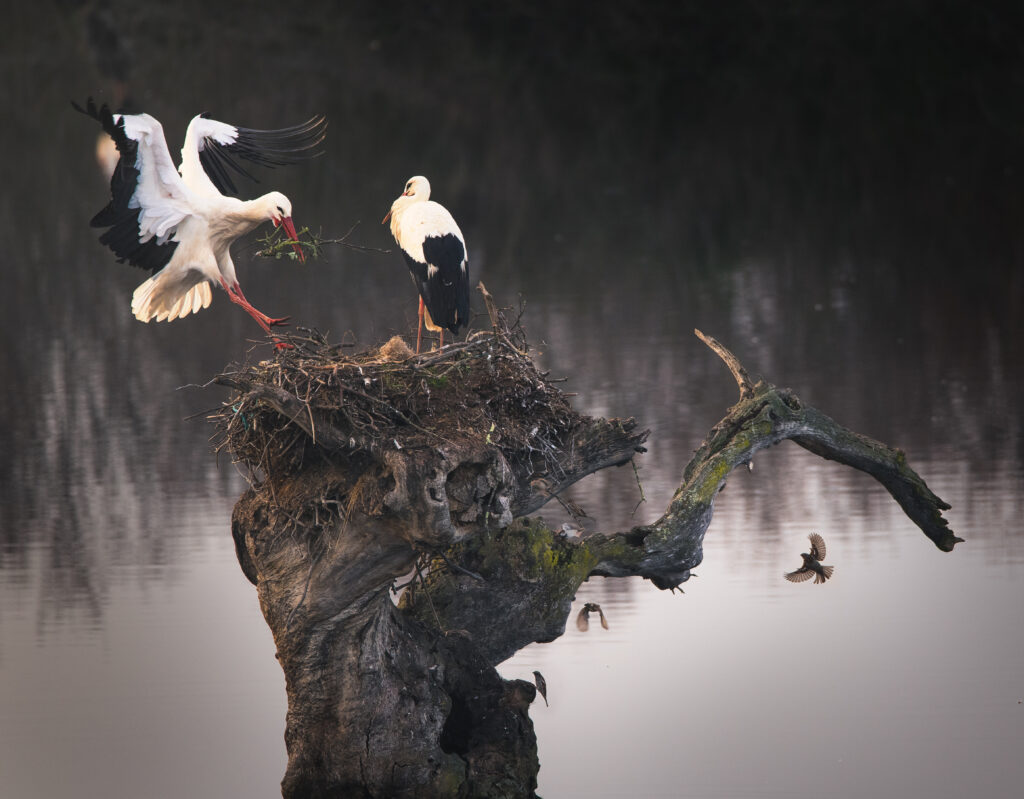
Mount Meru is not just a trekking destination; it is a living classroom for ecologists, biologists, and conservationists. The variety of birds, insects, and specialized habitats provides opportunities for field research and environmental education. Projects often focus on species monitoring, climate adaptation, and habitat restoration. Trekkers benefit indirectly from this research, as it informs trail management, safety, and conservation strategies. Organizations such as WWF and IUCN regularly collaborate on studies in Arusha National Park, ensuring that Mount Meru remains a globally significant biodiversity hotspot: https://www.worldwildlife.org.
Trekking Tips for Wildlife Observation
Trekkers aiming to observe birdlife, insects, and unique ecosystems should follow ethical practices. Early mornings are typically the best time for birdwatching, as species are most active. Maintaining a slow pace allows for observation without disturbing wildlife. Using binoculars and field guides enhances the experience while respecting animal habitats. At Epic horizons Adventure we are looking extra miles to make sure…. guides educate all participants on these practices, blending adventure with environmental awareness, ensuring that visitors enjoy nature responsibly.
Conclusion
Mount Meru’s birdlife, insects, and unique ecosystems are integral to the mountain’s ecological identity. They highlight the complexity, adaptability, and interdependence of life at various altitudes, forming the foundation of mount meru flora and fauna. For trekkers, these smaller species enrich the experience far beyond what is visible at first glance. Responsible observation, guided interpretation, and sustainable trekking practices preserve these treasures while educating visitors on the delicate balance of mountain ecosystems. Experiencing these components transforms a trek from a simple climb into an immersive ecological journey, making Mount Meru a must-visit destination for nature enthusiasts and conservation-minded travelers alike.
Conservation, Ecology, and Responsible Trekking on Mount Meru
Mount Meru is more than a trekking destination—it is a living, breathing ecological treasure whose preservation requires careful management and responsible tourism practices. The mountain’s flora and fauna have evolved over millennia, adapting to volcanic soils, altitude gradients, and seasonal climate variations. Each species—from the smallest insect to large mammals—and every ecological zone plays a role in maintaining the delicate balance of life on the mountain. Understanding these dynamics is essential for any trekker, as well as for tourism operators aiming to showcase mount meru flora and fauna responsibly while minimizing human impact.
Conservation Challenges
Mount Meru faces several conservation challenges that directly impact its ecosystems. Deforestation, habitat degradation, climate change, and human disturbance are ongoing threats. The lower forest zones are especially vulnerable to illegal logging and agricultural encroachment, which can fragment habitats and reduce biodiversity. Even seemingly minor disturbances, such as off-trail trekking or improper waste disposal, can have cascading effects on soil stability, plant regeneration, and wildlife behavior. Conservation organizations, including TANAPA and WWF, emphasize that preserving Mount Meru’s biodiversity requires a coordinated approach involving tourism operators, local communities, and park authorities (https://www.worldwildlife.org, https://www.tanzaniaparks.go.tz).
Protected Zones and Ecological Significance
Arusha National Park, which encompasses Mount Meru, divides the mountain into zones that balance visitor access with ecological protection. The lower forest and grassland zones are designed to allow for guided trekking and wildlife observation without disrupting animal routines. Upper montane, heath, and moorland areas are more strictly controlled to prevent erosion and protect fragile high-altitude plants, such as giant lobelias and heathers. These zones are monitored for environmental health, with scientific research focusing on vegetation cover, species distribution, and water regulation. By respecting these zonal regulations, trekkers contribute to maintaining mount meru flora and fauna for generations to come.
Role of Tour Operators in Conservation
Tour operators play a pivotal role in sustainable mountain tourism. At Epic horizons Adventure we are looking extra miles to make sure…. that every trekker follows ethical guidelines, including staying on established trails, minimizing noise, carrying out all trash, and not disturbing wildlife. Guides provide education on local species, ecological interactions, and environmental stewardship. This combination of adventure and learning ensures that visitors appreciate not only the beauty but also the fragility of Mount Meru’s ecosystems.
Responsible operators also help mitigate the impact of human presence by controlling group sizes and pacing. Large groups can stress wildlife, damage trails, and erode soils. By limiting group numbers and spacing treks appropriately, operators reduce pressure on sensitive habitats. Moreover, trained guides ensure that climbers adhere to park rules, such as not feeding animals, avoiding plant collection, and respecting altitude acclimatization strategies. These measures collectively support the sustainable management of mount meru flora and fauna.
Community Involvement in Conservation
Local communities surrounding Mount Meru play an essential role in conservation. Many are employed as guides, porters, and rangers, creating economic incentives to protect rather than exploit natural resources. Community-based conservation programs provide education, income, and shared responsibility for park stewardship. By involving local populations, conservation initiatives increase long-term sustainability while promoting cultural understanding. Trekkers who engage with these communities gain insights into traditional knowledge, such as medicinal plant use and seasonal wildlife patterns, further enriching the experience.
Climate Change and Adaptation
Climate change poses a growing threat to Mount Meru’s ecosystems. Shifts in rainfall patterns, increasing temperatures, and prolonged dry spells affect plant phenology, water availability, and wildlife migration. Montane forests, which act as water catchments, are particularly sensitive to these changes. Research by institutions such as IUCN highlights that climate adaptation strategies—like reforestation, controlled tourism, and habitat restoration—are crucial for protecting biodiversity (https://www.iucnredlist.org). Understanding these risks emphasizes the importance of responsible trekking and environmental stewardship.
Educational Opportunities for Trekkers
Every trekker has the opportunity to learn about ecological balance and species interactions. Observing how birds disperse seeds, insects pollinate plants, or primates forage within the forest teaches valuable lessons in ecosystem connectivity. Epic horizons Adventure we are looking extra miles to make sure…. that these observations are not incidental but structured as part of guided education. By combining hands-on learning with immersive trekking, visitors gain a profound understanding of mount meru flora and fauna that extends beyond superficial sightseeing.
Best Practices for Responsible Trekking
- Stay on Designated Trails: Prevents soil erosion and protects fragile plants.
- Carry Out All Waste: Even biodegradable items can disrupt local ecosystems.
- Do Not Feed or Approach Wildlife: Maintains natural behaviors and prevents dependency.
- Use Reusable Water Containers: Reduces plastic pollution.
- Respect Group Limits: Keeps noise, trail wear, and wildlife stress to a minimum.
- Support Local Conservation Efforts: Choose operators that reinvest in park protection and community projects.
Following these best practices ensures that trekking activities leave minimal ecological footprint while allowing visitors to fully appreciate the unique biodiversity that defines mount meru flora and fauna.
The Long-Term Value of Conservation
Preserving Mount Meru is not only about protecting nature but also about sustaining tourism and cultural heritage. Healthy forests, thriving wildlife populations, and intact high-altitude ecosystems attract trekkers, researchers, and photographers from around the world. Conservation thus becomes both an ethical responsibility and an economic strategy. When travelers understand their impact and participate in responsible tourism, they actively contribute to the long-term survival of these ecosystems.
Conclusion
Mount Meru’s flora and fauna are complex, interconnected, and irreplaceable. From dense montane forests and bamboo thickets to alpine moorlands and crater ecosystems, every plant, insect, and animal contributes to the mountain’s unique ecological character. Conservation requires collaboration among park authorities, local communities, tour operators, and trekkers. At Epic horizons Adventure we are looking extra miles to make sure…. every visitor understands their role in protecting these ecosystems while enjoying an immersive, educational, and thrilling trekking experience. By embracing responsible tourism practices, trekkers help ensure that mount meru flora and fauna remain vibrant and accessible for future generations, creating a model of sustainable adventure that blends exploration, learning, and ecological stewardship.