Learn essential Mount Meru trek safety tips for first-time climbers. Discover altitude management, weather preparedness, gear advice, and expert guidance with Epic Horizons Adventure.https://www.epichorizonsadventures.com/our-tours/destinations/
Comprehensive Preparation and Planning for a Safe Mount Meru Trek
Proper preparation is the foundation of a successful and secure Mount Meru trekking experience. Before setting foot on the mountain, trekkers must understand that safety on Mount Meru begins long before the actual climb. Physical readiness, mental preparation, logistical planning, and awareness of the mountain environment all work together to reduce risks and increase enjoyment. This section focuses on the critical pre-trek considerations that every climber should address to ensure a safe ascent, forming the core philosophy behind effective Mount meru trek safety tips.
Mount Meru, located within Arusha National Park, may be shorter than Mount Kilimanjaro, but it is by no means an easy or risk-free mountain. Its steep sections, rapidly changing weather, volcanic terrain, and high-altitude environment require serious respect. Many accidents and trekking challenges occur not because of the mountain itself, but due to inadequate preparation. Understanding this reality is the first step toward responsible trekking.
Understanding the Nature of Mount Meru
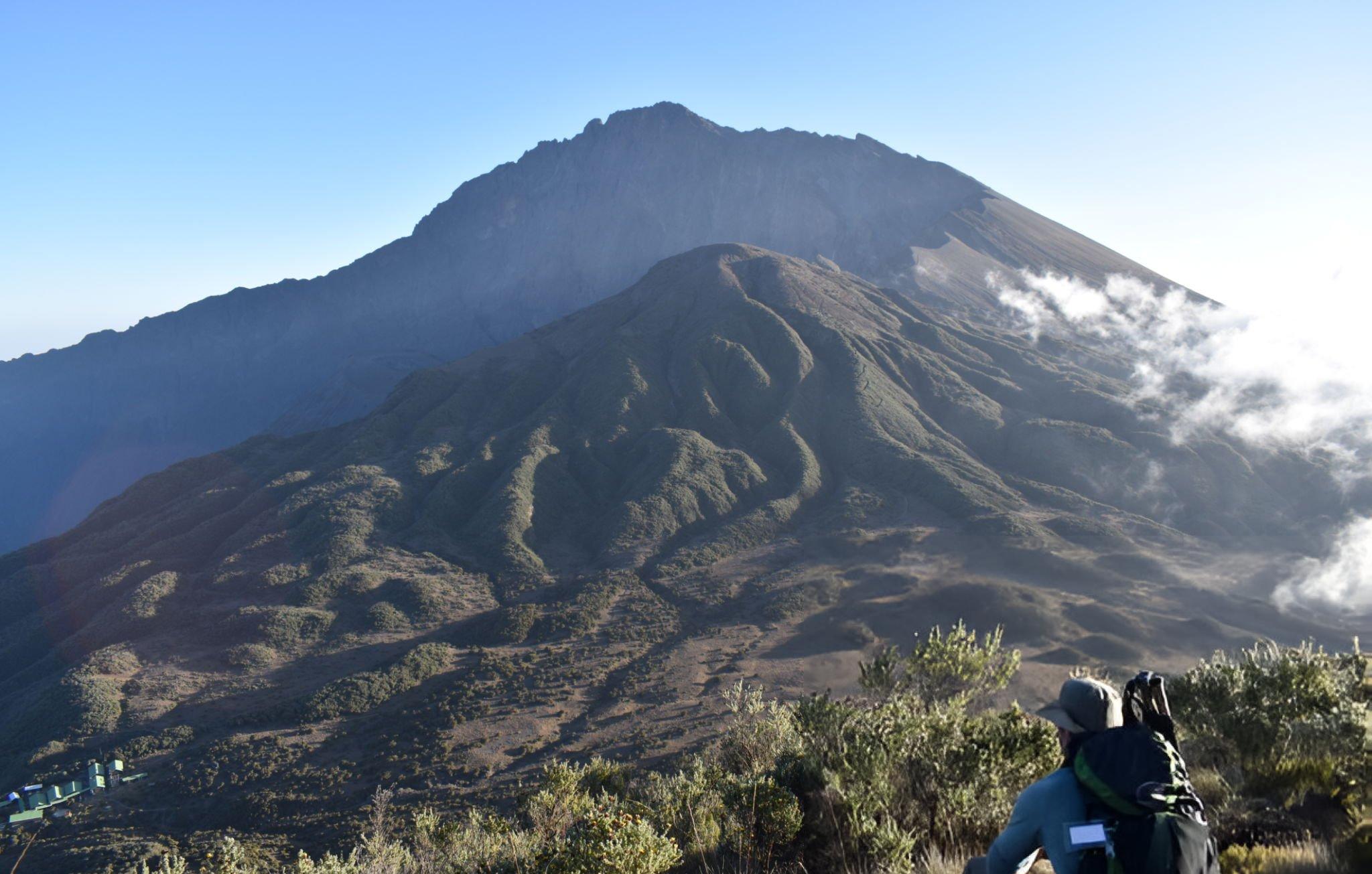
Mount Meru is an active stratovolcano rising to approximately 4,566 meters above sea level. Its terrain includes dense montane forests, alpine heath zones, rocky ridges, and exposed summit paths. Each of these environments presents unique challenges that require different preparation strategies. Trekkers who research the mountain thoroughly are far better equipped to make safe decisions during the climb, reinforcing the importance of early planning within Mount meru trek safety tips.
Learning about the mountain’s geography, climate, and route structure helps climbers anticipate what lies ahead. The standard Mount Meru trekking route typically takes three to four days, allowing time for acclimatization and gradual ascent. Rushing this itinerary increases the risk of altitude-related issues and physical exhaustion.
For general geographic and environmental information about Mount Meru, this reference is helpful:
https://www.britannica.com/place/Mount-Meru-volcano-Tanzania
Physical Fitness and Health Preparation
Physical conditioning plays a crucial role in trekking safety. While Mount Meru does not require technical climbing skills, it demands good cardiovascular endurance, leg strength, and balance. Trekkers should engage in regular hiking, stair climbing, cycling, or other aerobic activities several weeks before the climb. Strengthening the core and lower body reduces fatigue and minimizes the risk of falls on steep or uneven terrain.
Medical readiness is equally important. Trekkers should consult a healthcare provider before traveling, particularly if they have pre-existing conditions such as asthma, heart issues, or joint problems. Vaccinations and travel health precautions relevant to Tanzania should be addressed in advance. These measures align directly with responsible Mount meru trek safety tips, as health issues at altitude can escalate quickly.
For travel health advice related to Tanzania, consult:
https://wwwnc.cdc.gov/travel/destinations/traveler/none/tanzania
Altitude Awareness and Acclimatization Planning
Altitude is one of the most underestimated risks on Mount Meru. Even experienced hikers can experience altitude-related symptoms if they ascend too quickly. Headaches, nausea, dizziness, and fatigue are common signs of acute mountain sickness (AMS). Proper acclimatization planning is essential to mitigate these risks and is a core element of Mount meru trek safety tips.
Choosing an itinerary that allows gradual ascent and includes acclimatization days significantly improves safety. Listening to your body and communicating symptoms to guides early can prevent more serious conditions such as high-altitude pulmonary edema (HAPE) or high-altitude cerebral edema (HACE). Understanding altitude physiology empowers trekkers to make informed decisions rather than pushing beyond safe limits.
For a detailed explanation of altitude sickness, this resource is recommended:
https://www.mayoclinic.org/diseases-conditions/altitude-sickness/symptoms-causes/syc-20354050
Choosing a Licensed and Experienced Trekking Company
One of the most critical safety decisions is selecting a professional trekking operator. Licensed companies operating within Arusha National Park follow strict regulations, employ trained guides, and carry essential safety equipment. Professional guides are trained to recognize early signs of altitude sickness, manage emergencies, and adjust pacing based on group condition.
A reputable company ensures proper park permits, armed rangers (required due to wildlife presence), and well-organized logistics. These factors significantly reduce risk and enhance the overall trekking experience. Within this framework, Mount meru trek safety tips emphasize that safety is a shared responsibility between trekkers and guides.
Epic horizons Adventure we are looking extra miles to make sure…. every client receives expert guidance, thorough briefings, and personalized support throughout the Mount Meru trek, ensuring safety is never compromised for speed or convenience.
Packing the Right Safety-Oriented Gear
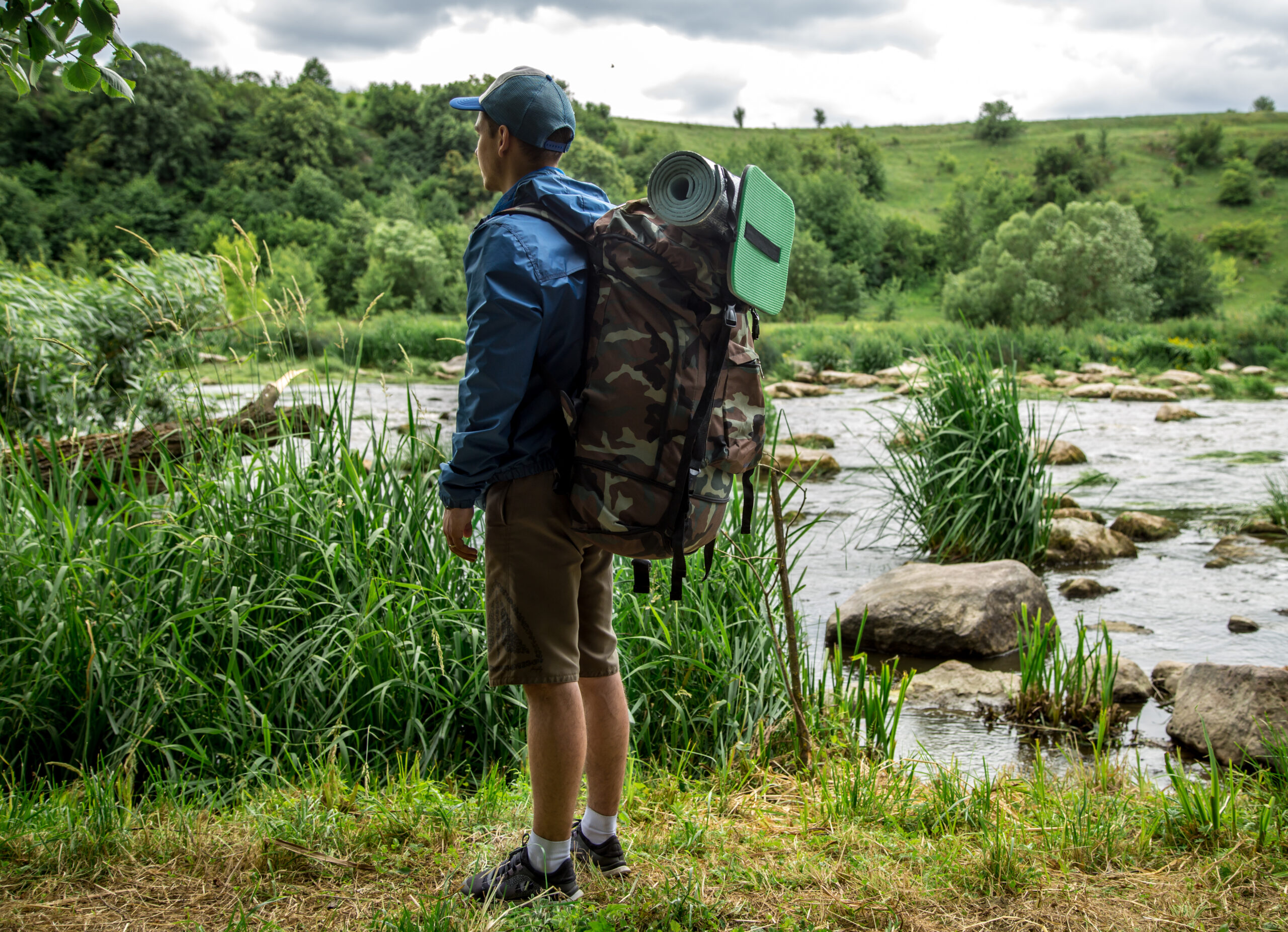
Equipment choices directly affect trekking safety. Proper footwear with good ankle support reduces the risk of slips and injuries on rocky trails. Layered clothing allows trekkers to adapt to changing temperatures, from warm forest conditions to freezing summit mornings. Rain gear is essential, as weather on Mount Meru can change suddenly.
Other critical items include trekking poles for stability, headlamps for early-morning summit attempts, sun protection, and hydration systems. Guides typically carry first aid kits and emergency supplies, but trekkers should also carry personal medications and essentials. Thoughtful packing supports many practical Mount meru trek safety tips by preventing avoidable discomfort and accidents.
For a general mountain trekking gear checklist, see:
https://www.rei.com/learn/expert-advice/backpacking-checklist.html
Mental Preparation and Risk Awareness
Mental readiness is often overlooked but is just as important as physical fitness. Trekkers should approach Mount Meru with realistic expectations, understanding that conditions may be challenging and plans may need adjustment. Flexibility and patience contribute significantly to safety, especially when dealing with weather changes or altitude effects.
Respecting guide instructions, pacing oneself, and prioritizing safety over summit ambition are essential attitudes. Many incidents in mountain environments occur when trekkers ignore warning signs or push beyond safe limits. Embedding this mindset early strengthens adherence to Mount meru trek safety tips throughout the climb.
Understanding Park Rules and Wildlife Safety
Mount Meru lies within a protected national park that is home to wildlife such as buffaloes, giraffes, and monkeys. Trekkers are required to hike with armed rangers for protection. Understanding and respecting wildlife protocols is critical for safety. Maintaining distance from animals, following ranger instructions, and avoiding loud or sudden movements reduce risk.
Park regulations exist to protect both trekkers and the environment. Compliance with these rules ensures a smoother and safer experience for everyone. Wildlife awareness is a unique but essential component of Mount meru trek safety tips, distinguishing Mount Meru from many other trekking destinations.
For information on Arusha National Park regulations, visit:
https://www.tanzaniaparks.go.tz/national_parks/arusha
Logistics, Timing, and Weather Considerations
Choosing the right season and timing also affects safety. Mount Meru can be climbed year-round, but weather conditions vary. The dry seasons generally offer more stable weather and clearer trails, while rainy periods increase the risk of slippery paths and reduced visibility.
Monitoring weather forecasts before and during the trek allows guides to make informed decisions. Starting summit attempts early in the morning helps avoid afternoon storms and strong winds. These logistical considerations form an important part of strategic Mount meru trek safety tips.
For mountain weather forecasting, see:
https://www.mountain-forecast.com/peaks/Mount-Meru/forecasts/4566
Safety on Mount Meru is built through preparation, education, and responsible decision-making. From understanding the mountain’s nature and training physically, to choosing a professional operator and packing appropriate gear, every step taken before the trek directly influences outcomes on the mountain. By embracing structured planning and informed awareness, trekkers significantly reduce risks and increase their chances of a safe and rewarding climb. These principles form the backbone of effective Mount meru trek safety tips, setting the stage for safer movement, better acclimatization, and confident progression throughout the journey.
On-Trail Safety Practices, Pacing, and Daily Trekking Discipline
Once the trek begins, safety shifts from planning into daily practice. What trekkers do on the trail—how they walk, rest, hydrate, listen to guides, and respond to their bodies—has a direct impact on outcomes. Many incidents on Mount Meru do not result from extreme conditions but from small, repeated mistakes such as poor pacing, ignoring fatigue, dehydration, or overconfidence. This section focuses on practical, on-trail behaviors that form the backbone of effective Mount meru trek safety tips during the actual climb.
Mount Meru’s trail system may appear straightforward, but its steep gradients, narrow ridges, volcanic soil, and changing weather demand constant attention. Trekking safely is not about speed; it is about consistency, awareness, and discipline from the first step to the last.
Maintaining Proper Pacing Throughout the Trek
One of the most important safety principles on Mount Meru is controlled pacing. Walking too fast increases fatigue, raises heart rate unnecessarily, and accelerates altitude stress. Walking too slowly without rhythm can also lead to cold exposure and muscle stiffness. The goal is a steady, conversational pace that allows the body to adapt naturally.
Professional guides set a pace designed to suit the slowest member of the group, not the strongest. This approach is intentional and essential. Trekkers should resist the urge to rush ahead or compete with others. Consistent pacing supports acclimatization and is central to practical Mount meru trek safety tips on the mountain.
Short, regular breaks are more effective than long, infrequent stops. These pauses allow the body to recover without cooling down too much. During breaks, trekkers should hydrate, eat light snacks, and assess how they are feeling physically and mentally.
Hydration and Nutrition on the Trail
Dehydration is one of the most common and underestimated risks during mountain trekking. At altitude, the body loses moisture faster due to increased respiration and dry air. Trekkers may not feel thirsty, yet fluid loss continues. Drinking small amounts of water frequently is safer and more effective than drinking large quantities infrequently.
Nutrition plays an equally important role. Trekking burns a significant number of calories, and energy levels drop quickly without proper fueling. Meals provided during the trek are designed to be high in carbohydrates and easy to digest. Trekkers should eat even when appetite decreases, as this supports energy levels and reduces altitude stress.
Ignoring hydration and nutrition can lead to dizziness, weakness, and impaired judgment—conditions that increase accident risk. This is why disciplined eating and drinking habits are emphasized in all professional Mount meru trek safety tips.
For guidance on hydration at altitude, see:
https://www.rei.com/learn/expert-advice/hydration.html
Foot Placement and Trail Awareness
Mount Meru’s terrain varies from forest paths to rocky ridges and loose volcanic gravel. Proper foot placement is critical, especially on steep or narrow sections. Trekkers should keep their eyes on the trail a few steps ahead, avoid distractions, and place each foot deliberately.
Trekking poles are highly recommended as they improve balance and reduce strain on knees, particularly during descents. Slips and falls are more common on the way down due to fatigue, making attention to technique essential. Keeping knees slightly bent, taking smaller steps, and maintaining three points of contact when possible all contribute to safer movement.
Trail awareness also includes staying on designated paths. Shortcuts may seem tempting but often lead to unstable ground or environmental damage. Following established trails is a key principle embedded in responsible Mount meru trek safety tips.
Listening to Your Body and Reporting Symptoms
One of the most critical on-trail safety behaviors is honest communication. Trekkers must pay attention to how they feel and report symptoms early. Headaches, nausea, dizziness, shortness of breath, or unusual fatigue should never be ignored or hidden.
Guides are trained to assess symptoms and make informed decisions, but they rely on accurate feedback from trekkers. Reporting symptoms early allows for simple interventions such as slowing the pace, resting, hydrating, or adjusting the itinerary. Delaying communication can turn manageable discomfort into serious medical issues.
Understanding that safety is prioritized over summit success helps trekkers feel comfortable speaking up. This culture of openness is a defining element of strong Mount meru trek safety tips in professional trekking operations.
For medical insight into recognizing altitude illness, refer to:
https://www.ncbi.nlm.nih.gov/books/NBK430716/
Weather Awareness and Adaptive Decision-Making
Weather on Mount Meru can change quickly, especially as elevation increases. Clear mornings can turn into fog, wind, or rain within hours. Trekkers should be prepared to adjust plans based on conditions rather than expectations.
Layering clothing properly allows quick adaptation to temperature changes. Rain jackets should be easily accessible, not buried deep in packs. Guides continuously assess weather patterns and may alter start times or rest points to minimize exposure to risk.
Respecting weather-based decisions is essential. Pushing forward in poor visibility or strong winds increases the likelihood of accidents. Adaptive decision-making, guided by experience, is a practical application of Mount meru trek safety tips in real-time conditions.
For mountain weather awareness, see:
https://www.mountain-forecast.com/peaks/Mount-Meru/forecasts/4566
Group Discipline and Guide Instructions
Trekking safely on Mount Meru depends heavily on group discipline. Staying together ensures that no one is left behind or exposed to unnecessary risk. Straying from the group, even briefly, can create dangerous situations, especially in fog or forested sections.
Guides provide instructions not to restrict freedom, but to protect the group. This includes guidance on walking order, rest timing, and behavior around wildlife. Following these instructions without debate ensures smooth progress and minimizes risk.
Epic horizons Adventure we are looking extra miles to make sure…. every trek is guided with clear communication, structured pacing, and constant monitoring of group condition, allowing clients to focus on the experience while safety remains the top priority.
Wildlife Awareness During the Trek
Unlike many mountain treks, Mount Meru passes through areas inhabited by large wildlife. Armed rangers accompany trekking groups as a safety measure, but trekkers must also follow wildlife protocols.
Maintaining silence, avoiding sudden movements, and staying close to the group reduce the likelihood of encounters. Feeding or approaching animals is strictly prohibited. Understanding wildlife behavior and respecting ranger guidance is an essential aspect of Mount meru trek safety tips unique to Mount Meru.
For information on wildlife safety in African national parks, see:
https://www.worldwildlife.org/travel/tips-for-visiting-wildlife-areas
Daily Camp Safety and Recovery
Safety does not end when the day’s walking stops. Camp routines play a crucial role in recovery and readiness for the next day. Trekkers should change into dry clothes promptly, keep warm, and continue hydrating after arrival at camp.
Proper rest supports acclimatization and reduces injury risk. Stretching lightly, eating well, and getting sufficient sleep help the body recover. Headlamps should be kept nearby at night, as temperatures can drop and early starts are common.
Maintaining personal organization—knowing where essential items are—reduces stress and confusion, contributing indirectly to safer trekking days ahead.
Mental Focus and Fatigue Management
Fatigue affects judgment, coordination, and reaction time. Recognizing mental fatigue is just as important as recognizing physical exhaustion. Trekkers should remain mentally engaged with the trail, especially during long descents or monotonous sections.
Simple habits such as regular hydration reminders, short mental check-ins, and staying present help maintain focus. Guides often observe behavioral changes that signal fatigue and adjust pacing accordingly. This proactive approach reinforces practical Mount meru trek safety tips throughout the journey.
On-trail safety on Mount Meru is built through disciplined habits practiced every hour of the trek. Proper pacing, hydration, nutrition, attentive movement, honest communication, and respect for guide instructions work together to create a safe trekking environment. By maintaining awareness and consistency, trekkers significantly reduce risks and enhance their ability to adapt to changing conditions. These daily practices transform theoretical planning into lived safety, making Mount meru trek safety tips not just advice, but an active part of the Mount Meru experience.
Altitude Management, Emergency Response, and Risk Mitigation on Mount Meru
Altitude is the single most serious safety factor on Mount Meru. While the mountain is often described as a “warm-up” climb for Kilimanjaro, this perception can be misleading and dangerous. Rising to 4,566 meters, Mount Meru exposes trekkers to real high-altitude conditions where oxygen levels are significantly reduced. Understanding how altitude affects the body, how to respond to emergencies, and how risks are mitigated in real situations is essential. This section forms a critical pillar of professional Mount meru trek safety tips and should never be underestimated.
Many successful treks are not defined by physical strength but by how well altitude challenges are managed. Proper knowledge, early response, and disciplined decision-making save lives on the mountain.
How Altitude Affects the Human Body
As elevation increases, the amount of available oxygen decreases. At around 3,000 meters and above, the body must work harder to deliver oxygen to muscles and organs. On Mount Meru, this effect becomes noticeable as trekkers move beyond forest zones into alpine terrain.
Common early symptoms of altitude exposure include headaches, fatigue, shortness of breath, loss of appetite, and disturbed sleep. These symptoms are part of Acute Mountain Sickness (AMS). While mild AMS is common and manageable, ignoring symptoms or ascending too quickly can lead to life-threatening conditions. This is why altitude education is a cornerstone of all credible Mount meru trek safety tips.
Understanding that altitude affects everyone differently is key. Age, fitness, and prior trekking experience do not guarantee immunity. The only reliable protection is gradual ascent, proper hydration, and honest symptom reporting.
For a medical overview of altitude effects, see:
https://www.ncbi.nlm.nih.gov/books/NBK430716/
Recognizing Acute Mountain Sickness (AMS)
AMS is the most common altitude-related condition on Mount Meru. Symptoms typically appear within 6–24 hours of gaining elevation and can vary in intensity. Mild AMS includes headaches and nausea, while moderate AMS may involve vomiting, severe fatigue, dizziness, and difficulty sleeping.
Trekkers must understand that AMS is not a sign of weakness. It is a physiological response to reduced oxygen. Early recognition allows for simple interventions such as slowing down, resting, increasing fluid intake, or delaying ascent. These actions are central to effective Mount meru trek safety tips and often prevent escalation.
Guides monitor trekkers daily using observation and communication. However, self-awareness remains critical. Trekkers who minimize or hide symptoms put themselves and others at risk.
Serious Altitude Illnesses: HAPE and HACE
In rare cases, altitude illness can progress to more severe conditions: High-Altitude Pulmonary Edema (HAPE) and High-Altitude Cerebral Edema (HACE). Both are medical emergencies requiring immediate descent.
HAPE involves fluid buildup in the lungs and is characterized by breathlessness at rest, coughing, chest tightness, and extreme fatigue. HACE affects the brain and presents symptoms such as confusion, loss of coordination, severe headaches, and altered consciousness.
Understanding these warning signs is essential. Guides are trained to recognize them and act decisively. Rapid descent is the most effective treatment. This decisive response is a critical component of professional Mount meru trek safety tips and underscores why trekking without experienced guides is strongly discouraged.
For authoritative medical information, refer to:
https://www.cdc.gov/travel/page/travelers-high-altitude
Acclimatization Strategies on Mount Meru
Acclimatization is the process by which the body adapts to altitude over time. On Mount Meru, proper acclimatization is achieved through gradual ascent and structured itineraries that allow rest and adaptation.
Standard routes include overnight stays at intermediate camps to give the body time to adjust. “Climb high, sleep low” principles are often applied through acclimatization hikes. These strategies significantly reduce the risk of severe altitude illness and are embedded in proven Mount meru trek safety tips.
Hydration, nutrition, and adequate sleep support acclimatization. Alcohol and smoking should be avoided entirely during the trek, as they interfere with oxygen uptake and recovery.
Emergency Response Procedures on the Mountain
Despite thorough preparation, emergencies can still occur. What matters most is how quickly and effectively they are managed. Professional trekking operations follow established emergency response protocols that prioritize human life above all else.
In the event of serious altitude illness, injury, or sudden medical conditions, guides initiate immediate descent and coordinate support. Camps are positioned strategically to allow rapid movement to lower elevations. Communication systems are used to alert park authorities when necessary.
Trekkers should understand that turning back is not failure—it is responsible decision-making. This mindset is emphasized in all reliable Mount meru trek safety tips and ensures that safety always comes before summit ambitions.
For general wilderness emergency principles, see:
https://www.nols.edu/en/resources/blog/wilderness-first-aid/
Role of Guides and Rangers in Risk Mitigation
Mount Meru treks are conducted with both professional guides and armed rangers. Guides focus on client safety, altitude monitoring, pacing, and logistics, while rangers provide wildlife protection and support park regulations.
This dual-system significantly reduces risk. Guides conduct daily health checks, adjust itineraries, and make safety decisions based on real-time conditions. Rangers manage wildlife encounters and ensure trekkers remain within protected zones.
Epic horizons Adventure we are looking extra miles to make sure…. that every trek is supported by trained professionals who prioritize proactive risk management, early intervention, and client well-being throughout the climb.
Injury Prevention and Management
Beyond altitude, physical injuries such as sprains, blisters, and muscle strains are common trekking risks. Proper footwear, pacing, and warm-up routines reduce injury likelihood. Trekking poles help stabilize movement and protect joints, especially during descents.
Minor injuries are treated on the trail using first aid supplies carried by guides. More serious injuries require descent and medical attention. Understanding that injury management is part of Mount meru trek safety tips helps trekkers act responsibly and avoid aggravating conditions.
For trekking injury prevention tips, see:
https://www.rei.com/learn/expert-advice/hiking-injuries.html
Psychological Stress and Decision Fatigue
Altitude, fatigue, and unfamiliar environments can cause psychological stress. Anxiety, irritability, and reduced concentration are not uncommon. These mental effects can impair judgment and increase risk.
Maintaining open communication, resting adequately, and trusting guide decisions help manage psychological strain. Trekkers should avoid self-imposed pressure to reach the summit at all costs. Recognizing mental fatigue is an advanced but vital aspect of Mount meru trek safety tips.
Risk Assessment and Continuous Monitoring
Risk management on Mount Meru is not a one-time action; it is a continuous process. Guides assess weather, trail conditions, group health, and individual performance throughout the trek. Decisions are adjusted dynamically to reflect changing conditions.
Trekkers contribute to this process by staying honest, cooperative, and attentive. This partnership between guides and clients creates a safety-focused environment that significantly reduces incidents and enhances overall success.
Altitude management and emergency preparedness define the line between a safe trek and a dangerous one on Mount Meru. By understanding how altitude affects the body, recognizing warning signs early, respecting acclimatization principles, and trusting professional response systems, trekkers dramatically improve their safety margins. These strategies form the heart of effective Mount meru trek safety tips, ensuring that challenges are met with knowledge, caution, and decisive action rather than risk and uncertainty.
Weather Risks, Equipment Safety, and Environmental Hazards on Mount Meru
Mount Meru’s environment poses unique challenges that go beyond altitude and terrain. Weather conditions can shift rapidly, trails contain natural hazards, and equipment failures can escalate risk if unprepared. Understanding these factors, using appropriate gear, and responding effectively to environmental hazards are essential for a safe trekking experience. This section expands on critical Mount meru trek safety tips, focusing on proactive measures to navigate weather and environmental challenges while maintaining personal safety and comfort.
Trekkers who respect Mount Meru’s environmental unpredictability are less likely to face emergencies. Safety is not merely reactive—it is about anticipation, preparation, and careful observation throughout the climb.
Understanding Mountain Weather Dynamics
Mount Meru is characterized by microclimates that change quickly with elevation. Lower slopes may be warm and humid, while higher zones experience cold temperatures, strong winds, and even frost. Afternoon thunderstorms are common, especially during rainy seasons, while morning conditions may be clear and calm.
Being aware of these patterns allows trekkers to plan daily schedules effectively. Early morning departures reduce exposure to wind and storms. Guides constantly monitor weather, adjusting pace, rest stops, and route selection in real time. Recognizing that weather is a constant safety factor aligns directly with Mount meru trek safety tips.
For detailed weather information specific to Mount Meru, visit:
https://www.mountain-forecast.com/peaks/Mount-Meru/forecasts/4566
Rain, Slippery Trails, and Footing Hazards
Rainfall dramatically increases risk on the trails. Slippery rocks, muddy paths, and erosion-prone sections require careful movement. Trekkers should wear shoes with proper tread and ankle support to prevent slips and twisted ankles.
Using trekking poles enhances balance and reduces strain on knees, particularly on wet or steep sections. Short, controlled steps minimize slipping, while attention to foot placement ensures stability. These practices are integral to the set of Mount meru trek safety tips that prevent common trail injuries.
Cold Exposure and Hypothermia Prevention
High-altitude areas of Mount Meru can be cold even during the day. Early mornings, summit approaches, and shaded zones may drop below freezing. Hypothermia risk increases if trekkers are wet, wind-exposed, or underdressed.
Layering is critical. Base layers wick moisture, insulating mid-layers retain warmth, and outer shells protect against wind and rain. Gloves, hats, and thermal socks further reduce heat loss. Monitoring body temperature and responding promptly to chills or numbness is essential to staying safe on Mount Meru and is emphasized in professional Mount meru trek safety tips.
For more on preventing hypothermia in mountain trekking, see:
https://www.mountaineers.org/blog/preventing-hypothermia-on-mountains
Sun Exposure and UV Risks
At higher altitudes, ultraviolet radiation increases significantly. Sunburn and eye damage are real hazards. Trekkers must use high SPF sunscreen, wear wide-brimmed hats, and protect eyes with UV-rated sunglasses.
Reapplication of sunscreen throughout the day is critical, especially during long summit days. Neglecting UV protection can cause painful burns, skin damage, and reduce overall trekking safety. Awareness of sun exposure is a core element in any comprehensive list of Mount meru trek safety tips.
Rockfall, Loose Soil, and Volcanic Terrain
Mount Meru’s volcanic slopes feature loose rock, ash, and soil that may shift underfoot. Rockfall can occur naturally or be triggered by movement from trekkers ahead. Maintaining distance from others, watching the terrain closely, and avoiding unstable edges are essential precautions.
Trail signs, guide instructions, and local knowledge help mitigate exposure to natural hazards. Being alert and proactive in avoiding high-risk areas exemplifies practical Mount meru trek safety tips in action.
Camp Site Safety and Environmental Awareness
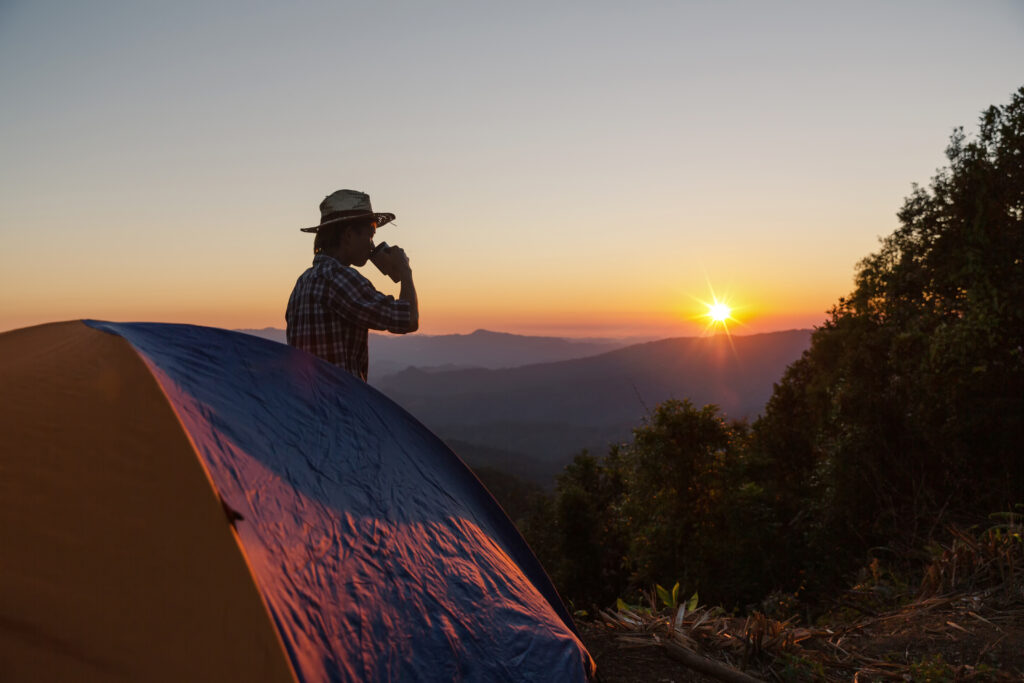
Safety extends to campsite management. Selecting safe, flat areas for tents, securing equipment against wind, and keeping camp clean prevents injuries and environmental impact. Cooking safely, storing food to avoid wildlife encounters, and using environmentally friendly practices ensure that camps remain safe and sustainable.
Guides train trekkers in these practices. Following them reduces the chance of accidents at camp and reinforces ethical behavior, complementing general Mount meru trek safety tips while protecting Arusha National Park’s ecosystem.
For responsible mountain camping practices, see:
https://www.wilderness-safety.org/camping-safety
Equipment Check and Maintenance
Reliable equipment is essential to weather and environmental safety. Footwear, backpacks, trekking poles, rain gear, and headlamps must be inspected and maintained. Failure of a key piece of gear can lead to slips, exposure, or delays that increase risk.
Trekkers are encouraged to perform pre-trek checks and pack backups for critical items. This attention to equipment detail forms an integral part of professional Mount meru trek safety tips, ensuring that gear supports safety rather than jeopardizing it.
Emergency Preparedness in Harsh Conditions
Even with careful preparation, environmental hazards may necessitate rapid response. Guides carry first aid kits, emergency shelters, and communication devices. Trekkers should know emergency protocols, including how to respond to sudden storms, flash floods, or trail blockages.
Understanding evacuation procedures and maintaining communication with guides ensures swift action in emergencies. Practicing situational awareness throughout the day makes environmental hazards manageable, reinforcing the practical application of Mount meru trek safety tips.
Psychological Resilience in Challenging Conditions
Challenging weather and terrain can also affect mental resilience. Trekkers may experience anxiety, stress, or low morale when facing adverse conditions. Maintaining a positive mindset, trusting guides, and pacing oneself reduce stress and improve safety.
This mental preparedness complements all physical safety measures, creating a comprehensive approach to Mount meru trek safety tips that addresses both body and mind.
Mount Meru’s environment is beautiful but unforgiving. Weather, terrain, and natural hazards present continuous challenges that require attentiveness, proper equipment, and adaptive thinking. By understanding weather patterns, protecting against environmental risks, and following equipment and campsite safety protocols, trekkers maximize their chances of a safe, enjoyable experience. These principles, coupled with professional guidance, form a complete framework of Mount meru trek safety tips, ensuring every ascent is both secure and memorable.