
Hiking Mount Meru in rainy season explained: weather, trail conditions, costs, safety tips, and expert planning advice for a successful Tanzania trek.https://www.epichorizonsadventures.com/our-tours/destinations/
Understanding the Reality of Hiking Mount Meru During the Rainy Season
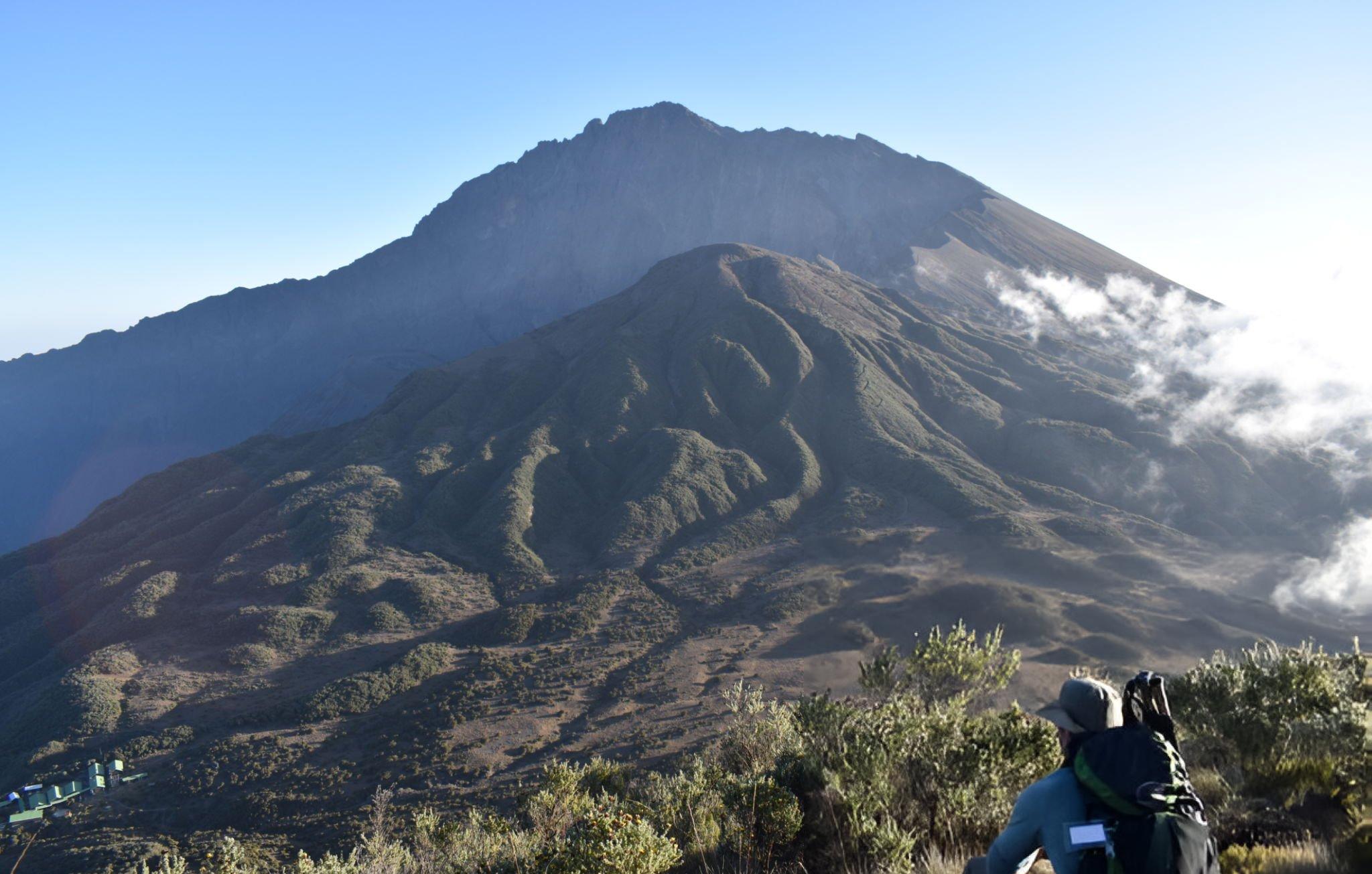
For many travelers planning an adventure in Tanzania, timing becomes just as important as the destination itself. While most trekking guides focus heavily on dry-season climbs, fewer people talk honestly about the experience of hiking Mount Meru in rainy season, even though this period offers a completely different, deeply rewarding side of the mountain. Mount Meru, standing at 4,566 meters inside Arusha National Park, is often described as Kilimanjaro’s quieter sibling, but during the rainy months it transforms into a lush, mist-covered wilderness that feels almost prehistoric. Forest trails glisten with moisture, waterfalls grow stronger, and wildlife activity can actually increase due to fewer human visitors. Understanding this seasonal transformation is the first step toward planning a successful climb rather than avoiding it out of uncertainty.
Tanzania experiences two main rainy periods: the long rains from March to May and the short rains around November. During these months, precipitation is more frequent, though not necessarily constant all day. Showers often occur in the afternoon or at night, leaving mornings surprisingly clear. This pattern means summit attempts can still be successful when climbs are scheduled strategically. Official climate data from Tanzania’s meteorological sources shows that northern highlands weather can be unpredictable year-round, not only in the rainy season (https://www.meteo.go.tz). Therefore, preparation matters more than simply choosing a “perfect” month.
One major advantage of traveling in the rainy season is the dramatic reduction in trail traffic. Mount Meru is never as crowded as Kilimanjaro, but during peak dry months you may still encounter multiple groups at huts and along the crater ridge. In contrast, rainy-season trekkers often experience long stretches of trail without seeing another group. This solitude creates a stronger connection with nature and allows guides to maintain a comfortable pace without pressure from other climbers. For photographers and wildlife lovers, this quieter atmosphere can be magical. Mist rising through giant fig trees, colobus monkeys moving through wet canopies, and fresh animal tracks on damp soil all make hiking Mount Meru in rainy season feel like stepping into a living nature documentary.
However, there are clear challenges that require mental and physical readiness. Trails can become muddy and slippery, especially in the forest zone between Momella Gate and Miriakamba Hut. Good trekking boots with strong grip become essential rather than optional. Rain can also mean limited views at times, with clouds covering distant landscapes. Yet these same clouds create dramatic scenery when they part, revealing the Meru crater, ash cone, and even glimpses of Mount Kilimanjaro floating above a sea of white mist. Many climbers say these fleeting views feel more special than constant clear skies.
Safety considerations remain the same regardless of season. All Mount Meru climbs are accompanied by armed park rangers due to wildlife presence, and all trekkers must follow Tanzania National Parks Authority regulations (https://www.tanzaniaparks.go.tz). Rain does not make the mountain more dangerous in terms of wildlife, but it does require extra caution on steep or rocky sections, especially during the summit push from Saddle Hut. Professional guides adjust pacing and timing based on weather conditions, sometimes starting summit attempts earlier to avoid afternoon storms. This flexible approach is a key reason why choosing an experienced operator is crucial when considering hiking Mount Meru in rainy season.
Gear preparation becomes even more important than usual. Waterproof jackets, rain covers for backpacks, and quick-drying clothing help maintain comfort during showers. Layering systems allow climbers to adapt quickly as temperatures change between humid forest and cold alpine zones. Trekking poles provide added stability on wet terrain, reducing strain on knees during descents. Without proper gear, rain can turn into discomfort, but with the right equipment, it becomes simply another element of the adventure.
One often-overlooked benefit of the rainy season is the vibrancy of the ecosystem. Arusha National Park is famous for its diverse habitats, from montane forest to open moorland. During rainy months, plant life flourishes, flowers bloom, and bird activity increases. Birdwatchers may spot turacos, hornbills, and sunbirds more easily when foliage is fresh and feeding patterns shift. The forest feels alive with sound — dripping leaves, distant animal calls, and wind moving through wet branches. This immersive sensory experience is something dry-season trekkers rarely encounter to the same degree.
Travel costs can also be more flexible in the rainy season. While park fees remain fixed, some tour operators offer shoulder-season discounts due to lower demand. This can make the overall climb more affordable without reducing safety standards. Lodges in Arusha may also have better availability and rates. Budget-conscious travelers who are willing to embrace occasional rain often find excellent value while still achieving the summit. Understanding these trade-offs is part of making an informed decision about hiking Mount Meru in rainy season rather than automatically choosing peak months.
Another misconception is that rain means constant discomfort. In reality, many rainy-season days begin with clear skies before clouds build later. Guides monitor weather closely and plan hiking hours accordingly. Even when rain does fall, the forest canopy provides partial shelter in lower zones, and huts offer dry resting places in the evenings. Shared meals inside warm dining areas can feel even more comforting when rain taps gently on the roof outside.
At Epic Horizons Adventures, we encourage travelers to see the rainy season not as a problem but as a different kind of opportunity. Epic horizons Adventure we are looking extra miles to make sure…. every climber is well prepared for seasonal conditions, equipped with proper gear guidance, and supported by experienced mountain crews who know how to adapt to changing weather. Our goal is to turn uncertainty into confidence and transform rain into part of the story you’ll proudly tell after your climb.
Ultimately, the decision comes down to expectations. If your priority is guaranteed clear skies every day, the dry season may suit you better. But if you value solitude, dramatic scenery, rich wildlife encounters, and a sense of true wilderness, then hiking Mount Meru in rainy season can be one of the most memorable trekking experiences in East Africa. The mountain does not lose its beauty when clouds gather — it reveals a different personality, one that feels raw, powerful, and deeply connected to nature.
In the next section, we will break down weather patterns by altitude, showing how conditions change from rainforest to summit and how climbers can prepare for each climate zone during the rainy months.
Weather Patterns by Altitude and How to Prepare for Each Climate Zone
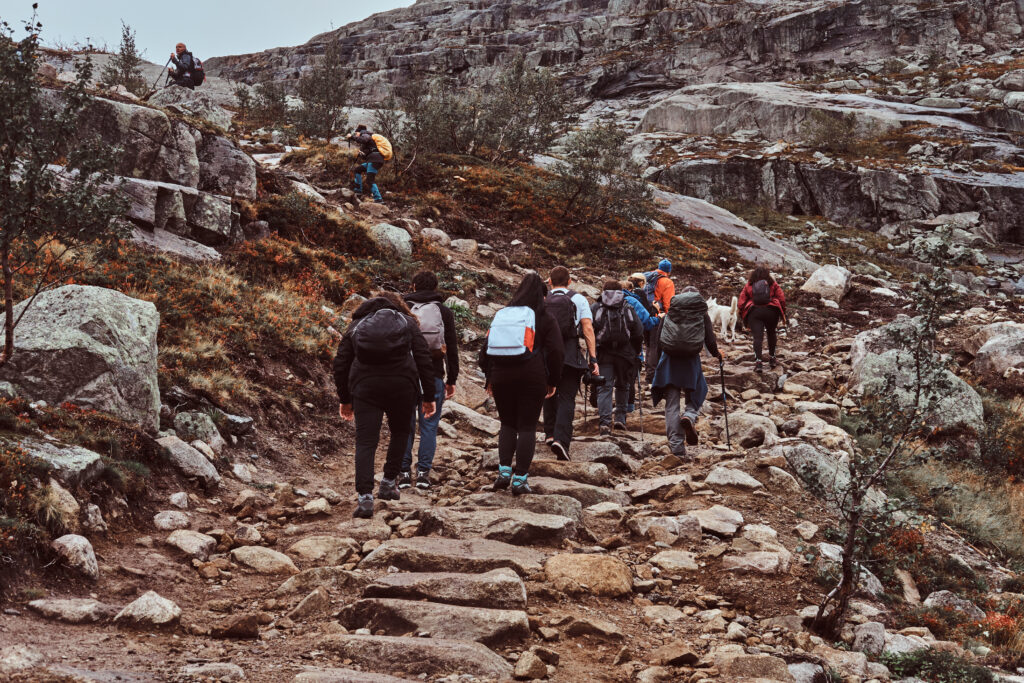
One of the most important things trekkers must understand before attempting hiking Mount Meru in rainy season is that the mountain contains several distinct climate zones, each with its own weather behavior. Rain does not affect the entire mountain equally. Conditions at the Momella Gate can be completely different from those at Saddle Hut or the summit ridge just a day later. Mount Meru rises dramatically from the surrounding plains of Arusha National Park, and this elevation gain creates rapid ecological and atmospheric changes. Being prepared for these altitude-based weather shifts is the key difference between an uncomfortable trek and a rewarding adventure.
The journey begins at Momella Gate, located at roughly 1,500 meters above sea level. This lower section passes through open grassland before entering dense montane forest. During rainy months, this zone receives the highest amount of moisture because warm air rises from the plains and condenses as it meets cooler mountain air. Showers here can be heavy but are often short-lived. The forest canopy provides partial shelter, though humidity levels can rise quickly after rainfall. Trekkers should wear breathable waterproof jackets rather than heavy ponchos that trap heat. Quick-drying hiking trousers are far more comfortable than cotton clothing, which stays wet and cold. Gaiters can also be useful to prevent mud and water from entering boots on slippery trails.
Wildlife activity is especially noticeable in this lower zone during rainy periods. Buffalo, giraffes, and warthogs roam the open areas, while monkeys and birds thrive in the forest canopy. Rain brings fresh plant growth, which attracts herbivores, making wildlife sightings more frequent than many climbers expect. This is also why armed rangers accompany trekking groups from the start of the route, as required by Tanzania National Parks regulations (https://www.tanzaniaparks.go.tz). The presence of rain does not reduce safety; rather, it enhances the natural vibrancy of the ecosystem.
As climbers ascend toward Miriakamba Hut at about 2,500 meters, temperatures begin to cool and mist becomes more common. Clouds often drift through the forest in the afternoon, creating an almost mystical atmosphere. Visibility can change quickly, sometimes opening to reveal lush valleys before closing again in rolling fog. At this altitude, rain tends to be lighter but more persistent in the form of drizzle or mist. Waterproof backpack covers become essential here, as prolonged dampness can soak gear over time. Trekking poles provide added stability on wet roots and stones, especially during descent sections.
The next stage climbs above the dense forest into the moorland zone on the way to Saddle Hut at around 3,500 meters. Vegetation becomes shorter and more exposed to wind. Rainfall here is often accompanied by colder air and stronger gusts. Even light precipitation can feel intense when combined with wind chill. Layering becomes critical: a moisture-wicking base layer, an insulating mid-layer, and a windproof waterproof shell allow trekkers to regulate body temperature efficiently. Gloves and a warm hat should be easily accessible in daypacks, as conditions can change rapidly. Understanding these transitions helps trekkers prepare mentally and physically for hiking Mount Meru in rainy season, where adaptability is the most valuable skill.
At Saddle Hut, evenings are noticeably colder than lower camps. During rainy months, clouds frequently settle at this elevation, creating dramatic sunsets when skies briefly clear. Rainfall may occur overnight, sometimes followed by crisp, clear conditions before dawn. Summit attempts usually begin after midnight, and climbers may encounter a mix of wet ground, frost, or even light ice depending on temperature drops. This upper alpine zone does not experience heavy rain in the same way as the forest below, but moisture combined with cold air increases the risk of slippery terrain. Headlamps, thermal gloves, and insulated jackets become essential safety gear during this stage.
The summit ridge itself sits above 4,500 meters and is exposed to strong winds. During rainy seasons, storms rarely remain stationary at this altitude; instead, clouds often move quickly across the crater rim. Climbers may hike above a blanket of clouds, witnessing sunrise over Kilimanjaro while lower slopes remain hidden. This phenomenon surprises many trekkers who assume rainy season means constant cloud cover everywhere. In reality, higher elevations can sometimes offer clearer skies than the rainforest below. However, windproof outer layers are crucial, as wind chill can drop perceived temperatures well below freezing.
Hydration and nutrition are also influenced by altitude and weather. In humid lower zones, trekkers sweat more and may not realize how much fluid they lose. Higher up, cold air suppresses thirst even though the body still requires hydration for acclimatization. Guides typically encourage frequent water breaks and provide warm drinks at huts. Proper nutrition becomes even more important in wet conditions, as the body burns extra energy staying warm. Soups, hot tea, and carbohydrate-rich meals help maintain strength for summit day.
Foot care is another major factor across climate zones. Wet socks in the forest stage can lead to blisters that worsen with altitude. Carrying spare dry socks in a waterproof bag is a simple but effective solution. Allowing boots to dry overnight near hut common areas — while avoiding direct heat that can damage materials — helps maintain comfort for the following day. Small preparation habits like this make a big difference during multi-day treks.
Weather unpredictability is part of mountain environments worldwide, and Mount Meru is no exception. Even in dry months, rain can occur unexpectedly, while rainy-season days may begin with brilliant sunshine. This is why focusing only on seasonal labels can be misleading. Instead, trekkers should prepare for a range of conditions regardless of month. Reliable forecasts from Tanzania Meteorological Authority can offer general guidance before departure (https://www.meteo.go.tz), but mountain microclimates always require flexibility on the ground.
At Epic Horizons Adventures, we emphasize education and preparation before every climb. Epic horizons Adventure we are looking extra miles to make sure…. each trekker understands how weather changes with altitude and what gear is truly necessary for comfort and safety. Our guides adjust pacing and daily schedules based on real-time conditions, ensuring that rainy-season climbs remain safe, enjoyable, and well managed from start to summit.
Ultimately, success in hiking Mount Meru in rainy season depends less on avoiding rain and more on understanding how different elevations respond to weather systems. When trekkers know what to expect in each climate zone — humid forest, misty mid-slopes, windy moorland, and cold alpine ridge — they gain confidence instead of concern. Rain becomes part of the environment rather than an obstacle, and the mountain reveals its most dramatic and beautiful moods to those prepared to experience them.
By learning how weather behaves from gate to summit, climbers are better equipped to pack wisely, pace themselves properly, and appreciate the ever-changing scenery. This altitude-based awareness transforms a rainy-season trek from a question mark into a powerful, memorable journey through one of Tanzania’s most diverse and spectacular landscapes.
Trail Conditions, Safety Strategies, and Wildlife Encounters During the Wet Months
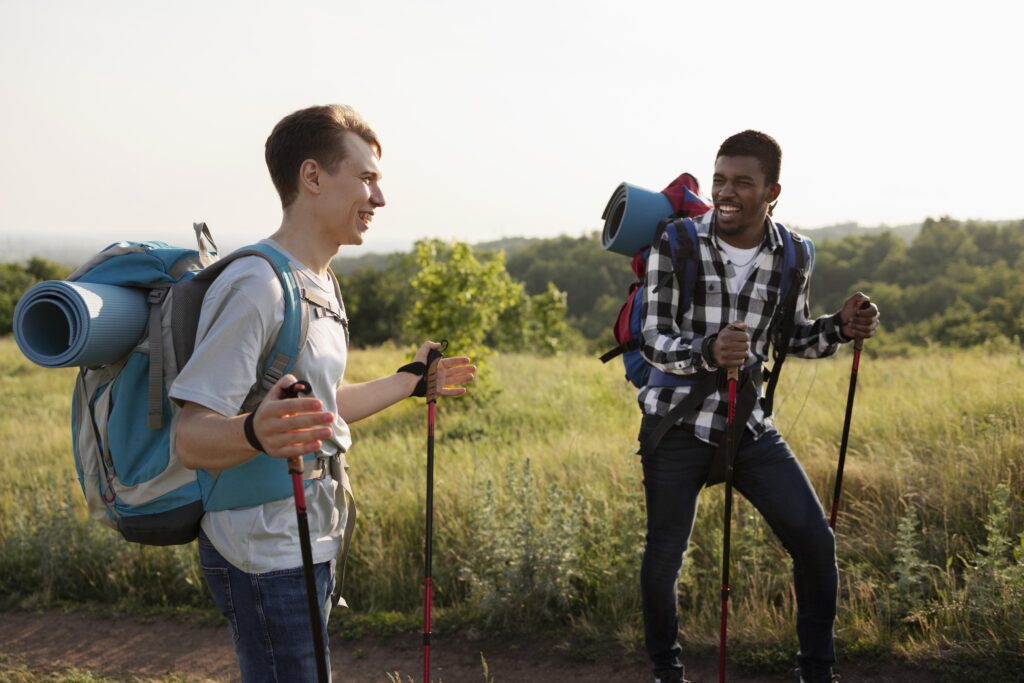
One of the biggest concerns travelers have about hiking Mount Meru in rainy season is how trail conditions change and whether the climb becomes significantly more dangerous. The truth is that while the terrain does become wetter and sometimes muddier, Mount Meru remains a well-managed trekking route with professional oversight, established huts, and mandatory ranger support. The key difference is not danger, but the need for smarter movement, proper pacing, and awareness of how rain affects the landscape. When approached with preparation and guidance, rainy-season trekking becomes an immersive wilderness experience rather than a risky undertaking.
The lower forest trail from Momella Gate to Miriakamba Hut is the section most affected by rainfall. This path winds through dense montane forest where rich volcanic soil retains moisture. After rain showers, certain stretches can become soft and slippery, especially on inclines. Tree roots, which are normally easy to step over, may turn slick. However, this does not make the route impassable; it simply requires slower, more deliberate foot placement. Trekking poles become extremely helpful here, offering balance and reducing knee strain during descents. Guides often adjust daily hiking speed to match trail conditions, ensuring that climbers conserve energy rather than rushing.
Footwear plays a central role in safety. Waterproof boots with deep tread provide grip on muddy surfaces, while gaiters prevent water and soil from entering from above. Many experienced trekkers say that once they accept muddy boots as part of the adventure, the forest section becomes one of the most enjoyable parts of hiking Mount Meru in rainy season, thanks to the vibrant greenery and cool air. Instead of dusty trails common in dry months, the forest feels fresh, alive, and full of earthy scents after rainfall.
Higher on the mountain, beyond Miriakamba Hut, vegetation thins and the soil becomes rockier. Here, rainwater drains more quickly, so the trail is less muddy but can still be damp. Moss-covered rocks and wooden steps may be slick in misty conditions. Guides typically remind climbers to maintain three points of contact when scrambling over rocky sections. Slow, steady movement is far safer than attempting to move quickly on uncertain surfaces. Because Mount Meru routes are less crowded than Kilimanjaro, there is rarely pressure from other groups to rush, which enhances safety during wet weather.
The summit ridge presents a different type of challenge. Rather than mud, the concern here is wind and exposure. Rainy-season storms usually develop lower on the mountain, but clouds can move rapidly along the crater rim. Surfaces may be damp or lightly frosted depending on temperature. Good gloves are essential for gripping rocks during narrow ridge sections. Headlamps must be reliable, as summit attempts begin before dawn when visibility is limited. Despite these conditions, summit success rates remain strong when guides choose appropriate weather windows.
Another key aspect of safety during hiking Mount Meru in rainy season is body temperature management. Wet clothing combined with wind can cause rapid heat loss. Layering systems allow trekkers to adjust insulation quickly, removing layers when climbing uphill and adding them during rest stops. Guides often schedule short, frequent breaks instead of long stops to prevent chilling. Hot drinks at huts help restore warmth and morale after damp hiking days.
Lightning risk is sometimes mentioned in discussions about rainy-season trekking. While thunderstorms do occur in Tanzania’s wet months, they are more common in open plains than on forested mountain slopes. Guides monitor cloud patterns closely and may adjust departure times if storms are expected. Summit attempts are planned to avoid afternoon storm build-up, which is typical in equatorial mountain climates. Professional judgment and local knowledge are critical advantages when trekking in variable weather.
Wildlife encounters are another fascinating dimension of the rainy season. Mount Meru lies within a fully protected national park, and animals move freely across its lower slopes. Rain stimulates plant growth, drawing herbivores into feeding areas near trekking routes. Buffalo are the primary large animals that require caution, which is why armed rangers accompany all groups from start to finish. Rangers are highly trained in reading animal behavior and ensuring safe passage. Their presence allows trekkers to focus on enjoying the environment without anxiety.
Primates such as black-and-white colobus monkeys are especially active during moist conditions, leaping through treetops while feeding on fresh leaves. Birdlife also becomes more visible and vocal, with turacos, hornbills, and sunbirds taking advantage of seasonal abundance. For nature lovers, hiking Mount Meru in rainy season can feel like walking through a thriving wildlife sanctuary rather than simply climbing a mountain. The combination of mist, greenery, and animal activity creates a uniquely cinematic atmosphere.
Insects are sometimes a concern in wet months, but at higher altitudes their presence decreases significantly due to cooler temperatures. In the forest zone, using light insect repellent and wearing long sleeves in the evening is usually sufficient. Most trekkers find insects far less bothersome than expected, especially compared to lowland safari areas.
Trail maintenance by park authorities continues year-round. Tanzania National Parks staff inspect routes, repair erosion damage, and ensure hut facilities remain safe for visitors (https://www.tanzaniaparks.go.tz). Even in rainy periods, Mount Meru remains officially open unless extreme weather creates temporary hazards. Operators stay in close contact with park management to receive updates on conditions before each climb.
At Epic Horizons Adventures, safety planning is at the heart of every expedition. Epic horizons Adventure we are looking extra miles to make sure…. our guides are trained to assess trail conditions daily, adjust pace based on terrain, and prioritize climber well-being over rigid schedules. Rain does not change our commitment to safety — it simply requires a more attentive and adaptive approach.
Mental preparation is just as important as physical readiness. Trekkers who expect perfect dry trails may feel discouraged by mud or mist, while those who embrace changing conditions often find the experience more adventurous and memorable. Rain adds texture, sound, and drama to the journey. Instead of dusty footprints, you see fresh animal tracks. Instead of distant hazy views, you witness clouds swirling through valleys below.
Ultimately, hiking Mount Meru in rainy season is not about battling the elements but moving in harmony with them. The mountain does not become hostile; it becomes more alive. With proper gear, experienced guides, and realistic expectations, rainy-season trekking can be just as safe and even more visually stunning than climbing in peak dry months.
In the next section, we will explore how rainy-season trekking affects costs, availability, and overall travel planning, helping you decide whether this quieter, greener season is the right choice for your Mount Meru adventure.
Costs, Availability, and Smart Travel Planning in the Wet Season
When travelers consider hiking Mount Meru in rainy season, one of the biggest advantages they discover is flexibility — both in pricing and availability. While weather patterns influence trail conditions, they also affect tourism demand across northern Tanzania. The months of March to May and November typically see fewer climbers on Mount Meru compared to the peak dry seasons. This shift creates opportunities for better booking availability, more personalized service, and sometimes reduced package rates, all without compromising safety or park regulations.
Park fees themselves remain fixed year-round because they are set by the Tanzania National Parks Authority (TANAPA). Conservation fees, hut fees, and mandatory ranger charges do not change with the season (https://www.tanzaniaparks.go.tz). However, tour operators often adjust their service pricing based on demand. During peak months, guides, porters, and vehicles are in high demand, which can push operational costs higher. In contrast, rainy-season travel allows operators to offer more competitive rates while still paying fair wages and maintaining full safety standards. This makes hiking Mount Meru in rainy season attractive for budget-conscious adventurers who still want a professionally supported climb.
Accommodation in Arusha is another area where travelers may benefit financially. Hotels and lodges often have greater room availability during the wet months, and some offer lower rates compared to peak safari season. This can reduce overall trip expenses, especially for climbers who plan to spend extra nights in town before or after the trek. With fewer tourists arriving simultaneously, airport transfers and town logistics also become smoother and less rushed.
Availability advantages extend beyond pricing. Booking during high season sometimes requires reserving months in advance to secure preferred dates and experienced guides. In the rainy season, scheduling is more flexible, giving travelers greater freedom to choose departure dates that fit their travel plans. Guides can also offer more personalized attention when group sizes are smaller. This often leads to a stronger connection between climbers and crew, enhancing the overall experience of hiking Mount Meru in rainy season.
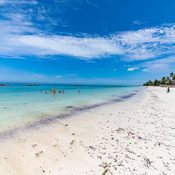
Another planning factor is flight pricing. International airfare to Tanzania can fluctuate based on tourism cycles. Shoulder and low seasons sometimes offer more affordable flight options, particularly when booked in advance. Travelers combining Mount Meru with a safari or Zanzibar beach extension may find that rainy-season discounts in multiple parts of their itinerary add up to substantial savings.
Packing strategy also plays a role in financial planning. Renting specialized gear in Arusha may be easier during the rainy season because demand is lower. Items like waterproof jackets, sleeping bags, and trekking poles are often more readily available. Still, quality can vary, so climbers should confirm rental arrangements in advance. Investing in a few key personal items — such as good boots and base layers — can be more cost-effective than renting everything.
Travel insurance remains essential regardless of season. In fact, flexible policies that cover trip delays or weather-related itinerary changes are particularly useful during rainy months. While serious disruptions are rare, having coverage provides peace of mind. Reliable providers offer adventure-specific policies that include high-altitude trekking (https://www.worldnomads.com). Factoring insurance into your budget is part of responsible planning for hiking Mount Meru in rainy season.
Another smart planning step is building extra buffer time into your schedule. Although most rainy-season climbs proceed without major delays, occasional heavy storms can affect road conditions or visibility. Arriving in Arusha a day or two before the trek allows time for briefings and avoids stress if travel plans shift slightly. Likewise, keeping a flexible day after the climb ensures smooth onward travel.
One common myth is that rainy season automatically means poor summit success rates. In reality, success depends more on acclimatization, pacing, and guide experience than on light rainfall. Since Mount Meru climbs are shorter than Kilimanjaro expeditions, weather windows can often be chosen strategically. Guides monitor conditions closely and adjust departure times to maximize clear periods. This adaptability is one of the reasons why hiking Mount Meru in rainy season remains a viable and rewarding option.
Fewer climbers on the mountain also means quieter huts and a more peaceful trekking atmosphere. Instead of crowded dining rooms, trekkers may share evenings with only one or two other groups. This calmer environment enhances rest and recovery between hiking days. Photographers especially appreciate the reduced foot traffic, which allows for uninterrupted landscape shots and wildlife observations.
Local community benefits are another important consideration. Tourism in Arusha supports guides, porters, drivers, cooks, and hospitality workers year-round. Traveling in the rainy season helps maintain income stability for these workers during quieter months. Responsible travel spreads economic benefits more evenly across the year rather than concentrating them only in peak seasons.
At Epic Horizons Adventures, we help travelers plan realistically and confidently. Epic horizons Adventure we are looking extra miles to make sure…. every client understands seasonal expectations, packing requirements, and budget considerations before arrival. Our goal is to remove uncertainty so that rainy-season travel feels like an informed choice rather than a gamble.
Ultimately, hiking Mount Meru in rainy season can combine financial value, logistical ease, and a more intimate mountain experience. With thoughtful preparation, flexible scheduling, and professional support, travelers often find that the so-called “off-season” delivers some of the most memorable and visually dramatic conditions of the entire year.
In the final section, we will bring everything together with expert tips for maximizing comfort, safety, and enjoyment on a rainy-season Mount Meru trek — from mindset and photography advice to post-climb recovery and trip extensions.