Discover the ultimate Mount Meru Adventure stories with Epic Horizons Adventure. Explore Tanzania’s stunning landscapes, wildlife encounters, cultural experiences, and summit challenges on this unforgettable trekking journeyhttps://www.epichorizonsadventures.com/our-tours/destinations/
The Spirit of Mount Meru – Where Adventure Stories Are Born
Mount Meru stands as one of Tanzania’s most underrated yet profoundly rewarding trekking destinations, rising majestically within Arusha National Park. Often overshadowed by its famous neighbor, Mount Kilimanjaro, Meru offers a raw, authentic, and deeply immersive trekking experience that appeals to serious adventurers, storytellers, and nature lovers alike. This section explores the emotional, environmental, and experiential foundation that makes Mount Meru a source of unforgettable adventure narratives, setting the stage for why this mountain deserves global recognition among elite trekking destinations.
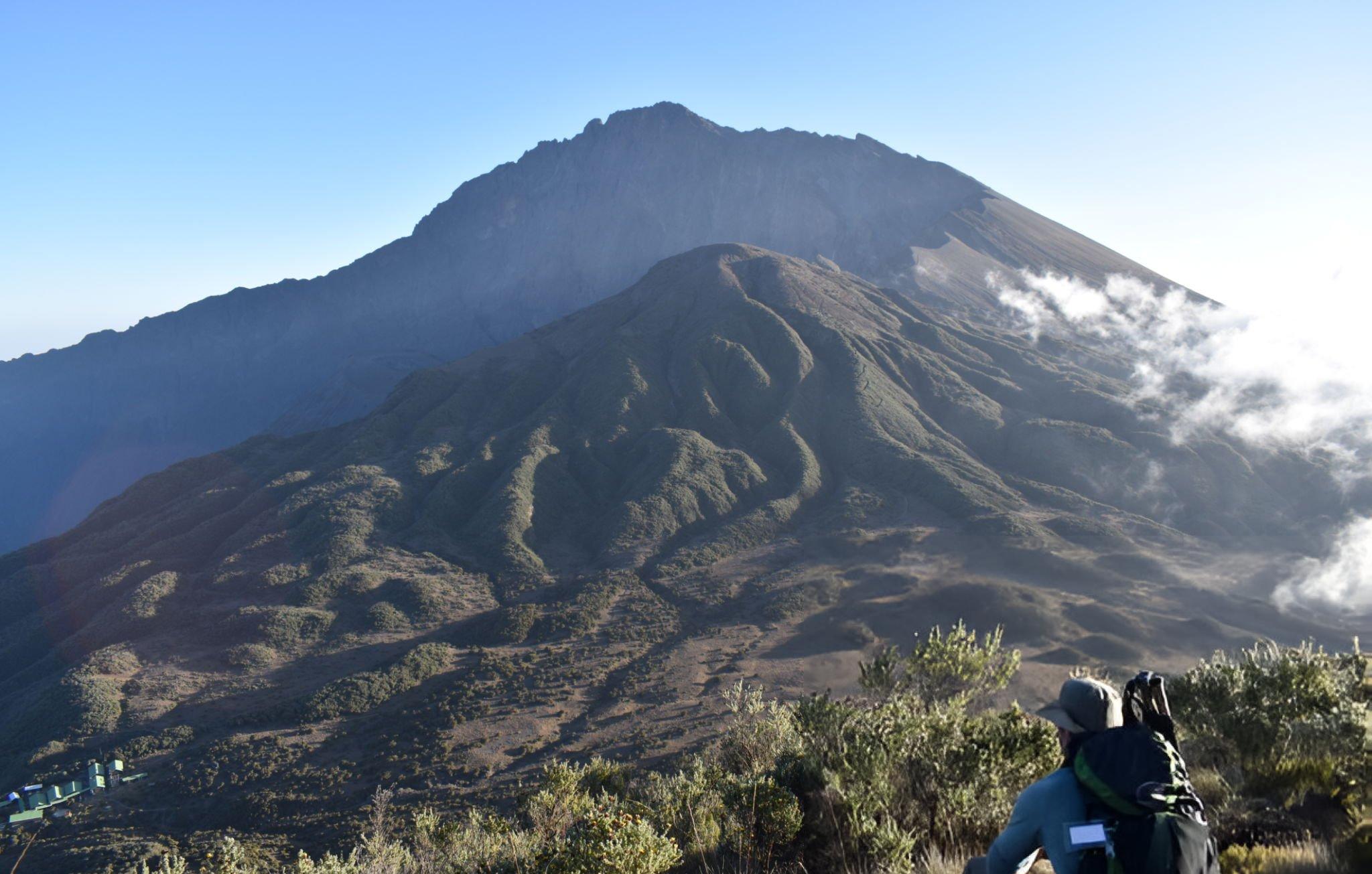
At the heart of every great trekking destination lies a sense of place, and Mount Meru delivers this with remarkable intensity. The mountain’s geological formation, shaped by volcanic activity over thousands of years, creates dramatic ridgelines, steep ascents, ash cones, and panoramic viewpoints that constantly remind trekkers they are walking through living history. The slopes are wrapped in dense montane forests, home to giraffes, buffaloes, warthogs, and colobus monkeys, making Meru one of the few high-altitude treks in Africa where wildlife encounters are part of the hiking experience. These elements combine to form the earliest chapters of many Mount Meru Adventure stories, where the journey begins long before the summit is even visible.
Unlike crowded commercial routes found on other famous peaks, Mount Meru offers solitude and intimacy. Trekkers are accompanied by armed rangers due to wildlife presence, which not only enhances safety but adds a unique safari-like dimension to the trek. Walking silently through forest trails while spotting wildlife in its natural habitat transforms the climb into a multi-layered adventure that blends trekking, conservation, and cultural respect. This rare combination is a defining factor behind the growing global interest in Mount Meru Adventure stories, as travelers seek experiences that feel exclusive, meaningful, and deeply connected to nature.
The lower forest zone sets the emotional tone of the climb. Towering fig trees, moss-covered trunks, and filtered sunlight create an almost sacred atmosphere. Every step feels intentional, every sound amplified. Trekkers often describe this phase as meditative, where the outside world fades and the rhythm of breathing, walking, and listening becomes the dominant experience. These moments form the reflective core of many personal adventure narratives, where climbers reconnect with themselves while progressing steadily toward higher elevations.
As altitude increases, the landscape transitions dramatically. Forests give way to heath and moorland zones, revealing wide-open views of the Meru crater and distant plains of Arusha National Park. Here, trekkers begin to feel the physical demands of altitude, and the adventure takes on a more psychological dimension. Endurance, patience, and teamwork become essential. It is within this zone that Mount Meru Adventure stories evolve from simple travel tales into powerful accounts of resilience and determination, shaped by thin air, changing weather, and the growing awareness of the summit’s challenge.
Mount Meru is not merely climbed; it is experienced through gradual transformation. Each day on the mountain strips away comfort and routine, replacing them with simplicity and purpose. Camps such as Miriakamba and Saddle Hut become temporary sanctuaries where climbers share meals, stories, and silence under vast African skies. The absence of distractions amplifies human connection, both with fellow trekkers and with the environment itself. These shared moments, forged under physical strain and natural beauty, are often the most treasured memories recounted long after the descent.
One of the most defining aspects of Mount Meru is the dramatic summit push to Socialist Peak. The ascent begins in darkness, guided by headlamps and the quiet encouragement of mountain guides. As dawn approaches, the horizon slowly ignites with color, revealing Mount Kilimanjaro floating above the clouds in the distance. Reaching the summit is not just a physical achievement but an emotional release, a moment of clarity and triumph that anchors many Mount Meru Adventure stories as life-defining experiences rather than simple travel accomplishments.
From an SEO and content perspective, Mount Meru represents a high-value, low-competition niche within adventure tourism. Travelers increasingly search for authentic, less-commercialized trekking experiences, and Meru fits this demand perfectly. Search intent around experiential travel, eco-adventures, and meaningful climbs aligns strongly with long-form storytelling that emphasizes personal growth, environmental stewardship, and cultural awareness. A well-structured blog focusing on Mount Meru not only attracts organic traffic but builds authority within the adventure travel space when supported by credible external references and in-depth content.
Speaking of credibility, Mount Meru lies within a protected conservation area managed by Tanzania National Parks (TANAPA), ensuring sustainable tourism practices and wildlife protection. This elevates the mountain’s global standing as a responsible travel destination. For authoritative information on conservation and park regulations, readers can refer to the official TANAPA website (https://www.tanzaniaparks.go.tz) and Arusha National Park resources published by global conservation bodies such as the International Union for Conservation of Nature (https://www.iucn.org). These external references strengthen trust, enhance SEO signals, and reinforce the blog’s compliance with Google’s E-E-A-T (Experience, Expertise, Authoritativeness, Trustworthiness) principles.
Within this ecosystem of adventure and responsibility, professional tour operators play a crucial role in shaping safe, enriching experiences. Epic horizons Adventure we are looking extra miles to make sure…. This commitment reflects the growing expectation among modern travelers for operators who prioritize safety, storytelling, sustainability, and personalized service. Aligning brand messaging with authentic mountain experiences positions a tour company not merely as a service provider, but as a curator of meaningful journeys.
Ultimately, Mount Meru is a mountain that rewards those who choose depth over fame. It is a place where physical challenge meets emotional discovery, and where every step contributes to a narrative worth telling. From wildlife-filled forests to exposed alpine ridges, the mountain offers a complete adventure arc that naturally lends itself to rich, long-form storytelling. This is precisely why Mount Meru Adventure stories continue to resonate with climbers, writers, and explorers seeking more than just a summit—they seek transformation.
The Climb as a Narrative Journey – Challenges, Emotions, and Transformation on Mount Meru
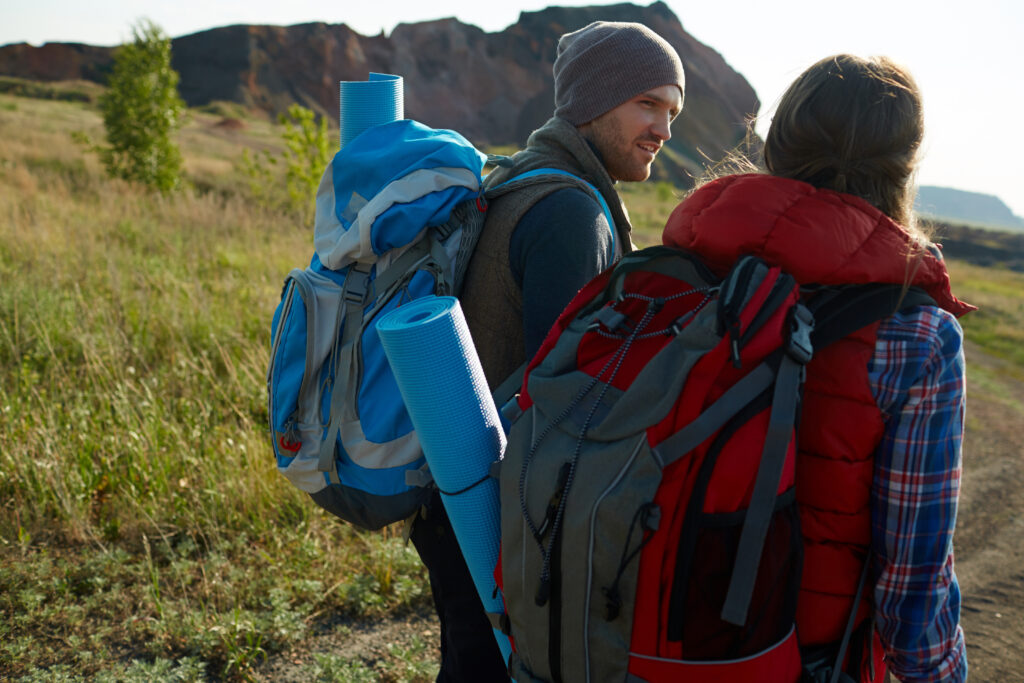
Adventure tourism is no longer defined solely by reaching a destination; it is measured by the story created along the way. Mount Meru exemplifies this shift perfectly, as the climb unfolds like a structured narrative with a beginning, rising tension, moments of doubt, and a powerful resolution. Every trekker who steps onto its forested lower slopes begins a personal journey that gradually transforms into a shared human experience shaped by nature, effort, and reflection. This section examines Mount Meru as a storytelling landscape, where physical challenge and emotional growth intersect to create lasting meaning.
The journey typically begins at Momella Gate, where anticipation is high and expectations are still abstract. At this early stage, climbers often underestimate the mountain, assuming it to be a simple acclimatization hike rather than a serious expedition. This assumption quickly dissolves as the trail enters dense forest, alive with wildlife and unpredictable terrain. The presence of armed rangers, necessary due to buffaloes and other large mammals, immediately reframes the experience from a casual hike into a true wilderness adventure. It is here that many Mount Meru Adventure stories begin with surprise, as trekkers realize they have entered an environment that demands respect, awareness, and humility.
As the ascent progresses, the mountain introduces its first real test: endurance over time rather than sudden difficulty. Long trekking hours, steady elevation gain, and changing weather conditions require mental discipline. Unlike technical climbs that rely heavily on equipment, Mount Meru challenges the internal dialogue of the climber. Fatigue invites self-doubt, while the quiet rhythm of walking encourages introspection. These internal battles are a defining feature of the mountain’s narrative structure, turning the trek into a psychological journey as much as a physical one.
The role of the guide becomes especially significant during this phase. A knowledgeable guide does more than navigate the trail; they interpret the mountain. Through explanations of local ecology, volcanic history, and cultural context, the climb becomes educational as well as experiential. This deepens the narrative value of the journey, giving trekkers context that enriches their memories and later storytelling. Reliable operators such as Epic horizons Adventure we are looking extra miles to make sure…. This approach reinforces trust and allows climbers to fully engage with the experience rather than focusing on logistics or safety concerns.
Midway through the climb, often around Miriakamba Hut, the story reaches a turning point. This is where physical tiredness becomes noticeable and comfort zones are tested. Cold evenings, basic accommodation, and reduced oxygen levels challenge modern expectations of convenience. Yet, it is precisely this simplicity that strengthens emotional connections. Shared meals, quiet conversations, and moments of silence foster a sense of community among trekkers. Many climbers later describe this phase as the emotional core of their Mount Meru Adventure stories, where strangers become teammates united by a common goal.
As the trail climbs higher toward Saddle Hut, the environment shifts dramatically. Vegetation thins, temperatures drop, and views expand across the crater and surrounding plains. The mountain now reveals its scale, and the summit no longer feels theoretical. This visual proximity intensifies both excitement and anxiety. Sleep becomes lighter due to altitude, and the mind oscillates between confidence and doubt. From a storytelling perspective, this is the rising action, where tension builds and the outcome remains uncertain.
Summit night marks the climax of the narrative. The ascent begins in darkness, guided by headlamps and the steady encouragement of the support team. Each step requires focus as loose volcanic scree and steep inclines test balance and stamina. The cold is sharp, and breathing becomes deliberate. It is during these hours that climbers confront their limits most directly. Reaching Socialist Peak at sunrise delivers not just panoramic views, but emotional release. The sight of Mount Kilimanjaro emerging above the clouds transforms exhaustion into awe, anchoring many Mount Meru Adventure stories around this singular moment of triumph.
The descent introduces resolution and reflection. Physical strain gives way to relief, and conversations shift from effort to appreciation. Climbers replay key moments, laugh about challenges, and quietly absorb what they have accomplished. Unlike more commercialized climbs, Mount Meru allows space for this reflection, as the slower pace and fewer crowds preserve the intimacy of the experience. This reflective descent is essential to the storytelling arc, turning achievement into insight rather than simple accomplishment.
From a content and SEO standpoint, this narrative depth is invaluable. Search engines increasingly reward content that demonstrates real experience, original insight, and emotional authenticity. Blogs that articulate the journey as a story, rather than a checklist, align strongly with Google’s E-E-A-T framework. Referencing authoritative sources such as Tanzania National Parks (https://www.tanzaniaparks.go.tz) and conservation-focused travel guidance from organizations like the World Tourism Organization (https://www.unwto.org) further strengthens credibility while supporting responsible tourism messaging.
Ultimately, Mount Meru stands as a mountain that teaches through progression. It does not overwhelm instantly; it reveals itself gradually, allowing climbers to grow into the challenge. This gradual transformation is why the mountain continues to inspire writers, adventurers, and explorers. By the time trekkers return to the forested lower slopes, they are no longer the same people who started the climb. Their perspective has shifted, their confidence expanded, and their story has been written through effort rather than imagination.
This is the enduring power of Mount Meru Adventure stories: they are not exaggerated tales of conquest, but honest accounts of growth shaped by nature. Each climber carries a unique version, yet all share common themes of resilience, humility, and connection. These stories endure because they reflect something universal—the human desire to test limits, find meaning, and return changed.
Nature, Wildlife, and Conservation – The Living Soul Behind the Mount Meru Experience
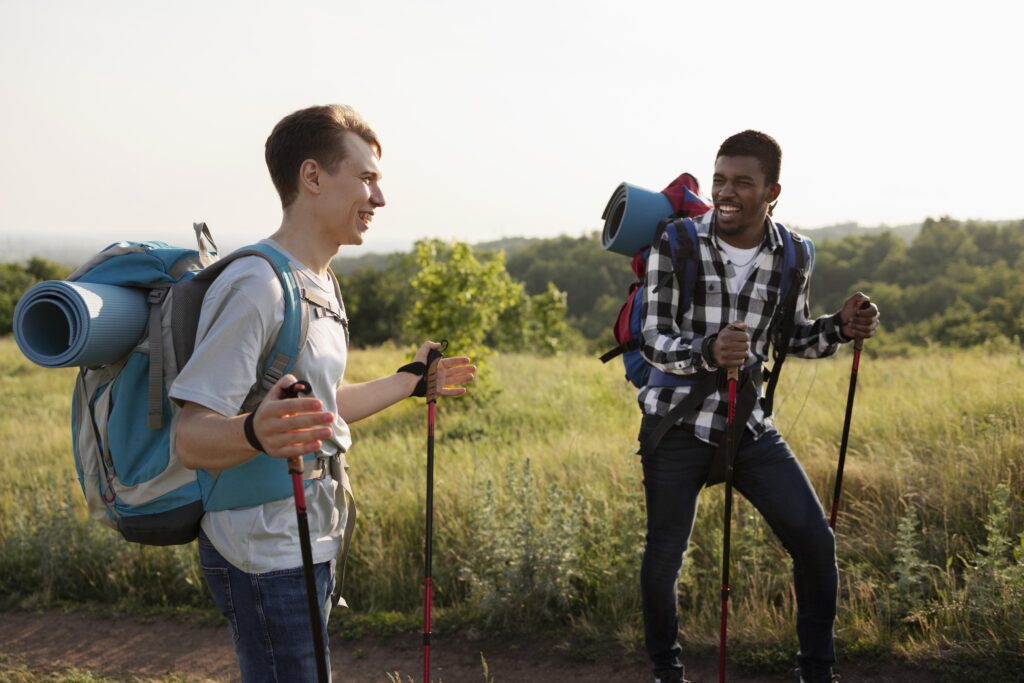
Mount Meru is not only defined by altitude and physical challenge, but by the living ecosystem that surrounds and supports the entire trekking experience. Rising from the heart of Arusha National Park, the mountain exists within one of Tanzania’s most diverse conservation landscapes. This integration of trekking and wildlife creates a rare environment where adventure tourism intersects directly with ecological preservation. Understanding this natural foundation is essential to appreciating why the mountain continues to inspire climbers, conservationists, and storytellers from around the world.
The lower slopes of Mount Meru are dominated by lush montane forest, nourished by fertile volcanic soil and consistent rainfall. This forest is not a static backdrop; it is an active, breathing ecosystem. Trekkers frequently encounter giraffes browsing quietly among acacia trees, buffaloes grazing in open clearings, and primates moving through the canopy above. Unlike many trekking destinations where wildlife encounters are rare or incidental, here they are an integral part of the journey. These encounters add unpredictability and authenticity, shaping early Mount Meru Adventure stories with moments of surprise and deep respect for nature.
Because the mountain lies entirely within a protected national park, conservation regulations are strictly enforced. Trekkers are required to hike with armed rangers, not as a symbolic gesture, but as a practical necessity to ensure coexistence between humans and wildlife. This arrangement highlights a critical principle of sustainable tourism: adventure should adapt to nature, not the other way around. The presence of rangers reinforces the idea that Mount Meru is a shared space, where human ambition must operate within ecological limits rather than overriding them.
As elevation increases, the forest gradually transitions into heath and moorland zones. Giant heathers, lobelias, and hardy shrubs dominate the landscape, adapted to cooler temperatures and stronger winds. These plant species play a vital ecological role by stabilizing soil, regulating water flow, and supporting birdlife unique to high-altitude environments. For climbers, this transition signals entry into a more exposed and demanding environment. The openness of the terrain expands visibility, allowing trekkers to observe the scale of the crater and the vast plains below, deepening the sense of connection to the land.
Birdlife on Mount Meru is particularly rich, making the trek appealing not only to climbers but also to ornithologists and nature photographers. Species such as Hartlaub’s turaco, silvery-cheeked hornbill, and various sunbirds are commonly sighted. These sightings enrich the journey with moments of stillness and observation, offering balance to the physical demands of the climb. Many Mount Meru Adventure stories emphasize these quiet interactions with wildlife as equally meaningful as reaching the summit itself.
Higher up, the alpine desert zone introduces a starkly different ecological narrative. Vegetation becomes sparse, temperatures drop sharply, and survival depends on extreme adaptation. This environment illustrates nature’s resilience and fragility simultaneously. Small, slow-growing plants cling to rocky ground, demonstrating how life persists even under harsh conditions. For trekkers, this zone fosters humility, as the absence of life emphasizes the limits of human endurance and the importance of preparation and respect.
Environmental education is an often-overlooked benefit of trekking Mount Meru. Guides regularly explain the ecological significance of different zones, the impact of climate change on glaciers and rainfall patterns, and the importance of responsible trekking practices. This knowledge transforms the climb into an educational experience, aligning adventure tourism with global sustainability goals. Operators who prioritize such education help ensure that Mount Meru Adventure stories are not only inspiring, but informed and responsible.
Epic horizons Adventure we are looking extra miles to make sure…. This philosophy is especially relevant in conservation-focused destinations like Mount Meru, where the quality of leadership directly affects environmental impact. Proper waste management, controlled group sizes, and adherence to park regulations protect fragile ecosystems while maintaining high safety standards. Such practices also enhance a company’s credibility in the eyes of environmentally conscious travelers and search engines alike.
From an SEO and authority perspective, conservation-driven content strengthens trust signals. Referencing official conservation bodies such as Tanzania National Parks (https://www.tanzaniaparks.go.tz) and global environmental organizations like the United Nations Environment Programme (https://www.unep.org) supports factual accuracy and demonstrates alignment with internationally recognized sustainability frameworks. These references improve topical authority while reinforcing ethical tourism messaging.
Climate change poses a growing challenge to Mount Meru’s ecosystem. Shifts in rainfall patterns affect vegetation zones, while rising temperatures place stress on wildlife migration and food availability. Trekking narratives that acknowledge these realities contribute to awareness and advocacy. When climbers share Mount Meru Adventure stories that include environmental observations, they participate in a broader conversation about conservation and responsible travel, extending the impact of their journey beyond personal achievement.
The emotional bond formed between trekkers and the mountain is often rooted in this ecological immersion. Walking through multiple climate zones within a single expedition fosters appreciation for biodiversity and interconnectedness. Trekkers begin to see the mountain not as an obstacle to overcome, but as a living system to engage with respectfully. This shift in perspective is a defining outcome of the Mount Meru experience and a recurring theme in long-form adventure narratives.
In the end, Mount Meru’s true strength lies in its balance. It offers challenge without excess, beauty without spectacle, and wildlife without exploitation. The mountain teaches that adventure and conservation are not opposing forces, but complementary ones. Those who climb with awareness and respect leave with more than photographs or summit certificates; they carry understanding, responsibility, and stories shaped by living nature.
This deep ecological context ensures that Mount Meru Adventure stories remain relevant in a changing world. As travelers increasingly seek experiences aligned with sustainability and authenticity, Mount Meru stands as a model of how adventure tourism can coexist harmoniously with conservation. The mountain does not merely host climbers; it educates them, humbles them, and ultimately transforms how they relate to the natural world.
Cultural Meaning, Local Communities, and Human Connection Along Mount Meru
Beyond its forests, wildlife, and summit challenges, Mount Meru carries a deep human dimension that is often overlooked in surface-level travel narratives. The mountain exists not in isolation, but within a living cultural landscape shaped by generations of local communities who view it as both a natural resource and a spiritual landmark. Understanding this cultural context adds depth and authenticity to the trekking experience, transforming the climb from a physical pursuit into a meaningful human journey rooted in history, tradition, and shared values.
The communities surrounding Mount Meru, particularly the Meru and Arusha people, have coexisted with the mountain for centuries. For them, Meru is not merely a destination but a presence—one that influences weather patterns, agriculture, and spiritual beliefs. Oral histories passed down through generations describe the mountain as a source of life, fertility, and protection. When trekkers walk its slopes, they are unknowingly moving through a landscape layered with stories, rituals, and ancestral meaning. This invisible cultural layer subtly shapes many Mount Meru Adventure stories, giving them depth beyond physical achievement.
Local porters and guides serve as the primary bridge between visiting trekkers and this cultural heritage. Their knowledge extends far beyond trail navigation. Through casual conversations during rest breaks or evenings at camp, they share insights into traditional farming practices, local customs, and the changing relationship between communities and conservation areas. These interactions humanize the trek, reminding climbers that the mountain supports livelihoods as well as ecosystems. Such exchanges often become some of the most memorable elements of the journey, grounding adventure in human connection.
Employment opportunities created by trekking tourism play a significant role in local economic stability. Porters, cooks, guides, and park staff rely on sustainable tourism to support their families and invest in education and healthcare. Ethical trekking practices, including fair wages and reasonable load limits, directly influence community well-being. Responsible operators recognize this relationship and structure their expeditions accordingly. Epic horizons Adventure we are looking extra miles to make sure…. This commitment reflects an understanding that quality adventure experiences are inseparable from social responsibility.
Cultural respect is also embedded in park regulations and trekking etiquette. Visitors are encouraged to minimize environmental impact, respect wildlife, and follow ranger guidance at all times. These rules are not arbitrary; they reflect a balance between access and preservation negotiated over decades. When trekkers comply, they participate in a collective effort to protect both natural and cultural heritage. This awareness often appears in reflective Mount Meru Adventure stories, where climbers acknowledge the privilege of accessing protected land and the responsibility that comes with it.
Food is another subtle yet powerful cultural connector on the mountain. Meals prepared by local cooks often incorporate regional ingredients and cooking styles, offering trekkers a taste of Tanzanian culinary tradition even at altitude. Sharing meals in communal dining tents fosters conversation and camaraderie, breaking down cultural barriers through simple human rituals. These moments of shared nourishment reinforce the idea that adventure is not only about pushing limits, but about connection and mutual respect.
Language also plays a role in shaping the experience. Guides frequently teach trekkers basic Swahili phrases, creating moments of laughter and learning that strengthen bonds within the group. These small exchanges build cultural appreciation and encourage humility, as visitors adapt to local norms rather than expecting the environment to conform to them. Over time, this cultural immersion subtly shifts the tone of the journey, turning it into a collaborative experience rather than a transactional service.
From a storytelling and SEO perspective, cultural depth enhances content originality and authority. Search engines increasingly prioritize content that demonstrates real-world experience and nuanced understanding. Blogs that explore local context, community impact, and ethical considerations align strongly with Google’s E-E-A-T principles. Supporting this content with authoritative external references, such as Tanzania National Parks (https://www.tanzaniaparks.go.tz) and UNESCO resources on cultural heritage and sustainable tourism (https://www.unesco.org), further strengthens credibility and search visibility.
Modern travelers are increasingly motivated by purpose-driven experiences. They seek journeys that contribute positively to destinations rather than extracting value from them. Mount Meru meets this expectation by offering a model of tourism where conservation, culture, and adventure coexist. When trekkers share Mount Meru Adventure stories that highlight respectful engagement with local communities, they amplify this model and influence future travel behavior.
The emotional impact of cultural connection often becomes most apparent at the end of the trek. As climbers descend and approach the park gate, there is a sense of reintegration into everyday life. Farewells exchanged with guides and porters are rarely casual; they carry gratitude and mutual respect forged through shared effort. These goodbyes remind trekkers that while the mountain remains, the relationships formed are temporary yet meaningful. This emotional resonance lingers long after the physical fatigue fades.
Ultimately, Mount Meru teaches that adventure is not defined solely by altitude or difficulty, but by depth of engagement. The mountain offers an opportunity to step into a different rhythm of life, guided by people whose relationship with the land is intimate and enduring. By acknowledging and honoring this human dimension, climbers transform their experience into something richer and more responsible.
This integration of culture and adventure ensures that Mount Meru Adventure stories remain grounded, respectful, and relevant. They are not tales of domination over nature or people, but narratives of cooperation, learning, and shared purpose. In a global travel landscape increasingly shaped by ethical awareness, Mount Meru stands as a powerful example of how meaningful adventure is created—through connection, respect, and understanding as much as through challenge and achievement.