Discover the best time to visit Serengeti with Epic Horizons Adventures. Explore seasonal wildlife migrations, calving, predator interactions, and cultural experiences while enjoying expert safari guidance, comfortable lodges, and sustainable tourism practices. Plan your ultimate Serengeti safari todayhttps://www.epichorizonsadventures.com/our-tours/destinations/
Understanding Serengeti Seasons and Natural Cycles
The Serengeti as a Dynamic Year-Round Destination
The Serengeti is not a destination defined by a single moment or season, but rather by a continuous rhythm of ecological change that unfolds throughout the year. Its identity is shaped by rainfall patterns, temperature variations, and wildlife movements that respond instinctively to the environment. Unlike destinations that peak for a short window, the Serengeti offers meaningful experiences in every month, provided visitors understand what each season represents. Travelers searching for the best time to visit serengeti often assume there is one perfect answer, yet the reality is far more nuanced and rewarding.
Seasonal shifts in the Serengeti are gradual rather than abrupt, creating overlapping phases where landscapes, animal behavior, and photographic conditions evolve together. Grasslands transform from golden plains into lush green carpets, rivers swell and recede, and wildlife adjusts accordingly. This constant transformation ensures that no two visits are ever identical. Understanding these natural cycles is essential for travelers who want their safari experience to align with personal interests rather than generic expectations.
Rainfall Patterns and Environmental Transformation
Rainfall is the primary force shaping life in the Serengeti. The year is broadly divided into wet and dry periods, each bringing distinct environmental characteristics. The long rains, typically occurring from March to May, rejuvenate the plains, encouraging fresh grass growth and supporting calving seasons for many herbivores. The short rains, usually between October and December, refresh the ecosystem without overwhelming it. During these periods, the landscape becomes vibrant, and wildlife disperses across wide areas.
Dry seasons, on the other hand, concentrate animals around permanent water sources such as rivers and pools. Vegetation thins, visibility improves, and predator-prey interactions become easier to observe. Understanding rainfall patterns allows travelers to appreciate why wildlife appears in certain regions at specific times. A knowledgeable safari planner explains that the best time to visit serengeti depends heavily on whether a traveler prefers dramatic greenery or high-density wildlife viewing.
Wildlife Behavior Across the Calendar Year
Wildlife in the Serengeti responds directly to seasonal changes, adjusting movement, breeding, and hunting strategies. Herbivores follow grazing availability, while predators track prey concentrations. Calving seasons bring an abundance of newborn animals, attracting predators and creating intense wildlife activity. Migration phases introduce vast herds moving across the plains, reshaping the ecosystem as they pass.
Birdlife also changes throughout the year, with migratory species arriving during wet months and resident birds displaying breeding plumage. Reptiles and smaller mammals become more visible during warmer periods. Travelers who understand these patterns gain deeper appreciation for the Serengeti as a living system rather than a static attraction. Choosing the best time to visit serengeti therefore becomes a question of which wildlife behaviors one wishes to witness rather than which month is universally superior.
Climate Comfort and Travel Experience
Climate plays an important role in shaping comfort levels during a safari. Daytime temperatures remain relatively stable year-round, but humidity, dust, and rainfall vary significantly. Wet seasons bring cooler temperatures and dramatic skies, while dry seasons offer warm days and cooler nights. Each climate phase influences packing choices, photography conditions, and daily routines.
Travelers sensitive to heat or humidity may prefer certain months, while photographers may prioritize lighting and atmospheric conditions. Understanding climate variations helps visitors prepare appropriately and enjoy the experience fully. A realistic assessment of comfort preferences is just as important as wildlife expectations when deciding the best time to visit serengeti.
Aligning Expectations With Natural Reality
Many first-time visitors arrive with fixed expectations shaped by images and documentaries. However, the Serengeti does not guarantee scripted moments; it rewards patience, awareness, and understanding. Aligning expectations with natural reality ensures satisfaction regardless of season. At Epic Horizons Adventures, we go the extra mile to make sure every traveler understands seasonal dynamics, wildlife behavior, and environmental conditions before arrival, allowing each journey to feel purposeful and rewarding. This educational approach transforms uncertainty into anticipation.
Travelers who embrace the Serengeti’s rhythms often leave with a deeper respect for nature and conservation. Rather than chasing a single idealized moment, they learn to value the uniqueness of each season. For official insights into Tanzania’s climate patterns, conservation areas, and responsible travel guidelines, visitors can consult the national tourism authority at https://www.tanzaniatourism.go.tz, a trusted external resource supporting informed safari planning.
Understanding Wildlife Migrations and Key Animal Events
The Great Migration: Timing and Locations
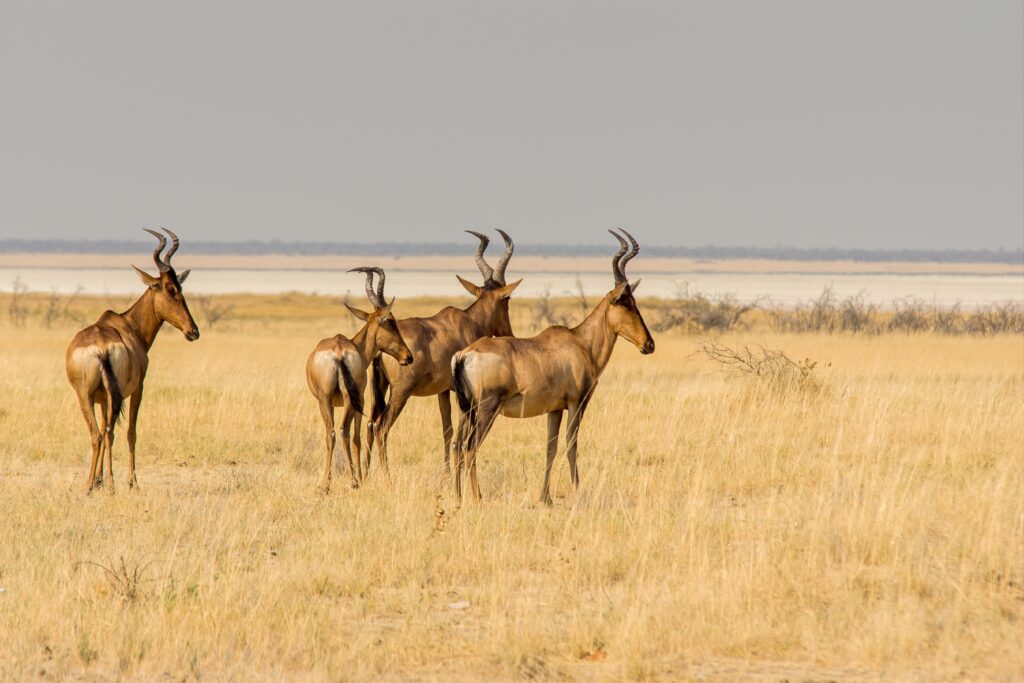
The Serengeti is world-famous for the Great Migration, an annual movement of over 1.5 million wildebeest accompanied by hundreds of thousands of zebras and gazelles. This spectacle is often considered the pinnacle of African safari experiences. Travelers often ask, “When is the best time to visit serengeti to witness the migration?” The answer depends on which segment of the journey they wish to observe, as the migration moves in a predictable but dynamic pattern driven by rainfall and pasture availability.
The cycle generally begins in the southern Serengeti plains from January to March, where calving occurs. Thousands of newborn wildebeest emerge in the safety of predator-rich plains, creating dramatic predator-prey interactions. By April and May, the herds start moving northwest as rains rejuvenate grasslands, pushing the animals toward central Serengeti and Grumeti River areas. From June to July, the herds cross the Mara River in the north, offering one of the most iconic wildlife images worldwide. Observing these river crossings requires precise timing, patience, and guidance from an expert best time to visit serengeti safari planner.
Predator Activity and Seasonal Patterns
Predators such as lions, cheetahs, leopards, and hyenas adjust their hunting strategies according to seasonal wildlife movements. During dry months, prey congregates around limited water sources, increasing predator visibility and interaction. Photographers and wildlife enthusiasts often plan trips during these periods for the highest probability of observing hunts. Experienced best time to visit serengeti guides know the locations, behaviors, and daily routines of predators, ensuring visitors witness these interactions safely and ethically.
Wet seasons provide a contrasting experience. The expansive, lush grasslands allow animals to disperse widely, which reduces hunting efficiency and predator visibility. However, wet months offer unique opportunities to observe calves and juveniles, track bird migration, and enjoy verdant landscapes. Knowledgeable safari planners emphasize that understanding predator-prey dynamics across seasons is critical to choosing the best time to visit serengeti that aligns with personal interests.
Calving Season and Its Importance
Calving season, typically occurring from late January through March in the southern Serengeti plains, is one of the most remarkable wildlife phenomena on the planet. Over 500,000 wildebeest calves are born in a short window, creating abundant prey that attracts predators and scavengers alike. This period offers unparalleled opportunities to witness natural behaviors such as maternal care, herd defense mechanisms, and predator strategies. Planning travel around calving requires expert timing, as peak action occurs in the first few weeks of the season.
The calving season also impacts secondary ecological events. Predators benefit from the temporary abundance, but scavengers such as vultures, jackals, and hyenas are equally active. Birdwatchers find an increased diversity in species, with opportunistic feeders dominating skies and plains. Travelers seeking immersive ecological experiences should consult a skilled best time to visit serengeti guide to align their itinerary with calving peaks. At Epic Horizons Adventures, we go the extra mile to make sure travelers experience calving season safely, responsibly, and with maximum wildlife exposure, combining conservation awareness with excitement.
Migration Impact on Vegetation and Ecosystem
The Great Migration is not only a wildlife spectacle but also a major driver of ecosystem health. As massive herds move across the Serengeti, they graze selectively, trample paths that create microhabitats, and fertilize soil through natural waste. Seasonal movement patterns maintain grassland balance, control overgrowth, and prevent bush encroachment. Visitors who observe migration gain insight into the Serengeti as a living, breathing ecosystem rather than a static wildlife park.
Planning travel with awareness of these ecological processes enhances understanding and satisfaction. A professional best time to visit serengeti guide educates travelers on how seasonal movements influence vegetation, predator distribution, and overall ecological resilience. This holistic approach ensures that trips are not only visually spectacular but also intellectually enriching, reinforcing respect for natural rhythms.
Expert Timing Recommendations
Selecting the optimal travel window requires balancing personal preferences, climate considerations, and wildlife activity. Photographers might prefer dry months for clear skies and open visibility. Families or leisure travelers may value lush scenery and moderate temperatures during wet months. Ultimately, the best time to visit serengeti is subjective and should be planned with expert guidance to maximize both comfort and experience quality.
At Epic Horizons Adventures, we go the extra mile to make sure every itinerary is customized to reflect ideal timing, wildlife accessibility, and climate suitability, ensuring each safari aligns with the traveler’s goals. For authoritative advice on weather patterns, migration calendars, and park regulations, visitors can refer to the Tanzania National Parks Authority at https://www.tanzaniatourism.go.tz, an essential resource for informed and responsible planning.
Climate, Weather Patterns, and Seasonal Comfort in the Serengeti
Understanding the Serengeti’s Climate
The Serengeti is located near the equator, giving it a tropical climate characterized by relatively stable temperatures year-round but pronounced wet and dry seasons. Understanding the climate is essential for travelers who want to select the best time to visit serengeti that aligns with personal comfort, wildlife activity, and overall safari enjoyment. Average daytime temperatures typically range from 25°C to 30°C (77°F to 86°F), while nighttime temperatures can dip to around 15°C (59°F), particularly during dry months. Humidity, rainfall, and wind patterns vary seasonally, affecting accessibility, photographic opportunities, and travel comfort.
Seasonal rainfall determines not only the greenness of the landscape but also wildlife distribution. During wet months, rivers swell and grasslands flourish, dispersing wildlife across wider areas. In contrast, dry months concentrate animals near permanent water sources, offering more predictable sightings. Choosing the best time to visit serengeti requires balancing these environmental considerations with personal preferences for climate and safari style.
Dry Season Advantages
The dry season in the Serengeti generally occurs from late June to October. This period is considered the high season for safaris due to several favorable factors. First, wildlife is easier to locate because animals congregate around rivers, lakes, and other permanent water sources. Second, vegetation thins, providing unobstructed views for photography and observation. Third, rainfall is minimal, reducing travel disruptions caused by muddy roads or flash floods.
A dry-season safari allows travelers to witness intense predator-prey interactions, large herds of herbivores, and iconic migration events. Wildlife viewing is predictable, making it ideal for first-time visitors, photographers, and families. Experienced best time to visit serengeti guides recommend dry months for travelers who prioritize consistent wildlife encounters and optimal visibility, ensuring an immersive and satisfying safari experience.
Wet Season Advantages
The wet season occurs from March to May (long rains) and November to December (short rains). While some may assume rain detracts from the safari experience, wet months offer unique benefits. The landscape transforms into a lush, green paradise, providing breathtaking scenery and dramatic skies that enhance photography. Wet-season travel also coincides with the calving period, where newborn herbivores attract predators, creating extraordinary wildlife interactions.
Wet months typically see fewer tourists, which translates to more intimate experiences and quieter lodges. Birdwatchers benefit from migratory species arriving in the region, offering unparalleled avian diversity. An experienced best time to visit serengeti safari guide helps travelers navigate wet-season conditions safely, providing expert advice on clothing, vehicle access, and itinerary adjustments. With proper preparation, wet-season visits can be as rewarding as dry-season trips, with the added advantage of fewer crowds.
Microclimates and Regional Variations
While the Serengeti is often discussed as a single ecosystem, it actually contains multiple microclimates that influence wildlife movement and comfort. The southern plains are typically hotter and drier, while northern areas experience cooler temperatures and higher rainfall. Central Serengeti features a mix of plains and riverine environments, supporting diverse flora and fauna.
Understanding these variations is crucial for determining the best time to visit serengeti. Travelers may prioritize southern plains for migration calving or northern regions for river crossings and cooler climates. A knowledgeable safari planner considers these microclimates when designing itineraries, ensuring that guests experience optimal weather conditions and wildlife opportunities throughout their journey.
Planning for Comfort and Safety
Comfort and safety are central to a successful Serengeti safari. Travelers must consider sun exposure, heat management, and seasonal hazards such as insects or waterborne diseases during wet months. Vehicles, accommodations, and guides are prepared to mitigate discomfort and ensure a safe experience. Professional best time to visit serengeti guides provide advice on clothing, hydration, and protective gear, helping travelers maximize enjoyment while minimizing health risks.
At Epic Horizons Adventures, we go the extra mile to make sure every traveler is well-prepared for seasonal conditions, enjoys optimal comfort, and safely experiences the Serengeti’s climate and wildlife. For authoritative guidance on climate patterns, recommended travel periods, and park accessibility, visitors can consult the Tanzania National Parks Authority at https://www.tanzaniatourism.go.tz, which provides essential information for planning informed and safe safari experiences.
Accommodation, Lodging, and Seasonal Availability in the Serengeti
How Season Affects Accommodation Options
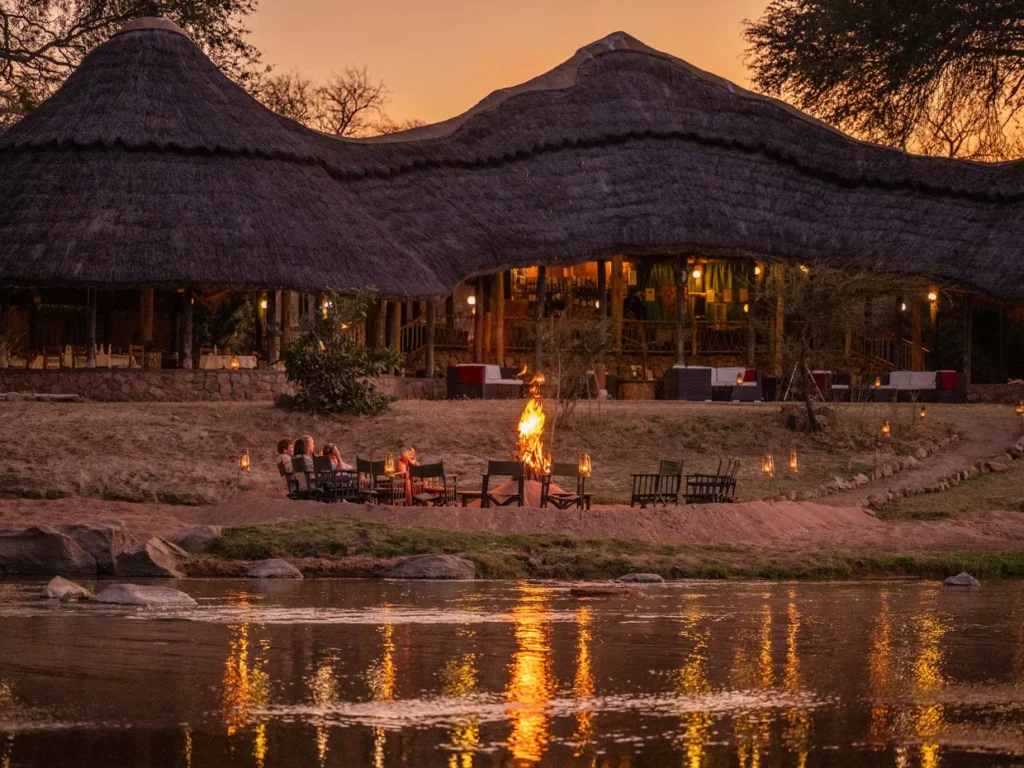
Accommodation in the Serengeti varies significantly depending on the time of year, which directly influences comfort, availability, and overall safari experience. The best time to visit serengeti is not only dictated by wildlife activity or weather patterns but also by the type and availability of lodging. From luxury lodges and permanent camps to mobile tented camps, each option responds to seasonal conditions and demand. During high season—primarily the dry months of June to October—lodge occupancy rates soar, and reservations must be secured well in advance.
Luxury lodges offer amenities such as private verandas, en-suite bathrooms, fine dining, and curated safari experiences. They are typically located near prime wildlife viewing areas to reduce travel time and maximize exposure to key habitats. Permanent camps combine comfort with ecological sustainability, offering a base that operates year-round. In contrast, mobile camps move seasonally to track wildlife movements, especially during the Great Migration, providing visitors with a dynamic and immersive experience.
High-Season Considerations
High season corresponds to periods when wildlife is concentrated, visibility is optimal, and weather is favorable, generally between June and October. During this period, accommodation options fill quickly, and prices reach their peak due to demand. Travelers seeking the best time to visit serengeti must plan early to secure preferred lodges or campsites. Booking in advance ensures access to prime locations that offer close proximity to wildlife, reducing long daily drives and enhancing safari quality.
High-season advantages include predictable wildlife sightings, comfortable road conditions, and clear skies for photography. Wildlife behaviors such as predator-prey interactions, river crossings, and herd concentrations are more visible. Experienced guides advise that pairing high-season wildlife opportunities with well-situated accommodations maximizes the safari experience. At Epic Horizons Adventures, we go the extra mile to make sure every guest has lodging that aligns with seasonal wildlife patterns, ensuring comfort, safety, and convenience throughout the safari.
Low-Season Opportunities
Low season, typically during wet months (March to May and November to December), presents unique benefits for travelers despite lower wildlife predictability. Lodging is often more available and less expensive, offering opportunities for luxury stays at reduced rates. Mobile camps can operate in regions with fresh grass and water, allowing guests to experience immersive, close-up wildlife encounters.
Wet-season advantages also include fewer crowds, personalized attention from lodge staff, and vibrant landscapes ideal for photography. Travelers guided by a professional best time to visit serengeti expert can plan itineraries that take advantage of seasonal greenery, calving, and bird migrations. Understanding seasonal accommodation dynamics is critical for aligning comfort, wildlife access, and budget considerations, ensuring a rewarding safari experience.
Matching Lodging to Safari Goals
Selecting the right lodging depends on a traveler’s objectives, preferences, and seasonal conditions. Photographers may prioritize high vantage points, open plains, and proximity to river crossings. Families may seek spacious tents, amenities, and secure environments. Adventure seekers might favor mobile camps to stay within minutes of wildlife action. A knowledgeable best time to visit serengeti guide coordinates these factors, tailoring accommodation choices to maximize satisfaction.
Eco-conscious travelers increasingly prioritize sustainable properties that minimize environmental impact while maintaining comfort. Lodges and camps use solar energy, water conservation systems, and low-impact infrastructure. This approach ensures that travelers experience luxury or comfort without compromising the Serengeti’s natural integrity. Seasonal knowledge combined with personalized guidance guarantees a harmonious balance of adventure, relaxation, and ethical tourism.
Expert Recommendations for Booking and Planning
Proper planning for accommodation is essential for an optimal Serengeti safari. This includes early reservations, awareness of seasonal shifts, and strategic positioning relative to wildlife activity. Experienced guides provide insights into which areas are best for viewing specific wildlife events, such as the Great Migration or calving season. Selecting the best time to visit serengeti in combination with well-located lodging ensures that guests spend less time traveling and more time immersed in natural wonders.
At Epic Horizons Adventures, we go the extra mile to make sure every itinerary integrates seasonal lodging recommendations with expert wildlife guidance, delivering both comfort and unmatched access to key safari experiences. For reliable information on accommodation standards, seasonal availability, and sustainable tourism practices, travelers can consult the official Tanzania tourism authority at https://www.tanzaniatourism.go.tz, a trusted source for responsible safari planning.
Choosing the Right Safari Company and Expert Guidance
The Role of Safari Companies in Maximizing Experience
Selecting the right safari company is crucial to fully enjoying the Serengeti. Beyond transportation and accommodation, a company provides expertise, logistical support, safety measures, and interpretive guidance. Travelers often ask, “How do I determine the best time to visit serengeti while ensuring the journey is seamless, informative, and memorable?” Partnering with a knowledgeable safari company addresses this question by aligning timing, wildlife opportunities, and comfort.
Professional companies understand seasonal patterns, wildlife behavior, and climate variations. They plan itineraries that minimize travel fatigue and optimize daily wildlife exposure. Expert guides know the best locations for sunrise game drives, river crossings, calving areas, and predator observation. With precise knowledge, a skilled best time to visit serengeti guide ensures that each safari maximizes both visual spectacle and educational insight, enhancing satisfaction and safety for all travelers.
Experience and Local Knowledge
Experience differentiates ordinary safaris from extraordinary journeys. Operators with extensive Serengeti experience have in-depth understanding of terrain, animal habits, and seasonal changes. They anticipate challenges, such as impassable roads during wet months, and adjust plans to maintain smooth operations. Local knowledge also includes understanding microclimates, animal migratory routes, and areas with concentrated wildlife activity, which are critical for timing the best time to visit serengeti.
Guides also serve as cultural ambassadors, connecting travelers to local communities, traditions, and conservation efforts. They provide context for ecological interactions, from predator-prey dynamics to vegetation cycles, creating a holistic understanding of the Serengeti ecosystem. A professional best time to visit serengeti safari guide combines technical knowledge with interpretive storytelling, making each experience educational, safe, and deeply engaging.
Safety, Ethics, and Responsible Tourism
Safety is non-negotiable on any Serengeti safari. Wild animals, remote locations, and seasonal challenges require stringent protocols. Reputable companies maintain well-maintained vehicles, emergency procedures, and trained guides to mitigate risks. Ethical operations include minimizing off-road driving, respecting wildlife, and adhering to national park regulations. These standards ensure visitors enjoy their safari while protecting the Serengeti’s delicate ecosystem.
Responsible tourism extends beyond safety. Travelers contribute positively to local communities through employment, education, and sustainable practices. Wildlife conservation initiatives are supported through park fees and community partnerships. Understanding these principles enhances the overall value of a safari. An experienced best time to visit serengeti guide ensures that visitors participate in responsible tourism while experiencing authentic encounters with wildlife.
Personalized Itineraries for Maximum Impact
Every traveler has unique preferences, whether focusing on photography, adventure, relaxation, or education. Personalized itineraries consider these goals alongside seasonal wildlife patterns, climate conditions, and accommodation options. Choosing the best time to visit serengeti is intertwined with this customization, as different months highlight different aspects of the ecosystem. For example, dry-season trips emphasize predator-prey interactions, while wet-season visits showcase lush landscapes and calving events.
At Epic Horizons Adventures, we go the extra mile to make sure every safari is personalized, strategically timed, and guided by expert professionals to deliver both comfort and optimal wildlife viewing. This approach ensures each guest experiences the Serengeti fully, without compromise, and gains insights into conservation, ecology, and cultural context that standard tours cannot provide.
Planning, Resources, and Expert Advice
Successful safaris require meticulous planning. Booking in advance, understanding park regulations, and choosing travel windows that align with wildlife cycles are essential steps. Professional guides provide authoritative advice on transportation, lodging, and timing, helping travelers make informed decisions. Knowledge of the best time to visit serengeti allows guests to optimize wildlife encounters, photography, and overall enjoyment.
For additional resources, visitors can refer to the Tanzania National Parks Authority at https://www.tanzaniatourism.go.tz, which offers guidance on permits, park rules, and conservation policies. Combining official information with the expertise of a professional safari company ensures safe, responsible, and highly rewarding experiences. With careful planning and guidance, every safari can transform into an unforgettable adventure that respects both wildlife and local communities.