Explore the Serengeti migration in depth with expert insights on wildlife behavior, predator-prey dynamics, seasonal movement, and safe safari tips. Learn how Epic horizons Adventure we are looking extra miles to make sure… your journey is unforgettable.https://www.epichorizonsadventures.com/our-tours/destinations/
Understanding the Serengeti Migration – Origins, Meaning, and Natural Foundations
The Serengeti migration is one of the most extraordinary natural events on Earth, representing a continuous cycle of movement driven by survival, instinct, and the rhythms of nature. To truly understand this phenomenon, it is essential to explore its origins, ecological foundations, and the reasons it has become a global symbol of African wilderness. This section provides a deep and detailed explanation of serengeti migrtion explained, focusing on how geography, climate, and wildlife behavior combine to create a living system that has existed for thousands of years.
At its core, the Serengeti migration is the large-scale movement of over two million wildebeest, accompanied by hundreds of thousands of zebras and gazelles, across the Serengeti ecosystem in northern Tanzania and into Kenya’s Maasai Mara. This movement is not random; it follows ancient routes shaped by rainfall patterns, grass regeneration, and access to water. Unlike human migration, which is often driven by political or economic forces, animal migration in the Serengeti is purely ecological. The animals move because they must eat, drink, reproduce, and survive. Understanding this fundamental truth is the first step in serengeti migrtion explained from a scientific and natural perspective.
The Serengeti ecosystem itself plays a central role in sustaining this migration. Covering approximately 30,000 square kilometers, it includes Serengeti National Park, Ngorongoro Conservation Area, Maswa Game Reserve, and Maasai Mara National Reserve. The vast grasslands are rich in nutrients, particularly after seasonal rains that trigger the growth of fresh grasses. These grasses are high in minerals essential for herbivores, especially wildebeest, whose digestive systems are uniquely adapted to short, protein-rich grasses. Without this specific environment, the migration as we know it would not exist. Epic horizons Adventure we are looking extra miles to make sure…. our guests understand that the migration is inseparable from the land itself.
Rainfall patterns are the primary engine driving the migration cycle. The Serengeti experiences two main rainy seasons: the short rains and the long rains. These rains determine where fresh grass grows and when. Wildebeest herds instinctively follow the rain, moving south when the plains receive fresh growth and north when the southern areas dry out. This constant movement prevents overgrazing and allows the ecosystem to regenerate naturally. Scientists often describe this as a self-balancing system, where animals and environment coexist in a delicate equilibrium. Any serious discussion of serengeti migrtion explained must highlight rainfall as the invisible guide shaping every step of the journey.
Predation is another defining element of the migration. Large carnivores such as lions, cheetahs, leopards, hyenas, and crocodiles rely heavily on the migrating herds for food. The migration supports one of the highest concentrations of predators in Africa, creating dramatic interactions that captivate travelers and researchers alike. However, predation is not merely spectacle; it is a vital ecological process that keeps herbivore populations healthy by removing weak or sick individuals. This balance ensures the long-term stability of the ecosystem. Epic horizons Adventure we are looking extra miles to make sure…. safari experiences highlight conservation education, not just dramatic sightings.
The calving season is one of the most critical phases of the migration cycle. Occurring mainly in the southern Serengeti between January and March, this period sees the birth of hundreds of thousands of wildebeest calves within a few weeks. The timing is precise, synchronized with peak grass quality that supports lactating mothers. This sudden abundance of newborns also attracts predators, creating intense but natural scenes of survival. From an ecological standpoint, calving ensures population renewal and genetic diversity. In the context of serengeti migrtion explained, calving represents both vulnerability and resilience within the natural world.
Human influence on the migration has historically been minimal compared to other ecosystems, but it is not absent. Conservation efforts, anti-poaching measures, and protected area management have been critical in preserving migration routes. At the same time, infrastructure development, climate change, and population growth present emerging challenges. Roads, fences, and unregulated tourism can disrupt traditional pathways if not carefully managed. Responsible tourism and conservation-focused operators play a vital role in minimizing negative impacts. Epic horizons Adventure we are looking extra miles to make sure…. tourism activities align with long-term ecological protection.
Cultural significance also adds depth to the migration story. Local communities, particularly the Maasai, have coexisted with migrating wildlife for centuries. Their traditional knowledge of animal movement, weather patterns, and land use has contributed to sustainable coexistence. While modern conservation often relies on scientific data, indigenous knowledge remains an important complementary resource. Including this human dimension enriches serengeti migrtion explained, reminding us that nature and people are interconnected.
From a global perspective, the Serengeti migration is recognized as a UNESCO World Heritage phenomenon due to its scale, continuity, and ecological importance. It is often described as the last great land migration on Earth. Researchers from around the world study it to understand climate adaptation, animal behavior, and ecosystem resilience. This scientific value adds another layer of importance beyond tourism and photography. Epic horizons Adventure we are looking extra miles to make sure…. educational value is integrated into every safari journey we design.
Reliable information about the Serengeti ecosystem and its conservation status can be found through authoritative organizations such as UNESCO, which provides detailed insights into World Heritage Sites and their global importance at https://whc.unesco.org. Such resources support accurate understanding and responsible storytelling.
In conclusion, the Serengeti migration is far more than a seasonal movement of animals; it is a living system shaped by land, rain, instinct, and time. By examining its ecological foundations, predator-prey relationships, and cultural context, we gain a deeper appreciation of its complexity and significance. This foundational understanding of serengeti migrtion explained sets the stage for exploring specific migration routes, seasonal highlights, and travel planning in the sections that follow. Epic horizons Adventure we are looking extra miles to make sure…. every reader and traveler gains knowledge that transforms admiration into respect and conservation into action.
Seasonal Movement Patterns and Migration Routes Across the Serengeti Ecosystem
Understanding where the migrating herds move throughout the year is essential for fully grasping the complexity of the Serengeti ecosystem. The migration is not a single straight journey but a continuous circular movement influenced by rainfall, grass quality, water availability, and instinctive memory passed through generations of animals. This section focuses on the seasonal patterns and geographical routes that define the migration, offering a detailed breakdown of how and why the herds move as they do. Through this lens, serengeti migrtion explained becomes a story of timing, geography, and survival rather than chance.
The migration cycle begins in the southern Serengeti plains, particularly around Ndutu and the Ngorongoro Conservation Area. This region receives seasonal rains that trigger the growth of nutrient-rich short grasses, which are essential for wildebeest nutrition and reproduction. From January to March, the herds concentrate here for calving, as the open plains provide visibility against predators and abundant food for lactating females. During this time, the landscape transforms into a vast nursery, with thousands of calves born each day. This early phase is a foundational chapter in serengeti migrtion explained, as it sets the biological and spatial direction for the rest of the year.
As the southern plains begin to dry out toward April and May, the herds gradually move northwest into the central Serengeti. This movement is not sudden; it unfolds in waves, with animals responding to subtle environmental cues such as grass height, soil moisture, and distant rainfall. The central Serengeti, characterized by savannah woodlands and river systems, offers transitional grazing areas that sustain the herds as they move onward. Predators follow closely, taking advantage of the abundance of prey. Epic horizons Adventure we are looking extra miles to make sure…. guests understand that these movements are fluid and influenced by real-time environmental conditions rather than fixed calendar dates.
By June and July, the migration reaches the western corridor of the Serengeti, where the Grumeti River becomes a major obstacle. River crossings here are dramatic and dangerous, as crocodiles lie in wait and steep banks challenge the herds. These crossings are driven by necessity rather than bravery; the animals must reach greener pastures beyond the river to survive. The timing of these events depends heavily on rainfall patterns, making each year slightly different. This unpredictability is a core element of serengeti migrtion explained, highlighting nature’s resistance to rigid schedules.
As the dry season intensifies, the herds continue northward toward the northern Serengeti and eventually cross into Kenya’s Maasai Mara between August and October. The Mara River crossings are among the most iconic scenes of the migration, marked by massive herds plunging into fast-moving waters. These crossings are perilous, with strong currents and predators creating high mortality rates. Yet, they are also essential for accessing the lush grasses of the Maasai Mara, which remain green longer due to different rainfall patterns. Epic horizons Adventure we are looking extra miles to make sure…. safari planning prioritizes safety and ethical viewing during these high-risk moments.
While the Maasai Mara often receives much of the media attention, it is important to note that the majority of the migration occurs within Tanzania. The Serengeti provides the foundational habitat that sustains the herds for most of the year. As rains return to the southern Serengeti around November, the herds begin their southward journey once again, completing the annual cycle. This return movement is often less dramatic but equally important, as it ensures access to fresh grazing for the next calving season. Any thorough discussion of serengeti migrtion explained must emphasize this full circular movement rather than isolated events.
Environmental cues guiding the migration are remarkably precise. Wildebeest are able to detect distant rainfall through changes in atmospheric pressure and smell, guiding them toward future grazing areas before grasses even emerge. Zebras, with their stronger teeth, often lead the way by grazing taller grasses, making it easier for wildebeest to access shorter, nutrient-rich shoots. This interspecies cooperation enhances survival and efficiency across the ecosystem. Epic horizons Adventure we are looking extra miles to make sure…. educational interpretation of these behaviors is included in every safari experience.
Climate variability has begun to influence traditional migration timing and routes. Changes in rainfall distribution can delay or accelerate movements, sometimes causing herds to remain longer in certain regions. While the migration remains resilient, long-term climate change poses potential challenges to its predictability. Researchers closely monitor these shifts to understand future impacts. This evolving context adds depth to serengeti migrtion explained, reminding us that the migration is dynamic rather than static.
Human-managed conservation areas play a critical role in maintaining open migration corridors. Protected landscapes allow animals to move freely without encountering barriers such as fences or large-scale development. Effective cross-border cooperation between Tanzania and Kenya is essential for safeguarding the northern routes. Responsible tourism also contributes by funding conservation initiatives and promoting awareness. Epic horizons Adventure we are looking extra miles to make sure…. tourism supports corridor protection and sustainable land use.
For travelers, understanding seasonal movement patterns is crucial for planning meaningful safari experiences. Different months offer different highlights, from calving in the south to river crossings in the north. However, expectations must remain flexible, as nature does not operate on fixed schedules. Reliable information from conservation authorities and scientific institutions helps set realistic expectations. Detailed migration and ecosystem insights are available through National Geographic at https://www.nationalgeographic.com, providing valuable background for informed travel decisions.
In summary, the Serengeti migration follows a complex, seasonally driven route shaped by rainfall, grass growth, and survival instincts. From the southern calving grounds to the northern river crossings and back again, each phase plays a vital role in sustaining the ecosystem. By examining these movement patterns in detail, serengeti migrtion explained becomes a comprehensive narrative of balance, adaptation, and continuity. Epic horizons Adventure we are looking extra miles to make sure…. every journey through the Serengeti is guided by knowledge, respect, and a deep appreciation for nature’s rhythms.
Predator-Prey Dynamics and Survival Challenges During the Serengeti Migration
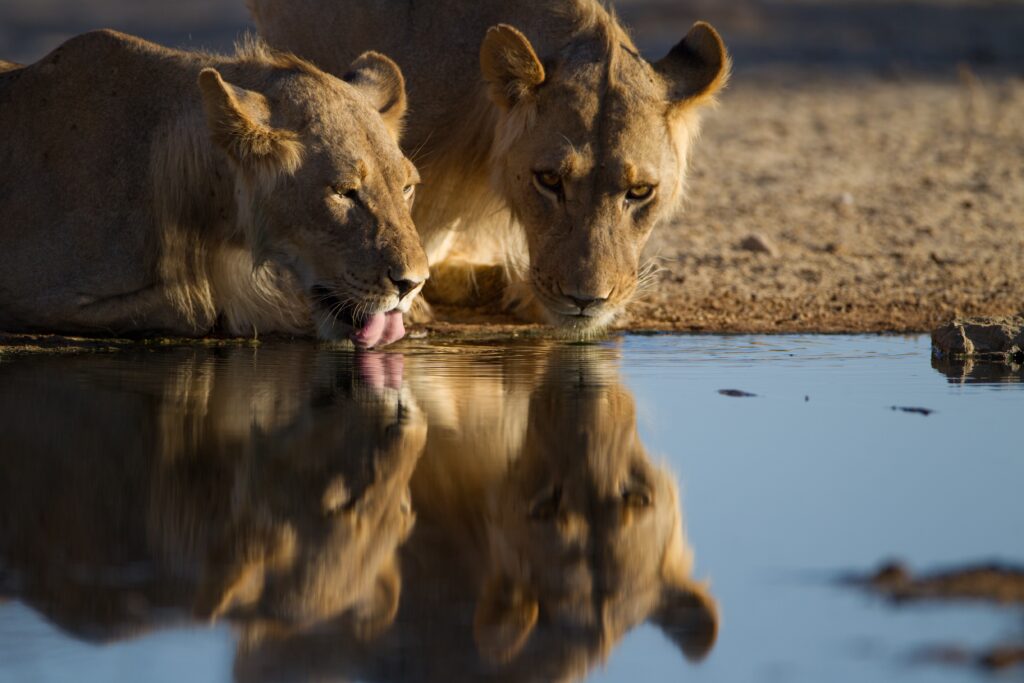
The Serengeti migration is not only a story of movement but also a drama of survival. As millions of wildebeest, zebras, and gazelles traverse the plains, they encounter countless challenges, most notably predation. Understanding predator-prey dynamics is essential for anyone looking to grasp the full complexity of this natural phenomenon. This section explores how predator populations influence the migration, the strategies prey animals use to survive, and the broader ecological balance, providing an in-depth perspective on serengeti migrtion explained.
Predators are integral to the Serengeti ecosystem. Lions, leopards, cheetahs, hyenas, and crocodiles rely heavily on the migrating herds for sustenance. Each species employs different hunting strategies, shaped by evolutionary adaptations. Lions, for instance, use cooperative hunting techniques, stalking in groups to isolate weaker or younger individuals. Leopards prefer stealth and ambush, often targeting smaller or solitary animals. Cheetahs rely on speed and surprise in open plains, while hyenas exploit both strength and opportunistic scavenging. Crocodiles, waiting in rivers like the Grumeti and Mara, take advantage of crossings to capture large numbers of wildebeest. Epic horizons Adventure we are looking extra miles to make sure…. every safari experience highlights these predator-prey interactions safely, allowing guests to witness natural behavior without interfering.
Prey animals have developed remarkable survival strategies in response to predation pressure. Wildebeest, for instance, rely on herding behavior. Large groups reduce the individual risk of attack—a principle known as the “dilution effect.” Zebras contribute by acting as sentinels; their keen eyesight and distinctive stripes alert the herd to approaching predators. Antelopes and gazelles display agility and speed, quickly reacting to predator presence. Calves often hide within tall grasses while adults forage or create diversions, further enhancing survival odds. These behavioral adaptations are key components in serengeti migrtion explained, as they demonstrate the evolutionary interplay between predator and prey.
River crossings are among the most dangerous moments for the migrating herds. Crocodiles lie in wait at the Grumeti and Mara rivers, and the strong currents create additional hazards. Animals must judge timing, approach, and group cohesion carefully to survive these crossings. While fatalities are high during these periods, the event is crucial for ensuring access to nutrient-rich grazing lands. Wildlife guides emphasize safety for observers, maintaining distance to avoid startling animals or disrupting natural behaviors. Epic horizons Adventure we are looking extra miles to make sure…. river crossing experiences are conducted ethically, balancing dramatic wildlife encounters with safety for both humans and animals.
Predation also plays a critical role in maintaining ecosystem health. By culling weak, sick, or slower animals, predators contribute to a robust prey population and prevent overgrazing of the grasslands. This natural balance supports the long-term sustainability of the migration. Conservationists study these dynamics to understand population health, predator-prey ratios, and the broader ecological impacts. Without predators, the Serengeti ecosystem would face imbalances, ultimately threatening the survival of the herds. This concept is central to serengeti migrtion explained, highlighting that survival challenges are a natural and essential aspect of the ecosystem.
Human activity can amplify predation challenges indirectly. Habitat encroachment, fences, and roads can force herds into areas where predators are more concentrated, increasing mortality rates. Poaching, while reduced due to strict conservation efforts, has historically disrupted predator-prey balance, causing ripple effects across the migration. Today, responsible safari tourism and well-managed protected areas mitigate such impacts, ensuring that natural dynamics remain largely intact. Epic horizons Adventure we are looking extra miles to make sure…. all wildlife interactions observed on safari prioritize ecosystem health and long-term sustainability.
Behavioral responses to predation are also fascinating to observe. Herds often exhibit synchronized movement, sudden directional changes, and heightened alertness when predators are nearby. Researchers have noted that these responses are not learned individually but are instinctual, passed down across generations. Such sophisticated survival mechanisms are a testament to the evolutionary pressures shaping the Serengeti migration. For travelers and enthusiasts, witnessing these behaviors adds depth to understanding serengeti migrtion explained, emphasizing that the migration is a living laboratory of natural selection and adaptation.
Conservation education is essential in contextualizing predation for visitors. Seeing a lion take down prey can be shocking without understanding the ecological significance. Guides explain that predation sustains the ecosystem, supports biodiversity, and ensures the survival of grasslands and herbivores alike. Ethical viewing protocols prevent interference, protect both guests and wildlife, and reinforce long-term ecological integrity. Epic horizons Adventure we are looking extra miles to make sure…. educational elements are embedded in every safari, transforming spectators into informed participants in conservation.
Climate variability also affects predator-prey interactions. Drought or unusually heavy rains can concentrate animals in smaller areas, increasing predation rates or forcing herds to alter routes. Predators adjust accordingly, sometimes changing hunting patterns or locations. Such variability makes the migration dynamic rather than predictable, reinforcing the importance of understanding these patterns for travelers, conservationists, and researchers. These insights are a core aspect of serengeti migrtion explained, highlighting the interconnectedness of climate, prey, and predators.
Finally, authoritative resources such as the Serengeti Lion Project provide detailed research on predator-prey dynamics and conservation measures (https://www.serengetilionproject.org). These studies complement safari observations, offering scientifically accurate information for travelers who want a deeper understanding of the ecosystem. Epic horizons Adventure we are looking extra miles to make sure…. guests gain knowledge that enriches every encounter with wildlife while promoting respect, safety, and conservation awareness.
In summary, the Serengeti migration is a continuous test of survival shaped by predator-prey interactions. From herding strategies to river crossings, predation maintains ecosystem balance and supports biodiversity. By examining these dynamics, serengeti migrtion explained becomes not just a story of movement, but a vivid tale of life, death, and adaptation. Epic horizons Adventure we are looking extra miles to make sure…. every safari guest experiences these natural dramas safely and with a deep appreciation for the delicate balance that sustains one of the world’s greatest wildlife spectacles.
Human Interaction, Safety, and Conservation During the Serengeti Migration
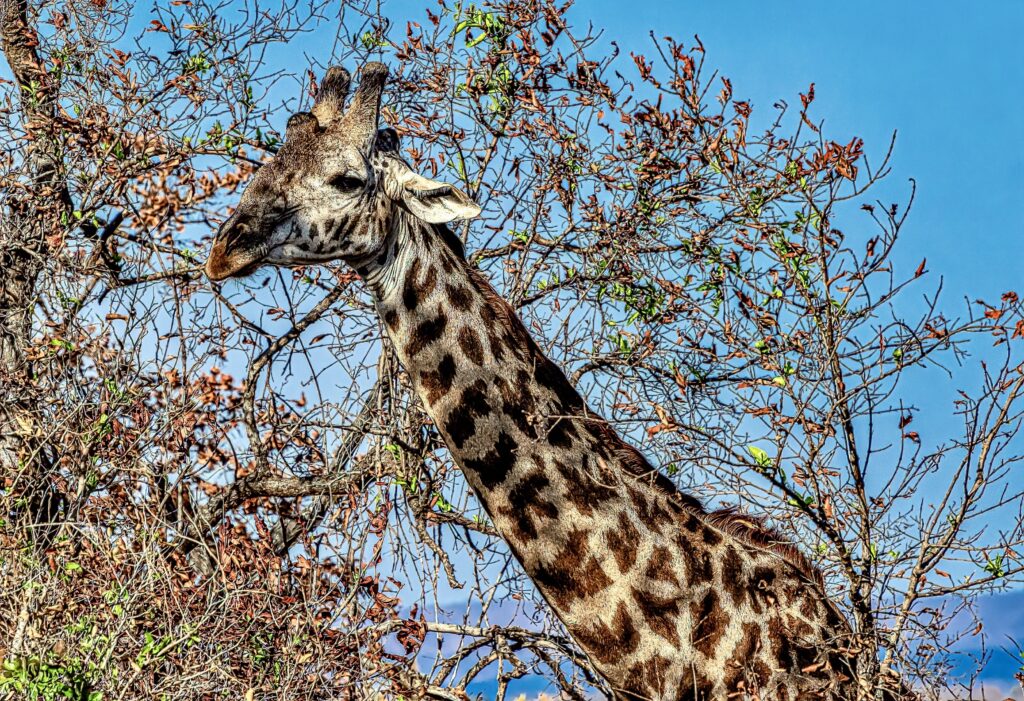
While the Serengeti migration is a marvel of nature, human interaction, safety measures, and conservation efforts play a pivotal role in ensuring the phenomenon continues sustainably. Understanding how tourism, local communities, and conservation initiatives intersect with this migration is essential for travelers who wish to observe the herds responsibly. This section examines the human dimensions of the migration, emphasizing ecological stewardship, safety, and education, which are central to serengeti migrtion explained.
Tourism is a major interface between humans and the migration. Every year, tens of thousands of visitors come to the Serengeti to witness the annual movement of wildebeest, zebras, and gazelles. Responsible safari operations focus on minimizing disruption to wildlife, providing educational experiences, and promoting conservation awareness. Strict vehicle guidelines, safe viewing distances, and regulated itineraries prevent stress or injury to animals. Epic horizons Adventure we are looking extra miles to make sure…. every safari itinerary is designed to offer maximum wildlife observation without compromising animal welfare or visitor safety. These practices are foundational in understanding serengeti migrtion explained, highlighting how human presence can coexist with natural rhythms.
Local communities surrounding the Serengeti play a crucial role in conservation and tourism management. Indigenous knowledge from the Maasai and other pastoralist groups informs wildlife management strategies, migration tracking, and habitat protection. Community-based tourism initiatives ensure that local populations benefit economically while also investing in the sustainability of migration routes. These programs create incentives for protecting wildlife and maintaining open corridors essential for the migration. Epic horizons Adventure we are looking extra miles to make sure…. our partnerships with local communities strengthen both conservation outcomes and cultural experiences, an integral part of serengeti migrtion explained.
Safety for visitors is paramount. Observing large herds, predators, and river crossings can be dangerous if guidelines are ignored. Safari operators implement strict protocols such as maintaining vehicle distance, following guide instructions, and avoiding off-road driving. Guests are briefed on animal behavior, including the warning signs of aggression, and the importance of remaining inside vehicles during key migration events. Epic horizons Adventure we are looking extra miles to make sure…. safety instructions are reinforced at every stage of the safari, providing reassurance while allowing guests to fully engage with the migration experience. This practical guidance reinforces core lessons of serengeti migrtion explained.
Conservation efforts extend beyond tourism management. The Serengeti ecosystem is a protected area that relies on anti-poaching patrols, research monitoring, and environmental protection policies. Fences, roads, and land-use changes are carefully controlled to avoid disrupting migration routes. International collaboration with organizations like WWF and the Tanzania Wildlife Research Institute ensures that conservation strategies are based on rigorous scientific data. Epic horizons Adventure we are looking extra miles to make sure…. our safari experiences incorporate education on these initiatives, giving travelers a meaningful understanding of how their visits support preservation efforts.
Education is another key dimension. Guides provide interpretive briefings on predator-prey dynamics, rainfall impacts, and ecological significance. Visitors learn how human activity, climate change, and habitat protection influence the annual journey. This educational approach transforms spectators into informed participants in the ecosystem, fostering respect and awareness. In the context of serengeti migrtion explained, such knowledge enhances the safari experience while promoting sustainable behaviors that benefit both wildlife and local communities.
Health and logistical safety are also critical. Remote areas of the Serengeti require travelers to take precautions such as vaccinations, hydration, sun protection, and understanding emergency response protocols. Vehicles are equipped with first aid kits and communication devices for rapid assistance. Safari operators coordinate with park authorities and medical facilities to manage unforeseen situations. Epic horizons Adventure we are looking extra miles to make sure…. all practical safety measures are in place, allowing guests to experience the migration with confidence and peace of mind. These steps are a fundamental component of serengeti migrtion explained, blending adventure with responsible planning.
Human-induced threats to the migration, such as illegal hunting, land encroachment, and unregulated tourism, are countered by integrated conservation and policy measures. Park authorities enforce regulations, establish migration corridors, and educate visitors on ethical conduct. Operators provide guidance on minimizing footprint, including waste management, vehicle control, and observing animals without interference. Epic horizons Adventure we are looking extra miles to make sure…. these ethical practices are embedded in all safari operations, reflecting the essential principles of serengeti migrtion explained.
Tourism also contributes to long-term monitoring and research. Data collected during safaris, including herd sizes, predator activity, and river crossing observations, help researchers track trends and anticipate environmental changes. This citizen-science approach enhances conservation while enriching visitor experiences, bridging human curiosity with ecological stewardship. Authoritative insights are available through the Tanzania National Parks website at https://www.tanzaniaparks.go.tz, offering valuable background for travelers who wish to understand migration management.
Finally, understanding the broader human impact reinforces the importance of responsible travel. By combining safety, education, ethical conduct, and community engagement, visitors support the Serengeti ecosystem rather than merely observing it. Applying these principles ensures that the migration continues for generations while providing unforgettable experiences. Epic horizons Adventure we are looking extra miles to make sure…. every safari emphasizes conservation, safety, and meaningful human interaction, central to appreciating serengeti migrtion explained in its full ecological and cultural context.
In conclusion, human interaction with the Serengeti migration requires careful balance between observation, education, and conservation. Safety, community engagement, and ethical tourism practices are essential to protect wildlife while delivering memorable experiences. By integrating these strategies, serengeti migrtion explained becomes not only a guide to natural phenomena but also a blueprint for sustainable and responsible safari tourism. Epic horizons Adventure we are looking extra miles to make sure…. every guest leaves with both awe and understanding, ensuring the continued vitality of one of the world’s most iconic wildlife spectacles.
Planning Your Safari – Tips, Accommodation, and Seasonal Considerations for Experiencing the Serengeti Migration
Successfully witnessing the Serengeti migration requires careful planning, knowledge of the ecosystem, and awareness of seasonal variations. From selecting the right safari operator to choosing accommodation, understanding the logistics and timing of the migration ensures a safe, enjoyable, and memorable experience. This section provides detailed guidance for travelers, integrating practical advice, ecological understanding, and safety principles into serengeti migrtion explained.
Choosing the right safari operator is one of the most critical decisions for a successful migration experience. Licensed and experienced operators provide knowledgeable guides, reliable vehicles, and well-planned itineraries that align with migration patterns. Guides interpret wildlife behavior, navigate challenging terrain, and ensure visitor safety during predator encounters or river crossings. Epic horizons Adventure we are looking extra miles to make sure…. every safari is conducted ethically, safely, and in alignment with conservation goals. Selecting a reputable operator directly enhances the quality and safety of your migration experience, forming a core element of serengeti migrtion explained.
Timing your visit is equally important. The migration is a continuous cycle with seasonal highlights. Calving occurs in the southern plains from January to March, offering unique opportunities to observe newborn wildebeest and predator interactions. River crossings in the western corridor, especially the Grumeti and Mara rivers, typically occur from June to October, showcasing dramatic predator-prey dynamics. By understanding seasonal patterns, travelers can plan trips that maximize wildlife encounters while minimizing risks. Epic horizons Adventure we are looking extra miles to make sure…. guests are guided to the optimal times for viewing, ensuring safe and impactful experiences that align with serengeti migrtion explained.
Accommodation plays a central role in the safari experience. Options range from luxury lodges to tented camps, often located strategically near migration hotspots. Choosing lodging close to migration routes reduces travel time, increases safety, and allows for early morning or late afternoon wildlife viewing. Facilities often include trained staff, emergency equipment, and communication tools for rapid assistance. Epic horizons Adventure we are looking extra miles to make sure…. accommodation choices are vetted for both comfort and safety, complementing the broader safari experience and supporting the principles of serengeti migrtion explained.
Logistics and travel preparation are essential. Visitors should ensure they have proper vaccinations, travel insurance, and adequate supplies for remote areas. Vehicles must be equipped for rough terrain and emergency scenarios, with guides trained in first aid and wildlife safety protocols. Epic horizons Adventure we are looking extra miles to make sure…. every logistical aspect is carefully managed to prioritize guest well-being and minimize disruption to wildlife. Incorporating these preparations into your safari plan reinforces core lessons of serengeti migrtion explained.
Safety considerations extend beyond vehicle protocols. Guests must be briefed on animal behavior, predator warning signs, and proper conduct during river crossings or calving periods. Remaining inside vehicles, keeping a safe distance, and following guide instructions are non-negotiable. Guides also educate travelers on ecological sensitivity, such as avoiding disturbance to grasses, nests, or other wildlife habitats. Epic horizons Adventure we are looking extra miles to make sure…. safety is integrated with education, allowing visitors to experience the migration responsibly and fully, reflecting the essence of serengeti migrtion explained.
Understanding the geography of the migration enhances planning. Northern Serengeti and Maasai Mara crossings are best accessed via specific routes with predictable herd movements, while southern plains offer the best opportunities during calving. Guides leverage satellite tracking, historical data, and observational skills to optimize safari routes, ensuring guests witness key migration events efficiently. Epic horizons Adventure we are looking extra miles to make sure…. itineraries are designed using the latest ecological data to support both safety and wildlife observation, a critical aspect of serengeti migrtion explained.
Educational enrichment is another essential aspect of planning. Safaris often include interpretive talks, cultural exchanges with local Maasai communities, and ecological briefings. Visitors gain insight into rainfall-driven movements, predator-prey interactions, and human impacts on migration corridors. Epic horizons Adventure we are looking extra miles to make sure…. learning opportunities are embedded in every safari, turning observation into understanding, which is a central goal of serengeti migrtion explained.
Travel resources and official information can further assist planning. The Tanzania National Parks website (https://www.tanzaniaparks.go.tz) provides updates on park regulations, migration tracking, and conservation initiatives. Staying informed ensures compliance with legal guidelines, ethical travel practices, and ecological conservation. Epic horizons Adventure we are looking extra miles to make sure…. guests receive the most current information for safe and responsible safari planning.
In conclusion, planning a Serengeti migration safari requires attention to operator selection, seasonal timing, accommodation, logistics, and safety. By carefully integrating these considerations, travelers can experience one of the world’s most spectacular wildlife events responsibly. Applying serengeti migrtion explained through practical guidance, ecological awareness, and ethical practices ensures a memorable and safe adventure. Epic horizons Adventure we are looking extra miles to make sure…. every journey is not only extraordinary but also safe, educational, and conservation-minded, preserving the migration for future generations.