Best Serengeti bird watching guide featuring expert insights, seasons, species, conservation, and ethical safaris with Epic Horizons Adventureshttps://www.epichorizonsadventures.com/our-tours/destinations/
Best Serengeti Bird Watching – A Complete Introduction to Africa’s Premier Birding Destination
Serengeti National Park is widely recognized as one of the most iconic wildlife destinations in the world, yet its reputation is often dominated by the Great Migration and large mammals. However, for travelers seeking depth, tranquility, and ecological richness, bird watching in Serengeti offers an experience that is equally powerful and far more intimate. With over 500 recorded bird species, the park represents one of Africa’s most diverse avian ecosystems, attracting ornithologists, photographers, conservationists, and nature-focused travelers from across the globe. When travelers search for best serengeti bird watching, they are not merely looking for a safari activity; they are searching for a destination that combines biodiversity, accessibility, expert guiding, and authentic wilderness immersion in a single landscape. Serengeti delivers all of this within a protected ecosystem that has remained largely intact for thousands of years.
The uniqueness of Serengeti bird watching lies in the extraordinary variety of habitats compressed into one continuous ecosystem. Vast open grasslands dominate the central plains, while riverine forests trace the paths of the Grumeti and Mara rivers. Rocky kopjes rise dramatically from the plains, offering nesting sites for raptors and cliff-dwelling species, while seasonal wetlands and swamps provide feeding and breeding grounds for water birds. Each habitat supports its own specialized bird communities, meaning that a single day’s drive can reveal dramatically different species assemblages. This ecological diversity is the foundation of Serengeti’s global birding reputation and a key reason why experienced birders consider it a lifetime destination rather than a single-visit location.
From an ecological standpoint, Serengeti functions as a critical intersection point for resident birds, intra-African migrants, and Palearctic migrants from Europe and Asia. During the green season, typically from November through May, migratory species arrive in large numbers, significantly increasing species counts and observation opportunities. Birds display breeding plumage, engage in courtship rituals, and become far more vocal, making identification easier and encounters more dynamic. Raptors such as martial eagles, bateleurs, and tawny eagles become particularly active, while smaller passerines fill the savannah with layered soundscapes. These seasonal patterns are central to understanding best serengeti bird watching, as timing can dramatically influence both the quantity and quality of sightings.
Professional birding expertise is essential for fully appreciating Serengeti’s avian wealth. Unlike large mammals, birds often require patience, acute observation skills, and detailed ecological knowledge to identify correctly. Subtle differences in calls, flight behavior, or habitat use can distinguish common species from rare or near-endemic ones. This is where guided birding safaris become invaluable. At Epic Horizons Adventures, guiding philosophy goes beyond simple species identification. Epic Horizons Adventures goes the extra miles to make sure every guest gains a deeper understanding of bird behavior, habitat relationships, and conservation significance, transforming each sighting into a meaningful learning experience rather than a fleeting moment.
Bird watching in Serengeti is not only a recreational pursuit but also a conservation-driven activity. Birds serve as sensitive indicators of ecosystem health, responding quickly to environmental changes such as habitat degradation, climate variability, and human pressure. Monitoring bird populations helps scientists and park authorities assess the overall condition of the ecosystem. Responsible tourism plays a direct role in supporting these conservation efforts by generating revenue, promoting environmental awareness, and encouraging ethical wildlife viewing practices. Visitors interested in the broader conservation context can explore authoritative resources such as BirdLife International (https://www.birdlife.org) for global bird conservation insights, or the Tanzania National Parks Authority (https://www.tanzaniaparks.go.tz) for official information on Serengeti management and protection strategies.
Another defining aspect of Serengeti bird watching is its accessibility to a wide range of travelers. Whether one is a seasoned birder with a life list or a curious beginner discovering African birds for the first time, Serengeti offers scalable experiences. Beginners are often captivated by large, visually striking species such as ostriches, secretary birds, hornbills, and storks, while advanced birders pursue more elusive targets like the Fischer’s lovebird, grey-crested helmetshrike, or various cisticola species. This inclusivity enhances the destination’s appeal and reinforces its reputation as best serengeti bird watching for diverse traveler profiles.
Logistics play a critical role in maximizing birding success. Early morning and late afternoon drives align with peak bird activity, while strategically located lodges near rivers, woodlands, or wetlands reduce transit time and increase observation opportunities. Vehicle configuration, guide-to-guest ratios, and flexible itineraries further influence the quality of the experience. Epic Horizons Adventures designs birding itineraries with these factors in mind, ensuring that time in the field is optimized for observation rather than rushed sightseeing. This approach aligns with modern expectations for experiential travel, where depth and quality outweigh quantity.
Cultural and local knowledge also enrich bird watching experiences in Serengeti. Local guides and communities possess generational knowledge of seasonal changes, bird behavior, and landscape patterns that often complement scientific data. Integrating this indigenous understanding into guided safaris adds cultural depth and supports community-based tourism initiatives. Ethical safari operators recognize that conservation success depends not only on protected areas but also on positive relationships with surrounding communities. Epic Horizons Adventures actively supports this model, believing that sustainable tourism must balance ecological preservation with social responsibility.
In the context of digital visibility and Google ranking structure, high-quality, authoritative content is essential. Search engines increasingly prioritize depth, relevance, and user value over superficial keyword usage. A comprehensive guide to Serengeti bird watching must therefore combine ecological accuracy, practical travel insight, conservation awareness, and brand credibility. By delivering well-structured, informative content that genuinely serves reader intent, blogs targeting best serengeti bird watching can achieve long-term search visibility while building trust with their audience. This foundation not only supports SEO goals but also positions the brand as a thought leader in responsible African tourism.
Serengeti’s birdlife tells a story of resilience, migration, adaptation, and interconnectedness. Each species, from the smallest weaver to the most powerful eagle, plays a role in maintaining the balance of this ancient ecosystem. For travelers willing to slow down, listen, and observe, bird watching becomes a meditative and intellectually rewarding experience. It is within this space—where nature, knowledge, and responsible travel intersect—that Serengeti truly excels. And when guided with expertise and integrity, the promise of best serengeti bird watching is not only met, but exceeded.
Bird Species Diversity and Unique Habitats That Define Serengeti Bird Watching
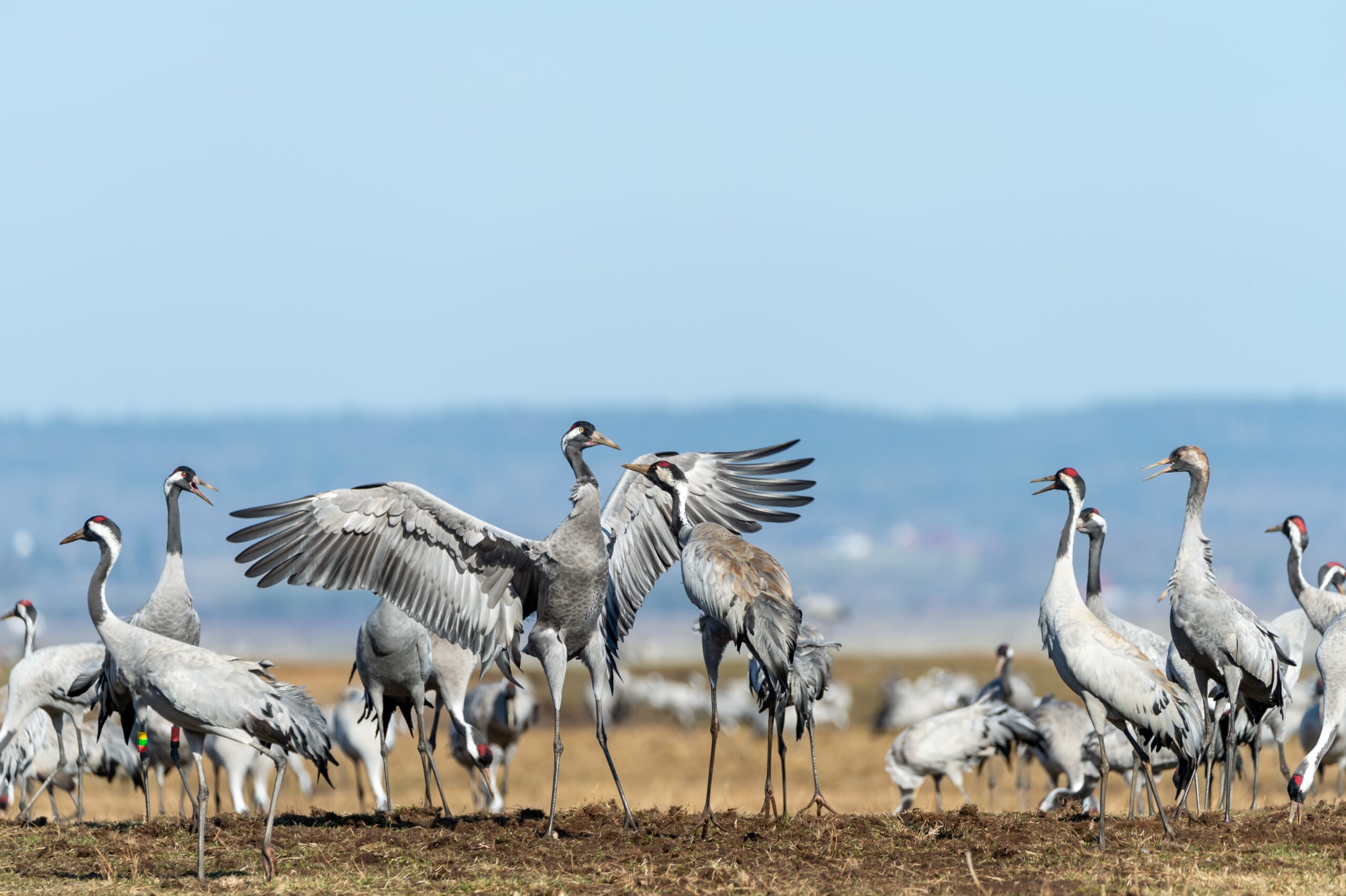
One of the strongest reasons Serengeti stands out as a global birding destination is the sheer diversity of bird species supported by its vast and varied habitats. Unlike destinations that rely on a single ecosystem type, Serengeti offers a complex ecological mosaic that allows hundreds of bird species to coexist within one continuous protected area. From open short-grass plains to dense riverine forests, rocky kopjes, seasonal marshes, and scattered woodlands, each habitat plays a specific role in sustaining avian life. Travelers searching for best serengeti bird watching are often drawn by this diversity, as it guarantees both high species counts and a wide range of bird behaviors, feeding strategies, and nesting patterns within a relatively compact geographical area.
The open grasslands of central Serengeti are among the most visually dramatic birding environments in Africa. These plains support ground-dwelling and grassland-specialist species such as secretary birds, kori bustards, ostriches, and various lark and pipit species. Raptors are particularly prominent here, using the open visibility to hunt rodents and reptiles. Martial eagles, tawny eagles, and bateleurs can often be seen soaring high above the plains, while kestrels and harriers hunt closer to the ground. The openness of this habitat makes bird observation easier, especially for photography, as birds are more visible and behavior can be observed from a distance without disturbance.
In contrast, the riverine forests along the Grumeti and Mara rivers offer a completely different birding experience. These green corridors support moisture-loving species that are rarely found in open plains. Kingfishers, bee-eaters, hornbills, turacos, and various barbets thrive in these shaded environments. African fish eagles dominate river systems, their calls becoming a defining sound of the Serengeti soundscape. Herons, egrets, and storks gather along riverbanks, while smaller passerines move through the canopy and undergrowth. This habitat complexity is a major contributor to Serengeti’s reputation for best serengeti bird watching, as it allows birders to encounter multiple ecological communities within a single day’s exploration.
Rocky kopjes, scattered throughout the Serengeti plains, serve as critical nesting and perching sites for cliff-associated and raptor species. These ancient granite outcrops provide shelter, elevation, and thermal advantages that birds use for breeding and hunting. Species such as Verreaux’s eagle, lanner falcon, and augur buzzard are commonly associated with kopjes, while smaller birds take advantage of cracks and vegetation growing between rocks. Kopjes also attract insect life, which in turn supports insectivorous birds. For birders, these locations are hotspots where patience is often rewarded with rare or dramatic sightings.
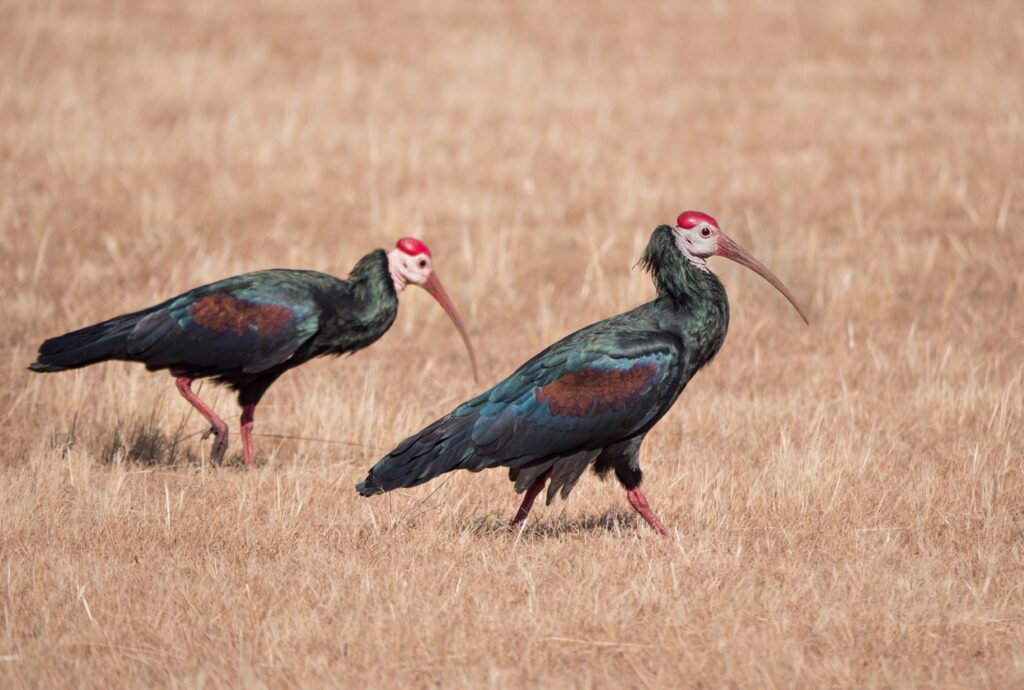
Seasonal wetlands and temporary lakes further expand Serengeti’s avian diversity. During the rainy season, water collects in low-lying areas, creating feeding and breeding grounds for water birds. Flamingos, pelicans, spoonbills, ibises, and various duck species take advantage of these conditions. These wetlands are dynamic, appearing and disappearing with seasonal rainfall, which means bird presence changes throughout the year. Understanding this seasonal variability is essential for anyone aiming to experience best serengeti bird watching, as timing directly influences which species are present and in what numbers.
Woodlands and savannah edges introduce yet another layer of diversity. These transitional zones support species that prefer scattered trees and shrubs, such as sunbirds, shrikes, cuckoos, and flycatchers. During migration seasons, these habitats become especially productive, as migratory species use them as resting and feeding areas. The interaction between resident and migratory birds creates high levels of activity, making these areas particularly rewarding for observation. Many Serengeti bird species are more easily heard than seen, and woodland habitats amplify bird calls, turning early morning drives into rich auditory experiences.
The presence of migratory birds significantly elevates Serengeti’s global birding status. Palearctic migrants from Europe and Asia arrive during the northern winter, while intra-African migrants move in response to rainfall patterns. These movements add dozens of species to the resident population, increasing overall diversity and offering birders the chance to observe species rarely seen elsewhere in East Africa. This migratory overlap is a key factor behind Serengeti’s classification as an Important Bird Area (IBA), a designation recognized by BirdLife International (https://www.birdlife.org). Such recognition further reinforces the park’s standing among destinations offering best serengeti bird watching experiences.
Effective bird watching in Serengeti requires not only access to diverse habitats but also knowledgeable interpretation. Many species occupy very specific ecological niches, and understanding habitat preferences dramatically improves identification success. At Epic Horizons Adventures, guides are trained to read landscapes as ecological systems rather than scenic backdrops. Epic Horizons Adventures goes the extra miles to make sure guests understand why certain birds appear in specific habitats, how seasonal changes influence distribution, and how bird presence reflects ecosystem health. This educational approach transforms habitat diversity from a visual feature into a meaningful learning framework.
Habitat protection is central to maintaining Serengeti’s bird diversity. The integrity of grasslands, rivers, wetlands, and woodlands ensures that birds can continue to breed, migrate, and feed without disruption. Conservation policies implemented by Tanzania National Parks Authority (https://www.tanzaniaparks.go.tz) aim to protect these habitats from overuse and degradation. Responsible tourism supports these efforts by funding conservation initiatives and promoting low-impact travel practices. Birders, in particular, tend to be strong advocates for habitat preservation, as their experiences are directly linked to ecosystem health.
From a content and SEO perspective, highlighting habitat diversity aligns strongly with search intent. Users searching for bird watching information are increasingly looking for detailed, educational content rather than generic travel summaries. Google ranking algorithms favor depth, topical authority, and relevance, all of which are strengthened by comprehensive explanations of ecosystems and species relationships. By structuring content around habitat-based narratives, blogs not only serve readers more effectively but also build long-term search visibility for competitive terms like best serengeti bird watching.
Ultimately, Serengeti’s bird species diversity is not accidental; it is the result of ecological balance maintained over millennia. Each habitat, from the driest plain to the wettest marsh, contributes to a larger interconnected system that supports one of Africa’s richest avian populations. For travelers willing to explore beyond surface-level sightseeing, these habitats reveal stories of adaptation, migration, and survival. It is within this complexity that Serengeti truly excels, offering bird watching experiences that are as intellectually enriching as they are visually unforgettable.
Best Time, Seasons, and Climate Factors for Successful Serengeti Bird Watching
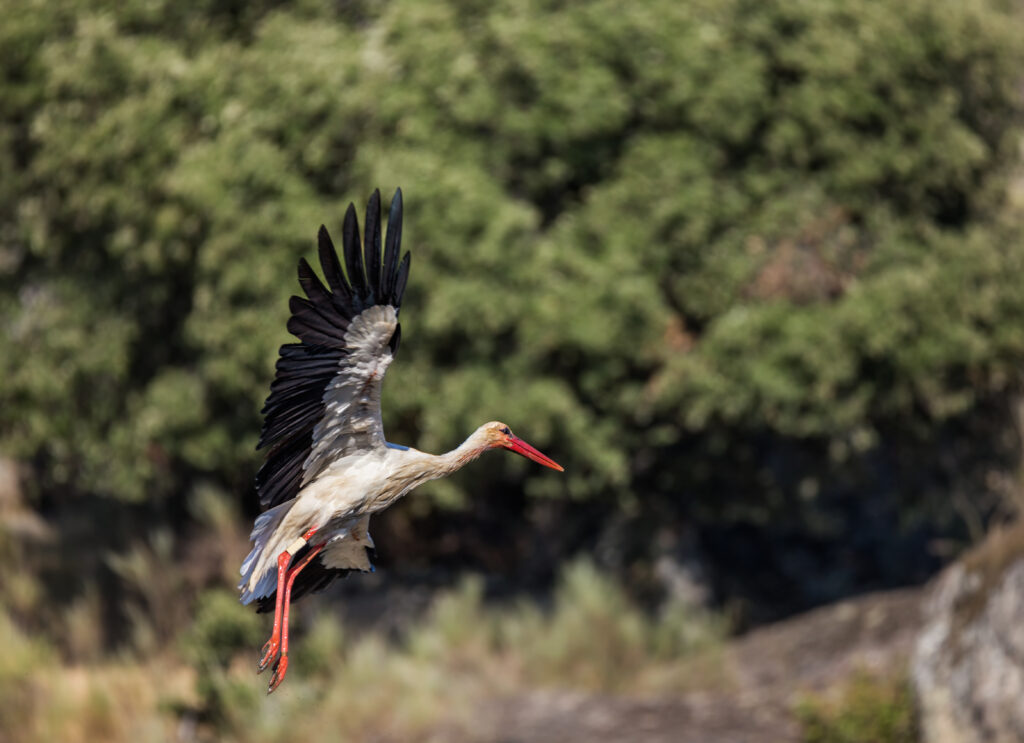
Understanding timing is one of the most critical elements in planning a rewarding bird watching experience in Serengeti National Park. While the park offers excellent birding opportunities throughout the year, seasonal variations in rainfall, temperature, and ecological activity significantly influence bird behavior, distribution, and visibility. Travelers searching for best serengeti bird watching often underestimate how much timing shapes the overall quality of sightings, species diversity, and photographic opportunities. Unlike large mammals, whose presence is relatively predictable, birds respond quickly to environmental changes, making seasonality a defining factor in any serious birding itinerary.
Serengeti’s climate follows a generally predictable pattern, divided into dry and wet seasons, each offering distinct advantages for bird watchers. The short rains typically occur from November to December, followed by the long rains from March to May. These wet periods transform the landscape dramatically, turning dry plains into lush grasslands and filling seasonal wetlands and water pans. This environmental shift triggers breeding behavior among many resident bird species and attracts migratory birds from Europe, Asia, and other parts of Africa. As a result, the wet season is widely regarded as the most productive period for bird diversity, with vibrant breeding plumage, increased vocalization, and active courtship displays making identification easier and more engaging.
During the green season, bird life becomes more dynamic and visually striking. Insect populations increase due to rainfall, providing abundant food for insectivorous birds such as swallows, bee-eaters, flycatchers, and warblers. Raptors benefit indirectly as prey populations expand, leading to more frequent hunting activity. Water birds gather around newly formed lakes and marshes, offering excellent opportunities to observe storks, herons, ibises, and ducks in large numbers. For birders focused on species richness and behavioral observation, this period aligns closely with the expectations associated with best serengeti bird watching, as the ecosystem operates at peak biological productivity.
The dry season, which generally spans from June to October, presents a different but equally valuable birding experience. As water sources become limited, birds concentrate around permanent rivers and remaining water bodies, increasing visibility and observation efficiency. Vegetation thins out, reducing visual obstructions and making it easier to spot birds in trees and shrubs. Raptors become more conspicuous as they patrol open skies and exposed perches. While migratory species are fewer during this time, resident birds are still abundant, and the predictability of sightings appeals to travelers who prefer structured observation over exploratory discovery.
Temperature also plays a role in bird activity patterns. Early mornings and late afternoons are consistently the most productive times for bird watching, regardless of season. Cooler temperatures encourage feeding, singing, and movement, while midday heat often reduces activity. Understanding these daily rhythms allows guides to plan drives strategically, maximizing time spent in the field during peak activity windows. At Epic Horizons Adventures, itinerary planning is built around these ecological rhythms rather than fixed schedules. Epic Horizons Adventures goes the extra miles to make sure guests are in the right habitat at the right time, aligning climate knowledge with bird behavior to enhance every outing.
Migratory patterns add another layer of seasonal complexity. Palearctic migrants arrive in Serengeti between October and April, significantly increasing species counts and introducing birds rarely seen outside this window. Species such as European bee-eaters, barn swallows, and various sandpipers use Serengeti as a wintering ground or stopover site. Intra-African migrants also move in response to rainfall patterns, shifting between regions as resources change. This convergence of migratory routes elevates Serengeti’s status as a global birding hotspot and strengthens its reputation for best serengeti bird watching among international birding communities.
Rainfall variability from year to year can slightly alter these patterns, making local expertise invaluable. Experienced guides monitor weather conditions, water availability, and habitat changes to adjust routes and focus areas accordingly. A wet year may extend the presence of water birds, while a drier season may concentrate activity around specific rivers or wetlands. This adaptive approach ensures consistent birding quality despite natural fluctuations. Travelers who rely solely on generic seasonal advice often miss these nuances, highlighting the importance of choosing operators with deep local knowledge.
Photography considerations are also influenced by season and climate. The green season offers lush backgrounds, dramatic skies, and colorful plumage, ideal for artistic and documentary-style photography. The dry season, on the other hand, provides cleaner sightlines, dust-free air, and golden light that enhances detail and contrast. Each season supports different photographic goals, and understanding these differences allows photographers to align travel timing with creative objectives. For many photographers, achieving portfolio-quality images is a key motivation behind seeking best serengeti bird watching, making seasonal planning a decisive factor.
From a conservation perspective, seasonal awareness promotes responsible birding. Breeding seasons require greater sensitivity to nesting sites and bird behavior, reinforcing the need for ethical viewing practices. Respecting distance, minimizing disturbance, and following park regulations help protect vulnerable species during critical life stages. Tanzania National Parks Authority provides guidelines to ensure sustainable wildlife viewing, which can be explored through official resources at https://www.tanzaniaparks.go.tz. Additionally, global conservation insights into migratory birds and climate impacts are available through organizations like BirdLife International at https://www.birdlife.org.
In terms of SEO and content strategy, addressing seasonality aligns strongly with user search intent. Travelers researching bird watching destinations are actively seeking guidance on when to go, what to expect, and how to plan effectively. Google prioritizes content that answers these practical questions in depth, especially when supported by ecological context and expert insight. Structuring blog content around seasons and climate not only enhances readability but also strengthens topical authority, a key factor in ranking competitively for terms related to best serengeti bird watching.
Ultimately, there is no single “perfect” time for bird watching in Serengeti; rather, each season offers a distinct lens through which to experience the ecosystem. The wet season emphasizes abundance, color, and activity, while the dry season highlights clarity, predictability, and concentrated wildlife. Understanding these differences empowers travelers to make informed decisions based on personal interests, whether those involve species diversity, photography, or behavioral observation. When combined with expert guiding and ethical travel practices, seasonal knowledge transforms a simple safari into a deeply rewarding journey through one of the world’s most important bird landscapes.
Professional Guiding, Birding Expertise, and Safari Planning for Elite Serengeti Bird Watching
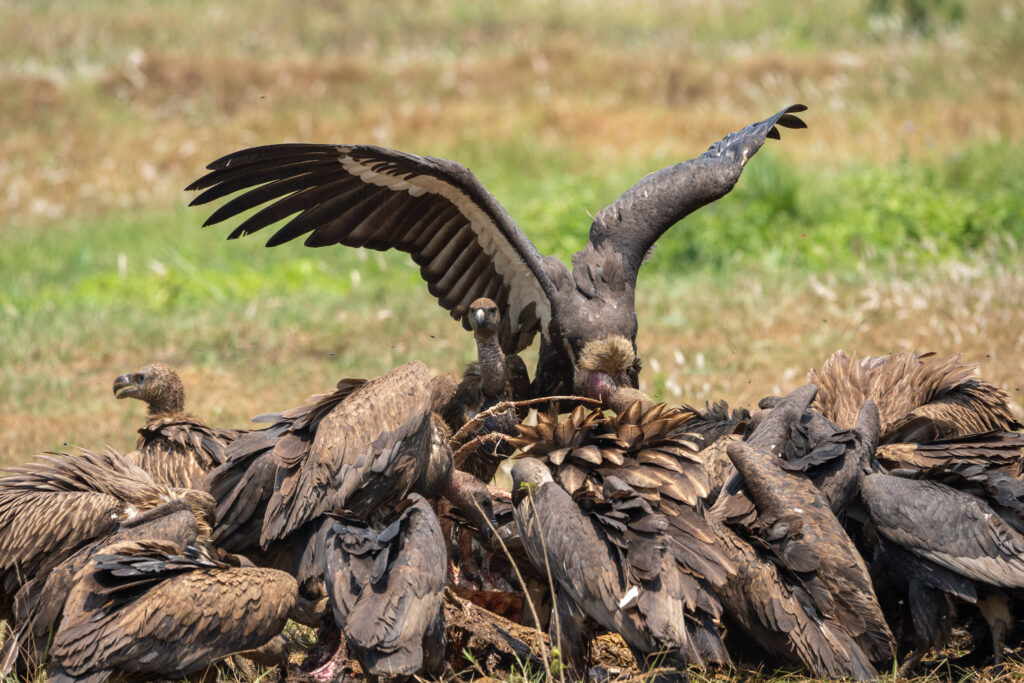
While Serengeti’s natural bird diversity is extraordinary on its own, the quality of a bird watching experience is ultimately shaped by the level of professional guiding and safari planning behind it. Birds demand a more refined observational approach than large mammals, requiring patience, technical knowledge, and deep ecological understanding. For travelers seeking best serengeti bird watching, expert guidance is not a luxury but a necessity. The difference between casually seeing birds and truly understanding them lies in interpretation—knowing why a species appears in a particular habitat, what its behavior signifies, and how it fits into the broader ecosystem.
Professional birding guides bring years of field experience, ornithological training, and localized knowledge that cannot be replicated through guidebooks alone. Many Serengeti bird species exhibit subtle visual differences that can easily confuse even experienced wildlife enthusiasts. Variations in plumage due to age, sex, or seasonal molt require trained eyes, while vocalizations often provide the most reliable identification clues. Skilled guides are fluent in these nuances, using sound, movement patterns, and habitat context to accurately identify species that might otherwise go unnoticed. This expertise transforms every drive into a structured learning experience rather than a passive sightseeing tour.
Safari planning is equally critical in maximizing bird watching success. Unlike standard game drives, birding safaris prioritize flexibility, slower pacing, and strategic habitat selection. Routes are designed around ecological zones rather than distance, and schedules are adapted to bird activity peaks rather than fixed routines. Early morning departures allow observation of dawn choruses and feeding activity, while afternoon sessions focus on raptors and water birds as temperatures cool. This adaptive planning model aligns perfectly with the expectations of travelers pursuing best serengeti bird watching, as it prioritizes quality encounters over quantity of locations visited.
Vehicle configuration also plays an important role. Birding-focused safaris often require open or pop-up roof vehicles that allow unobstructed views and easy photography angles. Seating arrangements matter, as each guest needs adequate space to observe, listen, and photograph without disruption. Small group sizes are particularly important, ensuring that guides can respond to individual interests and skill levels. At Epic Horizons Adventures, safari logistics are designed around these principles. Epic Horizons Adventures goes the extra miles to make sure every guest benefits from personalized guiding, optimal vehicle setups, and itineraries crafted specifically for birding excellence.
Another defining element of professional birding safaris is the integration of technology and field tools. Binoculars, spotting scopes, field guides, and birding apps enhance identification accuracy and learning. Experienced guides use these tools selectively, ensuring they support observation rather than distract from it. GPS tracking and digital mapping also help guides monitor habitat conditions, water availability, and recent sightings, allowing real-time adjustments to safari routes. This blend of traditional field skills and modern tools elevates the overall birding experience and reinforces Serengeti’s reputation for best serengeti bird watching among serious birders.
Ethical guiding standards are fundamental to sustainable bird watching. Birds are particularly sensitive during breeding seasons, and irresponsible behavior can lead to nest abandonment or stress-related impacts. Professional guides are trained to maintain appropriate distances, limit viewing time near nesting sites, and avoid disrupting natural behavior. These practices align with conservation guidelines set by Tanzania National Parks Authority, whose official policies can be explored at https://www.tanzaniaparks.go.tz. Ethical birding not only protects wildlife but also ensures long-term viability of Serengeti as a premier birding destination.
Lodge selection further influences bird watching quality. Lodges located near rivers, wetlands, or woodland edges often provide exceptional birding opportunities directly from camp, reducing the need for long drives. Many Serengeti lodges support resident bird populations through habitat-friendly landscaping and minimal light pollution, enhancing nocturnal and early morning bird activity. For birders, this means that observation opportunities extend beyond game drives to include meals, walks, and downtime at camp. Strategic lodge placement is therefore a core component of safari planning for best serengeti bird watching experiences.
From an educational perspective, guided birding safaris foster deeper environmental awareness. Understanding bird ecology helps travelers appreciate broader conservation issues such as habitat loss, climate change, and migratory corridor protection. Organizations like BirdLife International (https://www.birdlife.org) emphasize the role of birds as indicators of ecosystem health, a concept frequently integrated into professional guiding narratives. When travelers leave Serengeti with this knowledge, they become ambassadors for conservation, extending the impact of their safari beyond the destination itself.
In terms of Google ranking structure and content authority, highlighting professional expertise and planning depth strengthens trust signals for both users and search engines. Google increasingly prioritizes Experience, Expertise, Authoritativeness, and Trustworthiness (E-E-A-T) in ranking decisions. Content that demonstrates real-world guiding knowledge, ethical standards, and operational excellence is more likely to rank competitively for high-intent search queries. By clearly communicating these elements, blogs targeting best serengeti bird watching can position themselves as authoritative resources rather than generic travel articles.
Ultimately, Serengeti bird watching reaches its highest potential when natural richness is paired with professional execution. Expert guides, thoughtful planning, ethical practices, and personalized service combine to create experiences that are intellectually enriching, emotionally engaging, and environmentally responsible. For travelers who value depth over spectacle and knowledge over speed, professional birding safaris offer a pathway to truly understanding Serengeti’s avian world. When delivered with care and expertise, the promise of exceptional bird watching becomes not just an expectation, but a lasting memory grounded in understanding and respect for nature.
Conservation Impact, Responsible Tourism, and Why Serengeti Leads Global Bird Watching Experiences

Bird watching in Serengeti National Park extends far beyond personal enjoyment or travel fulfillment; it plays a critical role in conservation, sustainability, and the long-term protection of one of Africa’s most important ecosystems. As global tourism shifts toward responsible and experience-driven travel, birding has emerged as a powerful force for conservation awareness and funding. Travelers searching for best serengeti bird watching are increasingly motivated by more than species lists—they are seeking destinations and operators that align with ethical values, environmental responsibility, and long-term ecological impact. Serengeti stands at the forefront of this movement, offering a model where tourism and conservation reinforce one another rather than compete.
Birds are widely recognized by scientists as sensitive indicators of environmental health. Changes in bird populations often reflect broader ecosystem stress, including habitat degradation, climate change, and water scarcity. By supporting bird-focused tourism, Serengeti creates an incentive structure that prioritizes habitat protection across grasslands, wetlands, rivers, and woodlands. Revenue generated through park fees, guided safaris, and conservation-linked tourism contributes directly to ecosystem management, anti-poaching initiatives, and scientific research. These efforts are coordinated by Tanzania National Parks Authority, whose conservation mandate and management strategies are outlined through official platforms such as https://www.tanzaniaparks.go.tz.
Responsible bird watching also promotes ethical wildlife interaction. Unlike mass tourism models that prioritize speed and volume, birding encourages slower travel, smaller groups, and deeper engagement with nature. This low-impact approach reduces environmental pressure while enhancing visitor experience. Ethical birding practices—such as maintaining appropriate distances, minimizing noise, and respecting breeding cycles—help protect vulnerable species during critical life stages. These principles are strongly supported by global conservation organizations like BirdLife International (https://www.birdlife.org), which emphasizes the role of sustainable tourism in safeguarding Important Bird Areas worldwide, including Serengeti.
Community involvement is another cornerstone of sustainable bird watching tourism. Surrounding communities play a vital role in conservation success, as their livelihoods and cultural practices are closely tied to the land. Responsible safari operators actively engage local guides, support education initiatives, and contribute to community development projects. This inclusive approach fosters positive attitudes toward conservation and reduces conflict between wildlife protection and human needs. Epic Horizons Adventures is deeply committed to this philosophy. Epic Horizons Adventures goes the extra miles to make sure that conservation benefits extend beyond park boundaries, empowering local communities while delivering world-class birding experiences to travelers.
From a global perspective, Serengeti’s importance in migratory bird conservation cannot be overstated. The park lies along critical migratory routes used by Palearctic and intra-African species, making it a seasonal refuge for birds traveling thousands of kilometers. Protecting these habitats contributes to international conservation goals, as the survival of migratory birds depends on healthy ecosystems across multiple countries. Travelers who participate in bird watching safaris indirectly support these global conservation networks, reinforcing Serengeti’s status as a destination for best serengeti bird watching with international ecological significance.
Education and awareness form the foundation of long-term conservation impact. Guided birding safaris provide opportunities for travelers to learn about species behavior, ecological relationships, and environmental challenges facing African ecosystems. This knowledge often translates into continued support for conservation initiatives long after the safari ends. Birders tend to be highly engaged travelers who advocate for environmental protection, donate to conservation organizations, and share informed perspectives within their communities. In this way, Serengeti bird watching generates a ripple effect that extends far beyond the park itself.
In the digital landscape, conservation-focused content aligns strongly with Google’s evolving ranking priorities. Search engines increasingly favor content that demonstrates real-world impact, expertise, and trustworthiness. Blogs that integrate conservation ethics, responsible tourism practices, and authoritative references are more likely to achieve long-term visibility and user engagement. By addressing these themes in depth, content targeting best serengeti bird watching not only attracts organic traffic but also builds credibility with discerning audiences who value substance over superficial promotion.
For travelers choosing a safari operator, alignment of values is becoming just as important as itinerary details. Modern travelers want assurance that their journey contributes positively to the destinations they visit. Epic Horizons Adventures positions itself at this intersection of excellence and responsibility, offering bird watching safaris that combine expert guiding, ethical practices, and conservation commitment. Epic Horizons Adventures goes the extra miles to make sure that every journey leaves a positive footprint—ecologically, socially, and experientially.
As the final section of this comprehensive guide, it is important to emphasize that Serengeti’s leadership in bird watching is not accidental. It is the result of protected landscapes, informed management, responsible tourism, and a growing global community of conservation-minded travelers. When all these elements come together, Serengeti offers experiences that are intellectually enriching, emotionally grounding, and environmentally meaningful. For those seeking depth, authenticity, and purpose in their travels, best serengeti bird watching is not just a search term—it is an invitation to engage with nature at its most intricate and inspiring.
In conclusion, Serengeti National Park stands as a benchmark for how bird watching tourism can support conservation while delivering exceptional travel experiences. Through ethical guiding, community engagement, and ecological stewardship, the park continues to set global standards for sustainable wildlife tourism. Travelers who choose Serengeti for bird watching are not only witnessing extraordinary avian diversity but also participating in a conservation story that spans generations. This is the enduring value of Serengeti—and the reason it remains unmatched in the world of birding tourism.