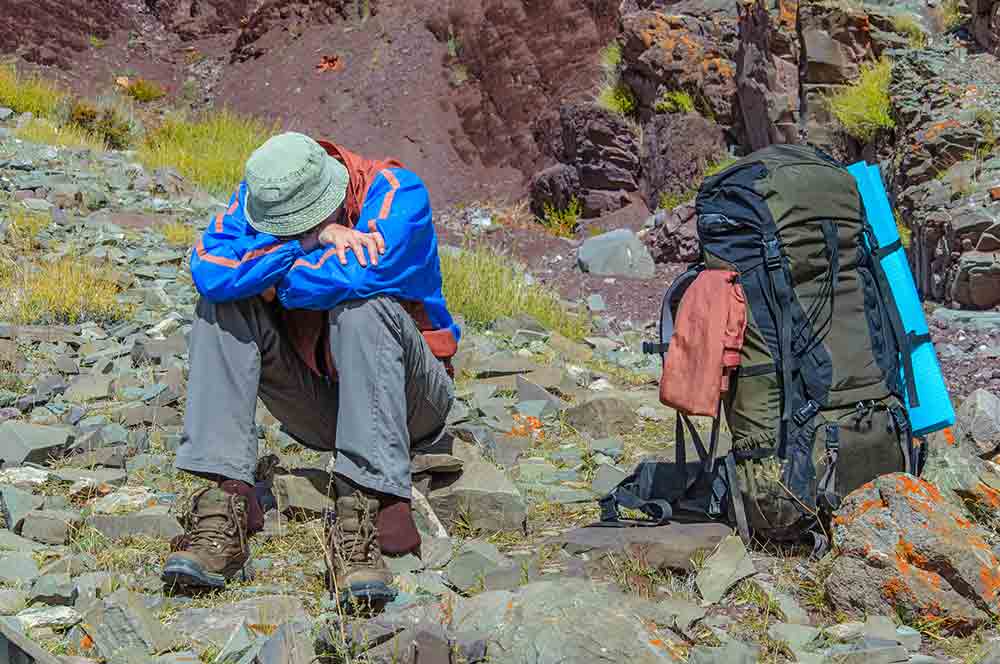
Understanding Altitude Sickness on Mount Kilimanjaro and Why It Matters
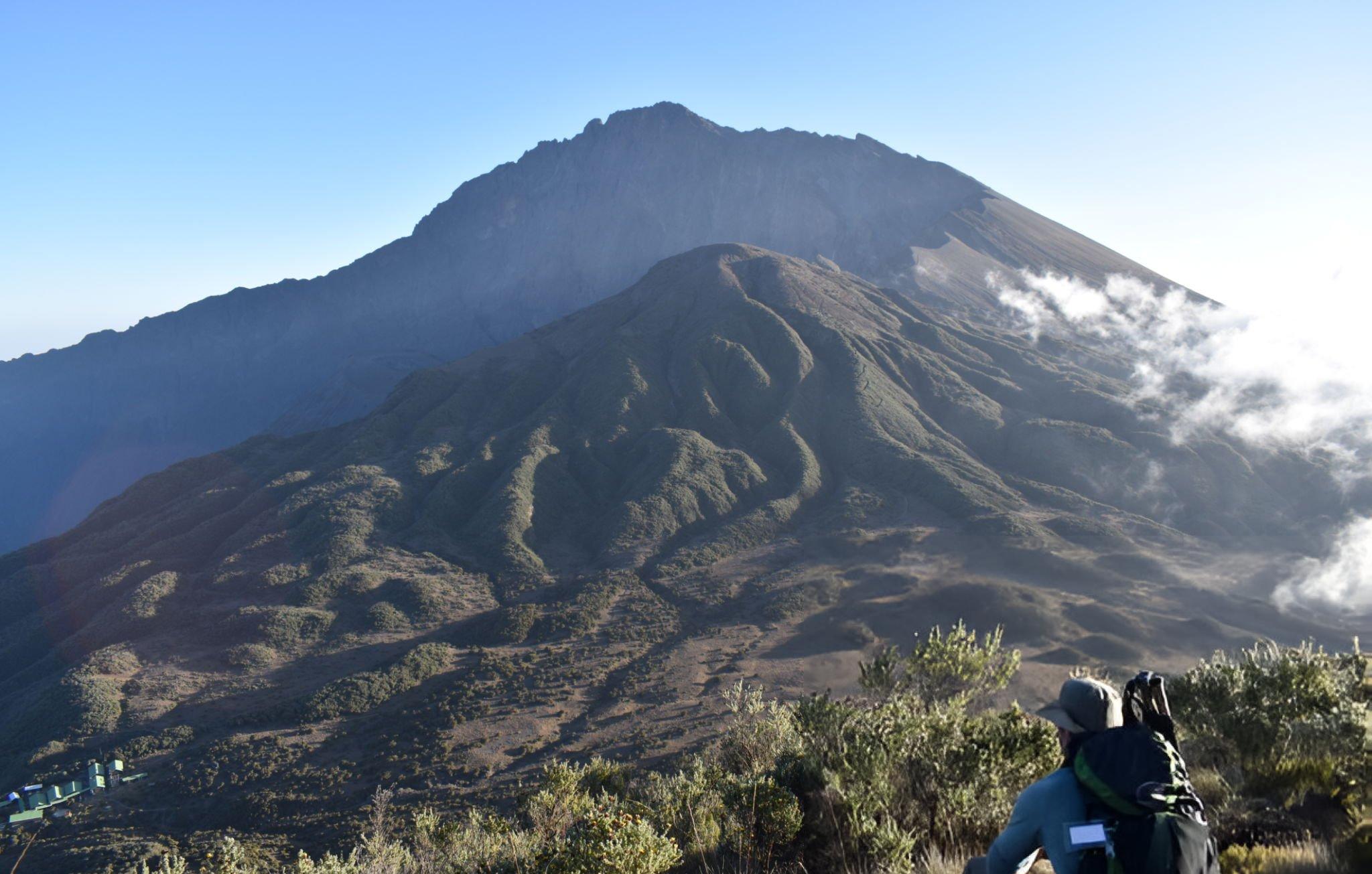
Altitude sickness on Mount Kilimanjaro is one of the most important topics any climber must understand before attempting to reach the highest peak in Africa. Mount Kilimanjaro rises to 5,895 meters above sea level, a height where oxygen levels are significantly lower than at sea level. This reduction in available oxygen places stress on the human body and can lead to a range of physiological reactions collectively known as altitude sickness. Many climbers mistakenly believe that physical fitness alone can prevent these problems, but altitude affects everyone differently, regardless of age, strength, or previous trekking experience. For this reason, altitude sickness on Mount Kilimanjaro is not just a medical issue; it is a central factor that determines safety, summit success, and overall experience.
To understand altitude sickness, it is essential to understand how the body reacts to high elevation. As altitude increases, air pressure decreases, meaning that each breath contains fewer oxygen molecules. The body responds by breathing faster, increasing heart rate, and producing more red blood cells to transport oxygen more efficiently. These adjustments take time, and when ascent is too rapid, the body struggles to adapt. This is when symptoms begin to appear. Altitude sickness on Mount Kilimanjaro commonly starts with mild signs such as headache, dizziness, fatigue, and loss of appetite. While these symptoms may seem manageable, ignoring them can lead to more serious and potentially life threatening conditions.
Mount Kilimanjaro is unique among the world’s great mountains because it allows trekkers to ascend from near sea level to almost 6,000 meters in a relatively short period of time. Unlike technical mountaineering peaks that require weeks of gradual ascent, Kilimanjaro is often climbed in five to nine days. This rapid gain in altitude is the primary reason altitude sickness on Mount Kilimanjaro is so common. Even well planned itineraries expose climbers to significant elevation changes each day, making proper acclimatization strategies absolutely critical. Understanding this reality helps climbers approach the mountain with respect rather than overconfidence.
There are several forms of altitude illness, ranging from mild to severe. Acute Mountain Sickness, commonly known as AMS, is the most frequent and affects a large percentage of climbers at elevations above 3,000 meters. More severe conditions include High Altitude Pulmonary Edema and High Altitude Cerebral Edema, both of which require immediate descent and medical attention. These conditions are rare on Kilimanjaro when proper protocols are followed, but they are serious enough that no climber should underestimate the risks. Altitude sickness on Mount Kilimanjaro must therefore be treated as a real and present danger, not a theoretical possibility.
One of the most challenging aspects of altitude sickness is its unpredictability. Some climbers experience symptoms early, while others feel strong until higher elevations. Symptoms can also fluctuate from day to day, making continuous monitoring essential. This unpredictability reinforces the importance of experienced guides who can recognize early warning signs and take appropriate action. Epic horizons Adventure we are looking extra miles to make sure…. that our guides are trained to identify even subtle changes in a climber’s condition and respond quickly to protect their health.
Mental factors also play a role in how altitude sickness is perceived and managed. Anxiety, excitement, and determination can sometimes mask early symptoms, leading climbers to push themselves beyond safe limits. On Kilimanjaro, summit fever is a well known phenomenon where climbers become so focused on reaching the top that they ignore their body’s warning signals. Education and awareness are powerful tools in preventing this behavior. When climbers understand what altitude sickness on Mount Kilimanjaro looks like and why it happens, they are more likely to communicate honestly with guides and make safe decisions.
Scientific research and medical organizations have extensively studied altitude related illnesses. According to the International Society for Mountain Medicine (https://www.ismm.org), gradual ascent and proper acclimatization remain the most effective methods for preventing altitude sickness. These findings are supported by high altitude research centers around the world and form the basis of modern trekking guidelines. External medical authorities consistently emphasize that no medication or fitness routine can replace proper acclimatization when it comes to altitude sickness on Mount Kilimanjaro.
Another factor that contributes to altitude illness is dehydration. At high altitude, the body loses fluids more rapidly through respiration and increased urination. Dehydration can intensify headaches and fatigue, making altitude symptoms feel worse than they might otherwise be. Nutrition also plays a role, as the body requires additional energy to adapt to low oxygen environments. Professional trekking teams ensure that climbers drink enough water and consume balanced meals throughout the climb. Epic horizons Adventure we are looking extra miles to make sure…. that hydration and nutrition are treated as essential components of altitude management, not optional comforts.
Understanding altitude sickness is not meant to discourage climbers from attempting Kilimanjaro. On the contrary, knowledge empowers climbers to prepare properly and increase their chances of success. Thousands of people reach the summit safely every year, including first time trekkers, when they follow recommended guidelines and listen to their bodies. Altitude sickness on Mount Kilimanjaro becomes dangerous only when it is misunderstood, ignored, or underestimated.
In conclusion, altitude sickness is the single most important challenge faced by climbers on Mount Kilimanjaro. It affects decision making, safety, and overall enjoyment of the trek. By understanding how altitude affects the body, recognizing early symptoms, and respecting the need for acclimatization, climbers can dramatically reduce their risk. With professional guidance, proper preparation, and a responsible mindset, altitude sickness on Mount Kilimanjaro can be managed effectively, allowing climbers to focus on the beauty, achievement, and personal growth that define this iconic adventure.
Types, Symptoms, and Warning Signs Every Climber Must Know
Altitude sickness on Mount Kilimanjaro presents itself in several forms, each with distinct symptoms and levels of severity. Understanding these forms is critical for anyone planning to climb the mountain, because early recognition often determines whether a situation remains manageable or becomes dangerous. Kilimanjaro’s rapid altitude gain means that symptoms can appear quickly, sometimes within hours of reaching a new elevation. Many climbers initially mistake these symptoms for normal fatigue, but the difference between healthy tiredness and altitude illness can be subtle. This is why education and awareness form the first line of defense against altitude related problems.
The most common and mildest form of altitude illness is Acute Mountain Sickness, often referred to as AMS. AMS typically occurs above 2,500 to 3,000 meters and affects a significant number of Kilimanjaro climbers. Symptoms include persistent headache, nausea, dizziness, loss of appetite, and general weakness. Sleep disturbances are also common, as breathing patterns change at altitude. While AMS is usually not life threatening, it should never be ignored. If symptoms worsen instead of improving with rest, they can progress into more serious conditions. On Kilimanjaro, AMS is the most frequently encountered expression of altitude sickness on Mount Kilimanjaro, making it essential for climbers to recognize its early signs.
A more serious condition is High Altitude Pulmonary Edema, commonly known as HAPE. This condition involves the accumulation of fluid in the lungs, which severely impairs oxygen exchange. Symptoms include shortness of breath even while resting, persistent coughing, chest tightness, and a feeling of suffocation. In advanced cases, climbers may produce frothy or pink tinged sputum. HAPE is a medical emergency that requires immediate descent and, if available, supplemental oxygen. Although less common than AMS, HAPE can develop rapidly and unpredictably, particularly in individuals who ascend too quickly. Medical authorities such as the International Society for Mountain Medicine (https://www.ismm.org) emphasize that prompt descent is the single most effective treatment.
Another severe and potentially fatal condition is High Altitude Cerebral Edema, known as HACE. HACE occurs when the brain swells due to lack of oxygen and is often preceded by symptoms of AMS. Warning signs include severe headache, confusion, loss of coordination, difficulty walking in a straight line, and altered mental state. In extreme cases, climbers may experience hallucinations or lose consciousness. HACE requires immediate evacuation to lower altitude and urgent medical intervention. While rare on Kilimanjaro when proper acclimatization is followed, it remains one of the most dangerous manifestations of altitude sickness on Mount Kilimanjaro.
One of the challenges with altitude illness is that symptoms can overlap with normal physical exertion. Fatigue, muscle soreness, and mild headaches are common during multi day treks, making it difficult for inexperienced climbers to distinguish between normal discomfort and warning signs. This ambiguity often leads climbers to underestimate their condition. Experienced guides are trained to observe behavior, speech, coordination, and overall demeanor to identify early indicators of trouble. Epic horizons Adventure we are looking extra miles to make sure…. that no symptom is dismissed without careful assessment by trained professionals.
Sleep related symptoms are another important indicator of altitude adaptation. Many climbers experience irregular breathing patterns during sleep, known as periodic breathing. While this can be unsettling, it is usually harmless. However, persistent insomnia combined with other symptoms such as headache or nausea may signal developing altitude illness. Monitoring sleep quality provides valuable insight into how well the body is adapting. Responsible operators conduct regular health checks, especially at higher camps, to track these subtle but meaningful changes.
Appetite changes also play a role in symptom recognition. Loss of appetite is a common early sign of AMS and can contribute to weakness if not addressed. At altitude, the body requires more energy to function efficiently, making adequate nutrition essential. When climbers consistently refuse food or struggle to eat, it may indicate that their condition is worsening. Support teams encourage regular meals and hydration to help mitigate these effects. This holistic approach supports overall acclimatization and reduces the likelihood of altitude sickness on Mount Kilimanjaro progressing to severe stages.
Psychological symptoms should not be overlooked. Mood changes, irritability, anxiety, and unusual behavior can accompany altitude illness, particularly in its more advanced forms. These changes may be subtle at first but can escalate quickly. Group dynamics sometimes complicate recognition, as climbers may hide symptoms to avoid slowing others down. Open communication and a supportive team environment are therefore essential. Epic horizons Adventure we are looking extra miles to make sure…. that climbers feel comfortable reporting symptoms without fear of judgment or disappointment.
Environmental factors can also influence symptom severity. Cold temperatures, dehydration, and physical exhaustion can intensify altitude related discomfort. Wind and weather exposure increase energy expenditure, leaving the body with fewer resources to adapt. This is why proper clothing, hydration, and pacing are considered integral parts of altitude management rather than optional comforts. External medical resources such as the Centers for Disease Control and Prevention (https://www.cdc.gov) provide general high altitude travel guidance that reinforces these principles.
Understanding warning signs is only effective if climbers respond appropriately. The most important rule is that symptoms should never be ignored or masked with painkillers alone. While medications may relieve discomfort temporarily, they do not address the underlying lack of oxygen. Rest, descent, and medical evaluation remain the safest responses to worsening symptoms. Education before the climb ensures that climbers recognize this distinction and make informed decisions when it matters most.
In summary, recognizing the types and symptoms of altitude illness is a fundamental skill for anyone attempting Kilimanjaro. Acute Mountain Sickness, High Altitude Pulmonary Edema, and High Altitude Cerebral Edema each present distinct dangers that require different levels of response. By learning to identify early warning signs, climbers significantly improve their chances of a safe and successful ascent. With experienced guidance, honest communication, and respect for the mountain, altitude sickness on Mount Kilimanjaro can be detected early and managed effectively, protecting both health and the integrity of the climbing experience.
Prevention, Acclimatization Strategies, and How Climbers Can Reduce Risk
Preventing altitude illness is one of the most important aspects of planning a successful Kilimanjaro climb. Unlike technical challenges that can be overcome with strength or skill, altitude affects everyone differently and cannot be forced or rushed. The human body needs time to adapt to lower oxygen levels, and this adaptation process is known as acclimatization. On Kilimanjaro, where climbers ascend from near sea level to 5,895 meters in a matter of days, proper prevention strategies are essential. When prevention is handled correctly, the likelihood of serious altitude related problems decreases significantly.
One of the most effective prevention methods is a slow and gradual ascent. It is widely accepted in high altitude medicine that rapid elevation gain increases the risk of illness. Routes with longer itineraries allow the body to make physiological adjustments such as increased red blood cell production and improved oxygen utilization. Choosing a seven or eight day itinerary instead of a shorter one dramatically improves success rates. Many experienced operators design itineraries with built in acclimatization days, which play a crucial role in reducing cases of altitude sickness on Mount Kilimanjaro.
The principle of “climb high, sleep low” is another proven acclimatization strategy. This involves ascending to a higher altitude during the day and then descending slightly to sleep. The body responds positively to short exposure at higher elevations while benefiting from rest at a lower altitude. On Kilimanjaro, this strategy is naturally incorporated into routes such as Machame and Lemosho, where climbers hike to higher points before returning to camp. Medical research supports this approach as an effective way to stimulate acclimatization without over stressing the body.
Hydration plays a central role in altitude adaptation. At high altitude, the body loses fluids more rapidly through increased respiration and dry mountain air. Dehydration can worsen symptoms such as headache, dizziness, and fatigue, which are often confused with altitude illness. Climbers are strongly encouraged to drink regularly throughout the day, even when they do not feel thirsty. Clear or light colored urine is commonly used as a simple indicator of adequate hydration. Proper hydration alone does not prevent altitude illness, but it significantly supports overall adaptation.
Nutrition is equally important in prevention strategies. The body requires more energy at altitude due to increased metabolic demands. Diets rich in carbohydrates are particularly beneficial because carbohydrates require less oxygen to metabolize compared to fats and proteins. Regular meals help maintain energy levels and support acclimatization. Loss of appetite is common at altitude, but consistent encouragement and meal planning can help climbers maintain sufficient intake. Epic horizons Adventure we are looking extra miles to make sure…. that meals are balanced, frequent, and designed to support the physical demands of high altitude trekking.
Pacing is another critical factor that is often underestimated by first time climbers. Moving too quickly reduces the body’s ability to adjust and increases strain on the cardiovascular system. Guides often emphasize the importance of a slow, steady pace, sometimes described as “pole pole,” meaning slowly in Swahili. This controlled pace allows climbers to conserve energy and adapt gradually. A slower pace does not mean weaker performance; rather, it reflects an understanding of how altitude affects the body.
Medication can also be part of a comprehensive prevention strategy when used responsibly. Acetazolamide, commonly known as Diamox, is widely used to assist acclimatization by stimulating breathing and improving oxygen uptake. It is not a cure for altitude illness, but it can reduce the severity of symptoms when taken correctly. Climbers should consult a medical professional before using any medication, as individual health conditions and potential side effects must be considered. Authoritative guidance from organizations such as the International Society for Mountain Medicine (https://www.ismm.org) provides evidence based recommendations on altitude medications.
Rest and sleep quality significantly influence acclimatization. While sleep can be disrupted at altitude, adequate rest remains essential. Overexertion without proper recovery increases fatigue and weakens the body’s ability to adapt. Structured daily routines that balance trekking with sufficient rest help maintain physical resilience. Guides monitor climbers closely for signs of excessive exhaustion, recognizing that fatigue often precedes more serious altitude related symptoms.
Environmental awareness also contributes to prevention. Cold temperatures, wind exposure, and sudden weather changes increase energy expenditure and stress the body. Proper layering, sun protection, and weather appropriate gear reduce unnecessary strain. Protecting the body from extreme conditions preserves energy that can be used for acclimatization. Trusted resources such as the National Geographic high altitude guides (https://www.nationalgeographic.com) highlight the importance of preparation and environmental management in high altitude travel.
Education before and during the climb is one of the most powerful prevention tools. Climbers who understand what to expect are more likely to recognize early symptoms and respond appropriately. Pre climb briefings, daily health checks, and open communication between climbers and guides create a safety focused environment. Epic horizons Adventure we are looking extra miles to make sure…. that every climber is informed, monitored, and supported throughout the journey.
Avoiding alcohol and smoking during the climb is another important preventive measure. Alcohol suppresses breathing and contributes to dehydration, while smoking reduces oxygen absorption. Both factors significantly impair acclimatization. Many responsible operators discourage or prohibit alcohol consumption on the mountain to minimize unnecessary risk. These lifestyle choices, though sometimes overlooked, can make a meaningful difference in how the body adapts to altitude.
Mental preparation also plays a role in prevention. Anxiety and stress can amplify physical symptoms and lead to poor decision making. Maintaining a positive mindset, practicing controlled breathing, and trusting the guide team help climbers remain calm and responsive. A relaxed climber is more likely to communicate discomfort early, allowing for timely intervention before conditions worsen.
In conclusion, preventing altitude illness requires a combination of planning, discipline, and awareness. Slow ascent, proper hydration, balanced nutrition, controlled pacing, and informed use of medication all contribute to successful acclimatization. When these strategies are applied consistently, the risk of serious complications decreases substantially. By respecting the mountain and listening to the body, climbers can greatly improve their chances of a safe ascent. With professional guidance and a safety first philosophy, altitude sickness on Mount Kilimanjaro can often be avoided, turning the climb into a rewarding and memorable experience rather than a medical challenge.
Treatment, Emergency Response, and What Happens When Symptoms Worsen
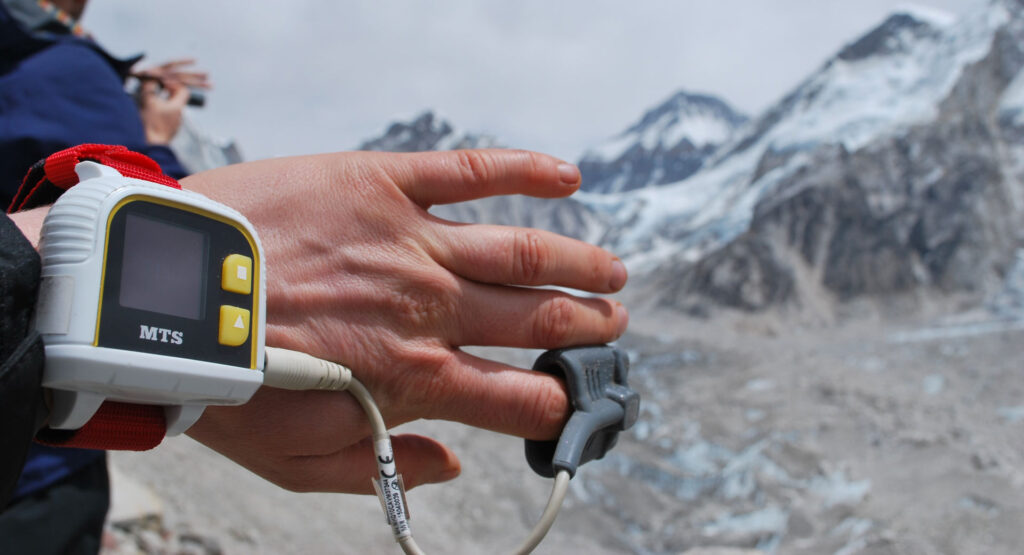
Despite careful planning and strong prevention strategies, altitude illness can still occur on Mount Kilimanjaro. Every climber responds differently to altitude, and no level of fitness can fully eliminate risk. This makes proper treatment knowledge and emergency preparedness absolutely critical. Understanding what to do when symptoms appear, how they are managed on the mountain, and when descent becomes mandatory can mean the difference between a manageable situation and a life threatening emergency. On Kilimanjaro, safety protocols are designed to prioritize human life above summit success.
The first and most important principle of treating altitude illness is recognizing that ascent should stop immediately when symptoms worsen. Mild symptoms such as headache or nausea may initially be managed with rest, hydration, and observation. However, if symptoms persist or intensify after rest, continuing upward is dangerous. Guides are trained to make conservative decisions based on symptom progression rather than personal goals. This approach significantly reduces the risk of severe complications related to altitude sickness on Mount Kilimanjaro.
Rest is often the first line of treatment for mild altitude related symptoms. Allowing the body time to adapt can lead to symptom improvement within a few hours. During rest periods, climbers are encouraged to hydrate, eat light meals, and avoid exertion. Pain relievers may be used cautiously for headaches, but they should never be used to mask worsening symptoms. Medical guidance consistently emphasizes that medication should support comfort, not enable continued ascent against medical advice.
When symptoms fail to improve or become more severe, descent becomes the most effective and reliable treatment. Descending even a few hundred meters can result in rapid symptom relief because oxygen availability increases significantly at lower altitudes. This is why descent is considered the definitive treatment for all forms of altitude illness. On Kilimanjaro, descent routes are carefully planned, and evacuation procedures are well established to ensure that affected climbers can be moved safely and efficiently.
Supplemental oxygen is another critical tool used in the treatment of altitude illness. Oxygen increases blood oxygen saturation and can stabilize climbers experiencing severe symptoms. While oxygen does not replace descent, it can provide vital support during evacuation or while preparing to move to lower altitude. Many professional operators carry portable oxygen cylinders as part of their emergency equipment. Epic horizons Adventure we are looking extra miles to make sure…. that oxygen systems are readily available and that guides are trained in their proper use.
In cases of High Altitude Pulmonary Edema or High Altitude Cerebral Edema, immediate action is required. These conditions are medical emergencies that can progress rapidly. Symptoms such as breathlessness at rest, confusion, loss of coordination, or altered mental state demand urgent descent and oxygen therapy. Delay in treatment significantly increases risk. International medical authorities such as the International Society for Mountain Medicine (https://www.ismm.org) stress that early recognition and rapid response are essential for survival.
Portable hyperbaric chambers, sometimes referred to as altitude bags, may also be used in emergency situations. These devices simulate descent by increasing air pressure around the patient, temporarily improving oxygen availability. While not a substitute for actual descent, they can be lifesaving when immediate descent is not possible due to weather or terrain. Their use requires training and coordination, further emphasizing the importance of experienced guide teams.
Communication plays a vital role during emergencies. Guides maintain constant communication with base operations and, when necessary, with rescue services. Clear reporting of symptoms, altitude, and patient condition allows for coordinated decision making. On Kilimanjaro, evacuation options may include assisted walking, stretcher evacuation, or vehicle transfer once lower altitudes are reached. National park rescue systems are designed to support these operations, but early reporting improves outcomes.
Psychological support is also an important but often overlooked aspect of treatment. Climbers experiencing altitude illness may feel fear, frustration, or disappointment, especially if descent ends their summit attempt. Calm reassurance and clear explanation of decisions help reduce stress and promote cooperation. A supportive environment encourages climbers to prioritize health over ambition. Epic horizons Adventure we are looking extra miles to make sure…. that every climber feels respected and supported, even when difficult decisions must be made.
Post descent care should not be neglected. While symptoms often improve rapidly after descent, continued monitoring is important. Some individuals may require further medical evaluation, especially if symptoms were severe. Rehydration, rest, and gradual return to normal activity help ensure full recovery. Trusted health organizations such as the Centers for Disease Control and Prevention (https://www.cdc.gov) recommend medical follow up after significant altitude illness.
Training and preparedness underpin all effective emergency responses. Guides receive instruction in wilderness first aid, high altitude medicine, and evacuation procedures. Regular drills and equipment checks ensure readiness. This level of preparation transforms potential crises into manageable situations. Climbers benefit directly from choosing operators who invest in training, equipment, and safety culture.
It is important to understand that turning back due to altitude illness is not a failure. In fact, it reflects responsible decision making and respect for the mountain. Many climbers who descend safely return another time and successfully reach the summit with improved acclimatization strategies. The mountain will always be there, but health and life are irreplaceable.
In conclusion, effective treatment of altitude illness relies on early recognition, immediate response, and decisive action. Rest, descent, oxygen, and professional medical support form the foundation of safe management. When symptoms escalate, rapid evacuation saves lives. By prioritizing safety and preparedness, climbers and guides work together to manage altitude related challenges responsibly. With the right systems in place, altitude sickness on Mount Kilimanjaro can be treated effectively, ensuring that every climber’s well being remains the highest priority.
Section 5: Why Epic Horizons Adventure Is the Ideal Choice for a Safe Kilimanjaro Experience
Choosing the right tour operator is arguably as important as physical preparation when it comes to climbing Kilimanjaro safely. While the mountain itself presents challenges that test endurance and resolve, it is the professionalism, experience, and ethics of your guide team that can determine whether a climb is a life enriching adventure or a dangerous endeavor. For climbers seeking a safe, responsible, and fully supported ascent, Epic Horizons Adventure provides unmatched expertise and care. From meticulous planning to real time monitoring, our team ensures that altitude sickness on Mount Kilimanjaro is managed proactively, providing peace of mind and maximizing the chances of a successful summit.
Epic Horizons Adventure prioritizes comprehensive preparation for every client. Before the climb, our guides provide detailed briefings covering altitude illness symptoms, prevention techniques, and emergency protocols. Clients receive guidance on physical training, nutrition, hydration, and equipment. This pre climb education ensures that each climber is fully aware of the challenges and equipped to respond effectively. Epic horizons Adventure we are looking extra miles to make sure…. that every participant understands how to prevent and recognize altitude sickness on Mount Kilimanjaro, setting the foundation for a safe climb.
Our guides are among the most experienced in the region, trained not only in high altitude trekking but also in wilderness first aid and emergency medical response. They are able to identify early signs of AMS, HAPE, and HACE, and initiate immediate preventive or corrective measures. Rapid intervention is critical, and having skilled guides on hand can save lives. Epic Horizons Adventure maintains strict protocols for daily health monitoring, ensuring that potential problems are detected before they escalate. This high level of vigilance differentiates us from operators who prioritize speed or cost over climber safety.
Ethical and responsible tourism is another cornerstone of our operations. Kilimanjaro’s porters and support staff are essential to every expedition, and Epic Horizons Adventure is committed to their fair treatment, proper equipment, and safe working conditions. We actively follow guidelines established by the Kilimanjaro Porters Assistance Project (https://kiliporters.org), ensuring that our team members are respected, trained, and adequately compensated. This ethical approach not only benefits staff but also enhances client experience, as climbers can trust that their expedition supports positive social impact.
Our itineraries are specifically designed to optimize acclimatization and reduce the risk of altitude illness. Longer routes and strategic camp placements allow the body to adjust gradually to high altitude, giving climbers the best chance of reaching the summit safely. We avoid compressed schedules that increase physical strain and risk. By combining scientific understanding of acclimatization with local expertise, Epic Horizons Adventure ensures that every climb is conducted with maximum safety and enjoyment in mind.
Equipment and logistical support are equally essential. Our camps are fully equipped, providing warmth, hydration, and nutritious meals tailored for high altitude trekking. Climbers have access to emergency oxygen, first aid kits, and communication tools, ensuring that assistance is immediately available if needed. Epic horizons Adventure we are looking extra miles to make sure…. that every logistical detail is handled meticulously, removing unnecessary stress and allowing climbers to focus on their journey.
Post climb care is also integral to our approach. After descent, climbers receive debriefings, medical check ins, and recovery advice to ensure complete well being. The emotional and psychological aspects of altitude illness are addressed with support and guidance, fostering a holistic approach to adventure. Our clients consistently report that this level of comprehensive care contributes to both their physical safety and overall satisfaction with the Kilimanjaro experience.
External resources and evidence based guidelines inform our practices. Recommendations from the International Society for Mountain Medicine (https://www.ismm.org) and Centers for Disease Control and Prevention (https://www.cdc.gov) shape our health protocols and emergency preparedness. By integrating authoritative guidance with field experience, Epic Horizons Adventure sets a new standard in Kilimanjaro expedition management.
Transparency and communication are central to client confidence. Climbers are informed of potential risks, what to expect during the climb, and the measures in place to ensure their safety. This openness creates trust and fosters a collaborative environment between clients and guides. Epic Horizons Adventure we are looking extra miles to make sure…. that climbers feel empowered to make informed decisions about their ascent and are supported at every stage.
Finally, choosing Epic Horizons Adventure means choosing a partner who values safety, ethics, and a memorable experience equally. We combine scientific knowledge, field experience, ethical standards, and logistical expertise to create a Kilimanjaro climb that is both safe and transformative. Altitude sickness on Mount Kilimanjaro is a serious concern, but with the right team, thorough preparation, and continuous monitoring, it can be effectively managed. Our commitment to excellence ensures that each expedition is not only a journey to the summit but a safe, enriching, and unforgettable adventure.https://www.epichorizonsadventures.com/destinations/kilimanjaro-mountain/