This Beginners guide to Mount Kilimanjaro covers routes, gear, safety, altitude tips, and expert advice to help first-time climbers reach the summit safely with Epic Horizons Adventure.https://www.epichorizonsadventures.com/our-tours/destinations/
Understanding Mount Kilimanjaro and Why It Is Perfect for Beginners
Mount Kilimanjaro is Africa’s highest mountain and one of the most iconic trekking destinations in the world. Rising to 5,895 meters (19,341 feet) above sea level, it attracts thousands of climbers every year, many of whom have little to no prior high‑altitude mountaineering experience. What makes Kilimanjaro unique is that it is a non‑technical mountain. You do not need ropes, ice axes, or advanced climbing skills to reach the summit. This is why a Beginners guide to Mount Kilimanjaro is essential for anyone planning their first major trek. The mountain is often described as “everyman’s Everest,” not because it is easy, but because it is accessible with proper preparation, guidance, and mindset.
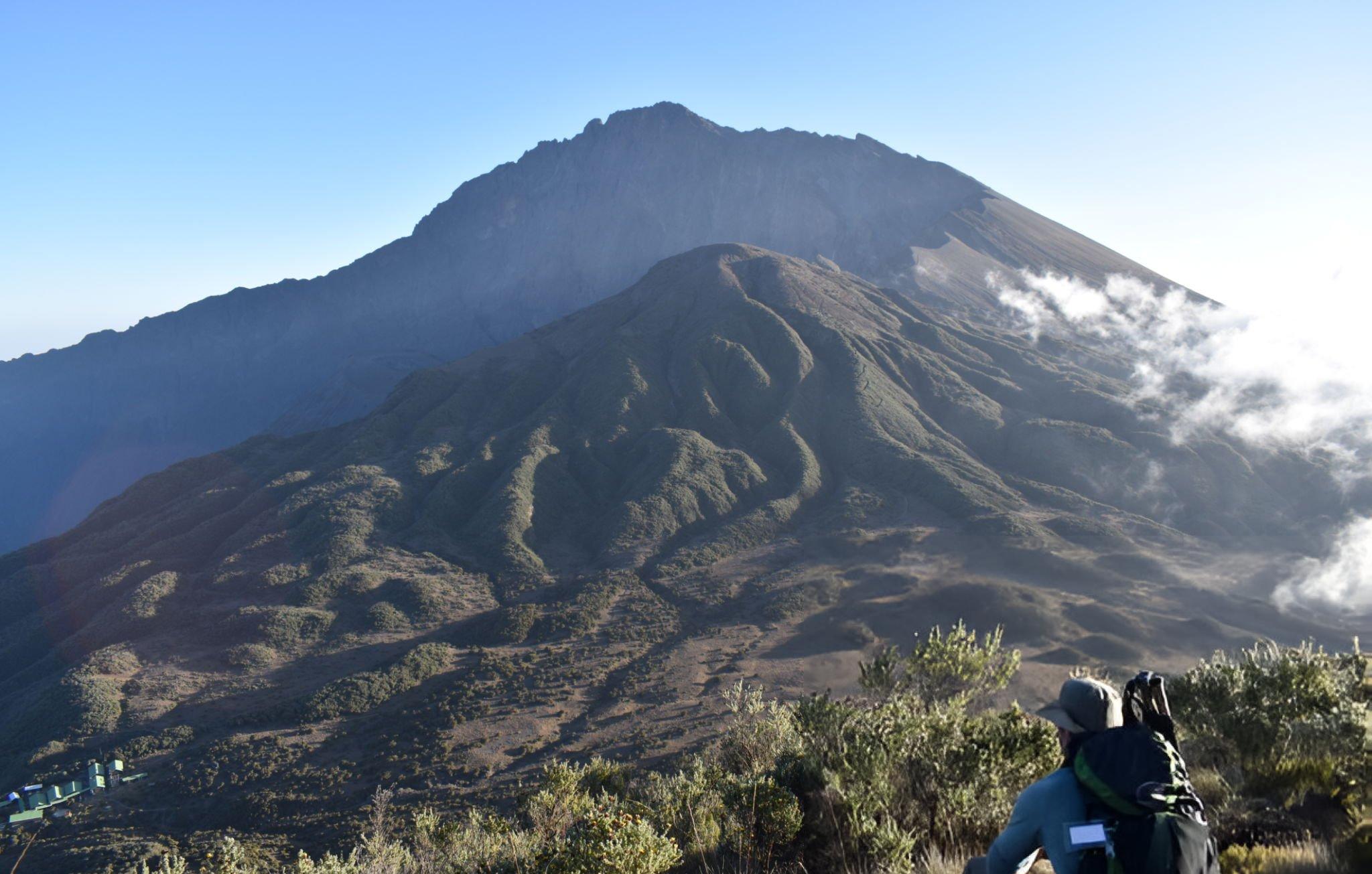
Kilimanjaro is located in northern Tanzania, close to the border with Kenya, and is part of Kilimanjaro National Park, a UNESCO World Heritage Site. One of the most fascinating aspects of the mountain is its ecological diversity. As you ascend, you pass through five distinct climate zones: cultivated farmland, rainforest, heath and moorland, alpine desert, and finally the arctic summit zone. This journey through different environments is one of the reasons why many travelers choose Kilimanjaro for their first high‑altitude adventure. Any reliable Beginners guide to Mount Kilimanjaro should explain that this gradual transition helps beginners adapt physically and mentally to the challenge.
For first‑time climbers, understanding the nature of the mountain helps remove fear and unrealistic expectations. Kilimanjaro is not about technical difficulty; it is about endurance, altitude adaptation, and consistency. Many beginners fail not because they are unfit, but because they underestimate altitude sickness or rush the climb. That is why choosing the right route, itinerary length, and professional tour operator is critical. Epic horizons Adventure we are looking extra miles to make sure…. This philosophy reflects the importance of safety, proper acclimatization, and personalized support for every climber.
From a tourism and economic perspective, Kilimanjaro also plays a vital role in Tanzania’s travel industry. Thousands of local guides, porters, cooks, and drivers depend on mountain tourism for their livelihoods. By climbing responsibly with licensed operators, beginners contribute directly to sustainable tourism and community development. According to the official Kilimanjaro National Park authority, all climbers must be accompanied by registered guides, which adds an extra layer of safety for first‑time trekkers. For authoritative information, you can explore resources from the Tanzania National Parks Authority and UNESCO World Heritage Centre.
Ultimately, Kilimanjaro is not just a mountain; it is a personal journey. A well‑structured Beginners guide to Mount Kilimanjaro helps you understand that success is not measured only by reaching Uhuru Peak, but by enjoying the process, respecting your body, and embracing the adventure step by step.
Physical Preparation and Fitness Requirements for Beginners
One of the most common questions asked by first‑time climbers is whether they are fit enough to climb Kilimanjaro. The truth is that you do not need to be an elite athlete, but you do need a solid level of physical fitness and mental discipline. This Beginners guide to Mount Kilimanjaro emphasizes preparation over raw strength. Long days of hiking, sometimes lasting six to eight hours, require cardiovascular endurance, leg strength, and overall stamina.
Training for Kilimanjaro should ideally start at least two to three months before your climb. The most effective workouts include long walks or hikes, stair climbing, cycling, and moderate running. Carrying a light backpack during training helps simulate real trekking conditions. Strength training focusing on legs, core, and lower back also reduces fatigue and risk of injury. Flexibility exercises and stretching are often overlooked, yet they are essential for recovery during multi‑day treks. Any realistic Beginners guide to Mount Kilimanjaro should also highlight rest days as part of training, since recovery is as important as exertion.
Mental preparation is equally important. Many beginners are surprised by how much of the challenge is psychological. Cold nights, early wake‑up calls, and slow walking pace can test patience. Learning to embrace the “pole pole” (slowly, slowly) philosophy is key. This mindset helps regulate breathing, conserve energy, and improve acclimatization. Epic horizons Adventure we are looking extra miles to make sure…. This commitment reflects the need for guides who encourage, motivate, and monitor climbers throughout the journey.
Nutrition before the climb also plays a crucial role. A balanced diet rich in carbohydrates, lean proteins, and healthy fats prepares your body for sustained activity. Hydration is critical, both during training and on the mountain. Many professional guides recommend drinking at least three to four liters of water per day while climbing. External health resources such as the World Health Organization provide useful general guidance on hydration and physical activity for endurance challenges.
In summary, Kilimanjaro is achievable for beginners who take preparation seriously. A proper Beginners guide to Mount Kilimanjaro shows that consistent training, mental readiness, and professional support dramatically increase your chances of success and enjoyment.
Choosing the Best Route and Itinerary for First‑Time Climbers
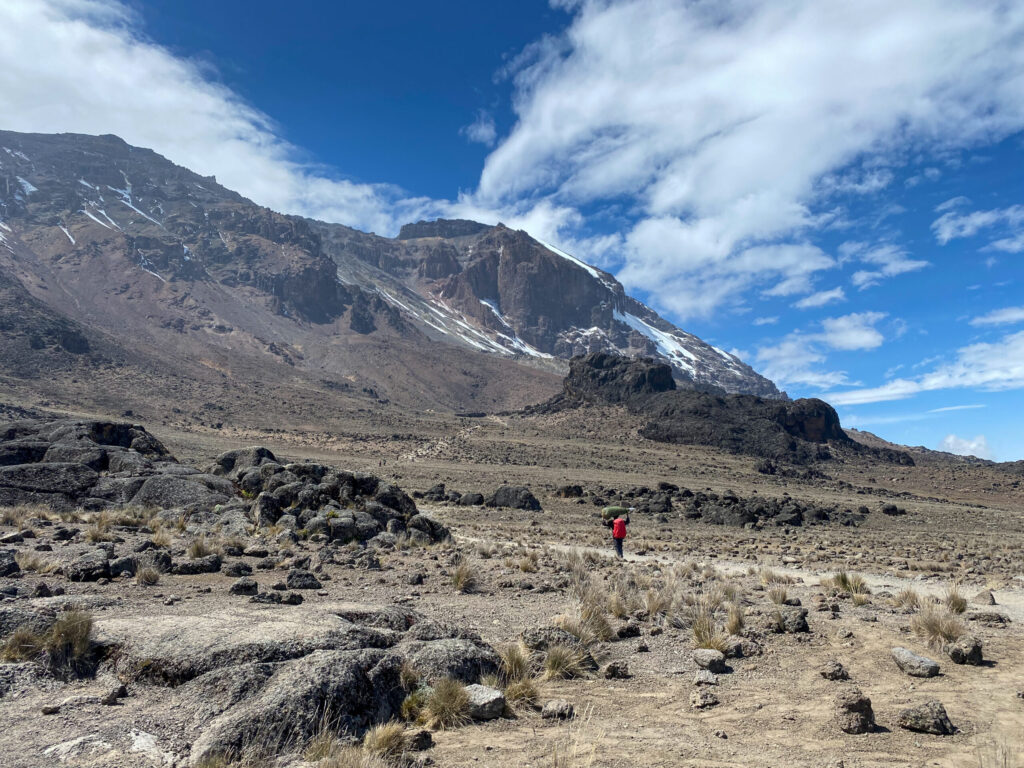
Choosing the right route and itinerary on Mount Kilimanjaro is one of the most important decisions a first-time climber will ever make. Unlike technical mountains that require climbing skills, Kilimanjaro challenges beginners mainly through altitude, endurance, and mental resilience. Because of this, route selection directly affects safety, comfort, and summit success. A well-informed beginner must understand that not all routes are equal, and choosing the wrong route can significantly reduce the chances of reaching Uhuru Peak. Any reliable Beginners guide to Mount Kilimanjaro emphasizes that the mountain should be climbed slowly, with enough days to allow the body to adapt naturally to the increasing altitude.
Mount Kilimanjaro has several established routes, including Lemosho, Machame, Marangu, Rongai, Northern Circuit, and Umbwe. Each route approaches the summit from a different side of the mountain and follows a unique altitude profile. For beginners, the most important factor is acclimatization rather than speed or cost. Routes that offer more days on the mountain generally have higher summit success rates because they give the body time to adjust to lower oxygen levels. Longer itineraries reduce the risk of altitude sickness, which is the main reason many climbers fail to reach the summit.
The Lemosho Route is widely considered one of the best options for first-time climbers. It starts on the western side of the mountain and offers a gradual ascent with excellent acclimatization opportunities. The route is scenic, less crowded in the early stages, and usually completed in seven to eight days. This longer duration makes it ideal for beginners who want to maximize their chances of success while enjoying diverse landscapes. The Northern Circuit, which extends the Lemosho Route, is even longer and provides the best acclimatization profile on the mountain. Although it is more expensive, it has the highest success rate and is very suitable for beginners who prefer a slower pace.
The Machame Route is another popular choice for beginners, especially those who are moderately fit and want a more adventurous experience. Known for its beautiful scenery, Machame follows the “climb high, sleep low” principle, which supports acclimatization. However, it is slightly steeper and can be crowded during peak seasons. While Machame is suitable for beginners, it should ideally be done over seven days rather than six to allow adequate acclimatization. Rushing this route increases the risk of altitude-related problems, especially for first-time climbers.
Marangu Route is often marketed as the easiest route because it offers hut accommodation instead of tents. This can be misleading for beginners. Although sleeping in huts may feel more comfortable, Marangu has a shorter itinerary and a more direct ascent profile. This limits acclimatization time and results in a lower summit success rate compared to longer routes. For beginners, comfort should never replace proper altitude adaptation. Choosing Marangu solely because of beds and shelters can lead to disappointment and health risks.
The Rongai Route approaches Kilimanjaro from the northern side near the Kenyan border and is known for being quieter and drier. This makes it a good option during the rainy season and for beginners who prefer fewer crowds. Rongai offers a steady ascent and can be beginner-friendly when done over enough days. While it is less scenic in the lower sections, it provides a peaceful experience and good acclimatization if planned correctly. In contrast, the Umbwe Route is steep and direct, with rapid altitude gain. It is not recommended for beginners due to its low acclimatization profile and higher risk of altitude sickness.
Itinerary length is just as important as route choice. Many beginners make the mistake of choosing shorter itineraries to save time or money. Five- or six-day climbs significantly reduce summit success rates and place unnecessary stress on the body. For beginners, a minimum of seven days is strongly recommended, with eight or nine days being ideal. Extra days allow for rest, recovery, and gradual altitude exposure. Epic horizons Adventure we are looking extra miles to make sure…. This approach reflects a commitment to safety and responsible planning rather than rushing clients up the mountain.
Seasonality also plays a role in route selection. Kilimanjaro can be climbed throughout the year, but weather conditions vary. The main dry seasons are from June to October and from January to February. These periods offer better trail conditions and clearer views but attract more climbers. Beginners who prefer quieter trails may choose shoulder seasons, accepting occasional rain in exchange for fewer crowds. Certain routes, such as Rongai, are better suited for wet months due to their drier climate.
Another important factor is daily camp altitude. Routes that space camps gradually help beginners sleep better and recover more effectively. Poor sleep is common at altitude, and rapid increases in sleeping elevation can worsen headaches and fatigue. Experienced operators design itineraries that respect altitude guidelines and include acclimatization hikes. A good Beginners guide to Mount Kilimanjaro explains that reaching the summit is not about speed but about arriving there with enough strength and health to enjoy the moment.
Crowd levels can also affect the beginner experience. Busy routes can feel rushed and stressful, especially for first-time climbers who need encouragement and flexibility. Quieter routes allow guides to adjust pace, monitor health closely, and provide personalized support. Beginners often perform better when they feel relaxed and supported rather than pressured to keep up with large groups.
Environmental responsibility should not be ignored when choosing a route. Some routes experience heavier traffic, leading to greater environmental impact. Ethical operators follow strict waste-management practices and respect park regulations. Beginners should be aware that responsible climbing helps protect Kilimanjaro for future generations. Epic horizons Adventure we are looking extra miles to make sure…. This philosophy supports sustainable tourism and ethical treatment of both the mountain and the people who work on it.
Ultimately, choosing the best route and itinerary is about matching the mountain to the climber, not forcing the climber to adapt too quickly to the mountain. When beginners choose longer routes with proper acclimatization and professional support, their chances of success increase dramatically. A strong Beginners guide to Mount Kilimanjaro reinforces that patience, preparation, and informed decisions are the real secrets to standing on the roof of Africa safely and confidently.
Section 4: Gear, Packing List, and What Beginners Really Need
Packing the right gear is one of the most underestimated yet most critical aspects of climbing Mount Kilimanjaro, especially for first-time climbers. Many beginners focus heavily on fitness and route choice but fail to understand that inappropriate or poor-quality gear can significantly reduce comfort, safety, and even summit success. A professional Beginners guide to Mount Kilimanjaro makes it clear that Kilimanjaro is not just one climate; it is several climate zones stacked on top of each other. From hot and humid rainforest to freezing arctic conditions near the summit, your gear must be versatile, reliable, and suitable for extreme variations in weather.
The first principle beginners must understand is layering. Kilimanjaro climbing is not about wearing one heavy jacket all the time, but about using a smart layering system that allows you to adjust your clothing as conditions change. The base layer sits directly on your skin and should be moisture-wicking, not cotton. Cotton absorbs sweat and keeps you cold, increasing the risk of hypothermia at higher altitudes. A good base layer keeps your body dry and regulates temperature efficiently. Any serious Beginners guide to Mount Kilimanjaro strongly discourages cotton clothing on the mountain.
The mid-layer provides insulation and is usually made of fleece or lightweight down. This layer traps body heat and is especially important during early mornings and evenings at camp. As altitude increases, temperatures drop sharply, and beginners often feel colder than expected due to fatigue and reduced oxygen levels. A high-quality insulating layer can make the difference between a comfortable night’s sleep and a miserable one. On summit night, multiple mid-layers may be required to maintain warmth during the long, slow ascent.
The outer layer, also known as the shell layer, protects you from wind, rain, and snow. This layer should be both waterproof and windproof while remaining breathable. Weather on Kilimanjaro can change quickly, even during the dry season. Sudden rain, strong winds, or snow near the summit are not uncommon. A reliable outer shell ensures that inner layers remain dry and effective. According to every trusted Beginners guide to Mount Kilimanjaro, cutting corners on outerwear is one of the most common mistakes beginners make.
Footwear is another critical component of your gear system. Proper hiking boots are non-negotiable. Boots should be sturdy, waterproof, and already broken in before the climb. New boots often cause blisters, which can turn each step into a painful experience. Beginners should aim for boots with good ankle support and solid grip, especially for steep and rocky sections. On summit day, frozen ground and loose scree demand reliable traction. Many beginners underestimate how much foot comfort affects overall endurance and morale.
Socks also play a surprisingly important role. Wearing layered socks, typically a thin liner sock under a thicker hiking sock, helps reduce friction and manage moisture. Cold feet are common at high altitude, and good socks contribute to warmth and blister prevention. A complete Beginners guide to Mount Kilimanjaro always includes foot care as a priority, not an afterthought.
Head and hand protection is essential. As altitude increases, heat loss through the head becomes significant. A warm beanie or insulated hat is necessary for cold conditions, especially at night and on summit day. Gloves should be layered as well, with lightweight inner gloves and insulated outer gloves or mittens. Beginners often bring only one pair of gloves and regret it when conditions become extremely cold. Sunglasses with UV protection are also crucial, as solar radiation increases at higher altitudes and snow reflection near the summit can strain the eyes.
Sleeping gear is another area where beginners must be careful. A high-quality sleeping bag rated for sub-zero temperatures is essential. Even with tents and sleeping mats, nights on Kilimanjaro can be extremely cold. Poor sleep due to cold affects energy levels, mood, and acclimatization. Sleeping bags should be chosen based on comfort rating, not just survival rating. A dependable Beginners guide to Mount Kilimanjaro emphasizes sleep quality as a key factor in summit success.
Daypacks and duffel bags must also be chosen wisely. Porters carry the main duffel bag, but beginners should ensure it is waterproof or protected with a rain cover. The daypack, carried by the climber, should be lightweight and comfortable, with space for water, snacks, sunscreen, camera, gloves, and extra layers. Hydration systems or water bottles should be easily accessible, as regular drinking is critical for altitude adaptation.
Trekking poles are highly recommended for beginners. They reduce strain on knees during descents and improve balance on uneven terrain. Many climbers report that trekking poles significantly reduce fatigue, especially in the later days of the climb. While optional, they are strongly advised in any practical Beginners guide to Mount Kilimanjaro.
Personal items such as sunscreen, lip balm with SPF, wet wipes, and basic toiletries should not be overlooked. The sun at altitude is intense, and sunburn can occur even in cold conditions. Personal medications must be packed carefully, and climbers should inform guides about any medical conditions. Altitude-related medications should only be used under professional advice.
One of the biggest mistakes beginners make is overpacking. Carrying unnecessary items adds weight for porters and can violate park regulations. Kilimanjaro National Park enforces porter weight limits to protect their health and safety. Ethical operators conduct gear checks to ensure climbers pack responsibly. Epic horizons Adventure we are looking extra miles to make sure…. This philosophy highlights attention to detail, ethical practices, and client education before the climb begins.
Renting versus buying gear is another consideration. Many beginners prefer renting expensive items such as sleeping bags, down jackets, or trekking poles. This can be a cost-effective option if the equipment is high quality and well maintained. However, personal items like boots should always be owned and tested before the climb. A realistic Beginners guide to Mount Kilimanjaro presents both options and encourages informed decisions rather than shortcuts.
Weather preparedness is essential. Even during dry seasons, rain can occur in the rainforest zone, and snow is common near the summit. Beginners must pack with the expectation of worst-case conditions rather than ideal forecasts. Being underprepared for cold or rain can quickly drain energy and motivation. Proper gear provides not just physical protection but psychological comfort, which is vital during challenging moments.
Gear organization also matters. Packing items in waterproof stuff sacks helps keep clothing dry and makes it easier to find essentials quickly. Beginners often waste energy searching through bags at altitude, which can be avoided with simple organization strategies. Guides usually provide packing advice during pre-climb briefings, and following this guidance improves efficiency and comfort on the mountain.
In addition to physical gear, beginners should prepare mentally for simplicity and routine. Life on Kilimanjaro is basic: eat, walk, rest, sleep, repeat. Accepting this rhythm helps climbers focus on the journey rather than discomfort. A thoughtful Beginners guide to Mount Kilimanjaro reminds climbers that the mountain experience is about adaptation, not luxury.
Finally, beginners should understand that gear alone does not guarantee success, but poor gear can guarantee failure. When combined with proper training, route selection, and professional support, the right equipment dramatically improves safety and enjoyment. Epic horizons Adventure we are looking extra miles to make sure…. This commitment ensures that beginners are well equipped, well informed, and well supported from the first step to the summit.
In summary, packing smartly for Kilimanjaro is about preparation, balance, and responsibility. A complete Beginners guide to Mount Kilimanjaro shows that when beginners respect the mountain and come prepared with the right gear, they give themselves the best possible chance of reaching Uhuru Peak safely, confidently, and with unforgettable memories.
Safety, Altitude Sickness, and Maximizing Summit Success
Safety is the most important priority for anyone climbing Mount Kilimanjaro, especially for first-time climbers. While Kilimanjaro is often described as a non-technical mountain, the risks associated with high altitude should never be underestimated. Every professional Beginners guide to Mount Kilimanjaro emphasizes that altitude, not terrain, is the main challenge. Thousands of climbers attempt the summit every year, and while many succeed, those who fail often do so because they ignored safety principles or underestimated altitude sickness.
Altitude sickness, also known as Acute Mountain Sickness (AMS), occurs when the body fails to adapt properly to reduced oxygen levels at high elevation. Common symptoms include headaches, nausea, dizziness, fatigue, and loss of appetite. In more severe cases, climbers may experience High Altitude Pulmonary Edema (HAPE) or High Altitude Cerebral Edema (HACE), both of which are life-threatening if not treated immediately. A responsible Beginners guide to Mount Kilimanjaro makes it clear that recognizing symptoms early and responding correctly can save lives.
The most effective way to prevent altitude sickness is a slow and gradual ascent. This is why route choice and itinerary length are directly linked to safety. Longer routes with proper acclimatization days give the body time to adjust by producing more red blood cells and improving oxygen efficiency. Rushing the climb dramatically increases health risks. This is also why reputable operators strongly discourage short itineraries. Epic horizons Adventure we are looking extra miles to make sure…. This philosophy reflects a safety-first approach that prioritizes human life over summit statistics.
Hydration plays a critical role in altitude adaptation. Dehydration worsens altitude symptoms and reduces physical performance. Climbers are generally advised to drink at least three to four liters of water per day while on the mountain. Guides often monitor hydration levels by checking urine color and frequency. A well-informed Beginners guide to Mount Kilimanjaro highlights hydration as a daily discipline, not an optional habit.
Nutrition is another key safety factor. At altitude, appetite often decreases, yet the body requires more energy. Meals provided on Kilimanjaro are designed to be high in carbohydrates, which are easier to digest and provide quick energy. Eating even when not hungry helps maintain strength and warmth. Beginners who skip meals often experience faster fatigue and reduced mental focus. Proper fueling supports both physical performance and altitude adaptation.
Professional guiding is one of the strongest safety measures on Kilimanjaro. Tanzanian park regulations require all climbers to be accompanied by licensed guides, and for good reason. Experienced guides are trained to recognize altitude symptoms, manage pacing, and make critical decisions under pressure. Many carry medical kits, oxygen cylinders, and pulse oximeters to monitor oxygen saturation levels. A trusted Beginners guide to Mount Kilimanjaro strongly advises climbing only with reputable, licensed operators.
Communication is another essential safety principle. Beginners should never hide symptoms out of fear of slowing the group or disappointing others. Altitude sickness does not reflect weakness; it is a physiological response that can affect anyone, regardless of fitness level. Honest communication with guides allows for early intervention, such as rest, medication, or descent. Epic horizons Adventure we are looking extra miles to make sure…. This commitment means creating an environment where climbers feel safe to speak up.
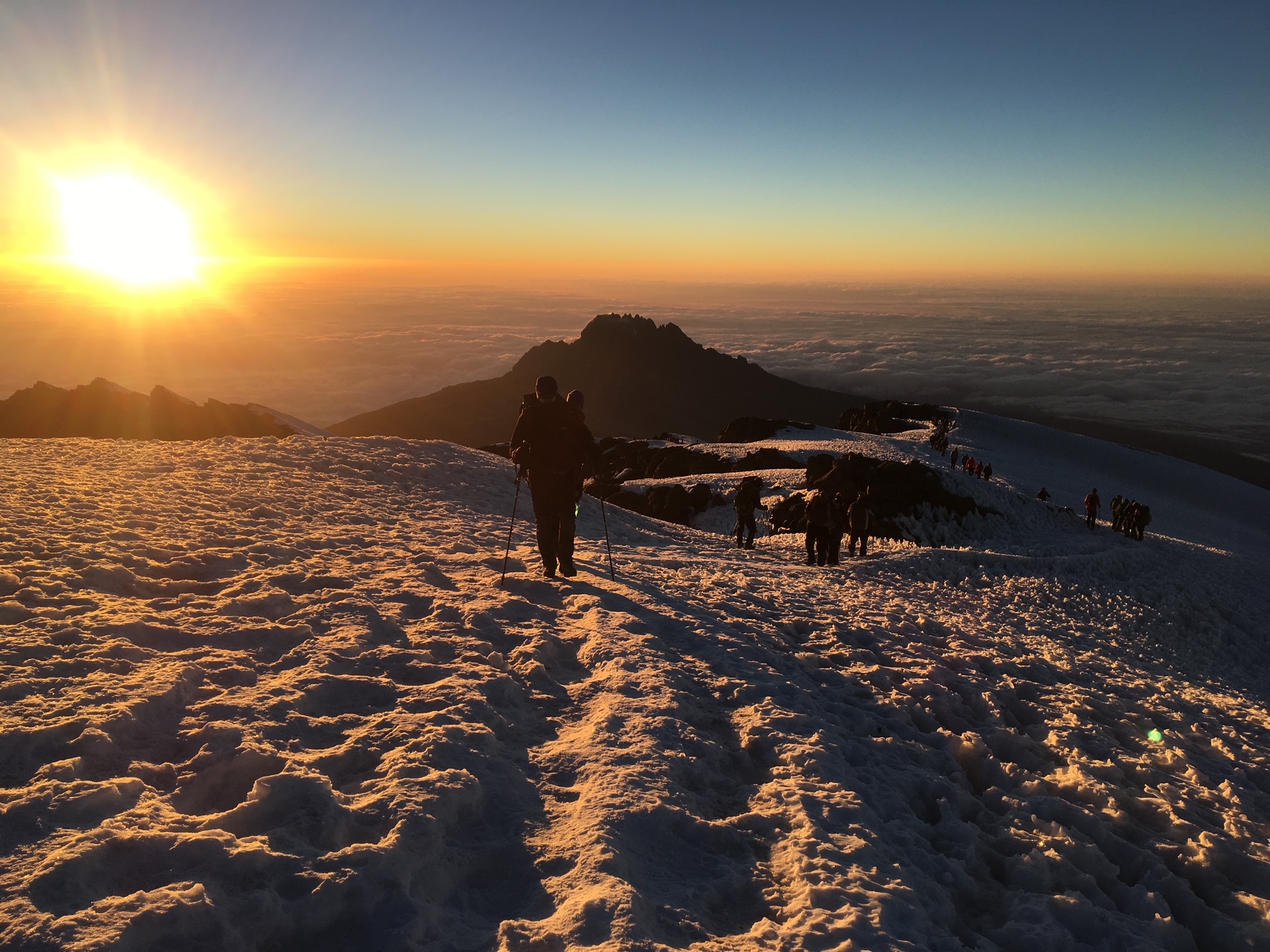
Summit night represents the most physically and mentally demanding part of the climb. The ascent usually begins around midnight, in freezing temperatures and darkness. Fatigue, cold, and altitude combine to test even the strongest climbers. The slow pace, often described as “pole pole,” is designed to conserve energy and support breathing. Many beginners find summit night overwhelming, but with proper preparation and guidance, it becomes manageable. A detailed Beginners guide to Mount Kilimanjaro prepares climbers mentally for this challenge long before they reach it.
Mental strength plays a major role in summit success. Fear, doubt, and discomfort are common, especially during the final hours to Uhuru Peak. Encouragement from guides, positive self-talk, and focusing on small milestones help climbers push through difficult moments. However, mental determination should never override safety. Turning around is sometimes the smartest decision, and experienced guides respect this choice.
Weather conditions also influence safety. Kilimanjaro’s weather can change rapidly, with strong winds, snow, and extreme cold near the summit. Proper gear, discussed in earlier sections, is essential for protection. Climbers should trust their guides’ decisions regarding weather-related adjustments. A safety-focused Beginners guide to Mount Kilimanjaro reminds climbers that the mountain will always be there, but their health comes first.
Emergency protocols are an important but often overlooked aspect of safety. Reputable operators have clear evacuation plans, including stretcher teams and vehicle access points. Kilimanjaro National Park has established rescue procedures, but response time depends on location and conditions. Choosing an operator with strong safety records and emergency preparedness significantly reduces risk. Official safety guidelines can be reviewed through Tanzania National Parks Authority:
https://www.tanzaniaparks.go.tz
Medical knowledge about altitude sickness continues to evolve. Authoritative health organizations such as the Centers for Disease Control and Prevention provide valuable information on altitude illness prevention and treatment:
https://www.cdc.gov/travel/page/travel-to-high-altitudes
This external resource complements on-mountain expertise and reinforces the importance of informed preparation.
Another reliable reference is the World Health Organization, which offers general guidance on physical exertion and health at altitude:
https://www.who.int
Using trusted external sources strengthens the credibility of any Beginners guide to Mount Kilimanjaro and helps climbers make informed decisions.
Summit success should never be defined only by reaching Uhuru Peak. True success means returning safely with good health and positive memories. Many climbers who turn back just below the summit still describe their experience as life-changing. A professional Beginners guide to Mount Kilimanjaro reframes success as responsible decision-making rather than blind persistence.
Ethical responsibility also plays a role in safety. Treating porters fairly, respecting weight limits, and choosing operators who follow ethical guidelines improves overall expedition safety. Organizations such as the Kilimanjaro Porters Assistance Project promote safe working conditions and responsible tourism:
https://kiliporters.org
Supporting such initiatives ensures that safety extends to everyone involved in the climb.
Epic horizons Adventure we are looking extra miles to make sure…. This dedication reflects a holistic approach to safety, covering clients, staff, and the mountain environment itself. When safety is treated as a core value rather than a checklist, the entire climbing experience improves.
In conclusion, safety on Mount Kilimanjaro is not accidental; it is the result of careful planning, professional guidance, and personal responsibility. Altitude awareness, honest communication, proper acclimatization, and mental readiness all contribute to summit success. A comprehensive Beginners guide to Mount Kilimanjaro exists to ensure that first-time climbers understand these principles clearly before stepping onto the mountain. When beginners prioritize safety over speed and preparation over pride, they give themselves the best possible chance of standing on the roof of Africa—and returning home safely to tell the story.