Discover the ultimate Serengeti camping experience with luxury, wildlife encounters, bird watching, and conservation adventures with Epic Horizons Adventurehttps://www.epichorizonsadventures.com/our-tours/destinations/
Serengeti Camping Experience – An Immersive Introduction to Authentic Wilderness Living
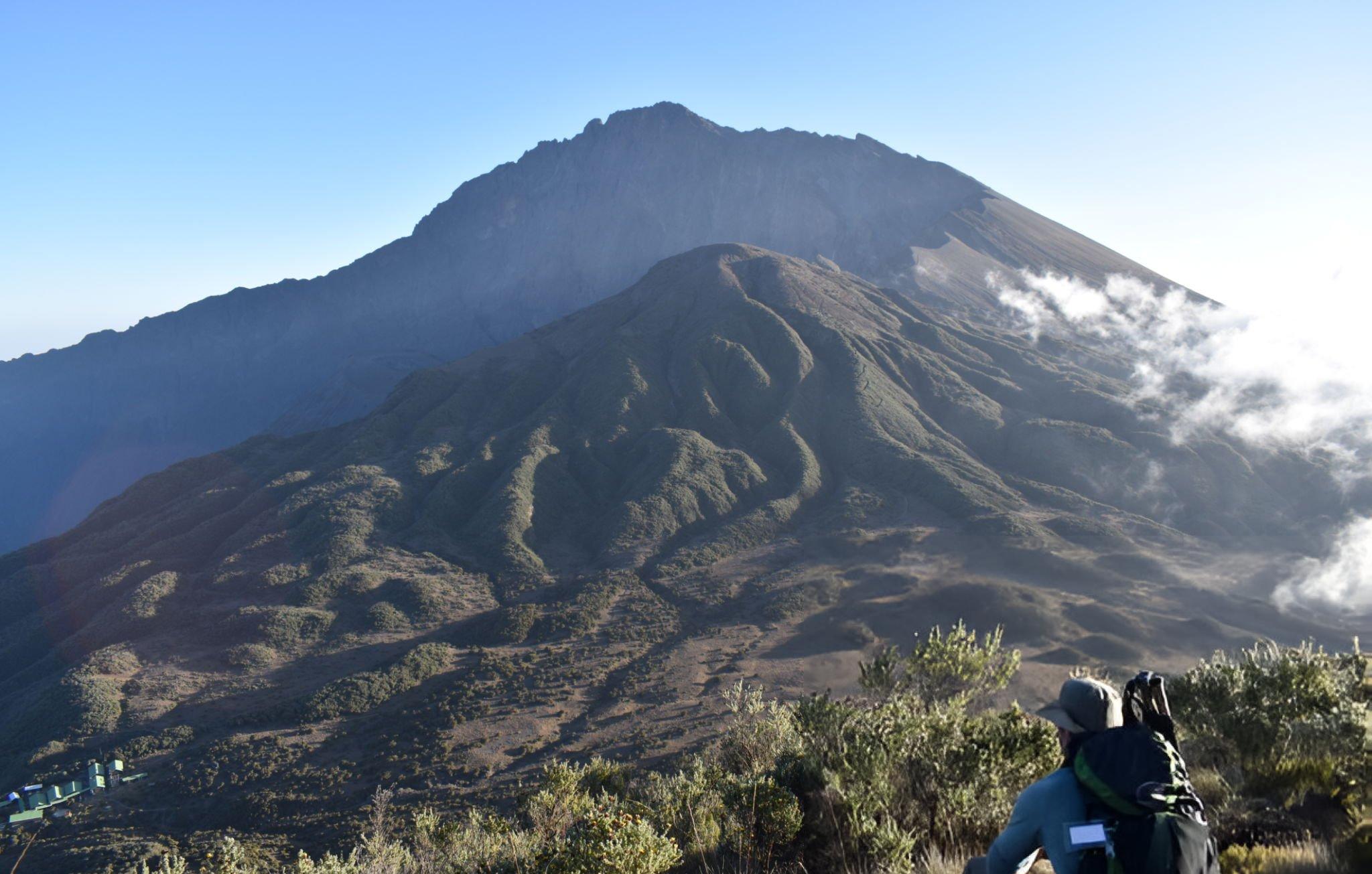
A Serengeti camping experience represents the most authentic and immersive way to connect with Africa’s legendary wilderness. Unlike lodge-based safaris that separate travelers from the natural rhythms of the land, camping places guests directly within the ecosystem, allowing them to hear the distant roar of lions at night, feel the shift of wind across open plains, and wake to birdsong as the sun rises over endless savannahs. For modern travelers seeking depth rather than luxury alone, camping in Serengeti is not simply accommodation; it is a philosophy of travel rooted in presence, simplicity, and respect for nature. This form of safari appeals to adventurers, photographers, conservation-minded travelers, and anyone who wishes to experience the Serengeti as it has existed for centuries.
The Serengeti ecosystem is one of the most intact and expansive wilderness areas on Earth, covering nearly 15,000 square kilometers of protected land. Camping within this vast landscape allows travelers to experience its scale and raw beauty in a way that day visits or permanent lodges cannot replicate. Nights are darker, skies are clearer, and the sounds of wildlife are more pronounced. These sensory elements are not incidental; they form the emotional core of a true Serengeti camping experience, fostering a deeper appreciation for the ecosystem and the wildlife that depends on it. Being present in the environment, rather than observing it from a distance, creates a profound sense of connection that many travelers describe as life-changing.
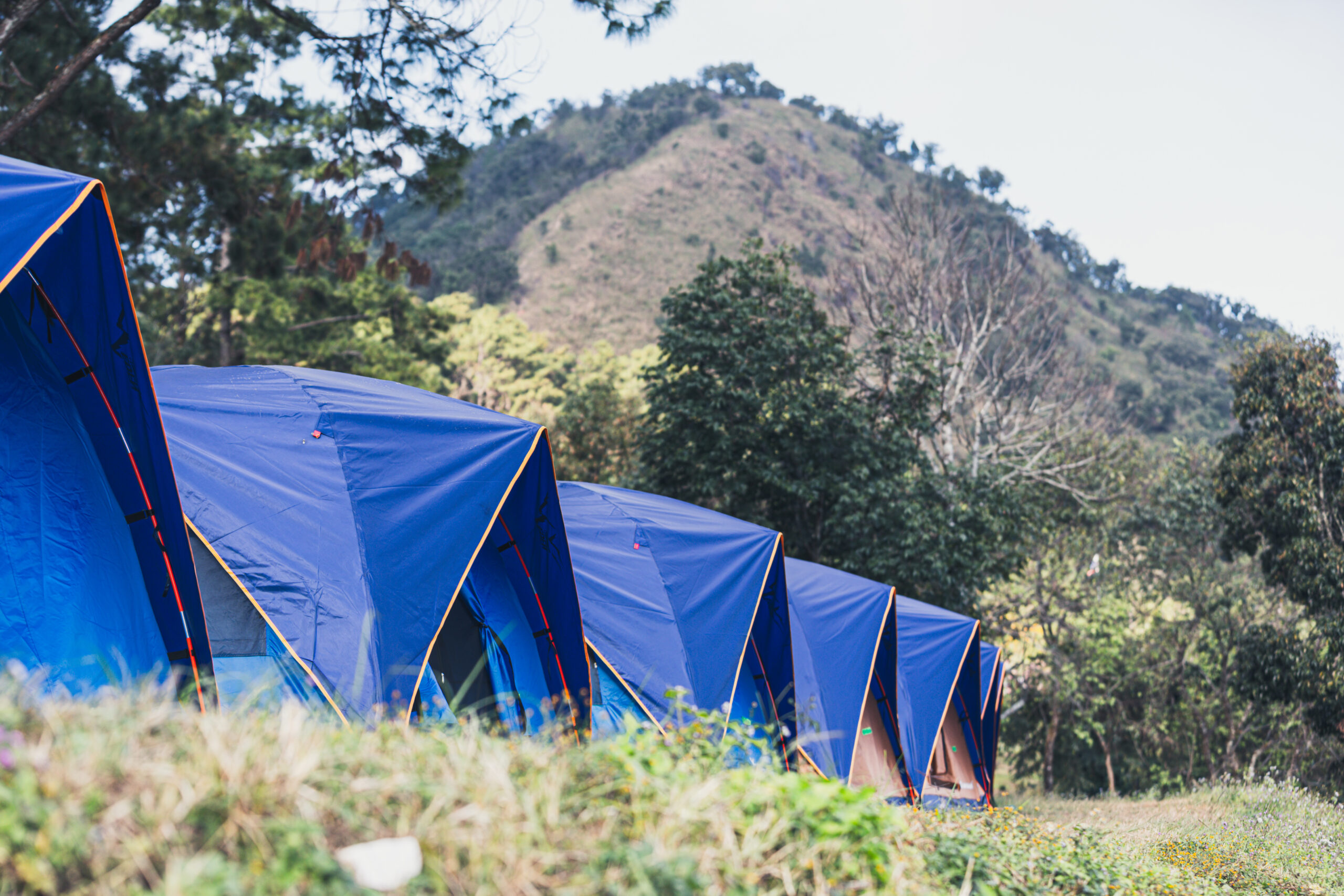
There are several types of camping available in Serengeti, each offering a different level of comfort and immersion. Public campsites provide basic facilities and are ideal for experienced travelers who prioritize authenticity over amenities. Special campsites, reserved exclusively for private groups, offer greater seclusion and flexibility in location. Mobile luxury camps blend comfort with wilderness immersion, featuring spacious tents, proper beds, en-suite facilities, and attentive staff while remaining temporary and low-impact. Regardless of style, all forms of camping share a common advantage: proximity to wildlife habitats. This closeness enhances early morning and late afternoon game drives, reduces travel time, and increases opportunities for spontaneous wildlife encounters.
Camping also aligns closely with ecological principles of low-impact tourism. Temporary camps leave minimal footprints, allowing landscapes to recover naturally once camps move or close. This approach supports long-term conservation goals and reduces pressure on sensitive habitats. Tanzania National Parks Authority strictly regulates camping activities to ensure environmental protection, visitor safety, and sustainable use of park resources. Official guidelines and conservation policies can be explored through https://www.tanzaniaparks.go.tz, which outlines how responsible tourism supports Serengeti’s preservation. Choosing a professionally managed camping safari ensures compliance with these regulations while maximizing comfort and safety.
One of the most compelling aspects of camping in Serengeti is the heightened awareness it brings. Without the barriers of walls or permanent structures, campers become more attuned to environmental cues such as animal calls, weather changes, and nocturnal activity. Evenings around the campfire often become moments of reflection, storytelling, and learning, guided by experienced safari staff. At Epic Horizons Adventures, this immersive philosophy is central to our operations. Epic Horizons Adventures goes the extra miles to make sure every guest feels safe, informed, and deeply connected to the environment, combining professional guiding with thoughtful camp setups that balance comfort and authenticity.
Safety is a common concern for first-time campers, yet professionally guided camping safaris in Serengeti are extremely safe when conducted by licensed operators. Trained guides and camp staff manage wildlife awareness, camp security, and emergency preparedness with precision. Camps are strategically positioned away from high-risk wildlife corridors, and clear protocols are followed at all times. This professional oversight allows guests to relax and fully enjoy their surroundings, knowing that safety is integrated into every aspect of the experience. Understanding these measures reassures travelers that a Serengeti camping experience is not about unnecessary risk, but about informed adventure.
The emotional impact of camping in Serengeti often surpasses expectations. Sleeping beneath canvas, surrounded by nature, encourages mindfulness and presence rarely achieved in modern life. Many travelers report stronger emotional responses to wildlife encounters when camping, as the continuity between day and night deepens the sense of place. This emotional resonance is a key reason why repeat visitors often choose camping over lodges on subsequent safaris. The experience becomes less about ticking off sightings and more about immersion, understanding, and personal transformation.
From an SEO and content authority perspective, camping-focused safari content meets growing global demand for experiential travel. Search trends increasingly show interest in nature-based, sustainable, and authentic travel experiences. Google’s ranking systems favor content that demonstrates expertise, real-world insight, and genuine value to readers. By offering detailed, experience-driven information, blogs centered on Serengeti camping build topical authority and align strongly with search intent. This approach positions content targeting serengeti camping experience as a trusted resource rather than a generic travel overview.
In conclusion, camping in Serengeti is not simply an alternative to lodges; it is the purest expression of safari travel. It strips away distractions and places travelers within the rhythms of the wild, fostering respect, awareness, and lasting memories. Whether motivated by adventure, conservation, photography, or personal growth, those who choose to camp in Serengeti engage with the landscape in its most honest form. This foundational understanding sets the stage for deeper exploration of planning, seasons, comfort levels, and conservation, which will be explored in the following sections.
Planning the Ultimate Serengeti Camping Experience – Seasons, Timing, and Wildlife Opportunities
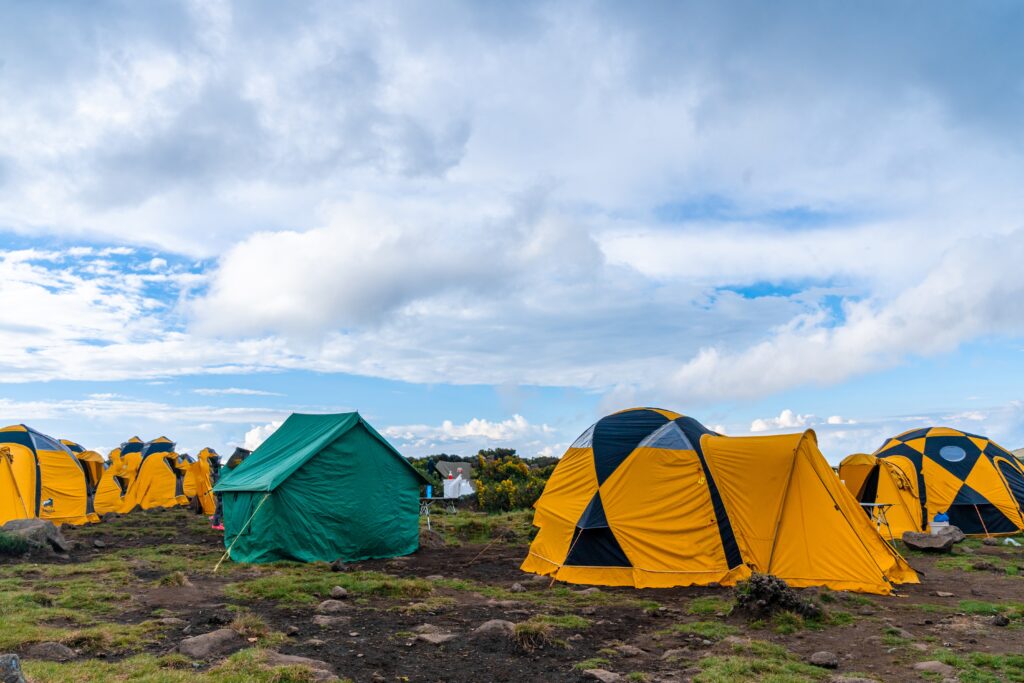
Successfully planning a Serengeti camping experience requires careful consideration of seasons, timing, and wildlife behavior. The Serengeti ecosystem experiences significant seasonal variations that influence not only which animals you will encounter but also how comfortable and safe your camping adventure will be. For travelers seeking the ultimate serengeti camping experience, understanding rainfall patterns, migration cycles, and temperature fluctuations is essential for designing a safari that maximizes both sightings and enjoyment. Unlike lodge-based trips, where comfort is largely consistent year-round, camping is directly affected by weather and ecological rhythms, making planning a critical component of a successful adventure.
The Serengeti has two primary rainy periods: the short rains from November to December and the long rains from March to May. During these wet periods, the landscape transforms dramatically. Grasslands turn lush and green, temporary rivers and water pans fill, and migratory birds and herbivores move to exploit the abundance of food. For campers, this period provides a vibrant and photogenic environment, ideal for wildlife observation and photography. However, some areas may become temporarily inaccessible due to flooding or muddy tracks. This season is perfect for those who prioritize biological richness and dramatic scenery over ease of access, making it an excellent choice for travelers committed to experiencing serengeti camping experience in its most natural form.
The dry season, spanning June to October, offers a contrasting but equally rewarding experience. Water sources become concentrated in permanent rivers, which in turn draws wildlife to predictable locations. This makes animal viewing during morning and afternoon drives particularly productive. Temperatures are cooler and skies are consistently clear, enhancing visibility and photography. Many travelers prefer this season for a Serengeti camping experience because logistical challenges are minimized, and the concentration of wildlife near waterholes increases the likelihood of memorable sightings, including predator-prey interactions. Safari operators often schedule mobile camps and guided walks to coincide with these wildlife hotspots, ensuring an immersive experience for all guests.
For bird enthusiasts, timing your Serengeti camping experience to coincide with migratory seasons significantly increases species diversity. Palearctic migrants from Europe and Asia arrive between October and April, while intra-African species shift their ranges in response to rainfall patterns. These arrivals enrich the avian tapestry of the park and offer exceptional opportunities for observation and photography. Birders often combine early morning walks with guided drives to witness both resident and migratory species in a single outing. This strategy exemplifies how careful planning enhances every aspect of a serengeti camping experience, from species counts to behavior observation.
Camping itineraries must also consider temperature and daylight. Early mornings and late afternoons are peak activity periods for wildlife, while midday heat often results in animals seeking shade. Consequently, professional guides design safari schedules around these rhythms. At Epic Horizons Adventures, camp locations and daily drives are strategically chosen to align with both ecological patterns and guest comfort. Epic Horizons Adventures goes the extra miles to make sure guests are in the right place at the right time, optimizing wildlife encounters and ensuring a safe, enjoyable, and immersive camping experience. This blend of ecological understanding and personalized service distinguishes professionally guided camping trips from self-guided adventures.
Safety and preparedness are integral to planning a Serengeti camping experience. Camps are positioned with careful consideration of predator movement, water proximity, and access to emergency services. Trained staff manage nightly security, wildlife awareness, and first-aid readiness, providing guests with peace of mind. Equipment checklists, communication protocols, and contingency plans are standard practices to mitigate potential risks. The Tanzania National Parks Authority provides regulations and guidelines for all camping activities, which are strictly enforced to maintain both visitor safety and ecosystem integrity (https://www.tanzaniaparks.go.tz). Following these guidelines ensures that your Serengeti camping experience is both exhilarating and secure.
Another key aspect of planning is understanding accommodation types within camping options. Public sites offer basic facilities for adventurous travelers, while private and mobile luxury camps provide elevated comfort without compromising immersion in nature. Each choice has trade-offs in terms of privacy, amenities, and environmental impact. Careful selection of camp type allows travelers to align expectations with experience goals, balancing adventure with personal comfort. Professionals in the industry, including Epic Horizons Adventures, tailor camping itineraries to match guest preferences, ensuring that every detail—from tent placement to activity schedule—supports a superior serengeti camping experience.
Sustainability should also guide your planning process. Mobile camps are designed to leave minimal environmental impact, and waste management, firewood use, and wildlife disturbance are carefully monitored. Engaging with operators committed to ethical and low-impact practices contributes to the long-term preservation of the Serengeti ecosystem. Organizations such as BirdLife International (https://www.birdlife.org) emphasize the importance of sustainable tourism, noting that responsible travel directly benefits both wildlife and local communities. By choosing eco-conscious options, campers contribute to conservation while enjoying the full richness of their Serengeti camping experience.
Finally, the quality of your Serengeti camping experience is amplified by informed preparation. Understanding climate, migration, activity cycles, and safety protocols ensures that your adventure is not only memorable but also responsible and enriching. By coordinating with professional guides, planning around seasonal and daily rhythms, and selecting camps that balance comfort and immersion, travelers maximize both enjoyment and ecological impact. Every moment, from the crackling campfire to the first morning game drive, becomes a meaningful encounter with one of the most iconic wilderness landscapes on Earth.
Wildlife Encounters and Bird Watching – Maximizing Your Serengeti Camping Experience
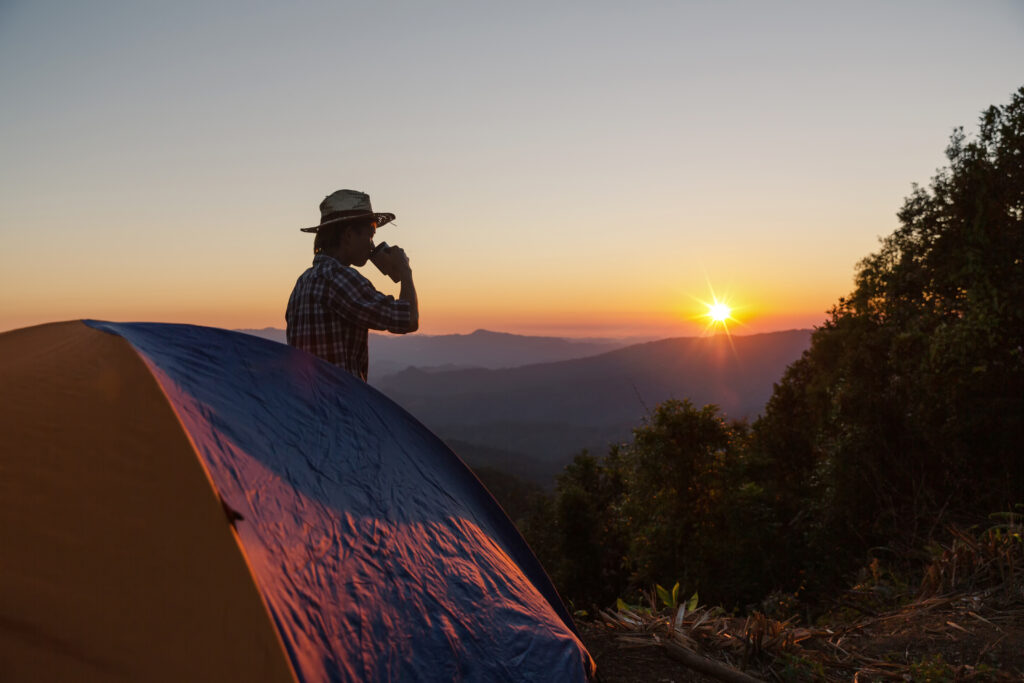
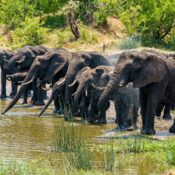
One of the most compelling reasons travelers choose a serengeti camping experience is the unparalleled access to wildlife. Unlike lodge-based safaris where accommodations are fixed and drives follow predefined routes, camping allows guests to immerse themselves in the ecosystem, observing animals in ways that feel spontaneous and authentic. The proximity of camps to migration routes, watering holes, and predator hotspots enhances the frequency and quality of encounters. Whether witnessing a pride of lions on the hunt or a herd of elephants crossing the plains, camping fosters a sense of immediacy and intimacy that is central to the Serengeti experience. Wildlife observation here is not a passive activity—it is a continuous engagement with the rhythms and patterns of the ecosystem.
Bird watching is another dimension of the Serengeti camping experience that has captivated enthusiasts worldwide. The park hosts over 500 bird species, including resident, migratory, and rare species. Campers are uniquely positioned to experience dawn choruses from the heart of the savannah or observe colorful species like lilac-breasted rollers, secretary birds, and various raptors in their natural habitats. Unlike lodge-bound birding trips, a serengeti camping experience allows enthusiasts to witness behaviors across multiple times of day, from early morning feeding to evening roosting. This flexibility and immersion result in richer observational opportunities and photographic moments that are otherwise difficult to achieve.
The timing of wildlife activity is closely linked to seasonal patterns, which makes planning an integral part of maximizing encounters. The Great Migration, which peaks between June and October, is particularly popular among campers who wish to experience herds moving across the plains. Rainy seasons bring lush greenery and attract birds, insects, and herbivores in abundance, enhancing predator-prey dynamics and overall biodiversity. Expert guides are essential in navigating these cycles. At Epic Horizons Adventures, planning is meticulously aligned with animal behavior and habitat conditions. Epic Horizons Adventures goes the extra miles to make sure guests are at the right locations during peak activity periods, ensuring that every wildlife or bird encounter is safe, informative, and unforgettable.
Safety during wildlife encounters is a critical consideration in camping. Camps are strategically located to minimize risks while providing opportunities for close observation. Guides educate guests on behavior, safe distances, and situational awareness, ensuring that the presence of humans does not disrupt natural patterns. Nighttime wildlife activity is often audible but managed carefully, with trained staff maintaining vigilance around camp perimeters. This balance of safety and access allows campers to experience a serengeti camping experience that is both thrilling and secure, combining immersion with professional oversight.
Beyond large mammals, camping provides unique opportunities to observe nocturnal species. Owls, genets, hyenas, and other night-active animals are often visible from or near campsites. Guided night walks and drives, conducted in compliance with park regulations, reveal species and behaviors rarely seen during the day. The integration of such experiences distinguishes a professionally guided serengeti camping experience from typical game drives, offering a multi-dimensional understanding of Serengeti’s biodiversity. This approach not only deepens the visitor’s connection to the ecosystem but also reinforces the educational value of camping as a wildlife observation method.
In addition, campers benefit from guided interpretation of ecological interactions. Expert guides explain the relationships between predators and prey, herbivores and vegetation, and birds and insect populations. This narrative enriches every encounter, providing context that transforms observations into learning experiences. Conservation messaging is woven naturally into daily activities, fostering awareness of environmental challenges and protective measures. External resources such as BirdLife International (https://www.birdlife.org) and Tanzania National Parks Authority (https://www.tanzaniaparks.go.tz) provide further scientific and conservation context, reinforcing the value of informed observation.
Photographers, in particular, find camping ideal for capturing unique moments. Early morning light, unobstructed plains, and proximity to wildlife allow for striking images of species in natural behavior. Birds in flight, predators at hunting moments, and dramatic landscapes at sunrise or sunset are more accessible to campers than to lodge-based travelers. By combining strategic camp placement with expert guidance, a serengeti camping experience maximizes photographic and observational opportunities, making every stay highly rewarding.
In conclusion, wildlife encounters and bird watching are central pillars of the Serengeti camping experience. Proximity, immersion, and expert guidance converge to provide a depth of interaction that few other travel methods can match. From observing the Great Migration to experiencing intimate moments with birds and nocturnal species, camping fosters an unparalleled connection to the natural world. When combined with ethical practices, conservation awareness, and professional oversight from operators like Epic Horizons Adventures, these encounters transform a safari into a truly transformative journey. Epic Horizons Adventures goes the extra miles to make sure that every guest experiences the Serengeti’s wildlife in a way that is safe, respectful, and unforgettable.
Luxury and Comfort in the Wild – Elevating Your Serengeti Camping Experience
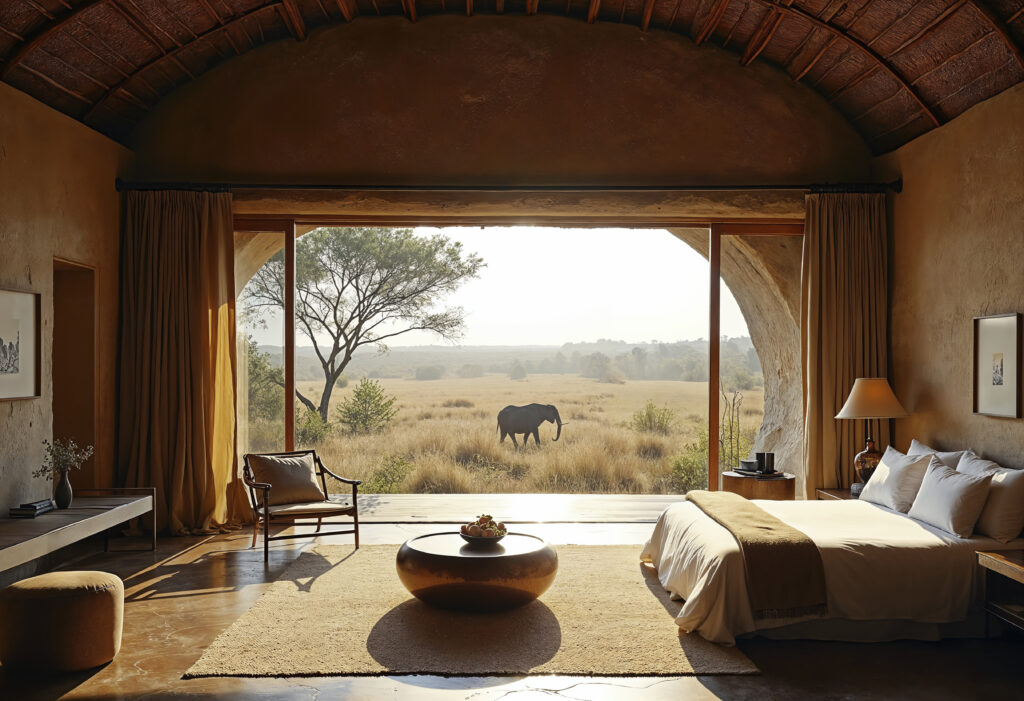
While the Serengeti offers raw wilderness immersion, modern travelers increasingly seek a balance between adventure and comfort. A serengeti camping experience does not have to mean roughing it; with thoughtfully designed mobile and luxury camps, guests can enjoy high standards of accommodation while remaining intimately connected to the landscape. These camps are strategically located to optimize wildlife viewing, minimize travel time, and maintain ecological integrity. Combining convenience with authenticity allows travelers to experience the Serengeti’s vastness without sacrificing comfort or safety.
Luxury camping options feature spacious tents, comfortable beds, private en-suite facilities, and dedicated staff. Unlike permanent lodges, these mobile setups can relocate according to wildlife movements, seasons, or special events such as the Great Migration. Guests wake to unobstructed views of plains dotted with wildlife, enjoy meals cooked fresh in open kitchens, and gather around evening campfires beneath stars unpolluted by urban light. This combination of comfort and immersion enhances the serengeti camping experience, allowing travelers to remain close to nature while enjoying modern amenities.
Even for travelers who prefer more basic camping, camps are designed to ensure safety, hygiene, and ecological responsibility. Raised platforms, secure enclosures, and designated toilet facilities reduce impact on wildlife and vegetation while providing essential protection and convenience. The balance of comfort and authenticity makes camping accessible to a wide range of travelers, from seasoned adventurers to families seeking an educational experience. Operators like Epic Horizons Adventures are experts in optimizing this balance. Epic Horizons Adventures goes the extra miles to make sure that each camp setup, tent location, and service level meets guests’ expectations without compromising the natural environment.
Food and dining experiences are also integral to luxury camping. Most premium camps provide multi-course meals, locally sourced ingredients, and tailored dietary options. Dining under the stars, surrounded by the sounds of nocturnal wildlife, transforms mealtime into a memorable sensory experience. Even traditional, simpler camps often incorporate sustainable and high-quality food practices, enhancing the overall serengeti camping experience while minimizing environmental impact. Culinary experiences thus complement wildlife observation, photography, and relaxation, creating a holistic safari encounter.
Connectivity and guest services are carefully managed to preserve the wilderness experience. Limited electricity, mobile charging stations, and Wi-Fi (where available) ensure guests can stay connected without disrupting the serene environment. This thoughtful approach allows travelers to maintain essential communication while remaining fully immersed in the Serengeti ecosystem. External resources, such as the Tanzania Tourism Board (https://www.tanzaniatourism.go.tz), provide guidance on camp standards, eco-certifications, and best practices, supporting informed choices for travelers seeking both luxury and sustainability in a serengeti camping experience.
Environmental stewardship is embedded in luxury camping practices. Solar energy, water conservation, waste management, and minimal footprint design are standard components of high-quality camps. Guests are educated about responsible tourism practices, including minimizing noise, following park guidelines, and respecting wildlife. By integrating comfort with conservation, camping experiences foster both enjoyment and ethical engagement. The Serengeti, as a UNESCO World Heritage site, relies on responsible tourism operators to ensure these principles are maintained for future generations.
Finally, the emotional and psychological benefits of comfortable yet immersive camping cannot be overstated. Guests often report heightened appreciation for nature, reduced stress, and stronger engagement with wildlife when they can enjoy comfort alongside authenticity. Luxury or well-designed mobile camps enable travelers to focus on observation, reflection, and photography without distraction, maximizing the depth and satisfaction of the serengeti camping experience. Epic Horizons Adventures ensures that all aspects of comfort, safety, and immersion are tailored to each guest’s needs, reinforcing the sense of exclusivity and personalization that defines exceptional wilderness camping.
In summary, blending comfort with authenticity elevates the Serengeti camping experience to a level that combines adventure, relaxation, and ethical engagement. From well-appointed tents and gourmet meals to eco-conscious operations and immersive wildlife encounters, this approach provides a transformative journey into one of the world’s most iconic ecosystems. When travelers engage with expert operators like Epic Horizons Adventures, they benefit from meticulous planning, professional guidance, and unparalleled access to the wild. Epic Horizons Adventures goes the extra miles to make sure every guest enjoys a Serengeti camping experience that is safe, memorable, and environmentally responsible.
Conservation, Community, and Why a Serengeti Camping Experience Matters Globally
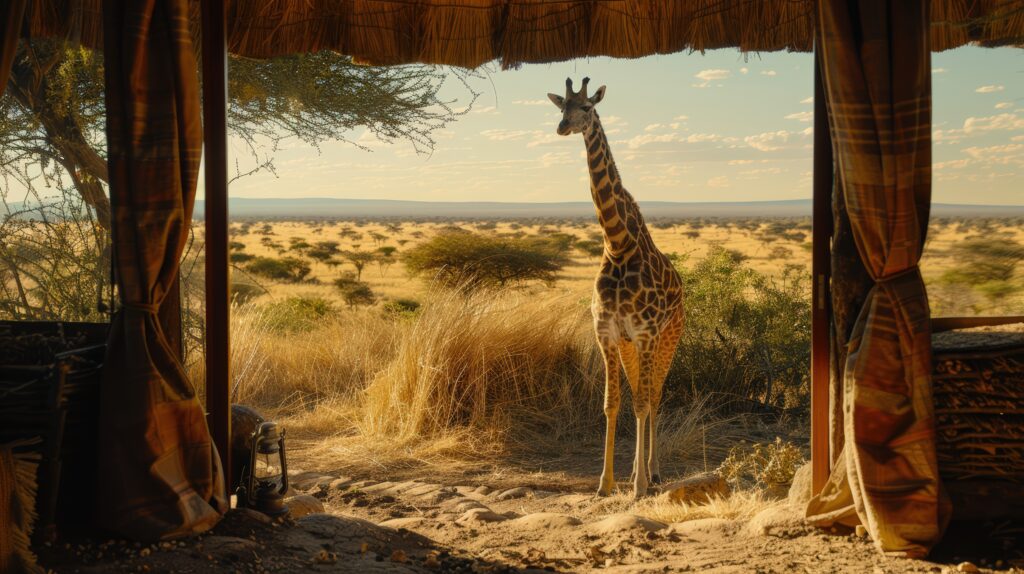
A serengeti camping experience is more than an adventure; it is an active engagement with one of the most ecologically significant landscapes on Earth. Beyond wildlife encounters, camping fosters awareness of conservation challenges, community empowerment, and sustainable tourism. By spending time in the Serengeti, travelers gain a deep understanding of how ecosystems function, how human activity intersects with wildlife, and how responsible tourism can support both biodiversity and local livelihoods. The long-term benefits of camping extend well beyond the duration of a safari, influencing travelers’ perspectives, contributing to conservation funding, and promoting ethical interaction with the natural world.
The Serengeti National Park is home to globally significant species, including migratory herds, endemic mammals, and over 500 bird species. Conservation-focused camping ensures that visitors experience these species with minimal environmental impact. Mobile camps, limited group sizes, and strict adherence to park regulations reduce habitat disturbance and prevent wildlife stress. Furthermore, fees generated through camping, park entry, and guided safaris contribute directly to anti-poaching initiatives, ecological monitoring, and habitat preservation. For authoritative information, travelers can refer to Tanzania National Parks Authority (https://www.tanzaniaparks.go.tz) and BirdLife International (https://www.birdlife.org), which highlight the critical role of tourism in sustaining ecosystems and protecting endangered species.
Community involvement is central to sustainable Serengeti camping experiences. Surrounding communities often rely on tourism for employment, cultural preservation, and local enterprise. Professional operators engage local guides, staff camps, and purchase supplies locally, ensuring economic benefits remain within the region. At Epic Horizons Adventures, our approach emphasizes this connection. Epic Horizons Adventures goes the extra miles to make sure that every camping experience not only delivers unmatched adventure but also supports community development, education, and conservation awareness. This inclusive philosophy strengthens the relationship between travelers, local populations, and the Serengeti ecosystem, creating a model where tourism and preservation reinforce each other.
Education and engagement are additional advantages of camping. Guided interpretation, ecological briefings, and participatory activities such as wildlife tracking and conservation discussions enrich the serengeti camping experience. Travelers become more than passive observers; they develop informed perspectives about predator-prey dynamics, habitat management, and migratory patterns. For bird enthusiasts, early-morning observation and guided walks deepen understanding of avian diversity and behavior, enhancing the educational and experiential value of camping. Such engagement promotes continued advocacy for conservation after the safari concludes, making travelers ambassadors for Serengeti preservation worldwide.
Responsible camping also emphasizes sustainability and minimal ecological footprint. Practices include solar-powered facilities, strict waste management, controlled fire usage, and mobile camp relocation. By adhering to these principles, operators protect soil, vegetation, and water sources while maintaining visitor safety and comfort. This approach ensures that future generations can enjoy the same serengeti camping experience without degradation of the park’s natural resources. Travelers gain a sense of stewardship, knowing that their adventure contributes positively to environmental conservation while delivering unforgettable memories.
Finally, a Serengeti camping experience has a global impact on the perception and practice of sustainable tourism. It sets a standard for how adventure, comfort, conservation, and community engagement can coexist harmoniously. Travelers witness firsthand how ethical practices benefit wildlife and people, inspiring similar approaches in other travel contexts. The transformative nature of this experience resonates long after departure, influencing travel choices, advocacy, and environmental awareness. By choosing guided camping with expert operators, visitors ensure their safari contributes meaningfully to conservation goals. Epic Horizons Adventures goes the extra miles to make sure that every serengeti camping experience leaves a positive legacy—for the environment, local communities, and guests themselves.
In conclusion, camping in the Serengeti represents the pinnacle of immersive, responsible, and life-changing travel. From wildlife and bird observation to eco-conscious practices and community empowerment, every aspect of the experience reinforces connection, awareness, and sustainability. With expertly guided itineraries, thoughtfully designed camps, and a commitment to conservation, a Serengeti camping experience is more than a journey—it is a contribution to a global effort to preserve one of Earth’s most iconic ecosystems. Visitors leave not only with memories of majestic landscapes and extraordinary wildlife encounters but also with an enduring sense of purpose, impact, and connection.