
Common safari mistakes to avoid in Tanzania (2026)
Common safari mistakes to avoid in Tanzania (2026)
Avoid costly travel errors with this expert guide to Common safari mistakes to avoid in Tanzania. Learn insider tips, cultural etiquette, packing advice, and booking strategies from Epic Horizons Adventures to plan a smooth, unforgettable safari experience.https://www.epichorizonsadventures.com/our-tours/destinations/
Common Safari Planning Mistakes That Ruin Tanzania Adventures
Planning a safari in Tanzania is one of the most exciting travel experiences on Earth. The country offers iconic wildlife encounters, breathtaking landscapes, rich cultures, and world-renowned national parks such as Serengeti, Ngorongoro Crater, Tarangire, Ruaha, Selous (Nyerere National Park), Lake Manyara, and more. However, despite Tanzania being one of Africa’s premier safari destinations, many travelers unknowingly make planning mistakes that drastically reduce the quality, safety, comfort, and overall success of their trip. Understanding these pitfalls early is essential for creating a seamless, unforgettable journey — and avoiding Common safari mistakes to avoid in Tanzania can mean the difference between a disappointing experience and a life-changing adventure.
One of the most widespread errors travelers make is underestimating the complexity of safari logistics. A Tanzanian safari is not a simple vacation where you book a hotel and show up. It requires coordinated transportation, park permits, seasonal knowledge, wildlife migration patterns, accommodation timing, internal flights, vehicle arrangements, professional guiding services, dietary needs, medical considerations, cultural expectations, park regulations, and weather preparedness. Failing to understand this complexity leads many travelers to make rushed bookings, choose inappropriate parks, select unsuitable accommodations, or arrive during poor wildlife viewing seasons. This lack of preparation often results in missed animal sightings, uncomfortable travel conditions, inflated costs, and stress — all of which can be avoided with informed planning.
Another major mistake is choosing travel dates based solely on price rather than wildlife behavior and climate patterns. Tanzania’s ecosystems are deeply seasonal. The Great Migration — one of the world’s most spectacular wildlife phenomena — moves continuously throughout the Serengeti ecosystem depending on rainfall patterns, grazing cycles, and calving seasons. Travelers who book safaris without understanding these seasonal movements often find themselves in areas where wildlife densities are low, river crossings have passed, or weather conditions limit visibility. According to the Tanzania Tourist Board (https://www.tanzaniatourism.go.tz), the best safari experiences depend heavily on aligning travel dates with regional wildlife activity, rainfall cycles, and park accessibility. Ignoring this reality is one of the most costly safari mistakes.
Budget misalignment is another frequent planning pitfall. Many travelers arrive with unrealistic expectations about safari costs, either underestimating expenses or overspending unnecessarily due to lack of guidance. Tanzania’s safari market includes a wide range of accommodation tiers — from budget campsites and mid-range lodges to luxury tented camps and ultra-premium safari lodges. Without expert advice, travelers often choose accommodations that either compromise comfort and safety or consume budget disproportionately, leaving little room for park fees, professional guides, internal flights, or cultural experiences. A well-balanced safari budget maximizes experience rather than minimizing cost or inflating luxury beyond necessity.
Another planning error involves booking with unlicensed or unverified operators. Tanzania’s safari industry is regulated, and licensed tour operators are required to meet safety, insurance, training, equipment, and operational standards set by the Tanzania Association of Tour Operators (TATO) and government tourism authorities (https://www.tanzaniatourism.go.tz). Unfortunately, some travelers are tempted by unrealistically cheap online offers from unregistered agents or social media vendors. These operators may lack professional guides, properly maintained vehicles, emergency protocols, park permits, or valid insurance coverage — exposing travelers to safety risks, financial loss, poor wildlife experiences, and legal complications.
Another frequent mistake is misunderstanding safari driving distances and travel times. Tanzania’s parks are vast. For example, the Serengeti ecosystem alone covers approximately 30,000 square kilometers, while distances between Arusha, Ngorongoro, Tarangire, Lake Manyara, and Serengeti involve long drives across rugged terrain. Travelers who attempt to squeeze too many parks into short itineraries often spend excessive hours on the road, experience fatigue, and miss prime wildlife viewing hours during early mornings and late afternoons — the best times for animal activity. Realistic pacing is essential for maximizing safari enjoyment.
Accommodation location selection is another planning challenge. Some travelers choose lodges far outside park boundaries to reduce costs, unaware that this results in long daily commutes into the parks, late arrivals at wildlife hotspots, early exits due to gate closing times, and reduced game drive hours. In contrast, lodges located within or adjacent to park boundaries allow for earlier starts, later finishes, and more immersive wildlife encounters. Understanding lodge geography and park zoning is crucial to optimizing safari time.
Failing to account for park regulations and entry fees is another costly error. Tanzania National Parks Authority (TANAPA) regulates entry fees, conservation charges, vehicle access permits, concession fees, crater service fees, camping fees, and guide requirements (https://www.tanzaniaparks.go.tz). Travelers who do not budget properly for these mandatory fees may face unexpected expenses or itinerary disruptions. These conservation fees directly support wildlife protection, park management, ranger services, infrastructure maintenance, and community development — making them essential contributions rather than optional costs.
Another common planning oversight involves neglecting travel insurance and emergency preparedness. Safari travel involves remote areas, rough terrain, wildlife encounters, medical considerations, and unpredictable weather conditions. Travelers without comprehensive travel insurance — covering medical evacuation, hospitalization, trip cancellation, equipment loss, and safari-specific activities — risk severe financial consequences if emergencies occur. Organizations such as the World Health Organization (https://www.who.int) and CDC (https://www.cdc.gov) strongly recommend travel insurance and medical preparation for visitors to sub-Saharan Africa, including Tanzania.
Vaccination planning and medical readiness also frequently go overlooked. Tanzania requires proof of yellow fever vaccination for travelers arriving from certain countries and recommends routine immunizations such as hepatitis A, hepatitis B, typhoid, tetanus, and malaria prophylaxis depending on travel regions and activities. Travelers who neglect medical consultation before departure may face entry delays, illness, or limited access to healthcare facilities in remote safari zones. Travel clinics, government health agencies, and global medical organizations consistently emphasize proactive health preparation for African travel.
Another major planning mistake is ignoring climate variations across regions and seasons. Tanzania spans diverse ecological zones — from high-altitude Ngorongoro Highlands and Mount Kilimanjaro to coastal Zanzibar beaches and arid savannah plains. Temperatures, rainfall patterns, humidity levels, and disease risks vary widely across regions. Packing inappropriate clothing or gear leads to discomfort, exposure to sunburn, cold nights, insect bites, dehydration, and illness. Understanding microclimates across safari destinations is essential for physical comfort and health.
Many travelers also underestimate the importance of selecting experienced professional safari guides. A safari guide is not merely a driver — they are wildlife trackers, conservation educators, safety officers, cultural interpreters, logistics coordinators, emergency responders, and ambassadors of Tanzania’s ecosystems. Professional guides possess extensive knowledge of animal behavior, migration patterns, bird species, ecological relationships, conservation challenges, park regulations, and safety protocols. Inexperienced or untrained guides significantly diminish wildlife sightings, educational depth, safety standards, and overall safari quality. Selecting a reputable operator with certified guides is one of the most critical decisions in safari planning.
Cultural misunderstanding also represents a frequent safari planning error. Tanzania is culturally diverse, with over 120 ethnic groups, distinct traditions, religious practices, dress codes, social norms, and community values. Travelers who fail to research cultural etiquette — such as appropriate clothing in villages, respectful photography practices, greetings, tipping norms, religious customs, and social behaviors — may inadvertently offend local communities or create uncomfortable interactions. Organizations such as UNESCO (https://www.unesco.org) emphasize the importance of cultural sensitivity in tourism to promote mutual respect and sustainable development.
Another planning oversight involves failing to account for children, elderly travelers, or individuals with mobility limitations. Safari vehicles involve long hours of driving, bumpy roads, early mornings, variable weather, and limited restroom access. Certain lodges and camps may not be suitable for young children or travelers with physical limitations due to safety restrictions, open wildlife environments, walking distances, or infrastructure constraints. Travelers who do not disclose special needs in advance may face discomfort, logistical challenges, or safety risks during their safari.
Weather misjudgment is another factor that disrupts safari experiences. While Tanzania is accessible year-round, seasonal rains can affect road conditions, wildlife movements, insect populations, photography visibility, park accessibility, and lodge operations. During heavy rains, some remote areas become difficult to reach, game drives become slower, and animal concentrations disperse across wider grazing ranges. Conversely, dry seasons may bring dust, higher temperatures, and crowded parks. Understanding seasonal trade-offs allows travelers to make informed decisions rather than experiencing disappointment due to unrealistic expectations.
A particularly damaging mistake is attempting to self-plan complex safari itineraries without local expertise. Online research alone cannot substitute for firsthand field knowledge, real-time park conditions, migration patterns, lodge availability, guide quality, road accessibility, and regional dynamics. Travelers who rely solely on generic blogs or booking platforms often miss nuanced insights that determine safari success. Local experts possess dynamic situational awareness that cannot be replicated by static online information — especially in ecosystems that change continuously based on rainfall, animal movement, and conservation management decisions.
At Epic Horizons Adventures, we recognize that exceptional safari experiences begin long before arrival in Tanzania. Epic horizons Adventure we are looking extra miles to make sure that every traveler avoids costly planning mistakes through expert consultation, transparent pricing, verified accommodations, professional guiding services, ethical partnerships, safety protocols, cultural sensitivity training, and fully customized itineraries tailored to individual interests, travel styles, budgets, and physical needs. Our planning approach prioritizes experience quality, safety, comfort, conservation impact, and emotional fulfillment — ensuring each safari becomes a transformative journey rather than a logistical struggle.
Another planning mistake involves underestimating the importance of internal flights. Tanzania’s safari circuit spans vast distances, and some regions — such as Serengeti, Ruaha, Nyerere National Park, Katavi, Mahale Mountains, and remote conservation zones — require light aircraft transfers to maximize safari time. Travelers who avoid flights purely to save money may lose days in transit by road, experience fatigue, and sacrifice wildlife viewing hours. Understanding when flights offer superior value relative to road transfers is crucial for itinerary optimization.
Photography preparation also frequently goes overlooked. Safari photography requires specific camera gear, lenses, memory cards, batteries, charging solutions, dust protection, waterproof storage, and shooting techniques adapted to wildlife movement, lighting conditions, vehicle vibration, and distance. Travelers who fail to prepare adequately often miss iconic shots due to inadequate equipment, poor battery management, dust damage, or unfamiliar camera settings. Wildlife photography experts and organizations such as National Geographic (https://www.nationalgeographic.com) recommend specific preparation strategies for safari photography to ensure meaningful documentation of wildlife encounters.
Language expectations sometimes create confusion. While English is widely spoken among safari guides, lodge staff, and tourism professionals, some rural communities primarily speak Kiswahili or indigenous languages. Travelers who expect universal English fluency may encounter communication challenges during cultural interactions. Learning basic Swahili phrases enhances engagement, demonstrates respect, and improves overall travel experience — while acknowledging linguistic diversity as a strength rather than a barrier.
Another overlooked planning factor is dietary accommodation. Travelers with food allergies, religious dietary requirements, vegetarian, vegan, gluten-free, lactose-free, kosher, halal, or medical diets must communicate clearly with safari operators in advance. While most lodges accommodate dietary needs when notified early, last-minute requests may be difficult to fulfill in remote areas with limited supply chains. Failure to plan dietary needs may result in discomfort, nutritional imbalance, or health risks during safari travel.
Travel documentation errors represent another major planning pitfall. Passports must be valid for at least six months beyond travel dates with sufficient blank pages, visas must be obtained in advance or upon arrival depending on nationality, and proof of onward travel may be required. Travelers who neglect documentation requirements risk denied boarding, entry refusal, fines, or travel disruption. Tanzania Immigration Services (https://www.immigration.go.tz) provides official guidance on visa requirements, passport validity, and entry documentation for visitors.
Many travelers also underestimate the importance of tipping culture and staff gratuities in safari tourism. While tipping is not mandatory, it is customary and deeply appreciated by guides, camp staff, drivers, porters, cooks, housekeepers, and service personnel who work tirelessly to ensure guest safety and comfort. Travelers who are unaware of tipping norms may inadvertently create discomfort or social tension. Reputable safari operators provide clear tipping guidelines based on lodge category, service structure, group size, and trip duration — allowing travelers to prepare appropriately.
Sustainability considerations are often neglected during safari planning. Tanzania’s wildlife ecosystems face ongoing challenges including habitat loss, climate change, poaching, human-wildlife conflict, infrastructure development, resource extraction, population growth, and environmental degradation. Travelers who select unethical operators, unsustainable lodges, exploitative wildlife experiences, or irresponsible tourism activities may inadvertently contribute to conservation harm. Sustainable tourism organizations such as the Global Sustainable Tourism Council (https://www.gstcouncil.org) emphasize responsible travel practices that support conservation, local communities, cultural preservation, and environmental stewardship. Safari planning must prioritize ethical partnerships and conservation-oriented operations.
Another planning mistake involves unrealistic wildlife expectations. Some travelers expect guaranteed sightings of specific animals, dramatic predator kills, river crossings on demand, or National Geographic-style encounters at every moment. Wildlife behavior is inherently unpredictable. Safari experiences are shaped by ecological rhythms, weather patterns, animal movements, time of day, seasonality, habitat structure, and chance. Travelers who arrive with rigid expectations may experience disappointment even during extraordinary encounters. Proper safari planning involves setting realistic expectations while maximizing probability of sightings through informed park selection, timing, guide expertise, and itinerary design.
Failure to plan rest days is another oversight. Safari travel involves early wake-ups, long drives, intense wildlife observation, emotional stimulation, heat exposure, dust, physical fatigue, and cognitive overload. Travelers who schedule non-stop game drives across consecutive days without rest may experience burnout, irritability, reduced attention, decreased enjoyment, and physical exhaustion. Incorporating rest days, leisure activities, wellness breaks, spa sessions, pool time, cultural experiences, scenic relaxation, or beach extensions enhances physical recovery, emotional balance, and overall trip satisfaction.
At Epic Horizons Adventures, we design safari itineraries that balance adventure with comfort, intensity with rest, exploration with reflection, and wildlife viewing with wellness integration. Epic horizons Adventure we are looking extra miles to make sure that each traveler’s safari journey unfolds with optimal pacing, thoughtful logistics, emotional enrichment, cultural connection, safety assurance, and environmental responsibility — transforming potential stress points into seamless experiences of wonder, discovery, and transformation.
Another major planning mistake involves ignoring the value of multi-park itinerary design. Tanzania’s ecological diversity is one of its greatest strengths. Each park offers distinct landscapes, species composition, predator-prey dynamics, vegetation types, birdlife diversity, cultural interactions, and ecological phenomena. Travelers who restrict themselves to a single park may miss opportunities to experience Tanzania’s full biodiversity spectrum. For example, combining Tarangire’s elephant herds with Ngorongoro Crater’s dense wildlife concentration and Serengeti’s migration corridors offers a far richer safari experience than any single park alone. Effective planning integrates complementary ecosystems rather than redundant habitats.
Accommodation seasonality and availability also impact safari outcomes. Some lodges operate seasonally due to rainfall patterns, road accessibility, wildlife migration routes, or environmental conservation cycles. Others fill quickly during peak seasons — particularly migration river crossing periods, calving seasons, holiday windows, and dry-season months. Travelers who delay bookings may face limited availability, higher prices, downgraded accommodations, or forced itinerary changes. Early planning is essential to secure preferred lodges and optimal locations.
Group size considerations further influence safari quality. Large group safaris may reduce cost but can compromise wildlife viewing opportunities, photography positioning, guide attention, vehicle comfort, and personalized interpretation. Smaller group safaris — particularly private safaris — offer greater flexibility, customized pacing, photographic positioning, wildlife tracking responsiveness, personalized guiding, cultural engagement depth, and emotional immersion. Travelers must weigh budget constraints against experience quality when selecting group sizes and vehicle configurations.
Another planning mistake involves failing to communicate personal travel goals clearly. Some travelers prioritize wildlife photography, birdwatching, conservation education, cultural immersion, family-friendly experiences, honeymoon romance, luxury relaxation, adventure activities, walking safaris, fly camping, community engagement, wellness retreats, or multi-generational travel. Without articulating these goals, travelers may receive generic itineraries that fail to align with personal interests, resulting in suboptimal experiences despite significant investment. Personalized safari design begins with honest goal communication.
Travelers also frequently underestimate packing requirements — a mistake that will be explored more deeply in later sections of this article. However, planning-stage packing decisions such as luggage size, weight limits, camera equipment logistics, charging solutions, medication storage, insect repellent availability, sun protection strategies, clothing layering, footwear selection, laundry access, and personal comfort items significantly affect safari comfort and functionality. Improper packing leads to discomfort, inconvenience, health risks, missed photographic opportunities, and avoidable expenses.
Communication gaps between travelers and safari operators represent another common planning failure. Failure to clarify inclusions and exclusions — such as park fees, internal flights, transfers, meals, drinks, laundry, Wi-Fi, tips, activities, conservation levies, visa fees, medical evacuation coverage, travel insurance requirements, equipment rental, photography support, porter services, luggage storage, or optional excursions — can result in financial surprises, service disputes, or dissatisfaction. Transparent communication and detailed written itineraries are essential for preventing misunderstandings.
Time zone miscalculations also disrupt safari logistics. International travelers crossing multiple time zones may experience jet lag, sleep deprivation, dehydration, fatigue, irritability, and reduced immune function upon arrival. Failing to account for recovery time before safari departures — particularly early morning game drives — may reduce physical endurance and emotional engagement during initial safari days. Scheduling buffer days or relaxed arrival nights helps travelers acclimate before embarking on intensive safari itineraries.
Finally, one of the most significant planning mistakes is neglecting emotional preparation. A safari is not merely a sightseeing tour — it is a deeply immersive experience that exposes travelers to powerful wildlife encounters, predator-prey dynamics, birth and death cycles, environmental vulnerability, human-wildlife conflict, conservation challenges, cultural diversity, poverty realities, ecological fragility, and existential reflections on humanity’s relationship with nature. Travelers unprepared for these emotional dimensions may experience discomfort, sadness, confusion, or overwhelm. Preparing mentally and emotionally for these realities enhances resilience, empathy, gratitude, and appreciation for the privilege of witnessing wild ecosystems firsthand.
At Epic Horizons Adventures, we integrate emotional preparation, cultural orientation, environmental education, wildlife behavior interpretation, conservation context, safety briefings, community awareness, and sustainability frameworks into our pre-departure consultations. Epic horizons Adventure we are looking extra miles to make sure that travelers arrive informed, empowered, respectful, curious, open-minded, emotionally grounded, and ready to embrace Tanzania’s wild beauty responsibly and meaningfully.
Ultimately, safari planning mistakes rarely stem from malicious intent — they arise from misinformation, unrealistic expectations, rushed decisions, budget pressure, inadequate research, or lack of expert guidance. Yet their consequences can be costly, stressful, disappointing, or even dangerous. Understanding these pitfalls early allows travelers to make informed choices that maximize safety, comfort, wildlife sightings, cultural connection, conservation impact, emotional fulfillment, and long-term memory creation.
By avoiding Common safari mistakes to avoid in Tanzania, travelers transform safari dreams into deeply enriching realities — journeys that nourish curiosity, ignite wonder, foster humility, inspire conservation advocacy, and leave indelible impressions that last a lifetime. Proper planning is not an obstacle to adventure — it is the foundation upon which extraordinary safari experiences are built.
Packing and Gear Mistakes That Ruin Tanzania Safari Experiences
Packing correctly for a Tanzania safari is one of the most underestimated yet critical elements of trip success. While travelers often focus heavily on lodges, parks, wildlife species, and itineraries, many forget that daily comfort, health, safety, photography success, emotional enjoyment, and even wildlife sightings are strongly influenced by what they bring — and what they forget to bring — into the field. Inadequate packing leads to discomfort, illness, missed opportunities, wasted money, and unnecessary stress. Understanding Common safari mistakes to avoid in Tanzania at the packing stage empowers travelers to protect their health, enhance mobility, preserve equipment, maximize wildlife observation, and maintain emotional well-being throughout their safari journey.
One of the most frequent packing errors is bringing inappropriate clothing for Tanzania’s climate variations. Tanzania spans multiple ecological zones — from cool highland regions such as Ngorongoro and Mount Kilimanjaro to hot savannah plains like Serengeti and Tarangire, to humid coastal environments including Zanzibar. Temperatures fluctuate dramatically between early mornings, midday heat, evening coolness, and seasonal rainfall patterns. Travelers who pack only heavy clothing or only light summer wear often find themselves uncomfortable, sunburned, cold, overheated, or inadequately protected from insects. Layering is essential — breathable long-sleeved shirts, lightweight jackets, insulated fleeces, moisture-wicking trousers, convertible pants, sun hats, scarves, and rain jackets allow adaptation to changing conditions across landscapes and time periods.
Color choice also matters significantly on safari — a detail many travelers overlook. Bright colors such as white, red, neon shades, and reflective fabrics attract insects, show dust easily, and disrupt wildlife viewing by drawing attention within natural environments. Neutral earth tones — beige, olive, khaki, brown, muted green, gray — blend with surroundings, minimize dust visibility, reduce insect attraction, and enhance comfort during extended game drives. Insect-prone areas require long sleeves, full-length pants, socks, closed shoes, and breathable fabrics that provide coverage without trapping heat. Understanding these nuances is critical for avoiding discomfort and distraction during wildlife encounters.
Footwear is another frequently mishandled packing category. Many travelers assume sandals or casual sneakers suffice, unaware that safari vehicles require frequent entry and exit, walking on uneven terrain, rocky paths, dusty trails, slippery surfaces during rain, and exposure to thorns, insects, and mud. Inappropriate footwear increases risk of injury, fatigue, discomfort, foot blisters, infections, and reduced mobility. Closed-toe walking shoes or lightweight hiking boots with breathable construction, solid grip, ankle support, and cushioning are strongly recommended. Camp shoes or sandals are suitable for evenings but should never replace functional safari footwear during game drives or bush walks.
Another major packing mistake involves luggage size and type. Many safari itineraries involve light aircraft transfers with strict luggage weight limits — often between 15kg and 20kg (33–44 pounds), including carry-on bags. Hard-shell suitcases are often prohibited due to storage constraints in small aircraft and safari vehicles. Travelers who arrive with oversized luggage or rigid suitcases face costly baggage repacking, extra fees, delayed transfers, or confiscation of items. Soft-sided duffel bags with compression straps, flexible frames, and sturdy handles are ideal for safari travel, allowing easy loading into aircraft compartments, safari vehicles, and lodge storage areas.
Overpacking is another extremely common issue. Travelers often bring excessive clothing, unnecessary gadgets, multiple pairs of shoes, redundant toiletries, full-size cosmetics, bulky accessories, and rarely-used personal items — only to discover limited storage space, weight restrictions, dust exposure, and lack of laundry challenges. Most safari lodges provide daily laundry services (except for underwear), making excessive clothing redundant. Packing fewer versatile, mix-and-match clothing items conserves weight, space, and energy — improving mobility, comfort, and travel efficiency.
Underpacking is equally problematic. Travelers who omit essential items such as insect repellent, sunscreen, lip balm with SPF, sunglasses, hats, reusable water bottles, medications, first aid supplies, chargers, adapters, power banks, camera batteries, memory cards, binoculars, personal hygiene items, prescription documents, health certificates, and travel insurance paperwork may struggle to replace these items in remote safari zones. Some lodges stock limited supplies, but selection and availability vary widely, often at premium prices. Proper packing minimizes dependency on scarce local resources and ensures uninterrupted comfort.
One of the most dangerous packing mistakes involves neglecting medical preparedness. Tanzania’s safari regions are remote, with limited access to advanced medical facilities. Travelers who forget essential medications, prescriptions, inhalers, EpiPens, insulin, allergy treatments, motion sickness remedies, anti-diarrheal medication, pain relief, antiseptics, bandages, blister treatments, hydration salts, and insect bite treatments risk severe discomfort, illness, or medical emergencies during travel. Organizations such as the World Health Organization (https://www.who.int) and CDC (https://www.cdc.gov) strongly advise travelers to prepare comprehensive personal medical kits when visiting remote areas, particularly in sub-Saharan Africa.
Malaria prevention is another frequently overlooked packing requirement. Tanzania is classified as a malaria-endemic country, particularly in lowland and coastal areas. Travelers often neglect to pack mosquito repellents containing DEET or Picaridin, insect-repellent-treated clothing, bed net sprays, anti-malarial medications, long-sleeved sleepwear, and nighttime protective clothing. While many lodges provide mosquito nets, personal preventive measures remain essential. Failing to prepare adequately increases exposure risk to malaria, dengue, chikungunya, and other vector-borne diseases.
Hydration mismanagement is another major packing oversight. Safari environments are hot, dry, dusty, and physically demanding. Travelers who do not carry refillable water bottles, electrolyte packets, hydration tablets, or personal hydration systems risk dehydration, headaches, fatigue, dizziness, heat exhaustion, poor concentration, reduced immune response, and diminished safari enjoyment. Most lodges provide safe drinking water, but travelers must bring appropriate containers and hydration habits to ensure consistent fluid intake during long game drives and walking activities.
Sun protection mistakes also significantly impact safari comfort and health. Tanzania’s equatorial location produces intense ultraviolet exposure year-round. Travelers who fail to pack high-SPF sunscreen, lip balm with SPF, wide-brimmed hats, UV-protective sunglasses, sun sleeves, lightweight scarves, breathable long-sleeved shirts, and protective outer layers risk severe sunburn, dehydration, heat rash, skin damage, headaches, fatigue, nausea, and compromised immune response. Prolonged sun exposure during game drives — particularly during midday hours — demands proactive sun protection strategies.
Another common gear mistake involves photography equipment preparation. Many travelers underestimate the technical demands of safari photography. Wildlife sightings often occur at distances requiring telephoto lenses (300mm–600mm), image stabilization, fast autofocus, dust-resistant equipment, and sufficient battery capacity. Travelers who bring only smartphone cameras or basic lenses may miss iconic wildlife moments. Those who bring professional cameras without dust protection, weather sealing, spare batteries, chargers, memory cards, lens cloths, sensor cleaning kits, rain covers, dry bags, and vibration stabilization solutions risk equipment malfunction, missed shots, or irreversible damage. Wildlife photography experts from organizations such as National Geographic (https://www.nationalgeographic.com) emphasize specialized preparation for safari environments.
Binoculars are another essential yet often-forgotten tool. While guides typically carry binoculars, having personal optics allows travelers to observe distant wildlife, birds, landscapes, behaviors, interactions, and ecological details independently — enhancing immersion and interpretation. Lightweight, waterproof binoculars with 8× or 10× magnification offer optimal safari performance without excessive bulk. Travelers who fail to bring binoculars miss countless moments unfolding beyond immediate camera range.
Power management is another frequently overlooked area. Safari lodges often operate on solar energy, generators, or limited electrical systems with restricted charging hours. Travelers who pack insufficient charging cables, universal adapters, power banks, battery packs, camera chargers, headlamp batteries, rechargeable batteries, or surge protectors may experience device failures that disrupt photography, communication, navigation, medical equipment operation, entertainment, and safety. Preparing redundant charging solutions ensures continuous device functionality in off-grid environments.
Lighting equipment is another underestimated packing category. Many safari camps lack strong exterior lighting to preserve wildlife behavior and night sky visibility. Travelers who fail to bring headlamps, flashlights, or rechargeable lanterns may struggle navigating walkways, tents, bathrooms, decks, and campgrounds at night — increasing risk of falls, injury, wildlife encounters, and discomfort. Red-light headlamps are particularly useful for preserving night vision while avoiding disturbance to wildlife and fellow guests.
Laundry assumptions also cause packing issues. While most safari lodges provide laundry services, turnaround times vary, and some exclude underwear for hygiene reasons. Travelers who assume daily laundry access without confirmation may run out of essential clothing items. Packing sufficient undergarments, socks, lightweight quick-dry garments, travel clotheslines, laundry detergent sheets, and stain removers ensures comfort even when laundry services are unavailable or delayed.
Toiletry miscalculations are another frequent packing oversight. Safari zones offer limited access to specialized personal care products such as contact lens solution, specific skincare brands, prescription shampoos, sensitive-skin products, medical-grade sunscreens, hair treatments, and hygiene items. Travelers with specific personal care needs must bring sufficient supplies for the entire trip. Biodegradable toiletries are recommended to minimize environmental impact and support eco-friendly lodge operations.
Cultural appropriateness in clothing is another often-neglected aspect of safari packing. While safari lodges and parks generally permit casual attire, village visits, markets, religious sites, mosques, churches, schools, and community interactions require modest dress — covering shoulders, knees, cleavage, and midriffs. Travelers who pack revealing clothing may inadvertently offend local communities or feel uncomfortable during cultural excursions. Respectful attire enhances cultural engagement, social acceptance, and ethical tourism practices.
Weather unpredictability further complicates packing decisions. Tanzania experiences seasonal rains, cold mornings in high-altitude regions, dusty dry-season conditions, humid coastal climates, and occasional temperature extremes. Travelers who pack without accounting for rain jackets, windbreakers, fleece layers, moisture-wicking fabrics, thermal layers, quick-dry materials, waterproof bags, and weather-resistant footwear may struggle to adapt to environmental shifts. Versatile layering systems provide resilience across climatic variations.
Another significant mistake involves ignoring safety equipment needs. While safari lodges prioritize guest safety, travelers may require personal safety tools such as whistle alarms, personal first aid kits, blister pads, blister tape, antiseptic wipes, insect bite relief creams, rehydration salts, compression socks, motion sickness bands, earplugs, eye masks, sleep aids, neck pillows, lumbar supports, travel pillows, posture supports, braces, braces for knee or ankle stability, and orthopedic inserts. These items improve comfort, reduce injury risk, and enhance sleep quality during long drives and overnight stays.
Travel document management is another packing oversight. Travelers frequently forget to bring printed copies of passports, visas, vaccination certificates (particularly yellow fever), insurance documents, itineraries, emergency contacts, accommodation vouchers, flight tickets, and medical prescriptions. While digital copies are useful, printed backups are essential in remote areas with limited internet connectivity, device battery limitations, or technical failures. Waterproof document organizers, passport holders, zip-lock bags, and RFID-blocking wallets enhance security and organization.
Cash preparation also frequently goes wrong. While major lodges accept credit cards, many rural areas, markets, village shops, tipping transactions, small businesses, taxis, and emergency situations require cash payments — often in Tanzanian shillings or U.S. dollars printed after 2009. Travelers who fail to bring sufficient small-denomination cash may face transactional challenges, tipping discomfort, or missed purchasing opportunities. ATMs are limited outside major towns, and withdrawal fees can be high or inconsistent. Proper cash planning enhances logistical ease and social interactions.
Communication device mismanagement is another packing mistake. Many travelers forget to unlock phones for international SIM cards, pack SIM card removal tools, bring portable Wi-Fi devices, activate international roaming plans, or download offline maps, translation apps, emergency contacts, travel guides, wildlife identification apps, birding apps, and offline documentation. Without these tools, travelers experience communication barriers, navigation difficulties, emergency response delays, and reduced access to information in remote environments.
Entertainment and downtime planning also affect safari comfort. While wildlife viewing is exhilarating, safari days include downtime during midday heat, long transfers, evenings, rest periods, weather delays, and off-grid environments. Travelers who forget to pack books, e-readers, journals, sketchbooks, writing tools, art supplies, musical instruments, meditation materials, podcasts, downloaded movies, offline playlists, games, puzzles, travel games, mindfulness tools, yoga mats, resistance bands, or fitness equipment may experience boredom or restlessness. Meaningful downtime activities support mental health, reflection, creativity, relaxation, and emotional balance.
Sustainability considerations also intersect with packing decisions. Travelers who pack single-use plastics, disposable wipes, excessive packaging, non-biodegradable products, chemical sunscreens harmful to coral reefs, microplastic-producing fabrics, or excessive waste contribute to environmental degradation in fragile ecosystems. Eco-conscious travelers prioritize reusable water bottles, filtered bottles, bamboo utensils, cloth shopping bags, reef-safe sunscreen, biodegradable toiletries, refillable containers, rechargeable batteries, solar chargers, and minimal-waste packing strategies. Organizations such as the United Nations Environment Programme (https://www.unep.org) emphasize responsible consumption practices to protect sensitive ecosystems — especially in wildlife tourism zones.
At Epic Horizons Adventures, we prepare travelers with comprehensive, customized packing guides tailored to itinerary type, season, accommodation tier, travel style, photography goals, health needs, cultural engagements, conservation priorities, and personal comfort preferences. Epic horizons Adventure we are looking extra miles to make sure that every guest arrives fully prepared — with the right gear, clothing, health supplies, technology, documentation, and mindset — so nothing distracts from wildlife immersion, cultural connection, or personal transformation during their safari journey.
Another overlooked category involves sleep quality preparation. Safari lodges vary widely in sound environments, temperature control, mattress firmness, bedding types, humidity levels, and wildlife noise exposure. Travelers sensitive to sound, light, temperature, insects, or environmental disruption may struggle to sleep without appropriate sleep aids such as earplugs, noise-canceling headphones, white noise apps, eye masks, lightweight blankets, personal pillows, cooling towels, mosquito repellents, bed nets sprays, or lavender oils. Sleep deprivation diminishes cognitive performance, emotional regulation, immune function, mood stability, physical energy, and safari enjoyment — making sleep preparedness essential.
Travelers often overlook altitude adaptation needs when visiting highland regions such as Ngorongoro Crater Rim, Mount Kilimanjaro foothills, Usambara Mountains, and other elevated zones. Cold sensitivity, dehydration, headache, fatigue, dizziness, shortness of breath, and sleep disruption may occur at altitude. Packing thermal layers, hydration salts, sun protection, moisturizers, lip balm, nasal sprays, and altitude-support supplements improves physiological adaptation and comfort.
Another gear-related mistake involves neglecting child-specific needs. Families traveling with children must pack appropriate medications, age-appropriate clothing, sun protection, hats, hydration solutions, snacks, entertainment, games, educational materials, comfort items, security objects, sleep aids, and safety equipment. Children’s immune systems, hydration needs, sleep patterns, emotional needs, and attention spans differ from adults, requiring tailored packing strategies. Failing to prepare adequately can lead to distress, illness, boredom, fatigue, and behavioral challenges that affect both children and parents during safari travel.
Photography etiquette equipment is also often neglected. Travelers should pack lens hoods to reduce glare, polarizing filters to enhance sky and water contrast, neutral density filters for creative motion shots, lens wipes, microfiber cloths, air blowers, silica gel packs, dust covers, camera rain sleeves, lens caps, sensor cleaning kits, tripod or monopod stabilizers, bean bags for vehicle window stabilization, and anti-vibration mounts. Without these tools, dust infiltration, moisture damage, lens flare, unstable shots, and equipment malfunction become more likely.
Another frequent oversight involves ignoring climate-specific footwear accessories. Dust gaiters, shoe covers, extra socks, blister pads, foot powder, anti-chafing creams, blister tape, toe spacers, compression socks, orthotics, arch supports, and moisture-wicking sock liners protect feet during long hours in vehicles and walking activities. Foot discomfort quickly escalates into mobility impairment, posture strain, fatigue, and decreased enjoyment during physically demanding safari days.
Travelers also frequently forget about rain protection beyond jackets. Waterproof backpacks, dry bags, pack covers, rain ponchos, shoe covers, camera rain shields, plastic bags, zip-lock bags, compression sacks, waterproof document sleeves, waterproof phone pouches, silica gel packs, and moisture absorbers protect electronics, clothing, documents, medications, and personal items during unexpected downpours or river crossings. Wet gear not only causes discomfort but also increases risk of illness, mold growth, equipment failure, and logistical disruptions.
Another overlooked gear category involves optics and observation accessories. Field guides, wildlife identification books, birding checklists, mammal reference charts, laminated species guides, animal behavior charts, habitat maps, migration maps, star charts, astronomy apps, binocular straps, lens cleaning kits, magnifying glasses, pocket scopes, and wildlife apps enhance educational engagement during game drives. Travelers who bring interpretive tools gain deeper insight into animal behavior, ecological relationships, and conservation challenges — transforming wildlife viewing from sightseeing into learning experiences.
Communication and emergency preparedness also intersect with gear decisions. Satellite phones, emergency beacons, GPS devices, offline maps, weather apps, offline translation apps, emergency contact lists, first aid manuals, CPR masks, personal locator beacons, whistle alarms, multi-tools, duct tape, zip ties, cordage, headlamp backups, reflective vests, high-visibility bands, spare batteries, emergency rations, thermal blankets, fire starters, and survival kits are essential for extreme remote travel — particularly in wilderness areas such as Ruaha, Katavi, Mahale Mountains, Selous, and fly-in safari regions. While many lodges provide emergency infrastructure, redundancy enhances traveler safety and resilience.
At Epic Horizons Adventures, we integrate gear audits into our pre-departure planning process. Epic horizons Adventure we are looking extra miles to make sure that travelers are equipped not only with essential items but with context-specific gear optimized for itinerary length, park regions, climate zones, wildlife activities, photography objectives, health considerations, family needs, and personal comfort preferences — minimizing risk, maximizing enjoyment, and preserving peace of mind throughout the safari journey.
One of the most overlooked packing mistakes involves mindset preparation rather than physical gear. Travelers often pack emotionally rigid expectations — expecting luxury, predictability, comfort, convenience, certainty, speed, connectivity, and control — without preparing psychologically for dust, heat, insects, delays, wildlife unpredictability, weather shifts, power outages, slow internet, rustic infrastructure, cultural differences, unfamiliar food, noise, wildlife proximity, limited privacy, off-grid environments, and variable conditions. This mismatch between expectation and reality can cause frustration, anxiety, disappointment, irritability, impatience, and reduced emotional resilience. Packing mental flexibility, patience, curiosity, humor, gratitude, adaptability, and openness is equally critical to packing physical gear.
Resilience gear also includes journaling tools, meditation aids, breathing exercises, grounding techniques, emotional regulation strategies, mindfulness practices, gratitude rituals, creative outlets, reflective prompts, intention-setting exercises, spiritual practices, visualization techniques, self-care routines, stretching routines, movement practices, hydration rituals, rest schedules, and wellness habits that support emotional balance during immersive travel experiences. Safari journeys can be transformative but also intense — emotionally, physically, cognitively, and spiritually — requiring proactive self-regulation strategies to maximize personal growth and enjoyment.
At Epic Horizons Adventures, we prepare travelers holistically — physically, mentally, emotionally, culturally, environmentally, and logistically. Epic horizons Adventure we are looking extra miles to make sure that every guest arrives not merely with suitcases packed but with confidence, readiness, resilience, awareness, and clarity — empowering them to navigate safari environments with curiosity, respect, adaptability, comfort, safety, and joy.
Ultimately, packing mistakes are among the most avoidable safari errors — yet they are among the most common. Inadequate preparation compromises comfort, health, safety, wildlife viewing quality, photography success, cultural engagement, emotional well-being, environmental impact, and logistical efficiency. By understanding and avoiding Common safari mistakes to avoid in Tanzania, travelers transform packing from a stressful chore into a strategic tool — one that supports seamless adventure, sustained comfort, meaningful connection, personal transformation, and unforgettable wildlife encounters.
When travelers arrive prepared — with thoughtful clothing, appropriate gear, medical readiness, cultural awareness, environmental responsibility, emotional resilience, and logistical foresight — safari experiences unfold smoothly, joyfully, and meaningfully. Packing becomes an act of intentionality rather than guesswork, ensuring that nothing distracts from Tanzania’s extraordinary landscapes, wildlife, cultures, and communities.
Wildlife Viewing and Behavior Mistakes That Reduce Safari Success in Tanzania
Wildlife viewing is the heart of every safari experience, yet it is also where many travelers unknowingly make the most damaging mistakes. While Tanzania offers some of the world’s richest biodiversity — from the Great Migration in Serengeti to tree-climbing lions in Lake Manyara and chimpanzees in Mahale Mountains — success in wildlife encounters depends heavily on traveler behavior, awareness, patience, preparation, etiquette, timing, and mindset. Many visitors arrive with high expectations shaped by documentaries and social media, only to feel disappointed when animals do not behave as anticipated or appear as frequently as imagined. Understanding wildlife behavior dynamics and avoiding Common safari mistakes to avoid in Tanzania ensures visitors maximize sightings while preserving animal welfare, safety, conservation ethics, and ecosystem integrity.
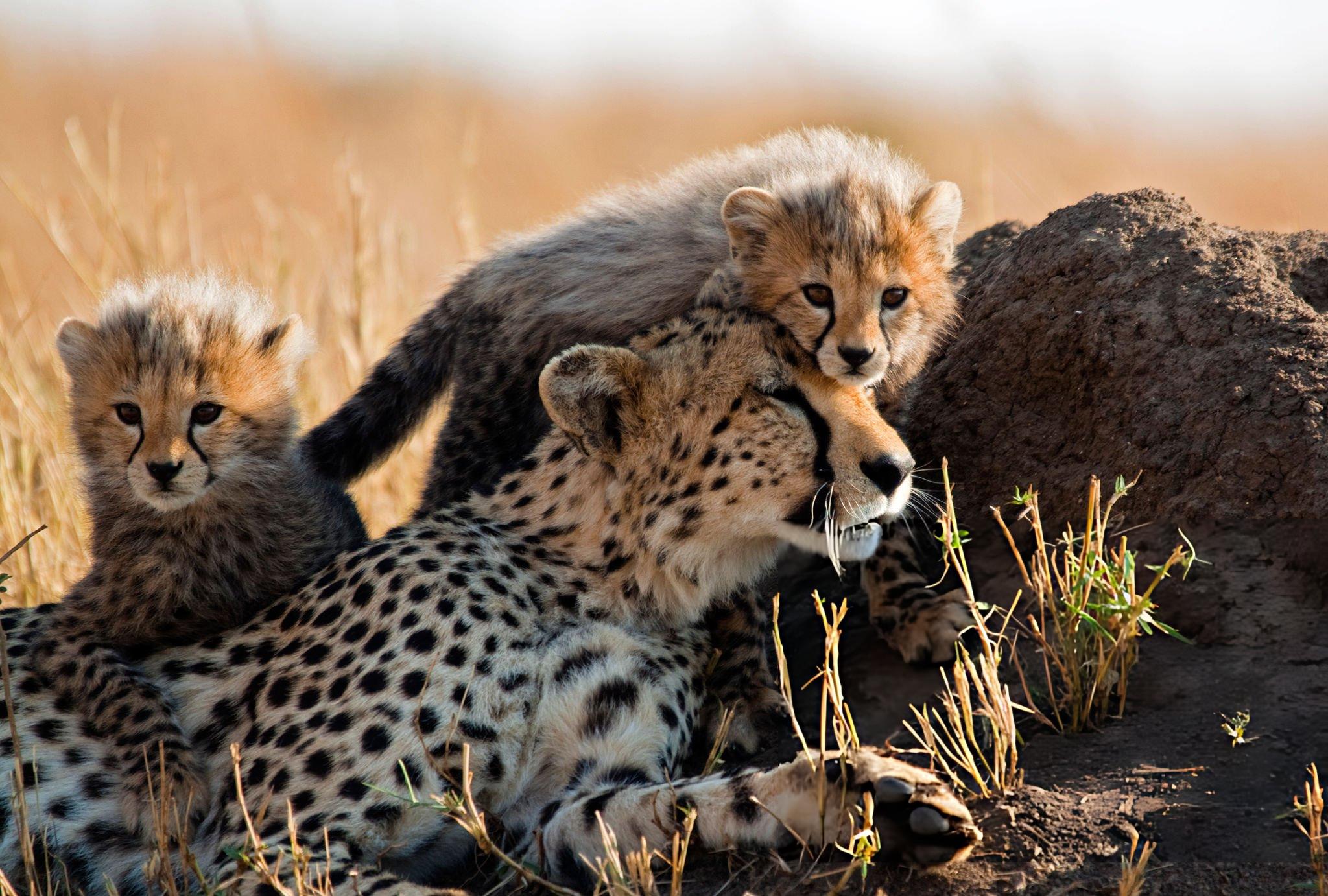
One of the most frequent wildlife-viewing mistakes is expecting guaranteed sightings. Wildlife is not staged, scheduled, or predictable. Animals move freely according to ecological cycles, prey availability, weather, mating patterns, territorial behavior, migration routes, predator avoidance, and resource distribution. Travelers who expect lions to appear on demand or cheetahs to hunt on cue often experience frustration, disappointment, or impatience. This mindset diminishes appreciation for subtle wildlife encounters such as birdlife, insect behavior, spoor tracking, animal vocalizations, herd dynamics, landscape ecology, and interspecies interactions that define true safari richness. Successful wildlife viewing requires embracing unpredictability and cultivating curiosity rather than rigid expectations.
Another major mistake involves impatience during game drives. Wildlife viewing often requires long periods of quiet observation, scanning the horizon, tracking footprints, waiting near watering holes, or slowly following animal movement patterns. Travelers who rush guides, demand constant motion, pressure drivers to move quickly, or grow restless during quiet moments often miss extraordinary sightings that unfold gradually — such as predator stalking sequences, courtship rituals, hunting attempts, territorial displays, maternal bonding, play behavior, grooming interactions, social hierarchies, and conflict resolution among animals. Patience allows nature to reveal itself authentically and rewards travelers with rare behavioral moments that rushed itineraries rarely capture.
Noise pollution is another serious wildlife-viewing error. Loud talking, shouting, music playback, sudden movements, door slamming, engine revving, phone notifications, laughter bursts, equipment noise, and excited vocal reactions can scare animals away, disrupt natural behavior, stress wildlife, and disturb other safari guests. Many species are highly sensitive to sound vibrations and movement, particularly predators, prey animals, nesting birds, and nocturnal species. Maintaining silence or soft voices during sightings allows animals to behave naturally and increases the likelihood of prolonged observation, photographic success, and respectful coexistence.
Improper positioning within safari vehicles is another frequent mistake. Standing up without permission, leaning outside windows, protruding camera lenses, reaching toward animals, pointing arms outside vehicles, opening doors unexpectedly, or shifting seats abruptly can startle wildlife, increase risk of accidents, and violate park regulations. Staying seated, moving slowly, keeping limbs inside vehicles, and following guide instructions protects both travelers and animals while preserving optimal viewing conditions. Many parks such as Serengeti and Ngorongoro enforce strict wildlife viewing protocols to ensure safety and conservation compliance (https://www.tanzaniaparks.go.tz).
Another widespread mistake involves feeding wildlife or attempting to interact physically with animals. Feeding alters natural behavior patterns, creates dependency, increases aggression, disrupts hunting instincts, exposes animals to harmful human foods, spreads disease, and creates dangerous human-wildlife conflict scenarios. Even seemingly harmless gestures such as tossing fruit to monkeys, birds, baboons, or antelope undermine conservation goals and ecosystem balance. Touching animals — even those that appear calm or habituated — exposes travelers to bites, scratches, infections, zoonotic diseases, and unpredictable defensive reactions. Ethical safari practices require strict non-interference.
Flash photography is another harmful wildlife-viewing error. Flash can temporarily blind animals, disrupt hunting success, interfere with nocturnal behavior, startle species during vulnerable moments, stress young animals, disorient birds during flight, and damage sensitive eyesight. Most parks prohibit flash photography during night drives or close encounters. Wildlife photographers are advised to use high ISO settings, wide apertures, slow shutter speeds, and stabilization techniques instead. National Geographic photography guidelines (https://www.nationalgeographic.com/photography) emphasize ethical wildlife photography practices that prioritize animal welfare over image capture.
Chasing animals is another destructive safari behavior mistake. Some travelers pressure drivers to pursue running animals, follow predators aggressively, cut off prey animals’ escape routes, or crowd wildlife from multiple vehicles to secure photographs. This behavior increases animal stress, disrupts hunting sequences, elevates energy expenditure, alters migration routes, interferes with breeding patterns, and violates conservation ethics. Ethical safari operators follow strict vehicle distance rules, limit vehicle numbers at sightings, avoid encirclement, and withdraw when animals show signs of distress or avoidance.
Failure to understand animal body language is another common error that compromises safety and wildlife observation quality. Animals communicate stress, aggression, fear, curiosity, dominance, and territorial boundaries through posture, vocalization, ear positioning, tail movement, facial expression, body orientation, movement patterns, eye contact, and spatial behavior. Travelers unfamiliar with these signals may misinterpret calmness as safety or curiosity as friendliness, placing themselves at risk. Guides trained in animal behavior interpret these cues and reposition vehicles accordingly to maintain safe distances and minimize disturbance.
Ignoring seasonal wildlife movement patterns is another major wildlife-viewing mistake. Tanzania’s ecosystems operate according to rainfall cycles, vegetation availability, breeding seasons, migration routes, calving periods, predator-prey dynamics, and climate variability. Travelers who visit during low wildlife concentration periods without understanding seasonal migration patterns may experience fewer sightings or dispersed populations. For example, the Great Migration moves across Serengeti throughout the year, with river crossings occurring seasonally in specific regions (https://www.serengeti.org). Understanding seasonal movements enhances itinerary planning and increases wildlife encounter probability.
Another mistake involves failing to diversify wildlife interests beyond the “Big Five.” While lions, elephants, leopards, buffalo, and rhinos receive significant attention, Tanzania hosts thousands of species — including cheetahs, hyenas, giraffes, zebras, wildebeest, antelope, primates, reptiles, amphibians, insects, birds, and plant life. Travelers fixated exclusively on iconic megafauna often overlook extraordinary biodiversity interactions such as bird migrations, mating rituals, insect pollination, reptile basking behavior, herd hierarchy dynamics, predator tracking sequences, and ecosystem symbiosis. Expanding wildlife curiosity enriches safari depth and educational value.
Another wildlife-viewing mistake is misunderstanding predator hunting behavior. Many travelers expect dramatic hunts every day, influenced by documentaries that condense months of observation into minutes of footage. In reality, predators rest extensively to conserve energy, hunts fail more often than succeed, and active hunting windows occur during dawn, dusk, and nighttime hours. Travelers who become frustrated during predator resting periods miss subtle behavioral cues such as grooming rituals, territorial marking, scent communication, cub nurturing, sibling play, coalition bonding, and hierarchy negotiation. These moments offer deeper insight into animal social structures than rare kill sequences alone.
Overcrowding at sightings is another critical issue. Popular wildlife events such as river crossings, lion prides, cheetah hunts, leopard sightings, rhino encounters, and elephant herds can attract numerous vehicles simultaneously. Travelers who tolerate overcrowding, push vehicles closer, pressure drivers to maneuver aggressively, or accept poor positioning compromise both ethical standards and viewing quality. Ethical operators limit vehicle numbers, maintain respectful distances, and coordinate with other guides to reduce congestion. Visitors should prioritize quality over proximity, patience over pressure, and ethics over instant gratification.
Another mistake involves misunderstanding nocturnal wildlife viewing etiquette. Night drives offer unique opportunities to observe nocturnal species such as bush babies, aardvarks, porcupines, genets, civets, owls, nightjars, hyenas, leopards, lions, and nocturnal rodents. However, excessive spotlighting, prolonged illumination, direct eye exposure, erratic light movement, and loud commentary disrupt nocturnal behavior patterns. Ethical night drives use filtered lights, indirect illumination, limited spotlight duration, minimal noise, and respectful observation distances to minimize wildlife disturbance.
Underestimating birdlife is another missed opportunity. Tanzania hosts over 1,100 bird species, including endemic species, migratory visitors, raptors, waterfowl, songbirds, shorebirds, forest specialists, grassland species, and wetland birds. Birding opportunities rival any global destination, yet many travelers ignore birds entirely. Bird behavior — nesting, courtship, migration, feeding, territorial disputes, song patterns, aerial displays, and plumage changes — offers constant wildlife engagement even when large mammals are scarce. Birdlife viewing enhances biodiversity understanding and increases daily wildlife observation satisfaction.
Another frequent mistake involves neglecting binocular use. While cameras capture distant wildlife visually, binoculars allow immersive observation of animal behavior, facial expression, eye movement, grooming interactions, feeding patterns, social dynamics, parental care, mating rituals, predator-prey interactions, and subtle environmental relationships. Travelers without binoculars rely solely on guide commentary or camera zoom, missing nuanced wildlife behavior unfolding at distance.
Another behavioral mistake involves failing to follow guide instructions. Safari guides undergo rigorous training in animal behavior, safety protocols, conservation ethics, tracking techniques, and park regulations. Travelers who ignore guide directions — such as remaining seated, lowering voices, repositioning quietly, turning off engines, avoiding sudden movement, maintaining distance, or limiting photography angles — compromise safety and disrupt wildlife encounters. Trusting professional guidance ensures optimal wildlife observation and protects both guests and animals.
Cultural wildlife misunderstanding is another overlooked issue. Many Tanzanian communities maintain deep spiritual, cultural, and economic relationships with wildlife. Local folklore, traditions, conservation initiatives, and coexistence strategies shape how communities interact with animals. Travelers who dismiss these relationships, stereotype wildlife as mere attractions, or ignore human-wildlife coexistence challenges fail to appreciate the broader conservation context. Responsible tourism recognizes wildlife as part of complex socio-ecological systems requiring respect, protection, and community partnership.
At Epic Horizons Adventures, we educate travelers extensively on wildlife behavior, observation etiquette, ethical photography practices, conservation principles, and safari dynamics. Epic horizons Adventure we are looking extra miles to make sure that guests understand how to observe wildlife responsibly — maximizing sightings while minimizing disturbance, preserving ecological integrity, and supporting sustainable tourism outcomes.
Another wildlife-viewing mistake involves failing to manage emotional reactions appropriately. Wildlife encounters can evoke excitement, fear, awe, surprise, joy, adrenaline, curiosity, vulnerability, humility, reverence, and emotional intensity. Travelers who react impulsively — shouting, laughing loudly, crying, pointing aggressively, jumping up, or making sudden movements — risk startling animals and disrupting sightings. Practicing emotional regulation, mindful breathing, stillness, and situational awareness enhances both personal experience and wildlife welfare.
Misinterpreting animal proximity is another safety-critical error. Animals approaching vehicles do not necessarily signal friendliness or tolerance — they may be curious, territorial, stressed, defensive, or habituated. Travelers who attempt to reach out, take selfies, lean out of windows, or exit vehicles during sightings expose themselves to serious danger. Even herbivores can inflict severe injury or death when startled or threatened. Respecting wildlife boundaries and maintaining appropriate distance protects human safety and animal well-being.
Another mistake involves neglecting conservation awareness during wildlife encounters. Wildlife populations face threats from habitat loss, climate change, poaching, human-wildlife conflict, illegal wildlife trade, infrastructure development, land-use change, disease, and resource scarcity. Travelers who fail to educate themselves about these challenges miss opportunities to engage meaningfully with conservation initiatives, community projects, anti-poaching efforts, research programs, and sustainable tourism practices. Organizations such as WWF (https://www.worldwildlife.org) and African Wildlife Foundation (https://www.awf.org) offer resources for understanding conservation challenges and supporting ethical wildlife tourism.
Another behavioral oversight involves failing to document responsibly. While photography and videography enhance memory preservation and storytelling, travelers who focus exclusively on capturing content may miss present-moment engagement, sensory immersion, emotional resonance, and authentic connection. Overuse of screens, constant filming, social media posting during sightings, and fixation on perfect angles distract from holistic experience. Balanced documentation practices allow travelers to preserve memories while remaining fully engaged in wildlife encounters.
Overconfidence in wildlife interpretation is another mistake. Travelers sometimes assume knowledge based on documentaries, online articles, or social media content — interpreting animal behavior inaccurately or making unfounded assumptions. Wildlife behavior is complex, context-dependent, and influenced by countless ecological variables. Guides trained in animal behavior interpretation provide reliable insights grounded in experience and research. Remaining open to learning enhances understanding and reduces misinterpretation risk.
Another wildlife-viewing mistake involves underestimating environmental factors affecting visibility. Dust storms, haze, rain, fog, heat distortion, vegetation density, seasonal flooding, river levels, terrain elevation, wind direction, sun position, and time of day influence wildlife visibility. Travelers who become discouraged by environmental conditions miss opportunities to observe animals adapting to these challenges — such as shade-seeking behavior, wallowing, migration shifts, feeding adjustments, thermoregulation strategies, and habitat use variation.
Another mistake involves neglecting quiet moments between sightings. Many of safari’s most profound experiences occur during stillness — sunrise over savannah, distant lion roars echoing across plains, elephant herds silhouetted against acacia trees, birdsong choruses at dawn, termite mounds glowing at sunset, wildebeest hooves drumming across grasslands, hyena calls under moonlight, giraffe silhouettes against twilight skies. Travelers focused solely on checklist species often overlook these atmospheric moments that define safari magic and emotional resonance.
Another wildlife-viewing error involves misunderstanding predator-prey ethics. Some travelers cheer during hunts or express disappointment when predators fail to catch prey. However, hunting success rates for predators are low, and prey survival is equally essential to ecosystem balance. Ethical wildlife viewing requires respecting both predator and prey, acknowledging ecological roles, and appreciating survival struggles without imposing human moral frameworks onto natural processes.
At Epic Horizons Adventures, we guide guests through wildlife encounters with empathy, education, ethics, and environmental awareness. Epic horizons Adventure we are looking extra miles to make sure that travelers not only see animals but understand them — fostering respect, conservation commitment, and meaningful connection with Tanzania’s extraordinary ecosystems.
Ultimately, wildlife-viewing mistakes are among the most impactful safari errors because they affect not only traveler experience but also animal welfare, ecological balance, conservation outcomes, safety, community relations, and sustainability. By recognizing and avoiding Common safari mistakes to avoid in Tanzania, travelers elevate their safari experience from sightseeing to stewardship — participating responsibly in nature rather than exploiting it.
When travelers observe wildlife respectfully — with patience, silence, distance, curiosity, humility, and reverence — nature unfolds authentically. Lions hunt without disturbance, elephants communicate freely, birds sing without fear, predators rest peacefully, prey graze confidently, and ecosystems function harmoniously. These moments define true safari excellence and create memories that endure far beyond photographs.
Cultural, Ethical, and Community Interaction Mistakes on Tanzania Safari
While wildlife and landscapes draw travelers to Tanzania, human culture, traditions, values, livelihoods, languages, customs, spirituality, history, resilience, and hospitality form the soul of the safari experience. Meaningful engagement with Tanzanian communities enriches travel immeasurably — yet many travelers unknowingly make cultural mistakes that create misunderstanding, discomfort, offense, missed opportunities, or ethical harm. Understanding and avoiding Common safari mistakes to avoid in Tanzania in cultural and community interactions enables travelers to engage respectfully, support sustainable tourism, foster mutual understanding, preserve dignity, protect heritage, and contribute positively to host communities.
One of the most frequent cultural mistakes involves assuming Western norms apply universally. Tanzania comprises over 120 ethnic groups, each with distinct traditions, customs, belief systems, social norms, communication styles, family structures, dress codes, gender roles, spiritual practices, and community values. Travelers who assume cultural universality — expecting direct communication, punctuality by Western standards, individualistic values, open emotional expression, physical touch norms, eye contact conventions, humor styles, or time management expectations — may misinterpret behavior or cause unintentional offense. Cultural humility, curiosity, patience, and openness to difference foster deeper connection and mutual respect.
Another major mistake involves inappropriate dress during village visits, market interactions, religious site visits, schools, community centers, mosques, churches, ceremonies, and cultural gatherings. While safari lodges allow casual attire, many Tanzanian communities value modesty — particularly regarding shoulders, knees, cleavage, and body exposure. Travelers who wear revealing clothing may cause discomfort, offend cultural sensibilities, or be denied entry to religious sites. Dressing modestly communicates respect, builds trust, and demonstrates cultural awareness. The United Nations World Tourism Organization (https://www.unwto.org) emphasizes culturally respectful tourism as essential to sustainable development.
Photography ethics represent another major area of cultural missteps. Travelers often photograph people, children, elders, ceremonies, homes, religious practices, daily activities, and livelihoods without permission — treating individuals as subjects rather than humans deserving dignity and consent. This behavior can feel invasive, exploitative, disrespectful, or dehumanizing. Ethical photography requires seeking verbal or nonverbal consent, explaining intentions, respecting refusals, offering copies of photos, avoiding sensitive contexts, and refraining from photographing vulnerable populations without community approval. UNESCO cultural heritage guidelines (https://www.unesco.org) highlight ethical representation of communities as fundamental to cultural preservation.
Another frequent cultural mistake involves inappropriate tipping practices. While tipping is customary in Tanzania’s tourism industry, particularly for safari guides, drivers, porters, lodge staff, camp staff, trackers, rangers, cooks, and housekeeping teams, travelers often misunderstand appropriate amounts, frequency, distribution, currency, or context. Under-tipping may be perceived as disrespectful, while over-tipping can distort economic expectations and create inequity. Understanding local tipping guidelines — often provided by tour operators — ensures fair compensation while preserving dignity and professionalism. Transparent tipping practices strengthen community livelihoods and reinforce ethical tourism standards.
Bargaining behavior in markets and craft centers also requires cultural sensitivity. While negotiation is customary in many Tanzanian markets, aggressive haggling, demeaning comments, refusal to pay fair value, or exploitative bargaining undermines dignity and livelihood sustainability. Travelers should approach bargaining respectfully — with humor, patience, mutual respect, and fair compensation — recognizing that small price differences may represent meaningful income for local artisans. Fair trade organizations (https://www.fairtrade.org.uk) emphasize ethical consumer behavior that supports producer livelihoods and community development.
Another cultural mistake involves gift-giving practices — particularly toward children. Many travelers distribute sweets, money, school supplies, toys, clothing, or gifts to children spontaneously, unaware that this behavior can encourage dependency, disrupt schooling, promote begging culture, distort community dynamics, undermine parental authority, and perpetuate inequality. Ethical tourism discourages direct handouts and instead promotes supporting schools, community projects, NGOs, health centers, conservation initiatives, and development programs through structured channels. Organizations such as UNICEF (https://www.unicef.org) discourage unsolicited child gifting and promote responsible engagement with vulnerable populations.
Language assumptions also create cultural barriers. While Swahili and English are widely spoken in Tanzania’s tourism sector, many communities speak indigenous languages and dialects. Travelers who assume universal English fluency may misinterpret silence, confusion, hesitation, or miscommunication as disinterest or inefficiency. Learning basic Swahili greetings — such as “Jambo,” “Habari,” “Asante,” “Karibu,” and “Pole pole” — demonstrates respect, effort, and goodwill, fostering warmth and connection. Even small linguistic gestures build bridges across cultural divides.
Another frequent cultural mistake involves misinterpreting time orientation. Tanzanian culture often emphasizes relational time over rigid clock-based scheduling — prioritizing human connection, hospitality, community obligations, and situational responsiveness over strict punctuality. Travelers accustomed to tightly structured schedules may feel frustrated by delays, slower service, or flexible timing. Understanding cultural time perspectives fosters patience, reduces stress, and enables more authentic engagement. Flexibility and openness allow travelers to embrace the rhythm of local life rather than imposing external expectations.
Religious sensitivity represents another critical cultural area. Tanzania hosts diverse religious communities — including Islam, Christianity, traditional belief systems, and syncretic spiritual practices. Travelers who dismiss religious customs, dress inappropriately at worship sites, interrupt prayer, photograph religious rituals without permission, make insensitive comments, or disrespect sacred spaces undermine cultural dignity. Observing religious etiquette — covering appropriately, removing shoes when required, maintaining silence, asking permission, and demonstrating reverence — builds mutual respect and fosters cross-cultural understanding.
Another common mistake involves ignoring community consent during village tours, cultural visits, homestays, school visits, and community-based tourism activities. Ethical tourism requires informed consent, transparency, community benefit-sharing, respectful engagement, and locally led initiatives. Travelers should ensure their visits occur through authorized community programs that prioritize local empowerment rather than voyeurism or exploitation. Organizations such as the Global Sustainable Tourism Council (https://www.gstcouncil.org) establish standards for responsible tourism practices that protect community rights and cultural heritage.
Stereotyping and romanticizing communities represent another major cultural error. Travelers sometimes view African communities through oversimplified narratives — either idealizing traditional lifestyles as timeless and idyllic or portraying communities as impoverished, primitive, or dependent. These narratives strip communities of complexity, agency, modernity, resilience, innovation, and diversity. Tanzanian communities are dynamic, evolving, educated, entrepreneurial, technologically connected, politically engaged, and culturally vibrant. Avoiding stereotypes and embracing nuance fosters respectful relationships and authentic understanding.
Another cultural mistake involves imposing personal values onto local customs. Practices related to family structure, marriage, gender roles, child-rearing, elder respect, decision-making, social hierarchy, communication styles, dress norms, hospitality rituals, conflict resolution, religious observance, and communal responsibility differ across cultures. Travelers who judge these practices through external value systems risk misunderstanding and offense. Cultural relativism — understanding practices within their cultural context — enhances empathy and reduces ethnocentric bias.
Economic interactions also present ethical pitfalls. Travelers sometimes expect locals to offer services or goods for free, undervalue labor, resist fair pricing, pressure workers for discounts, or express entitlement due to tourism status. Such behavior undermines dignity and perpetuates power imbalances. Fair compensation, respectful negotiation, gratitude for service, recognition of labor value, and appreciation for expertise reinforce ethical tourism relationships and community empowerment.
Another mistake involves excessive display of wealth. Flaunting expensive electronics, jewelry, luxury clothing, large sums of cash, or lavish lifestyles may create discomfort, resentment, inequality awareness, security risks, or emotional distress among local communities. Practicing modesty in material display fosters humility, respect, and safety while preserving dignity on both sides.
Environmental behavior within communities also reflects cultural respect. Littering, water wastage, plastic use, wildlife disturbance, trail erosion, noise pollution, disrespect for sacred sites, damage to property, vandalism, graffiti, and disregard for conservation rules harm community environments and undermine sustainability efforts. Responsible travelers minimize environmental footprint, follow local regulations, respect protected areas, support conservation initiatives, and model environmentally conscious behavior.
At Epic Horizons Adventures, we prepare travelers for respectful cultural engagement through pre-departure briefings, cultural orientation sessions, community guidelines, ethical photography training, tipping guidance, dress recommendations, language basics, religious etiquette, sustainability principles, and community-based tourism partnerships. Epic horizons Adventure we are looking extra miles to make sure that every guest interacts with Tanzanian communities in ways that uplift dignity, preserve heritage, support livelihoods, and foster mutual respect.
Another cultural mistake involves failure to support local economies meaningfully. Travelers who spend exclusively at international chains, imported souvenir shops, or foreign-owned businesses may unintentionally bypass local entrepreneurs, artisans, farmers, guides, drivers, cooks, porters, craftsmen, vendors, performers, and community initiatives. Supporting locally owned accommodations, restaurants, craft markets, cooperatives, community tourism projects, social enterprises, women’s groups, youth initiatives, conservation organizations, and cultural programs strengthens local economies and ensures tourism benefits reach host communities.
Another ethical oversight involves ignoring conservation-community relationships. Wildlife conservation in Tanzania often intersects with community land rights, grazing access, agricultural needs, water resources, livestock protection, human-wildlife conflict, cultural traditions, and economic livelihoods. Travelers who view conservation solely through wildlife protection lenses may overlook community struggles, trade-offs, resilience, and coexistence strategies. Engaging respectfully with community perspectives fosters holistic understanding of conservation challenges and supports integrated solutions that balance human well-being with ecological preservation.
Another frequent mistake involves volunteer tourism without appropriate vetting. Travelers sometimes engage in short-term volunteer activities — such as teaching, childcare, wildlife rehabilitation, conservation projects, construction work, or community development — without assessing ethical standards, community consent, sustainability impact, long-term benefit, child protection policies, local capacity-building priorities, or unintended consequences. Ethical volunteering requires partnering with reputable organizations, prioritizing local leadership, ensuring skills alignment, avoiding displacement of local labor, and committing to long-term impact rather than short-term emotional fulfillment.
Another cultural misstep involves insensitive humor, sarcasm, gestures, body language, or communication styles. Humor varies across cultures, and gestures that appear harmless in one culture may be offensive in another. Travelers should avoid jokes about poverty, politics, religion, race, ethnicity, gender, development, colonial history, wildlife exploitation, or cultural stereotypes. Practicing respectful communication, listening actively, observing nonverbal cues, and adapting tone fosters positive interaction and mutual understanding.
Another mistake involves failing to learn about Tanzania’s history. Tanzania’s past includes pre-colonial civilizations, Arab trade networks, Swahili culture, colonialism, independence movements, Ujamaa socialism, post-colonial development, conservation initiatives, economic transformation, political stability, and regional leadership. Travelers who lack historical context may misinterpret social structures, economic realities, land ownership issues, conservation conflicts, cultural traditions, linguistic diversity, and national identity. Understanding Tanzania’s history deepens appreciation for its people, resilience, achievements, and contemporary challenges.
Another oversight involves underestimating the importance of greetings and social rituals. Tanzanian culture places high value on greetings, pleasantries, inquiries about well-being, family, health, work, and daily life. Rushing conversations, skipping greetings, failing to acknowledge elders, interrupting others, or displaying impatience may be perceived as rude or disrespectful. Taking time for greetings builds trust, rapport, warmth, and relational connection — foundational to meaningful cross-cultural interaction.
Another cultural mistake involves gender dynamics misunderstanding. Gender roles, expectations, interactions, communication norms, dress codes, public behavior, work divisions, and leadership structures vary across communities and contexts. Travelers unfamiliar with these dynamics may inadvertently violate norms or misinterpret behavior. Observing local customs, seeking guidance, practicing humility, and asking respectful questions fosters culturally appropriate engagement.
Another ethical misstep involves ignoring power imbalances between tourists and host communities. Tourists often possess greater financial resources, mobility, education access, and global privilege compared to local residents. Unconscious exercise of this power — through entitlement, demands, disrespect, exploitation, condescension, objectification, or dominance — undermines equitable relationships. Ethical travel requires awareness of power dynamics, humility, reciprocity, respect, and solidarity.
Another cultural mistake involves neglecting reciprocity. Cultural exchange should be mutual — not extractive. Travelers who only take photos, stories, experiences, entertainment, hospitality, labor, and services without offering appreciation, respect, compensation, curiosity, learning, gratitude, or contribution miss opportunities for reciprocal connection. Reciprocity fosters dignity, partnership, and shared humanity.
Another oversight involves failing to respect privacy. Communities are not living museums. People deserve personal space, boundaries, dignity, and autonomy. Travelers who intrude into homes without invitation, photograph private moments, ask invasive questions, or observe personal activities without consent violate privacy rights. Respecting boundaries preserves trust and ethical engagement.
Another mistake involves ignoring sustainable consumption practices. Purchasing products made from endangered species, coral, ivory, animal skins, shells, feathers, bones, horns, or illegal wildlife materials violates conservation laws and ethical standards. Travelers should avoid wildlife-derived souvenirs and support sustainable handicrafts made from wood, beads, textiles, recycled materials, plant fibers, ceramics, leather alternatives, and eco-friendly materials. CITES (https://www.cites.org) regulates international wildlife trade and offers guidelines for responsible consumer behavior.
Another cultural oversight involves ignoring food etiquette. Tanzanian cuisine includes ugali, rice, chapati, pilau, nyama choma, fish stews, coconut curries, vegetables, beans, fruits, spices, and Swahili coastal dishes. Travelers who refuse local food without reason, criticize unfamiliar dishes, demand Western alternatives exclusively, or waste food may offend hosts or miss cultural immersion opportunities. Trying local cuisine respectfully fosters connection and appreciation.
Another ethical error involves cultural appropriation — adopting traditional attire, hairstyles, jewelry, symbols, rituals, or spiritual practices without understanding context, permission, or significance. Wearing Maasai beadwork, robes, headdresses, or ceremonial clothing without consent or cultural understanding may trivialize sacred traditions. Ethical engagement requires seeking permission, learning meaning, respecting boundaries, and supporting artisans through appropriate channels.
Another mistake involves ignoring community safety norms. Communities maintain safety protocols regarding wildlife encounters, nighttime movement, water sources, terrain hazards, livestock protection, fire safety, disease prevention, and social conduct. Travelers who disregard local advice expose themselves to unnecessary risk. Listening to community guidance ensures safety and demonstrates respect.
Another cultural oversight involves failing to express gratitude. Simple gestures — saying thank you, smiling, acknowledging effort, offering compliments, tipping fairly, writing reviews, providing feedback, sending follow-up messages, recommending services, sharing positive stories — strengthen relationships and reinforce dignity. Gratitude fosters goodwill and lasting impact beyond the immediate transaction.
At Epic Horizons Adventures, we integrate cultural respect into every itinerary — through community partnerships, ethical tourism practices, local guides, cultural briefings, responsible photography training, fair trade sourcing, sustainability initiatives, conservation education, and community benefit-sharing programs. Epic horizons Adventure we are looking extra miles to make sure that travel becomes a force for positive transformation rather than exploitation.
Ultimately, cultural and ethical mistakes undermine the very essence of safari travel — connection, discovery, respect, learning, transformation, and shared humanity. By recognizing and avoiding Common safari mistakes to avoid in Tanzania, travelers elevate their experience beyond wildlife viewing into meaningful cultural engagement — fostering mutual understanding, supporting community empowerment, preserving heritage, strengthening conservation outcomes, and contributing to sustainable development.
When travelers approach Tanzania with humility, curiosity, respect, empathy, and ethical awareness, communities respond with warmth, generosity, hospitality, wisdom, and friendship. These relationships endure far beyond the journey itself — shaping perspectives, values, and worldviews long after travelers return home.

All Categories
Recent Posts
best Tarangire elephant viewing point (2026)

Best Tarangire lodges and camps (2026)

Best Tarangire birds watching tips (2026)
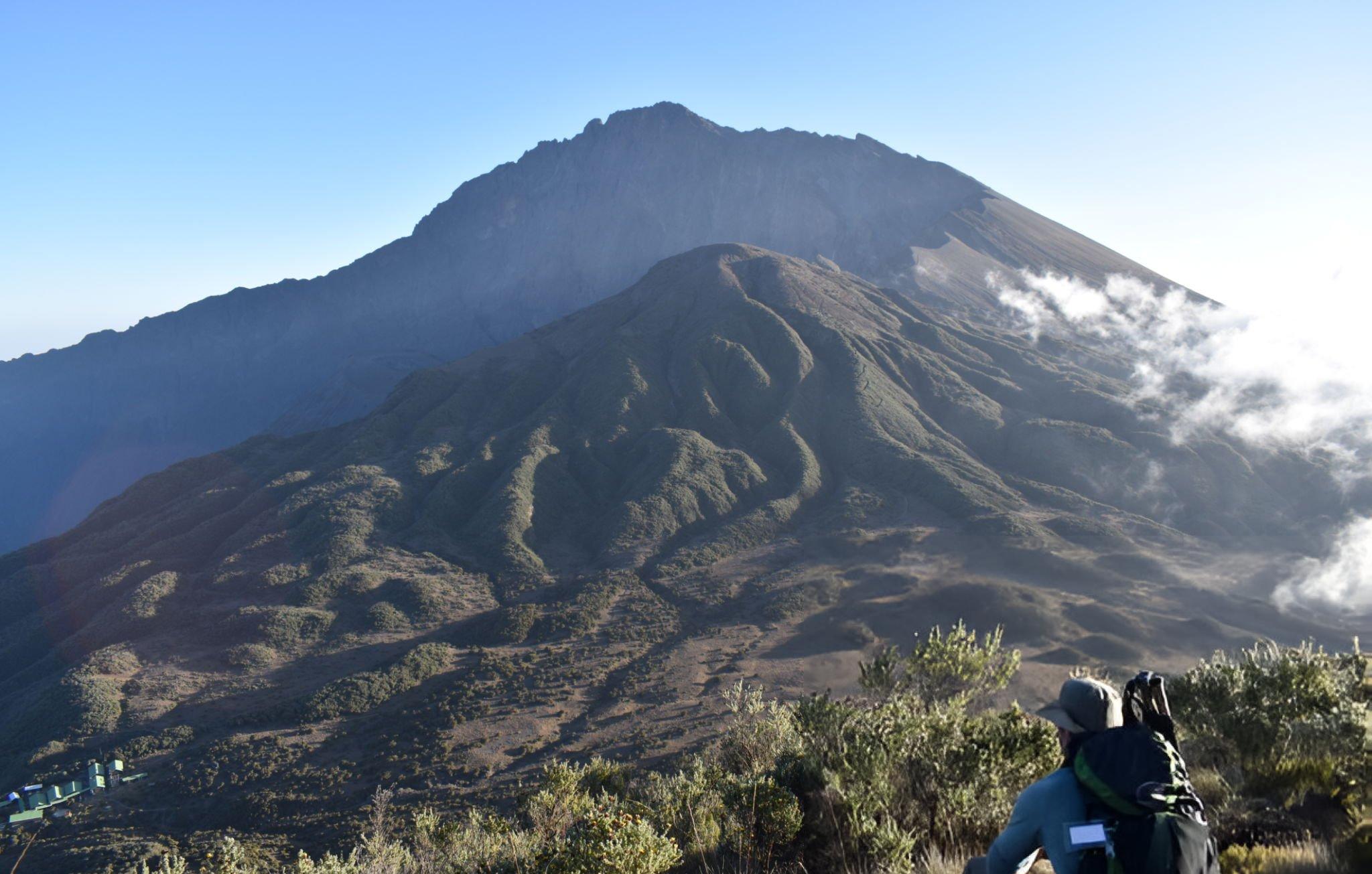
The best tour company
Quick booking process
0764187033