Discover the ultimate Easy Guide Mount Meru with expert tips on trekking routes, gear, nutrition, and acclimatization. Plan a safe and unforgettable climb with Epic Horizons Adventure going the extra miles to make sure your Mount Meru experience is seamless and rewarding.https://www.epichorizonsadventures.com/our-tours/destinations/
Introduction to Mount Meru and Why It Is the Perfect Trek for Beginners
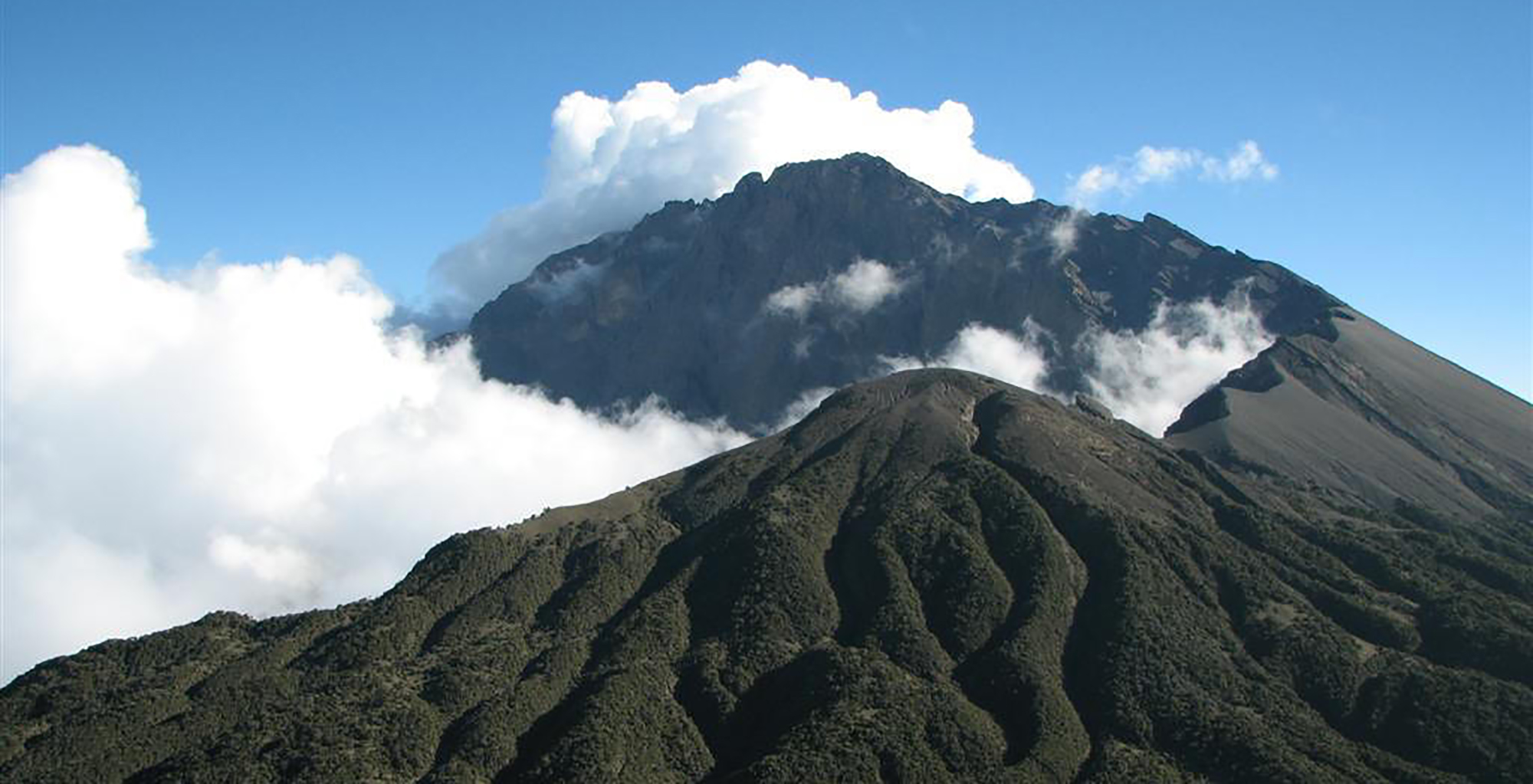
Mount Meru is one of Tanzania’s most underrated yet rewarding trekking destinations, standing proudly at 4,566 meters above sea level within Arusha National Park. Often overshadowed by its famous neighbor Mount Kilimanjaro, Mount Meru offers a quieter, more intimate trekking experience that is ideal for first-time climbers and travelers seeking a balance between adventure and comfort. This section of the Easy guide Mount meru provides a complete introduction to the mountain, its geographical significance, and why it is considered one of the best beginner-friendly trekking peaks in East Africa.
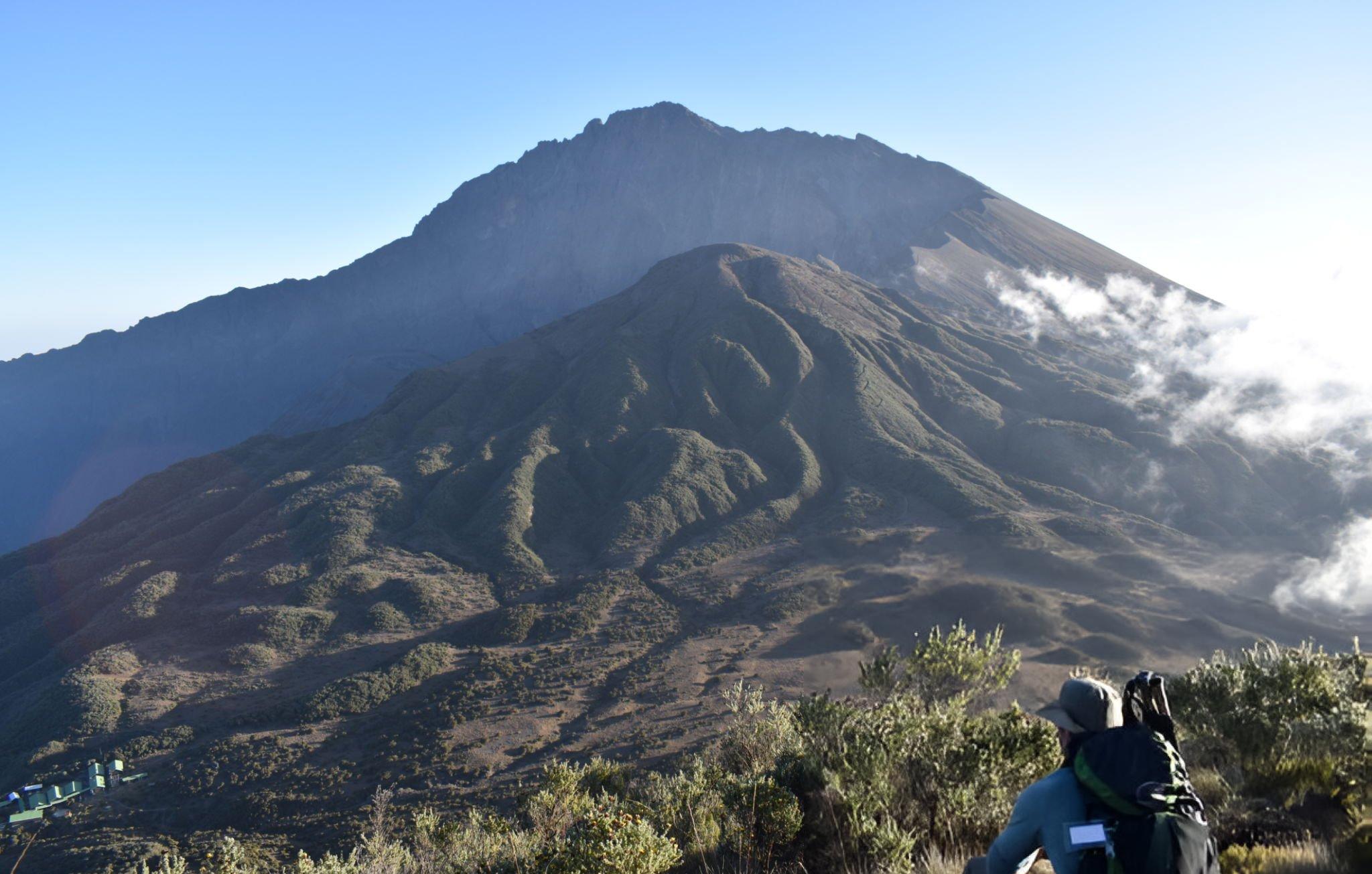
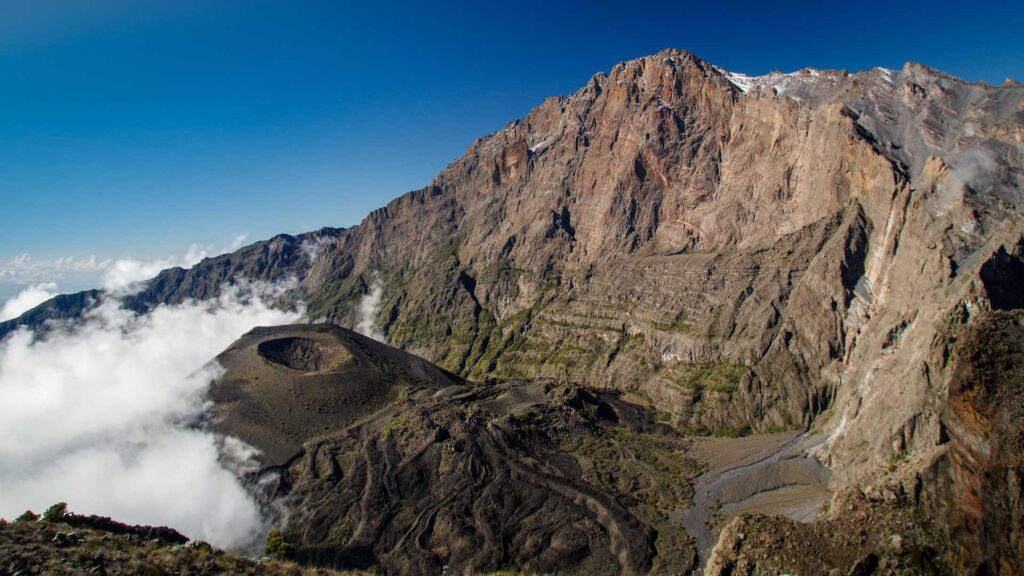
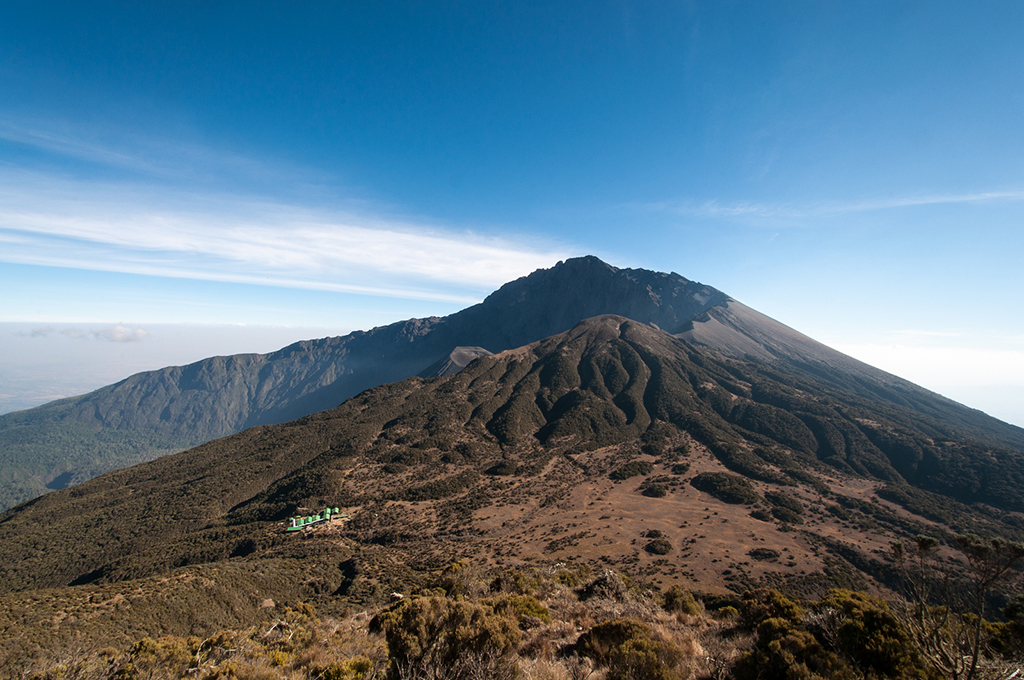
Located approximately 70 kilometers west of Mount Kilimanjaro, Mount Meru is an active stratovolcano whose last minor eruption occurred in the early 20th century. Its dramatic landscape includes steep crater walls, ash cones, lava ridges, and lush forested slopes. Unlike more commercialized trekking destinations, Mount Meru retains a strong sense of wilderness, making it appealing to travelers who value authenticity and tranquility. The mountain is surrounded by diverse ecosystems that gradually change as altitude increases, creating a visually rich and educational trekking journey.
One of the most attractive features of Mount Meru is its accessibility. The trek typically takes three to four days, which is shorter than most high-altitude climbs. This makes it suitable for travelers with limited time or those who want to test their physical ability before attempting higher mountains. Despite its relatively moderate duration, Mount Meru still offers altitude challenges, scenic viewpoints, and a true sense of accomplishment upon reaching the summit.
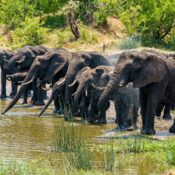
The trek begins within Arusha National Park, a protected area known for its wildlife and natural beauty. Trekkers often encounter giraffes, buffaloes, warthogs, and colobus monkeys during the lower forest sections. This unique combination of trekking and safari-style wildlife viewing sets Mount Meru apart from many other mountain climbs in Africa. For nature lovers, this adds significant value to the overall experience.
Another reason Mount Meru is ideal for beginners is its gradual acclimatization profile. The ascent allows the body to adjust naturally to increasing altitude, reducing the risk of severe altitude sickness. Overnight stays at designated mountain huts provide structured rest points, proper meals, and shelter. This organized system makes the climb safer and more comfortable, especially for those new to high-altitude trekking.
The cultural and historical significance of Mount Meru also adds depth to the experience. The mountain is named after the Meru people, an ethnic group native to the surrounding region. Local guides often share stories, traditions, and historical insights during the trek, enriching the journey beyond physical challenge. This cultural connection transforms the climb into a meaningful exploration of both nature and heritage.
Weather conditions on Mount Meru are generally favorable throughout much of the year. The best trekking seasons are from June to October and from January to February, when rainfall is minimal and visibility is high. During these periods, trekkers are rewarded with clear views of Mount Kilimanjaro from various points along the trail, including the summit ridge. These iconic views are often cited as highlights in any Easy guide Mount meru.
The summit of Mount Meru, known as Socialist Peak, offers panoramic views that rival those of more famous mountains. From the top, trekkers can observe the vast plains of Arusha National Park, the Ngorongoro Highlands in the distance, and Mount Kilimanjaro rising majestically on the horizon. Reaching the summit is a powerful moment, especially for first-time climbers, as it builds confidence and inspires future adventures.
Safety is another key advantage of Mount Meru trekking. All climbs are conducted with armed park rangers due to the presence of wildlife in the lower sections. This not only ensures safety but also enhances the overall experience, as rangers share valuable knowledge about the park’s flora and fauna. The presence of experienced guides and structured routes further minimizes risk.
Epic horizons Adventure we are looking extra miles to make sure trekkers receive proper preparation, professional guidance, and accurate information before starting the Mount Meru climb. By focusing on safety, pacing, and personalized support, the company ensures that even beginner trekkers can enjoy the mountain with confidence and peace of mind.
From a fitness perspective, Mount Meru requires moderate physical conditioning rather than extreme athletic ability. Regular walking, light hiking, and basic cardiovascular training are usually sufficient preparation. This accessibility broadens the range of travelers who can successfully complete the trek, including older adventurers and those new to mountain climbing.
Mount Meru also serves as an excellent acclimatization climb for Mount Kilimanjaro. Many trekkers choose to climb Meru first to prepare their bodies for higher altitudes. This strategic approach significantly increases the success rate of subsequent Kilimanjaro summits, making Meru an important component in long-term trekking plans.
The environmental management of Mount Meru is well regulated by Tanzania National Parks Authority. Strict rules regarding waste management, group size, and trail usage help preserve the mountain’s fragile ecosystem. Trekkers are encouraged to follow Leave No Trace principles, ensuring that the mountain remains pristine for future generations. Information on conservation efforts can be found through Tanzania National Parks (https://www.tanzaniaparks.go.tz).
International travel resources such as Lonely Planet (https://www.lonelyplanet.com) and National Geographic (https://www.nationalgeographic.com) recognize Mount Meru as one of Africa’s most scenic and underrated trekking destinations. These endorsements further reinforce its credibility as a top choice for beginner and intermediate trekkers.
In conclusion, Mount Meru is a mountain that combines accessibility, beauty, safety, and cultural richness into one exceptional trekking experience. Its manageable altitude, structured routes, and breathtaking scenery make it an ideal starting point for high-altitude adventures. For travelers seeking a rewarding climb without the intensity of more extreme peaks, this Easy guide Mount meru begins with a destination that truly delivers balance, inspiration, and unforgettable memories.
Mount Meru Trekking Routes and Day-by-Day Overview
Mount Meru offers a variety of trekking routes, each designed to suit different fitness levels, time constraints, and adventure preferences. For first-time trekkers and nature enthusiasts seeking the Easy guide Mount Meru, understanding these routes is critical to planning a safe, enjoyable, and fulfilling climb. This section details the main trekking routes, daily itineraries, and tips to maximize comfort and relaxation while ascending one of Tanzania’s most scenic mountains.
The Momella Route
The most popular route for beginners is the Momella route, which begins at the Momella Gate in Arusha National Park. This trail is preferred for its moderate difficulty, scenic forest paths, and well-established campsites. Trekkers following the Easy guide Mount Meru often choose this route due to its accessibility and the diverse wildlife encountered along the way. From the starting point, hikers immediately enter lush montane forests, home to Colobus monkeys, African buffalos, giraffes, and countless bird species. The wildlife adds an exciting dimension to the trek without requiring strenuous effort, making it ideal for novice climbers.
Day one on the Momella route typically involves a moderate hike through lowland forest, with opportunities to spot wildlife and enjoy panoramic views of the surrounding plains. Trekkers often stop at the Miriakamba Hut for overnight accommodation, which provides basic facilities including dormitories, restrooms, and prepared meals. The structured support helps newcomers adapt to altitude and manage energy levels effectively. Epic horizons Adventure we are looking extra miles to make sure climbers are fully prepared, well-guided, and supported throughout the ascent.
The Ngurdoto Crater Route
Another attractive option is the Ngurdoto Crater route, which starts at the Ngurdoto Gate. This route is slightly longer and offers trekkers a combination of crater exploration and forest trekking. The Ngurdoto Crater itself is a vast, scenic depression with dramatic cliff faces and unique geological formations. Trekkers following the Easy guide Mount Meru often appreciate the crater’s biodiversity, including herds of buffalo and numerous bird species. Overnight stops are generally at the Simba Camp or designated forest huts, providing both comfort and essential acclimatization.
This route typically spans three to four days, with moderate daily distances suitable for beginners who maintain a steady pace. The combination of forest, crater, and volcanic landscapes creates a dynamic trekking experience that is both engaging and restful. Trekkers can take breaks at viewpoints overlooking Mount Kilimanjaro, creating photo opportunities while allowing the body to adjust naturally to elevation.
Day-by-Day Itinerary
A typical three-day itinerary on Mount Meru’s Momella or Ngurdoto routes can be outlined as follows:
Day 1: Arrival at Arusha and transfer to the park gate. Trek through montane forests and wildlife zones to the first campsite. Orientation by guides, gear check, and a briefing on safety and altitude preparation.
Day 2: Continue ascent through mid-altitude forest and volcanic landscapes. Visit ash cones, lava flows, and scenic viewpoints. Overnight at Miriakamba or Simba huts to acclimatize for the summit attempt.
Day 3: Summit day, starting pre-dawn to reach Socialist Peak for sunrise. Descend gradually, stopping at viewpoints and enjoying panoramic scenery. Return to base, concluding the trek with transfers back to Arusha town or accommodation lodges.
The structured day-by-day plan allows trekkers to pace themselves, minimize altitude sickness, and fully enjoy the environment. The itineraries are flexible, and Epic horizons Adventure we are looking extra miles to make sure each trekker’s pace and comfort are prioritized.
Essential Preparations
Following the Easy guide Mount Meru requires thoughtful preparation. Climbers should bring layered clothing to accommodate temperature changes, sturdy hiking boots, rain gear, and hydration packs. Altitude considerations are critical, and trekkers are encouraged to acclimatize in Arusha before starting the climb. Sun protection, insect repellent, and personal medications are also recommended. Guides provided by registered operators such as Epic Horizons Adventure ensure trekkers carry the appropriate equipment and adhere to safety protocols.
Wildlife and Nature Highlights
Mount Meru’s biodiversity is a major attraction. Wildlife encounters range from giraffes and zebras in the lower forest zones to monkeys and abundant birdlife higher up. Flora also varies with altitude, including giant tree ferns, moss-covered canopies, and bamboo groves. Following the Easy guide Mount Meru, trekkers are advised to respect wildlife and maintain distance, guided by trained rangers who ensure both safety and ecological conservation.
Summit Experience
The summit, Socialist Peak, offers spectacular views and a tangible sense of accomplishment. Trekkers witness expansive views of the Arusha plains, Ngorongoro Highlands, and sometimes even distant Kilimanjaro on clear days. The sunrise from the summit is a highlight, offering opportunities for photography and reflective moments. Proper acclimatization, hydration, and pacing are key to ensuring a positive summit experience.
Safety Measures and Park Regulations
Trekking Mount Meru requires adherence to Tanzania National Parks (TANAPA) regulations. Visitors must register, hire guides, and comply with park safety guidelines. Armed rangers accompany groups in wildlife zones, providing security and guidance. Waste management policies ensure the mountain remains pristine, and trekkers are expected to carry out all non-biodegradable waste. External references for park rules can be found at TANAPA’s official site: https://www.tanzaniaparks.go.tz.
Training and Fitness Tips
While Mount Meru is considered beginner-friendly, moderate physical preparation enhances the experience. Daily walks, cardiovascular exercise, and strength training are recommended. Hiking with a weighted backpack during training simulates actual trek conditions. Epic horizons Adventure we are looking extra miles to make sure each climber is equipped with not only guidance but also practical tips to prepare safely for the mountain.
Accommodations and Lodges
Lodging before and after the trek is critical for a comfortable experience. Arusha offers a range of hotels and lodges suitable for pre-trek preparation and post-trek rest. Some eco-lodges and boutique accommodations close to Arusha National Park provide convenient access and immersive natural surroundings, enhancing relaxation and readiness for the climb. Recommended options include Arusha Coffee Lodge (https://www.arlodge.com) and Mount Meru Hotel (https://www.mountmeruhotel.com).
Conclusion
Mount Meru presents a manageable yet rewarding trekking experience for first-time climbers. Understanding routes, daily pacing, and preparation strategies is essential for a safe and memorable journey. Following this Easy guide Mount Meru, travelers can enjoy wildlife, scenic landscapes, cultural insights, and summit achievements while minimizing stress and physical strain. Proper planning, guided support, and adherence to safety and conservation measures ensure that every trekker’s experience is both fulfilling and sustainable.
Gear, Nutrition, and Tips for a Successful Mount Meru Trek
A successful climb of Mount Meru requires thoughtful preparation, including the right gear, nutrition, and trekking strategies. For first-time climbers, following the Easy guide Mount Meru ensures safety, comfort, and an enjoyable experience while maximizing the mountain’s breathtaking scenery. This section provides detailed guidance on equipment, food, and practical tips to help trekkers achieve a successful summit while maintaining energy and mental focus.
Essential Trekking Gear
Choosing appropriate trekking gear is critical for safety and comfort on Mount Meru. Key items include a well-fitted backpack, layered clothing to adapt to varying temperatures, sturdy waterproof hiking boots, trekking poles, gloves, and a hat for sun protection. Layering is particularly important because temperatures fluctuate dramatically from the base to the summit, ranging from warm tropical forest conditions to chilly alpine air near Socialist Peak. Following the Easy guide Mount Meru, trekkers are advised to bring moisture-wicking base layers, insulating mid-layers, and windproof outer shells to maintain body heat and dryness.
Headlamps and spare batteries are essential for early morning summit attempts, which often begin before sunrise. Sunglasses, sunscreen, and lip balm protect against ultraviolet exposure at higher altitudes. Rain gear, including lightweight jackets and waterproof covers for backpacks, prepares trekkers for sudden tropical showers common in the region. Proper gear ensures that climbers can focus on the experience rather than discomfort, making it a key component of any Easy guide Mount Meru.
Sleeping and Accommodation Gear
Mount Meru has designated huts, such as Miriakamba and Simba Huts, where trekkers spend nights. However, some adventurers may choose to bring personal sleeping bags for added comfort and warmth. Lightweight mats or liners improve insulation against cold floors. Packing efficiently is critical because weight significantly affects climbing stamina. Trekking with the correct sleeping and accommodation gear contributes to restful nights and successful summit days.
Nutrition and Hydration
Nutrition plays a vital role in maintaining energy levels during the Mount Meru trek. Trekkers should consume a balanced mix of carbohydrates, proteins, and healthy fats before and during the climb. Complex carbohydrates provide sustained energy, while protein supports muscle recovery after long hikes. Snacks such as nuts, energy bars, dried fruits, and chocolate offer quick energy boosts on steep sections. Following the Easy guide Mount Meru, trekkers are encouraged to pack lightweight, calorie-dense foods to maintain endurance without excessive bulk.
Hydration is equally important. Dehydration can exacerbate altitude sickness and reduce physical performance. Carrying at least 2-3 liters of water per day is recommended, with water purification tablets or filters as a backup. Hot beverages like tea or coffee can provide warmth during colder sections, and electrolyte supplements help maintain fluid balance.
Trekking Tips and Best Practices
To ensure a safe and successful climb, climbers should adopt several practical trekking strategies. Pacing is crucial; moving too quickly at higher altitudes can lead to fatigue or altitude sickness. Maintaining a steady, moderate pace allows for gradual acclimatization. Regular short breaks are recommended to hydrate, snack, and enjoy the surrounding scenery. Following the Easy guide Mount Meru, trekkers are advised to listen to their bodies, rest when necessary, and communicate any discomfort to guides.
Proper acclimatization is essential, particularly for summit attempts. The recommended approach includes spending nights at intermediate altitudes and gradually increasing elevation. Avoiding alcohol, limiting caffeine, and ensuring sufficient sleep all contribute to effective acclimatization. Experienced guides, such as those provided by Epic Horizons Adventure, monitor climbers’ conditions and provide timely advice to mitigate altitude-related issues.
Footwear and Trekking Techniques
Sturdy, well-broken-in hiking boots with good ankle support are recommended for the varying terrain of Mount Meru. The trails include soft forest paths, rocky lava ridges, and loose ash near the summit. Trekking poles reduce strain on knees and improve balance, especially during descents. Walking in a rhythmical, energy-conserving manner helps prevent fatigue over long distances. These techniques, emphasized in the Easy guide Mount Meru, are essential for a successful climb.
Clothing and Weather Considerations
Mount Meru’s weather can change rapidly, especially at higher elevations. Early mornings and summit attempts are often cold, while mid-day forest sections can become warm and humid. Layered clothing allows trekkers to adjust quickly. Breathable, quick-drying fabrics help regulate body temperature and prevent chafing. Waterproof outer layers protect against rain and wind. Wearing a hat and applying sunscreen mitigate the strong UV exposure at altitude. Planning clothing in advance ensures comfort throughout the trek.
Safety Measures and Emergency Preparedness
Safety is paramount during Mount Meru treks. All climbers are accompanied by trained guides and park rangers, especially in wildlife zones. Carrying a basic first-aid kit, including bandages, pain relievers, blister treatment, and altitude sickness medication, is recommended. Mobile phone reception may be limited; therefore, guides maintain communication with ranger stations. Following the Easy guide Mount Meru, trekkers should always remain with the group and follow instructions to minimize risk.
Mental Preparation and Motivation
Mental resilience is as important as physical preparation. The climb can be challenging, with steep ascents and unpredictable weather. Setting realistic goals, visualizing success, and maintaining a positive mindset help climbers stay focused. Celebrating small milestones, such as reaching rest huts or scenic viewpoints, reinforces motivation. Epic Horizons Adventure we are looking extra miles to make sure each trekker remains mentally prepared and confident throughout the journey.
Environmental Responsibility
Trekking responsibly preserves Mount Meru’s fragile ecosystem. Trekkers should carry out all non-biodegradable waste, avoid picking plants or disturbing wildlife, and stay on designated trails. Respecting local rules ensures that the mountain remains pristine for future generations. For detailed guidance, see Tanzania National Parks official website: https://www.tanzaniaparks.go.tz. Following the Easy guide Mount Meru, environmentally conscious trekking enhances both personal satisfaction and ecological sustainability.
Local Support and Cultural Insights
Engaging with local guides enriches the trek with cultural insights. Guides share knowledge about the Meru people, local customs, and historical significance of the mountain. Understanding the cultural context adds depth to the trekking experience and fosters respect for local communities. Climbing with experienced operators like Epic Horizons Adventure ensures both safety and authentic cultural engagement.
Conclusion
Proper gear, nutrition, and trekking techniques are essential for a successful Mount Meru climb. By following the Easy guide Mount Meru, beginners and seasoned trekkers alike can maximize enjoyment, minimize risk, and fully appreciate the mountain’s natural beauty. Layered clothing, reliable footwear, balanced nutrition, hydration, and mental preparedness are key components. Combining these elements with guidance from trusted operators ensures a safe, comfortable, and unforgettable trekking experience.
Mount Meru offers the perfect balance of challenge, scenery, and accessibility, making it an ideal destination for adventure seekers and nature lovers. This section of the Easy guide Mount Meru provides the tools and knowledge necessary to enjoy the mountain fully while fostering respect for the environment and local communities.
Health, Acclimatization, and Altitude Tips for Mount Meru
Climbing Mount Meru presents a unique combination of physical challenge and breathtaking scenery. For first-time trekkers, understanding health management, acclimatization, and altitude-related tips is essential to ensure a safe and enjoyable experience. This section of the Easy guide Mount Meru provides detailed advice on how to prepare the body, monitor physical well-being, and minimize risks associated with high-altitude trekking.
Understanding Altitude and Its Effects
Mount Meru rises to 4,566 meters, making altitude awareness crucial for trekkers. At higher elevations, oxygen levels decrease, which can result in symptoms of altitude sickness such as headaches, nausea, dizziness, and fatigue. Recognizing these symptoms early and taking preventive measures is critical for a successful climb. Following the Easy guide Mount Meru, trekkers are encouraged to maintain a slow and steady pace, stay hydrated, and take regular rest breaks to allow the body to adjust naturally to the altitude.
Acclimatization Strategies
Acclimatization is the process by which the body adapts to lower oxygen levels at higher elevations. Proper acclimatization reduces the risk of acute mountain sickness (AMS) and other altitude-related complications. Recommended strategies include ascending gradually, spending extra nights at intermediate altitudes, and avoiding sudden strenuous activity. Many trekkers choose to spend an initial day in Arusha at moderate elevation to begin the acclimatization process. Epic Horizons Adventure we are looking extra miles to make sure climbers receive personalized acclimatization plans tailored to their physical condition and previous trekking experience.
Nutrition and Hydration for High Altitude
Maintaining proper nutrition and hydration is crucial when trekking at altitude. Water intake should be increased to compensate for dehydration caused by dry air and increased respiratory rate. Electrolyte solutions help prevent muscle cramps and maintain energy levels. Meals should focus on easily digestible carbohydrates, proteins, and fats to sustain stamina throughout the climb. Light, frequent meals are preferable over heavy ones, as digestion becomes more challenging at high altitudes. Following the Easy guide Mount Meru, trekkers are advised to carry portable, high-energy snacks such as nuts, dried fruits, and energy bars for quick replenishment.
Fitness Preparation
Physical conditioning before the trek significantly improves health outcomes and enjoyment. Cardiovascular exercises such as running, swimming, or cycling build stamina, while strength training improves endurance for uphill climbs. Walking with a weighted backpack during training simulates actual trekking conditions and prepares the body for the physical demands of Mount Meru. Trekkers following the Easy guide Mount Meru benefit from guided pre-trek exercises recommended by operators like Epic Horizons Adventure, ensuring readiness for the journey.
Recognizing Altitude Sickness Symptoms
Understanding and recognizing symptoms of altitude sickness is vital. Common signs include persistent headaches, dizziness, nausea, shortness of breath, and insomnia. Severe symptoms, such as vomiting, confusion, or fluid accumulation in the lungs (high-altitude pulmonary edema) or brain (high-altitude cerebral edema), require immediate descent and medical attention. Trekkers are advised to communicate continuously with guides and park rangers who monitor for these warning signs. This vigilance, emphasized in the Easy guide Mount Meru, ensures prompt action to prevent complications.
Rest and Sleep Management
Proper rest and sleep enhance acclimatization and overall health during the trek. Overnight stays at mountain huts like Miriakamba and Simba Huts allow trekkers to recover from daily exertion. It is important to avoid excessive caffeine or alcohol, which can interfere with sleep quality and hydration. Short daytime naps may also help maintain energy levels. Structured rest, combined with nutritious meals and hydration, supports safe progression toward the summit.
Mental Preparedness
Climbing Mount Meru requires mental as well as physical resilience. Anxiety, stress, or overexertion can exacerbate fatigue and altitude symptoms. Mindfulness techniques, visualization of the summit, and positive self-talk help maintain focus and motivation. Trekkers are encouraged to pace themselves, celebrate milestones, and maintain a calm mindset. Epic Horizons Adventure we are looking extra miles to make sure climbers receive guidance on mental preparation, helping them manage challenges effectively while enjoying the journey.
Medical Supplies and Emergency Precautions
Carrying a basic first-aid kit is recommended for all trekkers. Essential items include pain relievers, bandages, blister treatment, altitude sickness medication, and insect repellent. Guides should be informed of any pre-existing medical conditions. Mobile phone coverage may be limited; therefore, guides carry communication equipment for emergencies. Following the Easy guide Mount Meru, trekkers should understand evacuation procedures and emergency protocols before starting the climb.
Weather and Environmental Awareness
Weather on Mount Meru can change rapidly, affecting health and safety. Trekkers should be prepared for cold mornings, rain, and strong winds at higher altitudes. Wearing layered clothing, waterproof jackets, and thermal gear is essential to prevent hypothermia. Sun protection, including sunscreen, hats, and sunglasses, reduces the risk of sunburn and eye damage. Environmental awareness, including staying on marked trails and respecting wildlife, ensures both personal safety and ecological preservation.
Local Support and Cultural Considerations
Engaging with local guides enhances safety and provides cultural insights. Guides educate trekkers about local customs, environmental regulations, and mountain history. This cultural context enriches the trekking experience and fosters responsible tourism. Operators like Epic Horizons Adventure ensure guides are professionally trained, emphasizing both safety and educational value. Following the Easy guide Mount Meru, climbers gain a deeper appreciation for the mountain and its surrounding communities.
Final Recommendations
The combination of physical preparation, acclimatization strategies, nutritional planning, and mental readiness ensures a successful and safe Mount Meru trek. Monitoring health continuously, following expert guidance, and adhering to park regulations are essential for a fulfilling experience. With careful attention to these details, trekkers can enjoy Mount Meru’s beauty, biodiversity, and summit views while minimizing risks. This holistic approach, central to the Easy guide Mount Meru, ensures climbers leave the mountain with both accomplishment and well-being.
Mount Meru’s moderate altitude, rich landscapes, and wildlife make it ideal for first-time climbers seeking a manageable yet rewarding highland adventure. Incorporating health-focused strategies, acclimatization practices, and guided support maximizes both safety and enjoyment. For those looking to experience Mount Meru responsibly and effectively, these tips form the cornerstone of a successful climb.