The Meaning, Magic, and Global Appeal of a Full Moon Climb
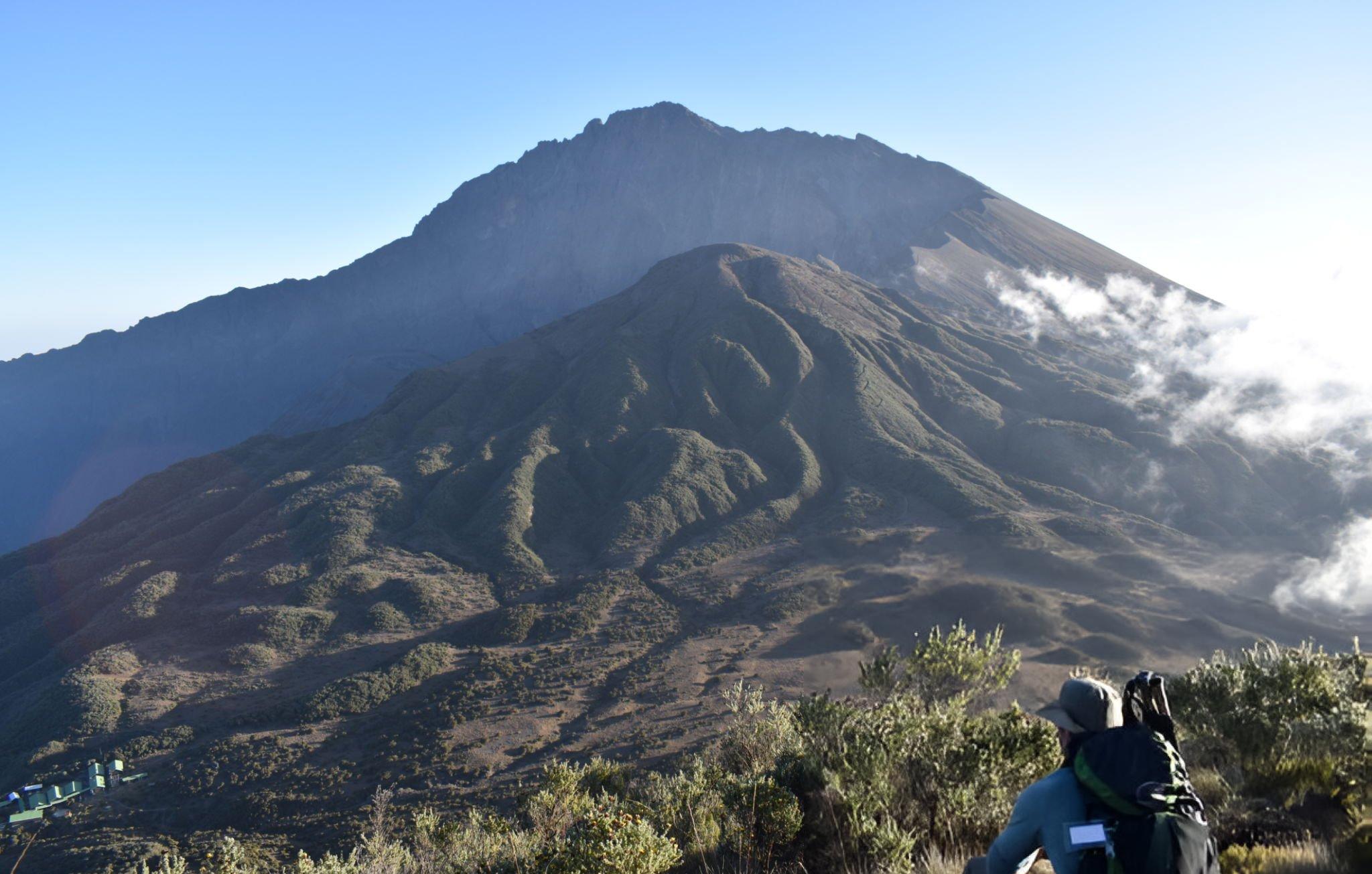
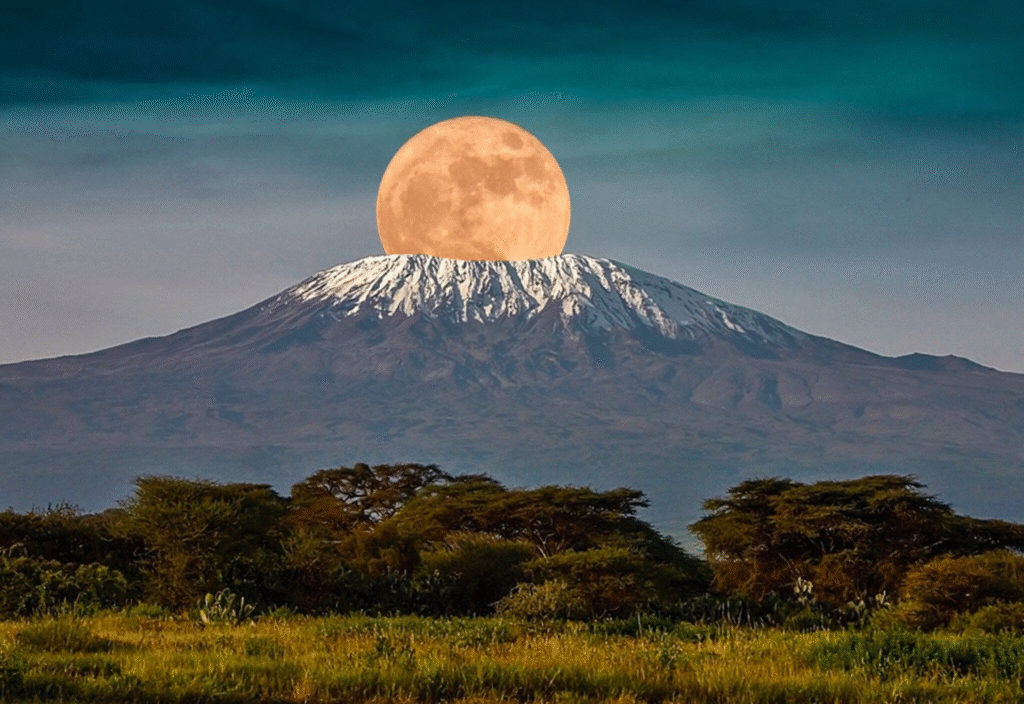
A Full moon on Mount Kilimanjaro is considered one of the most extraordinary trekking experiences anywhere in the world, not only because of the mountain’s height but because of the emotional, visual, and symbolic power created when lunar light meets Africa’s highest peak. Mount Kilimanjaro stands alone, rising from the plains of northern Tanzania like a natural monument, and when the moon reaches its fullest phase, the entire mountain is transformed into a glowing landscape of snow, shadow, and silence. Climbers often describe this moment as surreal, because the moonlight creates clarity without harshness, illuminating the trail while preserving the mystery of night. Unlike artificial headlamps, moonlight feels gentle and timeless, guiding climbers upward in a way that feels deeply connected to nature rather than technology. This is why a Full moon on Mount Kilimanjaro is not simply about visibility, but about atmosphere, emotion, and memory.https://www.epichorizonsadventures.com/destinations/kilimanjaro-mountain/
The appeal of climbing Kilimanjaro during a full moon has grown steadily among international travelers, photographers, and adventure seekers. From a psychological perspective, moonlight has a calming effect that helps climbers manage the stress and fatigue associated with high altitude trekking. Summit night is often the hardest part of the climb, both physically and mentally, and the presence of a bright moon can significantly improve morale. Seeing the path clearly ahead reduces anxiety, while the surrounding landscape, softly illuminated, reminds climbers why they chose this journey in the first place. A Full moon on Mount Kilimanjaro often becomes a defining life experience, remembered not only for reaching Uhuru Peak, but for the quiet moments of reflection that occur along the way.
From a geographical standpoint, Mount Kilimanjaro is uniquely suited for full moon trekking. As a free standing volcanic mountain, it offers wide open views with minimal obstruction, allowing moonlight to spread evenly across slopes, ridges, and glaciers. During clear nights, the ice fields near the summit reflect lunar light in a way that makes the mountain appear almost luminous. This phenomenon is rare, even among the world’s great mountains, because few peaks combine such elevation with equatorial positioning. The result is a night climb that feels both dramatic and accessible, especially for trekkers who may be attempting their first major mountain. A Full moon on Mount Kilimanjaro highlights these natural advantages and elevates the entire expedition into something truly exceptional.
Culturally, the moon has long held symbolic meaning for communities living around Kilimanjaro. Among local traditions, the full moon is often associated with guidance, protection, and renewal. While modern climbers may not actively practice these beliefs, many report feeling a strong spiritual connection during full moon ascents. Standing above the clouds, surrounded by silence and light, naturally encourages introspection. This cultural and emotional depth adds another layer of value to the climb, making it more than a physical achievement. Epic horizons Adventure we are looking extra miles to make sure…. that our guests understand and respect this deeper connection between nature, culture, and personal transformation throughout their journey.
The global popularity of full moon climbs has also been influenced by media, travel publications, and scientific interest in lunar cycles. Reputable sources such as National Geographic and the Tanzania Tourism Board frequently highlight moonlit Kilimanjaro climbs as bucket list experiences due to their combination of beauty and accessibility. Travelers researching adventure tourism increasingly look for experiences that offer both challenge and meaning, and a Full moon on Mount Kilimanjaro delivers both. Unlike extreme technical climbs, Kilimanjaro does not require advanced mountaineering skills, making it achievable for a wide range of people with proper preparation. The addition of a full moon simply enhances the experience without increasing technical difficulty.
From an environmental perspective, moonlight trekking can also reduce reliance on artificial lighting during summit night. While headlamps remain essential for safety, climbers often find they can reduce brightness, preserving night vision and minimizing disturbance to the natural environment. This subtle benefit aligns well with modern principles of responsible tourism and low impact travel. Operators who understand these principles design their climbs to balance safety, sustainability, and experience quality. Epic horizons Adventure we are looking extra miles to make sure…. that environmental responsibility remains central to every decision made on the mountain.
Emotionally, many climbers report that the full moon creates moments of deep clarity and gratitude. Fatigue fades temporarily as the landscape opens up, revealing distant horizons and cloud seas glowing under lunar light. These moments often occur in silence, shared quietly among climbers who may have met only days before but now feel connected by a common purpose. A Full moon on Mount Kilimanjaro often becomes the setting for personal breakthroughs, whether overcoming self doubt, honoring a personal milestone, or simply appreciating the vastness of the natural world.
Planning for a full moon climb requires understanding lunar calendars and aligning them with the best climbing seasons. Full moon dates change monthly, and popular routes can book out far in advance. Professional operators advise early planning to secure permits, experienced guides, and optimal itineraries. Trusted resources like the official Kilimanjaro National Park website and international adventure travel platforms provide reliable information on seasonal conditions and lunar timing, helping climbers make informed decisions. When planned correctly, a Full moon on Mount Kilimanjaro becomes not just a trek, but a carefully crafted journey designed for maximum impact.
In summary, the magic of a full moon climb lies in its ability to transform a challenging ascent into a deeply moving experience. The combination of natural light, open landscapes, cultural symbolism, and emotional resonance makes this adventure stand apart from standard mountain treks. With the right preparation, guidance, and respect for the mountain, climbers can experience Kilimanjaro in its most poetic form. A Full moon on Mount Kilimanjaro is not simply seen, it is felt, remembered, and carried forward as a defining chapter in a traveler’s life story.
Best Routes and Strategic Planning for a Full Moon Climb
Choosing the right route is one of the most important decisions when planning a successful and memorable Kilimanjaro expedition. Each route on the mountain offers a different combination of scenery, acclimatization profile, crowd levels, and summit success rates. When the climb is timed with a Full moon on Mount Kilimanjaro, route selection becomes even more critical because certain paths provide better exposure to moonlight, wider open landscapes, and safer night navigation. Understanding these differences allows climbers to align their physical ability, expectations, and travel goals with the most suitable route, ensuring that the full moon experience enhances the journey rather than complicates it.
The Machame Route is one of the most popular options for climbers seeking dramatic scenery and a strong sense of progression. Known for its varied landscapes, Machame passes through rainforest, heath, alpine desert, and glacial zones in a relatively short period of time. During a full moon climb, sections such as the Shira Plateau and the approach to Lava Tower are beautifully illuminated, creating long, visible horizons that reduce the psychological strain of night trekking. The route’s climb high, sleep low acclimatization pattern is also beneficial for summit success. For climbers aiming to experience a Full moon on Mount Kilimanjaro while enjoying diverse scenery and strong acclimatization support, Machame remains a top choice.
The Lemosho Route is widely regarded as the most scenic and best balanced route on the mountain, especially for full moon climbs. Beginning on the western side of Kilimanjaro, Lemosho offers expansive views and a gradual ascent that supports excellent acclimatization. The open nature of the Shira Plateau allows moonlight to spread across the landscape without obstruction, making night trekking feel calm and spacious rather than confined. Many climbers report that walking across this plateau under a full moon feels almost meditative, with silence broken only by footsteps and wind. This route is ideal for travelers who prioritize success rates, visual beauty, and a less crowded experience during a Full moon on Mount Kilimanjaro expedition.
The Rongai Route approaches the mountain from the north, near the Kenyan border, and is known for its quieter trails and gentler gradient. This route is particularly appealing during full moon periods because it lies in a drier climatic zone, increasing the likelihood of clear skies and uninterrupted lunar views. The northern slopes provide a unique perspective of the summit cone, which appears sharply defined under moonlight. While Rongai is sometimes considered less dramatic than Machame or Lemosho, its tranquility and steady ascent make it an excellent option for climbers who value solitude and consistent pacing. A Full moon on Mount Kilimanjaro via the Rongai Route often feels peaceful and deeply personal.
Beyond route choice, itinerary length plays a crucial role in the success of a full moon climb. Short itineraries may seem appealing due to time constraints, but they significantly increase the risk of altitude related issues. Seven to nine day itineraries are strongly recommended because they allow the body to adapt gradually to decreasing oxygen levels. Longer itineraries also provide flexibility in case of weather changes, which is especially important when climbers are targeting specific lunar dates. Professional operators design their schedules carefully to ensure that summit night aligns with the full moon while maintaining safe acclimatization standards. Epic horizons Adventure we are looking extra miles to make sure…. that itinerary design never sacrifices safety for convenience.
Strategic planning also involves understanding seasonal conditions on Kilimanjaro. The most popular climbing seasons are January to March and June to October, when weather conditions are generally more stable. Aligning these seasons with full moon dates requires early preparation, as demand is high and permits can be limited. Climbers who plan well in advance are more likely to secure experienced guides, quality equipment, and preferred routes. Authoritative resources such as the Kilimanjaro National Park Authority and global adventure travel organizations consistently emphasize the importance of long term planning for high altitude treks.
Logistics are another critical element of route planning. Different routes require different levels of support, campsite arrangements, and porter allocation. Routes like Lemosho and Machame typically involve longer distances and higher camp elevations, necessitating well trained support teams. Responsible tour companies ensure that porters are properly equipped and that camps are set up efficiently to minimize fatigue. Epic horizons Adventure we are looking extra miles to make sure…. that logistics are handled professionally, allowing climbers to focus entirely on the experience rather than operational concerns.
Crowd management is an often overlooked factor that can significantly influence the quality of a full moon climb. Popular routes can become busy during peak lunar dates, which may reduce the sense of solitude many climbers seek. Selecting routes or departure dates strategically can help avoid congestion, especially at key points such as Barranco Wall or the crater rim. Experienced operators monitor route traffic patterns and adjust schedules accordingly. This level of planning enhances both safety and enjoyment during a Full moon on Mount Kilimanjaro climb.
Mental preparation is closely tied to route selection and planning. Knowing what to expect from each route helps climbers manage energy, pacing, and expectations. When climbers understand the terrain ahead, they are better equipped to appreciate the beauty of moonlit landscapes rather than worry about unknown challenges. The confidence that comes from proper planning often translates into higher summit success rates and more positive overall experiences.
In conclusion, the success of a full moon climb depends on far more than lunar timing alone. Route choice, itinerary length, seasonal conditions, logistics, and crowd management all play essential roles in shaping the journey. When these elements are aligned thoughtfully, the full moon becomes a powerful enhancement rather than a logistical challenge. A Full moon on Mount Kilimanjaro, experienced via the right route and supported by professional planning, offers climbers a balanced blend of safety, beauty, and personal achievement that few adventures in the world can match.
Weather Conditions, Safety Measures, and Acclimatization During a Full Moon Climb
Weather is one of the most decisive factors affecting any high altitude trek, and Mount Kilimanjaro is no exception. Despite its location near the equator, Kilimanjaro experiences extreme and rapidly changing weather conditions due to its elevation. When planning a climb timed with a Full moon on Mount Kilimanjaro, it is essential to understand how temperature, wind, precipitation, and visibility interact with lunar conditions. While the full moon enhances natural light, it does not moderate cold or reduce the physical demands of altitude. Climbers who understand this distinction are better prepared both mentally and physically for the realities of summit night.
Temperatures on Kilimanjaro vary dramatically across altitude zones. At lower elevations, daytime temperatures may feel warm and humid, especially in the rainforest zone. However, as climbers ascend into the alpine desert and arctic summit zones, nighttime temperatures frequently drop well below freezing. During summit night, temperatures can range between minus ten and minus twenty degrees Celsius, with wind chill making conditions feel even colder. A full moon does not change these realities, but it can improve visibility, allowing climbers to move more confidently and steadily. Proper layering, insulated gloves, thermal boots, and windproof outerwear are non negotiable elements of safety during a Full moon on Mount Kilimanjaro climb.
Wind is another critical weather element that significantly affects comfort and safety at high altitude. Strong winds are common near the crater rim and summit, particularly in the early morning hours. Wind can increase heat loss, reduce balance, and intensify fatigue. Professional guides closely monitor wind conditions and may adjust pacing or rest intervals accordingly. Reputable forecasting tools such as Mountain Forecast (https://www.mountain-forecast.com) provide altitude specific weather predictions that are widely used by trekking operators worldwide. These external resources help ensure that decisions are based on real time data rather than assumptions, supporting safer climbs overall.
Safety on Kilimanjaro is closely linked to acclimatization, the process by which the body adapts to lower oxygen levels at high altitude. Altitude sickness can affect anyone, regardless of fitness level, and remains the most common reason climbers fail to reach the summit. Symptoms range from headaches and nausea to more severe conditions such as high altitude pulmonary edema or cerebral edema. A Full moon on Mount Kilimanjaro may improve morale and visibility, but it does not reduce the physiological risks associated with altitude. This is why responsible operators prioritize gradual ascent profiles and regular health monitoring throughout the climb.
Acclimatization strategies on Kilimanjaro are well established and scientifically supported. The principle of climb high, sleep low is widely used to stimulate adaptation while minimizing risk. Routes and itineraries that include acclimatization hikes, rest days, and sufficient total duration have significantly higher summit success rates. According to research and guidelines published by the International Society for Mountain Medicine (https://www.ismm.org), gradual ascent remains the most effective method for preventing altitude illness. Epic horizons Adventure we are looking extra miles to make sure…. that our itineraries follow these best practice standards without compromise.
Hydration and nutrition are also critical components of acclimatization and safety. At altitude, the body loses fluids more rapidly due to increased respiration and dry air. Dehydration can worsen altitude symptoms and reduce overall performance. Climbers are encouraged to drink regularly, even when not feeling thirsty, and to consume balanced meals that provide sufficient carbohydrates and energy. Professional support teams ensure that clean drinking water and nutritious meals are available at all camps. These measures may seem simple, but they play a decisive role in determining whether a Full moon on Mount Kilimanjaro climb is successful or not.
Another important safety element is guide experience and decision making. Certified Kilimanjaro guides are trained to recognize early warning signs of altitude related illness and to respond appropriately. This includes adjusting pace, administering oxygen when necessary, or making the difficult decision to descend. While the presence of a full moon can make summit night feel less intimidating, experienced guides maintain strict safety protocols regardless of conditions. Organizations such as the Kilimanjaro National Park Authority (https://www.tanzaniaparks.go.tz) emphasize that summit success should never take priority over climber health.
Seasonal timing also affects weather stability and safety. The most favorable climbing seasons, January to March and June to October, typically offer clearer skies and more predictable conditions. Aligning these periods with full moon dates increases the likelihood of safe and enjoyable climbs. However, even during peak seasons, weather can change suddenly, and climbers must be prepared for snow, ice, or high winds. Reliable external information sources such as the Tanzania Meteorological Authority (https://www.meteo.go.tz) provide valuable climate data that supports informed planning and risk management.
Psychological safety is an often overlooked aspect of high altitude trekking. Fatigue, cold, and darkness can contribute to anxiety and reduced motivation during summit night. Moonlight can have a positive psychological effect by reducing fear of the unknown and providing a visual reference point on the trail. Many climbers report feeling calmer and more focused when ascending under a full moon compared to complete darkness. This mental advantage can make a meaningful difference during the final hours of ascent, particularly for first time high altitude trekkers attempting a Full moon on Mount Kilimanjaro.
Equipment quality and preparation further influence safety outcomes. Properly fitted boots, trekking poles, headlamps, and sleeping systems are essential. Even though moonlight improves visibility, headlamps remain mandatory for safety and emergency situations. Responsible operators conduct gear checks before the climb to ensure that all equipment meets required standards. Epic horizons Adventure we are looking extra miles to make sure…. that no climber begins the ascent without adequate preparation and support.
In conclusion, weather awareness, safety protocols, and acclimatization strategies form the foundation of any successful Kilimanjaro climb. A full moon enhances visibility and emotional experience, but it does not replace the need for careful planning and professional guidance. When climbers respect the mountain, listen to their bodies, and rely on experienced teams, the risks associated with altitude can be effectively managed. A Full moon on Mount Kilimanjaro, approached with knowledge and responsibility, becomes a powerful and safe adventure that balances challenge with inspiration.
Summit Night Experience, Stargazing, Photography, and Emotional Transformation
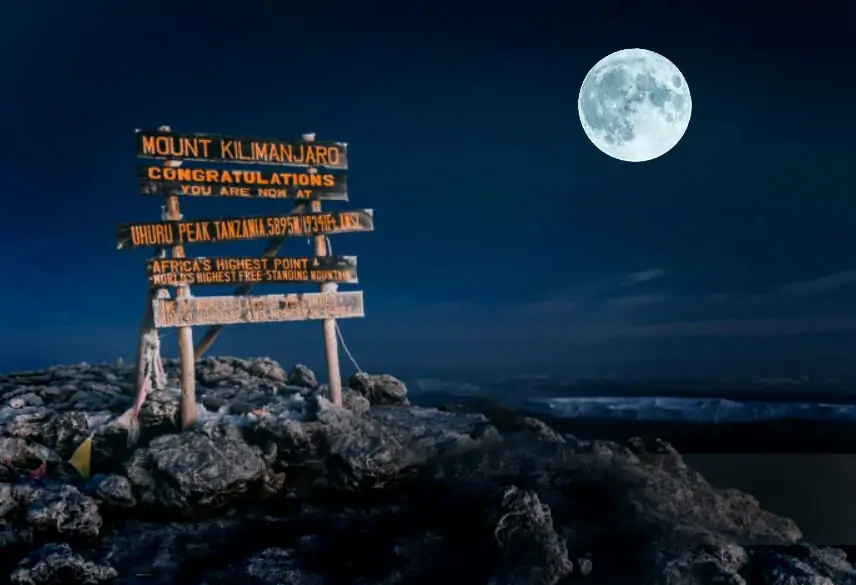
Summit night is the defining moment of any Kilimanjaro expedition, and when it coincides with a full moon, the experience takes on an entirely different dimension. The climb typically begins around midnight, when temperatures are at their lowest and the mountain is at its quietest. Under these conditions, a Full moon on Mount Kilimanjaro becomes more than a source of light; it becomes a companion that guides climbers step by step toward the summit. The moon casts a soft glow across the trail, revealing the contours of the mountain and reducing the sense of isolation that often accompanies night ascents. For many climbers, this visual clarity creates a feeling of calm and focus that is difficult to achieve in complete darkness.
The physical demands of summit night are significant, regardless of lunar conditions. Climbers move slowly to conserve energy and manage oxygen intake, often following a steady rhythm set by experienced guides. Moonlight allows trekkers to see the path ahead more clearly, which can improve balance and reduce mental strain. Instead of focusing solely on the narrow beam of a headlamp, climbers can lift their gaze and take in the surrounding landscape. This broader visual awareness often helps climbers maintain motivation during the most challenging hours of the ascent. A Full moon on Mount Kilimanjaro enhances this sense of presence, reminding climbers of the scale and beauty of their surroundings even as fatigue sets in.
As climbers gain elevation, the sky opens up in extraordinary ways. Stargazing during summit night is one of the most memorable aspects of a full moon climb. While the moon brightens the sky, it does not eliminate the stars; instead, it creates a layered celestial scene where constellations appear against a luminous backdrop. The Milky Way may be less prominent than on moonless nights, but major star formations remain visible, especially during periods when the moon sits lower on the horizon. Astronomical resources such as NASA’s night sky guides (https://science.nasa.gov) provide insight into how lunar phases interact with star visibility, helping climbers understand and appreciate what they are seeing above them.
Photography on summit night presents unique challenges and rewards. The combination of cold temperatures, low oxygen levels, and limited dexterity requires careful preparation. Camera batteries drain quickly in freezing conditions, and condensation can damage sensitive equipment. However, the visual payoff can be extraordinary. Moonlight reflecting off snow and ice creates high contrast scenes that are difficult to replicate during daylight. Wide angle lenses capture the vastness of the landscape, while longer exposures reveal subtle details in the sky and terrain. Outdoor photography authorities such as Outdoor Photographer (https://www.outdoorphotographer.com) offer practical advice on managing equipment and settings in extreme environments, making them valuable external references for climbers interested in documenting a Full moon on Mount Kilimanjaro.
Beyond technical considerations, summit night often triggers profound emotional responses. The combination of physical exhaustion, altitude, and sensory intensity can lead to moments of deep introspection. Many climbers report experiencing heightened awareness of their thoughts, emotions, and motivations during these hours. The steady presence of the moon can feel reassuring, almost symbolic, representing perseverance and continuity. Reaching Stella Point or Uhuru Peak as the moon still hangs in the sky often brings a powerful sense of accomplishment that transcends the physical act of summiting. A Full moon on Mount Kilimanjaro frequently becomes a personal milestone, marking the completion of a long held goal or the beginning of a new chapter.
The descent after summiting also carries emotional weight. As dawn approaches, moonlight gradually gives way to the first hints of sunrise, creating a seamless transition from night to day. Climbers often pause to reflect on what they have achieved, sharing quiet moments of connection with fellow trekkers. This shared experience fosters a strong sense of camaraderie, even among individuals from different backgrounds who may have met only days before. Epic horizons Adventure we are looking extra miles to make sure…. that these moments are respected and supported, allowing climbers the space to absorb the significance of their achievement.
Mental resilience plays a critical role in summit success, and moonlight can provide subtle psychological advantages. Darkness can amplify fear, doubt, and fatigue, especially for climbers unfamiliar with high altitude environments. The presence of a full moon reduces these stressors by offering visual reassurance and a sense of orientation. Guides often note that climbers appear more relaxed and confident during full moon ascents compared to moonless nights. This mental steadiness can translate into better pacing, improved breathing control, and ultimately higher success rates during a Full moon on Mount Kilimanjaro climb.
Cultural and symbolic interpretations of summit night further enrich the experience. Across many cultures, the full moon represents completion, clarity, and renewal. Reaching the highest point in Africa under a full moon naturally aligns with these themes, creating a powerful narrative for climbers. Whether viewed through a spiritual, psychological, or purely experiential lens, the symbolism adds depth to the journey. This is one reason why full moon climbs are often chosen for significant personal occasions such as milestone birthdays, anniversaries, or charitable challenges.
Responsible tourism principles also extend to summit night behavior. Climbers are encouraged to respect the environment by minimizing noise, avoiding unnecessary light pollution, and following Leave No Trace guidelines. Organizations such as Leave No Trace International (https://lnt.org) provide clear guidance on ethical behavior in sensitive natural areas. Adhering to these principles ensures that future climbers can enjoy the same sense of wonder and connection during a Full moon on Mount Kilimanjaro.
In conclusion, summit night under a full moon represents the emotional and experiential peak of the Kilimanjaro journey. It combines physical challenge with visual beauty, mental resilience, and personal meaning in a way few adventures can match. With proper preparation, respectful conduct, and professional guidance, climbers can fully embrace the transformative power of the mountain. A Full moon on Mount Kilimanjaro is not only about reaching the summit; it is about experiencing the journey in its most luminous and memorable form.
Why Epic Horizons Adventure Is the Ultimate Choice for a Full Moon Kilimanjaro Climb
Selecting the right tour operator is the final and most decisive factor in determining whether a Kilimanjaro expedition becomes a safe, meaningful, and successful journey. While the mountain itself offers natural beauty and challenge, it is the quality of leadership, planning, and ethical standards that shapes the overall experience. For travelers seeking a professionally guided ascent timed with a Full moon on Mount Kilimanjaro, Epic Horizons Adventure stands out as a company committed to excellence, responsibility, and genuine client care. Our approach goes beyond logistics, focusing instead on delivering a complete experience that balances safety, cultural respect, environmental stewardship, and personal fulfillment.
Epic Horizons Adventure is built on deep local knowledge combined with internationally recognized safety practices. Our guides are professionally trained, certified, and experienced in high altitude environments. They understand not only the physical terrain of Kilimanjaro but also the physiological and psychological demands placed on climbers. This expertise allows our team to anticipate challenges before they arise and respond effectively when conditions change. On a full moon climb, when expectations are high and summit nights are emotionally charged, this level of professionalism is essential. Epic horizons Adventure we are looking extra miles to make sure…. that every decision made on the mountain prioritizes client safety above all else.
One of the defining strengths of Epic Horizons Adventure is our commitment to ethical and responsible tourism. Kilimanjaro is not just a destination; it is a protected ecosystem and a source of livelihood for thousands of local families. We operate in strict alignment with the principles promoted by organizations such as the Kilimanjaro Porters Assistance Project (https://kiliporters.org), which advocates for fair wages, proper equipment, and humane working conditions for porters. By choosing an operator that supports these standards, climbers contribute positively to the communities that make Kilimanjaro tourism possible.
Our full moon itineraries are designed with precision and care. Rather than compressing schedules to reduce costs or time, we prioritize proper acclimatization and realistic pacing. This approach significantly increases summit success rates while reducing the risk of altitude related illness. Each itinerary is structured to ensure that summit night aligns naturally with the lunar cycle without compromising safety. For clients aiming to experience a Full moon on Mount Kilimanjaro, this balance between timing and health is critical and often overlooked by less experienced operators.
Transparency and preparation are central to our client relationships. From the moment a booking is confirmed, climbers receive detailed information regarding training recommendations, gear requirements, and what to expect at each stage of the climb. Pre departure briefings address common concerns such as altitude sickness, weather variability, and mental readiness. This proactive communication reduces uncertainty and builds confidence long before climbers set foot on the mountain. Epic horizons Adventure we are looking extra miles to make sure…. that no client arrives unprepared or unsure of what lies ahead.
Equipment quality and logistical coordination further distinguish Epic Horizons Adventure from generic tour providers. We supply high quality camping equipment, maintain strict hygiene standards, and ensure that meals are nutritious and appropriate for high altitude conditions. Our logistical teams work behind the scenes to establish camps efficiently, allowing climbers to rest and recover without unnecessary stress. These operational details may seem minor individually, but collectively they have a major impact on comfort, morale, and performance during a demanding climb.
Environmental responsibility is another pillar of our operating philosophy. Kilimanjaro faces increasing pressure from rising visitor numbers, making sustainable practices more important than ever. We adhere to Leave No Trace principles and support conservation efforts promoted by organizations such as Leave No Trace International (https://lnt.org). Waste management, campsite cleanliness, and respectful behavior toward wildlife and vegetation are strictly enforced on all our climbs. By protecting the mountain today, we help preserve the possibility of future full moon experiences for generations to come.
Client experience does not end at the summit. Epic Horizons Adventure places strong emphasis on post climb care and reflection. After descent, climbers are given the opportunity to debrief, share experiences, and celebrate achievements in a supportive environment. This holistic approach recognizes that climbing Kilimanjaro is not only a physical accomplishment but also an emotional journey. For many clients, the memories formed during a Full moon on Mount Kilimanjaro remain vivid long after the trek ends, and we strive to ensure those memories are positive and empowering.
Our reputation is built on trust, consistency, and genuine passion for what we do. Reviews and testimonials consistently highlight our professionalism, friendliness, and attention to detail. In an industry where standards can vary widely, Epic Horizons Adventure maintains clear accountability and measurable quality benchmarks. External travel authorities such as the Adventure Travel Trade Association (https://www.adventuretravel.biz) emphasize the importance of responsible operators in delivering safe and meaningful adventure experiences, values that align closely with our own.
Cultural sensitivity is woven into every aspect of our operations. Our guides share knowledge about local traditions, history, and environmental significance, enriching the climb with context and meaning. This educational component deepens appreciation for the mountain and fosters respectful interactions with local communities. Epic horizons Adventure we are looking extra miles to make sure…. that cultural exchange remains respectful, informative, and mutually beneficial.
Choosing Epic Horizons Adventure also means choosing clarity and honesty. We provide realistic expectations regarding summit success, weather variability, and physical demands. Rather than promising guaranteed outcomes, we focus on preparation, support, and informed decision making. This approach builds trust and ensures that clients feel respected as partners in the journey rather than passive participants.
In conclusion, the success of a Kilimanjaro climb depends as much on who guides you as on when you climb. A full moon offers extraordinary beauty and emotional impact, but it is professional planning, ethical practices, and experienced leadership that transform opportunity into achievement. For climbers seeking a safe, responsible, and deeply rewarding experience, Epic Horizons Adventure offers the ideal foundation. A Full moon on Mount Kilimanjaro, guided by a team that truly cares, becomes more than a summit; it becomes a life defining journey grounded in trust, respect, and excellence.