Discover the ultimate Gombe National Park packing list for trekking, chimpanzee tracking, gear, and essentials with Epic Horizons Adventurehttps://www.epichorizonsadventures.com/our-tours/destinations/
Understanding Gombe National Park and Why a Specialized Packing List Matters
Preparing for a journey to Gombe National Park requires far more thought than packing for a standard safari. Gombe is remote, forested, and logistically unique, and these characteristics fundamentally shape what travellers should bring. Understanding the destination itself is the foundation of any effective Gombe National Park packing list, because the park’s terrain, climate, access routes, and activity focus differ significantly from other wildlife destinations in Tanzania. Travellers who pack with this understanding enjoy greater comfort, safety, and overall satisfaction during their visit.
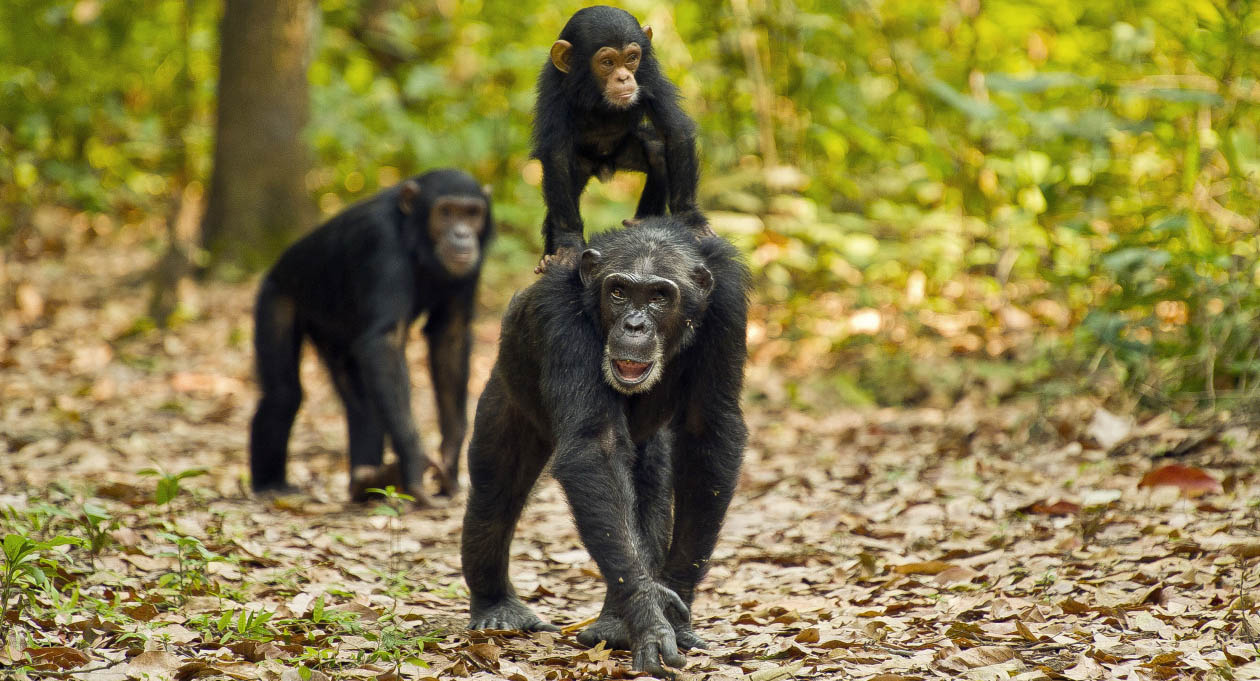
Gombe National Park is located along the eastern shores of Lake Tanganyika in western Tanzania and is one of the smallest national parks in the country. Despite its size, Gombe holds immense global significance as the site of Dr. Jane Goodall’s groundbreaking chimpanzee research, which transformed humanity’s understanding of primate behavior. The park is characterized by steep valleys, dense tropical forest, and lakeside habitats, creating a physically demanding but deeply rewarding environment for travellers. Unlike savannah parks dominated by vehicle-based game drives, Gombe is explored almost entirely on foot, making personal gear and physical preparedness essential.
Access to Gombe National Park is itself an important factor influencing packing decisions. Travellers typically reach the park via Kigoma town, followed by a boat transfer across Lake Tanganyika. There are no road connections into the park, and supplies within the park are extremely limited. Once visitors arrive, they must rely largely on what they have brought with them. This reality underscores why a carefully planned Gombe National Park packing list is not optional but essential. Forgetting even small items can impact comfort and safety, as replacements are not readily available.
The climate in Gombe further reinforces the need for specialized packing. The park experiences a tropical climate with high humidity, warm daytime temperatures, and cooler conditions in the forest canopy and along the lake in the early mornings and evenings. Rainfall can occur unexpectedly, especially during the wet seasons, making waterproof and quick-drying gear critical. Dense vegetation also means increased exposure to insects, uneven terrain, and occasional mud, all of which influence clothing and equipment choices.
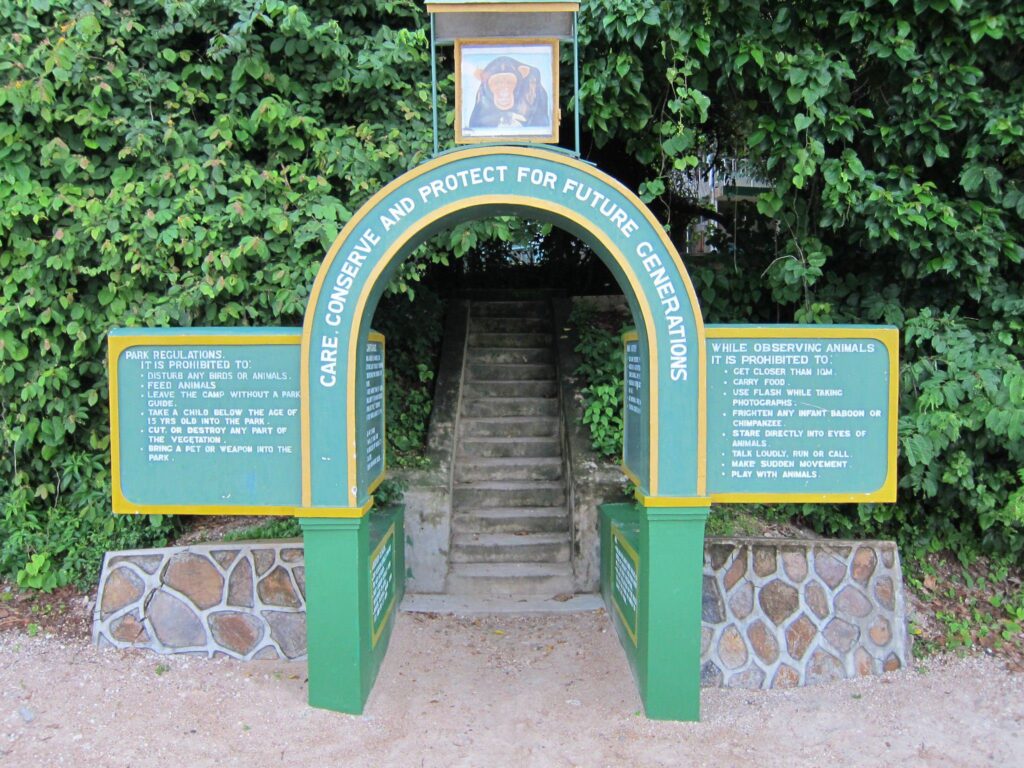
Another defining element of Gombe is its strict conservation regulations. Chimpanzee trekking rules are designed to minimize stress on the animals and reduce the risk of disease transmission. Visitors are required to maintain distance, limit group sizes, and adhere to hygiene standards. As a result, items such as face masks, hand sanitizer, and appropriate footwear are not just conveniences but integral components of responsible travel. Packing appropriately supports both personal safety and conservation goals, aligning travellers with the park’s long-standing research and protection mission. Authoritative information on park regulations and conservation guidelines can be found through Tanzania National Parks (TANAPA), the official governing body for national parks in Tanzania.
Gombe’s trekking-focused activities also demand a different physical approach from travellers. Daily chimpanzee tracking can involve several hours of hiking on steep, forested trails with significant elevation changes. This makes supportive footwear, breathable clothing, and personal hydration systems essential. Travellers accustomed only to vehicle-based safaris often underestimate the physical demands of Gombe, reinforcing the importance of preparation through a well-considered packing strategy.
Accommodation options within and near Gombe National Park are intentionally limited to preserve the park’s fragile ecosystem. Most visitors stay at small lodges or tented camps with basic but comfortable amenities. Electricity may be limited to certain hours, and internet connectivity is often minimal or nonexistent. These conditions influence decisions about power banks, headlamps, personal toiletries, and clothing suitable for hand washing and reuse. Packing with simplicity and practicality in mind allows travellers to adapt smoothly to the park’s low-impact tourism model.
Health considerations are another critical component when planning for Gombe. The park’s forest environment increases exposure to insects, including mosquitoes, making insect repellent and appropriate clothing vital. Sun protection remains important despite forest cover, particularly during boat transfers and lakeside activities. Personal medications, first-aid essentials, and basic wellness items should be included, as medical facilities are distant. Reliable health and travel preparation guidance for Tanzania can be referenced through the World Health Organization (WHO)https://www.who.int/teams/health-security/international-health-regulations/travel-advice, which provides up-to-date recommendations for travellers visiting remote regions.
Photography and observation are central to the Gombe experience, but equipment choices should reflect the environment. Dense forest limits long-range visibility, making mid-range lenses and compact camera setups more practical than heavy, long telephoto gear. Waterproof bags and protective covers are essential due to humidity and sudden rain. Binoculars can enhance wildlife observation, but they should be lightweight and easy to carry during long hikes. Understanding these practical realities helps travellers pack gear that enhances rather than hinders their experience.
Epic horizons Adventure we are looking extra miles to make sure travellers arrive at Gombe National Park fully prepared, informed, and confident. By advising clients on destination-specific requirements and realistic expectations, the company helps ensure that packing decisions support comfort, conservation, and overall enjoyment. This level of preparation reflects professional travel planning rather than generic advice.
In summary, the uniqueness of Gombe National Park demands a thoughtful and destination-specific approach to packing. Remote access, forest trekking, conservation rules, and limited infrastructure all influence what travellers should bring. A successful journey begins with understanding these conditions and translating that knowledge into practical preparation. For this reason, the foundation of any effective Gombe National Park packing list lies in a clear understanding of the park itself and the realities of travelling within one of Tanzania’s most iconic and sensitive protected areas.
Essential Clothing and Footwear for Gombe National Park Trekking
Choosing the right clothing and footwear is one of the most critical aspects of preparing a successful trip to Gombe National Park. Unlike traditional savannah safaris where most activities are vehicle-based, Gombe is a forest trekking destination that requires travellers to walk for extended periods on steep, uneven terrain. For this reason, a well-thought-out Gombe National Park packing list must prioritize comfort, protection, adaptability, and durability in all clothing and footwear selections. The wrong choices can quickly turn an extraordinary chimpanzee trekking experience into a physically exhausting and uncomfortable challenge.
The forest environment of Gombe National Park is dense, humid, and often unpredictable. Temperatures can vary throughout the day, with warm and humid conditions during trekking hours and cooler temperatures in the early mornings, evenings, and along the shores of Lake Tanganyika. Lightweight, breathable clothing made from moisture-wicking fabrics is therefore essential. Cotton clothing, while comfortable in dry conditions, tends to absorb moisture and dry slowly, making it unsuitable for forest trekking. Instead, travellers should opt for technical fabrics designed for outdoor activities, which help regulate body temperature and reduce discomfort caused by sweat.
Long-sleeved shirts and long trousers are strongly recommended for Gombe. These garments provide critical protection against insects, thorny vegetation, and sun exposure. Neutral or earth-tone colors such as khaki, olive, brown, and muted green are ideal, as they blend into the natural environment and minimize disturbance to wildlife. Bright colors and reflective materials should be avoided, as they may attract insects or disrupt animal behavior. A proper Gombe National Park packing list always emphasizes clothing that balances practicality with respect for wildlife and conservation guidelines.
Layering is a key strategy when selecting clothing for Gombe. A light base layer worn close to the skin helps manage moisture, while a breathable mid-layer provides insulation during cooler periods. An outer layer, such as a lightweight waterproof or water-resistant jacket, is essential for sudden rain showers common in tropical forest environments. Rain can occur unexpectedly even during the dry season, and staying dry significantly improves comfort and safety during long hikes. For authoritative guidance on weather patterns and climate considerations in western Tanzania, travellers can consult the World Meteorological Organization (WMO), which provides global climate data and regional insights.
Footwear is arguably the most important item in any Gombe National Park packing list. Trekking conditions include muddy trails, steep inclines, exposed roots, and slippery surfaces, all of which demand high-quality hiking boots. Boots should be well broken-in before arrival to prevent blisters and foot fatigue. Mid- to high-ankle support is recommended to reduce the risk of ankle injuries, particularly on uneven terrain. Soles should offer strong grip and traction suitable for wet and muddy conditions. Lightweight trail shoes may be suitable for short walks but are generally insufficient for daily chimpanzee tracking.
In addition to primary hiking boots, travellers should pack a pair of lightweight sandals or camp shoes. These are useful for relaxing at the lodge, moving around camp, or during boat transfers along Lake Tanganyika. Sandals allow feet to breathe after long treks and reduce the risk of fungal infections caused by prolonged moisture exposure. However, they should still provide adequate support and grip, particularly on wet surfaces.
Socks are often overlooked but play a vital role in trekking comfort. High-quality hiking socks made from merino wool or synthetic blends help regulate temperature, manage moisture, and reduce friction. Packing multiple pairs allows travellers to change socks during the day if conditions become wet. Some travellers also choose to pack gaiters, which provide additional protection against mud, insects, and debris entering boots during forest hikes.
Headwear and accessories further enhance comfort and protection. A wide-brimmed hat or cap shields the face and neck from sun exposure during open sections of the trail and boat journeys. A lightweight buff or scarf can serve multiple purposes, including sun protection, warmth during cool mornings, or dust protection during travel. Gloves are not typically necessary but may be useful for travellers sensitive to cold or those who prefer additional hand protection while navigating rough vegetation.
Swimwear is another essential item often underestimated when planning for Gombe. Lake Tanganyika offers opportunities for swimming and relaxation after trekking activities, making a swimsuit a valuable addition to the packing list. A quick-drying towel can also be useful, particularly in lodges with limited laundry services. Including these items enhances the overall experience by allowing travellers to fully enjoy the park’s unique lakeside setting.
Laundry considerations should also influence clothing choices. Due to limited facilities and water conservation practices, travellers should pack clothing that can be easily hand-washed and dries quickly. Packing fewer items of higher quality is often more practical than bringing excessive clothing. This minimalist approach aligns well with the low-impact tourism philosophy of Gombe National Park.
Epic horizons Adventure we are looking extra miles to make sure travellers pack clothing and footwear that are appropriate for Gombe’s demanding yet rewarding environment. Through professional guidance and destination-specific advice, the company ensures that travellers are physically prepared to focus on the experience rather than discomfort or preventable challenges.
In conclusion, clothing and footwear choices directly influence safety, comfort, and enjoyment in Gombe National Park. Breathable fabrics, protective layers, reliable hiking boots, and practical accessories form the foundation of a successful trekking experience. When assembling a comprehensive Gombe National Park packing list, prioritizing functional, well-tested clothing and footwear ensures that travellers can confidently explore one of Tanzania’s most remarkable and intimate wildlife destinations.
Essential Gear, Backpacks, and Trekking Equipment for Gombe National Park
Selecting the right gear and trekking equipment is a decisive factor in determining the quality of a visit to Gombe National Park. Unlike destinations where travellers rely heavily on vehicles and lodge-based comfort, Gombe demands self-sufficiency during daily forest treks. As a result, a comprehensive Gombe National Park packing list must include carefully chosen gear that supports safety, mobility, hydration, and protection from environmental conditions. Proper equipment reduces fatigue, minimizes risk, and allows travellers to focus fully on the unique experience of chimpanzee tracking.
At the core of all trekking gear is a reliable daypack. A lightweight yet durable backpack, typically between 20 and 30 liters, is ideal for Gombe’s forest hikes. The pack should be comfortable enough to carry for several hours and fitted with adjustable shoulder straps, a supportive back panel, and ideally a waist or chest strap for stability on steep trails. Because humidity and sudden rain are common, the backpack should be made from water-resistant material or include a rain cover. This single item often becomes the most frequently used piece of equipment during the trip and is therefore a central component of any effective Gombe National Park packing list.
Hydration equipment is equally critical. Trekking through tropical forest conditions leads to significant fluid loss through perspiration, and dehydration can quickly reduce energy levels and concentration. Travellers should carry at least one to two liters of water during each trek. Reusable water bottles or hydration bladders are recommended, as they are environmentally friendly and easy to access while walking. In addition, water purification tablets or a portable water filter provide an added layer of security, especially in remote settings where bottled water availability may be limited. Authoritative guidance on safe drinking water practices for travellers can be found through the World Health Organization (WHO), which emphasizes hydration and water safety in tropical destinations.
Trekking poles are optional but highly beneficial for many visitors to Gombe. The park’s trails can be steep, muddy, and uneven, placing strain on knees and ankles during ascents and descents. Lightweight, collapsible trekking poles improve balance, reduce joint impact, and enhance overall stability. Travellers who are less experienced with hiking or who have previous joint concerns often find trekking poles invaluable during chimpanzee tracking activities.
Protective gear should also be included to address the forest environment. A compact rain jacket or poncho is essential for sudden downpours, while dry bags or waterproof pouches protect electronics, documents, and spare clothing. Humidity and rain pose constant risks to cameras, phones, and travel documents, making waterproof storage solutions a practical necessity rather than a luxury. Insect protection accessories, such as head nets or treated clothing, may also be useful for travellers sensitive to bites, particularly during wetter months.
Navigation and safety equipment further enhance preparedness. Although chimpanzee treks are always conducted with licensed guides, personal items such as a whistle, small flashlight, or headlamp can be useful in low-light conditions or during early morning starts. A headlamp is particularly valuable in lodges with limited electricity, allowing travellers to move safely around camp after dark. Extra batteries or rechargeable options should be packed, as charging opportunities may be restricted.
Personal first-aid and wellness gear deserves careful attention. While guides carry basic medical supplies, travellers should bring personal items such as blister treatment, bandages, pain relievers, antihistamines, and any prescribed medications. A compact personal first-aid kit ensures immediate access to essentials without relying solely on group equipment. Including hand sanitizer, disinfectant wipes, and personal hygiene items also supports responsible tourism practices, especially in sensitive chimpanzee habitats where disease transmission is a concern.
Photography and observation equipment should be selected with the forest environment in mind. Heavy or bulky gear can become cumbersome during long hikes, so travellers should prioritize lightweight cameras and versatile lenses. A mid-range zoom lens often performs better than long telephoto lenses due to limited visibility in dense forest. Binoculars can enhance wildlife observation but should be compact and easy to carry. Camera rain covers and microfiber cloths help protect equipment from moisture and condensation. Information on ethical wildlife photography practices can be explored through organizations such as the International Union for Conservation of Nature (IUCN), which promotes responsible engagement with wildlife and natural habitats.
Documentation and travel accessories also play a role in overall preparedness. A waterproof document holder for passports, permits, insurance details, and travel itineraries ensures that critical paperwork remains protected. Copies of important documents, both physical and digital, provide an added layer of security. Power banks are highly recommended to keep devices charged, particularly in areas with limited electricity. Solar chargers may be useful for environmentally conscious travellers seeking sustainable energy solutions.
Epic horizons Adventure we are looking extra miles to make sure travellers are fully equipped with practical, reliable gear that enhances safety and enjoyment in Gombe National Park. By offering tailored packing advice and destination-specific insights, the company helps travellers avoid unnecessary items while ensuring that essential equipment is not overlooked.
In conclusion, the right combination of gear and trekking equipment transforms a demanding forest trek into a manageable and rewarding experience. A thoughtfully prepared Gombe National Park packing list that prioritizes functional backpacks, hydration systems, protective gear, safety accessories, and lightweight equipment allows travellers to engage confidently with Gombe’s unique environment. Proper gear not only improves personal comfort but also supports responsible and sustainable travel within one of Tanzania’s most important conservation areas.
Health, Personal Care, Hygiene, and Medical Essentials for Gombe National Park
Maintaining optimal health and personal hygiene is a critical component of a successful Gombe National Park visit. Due to its remote location, dense forest environment, and limited access to medical facilities, travellers must be proactive in preparing a health-focused section of their Gombe National Park packing list. Attention to personal care, preventative health measures, and appropriate medical supplies not only enhances individual comfort and safety but also ensures responsible interaction with the park’s delicate ecosystem, particularly the chimpanzee population, which can be vulnerable to human-borne illnesses.
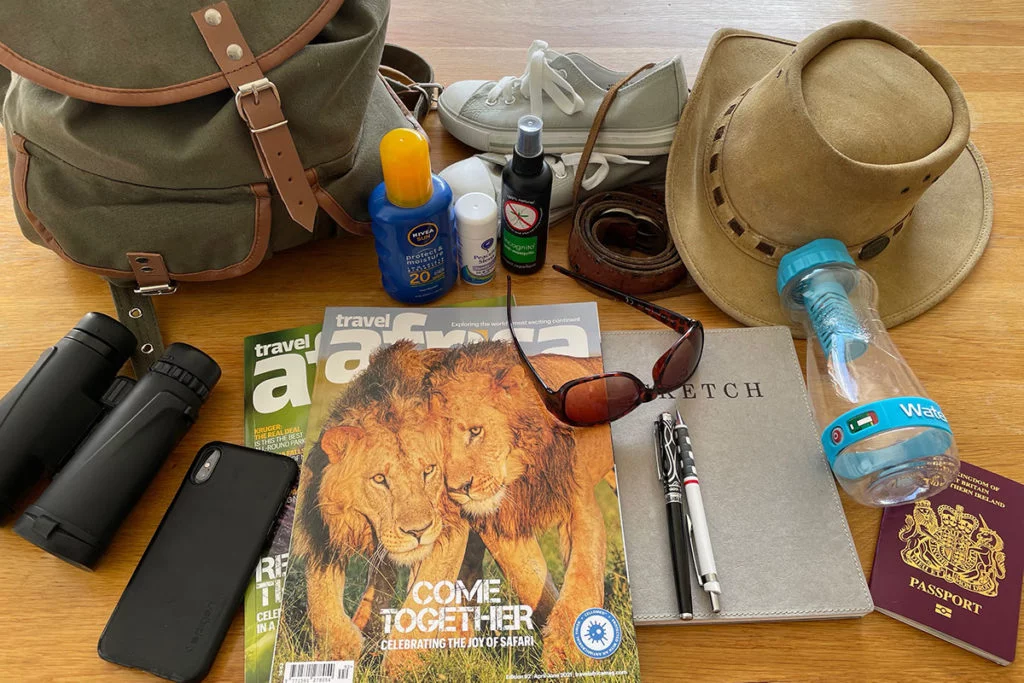
One of the most important considerations is protection against insect-borne diseases. Gombe National Park is located in a tropical region where mosquitoes and other insects are common, particularly during the wet season. Travellers should include insect repellents containing DEET or picaridin, as well as long-sleeved shirts, long trousers, and socks to minimize exposure. Treated clothing, such as permethrin-infused garments, offers additional protection and is recommended for extended trekking. Travelers can consult the World Health Organization (WHO) for up-to-date guidelines on malaria prevention and insect-borne disease management in Tanzania, including recommended prophylactic medications and vaccination advice.
Sun protection is equally essential. Even within the forest, trekkers are exposed to UV radiation, particularly during boat transfers and open trail sections. High SPF sunscreen, lip balm with sun protection, and UV-blocking sunglasses help prevent sunburn and eye strain. Wide-brimmed hats or caps not only protect the face and neck but also reduce glare and enhance comfort during long hikes. Including these items in a Gombe National Park packing list ensures that travellers can focus on wildlife observation without the discomfort or risks associated with sun exposure.
Personal hygiene requires careful planning due to limited facilities within the park. Items such as biodegradable soap, hand sanitizer, toothbrushes, toothpaste, quick-dry towels, and compact washcloths are essential. Water is limited and often reserved for essential uses, making water-efficient hygiene practices critical. Travellers are encouraged to pack personal wet wipes and travel-sized hygiene products to maintain cleanliness without burdening park resources.
A comprehensive medical kit is another non-negotiable component of a Gombe National Park packing list. This kit should include first-aid basics such as adhesive bandages, antiseptic wipes, gauze, and medical tape. Pain relievers, antihistamines, anti-diarrheal medication, and any personal prescription medications are also vital. Blister prevention and treatment items, such as moleskin or specialized bandages, are particularly important due to the demanding forest trekking terrain. Additionally, items such as motion sickness tablets or digestive aids may be useful for boat transfers across Lake Tanganyika.
Hydration and nutrition management are critical for maintaining health during extended hikes. A water bottle or hydration bladder with a capacity of at least 1-2 liters is recommended for each trek. Water purification tablets or portable filters provide an extra safety measure for unexpected scenarios. High-energy snacks, such as nuts, trail mixes, and energy bars, help maintain stamina on long treks. These items should be lightweight, non-perishable, and easy to carry in a daypack, forming an integral part of a health-conscious Gombe National Park packing list.
Clothing and equipment hygiene also deserves attention. Forest conditions can lead to wet, muddy, or sweat-soaked clothing. Quick-dry fabrics and multiple sets of base layers allow travellers to change as needed, reducing the risk of fungal or bacterial infections. Laundry at the park is minimal, so items that are easily hand-washed and fast-drying are highly recommended. This attention to hygiene contributes to comfort and prevents minor health issues that could diminish the quality of the trekking experience.
Traveller preparedness should also consider emergency medical access. While guides carry basic first-aid supplies, travellers should be aware of the nearest medical facilities and have a communication plan in place. Satellite phones or reliable local SIM cards can be included for emergency contact. For up-to-date travel health advisories, resources such as the U.S. Centers for Disease Control and Prevention (CDC) provide guidance on vaccinations, health risks, and best practices for travellers visiting Tanzania and remote locations like Gombe National Park.
Epic horizons Adventure we are looking extra miles to make sure travellers are fully equipped with health, hygiene, and medical essentials that enhance safety and comfort. By providing expert advice on preventative measures, personal care, and emergency preparedness, the company ensures travellers can engage fully with Gombe’s unique environment while minimizing risk.
In conclusion, a Gombe National Park packing list that prioritizes health, personal care, hygiene, and medical preparedness is essential for both individual wellbeing and responsible travel. Insect protection, sun safety, personal hygiene products, comprehensive first-aid kits, and hydration strategies form the foundation of a safe and enjoyable chimpanzee trekking experience. Proper planning in this area allows travellers to immerse themselves in the forest environment with confidence, contributing to a rewarding and memorable visit to one of Tanzania’s most remarkable natural destinations.
Miscellaneous Essentials, Electronics, Documentation, and Final Tips for Gombe National Park
The final segment of a comprehensive Gombe National Park packing list encompasses miscellaneous essentials, electronic devices, documentation, and practical travel tips that ensure a smooth, safe, and enjoyable visit. While clothing, footwear, gear, and health items form the backbone of preparation, these additional items enhance convenience, safety, and overall travel experience. Travellers who address these considerations demonstrate foresight and can focus fully on the park’s unique chimpanzee trekking opportunities without avoidable distractions or challenges.
Electronics and photography equipment are critical for capturing the once-in-a-lifetime experience that Gombe offers. Compact, lightweight cameras and versatile lenses are preferred due to dense forest conditions where long-range telephoto lenses are less effective. Waterproof or weather-resistant camera cases protect against humidity and sudden rain showers, while extra memory cards and batteries ensure uninterrupted documentation of treks. Portable power banks are essential for charging devices when electricity is limited at lodges. Solar chargers provide a sustainable alternative for eco-conscious travellers. Travellers can refer to trusted outdoor electronics guides, such as those published by National Geographic or REI, for recommendations on weather-resistant gear suitable for forest trekking.
Communication devices are also important. Due to Gombe’s remote location, mobile network coverage can be patchy. Carrying a local SIM card with sufficient data or a satellite phone ensures the ability to reach guides, emergency contacts, or local services. This level of preparedness is especially important for solo travellers or those who prefer self-guided logistical flexibility. GPS apps or offline maps can also support orientation along trails, although guided treks remain mandatory for chimpanzee tracking.
Documentation and travel paperwork are often underestimated yet crucial for a seamless experience. A waterproof pouch should be used to protect passports, permits, travel insurance, and copies of identification documents. Electronic copies stored securely on a cloud service or external drive provide an extra safety net in case of loss. Visitors are reminded that entry into Gombe National Park requires permits, and guides typically carry documentation verification forms. Additional items such as vaccination certificates, emergency contacts, and itinerary printouts add layers of preparedness.
Miscellaneous essentials include items that enhance comfort, convenience, and adaptability. Travel towels, lightweight camping gear, reusable water bottles, snacks, and compact seating pads contribute to a more comfortable trekking experience. Personal comfort items, such as earplugs, sleep masks, or a small travel pillow, can be valuable in lodges with shared accommodations or limited privacy. Water purification tablets or portable filters ensure safe drinking water during treks or while waiting for boat transfers. Including these items in the Gombe National Park packing list prevents unnecessary stress and ensures travellers can focus on exploration.
Navigation and safety accessories are integral for responsible travel in a remote forest setting. A small compass, whistle, and basic flashlight or headlamp can aid in orientation during early morning or late evening activities. While guides lead all treks, having basic safety tools ensures readiness for unexpected situations. Extra batteries or rechargeable devices help maintain the functionality of essential electronics, reinforcing both convenience and security during the journey.
Travel etiquette and conservation-minded practices should also guide miscellaneous packing choices. Carrying a small bag for trash, using biodegradable soaps, avoiding plastic single-use containers, and adhering to chimpanzee interaction rules reflect responsible tourism. Observing these practices preserves the integrity of the park and aligns with ethical travel standards, enhancing the overall quality and impact of the visit.
Epic horizons Adventure we are looking extra miles to make sure every traveller is fully prepared with electronics, documentation, and miscellaneous essentials for a safe, comfortable, and responsible visit to Gombe National Park. By providing expert guidance and destination-specific recommendations, the company ensures travellers have the confidence to immerse themselves in the park’s natural environment without distraction or avoidable challenges.
In conclusion, the final segment of a Gombe National Park packing list integrates essential electronics, documentation, miscellaneous items, and practical tips that collectively elevate the trekking experience. By addressing these final considerations, travellers complement their clothing, gear, and health preparations, achieving a fully comprehensive, well-rounded approach to visiting one of Tanzania’s most remarkable and intimate wildlife destinations. Proper attention to these details enables travellers to focus on observation, learning, and enjoyment, fulfilling the promise of a transformative journey to Gombe National Park.