Learn how to plan perfect Tanzania vacation with expert tips on safaris, beaches, visas, budgets, packing, and itineraries. Discover Tanzania the right wayhttps://www.epichorizonsadventures.com/our-tours/destinations/
Tanzania stands among the world’s most extraordinary travel destinations — a land where golden savannahs stretch endlessly beneath dramatic skies, snow-capped mountains rise above equatorial plains, turquoise Indian Ocean waters lap against palm-fringed beaches, and ancient cultures continue traditions shaped by centuries of resilience and wisdom. For travelers seeking wildlife encounters, beach relaxation, cultural immersion, and adventure tourism in one journey, few countries rival Tanzania’s diversity and depth. Yet despite its breathtaking appeal, many travelers struggle with one fundamental question: how to plan a trip that truly captures the essence of Tanzania without feeling rushed, overwhelmed, or underprepared.
Planning a Tanzania vacation involves far more than booking flights and choosing hotels. It requires thoughtful consideration of seasons, wildlife migration patterns, regional climates, cultural expectations, visa regulations, health precautions, packing strategies, budgeting, itinerary design, and local logistics. Each of these elements interacts with the others, shaping not only what you experience but also how deeply and comfortably you experience it. The difference between a good trip and a life-changing journey often lies in preparation.
This guide is designed to serve as the most complete and authoritative resource for travelers searching for how to plan perfect Tanzania vacation experiences — whether your goal is a luxury safari honeymoon, a family wildlife adventure, a backpacking expedition, a Kilimanjaro summit attempt, a Zanzibar beach escape, or a combination of all these elements. The content is structured for Google ranking success while remaining deeply practical, human-centered, and grounded in real-world travel expertise.
Unlike generic travel blogs that skim the surface, this guide goes deep. It explains not only what to do, but why each step matters, how to customize decisions to your travel style, and how to avoid the common mistakes that compromise many trips to East Africa. Each section is designed to stand alone, enabling readers to navigate directly to the topics most relevant to their needs, while also forming part of a complete end-to-end planning system.
At Epic Horizons Adventure, we believe that travel should be transformational, not transactional. That’s why Epic horizons Adventure we are looking extra miles to make sure…. our guests are not only inspired by Tanzania’s beauty but also fully prepared to experience it safely, comfortably, and meaningfully. Our on-the-ground experience guiding travelers through Tanzania’s national parks, mountains, beaches, and communities informs every insight in this guide.
Throughout the article, you will find trusted external resources from authoritative institutions such as the Tanzania Tourism Board, CDC, WHO, UNESCO, and Tanzania National Parks Authority to ensure medical, legal, environmental, and safety information remains accurate and up to date. These links strengthen credibility while helping readers verify key decisions independently — a core component of Google’s EEAT (Experience, Expertise, Authority, Trustworthiness) guidelines.
Whether you are visiting Tanzania for the first time or returning to explore deeper layers of its landscapes and cultures, this guide equips you with everything you need to plan confidently. By the end, you will understand not just how to organize your journey, but how to design an experience aligned with your goals, values, budget, and travel dreams.
Let us begin with the foundation of every unforgettable Tanzania journey: choosing the right time to visit, understanding seasons, wildlife movements, climate patterns, and how timing influences every aspect of your vacation.
CHOOSING THE BEST TIME TO VISIT TANZANIA FOR SAFARI, BEACH & ADVENTURE
Understanding when to visit Tanzania is the single most powerful factor shaping the success of your trip. Climate, wildlife migration patterns, crowd levels, accommodation availability, flight pricing, road conditions, photography conditions, trekking feasibility, and beach experiences all change dramatically depending on the season. Travelers who master Tanzania’s seasonal rhythms unlock better wildlife sightings, more comfortable travel conditions, improved value for money, and deeper immersion into the country’s landscapes and cultures. This section serves as a comprehensive seasonal planning blueprint for travelers seeking how to plan perfect Tanzania vacation experiences.
Tanzania lies just south of the equator, giving it relatively stable temperatures year-round, but rainfall patterns vary significantly across regions and months. Rather than four classical seasons, Tanzania operates on two rainy seasons and two dry seasons, each shaping tourism experiences in different ways. The long dry season runs roughly from June through October, while the short dry season occurs from January to February. The long rainy season spans March through May, and the short rains occur from November to December. Each season brings distinct advantages and challenges depending on travel priorities.
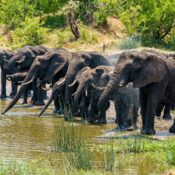
The dry season from June to October is widely regarded as the peak safari season. During this period, vegetation thins, water sources become scarce, and wildlife congregates around rivers, lakes, and watering holes, making animals easier to spot. Roads are more accessible, game drives smoother, and walking safaris safer due to reduced grass height and fewer mosquitoes. This season also coincides with the iconic Great Migration river crossings in northern Serengeti, where millions of wildebeest, zebra, and gazelle cross crocodile-infested rivers in one of nature’s most dramatic spectacles. Visitors seeking predator action, large herds, and classic savannah photography often prioritize these months.
However, peak season also brings higher prices, greater demand for accommodations, and more crowded parks, especially in flagship destinations such as Serengeti, Ngorongoro Crater, Tarangire, and Lake Manyara. Travelers must book far in advance, particularly for luxury lodges, mobile migration camps, and family-sized safari vehicles. Flights and park fees remain constant, but lodging rates rise significantly. Despite these challenges, many travelers find the exceptional wildlife viewing and dry weather conditions justify the premium.
The short dry season from January to February offers an outstanding alternative for safari enthusiasts seeking excellent wildlife viewing with fewer crowds and lower prices. These months coincide with the Great Migration calving season in southern Serengeti and Ndutu plains, where hundreds of thousands of wildebeest give birth within a few weeks. This phenomenon attracts large numbers of predators, creating intense wildlife interactions and rare photographic opportunities. The lush green landscapes contrast beautifully with newborn calves and dramatic skies, offering a distinct aesthetic from the golden dryness of later months.
January and February also offer warm temperatures, relatively stable weather, and strong visibility for game drives. While afternoon showers may occur occasionally, they are typically brief and refreshing rather than disruptive. For photographers, filmmakers, and wildlife enthusiasts seeking dynamic scenes with softer light and vibrant backgrounds, this season offers exceptional value.
The long rainy season from March to May is considered Tanzania’s low season, yet it holds unique appeal for travelers who value solitude, lush landscapes, birdlife, budget-friendly rates, and immersive wilderness experiences. Heavy rains transform savannahs into verdant grasslands, rivers swell, and migratory birds arrive from Europe and Asia, enriching birdwatching opportunities. Lodges often offer significant discounts, sometimes up to 40–60%, making this period attractive for budget travelers and those seeking luxury experiences at reduced prices.
However, heavy rainfall can make certain roads impassable, limit access to remote parks, and reduce wildlife visibility due to dense vegetation. Some lodges and camps close temporarily during this period, particularly in flood-prone regions. Travelers visiting during the long rains should prioritize well-developed parks such as Serengeti Central, Ngorongoro Crater, and Tarangire, where infrastructure remains operational year-round.
The short rainy season from November to December represents a transitional period offering a balance between lush scenery, manageable rainfall, and moderate prices. Showers tend to occur in the late afternoon or evening and rarely disrupt full-day activities. Wildlife viewing remains strong, particularly in northern Tanzania, and birdwatching reaches peak diversity. For travelers seeking a quieter safari experience with fewer crowds and more competitive pricing, this shoulder season provides excellent value.
Beyond safari, timing also influences beach holidays, trekking adventures, cultural tourism, and city exploration. Zanzibar and Tanzania’s Indian Ocean coast enjoy warm temperatures year-round, but the best beach conditions typically occur during the dry seasons, particularly from June to October and December to February. These months offer lower humidity, calmer seas, better visibility for snorkeling and diving, and reduced rainfall. Kite surfing is especially popular from June to September and December to February, when trade winds are strongest.
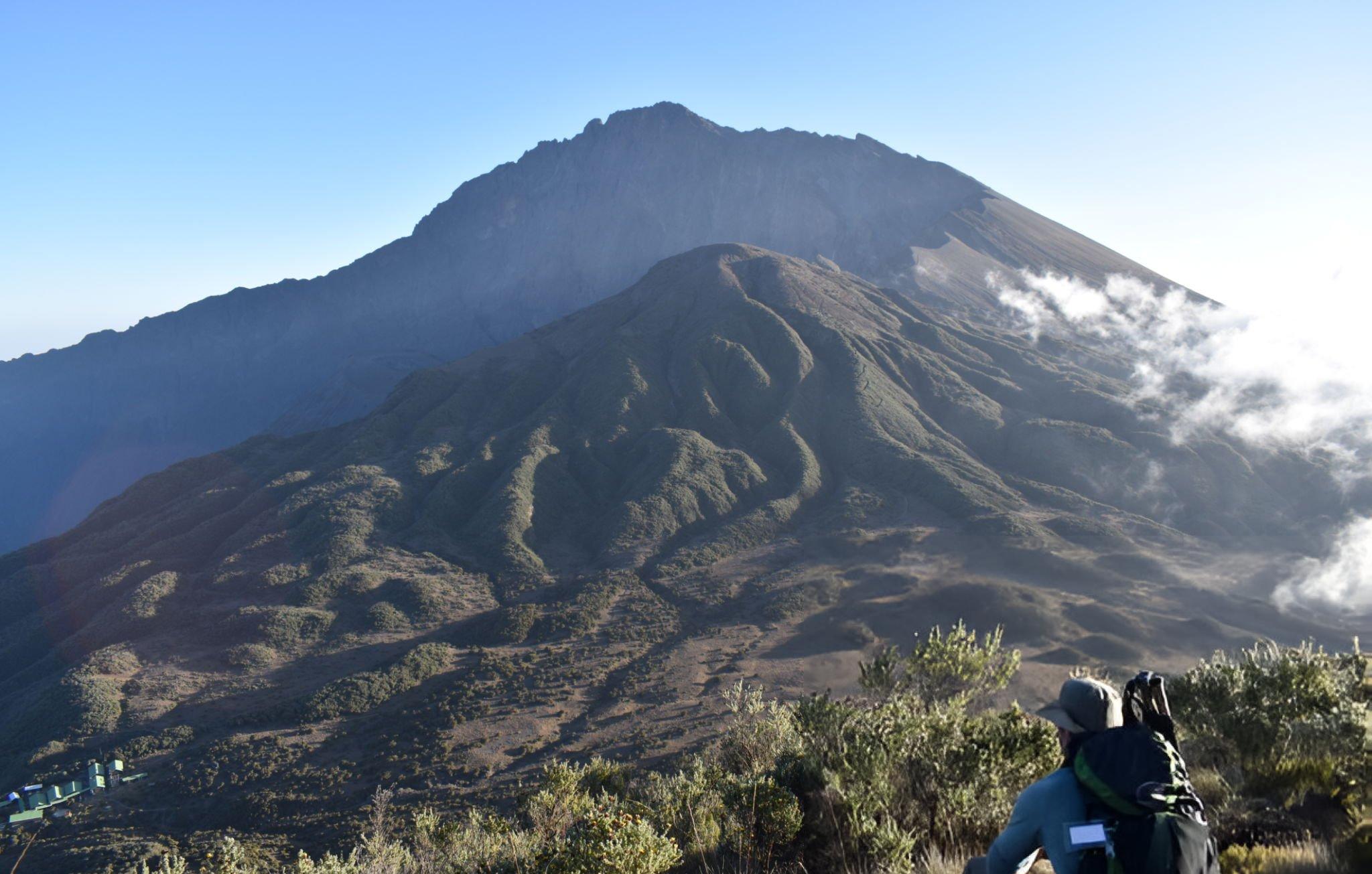
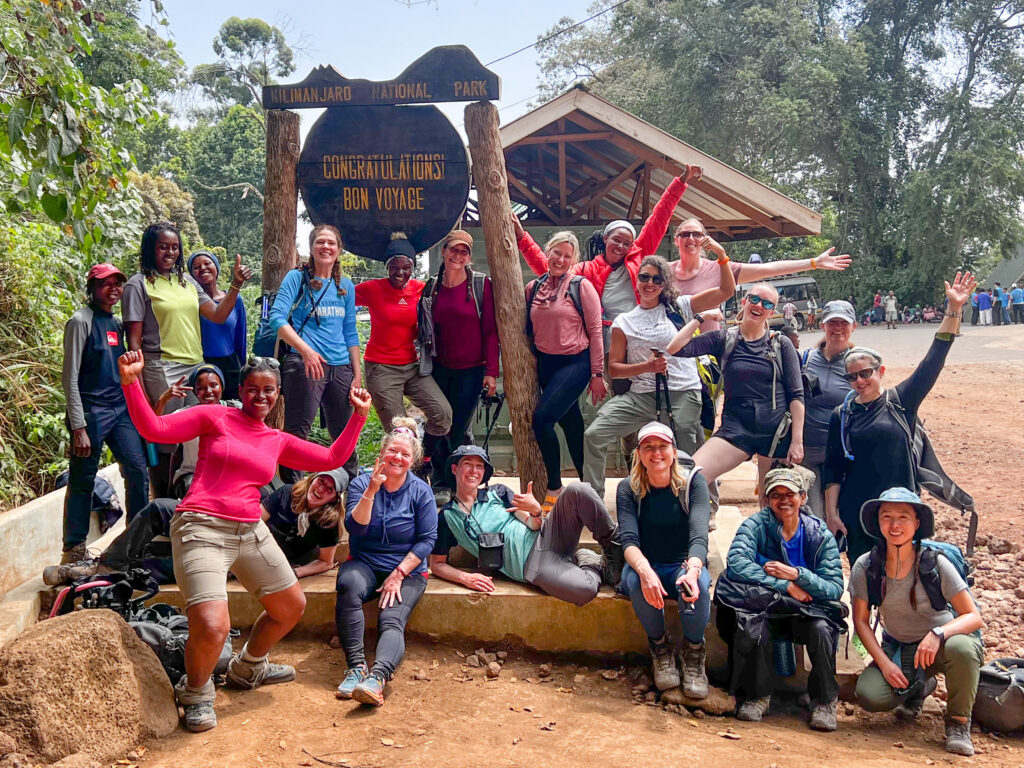
For Mount Kilimanjaro and Mount Meru trekkers, the optimal climbing seasons align with dry periods: January to March and June to October. During these months, trails are less muddy, weather conditions more stable, and summit success rates higher. The warmest trekking conditions occur between January and March, while clearer skies and panoramic views dominate from June through October. However, temperatures at altitude remain cold year-round, and climbers must prepare accordingly regardless of season.
Cultural tourism, city exploration, and community visits are possible year-round, though dry seasons offer easier transportation, more reliable access to rural areas, and greater comfort during walking tours. Festivals, events, and ceremonies also vary seasonally. For example, Zanzibar International Film Festival typically occurs in July, while cultural celebrations such as Eid al-Fitr and Eid al-Adha shift annually based on the lunar calendar. Travelers interested in music, arts, and heritage should align visits with these events for deeper cultural immersion.
Understanding Tanzania’s geography further refines seasonal planning. Northern Tanzania — including Serengeti, Ngorongoro, Tarangire, Lake Manyara, Kilimanjaro, and Arusha — forms the core safari circuit and offers the most diverse wildlife experiences. Southern Tanzania — including Nyerere National Park (formerly Selous), Ruaha National Park, and Mikumi — provides a more remote, less crowded safari experience, often best visited during the dry season when roads remain accessible. Western Tanzania — including Katavi National Park, Mahale Mountains, and Gombe Stream — is extremely remote and best visited from June to October when rainfall decreases and chimpanzee trekking conditions improve.
Each region responds differently to rainfall patterns, meaning the “best time” to visit Tanzania depends on your itinerary focus. Travelers seeking classic big game safaris prioritize dry months in northern and southern circuits. Beach travelers favor dry, low-humidity seasons. Birdwatchers and photographers may prefer green seasons for diversity and dramatic scenery. Budget travelers often target shoulder and low seasons for reduced costs. Adventure travelers time climbs and treks to optimal weather windows.
Climate change has introduced some variability into traditional seasonal patterns, making flexible travel planning increasingly valuable. Rainfall timing may shift slightly, and localized weather patterns can differ from historical averages. Working with experienced local operators who monitor current conditions enables travelers to adapt itineraries dynamically, maximizing experiences even during transitional periods.
Epic horizons Adventure we are looking extra miles to make sure…. our guests receive up-to-date seasonal guidance based on real-time park conditions, wildlife movements, weather forecasts, and lodge availability. Our on-ground teams adjust itineraries proactively to optimize wildlife encounters, comfort, and safety, ensuring that seasonal variability enhances rather than detracts from the travel experience.
Within the framework of how to plan perfect Tanzania vacation experiences, seasonality becomes not a limitation but a powerful planning tool. By aligning your travel goals — wildlife, beaches, trekking, photography, culture, relaxation — with the appropriate months, you transform timing into a strategic advantage rather than a logistical challenge.
As we move forward, we will examine how to design the ideal Tanzania itinerary — choosing destinations, balancing safari with beaches and culture, structuring travel days, and crafting experiences that reflect your interests, budget, and travel style.
DESIGNING THE PERFECT TANZANIA ITINERARY — SAFARIS, BEACHES, CULTURE & ADVENTURE
Creating the ideal Tanzania itinerary is both an art and a science. Tanzania’s vast size, diverse ecosystems, cultural richness, and infrastructural variations mean that thoughtful route design is essential to maximizing experiences while minimizing fatigue, wasted time, and logistical stress. Whether travelers seek classic Big Five safaris, remote wilderness immersion, mountain trekking, Indian Ocean relaxation, or cultural discovery, itinerary planning transforms dreams into structured reality. For those seeking how to plan perfect Tanzania vacation experiences, this section provides a comprehensive framework for destination selection, route sequencing, pacing, and personalization.
Tanzania is roughly three times the size of Germany and spans landscapes ranging from alpine mountains and volcanic craters to savannah plains, rainforests, lakes, rivers, wetlands, coral reefs, and white-sand beaches. Attempting to “see everything” in a single trip often results in rushed travel, long driving hours, and superficial encounters. The most rewarding itineraries prioritize depth over breadth, allowing travelers to immerse themselves in selected regions rather than skimming across the map.
Most first-time visitors begin with the Northern Safari Circuit, which includes Serengeti National Park, Ngorongoro Conservation Area, Tarangire National Park, Lake Manyara National Park, Mount Kilimanjaro, and the towns of Arusha and Moshi. This region offers Tanzania’s most iconic wildlife experiences, including large predator populations, elephant herds, wildebeest migrations, crater ecosystems, baobab landscapes, and accessible cultural sites. The parks are relatively close to one another, enabling efficient routing and flexible itinerary design.
A classic northern Tanzania safari itinerary typically ranges from 5 to 10 days, depending on travel style, budget, and interests. Shorter trips may include Tarangire, Ngorongoro Crater, and central Serengeti, while longer journeys extend into northern Serengeti for migration crossings or southern Serengeti for calving season. Travelers interested in Mount Kilimanjaro trekking often combine summit climbs with post-trek safaris or beach relaxation in Zanzibar.
Southern Tanzania offers a different safari experience — remote, wild, uncrowded, and immersive. Parks such as Nyerere National Park (formerly Selous Game Reserve) and Ruaha National Park feature vast landscapes, fewer vehicles, boat safaris, walking safaris, and high biodiversity. These regions are ideal for repeat visitors, honeymooners, photographers, and travelers seeking solitude and exclusivity. Due to long driving distances and limited road infrastructure, most southern circuit itineraries involve domestic flights between parks and lodges.
Western Tanzania — including Katavi National Park, Mahale Mountains National Park, and Gombe Stream National Park — represents Tanzania’s most remote frontier. These destinations offer extraordinary chimpanzee trekking, massive buffalo herds, untouched ecosystems, and near-total wilderness solitude. However, they require charter flights, higher budgets, longer travel times, and flexible schedules. For adventurous travelers seeking off-the-beaten-path exploration, western Tanzania delivers some of Africa’s most raw and authentic wilderness experiences.
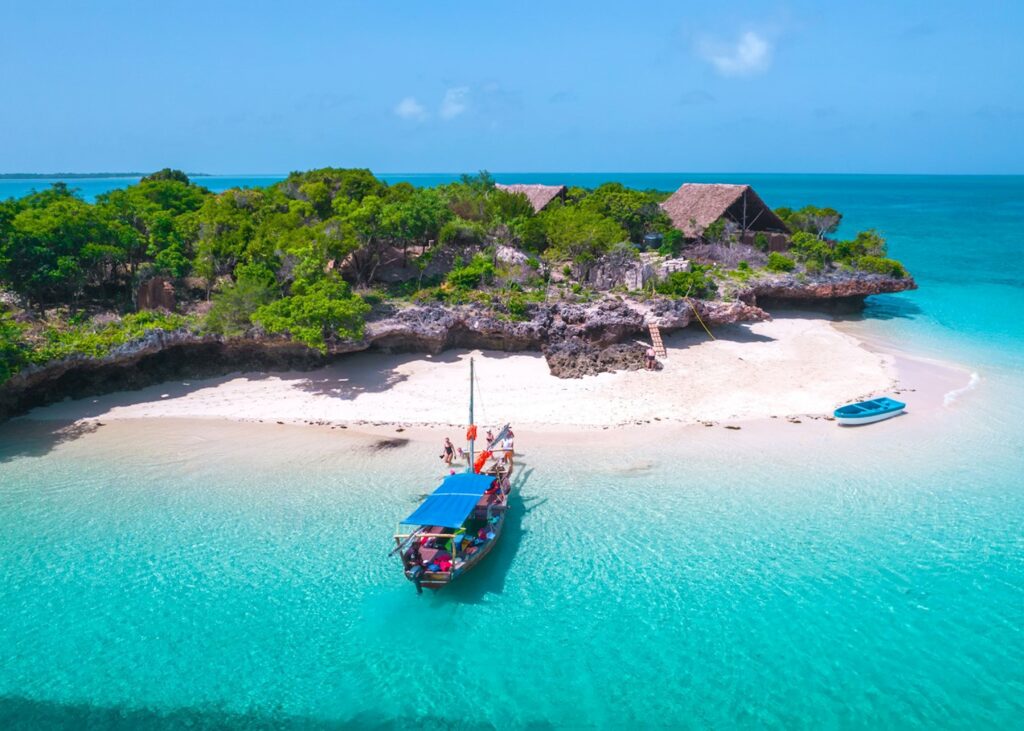
Beyond safari, Tanzania’s coastline and islands provide exceptional beach and marine tourism opportunities. Zanzibar — the most famous of Tanzania’s islands — combines white-sand beaches, turquoise waters, coral reefs, historic architecture, spice plantations, and vibrant Swahili culture. Travelers often pair Zanzibar with northern safari itineraries, flying directly from Serengeti airstrips to Zanzibar International Airport, creating seamless bush-to-beach experiences.
Other coastal destinations include Mafia Island, known for whale shark encounters and pristine coral reefs; Pemba Island, offering secluded beaches and diving; Bagamoyo, a UNESCO World Heritage coastal town rich in Swahili and colonial history; and Pangani, a quiet coastal retreat combining beaches with river activities. Each destination offers distinct atmospheres and experiences, allowing travelers to tailor beach extensions to their preferences for luxury, seclusion, diving, culture, or family-friendly relaxation.
Mountain and adventure tourism form another cornerstone of Tanzania itineraries. Mount Kilimanjaro — Africa’s highest peak — attracts climbers from around the world, with multiple routes offering varying difficulty, scenery, and success rates. Mount Meru provides a less crowded, technically challenging alternative with spectacular wildlife encounters during the ascent. Udzungwa Mountains National Park offers rainforest hiking, waterfalls, and endemic species, while the Southern Highlands feature scenic landscapes, tea plantations, crater lakes, and cool-climate retreats.
Cultural tourism further enriches Tanzania itineraries. The country is home to more than 120 ethnic groups, each with unique traditions, languages, crafts, music, architecture, and social structures. Travelers can visit Maasai villages, Hadzabe hunter-gatherer communities near Lake Eyasi, Chagga coffee farms on Mount Kilimanjaro slopes, Iraqw farming communities, Sukuma fishing villages near Lake Victoria, and Swahili coastal settlements along the Indian Ocean. Cultural encounters should be conducted respectfully and ethically through community-based tourism programs that prioritize local leadership, consent, and benefit-sharing.
When designing itineraries, pacing is as important as destination selection. Overpacked schedules with daily long drives, early departures, and late arrivals quickly lead to fatigue, reducing enjoyment and engagement. Well-designed itineraries balance activity days with rest days, incorporate scenic breaks, allow flexible wildlife viewing, and provide sufficient time to absorb each environment. Most travelers benefit from spending at least two nights per major destination, allowing full-day exploration without constant packing and transit.
Travel time logistics also influence itinerary design. Tanzania’s road infrastructure varies significantly, and travel times between destinations often exceed expectations. While distances on maps may appear short, road conditions, terrain, weather, wildlife crossings, and rural traffic slow progress. Domestic flights offer faster connections between distant regions but add cost and baggage limitations. Travelers must weigh time efficiency against budget constraints and experiential preferences when choosing transport modes.
Budget plays a central role in itinerary planning. Tanzania accommodates a wide range of travel styles, from budget camping safaris and guesthouses to mid-range lodges and ultra-luxury tented camps. Accommodation category affects not only cost but also comfort, privacy, service levels, dining quality, location proximity to wildlife areas, and overall experience. Travelers should prioritize spending on experiences — such as park time, guides, activities, and scenic locations — rather than unnecessary luxuries that do not significantly enhance immersion.
Seasonality further shapes itinerary design. During peak season, travelers should book accommodations and domestic flights well in advance, especially in popular parks and islands. During shoulder and low seasons, greater flexibility allows for spontaneous route changes, extended stays, and cost-saving opportunities. However, travelers should avoid certain regions during heavy rains due to accessibility issues, particularly in remote southern and western parks.
Family travel requires special itinerary considerations. Child-friendly lodges, shorter drive times, flexible activity schedules, safety-conscious environments, and engaging educational experiences enhance family enjoyment. Many safari lodges welcome children aged 5 and above, though walking safaris and certain activities may impose age restrictions. Beach resorts often provide family rooms, pools, water sports, and supervised programs, making Zanzibar an excellent family-friendly destination.
Honeymooners and couples may prioritize privacy, romance, exclusivity, scenic beauty, and intimate experiences such as private game drives, candlelit bush dinners, hot-air balloon safaris, spa treatments, and secluded beach villas. Tanzania’s luxury safari lodges and island resorts excel in creating romantic environments, making the country one of Africa’s premier honeymoon destinations.
Adventure travelers may prioritize trekking, mountaineering, kayaking, diving, rock climbing, mountain biking, and off-grid exploration. Itineraries should incorporate acclimatization periods, safety support, equipment logistics, and flexible scheduling for weather-dependent activities.
Photographers, filmmakers, researchers, and creatives may design itineraries around lighting conditions, wildlife behavior patterns, migration cycles, specific species, landscapes, cultural events, or scientific research objectives. Longer stays in selected regions often yield deeper creative outcomes than rapid multi-destination itineraries.
Epic horizons Adventure we are looking extra miles to make sure…. our guests receive personalized itinerary designs tailored to their interests, budget, timeline, seasonality, fitness levels, travel experience, and personal goals. Our team collaborates with local guides, lodge managers, conservation partners, and community leaders to craft journeys that balance adventure with comfort, exploration with rest, and excitement with reflection.
Within the framework of how to plan perfect Tanzania vacation journeys, itinerary design becomes the architecture of experience — the structure through which moments unfold, memories form, and meaning emerges. A thoughtfully designed itinerary does not merely transport travelers from place to place; it orchestrates rhythm, emotion, discovery, and connection.
Next, we will explore the essential logistics behind making your Tanzania vacation seamless — including visas, travel documents, flights, health requirements, insurance, budgeting, money management, and administrative preparation.
VISAS, HEALTH, BUDGETING & LOGISTICS — BUILDING A SMOOTH TANZANIA TRAVEL FOUNDATION
Behind every seamless travel experience lies a carefully constructed logistical foundation. While Tanzania dazzles visitors with wildlife encounters, scenic beauty, cultural richness, and adventure opportunities, successful journeys depend on proper documentation, health preparedness, budgeting strategy, transportation planning, accommodation selection, and administrative organization. This section provides a comprehensive framework for travelers seeking how to plan perfect Tanzania vacation experiences that unfold smoothly from departure to return.
The first step in logistical preparation is passport and visa compliance. Most international travelers require a visa to enter Tanzania, which can be obtained either online through the Tanzania Immigration Department’s eVisa system or upon arrival at designated airports and border crossings. Applying online in advance is strongly recommended to reduce airport delays, ensure eligibility confirmation, and streamline entry procedures. The official Tanzania Immigration portal can be accessed at https://eservices.immigration.go.tz/visa/.
A standard single-entry tourist visa typically costs between USD 50 and USD 100, depending on nationality, and allows stays of up to 90 days. U.S. citizens often receive multiple-entry visas valid for one year. Passports must be valid for at least six months beyond the intended date of entry and contain at least two blank pages. Travelers should carry printed and digital copies of passport photo pages, visa confirmations, flight tickets, hotel bookings, and safari itineraries.
Health preparation is equally essential. Tanzania requires proof of yellow fever vaccination for travelers arriving from countries with risk of yellow fever transmission. Even when not required, vaccination is strongly recommended. Travelers should consult a healthcare provider or travel medicine clinic at least six to eight weeks before departure to review routine immunizations, malaria prevention, altitude sickness considerations, food and water safety, and individual medical needs. Authoritative guidance is available from:
- CDC Tanzania Travel Health: https://wwwnc.cdc.gov/travel/destinations/traveler/none/tanzania
- World Health Organization Travel Advice: https://www.who.int/travel-advice
Malaria remains endemic in many regions of Tanzania, particularly at lower altitudes. Travelers should discuss prophylactic medication options with healthcare providers and adopt mosquito bite prevention measures, including insect repellent, long sleeves, bed nets, and protective clothing. Sun protection is also critical due to Tanzania’s equatorial location, requiring high-SPF sunscreen, hats, sunglasses, and hydration strategies.
Comprehensive travel insurance is non-negotiable for Tanzania travel. Policies should cover emergency medical treatment, evacuation, trip cancellation or interruption, lost baggage, and adventure activities such as safaris, trekking, scuba diving, and mountaineering. Many safari destinations and mountain regions are remote, and medical evacuation by helicopter or fixed-wing aircraft may be required in emergencies. Travelers should carry printed and digital copies of insurance policies, emergency numbers, and claims procedures.
Budgeting forms the backbone of travel decision-making. Tanzania accommodates a wide range of travel styles, from budget backpacking to ultra-luxury safaris, and costs vary significantly based on accommodation type, season, itinerary complexity, transport mode, and activity selection. Understanding cost structures allows travelers to allocate funds strategically, maximize value, and avoid unexpected expenses.
Major cost components include international flights, domestic flights or ground transport, accommodation, park entry fees, guide services, safari vehicles, meals, activities, visas, insurance, tips, souvenirs, and incidentals. Tanzania National Parks charge daily conservation fees ranging from approximately USD 30 to USD 83 per adult per day, depending on the park, with additional fees for vehicles, camping, and special activities such as crater descents or walking safaris. Up-to-date park fees are published by Tanzania National Parks Authority at https://www.tanzaniaparks.go.tz/.
Accommodation costs vary widely. Budget campsites and guesthouses may range from USD 20 to USD 80 per night, mid-range lodges and tented camps typically cost USD 150 to USD 350 per night, while luxury and ultra-luxury lodges often range from USD 500 to USD 2,000+ per night per person, depending on season, location, exclusivity, and inclusions. Beach resorts on Zanzibar and the mainland coast follow similar pricing structures, with additional variations for beachfront access, amenities, and service levels.
Transportation costs depend on itinerary design. Overland safaris using private 4×4 vehicles offer flexibility and immersive experiences but require significant fuel and driver-guide costs. Group safaris reduce per-person expenses but limit customization. Domestic flights between safari regions, islands, and cities save time but increase budget requirements and impose baggage restrictions. International flights vary by origin, season, and airline, and travelers should compare routes and fares across multiple booking platforms.
Currency and payment management require careful planning. Tanzania’s local currency is the Tanzanian Shilling (TZS), though U.S. dollars are widely accepted for tourism services, particularly at lodges, safari operators, and park offices. Travelers should carry clean, undamaged USD bills issued after 2009, as older or marked notes are often rejected. Smaller denominations are useful for tipping, souvenirs, and local purchases.
ATMs are available in major cities such as Dar es Salaam, Arusha, Moshi, and Zanzibar Town, but machines may be unreliable or unavailable in rural areas and national parks. Credit cards are accepted at some hotels, lodges, and restaurants, though cash remains the dominant payment method. Travelers should carry sufficient cash for extended remote travel segments and inform banks of international travel plans to avoid card blocks. Foreign transaction fees and ATM withdrawal limits should be reviewed in advance.
Transportation logistics within Tanzania require strategic planning due to long distances, variable road conditions, and infrastructure limitations. While Tanzania’s major highways are generally paved, many safari routes traverse dirt roads, gravel tracks, and rugged terrain, particularly during rainy seasons. Travel times often exceed expectations due to wildlife crossings, livestock movement, weather conditions, road maintenance, and rural traffic patterns.
Domestic flights offer efficient connections between major safari regions and islands. Key domestic carriers include Coastal Aviation, Auric Air, Precision Air, and Air Tanzania. These airlines operate small aircraft with strict baggage weight limits, typically around 15 kg (33 lbs) per person including carry-on. Soft-sided luggage is strongly recommended for compatibility with aircraft cargo compartments. Flight schedules may vary seasonally, and weather conditions can cause delays or cancellations, making flexibility essential.
Accommodation logistics also require careful consideration. Safari lodges and camps are often located within or adjacent to national parks and conservation areas, offering proximity to wildlife and immersive natural settings. These accommodations typically include meals, park activities, and guided game drives, making them cost-effective when factoring inclusions. Beach resorts and urban hotels may offer room-only or bed-and-breakfast rates, requiring separate meal planning.
Booking accommodations early is critical during peak seasons, particularly in popular parks such as Serengeti, Ngorongoro, Tarangire, and Zanzibar. Mobile migration camps, family suites, honeymoon villas, and boutique properties often sell out months in advance. Shoulder and low seasons offer greater availability and pricing flexibility, though some lodges close temporarily during heavy rains.
Travel documentation organization supports smooth transit and reduces stress. Travelers should prepare both physical and digital copies of passports, visas, insurance policies, flight tickets, accommodation bookings, safari itineraries, vaccination certificates, emergency contacts, and important phone numbers. These documents should be stored securely and redundantly — in carry-on luggage, checked bags, cloud storage, and email inboxes — to protect against loss or theft.
Communication logistics include mobile connectivity, emergency access, and coordination with tour operators and accommodation providers. Tanzania’s mobile network coverage is strong in cities, towns, and major tourist areas, with prepaid SIM cards available from providers such as Vodacom, Airtel, Tigo, and Halotel. International eSIM services offer additional options, though at higher cost. Travelers should ensure phones are unlocked and compatible with local networks.
Time zone management is another logistical consideration. Tanzania operates on East Africa Time (EAT), which is UTC +3, with no daylight saving time. Travelers arriving from Europe, North America, or Asia should plan for jet lag adjustment by hydrating, resting, pacing activities during initial days, and gradually adapting sleep schedules.
Cultural etiquette and legal awareness also influence logistical planning. Travelers should familiarize themselves with local laws regarding photography near government buildings, military installations, airports, and sensitive sites. Drone usage requires special permits from the Tanzania Civil Aviation Authority (https://www.tcaa.go.tz/) and unauthorized use can result in confiscation or fines. Export of wildlife products, coral, shells, artifacts, and cultural items is strictly regulated, and travelers should avoid purchasing prohibited items.
Environmental responsibility forms an increasingly important dimension of logistics. Tanzania has banned plastic carrier bags nationwide, and travelers arriving with plastic bags may be required to surrender them at airports. Reusable bags, water bottles, toiletry containers, and eco-friendly products support sustainability and reduce environmental impact. Many lodges and tour operators now implement conservation initiatives, community partnerships, and low-impact tourism practices that travelers are encouraged to support.
Epic horizons Adventure we are looking extra miles to make sure…. our guests receive comprehensive logistical support before, during, and after their journeys. From visa assistance and health guidance to flight coordination, accommodation selection, transport planning, and emergency preparedness, our team manages every detail so travelers can focus on discovery rather than documentation.
Within the framework of how to plan perfect Tanzania vacation journeys, logistics become not obstacles but enablers — the systems that transform aspiration into experience. When documentation is secure, health risks minimized, budgets aligned with priorities, and transportation coordinated seamlessly, travelers move through Tanzania with confidence, comfort, and freedom.
Next, we turn to one of the most practical and impactful components of Tanzania travel preparation: packing strategically for safaris, beaches, trekking, climate variation, health protection, and cultural respect.
WHAT TO PACK FOR TANZANIA — SAFARI GEAR, CLOTHING, HEALTH ESSENTIALS & TECHNOLOGY
Packing well is not about carrying more — it is about carrying smart. Tanzania’s climate diversity, wildlife environments, cultural contexts, and infrastructure conditions require thoughtful preparation that balances comfort, functionality, safety, respect, and sustainability. From dusty savannahs and humid coastlines to cool high-altitude trekking routes and vibrant urban centers, travelers encounter a wide range of conditions within a single journey. This section provides an in-depth, field-tested packing framework for travelers seeking how to plan perfect Tanzania vacation experiences without overpacking, underpacking, or forgetting critical essentials.
Clothing selection begins with understanding Tanzania’s climate and cultural norms. Temperatures generally range from 20°C to 35°C (68°F to 95°F) in lowland regions, with cooler mornings and evenings in safari areas and significantly colder conditions at high altitudes such as Mount Kilimanjaro and Ngorongoro Crater rim. Humidity levels are higher along the coast and islands, while inland regions remain drier. Travelers should prioritize lightweight, breathable, quick-drying fabrics that allow layering rather than bulky clothing that restricts flexibility.
Safari clothing should include long-sleeved shirts and long trousers in neutral colors such as khaki, olive, beige, gray, and brown. These tones reduce visibility to wildlife, minimize heat absorption, and hide dust. Bright colors, particularly blue and black, can attract insects such as tsetse flies, while white clothing stains easily on dusty roads. Convertible pants with zip-off legs offer adaptability for changing temperatures and activity levels throughout the day.
Layering is essential for safari mornings and evenings when temperatures can drop significantly. A moisture-wicking base layer, lightweight fleece or sweater, and windproof or water-resistant outer layer create a versatile system suitable for dawn game drives, shaded walks, and cool nights. A packable down or synthetic insulated jacket is recommended for travelers visiting during cooler months or high-altitude destinations.
Footwear choices should prioritize comfort, durability, breathability, and traction. Closed-toe walking shoes or lightweight hiking shoes are ideal for safaris, cultural walks, and general travel. Sandals or flip-flops are useful for beach destinations, lodge downtime, and casual outings. For trekking Mount Kilimanjaro or Mount Meru, sturdy waterproof hiking boots with ankle support are essential and should be well broken in before departure. Trekking socks, blister prevention products, and foot care supplies further enhance comfort and safety.
Cultural sensitivity is an important consideration when packing. Tanzania is generally conservative in dress, particularly in rural areas and Muslim-majority regions such as Zanzibar and the coastal mainland. Clothing that covers shoulders and knees is recommended when visiting villages, markets, mosques, religious sites, and local communities. Women travelers may wish to pack lightweight scarves or wraps for modesty, sun protection, and versatility. Swimwear should be reserved for beaches, resorts, and private swimming areas, with cover-ups worn in public spaces.
Accessories enhance comfort and protection in Tanzania’s climate. A wide-brimmed hat or cap shields the face and neck from intense sun exposure, while UV-protection sunglasses reduce glare and eye strain during game drives and beach activities. Lightweight scarves or buffs protect against dust, sun, and cool winds. A compact rain jacket or poncho is useful during rainy seasons and for unpredictable weather in highland regions.
Health and personal care supplies form a critical component of Tanzania packing preparation. Travelers should carry prescription medications in original packaging with copies of prescriptions, as well as a personal medical kit including pain relievers, antihistamines, anti-diarrheal medication, oral rehydration salts, motion sickness tablets, cold and flu remedies, and basic first aid supplies such as bandages, antiseptic wipes, blister treatments, tweezers, and medical tape. Travelers with chronic conditions should pack sufficient medication for the entire trip plus extra in case of delays.
Malaria prevention requires insect repellents containing DEET, picaridin, IR3535, or oil of lemon eucalyptus. Travelers should pack multiple repellent containers, particularly if spending extended time in rural areas, national parks, or coastal regions. Lightweight long-sleeved shirts and trousers further reduce insect exposure. Bed nets are typically provided at lodges and camps, but travelers staying in budget accommodations may wish to bring portable nets for added protection.
Sun protection is essential due to Tanzania’s equatorial location. Broad-spectrum sunscreen with SPF 30 or higher, lip balm with SPF, after-sun lotion, and protective clothing help prevent sunburn and dehydration. Travelers should pack more sunscreen than they expect to need, as high-quality brands can be expensive or unavailable locally.
Hydration safety is another priority. Travelers should avoid drinking tap water and instead consume bottled, filtered, or treated water. Reusable water bottles with built-in filtration systems such as LifeStraw or Grayl reduce plastic waste and provide safe hydration in remote areas. Electrolyte packets support hydration during long travel days, hot weather, and physical exertion.
Toiletries should be packed in travel-sized containers to conserve space and comply with airline regulations. Eco-friendly toiletries — biodegradable soap, shampoo, toothpaste, sunscreen, and insect repellent — minimize environmental impact and align with Tanzania’s conservation values. Wet wipes, hand sanitizer, and tissues are useful in areas where restroom facilities are limited or unavailable.
Technology and electronics significantly enhance modern travel experiences in Tanzania. Smartphones serve as cameras, navigation tools, communication devices, entertainment hubs, and digital document storage. Travelers should ensure phones are unlocked for local SIM cards and compatible with GSM networks. Prepaid SIM cards from Vodacom, Airtel, Tigo, and Halotel offer affordable data packages, while international eSIM services provide alternative connectivity options.
Power management is critical due to variable electricity access in remote areas and safari camps. Universal travel adapters compatible with Tanzania’s Type D and Type G outlets (230V, 50Hz) are essential. Portable power banks allow device charging during long drives, flights, hikes, and excursions. Solar chargers offer additional support during extended off-grid travel. Headlamps and flashlights are invaluable for camping safaris, power outages, nighttime movement around lodges, and early morning departures.
Photography equipment deserves special attention given Tanzania’s exceptional wildlife, landscapes, and cultural scenes. While smartphones offer convenience, dedicated cameras — mirrorless or DSLR — provide superior zoom, low-light performance, and image control, particularly for wildlife photography. Telephoto lenses (200–600mm range) capture distant animals without disturbing them, while mid-range zooms (24–105mm) handle landscapes, people, and lodge environments. Wide-angle lenses enhance scenic photography, night skies, and architectural scenes.
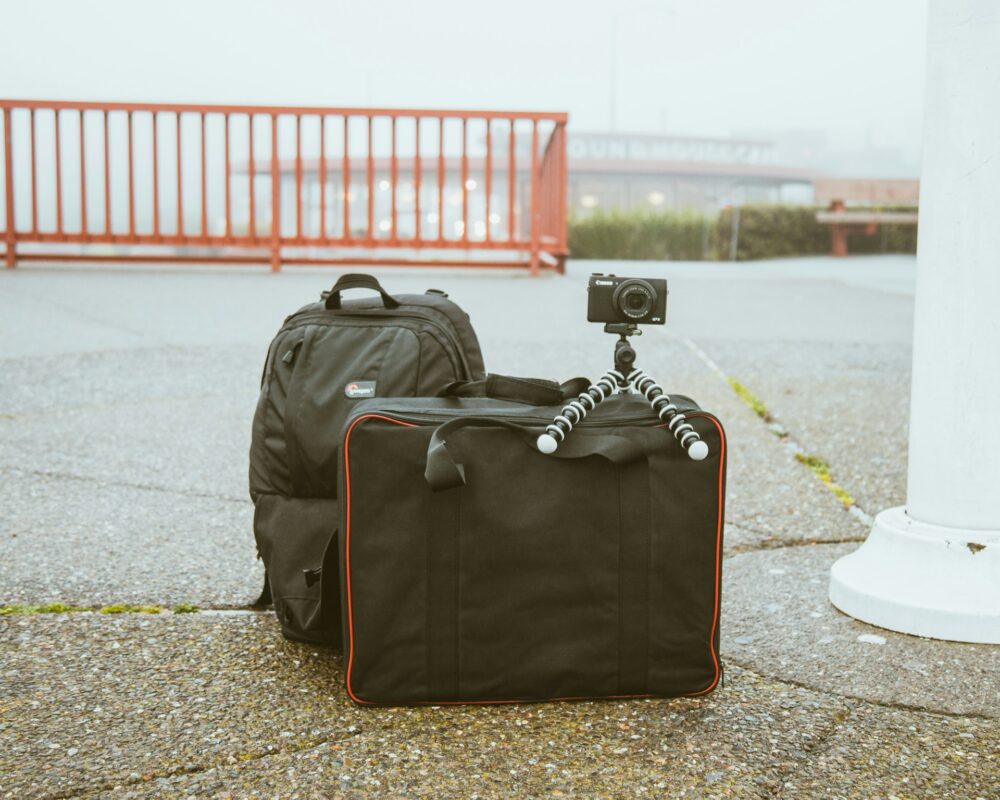
Camera protection is essential due to dust, humidity, rain, and movement. Padded camera backpacks or sling bags, rain covers, dry bags, silica gel packets, microfiber cloths, lens cleaning kits, and protective filters preserve equipment condition. Extra batteries and memory cards are critical in remote areas with limited charging opportunities. Travelers should implement data backup strategies using cloud storage, portable hard drives, or redundant memory cards stored separately from primary devices.
Drone usage in Tanzania is strictly regulated and requires permits from the Tanzania Civil Aviation Authority (https://www.tcaa.go.tz/). Unauthorized drone operation can result in confiscation, fines, or legal consequences. Travelers should research and comply with all regulations before bringing drones into the country.
Safari and adventure gear enhance wildlife viewing, exploration, and comfort. Binoculars are among the most valuable safari accessories, enabling detailed observation of animals and birds at distance. Compact 8×42 or 10×42 binoculars balance magnification, brightness, and portability. Field guides — printed or digital — deepen understanding of wildlife species, ecosystems, and behaviors. A safari journal or notebook allows travelers to record sightings, reflections, and experiences.
Daypacks support carrying water bottles, sunscreen, hats, cameras, snacks, medications, binoculars, and personal items during game drives, walking safaris, cultural visits, and hikes. Ideal daypacks are lightweight, breathable, secure, and durable, with hydration compatibility and organizational compartments. Anti-theft features enhance security in urban areas and transit hubs.
Trekking and adventure travel require specialized equipment. For Mount Kilimanjaro and Mount Meru, travelers need insulated sleeping bags rated for sub-zero temperatures, trekking poles, headlamps, gaiters, waterproof jackets, thermal layers, gloves, beanies, neck gaiters, and sturdy hiking boots. Dry sacks protect gear from rain and moisture, while lightweight camp shoes improve comfort during evenings at huts or camps.
Beach and marine travel call for snorkeling gear (mask, snorkel, fins), rash guards, reef-safe sunscreen, waterproof phone pouches, dry bags, microfibers towels, seasickness remedies, and swim flotation devices if needed. Underwater camera housings and action cameras enhance marine photography and videography in Zanzibar, Mafia Island, and Pemba Island.
Cultural engagement accessories support respectful interaction and sustainability. Reusable shopping bags comply with Tanzania’s plastic bag ban and reduce waste. Modest clothing, scarves, and shawls facilitate visits to religious sites and conservative communities. Language phrasebooks or translation apps support communication and cultural exchange. Small gifts donated through schools or community organizations — rather than directly to children — contribute responsibly to local development.
Security accessories enhance peace of mind. TSA-approved luggage locks, cable locks, slash-resistant backpacks, RFID-blocking wallets, and luggage trackers such as Apple AirTags or Tile devices reduce theft risk and aid recovery in case of loss. Portable safes and lockable pouches provide additional security in shared accommodations and transit settings.
Laundry accessories enable lightweight packing strategies. Travel detergent sheets, sink stoppers, clotheslines, and drying clips support hand-washing in remote areas. Many lodges offer laundry services, though turnaround times vary and delicate items require care.
Travel comfort accessories improve long-haul flights, overland journeys, and downtime. Neck pillows, eye masks, earplugs, compression socks, hydration aids, travel blankets, books, e-readers, games, journals, sketchpads, and creative tools enhance rest, relaxation, and reflection.
Epic horizons Adventure we are looking extra miles to make sure…. our guests receive tailored packing guidance aligned with their itinerary, seasonality, accommodation style, activity profile, health needs, and travel preferences. Our team provides pre-departure checklists, gear recommendations, climate-specific advice, and equipment rental options, ensuring travelers arrive fully prepared and confident.
Within the framework of how to plan perfect Tanzania vacation journeys, packing becomes not a chore but a strategic investment in comfort, safety, flexibility, and enjoyment. When travelers carry the right gear — and leave behind what they do not need — they move freely through Tanzania’s landscapes, engage deeply with its cultures, and focus on discovery rather than discomfort.
Next, we will explore how to maximize your Tanzania experience on the ground — including safari etiquette, wildlife safety, cultural respect, photography ethics, sustainability practices, tipping customs, and how to travel responsibly while creating unforgettable memories.
SAFARI ETIQUETTE, CULTURAL RESPECT, SUSTAINABLE TRAVEL & MAKING THE MOST OF YOUR TANZANIA EXPERIENCE
Planning a Tanzania vacation does not end with logistics, packing, and itineraries — it culminates in how travelers engage with wildlife, communities, landscapes, and themselves once they arrive. The most meaningful journeys emerge not merely from seeing remarkable places but from experiencing them ethically, respectfully, and responsibly. Understanding safari etiquette, cultural norms, conservation principles, and sustainable tourism practices transforms tourism into stewardship and travel into connection. This section provides a comprehensive framework for travelers seeking how to plan perfect Tanzania vacation experiences that are enriching, respectful, and enduring.
Safari etiquette forms the foundation of responsible wildlife tourism. Tanzania’s national parks and conservation areas protect some of the world’s most iconic ecosystems, species, and migration patterns. These environments operate under delicate ecological balances, and human behavior directly influences animal welfare, habitat preservation, and the quality of experiences for future visitors. Responsible safari practices begin with respecting park regulations, guide instructions, wildlife boundaries, and environmental guidelines.
Travelers should remain inside safari vehicles unless explicitly permitted by guides and park authorities, as stepping outside vehicles in wildlife areas can endanger both humans and animals. Approaching wildlife too closely disrupts natural behaviors, increases stress levels, and may provoke defensive reactions. Vehicles should maintain appropriate distances, avoid blocking animal pathways, and refrain from chasing wildlife for closer views or photographs. Patience, stillness, and quiet observation often yield more rewarding encounters than aggressive pursuit.
Noise discipline enhances wildlife experiences. Loud conversations, shouting, music, engine revving, and sudden movements can startle animals and disrupt natural interactions such as hunting, mating, feeding, or nurturing young. Speaking softly, silencing phones, and minimizing movement within vehicles contribute to more authentic wildlife observations and respectful encounters.
Photography ethics play a central role in wildlife tourism. Flash photography should be avoided, especially at night, as it can disorient animals and damage sensitive eyes. Travelers should refrain from using drones without proper permits and professional oversight, as unauthorized drone flights disturb wildlife, disrupt breeding behaviors, and violate park regulations. Photographers should prioritize animal welfare over dramatic images, avoiding any actions that provoke stress, alter behavior, or endanger species.
Environmental stewardship extends beyond wildlife interactions. Travelers should avoid littering, remove all trash from parks and wilderness areas, minimize water and energy consumption at lodges, and follow “leave no trace” principles. Many safari camps operate on solar power, rainwater harvesting, waste management systems, and conservation partnerships, and guests are encouraged to support these initiatives by conserving resources and adhering to sustainability guidelines.
Cultural respect and sensitivity enrich travel experiences and foster meaningful human connections. Tanzania is home to over 120 ethnic groups, each with distinct traditions, languages, beliefs, and social structures. Travelers should approach cultural encounters with humility, curiosity, and openness rather than assumptions or stereotypes. Learning basic Swahili greetings — such as “Jambo” (Hello), “Asante” (Thank you), “Karibu” (Welcome), and “Pole” (Sorry) — demonstrates respect and warmth, often opening doors to deeper engagement.
Dress modestly in rural areas, villages, markets, religious sites, and Muslim-majority regions such as Zanzibar and coastal towns. Clothing that covers shoulders and knees is recommended, particularly when visiting mosques, schools, homes, and community centers. Swimwear should be confined to beaches, pools, and private resort areas, with cover-ups worn in public spaces. Travelers should follow local customs regarding greetings, gender roles, personal space, and social interactions.
Photography involving people requires consent. Travelers should always ask permission before photographing individuals, particularly children, elders, religious leaders, and cultural ceremonies. Some communities prefer not to be photographed, while others welcome respectful documentation when approached properly. Offering to share photos digitally or printing copies later enhances trust and reciprocity.
Gift-giving and donations should be handled thoughtfully. While generosity is appreciated, indiscriminate handouts of money, sweets, pens, or gifts to children can create dependency, disrupt school attendance, and reinforce inequitable power dynamics. Instead, travelers are encouraged to donate through schools, clinics, community organizations, or development projects facilitated by reputable tour operators and NGOs. Supporting local businesses, artisans, cooperatives, guides, and service providers through fair purchases and tips also contributes directly to community livelihoods.
Sustainable tourism practices amplify positive impact while minimizing harm. Tanzania’s ecosystems are among the most biodiverse and fragile on Earth, and tourism plays a critical role in funding conservation, anti-poaching efforts, community development, and environmental education. Travelers can support sustainability by choosing eco-certified lodges, community-owned accommodations, locally operated tour companies, conservation-focused experiences, and low-impact activities.
Responsible travelers minimize plastic waste by carrying reusable water bottles, shopping bags, toiletry containers, and utensils. Tanzania has banned plastic carrier bags nationwide, and travelers arriving with plastic bags may be required to surrender them at airports. Eco-friendly sunscreen protects coral reefs and marine life during snorkeling and diving. Biodegradable soaps and detergents reduce pollution in sensitive ecosystems.
Carbon-conscious travel choices include selecting direct flights when possible, supporting carbon offset programs, extending stays to reduce flight frequency, participating in conservation initiatives, and choosing lodges that implement renewable energy, waste reduction, water conservation, and community empowerment programs. Many Tanzanian lodges partner with conservation organizations, schools, health clinics, women’s groups, and wildlife protection initiatives, allowing travelers to contribute meaningfully through their accommodation choices.
Tipping customs in Tanzania reflect appreciation for service, professionalism, and hospitality. While tipping is not mandatory, it is widely expected in tourism contexts and forms a meaningful portion of income for guides, drivers, lodge staff, porters, waitstaff, and housekeeping teams. Typical tipping guidelines include:
- Safari guides/drivers: USD 10–20 per guest per day
- Camp/lodge staff (pooled tips): USD 5–10 per guest per day
- Porters and trekking staff: USD 5–10 per day (higher for summit climbs)
- Hotel staff: USD 1–3 per service interaction
Travelers should carry small denomination USD bills or Tanzanian shillings for tipping and distribute tips discreetly and respectfully. When in doubt, ask your tour operator for destination-specific tipping guidance.
Health and safety awareness continues throughout the journey. Travelers should follow guide instructions regarding wildlife encounters, walking safaris, night movements, water safety, and activity participation. Swimming should only occur in designated areas, particularly in lakes and rivers where crocodiles, hippos, and parasites may be present. Beach travelers should heed local advice regarding tides, currents, marine life, and weather conditions. Hydration, sun protection, rest, and nutrition support physical well-being, while pacing activities prevents exhaustion and injury.
Mindful travel also includes emotional and psychological awareness. Travel can evoke awe, joy, humility, reflection, discomfort, and transformation. Allowing space for rest, silence, journaling, conversation, and contemplation deepens personal meaning and integration of experiences. Rather than rushing from sight to sight, travelers benefit from slowing down, listening, observing, and engaging fully with moments as they unfold.
Photography and storytelling ethics extend beyond wildlife to cultural and environmental narratives. Travelers should avoid reinforcing stereotypes, exploiting poverty, or portraying communities as spectacles. Instead, storytelling should highlight dignity, resilience, creativity, beauty, diversity, and agency. Sharing stories responsibly contributes to more accurate, respectful representations of Tanzania and its people.
Epic horizons Adventure we are looking extra miles to make sure…. our guests receive cultural orientation, sustainability guidance, wildlife ethics training, and destination briefings that empower responsible travel. Our guides are deeply connected to their communities and ecosystems, serving as cultural ambassadors and conservation stewards who foster understanding, respect, and reciprocity between visitors and hosts.
Within the framework of how to plan perfect Tanzania vacation journeys, responsible travel transforms tourism into partnership — partnership with nature, communities, culture, heritage, and future generations. When travelers engage with humility, curiosity, respect, and responsibility, they not only experience Tanzania more deeply but also contribute to its protection and prosperity.
To deepen your understanding of responsible travel in Tanzania, explore these authoritative resources:
- Tanzania Tourism Board Responsible Tourism: https://www.tanzaniatourism.go.tz/
Conclusion
Planning a Tanzania vacation is not about ticking boxes — it is about designing a journey that aligns with your dreams, values, comfort, curiosity, and sense of adventure. From choosing the right season and designing immersive itineraries to navigating logistics, packing strategically, engaging respectfully with wildlife and communities, and traveling sustainably, every decision shapes the depth and quality of your experience.
This comprehensive guide to how to plan perfect Tanzania vacation journeys has been crafted to serve not only as an informational resource but as a strategic blueprint — empowering travelers to move confidently from inspiration to execution. Whether you are embarking on your first safari, climbing Africa’s highest peak, relaxing on Zanzibar’s beaches, exploring ancient cultures, or combining all these elements into one transformative journey, Tanzania offers unmatched potential for wonder, growth, and connection.
At Epic Horizons Adventure, we believe travel should expand horizons, deepen understanding, and leave both traveler and destination better than before. That’s why Epic horizons Adventure we are looking extra miles to make sure…. every guest receives personalized planning, expert guidance, seamless logistics, ethical engagement, and unforgettable experiences rooted in authenticity and care.
Tanzania awaits — with golden savannahs, roaring lions, migrating herds, whispering forests, turquoise waters, welcoming smiles, ancient rhythms, and stories older than memory. When preparation meets passion, journeys become legends. And when travelers arrive ready, Tanzania reveals its soul.