Complete Kilimanjaro climb guide for Americans: routes, costs, packing lists, training tips, and expert advice for reaching the summit safelyhttps://www.epichorizonsadventures.com/our-tours/destinations/
Why Mount Kilimanjaro Is the Ultimate Adventure for American Climbers
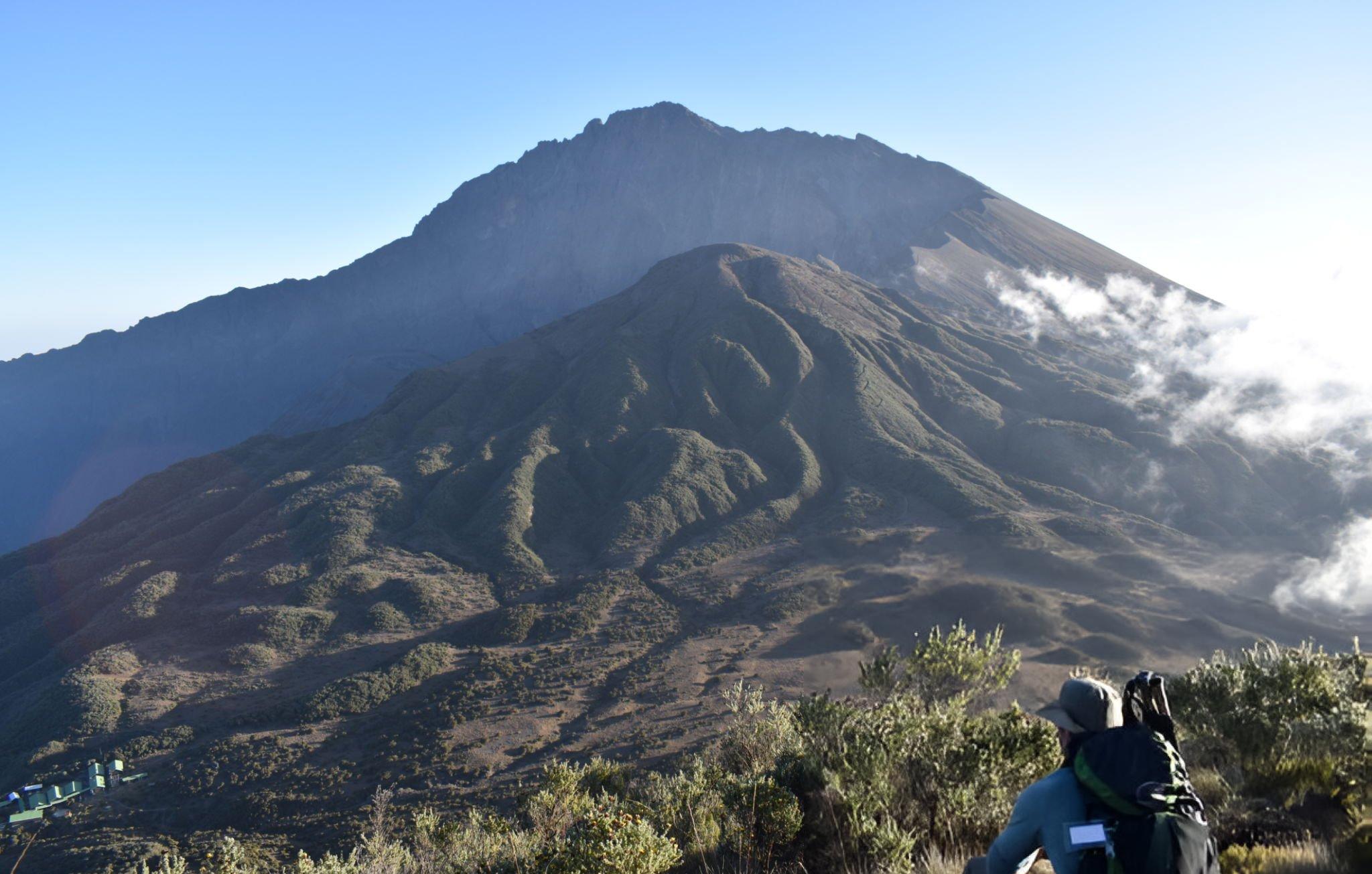
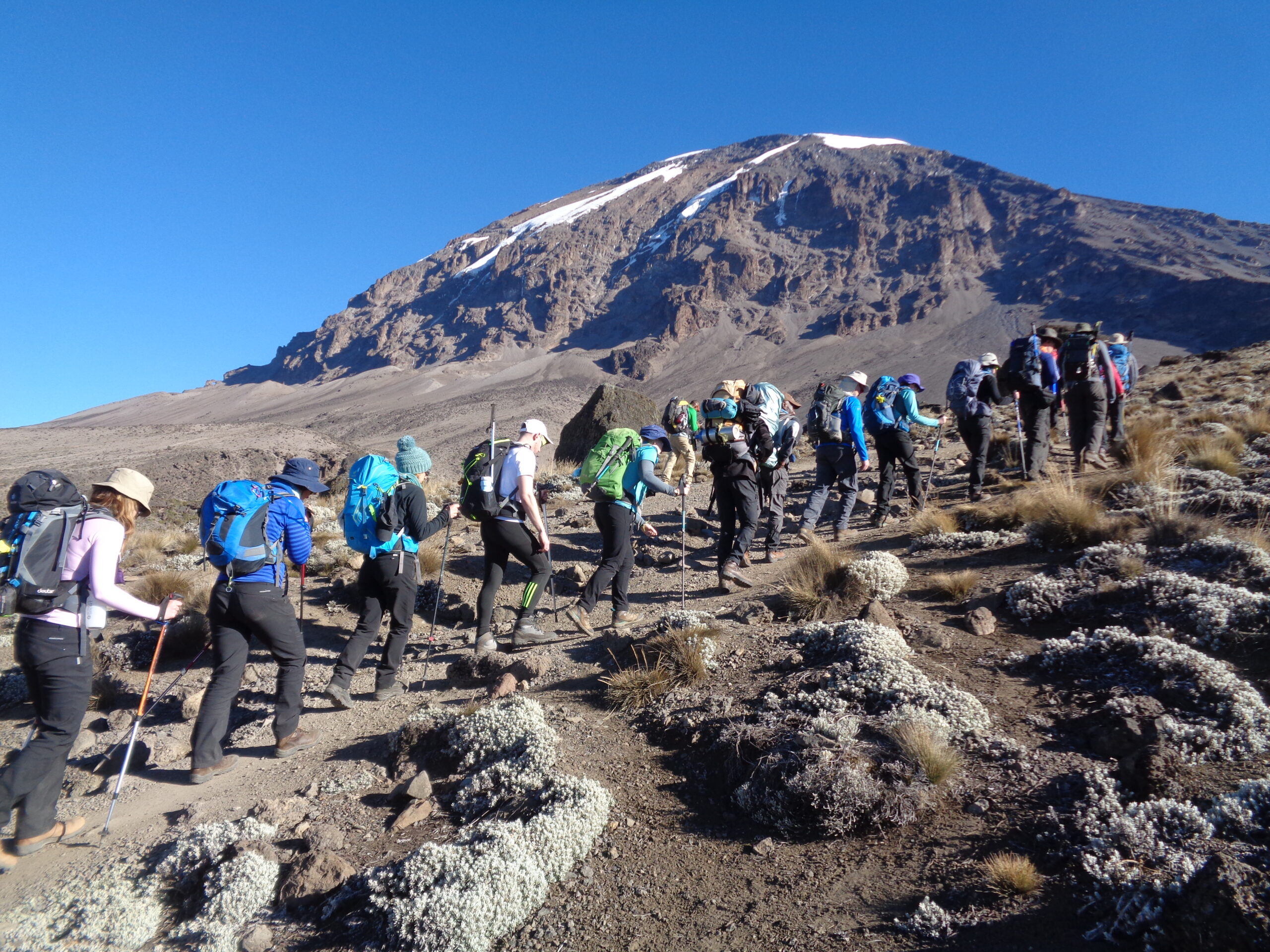
For many travelers from the United States, Africa represents raw wilderness, dramatic landscapes, and once-in-a-lifetime adventures. Standing above all of those dreams is Mount Kilimanjaro, the highest mountain in Africa and one of the most iconic trekking destinations in the world. This Kilimanjaro climb guide for Americans is designed to help U.S. travelers understand exactly what to expect, how to prepare, and why this mountain should be at the top of their adventure bucket list. Rising to 19,341 feet (5,895 meters), Kilimanjaro is not just a mountain — it is a journey through five distinct climate zones, from rainforest to arctic summit, all without requiring technical climbing skills. That unique combination is one of the biggest reasons Americans are drawn to it every year.
Unlike peaks that require ropes, ice axes, or advanced mountaineering training, Kilimanjaro is considered a high-altitude trek. That means physically fit hikers — even without prior climbing experience — can reach the summit with the right preparation, support team, and itinerary. For American travelers used to hiking in national parks like Yosemite, the Rockies, or the Appalachians, Kilimanjaro feels like the ultimate step up: higher, wilder, and more culturally immersive. The experience goes beyond the climb itself. Trekkers are supported by local Tanzanian guides, porters, and cooks who create a moving mountain camp, turning the journey into a blend of adventure and cultural connection. Responsible operators follow strict safety and ethical standards, ensuring fair porter treatment and proper acclimatization schedules, which greatly increase summit success rates.
Another reason Kilimanjaro is so appealing to Americans is accessibility. While it is located in Tanzania, East Africa, major international flights connect through hubs like Amsterdam, Doha, Istanbul, and Addis Ababa into Kilimanjaro International Airport (JRO). From there, it’s a short drive to the mountain’s starting gates. Compared to remote expeditions in the Himalayas or Andes, logistics here are surprisingly smooth, and English is widely spoken in the tourism industry, making communication easy for U.S. visitors. Tanzania is also politically stable and heavily dependent on tourism, so the trekking infrastructure is well developed around the mountain.
From a landscape perspective, Kilimanjaro offers unmatched diversity. Climbers begin in lush rainforest filled with monkeys and exotic birds, move into moorland with giant lobelias and senecios, cross high-altitude desert, and finally reach a glacier-covered summit zone that feels like another planet. Few places on Earth allow you to walk from tropical forest to an arctic environment in less than a week. For American adventurers used to road trips across changing scenery, this vertical journey feels almost unreal. Each day brings new views, new temperatures, and new physical challenges, keeping the trek mentally engaging as well as physically demanding.
Safety is a top concern for U.S. travelers, and rightly so. The primary risk on Kilimanjaro is altitude sickness, not technical climbing danger. That’s why route choice and number of days on the mountain matter so much. Longer itineraries allow the body to acclimatize gradually, dramatically improving summit chances and reducing health risks. Reputable companies carry oxygen, pulse oximeters, and trained wilderness first responders on every climb. Rangers at the national park gates also monitor entry and exit for all trekkers. When done with a professional team, Kilimanjaro is statistically safer than many high-risk adventure sports popular in the United States.
Culturally, climbing Kilimanjaro also connects Americans with East African heritage. The Chagga people, who live on the mountain’s slopes, have farmed the fertile volcanic soil for generations. Many guides and porters come from local communities, and trekking fees contribute directly to conservation and regional livelihoods through Kilimanjaro National Park. For travelers who value meaningful tourism, this adds depth to the adventure — your climb supports both environmental protection and local families. Sustainable trekking practices, like proper waste management and ethical porter treatment, are now central to responsible operators on the mountain.
Physically, Americans often wonder: “Do I need to be an elite athlete?” The answer is no — but you do need preparation. Cardiovascular endurance, leg strength, and mental resilience matter more than speed. Many successful climbers are in their 40s, 50s, and even 60s. Training hikes with elevation gain, stair climbing, and long walks with a backpack go a long way. What surprises many Americans is that summit night is the hardest part: a slow, cold, high-altitude push that tests determination more than muscle. Yet that very challenge is what makes standing at Uhuru Peak so emotional and unforgettable.
Weather is another big difference compared to U.S. mountains. Because Kilimanjaro sits near the equator, temperatures don’t follow traditional seasons. Instead, climbers plan around rainy and dry periods. The most popular months for Americans are January–March and June–October, when skies are clearer and trails are drier. Snow and ice still exist near the summit, but conditions are generally trekking-friendly. Proper layering is key: you might start the day in a T-shirt and end it in a down jacket and gloves. This dramatic range is part of what makes packing strategy so important, something we’ll cover later in this Kilimanjaro climb guide for Americans.
Cost is also an important factor. Kilimanjaro is not a budget backpacking trip — and that’s actually a good thing. Park fees, rescue services, conservation, and fair porter wages are built into the price. Extremely cheap climbs often cut corners on safety, staff welfare, or food quality. American travelers are generally advised to choose operators that are transparent about porter treatment and group sizes. Investing in a slightly longer route and a reputable company significantly improves comfort, safety, and summit success. In the long run, the experience — and the memories — are worth far more than the savings from the cheapest option.
And this is exactly where the right local partner makes the difference. Epic horizons Adventure we are looking extra miles to make sure…. every climber receives proper acclimatization planning, professional mountain crews, quality camping equipment, and personalized care from arrival to departure. A great Kilimanjaro climb is not just about reaching the top; it’s about how safely, comfortably, and responsibly you get there.
For Americans seeking a life-changing challenge outside their comfort zone, Kilimanjaro offers the perfect balance of accessibility and epic achievement. You don’t need technical skills, but you do need determination. You don’t just see Africa — you walk through its ecosystems, meet its people, and stand on its highest point. That is why this mountain continues to call adventurers across the Atlantic year after year, and why so many describe their climb as one of the most meaningful journeys of their lives. This Kilimanjaro climb guide for Americans will walk you step by step through everything else you need to know — from routes and training to gear and travel logistics — so you can prepare with confidence and climb with purpose.
Best Kilimanjaro Routes for American Climbers — Pros, Cons, and Success Rates
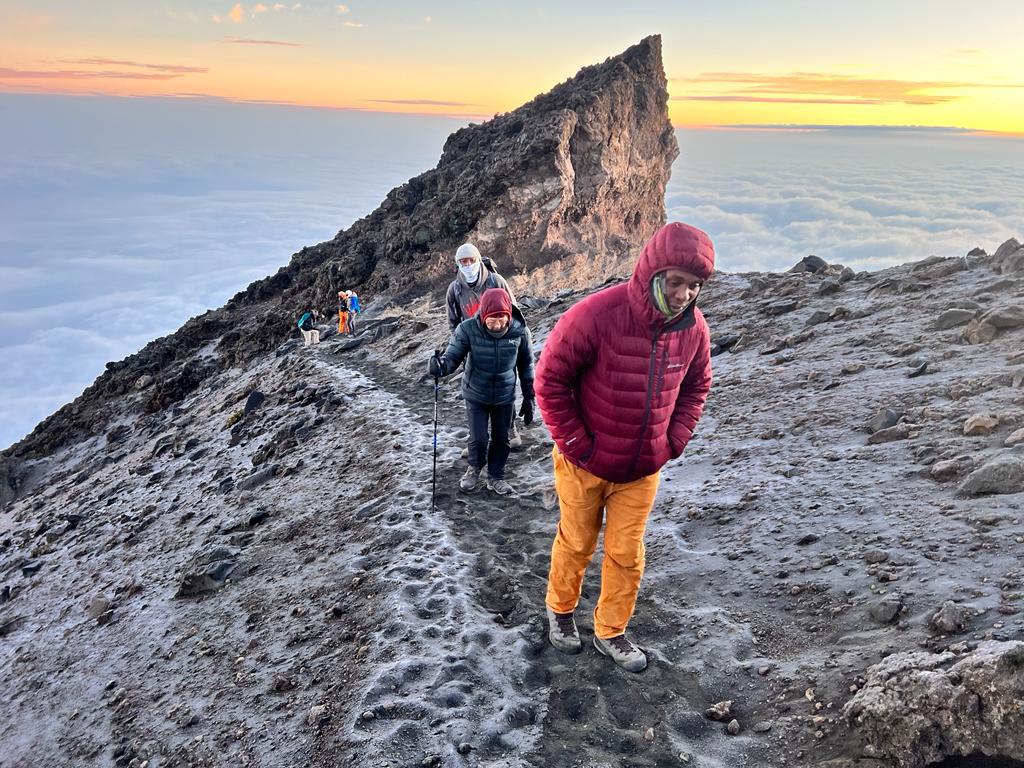
When choosing the right route to climb Mount Kilimanjaro, American adventurers face one of the most important decisions of their entire journey. This Kilimanjaro climb guide for Americans will take you through the most popular routes step by step, compare their strengths and challenges, and help you decide which path is best for your fitness level, acclimatization needs, and summit goals. Selecting the right route makes a huge difference in your comfort, safety, and ultimately your chance of reaching Uhuru Peak — Africa’s highest point.
Climbing Kilimanjaro is not a one-size-fits-all experience. The mountain offers several established routes, each with its own terrain, scenery, duration, and altitude profile. Some routes are quieter and more scenic, while others offer the highest summit success rates because they allow better acclimatization. While all legitimate routes are non-technical (no rock climbing or ice climbing skills required), the choice you make affects everything from camp life to altitude sickness risk.
Below are the most important established Kilimanjaro routes worth considering for American travelers. As you read through, keep in mind that summit success often comes down less to route and more to time on the mountain, acclimatization strategy, trekking pace, and company support staff quality.
1. Machame Route — The Scenic Favorite
Overview
The Machame Route is often referred to as the “Whiskey Route” because it’s more challenging than the easiest paths but also more scenic and rewarding. Starting on the southern slopes of Kilimanjaro, Machame takes trekkers through rainforests, moorlands, alpine deserts, and finally the high Arctic zone near the crater.
This route generally takes 6–7 days, and it is one of the most popular choices for American climbers who want breathtaking scenery and good acclimatization without overly long trekking days.
Here’s why many U.S. travelers choose Machame:
- It offers dramatic views from the very start.
- Acclimatization is better than shorter routes because of the gradual altitude gains.
- It has very strong success rates when combined with proper pacing.
Pros
- Beautiful Variety of Landscapes: From tropical rainforest to high mountain deserts, Machame is considered one of the best routes in terms of scenery.
- Good Acclimatization Profile: With its well-spaced camps and climbs, it gives the body more time to adjust to altitude compared with the shortest routes.
- Popular (But Not Overcrowded): Machame is busy in peak season, but still less congested than the shortest routes near the summit.
- High Summit Success (With Proper Support): When combined with a 7-day itinerary and experienced guides, Machame routes see above-average summit completion rates for Americans who train and follow acclimatization advice.
Cons
- Steep Sections: The route has some steep ascents that can be tough for beginners.
- Busy in Peak Times: While not as crowded as some shorter paths, it still sees a lot of traffic in high season (Jun–Oct & Jan–Mar).
- Logistics: Camp relocations and water logistics must be well coordinated by your operator.
Success Rates
Most reputable operators report summit success rates above 60–75% on Machame with a proper 7-day schedule. This makes it one of the more reliable choices in this Kilimanjaro climb guide for Americans — especially for those who prioritize both scenery and a good acclimatization schedule.
2. Lemosho Route — The Best for Acclimatization
Overview
The Lemosho Route is widely considered the best overall option for climbers who want maximum acclimatization, lower crowds, and stunning wilderness scenery. It is longer than many routes (typically 7–8 days) and begins on the western side of Kilimanjaro, offering a remote and picturesque approach.
Lemosho is often compared with Machame, but it typically has a higher summit success rate because of the more gradual increase in altitude and better pacing options.
Pros
- Best Acclimatization Profile: Lemosho usually offers the most effective schedule for altitude adaptation, which is the key to summiting.
- Low Crowds at Start: The first days are quiet, allowing you to enjoy remote forest trails.
- Diverse Scenery: The western approach spans lush vegetation, open plains, and dramatic skyline views.
- Lower Altitude Shock: Because the first nights are spent at relatively lower camps, your body adjusts more gradually.
Cons
- Longer Duration = Higher Cost: The extra days on the mountain mean more camping fees and staff wages, which add to the overall price.
- Logistics Must Be Excellent: Because the trek starts farther from main roads, your tour operator must complement it with strong planning and staffing.
Success Rates
When done as a 7–8 day itinerary, Lemosho has some of the highest summit success rates of all Kilimanjaro routes — often above 75–85% for properly trained climbers. For many Americans who want the best chance of seeing Uhuru Peak without cutting corners, this route is often the top recommendation in a Kilimanjaro climb guide for Americans.
3. Rongai Route — The Quiet Northern Approach
Overview
The Rongai Route approaches Kilimanjaro from the north side, near the Kenyan border. It offers a different perspective on the mountain, with a relatively gentle ascent and fewer climbers than the southern routes. This makes it ideal for those who prioritize solitude and a more relaxed walking pace.
Rongai typically takes 6–7 days, but many trekkers choose the 7-day version for better acclimatization.
Pros
- Quiet & Less Busy: Rongai is one of the least crowded routes, giving you a more peaceful trek.
- Gentle Ascent: The terrain is generally less steep until the higher camps.
- Good for Beginners: It’s a great option if you prefer a more gradual introduction to altitude.
Cons
- Less Scenic Variety: While beautiful, it doesn’t traverse as many distinct ecosystems as Machame or Lemosho.
- Fewer Camps & Support Infrastructure: Because traffic is lighter, support services can vary by operator.
Success Rates
With a 7-day itinerary, Rongai success rates typically range from 65–80%, depending on acclimatization and group fitness. For Americans who want a balance of low crowds and gentle terrain, Rongai is a strong contender in this Kilimanjaro climb guide for Americans.
4. Northern Circuit — The Longest & Most Remote
Overview
The Northern Circuit is the longest route on Kilimanjaro and allows trekkers to spend more time ascending with the best acclimatization profile of all. Typically 8–9 days or more, this route combines aspects of Lemosho with additional distance around the north side of the mountain.
It’s perfect for serious climbers who value acclimatization time, solitude, and extensive wilderness views.
Pros
- Excellent Acclimatization: More days means more gradual altitude gain and much better summit chances.
- Spectacular Scenery & Wildlife: The Northern Circuit traverses vast and remote terrain that sees few climbers.
- High Summit Rate: Because altitude is managed so carefully, the success rate is among the highest of all routes.
Cons
- Time-Intensive: This is not for travelers with limited vacation days.
- Higher Cost: More nights on the mountain, more meals, and more staff support add up financially.
Success Rates
When done properly (with quality guides and pacing), Northern Circuit success rates are often above 85% — the highest among all Kilimanjaro routes. This makes it a premium recommendation in a Kilimanjaro climb guide for Americans — especially for adventurers who want the best chance of summiting and experiencing deep wilderness.
Comparing Routes — Quick Look
| Route Name | Typical Days | Summit Success | Scenery | Crowds | Best For |
|---|---|---|---|---|---|
| Machame | 6–7 | 60–75% | Excellent | Moderate | Balanced scenery & challenge |
| Lemosho | 7–8 | 75–85% | Excellent | Moderate | Best overall acclimatization |
| Rongai | 6–7 | 65–80% | Good | Low | Gentle climb & fewer trekkers |
| Northern Circuit | 8–9 | 85%+ | Outstanding | Very Low | Best acclimatization & solitude |
Tip for American Climbers: If you can swing 7 days or more on the mountain, both Lemosho and Northern Circuit offer the highest chances of reaching the summit with minimal altitude sickness.
How Route Choice Impacts Your Kilimanjaro Experience
Choosing the right route is not just about scenery — it affects:
Altitude Sickness Risk
Altitude sickness is the number one reason climbers turn back before Uhuru Peak. Routes with slower elevation gains and more days give your body time to adapt. This is why longer schedules typically lead to higher summit rates.
Camp Comfort & Itinerary Flow
Some routes have more camp breaks and gradual elevation gains (like Lemosho), while others move faster (like a 6-day Machame). More time at mid-altitude camps generally means better overnight sleep, which translates into stronger summit day energy.
Group Dynamics
Longer routes give trekkers more time together, which often builds better group morale. This is especially valuable for Americans trekking in groups or solo travelers who want a supportive experience.
Choosing the Right Route for You
Here’s how to decide:
✔ If you want beautiful scenery + strong acclimatization:
→ Lemosho or Northern Circuit
✔ If you want a classic Kilimanjaro experience:
→ Machame
✔ If you want a gentle, quieter climb:
→ Rongai
✔ If you’re short on time but still want good success odds:
→ 7-day Machame or Rongai
No matter which route you choose, pick a reputable operator that understands Kilimanjaro logistics, altitude strategies, and carries necessary safety gear like oxygen and pulse oximeters.
And remember — the right team makes all the difference. Epic horizons Adventure we are looking extra miles to make sure your route, schedule, and support staff are tailored to your goals, fitness level, and comfort preferences. Tanzania National Parks Authority (Kilimanjaro page) — https://www.tanzaniaparks.go.tz
Kilimanjaro Packing List and Gear Guide for American Trekkers
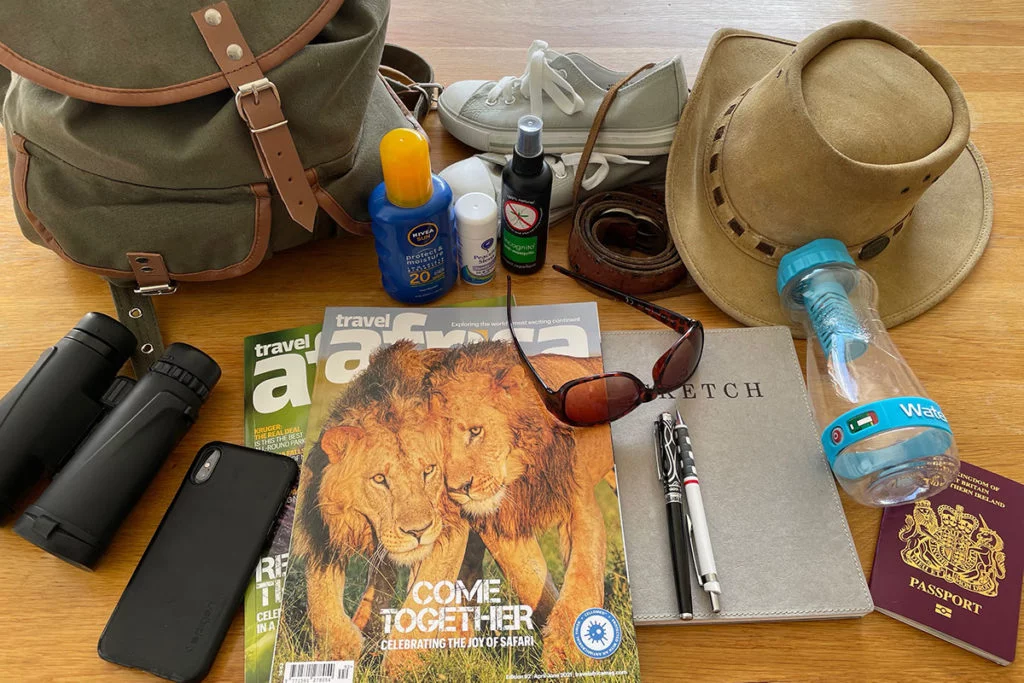
Preparing your equipment properly can make the difference between a successful summit and a miserable experience on the mountain. Many people underestimate Kilimanjaro because it is a “trek” and not a technical climb, but weather, altitude, and long hiking days make gear one of the most critical parts of success. In this Kilimanjaro climb guide for Americans, we break down exactly what U.S. travelers need to pack, what can be rented locally, and how to prepare for summit night — the toughest part of the adventure.
Kilimanjaro takes you through five climate zones, meaning you will experience conditions similar to hiking from Florida to Alaska in less than a week. You start in warm rainforest, move through windy moorlands, and end in freezing alpine desert and glacier zones. Temperatures at the summit can drop well below freezing, especially before sunrise when most summit attempts happen. Layering correctly allows you to adapt to dramatic temperature changes without carrying unnecessary weight.
The Golden Rule: Layering
Instead of one heavy jacket, successful climbers use a layering system that can be added or removed as temperatures shift.
Base Layer (Moisture-Wicking)
This sits directly against your skin and keeps sweat away from your body. Avoid cotton because it holds moisture and causes chilling at high altitude. Choose synthetic or merino wool tops and bottoms.
Mid Layer (Insulation)
Fleece or lightweight insulated jackets trap heat. Many climbers carry two mid-layers: one lighter fleece for hiking and one warmer option for cold evenings.
Outer Layer (Weather Protection)
A waterproof and windproof shell jacket and pants are essential. Weather can change quickly, and wind chill at high altitude can be severe. A good shell protects your inner layers from rain, snow, and icy winds.
Essential Clothing Checklist
Here’s a practical breakdown for American trekkers:
Upper Body
- 2–3 moisture-wicking base layer shirts
- 1–2 long-sleeve thermal tops
- Fleece jacket
- Insulated down or synthetic jacket (for summit night)
- Waterproof shell jacket
- Lightweight hiking shirt for lower elevations
Lower Body
- 2 hiking pants (quick-dry)
- Thermal base layer bottoms
- Insulated or fleece pants (for evenings/summit)
- Waterproof shell pants
Head & Hands
- Warm beanie or thermal hat
- Sun hat or baseball cap
- Buff or neck gaiter
- Insulated gloves (summit night)
- Lightweight liner gloves
Footwear
- Broken-in waterproof hiking boots (ankle support recommended)
- 3–4 pairs wool hiking socks
- Sock liners (optional for blister prevention)
- Camp shoes or sandals
Proper footwear is especially important. Many American climbers are used to trail runners, but on Kilimanjaro, boots provide better warmth and ankle support on rocky, uneven trails. Blisters and cold feet are common reasons trekkers struggle near the summit.
Gear You Should NOT Skip
Even though Kilimanjaro is supported by porters who carry most of your duffel bag, you still need a daypack with personal essentials.
Daypack (25–35L recommended)
- Water (hydration bladder or bottles, 3 liters total)
- Snacks and energy bars
- Rain jacket
- Camera/phone
- Sunscreen and lip balm (SPF 30+)
- Sunglasses (UV protection is critical at altitude)
- Headlamp (with extra batteries)
- Personal medications
A headlamp is especially important because summit attempts start around midnight. You’ll hike for hours in complete darkness, and a reliable light source is essential for safety.
Sleeping Gear
Tour operators typically provide tents and sleeping pads, but you are responsible for your sleeping bag.
Look for:
- 4-season sleeping bag
- Rated to at least -10°C to -15°C (14°F to 5°F)
Nights at high camps can be extremely cold. Even if you feel warm while hiking, temperatures drop drastically after sunset. Some companies rent sleeping bags, but many Americans prefer bringing their own for hygiene and comfort.
A sleeping bag liner adds warmth and keeps your bag cleaner over the trek.
Trekking Poles: Worth It?
Yes — absolutely. Trekking poles reduce strain on knees during long descents and help maintain balance on loose volcanic gravel. Many first-time climbers underestimate how helpful poles are, especially when fatigue sets in on summit descent.
Personal Health & Hygiene Items
Altitude and cold weather affect your body differently than normal hikes. Pack:
- Wet wipes (showers aren’t available on the mountain)
- Toothbrush & toothpaste
- Small quick-dry towel
- Hand sanitizer
- Lip balm with SPF
- Sunscreen (high altitude sun is intense)
- Basic first aid kit (band-aids, blister care, pain relievers)
At altitude, hydration and nutrition are crucial. Your appetite may decrease, but your body needs calories. Electrolyte powders or hydration tablets help maintain balance and prevent dehydration headaches.
Electronics & Power
There are no charging stations on the mountain. Bring:
- Power bank (10,000–20,000 mAh)
- Extra camera batteries (cold drains power faster)
- Universal travel adapter (for hotel use before/after climb)
Keep electronics warm inside your sleeping bag at night to preserve battery life.
What You Can Rent in Tanzania
To make travel easier, many gear items can be rented locally in Moshi or Arusha:
- Sleeping bags
- Trekking poles
- Down jackets
- Waterproof pants
- Gaiters
However, boots and base layers should always be personal items for comfort and hygiene.
Preparing for Summit Night
Summit night is the most physically and mentally demanding part of the climb. You’ll wake up around midnight, drink tea, and begin a slow uphill walk in freezing temperatures and thin air.
Wear:
- Thermal base layers
- Fleece mid-layer
- Insulated jacket
- Waterproof shell
- Insulated gloves + liners
- Warm hat + buff
Your water may freeze, so insulated bottles or keeping them upside-down in your pack helps. Energy gels, chocolate, or trail mix provide quick calories when appetite is low.
Pacing is everything. Guides use the phrase “pole pole” (slowly, slowly). Going too fast at altitude increases exhaustion and altitude sickness risk.
This is where experienced support teams truly matter. Epic horizons Adventure we are looking extra miles to make sure…. every climber is checked regularly, encouraged to hydrate, and supported at the right pace to maximize summit success and safety.
Weight Limits & Porter Support
Kilimanjaro regulations limit porter loads for ethical and safety reasons. Your main duffel bag is usually limited to 15 kg (33 lbs). Keep non-essential luxury items out and focus on performance and warmth.
Your daypack should stay under 6–8 kg (13–18 lbs) for comfort.
Responsible companies follow porter welfare guidelines established by organizations like the Kilimanjaro Porters Assistance Project (KPAP). Choosing ethical operators ensures your climb supports fair labor practices.
Common Packing Mistakes Americans Make
❌ Bringing brand-new boots (causes blisters)
❌ Packing heavy cotton hoodies instead of technical layers
❌ Forgetting sunscreen and lip balm
❌ Underestimating summit-night cold
❌ Carrying too many “just in case” items
Light, functional, and layered is the winning formula.
Final Thoughts on Gear Preparation
Gear doesn’t guarantee a summit — but the wrong gear can absolutely prevent one. Comfort, warmth, and proper layering help conserve energy, improve sleep, and keep morale high during tough sections. When your body is already working hard to adapt to altitude, even small discomforts can feel overwhelming.
That’s why smart packing is a key part of this Kilimanjaro climb guide for Americans. When you arrive prepared, you can focus on the experience: watching the sunrise above the clouds, hearing glaciers crack in the distance, and walking step by step toward Uhuru Peak.
In the next section, we’ll break down physical training plans and altitude preparation strategies so American climbers can arrive not just well-equipped — but truly mountain-ready.
Helpful External Resources
🔗 REI Expert Advice – Layering Basics for Cold Weather
https://www.rei.com/learn/expert-advice/layering-basics.html
Training, Fitness, and Altitude Preparation for American Climbers
Reaching the summit of Mount Kilimanjaro is less about technical climbing skills and more about endurance, consistency, and smart altitude preparation. Many Americans are surprised to learn that people of all ages successfully reach Uhuru Peak every year — not because they are elite athletes, but because they prepared correctly. In this part of the Kilimanjaro climb guide for Americans, we’ll break down realistic training plans, how altitude affects your body, and how to arrive in Tanzania physically and mentally ready for success.
Kilimanjaro is often described as a “walk-up mountain,” but that phrase can be misleading. You will be hiking for 5–9 days, often 6–8 hours per day, at increasing altitudes with thinner oxygen. Summit night alone can involve 10–14 hours of continuous hiking. That doesn’t require speed — it requires stamina, patience, and mental resilience.
The good news? Most reasonably active Americans can prepare for Kilimanjaro within 8–12 weeks with a structured plan.
Understanding the Real Challenge: Altitude, Not Terrain
The trails on Kilimanjaro are not technically difficult. There is no rock climbing, rope work, or ice climbing on standard routes. The real obstacle is altitude.
As you go higher, the air pressure drops, meaning each breath contains less oxygen. Your muscles, brain, and lungs must work harder for the same effort. This can cause:
- Headaches
- Nausea
- Fatigue
- Shortness of breath
- Difficulty sleeping
This condition is called Acute Mountain Sickness (AMS), and it can affect anyone — even marathon runners. Fitness helps with endurance, but it does not make you immune to altitude sickness. The only real protection is slow ascent and acclimatization, which is why longer routes have better summit success rates.
How Fit Do You Really Need to Be?
You do not need to be a bodybuilder or ultra-marathon runner. You do need:
✔ Strong legs
✔ Good cardiovascular endurance
✔ Ability to hike for multiple hours
✔ Mental toughness when tired
A good benchmark: If you can hike 10–12 miles (16–19 km) in a day with hills while carrying a light pack and still feel functional the next day, you are on the right track.
12-Week Kilimanjaro Training Plan for Americans
Here’s a practical structure many successful climbers follow.
Weeks 1–4: Build a Base
Focus: General endurance
- 3 cardio workouts per week (30–45 min brisk walking, cycling, swimming, or jogging)
- 1 longer weekend hike (5–7 miles with small hills)
- 2 strength sessions (bodyweight squats, lunges, step-ups, planks)
Goal: Get your body used to consistent movement.
Weeks 5–8: Increase Intensity
Focus: Leg strength + longer endurance
- 2 cardio sessions (45–60 min)
- 1 stair or hill workout weekly (stadium stairs, treadmill incline, or hill repeats)
- Weekend hike: 7–10 miles with elevation gain
- Strength training with added resistance (dumbbells or backpack weight)
Goal: Simulate uphill effort and strengthen knees for downhill sections.
Weeks 9–12: Mountain Simulation Phase
Focus: Long hiking days + pack weight
- 1 long hike per week (8–12 miles) with a daypack weighing 10–15 lbs
- 1 stair/hill workout
- 1 moderate cardio session
- Maintain strength training
Goal: Prepare your body for multi-hour trekking under load.
If possible, back-to-back hiking days (Saturday + Sunday) are extremely effective. Kilimanjaro involves hiking on tired legs — training that way helps.
Don’t Forget Downhill Training
Many climbers train for uphill but forget downhill, which can destroy knees and quads. Descending from Kilimanjaro involves long stretches of downhill trekking on loose volcanic gravel.
Add these to your routine:
- Step-down exercises
- Lunges
- Decline treadmill walking
- Trekking pole practice
Your future knees will thank you.
Cardiovascular Fitness Matters More Than Speed
You don’t need to run fast — you need to keep moving slowly for hours. Activities that help most:
- Hiking with elevation
- Stair climbing
- Incline treadmill walking
- Cycling
- Rowing machines
On the mountain, guides set a very slow pace called “pole pole” (slowly slowly). Training your body to stay comfortable at a steady, sustainable pace is key.
Altitude Preparation for Americans
Most Americans live at low elevation, so Kilimanjaro will likely be your first high-altitude experience. While you can’t fully simulate altitude at sea level, you can prepare smartly.
Arrive Early in Tanzania
Arriving 1–2 days before your climb helps your body rest after long travel and begin mild acclimatization.
Hydration Training
At altitude, dehydration worsens symptoms. Start building strong hydration habits during training. On the mountain, aim for 3–4 liters of water per day.
Learn the Symptoms
Mild altitude sickness is common. Severe altitude sickness is dangerous. Good guides monitor oxygen saturation and symptoms daily. Always report:
- Severe headache not relieved by medication
- Vomiting
- Confusion
- Loss of coordination
Descending is the only cure for serious altitude illness. Responsible teams prioritize health over summit success.
Should You Take Altitude Medication?
Some climbers use Acetazolamide (Diamox) to help with acclimatization. It can reduce symptoms but does not guarantee success. Americans considering it should speak with their doctor or a travel medicine clinic before departure.
Never rely on medication alone — pacing and acclimatization days are still essential.
Mental Preparation: The Hidden Factor
Summit night is cold, dark, and long. Many physically strong climbers turn back not because their bodies fail, but because their minds do.
Prepare mentally by:
- Training in bad weather sometimes (rain, cold mornings)
- Doing long hikes when you feel tired
- Practicing positive self-talk
- Breaking big goals into small steps (“reach that rock”)
Remember: Kilimanjaro is a slow endurance challenge, not a race.
This is where experienced support crews make a huge impact. Encouragement, pacing, and constant check-ins help climbers push through difficult moments. kili2sere Adventure we are looking extra miles to make sure…. every trekker feels supported, monitored, and motivated from the first step to the summit push.
Nutrition During Training
Fuel your body like a trekker, not a dieter.
Focus on:
- Complex carbs (rice, oats, potatoes)
- Lean proteins (chicken, fish, beans)
- Healthy fats (nuts, avocado)
- Electrolytes during long hikes
Training hikes are a good time to test energy bars, trail snacks, and hydration mixes you might bring to Tanzania.
Weight Management Before the Climb
You don’t need to be skinny — you need to be strong and efficient. Rapid weight loss before the climb can reduce energy and endurance. Focus on performance, not the scale.
When to Start Training
Ideal timeline: 3 months before your climb
Minimum timeline: 6–8 weeks (if you already have a fitness base)
Even walking daily and using stairs instead of elevators helps build a foundation.
Signs You Are Ready for Kilimanjaro
You’re in good shape for the climb if:
✔ You can hike 8–10 miles with hills
✔ You recover well the next day
✔ Your legs feel strong on descents
✔ You can maintain a steady pace without gasping for air
Final Thoughts on Fitness & Preparation
Kilimanjaro rewards persistence more than athletic talent. The mountain doesn’t care how fast you run a mile — it cares how patiently you can take one step after another at altitude.
Training builds confidence. Confidence reduces anxiety. Less anxiety helps you conserve energy. Everything works together.
By following a structured plan, understanding altitude, and preparing mentally as well as physically, American climbers dramatically increase their chances of standing on the Roof of Africa.
And remember — your guides are your biggest allies on the mountain. With the right preparation and the right support team beside you, Kilimanjaro transforms from an intimidating peak into an achievable life goal.