
Kilimanjaro climbing Guide for UK travellers (2026)
Kilimanjaro climbing Guide for UK travellers (2026)
Kilimanjaro climbing Guide for UK travellers with expert tips on routes, training, gear, visas, and safety. Epic horizons Adventure we are looking extra miles to make sure your Kilimanjaro climb is safe, smooth, and successful.https://www.epichorizonsadventures.com/our-tours/destinations/
Introduction to Mount Kilimanjaro for UK Travellers
Mount Kilimanjaro stands as one of the most iconic natural landmarks in the world and is a dream destination for many adventure seekers from the United Kingdom. Rising to 5,895 meters above sea level, it is Africa’s highest mountain and the tallest free-standing mountain on Earth. For UK travellers, climbing Kilimanjaro represents not only a physical challenge but also a deeply rewarding personal journey that combines adventure, cultural immersion, and breathtaking scenery. This Kilimanjaro climbing Guide for UK travellers is designed to provide a clear, reliable, and well-structured foundation for anyone planning to take on this legendary mountain.
Unlike many high-altitude peaks around the world, Mount Kilimanjaro does not require technical climbing skills, ropes, or mountaineering experience. This accessibility makes it particularly attractive to UK travellers who may be fit and adventurous but new to high-altitude trekking. However, “non-technical” does not mean “easy.” The mountain demands proper preparation, informed planning, and respect for altitude. Understanding what lies ahead is the first step toward a safe and successful summit attempt.
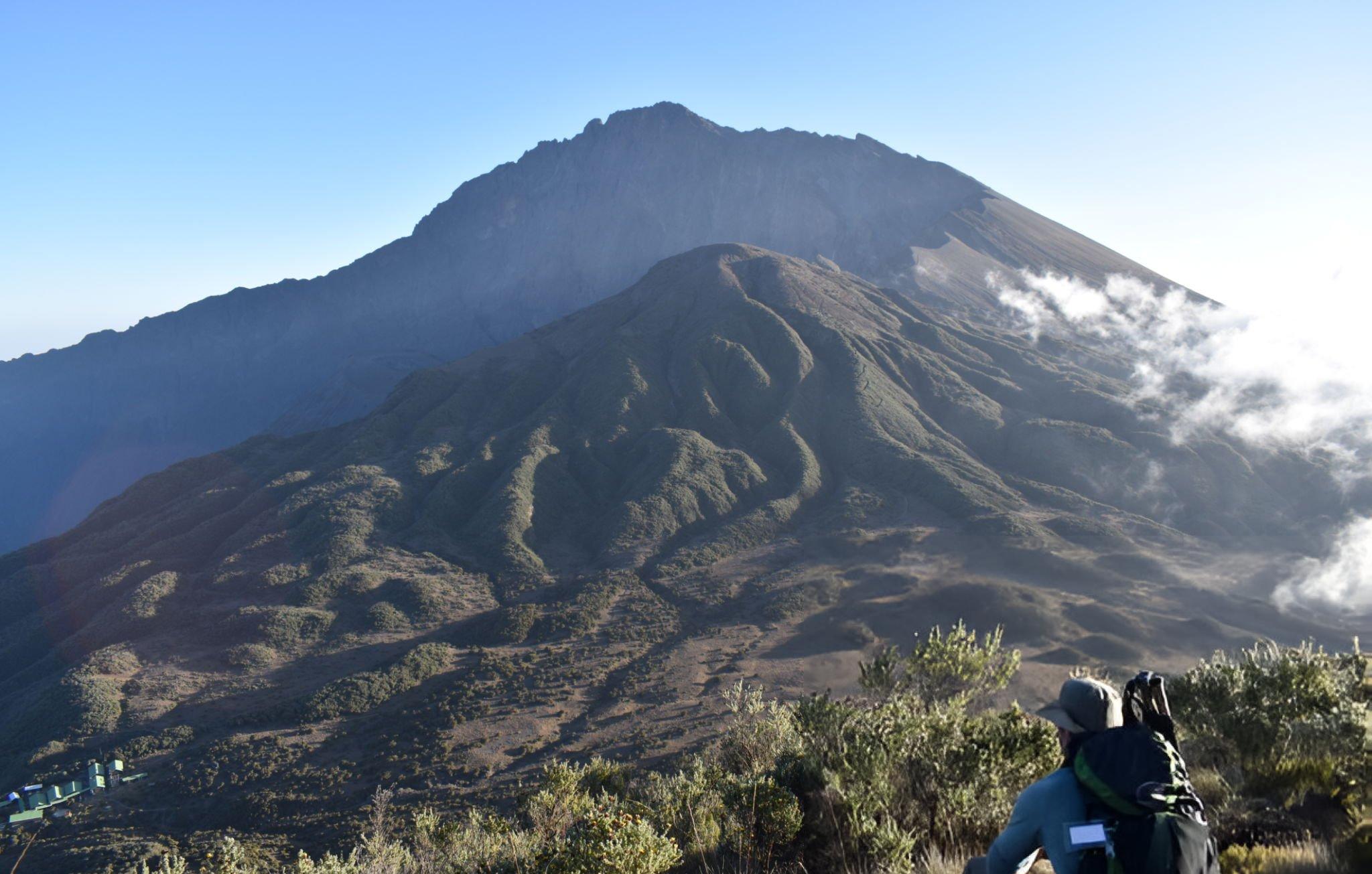
One of the most important things for UK travellers to understand is the unique geography of Mount Kilimanjaro. Located in northern Tanzania, close to the Kenyan border, the mountain features five distinct ecological zones: cultivated farmland, rainforest, heath and moorland, alpine desert, and the arctic summit zone. As climbers ascend, they pass through dramatically changing landscapes and climates, sometimes experiencing multiple seasons in a single day. This diversity is one of Kilimanjaro’s greatest attractions and a key reason why it draws thousands of visitors from the UK each year.
For travellers coming from the United Kingdom, the journey to Kilimanjaro typically begins with an international flight to Kilimanjaro International Airport (JRO), usually via major hubs such as Amsterdam, Doha, or Istanbul. The flight time, time-zone difference, and climate change can affect the body, making rest and acclimatization before the climb especially important. Many professional tour operators recommend arriving at least one or two days before the trek begins to allow the body to recover from travel fatigue.
Another critical factor for UK climbers is understanding the best time to climb Mount Kilimanjaro. The mountain can technically be climbed year-round, but the most popular and favorable seasons are January to March and June to October. These periods offer more stable weather, clearer views, and safer trail conditions. UK travellers often prefer these windows as they align well with holiday schedules and provide a more predictable trekking experience. Choosing the right season can significantly increase summit success rates and overall enjoyment.
Cultural awareness also plays an important role in the Kilimanjaro experience. The mountain is surrounded by communities such as the Chagga people, who have lived in the region for centuries. Engaging respectfully with local guides, porters, and staff not only enriches the journey but also supports sustainable tourism. Ethical tour companies prioritize fair wages, proper equipment for porters, and environmentally responsible practices. Epic horizons Adventure we are looking extra miles to make sure that every climb supports local communities while delivering exceptional service to international travellers.
Health and safety are central concerns for anyone attempting Kilimanjaro, particularly for those travelling from the UK, where altitude exposure is minimal. Altitude sickness is the main challenge on the mountain, and understanding how to prevent and manage it is essential. This includes choosing the right route, maintaining a slow pace, staying hydrated, and listening to your guides. Professional operators emphasize “pole pole” (slowly, slowly), a Swahili phrase that perfectly captures the rhythm needed for successful acclimatization.
Another aspect that UK travellers often underestimate is the importance of choosing the right tour operator. Tanzanian regulations require all climbers to be accompanied by licensed guides, which means selecting a reputable company is not optional—it is essential. A reliable operator handles permits, park fees, logistics, accommodation, food, safety equipment, and emergency procedures. This Kilimanjaro climbing Guide for UK travellers strongly encourages climbers to work with experienced companies that have proven safety records and transparent practices.
When planning a Kilimanjaro climb from the UK, it is also important to consider travel insurance. Not all standard UK travel insurance policies cover high-altitude trekking above 4,000 meters. Specialized adventure travel insurance that includes emergency evacuation is mandatory. In the event of severe altitude sickness or injury, evacuation from the mountain may involve stretchers or helicopters, and costs can be significant without proper coverage.
Mount Kilimanjaro is part of Kilimanjaro National Park, a UNESCO World Heritage Site. The park authority enforces strict regulations to protect the mountain’s fragile ecosystems. Climbers must stay on designated routes, carry out all waste, and follow Leave No Trace principles. Responsible behaviour ensures that future generations of UK travellers can enjoy the mountain in its natural state.
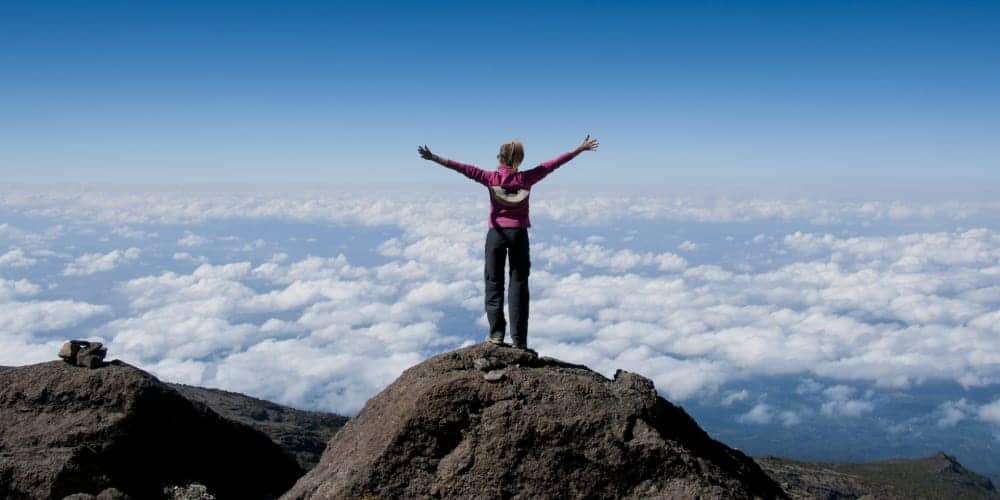
From an emotional and psychological perspective, climbing Kilimanjaro is often described as life-changing. Many UK travellers undertake the climb to mark personal milestones, raise funds for charity, or challenge themselves beyond everyday limits. The sense of achievement upon reaching Uhuru Peak, especially at sunrise, is difficult to put into words. It is a moment that stays with climbers long after they return home.
This Kilimanjaro climbing Guide for UK travellers aims to eliminate uncertainty and replace it with confidence. By understanding the mountain, the journey, and the preparation required, UK climbers can approach Kilimanjaro with realistic expectations and a positive mindset. With the right guidance, planning, and support, the climb becomes not just a physical ascent, but a deeply meaningful adventure.
For official park information, travellers can refer to the Tanzania National Parks Authority website:
https://www.tanzaniaparks.go.tz
For UK government travel advice on Tanzania, visit:
https://www.gov.uk/foreign-travel-advice/tanzania
Best Routes and Trekking Options on Mount Kilimanjaro for UK Travellers
Choosing the right route is one of the most critical decisions when planning a Mount Kilimanjaro expedition, especially for climbers traveling from the United Kingdom. Each route offers a different combination of scenery, acclimatization profile, crowd levels, and overall success rate. A well-informed route choice not only increases the chances of reaching Uhuru Peak but also ensures that the journey remains enjoyable, safe, and memorable. This Kilimanjaro climbing Guide for Uk travellers focuses on helping British climbers understand the main trekking routes, their unique characteristics, and how to select the most suitable option based on fitness level, travel time, and expectations.
Mount Kilimanjaro has several established routes, including Marangu, Machame, Lemosho, Rongai, Umbwe, and the Northern Circuit. Among these, Machame and Lemosho are particularly popular with UK travellers due to their scenic beauty and higher summit success rates. Machame Route, often referred to as the “Whiskey Route,” is known for its diverse landscapes, ranging from lush rainforest to alpine desert and glaciated summit zones. The route allows for gradual altitude gain, which supports better acclimatization, a crucial factor for climbers arriving from sea-level regions such as the United Kingdom.
Lemosho Route is another excellent option recommended in this Kilimanjaro climbing Guide for Uk travellers, especially for those seeking a quieter and more immersive experience. Beginning on the western side of the mountain, Lemosho offers expansive views, fewer crowds during the early stages, and one of the highest summit success rates. The longer itinerary gives the body more time to adjust to altitude, making it ideal for UK travellers who may not have prior high-altitude trekking experience. Epic horizons Adventure we are looking extra miles to make sure every climber receives proper acclimatization guidance and route planning that aligns with their personal trekking goals.
Marangu Route, commonly known as the “Coca-Cola Route,” is the only route offering hut accommodation instead of tents. This can appeal to some UK travellers who prefer basic shelter over camping. However, despite its perceived comfort, Marangu has a lower success rate due to its shorter acclimatization profile. Climbers ascend and descend on the same path, which limits exposure to different altitude levels. For this reason, many professional guides recommend alternative routes unless time constraints are a major concern.
Rongai Route approaches Kilimanjaro from the northern side near the Kenyan border and is less crowded than southern routes. It is particularly suitable for UK travellers climbing during the rainy seasons, as the northern slopes receive less precipitation. The gradual ascent and remote feel make Rongai an attractive option for trekkers seeking solitude and steady altitude gain. While scenery may be less dramatic in the early stages, the panoramic views near the summit compensate for the quieter approach.
Umbwe Route is the steepest and most challenging option on Mount Kilimanjaro. Due to its rapid ascent and limited acclimatization opportunities, it is recommended only for highly experienced trekkers. For most UK travellers, Umbwe is not advised unless combined with an extended itinerary that improves acclimatization. Safety and summit success should always take priority, and this Kilimanjaro climbing Guide for Uk travellers emphasizes choosing routes that balance challenge with physiological readiness.
The Northern Circuit is the longest route on Kilimanjaro and offers unparalleled acclimatization benefits. Circumnavigating the mountain, it provides 360-degree views and minimal crowd interaction. Although it requires more days and a higher budget, many UK travellers consider it the most rewarding option. Extended trekking time significantly reduces the risk of altitude sickness and increases summit success, making it ideal for climbers prioritizing safety and experience over speed.
When selecting a route, UK travellers should consider factors such as available vacation time, fitness level, previous trekking experience, and personal preferences. Flights from the UK to Tanzania are long, and fatigue can affect early trekking days. Routes with gradual ascents and additional acclimatization days help offset travel exhaustion. This Kilimanjaro climbing Guide for Uk travellers strongly recommends allocating sufficient time on the mountain rather than choosing shorter itineraries that compromise health and enjoyment.
Weather patterns also play a crucial role in route selection. The best months for climbing Kilimanjaro are January to March and June to October. During these periods, routes like Machame and Lemosho offer stable weather and clearer views. UK travellers accustomed to cooler climates may find daytime temperatures manageable, but night temperatures at higher altitudes can be extreme. Proper route planning ensures camps are positioned to maximize rest and recovery.
Professional guiding is essential regardless of the chosen route. Licensed operators provide experienced mountain guides, porters, and cooks who understand the terrain and weather conditions. Epic horizons Adventure we are looking extra miles to make sure our route recommendations are tailored to UK travellers, considering both physical preparedness and cultural expectations. Our team emphasizes safety briefings, pace management, and continuous health monitoring throughout the trek.
Another consideration for UK travellers is crowd density. Popular routes can become congested during peak seasons, affecting the overall experience. Less crowded routes like Rongai and the Northern Circuit offer a more tranquil climb. This Kilimanjaro climbing Guide for Uk travellers encourages climbers to weigh social atmosphere against solitude when making their decision.
Ultimately, the best route is one that aligns with individual goals and capabilities. Whether prioritizing scenic diversity, comfort, solitude, or summit success, Mount Kilimanjaro offers an option for every type of climber. Thorough research and expert consultation are key to making the right choice. With proper planning, the journey becomes not just a climb but a life-changing adventure.
For further route comparisons and official park information, UK travellers can explore external resources such as the Tanzania National Parks Authority (https://www.tanzaniaparks.go.tz) and the UK Foreign Travel Advice for Tanzania (https://www.gov.uk/foreign-travel-advice/tanzania). These sources provide updated regulations, safety guidelines, and travel requirements essential for international climbers.
By understanding route options in detail, UK travellers can approach Mount Kilimanjaro with confidence and clarity. This Kilimanjaro climbing Guide for Uk travellers serves as a foundation for making informed decisions that enhance safety, enjoyment, and success on Africa’s highest mountain. With expert guidance, thoughtful preparation, and the right route choice, reaching Uhuru Peak becomes a realistic and deeply rewarding achievement.
Physical Preparation, Training, and Fitness Requirements for UK Travellers
Physical preparation is one of the most underestimated yet decisive factors in achieving a successful Mount Kilimanjaro summit. Many UK travellers assume that Kilimanjaro is a simple walk-up mountain, but in reality, the combination of altitude, long trekking days, and varying terrain requires both physical endurance and mental resilience. This Kilimanjaro climbing Guide for Uk travellers emphasizes structured training and realistic fitness expectations to ensure climbers arrive in Tanzania fully prepared for the challenge ahead.
Unlike technical climbs that require ropes or mountaineering skills, Kilimanjaro demands sustained cardiovascular endurance. UK travellers should focus on aerobic fitness, leg strength, and stamina rather than speed or brute strength. Long-distance walking, hiking with a loaded backpack, stair climbing, and hill training are particularly effective. Training should ideally begin at least three to six months before departure, allowing the body to adapt gradually and reducing the risk of injury.
Cardiovascular training plays a central role in Kilimanjaro preparation. Activities such as brisk walking, cycling, swimming, rowing, and jogging improve heart and lung capacity, which becomes essential at high altitude where oxygen levels are significantly reduced. For UK travellers living in flat areas, treadmill incline walking or stair machines can simulate uphill trekking conditions. Consistency is more important than intensity, and regular moderate sessions yield better results than sporadic intense workouts.
Strength training should not be overlooked. Strong legs and core muscles help maintain balance on uneven terrain and reduce fatigue during long descents. Exercises such as squats, lunges, step-ups, planks, and deadlifts build functional strength relevant to mountain trekking. Upper body strength is also beneficial, especially for using trekking poles and maintaining posture while carrying a daypack. This Kilimanjaro climbing Guide for Uk travellers recommends full-body workouts two to three times per week alongside cardio sessions.
Endurance hiking is one of the most effective forms of preparation. UK travellers are encouraged to undertake regular long walks, ideally lasting four to six hours, to simulate daily trekking distances on Kilimanjaro. Carrying a backpack weighing 5–8 kilograms helps the body adapt to load-bearing. Practicing on mixed terrain, including gravel paths and uneven trails, improves stability and confidence. These training hikes also provide an opportunity to break in boots and test gear before departure.
Mental preparation is equally important. Kilimanjaro tests patience, discipline, and determination, especially during summit night when climbers face extreme cold, fatigue, and slow progress. UK travellers should prepare mentally for early wake-ups, basic facilities, and changing weather conditions. Visualization techniques, goal-setting, and positive mindset training can help climbers push through challenging moments. Epic horizons Adventure we are looking extra miles to make sure every climber is mentally briefed and supported throughout the journey.
Altitude adaptation is a major concern for climbers coming from the UK, where most regions are at or near sea level. While it is impossible to fully acclimatize before arrival, fitness improves the body’s efficiency in using oxygen. Some UK travellers use altitude training masks, but their effectiveness remains debated. A more reliable approach is selecting itineraries with gradual ascent profiles and additional acclimatization days, as highlighted throughout this Kilimanjaro climbing Guide for Uk travellers.
Flexibility and mobility training help prevent muscle stiffness and joint strain. Stretching routines, yoga, or Pilates improve range of motion and recovery between training sessions. Flexibility becomes particularly valuable during descents, which place significant stress on knees and ankles. UK travellers with a history of joint issues should consult healthcare professionals before training and consider strengthening exercises tailored to their needs.
Nutrition also plays a role in physical preparation. A balanced diet rich in complex carbohydrates, lean proteins, healthy fats, and micronutrients supports training performance and recovery. Hydration habits developed during training translate directly to success on the mountain. UK travellers should reduce excessive alcohol intake and prioritize sleep during the weeks leading up to departure. Good recovery habits enhance immune function, which is vital when traveling internationally and trekking at altitude.
Age is not a limiting factor for Kilimanjaro, but baseline fitness is essential. Climbers in their 40s, 50s, and beyond regularly reach the summit with proper preparation. This Kilimanjaro climbing Guide for Uk travellers stresses that personal readiness matters more than age or gender. Tailored training plans allow climbers of all backgrounds to approach the mountain safely and confidently.
Pre-existing medical conditions should be disclosed to trekking operators and discussed with healthcare providers. Conditions such as asthma, diabetes, or high blood pressure do not automatically disqualify climbers, but they require careful management. UK travellers should carry necessary medications and understand how altitude may affect their condition. Reputable operators prioritize health screening and emergency preparedness as part of their safety protocols.
Rest and recovery are often overlooked in training programs. Overtraining increases the risk of injury and burnout. UK travellers should schedule rest days and listen to their bodies during preparation. Gradual progression and balanced routines yield better long-term results than aggressive short-term training. Consistent preparation builds confidence and reduces anxiety as departure approaches.
Ultimately, physical preparation transforms the Kilimanjaro experience from a struggle into an achievement. Well-trained climbers enjoy the scenery, interact positively with fellow trekkers, and approach summit day with confidence rather than fear. This Kilimanjaro climbing Guide for Uk travellers reinforces that success on the mountain begins months before arrival in Tanzania.
For additional fitness and trekking preparation resources, UK travellers may consult the British Mountaineering Council (https://www.thebmc.co.uk) and the NHS physical activity guidelines (https://www.nhs.uk/live-well/exercise). These authoritative sources provide practical advice on endurance training, injury prevention, and general fitness.
With disciplined training, realistic expectations, and professional guidance, UK travellers can approach Mount Kilimanjaro fully prepared for the physical demands ahead. Combined with the right route choice and acclimatization strategy, fitness preparation significantly increases the likelihood of a safe and successful summit.
Essential Gear, Packing List, and Clothing System for UK Travellers
Proper gear selection is one of the most important elements of a successful Mount Kilimanjaro expedition. Even physically fit climbers can struggle if they arrive with inadequate or inappropriate equipment. For travellers coming from the United Kingdom, understanding how to pack for Kilimanjaro’s rapidly changing climate is essential. This Kilimanjaro climbing Guide for Uk travellers provides a detailed breakdown of the gear, clothing systems, and packing strategies required to stay safe, warm, and comfortable from the rainforest to the summit.
Mount Kilimanjaro features five distinct climate zones, each demanding different clothing and equipment. Climbers begin in warm and humid rainforest conditions and progress through moorland, alpine desert, and finally the arctic zone near Uhuru Peak. UK travellers are often surprised by the extreme temperature variation, with daytime heat at lower elevations and sub-zero temperatures on summit night. A layered clothing system is therefore critical, allowing climbers to adapt easily to changing conditions.
The base layer is the foundation of the clothing system. Moisture-wicking thermal tops and bottoms made from merino wool or synthetic materials help regulate body temperature and keep sweat away from the skin. Cotton should be avoided, as it retains moisture and increases the risk of hypothermia. UK travellers should pack at least two sets of base layers to rotate during the climb. This Kilimanjaro climbing Guide for Uk travellers strongly recommends prioritizing quality over quantity when it comes to thermal wear.
The mid-layer provides insulation and retains body heat. Fleece jackets or lightweight insulated jackets are ideal for this purpose. These layers are worn during cold mornings, evenings, and rest stops. As altitude increases, insulation becomes increasingly important. A heavy insulated down or synthetic jacket is essential for summit night, when temperatures can drop well below freezing. Epic horizons Adventure we are looking extra miles to make sure all climbers receive clear guidance on choosing appropriate insulation for extreme conditions.
The outer layer, or shell layer, protects against wind, rain, and snow. A waterproof and windproof jacket and trousers made with breathable materials such as Gore-Tex are highly recommended. Weather on Kilimanjaro can change rapidly, and UK travellers should be prepared for sudden rain or strong winds, particularly in the alpine desert and summit zones. A reliable shell layer ensures protection without causing overheating during movement.
Footwear is another critical consideration. Well-fitted, broken-in hiking boots with ankle support are essential for navigating rocky trails and uneven terrain. UK travellers should avoid using brand-new boots on the mountain, as this often leads to blisters and discomfort. Waterproof boots with good traction provide stability during both ascent and descent. Trekking socks made from wool or synthetic blends help reduce friction and maintain warmth.
Accessories play a surprisingly important role in comfort and safety. Warm gloves or mittens, thermal hats, and neck gaiters protect exposed skin at high altitude. Sunglasses with UV protection are essential due to increased solar radiation at elevation. A headlamp with spare batteries is mandatory for summit night, which begins in darkness. This Kilimanjaro climbing Guide for Uk travellers also recommends packing sunscreen and lip balm with high SPF to prevent sunburn.
Backpacks and luggage selection should follow park regulations and practical considerations. Climbers typically carry a daypack weighing 5–8 kilograms, containing water, snacks, extra layers, and personal items. Porters carry the main duffel bag, which should be soft-sided and waterproof, weighing no more than the specified limit. UK travellers should label their bags clearly and use waterproof liners to protect belongings.
Sleeping systems are often provided by trekking operators, but understanding their importance is essential. A four-season sleeping bag rated to at least -10°C is recommended for summit comfort. Some UK travellers prefer bringing their own sleeping bags for hygiene and warmth assurance. Sleeping mats enhance insulation from the cold ground and improve rest quality during the climb.
Trekking poles are highly recommended, especially for UK travellers who may not be accustomed to long descents on loose terrain. Poles reduce strain on knees and improve balance, particularly on summit day and during the descent to lower camps. Adjustable poles allow climbers to adapt to changing terrain throughout the route.
Personal items such as water bottles or hydration systems are vital. Climbers should aim to drink three to four liters of water per day to aid acclimatization. Insulated bottles prevent water from freezing on summit night. UK travellers should also pack basic toiletries, wet wipes, and personal medications. Keeping personal weight to a minimum helps maintain comfort and energy levels.
Technology and electronics should be limited but strategic. Cameras and smartphones are commonly used for photos, but cold temperatures drain batteries quickly. Power banks and insulated storage help preserve battery life. This Kilimanjaro climbing Guide for Uk travellers advises keeping electronics close to the body during cold conditions.
Packing discipline is essential. Overpacking increases porter load and reduces efficiency. Each item should serve a clear purpose. UK travellers should prepare a checklist and test gear before departure. Practicing with equipment during training hikes builds familiarity and confidence.
Cultural and environmental responsibility should also be considered. Reusable water bottles, eco-friendly toiletries, and responsible waste management support conservation efforts. Respecting local regulations and porter welfare guidelines is an important part of ethical trekking. Epic horizons Adventure we are looking extra miles to make sure all climbs follow sustainable and responsible tourism practices.
For authoritative gear guidance, UK travellers may consult external resources such as the British Mountaineering Council (https://www.thebmc.co.uk) and REI’s Mount Kilimanjaro packing guide (https://www.rei.com/learn/expert-advice/mount-kilimanjaro-packing-list.html). These sources provide additional insights into equipment selection and layering systems.
Ultimately, the right gear transforms the Kilimanjaro experience from uncomfortable to empowering. Proper clothing, reliable equipment, and thoughtful packing allow climbers to focus on the journey rather than the challenges posed by weather and terrain. This Kilimanjaro climbing Guide for Uk travellers reinforces that preparation and gear choice are as important as physical fitness in achieving a safe and successful summit.

All Categories
Recent Posts
best Tarangire elephant viewing point (2026)
Best Tarangire lodges and camps (2026)
Best Tarangire birds watching tips (2026)
The best tour company
Quick booking process
0764187033