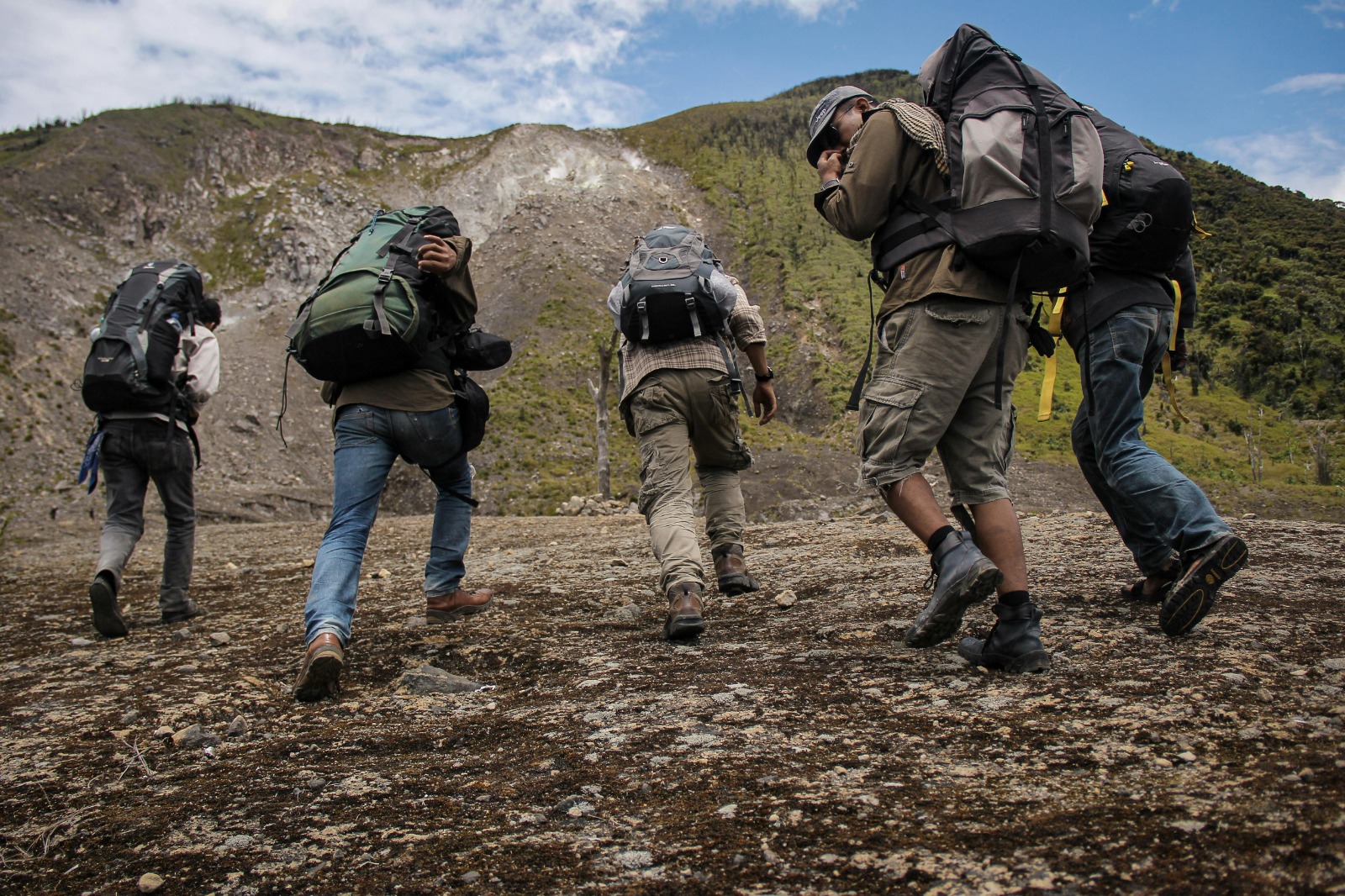
Kilimanjaro Guide for Solo Travellers – discover how to plan, prepare, stay safe, choose the best route, and successfully climb Mount Kilimanjaro as a solo traveler with expert tips and trusted guidancehttps://www.epichorizonsadventures.com/our-tours/destinations/
Why Kilimanjaro Is the Ultimate Destination for Solo Travelers
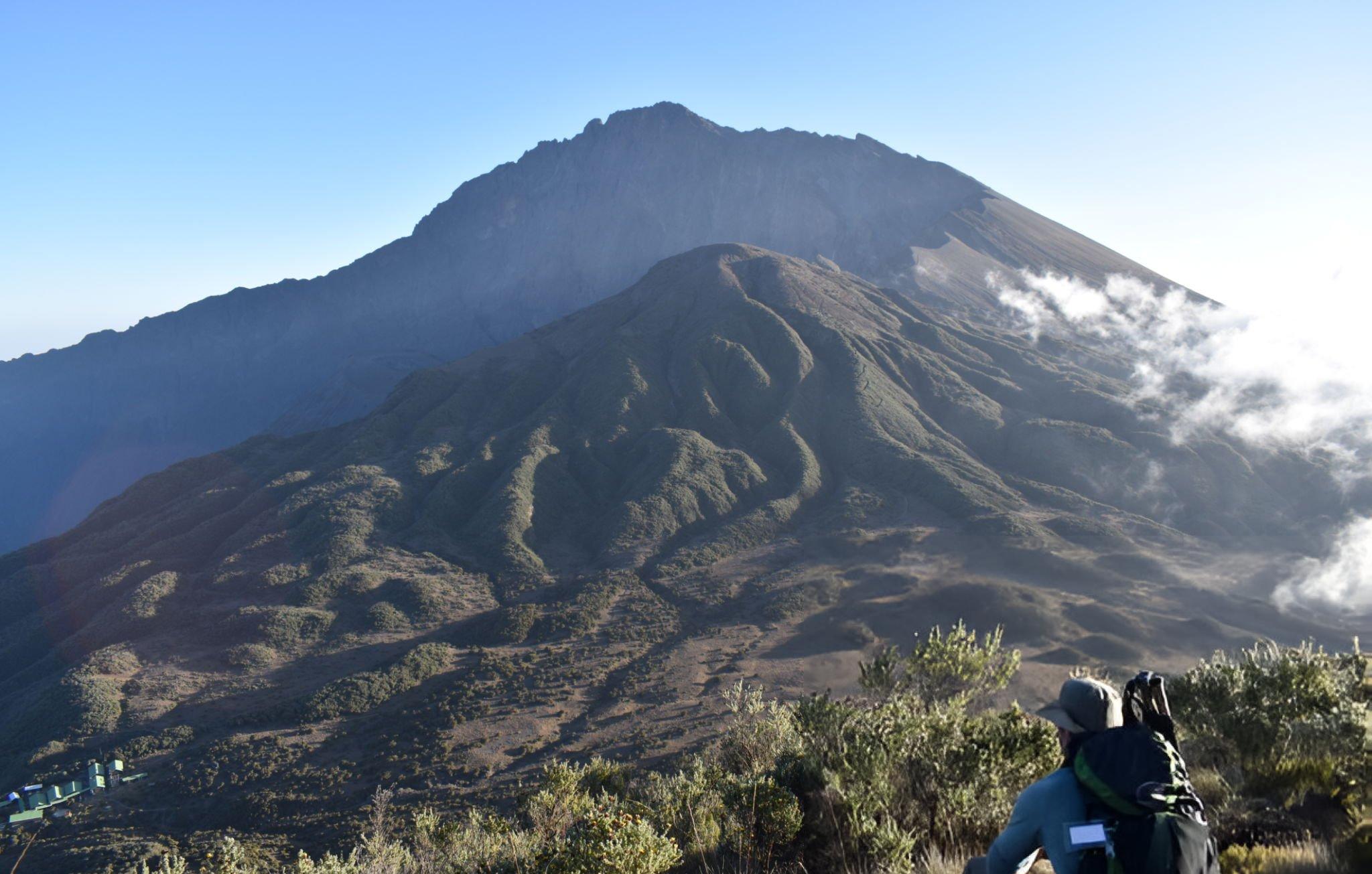
Traveling alone has become one of the most powerful ways to explore the world, discover personal strength, and create unforgettable memories. For many adventurers, Mount Kilimanjaro represents the perfect combination of challenge, beauty, and transformation. Rising 5,895 meters above sea level, Kilimanjaro is the highest mountain in Africa and the tallest free-standing mountain in the world. What makes it especially appealing to solo travelers is that it is a non-technical climb, meaning you do not need mountaineering experience to reach the summit. Instead, determination, preparation, and the right support system are the true keys to success. This is why Kilimanjaro Guide for Solo Travellers has become an essential topic among independent explorers searching for a meaningful and achievable adventure.
One of the biggest advantages of climbing Kilimanjaro as a solo traveler is the opportunity for personal growth. When you travel alone, you rely on yourself for decisions, motivation, and resilience. On the mountain, each step becomes a conversation with your inner strength. You learn how to manage discomfort, face fear, and push beyond perceived limits. Many solo travelers describe Kilimanjaro as a journey of self-discovery rather than just a physical challenge. The mountain environment naturally strips away distractions, leaving you with nothing but your thoughts, your breath, and your purpose. This mental clarity is one of the most profound rewards of the climb.
Another reason Kilimanjaro is ideal for solo travelers is the strong sense of community on the mountain. Although you may arrive alone, you will rarely feel lonely. Trekkers from all over the world share campsites, meals, and stories. Conversations flow easily, bonds form quickly, and friendships often last long after the climb is over. Professional guides, porters, and cooks become your support family, encouraging you through difficult moments and celebrating your achievements. At kili2sere Adventure we are looking extra miles to make sure every solo traveler feels welcomed, supported, and fully integrated into a positive and motivating team environment from the first day of the trek.
Safety is often a primary concern for solo travelers, and Kilimanjaro is considered one of the safest high-altitude trekking destinations in the world when climbed with a reputable operator. Tanzania has a long history of tourism, and Kilimanjaro National Park is well regulated. All climbers must use registered guides, which significantly reduces risk and ensures consistent safety standards. Reputable tour companies provide emergency oxygen, first aid kits, and trained mountain staff who know how to recognize and respond to altitude-related illnesses. Organizations such as the Tanzania National Parks Authority (TANAPA) offer detailed information about park regulations and safety guidelines at https://www.tanzaniaparks.go.tz, while general travel advice can be found at https://travel.state.gov.
Choosing to climb Kilimanjaro alone does not mean climbing without support. In fact, most solo travelers join small group departures, which offer the perfect balance between independence and companionship. You maintain your personal space and freedom while benefiting from shared logistics and group energy. This structure also makes Kilimanjaro more affordable, as costs such as guides, porters, and equipment are shared among participants. For budget-conscious solo travelers, this is an excellent way to access a world-class adventure without sacrificing safety or comfort.
Understanding why Kilimanjaro is uniquely suited for independent explorers is an important foundation of this Kilimanjaro Guide for Solo Travellers. The mountain’s accessibility, strong infrastructure, and supportive trekking culture create an environment where solo travelers can thrive. Unlike many remote peaks that require advanced technical skills, Kilimanjaro is primarily a long-distance hike, making it achievable for people with moderate fitness levels who commit to proper preparation.
The landscapes of Kilimanjaro also play a major role in its appeal. During the climb, you will pass through multiple ecological zones, including tropical rainforest, heath and moorland, alpine desert, and arctic summit zone. Each day feels like stepping into a new world. For solo travelers, this constant change keeps the experience fresh and inspiring. The rainforest is alive with birds and monkeys, while higher zones offer vast open spaces and dramatic volcanic scenery. Reaching the summit and witnessing sunrise over the African plains is a moment that many describe as spiritual.
Another powerful motivation for solo travelers is the symbolic nature of Kilimanjaro. It is often seen as a mountain of dreams, representing goals, courage, and transformation. Many people choose to climb after major life changes such as career transitions, personal losses, or the desire for a new beginning. Climbing alone allows you to fully connect with these personal intentions. Every step becomes a reminder of why you started and what you are capable of achieving.
Preparation is especially important for solo travelers. While group support is available, you must take personal responsibility for your fitness, gear, and mindset. Cardiovascular training, strength exercises, and long hikes with a backpack are highly recommended. Experts from outdoor organizations such as REI provide helpful training and gear advice at https://www.rei.com/learn/expert-advice. Medical guidance for high-altitude travel can be found at https://www.cdc.gov/travel, where travelers can learn about vaccinations and altitude sickness prevention.
Solo travelers also appreciate the flexibility Kilimanjaro offers. You can choose routes that match your preferred pace, scenery interests, and acclimatization needs. Popular routes such as Machame, Lemosho, and Northern Circuit are known for their scenic beauty and higher success rates due to longer itineraries. Longer routes give your body more time to adjust to altitude, which is especially beneficial for solo travelers who want to maximize their chances of reaching the summit safely.
The psychological aspect of climbing alone cannot be overstated. Summit night is the most demanding part of the climb, often involving six to eight hours of slow ascent in freezing temperatures and thin air. During these moments, self-talk becomes critical. Solo travelers often develop powerful inner dialogue, reminding themselves why they started and visualizing success. Guides play a crucial role by offering encouragement and monitoring your condition, but the ultimate drive comes from within.
This Kilimanjaro Guide for Solo Travellers emphasizes that solo does not mean unsupported. It means choosing a journey where you take ownership of your experience while being surrounded by professionals who prioritize your safety and success. At kili2sere Adventure we are looking extra miles to make sure every solo climber receives personalized attention, honest guidance, and a supportive atmosphere that builds confidence and trust.
Climbing Kilimanjaro alone also fosters a deep sense of gratitude. You become more aware of the effort behind every meal prepared by cooks, every tent pitched by porters, and every encouraging word from guides. This awareness often leads to meaningful connections and a greater appreciation for teamwork. Many solo travelers leave Kilimanjaro with not only a summit certificate but also a renewed respect for human cooperation and kindness.
Another important factor is cultural immersion. Interacting closely with local staff gives solo travelers unique insight into Tanzanian culture, traditions, and daily life. Learning a few Swahili phrases such as “pole pole” (slowly) and “asante sana” (thank you very much) can deepen these interactions. Cultural understanding adds an extra layer of richness to the adventure.
Financial planning is also part of preparation. Solo travelers should budget for the climb, tips, travel insurance, flights, visas, and personal gear. Comparison platforms such as https://www.skyscanner.com and https://www.kayak.com are useful for finding affordable flights, while travel insurance providers like https://www.worldnomads.com specialize in adventure coverage. Proper budgeting reduces stress and allows you to focus fully on the experience.
As you can see, Kilimanjaro is much more than a mountain. It is a journey of transformation that aligns perfectly with the spirit of solo travel. This Kilimanjaro Guide for Solo Travellers serves as a foundation for understanding why this iconic peak attracts independent adventurers from around the world. With the right preparation, mindset, and support, climbing Kilimanjaro alone becomes not only possible but deeply rewarding.
How to Plan, Prepare, and Successfully Climb Kilimanjaro as a Solo Traveler
Planning a solo climb of Mount Kilimanjaro requires a combination of careful research, realistic expectations, and strong personal commitment. Unlike casual vacations, a Kilimanjaro expedition involves physical effort, mental endurance, and logistical coordination. When approached correctly, however, it becomes one of the most rewarding adventures a solo traveler can experience. This section of the Kilimanjaro Guide for Solo Travellers focuses on the practical steps needed to transform your dream into a safe and successful reality.
The first stage of planning is choosing the right time of year to climb. Mount Kilimanjaro can technically be climbed year-round, but certain months offer better weather conditions. The most popular seasons are January to March and June to October, when rainfall is low and visibility is generally good. During these periods, trails are drier, and summit success rates are higher. Solo travelers often prefer these seasons because weather stability reduces uncertainty and improves overall comfort. Detailed seasonal information can be found on the official Tanzania tourism website at https://www.tanzaniatourism.go.tz.
After selecting your travel window, the next major decision is choosing the right route. Kilimanjaro has several established routes, each with unique characteristics. The Machame Route is popular for its scenery and good acclimatization profile. The Lemosho Route is known for its beauty and higher success rates due to its longer duration. The Marangu Route, often called the “Coca-Cola Route,” is the only route with hut accommodation, but it has a lower success rate because it is shorter. For solo travelers, longer routes are generally recommended because they allow more time for the body to adjust to altitude. Information about routes and success rates can be explored at https://www.kilimanjaro.com.
Selecting a reputable tour operator is one of the most critical steps in your preparation. All Kilimanjaro climbs must be conducted with licensed operators, and quality varies significantly between companies. A good operator should provide certified guides, proper safety equipment, nutritious meals, and fair treatment of porters. At kili2sere Adventure we are looking extra miles to make sure solo travelers receive professional guidance, personalized support, and a well-organized experience from arrival to departure.
Physical preparation is essential for a successful climb. While Kilimanjaro is a trekking peak and does not require technical climbing skills, it demands endurance. Solo travelers should begin training at least three months before departure. Training should focus on cardiovascular fitness, leg strength, and overall stamina. Activities such as hiking with a backpack, stair climbing, cycling, swimming, and long walks are highly beneficial. Incorporating strength training for the core and legs can also improve stability and reduce fatigue. Outdoor retailers such as REI provide excellent training resources at https://www.rei.com/learn/expert-advice.
Mental preparation is just as important as physical conditioning. Climbing Kilimanjaro involves long days of walking, basic living conditions, and exposure to cold and altitude. Solo travelers must cultivate patience, resilience, and a positive mindset. Visualization techniques, meditation, and setting clear personal intentions can strengthen mental readiness. Many climbers find it helpful to remind themselves why they chose this journey whenever they face difficult moments.
Another important aspect of preparation is assembling the right gear. Quality hiking boots, moisture-wicking clothing, thermal layers, waterproof outerwear, gloves, hats, and a warm sleeping bag are essential. Gear should be tested during training hikes to avoid discomfort on the mountain. Most operators provide tents, sleeping mats, and cooking equipment, but personal clothing and footwear are your responsibility. A detailed packing checklist is available at https://www.rei.com/learn/expert-advice/kilimanjaro-packing-list.html.
Health considerations should never be overlooked. Solo travelers should consult a healthcare provider before traveling to Tanzania to discuss recommended vaccinations and altitude sickness prevention. The Centers for Disease Control and Prevention offers updated travel health information at https://www.cdc.gov/travel. Travel insurance is mandatory for Kilimanjaro climbs and must cover high-altitude trekking and emergency evacuation. Companies such as https://www.worldnomads.com specialize in adventure travel insurance.
Visa and entry requirements must also be arranged in advance. Most travelers can obtain a Tanzanian tourist visa online or upon arrival. Your passport should be valid for at least six months beyond your travel dates. The official Tanzanian immigration website at https://visa.immigration.go.tz provides accurate information.
Once in Tanzania, solo travelers usually spend one night near Kilimanjaro before starting the climb. This allows time to rest after long flights, check equipment, and meet the trekking team. Pre-climb briefings are conducted to explain daily routines, safety procedures, and expectations. This orientation helps solo travelers feel confident and prepared.
During the climb, daily routines follow a steady rhythm. You wake early, have breakfast, hike for several hours, arrive at camp, eat, rest, and acclimatize. Guides monitor your health regularly and encourage slow, steady pacing. Drinking enough water and eating well are critical to maintaining energy levels. Listening to your body and communicating openly with guides is essential.
Acclimatization is the most important factor in summit success. Longer routes and gradual ascents allow the body to adapt to lower oxygen levels. Some itineraries include acclimatization hikes where you climb higher during the day and sleep lower at night. This technique significantly improves the chances of reaching the summit safely.
Summit night is the most challenging part of the journey. You typically start around midnight and climb for several hours in cold, windy conditions. The pace is slow, and mental strength becomes crucial. Solo travelers often draw motivation from personal goals, loved ones, or the simple desire to see the sunrise from Africa’s highest point. Reaching Uhuru Peak is an emotional moment that represents perseverance and self-belief.
This Kilimanjaro Guide for Solo Travellers emphasizes that success is not defined only by reaching the summit. Returning safely, healthy, and proud of your effort is equally important. Responsible operators prioritize safety over ambition and will recommend descent if a climber shows serious signs of altitude sickness.
After summiting, the descent is usually faster and physically demanding on the knees. Trekking poles are helpful for stability. Most climbers feel immediate relief as they descend to lower altitude. Celebration at the final camp and receiving a summit certificate mark the official completion of the climb.
Solo travelers often choose to extend their trip with a safari or beach holiday in Zanzibar. Tanzania is home to world-famous wildlife areas such as Serengeti National Park and Ngorongoro Crater. Travel inspiration can be found at https://www.tripadvisor.com.
At kili2sere Adventure we are looking extra miles to make sure every solo traveler feels supported not only on the mountain but throughout their entire Tanzanian journey.
Budgeting is another important planning element. Costs include the climb package, flights, visa, insurance, tips, and personal gear. Using flight comparison platforms like https://www.skyscanner.com and https://www.kayak.com can help find affordable options.
This Kilimanjaro Guide for Solo Travellers highlights that preparation, patience, and the right support system are the foundations of success. When you plan carefully and commit fully, climbing Kilimanjaro alone becomes an empowering life experience.
Ultimately, solo travel on Kilimanjaro is about trusting yourself, embracing challenges, and celebrating your strength. With the right mindset and professional support, your journey to the Roof of Africa can become one of the most meaningful adventures of your life.
Safety, Packing Essentials, and Practical Tips for Solo Travelers on Kilimanjaro
Safety is the foundation of any successful Kilimanjaro climb, especially for those traveling alone. While Mount Kilimanjaro is considered one of the safest high-altitude trekking destinations in the world, solo travelers must take additional responsibility for their own well-being. Understanding risks, preparing correctly, and choosing a reputable operator dramatically reduce potential problems. This section of the Kilimanjaro Guide for Solo Travellers focuses on the most important safety principles, packing essentials, and practical tips that ensure a smooth and secure experience from start to finish.
One of the most important safety decisions a solo traveler can make is selecting a professional and licensed tour operator. All climbs are legally required to be conducted with registered guides, but not all companies maintain the same standards. A reputable operator provides certified guides, emergency oxygen, first aid kits, satellite or radio communication, and trained staff capable of handling altitude-related emergencies. At kili2sere Adventure we are looking extra miles to make sure every solo traveler is protected by strict safety protocols, experienced mountain crews, and reliable support systems.
Altitude sickness is the primary medical risk on Kilimanjaro. It occurs when the body struggles to adapt to reduced oxygen levels at high altitude. Symptoms may include headache, nausea, dizziness, loss of appetite, fatigue, and difficulty sleeping. Severe cases can develop into life-threatening conditions such as High Altitude Pulmonary Edema (HAPE) or High Altitude Cerebral Edema (HACE). The best prevention methods include ascending slowly, choosing longer routes, staying well hydrated, eating properly, and listening to your guide’s instructions. The Centers for Disease Control and Prevention provides comprehensive information about altitude illness and prevention at https://www.cdc.gov/travel.
Solo travelers should always communicate honestly with guides about how they feel. Hiding symptoms in hopes of reaching the summit can be dangerous. Responsible guides prioritize health over summit success and will recommend descent if necessary. Remember, reaching the top is a goal, but returning safely is the true achievement.
Personal security is another common concern for solo travelers. Tanzania is generally a safe country, and Kilimanjaro National Park is heavily regulated. Most safety issues occur in cities rather than on the mountain. Simple precautions such as avoiding displaying expensive items, using hotel safes, and arranging airport transfers through your tour operator can significantly reduce risk. Travel advice and safety updates can be found at https://travel.state.gov.
Packing correctly is a major factor in comfort and safety on Kilimanjaro. Solo travelers should aim for a balance between having essential items and avoiding unnecessary weight. Quality hiking boots are the single most important piece of gear. They should be waterproof, well broken-in, and provide ankle support. Wearing new boots on the mountain often leads to blisters and discomfort. Moisture-wicking base layers, insulating mid-layers, and waterproof outer layers are necessary to handle changing temperatures.
Cold-weather gear is especially important for summit night. Temperatures can drop well below freezing, and wind chill makes it feel even colder. A warm insulated jacket, thermal pants, gloves, a hat, and a neck gaiter are essential. A sleeping bag rated to at least -10°C (14°F) is strongly recommended. Trekking poles help reduce strain on knees during descent and improve balance on uneven terrain.
Most operators provide tents, sleeping mats, dining tents, and cooking equipment, but personal items such as clothing, footwear, and daypacks are your responsibility. A detailed and trusted packing checklist can be found at https://www.rei.com/learn/expert-advice/kilimanjaro-packing-list.html.
Another important item for solo travelers is a well-stocked personal medical kit. This should include blister treatment, pain relievers, anti-diarrheal medication, personal prescriptions, and any altitude sickness medication prescribed by your doctor. Sunscreen, lip balm with SPF, and sunglasses are also essential due to intense UV exposure at high altitude.
Electronics and power management should be planned carefully. While some lodges have electricity, camps on the mountain do not. Bringing a high-capacity power bank ensures your phone or camera stays charged. Keeping electronics warm inside your sleeping bag at night helps preserve battery life.
Hydration is critical on Kilimanjaro. Solo travelers should aim to drink at least three to four liters of water per day. Operators typically provide boiled or treated water, but carrying purification tablets or a filtration system adds an extra layer of security. Dehydration increases the risk of altitude sickness and fatigue.
Nutrition also plays a key role in maintaining energy levels. Meals on Kilimanjaro are designed to be high in carbohydrates and easy to digest. Even if you lose appetite, it is important to eat small portions regularly. Energy bars, trail mix, and electrolyte powders can be helpful personal supplements.
This Kilimanjaro Guide for Solo Travellers also emphasizes the importance of travel insurance. Insurance must cover high-altitude trekking and emergency evacuation. Without proper coverage, evacuation costs can be extremely expensive. Providers such as https://www.worldnomads.com specialize in adventure travel insurance and offer policies suitable for Kilimanjaro climbers.
Female solo travelers often ask about safety and comfort on Kilimanjaro. The mountain is considered very safe for women traveling alone when using reputable operators. Many women climb Kilimanjaro solo every year and report positive experiences. Guides and porters are accustomed to working with international clients and generally maintain professional behavior. Choosing a company with strong ethical standards further enhances safety and comfort.
Money management is another practical consideration. Cash is needed for tips and small purchases. ATMs are available in major towns such as Moshi and Arusha, but not on the mountain. It is wise to withdraw sufficient cash before starting the climb and keep it in a secure money belt or pouch.
Communication with family and friends back home provides peace of mind. While mobile network coverage is limited on Kilimanjaro, some areas do have signal. Informing loved ones of your itinerary and expected return date helps reduce worry. Many operators also provide emergency contact information.
Mental safety is just as important as physical safety. Long days of walking, cold temperatures, and physical fatigue can affect mood and motivation. Solo travelers should practice positive self-talk and focus on small goals, such as reaching the next rest point rather than the summit itself. Remembering your personal reason for climbing can provide powerful motivation.
At kili2sere Adventure we are looking extra miles to make sure solo travelers feel emotionally supported as well as physically protected, creating an environment where confidence and trust can grow naturally.
Another important aspect of safety is respecting environmental regulations. Kilimanjaro is a protected national park, and all climbers must follow Leave No Trace principles. This includes carrying out all trash, staying on designated trails, and respecting wildlife. Conservation information is available at https://www.tanzaniaparks.go.tz.
This Kilimanjaro Guide for Solo Travellers highlights that safety is not a single action but a continuous process that starts with planning and continues throughout the climb. From choosing the right operator to packing wisely and listening to your body, every decision contributes to a safer experience.
Ultimately, solo travel on Kilimanjaro is about empowerment. By taking responsibility for your preparation and choices, you transform potential risks into manageable challenges. With the right mindset and professional support, Kilimanjaro becomes not only a safe destination but also a place of profound personal growth.
For solo travelers who prioritize safety, pack smart, and follow proven guidelines, Kilimanjaro offers one of the most rewarding and life-changing adventures in the world. This Kilimanjaro Guide for Solo Travellers serves as a trusted resource to help you approach the mountain with confidence, clarity, and excitement.
Costs, Routes, and Choosing the Best Kilimanjaro Experience as a Solo Traveler
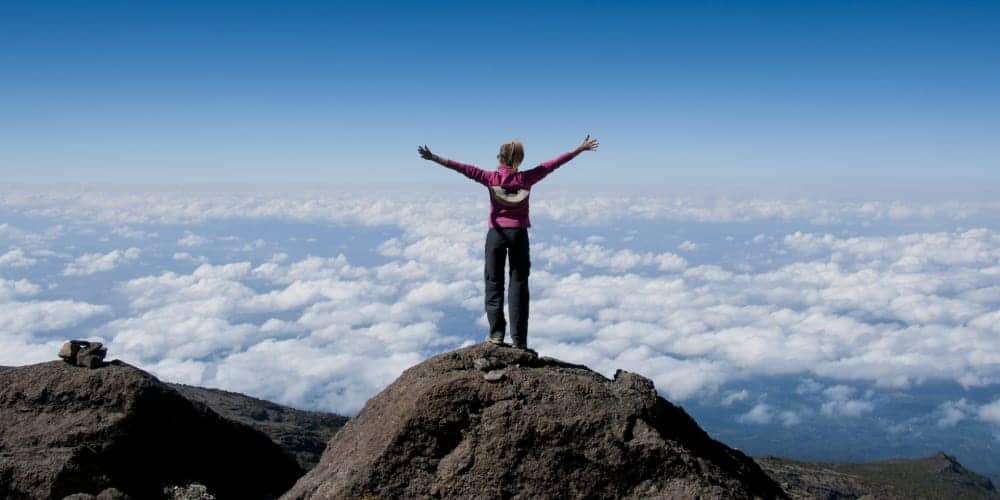
Understanding costs and route options is a crucial part of planning a successful Kilimanjaro climb, especially for solo travelers who must manage their budget carefully while still prioritizing safety and quality. Mount Kilimanjaro offers a wide range of trekking experiences, and prices can vary significantly depending on route choice, trip duration, group size, and level of service. This section of the Kilimanjaro Guide for Solo Travellers explains what solo travelers should expect to pay, how to evaluate value versus price, and how to select the route that best matches personal goals and fitness levels.
The cost of climbing Kilimanjaro typically includes park fees, camping or hut fees, guide and porter wages, food, tents, cooking equipment, rescue fees, and logistical support. These government fees alone make up a substantial portion of the total price. Tanzania National Parks Authority provides official information about park regulations and fees at https://www.tanzaniaparks.go.tz. Because of these fixed costs, extremely cheap Kilimanjaro packages are often a warning sign of poor safety standards or unethical porter treatment.
For solo travelers, joining a scheduled group departure is usually the most cost-effective option. Group climbs allow costs to be shared among participants, reducing the overall price compared to a private climb. However, private climbs offer greater flexibility in terms of itinerary and pace. The choice depends on personal preference and budget. At kili2sere Adventure we are looking extra miles to make sure solo travelers receive transparent pricing, fair wages for staff, and high-quality service regardless of whether they join a group or choose a private climb.
When evaluating prices, solo travelers should look beyond the headline figure. Important questions include: Does the price include airport transfers? Are meals, tents, and sleeping mats provided? Is emergency oxygen available? Does the company provide experienced guides and proper safety equipment? A slightly higher price often reflects better preparation, higher staff-to-client ratios, and stronger safety protocols. Websites such as https://www.kilimanjaro.com provide general guidance about what a quality Kilimanjaro package should include.
Route selection is one of the most important decisions in the planning process. Kilimanjaro has several established routes, each offering a different experience. The Machame Route is popular for its scenic beauty and good acclimatization profile. The Lemosho Route is widely considered one of the best options for solo travelers because it is longer, less crowded in the early stages, and has a high success rate. The Marangu Route is the only route with hut accommodation but is shorter and has lower success rates. The Rongai Route approaches from the north and is quieter than most other routes. The Northern Circuit is the longest route and offers excellent acclimatization and panoramic views.
For solo travelers, longer routes are generally recommended because they provide more time for the body to adjust to altitude. Better acclimatization significantly increases summit success rates and reduces the risk of altitude sickness. This Kilimanjaro Guide for Solo Travellers strongly encourages solo climbers to prioritize itinerary length over speed.
Another cost factor to consider is tipping. Tipping is customary on Kilimanjaro and forms an important part of the income for guides and porters. Solo travelers should budget for tips in advance and carry sufficient cash. Many operators provide tipping guidelines to help travelers plan appropriately.
Flights are another major expense. Prices vary depending on departure city, season, and booking time. Using comparison platforms such as https://www.skyscanner.com and https://www.kayak.com can help solo travelers find affordable options. Most international travelers fly into Kilimanjaro International Airport (JRO), which is conveniently located near Moshi and Arusha.
Accommodation before and after the climb is usually included in quality packages, but solo travelers should confirm this. Spending at least one night before and after the climb near Kilimanjaro allows time for rest, equipment checks, and recovery.
Travel insurance is a non-negotiable expense. Policies must cover high-altitude trekking and emergency evacuation. Providers such as https://www.worldnomads.com specialize in adventure travel insurance and are widely used by Kilimanjaro climbers.
Solo travelers should also consider additional experiences when budgeting. Many people choose to add a safari or a beach holiday in Zanzibar after the climb. Tanzania is famous for wildlife destinations such as Serengeti National Park and Ngorongoro Crater. Travel inspiration can be found at https://www.tanzaniatourism.go.tz and https://www.tripadvisor.com.
This Kilimanjaro Guide for Solo Travellers also emphasizes that the “best” route is subjective. Some solo travelers prioritize scenery, others want fewer crowds, and some focus on maximizing success rates. Understanding personal priorities helps narrow down options.
Crowds are another consideration. Routes such as Machame and Marangu are more popular and can be busy during peak season. Lemosho, Rongai, and Northern Circuit tend to be quieter, especially in the early stages. Solo travelers who value solitude often prefer these routes.
Weather patterns also influence route choice. The Rongai Route, located on the northern side of the mountain, is generally drier and can be a good option during the rainy seasons. Consulting with an experienced operator helps match route choice to travel dates.
At kili2sere Adventure we are looking extra miles to make sure solo travelers receive honest advice about route selection, realistic expectations, and itineraries that balance challenge with safety.
Another important factor is group size. Smaller groups often provide a more personalized experience and allow guides to closely monitor each climber’s condition. Solo travelers may prefer smaller groups to build stronger connections with fellow trekkers.
Value should always be prioritized over the lowest price. A well-organized climb with professional guides, proper equipment, and strong safety standards significantly increases the likelihood of a positive experience. Cutting corners to save money can lead to unnecessary risks.
This Kilimanjaro Guide for Solo Travellers highlights that investing in a quality climb is an investment in your safety, comfort, and overall experience. Kilimanjaro is not just a trip; it is a once-in-a-lifetime journey that deserves thoughtful planning.
Ultimately, understanding costs, choosing the right route, and working with a reputable operator are the pillars of a successful solo Kilimanjaro climb. When these elements come together, solo travelers can focus on what truly matters: enjoying the journey, embracing the challenge, and standing proudly on the Roof of Africa knowing they achieved something extraordinary.