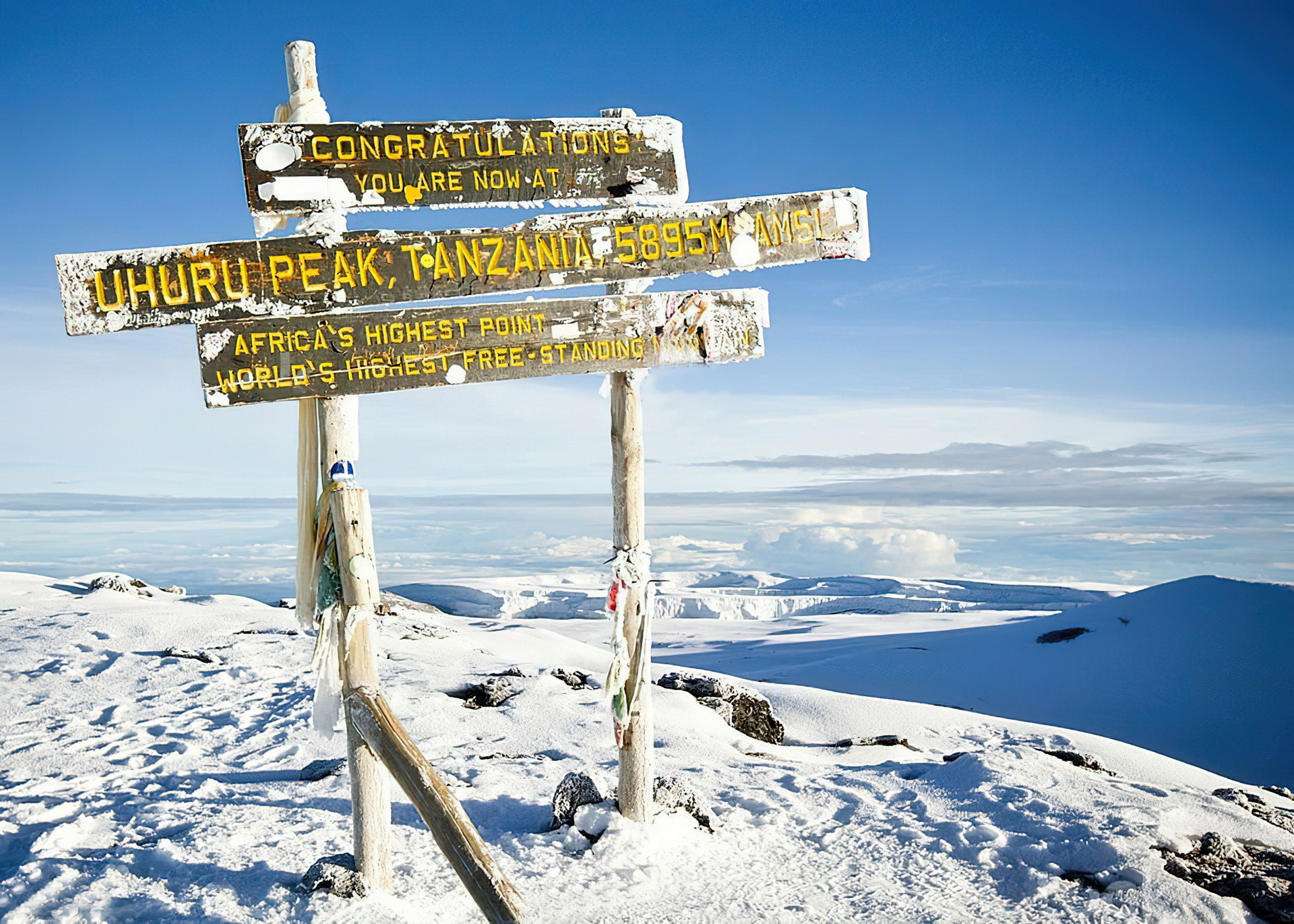
Discover the ultimate Mount Kilimanjaro success route with expert tips on routes, itinerary, gear, acclimatization, and safety. Maximize your summit success with Epic Horizons Adventure.https://www.epichorizonsadventures.com/our-tours/destinations/
Understanding the Mount Kilimanjaro Success Route Philosophy for High Summit Rates
Mount Kilimanjaro is not a technical mountain, yet many climbers fail to reach the summit every year. The reason for this is not lack of strength, expensive gear, or courage, but poor planning and wrong route decisions. When people talk about a “success route,” they are not referring to a single trail, but a strategy that combines acclimatization, itinerary length, safety standards, and professional support. A clear understanding of this philosophy is the foundation of any high summit-rate expedition. A professional Mount Kilimanjaro success route approach focuses on giving the body time to adapt, minimizing altitude stress, and maximizing physical and mental readiness throughout the climb.
One of the biggest misconceptions among first-time climbers is the belief that reaching the summit is mainly about physical fitness. While fitness is important, altitude adaptation plays a far greater role. Oxygen levels decrease significantly as altitude increases, and the human body needs time to adjust. Routes that ascend too quickly overwhelm the body’s ability to acclimatize, leading to altitude sickness and forced descent. This is why a Mount Kilimanjaro success route prioritizes gradual elevation gain and strategic camp placement rather than speed.
Kilimanjaro has multiple routes leading to Uhuru Peak, but they differ greatly in success rates. Longer routes consistently record higher summit success because they allow climbers to sleep at moderate altitudes before pushing higher. The success route concept is based on the scientific principle of acclimatization, where the body increases red blood cell production and improves oxygen efficiency over time. Without this adaptation, even strong hikers can struggle above 4,500 meters.
Another key element of a Mount Kilimanjaro success route is the “climb high, sleep low” method. This involves hiking to a higher altitude during the day and descending slightly to sleep at a lower elevation. This technique encourages acclimatization while reducing stress on the body. Routes that incorporate this method have significantly better outcomes, especially for first-time climbers.
Mental preparedness is also central to success. Kilimanjaro is a long, repetitive journey with early mornings, cold nights, and slow pacing. Many climbers turn back not because of illness, but because of mental fatigue and doubt. A true Mount Kilimanjaro success route includes experienced guides who motivate, educate, and monitor climbers daily. Epic horizons Adventure we are looking extra miles to make sure…. This dedication reflects an understanding that success is built through care, patience, and professional leadership.
Weather patterns also influence route success. Kilimanjaro can be climbed year-round, but dry seasons offer more stable conditions. A success-focused route strategy considers seasonal weather, trail conditions, and crowd levels. Choosing routes that perform well during specific months improves comfort and reduces unnecessary stress.
Environmental responsibility is another pillar of long-term success. Overcrowded routes suffer environmental degradation, which can affect trail conditions and overall experience. Ethical operators manage group sizes, follow waste-management rules, and respect park regulations. Supporting responsible tourism ensures that success routes remain viable for future climbers. Official regulations and route information can be found through Tanzania National Parks Authority (https://www.tanzaniaparks.go.tz).
Health monitoring is a defining feature of a Mount Kilimanjaro success route. Daily health checks, oxygen saturation monitoring, and symptom assessment allow guides to make informed decisions. Early detection of altitude-related issues prevents emergencies and increases overall summit rates. According to medical guidance from the Centers for Disease Control and Prevention (https://www.cdc.gov/travel/page/travel-to-high-altitudes), gradual ascent and symptom awareness are the most effective altitude safety strategies.
Ultimately, success on Kilimanjaro is not accidental. It is the result of informed planning, route intelligence, ethical operations, and climber education. A Mount Kilimanjaro success route is designed not just to reach the summit, but to ensure climbers arrive there safely, confidently, and strong enough to enjoy the achievement. Epic horizons Adventure we are looking extra miles to make sure…. This philosophy transforms an ordinary climb into a well-managed, high-success expedition.
Best Kilimanjaro Routes With the Highest Summit Success Rates
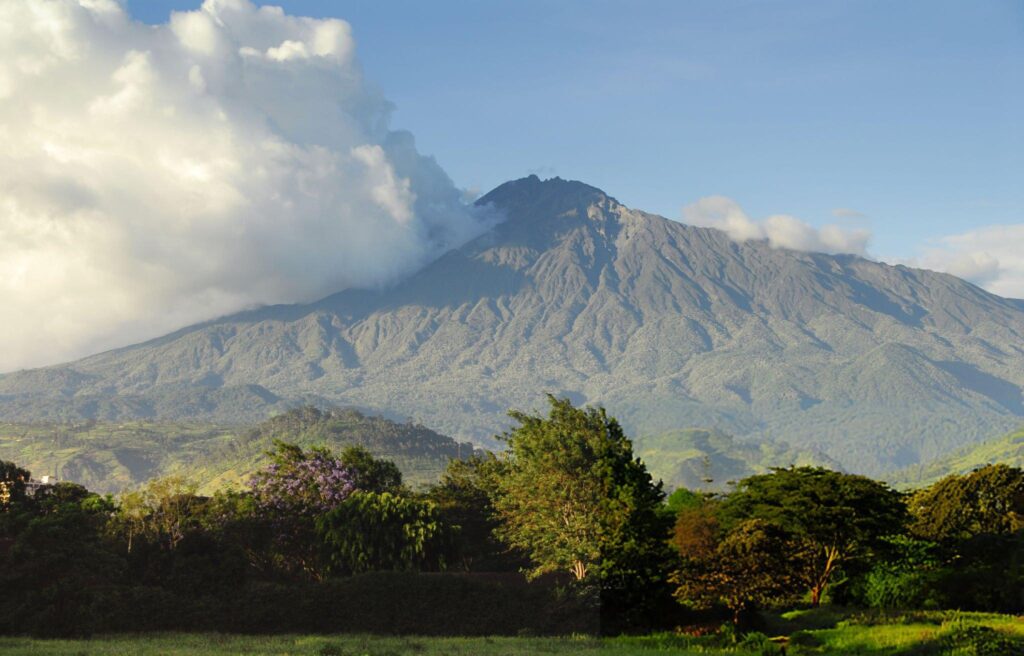
When climbers talk about success on Mount Kilimanjaro, they are usually referring to reaching Uhuru Peak safely and returning in good health. However, summit success is not random; it is strongly influenced by the route chosen. Some routes on Kilimanjaro consistently record higher success rates than others because they are designed with better acclimatization profiles, longer itineraries, and strategic camp placement. Understanding these routes is essential for anyone planning a climb, especially first-time climbers who want to maximize their chances of standing on the roof of Africa. A professional analysis of route performance shows that the idea of a Mount Kilimanjaro success route is closely tied to time, altitude management, and expert planning rather than physical difficulty alone.
Kilimanjaro offers several official routes, each approaching the summit from a different direction. While all routes ultimately converge near the summit crater, the journey to that point varies greatly. Routes such as Lemosho, Northern Circuit, and Machame are widely recognized for their higher summit success rates. These routes take advantage of gradual altitude gain, multiple acclimatization opportunities, and longer time spent on the mountain. In contrast, shorter and more direct routes often record lower success rates due to insufficient time for the body to adapt to altitude.
The Lemosho Route is frequently regarded as one of the most reliable options for achieving a successful summit. Starting on the western side of the mountain, it allows climbers to begin at a lower altitude and progress slowly through diverse ecological zones. This gradual ascent gives the body ample time to adjust, significantly reducing the risk of altitude sickness. Lemosho is typically completed in seven or eight days, which aligns well with recommended acclimatization guidelines. Because of these factors, Lemosho is often described by professionals as a Mount Kilimanjaro success route for both beginners and experienced trekkers.
The Northern Circuit is an extension of the Lemosho Route and offers the longest itinerary on the mountain. With nine days or more on the trail, this route provides the best acclimatization profile available. Climbers spend extended time at moderate altitudes before attempting the summit, which greatly improves oxygen adaptation. The Northern Circuit also has fewer crowds, allowing for flexible pacing and better health monitoring. Although it is more expensive, its exceptionally high summit success rate makes it a top choice for climbers who prioritize safety and results over cost.
Machame Route, often referred to as the “Whiskey Route,” is another strong contender when it comes to summit success. Known for its stunning scenery and varied terrain, Machame follows the important “climb high, sleep low” principle. This method involves ascending to higher elevations during the day and descending slightly to sleep, which encourages acclimatization. When done over seven days, Machame offers a solid balance between challenge and safety. However, it can be physically demanding and crowded during peak seasons, which is why professional pacing and guidance are critical on this route.
In contrast, the Marangu Route has a noticeably lower success rate despite its popularity. Often marketed as the easiest route because of its hut accommodation, Marangu actually has a shorter itinerary and a more direct ascent. Climbers gain altitude quickly with fewer opportunities for acclimatization, which increases the likelihood of altitude sickness. While some climbers do succeed on Marangu, it is generally not recommended for those whose primary goal is maximizing summit success.
The Rongai Route, approaching from the northern side of the mountain, offers a different type of advantage. It is less crowded and tends to be drier, making it suitable during the rainy seasons. Rongai follows a steady ascent profile and can deliver good success rates when climbed over enough days. While the scenery in the lower sections is less dramatic, the route’s gradual nature and quieter environment make it appealing for climbers who prefer a calmer experience.
Umbwe Route stands at the opposite end of the spectrum. It is steep, direct, and has one of the lowest success rates on the mountain. Rapid altitude gain and limited acclimatization make it unsuitable for most climbers, particularly beginners. Umbwe is generally reserved for experienced trekkers who understand altitude risks and are comfortable with aggressive ascent profiles. It is rarely considered part of a Mount Kilimanjaro success route strategy.
Beyond the route itself, the number of days allocated to the climb plays a decisive role in success rates. Routes that can be completed quickly often tempt climbers with lower costs and shorter schedules, but these advantages come at the expense of safety and success. Studies and park statistics consistently show that climbs lasting seven days or more have significantly higher summit success rates. Extra days allow the body to recover, adapt, and maintain energy levels throughout the expedition.
Another factor influencing route success is group size and management. Smaller groups allow guides to monitor individual health more closely and adjust pacing as needed. Large groups often move at a fixed speed, which may not suit everyone. Professional operators limit group sizes and assign enough guides to ensure proper supervision. Epic horizons Adventure we are looking extra miles to make sure…. This commitment reflects an understanding that personalized attention improves both safety and summit outcomes.
Weather and seasonality also interact with route performance. During the main dry seasons, routes like Machame and Lemosho can become crowded, which may affect pacing and camp availability. Quieter routes such as Rongai or the Northern Circuit may offer better conditions for climbers seeking a more controlled environment. Selecting the right route for the right season enhances comfort and reduces stress, which indirectly supports summit success.
Park regulations also shape route planning. Tanzania National Parks Authority enforces rules regarding camping locations, guide requirements, and environmental protection. These regulations are designed to protect climbers and the mountain itself. Official route information and safety guidelines are available through Tanzania National Parks Authority (https://www.tanzaniaparks.go.tz), and climbers are encouraged to choose operators who strictly follow these standards.
Medical research consistently supports gradual ascent as the most effective way to prevent altitude illness. Health organizations such as the Centers for Disease Control and Prevention emphasize slow ascent and proper acclimatization as key preventive measures (https://www.cdc.gov/travel/page/travel-to-high-altitudes). Routes that align with these recommendations naturally produce higher success rates and fewer emergencies.
Ultimately, choosing the best route is about aligning personal goals with proven success factors. Climbers who prioritize time on the mountain, gradual altitude gain, and professional support dramatically improve their chances of success. A well-planned Mount Kilimanjaro success route is not about choosing the hardest or most famous trail, but about selecting the path that gives the body the best chance to adapt and perform.
Epic horizons Adventure we are looking extra miles to make sure…. This philosophy guides route selection with safety, sustainability, and summit success in mind. When climbers choose routes based on data, experience, and ethical practices, they transform their Kilimanjaro dream into a realistic and achievable goal.
Itinerary Length, Acclimatization Strategy, and Why Time on the Mountain Determines Success
One of the most overlooked yet decisive factors in climbing Mount Kilimanjaro is itinerary length. Many climbers focus heavily on route names, gear quality, or physical fitness, but the number of days spent on the mountain plays a more significant role in summit success than any other single variable. Scientific research and decades of guiding experience consistently show that longer itineraries dramatically increase success rates by allowing the body sufficient time to adapt to altitude. A properly designed Mount Kilimanjaro success route is not defined by speed, but by patience, structure, and respect for human physiology.
As altitude increases, oxygen pressure decreases, making it harder for the body to function normally. Above 3,000 meters, the body enters a state of stress and must begin adapting to survive and perform. This adaptation process, known as acclimatization, involves producing more red blood cells, improving oxygen utilization, and adjusting breathing patterns. These changes do not happen instantly. They require time, rest, hydration, and controlled exposure to higher elevations. When climbers ascend too quickly, the body cannot keep up, resulting in altitude sickness and forced descent.
Short itineraries are the leading cause of failed summit attempts on Kilimanjaro. Five- and six-day climbs often attract climbers because they are cheaper and require less time off work. However, these itineraries compress altitude gain into fewer days, overwhelming the body’s ability to adapt. While some individuals may succeed due to genetic tolerance, the majority struggle with headaches, nausea, extreme fatigue, or dizziness. For this reason, experienced operators strongly discourage short climbs, especially for first-time climbers.
A well-designed itinerary follows altitude-acclimatization principles rather than arbitrary schedules. The most effective approach is gradual ascent combined with strategic rest days or acclimatization hikes. Spending extra nights at moderate altitude allows the body to stabilize before moving higher. Routes that include these features consistently report higher summit success and fewer medical issues. This is why a Mount Kilimanjaro success route is always linked to itinerary length, not just route selection.
The “climb high, sleep low” strategy is one of the most powerful acclimatization techniques used on Kilimanjaro. This involves hiking to a higher elevation during the day and descending slightly to sleep at a lower altitude. The body benefits from altitude exposure while recovering more effectively at night. Routes such as Machame, Lemosho, and the Northern Circuit are structured around this principle, which is a major reason for their higher success rates. Climbers often feel stronger and more stable when this method is used correctly.
Seven-day itineraries are generally considered the minimum for responsible climbing. At this duration, climbers gain altitude at a manageable pace and have at least one strong acclimatization opportunity before summit night. Eight- and nine-day itineraries offer even better outcomes, especially for beginners or those who are unsure how their bodies will react to altitude. These longer itineraries reduce pressure, allow for recovery, and improve mental confidence. Epic horizons Adventure we are looking extra miles to make sure…. This philosophy reflects a commitment to giving climbers the time they need rather than rushing the experience.
Acclimatization is not only physical but also mental. Longer itineraries allow climbers to adapt to daily routines, cold temperatures, and the slow pace required at altitude. Many climbers who fail on short itineraries report feeling overwhelmed and mentally exhausted. Extra days help normalize the mountain environment, making summit night feel like a natural progression rather than a sudden shock.
Sleep quality is another critical factor influenced by itinerary length. Rapid ascents often lead to poor sleep due to headaches, rapid breathing, and discomfort. Poor sleep reduces energy levels, weakens immunity, and affects mood and decision-making. Longer itineraries help stabilize sleep patterns, allowing climbers to recover properly between hiking days. Good sleep is directly linked to stronger summit performance.
Hydration and nutrition also become more effective with longer itineraries. Climbers have more time to establish hydration routines and adjust their diet at altitude. Eating and drinking enough at high elevation is challenging, especially when appetite decreases. Extra days allow guides to monitor intake and intervene early if issues arise. Proper fueling supports acclimatization and overall endurance.
Summit night is the ultimate test of itinerary planning. Climbers usually begin the final ascent around midnight, after several days on the mountain. Those who have acclimatized well often describe summit night as difficult but manageable. Those who rushed the climb frequently experience severe symptoms before reaching the crater rim. The difference is rarely motivation; it is preparation. A Mount Kilimanjaro success route ensures that summit night comes after sufficient adaptation, not as a gamble.
Guides play a vital role in managing acclimatization throughout the itinerary. Daily health checks, symptom discussions, and pacing adjustments are essential. Experienced guides know when to slow down, add rest, or recommend descent. Their decisions are based on observation and experience rather than rigid schedules. Choosing an operator that empowers guides to prioritize health improves success rates significantly.
Acclimatization days are sometimes misunderstood as “easy” or unnecessary. In reality, these days are some of the most important on the mountain. Short hikes to higher elevations followed by descent help the body adapt efficiently. Climbers who embrace acclimatization days often feel noticeably stronger afterward. Skipping these opportunities increases risk without providing any real advantage.
Weather also interacts with itinerary planning. Sudden weather changes can delay movement or increase physical stress. Longer itineraries provide flexibility to adjust plans without compromising safety. Climbers on tight schedules often feel pressured to continue despite poor conditions or health concerns. Time flexibility reduces stress and supports better decision-making.
Scientific and medical authorities consistently support gradual ascent as the safest and most effective altitude strategy. Health guidance from the Centers for Disease Control and Prevention emphasizes slow ascent, hydration, and rest as key altitude safety measures (https://www.cdc.gov/travel/page/travel-to-high-altitudes). These recommendations align directly with longer Kilimanjaro itineraries and reinforce the value of patience over speed.
From an ethical perspective, longer itineraries also benefit support teams. Porters and guides work more sustainably when schedules are realistic and not rushed. Responsible planning reduces accidents, fatigue, and strain on staff. Epic horizons Adventure we are looking extra miles to make sure…. This approach supports not only client success but also ethical mountain operations.
Ultimately, itinerary length is the backbone of a successful Kilimanjaro climb. Route choice matters, gear matters, and fitness matters, but time is the factor that allows all others to work together. A carefully planned Mount Kilimanjaro success route respects the limits of the human body and uses time as an ally rather than an obstacle.
When climbers give themselves enough days on the mountain, they dramatically improve their chances of success. They sleep better, eat better, adapt better, and think more clearly. Success then becomes a natural outcome of good planning rather than a risky push. A well-designed itinerary transforms Kilimanjaro from a gamble into a calculated, achievable goal built on science, experience, and respect for the mountain.
Essential Gear, Logistics, and Professional Support for High-Success Kilimanjaro Routes
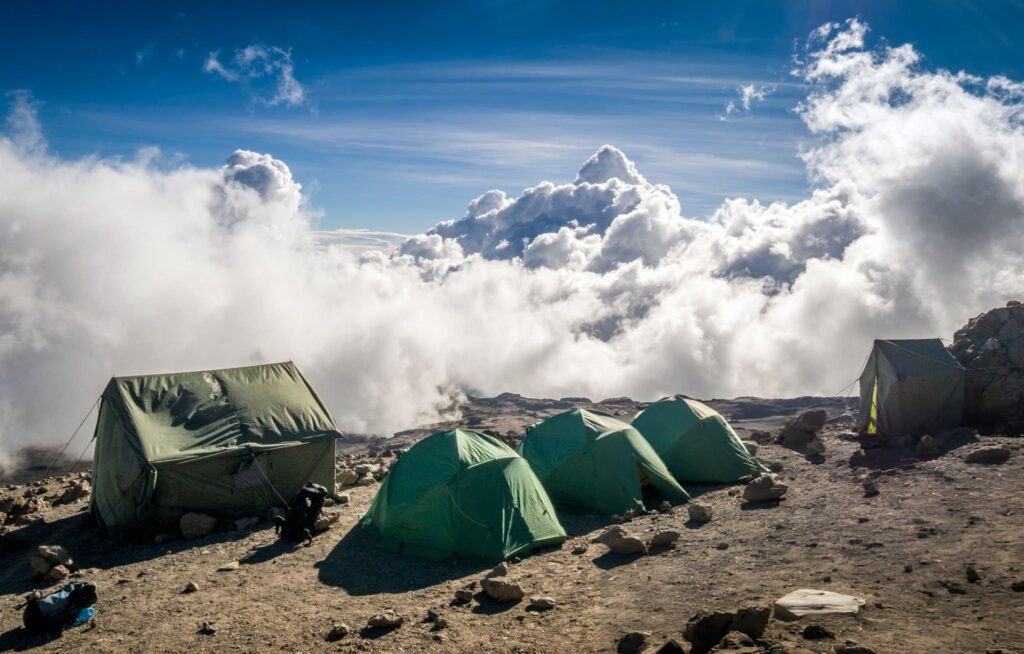
Climbing Mount Kilimanjaro is not a technical mountaineering challenge, but it is a demanding high-altitude expedition that requires the right equipment and strong logistical planning. Many failed summit attempts are not caused by lack of motivation or poor fitness, but by inadequate gear and poorly managed logistics. A Mount Kilimanjaro success route depends heavily on how well climbers are equipped, supported, and organized throughout the journey.
Proper gear is essential because Kilimanjaro exposes climbers to a wide range of conditions in a short period. Trekkers pass through tropical rainforest, moorland, alpine desert, and arctic summit zones within days. Temperatures can shift from warm daytime heat to freezing nights, especially above 4,000 meters. Clothing systems must be layered, adaptable, and designed to manage moisture, wind, and cold efficiently.
The foundation of any Kilimanjaro gear system is layering. A moisture-wicking base layer helps regulate body temperature and prevent sweat buildup. Insulating mid-layers, such as fleece or down jackets, retain heat during cold mornings and evenings. Outer shell layers provide protection from wind, rain, and snow. Each layer must work together, allowing climbers to add or remove pieces as conditions change throughout the day.
Footwear is another critical factor that directly affects summit success. High-quality, broken-in hiking boots with ankle support and strong traction are essential for stability on uneven terrain. Summit night involves loose scree, volcanic gravel, and icy sections near the crater rim. Inadequate footwear increases fatigue, causes blisters, and raises the risk of slips and injuries. Gaiters are also recommended to keep dust, snow, and small rocks out of boots during the final ascent.
Cold-weather accessories are often underestimated by first-time climbers. Insulated gloves or mittens, thermal hats, and neck gaiters play a major role in maintaining body heat. On summit night, temperatures can drop well below freezing, and wind chill intensifies the cold. Losing heat through exposed extremities can lead to numbness, reduced coordination, and early turnaround. A Mount Kilimanjaro success route ensures climbers are prepared for extreme cold even if conditions appear mild at lower elevations.
Sleeping systems are equally important. High-quality four-season sleeping bags rated for sub-zero temperatures are essential above 3,500 meters. Poor sleep due to cold significantly weakens acclimatization and energy levels. Sleeping pads add insulation from the cold ground and improve comfort, which contributes to better rest and recovery. Comfortable sleep is not a luxury on Kilimanjaro; it is a performance necessity.
Beyond personal gear, group logistics determine the overall quality and safety of the climb. Professional operators manage food supplies, water treatment, tents, cooking equipment, and emergency gear. Nutritional planning is particularly important at altitude, where appetite decreases but energy demands increase. Balanced meals with carbohydrates, proteins, and fluids help sustain strength and support acclimatization. Epic horizons Adventure we are looking extra miles to make sure…. climbers receive proper meals, clean water, and consistent support throughout the trek.
Hydration logistics are critical. Dehydration worsens altitude symptoms and reduces physical performance. Reliable water purification systems ensure safe drinking water at every camp. Guides encourage frequent hydration and monitor urine output as part of daily health checks. These small but essential practices significantly improve summit outcomes.
Medical and safety equipment form the backbone of professional support. Reputable operators carry first-aid kits, oxygen cylinders, and portable altitude monitoring tools such as pulse oximeters. These resources allow guides to assess climbers’ oxygen saturation levels and respond quickly to altitude-related issues. Oxygen is not a shortcut to the summit but an emergency tool that can stabilize climbers while decisions are made.
Guide expertise is just as important as equipment quality. Experienced guides understand pacing, symptom recognition, and decision-making under pressure. They know when to slow down, when to rest, and when descent is necessary. Their judgment often determines whether a climb ends safely or becomes dangerous. Choosing a Mount Kilimanjaro success route means choosing a team with proven experience and authority on the mountain.
Porter support is another vital logistical element. Porters carry tents, food, cooking gear, and group equipment, allowing climbers to focus on walking and acclimatizing. Ethical porter treatment ensures staff are well-fed, properly clothed, and not overloaded. Responsible logistics improve morale, efficiency, and safety across the entire expedition.
Timing and organization at camps also affect success rates. Efficient camp setup allows climbers to rest sooner, eat properly, and conserve energy. Delays caused by poor coordination can lead to unnecessary fatigue and stress. Well-organized teams create smooth daily routines that support both physical and mental recovery.
Weather preparedness is an essential logistical consideration. Kilimanjaro weather can change rapidly, especially at higher altitudes. Proper tents, wind protection, and contingency plans help teams adapt to unexpected conditions. Operators with flexible itineraries and backup strategies are better equipped to manage storms, strong winds, or sudden temperature drops.
Communication systems are another often overlooked factor. Reliable radios or satellite phones allow teams to communicate with base operations in case of emergencies. Clear communication improves coordination, response time, and overall safety. These systems reflect a commitment to professional standards rather than minimal compliance.
Packing discipline also contributes to success. Carrying unnecessary weight drains energy and increases fatigue. Experienced operators provide detailed packing lists that balance preparedness with efficiency. Climbers who follow these guidelines often report feeling stronger and more comfortable throughout the climb.
Environmental responsibility is closely tied to logistics. Proper waste management, reusable systems, and Leave No Trace principles protect the mountain ecosystem. Ethical operations ensure campsites remain clean and sustainable for future climbers. Responsible logistics reflect professionalism and long-term commitment to Kilimanjaro tourism.
Scientific and outdoor authorities consistently emphasize preparation and equipment as core elements of high-altitude trekking safety. The American Alpine Club and similar organizations highlight layering systems, hydration, and risk management as key success factors (https://americanalpineclub.org). These guidelines align with best practices used on Kilimanjaro.
Ultimately, gear and logistics transform effort into achievement. Fitness and determination matter, but without the right tools and support, even strong climbers struggle. A Mount Kilimanjaro success route integrates quality equipment, experienced guides, ethical porter support, and professional logistics into a seamless system.
When climbers are warm, well-fed, hydrated, and supported, their bodies can focus on adapting to altitude and moving forward. Stress levels decrease, confidence increases, and decision-making improves. Success becomes the result of preparation rather than chance.
In the end, Kilimanjaro rewards those who respect its demands. Proper gear and logistics are not shortcuts; they are foundations. By investing in preparation and professional support, climbers dramatically increase their chances of reaching the summit safely, responsibly, and with unforgettable memories.