Mount Meru guided tours vs solo trekking explained in depth. Compare safety, cost, experience level, and trip goals to choose the best Mount Meru climb option.https://www.epichorizonsadventures.com/our-tours/destinations/
Understanding Mount Meru and Why the Choice Between Guided Tours and Solo Trekking Matters
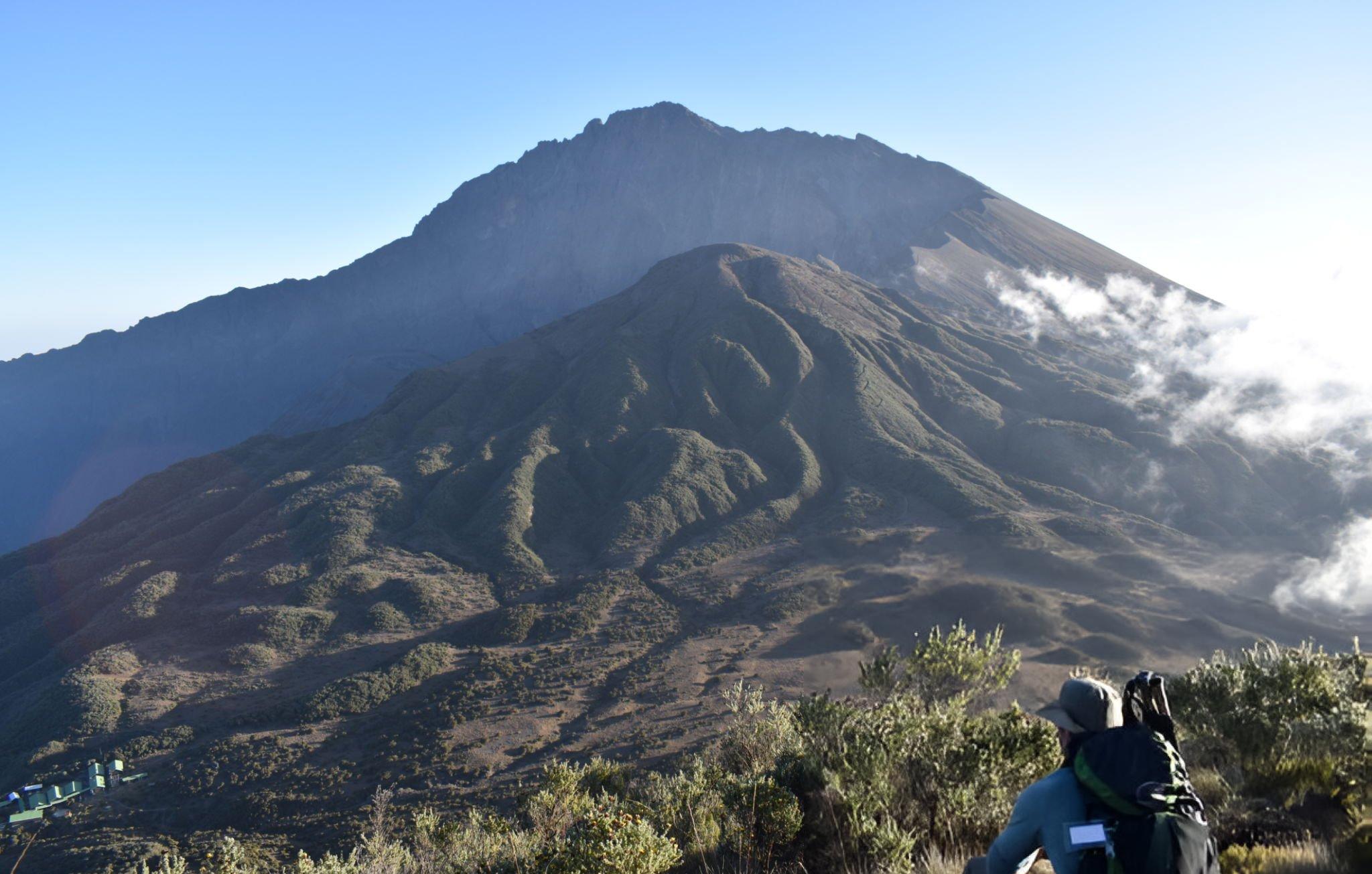
Mount Meru is one of Africa’s most underestimated trekking destinations, yet it stands proudly as Tanzania’s second-highest mountain at 4,566 meters above sea level. Located within Arusha National Park, Mount Meru offers a rare combination of dramatic volcanic landscapes, rich biodiversity, and high-altitude trekking that rivals more famous peaks such as Mount Kilimanjaro. For travelers planning an adventure in northern Tanzania, understanding the mountain itself is the foundation for making an informed decision between mount meru guided tours vs solo trekking, a choice that directly impacts safety, legality, cost, and overall experience.
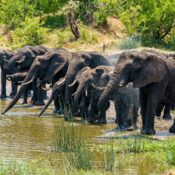
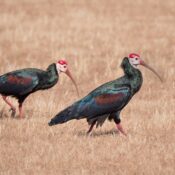
Unlike many trekking mountains around the world, Mount Meru is not simply a hiking destination—it is a protected conservation area governed by strict national park regulations. Arusha National Park is home to a wide range of wildlife including giraffes, buffaloes, colobus monkeys, baboons, antelopes, and occasionally elephants and leopards. This wildlife presence is one of the mountain’s biggest attractions, but it is also the reason trekking on Mount Meru is tightly controlled. All climbers are required by Tanzania National Parks Authority (TANAPA) to be accompanied by an armed ranger throughout the trek. This legal requirement alone significantly shapes the debate around mount meru guided tours vs solo, as it limits what “solo trekking” truly means on this mountain.
From a geographical perspective, Mount Meru is a massive stratovolcano with a collapsed eastern flank that creates one of the most dramatic crater views in East Africa. The trail ascends through multiple ecological zones, starting from open grassland and montane forest, moving into heath and moorland, and finally reaching alpine desert conditions near the summit. Each zone presents unique challenges, including changing temperatures, varying oxygen levels, and unpredictable weather. These environmental shifts are critical factors when evaluating mount meru guided tours vs solo, as they require both physical preparedness and informed decision-making.
Altitude is another major element that makes Mount Meru both attractive and dangerous. While it is slightly lower than Kilimanjaro, it still reaches a height where Acute Mountain Sickness (AMS) can occur. Symptoms such as headaches, nausea, dizziness, and fatigue are common among climbers who ascend too quickly or fail to hydrate properly. Guided treks typically follow carefully designed itineraries that allow for proper acclimatization, while solo trekkers must rely solely on their own knowledge and discipline. This difference plays a crucial role in the success rate of summit attempts and strongly influences the conversation around mount meru guided tours vs solo.
Weather conditions on Mount Meru can change rapidly, especially at higher elevations. Clear mornings can turn into cold, windy afternoons, and sudden fog can reduce visibility to just a few meters. During the rainy seasons, trails can become slippery and dangerous. Experienced guides understand these patterns and know when to adjust pace or timing. Solo trekkers, particularly those unfamiliar with the region, may underestimate these risks. Epic horizons Adventure we are looking extra miles to make sure…. every climber receives accurate weather guidance and route planning based on real-time mountain conditions.
Another critical factor is navigation. While Mount Meru has established trails, it is not uncommon for visibility to be compromised by fog or heavy cloud cover, especially near the crater rim and summit ridge. In such conditions, even well-marked paths can become confusing. Guided teams rely on local knowledge built over years of experience, while solo trekkers must depend on GPS devices, maps, or prior research. This contrast further deepens the practical differences between mount meru guided tours vs solo trekking.
Mount Meru is also widely used as an acclimatization climb for travelers preparing to summit Mount Kilimanjaro. Many professional climbers and tour operators recommend Meru as an ideal warm-up mountain due to its steady ascent profile and challenging summit day. Because of this role, safety standards on Mount Meru are particularly emphasized by park authorities. Choosing between guided and independent styles is not just a matter of preference but a decision that affects long-term trekking goals, especially for those planning multiple climbs in Tanzania.
From a conservation and responsible tourism perspective, guided tours contribute directly to the local economy. Guides, porters, cooks, park rangers, and accommodation staff all benefit from organized trekking operations. This economic impact helps sustain conservation efforts within Arusha National Park. Travelers who choose guided options are indirectly supporting wildlife protection and community livelihoods. These ethical considerations are increasingly important for modern travelers researching mount meru guided tours vs solo experiences online.
For credibility and search engine trust, authoritative references strongly emphasize regulated trekking on Mount Meru. Reliable sources include:
- Tanzania National Parks Authority: https://www.tanzaniaparks.go.tz
Citing such sources not only improves content authority but also aligns with Google’s EEAT (Experience, Expertise, Authority, Trust) principles—a key requirement for ranking competitive tourism keywords.
In summary, Mount Meru is not a mountain to be underestimated or approached casually. Its wildlife environment, altitude challenges, rapidly changing weather, and strict legal framework make preparation essential. Understanding these foundational elements is the first step toward making a smart and safe decision. When travelers fully grasp the nature of the mountain, the debate around mount meru guided tours vs solo becomes clearer, more informed, and rooted in real-world conditions rather than assumptions or marketing hype.
Mount Meru Guided Tours – Safety, Expertise, and Structured Experiences
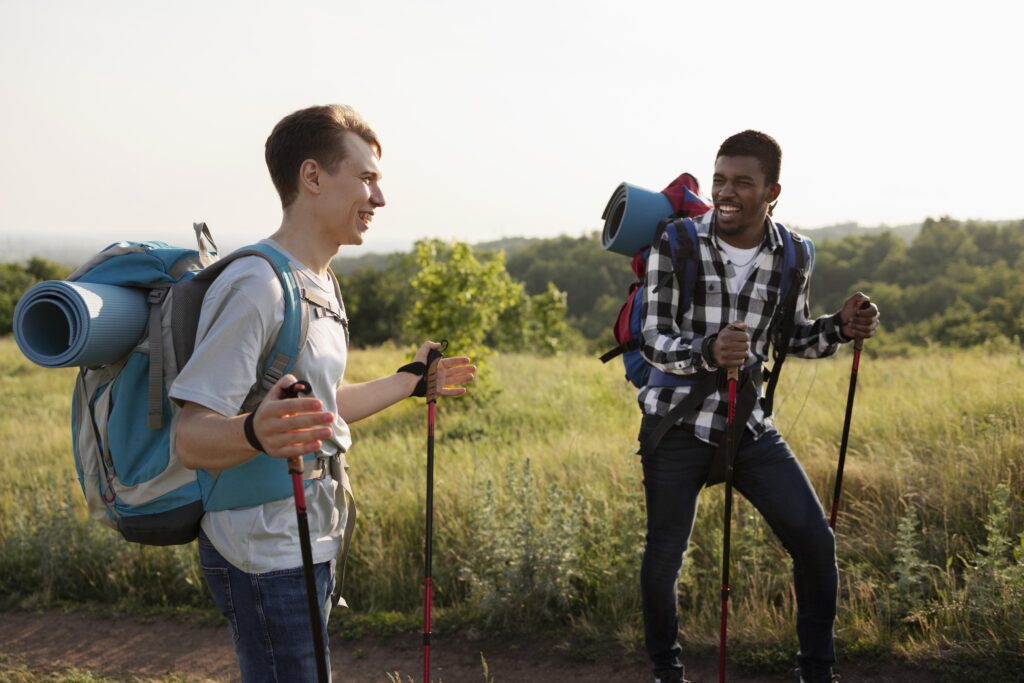
Choosing a guided trek on Mount Meru is widely regarded as the safest, most reliable, and most rewarding way to experience this iconic Tanzanian mountain. For the majority of travelers—especially international visitors—the comparison of mount meru guided tours vs solo quickly becomes a question of risk management, professional support, and overall quality of the trekking experience. Guided tours are designed not only to help climbers reach the summit but to ensure that every stage of the journey is handled with expertise and care.
One of the most important advantages of guided tours on Mount Meru is safety. The mountain lies within Arusha National Park, a protected wildlife area where encounters with large animals are possible, particularly in the lower forest zones. Professional trekking companies work directly with park authorities to ensure that armed rangers accompany every climb, as required by law. Guides are trained to recognize animal behavior, respond appropriately to wildlife encounters, and coordinate closely with rangers. This level of preparedness is a critical factor when weighing mount meru guided tours vs solo, as wildlife risk is not something that can be mitigated through equipment alone.
Medical preparedness is another major strength of guided trekking. High-altitude environments place significant stress on the human body, and Mount Meru is no exception. Professional guides are trained to recognize early symptoms of Acute Mountain Sickness (AMS), dehydration, hypothermia, and exhaustion. They monitor climbers daily, adjust walking pace, and make informed decisions about whether to continue, rest, or descend. In contrast, solo trekkers must rely entirely on self-assessment, which can be dangerously unreliable at altitude. This medical oversight is one of the strongest arguments in favor of guided trekking when analyzing mount meru guided tours vs solo options.
Guided tours also excel in logistical organization. From the moment a trek begins, every detail is managed professionally: park permits, entry fees, hut reservations, food supplies, cooking equipment, porter coordination, and waste management. Climbers do not need to worry about paperwork, timing, or compliance with park regulations. This structure reduces stress and allows trekkers to focus fully on the physical and mental experience of climbing. Epic horizons Adventure we are looking extra miles to make sure…. all logistics are handled smoothly so that clients experience the mountain without unnecessary complications.
Another key advantage of guided tours is route knowledge and decision-making. Mount Meru’s trails pass through varied terrain, including forest paths, rocky ridges, and exposed summit sections. Weather conditions can change rapidly, and poor decisions can lead to exhaustion or failure to summit. Experienced guides understand seasonal patterns, daily weather shifts, and safe turnaround times. Their judgment is based on years of firsthand experience rather than assumptions. This expertise strongly influences success rates and is a central theme in discussions about mount meru guided tours vs solo trekking.
Guided trekking also provides an educational dimension that solo experiences often lack. Professional guides explain the geological history of Mount Meru as a dormant stratovolcano, describe the unique plant species found in different altitude zones, and share insights into local wildlife behavior. Cultural stories, local traditions, and conservation challenges are often woven into the journey, turning the climb into a deeper learning experience. For travelers seeking more than just a physical challenge, this enrichment adds immense value and often tips the scale in favor of guided options in the mount meru guided tours vs solo debate.
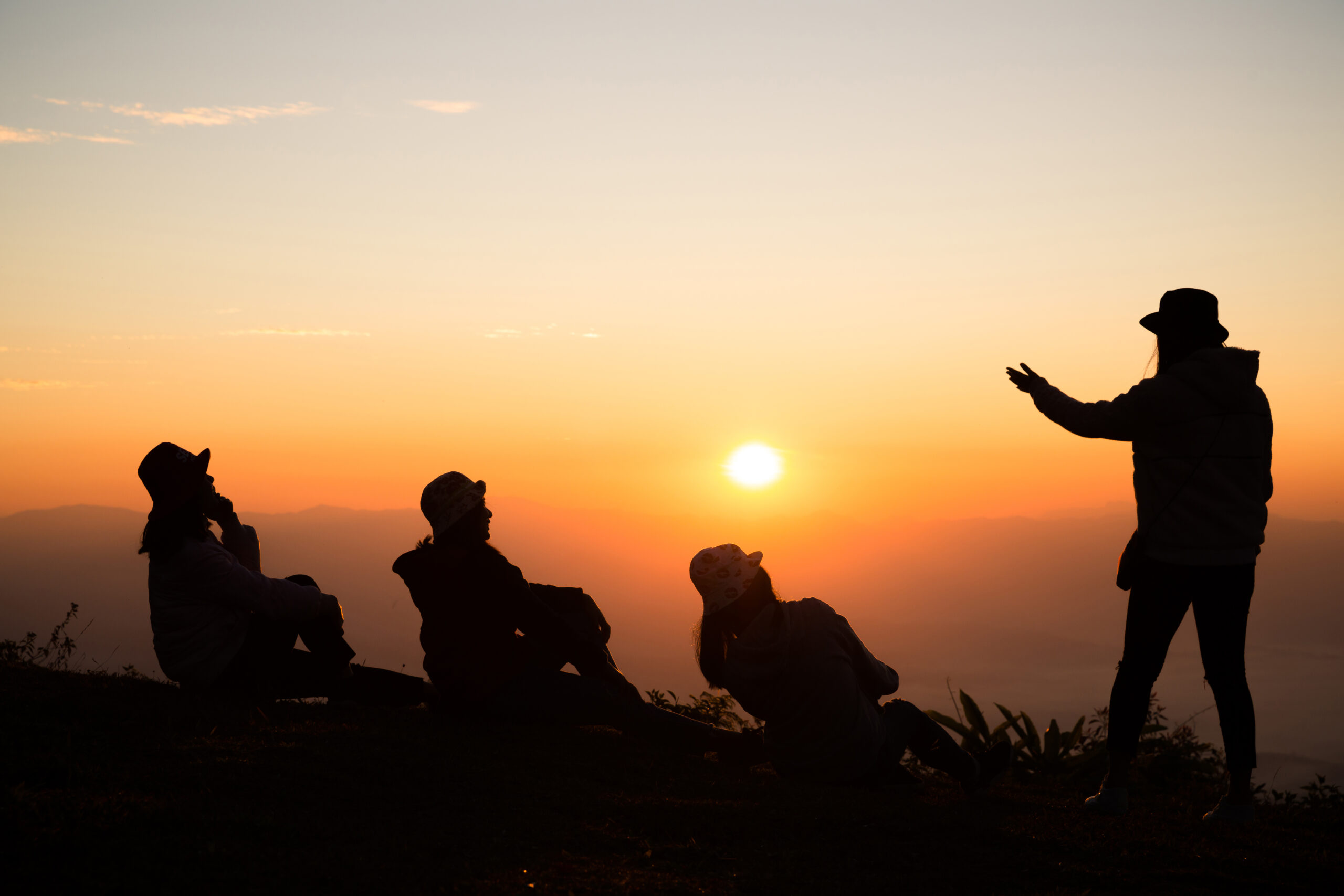
Team support is another often underestimated benefit. Climbing Mount Meru is physically demanding, especially on summit night when fatigue, cold temperatures, and altitude combine to test mental strength. Being part of a guided group provides encouragement, shared motivation, and emotional resilience. Guides know how to pace the group, offer reassurance, and keep morale high during difficult moments. Solo trekkers, by contrast, must rely entirely on their own mental strength, which can become a limiting factor under extreme conditions.
Cost transparency is also a notable advantage of guided tours. While guided trekking may initially appear more expensive, most packages are all-inclusive, covering accommodation, meals, staff wages, permits, and safety services. This makes budgeting predictable and reduces the risk of unexpected expenses. Solo trekkers often underestimate additional costs such as equipment rental, food logistics, emergency contingencies, and time delays. When evaluated realistically, the financial gap between mount meru guided tours vs solo is often far smaller than many travelers expect.
From an authority and credibility perspective, guided Mount Meru climbs are consistently recommended by reputable travel and adventure platforms. Trusted sources include:
Referencing such platforms reinforces trust, improves SEO authority, and aligns content with Google’s EEAT standards.
Environmental responsibility is another critical factor. Guided tour operators follow strict leave-no-trace principles, manage waste responsibly, and ensure that trekking activities do not harm the fragile mountain ecosystem. This structured approach helps protect Mount Meru for future generations. Travelers increasingly value sustainable tourism, and this ethical dimension often influences their decision when comparing mount meru guided tours vs solo experiences.
In conclusion, guided tours on Mount Meru offer a comprehensive, professionally managed trekking experience that prioritizes safety, education, logistics, and ethical responsibility. For first-time climbers, altitude beginners, and travelers seeking a stress-free and enriching adventure, guided trekking stands out as the most practical and secure option. When evaluated through the lenses of safety, expertise, cost clarity, and overall experience, the comparison of mount meru guided tours vs solo strongly favors guided tours for the vast majority of trekkers.
Solo Trekking on Mount Meru – Freedom, Independence, and the Hidden Risks
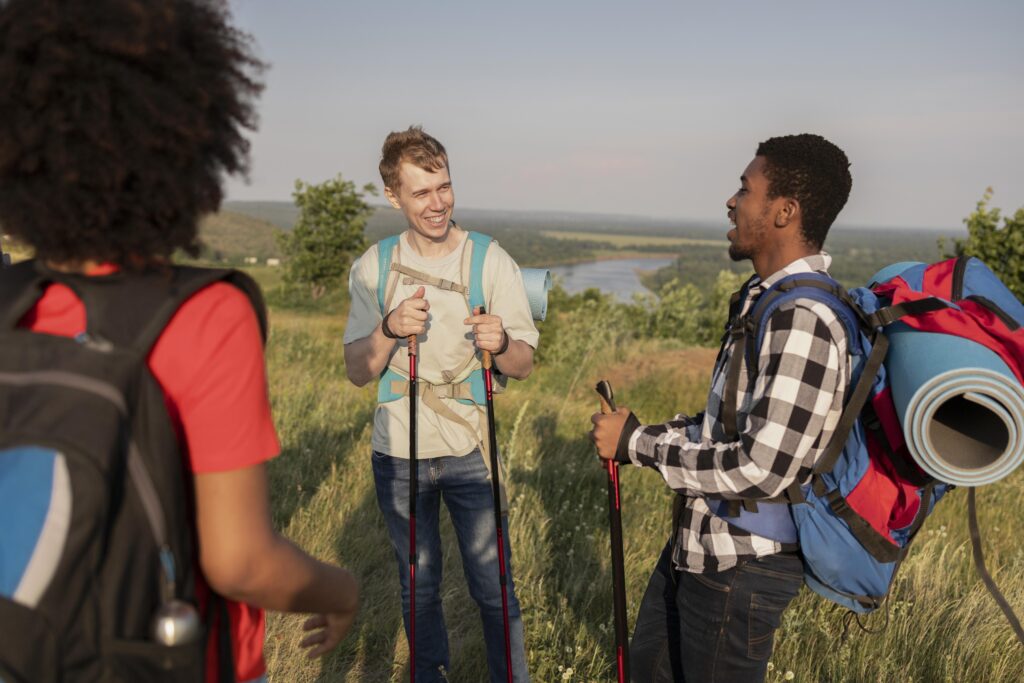
Solo trekking on Mount Meru often attracts experienced hikers who value independence, personal challenge, and the freedom to move at their own pace. For these travelers, the idea of navigating the mountain without a structured group feels more authentic and adventurous. However, when examining mount meru guided tours vs solo, it becomes clear that solo trekking on Mount Meru is far more complex and restricted than many travelers initially assume.
One of the first misconceptions about solo trekking on Mount Meru is the definition of “solo” itself. Because the mountain is located inside Arusha National Park, Tanzanian law requires all trekkers to be accompanied by an armed ranger. This regulation exists due to the presence of dangerous wildlife such as buffaloes and elephants in the lower forest zones. As a result, solo trekkers are never truly alone, and their independence is already limited by park rules. This legal reality fundamentally shapes the discussion around mount meru guided tours vs solo, as Mount Meru does not offer the same freedom found on unregulated trekking routes elsewhere in the world.
Navigation presents another significant challenge for solo trekkers. While Mount Meru has established trails, the route passes through dense forest, open moorland, and exposed alpine ridges where weather conditions can change rapidly. Fog, rain, and strong winds can reduce visibility and obscure trail markers, particularly near the crater rim and summit ridge. Solo trekkers must rely entirely on maps, GPS devices, or prior research. In contrast, local guides possess real-time knowledge of trail conditions and seasonal variations. This difference in navigational reliability is a critical factor when comparing mount meru guided tours vs solo trekking experiences.
Altitude-related risks are also more pronounced for solo climbers. Mount Meru reaches an elevation where Acute Mountain Sickness (AMS) is a genuine concern. Symptoms such as headaches, nausea, shortness of breath, and fatigue can impair judgment and decision-making. Solo trekkers must self-diagnose these symptoms and decide whether to continue or descend, often without external input. At high altitude, this self-assessment can be dangerously inaccurate. Guided treks, by contrast, include continuous monitoring and conservative decision-making protocols. This contrast highlights one of the most serious risk factors in the mount meru guided tours vs solo debate.
Emergency response is another area where solo trekking exposes climbers to greater danger. Injuries such as ankle sprains, falls on rocky terrain, or severe altitude sickness can occur unexpectedly. Solo trekkers depend on ranger availability, radio communication, and evacuation logistics that may take time to coordinate. Delays in response can significantly worsen outcomes in high-altitude environments. Guided teams, on the other hand, plan emergency procedures in advance and maintain communication channels throughout the trek. Epic horizons Adventure we are looking extra miles to make sure…. safety protocols are in place before the climb even begins, reducing response time when emergencies arise.
Mental resilience is often underestimated by those considering solo trekking. Summit day on Mount Meru typically begins around midnight and involves several hours of steep ascent in cold, windy conditions. Fatigue, darkness, and altitude combine to create a psychologically demanding environment. Without group encouragement or guide support, solo trekkers must rely entirely on their own motivation and discipline. Many summit attempts fail not due to physical limitations but because of mental exhaustion. This psychological dimension is a key but often overlooked factor in the comparison of mount meru guided tours vs solo options.
Cost is frequently cited as a reason for choosing solo trekking, but this assumption does not always hold true. Solo trekkers still pay park fees, ranger fees, accommodation costs at mountain huts, food expenses, and equipment rental. Additionally, unexpected costs such as extra nights, emergency logistics, or last-minute arrangements can quickly increase the overall budget. When evaluated realistically, solo trekking on Mount Meru is not always significantly cheaper than organized alternatives, a point that further complicates the mount meru guided tours vs solo decision.
Authoritative adventure travel organizations consistently advise caution when attempting solo high-altitude treks in regulated wildlife areas. Reliable sources such as:
emphasize preparation, local knowledge, and structured safety planning—elements that are difficult to fully replicate in solo arrangements.
In conclusion, solo trekking on Mount Meru offers a sense of independence and personal achievement, but it also exposes climbers to increased navigational, medical, psychological, and logistical risks. Legal restrictions, wildlife presence, altitude challenges, and emergency response limitations mean that solo trekking is best suited only for highly experienced mountaineers with strong risk management skills. For most travelers, understanding these realities brings clarity to the ongoing discussion of mount meru guided tours vs solo, revealing that freedom on Mount Meru comes with responsibilities that should never be underestimated.
Cost, Experience Level, and Trip Goals – Making the Right Choice
Choosing the right approach for climbing Mount Meru is not only about adventure style but also about aligning cost, experience level, and personal travel objectives. Many travelers approach this decision with assumptions that can be misleading if not carefully examined. When analyzing mount meru guided tours vs solo, it is essential to break the decision into practical components rather than emotional preferences. Understanding how budget realities, trekking experience, and long-term travel goals intersect helps climbers make choices that lead to safe, satisfying, and successful outcomes.
Cost is often the first factor travelers consider when planning a Mount Meru trek. At first glance, guided tours may appear expensive compared to independent arrangements. This perception usually comes from seeing a single package price without understanding what it includes. Guided trekking costs typically cover park entry fees, ranger services, accommodation at mountain huts, meals, staff wages, safety coordination, and logistical planning. When all these elements are combined into one package, the price reflects a complete service rather than a simple guiding fee. Solo trekkers, by contrast, often calculate costs individually, which can create the illusion of savings while hiding the true total expense.
Experience level plays a critical role in determining which trekking option is most appropriate. Beginners or first-time high-altitude trekkers often underestimate how demanding Mount Meru can be. Although it is lower than Kilimanjaro, it still reaches an altitude where physical endurance, altitude adaptation, and mental resilience are required. Inexperienced climbers benefit greatly from structured pacing, daily health monitoring, and professional supervision. These elements reduce risk and increase confidence throughout the climb. For such travelers, mount meru guided tours vs solo is not merely a comparison but a question of preparedness and responsibility.
Intermediate trekkers with prior hiking experience may feel capable of managing Mount Meru independently. However, experience in lower-altitude mountains or non-African environments does not always translate directly to success on Mount Meru. The presence of wildlife, rapidly changing weather, and strict park regulations introduce variables that are unfamiliar to many hikers. Experience level must be evaluated honestly rather than optimistically. Overestimating one’s ability can lead to poor decision-making, especially under physical stress or altitude effects.
Advanced trekkers and mountaineers may possess the technical skills and mental discipline required for more independent approaches. Even so, Mount Meru’s regulatory environment limits full independence, meaning that solo arrangements still involve structured elements. For experienced climbers, the decision often comes down to whether they value efficiency and local expertise over personal control. In many cases, even highly experienced trekkers choose guided services for convenience rather than necessity, highlighting that expertise alone does not always favor independent travel.
Trip goals are another decisive factor that shapes the choice between trekking styles. Some travelers view Mount Meru as a standalone achievement, while others see it as preparation for a larger goal such as climbing Kilimanjaro. Those using Meru for acclimatization often prioritize safety, pacing, and health outcomes over adventure minimalism. Guided itineraries are typically designed to support acclimatization goals through controlled ascent profiles and rest schedules. In this context, mount meru guided tours vs solo becomes a strategic decision rather than a stylistic one.
Personal travel philosophy also influences the decision-making process. Travelers seeking cultural connection, educational insight, and a deeper understanding of the mountain environment often find guided experiences more fulfilling. Guides provide context, explain ecological transitions, and share local perspectives that enrich the journey beyond physical movement. Those focused purely on physical challenge or solitude may lean toward more independent arrangements, though Mount Meru’s environment limits complete isolation.
Time constraints further affect the choice. Travelers with limited schedules often prefer guided tours because logistics are streamlined and delays are minimized. Independent planning requires time for research, coordination, and contingency management. Any miscalculation can result in extra days or missed opportunities elsewhere in the itinerary. Time efficiency becomes particularly important for international travelers balancing multiple destinations within Tanzania.
Risk tolerance is an underlying factor that often goes unspoken. Every mountain involves risk, but how travelers manage that risk differs. Some prefer to externalize risk management to professionals, while others are comfortable assuming full responsibility. Neither approach is inherently right or wrong, but Mount Meru’s environment raises the stakes. Wildlife presence, altitude exposure, and weather volatility mean that risk tolerance should be assessed realistically rather than emotionally.
Psychological comfort also matters. Trekking at altitude can amplify anxiety, fatigue, and self-doubt. Having professional support can provide reassurance that helps climbers push through difficult moments safely. Independent trekkers must rely on internal motivation alone, which can be mentally exhausting over multiple days. This psychological dimension often determines satisfaction levels more than physical fitness.
Financial predictability is another important consideration. Guided tours offer fixed pricing, allowing travelers to budget accurately. Independent arrangements can fluctuate due to unexpected expenses such as extra accommodation nights, equipment replacement, or emergency logistics. Travelers who value financial certainty often prefer packaged options even if the upfront cost appears higher.
Ethical and environmental considerations increasingly influence traveler decisions. Organized trekking operations typically follow standardized environmental practices, including waste management and conservation compliance. Travelers who prioritize responsible tourism may prefer structured services that align with conservation objectives. This value-based decision adds another layer to mount meru guided tours vs solo beyond cost and experience.
Ultimately, the right choice depends on aligning personal capability with realistic expectations. Travelers who assess themselves honestly are more likely to choose an option that enhances safety and enjoyment. Poor decisions often stem from comparing oneself to others rather than evaluating individual strengths and limitations. Mount Meru rewards preparation, humility, and respect for its environment.
Decision-making should also consider long-term memories rather than short-term savings. A well-supported climb that results in a safe summit and positive experience often holds greater value than a cheaper attempt marked by stress or failure. The emotional outcome of the trek matters as much as the financial calculation.
Epic horizons Adventure we are looking extra miles to make sure…. every traveler is guided toward a choice that matches their experience level, goals, and expectations. This approach prioritizes long-term satisfaction over quick decisions driven by incomplete information.
In conclusion, cost, experience level, and trip goals form the foundation of a successful Mount Meru trekking decision. When these factors are examined carefully, travelers gain clarity and confidence in their choice. The comparison of mount meru guided tours vs solo becomes less about ideology and more about alignment. Making the right choice ensures that Mount Meru is remembered not as a struggle, but as a meaningful and rewarding achievement.