Explore Mount Meru trails for Adventure with detailed routes, wildlife, gear tips, and expert trekking advice from Epic Horizons Adventures in Tanzaniahttps://www.epichorizonsadventures.com/our-tours/destinations/
Why Mount Meru Is Tanzania’s Most Underrated Adventure Trek
When people think about mountain trekking in Tanzania, Mount Kilimanjaro usually steals the spotlight. However, experienced adventurers and nature lovers know that Mount Meru trails for Adventure offer one of the most thrilling, scenic, and wildlife-rich trekking experiences in all of Africa. Located inside Arusha National Park, Mount Meru stands at 4,566 meters (14,980 ft), making it Tanzania’s second-highest mountain and a serious yet incredibly rewarding climb for trekkers seeking raw adventure without the heavy traffic found on more famous peaks.
What makes Mount Meru special is not just its height, but the journey through diverse ecosystems. Trekkers start their ascent in lush montane forests filled with giant fig trees, moss-covered trunks, and the sounds of colobus monkeys leaping overhead. Unlike many other mountain climbs in the world, the lower slopes of Meru are alive with wildlife. It is common to see giraffes grazing in the distance, buffalo moving through the bush, and warthogs crossing the trail. This makes Mount Meru trails for Adventure feel like a safari and a mountain expedition combined into one unforgettable experience.
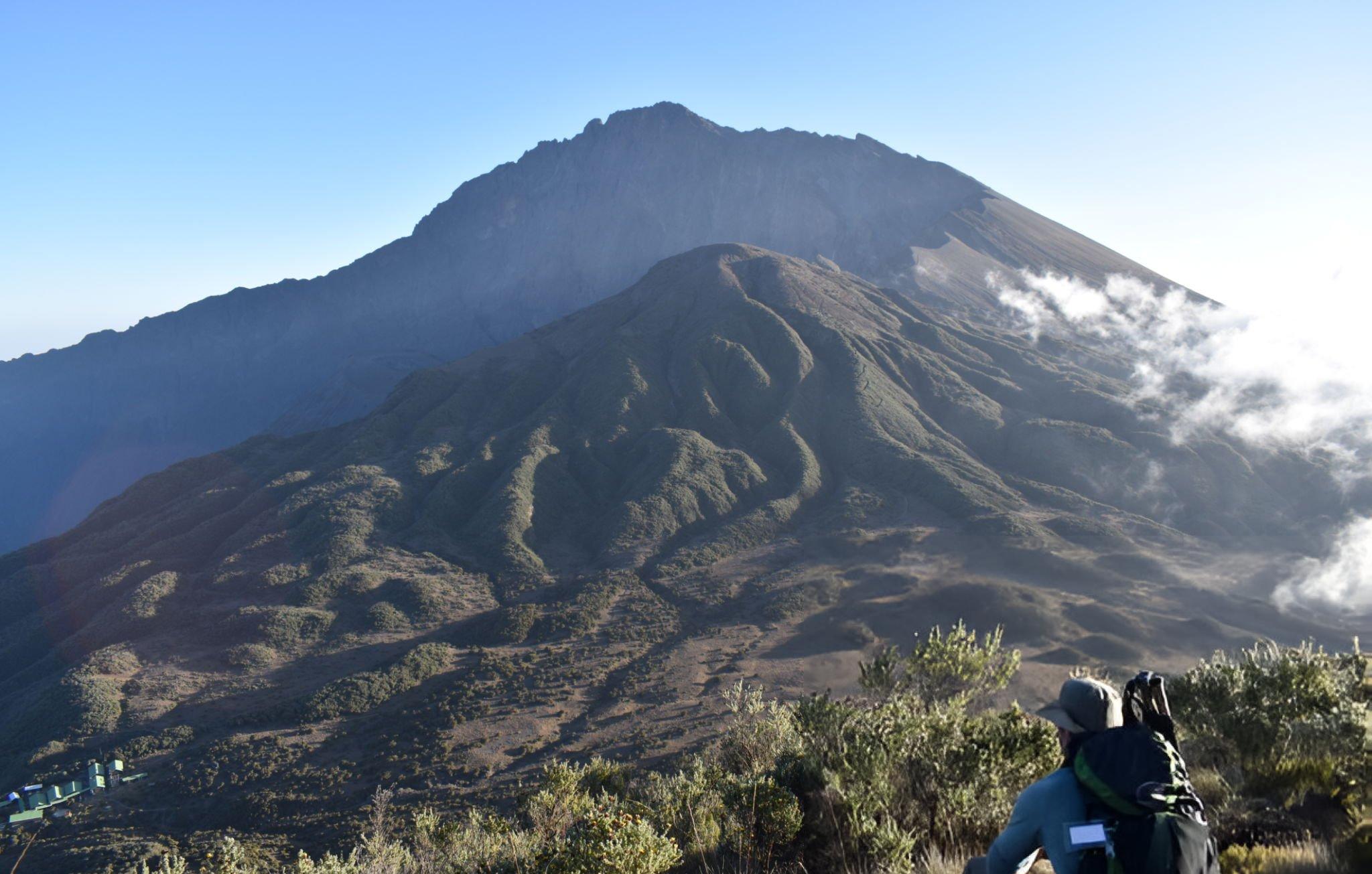
Another reason Mount Meru stands out is the dramatic volcanic landscape. The mountain is actually a dormant stratovolcano, and its massive crater gives it a rugged and wild appearance. The trek includes walking along a narrow crater rim with steep drops and breathtaking views, which gives climbers a sense of real alpine adventure. This section of the hike is both thrilling and visually spectacular, especially at sunrise when the sky glows in orange and gold tones over the African plains.
Unlike crowded trekking routes elsewhere, Mount Meru offers a quieter, more personal experience. Trekkers often move in small groups, allowing them to connect more deeply with nature and enjoy the peaceful surroundings. The silence of the forest, broken only by birdsong and the wind through the trees, creates a meditative atmosphere that many climbers say is just as meaningful as reaching the summit.
For adventure seekers, the challenge level is another key attraction. Mount Meru is considered a demanding trek due to its steep trails and high altitude, but it is not as extreme as Kilimanjaro. This makes it perfect for hikers who want a serious physical test while still having time to enjoy the scenery. The gradual ascent also helps with acclimatization, making it an excellent preparation climb for those planning to summit higher peaks in the future.
The cultural experience adds another layer of depth to the journey. Local guides and porters, many of whom come from nearby communities around Arusha, bring rich knowledge of the mountain, wildlife, and traditions of the region. Their stories and experience turn a simple trek into a cultural exchange. Trekkers learn about medicinal plants, local legends surrounding the mountain, and the role Mount Meru plays in Tanzanian heritage.
Safety is also a major advantage. Because the climb is inside a national park, armed rangers accompany trekking groups through the wildlife zones. This ensures both protection and a unique opportunity to learn about conservation efforts in Tanzania. Seeing wildlife in its natural habitat while climbing a mountain is something very few trekking destinations in the world can offer.
Another highlight is the incredible summit view. From Socialist Peak at sunrise, climbers are rewarded with one of the most spectacular panoramas in East Africa. On clear mornings, Mount Kilimanjaro appears floating above the clouds in the distance, while the Meru crater and ash cone lie dramatically below. This moment alone makes all the effort worthwhile and is one of the most photographed mountain views in Tanzania.
The ecological diversity of Mount Meru is also remarkable. Trekkers pass through several vegetation zones, from dense rainforest to moorland filled with giant lobelias and groundsels, and finally to alpine desert near the summit. Each zone feels like a completely different world, which keeps the trek exciting and visually dynamic every single day.
Because of these varied landscapes, Mount Meru trails for Adventure are often described as a “compressed version of Kilimanjaro” with even more wildlife. In just 3–4 days, trekkers experience a full range of environments that would normally require a longer expedition elsewhere. This makes it ideal for travelers with limited time who still want a rich and challenging mountain adventure.
The mountain’s location near Arusha town also makes logistics simple. Trekkers can fly into Kilimanjaro International Airport and reach the park within a short drive. This accessibility, combined with fewer crowds, gives Mount Meru a rare balance of convenience and wilderness.
Sustainability plays a growing role in trekking tourism, and Mount Meru is a strong example of responsible adventure travel. Park regulations limit the number of climbers, helping to protect the fragile ecosystems. Local guiding companies follow eco-friendly practices, ensuring waste is managed properly and wildlife habitats remain undisturbed.
For photographers and nature lovers, the mountain is a paradise. Early morning mist in the forest, dramatic cliffs along the crater rim, and wildlife encounters create endless opportunities for stunning shots. Every step offers a new perspective, making the trek visually rewarding from start to finish.
Food and camp life also contribute to the experience. Trekkers stay in mountain huts rather than tents, providing more comfort than many high-altitude climbs. Evenings are spent sharing meals, stories, and laughter with guides and fellow hikers, building friendships that often last long after the trek ends.
For those seeking something beyond the ordinary tourist path, this mountain delivers true wilderness adventure. The sense of achievement after climbing Meru is deeply personal because the journey feels authentic, raw, and connected to nature in a way that few commercial trekking routes can match.
Mount Meru trails for Adventure represent the perfect balance of wildlife, scenery, challenge, and culture. Whether you are a seasoned trekker or an ambitious beginner looking for your first major summit, Mount Meru offers an experience that is both demanding and deeply rewarding.
At Epic Horizons Adventures, we believe every climb should be more than just reaching the top. Epic horizons Adventure we are looking extra miles to make sure every trekker experiences safety, comfort, cultural connection, and unforgettable moments on the mountain.
Detailed Breakdown of Routes and Daily Itinerary on Mount Meru
Climbing Mount Meru is not just a hike; it is a carefully structured adventure that unfolds day by day through changing landscapes, altitudes, and levels of physical challenge. Understanding the trekking routes and daily schedule helps adventurers prepare mentally and physically for the journey ahead. While there is one main official route used for climbing, the experience feels different each day because of the dramatic ecological transitions, wildlife encounters, and steadily increasing altitude. This is what makes Mount Meru trails for Adventure such a uniquely layered trekking experience compared to many other mountains in Africa.
The journey begins at Momella Gate inside Arusha National Park, sitting at approximately 1,500 meters above sea level. Before the trek even starts, climbers are introduced to one of the most unusual aspects of Mount Meru: an armed park ranger escort. Because the lower slopes are home to wild animals such as buffalo, giraffes, zebras, and occasionally elephants, every group is accompanied for safety. This first day feels more like a walking safari than a mountain climb. Trekkers move at a gentle pace through open grasslands and dense forest while spotting wildlife in their natural habitat. The combination of trekking and safari immediately sets the tone for the adventure, making it clear that this mountain offers far more than just altitude gain.
The first hiking day typically covers the route from Momella Gate to Miriakamba Hut at 2,514 meters. The trail gradually ascends through lush montane forest filled with towering trees, tangled vines, and the calls of tropical birds. Colobus monkeys swing through the canopy while small antelope sometimes dart across the path. The air is humid but cool under the forest shade, making the walk comfortable despite the steady uphill climb. Trekkers usually take 4–5 hours to reach Miriakamba Hut, where they rest, hydrate, and begin adjusting to higher elevation. The huts provide basic but welcome shelter, and the first evening on the mountain is often spent watching the sunset over the plains below.
Day two brings a noticeable change in terrain and atmosphere. The trail from Miriakamba Hut to Saddle Hut at 3,570 meters becomes steeper and more physically demanding. The dense forest slowly thins out, giving way to heathland and moorland vegetation. Giant heathers, lobelias, and other high-altitude plants dominate the landscape, creating an almost prehistoric scenery that feels far removed from the savannah below. The air grows thinner, and trekkers begin to feel the effects of altitude, which is why guides maintain a slow, steady pace and encourage frequent water breaks.
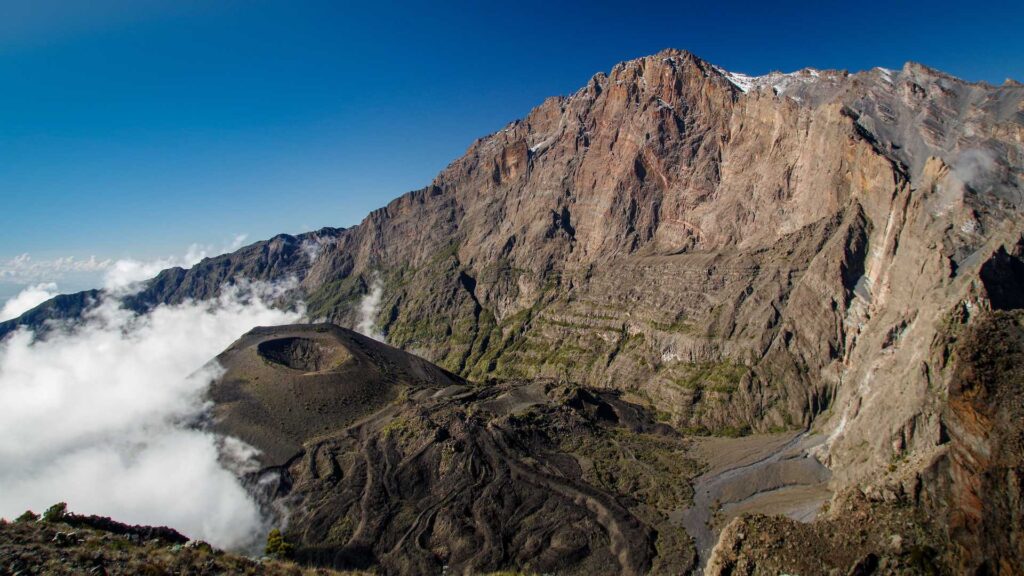
Midway through this day, hikers often get their first dramatic views of Mount Meru’s volcanic crater and the towering ash cone rising from its center. The landscape becomes more rugged, with rocky paths and open ridges replacing forest trails. Reaching Saddle Hut in the afternoon provides a sense of accomplishment, as the hut sits in a dramatic saddle between Meru’s main peak and Little Meru. Many groups take a short acclimatization hike to Little Meru later in the day, which helps the body adjust to altitude and offers breathtaking sunset views.
The third day is the summit push, and it begins long before dawn. Around midnight or 1 a.m., trekkers wake up in the cold mountain air, drink hot tea, and begin the slow ascent toward Socialist Peak at 4,566 meters. Headlamps light the narrow trail as climbers move carefully along the crater rim. This section is both thrilling and demanding, with steep drop-offs and strong winds adding to the sense of high-altitude adventure. The climb requires focus, determination, and encouragement from guides, who monitor each trekker’s condition closely.
As dawn approaches, the sky gradually brightens, revealing one of the most spectacular scenes in East Africa. The silhouette of Mount Kilimanjaro often appears above the clouds in the distance, while the Meru crater and ash cone glow in early morning light. Reaching the summit at sunrise is an emotional moment for many climbers, as the effort of the past days culminates in a 360-degree panorama of mountains, plains, and sky. This unforgettable reward is one of the defining highlights of Mount Meru trails for Adventure, making every challenging step worthwhile.
After celebrating at the summit and taking photos, trekkers begin the descent back to Saddle Hut for a short rest and meal. The downhill journey then continues all the way back to Miriakamba Hut. Although descending is faster, it requires care because the knees and legs absorb more impact. By the time climbers reach Miriakamba again, they feel both exhausted and proud of what they have achieved.
The fourth and final day involves descending from Miriakamba Hut back to Momella Gate. Moving downhill through the forest offers a new perspective on the terrain trekkers climbed earlier in the trip. Wildlife sightings are common again at lower elevations, and the warmer air feels refreshing after the cold summit night. Upon reaching the gate, climbers sign out, receive summit certificates, and often celebrate together before returning to Arusha.
What makes this itinerary particularly effective is its balance between challenge and acclimatization. The gradual altitude gain, combined with the acclimatization hike to Little Meru, helps reduce the risk of altitude sickness. Professional guides monitor oxygen levels and overall health, ensuring safety throughout the climb. This structured approach allows trekkers to push their limits while still maintaining responsible mountain practices.
Another important aspect of the route is the hut system. Unlike tent-based climbs, Mount Meru uses permanent mountain huts with shared dormitory-style sleeping arrangements. This adds comfort, especially during cold or rainy weather, and reduces the environmental impact of camping. Meals are prepared by mountain crews, providing trekkers with warm, energy-rich food that supports the physical demands of the climb.
The scenery along the route is constantly changing, which keeps morale high even during tough sections. From rainforest to moorland to alpine desert, the mountain feels like multiple ecosystems stacked on top of each other. This diversity is a major reason hikers describe Mount Meru trails for Adventure as one of the most visually rewarding treks in Tanzania.
Weather conditions also vary significantly during the climb. Lower slopes are often warm and humid, while higher elevations can be windy and freezing, especially at night. Proper layering, waterproof gear, and sturdy hiking boots are essential for comfort and safety. Guides provide pre-climb briefings to ensure trekkers are fully prepared for these changing conditions.
The route’s location inside a national park also means strict conservation rules are followed. Trekkers must stay on designated paths, carry out all waste, and respect wildlife. These measures help preserve the mountain’s fragile ecosystems so future generations can experience its beauty. Responsible trekking practices are a core part of modern adventure tourism and add deeper meaning to the journey.
Beyond the physical aspects, the daily rhythm of life on the mountain becomes a memorable part of the adventure. Early mornings, shared meals, encouraging words from guides, and evenings spent resting in the huts create a strong sense of camaraderie. Many trekkers form lasting friendships during these days of shared challenge and triumph.
Choosing the right operator can make a huge difference in how smoothly the itinerary unfolds. Professional companies ensure proper pacing, nutritious meals, quality equipment, and well-trained guides. At Epic Horizons Adventures, we believe in delivering more than just a trek. Epic horizons Adventure we are looking extra miles to make sure every climber feels supported, safe, and inspired from the first step to the summit celebration.
For travelers wanting more technical route details and park regulations, the official Tanzania National Parks website provides helpful guidelines and conservation information:
https://www.tanzaniaparks.go.tz
Altitude and acclimatization advice for high-altitude trekking can also be found through global mountaineering resources such as:
https://www.theuiaa.org
In summary, the Mount Meru itinerary is carefully designed to provide adventure, safety, wildlife encounters, and spectacular scenery in just a few days. Each stage of the climb builds toward the unforgettable summit sunrise, creating a complete mountain experience that feels both intense and deeply rewarding. For trekkers seeking structured challenge, dramatic landscapes, and authentic wilderness, Mount Meru trails for Adventure deliver an experience that stands among Africa’s finest trekking journeys.
Wildlife, Landscapes, and Natural Wonders Along the Mount Meru Trek
One of the biggest reasons travelers choose Mount Meru trails for Adventure is the extraordinary combination of mountain trekking and wildlife encounters found nowhere else in Tanzania. Unlike most high-altitude climbs in the world, Mount Meru begins inside a fully protected national park ecosystem. This means the journey to the summit is not only about elevation gain and physical endurance, but also about moving through living, breathing wilderness filled with animals, birds, forests, and volcanic scenery that constantly changes as you climb higher.
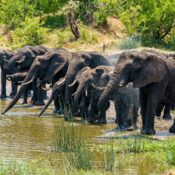
The adventure starts in the lower slopes of Arusha National Park, an area known for its rich biodiversity. Before trekkers even reach the forest line, they often see giraffes moving gracefully across open grasslands, zebras grazing in small herds, and warthogs trotting through the bush with their tails raised like little flags. Buffalo are also common in this region, which is why armed rangers accompany trekking groups during the first section of the climb. This safety measure also gives visitors a deeper appreciation of how closely connected this mountain is to Tanzania’s wildlife heritage.
As the trail enters the montane rainforest zone, the environment shifts dramatically. Tall trees covered in moss and lichens create a green canopy overhead, while ferns and wildflowers line the forest floor. The air becomes cooler and filled with the sounds of birds calling from hidden branches. Blue monkeys and black-and-white colobus monkeys are frequently spotted leaping between trees, sometimes pausing to curiously watch climbers pass below. This forest zone feels ancient and untouched, offering a peaceful yet exciting start to the trek.
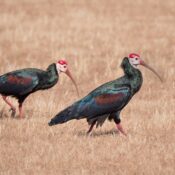
Bird lovers find Mount Meru particularly rewarding. The park is home to hundreds of bird species, including turacos, hornbills, and sunbirds that flash brilliant colors in the sunlight. Early morning hikes often include a natural symphony of bird calls echoing through the forest. For photographers, this zone provides soft light, misty backgrounds, and vibrant wildlife scenes that are rarely experienced on traditional mountain climbs.
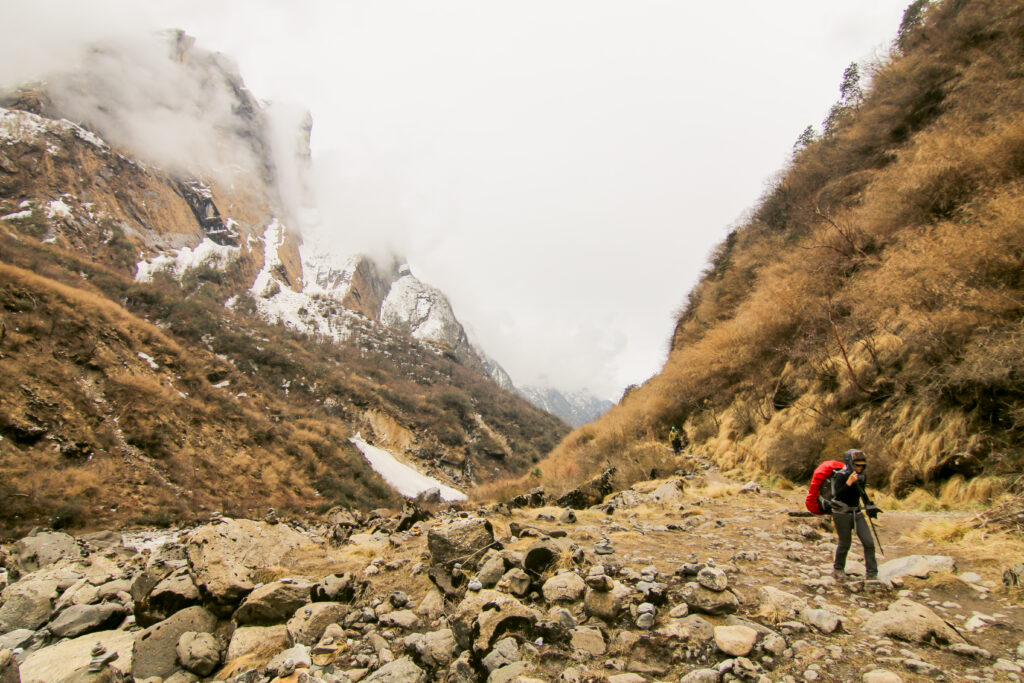
Higher up, the dense forest gradually gives way to heath and moorland. This transition zone is one of the most visually unique parts of the mountain. Giant heather trees, some twisted into strange shapes by wind and weather, dominate the landscape. The ground becomes more open, revealing wide views of the Meru crater cliffs and the ash cone rising inside it. Massive lobelia plants and giant groundsels — species found only in high-altitude East African environments — give the area a surreal, almost prehistoric appearance.
This dramatic ecological shift is one of the defining features of Mount Meru trails for Adventure, as trekkers experience multiple climate zones in just a few days. Each zone supports different plant and animal life, making the journey feel like traveling through several continents stacked vertically on one mountain. The air is drier, the temperatures drop, and the vegetation becomes tougher and more adapted to extreme conditions.
One of the most breathtaking natural features of Mount Meru is its enormous volcanic crater. The mountain erupted thousands of years ago, leaving behind a horseshoe-shaped crater with steep inner walls and a central ash cone. From certain points along the trail, trekkers can look directly into this vast geological structure, a reminder of the powerful volcanic forces that shaped the landscape. The contrast between the green outer slopes and the rocky interior creates unforgettable panoramic views.
The crater rim walk, especially during the summit push, is another highlight. The narrow ridge with steep drop-offs on both sides offers a thrilling alpine-style experience. On clear days, trekkers can see far across the plains of northern Tanzania, with Mount Kilimanjaro standing majestically on the horizon. The sense of standing above the clouds while surrounded by volcanic cliffs is a moment many climbers describe as life-changing.
Despite the harsh conditions near the summit, life still exists here. Small alpine plants cling to rocky soil, surviving freezing nights and intense sunlight. These hardy species demonstrate nature’s resilience and add subtle color to the otherwise rugged terrain. The silence at this altitude is powerful, broken only by wind moving across the crater rim.
Descending the mountain offers a new perspective on the landscapes already passed. Features that seemed distant during the ascent now appear closer and more detailed. Wildlife may reappear as trekkers return to lower elevations, creating a full-circle experience that blends high-altitude adventure with classic African safari elements.
Water features also play a role in the mountain’s ecosystem. Streams flowing from higher elevations feed into waterfalls and lakes within Arusha National Park. These water sources support the animals and vegetation seen during the trek. The connection between the mountain’s glaciers, rainfall, and surrounding plains highlights the importance of conservation efforts in the region.
Because Mount Meru lies within a protected area, strict environmental guidelines help preserve these natural wonders. Trekkers are required to follow Leave No Trace principles, ensuring that wildlife habitats remain undisturbed. This responsible tourism approach allows visitors to experience raw wilderness while protecting it for future generations.
The diversity of scenery along the climb makes it one of the most visually dynamic treks in Africa. From thick rainforest to open moorland, from volcanic craters to alpine desert, the changing landscapes keep trekkers mentally engaged and constantly amazed. Few mountains in the world offer such variety in such a short timeframe.
Sunrise and sunset are especially magical on Mount Meru. Golden light spreads across the plains, casting long shadows over cliffs and valleys. Clouds often form below the crater rim, creating the illusion of floating above a white ocean. These moments provide perfect opportunities for reflection, photography, and simply appreciating the raw beauty of nature.
For adventurers seeking a deeper connection with the natural world, this mountain delivers more than just a summit. It offers immersion into ecosystems that are rare, fragile, and incredibly beautiful. Every step upward reveals something new, reinforcing why Mount Meru trails for Adventure are considered one of Tanzania’s hidden gems.
At Epic Horizons Adventures, we understand that nature is the heart of every great expedition. Epic horizons Adventure we are looking extra miles to make sure our treks respect wildlife, protect the environment, and give travelers meaningful experiences that go beyond ordinary tourism.
For readers interested in learning more about Arusha National Park’s biodiversity and conservation efforts, you can explore the official park resources here:
https://www.tanzaniaparks.go.tz
Wildlife and high-altitude plant information can also be found through global conservation organizations such as:
https://www.worldwildlife.org
In the end, Mount Meru is not just a mountain to be climbed; it is an ecosystem to be experienced. Its wildlife, vegetation zones, volcanic formations, and sweeping views create a trekking journey that feels alive from beginning to end. This powerful connection between adventure and nature is what makes the experience unforgettable for every traveler who steps onto its slopes.
Preparation, Fitness, and Essential Gear for Climbing Mount Meru
A successful mountain expedition begins long before stepping onto the trail. Proper preparation, physical readiness, and the right equipment play a crucial role in ensuring trekkers fully enjoy Mount Meru trails for Adventure while staying safe and comfortable throughout the climb. Although Mount Meru is considered less extreme than some of the world’s highest peaks, it is still a serious high-altitude trek that demands planning, endurance, and smart packing.
Physical Fitness and Training
Mount Meru involves multiple days of sustained uphill hiking, steep sections, and high altitude. Trekkers should prepare at least 6–8 weeks in advance with regular cardio training such as hiking, jogging, cycling, or stair climbing. Strength training for legs and core muscles is equally important because steep ascents and descents place significant strain on thighs, calves, and knees.
Endurance is more important than speed. The climb follows a “pole pole” (slowly, slowly) pace to aid acclimatization, but hikers still spend 4–8 hours walking each day. Practicing long walks with a light backpack helps condition the body and prevent fatigue. Mental stamina also matters, especially during the early-morning summit push when temperatures drop and motivation is tested.
Altitude Awareness and Acclimatization
One of the key challenges on Mount Meru trails for Adventure is altitude gain. The summit stands at 4,566 meters, high enough for some trekkers to experience mild altitude symptoms such as headaches or fatigue. Proper acclimatization is built into the itinerary, particularly with the overnight stay at Saddle Hut and optional hike to Little Meru.
Hydration is essential. Drinking 3–4 liters of water per day helps the body adjust to thinner air. Trekkers should avoid alcohol before and during the climb and maintain a steady eating schedule even if appetite decreases. Guides are trained to recognize symptoms of Acute Mountain Sickness (AMS) and will adjust pace or descend if necessary.
Clothing: Layering Is Key
Because Mount Meru passes through multiple climate zones, clothing must be adaptable. Lower slopes can be warm and humid, while summit night temperatures often fall below freezing. Layering allows trekkers to adjust easily to changing conditions.
Essential clothing includes:
- Moisture-wicking base layers to keep sweat off the skin
- Insulating mid-layers such as fleece or down jackets
- Waterproof and windproof outer shell jacket and trousers
- Thermal hat and gloves for summit night
- Lightweight trekking shirts and trousers for lower elevations
- Warm socks and spare pairs
Avoid cotton clothing, as it retains moisture and can lead to chilling at higher altitudes.
Footwear and Trekking Equipment
Good footwear can make or break the experience. Sturdy, well-broken-in hiking boots with ankle support and strong grip are highly recommended. Trails can be muddy in the forest and rocky near the summit, so traction and stability are essential.
Other important gear includes:
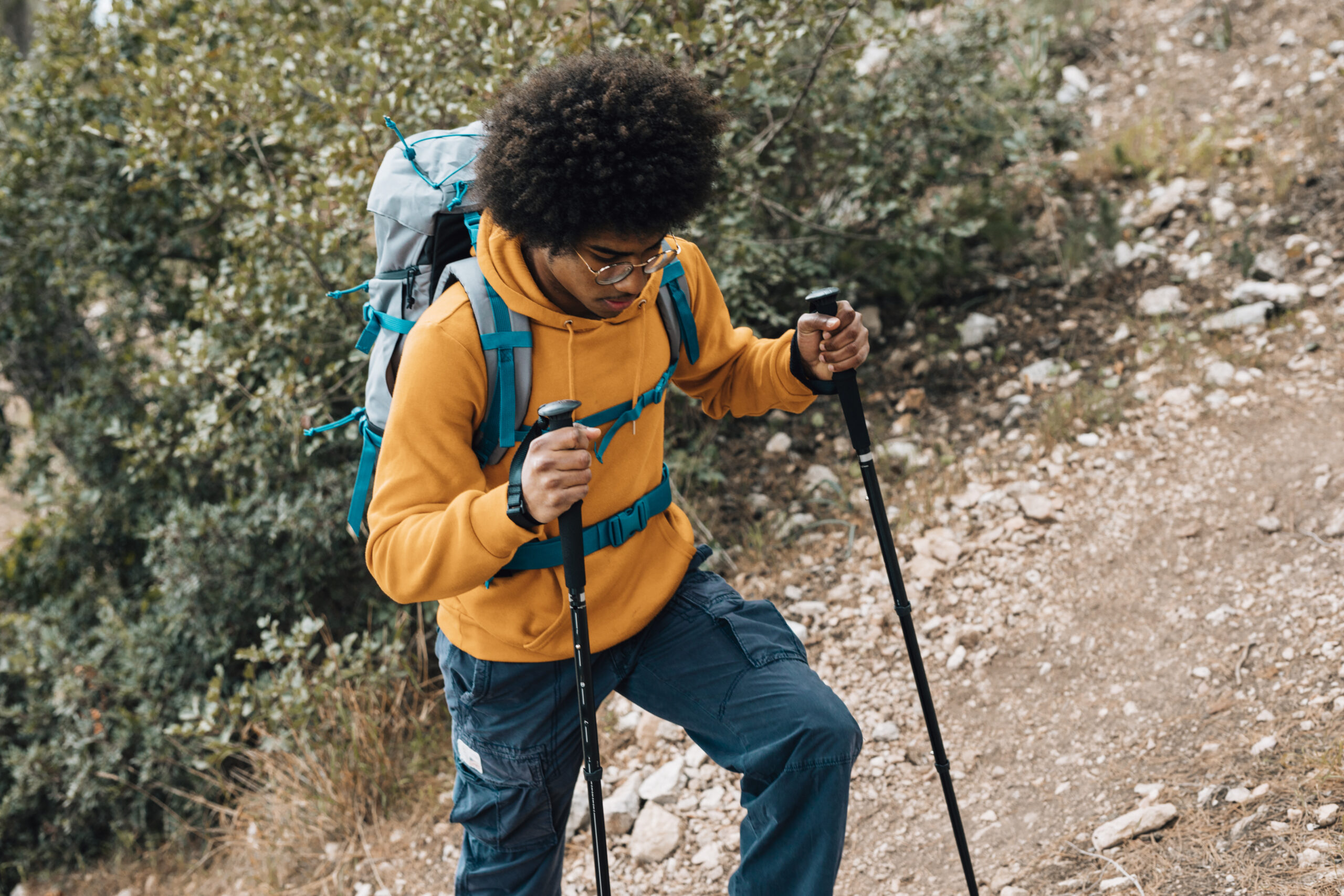
- Trekking poles for balance and reducing knee strain on descents
- A comfortable daypack (20–30 liters) for personal items
- Headlamp with spare batteries for the summit ascent
- Reusable water bottles or hydration system
- Sunglasses with UV protection
- High-SPF sunscreen and lip balm
Even though porters carry most equipment, trekkers should keep daily essentials in their own pack.
Sleeping and Personal Comfort
Mount Meru uses a hut system rather than tents, which provides more shelter but still requires a warm sleeping bag rated for sub-zero temperatures. Nights at higher elevations can be very cold, and proper insulation ensures restful sleep before demanding hiking days.
Personal comfort items such as wet wipes, hand sanitizer, and basic toiletries are helpful since hut facilities are simple. Earplugs may also improve sleep in shared dormitory settings.
Nutrition and Energy
Climbing at altitude burns a high number of calories, so balanced nutrition is essential. Professional trekking crews provide hot meals including carbohydrates, proteins, vegetables, and fruits to maintain energy levels. Snacks like nuts, energy bars, chocolate, and dried fruit are useful during hiking breaks.
Electrolyte powders can help replace minerals lost through sweat, especially on warmer lower slopes. Even when appetite decreases at higher altitudes, small frequent snacks keep energy steady.
Health, Safety, and Travel Insurance
Before attempting Mount Meru trails for Adventure, trekkers should have a general medical checkup if they have any underlying conditions. Carrying a basic personal first-aid kit with blister treatment, pain relievers, and any prescribed medications is recommended.
Travel insurance that covers high-altitude trekking and emergency evacuation is essential. Although incidents are rare, mountain environments can be unpredictable, and insurance provides peace of mind.
Guides carry comprehensive safety equipment including first-aid kits and communication devices. Their training in altitude management and wilderness response is a major part of what makes climbing Meru safe when done with a professional operator.
Best Time to Climb
Weather significantly affects comfort and visibility. The best seasons for climbing Mount Meru are during Tanzania’s dry periods:
- June to October – Cool, clear skies, excellent visibility
- December to February – Warmer but generally stable conditions
Rainy seasons (March–May and November) can make trails slippery and reduce summit views, though the forest becomes lush and green.
Responsible Packing and Environmental Care
Sustainable trekking practices are essential in a protected ecosystem like Arusha National Park. Trekkers are encouraged to minimize plastic use, carry reusable containers, and follow Leave No Trace principles. All waste must be packed out or disposed of responsibly according to park rules.
Lightweight packing also improves comfort. Porters carry the main duffel bag, but weight limits apply to ensure fair working conditions. Packing only necessary items keeps loads manageable and supports ethical tourism practices.
The Role of Professional Guides and Crew
A strong support team enhances safety and enjoyment. Guides set a manageable pace, monitor health, and share knowledge about the mountain’s ecology and geology. Porters handle heavy equipment, while cooks prepare nourishing meals even in challenging conditions.
At Epic Horizons Adventures, we carefully select and train our mountain teams to provide expert guidance and genuine hospitality. Epic horizons Adventure we are looking extra miles to make sure every trekker is fully prepared, properly equipped, and confidently supported from the first briefing to the final descent.
Final Preparation Tips
In the final days before the trek, focus on rest, hydration, and organizing gear. Double-check that boots are comfortable, electronics are charged, and travel documents are in order. Arriving in Arusha at least one day early allows time for a gear check and pre-climb briefing with guides.
Preparation transforms a difficult climb into an achievable and deeply rewarding journey. When fitness, gear, and planning come together, trekkers can fully focus on the breathtaking landscapes and personal accomplishment that define Mount Meru trails for Adventure.
For more trekking health and altitude advice, you can visit:
https://www.cdc.gov/travel
For responsible trekking and mountain safety guidelines, see:
https://www.theuiaa.org
With the right preparation, Mount Meru becomes not just a climb, but a confident and life-enhancing adventure.