
Mount Meru travel costs explained in detail, including park fees, guide charges, equipment, and hidden expenses. Plan your Tanzania trek budget with confidence.https://www.epichorizonsadventures.com/our-tours/destinations/
Why Understanding Mount Meru Travel Costs Matters Before You Book
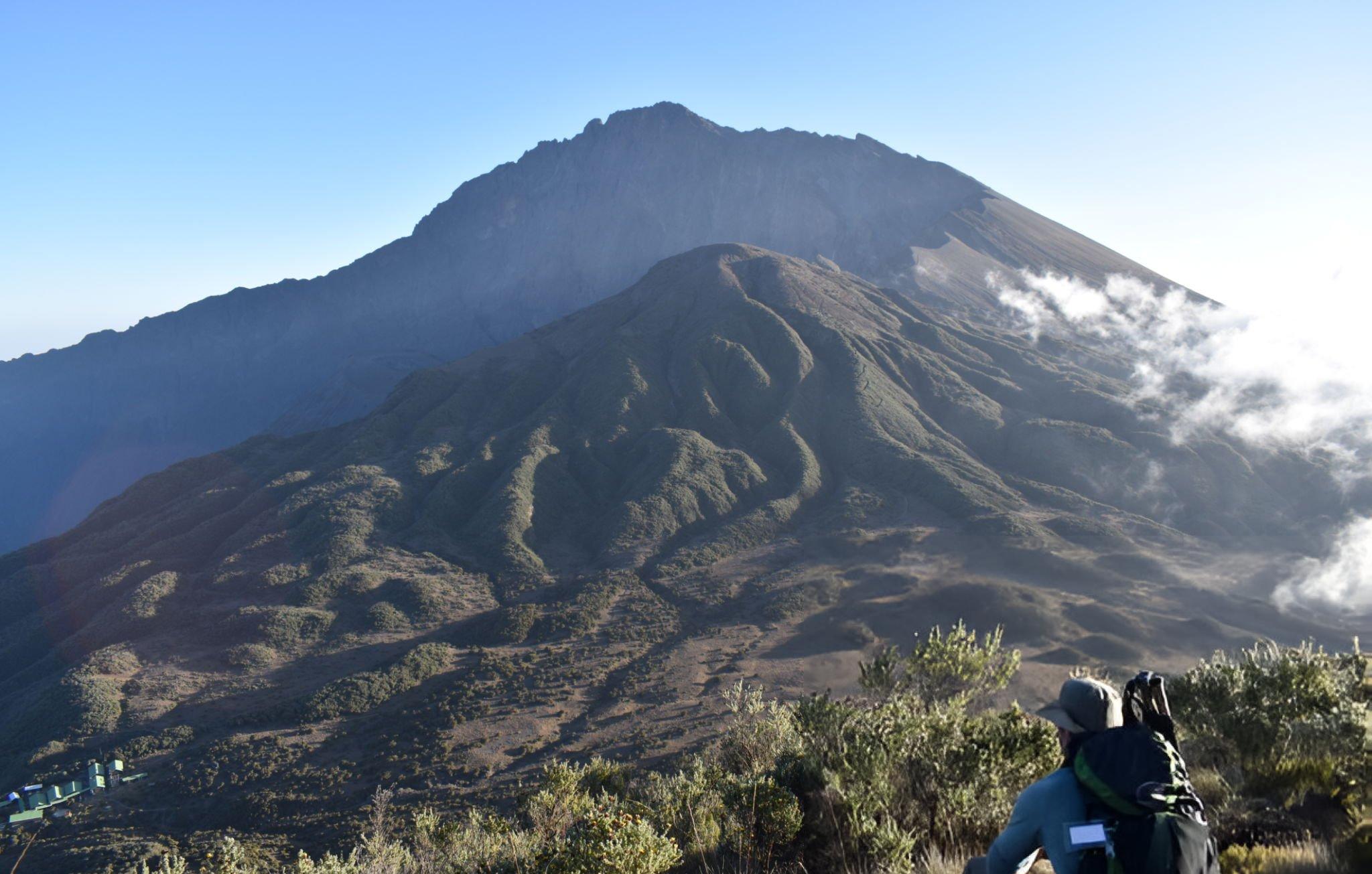
Planning a trek to Mount Meru is one of the smartest decisions a traveler can make when visiting Tanzania, especially for those seeking a less crowded but equally breathtaking alternative to Mount Kilimanjaro. However, one of the biggest mistakes travelers make is focusing only on the adventure and forgetting to properly understand the financial side of the journey. That’s why this guide on mount meru travel costs explained is essential for anyone who wants to avoid surprises, plan wisely, and get the best value for their experience. Mount Meru is located inside Arusha National Park, a protected area managed by the Tanzania National Parks Authority (TANAPA), which means that every climb involves regulated fees, certified guides, and logistical planning that directly affects your overall budget. Unlike typical hiking trips elsewhere in the world, you cannot simply show up and climb independently. There are park entry fees, rescue fees, camping or hut accommodation costs, guide and ranger requirements, and transport arrangements that all combine into the final price you pay.
Many travelers initially assume Mount Meru will be “cheap” just because it is less famous than Kilimanjaro, but that assumption can lead to unrealistic budgeting. While it is generally more affordable than Kilimanjaro, Mount Meru is still a multi-day, professionally supported expedition. Costs are influenced by the number of days you spend on the mountain (typically 3–4 days), the quality of the operator you choose, and the level of service you want. Budget packages may cover only basic necessities, while premium operators include higher-quality meals, better camping equipment, private transfers, and experienced mountain crews. Understanding where your money goes helps you decide whether you are comparing prices fairly or just being attracted by a low number that may exclude important services.
One of the biggest components of the cost comes from park and conservation fees. Because Mount Meru lies within Arusha National Park, visitors must pay daily conservation fees that contribute to wildlife protection, forest preservation, and park infrastructure. These fees are set by TANAPA and are non-negotiable, meaning every tour operator pays the same base charges. This ensures environmental sustainability but also means that extremely cheap prices can be a red flag that something important has been left out. In addition to conservation fees, there are hut fees since climbers sleep in designated mountain huts such as Miriakamba Hut and Saddle Hut rather than camping freely. These huts provide basic but safe accommodation, and their maintenance is part of the regulated system that protects the mountain environment.
Another important factor is safety. Mount Meru is a high-altitude climb reaching 4,566 meters (14,980 feet), and altitude sickness is a real risk. For this reason, armed park rangers accompany all climbing groups because the lower slopes are home to wildlife such as buffalo and elephants. The presence of rangers is mandatory and included in the overall trekking fee structure. Their role is both for wildlife protection and hiker safety, and their wages form part of the operational costs. Professional guides and porters are also required, not only to carry gear and cook meals but to monitor climbers for signs of altitude illness. This structured system is part of what makes Tanzanian mountain tourism safe and reputable, but it does mean your budget must cover a full support crew rather than just personal expenses.
Transportation logistics also play a major role in your total spending. Most climbs start from Arusha town, which is about an hour’s drive from the Momella Gate of Arusha National Park. Tour packages often include hotel pickup and drop-off, park transfers, and sometimes airport transfers from Kilimanjaro International Airport. If you try to arrange these separately, costs can quickly add up through taxi fares and park vehicle entry charges. Booking through a licensed tour company usually bundles transport in a way that is more efficient and less stressful. When comparing prices, it’s important to confirm whether transfers, meals before and after the climb, and accommodation in Arusha are included or charged separately.
Food and mountain crew welfare are other areas that responsible travelers should understand. Ethical tour operators follow porter welfare guidelines, ensuring porters carry reasonable loads, receive proper meals, and are paid fairly. Organizations like the Kilimanjaro Porters Assistance Project (KPAP) promote fair treatment standards across Tanzanian trekking routes (https://kiliporters.org). While Mount Meru is less commercial than Kilimanjaro, many reputable companies still align with these ethical practices. Choosing a very low-cost operator might mean corners are being cut on porter wages or food quality, which affects both safety and the overall experience. Paying a fair price contributes to local livelihoods and supports sustainable tourism in the Arusha region.
Seasonality also influences how you should think about costs. Tanzania has two main trekking seasons: the dry seasons from June to October and from December to February. During these months, demand for mountain treks rises, and availability for huts, guides, and park slots can become limited. While official park fees remain fixed, tour operators may have less flexibility on pricing because of high demand for staff and logistics. Traveling in shoulder seasons like March or November can sometimes offer better package deals, though weather conditions may be less predictable. Understanding this balance helps you decide whether saving money or maximizing summit success conditions is your top priority.
Gear is another hidden cost many climbers underestimate. Even though Mount Meru is shorter than Kilimanjaro, it still requires proper cold-weather and high-altitude clothing. Items like insulated jackets, thermal layers, gloves, trekking poles, and quality boots are essential. Some tour operators offer gear rental in Arusha, which can be cost-effective if you do not want to purchase everything. However, rental quality varies, so it’s important to confirm what is available in advance. Factoring gear into your budget is part of truly understanding mount meru travel costs explained, because equipment can easily add a few hundred dollars if not planned for early.
Travel insurance is another cost that should never be skipped. A proper policy must cover high-altitude trekking up to at least 5,000 meters and include emergency evacuation. Helicopter rescue services operate in northern Tanzania, but they are extremely expensive without insurance. Many reputable operators will ask for proof of insurance before confirming your booking. Companies like World Nomads (https://www.worldnomads.com) and SafetyWing (https://safetywing.com) offer policies popular among adventure travelers, but coverage details should always be checked carefully.
It’s also important to remember that tipping is a cultural norm in Tanzanian mountain trekking. Your guides, porters, and cooks work incredibly hard to ensure your safety and comfort. Tips are not usually included in the package price and should be budgeted separately. While amounts vary, many operators provide tipping guidelines to help travelers prepare. Including tips in your financial planning ensures you are not caught off guard at the end of the trek.
Ultimately, understanding mount meru travel costs explained allows you to move from guesswork to confidence. Instead of asking, “Why is this package cheaper?” you start asking, “What is included, and does this match the experience and safety level I want?” That shift in mindset transforms your trip from a risky bargain hunt into a well-planned adventure investment. A properly budgeted Mount Meru climb delivers not just a summit photo, but wildlife encounters, forest hikes, crater views, and a deep sense of achievement that makes every dollar worthwhile.
At Epic Horizons Adventures, we believe that transparency builds trust and better travel experiences. Epic horizons Adventure we are looking extra miles to make sure…. every climber understands where their money goes, how their trip supports conservation, and how their adventure contributes to local communities around Arusha. When travelers are informed, they make smarter decisions, travel more responsibly, and enjoy their journey with total peace of mind.
By now, you can see that climbing Mount Meru is not just about physical preparation — it is also about financial preparation. Knowing the structure behind the pricing helps you avoid unrealistic expectations and ensures you choose an operator that values safety, ethics, and sustainability. As we continue this guide, we will break down each cost category in detail so you can clearly see how your total trip budget is formed and where you might adjust based on your travel style.
Detailed Breakdown of Park Fees, Hut Fees, and Mandatory Ranger Charges

When climbers begin researching prices for a Mount Meru expedition, the first numbers they usually encounter are related to park and conservation fees. These are the foundation of the entire budget and the most important part of understanding mount meru travel costs explained because they are fixed by the government and apply to every single visitor without exception. Mount Meru sits within Arusha National Park, which is managed by the Tanzania National Parks Authority (TANAPA). TANAPA is responsible for protecting wildlife, maintaining trekking routes, preserving forest ecosystems, and ensuring visitor safety. The fees collected from climbers directly fund these conservation efforts, which means your payment contributes to safeguarding giraffes, buffalo, elephants, colobus monkeys, and the rich birdlife found on the mountain’s slopes. Official park fee structures are published by TANAPA and updated periodically, so reputable operators always base their quotations on these standardized rates (https://www.tanzaniaparks.go.tz).
The primary charge is the daily conservation fee, which every climber must pay for each day spent inside the park. Since most Mount Meru climbs last three or four days, this fee is multiplied accordingly. The conservation fee covers access to the protected area, use of the trails, and general environmental management. Unlike some hiking destinations around the world where entry tickets are minimal, Tanzanian national parks operate under a high-value, low-impact tourism model. This approach limits overcrowding while generating enough revenue to maintain the park sustainably. For travelers, this means conservation fees make up a significant portion of the overall trekking cost, but they also ensure the mountain remains wild, clean, and biologically diverse for future generations.
In addition to conservation fees, climbers must pay a hut fee because overnight stays on Mount Meru are only allowed in designated mountain huts. The two main huts used during the climb are Miriakamba Hut and Saddle Hut. These structures provide dormitory-style sleeping areas, dining spaces, and basic washing facilities. While they are not luxury accommodations, they are sturdy, weather-protected, and strategically located for acclimatization and safety. Hut fees go toward maintenance, staffing, and infrastructure improvements such as water systems and sanitation. This is another regulated component of mount meru travel costs explained, and it is not something an operator can legally remove or discount. Every climber, guide, and porter who stays overnight on the mountain is registered, and their accommodation is tracked by park authorities.
One of the most unique costs associated with Mount Meru — and one that surprises many travelers — is the mandatory armed ranger fee. Unlike Kilimanjaro, Mount Meru’s lower slopes are home to large wildlife, including buffalo, which are known to be unpredictable and potentially dangerous. For this reason, TANAPA requires every trekking group to be accompanied by an armed park ranger. The ranger’s role is to provide security in wildlife zones and to respond in case of animal encounters. This requirement adds a layer of safety that is rare on most mountains worldwide, but it also adds to the total price. Ranger wages, park-issued equipment, and logistical coordination are all covered through this fee. While it may seem unusual at first, most climbers end up appreciating the ranger’s presence, especially after seeing fresh animal tracks along the trail.
Rescue fees are another mandatory charge included in park costs. These fees help fund emergency response services within the park, including ranger patrols, communication systems, and coordination with evacuation providers. Although serious incidents on Mount Meru are less common than on higher peaks, altitude sickness and injuries can still occur. The rescue fee ensures that infrastructure is in place to respond quickly. It is important to understand that this fee does not replace personal travel insurance; rather, it supports the park’s internal emergency systems. Travelers must still carry their own insurance that covers high-altitude trekking and evacuation. When looking at mount meru travel costs explained, this distinction between park rescue coverage and private insurance is crucial.
Another layer of park-related expense comes from crew entry fees. Your guides, cooks, and porters also pay park conservation and hut fees, which are typically bundled into your package price. Since a standard Mount Meru team may include one guide, an assistant guide, a cook, and several porters depending on group size, these crew-related fees add up quickly. Ethical operators are transparent about this and include it clearly in their quotations. If a package price seems unusually low, it is worth asking whether crew park fees are fully covered, because cutting corners in this area can lead to poor porter welfare or last-minute payment demands. Organizations that advocate for fair treatment of mountain crews emphasize the importance of proper budgeting to ensure staff are not exploited (https://mountainexplorers.org).
Vehicle entry and transfer permits within Arusha National Park can also form part of the park-related expenses. Tour vehicles entering the park to drop off and pick up climbers at Momella Gate are charged fees, which are usually factored into the overall trip cost. These charges support road maintenance, gate operations, and park administration. While they may seem minor compared to conservation or hut fees, they are still official costs that operators must pay. Understanding how these smaller park logistics fit into mount meru travel costs explained helps travelers see why a full-service package is often more convenient and ultimately more economical than trying to arrange transport independently.
It is also important to note that park fees differ for residents, non-residents, and East African citizens. International visitors generally pay higher conservation rates, which reflect the global value of Tanzania’s protected areas. This tiered pricing structure is common in many countries with significant wildlife tourism. When you receive a quote, your operator calculates your park fees based on your passport category. This is another reason why transparent communication during booking is essential. Incorrect documentation at the park gate can cause delays and unexpected additional charges.
All park fees are typically paid in advance by your tour operator through official TANAPA channels. This system reduces the need for climbers to handle cash payments at the gate and ensures proper record-keeping. Once inside the park, rangers verify permits and group details at various checkpoints along the route. These procedures maintain safety and accountability but also demonstrate how structured and regulated the Mount Meru trekking system is. Rather than being a casual hike, it is a carefully managed expedition within a national conservation area.
At Epic Horizons Adventures, we make it a priority to explain these charges clearly before any booking is confirmed. Epic horizons Adventure we are looking extra miles to make sure…. every client understands which fees go to conservation, which support safety, and which cover mountain accommodation. This level of transparency builds trust and allows travelers to appreciate that their payments are not just expenses but contributions to preserving one of Tanzania’s most beautiful landscapes.
By understanding these park, hut, and ranger fees in depth, travelers gain a clearer picture of how their budget is structured. These are not optional add-ons or hidden extras — they are the legal and environmental backbone of every Mount Meru climb. When you see them listed in your itinerary, you are looking at the direct cost of protecting wildlife habitats, maintaining safe trekking routes, and ensuring professional oversight on the mountain. That is the true core of mount meru travel costs explained, and it sets the stage for the remaining cost categories we will explore next, including guide services, food logistics, and equipment support.
In the next section, we will move beyond park-mandated expenses and look closely at operator service costs — the human side of your climb — where differences in quality, ethics, and comfort can significantly influence the final price and overall experience.
Guide Services, Crew Support, and Food Logistics Costs
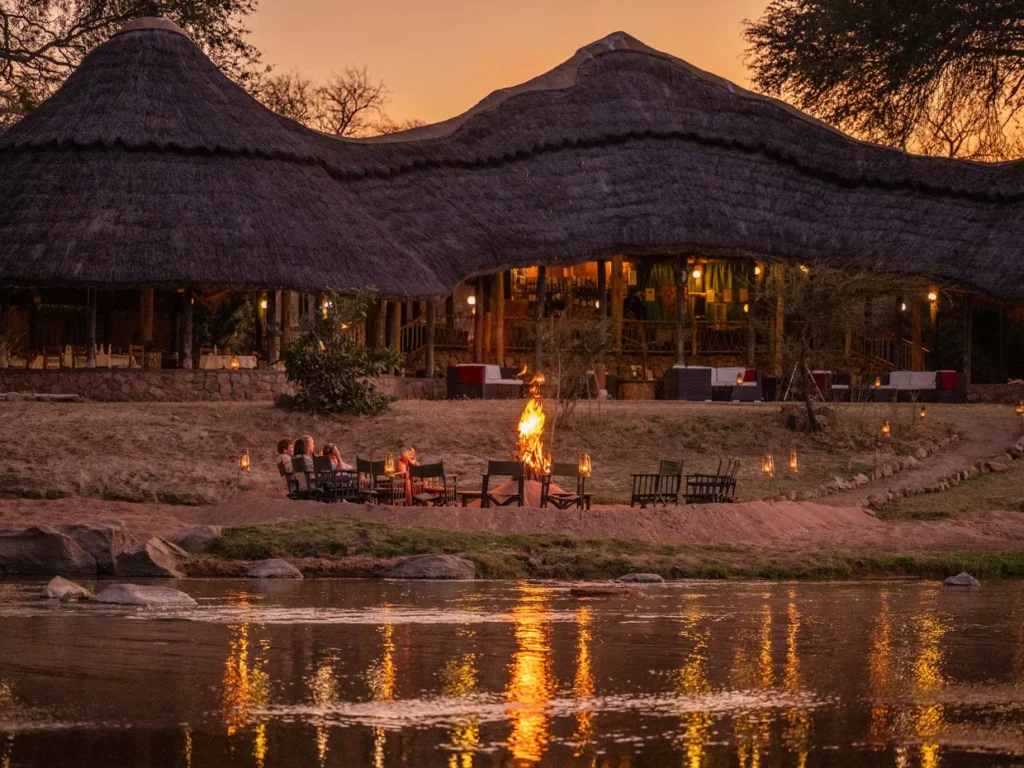
Beyond park and government fees, the next major component of your trekking budget comes from the human side of the climb — the guides, porters, cooks, and logistical systems that make a Mount Meru expedition safe, comfortable, and successful. This is where price differences between operators become most noticeable, and it is a critical part of understanding mount meru travel costs explained because service quality directly shapes your mountain experience. While park fees are fixed, operator service costs vary depending on staff experience, group size, equipment quality, and food standards. Choosing the right balance between budget and quality ensures you enjoy the climb rather than simply endure it.
Every Mount Meru climb must be led by a licensed mountain guide registered with the national park authorities. These guides are trained in altitude awareness, first aid, navigation, and emergency procedures. A professional guide does far more than lead the way — they monitor your pace, check oxygen levels when necessary, advise on hydration, and help you recognize symptoms of altitude sickness before they become dangerous. Experienced guides can read weather patterns, adjust schedules for acclimatization, and make crucial summit-day decisions. Their salaries reflect this level of responsibility and expertise. When you compare tour packages, a slightly higher price may indicate a more experienced lead guide with a strong safety record, which is an investment in your well-being.
Assistant guides are often included for larger groups. Their role is to support the lead guide, manage pacing differences among climbers, and provide extra supervision during challenging sections like the steep summit ridge. This additional staffing improves safety and group cohesion but increases operator labor costs. Smaller budget trips may run with minimal staff, which can be safe but may offer less personalized attention. As you learn more about mount meru travel costs explained, you begin to see that staffing ratios are a key factor behind pricing differences.
Porters are another essential part of the mountain crew. They carry camping equipment, food supplies, cooking gear, and sometimes a portion of climbers’ personal luggage. Without porters, a multi-day Mount Meru climb would require each trekker to carry heavy loads at high altitude, which would significantly reduce comfort and summit success rates. Ethical operators follow porter welfare guidelines that limit load weights and ensure fair wages, proper clothing, and adequate meals. Supporting fair labor practices may slightly increase trip costs, but it guarantees that the people who make your adventure possible are treated with dignity. Responsible tourism organizations encourage climbers to choose companies committed to fair porter treatment (https://www.kiliporters.org).
Food logistics are another major cost that varies widely between operators. On Mount Meru, all meals during the climb are prepared fresh by a mountain cook who travels with the team. Ingredients must be purchased in advance, transported to the park, and carried up the mountain by porters. At altitude, appetites often decrease, but nutrition becomes even more important. Quality operators design menus with soups, fresh vegetables, fruits, proteins, and high-energy carbohydrates to keep climbers strong and hydrated. Clean water must be boiled or filtered, and hot drinks are served regularly to maintain warmth. These details require planning, fuel supplies, and experienced cooking staff — all of which are built into your package price.
Lower-cost operators may reduce expenses by simplifying menus, limiting fresh ingredients, or providing smaller portions. While this might seem like a minor trade-off at first, food quality can significantly affect morale and energy levels on summit day. When evaluating mount meru travel costs explained, remember that meals are not just about taste — they are a vital part of your acclimatization and physical performance strategy. Well-fed climbers are stronger, warmer, and better able to handle altitude stress.
Drinking water management also adds to logistics costs. Safe water is critical at high elevations, and reputable teams use purification systems, boiling methods, or filtration equipment to ensure all water is safe for consumption. Fuel for boiling water must be carried up the mountain, which adds weight and porter requirements. These operational details often go unnoticed by travelers but are essential behind-the-scenes elements that influence pricing.
Group size is another factor affecting service costs. Smaller groups mean more personalized attention but higher per-person expenses because staffing and equipment costs are shared among fewer climbers. Larger groups can reduce individual prices but may move more slowly and feel less intimate. Some premium operators deliberately keep group sizes small to enhance safety and comfort, which is reflected in their pricing structure. This balance between group dynamics and budget is an important consideration when reviewing mount meru travel costs explained.
Pre-climb preparation and post-climb services also fall into this category. Many operators include a pre-trek briefing in Arusha, where guides check equipment, explain safety procedures, and answer questions. After the climb, some packages provide meals, showers, or hotel stays for recovery. While these may seem like small extras, they improve the overall experience and add operational expenses for the company. Airport transfers and town transport for staff and supplies are also part of the logistical chain that shapes your total package cost.
Communication equipment and safety gear further influence service pricing. Professional mountain teams carry radios or satellite phones, first aid kits, pulse oximeters, and emergency oxygen in some cases. These tools are critical for monitoring climber health and coordinating with park authorities if an issue arises. Maintaining and transporting this equipment requires investment, and reputable operators include these safety measures as standard practice rather than optional upgrades.
Training and staff retention are hidden costs that affect quality operators. Companies that invest in regular guide training, wilderness first aid certification, and customer service development tend to have higher operating expenses but deliver a more professional and reassuring experience. Staff who feel valued and fairly paid are more motivated and attentive on the mountain. When looking at mount meru travel costs explained, remember that a slightly higher price often reflects long-term investment in skilled, loyal mountain crews.
At Epic Horizons Adventures, service quality is a core priority. Epic horizons Adventure we are looking extra miles to make sure…. every guide is professionally trained, every porter is treated fairly, and every meal on the mountain supports climbers’ strength and morale. We believe the human element of the climb is just as important as the landscape itself, and that responsible staffing is the foundation of a safe and unforgettable experience.
Ultimately, guide services, crew logistics, and food preparation transform a simple trek into a fully supported expedition. These costs ensure that you are not alone in the wilderness but surrounded by a dedicated team focused on your safety and success. Understanding this side of the budget reveals why Mount Meru climbs are structured experiences rather than independent hikes. It also shows how thoughtful investment in professional support directly enhances your summit chances and overall enjoyment.
As we continue breaking down mount meru travel costs explained, the next section will focus on equipment, gear rental, and personal preparation expenses — the items climbers often overlook when planning their total adventure budget.
Equipment, Gear Rental, and Personal Preparation Expenses
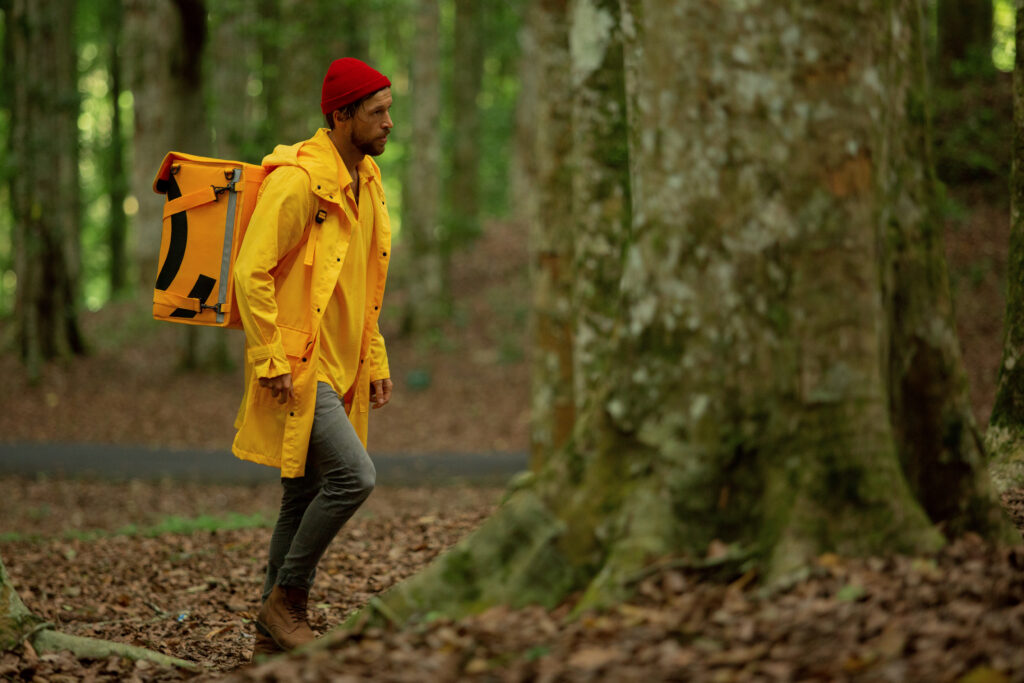
While park fees and crew services form the backbone of your trekking package, personal equipment and preparation costs are another major piece of the financial puzzle. Many climbers underestimate this category, yet it plays a crucial role in both comfort and safety at altitude. A proper understanding of mount meru travel costs explained must include the clothing you wear, the gear you carry, and the items you may need to rent or buy before arriving in Tanzania. Even the best guide team cannot compensate for inadequate personal gear when temperatures drop below freezing near the summit.
Mount Meru’s climate changes dramatically as you ascend. The lower slopes pass through warm rainforest, but higher elevations near Saddle Hut and the summit ridge are cold, windy, and often below zero degrees Celsius at night. Climbers need a layered clothing system that includes moisture-wicking base layers, insulating mid-layers like fleece or down, and a waterproof outer shell to protect against wind and rain. Quality gloves, thermal socks, a warm hat, and a neck gaiter are also essential. These items may already be in your closet if you have trekked in cold environments before, but for many travelers from warm climates, purchasing them specifically for the trip becomes a significant expense. Factoring clothing into mount meru travel costs explained helps avoid last-minute shopping stress or arriving underprepared.
Footwear is one of the most important investments. Proper trekking boots with ankle support and good grip are essential for the rocky summit ridge and potentially muddy forest trails. Cheap or worn-out shoes can lead to blisters, slips, and discomfort that may prevent you from reaching the summit. Many climbers also bring camp shoes or sandals for use at the huts after long hiking days. High-quality hiking socks, ideally moisture-wicking and cushioned, are another small but vital expense that contributes to foot health during the climb.
Sleeping comfort is another area to consider. Although Mount Meru uses huts instead of tents, temperatures inside can still be very cold at night. A warm sleeping bag rated for sub-zero temperatures is strongly recommended. Some operators include sleeping bags in their packages, while others offer rentals in Arusha. Renting can be cost-effective, but availability of high-quality, properly cleaned gear should be confirmed in advance. A sleeping bag liner adds extra warmth and hygiene, and many climbers prefer to bring their own.
Trekking poles are another useful item, especially for the steep descent sections that can strain knees. While not mandatory, poles improve balance and reduce fatigue, particularly on loose volcanic terrain. They are widely available for rent through tour operators. Headlamps are essential for summit night, which typically begins before midnight. A reliable headlamp with spare batteries ensures you can navigate safely in the dark during the final ascent. These small items might seem minor, but together they form an important part of mount meru travel costs explained because forgetting them often leads to emergency purchases at higher prices in Arusha.
Daypacks and duffel bags also come into play. Porters usually carry a large duffel bag with your main gear, while you carry a daypack with water, snacks, layers, and personal essentials. Waterproof covers or dry bags help protect electronics and clothing from rain or mist in the forest zone. Sunglasses with UV protection and high-SPF sunscreen are also essential because solar radiation increases with altitude, even on cloudy days.
Personal health supplies are another consideration. A small medical kit with blister care, pain relievers, altitude medication (if prescribed), and any personal prescriptions should be included in your planning. While guides carry group first aid kits, individual needs vary, and having your own basics is wise. Water purification tablets can serve as backup even if your operator provides treated water.
Travel insurance, though not a physical item, is part of your personal preparation budget. A comprehensive policy covering high-altitude trekking and emergency evacuation is strongly recommended. Without insurance, evacuation from the mountain can be extremely expensive. Policies designed for adventure travelers typically offer coverage for trekking at elevations similar to Mount Meru (https://www.worldnomads.com). Adding insurance to mount meru travel costs explained ensures you are financially protected in case of unexpected health issues or trip disruptions.
Vaccinations and health precautions may also involve costs depending on your country of origin. Some travelers require yellow fever vaccination certificates, malaria prevention medication, or other travel health preparations before arriving in Tanzania. Consulting a travel clinic several weeks before departure helps you budget for these medical requirements and ensures a smooth entry process.
Pre- and post-trek accommodation is another personal expense sometimes overlooked. Even if your mountain package includes park days, you may need hotel nights in Arusha before and after the climb. These nights allow time for briefings, gear checks, and recovery. Accommodation options range from budget hostels to luxury lodges, and your choice affects your overall trip budget. Meals in town, snacks for the trek, and souvenirs are also part of the broader financial picture.
At Epic Horizons Adventures, we help climbers plan their equipment carefully so there are no surprises. Epic horizons Adventure we are looking extra miles to make sure…. every traveler knows what to pack, what can be rented locally, and what is truly worth investing in for comfort and safety. Clear preparation reduces stress and allows you to focus fully on the adventure ahead.
Ultimately, gear and preparation expenses are about more than just money — they are about readiness. Being properly equipped increases your enjoyment, protects your health, and improves your chances of reaching the summit comfortably. When travelers understand this part of mount meru travel costs explained, they see that preparation is not an optional extra but a vital component of a successful climb.
In the final section, we will bring everything together with a full sample budget, tipping guidelines, and money-saving tips to help you plan your Mount Meru adventure with confidence and clarity.