
Mount Meru Trekking Guide for First-Time Travellers (2026)
Discover the ultimate Mount Meru trekking guide for first-time travellers – routes, daily itinerary, wildlife encounters, packing tips, and summit advice.https://www.epichorizonsadventures.com/destinations/mount-meru/
Introduction to Mount Meru – A Complete Overview for First-Time Travellers
Mount Meru is one of Tanzania’s most underrated yet rewarding trekking destinations, especially for travelers attempting a high-altitude mountain hike for the very first time. Standing at 4,566 meters above sea level, Mount Meru is the second-highest mountain in Tanzania after Mount Kilimanjaro, but it offers a very different and often more intimate trekking experience. For anyone researching a Mount Meru trekking guide for first-time travellers, understanding the mountain’s character, location, and overall appeal is the foundation for a successful and enjoyable climb.
Located within Arusha National Park in northern Tanzania, Mount Meru rises dramatically above the surrounding plains, offering breathtaking views of Mount Kilimanjaro on clear days. Unlike Kilimanjaro, which attracts tens of thousands of climbers each year, Mount Meru remains relatively quiet, making it ideal for travelers who want to experience mountain trekking without overwhelming crowds. This quieter atmosphere allows first-time trekkers to focus on acclimatization, wildlife encounters, and personal achievement rather than congestion on the trail.
One of the defining features of Mount Meru is its diverse natural environment. The trek begins in lush montane forests rich in wildlife and gradually transitions through heath zones, alpine meadows, and rugged volcanic landscapes near the summit. This gradual change in scenery keeps the trek visually engaging and mentally stimulating, which is particularly important for first-time travellers who may be unfamiliar with multi-day mountain hiking. The presence of varied ecosystems also provides educational value, as trekkers learn about East Africa’s unique biodiversity along the way.
Mount Meru is widely regarded as one of the best preparation climbs for Mount Kilimanjaro, but it is also a rewarding objective on its own. The altitude is high enough to challenge the body and introduce trekkers to acclimatization principles, yet lower than Kilimanjaro’s peak, making it more manageable for beginners. Many experienced guides recommend Mount Meru as a confidence-building climb, allowing first-time trekkers to test their physical and mental limits in a supportive environment. This is why a Mount Meru trekking guide for first-time travellers is often sought by those planning their first serious mountain adventure.
Another major advantage of Mount Meru is its strong safety structure. Unlike some trekking destinations where independent hiking is allowed, Mount Meru treks are strictly regulated by Tanzania National Parks Authority (TANAPA). All trekkers must be accompanied by an armed park ranger due to the presence of wildlife such as buffalo, giraffes, and elephants. While this may sound intimidating at first, it significantly enhances safety and provides a unique opportunity to experience wildlife in its natural habitat. Official information about park regulations and conservation efforts can be found on the TANAPA website: https://www.tanzaniaparks.go.tz.
For first-time travellers, the psychological comfort of knowing that the trek is well-managed and supervised cannot be overstated. Professional guides, porters, and rangers work together to ensure that trekkers follow safe routes, maintain a steady pace, and respond appropriately to altitude-related symptoms. Epic Horizons Adventures goes the extra mile to make sure every traveller enjoys a safe, well-guided, and unforgettable Mount Meru trekking experience, particularly for those who are new to high-altitude trekking and may feel uncertain about their abilities.
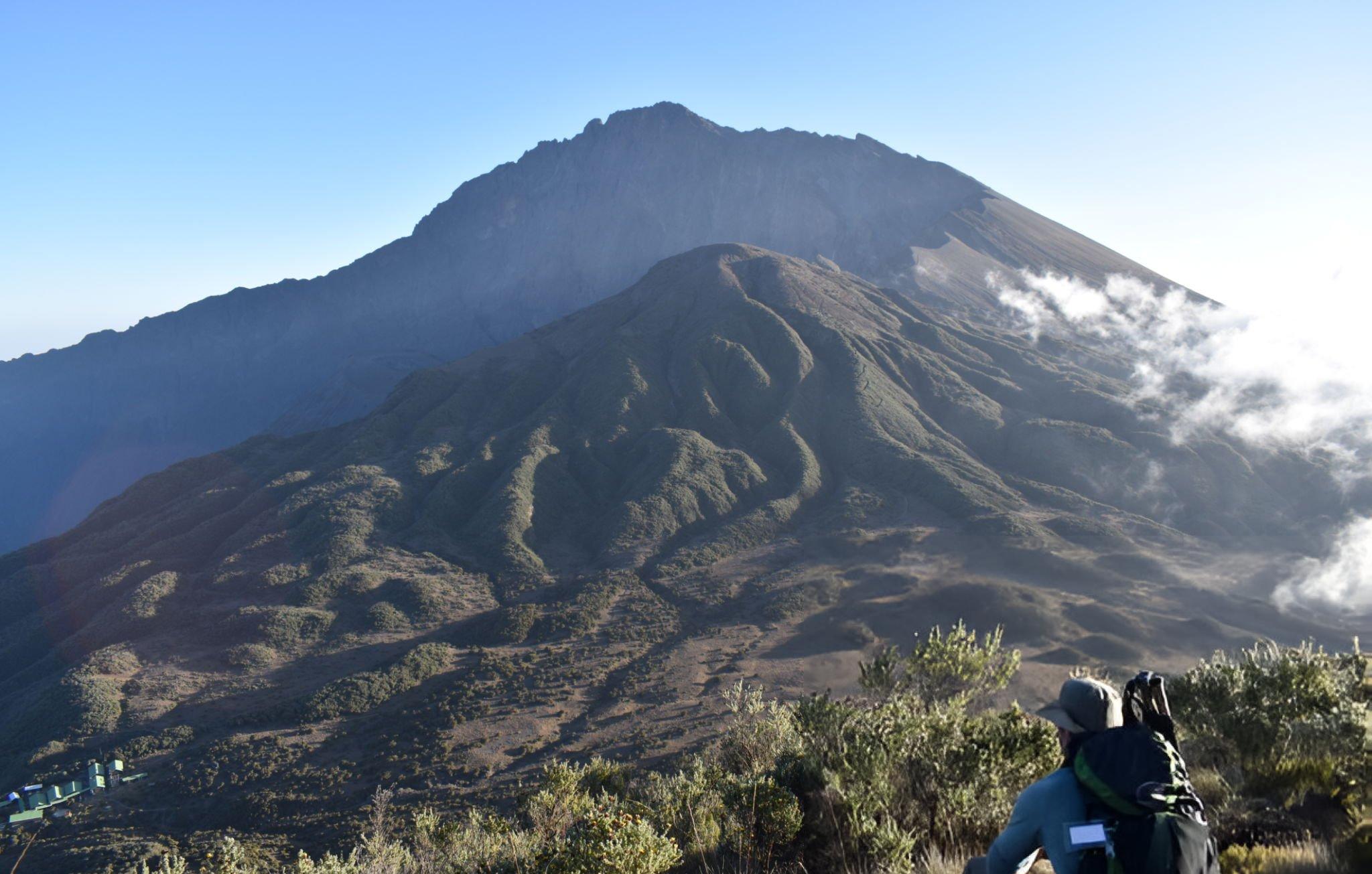
Mount Meru also stands out because of its unique geological history. The mountain is a dormant stratovolcano, and its dramatic crater, ash cone, and rugged ridgelines tell the story of ancient volcanic activity. The summit, known as Socialist Peak, offers panoramic views that rival those of Kilimanjaro, including sweeping vistas of the Rift Valley and surrounding plains. For first-time trekkers, reaching such a summit delivers a profound sense of accomplishment without the extreme altitude challenges associated with higher peaks.
Accessibility is another reason Mount Meru is ideal for beginners. The mountain is located just a short drive from Arusha city, one of Tanzania’s main tourism hubs. This proximity reduces travel fatigue and allows trekkers to begin their adventure well-rested. Arusha also offers a wide range of accommodations, gear rental options, and medical facilities, making it an excellent base for first-time travellers who want reassurance before starting their trek. According to Lonely Planet (https://www.lonelyplanet.com), Arusha National Park is one of the most scenic yet accessible protected areas in northern Tanzania.
Culturally, Mount Meru holds significance for local communities living around its foothills. The mountain is deeply embedded in local traditions and is viewed with respect and reverence. Trekking Mount Meru is not just a physical journey but also a cultural encounter, as guides often share stories and insights about the region’s history and people. For first-time travellers, this cultural dimension adds depth to the trekking experience and creates a stronger emotional connection to the destination.
From a fitness perspective, Mount Meru requires moderate physical preparation. While it does not demand technical climbing skills, trekkers should be comfortable with long walking days, uphill ascents, and carrying a light daypack. The structured itinerary, usually spanning three to four days, allows the body to adapt gradually to altitude. This makes Mount Meru particularly suitable for those who may be nervous about their first exposure to high-altitude trekking. A well-prepared Mount Meru trekking guide for first-time travellers emphasizes pacing, hydration, and rest rather than speed or competition.
Weather conditions on Mount Meru are generally favorable, though they vary by season and altitude. Lower slopes are often warm and humid, while higher elevations can be cold and windy, especially at night. Understanding these variations helps first-time trekkers prepare appropriate clothing and gear, reducing discomfort and risk. Reliable weather updates can be checked through global services such as https://weather.com when planning trekking dates.
Another aspect that makes Mount Meru appealing is its wildlife encounters. Since the trek passes through Arusha National Park, trekkers may encounter giraffes, warthogs, monkeys, and a variety of bird species, particularly in the lower forest zones. These encounters are carefully managed for safety but add a safari-like element to the trek. For many first-time travellers, this combination of trekking and wildlife viewing is a unique and memorable experience rarely found elsewhere in the world.
In summary, Mount Meru offers first-time travellers a balanced introduction to high-altitude trekking. It combines manageable difficulty, stunning scenery, strong safety systems, and cultural and wildlife experiences into a single journey. For those seeking an authentic mountain adventure without the extreme pressures of higher peaks, Mount Meru stands as an exceptional choice. By understanding the mountain’s environment, structure, and appeal, first-time trekkers can approach their climb with confidence, clarity, and excitement—exactly what a well-crafted Mount Meru trekking guide for first-time travellers is designed to provide.
Mount Meru Trekking Routes, Itinerary, and Difficulty Level for First-Time Travellers
One of the most important aspects for beginners planning their first high-altitude hike is understanding the trekking routes, daily itinerary, and overall difficulty of the mountain. When researching a Mount Meru trekking guide for first-time travellers, many questions arise around how demanding the trek really is, how many days are required, and what each day on the mountain looks like. Mount Meru is particularly well-suited for first-time trekkers because of its clearly defined route, structured itinerary, and moderate difficulty level compared to other major peaks in East Africa.
Mount Meru has one main trekking route, known as the Momella Route, which is used for both ascent and descent. Unlike Mount Kilimanjaro, which has multiple routes with varying levels of difficulty and traffic, Mount Meru’s single-route system simplifies planning and reduces confusion for beginners. The Momella Route is well maintained by Tanzania National Parks Authority (TANAPA) and is designed to offer gradual altitude gain, scenic variety, and safe access through the mountain’s different ecological zones.
The standard Mount Meru trek usually takes three to four days, depending on the chosen itinerary and the acclimatization needs of the group. For first-time travellers, the four-day itinerary is highly recommended, as it allows the body more time to adapt to altitude and reduces the risk of altitude-related discomfort. While a three-day trek is possible, it involves longer hiking days and is better suited to those with prior trekking experience or strong fitness levels.
Day 1: Momella Gate to Miriakamba Hut
The trek begins at Momella Gate, located within Arusha National Park at an altitude of approximately 1,500 meters. After completing park registration and briefing procedures, trekkers start hiking through open grasslands and montane forest. This first day is relatively gentle and serves as a warm-up for what lies ahead. Wildlife sightings are common, and trekkers may encounter giraffes, buffalo, zebras, and various bird species. For safety reasons, an armed park ranger accompanies all groups.
The hike to Miriakamba Hut, situated at around 2,514 meters, typically takes four to six hours. The trail is well marked and gradually ascends, allowing first-time trekkers to settle into a comfortable walking rhythm. Miriakamba Hut offers basic but well-maintained accommodation, shared dining areas, and toilets. This first night on the mountain introduces trekkers to sleeping at altitude, an important milestone in any Mount Meru trekking guide for first-time travellers.
Day 2: Miriakamba Hut to Saddle Hut
Day two involves a more noticeable increase in altitude as trekkers move from Miriakamba Hut to Saddle Hut, located at approximately 3,570 meters. The trail passes through dense forest before opening up into heath and moorland zones. Vegetation becomes shorter, temperatures cooler, and views more expansive. This transition is often one of the most memorable parts of the trek, as the mountain’s volcanic nature becomes increasingly visible.
The hike on day two usually takes three to five hours, making it a shorter but steeper day compared to day one. Upon arrival at Saddle Hut, trekkers often take an acclimatization walk to Little Meru (3,820 meters). This optional hike helps the body adjust to altitude and improves summit success rates. First-time travellers may find this day challenging but rewarding, as it builds confidence and prepares them for the summit attempt.
Day 3: Summit Day – Saddle Hut to Socialist Peak and Back
Summit day is the most demanding and exciting part of the Mount Meru trek. The ascent typically begins around midnight or early morning, allowing trekkers to reach the summit at sunrise. The trail from Saddle Hut to Socialist Peak (4,566 meters) is steep and involves rocky terrain, narrow ridges, and volcanic ash. While no technical climbing skills are required, mental focus and steady pacing are essential.
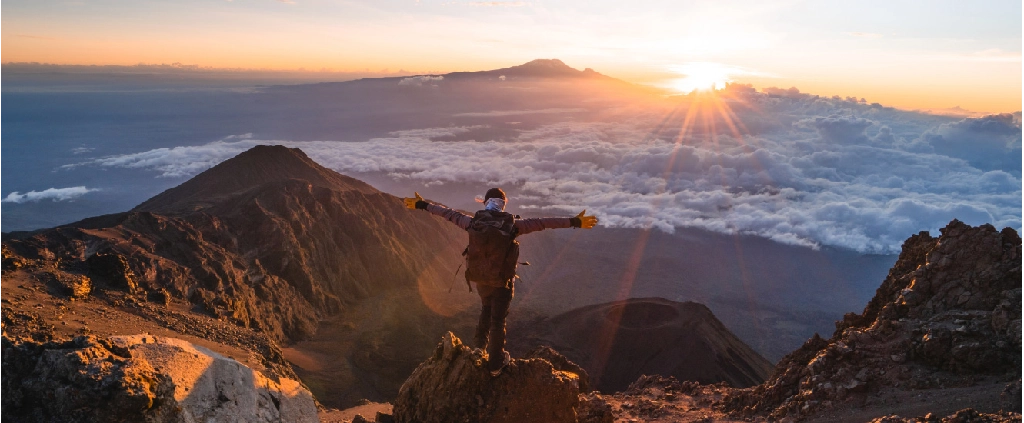
For first-time trekkers, summit day is as much a psychological challenge as a physical one. Cold temperatures, altitude effects, and fatigue can test determination. However, the rewards are immense. From the summit, trekkers are greeted with panoramic views of Mount Kilimanjaro, the Ash Cone inside Meru’s crater, and the vast plains below. Reaching Socialist Peak is a major achievement and a defining moment in any Mount Meru trekking guide for first-time travellers.
After spending a short time at the summit, trekkers descend back to Saddle Hut for rest and then continue down to Miriakamba Hut or Momella Gate, depending on the itinerary. Descending can be physically demanding on the knees, but it is generally easier in terms of breathing as altitude decreases.
Day 4: Descent to Momella Gate (Optional but Recommended)
For those following a four-day itinerary, the final day involves a relaxed descent from Miriakamba Hut back to Momella Gate. This extra day allows the body to recover gradually and reduces fatigue after summit day. First-time travellers often appreciate this slower pace, as it provides time to reflect on the journey and enjoy the final views of the forest and wildlife.
Difficulty Level Explained for Beginners
Mount Meru is classified as a moderate to challenging trek, but it is widely considered beginner-friendly when approached with proper preparation and guidance. The altitude is significant, yet manageable, and the structured itinerary allows for acclimatization. The main challenges include altitude gain, summit day exertion, and cold temperatures at higher elevations. However, the absence of technical climbing makes Mount Meru accessible to anyone with reasonable fitness and determination.
Fitness preparation for Mount Meru should focus on cardiovascular endurance, leg strength, and stamina. Activities such as hiking, stair climbing, cycling, and long walks are excellent preparation methods. Mental readiness is equally important, as first-time trekkers benefit from understanding that slow and steady progress is key to success.
Professional support greatly enhances the experience. Epic Horizons Adventures goes the extra mile to make sure every traveller enjoys a safe, well-guided, and unforgettable Mount Meru trekking experience, especially by tailoring itineraries to first-time trekkers and maintaining a pace that prioritizes health and enjoyment over speed.
According to Tanzania National Parks Authority guidelines (https://www.tanzaniaparks.go.tz), Mount Meru trekking success rates are high when climbers follow recommended itineraries and safety protocols. This reinforces Mount Meru’s reputation as one of the best introductory high-altitude treks in Africa.
In conclusion, Mount Meru’s Momella Route, clear itinerary, and moderate difficulty level make it an excellent choice for beginners. Each day on the mountain builds progressively toward the summit, allowing first-time travellers to adapt physically and mentally. By understanding the routes, daily structure, and challenges involved, trekkers gain confidence and clarity—key elements of any effective Mount Meru trekking guide for first-time travellers.
What to Expect on a Mount Meru Trek – Daily Experience and Wildlife Encounters
Embarking on a Mount Meru trek is a multifaceted adventure, offering not only physical challenges but also a rich tapestry of natural and cultural experiences. For those consulting a Mount Meru trekking guide for first-time travellers, understanding what each day entails, what wildlife may be encountered, and what sensory experiences to anticipate is crucial for preparation and enjoyment. Mount Meru’s appeal lies in its ability to combine the thrill of high-altitude trekking with immersive exposure to East Africa’s diverse ecosystems.
The trek’s first day begins at Momella Gate, where trekkers are welcomed by the verdant landscapes of Arusha National Park. After necessary briefings, registration, and park fees, the journey through open savannah and montane forests starts. First-time trekkers can expect moderate walking paths that gradually ascend toward Miriakamba Hut. Along this section, one may encounter giraffes gracefully browsing, zebras grazing in open grasslands, and troops of vervet monkeys leaping from tree to tree. These wildlife encounters are both exciting and educational, providing a safari-like experience that complements the trekking adventure.
Moving through the forested slopes, trekkers notice the gradual change in flora. Lower zones are dominated by acacia and baobab trees interspersed with grasslands, while mid-altitude zones transition into dense montane forest with towering camphor and olive trees. Birds are abundant, including hornbills, turacos, and various sunbirds, creating a natural soundtrack of calls and songs. The biodiversity encountered during this section makes the trek particularly rewarding for first-time travellers who may be unfamiliar with East African ecosystems.
Reaching Miriakamba Hut, trekkers are introduced to the experience of sleeping at altitude. This hut is well-maintained, offering basic accommodation, a communal dining area, and opportunities to socialize with fellow trekkers. Evenings are often spent preparing gear, listening to guides’ briefings, and enjoying the unique environment. For first-time trekkers, this night is essential for acclimatization and sets the tone for understanding what to expect on a Mount Meru trek. Professional guides provide tips on hydration, pacing, and dealing with altitude changes, enhancing confidence and safety.
On day two, the trek progresses to Saddle Hut, passing through heath and moorland zones. First-time travellers will notice the environment becoming more rugged, with stunted vegetation, rocky paths, and cooler temperatures. The ascent is steeper, yet the well-marked trail ensures that hikers can navigate without technical climbing skills. Along the way, trekkers may spot small mammals such as duikers and bushbucks, as well as more exotic bird species including the Fischer’s lovebird. The experience of combining trekking with wildlife observation is a hallmark of a Mount Meru adventure.
Day two often includes optional acclimatization walks around Little Meru at 3,820 meters. These short hikes are designed to help the body adjust to higher altitudes before attempting the summit. First-time trekkers benefit significantly from this gradual approach, as it reduces the risk of altitude sickness while providing additional scenic viewpoints. Guides often encourage slow, steady pacing and frequent hydration to maintain energy levels. These lessons in altitude management are key elements highlighted in any reliable Mount Meru trekking guide for first-time travellers.
Summit day, usually day three, begins early, often before midnight, to reach Socialist Peak by sunrise. Trekkers can expect a cold, dark, and physically demanding start, requiring careful navigation along narrow ridges and volcanic ash trails. Although the hike is strenuous, it is not technical, making it achievable for most first-time trekkers who have followed the recommended preparation and acclimatization steps. Sunrise from Socialist Peak is breathtaking, revealing sweeping views of Mount Kilimanjaro, the Meru crater, and the expansive plains below—a moment that often defines the trek in memory and photography.
The wildlife experience continues even at higher altitudes. While the tree line limits sightings of larger mammals, birdwatchers may spot alpine-specialist species, and small rodents are occasionally observed along the trail. The diversity of life, from the forested lower slopes to the alpine summit, offers first-time trekkers a comprehensive encounter with East Africa’s flora and fauna. The mixture of trekking and natural observation reinforces why Mount Meru is highly recommended for those new to high-altitude hiking.
Daily experiences on Mount Meru also include the social aspect of trekking with guides, porters, and fellow climbers. Groups often share meals, exchange stories, and support each other during challenging sections of the trail. These interactions create a sense of community, which is particularly comforting for first-time travellers who may feel anxious about altitude or physical exertion. Group dynamics, combined with expert guidance, enhance safety and contribute to the overall enjoyment of the trek.
Weather expectations are another important aspect. Early mornings and nights are cold, sometimes dropping below freezing near the summit, while daytime temperatures are moderate, with occasional rainfall depending on the season. First-time trekkers are advised to layer clothing, carry waterproof gear, and use sun protection. Reliable forecasts can be checked on services like https://weather.com to plan each day effectively. Understanding the daily weather helps set realistic expectations and reduces discomfort during the trek.
Scenic photography opportunities are abundant. From the lush forests and sweeping plains of the lower slopes to the dramatic volcanic crater near the summit, Mount Meru offers photographers a rich variety of landscapes. First-time trekkers should allocate time each day to capture the environment, using either cameras or smartphones. Guided tips on where to safely photograph help minimize risks while maximizing visual storytelling.
Epic Horizons Adventures goes the extra mile to make sure every traveller enjoys a safe, well-guided, and unforgettable Mount Meru trekking experience, ensuring that first-time climbers are supported in every aspect—from wildlife encounters to summit success. Guides are trained to provide information on flora, fauna, and geological features, making each day educational as well as physically rewarding.
In conclusion, understanding the daily experience, wildlife encounters, and overall sensory journey is essential for any first-time trekker on Mount Meru. By preparing mentally and physically, engaging with guides, observing the abundant wildlife, and pacing oneself appropriately, first-time travellers gain confidence and enjoyment at every stage of the hike. A comprehensive Mount Meru trekking guide for first-time travellers highlights these experiences, helping climbers approach the trek with anticipation, clarity, and appreciation for the natural beauty that defines this remarkable mountain.

All Categories
Recent Posts
best Tarangire elephant viewing point (2026)

Best Tarangire lodges and camps (2026)
Best Tarangire birds watching tips (2026)
The best tour company
Quick booking process
0764187033