Mount Meru trekking routes explained in detail, comparing route difficulty, distance, scenery, and summit success tips. Discover the best Mount Meru routes with expert guidance from Epic Horizons Adventure.https://www.epichorizonsadventures.com/our-tours/destinations/
Overview of Mount Meru Trekking Routes
Mount Meru is one of Tanzania’s most rewarding trekking destinations, offering dramatic landscapes, rich wildlife, and a well-structured network of trekking routes suitable for different experience levels. Located within Arusha National Park, this volcanic mountain rises to 4,566 meters above sea level and serves as both a standalone adventure and a preparation climb for Mount Kilimanjaro. Understanding the overall structure of its trekking routes is essential for climbers who want a safe, scenic, and well-organized experience. This is where mount meru trekking routes explained becomes an essential topic for travelers planning their journey.
Mount Meru’s trekking system is designed around safety, gradual acclimatization, and environmental conservation. Unlike many mountains where multiple informal trails exist, Mount Meru is governed by strict park regulations that require all climbers to follow designated routes accompanied by armed rangers and professional guides. This structure ensures not only the protection of wildlife but also the safety of climbers, especially in areas where encounters with animals such as buffalo, giraffes, and elephants are possible. These regulations make Mount Meru one of the most controlled and secure trekking environments in East Africa.
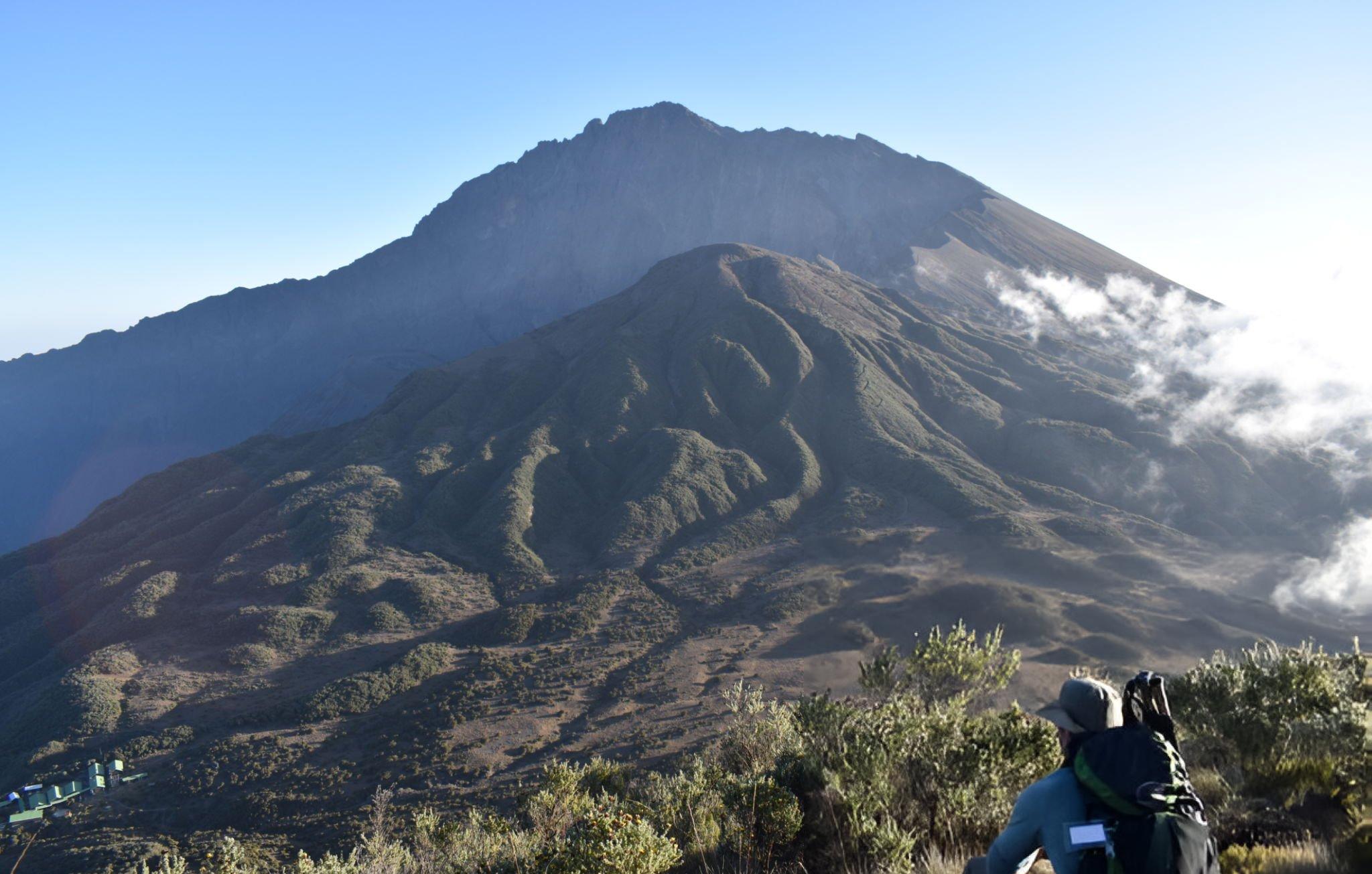
The mountain’s routes are primarily concentrated on its eastern and northern slopes, where vegetation transitions from dense montane forest to open heathland and finally to alpine desert near the summit. Each trekking route is carefully planned to pass through these ecological zones in a gradual manner, allowing climbers to experience diverse landscapes while adapting to altitude changes. The design of these routes reflects decades of conservation planning and mountaineering experience, making Mount Meru particularly appealing to climbers seeking both challenge and natural beauty.
Epic horizons Adventure we are looking extra miles to make sure trekkers fully understand the structure and flow of Mount Meru’s trekking routes before setting foot on the mountain. By educating climbers early, unnecessary risks are reduced and expectations are aligned with the realities of high-altitude trekking. This approach allows climbers to focus on enjoying the journey rather than worrying about logistics or surprises along the trail.
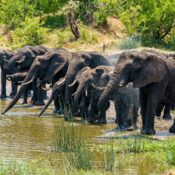
One of the defining features of Mount Meru’s trekking routes is their integration with Arusha National Park’s wildlife corridors. Unlike many high-altitude treks that begin in remote or barren landscapes, Mount Meru starts in a vibrant ecosystem where wildlife sightings are common even on the first day. Trekking routes are intentionally designed to minimize human-wildlife conflict while maximizing observation opportunities under ranger supervision. This unique characteristic sets Mount Meru apart from other African mountains and adds an educational dimension to the climb.
Another important aspect of Mount Meru’s route system is its hut-based accommodation model. Instead of tented camps scattered across the mountain, climbers stay in established mountain huts located at strategic altitudes. These huts serve as rest points, acclimatization hubs, and safety checkpoints. They also play a critical role in route planning, as daily trekking distances are calculated to end at these locations. This system contributes to a predictable and manageable trekking rhythm, especially for climbers who are new to multi-day mountain hikes.
When discussing mount meru trekking routes explained, it is important to understand that most routes ultimately converge toward the summit ridge, leading to Socialist Peak. While the approaches may vary slightly, the final ascent follows a shared path that includes exposed ridges, volcanic rock formations, and panoramic viewpoints. This convergence allows park authorities to maintain safety standards while preserving the fragile alpine environment near the summit.
Seasonality also influences how trekking routes are experienced. During the dry seasons, trails are firm, visibility is high, and wildlife activity is more predictable. In wetter months, some sections may become muddy or slippery, requiring careful pacing and appropriate footwear. However, the established nature of Mount Meru’s routes means that they remain navigable year-round with proper guidance. Reliable information on seasonal conditions can be found through resources like the Tanzania National Parks Authority (https://www.tanzaniaparks.go.tz), which outlines trekking regulations and optimal climbing periods.
The overall accessibility of Mount Meru’s routes is another reason for their popularity. Located close to Arusha city, the mountain is easily reached by road, making logistics straightforward for international and domestic travelers alike. This accessibility does not compromise the wilderness experience, as entry into the national park quickly immerses climbers in a protected natural environment. The balance between convenience and authenticity is a major strength of Mount Meru trekking.
Epic horizons Adventure we are looking extra miles to make sure route briefings include not only physical details but also cultural, ecological, and safety-related insights. Understanding why routes are designed a certain way helps climbers appreciate the mountain beyond its physical challenge. This deeper awareness transforms the trek into a learning experience that connects people with Tanzania’s natural heritage.
From a difficulty perspective, Mount Meru’s trekking routes are considered moderate to challenging, depending on fitness level and altitude tolerance. The trails are well-maintained, but the altitude and summit day exertion require mental and physical preparation. This makes route understanding crucial, as climbers who know what to expect can pace themselves effectively and reduce the risk of fatigue or altitude-related discomfort. Educational platforms such as National Geographic Travel (https://www.nationalgeographic.com/travel) often highlight Mount Meru as an ideal high-altitude trek due to its structured routes and scenic diversity.
Environmental sustainability is another core principle behind the design of Mount Meru’s trekking routes. Trails are positioned to minimize erosion, protect water sources, and preserve sensitive vegetation zones. Climbers are required to follow strict leave-no-trace principles, and guides enforce these rules throughout the trek. This commitment to conservation ensures that Mount Meru remains pristine and accessible for future generations of trekkers.
Psychologically, clearly defined routes provide reassurance to climbers. Knowing where each day begins and ends, understanding elevation gains, and having visible landmarks along the trail reduce anxiety and build confidence. This is particularly important for those who may be attempting their first high-altitude trek. The clarity offered by well-established routes allows climbers to focus on their breathing, pacing, and enjoyment of the surrounding scenery.
Epic horizons Adventure we are looking extra miles to make sure climbers receive accurate and realistic expectations about route conditions, daily distances, and elevation profiles. This transparency builds trust and helps climbers prepare mentally and physically. When expectations align with reality, the trekking experience becomes far more rewarding and empowering.
Another key element of Mount Meru’s trekking routes is the presence of armed rangers, a requirement due to wildlife movement within the park. These rangers accompany trekking groups through forested sections, adding an extra layer of security. Their presence also enriches the experience, as they share knowledge about animal behavior, conservation efforts, and park history. This unique combination of trekking and wildlife education is rarely found on other mountains.
In the broader context of African trekking destinations, Mount Meru stands out for its balance of adventure, safety, and scenic reward. The routes are neither overly technical nor excessively long, making them achievable while still demanding respect and preparation. This balance explains why mount meru trekking routes explained is a topic of high interest among travelers researching East African climbs.
In conclusion, the trekking routes of Mount Meru are carefully designed pathways that combine safety, ecological preservation, scenic beauty, and cultural insight. From wildlife-rich lower slopes to alpine summit ridges, each section of the route contributes to a holistic mountain experience. Understanding this overall route structure is the foundation for a successful climb, enabling trekkers to prepare effectively and appreciate the mountain in its entirety. With professional guidance, proper planning, and respect for park regulations, Mount Meru’s routes offer one of the most enriching trekking experiences in Tanzania.
Momella Route Explained – The Most Popular Path on Mount Meru
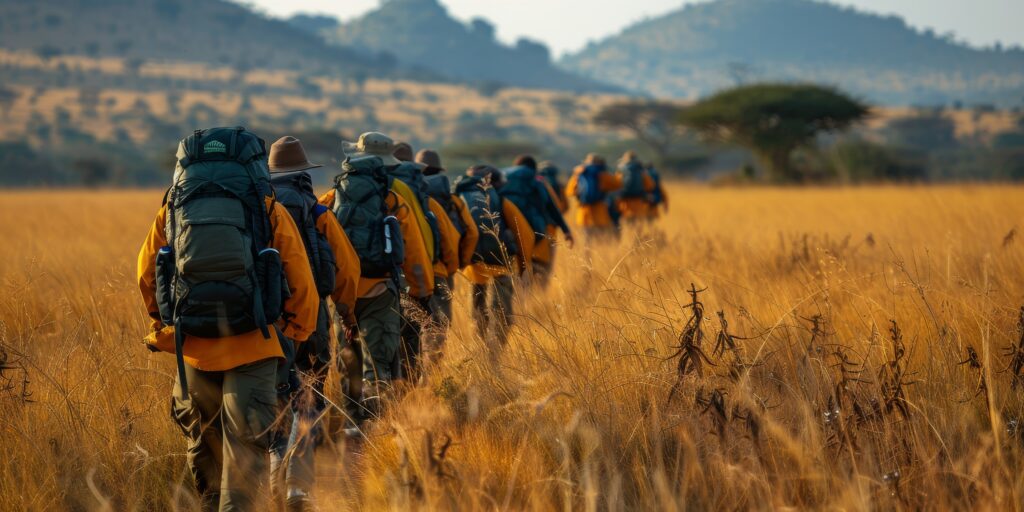
Among all the trekking options available on Mount Meru, the Momella Route stands out as the most popular and widely recommended path. It is favored by climbers of varying experience levels due to its balanced gradient, scenic richness, and excellent acclimatization profile. Understanding why this route is so highly regarded is essential for anyone planning a Mount Meru climb. In fact, when discussing mount meru trekking routes explained, the Momella Route often becomes the central point of reference due to its accessibility, safety, and immersive natural experience.
The Momella Route begins at Momella Gate, located within Arusha National Park. From the very first steps, climbers are introduced to a unique trekking environment that blends mountain hiking with wildlife encounters. Unlike many routes that start in remote or barren areas, this trail opens in lush grasslands and montane forests where giraffes, buffaloes, warthogs, and colobus monkeys are frequently seen. Armed rangers accompany climbers through these sections, ensuring safety while enhancing the overall experience through wildlife interpretation and conservation insights.
One of the defining strengths of the Momella Route is its gradual ascent. The trail is intentionally designed to allow climbers to gain altitude steadily rather than abruptly. This characteristic makes it ideal for acclimatization and significantly reduces the risk of altitude sickness. Daily elevation gains are manageable, and rest points are strategically placed to allow climbers to recover while enjoying panoramic views of the surrounding landscape. This gradual progression is one of the main reasons why beginners and intermediate trekkers alike choose this route.
Epic horizons Adventure we are looking extra miles to make sure climbers fully understand the structure and benefits of the Momella Route before the trek begins. Through detailed briefings and route explanations, climbers are prepared both mentally and physically for what lies ahead. This preparation plays a crucial role in ensuring that expectations align with reality, creating a smoother and more enjoyable trekking experience.
As climbers move deeper into the route, the vegetation begins to change, signaling the transition from forest to heathland. Giant heathers, lobelias, and volcanic rock formations become more prominent, offering visual cues of increasing altitude. The trail here is well-defined, reducing navigation challenges and allowing climbers to focus on pacing and breathing. The scenic variety along this section makes the journey feel dynamic and rewarding, with each stage presenting a new environment to explore.
The first overnight stop on the Momella Route is typically at Miriakamba Hut. This hut-based accommodation system is a key feature of Mount Meru trekking and plays an important role in safety and acclimatization. Miriakamba Hut provides basic but comfortable facilities, meals, and a chance to rest while the body adjusts to altitude. Evening briefings at the hut help climbers understand the next day’s objectives, weather expectations, and pacing strategies. This structured approach reinforces confidence, especially for those new to multi-day mountain trekking.
The second day of trekking on the Momella Route usually leads to Saddle Hut, located near the saddle between Mount Meru and Little Meru. This section involves a more noticeable altitude gain but remains manageable due to the route’s steady gradient. Along the way, climbers are rewarded with expansive views of the crater, Ash Cone, and surrounding plains. On clear days, Mount Kilimanjaro can be seen rising majestically in the distance, adding emotional impact to the climb.
From Saddle Hut, many climbers take an acclimatization hike to Little Meru. This optional excursion is highly recommended, as it allows the body to adapt to higher altitude without the pressure of a summit push. The hike also provides breathtaking views and a sense of achievement, further boosting confidence ahead of the final ascent. This acclimatization strategy is one of the reasons why the Momella Route is often highlighted when mount meru trekking routes explained in professional trekking guides and travel resources.
Epic horizons Adventure we are looking extra miles to make sure acclimatization hikes are conducted at a comfortable pace and tailored to the group’s fitness level. By prioritizing health and gradual adaptation, the company increases summit success rates while maintaining a positive trekking atmosphere. This careful attention to detail reflects a commitment to both safety and client satisfaction.
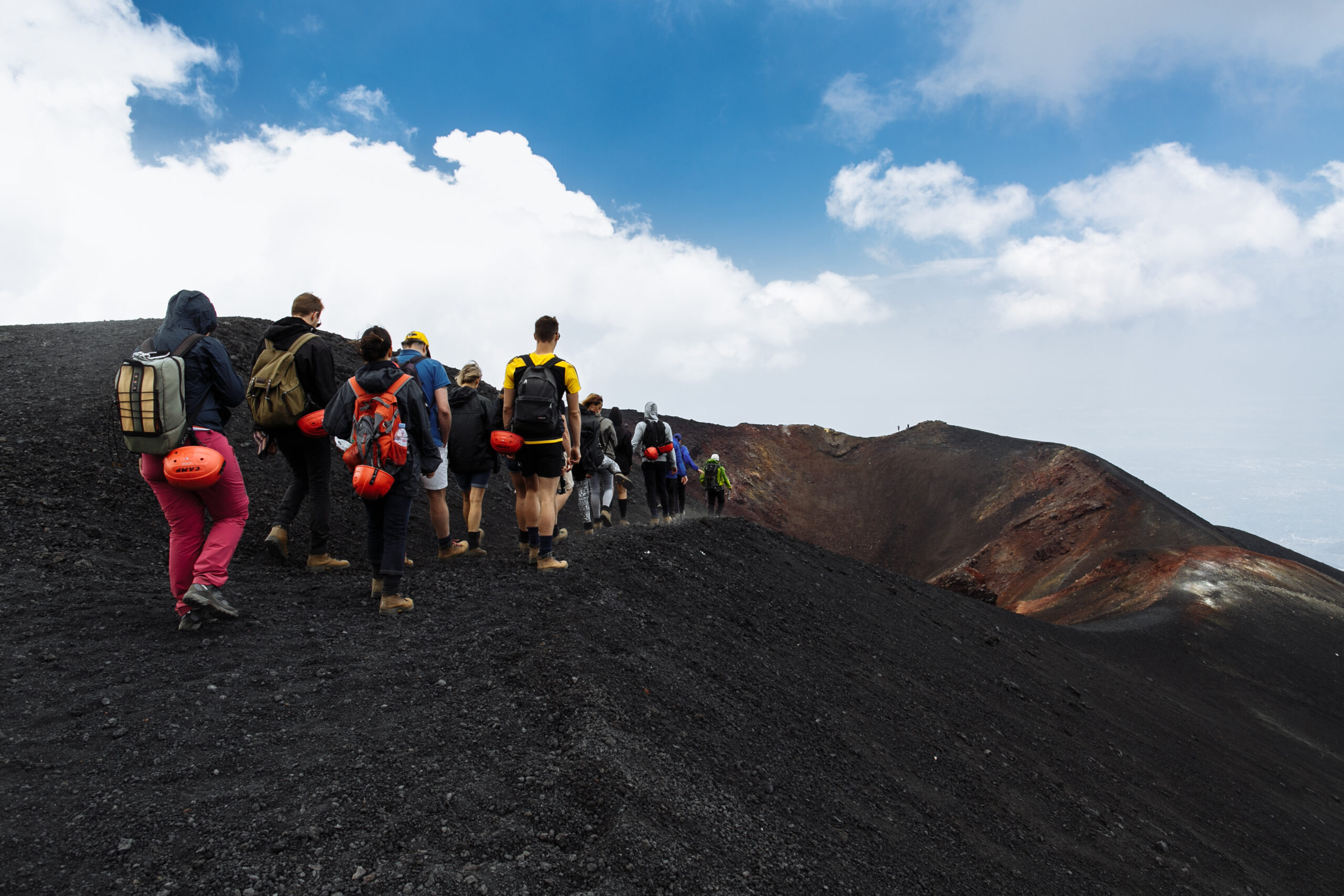
The summit day on the Momella Route begins early, usually around midnight or the early hours of the morning. Climbers ascend along the crater rim, navigating volcanic scree, rocky paths, and exposed ridges. While this section is the most physically demanding, it is also the most visually dramatic. Sunrise views from Socialist Peak reveal sweeping panoramas of the crater floor, surrounding landscapes, and distant Mount Kilimanjaro. The sense of accomplishment at this point is profound, particularly for climbers who have followed the route’s gradual progression over several days.
Despite its popularity, the Momella Route does not feel overcrowded. Park regulations limit the number of climbers on the mountain at any given time, preserving the sense of wilderness and tranquility. This controlled access ensures that the route remains sustainable and enjoyable for all trekkers. Information about these regulations can be found through the Tanzania National Parks Authority (https://www.tanzaniaparks.go.tz), which oversees Mount Meru trekking operations and conservation efforts.
Another advantage of the Momella Route is its suitability across different seasons. While dry seasons offer clearer views and firmer trails, the route remains accessible during wetter months due to its established infrastructure and maintenance. Guides adjust pacing and daily schedules based on weather conditions, ensuring safety without compromising the overall experience. This flexibility makes the Momella Route a reliable choice year-round.
Epic horizons Adventure we are looking extra miles to make sure climbers are equipped with accurate seasonal advice, proper gear recommendations, and realistic expectations about trail conditions. This proactive approach minimizes discomfort and enhances overall satisfaction, regardless of the time of year chosen for the climb.
From a technical standpoint, the Momella Route requires no advanced climbing skills. There is no need for ropes or technical equipment, making it accessible to trekkers with basic hiking experience. However, the altitude and length of the summit day still demand respect and preparation. Physical conditioning, proper pacing, and mental resilience remain essential components of a successful ascent.
Educational value is another strength of the Momella Route. Guides frequently share insights about the mountain’s volcanic origins, ecological zones, and conservation challenges. This educational dimension enriches the trek, transforming it from a physical challenge into a learning journey. External resources such as National Geographic Travel (https://www.nationalgeographic.com/travel) often highlight Mount Meru for its combination of geological interest and biodiversity.
Psychologically, the route builds confidence through progressive achievement. Each day presents a clear objective, and reaching each hut reinforces a sense of progress. This structured progression is particularly beneficial for climbers who may be attempting their first high-altitude trek. The route’s design encourages perseverance without overwhelming participants, making success feel attainable.
In the broader context of Mount Meru climbing, the Momella Route represents the gold standard for safety, scenery, and success rates. Its popularity is not accidental but rather the result of thoughtful planning, environmental stewardship, and decades of trekking experience. When travelers research mount meru trekking routes explained, the Momella Route consistently emerges as the benchmark against which other routes are compared.
In conclusion, the Momella Route offers a comprehensive Mount Meru experience that balances challenge with accessibility. From wildlife-rich lower slopes to dramatic summit vistas, the route showcases the mountain’s full diversity while maintaining a strong focus on safety and acclimatization. Its hut system, gradual ascent, and scenic rewards make it the preferred choice for many climbers. With professional guidance, proper preparation, and respect for the mountain environment, the Momella Route delivers an unforgettable trekking journey that embodies the very best of Mount Meru.
Miriakamba Route and Alternative Variations on Mount Meru
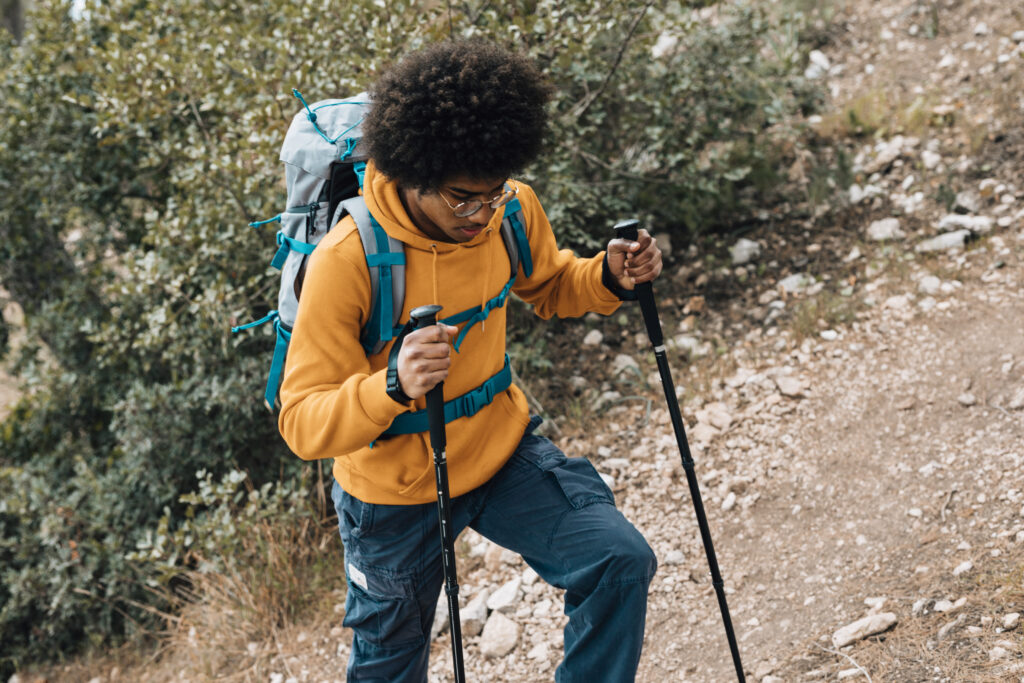
While the Momella Route dominates most discussions around Mount Meru, the Miriakamba Route and its alternative variations play an equally important role in understanding the mountain’s trekking network. These routes are not entirely separate paths in the way many climbers initially assume; instead, they function as integral segments and variations within the broader Mount Meru trekking system. To fully appreciate how these paths work and who they are best suited for, it is essential to explore their structure, purpose, and relationship to the main ascent. This deeper perspective is a key part of mount meru trekking routes explained, especially for trekkers seeking clarity before choosing their itinerary.
The Miriakamba Route takes its name from Miriakamba Hut, the first major overnight stop on Mount Meru. Rather than being a completely independent route from the base, it represents the lower to mid-altitude trekking phase that all climbers experience, regardless of their chosen variation. This section of the mountain is particularly important because it introduces trekkers to Mount Meru’s ecological richness, altitude progression, and trekking rhythm. Understanding this route segment helps climbers appreciate why Mount Meru is considered one of the most educational and rewarding treks in Tanzania.
The journey through the Miriakamba section begins in dense montane forest, where towering trees, thick undergrowth, and abundant wildlife dominate the landscape. This environment feels dramatically different from the alpine terrain near the summit, offering climbers a gradual transition from lowland ecosystems to higher-altitude zones. Armed rangers accompany trekkers through this section due to frequent wildlife activity, including buffalo, giraffes, and antelope. This combination of trekking and wildlife observation is rare among high-altitude routes and contributes significantly to Mount Meru’s appeal.
One of the defining characteristics of the Miriakamba Route is its gentle gradient. The trail is well-maintained and wide enough to allow a comfortable walking pace, making it ideal for acclimatization and confidence building. Climbers are encouraged to move slowly, maintain steady breathing, and stay hydrated. This initial stage sets the tone for the entire trek, reinforcing good habits that will be essential during the more demanding upper sections of the mountain.
Epic horizons Adventure we are looking extra miles to make sure climbers understand the importance of this early route segment rather than viewing it as merely a means to reach higher altitude. Guides emphasize observation, pacing, and adaptation, helping trekkers build a strong foundation for the days ahead. This approach reduces fatigue and enhances overall enjoyment, especially for climbers who are new to multi-day mountain trekking.
Miriakamba Hut itself serves as a crucial acclimatization and rest point. Located at approximately 2,514 meters above sea level, the hut allows climbers to spend their first night at altitude in a controlled and supportive environment. The facilities provide shelter, meals, and a structured setting for briefings and health checks. For many trekkers, this night represents their first experience sleeping at altitude, making the comfort and predictability of the hut especially valuable.
Beyond Miriakamba Hut, alternative route variations begin to emerge. While all climbers eventually proceed toward Saddle Hut and the summit ridge, the way they experience the mountain between these points can vary slightly depending on itinerary length and acclimatization strategy. Some variations include extended acclimatization hikes, slower ascents, or additional rest periods, all of which influence how the route feels physically and mentally.
These alternative variations are particularly beneficial for trekkers who prioritize safety and acclimatization over speed. By spending additional time at mid-altitudes, the body has more opportunity to adjust to reduced oxygen levels. This strategy significantly improves summit success rates and reduces the likelihood of altitude-related discomfort. When discussing mount meru trekking routes explained, these variations highlight the flexibility of Mount Meru compared to many other African peaks.
Another notable aspect of the Miriakamba Route is its educational value. The forested environment provides an ideal setting for guides to explain the mountain’s volcanic origins, ecological zones, and conservation efforts within Arusha National Park. Trekkers learn to identify plant species, understand wildlife behavior, and recognize how altitude influences vegetation patterns. This educational component transforms the trek into an immersive learning experience rather than a purely physical challenge.
Epic horizons Adventure we are looking extra miles to make sure these educational moments are integrated naturally into the trekking experience. By combining learning with movement, climbers remain engaged and mentally stimulated, which helps reduce perceived exertion and fatigue. This holistic approach enhances both safety and satisfaction.
From a logistical perspective, the Miriakamba Route plays a central role in route management and safety coordination. Park authorities use this section as a checkpoint for monitoring climber flow, health status, and compliance with regulations. Rangers and guides communicate regularly to ensure that conditions remain safe and that all trekking groups are accounted for. This level of organization contributes to Mount Meru’s reputation as a well-managed trekking destination.
Seasonal changes influence how the Miriakamba Route is experienced. During the rainy seasons, the forest trail can become muddy and slippery, requiring careful footing and appropriate footwear. In dry months, the path is firm and visibility is higher, allowing for easier movement and clearer views. Regardless of season, the established nature of the trail ensures that it remains accessible with proper guidance. Official updates and seasonal recommendations can be found through the Tanzania National Parks Authority (https://www.tanzaniaparks.go.tz).
Psychologically, the Miriakamba section plays an important role in building confidence. Reaching the hut at the end of the first trekking day provides a tangible sense of achievement. This success reinforces motivation and reassures climbers that they are capable of progressing further. For those with limited trekking experience, this confidence boost is invaluable and often determines how positively they perceive the rest of the climb.
As climbers move beyond Miriakamba toward higher altitudes, route variations may include acclimatization walks toward Saddle Hut or nearby ridges. These excursions are designed to expose trekkers to higher elevation during the day while allowing them to sleep lower at night. This “climb high, sleep low” strategy is widely recognized as an effective acclimatization technique and is frequently referenced in professional trekking literature such as that published by the International Mountaineering and Climbing Federation (https://www.theuiaa.org).
Epic horizons Adventure we are looking extra miles to make sure acclimatization strategies are adapted to each group’s condition and pace. Guides assess climbers daily, adjusting plans as needed to ensure safety and comfort. This flexibility is especially important for climbers who may be unfamiliar with how their bodies respond to altitude.
From an environmental standpoint, the Miriakamba Route exemplifies sustainable trekking practices. Trails are designed to minimize erosion, and climbers are required to follow strict waste management and conservation guidelines. Staying on established paths protects fragile vegetation and wildlife habitats, preserving the mountain for future generations. Guides actively reinforce these principles, encouraging climbers to respect the natural environment throughout the trek.
In the wider context of Mount Meru trekking, the Miriakamba Route and its variations demonstrate how the mountain accommodates different trekking styles without compromising safety or ecological integrity. Whether climbers choose a faster itinerary or a more gradual ascent, the route structure allows for customization within regulated boundaries. This adaptability is one of the reasons why Mount Meru appeals to such a broad range of trekkers.
When researching mount meru trekking routes explained, many travelers initially overlook the importance of the Miriakamba segment, focusing instead on summit day or crater views. However, experienced climbers often recognize that this lower section is where habits are formed, acclimatization begins, and the overall tone of the trek is set. A positive experience here significantly increases the likelihood of a successful and enjoyable summit attempt.
In conclusion, the Miriakamba Route and its alternative variations are fundamental components of the Mount Meru trekking experience. They provide gradual altitude gain, rich ecological exposure, educational opportunities, and essential acclimatization. Far from being a simple approach trail, this route segment lays the groundwork for everything that follows. With proper guidance, pacing, and respect for the environment, climbers can use the Miriakamba Route to build confidence, adaptability, and appreciation for the mountain. Understanding its role completes the picture of mount meru trekking routes explained, offering trekkers a comprehensive and realistic view of what the journey truly entails.
Route Difficulty Comparison, Distance, and Scenic Value on Mount Meru
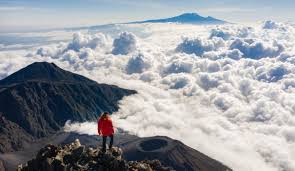
Understanding the difficulty level, trekking distance, and scenic value of Mount Meru routes is essential for climbers who want to make informed decisions before stepping onto the mountain. While Mount Meru is often described as a moderate climb, this description can be misleading without deeper explanation. Each route segment presents different physical demands, altitude challenges, and visual rewards. A clear comparison of these elements helps climbers align expectations with reality, which is a critical factor in overall satisfaction and safety. This detailed analysis forms a central part of mount meru trekking routes explained, especially for trekkers seeking clarity beyond basic route names.
From a difficulty standpoint, Mount Meru sits between beginner-friendly high-altitude treks and more demanding climbs like Mount Kilimanjaro. The mountain does not require technical climbing skills, ropes, or ice equipment, but it does demand endurance, mental resilience, and respect for altitude. Difficulty increases gradually as climbers move from forested lower slopes to exposed alpine ridges near the summit. This progression allows climbers to adapt physically and mentally, making the overall challenge feel manageable rather than overwhelming.
The lower sections of Mount Meru, including the approach to Miriakamba Hut, are considered moderate in difficulty. Trails are wide, well-maintained, and feature gentle gradients. However, the presence of altitude and long walking hours can still be physically demanding for those unaccustomed to multi-day trekking. The distance covered on the first day is usually moderate, allowing climbers to conserve energy while beginning the acclimatization process. Wildlife encounters and forest scenery provide natural motivation, helping distract from physical exertion.
As climbers progress toward Saddle Hut, the difficulty level increases slightly. The trail becomes steeper, and altitude effects become more noticeable. Breathing may feel heavier, and pacing becomes increasingly important. Despite these challenges, the distance covered each day remains strategically planned to balance exertion and recovery. This thoughtful distribution of distance and elevation gain is one of the reasons Mount Meru is often recommended as a preparation climb for higher peaks.
Epic horizons Adventure we are looking extra miles to make sure climbers understand that difficulty is not solely defined by steepness or distance but by how altitude, terrain, and pacing interact. Guides emphasize listening to the body, maintaining a steady rhythm, and prioritizing safety over speed. This approach reduces fatigue and enhances the overall experience, particularly for climbers tackling their first high-altitude mountain.
Summit day represents the highest difficulty level on Mount Meru. The ascent along the crater rim involves rocky terrain, volcanic scree, and exposed sections that require careful footing. While not technically difficult, this stage demands focus, stamina, and mental determination. The distance covered on summit day may appear shorter on paper, but the combination of altitude and early start makes it the most physically challenging part of the trek. Proper acclimatization and pacing are essential to manage this difficulty effectively.
When examining trekking distance, Mount Meru routes are relatively compact compared to other African mountains. Most itineraries span three to four days, covering a total distance that is achievable for climbers with moderate fitness. Daily distances are calculated to end at established huts, ensuring that climbers have adequate time for rest and recovery. This structure makes Mount Meru appealing to travelers with limited time while still offering a complete mountain experience.
The relationship between distance and difficulty is particularly important on Mount Meru. Shorter distances do not necessarily mean easier trekking, as altitude gain plays a significant role in perceived exertion. Guides carefully balance daily mileage with elevation gain, ensuring that climbers are not overextended. This balance is a defining feature highlighted when mount meru trekking routes explained in professional trekking resources.
Scenic value is where Mount Meru truly distinguishes itself. Few mountains offer such a diverse range of landscapes within a relatively short distance. The lower slopes feature dense forests, waterfalls, and abundant wildlife, creating an immersive natural environment from the very beginning. As climbers ascend, vegetation transitions into heathland and alpine zones, offering expansive views and dramatic changes in scenery.
One of the most visually striking features of Mount Meru is its volcanic crater. Trekking routes are designed to showcase this natural formation from multiple angles, allowing climbers to appreciate its scale and geological significance. The crater rim provides panoramic viewpoints that rival those found on much higher mountains. On clear days, views extend across Arusha National Park and toward Mount Kilimanjaro, creating unforgettable visual moments.
Epic horizons Adventure we are looking extra miles to make sure scenic highlights are integrated into daily trekking plans. Rest stops are often chosen for their viewpoints, allowing climbers to recover while enjoying the landscape. Guides also share contextual information about the scenery, enhancing appreciation and understanding of what climbers are seeing. This integration of scenery and education transforms the trek into a deeply enriching experience.
Comparing scenic value across different route segments reveals that each section offers unique rewards. Forested areas provide intimacy and wildlife encounters, while higher altitudes deliver vast, open vistas and dramatic volcanic features. The summit area combines both emotional and visual impact, as climbers witness sunrise over the crater and surrounding plains. This progression ensures that scenery remains engaging throughout the trek rather than peaking only at the summit.
Environmental conditions also influence how scenic value is perceived. Weather, cloud cover, and seasonal changes can dramatically alter visibility and atmosphere. During dry seasons, clarity and long-distance views are common, while wetter months create moody landscapes with mist and dramatic lighting. Both conditions offer unique photographic and emotional experiences, reinforcing Mount Meru’s reputation as a visually rewarding climb.
From a comparative perspective, Mount Meru’s scenic value often surpasses that of more famous peaks due to its wildlife integration and crater views. While Kilimanjaro is higher, Mount Meru offers a more varied and interactive environment. This distinction is frequently noted in trekking publications such as National Geographic Travel (https://www.nationalgeographic.com/travel), which highlight Mount Meru for its biodiversity and geological interest.
Difficulty perception can also be influenced by group dynamics and guide support. Trekking in small, well-managed groups allows for personalized pacing and encouragement. Climbers often find challenging sections more manageable when supported by experienced guides and fellow trekkers. This social aspect reduces mental fatigue and enhances motivation, particularly during longer or steeper sections of the route.
Epic horizons Adventure we are looking extra miles to make sure group composition, pacing, and rest schedules are optimized for both safety and enjoyment. By maintaining manageable group sizes and attentive guide-to-climber ratios, the company ensures that difficulty levels remain appropriate for each participant. This personalized approach significantly enhances success rates and overall satisfaction.
When analyzing Mount Meru routes holistically, it becomes clear that difficulty, distance, and scenic value are carefully balanced. The mountain challenges climbers physically and mentally without overwhelming them, while consistently rewarding effort with stunning landscapes. This balance is not accidental but the result of thoughtful route design and conservation planning.
Understanding these comparisons allows climbers to prepare more effectively. Knowing where difficulty increases, how far each day involves walking, and what scenery to expect helps climbers pace themselves and manage expectations. This preparation reduces anxiety and increases confidence, contributing to a more positive trekking experience.
In the broader context of mount meru trekking routes explained, route comparison empowers climbers to make informed decisions. Rather than viewing Mount Meru as a single, uniform climb, trekkers gain insight into its varied challenges and rewards. This knowledge transforms the trek from a physical goal into a well-understood journey with clear stages and achievable milestones.
In conclusion, Mount Meru’s trekking routes offer a carefully calibrated combination of difficulty, distance, and scenic value. Each segment contributes uniquely to the overall experience, ensuring that climbers remain engaged, challenged, and inspired from start to finish. With proper preparation, professional guidance, and respect for the mountain, trekkers can navigate these routes confidently and fully appreciate the diversity that Mount Meru has to offer.