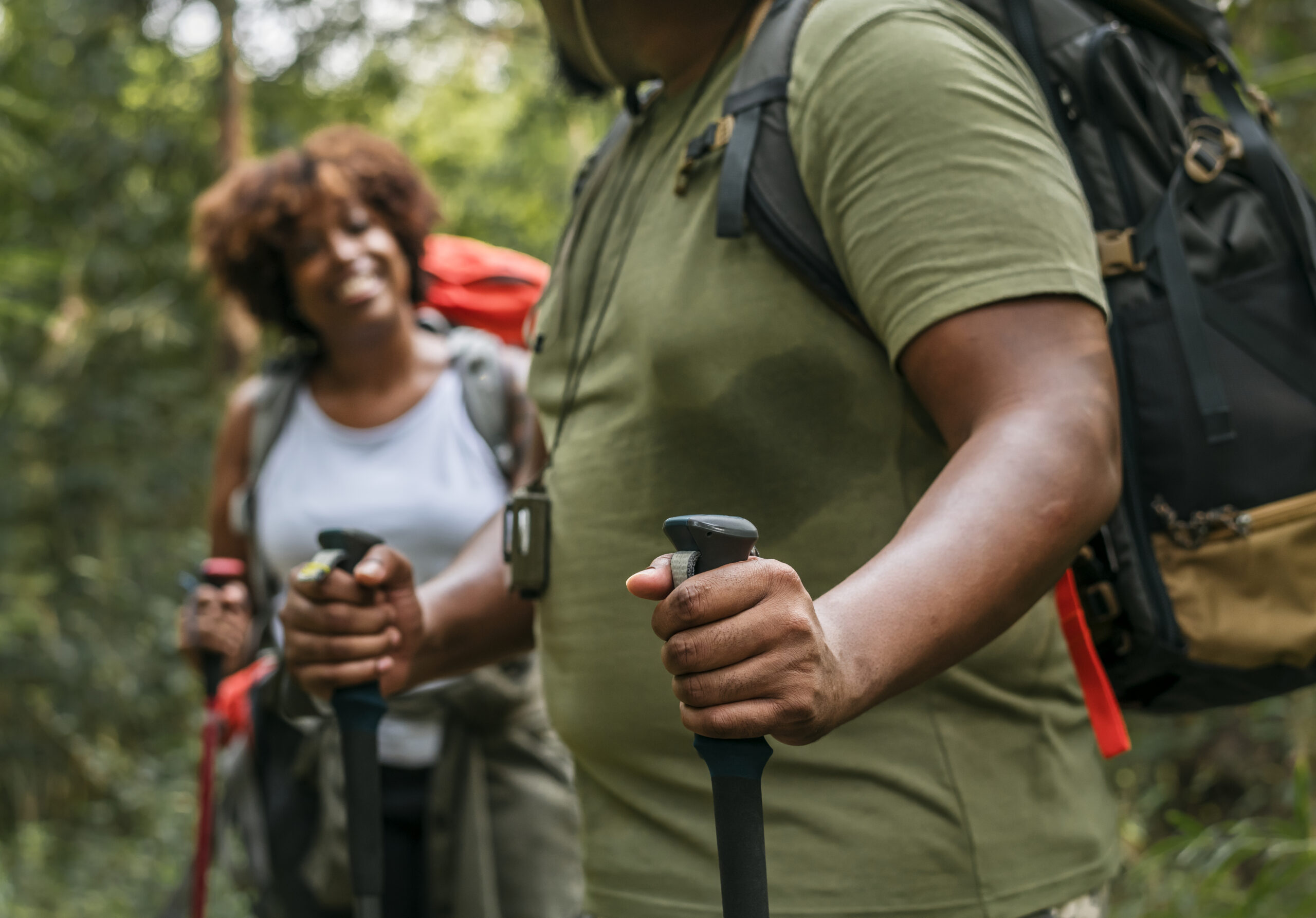
Mount Meru trekking tips, routes, packing, safety, acclimatization, and expert advice to help you plan a successful and unforgettable Mount Meru adventure in Tanzaniahttps://www.epichorizonsadventures.com/our-tours/destinations/
Introduction to Mount Meru & Why Proper Preparation Matters
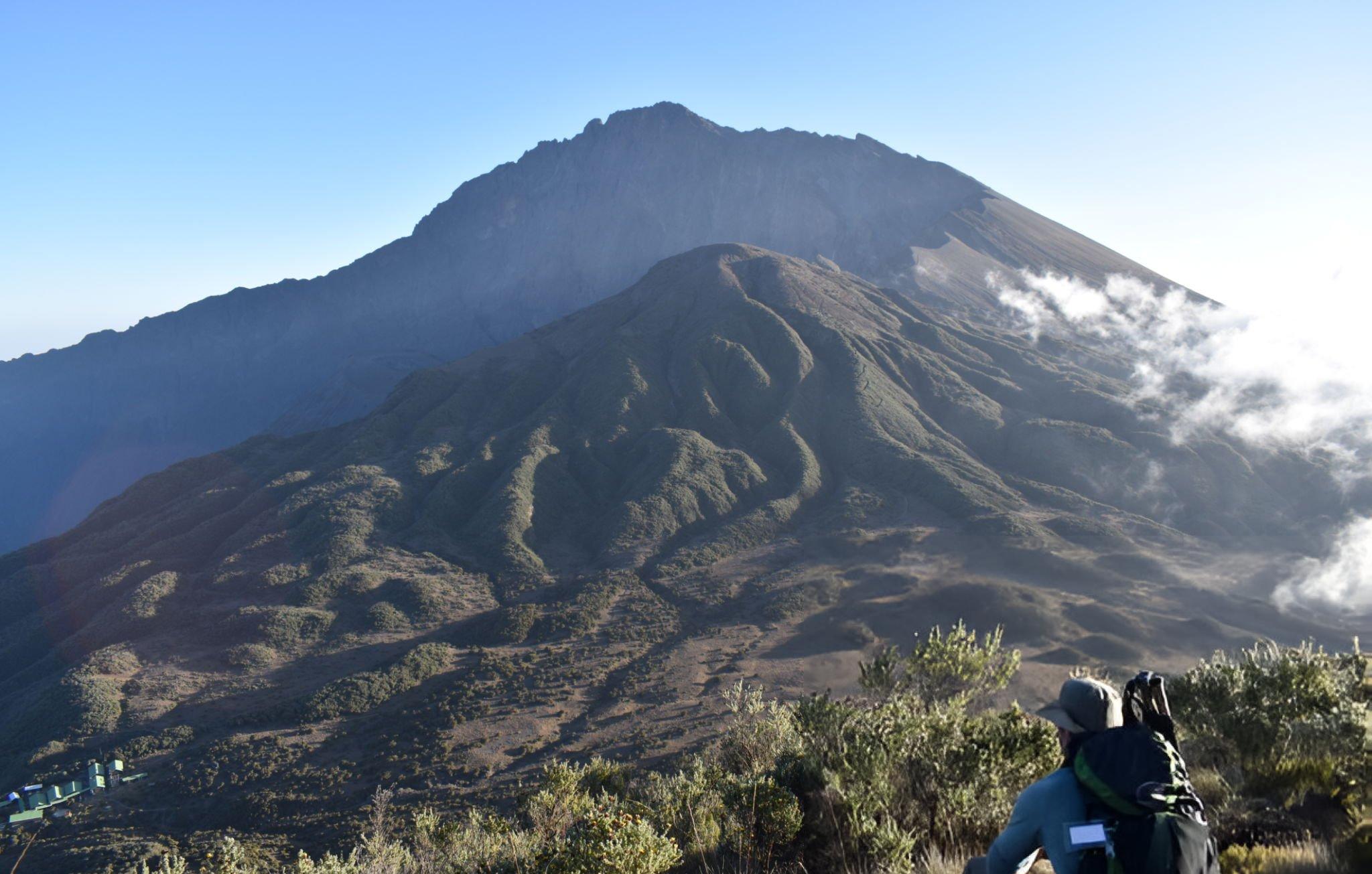
Mount Meru stands proudly as Tanzania’s second-highest mountain, rising to an impressive height of 4,566 meters above sea level. Often overshadowed by its famous neighbor Mount Kilimanjaro, Mount Meru offers a unique trekking experience that blends breathtaking scenery, rich wildlife encounters, diverse ecosystems, and challenging yet rewarding trails. For travelers seeking a high-quality trekking adventure with fewer crowds and more intimate interactions with nature, Mount Meru is an exceptional choice. Understanding the fundamentals of the mountain, its terrain, climate, and logistical requirements is essential for anyone planning a successful trek. This is where proper planning, reliable information, and expert guidance become invaluable.
One of the most important mount meru trekking tips for any traveler is recognizing that Mount Meru is not merely a “warm-up” mountain for Kilimanjaro, but a serious trekking objective in its own right. The mountain demands physical preparation, mental readiness, and strategic planning. While its altitude is lower than Kilimanjaro, the ascent is steeper, and certain sections require scrambling and steady footing. Trekkers must be prepared for rapidly changing weather, temperature fluctuations, and high-altitude conditions. Proper preparation significantly increases safety, enjoyment, and the likelihood of reaching the summit.
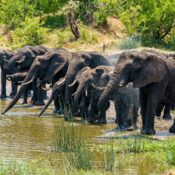
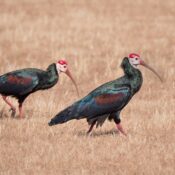
Mount Meru is located within Arusha National Park, one of Tanzania’s most scenic protected areas. This means trekkers have the rare opportunity to encounter wildlife such as giraffes, buffaloes, warthogs, colobus monkeys, and a wide variety of bird species while hiking. Unlike many other high-altitude treks, Mount Meru allows trekkers to walk through lush forests, open grasslands, and alpine zones, all within a relatively short period. This diversity makes the trek visually captivating and ecologically fascinating.
Epic Horizons Adventure we go extra miles to make sure every traveler experiences Mount Meru in the most authentic, safe, and unforgettable way possible.
Understanding why preparation matters starts with recognizing the complexity of mountain environments. Even experienced hikers can underestimate the effects of altitude, weather exposure, and physical exertion. A well-prepared trekker knows what to pack, how to pace themselves, when to rest, and how to recognize early signs of altitude-related issues. By following reliable mount meru trekking tips, travelers can minimize risks and maximize the enjoyment of their journey.
The Unique Appeal of Mount Meru
Mount Meru offers a balance between challenge and accessibility. It is commonly trekked over three or four days, making it suitable for travelers who have limited time but still want a meaningful high-altitude experience. The shorter duration does not mean the trek is easy; rather, it requires focused effort each day. The mountain’s dramatic crater, steep ridges, and panoramic summit views create an unforgettable sense of accomplishment.
One of the defining features of Mount Meru is the dramatic Momella Route, the primary trail used by trekkers. This route passes through diverse landscapes, starting with forested slopes and gradually transitioning into rocky alpine terrain. The route is well-maintained, and park rangers accompany trekking groups for safety, adding an extra layer of security and expertise.
Another important aspect of Mount Meru’s appeal is its relatively lower traffic compared to Kilimanjaro. This allows trekkers to enjoy quieter trails, more personal interactions with guides, and a deeper sense of connection with nature. For many travelers, this solitude is a major attraction.
Physical Preparation: Building the Right Foundation
Physical conditioning is one of the most critical aspects of preparation. Trekking Mount Meru involves long hiking days, steep ascents, and significant elevation gain. Cardiovascular fitness, leg strength, and core stability are especially important. Training should ideally begin several weeks or months before departure.
Activities such as hiking, stair climbing, cycling, swimming, and jogging can improve endurance. Strength training exercises focusing on the legs, hips, and lower back help prepare the body for carrying a backpack and navigating uneven terrain. Flexibility and balance exercises, such as yoga or stretching routines, can reduce the risk of injury.
One of the best mount meru trekking tips related to physical preparation is to simulate trekking conditions as much as possible. Practicing hikes with a loaded backpack, wearing trekking boots, and walking on varied terrain can help identify any discomfort or equipment issues before arriving in Tanzania.
Mental Preparation and Mindset
Mental readiness is just as important as physical fitness. Trekking at altitude can be mentally demanding due to fatigue, cold, and long hours of walking. A positive mindset, patience, and realistic expectations play a significant role in success.
Understanding that the trek is not a race and that slow, steady progress is the best approach helps reduce stress. Trekkers who mentally prepare themselves for challenging moments are more likely to persevere and enjoy the journey.
Epic Horizons Adventure we go extra miles to make sure every traveler experiences Mount Meru in the most authentic, safe, and unforgettable way possible.
Choosing the Right Season
Mount Meru can be trekked throughout the year, but certain seasons offer more favorable conditions. The best times are generally during the dry seasons: from June to October and from January to February. During these months, trails are drier, visibility is better, and weather conditions are more stable.
The long rainy season occurs from March to May, and the short rains typically fall in November. While trekking is still possible during these periods, muddy trails and reduced visibility can make the experience more challenging.
One of the most practical mount meru trekking tips is to schedule your trek during a dry season if possible, as this greatly enhances comfort and safety.
For up-to-date climate information, you can consult reputable sources such as the Tanzania Meteorological Authority (https://www.meteo.go.tz) or general mountain weather guides like those provided by National Geographic (https://www.nationalgeographic.com).
Understanding Altitude and Acclimatization
Altitude sickness, also known as Acute Mountain Sickness (AMS), is a potential risk on Mount Meru. Symptoms may include headache, nausea, dizziness, fatigue, and loss of appetite. While Mount Meru is lower than Kilimanjaro, it is still high enough to cause altitude-related issues.
Proper acclimatization is essential. Many itineraries include an acclimatization hike or an extra day to allow the body to adjust. Staying hydrated, eating well, and maintaining a slow pace are key strategies.
A crucial mount meru trekking tips principle is to listen to your body. If symptoms worsen, descending to a lower altitude is often the most effective treatment.
Additional information about altitude sickness can be found through the Centers for Disease Control and Prevention (https://www.cdc.gov) and the World Health Organization (https://www.who.int).
Gear and Equipment Basics
Having the right gear significantly impacts comfort and safety. Essential items include:
- Sturdy, broken-in trekking boots
- Moisture-wicking clothing layers
- Insulating mid-layers and a warm jacket
- Waterproof jacket and pants
- Hat, gloves, and neck gaiter
- Trekking poles
- Headlamp with extra batteries
- Sunscreen and sunglasses
- Personal medications and first-aid kit
Packing light while ensuring you have all necessary items is a delicate balance. Many trekking companies provide porters to carry main luggage, but daypacks should be comfortable and well-fitted.
Epic Horizons Adventure we go extra miles to make sure every traveler experiences Mount Meru in the most authentic, safe, and unforgettable way possible.
Nutrition and Hydration
Trekking at altitude increases the body’s energy demands. Consuming enough calories and staying hydrated are essential. Meals provided on the mountain are typically carbohydrate-rich and designed to support sustained energy levels.
Drinking at least 3 to 4 liters of water per day is commonly recommended. Adding electrolyte supplements can help maintain mineral balance.
One of the often-overlooked mount meru trekking tips is to eat even when appetite is low, as maintaining energy intake supports acclimatization and physical performance.
Safety and Park Regulations
Mount Meru trekking is regulated by Tanzania National Parks Authority (TANAPA). All trekkers must be accompanied by a licensed guide and armed ranger. These regulations are in place to protect both visitors and wildlife.
Following park rules, staying on designated trails, and respecting wildlife are essential responsibilities for every trekker.
For official regulations and park information, you can refer to the Tanzania National Parks website (https://www.tanzaniaparks.go.tz).
Why Professional Support Matters
Choosing a reputable trekking company makes a significant difference. Experienced guides understand the mountain, monitor trekkers’ health, manage logistics, and provide valuable insights about the environment and culture.
Epic Horizons Adventure we go extra miles to make sure every traveler experiences Mount Meru in the most authentic, safe, and unforgettable way possible.
Professional support ensures that every aspect of the trek, from permits to meals and safety protocols, is handled efficiently. This allows trekkers to focus on enjoying the experience rather than worrying about logistics.
Setting Realistic Expectations
Mount Meru trekking is challenging but achievable for individuals with reasonable fitness and preparation. Understanding that the journey involves early starts, long hiking days, and varying weather conditions helps set realistic expectations.
Celebrating small milestones, such as reaching camps or enjoying scenic viewpoints, adds to the overall satisfaction of the trek.
One final reminder among essential mount meru trekking tips is that success is not defined solely by reaching the summit, but by safely completing the journey and appreciating the extraordinary landscapes along the way.
Detailed Route Breakdown & Daily Trekking Strategy
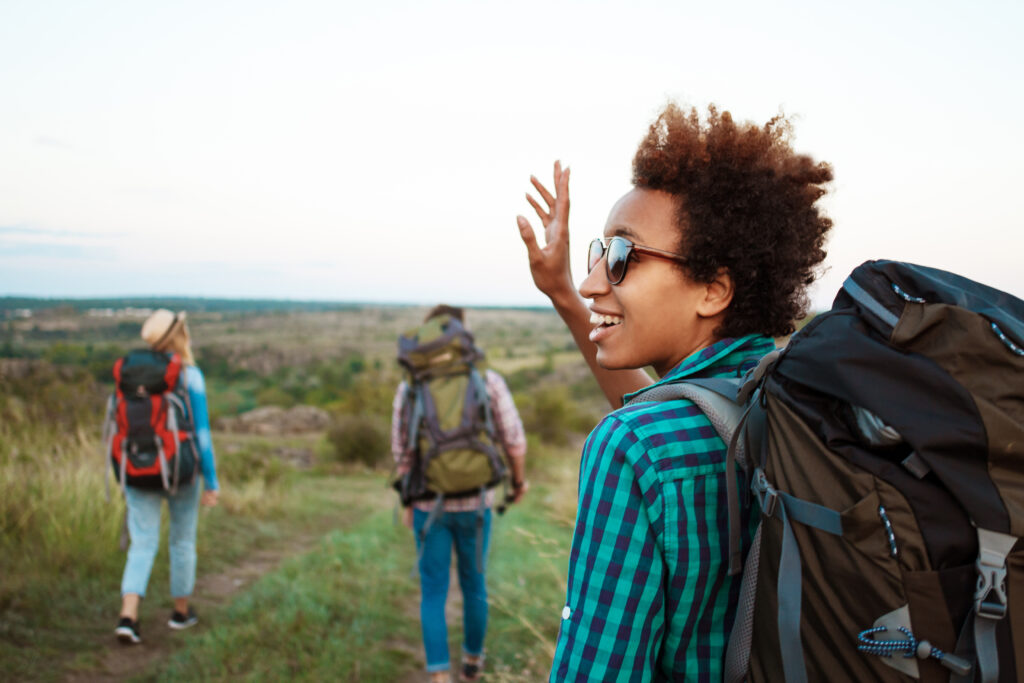
Mount Meru is primarily climbed using the Momella Route, a well-established and scenic trail that offers trekkers an immersive journey through multiple ecological zones. Understanding the structure of this route, what to expect each day, and how to manage energy, pacing, and recovery is essential for a successful ascent. A well-planned daily trekking strategy not only improves your chances of reaching the summit but also ensures a safer and more enjoyable experience. This section provides a comprehensive breakdown of the route and offers practical guidance to help you navigate each stage with confidence.
One of the most valuable mount meru trekking tips is to approach the climb as a gradual progression rather than a test of speed. Each day serves a specific purpose in helping your body adapt to altitude while building strength and endurance. By understanding the daily itinerary and terrain changes, you can prepare both physically and mentally for what lies ahead.
Epic Horizons Adventure we go extra miles to make sure every traveler experiences Mount Meru in the most authentic, safe, and unforgettable way possible.
Overview of the Momella Route
The Momella Route is the only official trekking route on Mount Meru. It begins at Momella Gate inside Arusha National Park and ascends through lush montane forest, open grasslands, heath zones, and alpine desert landscapes before reaching the summit at Socialist Peak.
The route is typically completed in three or four days. A four-day itinerary is often recommended because it allows better acclimatization and reduces fatigue. Although the distance is shorter compared to Kilimanjaro routes, the elevation gain is significant, and the trail includes steep sections that require steady pacing.
The Momella Route is well-maintained, and trekkers are accompanied by a professional guide and an armed ranger. This not only enhances safety but also provides opportunities to learn about the park’s flora, fauna, and geology.
Day 1: Momella Gate to Miriakamba Hut
The trek begins at Momella Gate, located at approximately 1,500 meters above sea level. After completing registration formalities, trekkers set off through open grassland and forested terrain. This section is relatively gentle, allowing your body to ease into the rhythm of hiking.
Wildlife sightings are common on the first day. Giraffes, buffaloes, zebras, and various antelope species are often seen grazing nearby. The presence of wildlife adds a unique safari-like element to the trek.
The hike to Miriakamba Hut typically takes four to five hours. The hut is situated at around 2,514 meters and serves as the first overnight stop. Facilities are basic but comfortable, offering bunk beds, dining areas, and restrooms.
One important mount meru trekking tips for Day 1 is to maintain a slow and steady pace, even though the terrain feels manageable. Overexertion early in the trek can lead to unnecessary fatigue later.
Hydration is crucial from the very beginning. Drinking water regularly helps support acclimatization and prevents dehydration. Light stretching after arrival at camp can also aid muscle recovery.
Day 2: Miriakamba Hut to Saddle Hut
Day 2 involves a steeper ascent and a noticeable change in vegetation. The trail climbs through dense forest before transitioning into heath and moorland zones. The air becomes cooler, and views begin to open up, revealing glimpses of Mount Kilimanjaro in the distance on clear days.
The hike to Saddle Hut usually takes three to four hours. Saddle Hut is located at approximately 3,570 meters and serves as the base for summit attempts.
After lunch and a short rest, many itineraries include an acclimatization hike to Little Meru (3,820 meters). This optional excursion helps your body adapt to higher altitude and improves your chances of a successful summit.
A key mount meru trekking tips for this day is to embrace the concept of “climb high, sleep low.” The acclimatization hike may feel challenging, but it plays a critical role in preparing your body for summit day.
Epic Horizons Adventure we go extra miles to make sure every traveler experiences Mount Meru in the most authentic, safe, and unforgettable way possible.
Day 3: Summit Day – Saddle Hut to Socialist Peak and Descent
Summit day begins very early, often around midnight or 1:00 AM. Headlamps illuminate the narrow trail as trekkers begin the steep ascent toward Rhino Point and Cobra Point before reaching Socialist Peak.
The climb involves rocky terrain and, in some sections, light scrambling. While technical climbing skills are not required, good balance and careful foot placement are essential.
Temperatures can drop well below freezing, and strong winds are common. Dressing in warm layers and protecting exposed skin is vital.
Reaching the summit at 4,566 meters is an exhilarating moment. As the sun rises, panoramic views stretch across the Rift Valley, Mount Kilimanjaro, and the surrounding landscapes.
After spending a short time at the summit, trekkers descend back to Saddle Hut for a brief rest and meal before continuing down to Miriakamba Hut or Momella Gate, depending on the itinerary.
One of the most critical mount meru trekking tips for summit day is to move slowly and deliberately. The phrase “pole pole” (slowly, slowly) is a guiding principle for Tanzanian mountain trekking.
Day 4: Final Descent (Optional)
For four-day itineraries, Day 4 involves a relaxed descent from Miriakamba Hut to Momella Gate. This shorter day allows trekkers to enjoy the scenery, reflect on the journey, and recover from the summit effort.
Descending can be tough on the knees, so trekking poles are especially helpful. Taking your time reduces strain and minimizes the risk of injury.
Pacing Strategies for Success
Proper pacing is one of the cornerstones of a successful Mount Meru trek. Trekking too fast increases fatigue and the risk of altitude sickness. A consistent, moderate pace allows your body to adjust and conserves energy.
Listening to your guide’s instructions and communicating openly about how you feel is essential. Guides are trained to monitor signs of altitude-related issues and adjust the pace accordingly.
Epic Horizons Adventure we go extra miles to make sure every traveler experiences Mount Meru in the most authentic, safe, and unforgettable way possible.
Managing Energy Levels
Energy management involves balancing effort, rest, and nutrition. Eating small, frequent meals and snacks helps maintain steady energy levels throughout the day.
Carbohydrate-rich foods such as rice, pasta, potatoes, and bread are commonly served on the mountain. These foods provide easily accessible energy.
Another important mount meru trekking tips is to avoid skipping meals, even if your appetite is reduced at altitude.
Hydration Strategy
Consistent hydration is essential for both performance and acclimatization. Trekkers should aim to drink water regularly, even if they do not feel thirsty.
Warm beverages such as tea or soup can be especially comforting in cold conditions. Electrolyte supplements can also help replace lost minerals.
Rest and Recovery
Quality sleep is a vital component of trekking success. Although sleeping at altitude can be challenging, creating a comfortable sleeping setup can improve rest.
Using a warm sleeping bag, wearing clean dry clothes, and minimizing noise and light inside huts all contribute to better sleep.
Light stretching before bed and upon waking can reduce muscle stiffness.
Understanding Terrain Challenges
Mount Meru’s terrain varies significantly along the route. Forested sections may be muddy and slippery, while higher elevations feature loose rocks and scree.
Good traction from well-fitted boots and the use of trekking poles enhance stability.
Being mentally prepared for changing terrain is another valuable mount meru trekking tips that helps trekkers stay focused and confident.
Weather Considerations Along the Route
Weather conditions can change rapidly on Mount Meru. Clear mornings may give way to clouds, wind, or rain later in the day.
Carrying waterproof clothing and extra layers ensures you are prepared for sudden changes.
For general mountain weather guidance, you can consult resources such as the Mountain Weather Information Service (https://www.mwis.org.uk) or the World Meteorological Organization (https://public.wmo.int).
The Role of Guides and Rangers
Guides play a central role in route navigation, pacing, safety monitoring, and overall logistics. Rangers accompany groups primarily for wildlife safety.
Their local knowledge enhances the trekking experience by providing insights into the mountain’s history, ecology, and cultural significance.
Epic Horizons Adventure we go extra miles to make sure every traveler experiences Mount Meru in the most authentic, safe, and unforgettable way possible.
Building Confidence Through Preparation
Understanding the route and daily expectations builds confidence and reduces anxiety. When trekkers know what lies ahead, they are better equipped to handle challenges.
A final reminder among essential mount meru trekking tips is that flexibility is key. Weather conditions, individual fitness levels, and health considerations may require itinerary adjustments. Trusting your guide’s judgment ensures the best possible outcome.
Packing List, Gear Selection & Equipment Optimization
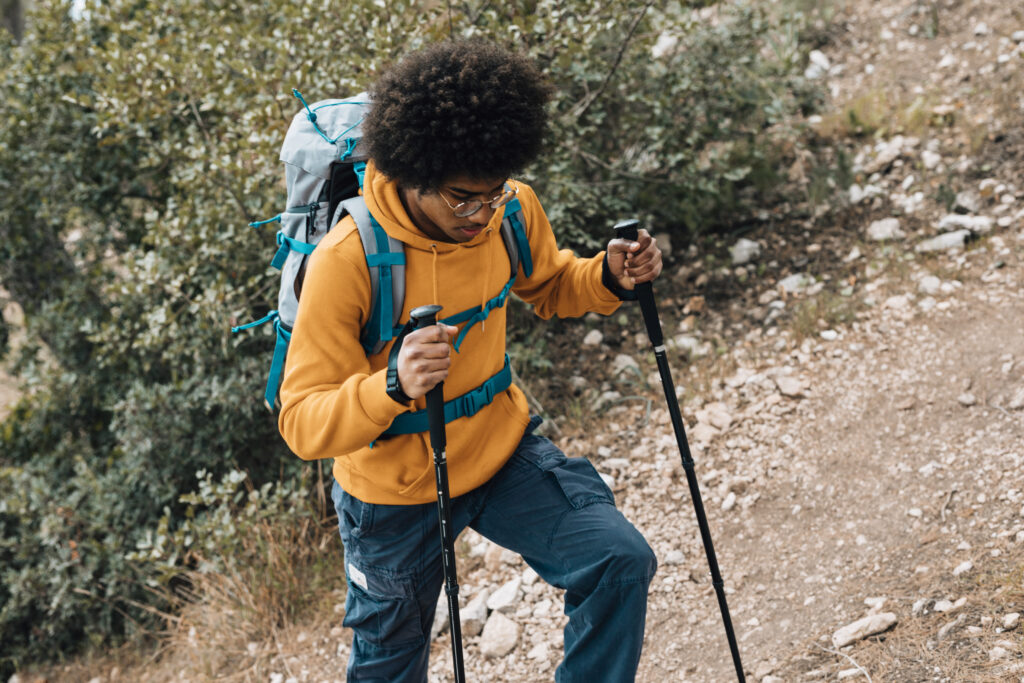
A successful Mount Meru trek is not only determined by physical fitness and route planning but also by the quality and suitability of the gear you bring. Packing the right equipment can dramatically influence comfort, safety, and overall enjoyment. Every item in your backpack should serve a clear purpose, and understanding how to select, organize, and use your gear efficiently is essential. This section provides a comprehensive guide to building an optimal packing system while ensuring that nothing important is overlooked.
One of the most essential mount meru trekking tips is to prioritize function over fashion. The mountain environment is unpredictable, and conditions can change quickly. Well-chosen gear protects you from cold, wind, rain, and sun while supporting your body through long hours of hiking.
Epic Horizons Adventure we go extra miles to make sure every traveler experiences Mount Meru in the most authentic, safe, and unforgettable way possible.
Understanding Layering Systems
Layering is the foundation of effective mountain clothing. Instead of relying on one heavy garment, trekkers use multiple layers that can be added or removed as conditions change.
The base layer sits next to the skin and is responsible for moisture management. Materials such as merino wool or synthetic fabrics wick sweat away from the body, helping you stay dry and warm.
The mid-layer provides insulation. Fleece jackets, softshells, or lightweight down jackets trap body heat and maintain warmth.
The outer layer, often called the shell, protects against wind, rain, and snow. A waterproof and windproof jacket and pants are essential for summit day and unexpected weather changes.
A key mount meru trekking tips is to avoid cotton clothing. Cotton retains moisture and can lead to rapid heat loss, increasing the risk of hypothermia.
Footwear: Your Most Important Investment
Your boots are arguably the most critical piece of gear for Mount Meru. They must provide support, traction, and protection across varied terrain.
Choose waterproof hiking boots with good ankle support and a sturdy sole. The boots should be well broken-in before the trek to prevent blisters and discomfort.
Socks are equally important. Wearing moisture-wicking trekking socks and carrying multiple pairs allows you to change into dry socks when needed.
Gaiters can be useful for keeping mud, dust, and small rocks out of your boots, especially during rainy conditions.
Among all mount meru trekking tips, investing in high-quality footwear is one of the smartest decisions you can make.
Backpacks and Load Management
Most trekking companies provide porters to carry the main duffel bag, but you will still need a daypack for essential items.
A daypack with a capacity of 25–35 liters is ideal. It should have padded shoulder straps, a hip belt, and adjustable features for comfort.
Your daypack typically carries water, snacks, extra clothing layers, sunscreen, sunglasses, camera, and personal items.
Packing heavier items close to your back and distributing weight evenly improves balance and reduces strain.
Epic Horizons Adventure we go extra miles to make sure every traveler experiences Mount Meru in the most authentic, safe, and unforgettable way possible.
Sleeping Gear
Although huts are provided on Mount Meru, nights at altitude can be cold. A high-quality sleeping bag rated for sub-zero temperatures is recommended.
A sleeping bag liner adds warmth and improves hygiene.
Some trekkers also bring a compact inflatable pillow or stuff sack filled with clothes for additional comfort.
Good sleep contributes directly to energy levels and recovery, making sleeping gear an essential component of your kit.
Trekking Poles
Trekking poles reduce stress on the knees, improve balance, and enhance stability on steep or slippery terrain.
They are especially helpful during descents, which can be tough on the joints.
Adjustable poles with wrist straps and durable tips are ideal.
One often-overlooked mount meru trekking tips is to practice using trekking poles before your trip to become comfortable with their rhythm.
Headlamp and Lighting
Summit day begins in the dark, making a reliable headlamp essential.
Choose a headlamp with sufficient brightness, adjustable beam settings, and long battery life.
Carry spare batteries or a backup power source.
A small handheld flashlight can serve as an additional backup.
Clothing Accessories
Small accessories play a big role in comfort and protection.
A warm hat and insulated gloves are necessary for cold conditions.
A sun hat or cap protects against strong equatorial sunlight.
A neck gaiter or buff can be used for warmth, dust protection, or sun coverage.
Sunglasses with UV protection shield your eyes from glare and snow reflection.
Hydration Systems
Staying hydrated is critical at altitude. Trekkers commonly use water bottles, hydration bladders, or a combination of both.
Insulated bottles help prevent water from freezing on summit day.
Water purification tablets or filters may be used as a backup, although most trekking companies provide treated water.
One of the core mount meru trekking tips is to sip water regularly throughout the day rather than drinking large amounts at once.
Nutrition and Personal Snacks
Although meals are provided, bringing personal snacks can boost morale and energy.
Energy bars, trail mix, dried fruit, and chocolate are popular choices.
Choose snacks that are lightweight, non-perishable, and easy to eat.
Having familiar foods can be comforting, especially at altitude.
First Aid and Personal Medications
A basic first-aid kit should include blister treatment, bandages, antiseptic wipes, pain relievers, and any personal medications.
Altitude sickness medication, if prescribed by a doctor, should be carried.
Lip balm with SPF and sunscreen protect against sun exposure.
Insect repellent may be useful at lower elevations.
Epic Horizons Adventure we go extra miles to make sure every traveler experiences Mount Meru in the most authentic, safe, and unforgettable way possible.
Electronics and Power Management
Cameras, smartphones, and GPS devices are commonly used on the trek.
Cold temperatures can drain batteries quickly, so carrying spare batteries or a power bank is important.
Keep electronics in an inner pocket close to your body to preserve battery life.
Documentation and Essentials
Carry copies of your passport, travel insurance, and any required permits.
A small waterproof pouch keeps documents safe.
Cash in small denominations is useful for tipping staff.
Environmental Responsibility
Minimizing environmental impact is a shared responsibility.
Use reusable water bottles instead of disposable plastic bottles.
Pack out all trash and avoid leaving any waste on the mountain.
Stick to designated trails to prevent erosion.
These practices align with sustainable trekking principles promoted by organizations such as Leave No Trace (https://lnt.org) and the International Union for Conservation of Nature (https://www.iucn.org).
Gear Testing and Final Checks
Before departure, test all gear to ensure it functions properly.
Wear your boots, adjust your backpack, and familiarize yourself with clothing layers.
Making adjustments in advance prevents unpleasant surprises on the mountain.
A final reminder among essential mount meru trekking tips is that simplicity is powerful. Carry what you need, but avoid unnecessary extras that add weight without providing real value.
Epic Horizons Adventure we go extra miles to make sure every traveler experiences Mount Meru in the most authentic, safe, and unforgettable way possible.
Health, Safety, Acclimatization & Risk Management
Trekking Mount Meru is an extraordinary adventure, but it also places significant physical and mental demands on the body. Understanding how to protect your health, manage risks, and respond effectively to challenges is essential for a safe and successful climb. While Mount Meru is considered less crowded and slightly lower than Kilimanjaro, it is still a high-altitude mountain where proper safety protocols must be taken seriously. This section explores the key health considerations, acclimatization principles, and risk management strategies every trekker should understand before setting foot on the mountain.
One of the most critical mount meru trekking tips is to treat safety as a priority rather than an afterthought. Preparation, awareness, and professional support form the foundation of a secure trekking experience.
Epic Horizons Adventure we go extra miles to make sure every traveler experiences Mount Meru in the most authentic, safe, and unforgettable way possible.
Understanding High-Altitude Physiology
As altitude increases, the amount of available oxygen decreases. This reduced oxygen level forces the body to work harder to supply vital organs with sufficient oxygen. The heart rate increases, breathing becomes faster, and the body gradually begins producing more red blood cells.
These physiological changes require time. Ascending too quickly does not allow the body to adapt, which increases the risk of altitude-related illnesses.
Recognizing that altitude affects everyone differently is an important mount meru trekking tips principle. Fitness level does not guarantee immunity to altitude sickness.
Acute Mountain Sickness (AMS)
Acute Mountain Sickness is the most common altitude-related condition. Symptoms typically appear above 2,500 meters and may include:
- Headache
- Nausea or vomiting
- Dizziness
- Fatigue
- Loss of appetite
- Difficulty sleeping
Mild AMS is relatively common and can often be managed with rest, hydration, and slower ascent.
Severe AMS can progress into more dangerous conditions such as High Altitude Cerebral Edema (HACE) or High Altitude Pulmonary Edema (HAPE), which are medical emergencies.
A crucial mount meru trekking tips is to never ignore worsening symptoms. Descending to a lower altitude is the most effective treatment.
Reliable medical information about altitude illness can be found through organizations such as the Centers for Disease Control and Prevention (https://www.cdc.gov) and the International Society for Mountain Medicine (https://www.ismm.org).
Acclimatization Strategies
Proper acclimatization is the cornerstone of safe high-altitude trekking. Several strategies help the body adjust:
- Choose a four-day itinerary instead of three days
- Include acclimatization hikes
- Ascend slowly and steadily
- Stay well hydrated
- Avoid alcohol and smoking
The “climb high, sleep low” approach used on Mount Meru, particularly with the Little Meru acclimatization hike, is highly effective.
Epic Horizons Adventure we go extra miles to make sure every traveler experiences Mount Meru in the most authentic, safe, and unforgettable way possible.
Hydration and Nutrition for Health
Dehydration worsens altitude symptoms and reduces physical performance. Drinking enough fluids throughout the day is essential.
Urine color is a simple indicator of hydration. Pale yellow generally indicates adequate hydration, while dark yellow suggests dehydration.
Balanced meals rich in carbohydrates support energy levels and aid acclimatization. Carbohydrates require less oxygen to metabolize than fats, making them particularly beneficial at altitude.
Another important mount meru trekking tips is to eat small, frequent meals even when appetite is reduced.
Personal Health Screening Before the Trek
Before traveling to Tanzania, trekkers should consult a healthcare professional, especially if they have pre-existing medical conditions.
Conditions such as heart disease, asthma, diabetes, or high blood pressure may require additional precautions.
Vaccinations recommended for Tanzania should be up to date. Travelers can consult their national health authorities or the World Health Organization (https://www.who.int) for current recommendations.
Hygiene and Illness Prevention
Maintaining good hygiene on the mountain reduces the risk of gastrointestinal illnesses and infections.
Use hand sanitizer or wash hands before eating.
Drink only treated or purified water.
Avoid sharing water bottles or personal utensils.
Keeping wet wipes and a small towel can help maintain personal cleanliness.
Epic Horizons Adventure we go extra miles to make sure every traveler experiences Mount Meru in the most authentic, safe, and unforgettable way possible.
Weather-Related Risks
Mount Meru’s weather can change rapidly, and exposure to cold, wind, and rain increases the risk of hypothermia.
Signs of hypothermia include shivering, confusion, slurred speech, and loss of coordination.
Wearing appropriate layers and staying dry are the best preventive measures.
Heat-related issues such as sunburn and dehydration can occur at lower elevations where temperatures are warmer and sunlight is intense.
Applying sunscreen, wearing sun-protective clothing, and drinking water regularly help mitigate these risks.
Terrain and Injury Risks
Slips, trips, and falls are among the most common trekking injuries.
Uneven trails, loose rocks, and muddy sections require careful foot placement.
Using trekking poles, wearing sturdy boots, and maintaining focus reduce the risk of accidents.
A key mount meru trekking tips is to avoid rushing, especially during descents.
Wildlife Safety
Because Mount Meru is located within a national park, wildlife encounters are possible.
Trekkers are accompanied by armed rangers for protection.
Maintaining a respectful distance from animals and following ranger instructions is essential.
Never attempt to approach, feed, or photograph wildlife at close range.
Emergency Response and Evacuation
Reputable trekking companies have established emergency protocols.
Guides are trained in basic first aid and altitude illness recognition.
In serious cases, evacuation to a lower altitude or medical facility is arranged.
Having comprehensive travel insurance that covers high-altitude trekking and emergency evacuation is strongly recommended.
Epic Horizons Adventure we go extra miles to make sure every traveler experiences Mount Meru in the most authentic, safe, and unforgettable way possible.
Communication and Group Dynamics
Open communication within the group is vital.
Trekkers should report symptoms, discomfort, or concerns promptly.
Supporting one another and maintaining a positive group atmosphere enhances morale and safety.
Mental Health and Stress Management
High-altitude trekking can be mentally taxing.
Fatigue, discomfort, and environmental stressors may affect mood.
Practicing mindfulness, maintaining a positive outlook, and focusing on small achievements can improve mental resilience.
Another valuable mount meru trekking tips is to remember why you chose this adventure and to embrace both the challenges and rewards.
Risk Assessment and Decision-Making
Good decision-making is central to risk management.
Weather conditions, health status, and group dynamics should always be considered before continuing upward.
Turning around is sometimes the safest and wisest choice.
Success is defined not only by reaching the summit but by returning safely.
Epic Horizons Adventure we go extra miles to make sure every traveler experiences Mount Meru in the most authentic, safe, and unforgettable way possible.
Building a Safety-First Mindset
A safety-first mindset integrates preparation, awareness, and respect for the mountain.
Understanding your limits, trusting your guide, and following established protocols create the foundation for a positive experience.
One final reminder among essential mount meru trekking tips is that the mountain will always be there. Your health and safety are more important than any summit.