Discover how responsible tourism in Tanzania protects wildlife, empowers local communities, and supports conservation while offering meaningful, sustainable safari experienceshttps://www.epichorizonsadventures.com/our-tours/destinations/
Understanding Responsible Tourism in Tanzania and Why It Matters
Tourism is one of Tanzania’s most important economic sectors, drawing visitors from around the world to experience iconic destinations such as Serengeti National Park, Mount Kilimanjaro, Zanzibar’s beaches, and the Ngorongoro Crater. However, as global travel grows, so does the responsibility to ensure tourism benefits local communities, protects wildlife, and preserves natural landscapes for future generations. This is where Responsible tourism in Tanzania becomes not just a trend, but a necessity.
Responsible tourism focuses on minimizing negative environmental and cultural impacts while maximizing economic and conservation benefits for host communities. In a country like Tanzania — home to some of the planet’s most fragile ecosystems and culturally rich communities — tourism must be managed carefully to ensure long-term sustainability. The choices travelers make, the companies they book with, and the activities they engage in all contribute to shaping the future of these destinations.
🌱 What Responsible Tourism Really Means
At its core, responsible tourism is about respect — respect for nature, wildlife, local people, and traditions. It involves making conscious decisions that reduce harm and increase positive impact. This includes choosing eco-friendly accommodations, avoiding wildlife exploitation, supporting local businesses, and respecting cultural norms.
Unlike mass tourism, which can strain resources and damage ecosystems, responsible travel aims to create a balance where tourism supports conservation and community development. This approach recognizes that natural attractions like wildlife parks and coral reefs are not unlimited resources — they require protection and careful management.
For Tanzania, where wildlife tourism drives a large portion of the economy, this philosophy is particularly important. National parks rely heavily on tourism revenue to fund conservation, anti-poaching efforts, and infrastructure maintenance. Without responsible practices, increased visitor numbers could threaten the very resources travelers come to see.
According to the United Nations World Tourism Organization (UNWTO), sustainable tourism should “make optimal use of environmental resources, respect host communities, and ensure viable long-term economic operations.”
👉 Learn more: https://www.unwto.org/sustainable-development
🐘 Protecting Wildlife Through Responsible Safaris
Tanzania’s wildlife is its greatest treasure. From the Great Migration in the Serengeti to elephant herds in Tarangire, these natural spectacles depend on healthy ecosystems. Responsible safaris play a key role in protecting these animals.
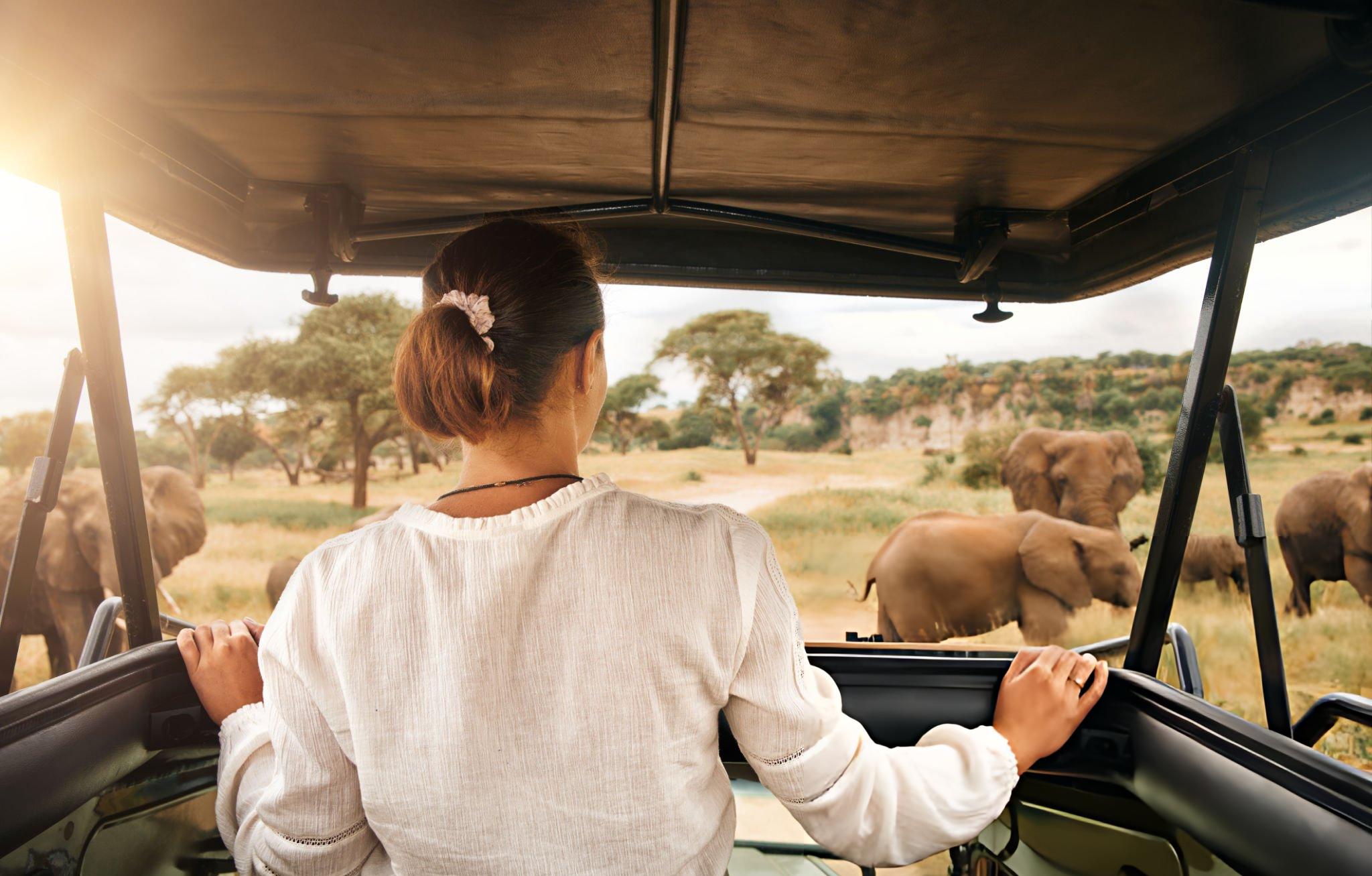
This includes maintaining safe distances from wildlife, avoiding off-road driving that damages vegetation, and supporting lodges that follow strict environmental guidelines. Ethical safari operators also limit vehicle numbers around sightings to reduce stress on animals.
Visitors may not always see the behind-the-scenes work, but tourism fees directly support ranger salaries, habitat protection, and conservation research. Choosing companies that prioritize sustainability ensures your visit contributes to these efforts rather than undermining them.
Travelers should also avoid attractions that exploit wildlife, such as facilities offering direct contact with wild animals. Ethical wildlife tourism focuses on observation in natural habitats, not staged interactions.
🤝 Supporting Local Communities
One of the key pillars of Responsible tourism in Tanzania is ensuring local communities benefit directly from tourism revenue. Many conservation areas border villages where livelihoods depend on agriculture or livestock. Tourism can provide alternative income sources through jobs, craft markets, guiding services, and cultural tourism experiences.
Community-based tourism initiatives allow visitors to learn about local traditions while contributing to economic empowerment. These programs help fund schools, healthcare, and clean water projects. When communities see tangible benefits from tourism, they are more likely to support conservation efforts and protect nearby wildlife habitats.
Fair wages, local hiring, and partnerships with community suppliers are hallmarks of responsible tourism companies. This creates a ripple effect where tourism revenue circulates within local economies rather than flowing exclusively to international corporations.
When planning your safari, it’s important to choose operators committed to ethical partnerships. Epic Horizons Adventure we are looking extra miles to make sure local communities are part of the tourism value chain, benefiting from every guest experience.
🌊 Environmental Responsibility Beyond the Safari
Responsible tourism extends beyond national parks. Coastal areas like Zanzibar face challenges from plastic pollution, coral reef damage, and unsustainable fishing practices. Travelers can help by reducing single-use plastics, choosing reef-safe sunscreen, and supporting eco-certified dive centers.
Water and energy conservation are also crucial. Many safari lodges operate in remote areas where resources are limited. Eco-friendly properties use solar power, rainwater harvesting, and waste recycling systems to minimize their environmental footprint.
Even small traveler choices — like carrying reusable water bottles or respecting “leave no trace” principles — collectively make a big difference.
Organizations such as the African Wildlife Foundation emphasize that conservation success depends on partnerships between tourism, governments, and local communities.
👉 Conservation work: https://www.awf.org
🧭 Cultural Respect and Meaningful Travel
Tanzania is home to over 120 ethnic groups, each with unique traditions, languages, and customs. Responsible tourism encourages respectful cultural exchange rather than superficial or exploitative encounters.
Travelers should seek authentic experiences led by local guides who can share insights into daily life, history, and traditions. Always ask permission before photographing people, dress modestly in rural or religious areas, and approach cultural interactions with humility and curiosity.
This respectful approach enriches travel experiences while preserving cultural dignity.
🌍 The Global Impact of Local Choices
Every decision made by a traveler — from flights booked to souvenirs purchased — contributes to a larger system. Supporting eco-conscious operators, respecting park rules, and minimizing waste all help protect Tanzania’s ecosystems.
Responsible tourism in Tanzania also plays a role in combating climate change. Sustainable lodges that use renewable energy and carbon offset programs help reduce the environmental footprint of travel.
By traveling responsibly, visitors become partners in conservation rather than passive observers.
✨ Why Responsible Tourism Creates Better Experiences
Interestingly, responsible travel often leads to more meaningful and memorable journeys. Smaller group sizes, knowledgeable local guides, and immersive community visits create deeper connections to the places visited.
Rather than rushing through attractions, responsible tourism encourages slower travel that values quality over quantity. This approach fosters appreciation, understanding, and long-term commitment to conservation.
Choosing the right tour operator is key to making this happen. Epic Horizons Adventure we are looking extra miles to make sure every itinerary balances unforgettable experiences with environmental care and community support.
❤️ A Shared Responsibility for the Future
Tanzania’s landscapes and wildlife are global treasures, but their survival depends on choices made today. Tourism, when managed responsibly, can fund conservation, empower communities, and protect natural heritage for generations.
The rise of Responsible tourism in Tanzania shows that travel can be a force for good — connecting people, preserving ecosystems, and creating shared value.
As we continue to the next section, we’ll explore how national parks, marine reserves, and conservation areas in Tanzania are managed sustainably — and how visitors play a direct role in protecting them.
onservation Areas, National Parks, and the Role of Responsible Tourism in Tanzania
Tanzania is globally celebrated for its vast protected landscapes, which cover nearly 40% of the country’s land area. From the legendary Serengeti plains to the lush forests of Mahale Mountains and the marine reserves of the Indian Ocean, these ecosystems are not only beautiful but also ecologically vital. Their survival depends heavily on sustainable management strategies — and that is where Responsible tourism in Tanzania plays a crucial role.
Protected areas in Tanzania include national parks, game reserves, conservation areas, and marine parks. Each category has its own regulations, conservation priorities, and community engagement structures. Together, they form a network designed to balance wildlife protection, scientific research, and carefully controlled tourism.
🐾 National Parks: Tourism Funding Conservation
Tanzania National Parks Authority (TANAPA) manages many of the country’s most famous wildlife destinations, including Serengeti, Tarangire, Lake Manyara, and Ruaha. Tourism fees collected from visitors fund anti-poaching patrols, park infrastructure, ecological monitoring, and ranger training.
Without tourism revenue, maintaining these vast wilderness areas would be extremely difficult. Rangers patrol thousands of square kilometers to protect animals from illegal hunting and habitat destruction. Visitor contributions directly support this work.
Responsible travelers contribute even more by following park rules — staying on designated roads, avoiding litter, and respecting wildlife viewing guidelines. These behaviors reduce environmental damage and animal stress, ensuring tourism remains sustainable long-term.
Learn more about Tanzania’s national parks:
👉 https://www.tanzaniaparks.go.tz
🦓 The Serengeti Ecosystem and Sustainable Visitor Management
The Serengeti ecosystem is one of the most studied and protected wildlife regions in the world. It hosts the Great Migration — over two million wildebeest, zebras, and gazelles moving in search of fresh grazing. This natural wonder attracts thousands of visitors annually, making careful tourism management essential.
Park authorities regulate lodge locations, vehicle numbers at sightings, and seasonal access routes to reduce environmental pressure. Responsible safari operators follow these regulations strictly, helping protect migration corridors and breeding grounds.
Overcrowding at wildlife sightings can disrupt animal behavior, so ethical guides maintain distance and limit time spent near sensitive species. These small actions collectively support Responsible tourism in Tanzania, ensuring the Serengeti remains a thriving ecosystem rather than a degraded tourist hotspot.
More about Serengeti conservation:
👉 https://whc.unesco.org/en/list/156
🐘 Ngorongoro Conservation Area: Balancing People and Wildlife
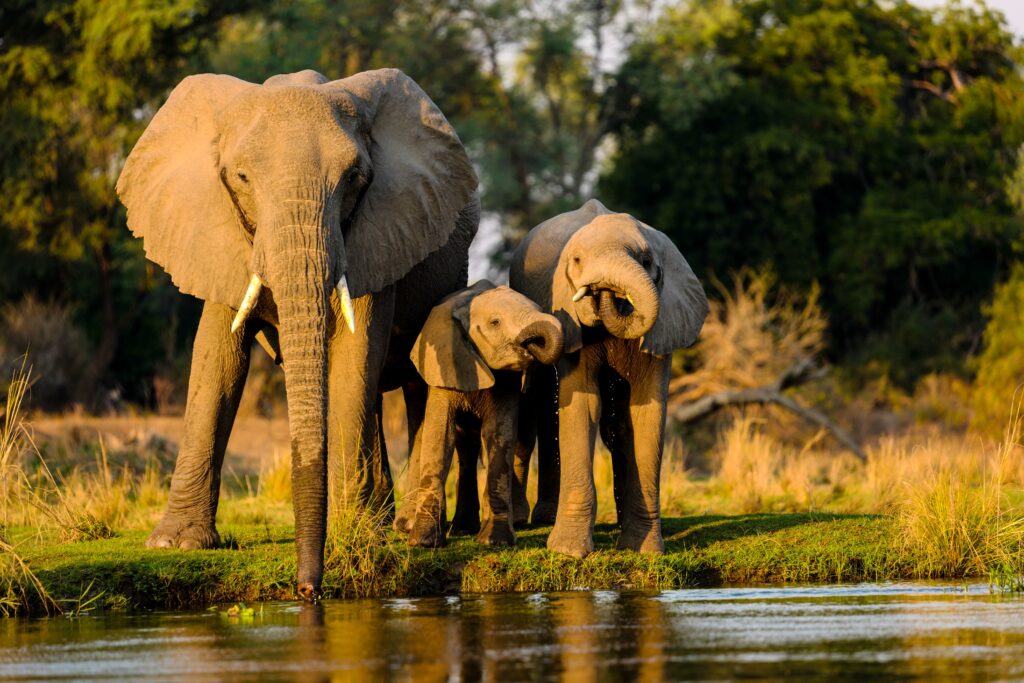
Unlike national parks, the Ngorongoro Conservation Area allows human settlement alongside wildlife. Maasai pastoralists live within the region, maintaining traditional grazing practices that have coexisted with wildlife for centuries.
Tourism revenue here supports both conservation and community services, including education and healthcare initiatives. Visitors who respect cultural norms and engage in ethical cultural tourism experiences contribute to preserving this unique human-wildlife balance.
Choosing community-led cultural visits rather than staged performances ensures tourism income benefits local families directly. This model is a powerful example of how Responsible tourism in Tanzania supports both cultural heritage and biodiversity.
Learn about Ngorongoro’s unique status:
👉 https://www.ncaa.go.tz
🌊 Marine Parks and Coastal Conservation
Tanzania’s responsibility toward conservation extends beyond savannahs. The country’s coastline and islands, particularly around Zanzibar and Mafia Island, host fragile coral reefs, mangroves, and marine species like whale sharks and sea turtles.
Marine parks regulate fishing, diving, and tourism activities to protect underwater ecosystems. Responsible dive operators educate guests on reef-safe practices, such as avoiding contact with coral and not disturbing marine life.
Plastic pollution is a growing threat in marine environments. Tourists who reduce plastic waste and participate in beach clean-up initiatives help protect these delicate ecosystems. Supporting eco-certified marine tour providers strengthens conservation efforts funded through tourism.
More on marine conservation:
👉 https://www.marineparks.go.tz
🛡️ Anti-Poaching and Community Partnerships
Poaching remains a serious threat to wildlife across Africa. Tourism plays an important role in funding anti-poaching units, surveillance technology, and ranger training programs.
However, enforcement alone is not enough. Conservation organizations increasingly work with local communities to provide alternative livelihoods that reduce dependence on poaching. Tourism jobs, guiding roles, handicraft markets, and cultural experiences all provide income opportunities.
When travelers choose responsible operators, their spending supports these community partnerships. This integrated approach strengthens conservation outcomes and reduces human-wildlife conflict.
Organizations like WWF support conservation in East Africa:
👉 https://www.worldwildlife.org/places/eastern-africa
🏕️ Eco-Lodges and Sustainable Infrastructure
Lodges and camps within conservation areas must operate sustainably to minimize environmental impact. Many use solar power, biodegradable waste systems, and water recycling technologies.
Responsible tourism encourages staying at properties committed to eco-friendly practices rather than luxury developments that strain local resources. Sustainable lodges often blend into natural surroundings, employ local staff, and support nearby villages through supply partnerships.
By choosing such accommodations, travelers actively participate in Responsible tourism in Tanzania, reducing their ecological footprint while supporting ethical businesses.
Epic Horizons Adventure we are looking extra miles to make sure every partner lodge we work with follows strong sustainability principles, protecting nature while delivering exceptional guest experiences.
🌍 Visitor Education and Awareness
Education is one of the most powerful tools in conservation. Many parks now provide interpretation centers, guided nature walks, and ranger talks that teach visitors about local ecosystems and wildlife behavior.
When travelers understand the ecological importance of these areas, they are more likely to act responsibly. Awareness fosters appreciation, and appreciation leads to protection.
Safari guides play a vital role in this educational process. Knowledgeable guides not only track animals but also explain conservation challenges, local culture, and environmental ethics.
🤝 Tourism as a Conservation Partnership
Tourism in Tanzania works best when it functions as a partnership between visitors, operators, communities, and government agencies. Each group plays a role in protecting natural heritage.
Visitors bring funding and global awareness. Operators provide expertise and infrastructure. Communities contribute cultural knowledge and stewardship. Governments enforce regulations and manage protected areas.
Together, this network sustains ecosystems that might otherwise be threatened by agriculture, urbanization, or illegal resource extraction.
The growth of Responsible tourism in Tanzania reflects a shift in global travel values — from passive sightseeing to active stewardship.
🌅 Preserving Tanzania for Future Generations
Tanzania’s conservation areas are not just tourist attractions; they are living ecosystems essential to biodiversity, climate regulation, and cultural identity. Their protection requires long-term thinking and collective responsibility.
By supporting conservation-focused tourism, travelers help ensure that elephants still roam the savannah, coral reefs remain vibrant, and local communities thrive alongside nature.
In the next section, we will explore how responsible tourism benefits local economies, empowers women and youth, and strengthens community resilience across Tanzania.
Community Empowerment and Economic Impact Through Responsible Tourism in Tanzania
Tourism in Tanzania is not only about wildlife and landscapes; it is also deeply connected to people. Across the country, from Maasai villages near the Serengeti to fishing communities along the Swahili Coast, tourism creates opportunities that transform lives when managed ethically. This human dimension is a central pillar of Responsible tourism in Tanzania, ensuring that travel benefits extend beyond visitors and into local homes, schools, and businesses.
Community empowerment through tourism means creating systems where local people are active participants rather than passive observers in the tourism economy. This includes fair employment, support for local entrepreneurs, respect for land rights, and investment in social services such as education and healthcare.
🏘️ Local Employment and Skills Development
Safari lodges, tour companies, and conservation projects provide thousands of jobs for Tanzanians. Roles range from guides and hospitality staff to drivers, conservation officers, and cultural interpreters. Ethical tourism companies prioritize local hiring and invest in staff training to build long-term skills.
Training programs in guiding, wildlife management, hospitality, and language skills open doors to professional growth. These careers often provide higher and more stable incomes than traditional livelihoods, reducing reliance on activities that may harm the environment, such as poaching or deforestation.
When visitors choose ethical operators, they help sustain employment systems that support families and entire communities. This approach strengthens Responsible tourism in Tanzania by ensuring economic benefits remain within the country.
Organizations supporting workforce development in tourism include the Tanzania Association of Tour Operators:
👉 https://www.tatotz.org
🎨 Supporting Local Businesses and Cultural Enterprises
Tourism also fuels small and medium-sized enterprises, including craft markets, food suppliers, transport services, and cultural experience providers. Buying handmade products, dining at locally owned restaurants, and participating in community-led tours keeps money circulating within local economies.
Authentic handicrafts such as beadwork, carvings, and textiles often represent generations of cultural knowledge. Purchasing directly from artisans helps preserve these traditions while providing income for households.
Cultural tourism initiatives allow visitors to experience traditional music, dance, storytelling, and daily life in respectful, educational ways. These experiences should always be community-led, ensuring hosts control how their culture is shared.
By supporting these initiatives, travelers reinforce Responsible tourism in Tanzania as a model that values cultural heritage as much as wildlife.
👩👧 Empowering Women Through Tourism
In many parts of Tanzania, women have fewer economic opportunities due to traditional gender roles. Tourism initiatives are increasingly creating pathways for women’s empowerment through employment, entrepreneurship, and leadership roles.
Women’s cooperatives produce handicrafts, manage guesthouses, and run catering services for safari lodges. Income from these activities supports children’s education, healthcare, and household stability.
Some tourism programs provide training specifically for women in guiding, hospitality, and business management. These initiatives promote financial independence and stronger community leadership.
When tourism actively supports gender equality, it amplifies the positive social impact of travel while strengthening the foundations of Responsible tourism in Tanzania.
UN Women highlights the role of tourism in empowering women globally:
👉 https://www.unwomen.org
🧒 Youth Opportunities and Education
Tanzania has a young population, and tourism provides important opportunities for youth employment and education. Many lodges and tour companies offer internships, apprenticeships, and scholarship programs for students interested in conservation, hospitality, and tourism management.
Tourism revenue also supports school construction, classroom supplies, and teacher salaries in communities near protected areas. These investments help create long-term development that extends far beyond tourism itself.
Environmental education programs funded by tourism teach young people about wildlife conservation and sustainable practices. When communities understand the value of protecting natural resources, they become active partners in conservation.
🌾 Reducing Human-Wildlife Conflict
Communities living near national parks often face challenges such as crop damage from elephants or livestock predation by lions. Tourism revenue helps fund compensation programs, fencing projects, and alternative livelihood initiatives that reduce these conflicts.
Beekeeping, sustainable agriculture, and eco-tourism ventures provide income alternatives that are compatible with wildlife conservation. When local people benefit economically from wildlife tourism, they are more likely to support conservation efforts.
This connection between livelihoods and conservation is central to Responsible tourism in Tanzania, creating a system where both people and wildlife can thrive.
🏥 Tourism Supporting Health and Social Services
Some tourism operators contribute directly to community development projects such as clinics, water wells, and sanitation systems. These investments improve living conditions and demonstrate how tourism can be a force for social good.
Visitors may not always see these contributions, but they are part of a broader effort to ensure tourism leaves a positive legacy. Responsible travelers who choose ethical companies help sustain these initiatives.
Epic Horizons Adventure we are looking extra miles to make sure our journeys contribute to meaningful community development, supporting projects that improve lives beyond the safari experience.
🌍 Cultural Exchange and Mutual Understanding
Tourism fosters connections between people from different backgrounds. When approached respectfully, these exchanges promote understanding, tolerance, and shared learning.
Travelers gain insight into Tanzanian cultures, while communities gain opportunities to share their stories and perspectives. This two-way exchange strengthens global awareness and respect.
Responsible cultural interactions avoid exploitation and ensure dignity. Visitors should always seek consent before photographs, respect local customs, and approach new experiences with openness.
📈 Long-Term Economic Resilience
Diversifying income through tourism makes communities more resilient to economic shocks such as drought or fluctuating agricultural markets. However, tourism itself must be managed sustainably to avoid overdependence.
Responsible planning encourages diversified tourism products — wildlife safaris, cultural tours, hiking, marine activities — spreading benefits across regions and seasons.
By supporting locally owned and ethically managed businesses, travelers help build stable economies that can withstand future challenges.
🌿 The Human Heart of Conservation
Conservation is not only about protecting animals and landscapes; it is about ensuring people living alongside these environments can prosper. When communities benefit from tourism, they become the strongest advocates for protecting nature.
This synergy between human well-being and environmental stewardship defines Responsible tourism in Tanzania. It is a model where travel becomes a partnership — supporting livelihoods, preserving culture, and safeguarding ecosystems.
In the next section, we will explore environmental sustainability practices in Tanzanian tourism, including eco-lodges, waste reduction, renewable energy, and climate-conscious travel choices.