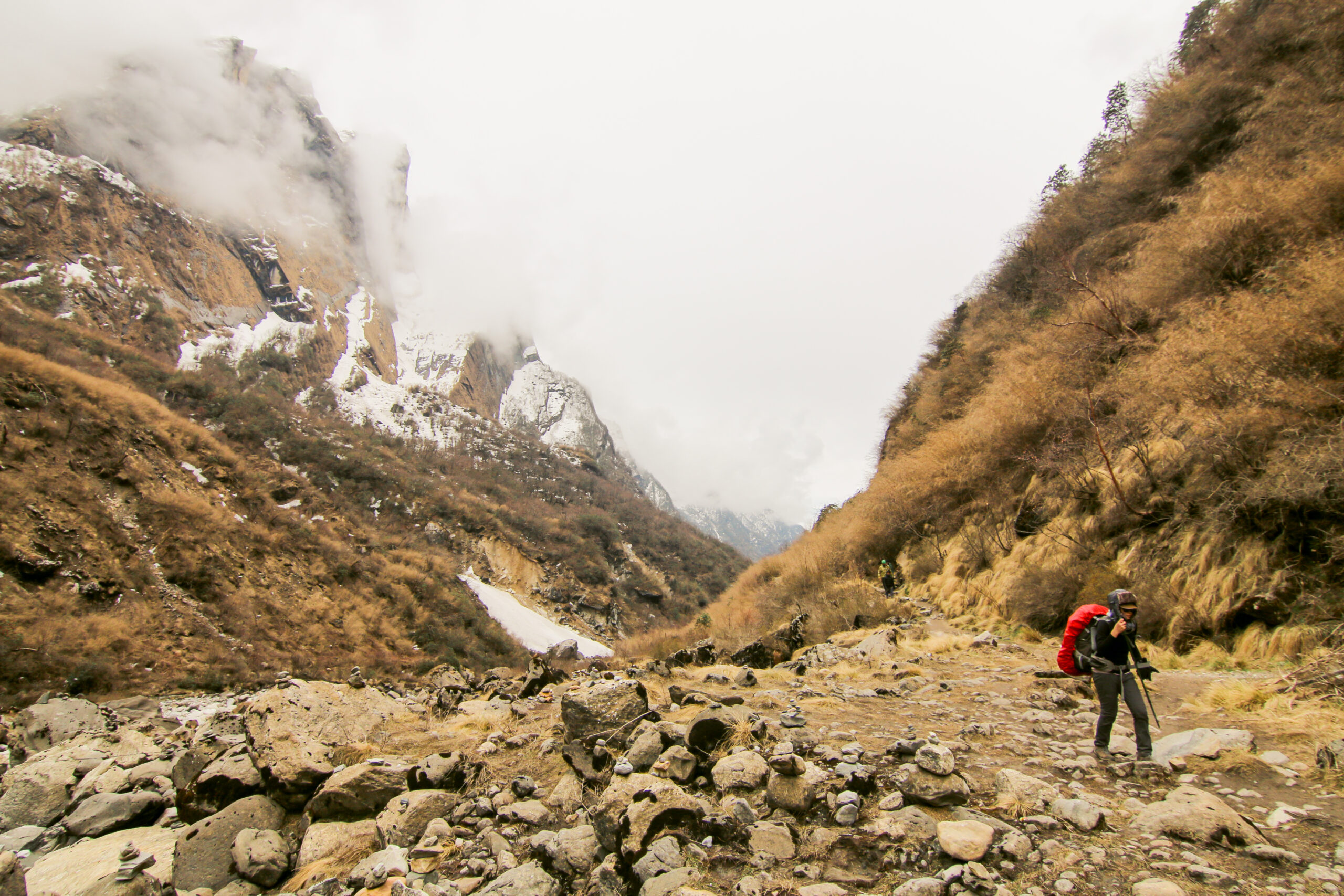
Scenic views on Mount Meru offer forests, wildlife, crater panoramas & sunrise summit moments. Trek with Epic Horizons Adventure for an unforgettable experiencehttps://www.epichorizonsadventures.com/our-tours/destinations/
Introduction to Scenic Views on Mount Meru
Mount Meru is one of Tanzania’s most underrated natural treasures, standing majestically within Arusha National Park and offering travelers an immersive encounter with raw African beauty. While Mount Kilimanjaro often steals the spotlight, Mount Meru quietly delivers an experience that many seasoned trekkers describe as more intimate, more scenic, and deeply rewarding. The mountain rises to an elevation of 4,566 meters above sea level, making it the second-highest peak in Tanzania and the fifth-highest in Africa. What truly sets it apart, however, is not just its height but the extraordinary landscapes that unfold at every stage of the climb. From open grasslands filled with wildlife to dense montane forests, dramatic ridges, volcanic craters, and sweeping panoramas of the surrounding plains, the journey is a visual masterpiece from start to finish.
For travelers seeking authentic mountain scenery without overwhelming crowds, Mount Meru presents an exceptional alternative. The scenic views on mount meru begin long before the ascent itself, starting at Momella Gate where trekkers are welcomed by lush greenery and the distant silhouette of the mountain. Unlike many high-altitude treks that feel remote and barren from the outset, Mount Meru’s lower slopes are alive with biodiversity. Giraffes, buffaloes, warthogs, and colobus monkeys are commonly spotted, creating a rare fusion of safari and trekking in one adventure. This unique combination immediately positions Mount Meru as a destination where nature, wildlife, and mountain scenery exist in perfect harmony.
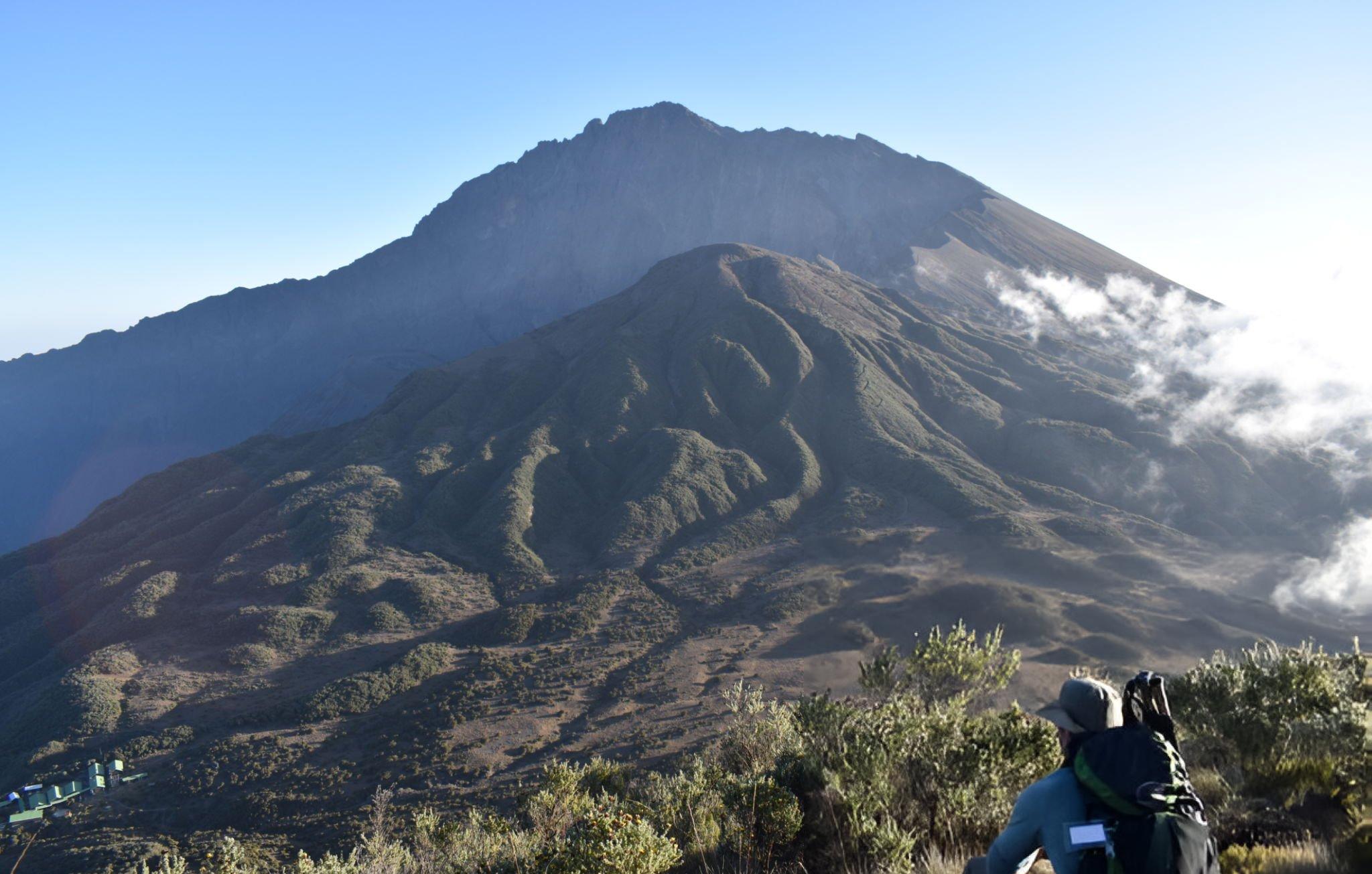
One of the most remarkable aspects of Mount Meru is how the landscape transitions so smoothly as altitude increases. The mountain is a stratovolcano with a dramatic horseshoe-shaped crater formed by a massive volcanic eruption thousands of years ago. This geological history has shaped the mountain into a visually striking structure, with sheer cliffs, ash cones, and ridgelines that offer breathtaking viewpoints. As trekkers move higher, the vegetation changes from savannah and forest to alpine meadows and rocky terrain, each zone unveiling a new layer of beauty. The scenic views on mount meru are not repetitive; instead, they evolve continuously, making every day of the trek feel fresh and visually stimulating.
Mount Meru is also renowned for its unobstructed views of Mount Kilimanjaro, Africa’s highest peak. On clear mornings, Kilimanjaro appears in the distance like a floating giant above the clouds, especially when viewed from high points such as Rhino Point or Socialist Peak. This perspective is something few travelers experience, as it offers a rare angle of Kilimanjaro that cannot be seen from the ground or from the crowded southern routes. For photographers, nature lovers, and adventure seekers, this alone is a compelling reason to choose Mount Meru. The scenic views on mount meru provide not only close-up beauty but also grand, far-reaching vistas that connect multiple iconic landscapes into one visual frame.
Another defining feature of Mount Meru’s scenery is its sense of tranquility. Because the mountain receives far fewer climbers compared to Kilimanjaro, the trails are quiet, allowing trekkers to fully absorb their surroundings without distraction. The absence of heavy foot traffic preserves the natural atmosphere, making moments like sunrise and sunset deeply personal and emotionally powerful. Watching the sun rise over the African plains while standing on a silent ridge, with golden light illuminating valleys and distant peaks, creates memories that linger long after the journey ends. This peaceful environment enhances the overall impact of the scenic views on mount meru, transforming them from simple sights into meaningful experiences.
The integration of Mount Meru within Arusha National Park adds another layer of visual richness to the trek. The park itself is a mosaic of ecosystems, including lakes, forests, and open plains. From higher elevations, trekkers can look down upon Momella Lakes, which shimmer in shades of turquoise and emerald depending on the light and season. These alkaline lakes are often dotted with flamingos, creating a striking contrast against the surrounding greenery. Such views are rare on mountain treks, where water bodies are usually absent or frozen at higher altitudes. On Mount Meru, the presence of lakes, forests, and wildlife creates a multidimensional scenic experience that feels almost cinematic.
Weather patterns on Mount Meru also play a role in shaping its visual appeal. The mountain often experiences shifting cloud formations that move quickly across the landscape, revealing and concealing views in dramatic fashion. One moment, the crater walls may be wrapped in mist, and the next, they emerge sharply against a deep blue sky. These dynamic conditions make the scenery feel alive and constantly changing. For travelers who appreciate atmospheric landscapes, this unpredictability adds excitement and depth to the journey. Each turn in the trail holds the promise of a new perspective, reinforcing the reputation of Mount Meru as a visually rewarding climb.
Cultural and emotional connections further enhance the scenic value of Mount Meru. The mountain holds significance for local communities, particularly the Meru people, who have lived in its shadow for generations. Their relationship with the land is reflected in the respect shown toward the mountain and its environment. Trekking with knowledgeable guides allows visitors to gain insights into local traditions, stories, and ecological practices that enrich the experience. Understanding the human connection to the landscape adds meaning to the views, turning them into narratives rather than mere backdrops.
Epic horizons Adventure we are looking extra miles to make sure every traveler not only witnesses these landscapes but truly understands and appreciates their significance. By combining professional guiding, responsible tourism practices, and deep local knowledge, the company ensures that each trek on Mount Meru becomes a journey of discovery rather than just a physical challenge. This approach aligns perfectly with modern travel expectations, where meaningful experiences are valued just as highly as visual beauty.
From an SEO and travel-planning perspective, Mount Meru is increasingly gaining recognition as a must-visit destination for trekkers who want high-altitude scenery without extreme technical difficulty. The mountain serves as an excellent acclimatization climb for those planning to summit Kilimanjaro, but it also stands strong as a standalone adventure. Travel experts and conservation organizations often highlight Mount Meru as a model for sustainable trekking experiences in East Africa. Resources such as the Tanzania National Parks Authority (TANAPA) provide detailed information about Arusha National Park and Mount Meru’s ecological importance . Additionally, global travel platforms like Lonely Planet and National Geographic have acknowledged the mountain’s scenic and ecological value in their Africa travel features .
In conclusion, Mount Meru is a destination where scenery is not limited to a single viewpoint or summit moment. Instead, beauty unfolds gradually, rewarding patience and curiosity at every step. The forests, wildlife, crater walls, alpine ridges, distant plains, and iconic views of Kilimanjaro combine to create an experience that is visually rich and emotionally fulfilling. For travelers who seek depth, diversity, and authenticity in their adventures, Mount Meru delivers on every level. This introduction sets the foundation for understanding why the mountain’s landscapes are so compelling and why it deserves a prominent place among Africa’s top trekking destinations.
Forests, Wildlife, and Lower Slope Landscapes of Mount Meru

The journey into Mount Meru begins in an environment that feels more like a classic African safari than a high-altitude mountain trek. The lower slopes of the mountain, located within Arusha National Park, introduce trekkers to a landscape that is vibrant, alive, and constantly moving. Towering fig trees, ancient cedars, and dense undergrowth form a green canopy that filters sunlight into soft golden beams, creating an almost cinematic atmosphere. This initial stage of the climb plays a crucial role in shaping the overall trekking experience because it establishes Mount Meru as a destination where nature unfolds gradually rather than all at once. The scenic views on mount meru at this level are immersive rather than panoramic, drawing the traveler into the details of the ecosystem rather than overwhelming them with vast horizons.
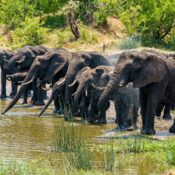
One of the defining characteristics of Mount Meru’s lower slopes is the extraordinary presence of wildlife. Unlike most mountain treks in the world, where animals disappear quickly as elevation increases, Mount Meru allows trekkers to walk alongside wild animals in their natural habitat. Giraffes grazing quietly among acacia trees, buffalo moving in cautious herds, and warthogs darting across open clearings are common sights. Colobus monkeys leap through the forest canopy, their black-and-white fur standing out sharply against the green background. This unique coexistence of trekking and wildlife viewing transforms the climb into a multidimensional adventure. Every step feels dynamic, as the forest is never silent and never still.
The guided nature of the lower slopes enhances both safety and appreciation. Armed rangers accompany trekkers through these wildlife-rich zones, ensuring protection while also sharing valuable insights about animal behavior and conservation efforts. This guided experience deepens the connection between travelers and the environment, turning each wildlife encounter into a learning moment. The lower slopes are not merely a passage to higher altitudes; they are a destination in their own right, offering some of the most engaging and memorable moments of the entire trek.
As the trail gently ascends, the forest begins to reveal layers of visual complexity. Moss-covered trunks, twisted roots, and hanging lichens give the landscape a primeval feel, as though untouched by time. Ferns line the path, and seasonal wildflowers add subtle bursts of color depending on the time of year. The air is rich with earthy scents, and the temperature remains comfortably cool, making the walking experience pleasant and unhurried. These sensory elements combine to create a deep sense of immersion, where the mountain feels less like an obstacle to conquer and more like a living system to explore.
Clearings along the trail offer occasional viewpoints that hint at the dramatic scenery yet to come. Through breaks in the forest, trekkers can glimpse rolling hills, distant plains, and sometimes even the outlines of the Momella Lakes below. These early views act as visual previews, building anticipation for the higher elevations while reinforcing the diversity of landscapes that Mount Meru encompasses. The scenic views on mount meru at this stage are subtle and layered, rewarding those who take the time to look closely rather than rushing forward.
Water features play an important role in shaping the lower slope environment. Small streams cross the trail, fed by rainfall and underground springs from higher up the mountain. These water sources support the lush vegetation and attract wildlife, further enriching the ecosystem. The sound of flowing water adds a calming rhythm to the trek, enhancing the sense of tranquility that defines this part of Mount Meru. In contrast to arid mountain regions elsewhere in the world, Meru’s lower slopes feel fertile and abundant, reinforcing the impression of a mountain deeply connected to its surroundings.
The relationship between Mount Meru and Arusha National Park is central to understanding the uniqueness of this landscape. The park is known for its ecological diversity, encompassing savannah, forest, lakes, and volcanic features within a relatively compact area. This diversity is reflected directly in the trekking experience, as climbers move through zones that would normally require separate trips to experience. The lower slopes serve as a gateway to this diversity, blending elements of safari tourism with mountain adventure in a way that is rarely replicated elsewhere in Africa.
Cultural awareness also enhances the experience of trekking through these forested zones. The mountain holds cultural significance for local communities, and their respect for the land is evident in the preservation of the environment. Guides often share stories about traditional uses of forest plants, local beliefs associated with the mountain, and the importance of conservation for future generations. These narratives add depth to the physical surroundings, turning the landscape into a cultural as well as natural space.
Epic horizons Adventure we are looking extra miles to make sure that this early stage of the trek is not rushed or overlooked. By allowing travelers sufficient time to absorb the forest environment, observe wildlife responsibly, and understand the ecological importance of the lower slopes, the company ensures that the journey feels complete from the very first step. This philosophy aligns with sustainable tourism principles, where appreciation and preservation go hand in hand.
As elevation continues to increase, subtle changes begin to appear in the vegetation. Trees grow slightly shorter, and the forest canopy opens up in places, allowing more light to reach the forest floor. These transitions signal the gradual shift toward montane forest and higher-altitude ecosystems. The trail becomes quieter in terms of large wildlife sightings, but birdlife becomes more prominent, with colorful species flitting between branches and filling the air with sound. This change in fauna marks another layer in the evolving landscape of Mount Meru.
From a photographic perspective, the lower slopes offer countless opportunities. The interplay of light and shadow, the presence of animals, and the rich textures of the forest create compositions that are both intimate and dramatic. Photographers often find that these early stages produce some of the most emotionally compelling images of the entire trek. Rather than sweeping vistas, the focus here is on moments—an animal emerging from the trees, sunlight filtering through leaves, or mist rising gently from the forest floor.
The importance of the lower slopes extends beyond aesthetics. They play a critical role in the mountain’s ecological health, acting as water catchment areas and wildlife corridors. Conservation organizations and park authorities emphasize responsible trekking practices in these zones to minimize human impact. Travelers are encouraged to stay on designated trails, respect wildlife distances, and follow park regulations. Information about conservation efforts in Arusha National Park can be found through the Tanzania National Parks Authority (https://www.tanzaniaparks.go.tz), which highlights the importance of preserving areas like Mount Meru for both biodiversity and tourism.
For travelers researching Mount Meru, the diversity of the lower slopes often comes as a surprise. Many expect a straightforward climb through sparse terrain, only to discover a landscape that rivals some of Africa’s best national parks in terms of richness and variety. This unexpected abundance sets Mount Meru apart and contributes significantly to its growing reputation among experienced trekkers and nature enthusiasts. Travel resources such as National Geographic (https://www.nationalgeographic.com) and Lonely Planet (https://www.lonelyplanet.com) frequently emphasize the value of destinations that combine wildlife and trekking, a description that fits Mount Meru perfectly.
As the day progresses and trekkers reach their first mountain hut, the memories of the forested lower slopes linger strongly. These initial landscapes form the emotional foundation of the journey, grounding the experience in life, movement, and connection to nature. The scenic views on mount meru encountered here are not about altitude or distance but about depth and presence, offering a powerful reminder that beauty often lies in the details.
In summary, the lower slopes of Mount Meru provide an introduction that is both gentle and profound. Through forests alive with wildlife, flowing water, and cultural meaning, trekkers are welcomed into an environment that feels nurturing rather than intimidating. This stage of the climb establishes Mount Meru as a mountain of diversity, where every level contributes something unique to the overall experience. The scenic views on mount meru begin here, not with dramatic summits, but with living landscapes that invite exploration, respect, and appreciation.
Crater Rim, Mid-Altitude Trails, and Dramatic Panoramas of Mount Meru
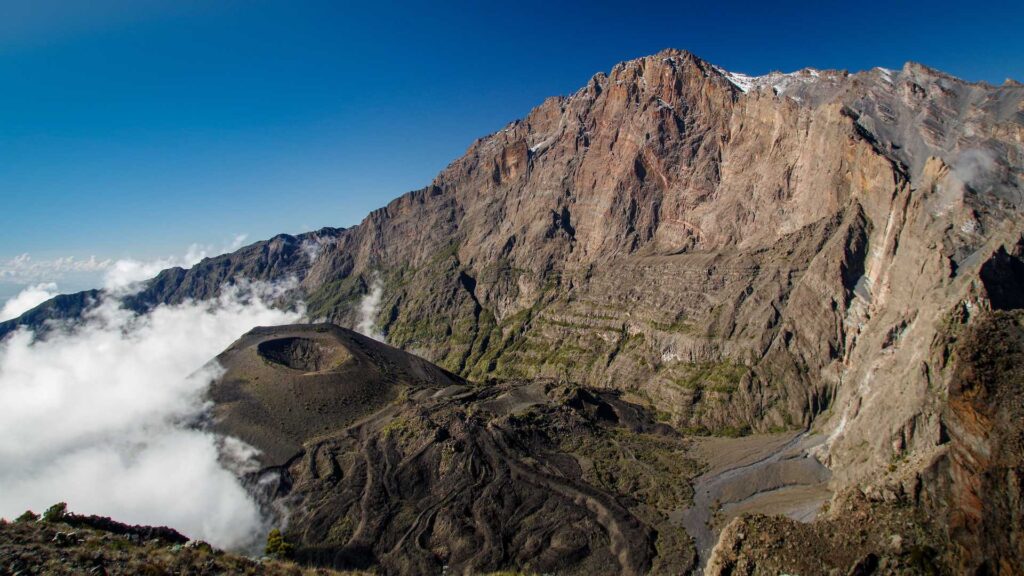
As trekkers move beyond the forested lower slopes and continue ascending Mount Meru, the landscape begins to transform in ways that feel both dramatic and deeply inspiring. The mid-altitude section of the mountain marks a turning point where enclosed forest paths gradually open into expansive ridges, volcanic features, and awe-inspiring viewpoints. This stage of the climb introduces the geological identity of Mount Meru, revealing its origins as a powerful stratovolcano and showcasing the immense forces that shaped its current form. The scenic views on mount meru at this level are defined by contrast—between light and shadow, openness and depth, and proximity and distance.
One of the most striking features encountered during this stage is the massive volcanic crater. Formed by a historic eruption that caused part of the mountain to collapse, the crater creates a dramatic amphitheater of sheer cliffs and sweeping curves. Walking along the crater rim is an unforgettable experience, as the trail hugs steep drop-offs on one side while offering uninterrupted views into the crater basin on the other. The scale of the landscape is humbling, reminding trekkers that Mount Meru is not just a mountain but a monument to Earth’s volcanic history.
The mid-altitude trails are often described as the most visually balanced section of the climb. Here, the effort of ascending begins to feel rewarded by frequent panoramic viewpoints. The terrain alternates between rocky paths, alpine vegetation, and exposed ridgelines that provide clear views across Arusha National Park and beyond. On clear days, the plains stretch endlessly toward the horizon, dotted with lakes, forests, and distant hills. These vistas create a strong sense of spatial awareness, allowing trekkers to fully grasp the vastness of northern Tanzania’s landscapes.
One of the defining highlights of this section is the increasing visibility of Mount Kilimanjaro. As altitude increases, the iconic snow-capped peak begins to dominate the skyline, especially during early morning and late afternoon hours. The perspective from Mount Meru is unique, offering a side view of Kilimanjaro that emphasizes its size and isolation. Unlike views from the ground, where Kilimanjaro can feel distant or partially obscured, the elevated vantage points on Meru create a visual dialogue between the two mountains. This relationship adds depth and context to the scenic views on mount meru, making them feel interconnected with the broader East African landscape.
Vegetation at mid-altitude becomes noticeably sparser, transitioning from dense forest to hardy alpine plants adapted to cooler temperatures and thinner air. Giant heathers, lobelias, and ground-hugging shrubs dominate the terrain, their unusual shapes adding a surreal quality to the environment. These plants are not only visually fascinating but also ecologically significant, representing unique adaptations found only in high-altitude regions of Africa. The changing plant life signals that trekkers are entering a more extreme environment, where survival depends on resilience and balance.
The atmosphere along the crater rim and mid-altitude trails is often described as peaceful yet powerful. Winds sweep across the ridges, carrying cool air and occasionally lifting clouds to reveal sudden bursts of sunlight. These shifting conditions create a dynamic visual experience, where the same viewpoint can look entirely different within minutes. Shadows move rapidly across the crater walls, and distant landscapes appear and disappear as clouds drift by. This constant motion makes the scenery feel alive, reinforcing the sense that Mount Meru is an active, breathing entity rather than a static backdrop.
From a psychological perspective, this stage of the climb is deeply motivating. Trekkers often report a renewed sense of purpose as the environment opens up and the summit feels more attainable. The physical challenge remains present, but the visual rewards provide a strong mental boost. Seeing how far one has climbed, both literally and figuratively, creates a powerful sense of accomplishment. The scenic views on mount meru here play a crucial role in maintaining morale and focus, especially as altitude begins to test endurance.
Photography enthusiasts consider the mid-altitude section a prime location for capturing Mount Meru’s most iconic images. The combination of crater walls, ridgelines, alpine vegetation, and distant peaks offers endless compositional possibilities. Sunrise and sunset are particularly magical, as the low angle of the sun casts warm tones across the volcanic rock and surrounding plains. These moments are often quiet and reflective, with few distractions other than the sound of wind and the rhythm of breathing.
Epic horizons Adventure we are looking extra miles to make sure trekkers reach these viewpoints at the most rewarding times of day. By carefully planning daily schedules and pacing, the company maximizes opportunities for clear views and optimal lighting conditions. This attention to detail enhances not only the visual experience but also the emotional impact of the journey, turning scenic moments into lasting memories.
The geological significance of Mount Meru becomes especially apparent along the crater rim. Layers of volcanic ash, hardened lava flows, and eroded rock formations tell a story that spans thousands of years. Guides often explain how the mountain’s structure compares to other volcanic peaks in the region, offering insights into the forces that shaped East Africa’s Rift Valley. This educational element adds intellectual depth to the visual experience, making the landscape feel meaningful as well as beautiful.
Mid-altitude huts such as Saddle Hut serve as important rest points during this phase of the climb. Positioned strategically between forest and summit zones, these huts offer sweeping views of both the crater and the surrounding terrain. From these locations, trekkers can observe weather patterns forming below and above them, gaining a new appreciation for the mountain’s scale. The sense of being suspended between worlds—forest below, summit above—is a defining emotional moment for many climbers.
Birdlife continues to be a highlight at this elevation, with species adapted to alpine environments making appearances along the trail. Their presence adds subtle movement and sound to an otherwise stark landscape, reminding trekkers that life persists even in challenging conditions. The contrast between the fragile appearance of these birds and the rugged volcanic terrain further enhances the uniqueness of this environment.
Conservation awareness remains important throughout the mid-altitude section. The fragile alpine ecosystem is particularly vulnerable to human impact, and responsible trekking practices are essential. Organizations such as the Tanzania National Parks Authority (https://www.tanzaniaparks.go.tz) emphasize the importance of staying on designated trails and minimizing waste. International conservation resources like the International Union for Conservation of Nature (https://www.iucn.org) also highlight the significance of protecting high-altitude ecosystems worldwide.
For travelers researching Mount Meru, this section often becomes the defining reason to choose the climb. It represents a perfect balance between challenge and reward, offering dramatic scenery without the extreme conditions associated with higher, more technical mountains. Travel publications such as National Geographic (https://www.nationalgeographic.com) frequently note that mountains with diverse mid-altitude landscapes provide the most satisfying trekking experiences, a description that fits Mount Meru exceptionally well.
As trekkers prepare to move toward the final ascent, the mid-altitude landscapes leave a lasting impression. The crater rim, panoramic ridges, and ever-changing light conditions form a visual narrative that feels both epic and personal. The scenic views on mount meru encountered here are not just stepping stones to the summit; they are central chapters in the story of the climb.
In conclusion, Section 3 of the Mount Meru trek represents the heart of the mountain’s visual identity. It is where geology, ecology, and atmosphere converge to create scenery that is dramatic, educational, and emotionally resonant. The transition from forest to alpine terrain, the presence of the crater rim, and the expansive views across northern Tanzania combine to form an experience that defines Mount Meru as one of Africa’s most visually compelling trekking destinations.
High-Altitude Alpine Zone, Summit Approach, and Sunrise Perspectives on Mount Meru
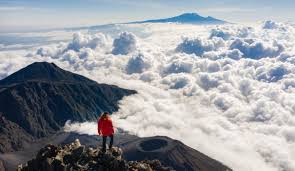
As climbers leave the mid-altitude zones behind and begin their ascent into Mount Meru’s high-altitude alpine environment, the landscape undergoes a profound transformation. This section of the mountain is where the journey becomes more intense, more introspective, and visually more dramatic. The air grows thinner, temperatures drop noticeably, and vegetation becomes sparse, giving way to rocky terrain and expansive open spaces. The environment here feels raw and elemental, stripping away distractions and allowing trekkers to focus fully on the rhythm of movement and the surrounding scenery. The scenic views on mount meru at this elevation are vast and commanding, offering a sense of scale that is difficult to comprehend until experienced firsthand.
The alpine zone is defined by resilience. Plants that survive here do so against extreme conditions, including cold nights, strong winds, and intense sunlight during the day. Giant lobelias and senecios dominate the landscape, their unusual forms appearing almost otherworldly against the volcanic rock. These plants are uniquely adapted to high-altitude life and are found only in a few mountainous regions of East Africa. Their presence adds character to the terrain, creating a striking contrast between life and the harshness of the environment. Walking among them feels like stepping into a different world, far removed from the forests and wildlife encountered earlier in the trek.
Trails in this section become steeper and more exposed, often following narrow ridges that demand focus and steady footing. The terrain is primarily volcanic scree and solid rock, shaped by ancient eruptions and ongoing erosion. Each step upward reveals new perspectives, with the crater rim dropping away dramatically and the plains below stretching endlessly into the distance. These views are especially powerful because they are earned through effort, making them feel deeply personal and rewarding.
One of the most anticipated moments of this stage is the night ascent toward the summit. Trekkers typically begin their final push in the early hours before dawn, guided by headlamps and the quiet determination of reaching the peak. The darkness adds a sense of mystery to the surroundings, while the stars overhead create a vast celestial canopy. As altitude increases, the world below disappears into shadow, heightening anticipation for the sunrise that awaits at the summit.
The approach to Socialist Peak, Mount Meru’s highest point at 4,566 meters, is both physically demanding and emotionally charged. Breathing becomes deliberate, movements slow, and concentration intensifies. Yet despite the challenge, there is a sense of calm that accompanies the ascent. The silence of the high-altitude environment is profound, broken only by the sound of footsteps on rock and the steady rhythm of breath. This quiet amplifies the emotional impact of the journey, making the final moments before sunrise especially memorable.
As dawn approaches, the horizon begins to glow with subtle shades of orange, pink, and gold. The transition from night to day is gradual but transformative, revealing the surrounding landscape in stages. When the sun finally breaks over the horizon, it illuminates the crater walls, alpine terrain, and distant plains in a wash of warm light. From this vantage point, trekkers can see Mount Kilimanjaro rising majestically across the landscape, its snow-capped summit catching the first rays of sunlight. This moment is often described as one of the most powerful experiences of the entire trek, encapsulating the essence of the scenic views on mount meru.
The summit perspective offers a 360-degree panorama that connects multiple ecosystems into a single visual narrative. Below, the forests and plains of Arusha National Park appear small and distant, while beyond them lie rolling hills and valleys that extend toward the horizon. The crater itself is a focal point, its vast bowl-like structure emphasizing the volcanic origins of the mountain. Standing at the summit, one gains a profound appreciation for the forces that shaped this landscape and the interconnectedness of the natural world.
Epic horizons Adventure we are looking extra miles to make sure that trekkers reach the summit at the optimal time to witness this sunrise in its full glory. Through careful planning, acclimatization strategies, and experienced guiding, the company prioritizes both safety and the quality of the experience. This commitment ensures that the summit moment is not rushed or overshadowed by exhaustion, allowing travelers to fully absorb the significance of their achievement.
Weather conditions at high altitude can change rapidly, adding another layer of drama to the summit experience. Clear skies can suddenly give way to swirling clouds, creating fleeting windows of visibility that feel precious and fleeting. These shifting conditions remind trekkers of the mountain’s power and unpredictability, reinforcing the importance of respect and preparation. Even when clouds obscure distant views, the atmosphere remains compelling, with light and shadow playing across the alpine terrain in constantly changing patterns.
From a photographic standpoint, the high-altitude zone offers some of the most striking images of the entire climb. The stark contrast between volcanic rock, alpine plants, and the sky creates compositions that are both minimalist and dramatic. Sunrise light enhances textures and contours, transforming the landscape into a living canvas. Many climbers consider the images captured here to be among the most meaningful of their travels, not only for their beauty but for the effort they represent.
The psychological impact of reaching the summit should not be underestimated. Standing at the highest point of Mount Meru brings a deep sense of accomplishment and perspective. The physical challenge, combined with the visual rewards, creates an emotional high that lingers long after the descent begins. This moment often becomes a reference point for future adventures, shaping how trekkers view both mountains and their own capabilities.
Beyond personal fulfillment, the summit experience also reinforces the importance of environmental stewardship. High-altitude ecosystems are particularly fragile, and their preservation depends on responsible tourism practices. Organizations such as the Tanzania National Parks Authority (https://www.tanzaniaparks.go.tz) emphasize minimizing impact through proper waste management and adherence to designated routes. International conservation groups like UNESCO (https://www.unesco.org) highlight the global value of protecting volcanic and alpine landscapes for future generations.
As climbers begin their descent from the summit, the alpine zone reveals new perspectives under full daylight. Features that were hidden in darkness become clear, and the scale of the terrain becomes even more apparent. Descending allows trekkers to appreciate details that may have been missed during the ascent, reinforcing the richness of this environment. The scenic views on mount meru during descent feel reflective, offering time to process the experience and recognize its significance.
Travel experts often note that mountains offering meaningful summit experiences without extreme technical difficulty are among the most rewarding for a wide range of travelers. Mount Meru fits this description perfectly, combining accessibility with dramatic high-altitude scenery. Publications such as Lonely Planet (https://www.lonelyplanet.com) frequently highlight destinations that balance challenge and reward, making Mount Meru an increasingly popular choice for discerning trekkers.
In summary, the high-altitude alpine zone and summit approach represent the emotional and visual climax of the Mount Meru trek. This section brings together physical challenge, geological drama, and unforgettable sunrise moments into a single, cohesive experience. The scenic views on mount meru at this elevation are expansive, humbling, and deeply inspiring, offering a powerful reminder of nature’s scale and beauty.
Descent, Reflection, and the Lasting Scenic Legacy of Mount Meru

After the emotional high of reaching the summit of Mount Meru, the descent marks a quieter yet equally meaningful phase of the journey. While many climbers assume that the most rewarding moments are behind them once the peak is reached, Mount Meru challenges this assumption. The descent offers a renewed perspective on the landscapes encountered earlier, revealing details that may have gone unnoticed during the ascent. With daylight fully illuminating the mountain, trekkers gain a deeper appreciation for the diversity, scale, and interconnected beauty of the environment. The scenic views on mount meru during descent feel reflective, inviting contemplation rather than conquest.
Descending from the alpine zone back toward the crater rim allows trekkers to observe how dramatically light changes the terrain. Volcanic rocks that appeared dark and imposing in pre-dawn hours now reveal layers of texture, color, and geological history. Shadows cast by ridges and crater walls shift slowly throughout the day, creating a sense of movement within an otherwise still landscape. This play of light and shadow enhances the visual richness of the environment, reminding trekkers that scenery is not static but constantly evolving.
As altitude decreases, oxygen levels increase, and the physical strain begins to ease. This change often brings renewed energy and mental clarity, allowing trekkers to engage more deeply with their surroundings. Conversations flow more freely, laughter returns, and there is time to pause without urgency. These moments of ease create space for reflection, where climbers can process what they have achieved and what the journey has meant to them personally. The mountain, once a physical challenge, now becomes a source of insight and perspective.
Returning to the mid-altitude zones, the crater rim and panoramic ridges offer farewell views that feel familiar yet transformed. Seeing these landscapes again reinforces how far the journey has progressed, both geographically and emotionally. The plains below appear closer, more defined, and more connected to the mountain itself. The sense of distance that characterized the ascent gives way to a feeling of integration, as though the climber is being gently welcomed back into the broader world.
The reappearance of alpine vegetation gradually transitions into thicker plant life, signaling the return to more hospitable environments. Giant lobelias and senecios fade into the background as shrubs and heathers become more prominent. This gradual change emphasizes the mountain’s layered ecosystems, each dependent on the others for balance and sustainability. The descent makes it clear that Mount Meru is not defined by its summit alone but by the seamless transitions between its ecological zones.
Epic horizons Adventure we are looking extra miles to make sure that the descent is treated with the same care and attention as the ascent. By encouraging a steady pace and mindful observation, the company ensures that travelers remain engaged with the environment rather than rushing toward the finish. This approach enhances safety while also deepening the overall experience, reinforcing the idea that every stage of the journey holds value.
As trekkers re-enter the forested lower slopes, the mountain’s wildlife and lush vegetation return to center stage. The contrast between the stark alpine zone and the vibrant forest is striking, highlighting the incredible ecological range contained within a single mountain. Birds fill the air with sound, leaves rustle in the breeze, and the forest feels alive once more. These sensory experiences ground trekkers after the intensity of high altitude, offering comfort and familiarity.
Wildlife encounters during descent often feel more relaxed and observational. With the pressure of reaching the summit lifted, trekkers can take time to watch animals move through their habitat without distraction. These moments reinforce the unique nature of Mount Meru as a destination where trekking and wildlife coexist harmoniously. The scenic views on mount meru here are intimate and immersive, focused on life at close range rather than distant horizons.
Emotionally, the descent is a time of integration. Many climbers report a sense of gratitude as they reflect on the support they received from guides, porters, and fellow trekkers. The shared experience of facing challenge and beauty together creates bonds that often extend beyond the mountain itself. These human connections become part of the mountain’s legacy, woven into the memories associated with its landscapes.
From a broader travel perspective, Mount Meru leaves a lasting impression that extends well beyond the trek. Travelers often find that the mountain reshapes their expectations of adventure, shifting focus from purely reaching summits to appreciating the journey as a whole. This mindset aligns closely with modern travel values, where authenticity, sustainability, and meaningful experiences are prioritized. The scenic views on mount meru serve as a reminder that true beauty is found not only in dramatic moments but also in subtle transitions and quiet reflections.
Mount Meru’s legacy is also defined by its role in conservation and responsible tourism. As part of Arusha National Park, the mountain benefits from protective measures that preserve its ecosystems and wildlife. Park authorities emphasize the importance of low-impact trekking practices to ensure that future generations can experience the mountain in its natural state. Organizations such as the Tanzania National Parks Authority (https://www.tanzaniaparks.go.tz) provide guidelines and educational resources that support sustainable exploration.
Internationally, Mount Meru is increasingly recognized as a model for balanced adventure tourism. Travel and conservation platforms such as the International Union for Conservation of Nature (https://www.iucn.org) and National Geographic (https://www.nationalgeographic.com) often highlight destinations that successfully integrate tourism with environmental protection. Mount Meru’s growing popularity reflects this balance, attracting travelers who value depth, learning, and respect for nature.
For those planning future adventures, Mount Meru often becomes a reference point. Its combination of accessibility, challenge, and diversity makes it an ideal benchmark against which other treks are measured. Many climbers go on to pursue further high-altitude journeys, carrying with them the lessons learned on Meru about pacing, observation, and appreciation. The scenic views on mount meru remain vivid in memory, influencing how travelers engage with landscapes long after the journey ends.
From a storytelling perspective, Mount Meru offers narratives that are rich and layered. The mountain tells a story of geological power, ecological resilience, cultural significance, and personal transformation. Each trekker becomes part of this story, adding their own chapter through experience and reflection. This narrative quality enhances the mountain’s appeal, making it more than a destination—it becomes a meaningful chapter in a traveler’s life.
As the trek concludes and travelers return to lower altitudes, the final glimpses of Mount Meru often inspire a sense of longing rather than relief. The mountain’s presence lingers, both visually and emotionally, long after it fades from view. This lasting impact is perhaps the strongest indicator of the mountain’s value as a travel destination. The scenic views on mount meru do not end at the trailhead; they continue to resonate through memory, photography, and personal growth.
In conclusion, the descent and final stages of the Mount Meru trek complete a journey defined by diversity, depth, and connection. From alpine summits to forested slopes, from vast panoramas to intimate wildlife encounters, the mountain offers a holistic experience that few destinations can match. Its scenic legacy is not confined to a single viewpoint or moment but is woven throughout every stage of the journey. For travelers seeking an adventure that balances challenge with reflection, Mount Meru stands as one of Africa’s most rewarding and unforgettable trekking experiences.