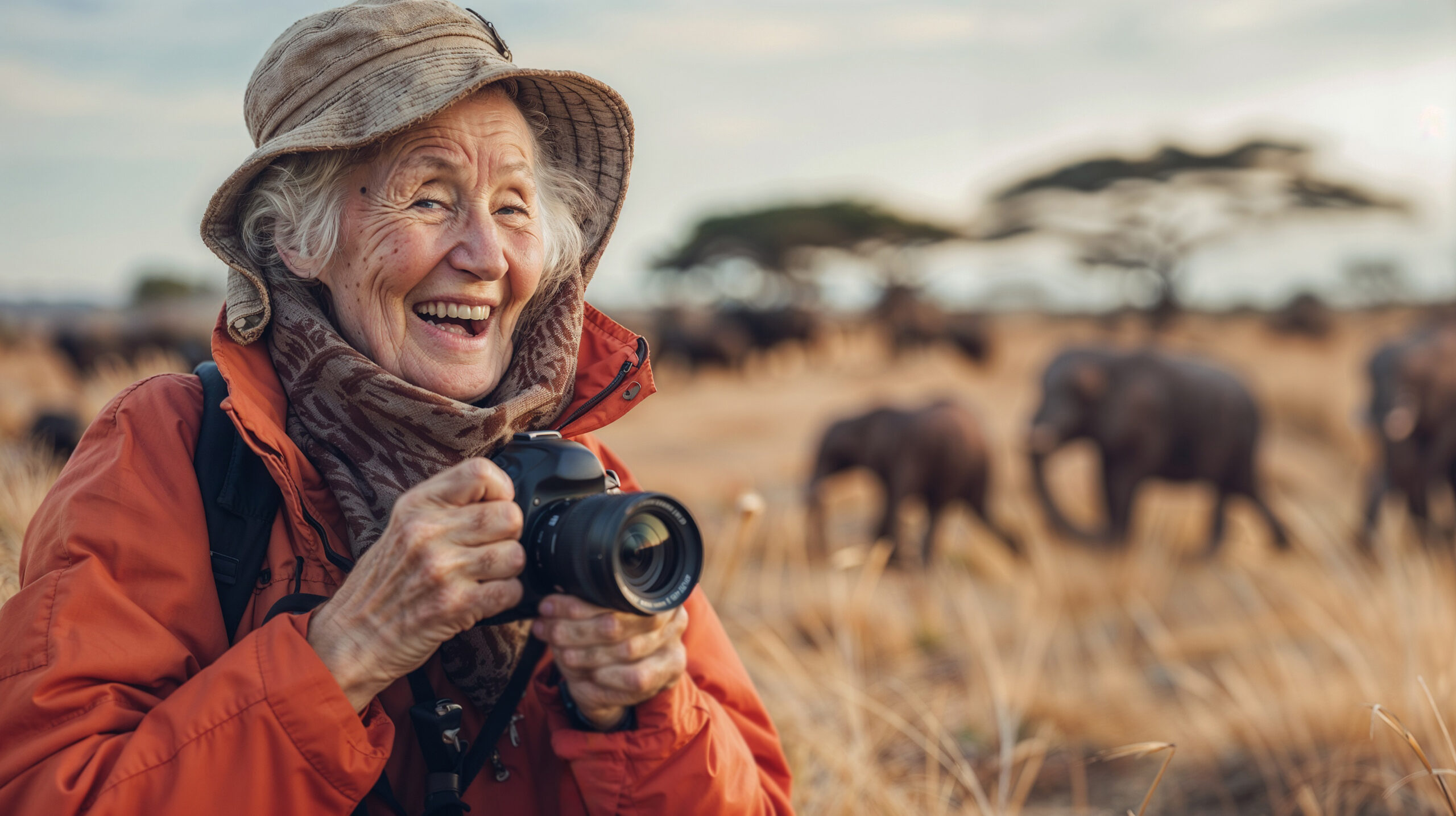
Discover the ultimate Serengeti photography guide with expert tips on wildlife behavior, best seasons, lighting, action shots, and safari planning. Learn how Epic Horizons Adventures goes the extra mile to ensure unforgettable photography experiences in the Serengetihttps://www.epichorizonsadventures.com/our-tours/destinations/
Introduction to Serengeti Photography and Planning Your Safari
The Magic of Capturing the Serengeti
The Serengeti National Park is one of the world’s most iconic wildlife destinations, offering unparalleled opportunities for photographers. This Serengeti photography guide is designed to help both amateur and professional photographers plan their trips, capture breathtaking wildlife moments, and create unforgettable memories.
Wildlife photography in the Serengeti requires careful planning. Understanding animal behavior, migration patterns, and optimal lighting conditions is essential for capturing compelling images. The park is home to a diverse array of species, including lions, elephants, cheetahs, giraffes, zebras, and the magnificent wildebeest during the Great Migration. Each species presents unique challenges and opportunities, making this Serengeti photography guide indispensable for maximizing your photographic success.
Camera selection, lenses, and equipment preparation play a significant role in achieving high-quality results. Wildlife photographers often prefer telephoto lenses for distant animals, while wide-angle lenses are ideal for capturing sweeping landscapes or herds in motion. Tripods, monopods, and camera stabilizers also enhance sharpness and composition. Choosing the right gear affects the quality of your images and is a critical factor discussed throughout this Serengeti photography guide.
Timing your visit to the Serengeti is crucial for photography. The park experiences distinct seasons that influence wildlife activity, vegetation, and light conditions. The dry season, typically from June to October, concentrates animals near water sources, offering predictable wildlife sightings and dramatic lighting conditions. The wet season, from November to May, brings lush greenery, newborn animals, and spectacular birdlife, providing a different aesthetic for your photographs. This Serengeti photography guide emphasizes how seasonality can impact your photographic planning.
At Epic Horizons Adventures, we are looking extra miles to make sure your photography safari is carefully planned to capture the best shots, combining comfort, safety, and unforgettable wildlife experiences. By incorporating expert advice, this Serengeti photography guide ensures that photographers can focus on creativity without worrying about logistical details.
External resources like https://www.nationalgeographic.com/travel/article/serengeti-safari provide additional inspiration, showcasing how top photographers capture the magic of the Serengeti and offering tips that complement this Serengeti photography guide.
Planning your photography safari also includes considerations such as vehicle selection, accommodation location, and guide expertise. Open-roof safari vehicles allow unobstructed photography and quick reactions to animal movement, while strategically placed lodges provide early access to wildlife hotspots. This Serengeti photography guide covers the importance of these decisions in detail, highlighting how preparation affects both photographic outcomes and overall safari enjoyment.
In addition to equipment and timing, understanding local regulations is crucial. The Serengeti enforces strict wildlife protection rules, and photographers must maintain safe distances from animals to avoid disturbing their natural behavior. Following these guidelines ensures not only ethical photography but also your personal safety, which is a primary concern addressed in this Serengeti photography guide.
Finally, this Serengeti photography guide explores the balance between capturing stunning images and enjoying the immersive experience of the park. While photography is the focus, being present and appreciating the natural beauty around you enhances creativity and perspective. With expert advice from Epic Horizons Adventures, we are looking extra miles to make sure photographers are prepared, informed, and inspired to capture the essence of the Serengeti while minimizing challenges and optimizing photography opportunities.
Best Camera Gear, Lenses, and Accessories for Serengeti Photography
Choosing the Right Camera Body
Selecting the right camera body is essential for any wildlife photography expedition. In this Serengeti photography guide, we emphasize how different cameras suit various styles and experience levels. DSLR cameras are popular among professional photographers due to their durability, high-speed autofocus, and compatibility with a wide range of lenses. Mirrorless cameras are lighter and increasingly powerful, offering high-quality images and faster frame rates, which is critical for capturing wildlife in motion.
When choosing a camera for your Serengeti safari, consider sensor size. Full-frame sensors provide better low-light performance, which is crucial during early morning or late evening game drives. Crop sensors are more affordable and still produce excellent results, especially when paired with telephoto lenses. This section of the Serengeti photography guide explores these considerations to help photographers make informed choices.
At Epic Horizons Adventures, we are looking extra miles to make sure clients receive personalized recommendations on camera selection based on their experience level, travel style, and wildlife interests. A well-chosen camera enhances both the quality of your images and the overall safari experience, aligning perfectly with the goals outlined in this Serengeti photography guide.
Lenses for Every Situation
Lenses are arguably the most important element for wildlife photography. This Serengeti photography guide highlights three main categories: telephoto, wide-angle, and standard zoom lenses.
Telephoto lenses (200-600mm) are essential for capturing distant wildlife while maintaining safe distances. They allow photographers to focus on predators, birds, and shy animals without disturbing them. Fast apertures (f/2.8-f/4) are ideal for low-light conditions and achieving a shallow depth of field that isolates the subject from the background.
Wide-angle lenses (16-35mm or 24-70mm) are perfect for landscape photography, large herds, and incorporating dramatic skies. They are also useful for photographing scenes inside lodges, camps, or cultural villages. Including wide-angle perspectives in your Serengeti photography guide ensures photographers capture both wildlife and the iconic landscapes of the Serengeti.
Standard zoom lenses (24-105mm or 24-70mm) offer versatility for general shooting when you want moderate reach without carrying heavy equipment. These lenses are particularly useful for families or travelers seeking a balance between portability and photographic capability, a tip frequently recommended in this Serengeti photography guide.
At Epic Horizons Adventures, we are looking extra miles to make sure photographers understand which lenses suit their safari objectives. Our team advises on gear combinations that optimize shooting opportunities, reduce equipment weight, and improve overall efficiency in the field.
External resources such as https://www.nationalgeographic.com/photography/article/wildlife-camera-gear provide additional insights into lens selection, complementing this Serengeti photography guide by demonstrating how professional photographers achieve extraordinary results.
Camera Accessories to Enhance Wildlife Photography
Accessories play a significant role in wildlife photography, often making the difference between a good shot and an exceptional one. Tripods and monopods are critical for stabilizing telephoto lenses during long game drives. They reduce camera shake, allowing crisp images of moving subjects.
Extra memory cards, spare batteries, and weatherproof camera bags are essential for extended fieldwork. Wildlife photography in the Serengeti can involve long hours in rugged conditions, making preparedness a crucial factor highlighted in this Serengeti photography guide.
Filters, such as polarizers or neutral density filters, can enhance landscape shots, reduce glare, and create dynamic compositions. Lens hoods reduce lens flare and protect the front element, particularly during sunny midday drives. This Serengeti photography guide emphasizes how thoughtful accessory choices improve efficiency and image quality.
At Epic Horizons Adventures, we are looking extra miles to make sure photographers are equipped with all necessary accessories, including practical advice on packing, protecting equipment, and maintaining gear in the field. These steps help manage both logistical and technical challenges, making your Serengeti photography guide experience seamless.
Camera Settings for Optimal Wildlife Photography
Mastering camera settings is crucial for achieving stunning images. This Serengeti photography guide explores recommended settings for wildlife photography, emphasizing aperture, shutter speed, ISO, and focus modes.
Fast shutter speeds are essential for capturing moving animals, especially predators or birds in flight. High ISO settings can compensate for low-light conditions, but balancing ISO to minimize noise is a critical consideration. Aperture choice determines depth of field, isolating the subject while blurring backgrounds for dramatic effect.
Focus modes, including continuous autofocus (AI Servo or AF-C), allow the camera to track moving subjects accurately. Using single-point focus improves precision when photographing distant wildlife, which is a core tip in this Serengeti photography guide.
At Epic Horizons Adventures, we are looking extra miles to make sure photographers understand practical camera settings for different situations, including dawn game drives, midday heat, and dusk photography. Guidance on settings helps travelers maximize shooting opportunities while minimizing missed moments and errors.
Packing and Maintenance Tips
Proper packing ensures your equipment remains safe and functional during the Serengeti safari. This Serengeti photography guide emphasizes the importance of weatherproof bags, padded dividers, and organizing lenses and accessories for quick access.
Camera maintenance, including lens cleaning, sensor care, and proper storage, is crucial in dusty or humid conditions typical of the Serengeti. Keeping gear in optimal condition prevents technical issues during critical wildlife moments, aligning with the guidance of this Serengeti photography guide.
At Epic Horizons Adventures, we are looking extra miles to make sure photographers receive detailed packing and maintenance instructions. Our support ensures equipment is ready to perform at its best, allowing travelers to focus on capturing extraordinary wildlife images without worry about gear failure.
Best Times, Lighting, and Wildlife Behavior for Perfect Serengeti Photography

Understanding the Serengeti Seasons and Wildlife Movements
Capturing stunning photographs in the Serengeti requires a deep understanding of the seasons and wildlife behavior. This Serengeti photography guide emphasizes how planning your visit according to seasonal patterns can enhance photographic opportunities while minimizing wasted time.
The Serengeti has two main seasons: the dry season (June to October) and the wet season (November to May). During the dry season, animals gather near rivers and waterholes, providing predictable locations for wildlife photography. Predators become more visible during hunting, creating unique action shots. In contrast, the wet season brings lush green landscapes, newborn animals, and abundant birdlife, offering different aesthetic opportunities for photographers. Considering these seasonal variations is a key element of any Serengeti photography guide.
At Epic Horizons Adventures, we are looking extra miles to make sure photographers are informed about the best times for wildlife sightings. Our team combines local knowledge with scientific migration data to help travelers plan their safari for maximum photographic impact. By choosing the right season, photographers can optimize their shots while reducing the frustration of missing key wildlife events.
External resources such as https://www.serengeti.org/wildlife provide additional information on animal movements, which complements this Serengeti photography guide and helps travelers align their safari dates with wildlife activity.
Golden Hours: Lighting for Exceptional Wildlife Photography
Light is one of the most critical elements in photography. This Serengeti photography guide highlights how using the early morning and late afternoon “golden hours” can dramatically improve image quality.
During these periods, the sun is low on the horizon, producing warm tones, soft shadows, and highlights that enhance the subject’s textures. Photographers can use this light to capture the majestic presence of lions, elephants, or giraffes against stunning backdrops. Shooting during midday should generally be avoided because harsh light can create strong shadows and washed-out colors, affecting image quality. Understanding and leveraging natural light is a cornerstone of this Serengeti photography guide.
At Epic Horizons Adventures, we are looking extra miles to make sure photographers are guided to the best vantage points during golden hours. This planning ensures that clients maximize lighting conditions, capturing wildlife in its most photogenic form without unnecessary frustration or wasted time.
Observing Wildlife Behavior for Better Shots
Photographers in the Serengeti must understand animal behavior to anticipate action and capture compelling images. This Serengeti photography guide emphasizes studying patterns such as predator-prey interactions, grazing movements, and territorial displays.
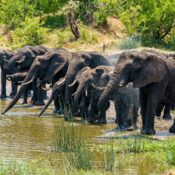
Lions, for example, often hunt in the early morning or late evening, providing opportunities for dynamic action shots. Elephants may gather around waterholes at midday, offering chances to photograph interactions, dust baths, or family dynamics. Observing these behaviors allows photographers to position themselves strategically, improving both safety and photo quality.
At Epic Horizons Adventures, we are looking extra miles to make sure guides provide behavioral insights alongside logistical support. Combining local expertise with photographic guidance ensures clients can capture rare and unforgettable wildlife moments. The tips in this Serengeti photography guide help photographers anticipate animal movements and maximize their opportunities for unique shots.
Landscape Composition and Storytelling
Wildlife photography is not just about animals; landscapes and context create compelling storytelling. This Serengeti photography guide focuses on composing shots that combine foreground, middle ground, and background elements. Wide-angle lenses are particularly useful for capturing herds with scenic skies, rolling plains, and iconic acacia trees.
Incorporating natural elements like clouds, water reflections, and dust can add drama and depth to images. Photographers should consider perspective, angle, and framing to tell a story with every shot. Using techniques such as the rule of thirds, leading lines, and natural frames enhances composition, aligning with the advanced guidance provided in this Serengeti photography guide.
At Epic Horizons Adventures, we are looking extra miles to make sure photographers receive expert tips on composition, helping clients create images that not only document wildlife but also convey emotion and context. Storytelling in photography elevates the overall experience and distinguishes exceptional images from ordinary snapshots.
Ethical Photography Practices
This Serengeti photography guide also stresses the importance of ethical behavior in the park. Maintaining safe distances, avoiding interference with animals, and respecting local regulations ensures both photographer safety and wildlife conservation.
Using zoom lenses rather than approaching animals closely reduces risk while allowing detailed shots. Photographers should follow park guidelines regarding vehicle positioning, group size, and interaction with local communities. Ethical practices ensure that wildlife continues to thrive, and photographers can continue capturing these magnificent species responsibly.
At Epic Horizons Adventures, we are looking extra miles to make sure clients are educated on ethical photography standards. This guidance not only protects wildlife but also enriches the safari experience, allowing photographers to capture authentic behavior without endangering themselves or the animals. Incorporating these practices is a fundamental aspect of any Serengeti photography guide.
Planning Your Safari Itinerary for Photography
Finally, this Serengeti photography guide highlights the importance of planning a photography-focused itinerary. Choosing lodges near key wildlife areas, scheduling game drives at optimal times, and coordinating with experienced guides increases the likelihood of capturing rare and iconic shots.
A well-planned itinerary balances travel, rest, and photography time, ensuring that photographers are alert and ready during peak wildlife activity. By carefully mapping daily activities, photographers can reduce wasted time and optimize their Serengeti photography guide experience.
At Epic Horizons Adventures, we are looking extra miles to make sure photographers benefit from personalized itineraries, ensuring that every day in the Serengeti offers prime opportunities for stunning wildlife images. By combining local expertise, seasonal insights, and lighting considerations, clients are prepared to capture the essence of the Serengeti in every frame.
Advanced Techniques: Motion, Action Shots, and Editing Tips for Serengeti Wildlife
Capturing Motion in Wildlife Photography
One of the most exciting aspects of wildlife photography is capturing motion—whether it’s a lion sprinting after prey, birds in flight, or wildebeest during the Great Migration. This Serengeti photography guide emphasizes techniques for freezing action and creating dynamic images that convey the energy and drama of the Serengeti.
Using fast shutter speeds is essential for freezing motion. Settings between 1/1000 to 1/2000 of a second are often required for predators in motion. Continuous autofocus (AF-C/AI Servo) ensures that moving subjects remain sharp, while burst mode increases the chance of capturing the perfect moment. This Serengeti photography guide explains how to adjust camera settings based on light conditions, animal speed, and distance from the subject.
Panning is another technique that creates a sense of speed while maintaining subject clarity. By moving the camera along with the animal’s motion and using slightly slower shutter speeds, photographers can blur the background while keeping the subject sharp, producing visually striking images. Mastering these techniques is a core part of any comprehensive Serengeti photography guide.
At Epic Horizons Adventures, we are looking extra miles to make sure photographers receive hands-on guidance on motion techniques, from camera setup to timing and composition. Learning to capture wildlife in motion enhances both technical skill and creative expression, making the Serengeti photography experience more rewarding.
Timing Action Shots
Anticipating action is crucial for capturing impactful wildlife photographs. This Serengeti photography guide emphasizes understanding animal behavior to predict movements. For example, lions often hunt early in the morning or late in the afternoon, cheetahs chase in open plains during cooler hours, and elephants gather around waterholes during midday. By knowing these patterns, photographers can position themselves for high-quality action shots.
Patience is a key virtue for wildlife photographers. Waiting quietly for the right moment allows for authentic, natural images that convey drama and emotion. This section of the Serengeti photography guide highlights how patience, observation, and timing work together to produce breathtaking shots.
At Epic Horizons Adventures, we are looking extra miles to make sure photographers understand peak wildlife activity periods, enabling them to capture authentic and memorable action shots. Expert guides provide insights on when and where wildlife interactions are likely to occur, optimizing every opportunity for photography success.
Composition and Framing in Action Photography
Composition remains critical, even when capturing fast-moving subjects. This Serengeti photography guide explores techniques such as rule of thirds, leading lines, and layering elements to create engaging action shots. Including foreground and background elements helps contextualize the subject within its environment, resulting in more compelling images.
Balancing motion with the overall frame ensures clarity and impact. Using a combination of telephoto lenses and wide apertures isolates subjects while maintaining environmental context. Anticipating animal movements allows photographers to adjust framing dynamically, which is emphasized throughout this Serengeti photography guide.
At Epic Horizons Adventures, we are looking extra miles to make sure photographers receive practical instruction on composition, helping clients translate technical skills into visually stunning imagery. These techniques transform ordinary snapshots into photographs that tell a story and convey the vitality of the Serengeti ecosystem.
Editing and Post-Processing Techniques
Post-processing is an integral part of modern wildlife photography. This Serengeti photography guide provides guidance on enhancing images while maintaining authenticity. Software like Adobe Lightroom and Photoshop allows photographers to adjust exposure, contrast, sharpness, and color balance.
Noise reduction, cropping, and selective sharpening improve clarity and focus on key subjects, while careful color grading enhances the natural beauty of landscapes and wildlife. Over-editing can reduce the authenticity of images, so the guide emphasizes maintaining a balance between enhancement and realism.
At Epic Horizons Adventures, we are looking extra miles to make sure photographers receive tutorials and advice on post-processing tailored to wildlife photography. By following this Serengeti photography guide, travelers can elevate their final images from impressive to extraordinary while staying true to the park’s natural beauty.
External resources such as https://www.nationalgeographic.com/photography/photo-tips provide additional post-processing techniques that complement this Serengeti photography guide, offering tips from professional wildlife photographers.
Advanced Techniques for Lighting and Exposure
Lighting in wildlife photography can be unpredictable, especially with moving subjects and changing weather conditions. This Serengeti photography guide covers advanced exposure techniques to handle challenging situations, such as backlit subjects, harsh midday sunlight, or rapidly shifting cloud cover.
Using exposure compensation, spot metering, and bracketing ensures well-exposed images in a variety of conditions. Understanding how light interacts with animal fur, feathers, and natural surroundings is critical for highlighting texture and detail. At Epic Horizons Adventures, we are looking extra miles to make sure photographers receive personalized tips on lighting, helping them adapt quickly in the field for consistently excellent results.
Combining Techniques for Creative Wildlife Photography
The ultimate goal of this Serengeti photography guide is to combine knowledge of camera gear, animal behavior, composition, lighting, and post-processing into a cohesive approach for stunning imagery. Advanced photographers can experiment with motion blur, creative framing, and unique perspectives while maintaining ethical practices and respect for wildlife.
This holistic approach ensures that every photograph tells a story, captures emotion, and reflects the true spirit of the Serengeti. At Epic Horizons Adventures, we are looking extra miles to make sure clients are supported in developing their creative vision while achieving technically sound results. By applying the techniques in this Serengeti photography guide, photographers can elevate their skills and create images that are both beautiful and impactful.
Travel Logistics, Accommodation, and Safety Tips for Your Serengeti Photography Safari
Planning Your Travel to the Serengeti
Travel logistics are a critical component of a successful photography safari. This Serengeti photography guide highlights the importance of planning transportation, visas, and park entry requirements well in advance. Most international visitors fly into Kilimanjaro International Airport or Julius Nyerere International Airport in Dar es Salaam, followed by a domestic flight to one of the airstrips near the Serengeti, such as Seronera, Kogatende, or Grumeti.
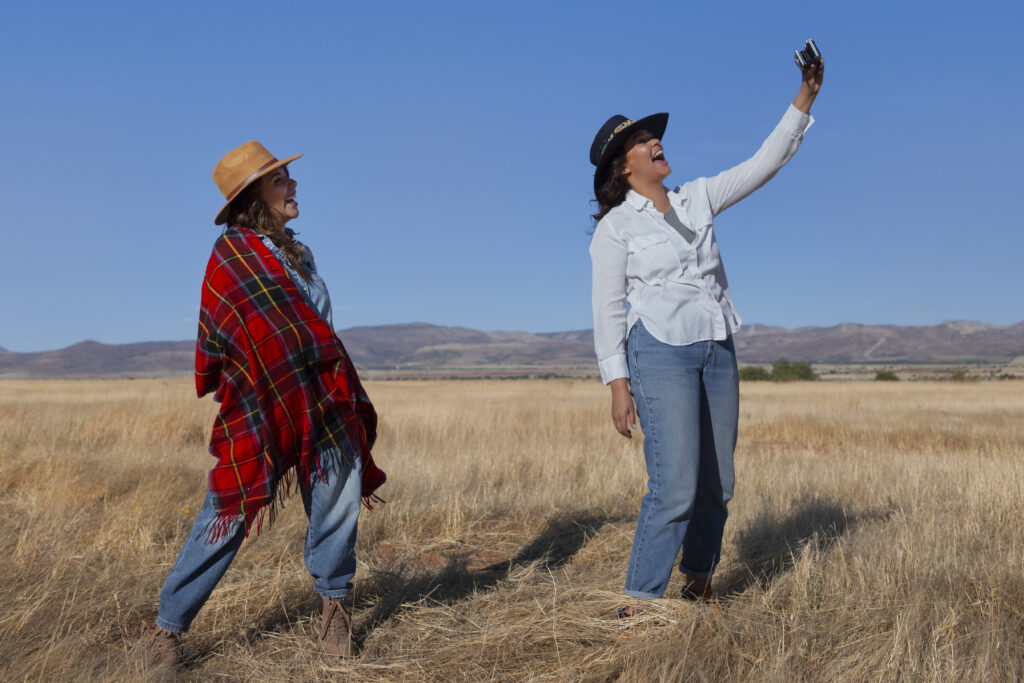
Once in the Serengeti, safari vehicles equipped for photography are recommended. Open-top 4×4 vehicles allow for unobstructed views and quick maneuvering to capture wildlife action. Choosing the right operator is crucial; knowledgeable guides who understand animal behavior, lighting, and camera techniques can dramatically improve photographic outcomes. This Serengeti photography guide emphasizes working with trusted tour operators to optimize travel efficiency and maximize photography opportunities.
At Epic Horizons Adventures, we are looking extra miles to make sure clients receive tailored travel planning advice, ensuring timely transfers, comfortable journeys, and access to prime photographic locations. Proper planning reduces stress, leaving photographers free to focus on capturing stunning images.
Accommodation Options for Photographers
Where you stay in the Serengeti greatly influences your photography experience. This Serengeti photography guide explores accommodation options ranging from luxury lodges to mobile tented camps, each offering unique advantages.
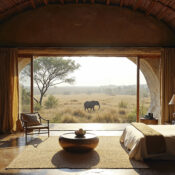
Luxury lodges provide comfort, gourmet meals, and close proximity to wildlife hotspots. Many lodges offer private vehicles and early morning drives, ensuring photographers can capture animals during the golden hours of light. These lodges are ideal for photographers who prefer convenience and support services while still accessing prime locations.
Tented camps offer a more immersive experience, often positioned in remote areas for closer encounters with wildlife. While slightly less comfortable, these camps allow photographers to be among nature, capturing authentic behaviors without the presence of crowds. Mobile camps can relocate seasonally to follow wildlife migrations, a factor discussed in this Serengeti photography guide.
Budget-conscious travelers can opt for mid-range lodges or permanent camps, which offer basic amenities and guided drives. Even in modest accommodations, photographers can achieve excellent results with proper guidance, as highlighted throughout this Serengeti photography guide.
At Epic Horizons Adventures, we are looking extra miles to make sure clients are matched with accommodations that suit both comfort preferences and photographic goals. Our team provides insight into the best locations for wildlife sightings and easy access to scenic landscapes, ensuring every stay enhances the photography experience.
External resources such as https://www.serengeti.org/lodges provide additional information about accommodation options and locations, complementing this Serengeti photography guide by helping travelers make informed choices.
Safety Considerations on Safari
Safety is paramount during a Serengeti photography expedition. This Serengeti photography guide emphasizes measures for protecting both photographers and wildlife. Always maintain safe distances from animals; even seemingly calm species like elephants or hippos can be dangerous if approached too closely.
Guides play a crucial role in safety. Experienced drivers understand animal behavior, terrain, and park regulations, allowing photographers to focus on capturing images without unnecessary risk. Additionally, travelers should be aware of local climate conditions, including high daytime temperatures, occasional thunderstorms, and seasonal flooding, which may affect accessibility.
Health precautions are also essential. Vaccinations, anti-malarial medications, and travel insurance are strongly recommended. Carrying water, sun protection, and first aid supplies ensures that photographers remain safe and comfortable during long drives and hikes. This Serengeti photography guide provides guidance on preparation and awareness to mitigate risks while maximizing photographic opportunities.
At Epic Horizons Adventures, we are looking extra miles to make sure all clients are briefed on safety protocols, health requirements, and emergency procedures. By combining local expertise with meticulous planning, photographers can explore the Serengeti confidently, capturing wildlife without compromising safety.
Timing and Scheduling Your Safari
Maximizing photographic opportunities requires careful scheduling. This Serengeti photography guide emphasizes early morning and late afternoon drives when wildlife is most active and lighting is ideal. Midday may be less productive due to animals resting under shade and harsh sunlight affecting image quality.
A structured itinerary balances travel time, photography sessions, and rest periods. Photographers should plan to arrive at locations before the golden hour begins and remain flexible to adapt to wildlife movement. This approach ensures that every day yields the best possible shots while avoiding fatigue or missed opportunities.
At Epic Horizons Adventures, we are looking extra miles to make sure itineraries are customized to the specific interests and goals of each photographer. By integrating wildlife patterns, weather conditions, and expert guidance, photographers are positioned to maximize their Serengeti photography guide experience.
Preparing for Wildlife Interactions
Finally, understanding animal behavior and etiquette is essential for photographers. This Serengeti photography guide covers respectful interactions, including avoiding loud noises, sudden movements, and approaches that may stress animals. Ethical practices ensure sustainable wildlife tourism and preserve the natural environment for future photographers.
Photographers should also prepare mentally for patience and adaptability. Wildlife can be unpredictable, and success often comes from observing quietly and anticipating actions. Combining preparation, observation, and flexibility allows photographers to capture authentic and captivating images.
At Epic Horizons Adventures, we are looking extra miles to make sure clients receive both ethical guidance and practical tips for interacting with wildlife. This ensures that the photography experience remains safe, responsible, and rewarding. By following this Serengeti photography guide, photographers can enjoy immersive encounters with wildlife while producing professional-quality images.