Discover the ultimate Serengeti safari guide with expert tips on wildlife, planning, accommodation, and ethical travel with Epic Horizons Adventureshttps://www.epichorizonsadventures.com/our-tours/destinations/
Understanding the Heart of the Serengeti Ecosystem
The Timeless Identity of the Serengeti Landscape
The Serengeti is not simply a destination; it is a living ecosystem that has remained largely unchanged for millions of years. Stretching across northern Tanzania and extending into southwestern Kenya, this vast plain is one of the last remaining places on Earth where wildlife still follows ancient migratory patterns dictated purely by nature. Travelers who rely on a serengeti safari guide quickly realize that this region is defined not by luxury lodges or roads, but by its raw, untamed character. The landscape shifts dramatically with the seasons, moving from golden savannahs to lush green plains, each phase bringing new wildlife behaviors and photographic opportunities. Understanding this ecosystem is essential for anyone seeking an authentic safari experience that goes beyond surface-level sightseeing.
The Serengeti’s identity is built on balance. Predators, herbivores, grasses, rivers, and climate all function together in a delicate system that rewards patience and knowledge. Unlike enclosed reserves, animals here roam freely across massive territories, making each safari drive unique. This unpredictability is what makes the region legendary among seasoned travelers and first-time visitors alike. A well-informed serengeti safari guide helps visitors appreciate not just what they see, but why they are seeing it, transforming a game drive into an educational journey through one of the world’s most important natural habitats.
Wildlife Diversity and Natural Behavior Patterns
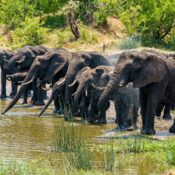
One of the Serengeti’s greatest strengths lies in its unmatched biodiversity. The park is home to more than 70 large mammal species and over 500 bird species, each occupying a specific ecological niche. Lions dominate the plains as apex predators, while cheetahs rely on open grasslands for speed-based hunting. Elephants migrate between woodlands and river systems, shaping the environment as they move. Observing these animals in their natural state, without artificial feeding or confinement, offers insights that no zoo or small reserve can replicate. Any reliable serengeti safari guide emphasizes that patience and timing are key to meaningful wildlife encounters.
Equally important are the smaller creatures that often go unnoticed. Insects, reptiles, and birds play critical roles in maintaining ecological stability. Termite mounds enrich the soil, birds control insect populations, and scavengers ensure the landscape remains clean. This interconnectedness is what allows the Serengeti to sustain such immense animal numbers year after year. When visitors understand these relationships, the safari experience becomes richer and more immersive, encouraging respect for conservation rather than simple consumption of wildlife sightings.
The Great Migration and Its Global Significance
The annual migration of over 1.5 million wildebeest, accompanied by hundreds of thousands of zebras and gazelles, is the Serengeti’s most iconic phenomenon. This movement is driven entirely by rainfall patterns and the search for fresh grazing land, creating a continuous cycle of life and death that has persisted for thousands of years. A knowledgeable serengeti safari guide explains that there is no single “best month” to witness the migration; instead, each season offers a different chapter of the story, from calving to river crossings.
This migration is not only a spectacle but also a cornerstone of global biodiversity. It supports predator populations, enriches soil nutrients, and maintains grassland health through natural grazing. Scientists around the world study this phenomenon to understand climate patterns and ecosystem resilience. For travelers, witnessing even a small portion of this movement creates a deeper appreciation for nature’s scale and power. The Serengeti’s role in global conservation makes it far more than a tourist attraction; it is a natural heritage site of international importance.
Cultural Context and Human Coexistence
While wildlife often takes center stage, the human history of the Serengeti region is equally compelling. Indigenous communities such as the Maasai have lived alongside wildlife for centuries, developing traditions and land-use practices that respect natural cycles. Their knowledge of animal behavior, weather patterns, and landscape navigation has contributed significantly to modern safari guiding principles. A responsible serengeti safari guide acknowledges this cultural heritage and encourages respectful interaction rather than exploitation.
Today, conservation efforts increasingly focus on community involvement, recognizing that protecting wildlife also means supporting local livelihoods. Sustainable tourism initiatives provide education, healthcare, and economic opportunities, creating incentives for conservation over poaching or land degradation. Travelers who understand this context tend to make more ethical choices, selecting operators who prioritize long-term environmental and social responsibility.
Why Expertise Matters When Exploring the Serengeti
Exploring such a complex ecosystem without proper knowledge can lead to missed opportunities and misunderstandings. The Serengeti is vast, and its secrets are rarely obvious at first glance. Subtle signs like distant bird calls, fresh tracks, or changes in wind direction often indicate nearby wildlife activity. This is where professional expertise becomes invaluable. At Epic Horizons Adventures, we go the extra mile to make sure every traveler gains not only unforgettable sightings but also a deep understanding of the Serengeti’s natural rhythms and conservation value. Our approach focuses on education, safety, and ethical exploration, ensuring that each journey contributes positively to both visitors and the environment.
For further authoritative information about Tanzania’s protected areas and conservation policies, you can explore resources provided by the official tourism body of the country through this external reference: https://www.tanzaniatourism.go.tz. Leveraging such trusted sources enhances both traveler awareness and the credibility of safari planning decisions.
Planning the Perfect Serengeti Safari Experience
Understanding Timing and Seasonal Strategy
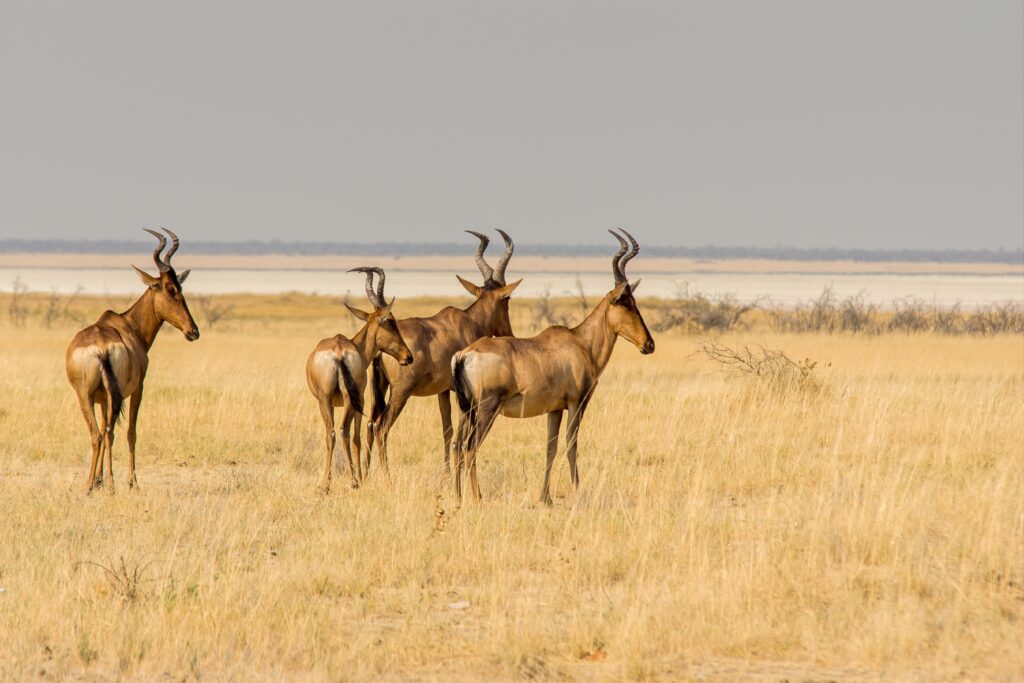
Planning a Serengeti safari requires a deep appreciation of timing, natural cycles, and environmental patterns that shape wildlife behavior. The Serengeti operates on ecological rhythms rather than fixed tourism calendars, making flexibility one of the most valuable assets for travelers. Rainfall determines grazing availability, migration routes, and predator movement, meaning no two seasons are ever identical. Visitors who rely on a professional serengeti safari guide quickly learn that every month offers a different narrative rather than a better or worse experience. Dry seasons provide easier wildlife concentration, while wet seasons reveal lush landscapes, dramatic skies, and abundant newborn animals across the plains.
Seasonal planning also affects crowd levels, accommodation pricing, and accessibility within different park regions. Peak months often coincide with high demand, requiring early reservations and structured itineraries. Shoulder seasons, however, provide quieter environments and more intimate wildlife encounters. Understanding these variations allows travelers to align expectations realistically and avoid disappointment. When time is approached strategically, the Serengeti reveals itself as a dynamic ecosystem rather than a static attraction.
Selecting Safari Style, Comfort Level, and Duration
Safari planning is not a one-size-fits-all process. The Serengeti offers a wide spectrum of experiences, from luxury lodges with refined amenities to mobile camps positioned deep within wildlife corridors. Each style serves a different purpose and traveler profile. Comfort-focused visitors may prioritize lodges, while adventure seekers often choose mobile camps for proximity to wildlife. A skilled serengeti safari guide evaluates personal preferences, physical comfort, and travel goals to recommend the most suitable format.
Duration plays a critical role in safari quality. Short stays provide an overview, while extended journeys allow deeper exploration and patience-driven sightings. Wildlife observation is unpredictable, and meaningful encounters often require time and repeated exposure to the same environments. Longer safaris enable adaptive planning, allowing guides to respond to daily wildlife movements rather than rigid schedules. Travelers who invest sufficient time consistently report richer experiences and stronger emotional connections to the landscape.
Managing Logistics and Travel Preparation
Logistics form the backbone of a successful Serengeti safari. Flights, ground transfers, park permits, and accommodation schedules must align precisely to prevent delays or fatigue. Many first-time visitors underestimate the scale of the Serengeti, where distances between regions can take hours to traverse. Efficient planning ensures that travel time enhances rather than detracts from the experience. An experienced serengeti safari guide manages these details seamlessly, allowing travelers to remain focused on discovery and enjoyment.
Preparation also includes practical considerations such as packing appropriate clothing, camera equipment, and personal necessities. Neutral colors, layered clothing, sun protection, and dust-resistant gear significantly improve comfort. Health preparations, including vaccinations and travel insurance, should be addressed well in advance. When logistics and preparation are handled professionally, the safari experience feels smooth, immersive, and stress-free from arrival to departure.
Ethical Tourism and Conservation Awareness
Responsible safari planning extends beyond personal enjoyment to include environmental and social responsibility. The Serengeti’s long-term survival depends on tourism practices that respect wildlife behavior, minimize habitat disturbance, and support conservation initiatives. Ethical operators limit vehicle congestion, follow park regulations, and prioritize animal welfare over aggressive viewing. A knowledgeable serengeti safari guide plays a crucial role in educating travelers about respectful conduct and conservation ethics.
Supporting local communities is equally important. Sustainable tourism provides employment, education, and economic stability, creating incentives for wildlife protection rather than exploitation. Travelers who choose responsible operators contribute directly to conservation success while gaining more meaningful cultural insights. Ethical planning ensures that the Serengeti remains vibrant for future generations while enriching the current visitor experience.
Personalized Planning and Professional Expertise
Every traveler arrives with unique expectations, interests, and priorities. Some seek iconic wildlife photography, others focus on birding, while families often prioritize educational value and safety. Personalized safari design ensures that itineraries align with these individual goals rather than generic templates. At Epic Horizons Adventures, we go the extra mile to make sure every journey is thoughtfully crafted, professionally guided, and deeply connected to the Serengeti’s natural and cultural heritage. This commitment transforms standard safaris into meaningful, memorable experiences.
Professional expertise also enhances safety and confidence. Understanding animal behavior, weather changes, and terrain conditions requires extensive training and experience. Trusted guidance allows travelers to relax and fully engage with the environment. For official information on Tanzania’s tourism standards and conservation frameworks, travelers can consult the national tourism authority through https://www.tanzaniatourism.go.tz, which provides authoritative guidance for responsible and informed travel planning.
Wildlife Encounters and Safari Activities in the Serengeti
Experiencing Wildlife in Its Purest Form
The Serengeti offers one of the most authentic wildlife viewing experiences remaining on the planet. Unlike controlled reserves or enclosed parks, animals here roam freely across vast territories, guided only by instinct and environmental conditions. This freedom creates encounters that feel organic and unscripted, making each safari drive unique. Travelers who explore the region with a knowledgeable serengeti safari guide quickly understand that wildlife observation is not about chasing sightings, but about reading landscapes, understanding behavior, and respecting natural boundaries. The result is a deeper, more meaningful connection with the environment.
Wildlife encounters in the Serengeti unfold gradually. Early morning drives reveal predators returning from hunts, while late afternoons showcase herbivores grazing against golden horizons. Patience becomes a virtue, as prolonged observation often leads to extraordinary moments such as social interactions, hunting strategies, or nurturing behaviors. These experiences foster appreciation rather than consumption, encouraging travelers to see animals as part of a living system rather than isolated attractions.
Big Cats, Predators, and Survival Dynamics
The Serengeti is globally renowned for its large predator populations, particularly lions, leopards, and cheetahs. These species thrive due to abundant prey and expansive hunting grounds. Observing predators provides insight into survival strategies, territorial behavior, and social structures. Lions dominate through cooperation, cheetahs rely on speed and precision, while leopards master stealth and adaptability. A seasoned serengeti safari guide interprets these behaviors, helping travelers understand not only what is happening, but why it matters within the ecosystem.
Predator sightings often come with dramatic tension. Hunts may succeed or fail, reinforcing the reality that nature is not choreographed for entertainment. Scavengers such as hyenas and vultures play critical roles by recycling nutrients and maintaining ecological balance. Understanding predator dynamics transforms safari drives into lessons on resilience, adaptation, and the interconnectedness of life.
Herbivores, Grazers, and Ecosystem Balance
While predators capture much attention, herbivores form the foundation of the Serengeti ecosystem. Wildebeest, zebras, gazelles, elephants, and buffalo shape the landscape through grazing and migration. Their movements influence grass regeneration, soil fertility, and predator distribution. Witnessing massive herds moving across open plains highlights the scale and complexity of natural systems. A reliable serengeti safari guide emphasizes that these animals are not passive participants, but active architects of the environment.
Herbivores exhibit fascinating social behaviors, from protective group formations to synchronized movements during migration. Elephants modify vegetation patterns, creating habitats for smaller species, while grazing herds prevent overgrowth and promote biodiversity. Observing these dynamics helps travelers appreciate that every species, regardless of size, plays a vital role in sustaining the Serengeti’s balance.
Birdlife, Smaller Species, and Subtle Discoveries
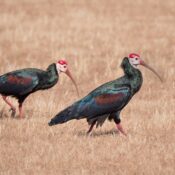
Beyond large mammals, the Serengeti hosts extraordinary birdlife and smaller species that enrich the safari experience. Over five hundred bird species inhabit the region, ranging from raptors and waterbirds to colorful songbirds. Birding adds a new dimension to safaris, rewarding attentive observers with rare sightings and complex behaviors. An experienced serengeti safari guide identifies calls, flight patterns, and habitats, revealing stories often overlooked by casual visitors.
Smaller mammals, reptiles, and insects contribute equally to ecological health. Mongooses, jackals, lizards, and pollinators support food chains and environmental stability. Discovering these species encourages mindfulness and curiosity, reminding travelers that the Serengeti’s magic lies not only in iconic animals, but in the intricate web of life that surrounds them.
Safari Activities and Guided Experiences
Safari activities in the Serengeti extend beyond traditional game drives. Walking safaris, where permitted, offer ground-level perspectives that heighten awareness of tracks, plants, and sounds. Hot air balloon safaris provide breathtaking aerial views, revealing migration patterns and landscape scale. Cultural visits to nearby communities deepen understanding of human coexistence with wildlife. At Epic Horizons Adventures, we go the extra mile to make sure every activity is thoughtfully curated, safely conducted, and aligned with conservation values, creating experiences that are both enriching and responsible.
Guided experiences ensure safety, education, and ethical conduct. Professional guides interpret the environment, manage risks, and adapt activities to conditions. This expertise transforms diverse activities into cohesive journeys that balance excitement with respect. For authoritative information about wildlife conservation and protected areas in Tanzania, travelers can reference the official tourism authority at https://www.tanzaniatourism.go.tz, which supports informed and responsible exploration of the country’s natural heritage.
Accommodation Choices and Comfort in the Serengeti
The Role of Accommodation in Safari Experience
Accommodation plays a central role in shaping the overall Serengeti safari experience. It is not merely a place to sleep, but an extension of the journey itself, influencing comfort, immersion, and connection with nature. The Serengeti offers a wide range of lodging options designed to suit different travel styles, expectations, and budgets. From permanent luxury lodges to seasonal mobile camps, each option provides a distinct way to engage with the environment. Travelers working with an experienced serengeti safari guide quickly learn that choosing the right accommodation enhances wildlife access, reduces travel fatigue, and elevates the entire safari narrative.
Location is one of the most critical factors in accommodation selection. Properties positioned near wildlife corridors, river systems, or migration routes offer greater chances of meaningful sightings without long drives. Thoughtful placement allows guests to experience nature organically, often witnessing animals directly from camp. The right accommodation transforms downtime into discovery, making every moment part of the adventure.
Luxury Lodges and Permanent Camps
Luxury lodges represent the most refined accommodation option in the Serengeti. These establishments offer spacious rooms, en-suite bathrooms, fine dining, and personalized service, all while maintaining proximity to wildlife areas. Designed to blend with the landscape, luxury lodges provide comfort without sacrificing authenticity. Guests enjoy panoramic views, private verandas, and professional staff trained to anticipate needs. A knowledgeable serengeti safari guide often recommends these lodges to travelers seeking relaxation, exclusivity, and seamless logistics.
Permanent camps offer a balance between luxury and immersion. Built with eco-conscious materials, they provide comfort while minimizing environmental impact. These camps operate year-round, offering consistency and reliability. Their established infrastructure allows for stable operations, including electricity, hot water, and communication facilities. For many travelers, permanent camps represent an ideal middle ground between adventure and convenience.
Mobile Camps and Seasonal Flexibility
Mobile camps provide a more adventurous and immersive accommodation style. These camps move seasonally to follow wildlife movements, particularly the Great Migration. Staying in a mobile camp places guests at the heart of animal activity, often just minutes away from prime viewing areas. A skilled serengeti safari guide explains that mobile camps offer unparalleled access and intimacy, allowing travelers to feel truly embedded in the ecosystem.
Despite their mobility, modern mobile camps maintain high standards of comfort and safety. Guests enjoy proper beds, private tents, and attentive service, all within a low-impact footprint. The temporary nature of these camps reduces environmental strain and preserves natural habitats. For travelers seeking authenticity and proximity to wildlife, mobile camps deliver a deeply memorable experience.
Comfort, Safety, and Environmental Responsibility
Comfort in the Serengeti is defined by thoughtful design rather than excess. Lodges and camps prioritize insulation, ventilation, and natural materials to adapt to climate conditions. Safety measures include trained staff, secure layouts, and adherence to park regulations. Guests are briefed on wildlife awareness and movement protocols, ensuring peaceful coexistence with surrounding animals. An experienced serengeti safari guide reinforces these guidelines, helping travelers feel confident and secure throughout their stay.
Environmental responsibility is increasingly central to accommodation standards. Many properties utilize solar energy, rainwater harvesting, and waste reduction systems. Sustainable practices not only protect the ecosystem but also enhance guest satisfaction by aligning comfort with conservation values. Choosing responsible accommodation contributes directly to the preservation of the Serengeti’s natural integrity.
Personalized Stays and Expert Recommendations
Selecting the ideal accommodation requires understanding personal preferences, travel goals, and logistical considerations. Some travelers value scenic views, others prioritize wildlife proximity, while families may require additional amenities. Personalized recommendations ensure that accommodation choices align perfectly with expectations. At Epic Horizons Adventures, we go the extra mile to make sure every guest is matched with accommodation that enhances comfort, maximizes wildlife access, and reflects individual travel styles. This tailored approach transforms lodging into an integral part of the safari story.
Expert guidance also ensures smooth coordination between accommodations and daily activities. Proper planning minimizes transit times and maximizes time in nature. For authoritative information on accommodation standards and sustainable tourism practices in Tanzania, travelers can consult the official tourism authority at https://www.tanzaniatourism.go.tz, which provides trusted insights for informed travel decisions.
Why Choosing the Right Safari Company Defines Your Serengeti Journey
The Importance of Trust and Professional Credibility
A Serengeti safari is a significant investment of time, resources, and expectations, making the choice of safari company one of the most critical decisions a traveler will make. The vastness and unpredictability of the Serengeti demand professional handling, ethical responsibility, and deep local knowledge. A company’s credibility is reflected in its experience, transparency, and commitment to conservation. Travelers who partner with a trusted serengeti safari guide gain confidence knowing their journey is managed by experts who prioritize safety, authenticity, and long-term sustainability.
Professional credibility also influences access to quality experiences. Reputable operators maintain strong relationships with park authorities, lodges, and local communities, enabling smoother logistics and better positioning for wildlife encounters. Trustworthy companies provide clear communication, realistic expectations, and honest guidance, ensuring travelers are well informed before arrival. This foundation of trust transforms a safari from a simple tour into a meaningful exploration guided by expertise.
Experience, Local Knowledge, and Guiding Excellence
Experience is the defining factor that separates exceptional safari companies from average providers. Years of operating within the Serengeti build an understanding of animal behavior, seasonal shifts, and subtle environmental cues. Local knowledge allows guides to anticipate movements, adapt routes, and interpret wildlife interactions with accuracy. A skilled serengeti safari guide does more than locate animals; they tell stories, explain ecosystems, and connect observations to broader conservation contexts.
Guiding excellence also involves communication skills and cultural awareness. Guides serve as ambassadors between travelers and the environment, ensuring respectful behavior and enriching understanding. Their ability to balance excitement with responsibility shapes how visitors perceive the Serengeti. Exceptional guides create calm, engaging atmospheres that encourage curiosity and appreciation rather than rushed observation. This depth of experience elevates every aspect of the safari journey.
Safety Standards and Ethical Operating Practices
Safety is a non-negotiable element of any Serengeti safari. Operating in close proximity to wild animals requires strict adherence to regulations, risk assessment, and continuous training. Ethical safari companies prioritize guest safety without compromising animal welfare. Vehicles are well maintained, guides are certified, and emergency protocols are clearly established. Travelers accompanied by a professional serengeti safari guide benefit from informed decision-making that minimizes risk while preserving authentic encounters.
Ethical practices extend beyond safety to include environmental stewardship. Responsible companies limit off-road driving, avoid disturbing wildlife, and support anti-poaching initiatives. They operate with respect for park rules and conservation objectives. Ethical standards ensure that tourism contributes positively to the Serengeti rather than exploiting it. Travelers increasingly value companies whose principles align with global conservation goals.
Personalized Service and Meaningful Travel Design
Modern travelers seek more than standardized itineraries; they desire journeys that reflect personal interests and values. Personalized safari design allows experiences to align with specific goals such as photography, education, relaxation, or adventure. Tailored planning considers pace, accommodation style, and activity preferences. At Epic Horizons Adventures, we go the extra mile to make sure every safari is personalized, professionally guided, and designed to create lasting connections with the Serengeti’s wildlife and landscapes. This approach transforms travel into a deeply individual experience.
Meaningful travel design also emphasizes quality over quantity. Rather than rushing between locations, personalized safaris focus on immersion and observation. This intentional pacing enhances satisfaction and reduces environmental impact. Travelers leave not only with photographs, but with understanding, respect, and a sense of participation in conservation efforts.
Long-Term Value and Responsible Legacy
Choosing the right safari company determines not only the quality of the current journey but also its long-term impact. Responsible operators invest in community development, conservation education, and sustainable practices that protect the Serengeti for future generations. Travelers who make informed choices contribute to a positive legacy that extends beyond personal enjoyment. A dependable serengeti safari guide helps visitors recognize the value of responsible tourism and its role in preserving natural heritage.
Long-term value is measured through memories, knowledge gained, and ethical contribution. A well-guided safari fosters appreciation that lasts a lifetime and often inspires continued support for conservation initiatives. For official guidance on responsible tourism, conservation standards, and travel ethics in Tanzania, travelers can consult the national tourism authority at https://www.tanzaniatourism.go.tz, which provides trusted information supporting sustainable exploration of the country’s iconic destinations.