Explore the best snorkeling sports in Zanzibar! Discover top reefs, marine life, safety tips, and budget-friendly trips for an unforgettable underwater adventure.https://www.epichorizonsadventures.com/our-tours/destinations/
Why Zanzibar is One of Africa’s Best Destinations for Snorkeling Adventures
Zanzibar is world-famous for its white beaches and turquoise waters, but beneath the surface of the Indian Ocean lies a hidden world that many travelers only discover once they put on a mask and snorkel. The island’s warm, clear waters and rich coral ecosystems make it one of the top places in East Africa for underwater exploration. For ocean lovers, marine life enthusiasts, and adventure seekers, snorkeling sports in Zanzibar offer an unforgettable experience that combines natural beauty, biodiversity, and accessible adventure.
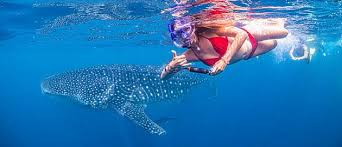
The waters surrounding Zanzibar are part of the Western Indian Ocean marine ecosystem, known for its coral reefs, tropical fish, and diverse sea life. These reefs act as underwater cities, providing shelter and food for countless species. Snorkelers can often spot parrotfish, angelfish, butterflyfish, starfish, sea urchins, and sometimes even dolphins or sea turtles. The clarity of the water, especially during calm seasons, allows visibility that makes snorkeling feel like floating above a living aquarium.
One of the reasons snorkeling sports in Zanzibar are so popular is that they are suitable for both beginners and experienced ocean explorers. Many snorkeling areas are in shallow lagoons where the water is calm and safe, making it easy for first-timers to enjoy the experience without deep diving. Professional guides are available in most coastal villages, ensuring safety and helping visitors understand the marine environment they are exploring.
The island’s location in the Indian Ocean means water temperatures stay warm year-round, typically between 25–29°C (77–84°F). This makes snorkeling comfortable without the need for heavy wetsuits. Travelers can enjoy long sessions in the water while observing marine life up close. This natural advantage has made snorkeling sports in Zanzibar one of the most requested activities among beach travelers.
Coral reefs around Zanzibar are not only beautiful but also ecologically important. They protect the shoreline from erosion, support local fishing communities, and contribute to global marine biodiversity. Responsible snorkeling helps visitors appreciate this fragile ecosystem while learning about the importance of conservation. Many local operators now include short environmental briefings before trips to ensure guests avoid stepping on coral or disturbing wildlife.
Mnemba Atoll, located off the northeast coast, is often considered the crown jewel of Zanzibar’s snorkeling locations. The atoll is a protected marine conservation area known for crystal-clear water and thriving coral reefs. While access requires a boat trip, the experience of snorkeling here is often described as swimming inside a nature documentary. Schools of colorful fish move in synchronized patterns, and lucky visitors may spot dolphins in the surrounding waters.
Beyond Mnemba, several other coastal areas offer excellent snorkeling opportunities. Nungwi and Kendwa in the north provide access to reefs not far from shore. On the east coast, Matemwe and Paje offer lagoons where marine life can be observed during certain tide conditions. These diverse locations mean snorkeling sports in Zanzibar can be enjoyed from multiple parts of the island.
Snorkeling is also a great way to connect with local coastal communities. Many boat captains and guides are fishermen who have grown up on these waters. Their knowledge of currents, tides, and reef locations ensures both safety and a richer experience. Listening to their stories about the ocean, weather patterns, and marine life adds a cultural layer to the adventure.
Another reason travelers love snorkeling here is the affordability compared to many global destinations. While luxury dive trips can be expensive elsewhere, Zanzibar offers options for different budgets. Group snorkeling tours, shared boat trips, and half-day excursions make underwater exploration accessible to a wide range of visitors.
Photography lovers are especially drawn to Zanzibar’s reefs. Underwater cameras capture vibrant coral gardens and fish species in natural sunlight. Even from the surface, snorkelers can take stunning shots through clear water. These visual memories often become highlights of a traveler’s entire trip.
Safety is a key factor that supports the growth of snorkeling sports in Zanzibar. Most tours provide life jackets, flotation devices, and experienced guides who monitor guests at all times. Calm lagoon conditions in many areas also make the activity less intimidating for those new to ocean adventures.
For those planning a snorkeling trip, learning about tides is important. Low tide can expose coral and reduce water depth, while high tide allows easier movement above reefs. Local guides schedule trips based on these patterns to ensure the best possible experience.
Environmental awareness is growing among visitors and operators alike. Travelers are encouraged to use reef-safe sunscreen and avoid touching marine life. Organizations such as the World Wildlife Fund (https://www.worldwildlife.org) and the International Coral Reef Initiative (https://www.icriforum.org) provide useful information about protecting coral ecosystems worldwide.
Snorkeling in Zanzibar is not only about marine life — it’s also about the feeling of floating in warm, clear water under open skies. The peaceful rhythm of breathing through a snorkel while watching fish glide below creates a calming, almost meditative experience. This emotional connection to the ocean is one reason so many travelers list snorkeling as their favorite activity on the island.
At Epic horizons Adventure we are looking extra miles to make sure…. every snorkeling trip is safe, educational, and filled with unforgettable moments. We believe ocean experiences should inspire both excitement and respect for marine life, and we help travelers discover the underwater world of Zanzibar responsibly.
In summary, Zanzibar stands out as a snorkeling destination because of its warm waters, rich biodiversity, accessible reef systems, and knowledgeable local guides. Whether you are a first-time snorkeler or a seasoned ocean lover, the island offers an underwater adventure that is both thrilling and meaningful. As we move into the next section, we’ll explore the best specific snorkeling locations in Zanzibar and what makes each one unique.
Top Snorkeling Spots Around Zanzibar Island
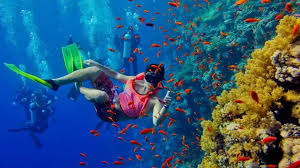
Zanzibar is surrounded by warm Indian Ocean waters filled with coral reefs, marine life, and crystal-clear lagoons that make underwater exploration both accessible and unforgettable. While many travelers come for beaches and culture, those who venture beneath the surface quickly discover that snorkeling sports in Zanzibar offer some of the most vibrant and biodiverse marine experiences in East Africa. Each part of the island has unique underwater features, meaning snorkelers can enjoy a variety of reef systems, fish species, and ocean conditions depending on where they go.
Mnemba Atoll is widely considered the most famous snorkeling location in Zanzibar. Located off the northeast coast near Matemwe, this marine conservation area is known for its exceptional water clarity and healthy coral reefs. The atoll forms a natural ring that shelters a wide range of fish species, from tiny reef fish to larger pelagic visitors. Snorkelers often see angelfish, clownfish, parrotfish, and sometimes green sea turtles. Dolphins are also occasionally spotted in the deeper waters around the atoll. Because of its reputation, Mnemba is often at the top of the list for travelers interested in snorkeling sports in Zanzibar.
What makes Mnemba special is not only the biodiversity but also the underwater visibility, which can exceed 20 meters on calm days. This allows snorkelers to observe reef structures and fish behavior in stunning detail. The coral gardens here include brain coral, branching coral, and colorful soft corals that create a living underwater landscape. Many visitors describe the experience as floating above a moving, colorful painting.
On the northern tip of Zanzibar, Nungwi offers another excellent snorkeling environment. While Nungwi is known for its lively beach scene and dhow-building traditions, it also provides access to nearby reefs that can be reached by short boat rides. These reefs are home to schools of small tropical fish and occasional larger species like barracuda. Because waters here are less affected by strong tides compared to the east coast, snorkeling conditions can be stable and enjoyable throughout the day.
Kendwa, just south of Nungwi, is often associated with sunsets and relaxed beach days, but it also serves as a launching point for snorkeling excursions. The reefs offshore are not as famous as Mnemba but still offer healthy coral formations and a variety of marine life. For travelers staying in the north, these nearby reefs make snorkeling sports in Zanzibar easy to access without long travel times.
Moving to the northeast coast, Matemwe is a quieter village that serves as one of the main departure points for Mnemba Atoll trips. However, Matemwe’s own lagoon area can also provide snorkeling opportunities during the right tide conditions. Shallow coral patches become visible in clear water, and local guides often know smaller reef areas that are less crowded than major tour routes.
On the east coast, Paje and Jambiani are better known for kitesurfing, but they also offer unique snorkeling experiences during high tide. The wide lagoon that forms here protects the shoreline and creates shallow reef zones. While marine life may be less dense than at offshore reefs, snorkelers can still see small fish, sea stars, and coral heads. For travelers who prefer combining beach relaxation with light underwater exploration, this area offers a gentle introduction to snorkeling sports in Zanzibar.
Further south, Kizimkazi is famous for dolphin tours, but it also has snorkeling spots where coral reefs grow along rocky seabeds. While the coral here may not be as extensive as Mnemba’s reefs, snorkelers can still observe reef fish and sometimes even turtles. Because this area is less crowded with snorkeling tours, it can feel more remote and adventurous.
Chumbe Island Coral Park, located southwest of Stone Town, is one of the most protected marine areas in the region. This private conservation island features a no-fishing zone that has allowed coral and fish populations to thrive. Snorkeling here is strictly managed to protect the ecosystem, but the reward is an exceptionally healthy reef. Chumbe is often recommended by marine conservation groups as a model for sustainable tourism. Information about reef protection can be found through organizations like the International Union for Conservation of Nature (https://www.iucn.org) and Coral Reef Alliance (https://coral.org).
Bawe and Prison Island, located off the coast of Stone Town, are often visited for day trips that combine history and marine exploration. While Prison Island is famous for its giant tortoises, the surrounding waters also offer snorkeling opportunities where visitors can see reef fish and coral patches. These locations are convenient for travelers based in Stone Town who want a short boat trip with mixed activities.
One of the advantages of snorkeling sports in Zanzibar is the variety of environments available within short distances. Some areas feature deep reef drop-offs with large schools of fish, while others offer shallow lagoons ideal for beginners. This diversity means that even travelers staying for several days can explore multiple snorkeling environments without repeating the same experience.
Local knowledge plays an important role in choosing the best snorkeling spot. Tides, currents, and seasonal winds influence water clarity and safety. Experienced guides know when and where conditions will be best, which helps ensure both enjoyment and protection of the reef ecosystem. Listening to local advice often makes the difference between an average trip and an extraordinary one.
Seasonality also affects marine visibility. The dry seasons, typically from June to October and December to February, often provide calmer seas and clearer water. During these periods, snorkeling sports in Zanzibar tend to offer the best underwater visibility and more comfortable boat travel conditions.
Beyond marine life, snorkeling in Zanzibar also offers scenic surface views. Traditional dhow boats glide across the horizon, palm-lined beaches stretch along the coast, and the Indian Ocean shifts between deep blue and bright turquoise depending on depth and sunlight. Floating in these waters connects snorkelers to both the underwater and above-water beauty of the island.
At Epic horizons Adventure we are looking extra miles to make sure…. every snorkeling location we visit is chosen carefully based on weather, tides, and marine health. Our goal is to give travelers the best possible underwater experience while respecting local conservation efforts and supporting community guides.
In summary, Zanzibar’s snorkeling spots range from world-class marine reserves like Mnemba and Chumbe to accessible coastal reefs near beach villages. Each location offers something unique, whether it’s vibrant coral gardens, rare marine species, or peaceful shallow lagoons. Exploring these sites reveals why snorkeling sports in Zanzibar continue to attract ocean lovers from around the world.
Marine Life You Can See While Snorkeling in Zanzibar
One of the biggest reasons travelers choose snorkeling sports in Zanzibar is the incredible diversity of marine life found just beneath the surface of the Indian Ocean. Zanzibar sits within a biologically rich marine region where coral reefs create complex ecosystems that support thousands of species. For snorkelers, this means that every swim becomes a live nature documentary filled with color, movement, and fascinating sea creatures.
Coral reefs are often called the “rainforests of the sea,” and Zanzibar’s reefs live up to that name. Hard corals such as brain coral and staghorn coral form the foundation of these underwater habitats, creating shelter for fish and invertebrates. Soft corals add motion and color, swaying gently with ocean currents. Snorkelers floating above these reefs witness a dynamic environment where life is constantly interacting, feeding, hiding, and moving in synchronized patterns.
Tropical reef fish are usually the first marine animals snorkelers notice. Parrotfish, known for their bright colors and beak-like mouths, are common around Zanzibar’s reefs. These fish actually help maintain reef health by eating algae and breaking down coral into sand. Butterflyfish, with their delicate patterns and thin bodies, glide gracefully in pairs, while angelfish display bold stripes and vibrant blues and yellows. Seeing these species up close is one of the most exciting parts of snorkeling sports in Zanzibar.
Clownfish, often associated with coral anemones, can sometimes be spotted hiding among tentacles that protect them from predators. Their small size and bright orange color make them a favorite among snorkelers and underwater photographers. Damselfish are also common, darting quickly between coral branches and defending their tiny territories.
Larger fish species add another layer of excitement to snorkeling experiences. Groupers, which can grow quite large, often rest near coral formations. Barracudas, with their sleek silver bodies and sharp teeth, sometimes cruise through reef areas, creating a thrilling sight for snorkelers observing from a safe distance. While these fish may look intimidating, they rarely pose any threat to humans.
Sea turtles are among the most memorable marine animals visitors hope to see. Green turtles and hawksbill turtles inhabit Zanzibar’s waters, often found grazing on seagrass or swimming slowly near coral reefs. Watching a turtle glide effortlessly through the water is a magical experience that many snorkelers describe as the highlight of their trip. Encounters like these show why snorkeling sports in Zanzibar are so highly recommended for nature lovers.
Starfish are another fascinating sight, especially in shallow lagoon areas during low tide. Blue starfish, red cushion stars, and other species rest on sandy bottoms or cling to coral rocks. Their slow movement and unique shapes make them interesting subjects for close observation. However, it is important never to touch or remove them from the water, as this can harm these delicate creatures.
Sea urchins, with their long spines, are also common around reefs. While they are important parts of the ecosystem, snorkelers should be careful not to step on them when walking in shallow areas. Wearing reef shoes or floating rather than standing helps prevent injuries and protects marine life.
Moray eels sometimes peek out from crevices in the reef, opening and closing their mouths as they breathe. Although their appearance can seem dramatic, they are generally shy and prefer to stay hidden. Observing one safely from a distance is a fascinating experience for snorkelers exploring coral structures.
Octopuses are masters of camouflage and can be harder to spot, but lucky snorkelers may see one changing color as it moves across rocks or coral. These intelligent creatures are known for their problem-solving abilities and flexible bodies, making them one of the most intriguing species in Zanzibar’s waters.
In deeper areas near reef drop-offs, snorkelers may spot schools of fusiliers and snappers moving together in large groups. The synchronized motion of hundreds of fish turning at the same time creates a mesmerizing underwater spectacle. Moments like these highlight the living, breathing complexity of marine ecosystems connected to snorkeling sports in Zanzibar.
Dolphins are occasionally seen during snorkeling trips, especially around areas like Mnemba Atoll and Kizimkazi. While snorkeling is not the same as dolphin tours, being in the water when dolphins pass nearby is an unforgettable experience. Responsible operators ensure interactions remain respectful and do not disturb the animals.
Coral reefs also support countless smaller organisms that are just as important as larger animals. Sea cucumbers, nudibranchs (colorful sea slugs), and tiny shrimp all play roles in maintaining reef health. Snorkelers who take time to look closely often discover these hidden details that make underwater exploration endlessly fascinating.
Marine birds are part of the broader ecosystem as well. While snorkeling, you might see seabirds diving into the water nearby to catch fish. These interactions between sea and sky remind visitors that ocean life extends beyond what is visible below the surface.
Conservation is crucial to protecting this biodiversity. Organizations such as the World Wildlife Fund (https://www.worldwildlife.org), Marine Conservation Society (https://www.mcsuk.org), and Coral Triangle Initiative (https://www.coraltriangleinitiative.org) provide educational resources about reef protection and sustainable marine tourism. Learning about these efforts helps snorkelers understand their role in preserving the ecosystems they enjoy.
At Epic horizons Adventure we are looking extra miles to make sure…. every snorkeling experience includes guidance on respecting marine life and protecting coral reefs. We believe travelers should leave the ocean with memories and photos — not damage to fragile ecosystems.
Ultimately, the marine life of Zanzibar transforms snorkeling from a simple swim into an immersive wildlife encounter. From tiny reef fish to graceful sea turtles and vibrant coral gardens, the underwater world offers constant discovery. These encounters are the heart of snorkeling sports in Zanzibar, inspiring awe, respect, and a deeper connection to the ocean that stays with travelers long after they leave the island.
Snorkeling Safety, Gear, and Responsible Ocean Practices in Zanzibar
While the beauty of the underwater world makes snorkeling sports in Zanzibar incredibly exciting, safety and environmental responsibility are just as important as adventure. Snorkeling may look simple, but understanding proper gear, ocean conditions, and reef-friendly behavior ensures that every experience is enjoyable, safe, and sustainable. Travelers who prepare well not only protect themselves but also help preserve Zanzibar’s fragile marine ecosystems for future generations.
The first essential part of snorkeling is proper equipment. A well-fitting mask is the most important piece of gear because it allows clear underwater vision. Masks should create a gentle seal around the face without being too tight. If water constantly leaks in, the experience becomes frustrating and unsafe. Snorkel tubes should allow easy breathing while keeping water out, and many modern snorkels include splash guards or valves for added comfort. Fins help snorkelers move smoothly through the water without excessive effort, conserving energy and reducing the chance of cramps.
Life jackets or flotation vests are highly recommended, especially for beginners or those who are not strong swimmers. Many tour operators in Zanzibar provide these as standard safety equipment. Floating easily on the surface allows snorkelers to relax and focus on marine life rather than worrying about staying afloat. Feeling calm in the water makes snorkeling sports in Zanzibar more enjoyable and reduces panic-related risks.
Understanding ocean conditions is another key safety factor. Tides in Zanzibar can change water depth significantly, especially on the east coast. At low tide, coral may be very close to the surface, increasing the risk of accidental contact. At high tide, currents may be stronger in some areas. Local guides know the safest times and places to snorkel, which is why joining a guided trip is often safer than going alone.
Weather conditions also affect snorkeling safety. Strong winds can create waves and reduce visibility, while heavy rain may bring sediment into the water. The best snorkeling conditions usually occur during calm mornings. Checking forecasts through reliable weather services such as the Tanzania Meteorological Authority (https://www.meteo.go.tz) helps travelers plan safe outings.
Sun protection is extremely important because snorkelers spend long periods floating on the surface under direct sunlight. Wearing a rash guard or UV-protective swim shirt reduces sunburn risk and also protects skin from jellyfish stings or minor coral scrapes. Reef-safe sunscreen is strongly recommended. Some sunscreens contain chemicals harmful to coral reefs, so choosing environmentally friendly options helps protect the ecosystems that make snorkeling sports in Zanzibar so special.
Hydration and rest should not be overlooked. Snorkeling can be physically demanding, especially in warm weather. Drinking water before and after swimming prevents dehydration. Taking breaks on the boat or beach helps avoid fatigue, which can increase the risk of accidents.
Responsible behavior around coral reefs is essential. Coral is a living organism that grows very slowly, sometimes only a few centimeters per year. Standing on coral, kicking it with fins, or touching it with hands can cause long-lasting damage. Snorkelers should always maintain a horizontal floating position and use gentle fin movements. Guides often give a short environmental briefing before entering the water to explain how to avoid harming marine life.
Touching marine animals is also discouraged. Fish, turtles, and other sea creatures are easily stressed by human contact. Feeding fish disrupts natural behaviors and can harm their health. Observing wildlife respectfully from a distance ensures that marine ecosystems remain balanced and healthy.
Boat safety is another consideration. Snorkelers should always enter and exit the water carefully, following crew instructions. Staying within designated areas prevents separation from the group and reduces the risk of drifting into boat traffic. Bright-colored flotation devices or snorkel vests make swimmers more visible to boats.
For beginners, practicing basic snorkeling skills in shallow, calm water first builds confidence. Learning how to clear water from a mask or snorkel, signal to a guide, and control breathing helps avoid panic. Many operators provide short instructions before trips begin, ensuring guests feel comfortable before heading to deeper reef areas.
Medical considerations also matter. People with asthma, heart conditions, or other health issues should consult a doctor before snorkeling. Informing guides about any medical concerns allows them to provide appropriate support. Travel health advice can be found through the World Health Organization (https://www.who.int) and CDC travel pages (https://wwwnc.cdc.gov/travel).
Snorkeling is also an opportunity to support marine conservation. Choosing operators that follow eco-friendly practices, limit group sizes, and respect protected areas helps reduce environmental impact. Marine conservation groups such as Reef Check (https://www.reefcheck.org) promote citizen awareness and reef monitoring worldwide.
Children can safely enjoy snorkeling sports in Zanzibar when supervised closely and equipped with proper flotation gear. Family-friendly snorkeling areas with calm, shallow water provide great learning experiences for young ocean explorers while keeping safety a top priority.
At Epic horizons Adventure we are looking extra miles to make sure…. every snorkeling trip follows strict safety standards and environmental guidelines. Our team ensures guests understand how to use their gear properly, stay safe in the water, and protect the reefs that make Zanzibar a world-class snorkeling destination.
Ultimately, snorkeling safety and responsibility go hand in hand. With the right preparation, awareness of ocean conditions, and respect for marine life, travelers can enjoy unforgettable underwater adventures while helping preserve Zanzibar’s natural heritage. These practices ensure that snorkeling sports in Zanzibar remain sustainable, safe, and inspiring for generations to come.