Explore the Serengeti like never before with our ultimate guide to the top animals in Serengeti. From lions, elephants, and cheetahs to birds, reptiles, and migratory giants, discover wildlife, conservation insights, and expert safari tips with Epic Horizons Adventures. Experience responsible tourism and unforgettable encounters in Tanzania’s iconic wildernesshttps://www.epichorizonsadventures.com/our-tours/destinations/
Introduction to the Serengeti Wildlife and Its Diversity
Discovering the Serengeti Ecosystem
The Serengeti, one of the most iconic wildlife regions in the world, is home to a breathtaking variety of species that have adapted over millennia to thrive in this unique ecosystem. Located primarily in northern Tanzania, the Serengeti spans approximately 30,000 square kilometers of savannah, woodland, riverine forest, and grassland, creating a mosaic of habitats suitable for a rich diversity of flora and fauna. For travelers seeking unforgettable safari experiences, understanding the top animals in Serengeti is an essential step in planning, as it allows you to anticipate encounters with lions, elephants, cheetahs, giraffes, and countless other species that define the region’s ecological vibrancy.
Wildlife in the Serengeti is not only abundant but also dynamic, influenced by seasonal rains, migration cycles, and predator-prey interactions. Each animal plays a vital role in maintaining ecological balance, from the apex predators at the top of the food chain to the herbivores that shape grassland structure and riverine vegetation. When planning your journey, having knowledge of the top animals in serengeti ensures that your safari experience is immersive, educational, and visually spectacular. At Epic Horizons Adventures, we are looking extra miles to make sure every guest experiences these species in their natural habitats responsibly and safely, combining adventure with conservation awareness.
Big Cats: Lions, Leopards, and Cheetahs
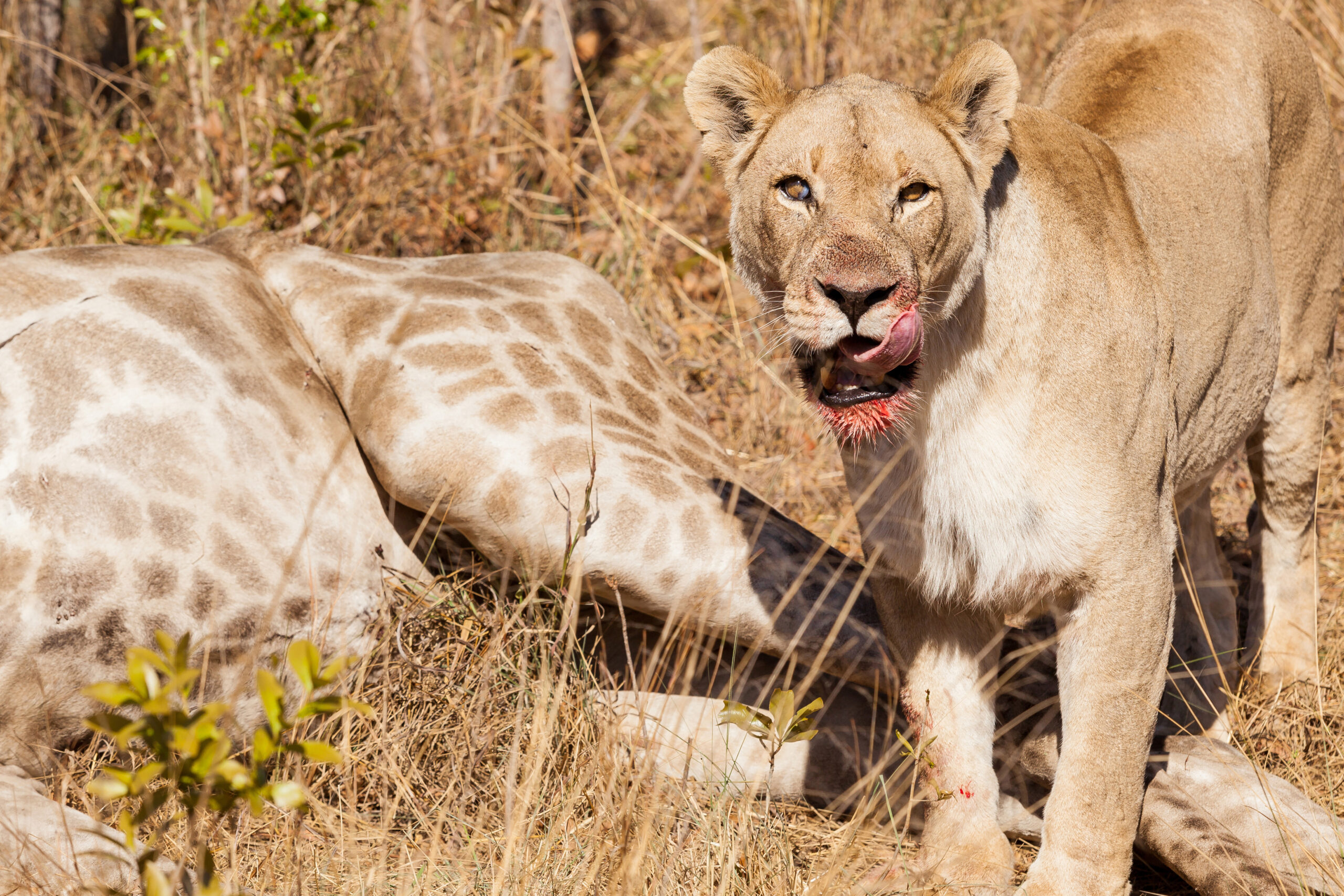
Predators dominate the imagination of travelers and are often the highlight of any safari. Among the top animals in Serengeti, lions are particularly iconic. Serengeti lions are known for their social structure, hunting strategies, and dramatic behaviors during predator-prey encounters. Lion prides typically include related females, their cubs, and a coalition of males that defend territories. Observing these interactions provides insight into the complex social dynamics that govern apex predators in the wild.
Leopards, although more elusive than lions, are equally captivating. These solitary hunters prefer dense vegetation and rocky outcrops, making sightings a rare but thrilling experience. Cheetahs, another prominent predator, showcase incredible speed and agility, often hunting during the cooler hours of early morning and late afternoon. Knowledge of these species and their habitats allows visitors to target their safari itineraries effectively. An expert guide specializing in the top animals in Serengeti will position you in the right locations at the right times, enhancing both photographic opportunities and wildlife education.
During a typical safari, visitors may witness dramatic hunting sequences, cub rearing, and interspecies competition. Understanding predator behavior is critical to safety, observation, and appreciation. Experienced guides ensure that guests respect animal boundaries while still having intimate encounters with these magnificent carnivores. For detailed species information, you can refer to the Tanzania National Parks Authority at https://www.tanzaniatourism.go.tz, an excellent resource for authentic Serengeti wildlife knowledge.
Elephants, Buffalos, and Large Herbivores
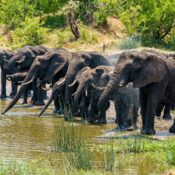
The Serengeti is also home to some of Africa’s largest herbivores, which play a critical ecological role. African elephants are among the top animals in Serengeti, admired for their intelligence, social bonds, and sheer presence. These giants travel in family herds, create pathways through dense vegetation, and even help sustain other species by opening water sources. Buffalos are equally important, forming large herds that interact with predators and influence grazing patterns across the plains. Observing these animals in their natural habitat allows travelers to understand the scale and interconnectivity of Serengeti ecosystems.
Other herbivores, including zebras, wildebeest, giraffes, and various antelope species, contribute to the rich biodiversity. Wildebeest, for instance, participate in the annual Great Migration, a spectacle involving millions of animals moving across the Serengeti and Maasai Mara. Zebra herds accompany them, offering both protection and increased foraging efficiency. Understanding the behaviors of these top animals in Serengeti helps visitors anticipate encounters, photograph natural interactions, and appreciate the rhythms of wildlife that shape the Serengeti landscape.
Guided safaris emphasize ethical observation, allowing travelers to witness these species without disturbing their natural patterns. At Epic Horizons Adventures, we are looking extra miles to make sure every encounter with these large herbivores is both safe and unforgettable, blending ecological education with awe-inspiring adventure.
Birds, Reptiles, and Lesser-Known Species
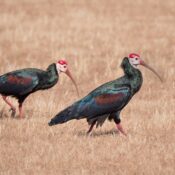
While megafauna dominates safari photography, the Serengeti is equally rich in avian and smaller wildlife species. The park hosts over 500 bird species, including ostriches, secretary birds, eagles, and migratory songbirds. Raptors play a crucial role in controlling rodent populations, while colorful ground-dwelling species contribute to the visual spectacle of open plains. Birdwatchers consider these species among the top animals in Serengeti, as their behaviors, nesting patterns, and migratory cycles are fascinating and often unpredictable.
Reptiles, such as Nile crocodiles and monitor lizards, inhabit rivers and wetlands, offering unique observation opportunities during river crossings or near waterholes. Snakes, tortoises, and amphibians further enrich biodiversity, reminding travelers that every species has an ecological function. Expert guides highlight these often-overlooked animals, emphasizing how the Serengeti’s ecosystem depends on the intricate balance between predators, prey, and smaller organisms. Engaging with these species enhances appreciation for the full spectrum of Serengeti wildlife and underscores the importance of conservation.
Planning Your Safari Around Wildlife Sightings
Maximizing wildlife sightings requires understanding species distribution, behavior, and seasonal patterns. The top animals in Serengeti are often concentrated in predictable regions depending on water availability, grass growth, and migration cycles. Lions, cheetahs, and leopards may favor different habitats, while herbivore concentrations shift according to rainfall and grazing pressure. By planning itineraries around these factors, travelers can experience more comprehensive and satisfying safari encounters.
At Epic Horizons Adventures, we are looking extra miles to make sure every safari is meticulously timed and strategically located to provide guests with optimal wildlife viewing opportunities. Knowledge of species-specific behavior, microclimates, and seasonal dynamics allows our guides to craft immersive, educational, and breathtaking experiences that are both safe and respectful of wildlife.
Predators of the Serengeti – Lions, Leopards, and Cheetahs
Apex Predators and Their Role in the Ecosystem
The Serengeti is world-famous for its rich predator population, which plays a crucial role in maintaining ecological balance. Among the top animals in Serengeti, lions, leopards, and cheetahs dominate as apex predators, regulating herbivore populations and influencing the behavior and distribution of other species. Understanding these predators is essential for travelers who wish to appreciate the complexity of the ecosystem and anticipate thrilling safari encounters.
Lions, often called the “king of the Serengeti,” exhibit complex social structures. Prides are typically composed of related females, their cubs, and a coalition of males that defend territory. Male lions maintain dominance through cooperative efforts, ensuring the survival and reproduction of pride members. Observing lions provides insight into social hierarchy, hunting strategies, and inter-pride competition. Expert guides emphasize safe distances and responsible viewing, enhancing both safety and educational value. For authoritative species information, visitors can consult the Tanzania National Parks Authority at https://www.tanzaniatourism.go.tz, which provides detailed profiles of Serengeti predators and conservation policies.
Leopard Behavior and Observation Tips
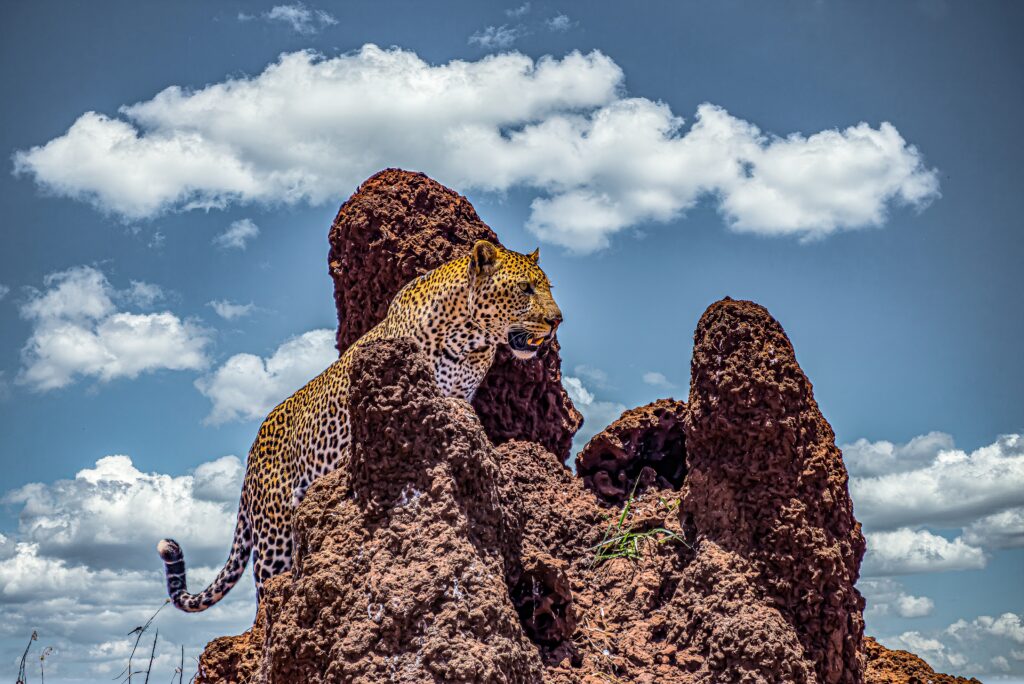
Leopards are solitary, elusive, and highly adaptable predators that prefer dense vegetation or rocky outcrops. Among the top animals in Serengeti, leopards are considered the most secretive, offering unique experiences for travelers who are patient and guided by professionals. These predators are primarily nocturnal and crepuscular, hunting at dawn or dusk to maximize success while avoiding competition with lions or hyenas.
Observing leopards requires specialized knowledge of their habitats, resting spots, and hunting routines. Guides use signs such as tracks, scrape marks, and scat to locate these elusive animals. The thrill of spotting a leopard in a tree, dragging a kill away from competitors, is one of the most unforgettable experiences on safari. At Epic Horizons Adventures, we are looking extra miles to make sure every guest has the opportunity to safely witness these predators in their natural habitats while learning about their behavior and ecological importance.
Cheetahs: The Ultimate Speed Hunters
Cheetahs are remarkable for their incredible speed, making them one of the most fascinating of the top animals in Serengeti. Unlike lions and leopards, cheetahs rely on sprinting to capture prey, often in open plains where their agility and acceleration are maximized. They are diurnal hunters, usually active during cooler morning and evening hours to conserve energy.
Travelers can enhance their safari experience by learning about cheetah behavior, such as hunting techniques, territory marking, and mother-cub dynamics. Female cheetahs, which raise cubs independently, often relocate their young to minimize predation risks from lions and hyenas. Understanding these patterns allows guests to anticipate sightings and photograph these iconic predators responsibly. Expert guides ensure that tourists do not disturb the animals while still enjoying intimate, thrilling wildlife encounters.
Predator-Prey Dynamics
Predators in the Serengeti interact with their prey in complex ways that maintain the health of the ecosystem. Large herbivores, including zebras, wildebeest, and buffaloes, are under constant pressure from lions, leopards, and cheetahs, which influences their movements, grazing patterns, and reproductive behavior. Observing predator-prey interactions is both educational and visually spectacular, highlighting the Serengeti’s dynamic food web.
Planning a safari with knowledge of the top animals in Serengeti allows travelers to witness these interactions safely. Guides use expertise to position vehicles strategically for optimal observation while maintaining a respectful distance. This ensures minimal disruption to wildlife and maximizes photographic opportunities. Seasonal migrations, particularly the Great Migration, intensify predator-prey encounters, providing once-in-a-lifetime experiences that should not be missed.
Safety and Ethical Observation
Safety and ethical considerations are critical when viewing apex predators. Visitors must adhere to guidelines provided by professional safari guides to avoid disturbing or provoking wildlife. Maintaining a safe distance, refraining from loud noises, and avoiding unnecessary vehicle movement are key principles. Respecting the animals’ natural behavior ensures the longevity of these encounters and contributes to conservation efforts.
At Epic Horizons Adventures, we are looking extra miles to make sure every guest experiences predators safely, with ethical observation practices and expert guidance that emphasizes both education and awe. By combining local knowledge, seasonal insights, and careful planning, travelers can witness lions, leopards, and cheetahs in their natural habitats, creating memories that last a lifetime.
Herbivores and Migratory Giants of the Serengeti
The Great Migration: Wildebeest and Zebra
Among the top animals in Serengeti, the annual Great Migration is arguably the most iconic wildlife spectacle on the planet. Millions of wildebeest, accompanied by hundreds of thousands of zebras and gazelles, traverse the Serengeti-Mara ecosystem in search of fresh grazing and water. This extraordinary event occurs year after year, timed with rainfall patterns that dictate the availability of lush pastures. Understanding this migration is essential for travelers planning to witness the drama and movement of the Serengeti’s herbivorous giants.
The migration begins in the southern Serengeti plains, where calving occurs around January and February. Newborn wildebeest calves are born in synchrony, providing safety in numbers against predators such as lions, cheetahs, and hyenas. This period offers visitors a rare chance to observe predator-prey dynamics in a natural setting. Zebras accompany the wildebeest, offering added protection and guiding movements due to their superior memory of water sources. Timing your safari to observe this event ensures encounters with some of the top animals in Serengeti, combining visual spectacle with educational insight.
At Epic Horizons Adventures, we are looking extra miles to make sure every guest experiences the Great Migration responsibly, with expert guidance on safe distances, viewing points, and photographic opportunities. Knowledgeable guides track herd movements, river crossings, and predator interactions, creating a comprehensive and immersive safari experience.
Elephants: Gentle Giants of the Plains
African elephants are among the most revered top animals in Serengeti. They roam in matriarchal family units, with elder females leading groups and making critical decisions about movement, water access, and safety. These intelligent and social animals communicate through vocalizations, body language, and even seismic signals that travel through the ground. Observing elephants provides insight into social structures, cooperative behavior, and ecological influence.
Elephants significantly shape the landscape. By feeding on trees and shrubs, they maintain the savannah ecosystem, allowing grasslands to thrive, which benefits herbivores such as zebras and wildebeest. Seasonal water availability influences elephant movements, and safari planning must account for their migration routes to optimize sightings. A professional top animals in Serengeti guide ensures travelers observe elephants safely, from strategic distances that respect their natural behavior while offering optimal viewing experiences.
For more information on elephant conservation and population trends in Tanzania, visitors can consult the official Tanzania Wildlife Research Institute at https://www.tanzaniaparks.go.tz.
Giraffes and Their Unique Role
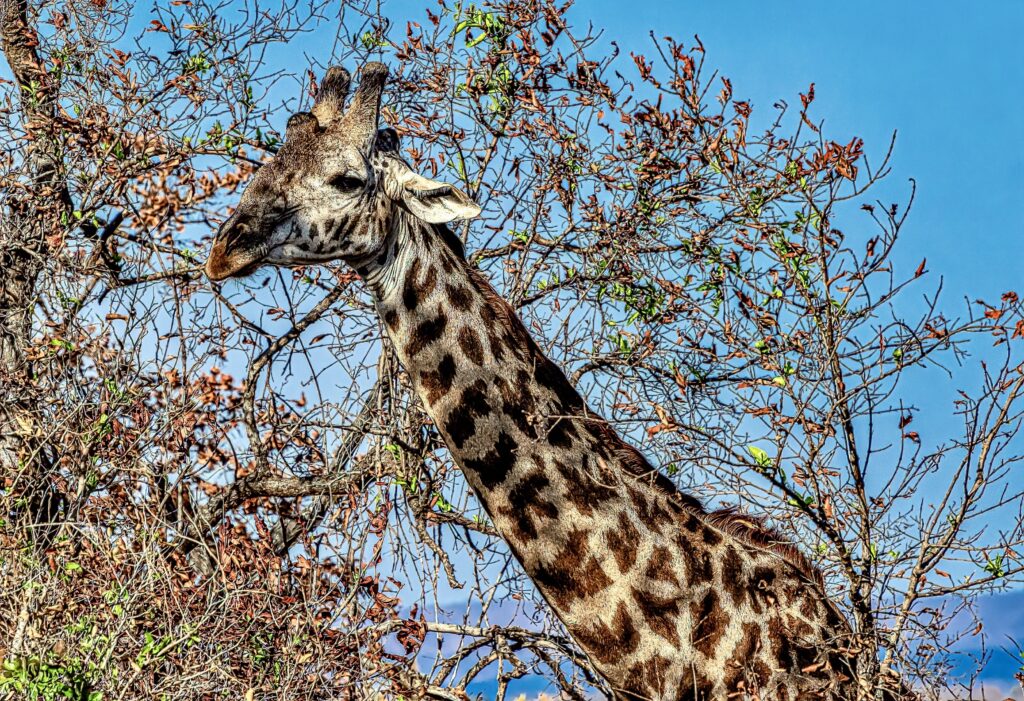
Giraffes, among the top animals in Serengeti, are iconic for their height, patterned coats, and gentle presence. Feeding primarily on acacia leaves, they influence the growth patterns of trees and shrubs while providing oversight on predator movements. Their long necks allow them to browse where other herbivores cannot, creating a unique ecological niche within the Serengeti.
Visitors can often observe giraffes in small family groups or loosely structured herds. Despite their size, giraffes are surprisingly elusive, blending seamlessly into the savannah backdrop. Knowledge of seasonal feeding patterns, watering holes, and herd dynamics allows safari guides to position travelers for excellent sightings. At Epic Horizons Adventures, we are looking extra miles to make sure guests experience giraffes up close, learning about their behavior, ecological importance, and the conservation challenges they face.
Antelopes, Impalas, and Lesser-Known Herbivores
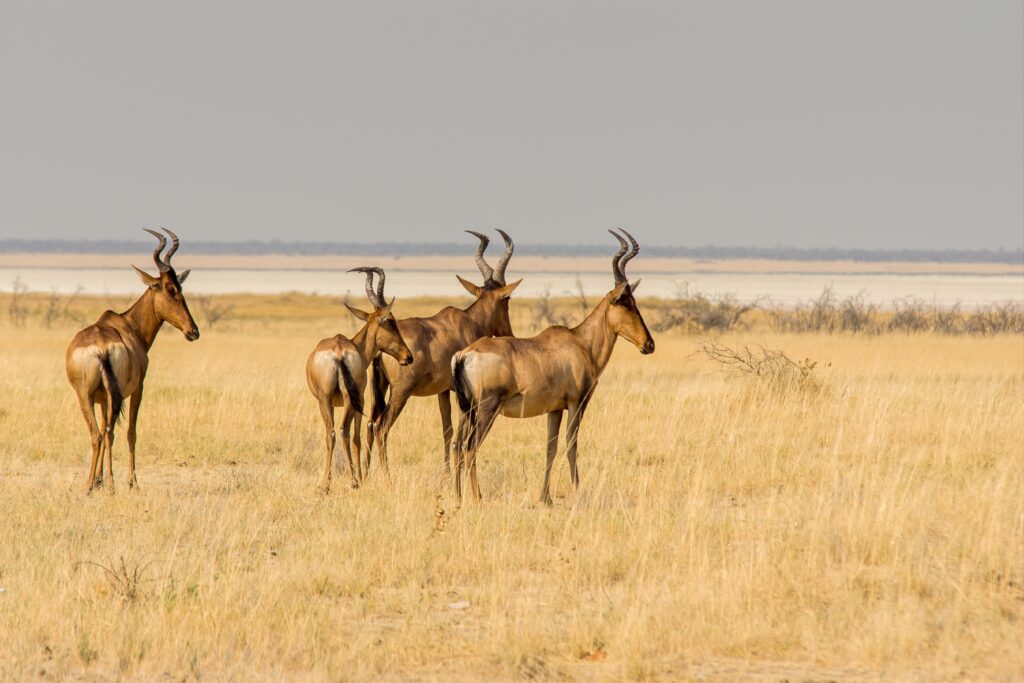
The Serengeti is also home to dozens of smaller herbivore species, each contributing to the ecosystem. Impalas, Thomson’s gazelles, topi, hartebeest, and waterbucks are all considered among the top animals in Serengeti for their ecological importance and visual appeal. These species maintain grassland balance, provide prey for predators, and exhibit fascinating behavioral patterns, such as territorial marking, lekking displays, and cooperative vigilance against predators.
Smaller herbivores are also excellent indicators of ecosystem health. Their population density, movement patterns, and reproductive success provide insights into habitat conditions, rainfall patterns, and predator presence. Guides educated in these dynamics enhance the safari experience by highlighting interactions that casual observers might overlook. By planning your safari with seasonal awareness, you increase the likelihood of observing both megafauna and these lesser-known yet vital top animals in Serengeti.
Planning Safari Timing for Herbivore Encounters
To maximize herbivore sightings, travelers must consider seasonal factors such as rainfall, calving periods, and grass availability. Wildebeest calving, elephant water migrations, and giraffe feeding patterns all fluctuate depending on ecological conditions. Selecting the optimal top animals in Serengeti viewing times enhances photography, education, and overall safari enjoyment.
At Epic Horizons Adventures, we are looking extra miles to make sure every itinerary is tailored to observe herbivores at peak activity, combining expert wildlife tracking, local ecological knowledge, and seasonal insights. By coordinating travel dates with these natural rhythms, visitors experience a more complete and unforgettable Serengeti adventure.
Birds, Reptiles, and Lesser-Known Wildlife in the Serengeti
Avian Diversity: A Birdwatcher’s Paradise
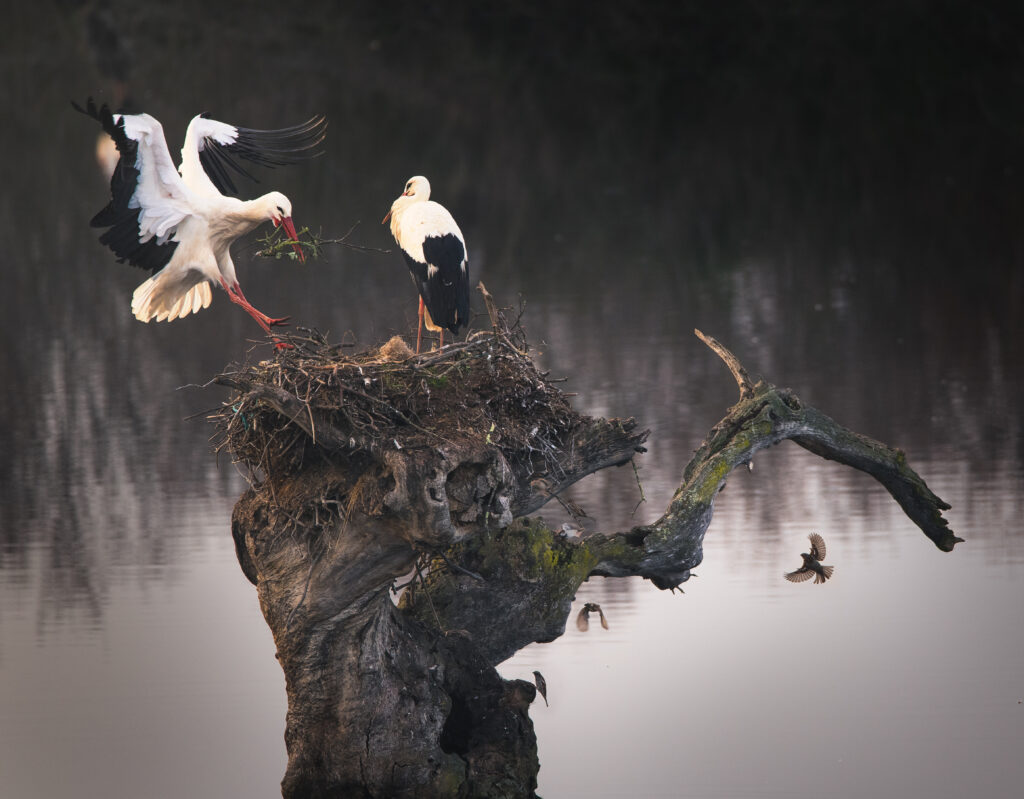
While large mammals often capture the spotlight on Serengeti safaris, birds are a vital and spectacular component of the ecosystem. Over 500 bird species inhabit the Serengeti, ranging from colorful sunbirds and bee-eaters to majestic raptors such as martial eagles and secretary birds. Many bird species play critical ecological roles, including pest control, seed dispersal, and scavenging. Among the top animals in Serengeti, birds are often overlooked but offer a rewarding dimension for travelers who appreciate detail, observation, and photography.
Seasonal variations affect bird populations and behaviors. Migratory species arrive at specific times to exploit food availability, while resident species demonstrate complex nesting, feeding, and territorial behaviors year-round. Knowledgeable safari guides can point out unique sightings, provide identification tips, and explain the ecological significance of each species. Understanding the timing of these migrations and behaviors ensures that travelers can witness a full spectrum of bird life. At Epic Horizons Adventures, we are looking extra miles to make sure every birdwatching experience is enriching, safe, and ethically conducted, blending adventure with education.
For additional bird species information and migratory patterns in Tanzania, visitors can refer to https://www.tanzaniabirding.com, an authoritative source on avian biodiversity.
Raptors and Predatory Birds
Predatory birds such as eagles, hawks, and vultures occupy a critical niche among the top animals in Serengeti. These birds control populations of small mammals and carrion, reducing disease spread and maintaining ecosystem balance. Vultures, for instance, are vital scavengers that clean up carcasses, preventing the spread of harmful bacteria and disease. Eagles and hawks demonstrate exceptional hunting techniques, swooping down with precision to catch prey such as rodents, reptiles, or smaller birds.
Observing raptors requires patience, a keen eye, and guidance from experienced naturalists. Many raptors perch on termite mounds, isolated trees, or open plains, scanning for movement below. Knowledge of seasonal changes, migration routes, and hunting patterns enhances the chances of sightings. Safari guides specialize in anticipating these behaviors and positioning visitors strategically, ensuring that encounters are both safe and memorable. Visitors gain insight into predator-prey dynamics not just on the ground but also from the skies, illustrating the interconnectedness of the Serengeti ecosystem.
Reptiles: Hidden but Fascinating
Reptiles are among the top animals in Serengeti that often go unnoticed but play crucial ecological roles. Nile crocodiles inhabit rivers and waterholes, ambushing prey and influencing aquatic ecosystems. Monitor lizards, tortoises, and various snake species interact with the environment in ways that sustain ecological balance. While reptiles may not command the same attention as elephants or lions, their presence is critical to understanding the Serengeti as a holistic ecosystem.
Crocodile sightings are most frequent during river crossings, where these ancient predators lie in wait for migratory herds. Observing such interactions offers insight into survival strategies, feeding behavior, and predator-prey relationships. Reptiles such as tortoises contribute to soil health through burrowing and nutrient recycling, while snakes regulate rodent populations, indirectly affecting grassland health. Guided safaris highlight these interactions, emphasizing safe distances and responsible viewing practices. At Epic Horizons Adventures, we are looking extra miles to make sure guests experience reptiles in context, appreciating their ecological importance while remaining safe and respectful.
Lesser-Known Mammals and Nocturnal Wildlife
Beyond the megafauna, the Serengeti hosts numerous smaller mammals, including warthogs, jackals, hyraxes, and mongooses. These animals are among the top animals in Serengeti for ecologically-minded travelers who seek to understand the full complexity of wildlife interactions. They contribute to soil aeration, seed dispersal, and predator-prey dynamics, often serving as prey for larger carnivores.
Nocturnal wildlife, including bush babies, civets, genets, and small rodents, offers additional opportunities for guided night safaris. These excursions reveal behaviors invisible during the day, such as hunting, foraging, and communication. Guides provide specialized equipment like night-vision scopes and thermal cameras to safely observe these animals without disturbing their natural routines. Understanding nocturnal activity enhances appreciation for the ecosystem’s 24-hour rhythm and allows travelers to encounter top animals in Serengeti in multiple ecological contexts.
Insects and Ecological Interactions
Insects, though often overlooked, are essential contributors to Serengeti biodiversity. Termites build mounds that aerate soil and create habitats for small reptiles and birds. Pollinators like bees and butterflies facilitate plant reproduction, ensuring the health of grasses and flowering shrubs. Insect activity directly affects the availability of food for birds, reptiles, and mammals alike.
Observing insects may not provide the dramatic visual impact of a lion hunt, but it reveals the interconnectedness of life in the Serengeti. Guides educate travelers on the subtle yet vital roles of insects, enhancing ecological literacy and fostering a deeper respect for all species. This knowledge ensures that guests recognize that the top animals in Serengeti include not only iconic megafauna but also the myriad smaller organisms that sustain the ecosystem.
Integrating Lesser-Known Species Into Safari Planning
For a well-rounded safari, it is important to plan visits that include time to observe birds, reptiles, nocturnal animals, and insects. Seasonal knowledge is crucial: some birds migrate during certain months, reptiles are more active during the wet season, and nocturnal mammals have distinct breeding and foraging cycles. By aligning safari dates with these patterns, travelers gain a richer and more diverse experience.
At Epic Horizons Adventures, we are looking extra miles to make sure itineraries include opportunities to observe lesser-known species responsibly, providing a complete ecological perspective of the Serengeti. Visitors learn to appreciate the intricate web of life that sustains the iconic herbivores and predators, understanding that every organism—no matter how small—contributes to the Serengeti’s unmatched biodiversity.
Conservation Efforts and Wildlife Protection in the Serengeti
Understanding the Importance of Wildlife Conservation
The Serengeti is not only a global icon for its breathtaking landscapes and abundant wildlife, but it is also a delicate ecosystem that relies on careful management and conservation efforts. Protecting the top animals in Serengeti is critical to maintaining biodiversity, ecological balance, and the cultural and economic benefits of safari tourism. Conservation ensures that future generations can witness the iconic species, including lions, elephants, giraffes, cheetahs, and migratory herds, in their natural habitats.
Tanzania has established a robust network of national parks, game reserves, and conservation initiatives that work to protect species from poaching, habitat loss, and human-wildlife conflict. The Serengeti National Park, a UNESCO World Heritage site, is central to these efforts, regulating tourism, scientific research, and anti-poaching activities. Understanding the mechanisms behind these conservation programs allows travelers to appreciate the complexity of wildlife protection and their role in supporting sustainable tourism.
At Epic Horizons Adventures, we are looking extra miles to make sure guests not only enjoy unforgettable safari experiences but also understand and participate in conservation efforts, learning how responsible tourism contributes to preserving the Serengeti’s extraordinary wildlife.
Anti-Poaching Measures and Their Impact
Poaching remains one of the greatest threats to the top animals in Serengeti, particularly elephants, rhinos, and large carnivores. Strict anti-poaching measures, including patrols, surveillance technology, and community engagement, have helped mitigate these threats over the past decades. Ranger teams operate tirelessly, often in challenging terrain and under harsh conditions, to protect wildlife from illegal hunting and trade.
Education and community involvement are equally vital. Local communities are trained in wildlife monitoring, reporting suspicious activity, and understanding the long-term benefits of conservation. Through responsible tourism, visitors support these initiatives, directly contributing to anti-poaching programs and ensuring that wildlife thrives. Safari companies like Epic Horizons Adventures integrate educational experiences that showcase these efforts, allowing travelers to witness first-hand the dedication required to protect the top animals in Serengeti while respecting ecological balance.
For updated information on anti-poaching initiatives and wildlife protection strategies, travelers can consult the official Tanzanian Wildlife Research Institute at https://www.tanzaniaparks.go.tz, which details ongoing projects and successes in protecting endangered species.
Community-Based Conservation and Eco-Tourism
Conservation in the Serengeti is most effective when local communities are actively engaged. Community-based conservation programs empower residents to manage natural resources, operate eco-lodges, and participate in guided wildlife tours. These initiatives ensure that tourism revenue directly benefits local economies while fostering environmental stewardship.
Small-scale projects, such as habitat restoration, anti-litter campaigns, and wildlife monitoring, have a profound impact on the survival of species considered among the top animals in Serengeti. By collaborating with local communities, conservation organizations help ensure that human-wildlife conflicts are minimized and that traditional knowledge is integrated into sustainable management practices.
At Epic Horizons Adventures, we are looking extra miles to make sure guests are introduced to community-based projects during their safari, highlighting the interdependence between wildlife protection and human livelihoods. Travelers gain insights into how ethical tourism and cultural respect work hand-in-hand to preserve the Serengeti’s extraordinary biodiversity for future generations.
Habitat Preservation and Restoration
Preserving natural habitats is essential for the survival of the top animals in Serengeti. Grasslands, wetlands, riverine forests, and savannahs provide food, shelter, and breeding grounds for countless species. Encroachment from agriculture, urban development, and climate change threatens these habitats, making restoration projects a vital component of conservation.
Restoration initiatives include reforestation, invasive species management, wetland rehabilitation, and anti-erosion programs. These efforts not only benefit wildlife but also contribute to carbon sequestration and climate regulation. Safaris that integrate visits to habitat restoration sites allow travelers to see conservation in action and understand the tangible steps being taken to protect the Serengeti ecosystem.
At Epic Horizons Adventures, we are looking extra miles to make sure guests are educated about habitat preservation during their tours, witnessing first-hand how these efforts support the top animals in Serengeti and sustain the delicate balance of the ecosystem.
Research and Scientific Monitoring
Scientific research and wildlife monitoring are cornerstones of Serengeti conservation. Long-term studies track population dynamics, predator-prey interactions, migratory patterns, and climate impacts. Data from these studies inform policy, anti-poaching strategies, and habitat management practices, ensuring that interventions are effective and evidence-based.
Researchers monitor iconic species such as lions, elephants, cheetahs, and wildebeest, all among the top animals in Serengeti, using GPS collars, camera traps, and field observations. This information helps identify threats, track recovery, and understand behavioral ecology. Safari companies work alongside researchers to provide logistical support, integrate guest experiences with scientific learning, and encourage citizen science participation.
At Epic Horizons Adventures, we are looking extra miles to make sure travelers are informed about ongoing research, highlighting how science and tourism converge to protect wildlife. This approach enhances both the visitor experience and conservation outcomes, making safaris meaningful and impactful.
Responsible Tourism and Guest Participation
Tourism is the lifeblood of Serengeti conservation, providing funding for parks, anti-poaching measures, and community programs. However, it must be conducted responsibly to avoid negative impacts on wildlife behavior, habitats, and local communities. Visitors play a crucial role by adhering to park regulations, minimizing waste, avoiding wildlife harassment, and supporting eco-friendly accommodations and tours.
By choosing a reputable operator and understanding the top animals in Serengeti, travelers maximize their experience while contributing positively to conservation efforts. Ethical tourism practices include maintaining safe distances from wildlife, limiting vehicle numbers near sightings, and following guides’ instructions to avoid disruption.
At Epic Horizons Adventures, we are looking extra miles to make sure every safari not only delivers unforgettable wildlife encounters but also models responsible tourism, showing guests how their actions directly support the protection of the Serengeti’s most iconic species. This approach ensures a lasting impact on the environment, wildlife, and local communities, making every safari both exhilarating and ethically responsible.