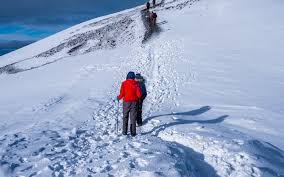
Discover the top mistakes climbers make on Mount Kilimanjaro and learn how to avoid them with expert guidance, safe route selection, proper preparation, and support from Epic Horizons Adventure for a successful summit.https://www.epichorizonsadventures.com/our-tours/destinations/
Section 1: Rushing the Climb and Ignoring Proper Acclimatization
One of the most common and dangerous errors climbers make on Mount Kilimanjaro is rushing the ascent and underestimating the importance of acclimatization. Mount Kilimanjaro may not require technical climbing skills, ropes, or ice axes, but its altitude presents a serious physiological challenge. Many climbers arrive with strong motivation and confidence, only to discover that their bodies cannot adjust quickly enough to the rapid gain in elevation. Among the Top mistakes climbers make on mount kilimanjaro, ascending too fast is consistently responsible for failed summits, emergency descents, and serious health risks.
Mount Kilimanjaro rises to nearly six thousand meters above sea level, and most climbers attempt to reach this height in less than a week. This rate of ascent is far faster than what the human body naturally tolerates without adequate rest and adaptation. As altitude increases, oxygen pressure decreases, making it harder for the body to supply oxygen to muscles and organs. When climbers rush the climb, the body does not have enough time to adapt, leading to altitude sickness symptoms that can range from mild discomfort to life-threatening conditions.
Acclimatization is the biological process through which the body adjusts to lower oxygen levels. This includes increasing breathing rate, producing more red blood cells, and improving oxygen efficiency at the cellular level. These changes require time and controlled exposure to altitude. Ignoring this process is one of the Top mistakes climbers make on mount kilimanjaro, often driven by poor planning or choosing itineraries that prioritize speed over safety.
Short itineraries are particularly problematic. Routes completed in five or six days may appear attractive because they are cheaper or fit into tight travel schedules, but they dramatically increase the risk of altitude sickness. Many climbers are unaware that summit success rates on short routes are significantly lower compared to longer itineraries. What seems like saving time or money often results in disappointment, illness, or evacuation from the mountain.
The concept of “climb high, sleep low” is central to safe acclimatization on Kilimanjaro. This method allows climbers to expose their bodies to higher altitudes during the day and recover at lower elevations during sleep. Routes that naturally incorporate this principle, such as Lemosho and Northern Circuit, provide safer acclimatization profiles. Ignoring this principle and sleeping at increasingly higher altitudes without rest days is a classic example among the Top mistakes climbers make on mount kilimanjaro.
Another factor contributing to rushed ascents is psychological pressure. Many climbers feel intense pressure to reach the summit because of financial investment, personal goals, or social expectations. This pressure can cause individuals to ignore early symptoms of altitude sickness and push beyond safe limits. Unfortunately, the mountain does not respond to determination alone. Respecting altitude and listening to the body is essential for safety and success.
Inexperienced or unethical tour operators often play a role in this mistake. Some companies advertise short itineraries with high success claims to attract budget-conscious clients. These operators may downplay the risks of altitude sickness and fail to emphasize the importance of acclimatization. Climbers who choose such operators often pay the price physically. Selecting a responsible tour company is therefore a critical decision when trying to avoid common errors.
Epic Horizons Adventure goes the extra mile to make sure every itinerary is designed with climber safety as the top priority. By emphasizing gradual ascent, proper rest days, and realistic pacing, the company ensures that acclimatization is never compromised for speed or profit. This approach significantly improves summit success rates while reducing health risks.
Medical research consistently confirms that rapid ascent is the primary cause of altitude sickness. According to the Centers for Disease Control and Prevention, gradual ascent and rest days are the most effective ways to prevent high-altitude illness. These guidelines are not suggestions but evidence-based recommendations. Ignoring them places climbers at unnecessary risk.
External reference: https://www.cdc.gov/travel/page/travel-to-high-altitudes
Many climbers mistakenly believe that physical fitness can compensate for poor acclimatization. While fitness improves endurance and comfort, it does not protect against altitude sickness. Even elite athletes can become ill if they ascend too quickly. This misconception leads many physically fit climbers to underestimate the mountain and choose aggressive itineraries. Correcting this belief is essential because it directly contributes to one of the Top mistakes climbers make on mount kilimanjaro.
Another overlooked issue is insufficient rest during the climb. Acclimatization does not occur while the body is under constant stress. Proper rest allows physiological adaptation to take place. Skipping rest days or pushing through exhaustion interferes with this process. Climbers who prioritize speed over recovery often experience worsening symptoms as they gain altitude.
Group dynamics can also influence rushed ascents. In group climbs, individuals may feel pressured to keep up with stronger or faster members. This can result in uneven pacing and increased strain. Experienced guides manage group pace carefully to ensure everyone climbs slowly and safely. When climbers attempt to rush to match others, they increase their risk unnecessarily.
Weather conditions may also tempt climbers to rush. Fear of incoming storms or cold temperatures can cause groups to accelerate their ascent. While weather awareness is important, rushing at altitude is rarely the correct solution. Proper planning and conservative pacing provide safer outcomes than trying to outpace the mountain.
Summit night is the most critical point where rushed acclimatization reveals its consequences. Climbers who have not acclimatized properly often experience severe headaches, nausea, dizziness, and exhaustion during the final ascent. Many are forced to turn back within sight of the summit. This emotional and physical collapse is often the result of decisions made days earlier.
Education is the strongest defense against this mistake. Climbers who understand altitude physiology are more likely to respect acclimatization schedules and listen to their guides. Knowledge empowers climbers to prioritize safety over ego and expectations. This awareness reduces the likelihood of rushed decisions that lead to failure.
In summary, rushing the climb and ignoring proper acclimatization is one of the most preventable yet persistent errors on Mount Kilimanjaro. Choosing longer routes, respecting rest days, maintaining slow pacing, and working with experienced guides dramatically improves outcomes. Climbers who take the time to acclimatize not only increase their chances of reaching the summit but also enjoy the journey more fully. Avoiding this error is a critical step in overcoming the Top mistakes climbers make on mount kilimanjaro and lays a strong foundation for success on Africa’s highest peak.
Choosing the Wrong Route or Tour Operator
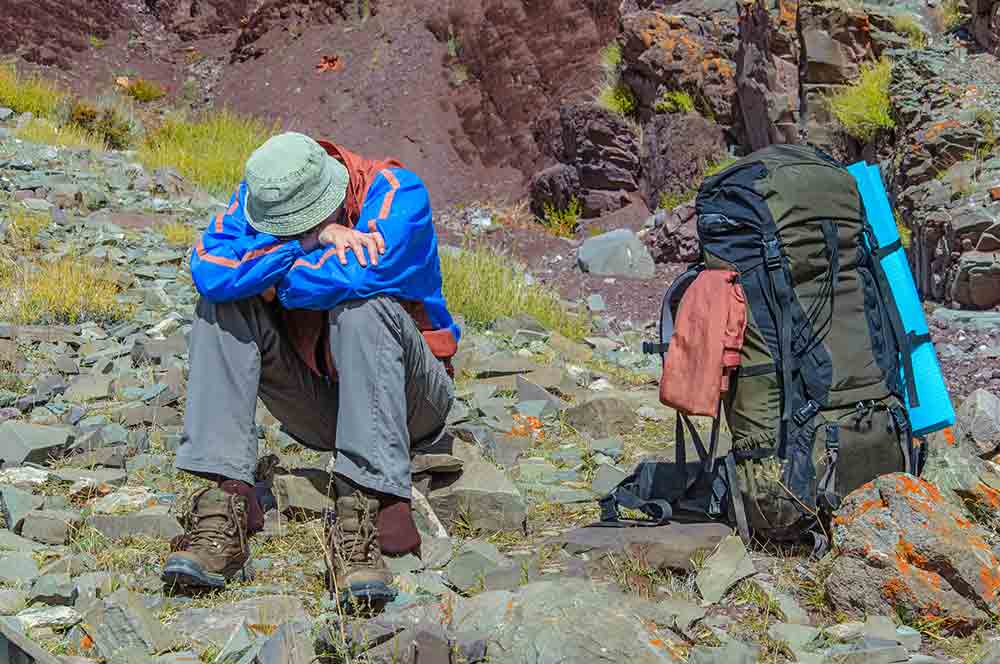
One of the most underestimated yet impactful decisions climbers make when planning a Mount Kilimanjaro expedition is the choice of route and tour operator. While many people focus on physical training or gear, the reality is that the route profile and the professionalism of the guiding company often determine whether a climb ends in success or failure. Among the Top mistakes climbers make on mount kilimanjaro, selecting an unsuitable route or an inexperienced operator consistently leads to altitude sickness, poor acclimatization, safety issues, and low summit success rates.
Mount Kilimanjaro offers several established routes, each with unique characteristics, acclimatization profiles, scenery, and difficulty levels. These routes include Marangu, Machame, Lemosho, Rongai, Umbwe, Shira, and the Northern Circuit. Unfortunately, many climbers choose a route based on price, duration, or popularity rather than safety and acclimatization benefits. This approach often results in itineraries that ascend too quickly, increasing the likelihood of altitude-related problems.
Short routes are particularly problematic. The Marangu Route, for example, is often marketed as the easiest or most comfortable option because it offers hut accommodation. However, it is also one of the fastest routes to the summit, with limited opportunities for proper acclimatization. Climbers sleep at progressively higher altitudes without adequate rest days, which significantly increases the risk of altitude sickness. Choosing such routes without understanding their limitations is one of the Top mistakes climbers make on mount kilimanjaro.
The Umbwe Route presents another example of poor route choice. Although it is scenic and direct, it is extremely steep and offers minimal acclimatization. This route is best suited only for very experienced high-altitude climbers with strong acclimatization backgrounds. Inexperienced trekkers who choose Umbwe often find themselves overwhelmed by altitude before their bodies have time to adapt.
In contrast, longer routes such as Lemosho and the Northern Circuit are specifically designed to support gradual acclimatization. These routes allow climbers to gain altitude slowly, incorporate “climb high, sleep low” principles, and include additional nights on the mountain. Although they require more time and financial investment, they consistently deliver higher summit success rates and safer climbing experiences. Failing to prioritize these benefits when selecting a route is a costly mistake.
Beyond route selection, the choice of tour operator is equally critical. Mount Kilimanjaro is heavily regulated, but the quality of operators varies widely. Some companies prioritize profit over safety by running short itineraries, overloading guides, or hiring undertrained staff. Climbers who choose operators based solely on low prices often sacrifice safety, comfort, and proper acclimatization.
Experienced tour operators understand that summit success is not about speed but about preparation and care. They design itineraries that respect altitude guidelines, conduct daily health checks, provide proper nutrition, and maintain manageable group sizes. In contrast, poorly managed operators may ignore early signs of altitude sickness, rush summit attempts, or lack emergency protocols. Choosing the wrong operator is therefore one of the most serious Top mistakes climbers make on mount kilimanjaro.
Guide experience plays a crucial role in safety and success. Professional Kilimanjaro guides are trained to recognize altitude sickness symptoms, manage pacing, and make difficult decisions when climbers need to descend. Inexperienced guides may lack the confidence or knowledge to intervene early, allowing minor symptoms to escalate into medical emergencies. Climbers often assume that all guides are equally qualified, which is rarely the case.
Another common error is failing to verify an operator’s safety standards. Reputable companies carry oxygen cylinders, pulse oximeters, first-aid kits, and evacuation plans. They also maintain clear communication protocols and emergency response strategies. Climbers who neglect to ask about these measures place their health entirely in the hands of chance.
Group size is another overlooked factor. Large groups are harder to manage and often move at uneven paces. This can lead to rushed ascents for some climbers and increased fatigue for others. Smaller groups allow guides to monitor individuals more closely and adjust pacing as needed. Ignoring group size considerations contributes to unnecessary risk.
Transparency is a strong indicator of operator quality. Ethical companies clearly explain itineraries, acclimatization strategies, success rates, and potential risks. They do not guarantee summits, because no responsible operator can promise success at high altitude. Operators who advertise unrealistically high success rates or guaranteed summits should be approached with caution.
Epic Horizons Adventure goes the extra mile to make sure every climber is matched with the right route and supported by experienced, certified guides. By prioritizing safety, proper acclimatization, and transparent communication, the company ensures that clients are set up for success rather than unnecessary risk.
External research supports the importance of choosing the right operator. According to the Kilimanjaro National Park Authority and international mountain safety organizations, climbers on longer itineraries with experienced guides have significantly higher summit success rates and fewer medical incidents. These findings reinforce the importance of informed decision-making.
External reference: https://www.kilimanjaro.go.tz
Another mistake climbers make is relying solely on online reviews without understanding context. While reviews can be helpful, they may not accurately reflect safety standards or guide competence. Some climbers may rate experiences positively despite poor acclimatization simply because they reached the summit. Objective criteria such as itinerary length, safety equipment, and guide training are far more reliable indicators.
Cultural and ethical considerations also matter. Responsible operators treat porters fairly, provide proper wages, food, and equipment, and comply with porter welfare guidelines. Companies that cut costs often do so at the expense of both staff and clients. Supporting ethical operators contributes to a more sustainable and safer climbing environment.
Climbers should also consider seasonal conditions when selecting routes. Some routes become more challenging during rainy seasons due to muddy trails and poor visibility. Experienced operators adjust itineraries and provide appropriate guidance based on seasonal risks. Choosing a route without considering seasonal factors can add unnecessary difficulty.
In summary, selecting the wrong route or tour operator is a foundational error that influences every other aspect of the climb. The right choices support proper acclimatization, safety, and enjoyment, while poor decisions increase the risk of altitude sickness and failure. Climbers who take the time to research routes, verify operator credentials, and prioritize safety dramatically improve their chances of success. Avoiding this error is essential to overcoming the Top mistakes climbers make on mount kilimanjaro and prepares climbers for the physical and mental challenges discussed in the next section.
Poor Physical and Mental Preparation Before the Climb
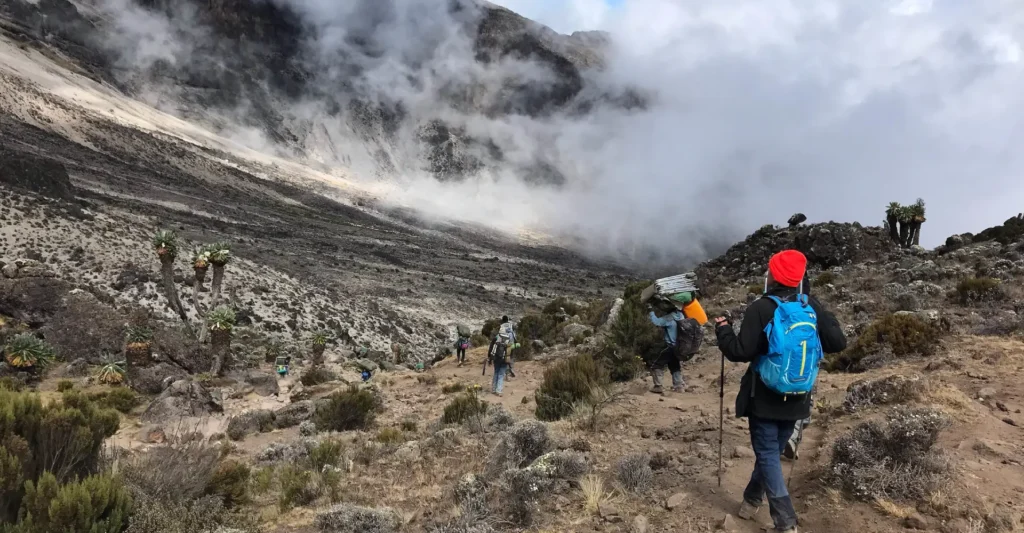
Poor physical and mental preparation is one of the most underestimated reasons climbers fail on Mount Kilimanjaro. Many people believe that because Kilimanjaro is a trekking mountain rather than a technical climb, preparation is optional or minimal. This assumption leads to exhaustion, low morale, and increased susceptibility to altitude sickness. Among the Top mistakes climbers make on mount kilimanjaro, arriving unprepared both physically and mentally consistently reduces summit success rates and overall safety.
Physical preparation is essential because climbing Mount Kilimanjaro requires walking for multiple consecutive days, often between six and ten hours per day, while carrying a daypack at high altitude. The terrain varies from forest trails to rocky alpine paths and loose volcanic scree. Climbers who do not train their bodies for endurance struggle with fatigue early in the climb, placing unnecessary stress on the cardiovascular system. This stress reduces the body’s ability to adapt to altitude efficiently.
Many climbers mistakenly focus only on gym workouts or short bursts of exercise. While strength training has value, it does not adequately prepare the body for prolonged uphill walking. Endurance-based training such as long hikes, stair climbing, cycling, and brisk walking is far more effective. These activities improve oxygen efficiency, muscular stamina, and recovery ability, all of which are crucial at altitude. Failing to prioritize endurance training is a common oversight.
Leg strength plays a particularly important role. Weak leg muscles increase strain on joints and raise energy expenditure with every step. This accelerates fatigue and can worsen altitude symptoms. Training the quadriceps, hamstrings, calves, and glute muscles improves movement efficiency and reduces overall exertion. Balanced strength training supports sustainable energy use rather than explosive power.
Core strength is another often-overlooked component. A strong core improves posture, balance, and breathing efficiency. Poor posture compresses the lungs and limits oxygen intake, which becomes problematic at high altitude. Simple exercises such as planks, lunges, and controlled movements can significantly improve core stability and breathing mechanics.
Flexibility and mobility training also contribute to better performance. Tight muscles restrict movement and increase the risk of injury. Minor injuries such as knee pain or ankle strain can disrupt pacing and sleep, indirectly affecting acclimatization. Stretching routines and mobility exercises improve comfort and recovery throughout the climb.
Mental preparation is equally critical but frequently ignored. Mount Kilimanjaro tests patience, discipline, and emotional resilience. Long days, cold temperatures, limited comfort, and slow progress can challenge even motivated climbers. Those who arrive mentally unprepared may experience frustration, anxiety, or loss of confidence, which amplifies physical discomfort.
Mental stress has a direct physiological impact. Anxiety increases heart rate and breathing demand, placing additional strain on an already stressed body. Calm and focused climbers conserve energy and adapt better to altitude. Mental readiness allows climbers to respond rationally to discomfort rather than react emotionally.
Another major mistake is unrealistic expectations. Some climbers expect the journey to be easy or constantly enjoyable. When they encounter fatigue, cold, or slow progress, morale drops sharply. Accepting that discomfort is part of the process allows climbers to manage challenges without panic or discouragement.
Sleep preparation is another overlooked factor. Poor sleep before the climb weakens recovery and immune function. Jet lag, stress, and irregular routines can leave climbers exhausted before they even start trekking. Arriving in Tanzania early and allowing time for rest improves readiness significantly.
Nutrition before the climb plays a key role in preparation. A diet rich in complex carbohydrates, lean proteins, and essential micronutrients supports energy storage and oxygen transport. Iron intake is especially important because it supports red blood cell production. Climbers who neglect nutrition arrive with reduced physical reserves.
Hydration habits formed before the climb often determine hydration behavior on the mountain. Dehydration worsens headaches and fatigue, increasing the likelihood of altitude sickness symptoms. Training the body to drink sufficient water daily supports better adaptation at altitude.
Another preparation error is failing to test gear beforehand. New boots, backpacks, or clothing can cause blisters, discomfort, or inefficiency. Gear issues increase physical strain and mental stress, diverting energy away from acclimatization. Practicing with gear during training hikes prevents avoidable problems.
Understanding personal health conditions is essential. Asthma, anemia, cardiovascular issues, and sleep disorders can affect altitude tolerance. Consulting a healthcare provider before the climb allows climbers to address potential risks responsibly. Ignoring medical considerations is a serious oversight.
Many climbers also underestimate the importance of education. Understanding altitude symptoms, pacing strategies, and safety protocols empowers climbers to make informed decisions. Knowledge reduces fear and promotes cooperation with guides. Lack of education contributes directly to the Top mistakes climbers make on mount kilimanjaro.
Epic Horizons Adventure goes the extra mile to make sure every climber receives thorough pre-climb guidance, covering physical training, mental readiness, nutrition, and health awareness. This proactive approach ensures climbers arrive confident, prepared, and realistic about the challenges ahead.
Scientific research supports the importance of preparation. According to the American Alpine Club and high-altitude medical studies, climbers with strong aerobic conditioning and mental resilience experience fewer severe altitude symptoms and higher success rates. Preparation does not eliminate risk, but it significantly improves adaptability.
External reference: https://www.americanalpineclub.org/high-altitude
Breathing techniques practiced before the climb can also be beneficial. Deep diaphragmatic breathing improves oxygen efficiency and reduces anxiety. Practicing controlled breathing during training helps climbers use these techniques naturally at altitude.
Visualization is another effective mental tool. Visualizing steady progress and calm responses conditions the mind to handle stress. This technique is widely used by endurance athletes and mountaineers to maintain focus in difficult conditions.
Injury prevention should be part of preparation. Minor injuries before the climb can compromise movement efficiency and increase fatigue. Strengthening stabilizer muscles and allowing adequate recovery during training reduces injury risk significantly.
Time management is another factor. Rushing preparation due to last-minute planning often results in inadequate training. Structured preparation over several weeks allows gradual improvement and reduces burnout.
In summary, poor physical and mental preparation undermines even the best itineraries and guides. Climbers who neglect training, mindset, education, and health awareness place themselves at unnecessary risk. Proper preparation builds resilience, confidence, and adaptability. Avoiding this error is essential for overcoming the Top mistakes climbers make on mount kilimanjaro and prepares climbers for the on-mountain behavior and decision-making challenges discussed in the next section.
Poor Physical and Mental Preparation Before the Climb
Poor physical and mental preparation is one of the most underestimated reasons climbers fail on Mount Kilimanjaro. Many people believe that because Kilimanjaro is a trekking mountain rather than a technical climb, preparation is optional or minimal. This assumption leads to exhaustion, low morale, and increased susceptibility to altitude sickness. Among the Top mistakes climbers make on mount kilimanjaro, arriving unprepared both physically and mentally consistently reduces summit success rates and overall safety.
Physical preparation is essential because climbing Mount Kilimanjaro requires walking for multiple consecutive days, often between six and ten hours per day, while carrying a daypack at high altitude. The terrain varies from forest trails to rocky alpine paths and loose volcanic scree. Climbers who do not train their bodies for endurance struggle with fatigue early in the climb, placing unnecessary stress on the cardiovascular system. This stress reduces the body’s ability to adapt to altitude efficiently.
Many climbers mistakenly focus only on gym workouts or short bursts of exercise. While strength training has value, it does not adequately prepare the body for prolonged uphill walking. Endurance-based training such as long hikes, stair climbing, cycling, and brisk walking is far more effective. These activities improve oxygen efficiency, muscular stamina, and recovery ability, all of which are crucial at altitude. Failing to prioritize endurance training is a common oversight.
Leg strength plays a particularly important role. Weak leg muscles increase strain on joints and raise energy expenditure with every step. This accelerates fatigue and can worsen altitude symptoms. Training the quadriceps, hamstrings, calves, and glute muscles improves movement efficiency and reduces overall exertion. Balanced strength training supports sustainable energy use rather than explosive power.
Core strength is another often-overlooked component. A strong core improves posture, balance, and breathing efficiency. Poor posture compresses the lungs and limits oxygen intake, which becomes problematic at high altitude. Simple exercises such as planks, lunges, and controlled movements can significantly improve core stability and breathing mechanics.
Flexibility and mobility training also contribute to better performance. Tight muscles restrict movement and increase the risk of injury. Minor injuries such as knee pain or ankle strain can disrupt pacing and sleep, indirectly affecting acclimatization. Stretching routines and mobility exercises improve comfort and recovery throughout the climb.
Mental preparation is equally critical but frequently ignored. Mount Kilimanjaro tests patience, discipline, and emotional resilience. Long days, cold temperatures, limited comfort, and slow progress can challenge even motivated climbers. Those who arrive mentally unprepared may experience frustration, anxiety, or loss of confidence, which amplifies physical discomfort.
Mental stress has a direct physiological impact. Anxiety increases heart rate and breathing demand, placing additional strain on an already stressed body. Calm and focused climbers conserve energy and adapt better to altitude. Mental readiness allows climbers to respond rationally to discomfort rather than react emotionally.
Another major mistake is unrealistic expectations. Some climbers expect the journey to be easy or constantly enjoyable. When they encounter fatigue, cold, or slow progress, morale drops sharply. Accepting that discomfort is part of the process allows climbers to manage challenges without panic or discouragement.
Sleep preparation is another overlooked factor. Poor sleep before the climb weakens recovery and immune function. Jet lag, stress, and irregular routines can leave climbers exhausted before they even start trekking. Arriving in Tanzania early and allowing time for rest improves readiness significantly.
Nutrition before the climb plays a key role in preparation. A diet rich in complex carbohydrates, lean proteins, and essential micronutrients supports energy storage and oxygen transport. Iron intake is especially important because it supports red blood cell production. Climbers who neglect nutrition arrive with reduced physical reserves.
Hydration habits formed before the climb often determine hydration behavior on the mountain. Dehydration worsens headaches and fatigue, increasing the likelihood of altitude sickness symptoms. Training the body to drink sufficient water daily supports better adaptation at altitude.
Another preparation error is failing to test gear beforehand. New boots, backpacks, or clothing can cause blisters, discomfort, or inefficiency. Gear issues increase physical strain and mental stress, diverting energy away from acclimatization. Practicing with gear during training hikes prevents avoidable problems.
Understanding personal health conditions is essential. Asthma, anemia, cardiovascular issues, and sleep disorders can affect altitude tolerance. Consulting a healthcare provider before the climb allows climbers to address potential risks responsibly. Ignoring medical considerations is a serious oversight.
Many climbers also underestimate the importance of education. Understanding altitude symptoms, pacing strategies, and safety protocols empowers climbers to make informed decisions. Knowledge reduces fear and promotes cooperation with guides. Lack of education contributes directly to the Top mistakes climbers make on mount kilimanjaro.
Epic Horizons Adventure goes the extra mile to make sure every climber receives thorough pre-climb guidance, covering physical training, mental readiness, nutrition, and health awareness. This proactive approach ensures climbers arrive confident, prepared, and realistic about the challenges ahead.
Scientific research supports the importance of preparation. According to the American Alpine Club and high-altitude medical studies, climbers with strong aerobic conditioning and mental resilience experience fewer severe altitude symptoms and higher success rates. Preparation does not eliminate risk, but it significantly improves adaptability.
External reference: https://www.americanalpineclub.org/high-altitude
Breathing techniques practiced before the climb can also be beneficial. Deep diaphragmatic breathing improves oxygen efficiency and reduces anxiety. Practicing controlled breathing during training helps climbers use these techniques naturally at altitude.
Visualization is another effective mental tool. Visualizing steady progress and calm responses conditions the mind to handle stress. This technique is widely used by endurance athletes and mountaineers to maintain focus in difficult conditions.
Injury prevention should be part of preparation. Minor injuries before the climb can compromise movement efficiency and increase fatigue. Strengthening stabilizer muscles and allowing adequate recovery during training reduces injury risk significantly.
Time management is another factor. Rushing preparation due to last-minute planning often results in inadequate training. Structured preparation over several weeks allows gradual improvement and reduces burnout.
In summary, poor physical and mental preparation undermines even the best itineraries and guides. Climbers who neglect training, mindset, education, and health awareness place themselves at unnecessary risk. Proper preparation builds resilience, confidence, and adaptability. Avoiding this error is essential for overcoming the Top mistakes climbers make on mount kilimanjaro and prepares climbers for the on-mountain behavior and decision-making challenges discussed in the next section.